DoF 3: Summer Evenings
Mini-Summer-Evening-Bucket-List:
- Go outside
- Eat strawberries
- Listen to the clicking of your bike
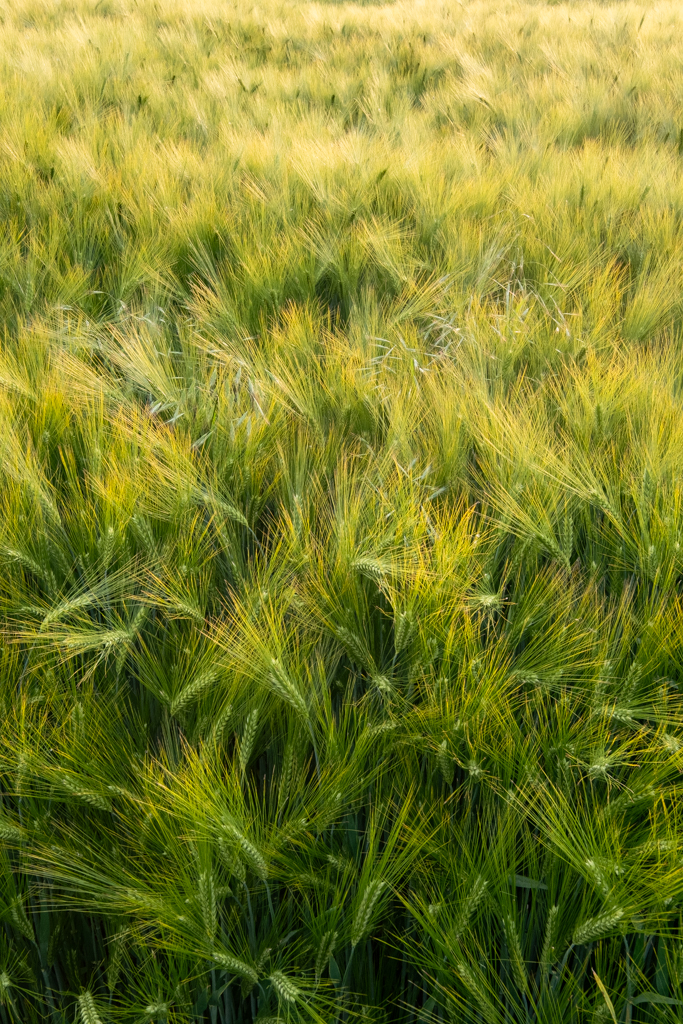
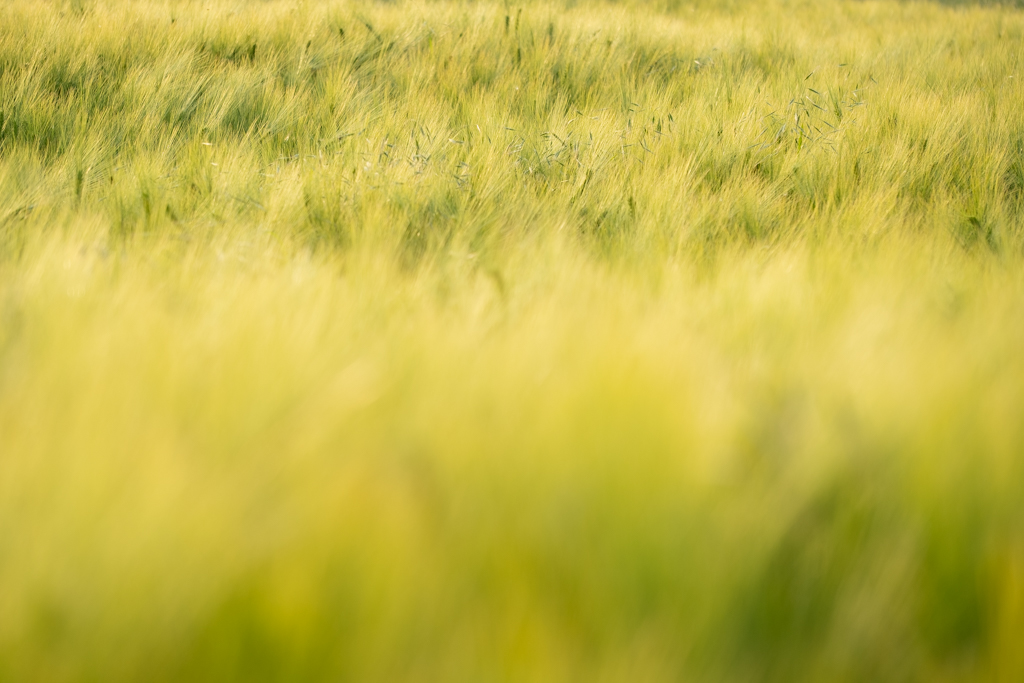
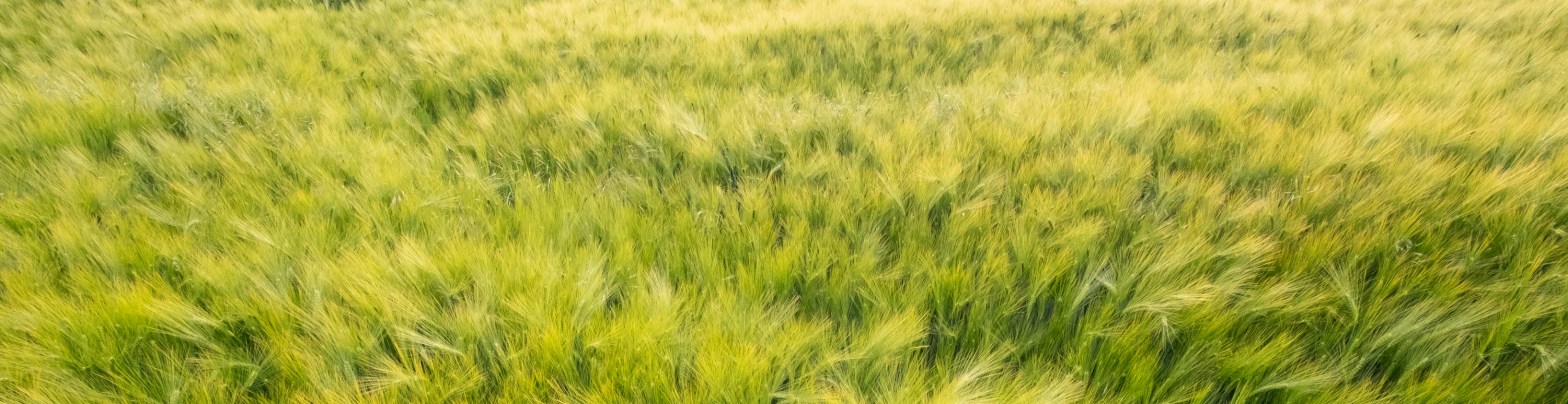
- Appreciate the barley fields
- Smell the elderberries
- Finish with ice cream




Enjoying nature and photography.
Mini-Summer-Evening-Bucket-List:

Exactly a month ago, in my post on botanical gardens, I made the promise to inform myself (and you) about one combination of plant & insect I am coming across. Thus, I think it is time to fulfill this promise even though I did not manage to visit the botanical garden in the mean time.
We stumbled across many individuals of this beetle species already on our hike on P23. However, we had no idea what kind of species it exactly is:


Last Friday, I finally managed to go outside again and did some macro photography. And, again, I saw multiple of these bugs in the grasses, weeds, and fields. It also felt like the first genuine summer evening: Warm air coated the landscape, undulating fields of barley stretched in golden rays, the city vanished behind endless rows of trees, and its inhabitants escaped the asphalt towards the deep blue bathing lake.
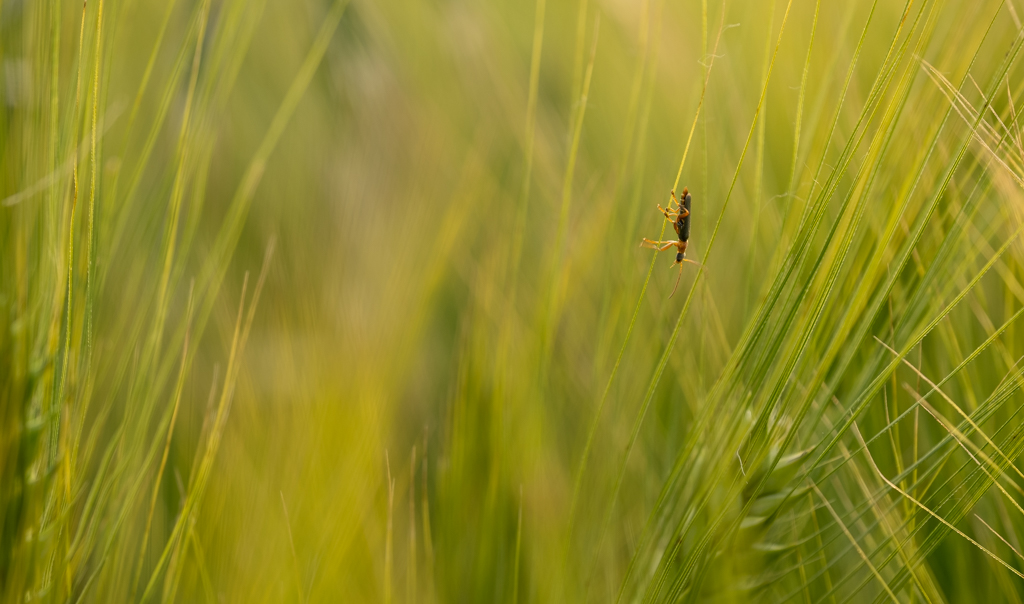
And I stood in the fields and waited. Waited for this bug, waited that it flies in front of my lens, and that I don’t miss to press the shutter. And then it came:
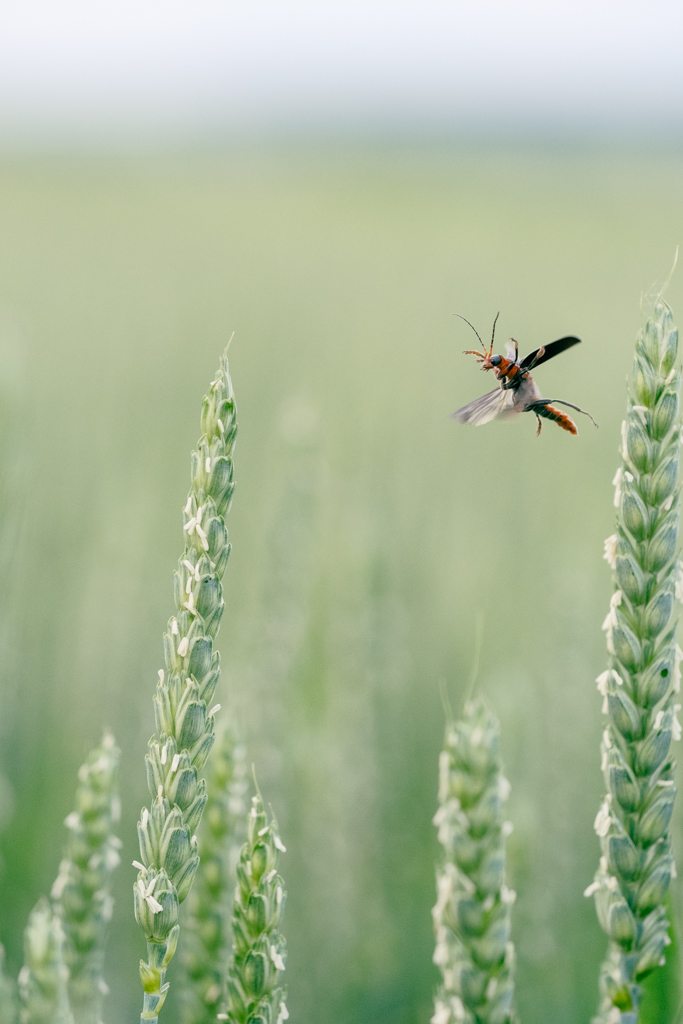


It is (presumably) a Cantharis fusca, a species within the family of Cantharidae, in English also known as soldier beetle or leatherwings. The last name refers to its soft body; this is also why it is called ‘Weichkäfer‘ in German. There are many different sister species and often they only differ by minuscule details, at least to the untrained eye. In Germany alone, there are 86 different described species; worldwide more than 4500 – for a single family of beetles! The diversity and complexity that nature creates can be mind-boggling. They are mostly colored red, black, or golden. A wonderful visual overview is given here.
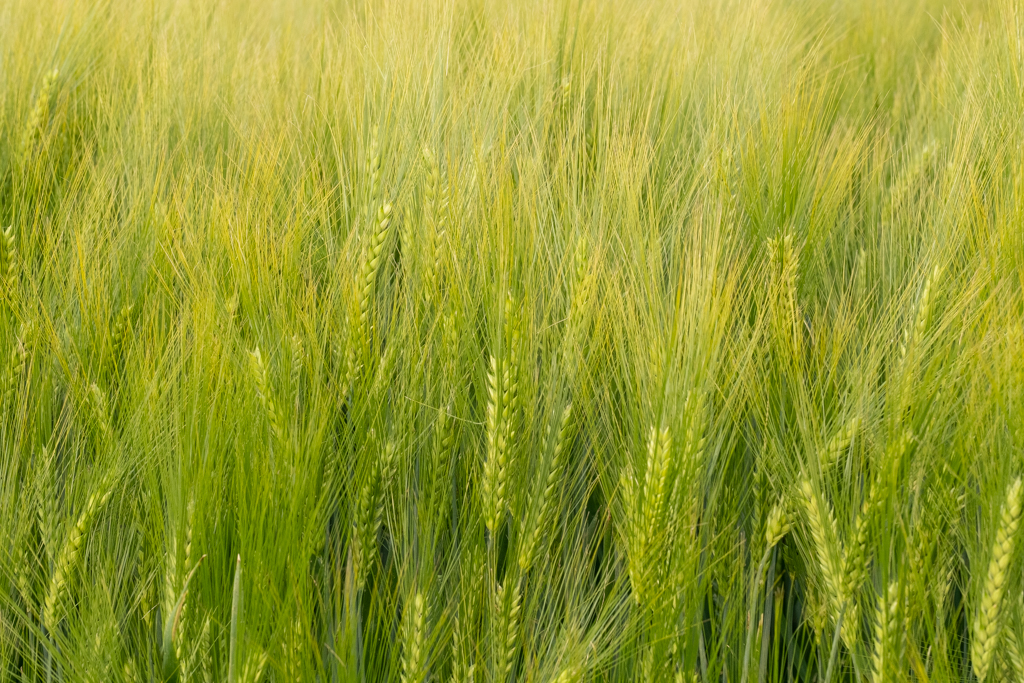
The plant it was landing on seemed rather uninteresting; most of all because it is so common on the fields in our area. At least, that’s what I thought at first:

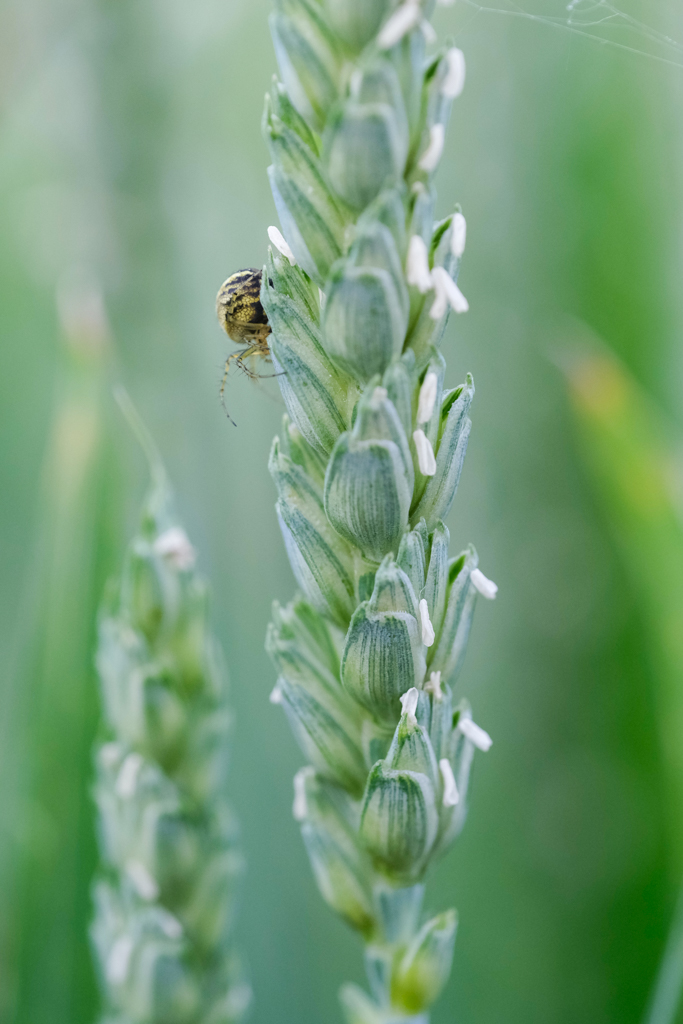
It’s simple wheat – isn’t it? By now, I am not even sure anymore. Wheat is one of the most cultivated crops and it is an important source of food in uncountably many countries. The first record of wheat seems to be around 9600 years BC. This means, today we are 2000(!) years closer to Abraham, the patriarch of several religions, than Abraham was to the first use of wheat. I find it difficult to comprehend such time scales. However, this also means that there are countless different cultivated wheat species by now, including Common wheat, Spelt (‘Dinkel’), Durum, Emmer, Einkorn (the wild form), and many many more. Genetically speaking, a large difference between these species is the number of copies of each chromosome they have in their cells. While humans and many animals are diploid (they have two copies), it’s rather common in plants to have even more than two copies of each chromosome – this is referred to as polyploidy. (It also makes our life more difficult when dealing with their DNA sequences; but more on that at a different time.) The wild form of wheat is also diploid, but the other species are mostly tetra- or hexaploid. I still think that what I photographed is the most common form Triticum aestivum, but there are several more detailed distinctions to be made within this species.
Also, all information here is pure speculation from dubious internet research, also see this post on information.

Life is about decisions, large and small ones. What should I study? Which bread do I buy? Should I reach out to a long lost friend? Which approach to life should I take? What values are important to me? Do I buy the next lens or do I save up the money? Do I go outside for sports? Do I keep working for another evening? How do I want to spend the limited time I have in my life?
Some questions seem irrelevant, others may determine several years of our future life. So, how can we decide all these questions? Or: Is it even possible to decide all these questions? How should we approach and deal with any possibly life changing matter and decide: This or that? Now or later? Yes or no?
The more difficult the questions become that I face, the more I am convinced that they are inherently undecidable at any given moment in time. We do not have enough information to know all outcomes, the uncertainties are always large, and we cannot weigh in all factors because of their multitude and complexity. This also won’t change in the future. Maybe the options we decide on shift. Maybe it’s too late for a decision and we did not even have the opportunity to deliberately decide it ourselves. Some things we were sure that we chose correctly turned out to be terribly wrong; other things work perfectly even though we thought we made the wrong turn earlier.
Decidability is also infamous in computer science. In its simplest form it is known as the Halting Problem and was presented by Alan Turing. The problem formulation is as follows: Given an arbitrary algorithm and its input, is it possible to find another algorithmic solution that decides whether the given algorithm stops on the given input, or continues to run forever? If a solution can be found, then the problem is decidable. If no solution exists, then the problem is undecidable. In the case of the Halting problem, it can be shown that no algorithmic solution exists that solves the stated problem; thus, it is inherently undecidable. If you’re interested, keep reading for the proof:
We proof the above statement by contradiction. Imagine there exists an algorithm that can decide our problem statement: Given, as input, an arbitrary algorithm and its input, it can always decide whether this algorithm stops on the input or not. We call our deciding algorithm h and our input x. Given h, we now define a new algorithm h* that is a modified version of h: If h determines that the input algorithm stops, then h* keeps running in a loop. If h determines that the input algorithm keeps running, then h* stops. What happens if we feed our algorithm h* as input to itself (of which our original deciding algorithm h is part of)? This can be seen as a self-referential operation. We refer to the h* that is the deciding algorithm to h(h*) and to the input h* as x(h*). Both, h(h*) and x(h*) are the same algorithm. We have two possible outcomes: Either h decides that its input x(h*) stops – however, in this case h(h*) would keep running: a contradiction because x(h*) and h(h*) are the same algorithm. Or h decides that its input x(h*) doesn’t stop – but now, h(h*) would stop: again, a contradiction. Thus, the halting problem is not decidable.
To be continued in one of the next blog posts about how to decide anyways.


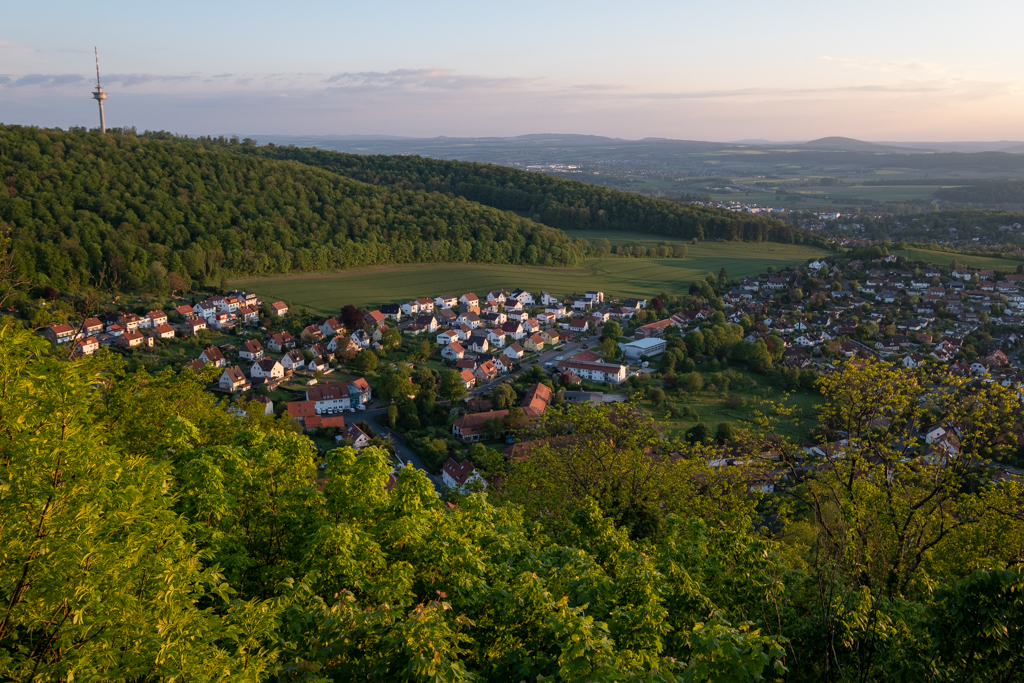

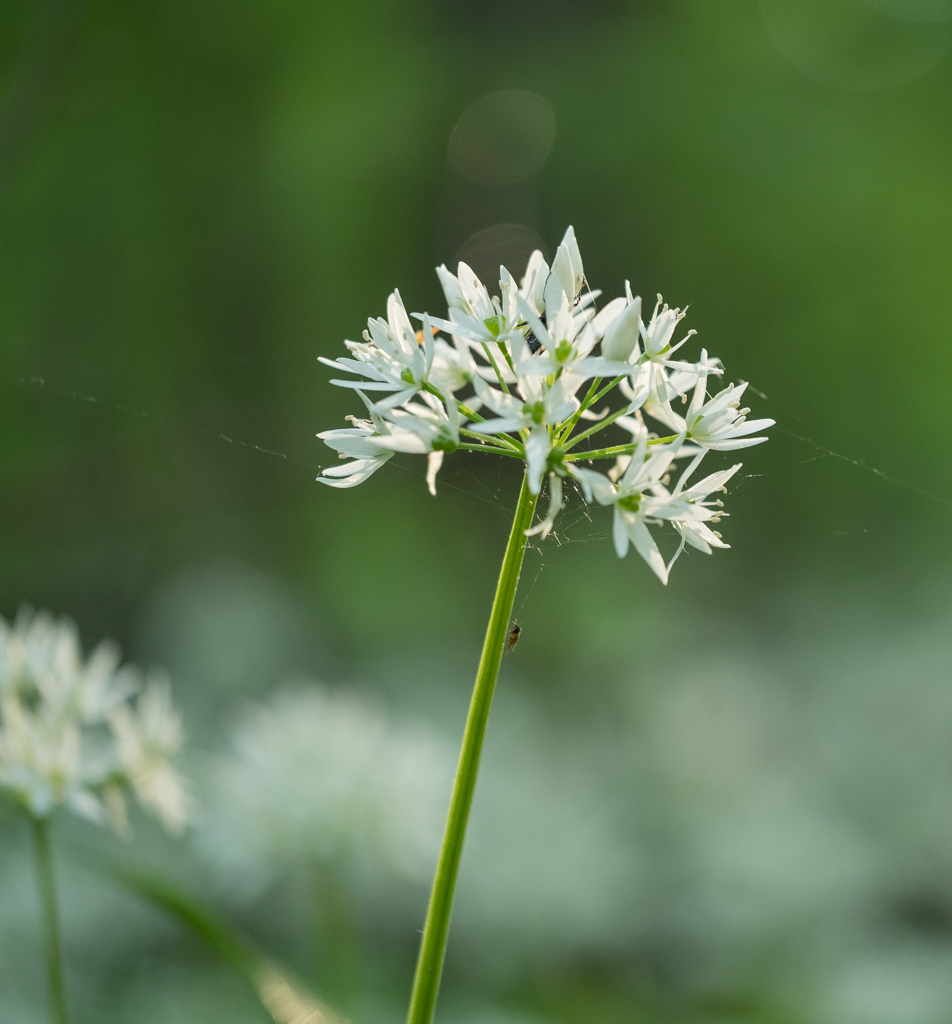



Flavors of a city evening:
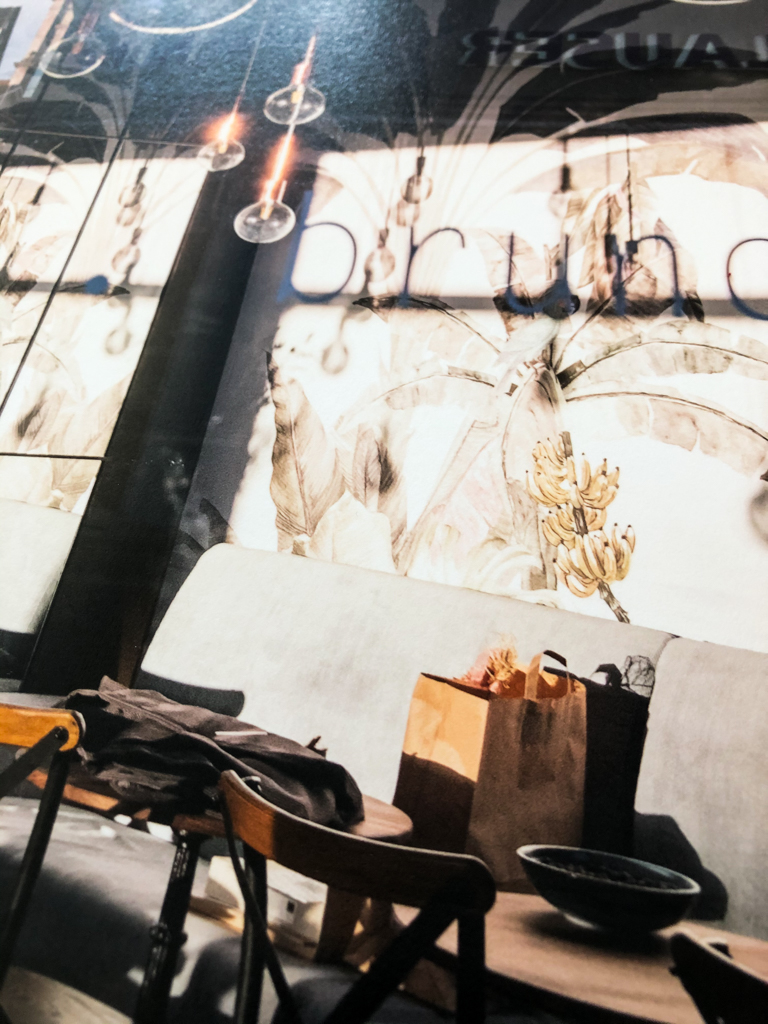
I made some city photos and like the following quite a lot:

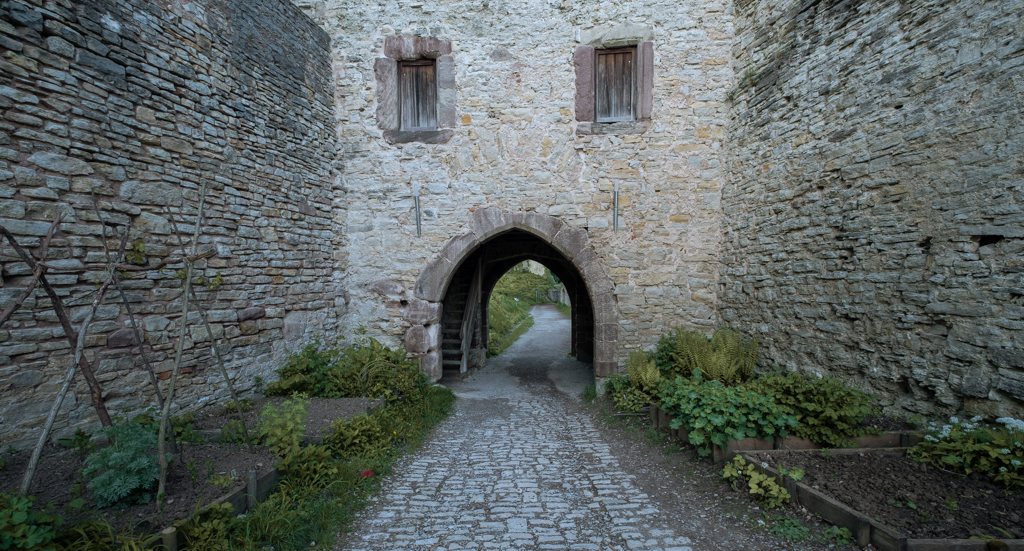
There is a lot going on. Old and new mix: In the foreground, and the background. Glimpses insight are allowed by the low-standing sun, outside mirrors in the polished windows. Remains of the last visitors are present, while new guests are awaited eagerly after a period of little freedom. In fact, I liked it so much that I printed it big directly afterwards:



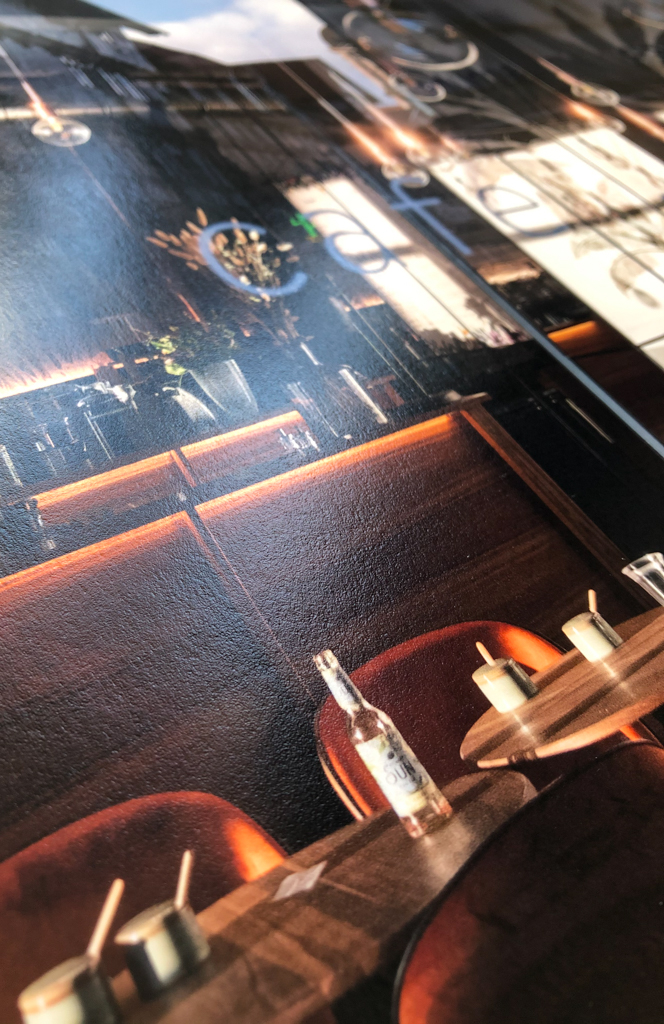

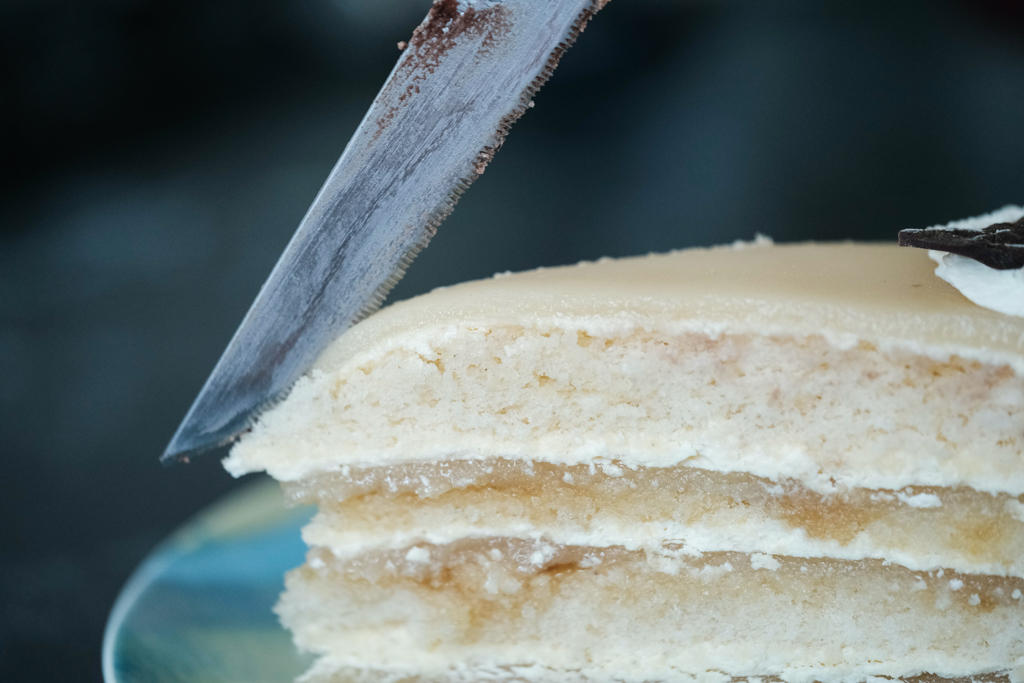
Cake from the best cafe in town with lots of vegan options! (However, the two shown here are not vegan…).


Packing List:
More info on this trip here (as well as earlier posts).


Freedom – the ability to live to ones own choices; the independence from society and imposed rules; the empty space between the obligations; the chance to chase opportunities as one desires; the brief feelings of lightheartedness; the vast sky above.

Freedom – limited by demanding work; restricted by self-imposed responsibilities; impaired by a global pandemic; overshadowed by worrying thoughts bound to circles; forgotten and lost in everyday repetition; the time constraint: one single life time.

Freedom – an evening walk in the sun; the 12th cookie in a row; an overnight trip with a van; getting up at 5 a.m. for sunrise; having shelter, food, time and money for varying hobbies; friends to rely on and partners to trust.
Freedom is many-faceted. This is the start of a mini series of different degrees of freedom I am lucky to have. Which degrees of freedom do you have?

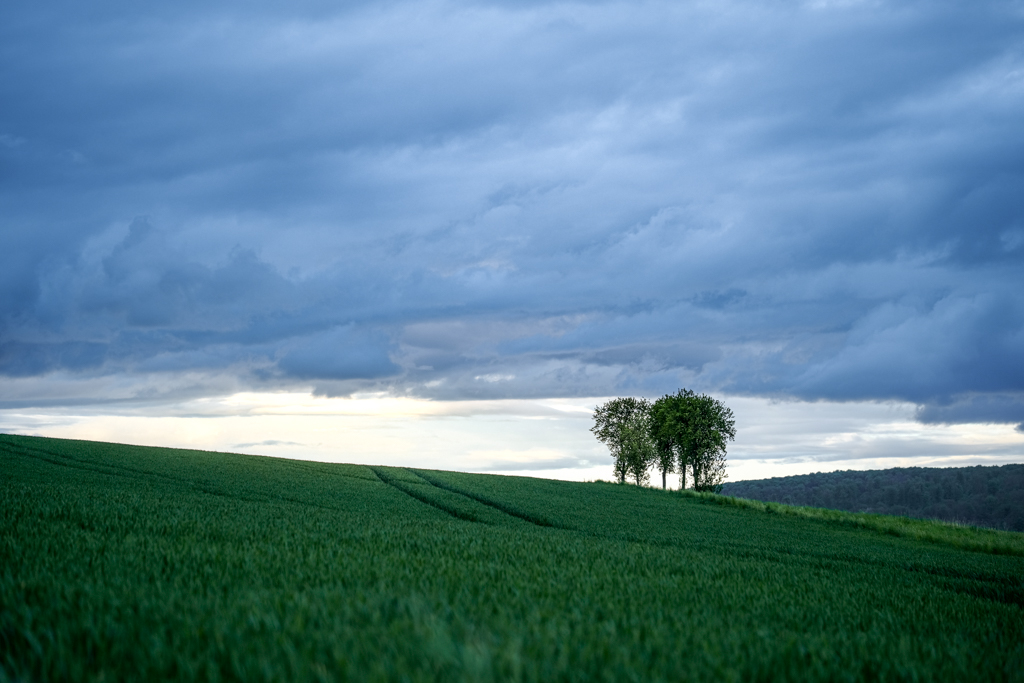
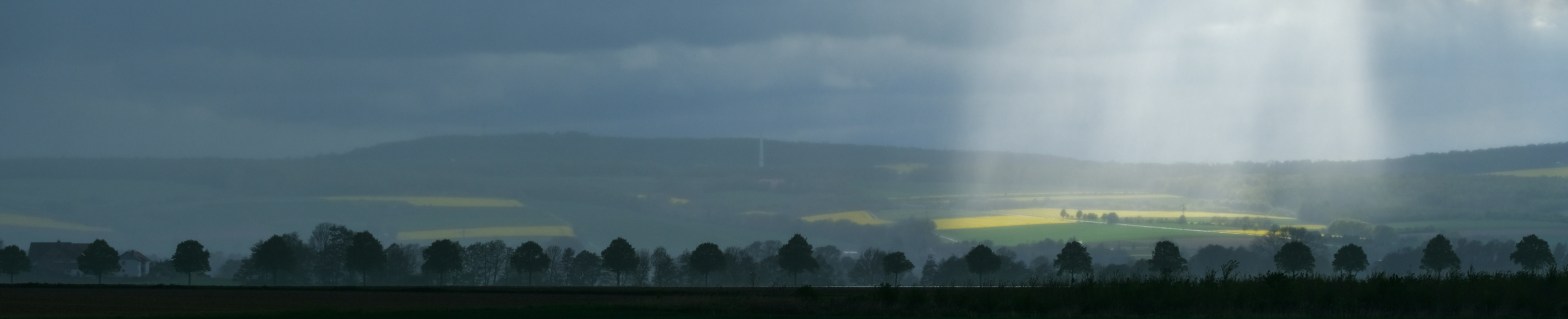
Already my last post had dramatic skies – we have a particular rainy May this year with up to 200% the rain as usual. However, the deep layers of the soil are still very dry from the last years. Anyways, for photography it gives interesting structures in the sky with strong contrasts in the landscape around our home town.



I am stuck on a learning plateau and it’s exhausting: The current learning stimulus is not sufficient enough to induce further synaptic changes.
No matter which new skill is being learnt, it’s common to hit one or several plateaus throughout practice – and it’s also common to get discouraged by the vanishing progress with reduced or no visible improvement. But when I am starting something, I want to do it good. It sometimes feels like a curse: I will go every extra mile needed to achieve what I want to. And this has cost me not only a lot of time with missed days of relaxation and fun, but probably also some friendships, connections with people, and diverse experiences throughout life that I missed out on.
I juggled for many years, but getting beyond five balls just never really happened. Hours and hours, weeks and weeks, several years, I spent throwing stuff in the air, just to catch it one more time. While there was a lot to enjoy, it also involved many hours, alone, of focused practice to reach the next level. I also played piano for over ten years; but there, I got stuck as well. The problem was that I did not put in the required effort, even though the conditions were excellent. I learned some great techniques on the way from my last piano teacher on how to achieve continuous progress; however, I did not implement them until later in another hobby: climbing.
I am climbing now for eight years and it is the hobby where I have the most direct experience with plateaus. My piano teacher always knew the most important part and tried to explain it to me so that I can act accordingly: To overcome plateaus, the most important thing is to adapt the stimulus to your progress and vary it over time. This involves active analysis of your efforts and progress, knowledge and creativity for planning your next steps, and willpower and stamina to adhere to your plans. I have encountered many people in bouldering who wonder why they do not progress any more “even though they train as much as they did in the beginning when they progressed quickly”. But that’s the point: You cannot do the same training and expect it to work all the time! Body and mind will adapt and, thus, your training has to adapt as well. This doesn’t always mean you need to train more or harder, but often it means you need to change your training altogether.
And then, there is my beloved new hobby: Photography. Lately, I am also feeling kind of stuck. I am not satisfied with the results; as always, I want more. However, I did not implement the lessons I learned in climbing so far: I not only need to put in more precious time, but I also need new stimuli. I am eager for our next holidays, but I should also try street photography, portraits, city scapes, anything else from nature.
But maybe even more important: I think I have to learn how to set lower goals for myself. I have to learn how to be happy with the journey, even if it’s is slow, instead of focusing too much on the results. I have to stop moving my goal posts before I even reach them.

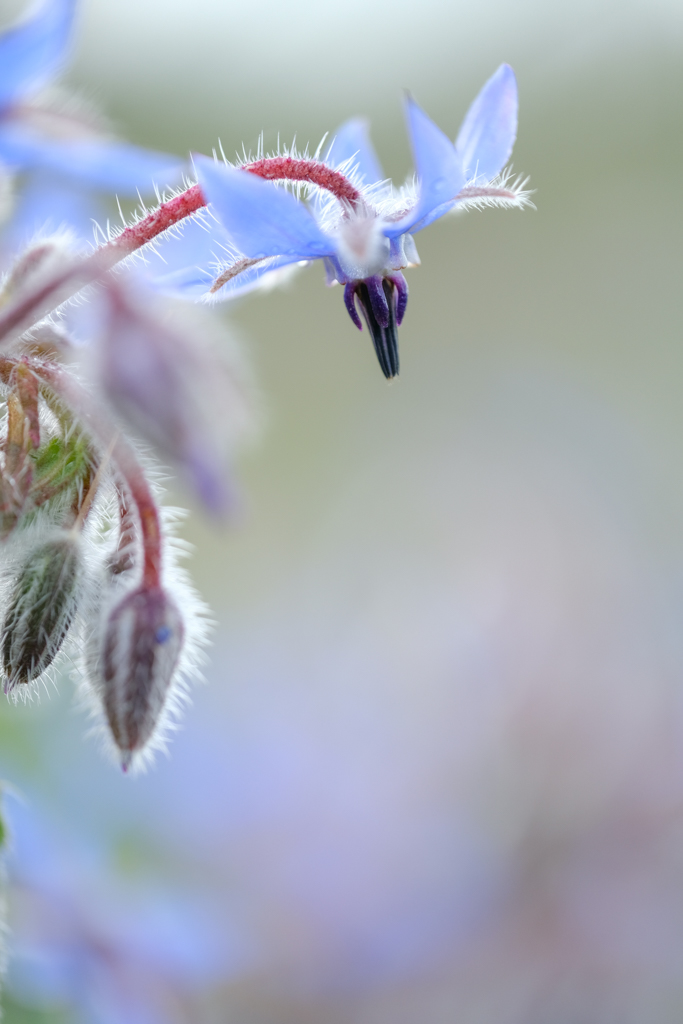

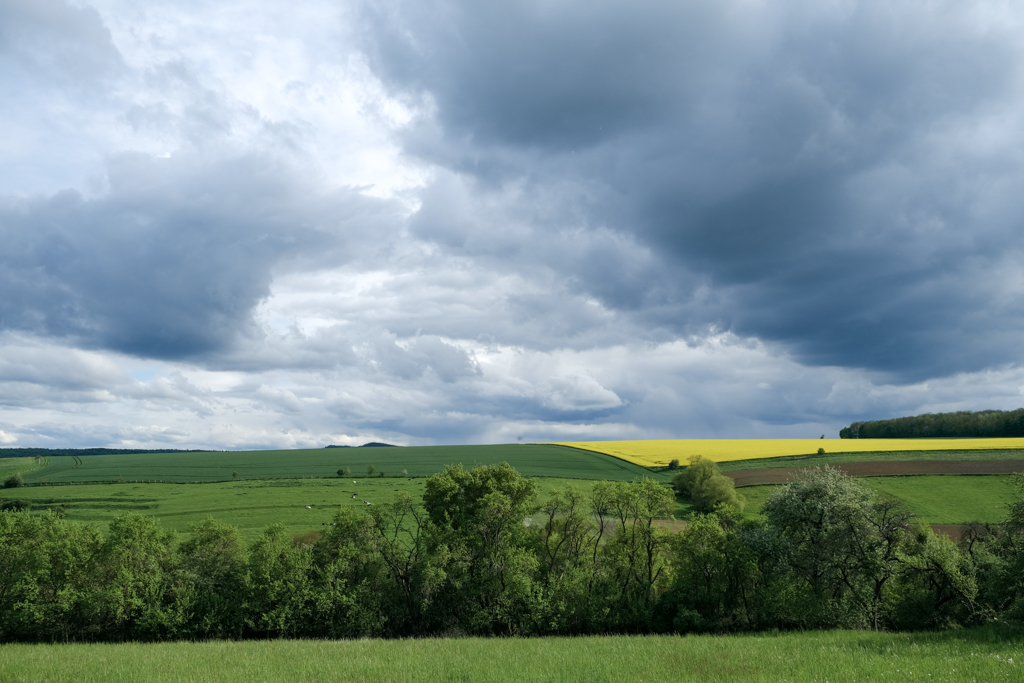


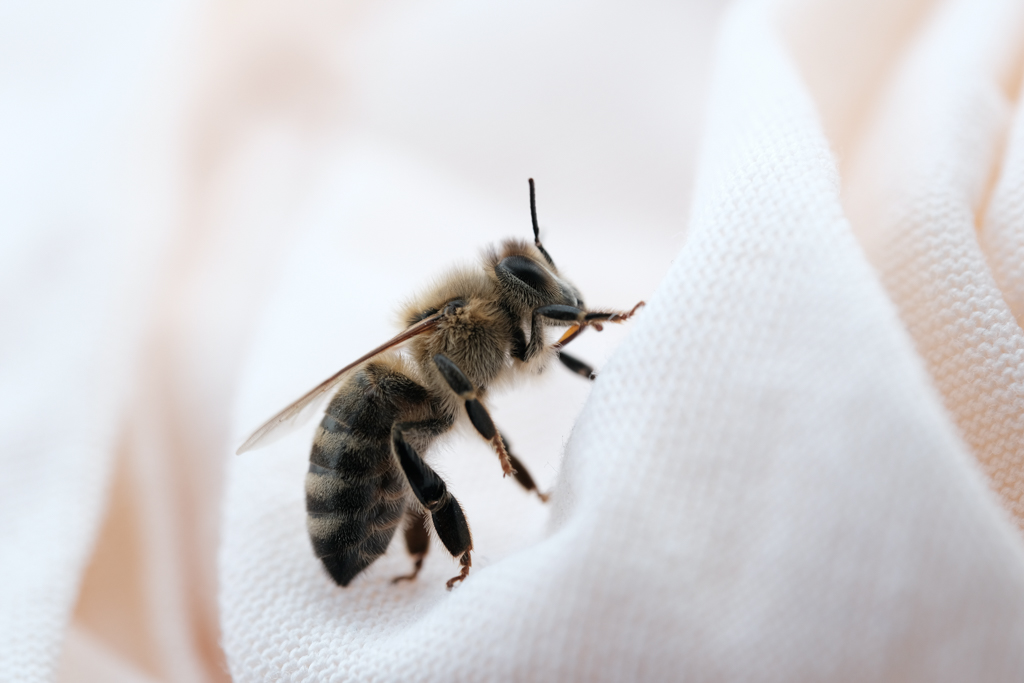

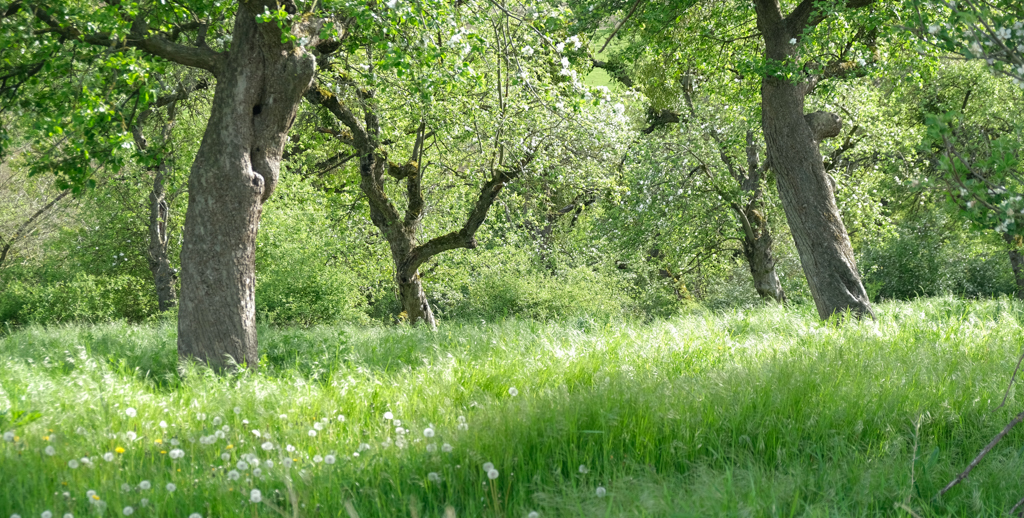

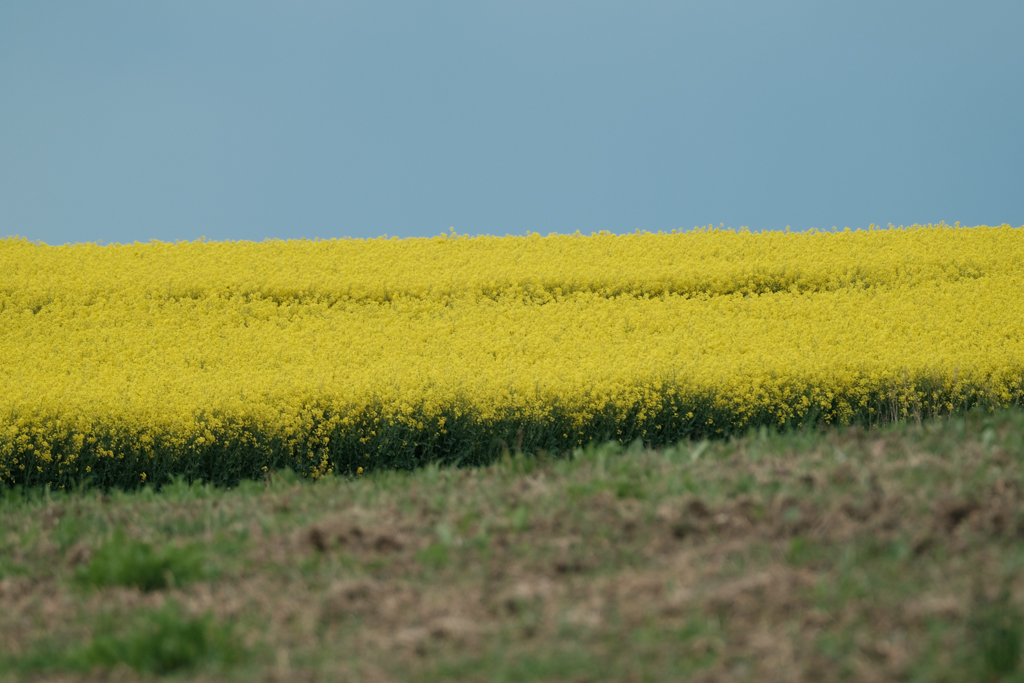


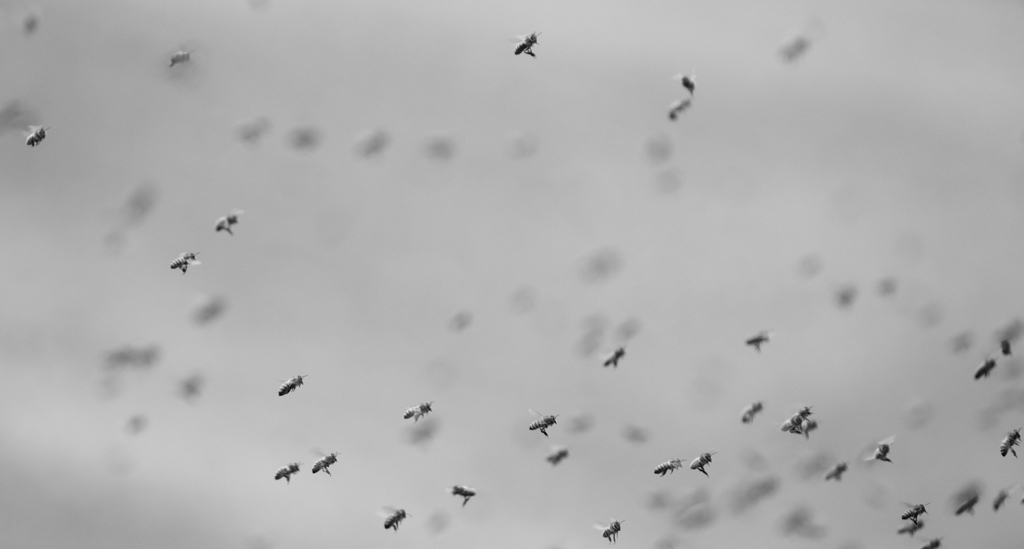
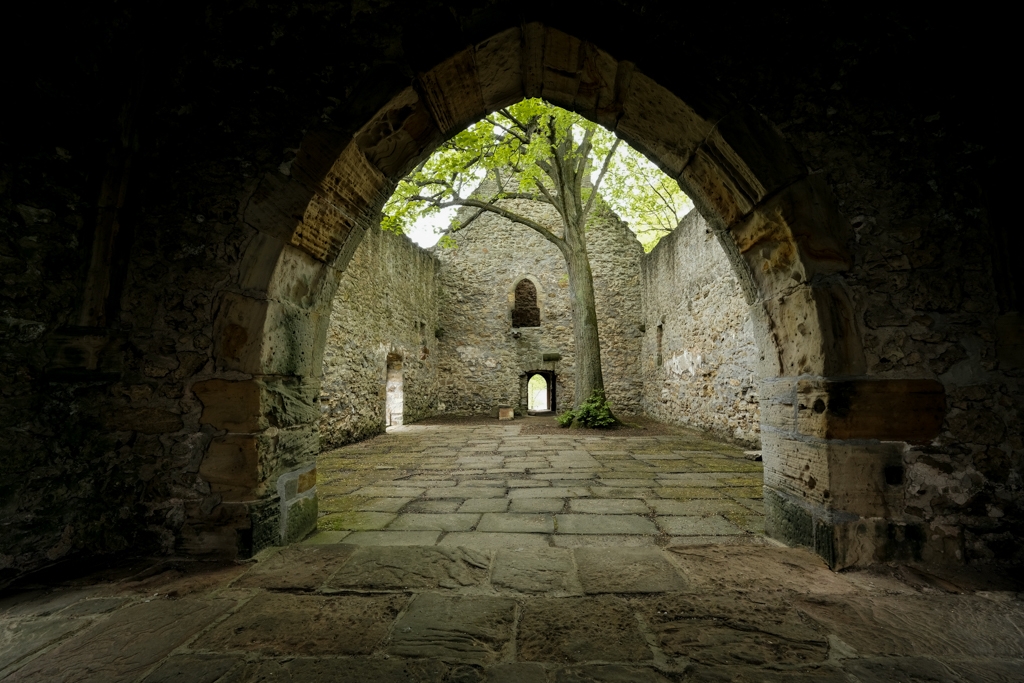
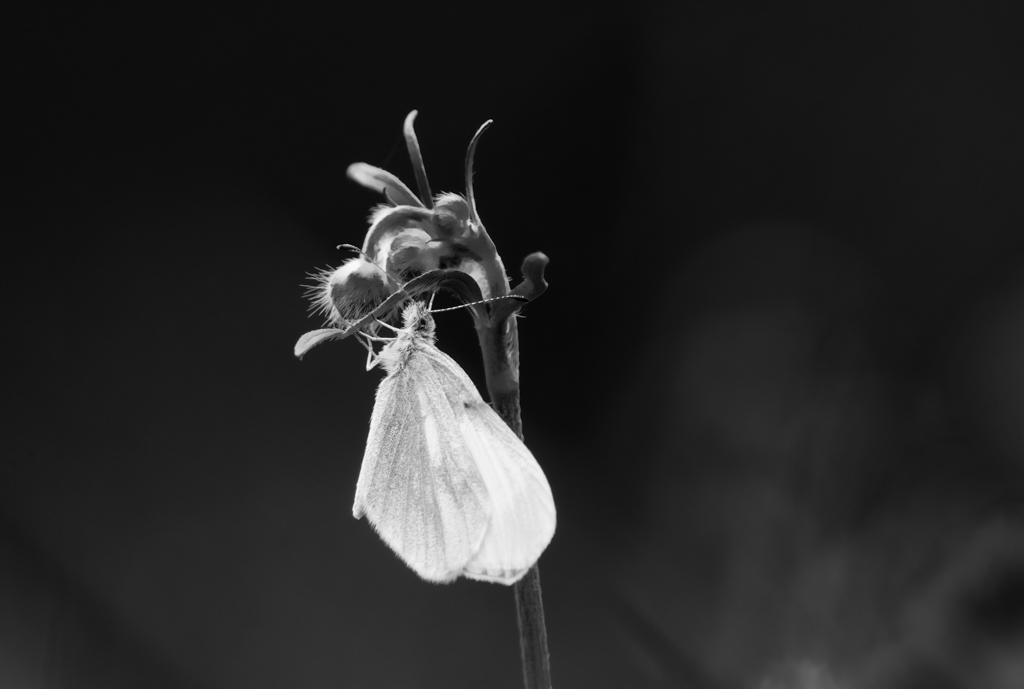
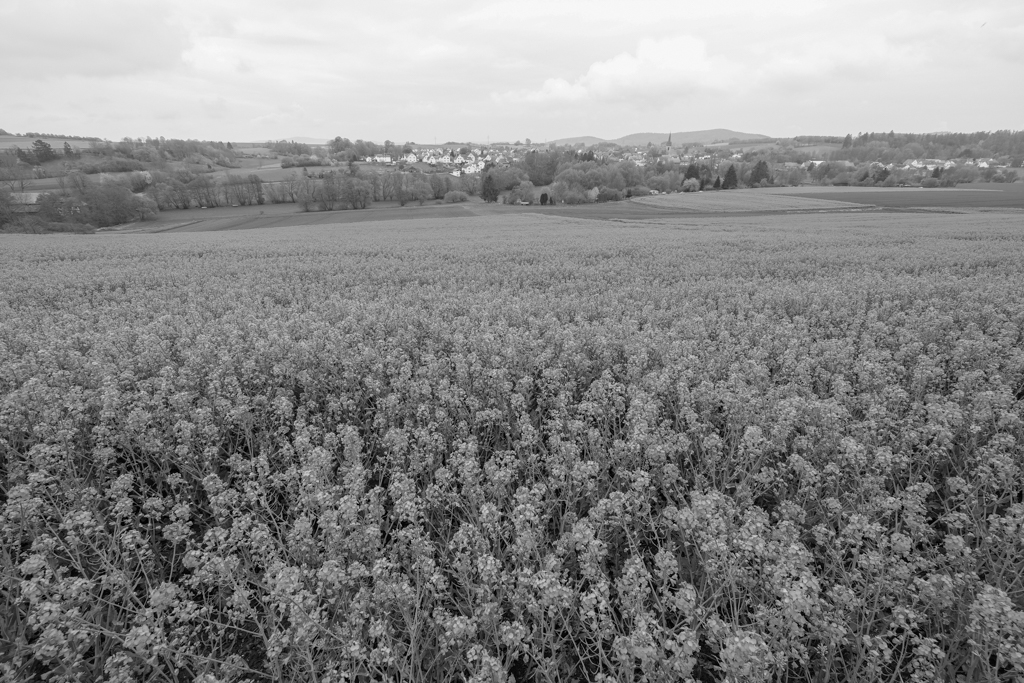
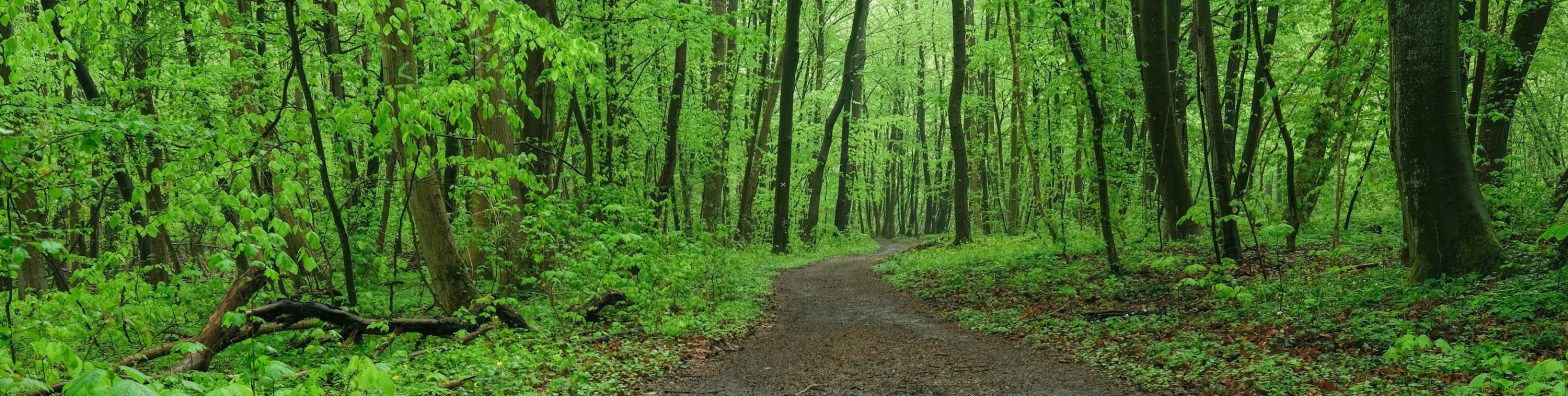
Premium hiking trail P23. Long weekend. Rainy mood. Crisp air; lush greens. Singing blackcaps. Ancient walls: Monastery. Insects, snails, yellow rape. Uncertain weather. Narrow trails. Primrose fields and juniper hills. The cradle of nature: Grazing deer, fleeting rabbits. Remote silence. Satisfaction. Glimpse of Distraction. Two-person solitude.






This read is meant genuine and was written with honest intention. Please take your time to read it properly and don’t read it on the side when you have no time.
People can be spiteful and violent, people can be nasty and devious: It’s the warlord who terrorizes an ethnic group, the president who declares war and is backed by the country, the company that fosters child labour without consequences. In our privileged daily life we are experiencing mostly the little misconducts of fellow humans: The person who jumps the queue when shopping groceries, the reckless car driver who doesn’t care about your bike, the ignorant dog walker that neglects his duty to use a leash, or the friend who talks ill behind your back.
This world can be a depressing one: It seems that everybody is in it for themself, no one cares about the others, and maximizing ones own profit is the goal. Suffering from this are the poor and the lonely ones, nature and the planet, minorities and discriminated, the polite and modest ones. And what else is left than to surrender to the overwhelming forces of negativity? What else is left than to join the circle of hatred, fear, and egoism?
Empathy.
Let me convince you that this is a better way. Don’t join the others, better bridge the gap between the others and you, because: we are all in it together. It’s not only you who had a bad day. It’s not only you who feels tired and offended by the doings of others. It’s not necessarily you who is in the right. And also, sometimes, it’s not important who is in the right to begin with. What is important is empathy. Be kind. See the good in other people. Embrace differences and allow for discrepancy. Engage in discussion, but not to win, but to understand the validity of other opinions. Retrace their line of thought; carry it on with better arguments. Only then you can get their side. And don’t make fun of the ignorant or uninformed. Instead, be kind and teach. Share your knowledge, humbly, and offer your wisdom that you were lucky enough to absorb in your life. It’s easy to judge, but most often it’s not your place to judge. Instead, support them in resolving their own struggles. Have compassion; show compassion. Help the weak and poor, help your friends, help the people you dislike. Don’t do it to feel better; do it honestly and because it improves someones life. Do it because you want to. Demonstrate courage. Don’t be the one who sees the wronging and summons a smart phone for the fleeting amusement of strangers on the internet. Don’t be the one who points at others when it’s your turn. Step in and act according to your beliefs. Be courteous. To the queue-jumping shopper, to the leash-less dog-walker, and to the reckless driver. Not because they are right, but because it’s the right thing. And because it makes the world a better place.
This doesn’t mean you should accept the wronging of others, nor does it mean you should welcome the brashness that someone displays. But it means you should question every bad thought you have about someone before jumping to conclusions, or worse, actions. And this won’t be easy. It will be difficult, exhausting, and demanding. And I get it: Your own day was difficult and you are tired. But this means it is even more important to practice, day in day out, to make it not your second, but your first thought in every situation: Do I show empathy? Do I judge? Do I know where the other person is coming from? And with enough practice, it will become natural: To be kind and welcoming. To be compassionate and courageous. To be courteous when the opposite isn’t. And to be it out of belief that it brings something good to this world and not to feel superior. And sometimes it won’t help, sometimes it will come to a tough point where empathy does not resolve. Then, stand up for justice and defend your beliefs. But always critically question your actions. And I know, this post reads like an idealistic vision. But I don’t think it is. And even if it were, what is there to loose in not trying? Go for it – to make this world a better place.


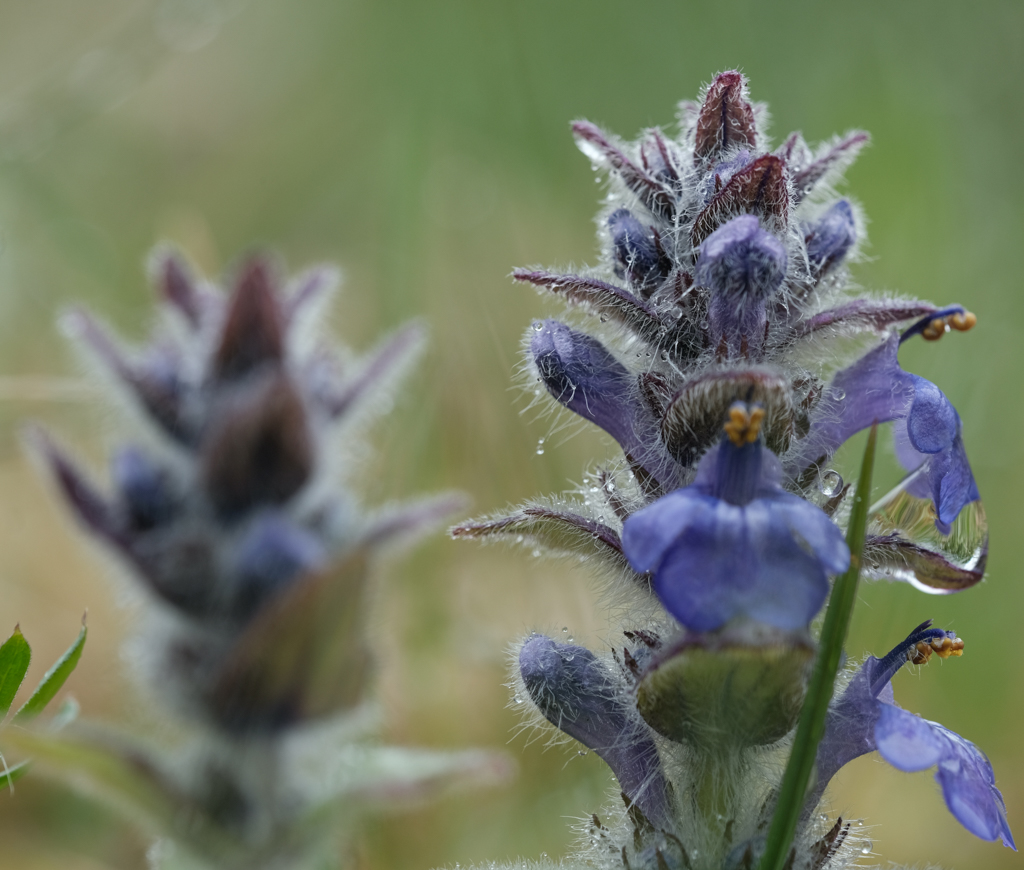
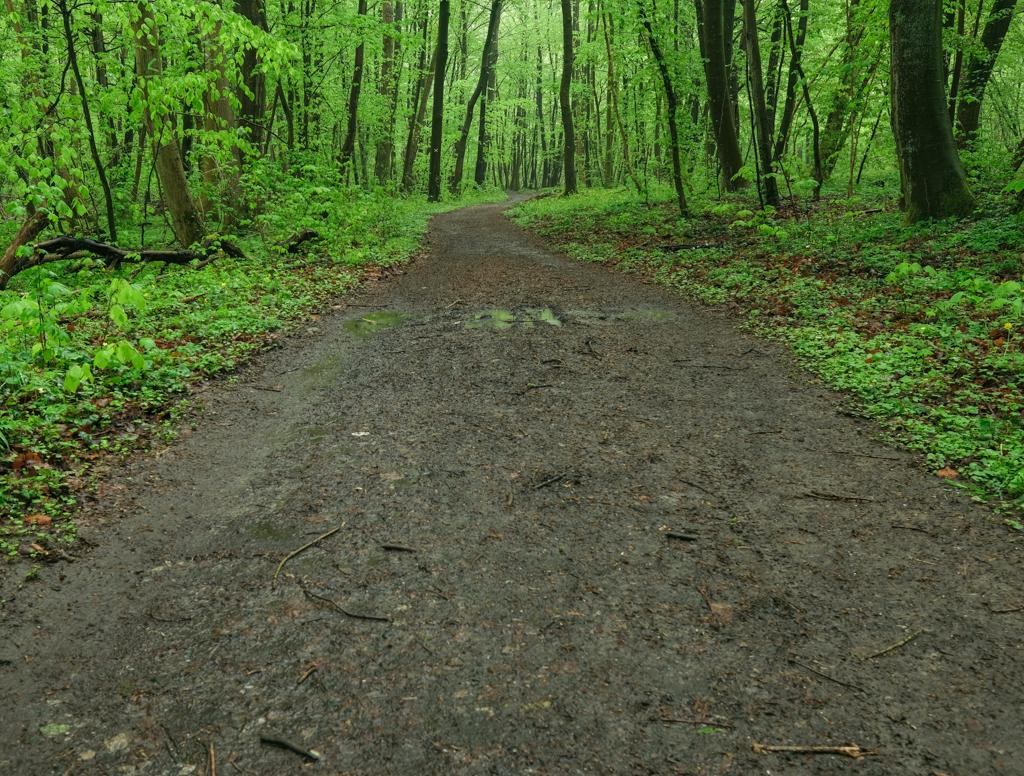
This post was closely related to my earlier posts on labels and shall remind myself to practice: Empathy, compassion, and kindness.
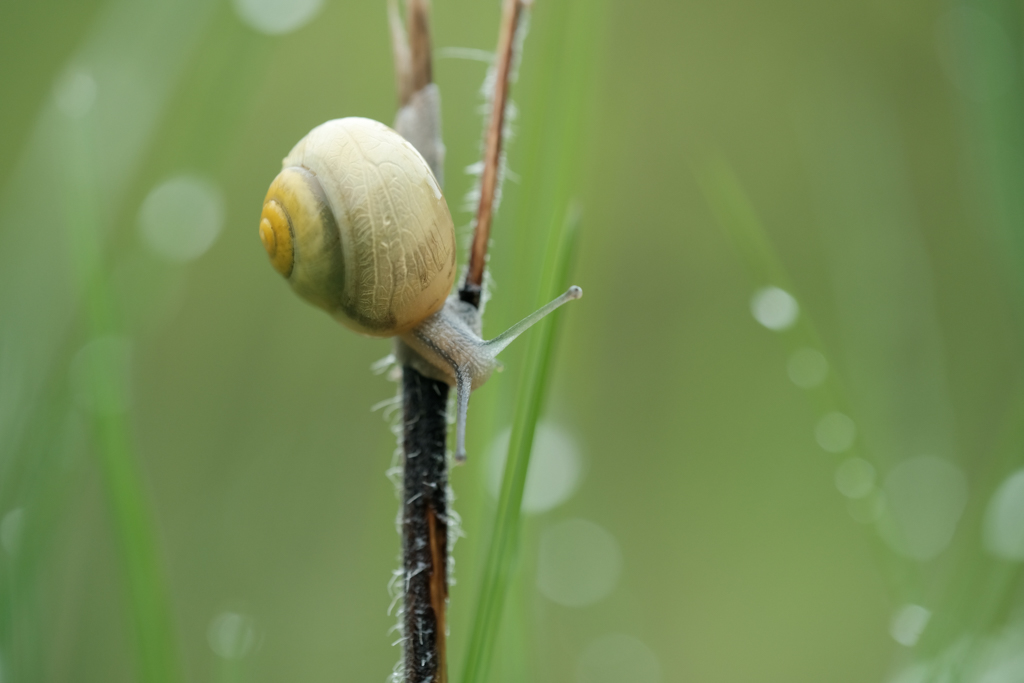
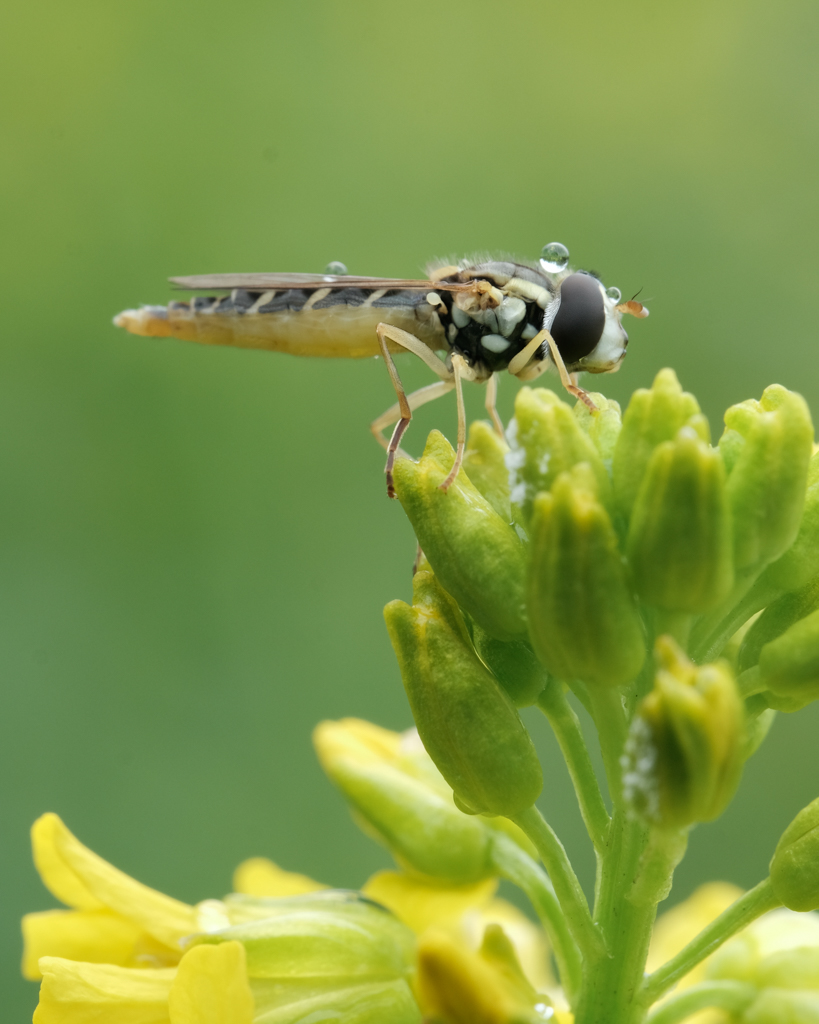
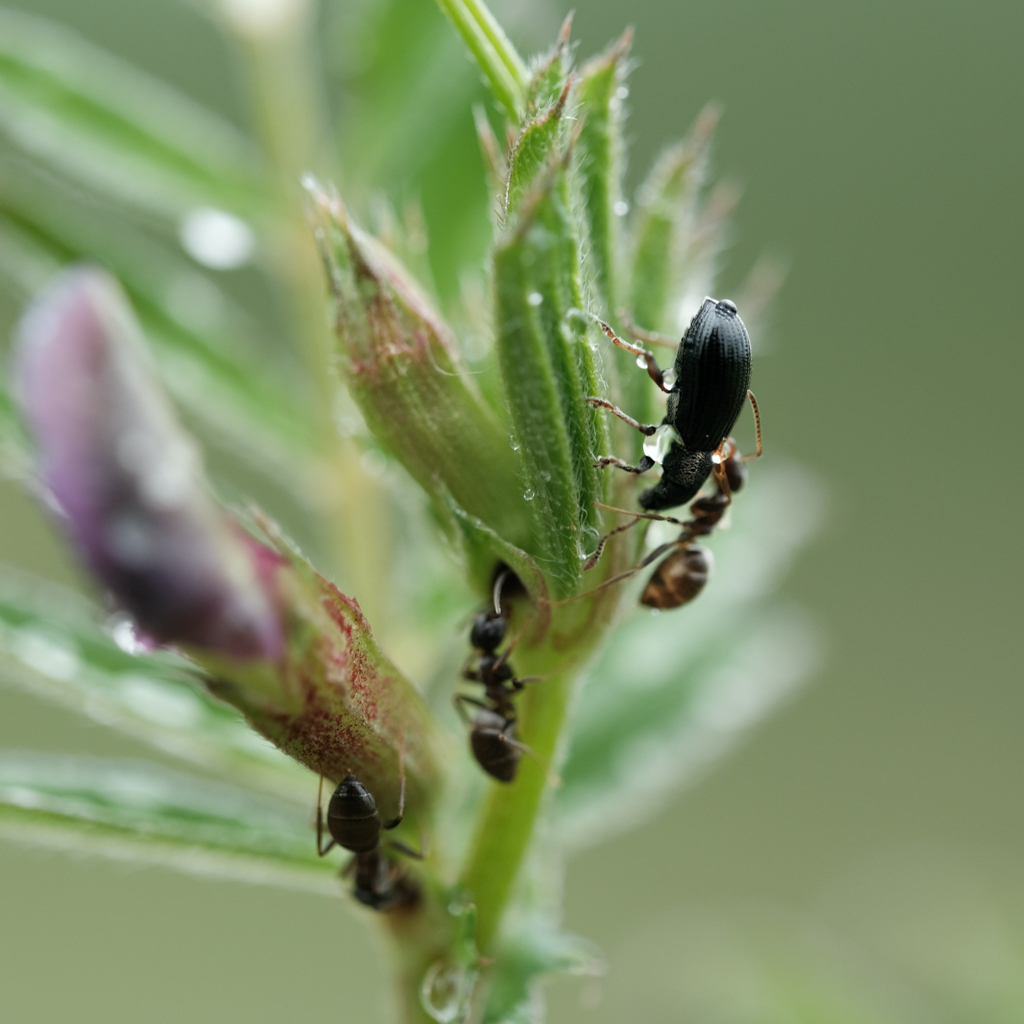
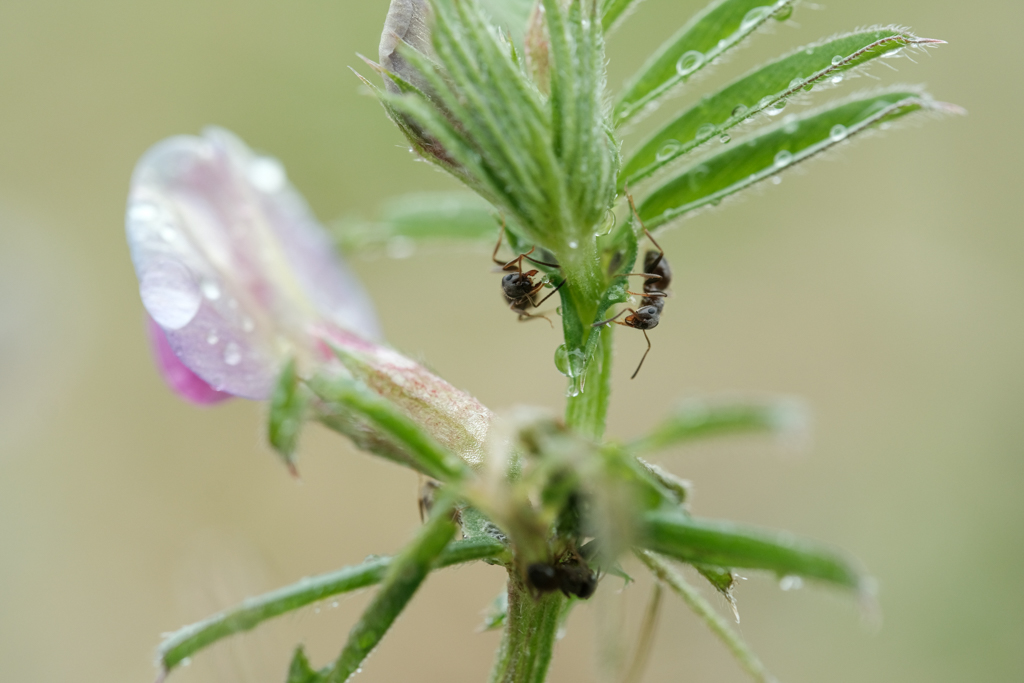
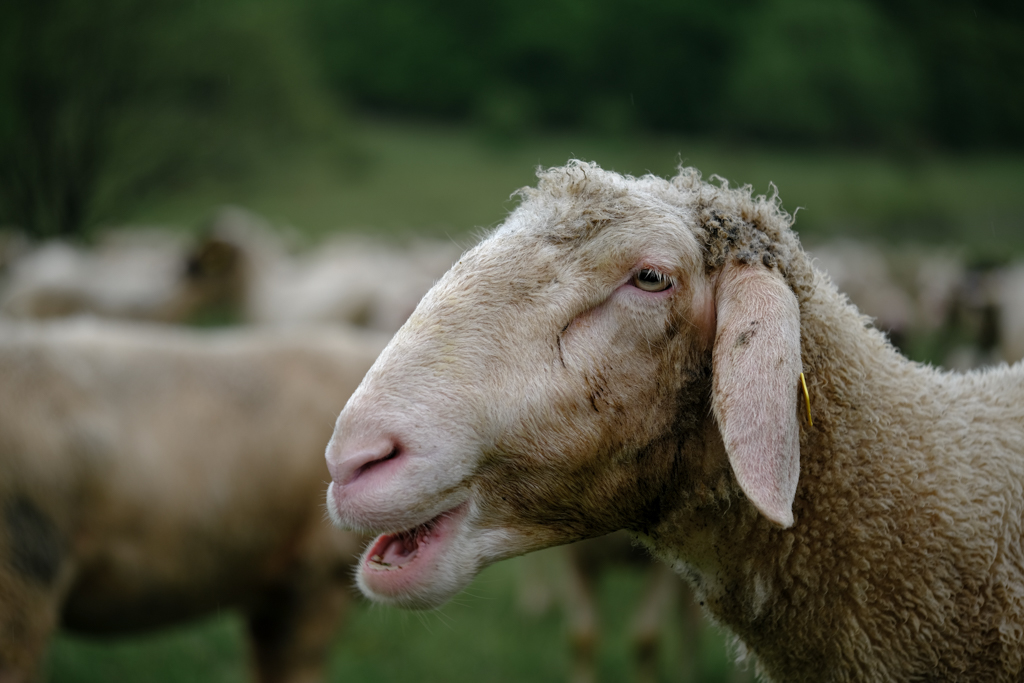
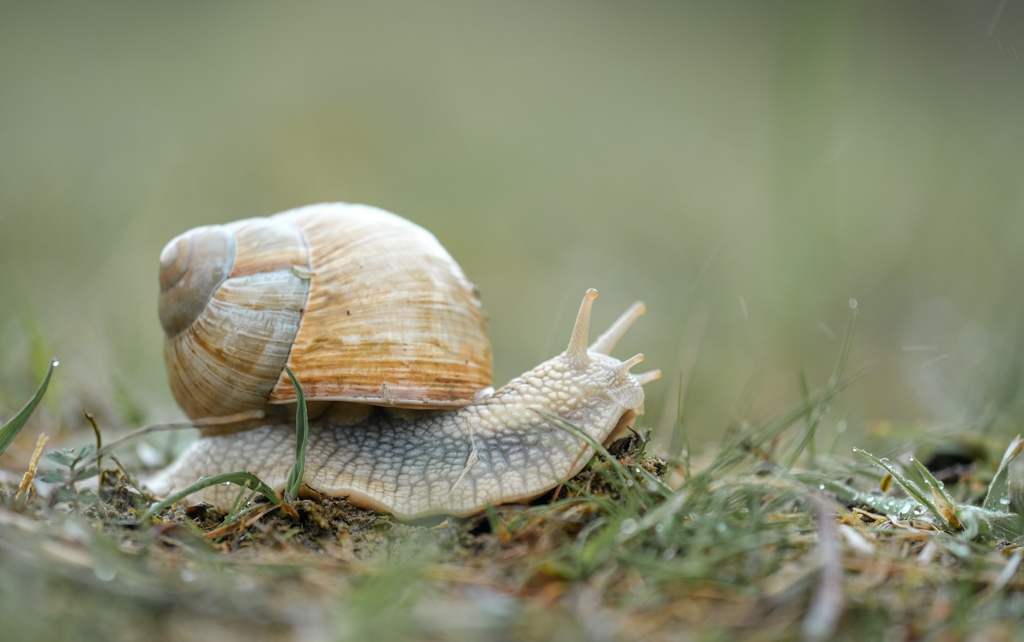
Also: My camera body is not weather resistant. But I received a rain cover as a birthday gift! That’s why there are so many snails on the pictures – I went out during rain for the first time and its so much fun: No people, and so many droplets everywhere on macro photos.

I have always been mildly interested in biology: I liked animals but didn’t bother to learn their names or behaviour; I had an advanced biology course in high school but never studied the subjects extensively; I always enjoyed being in nature and outdoors, but never observed the biodiversity around or the impact we have as humans on nature.
Only recently I am beginning to be more impressed by all the organisms around us and passionate about our local flora and fauna. This is somewhat caused by my work, but primarily due to photography. I am learning the names of the birds I capture in the frame, Mädchen Klitzeklein tells me which plants I am seeing and the names of trees and flowers, I am more informed about the changes of our planet and the associated changes in biodiversity.
What also complements this increasing interest are the botanical gardens we have in our home town: There are three different ones! An old botanical garden in the city centre, an experimental botanical garden in the North, and the adjacent arboretum. All of them are marvelous in their own way. The old botanical garden has narrow, interwoven paths and leans against the historic defense wall of the city centre. I had the pleasure to work in the only building that is located within the garden for a year. I added an old smartphone photo of the raccoons that lived below the roof – at the displeasure of the facility management. The experimental botanical garden is in the North and has a lot more space. There are several greenhouses, a little lake, and a larger area for alpine plants. The arboretum is the largest one of the three and is located higher on a hill with a view above the city and towards the West. The photos of my latest blog post about primroses were also created there.
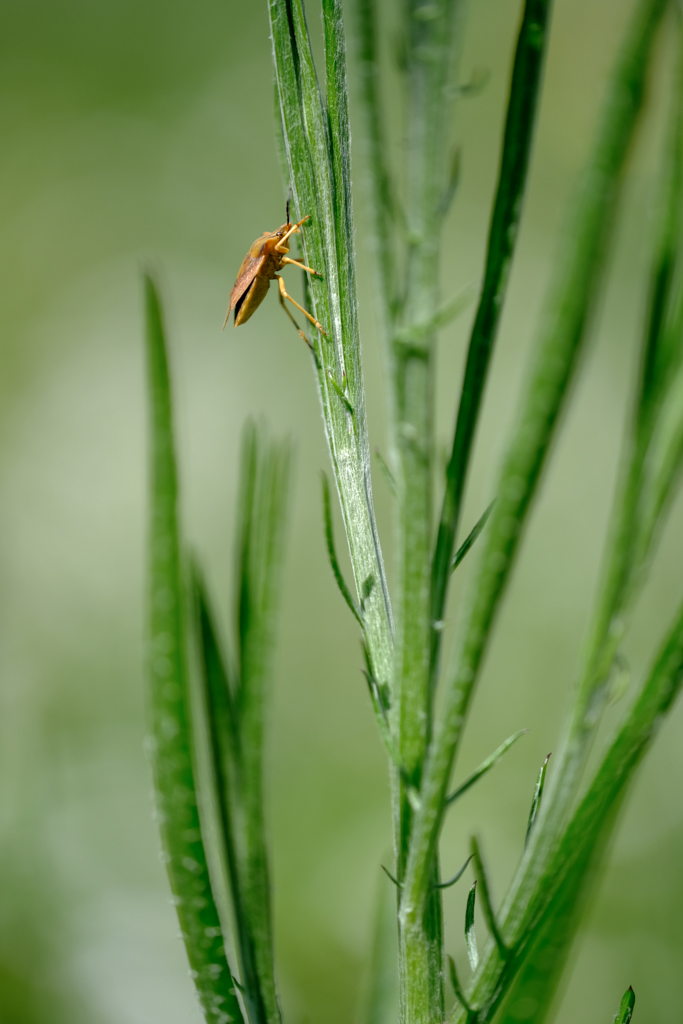
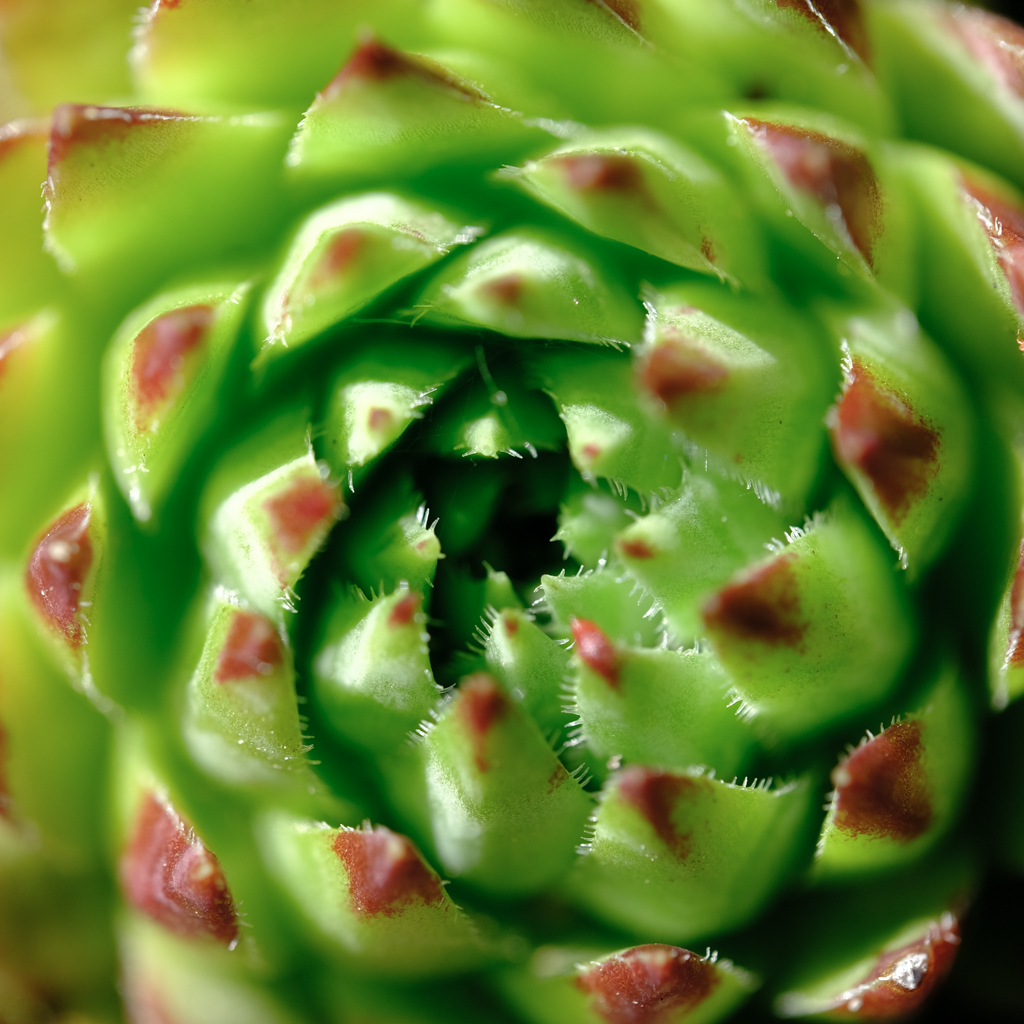
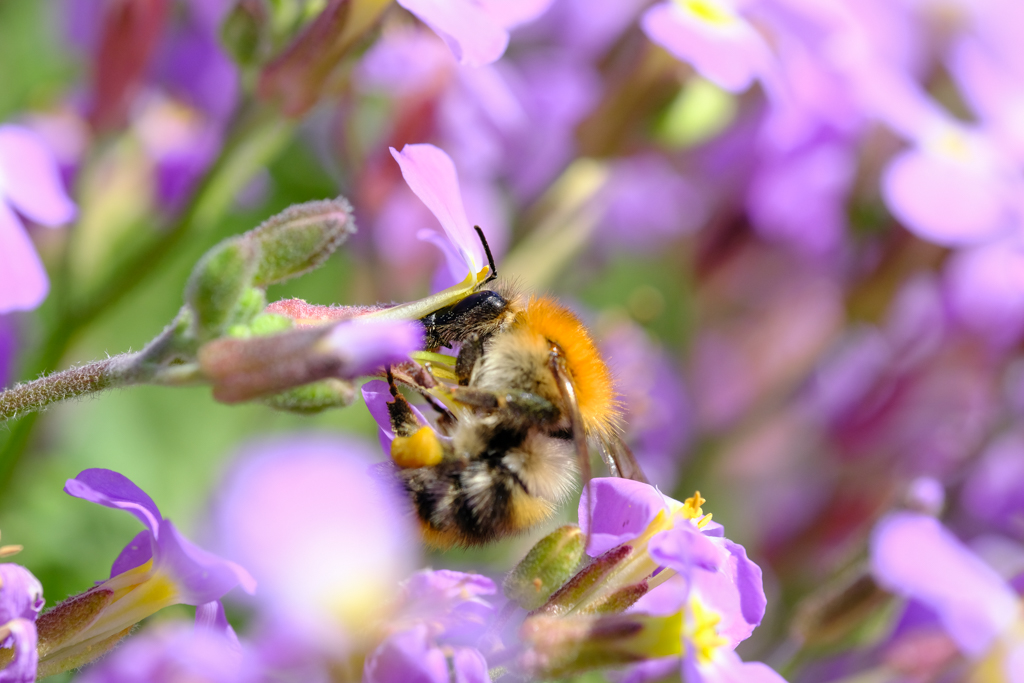


On my trips to the botanical gardens I rarely read all of the plenty information given. And on our recent hikes I have captured many pictures of insects; however, I have still absolutely no clue about the names, species, or general taxonomy of insects. Thus, I have a mission for my next trip: Inform myself about one combination of plant species and insect that I took a photo of – a blog post about them will follow.
In the mean time, I have compiled a short list for you of botanical gardens around the world: For example, check out the glass domes of the Eden Project, the beautiful Longwood Gardens in Philadelphia, or the Singapore Botanic Gardens. As it seems, the Oman is also building the largest botanical garden at the moment, but there is little information and no pictures yet.



 Punkt im Dunkeln