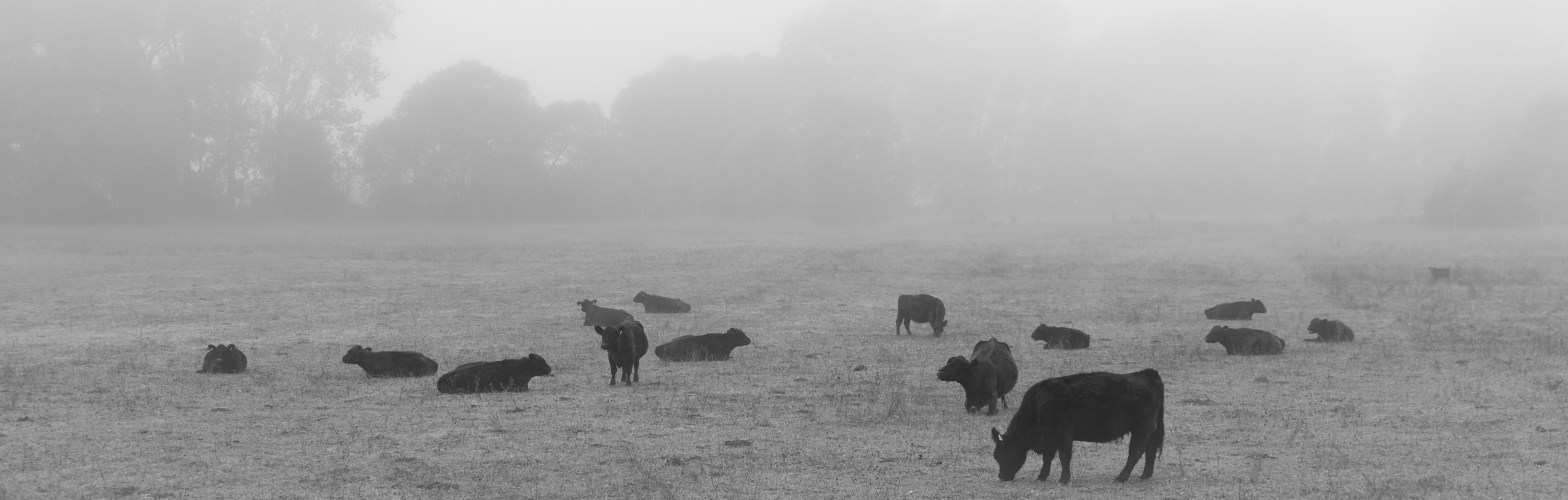
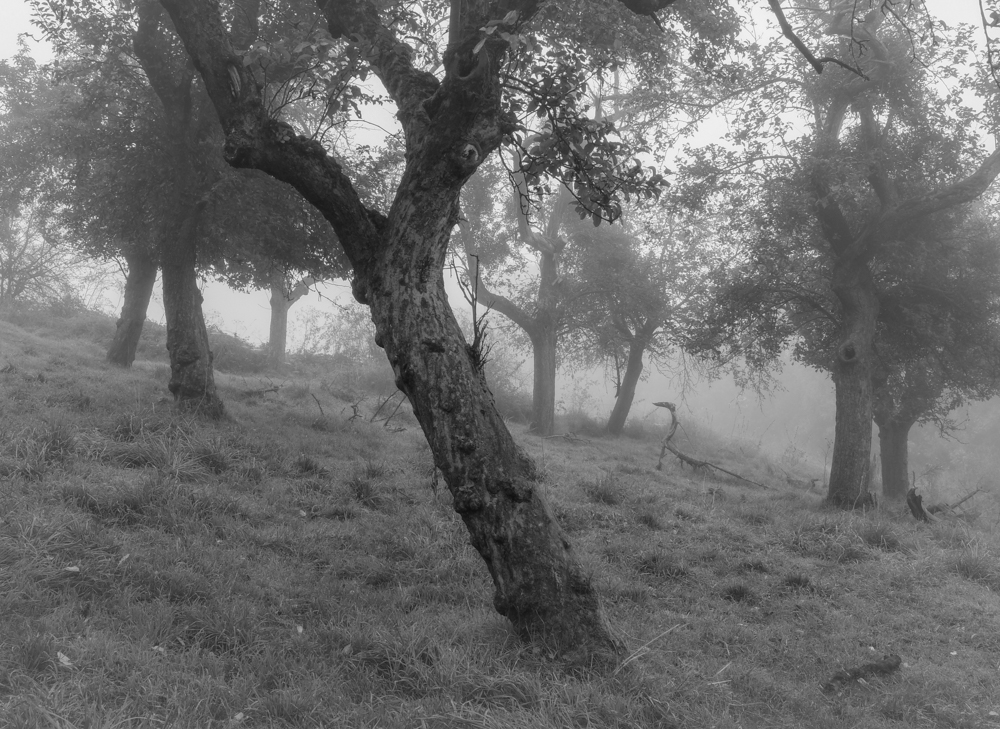
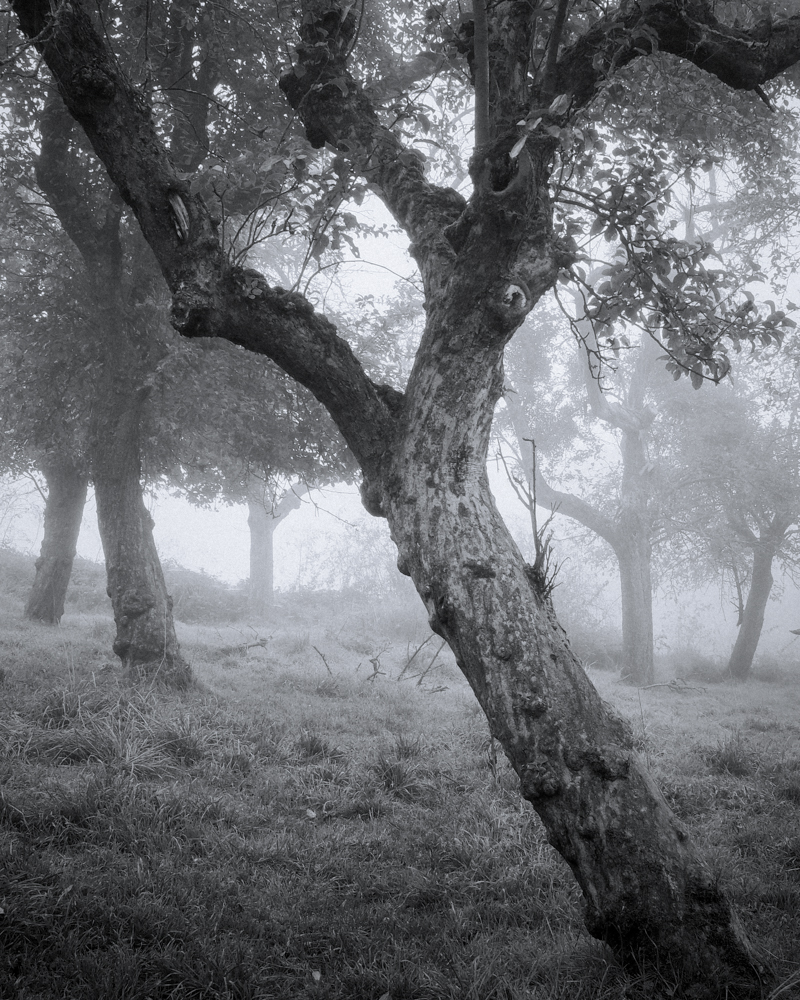
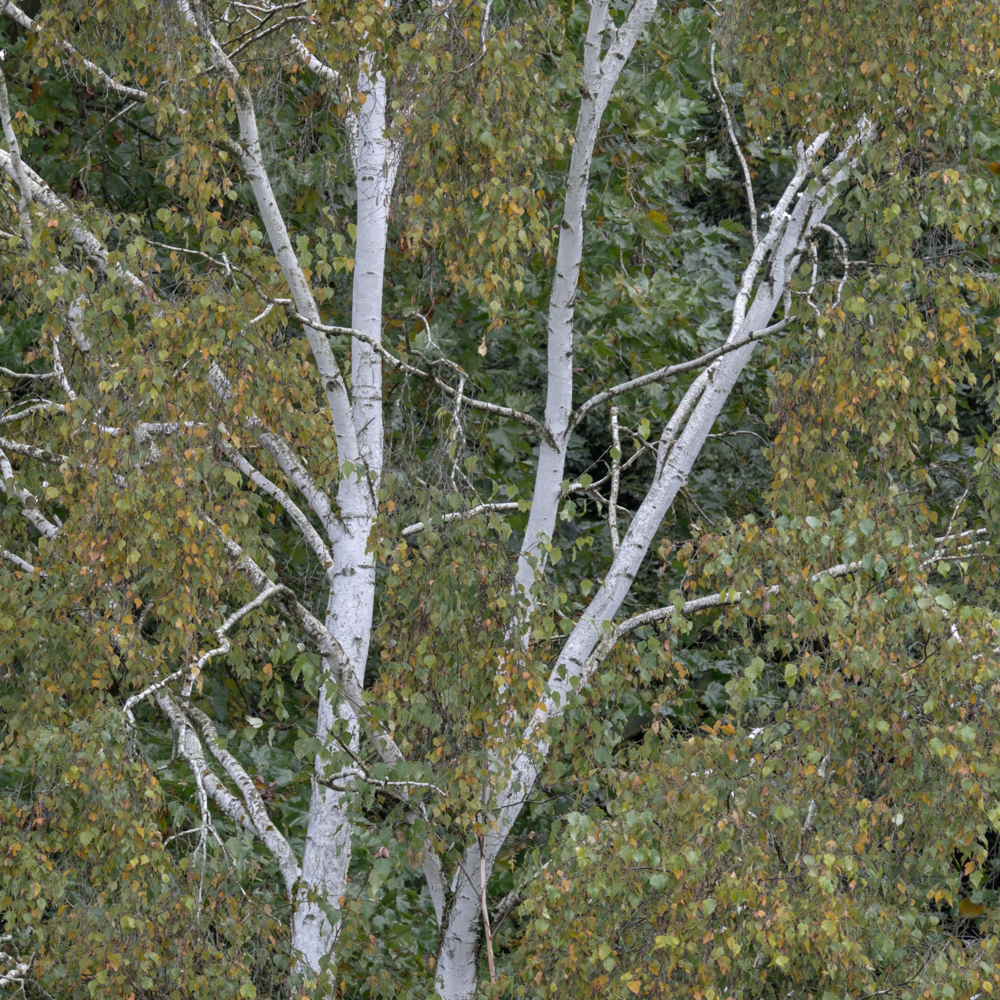
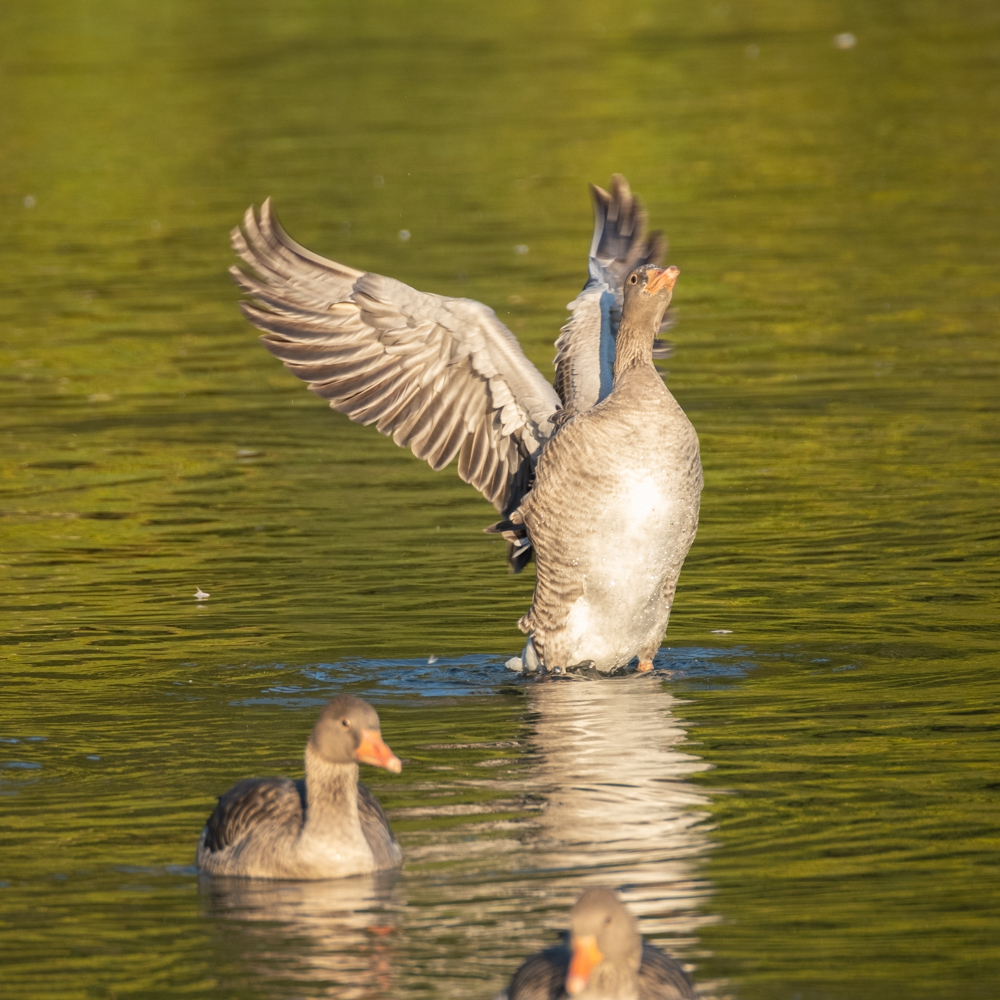
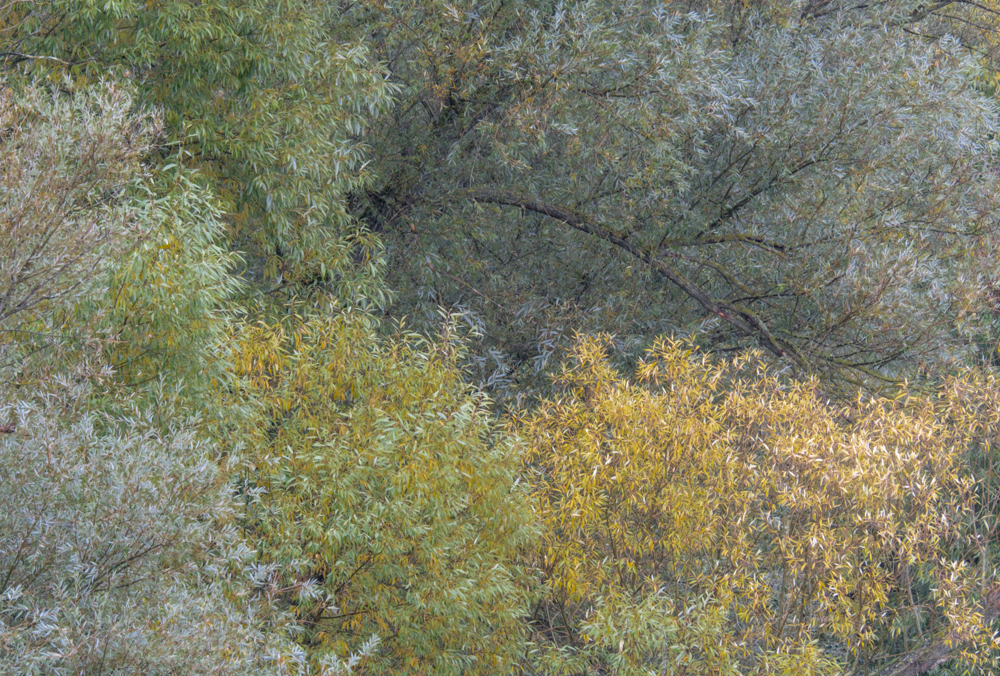
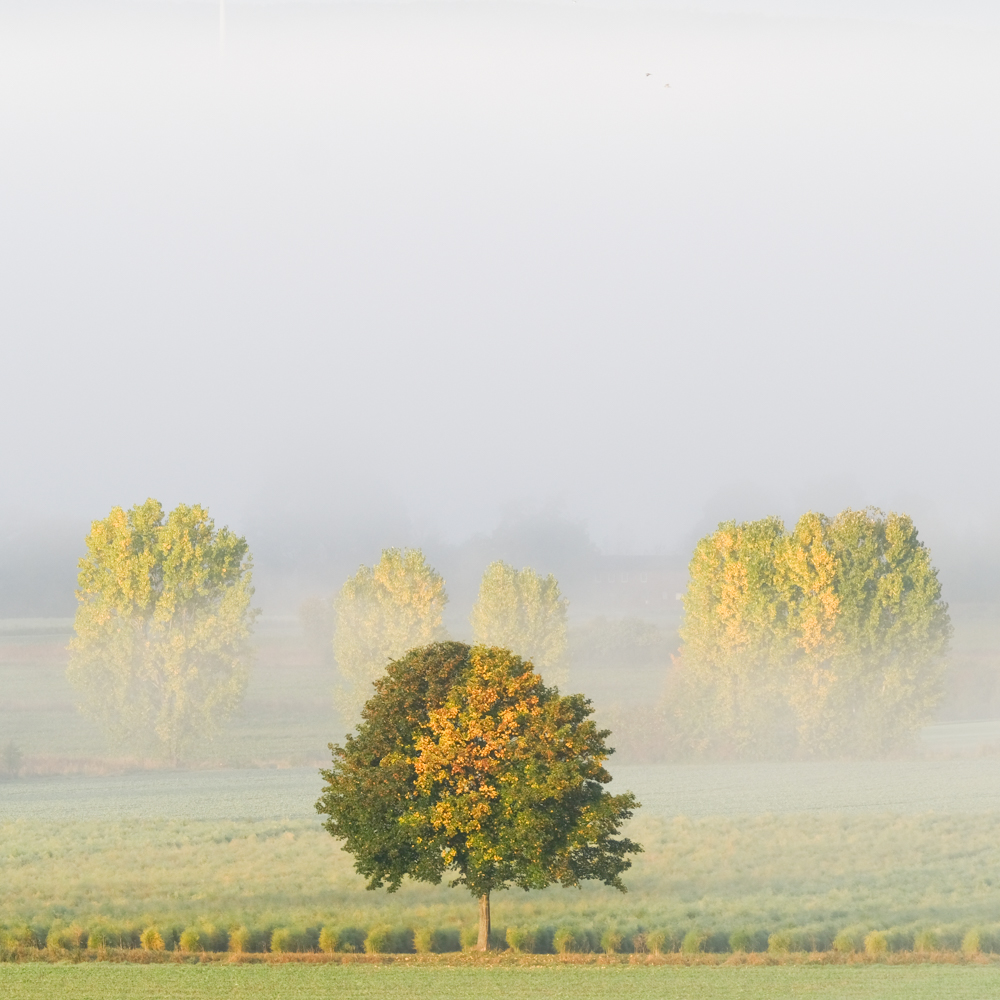
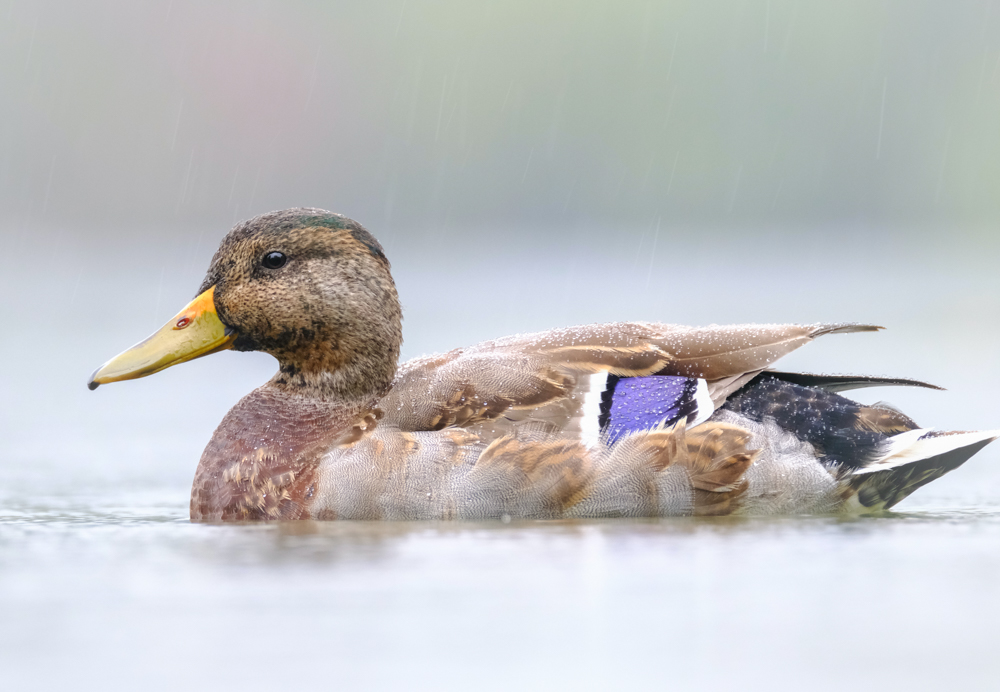
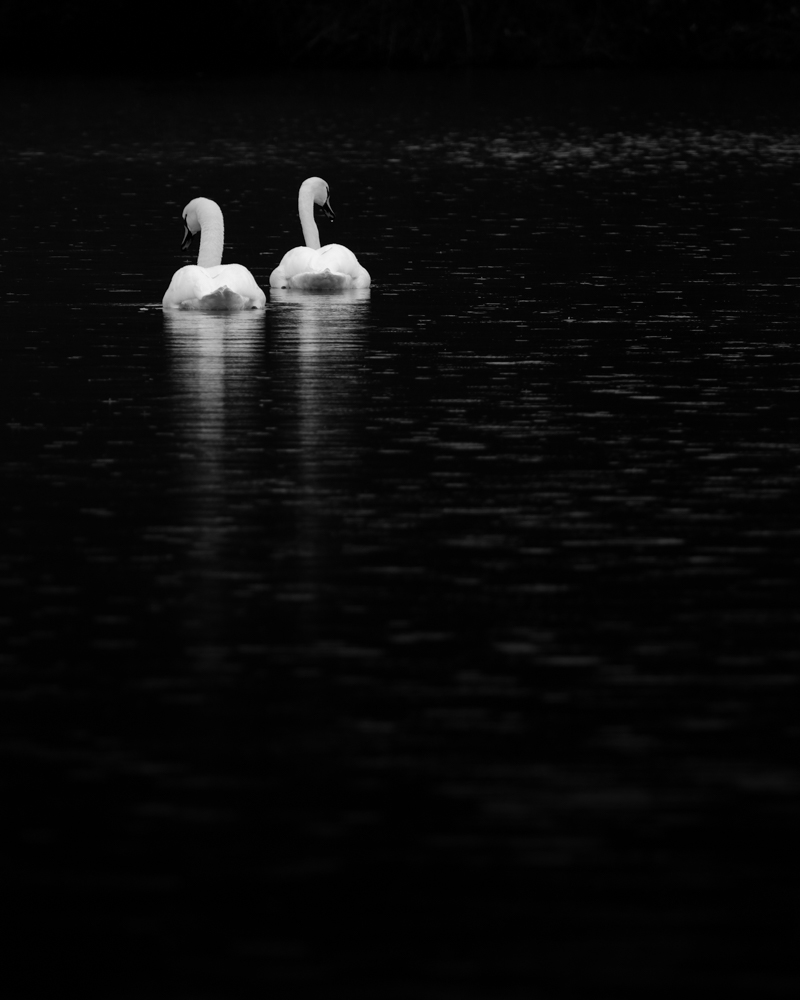
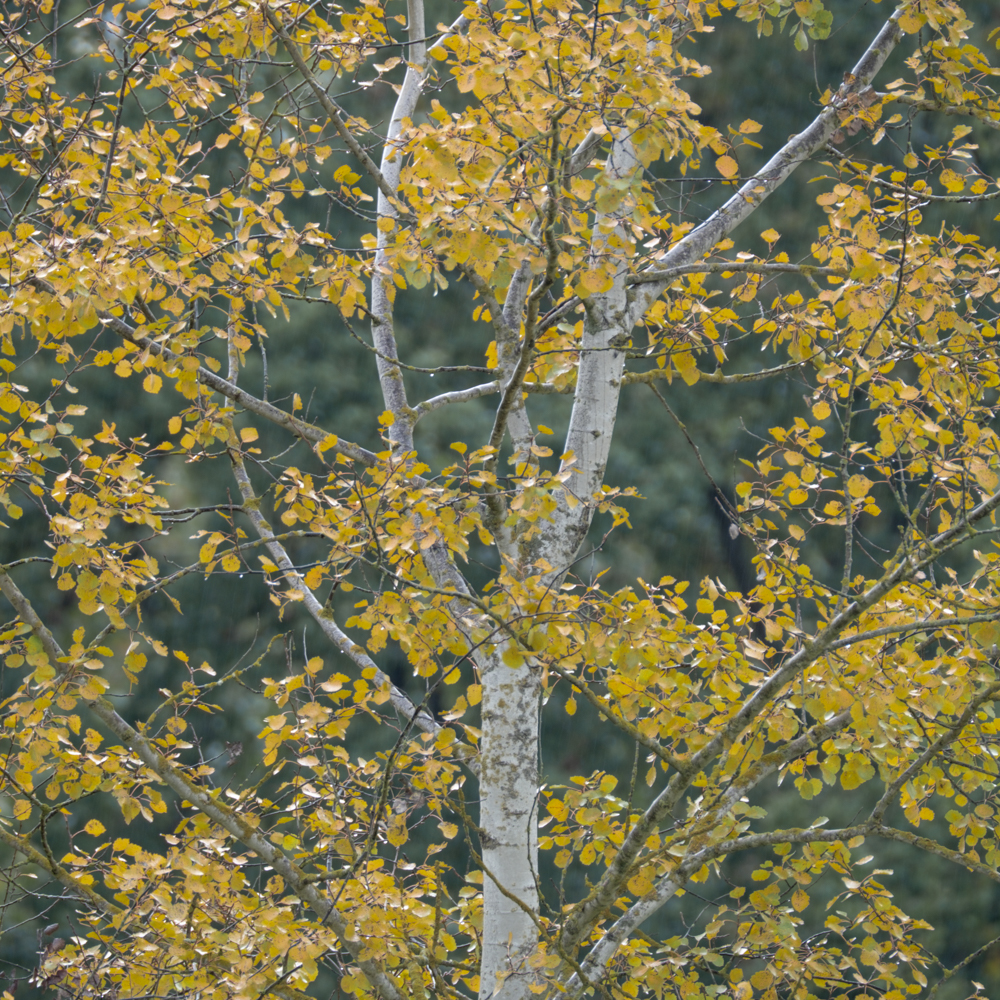
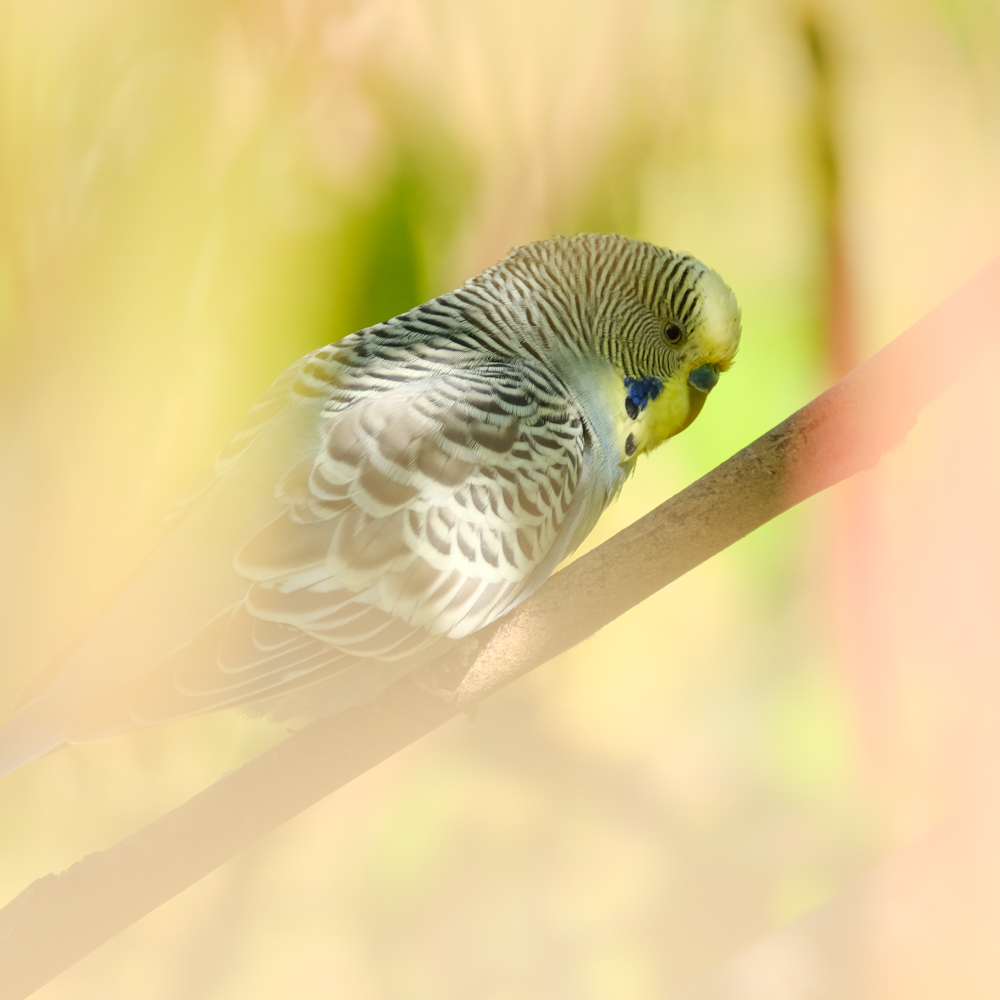
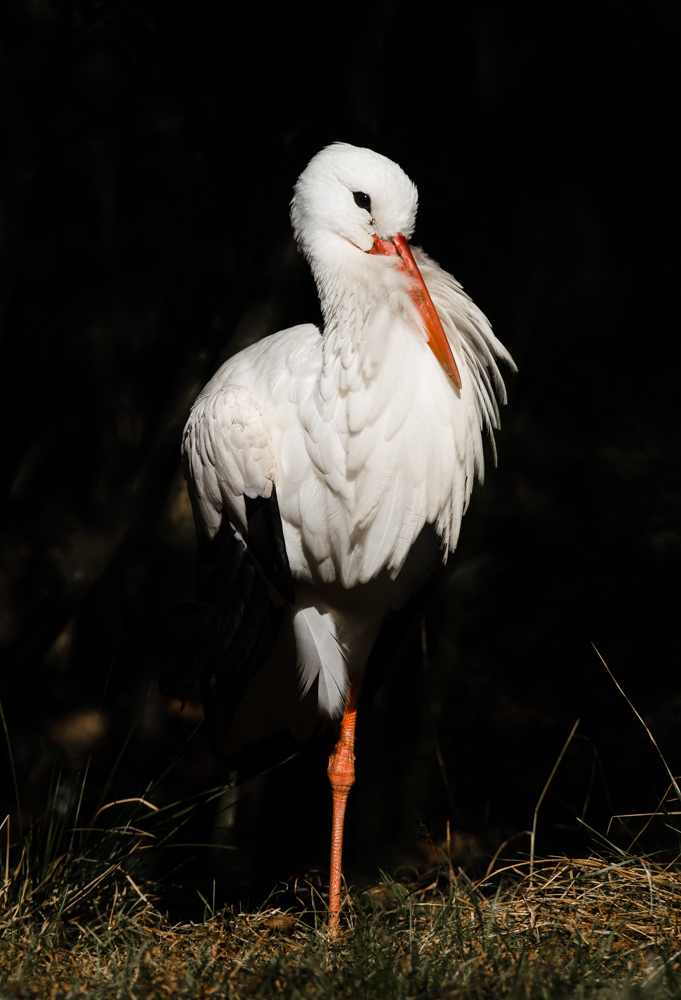
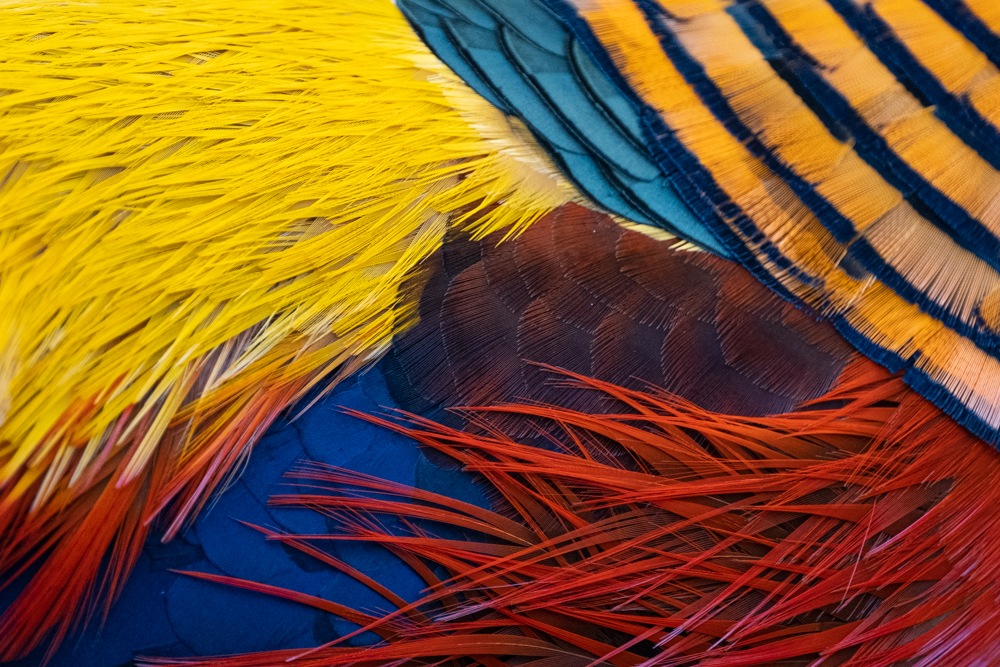
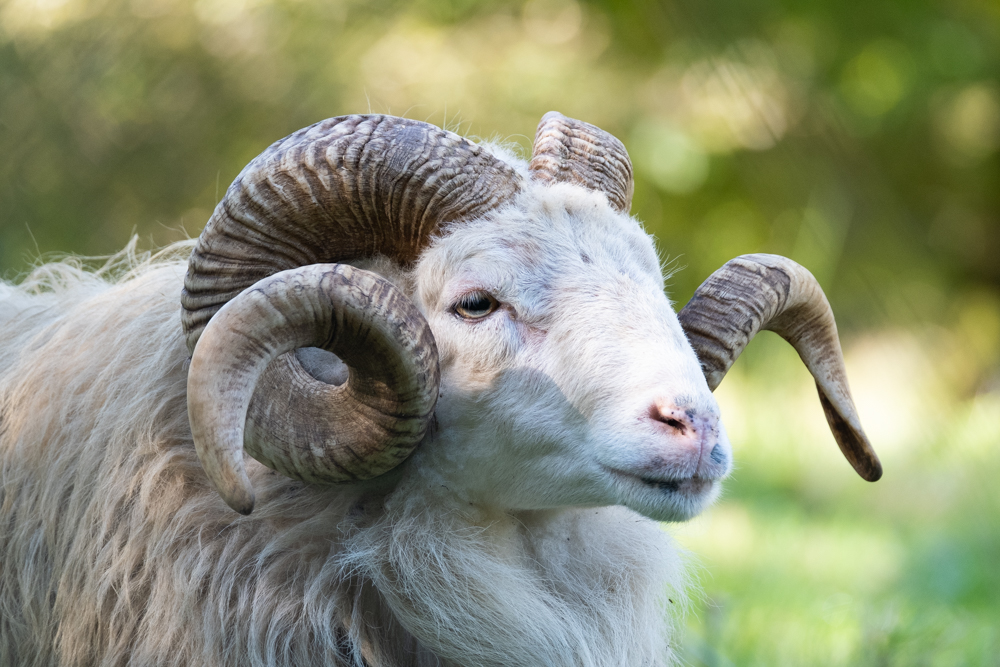
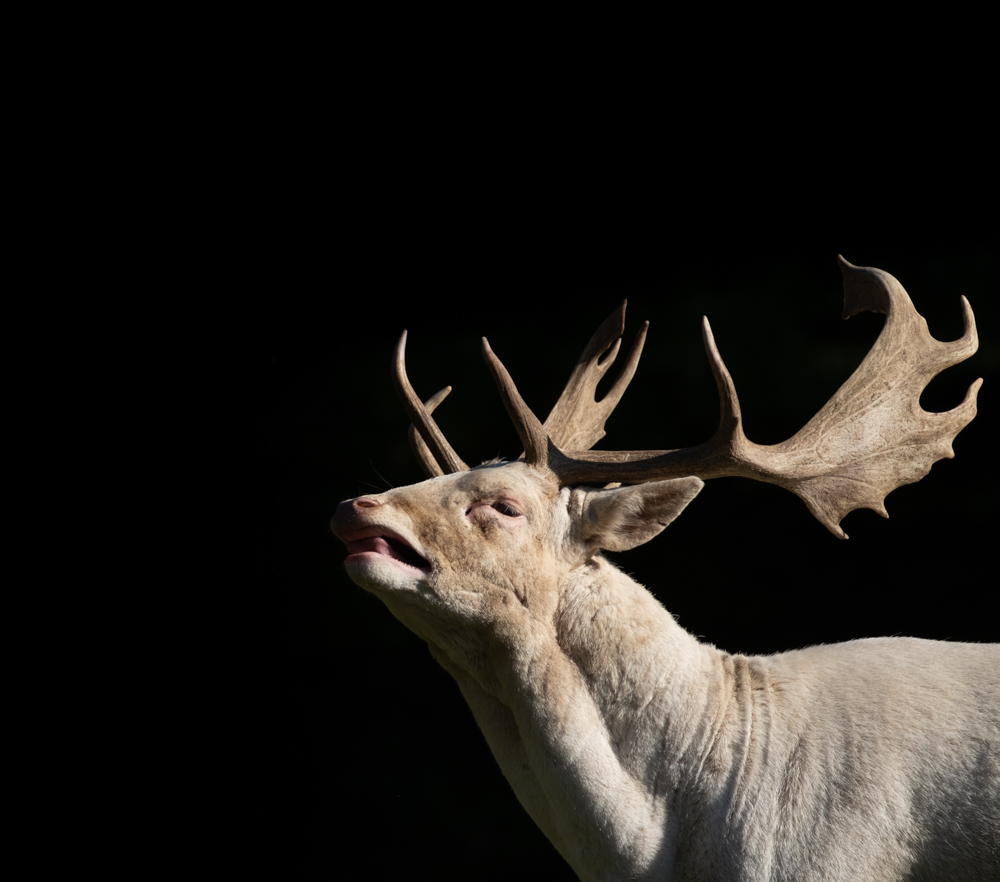
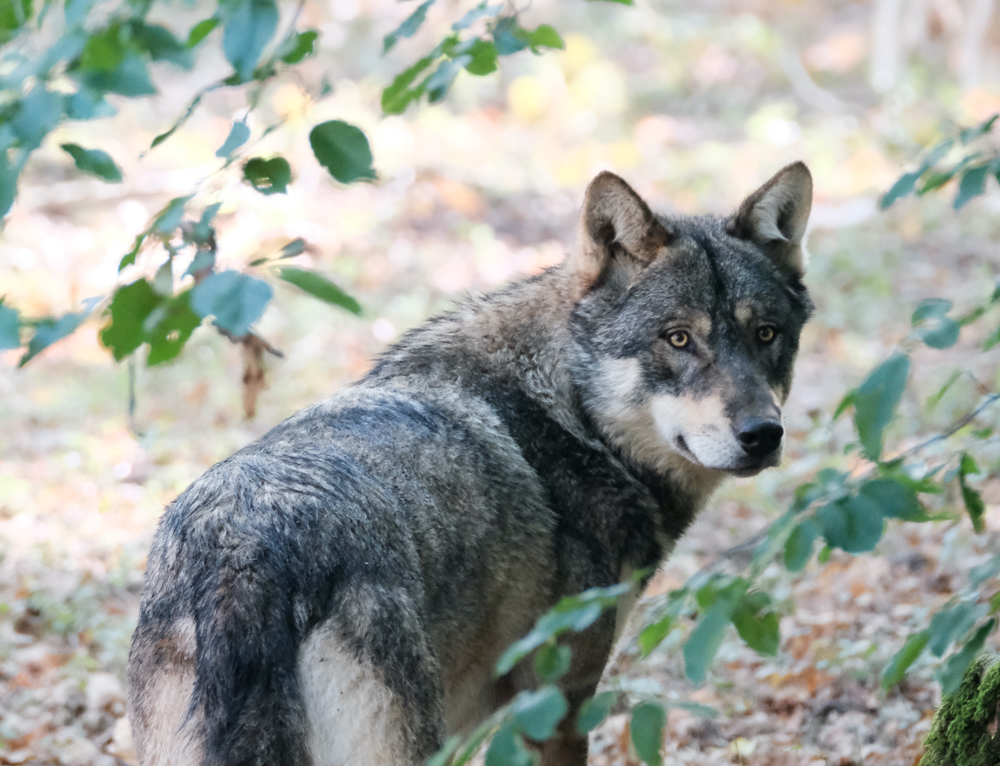
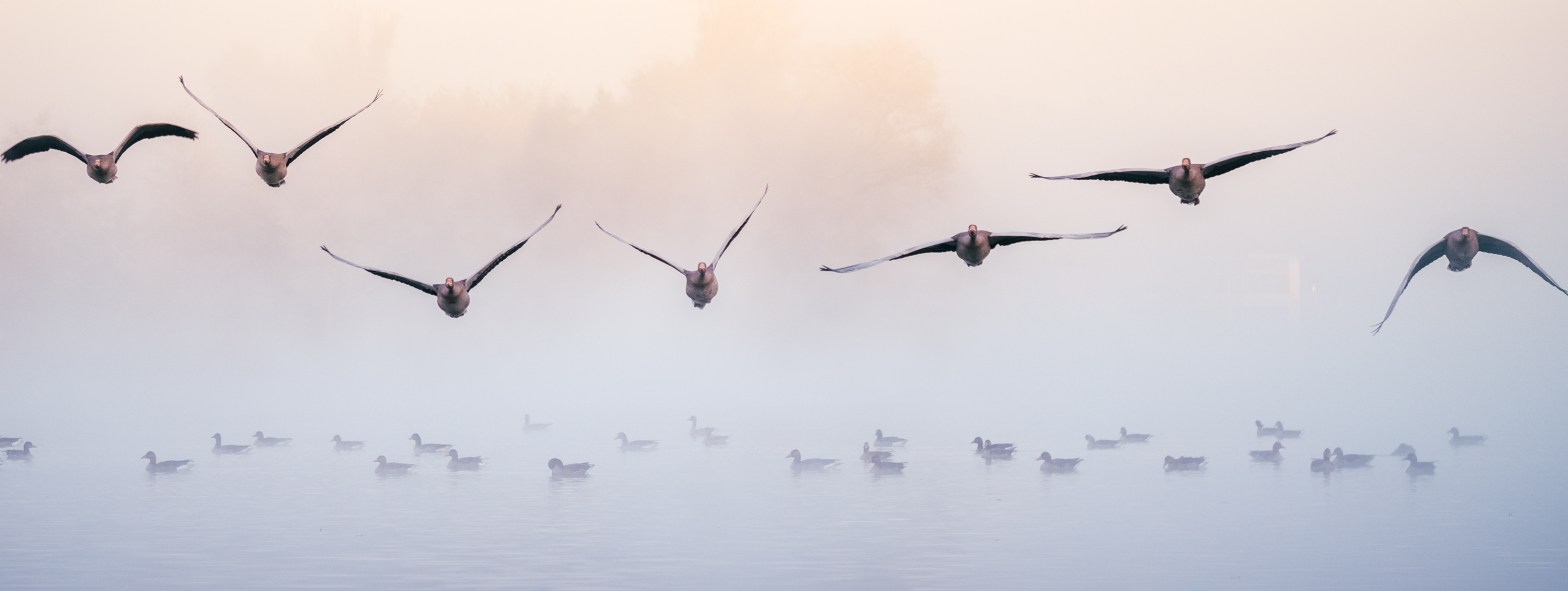
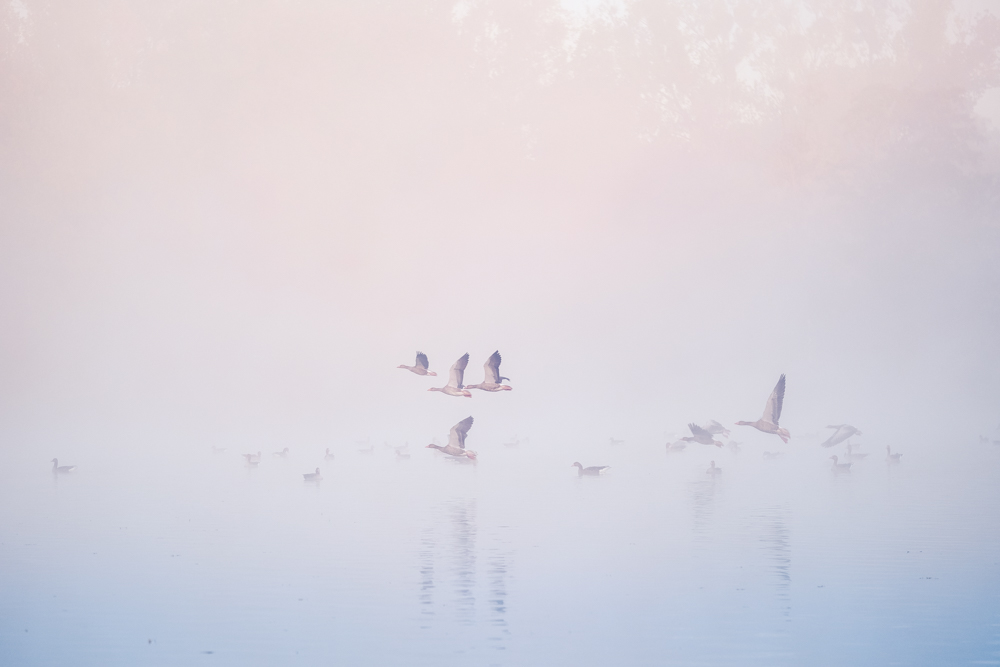
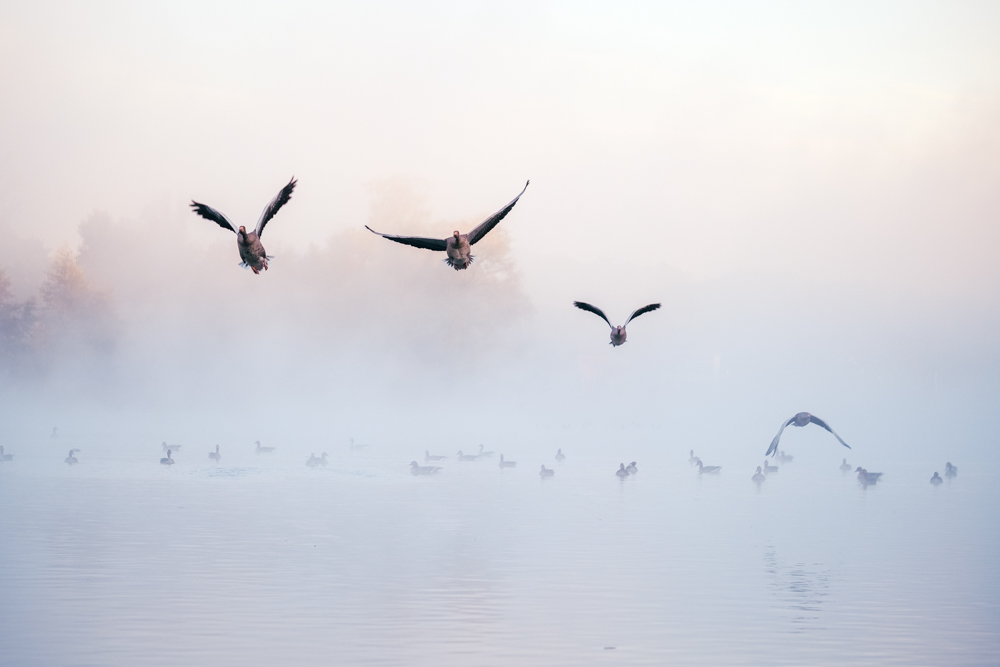
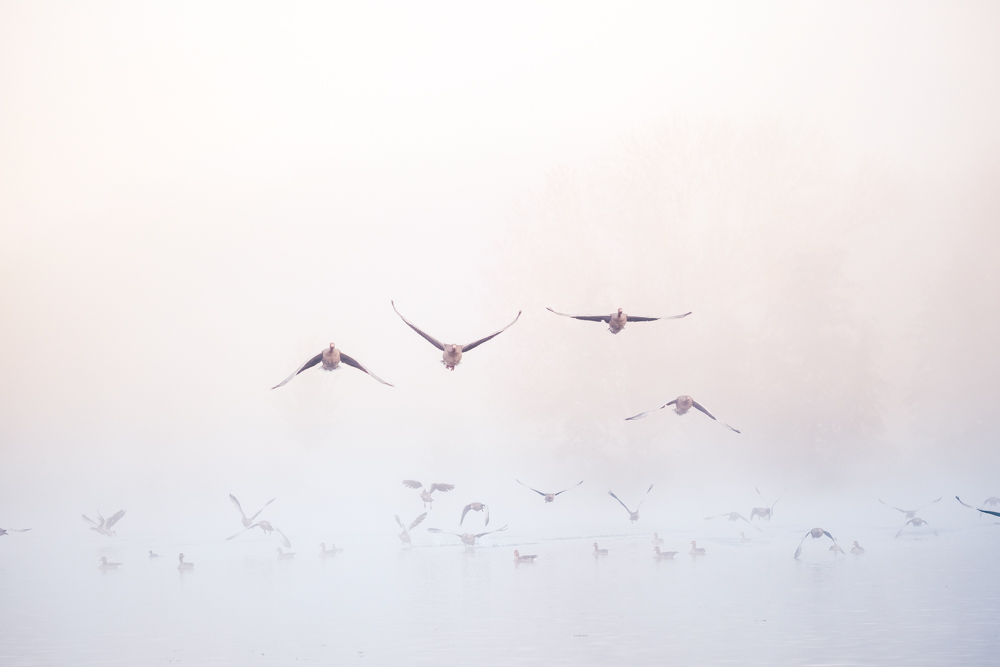
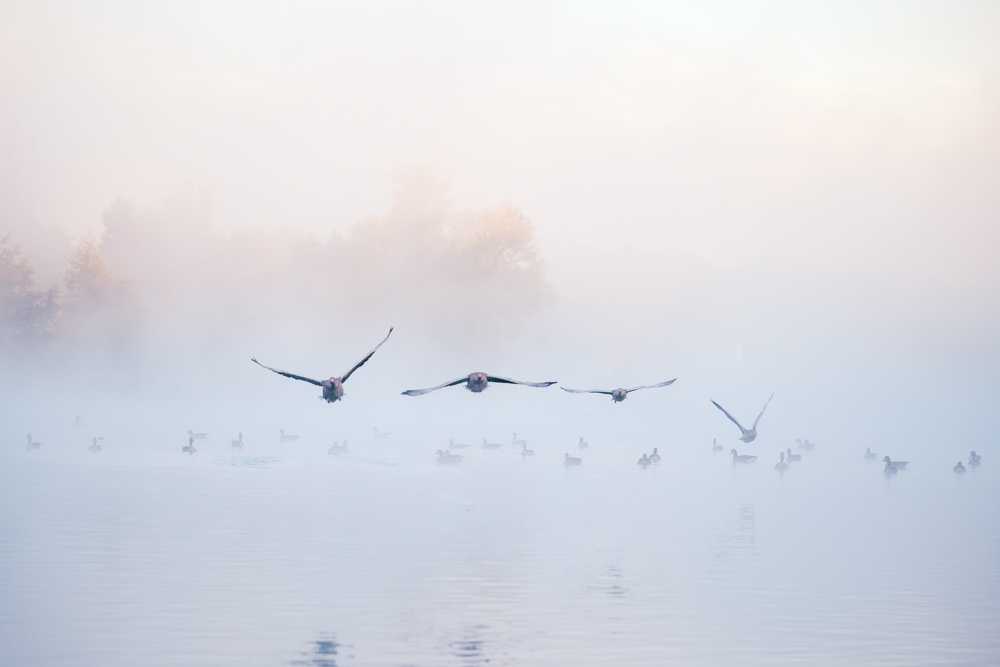
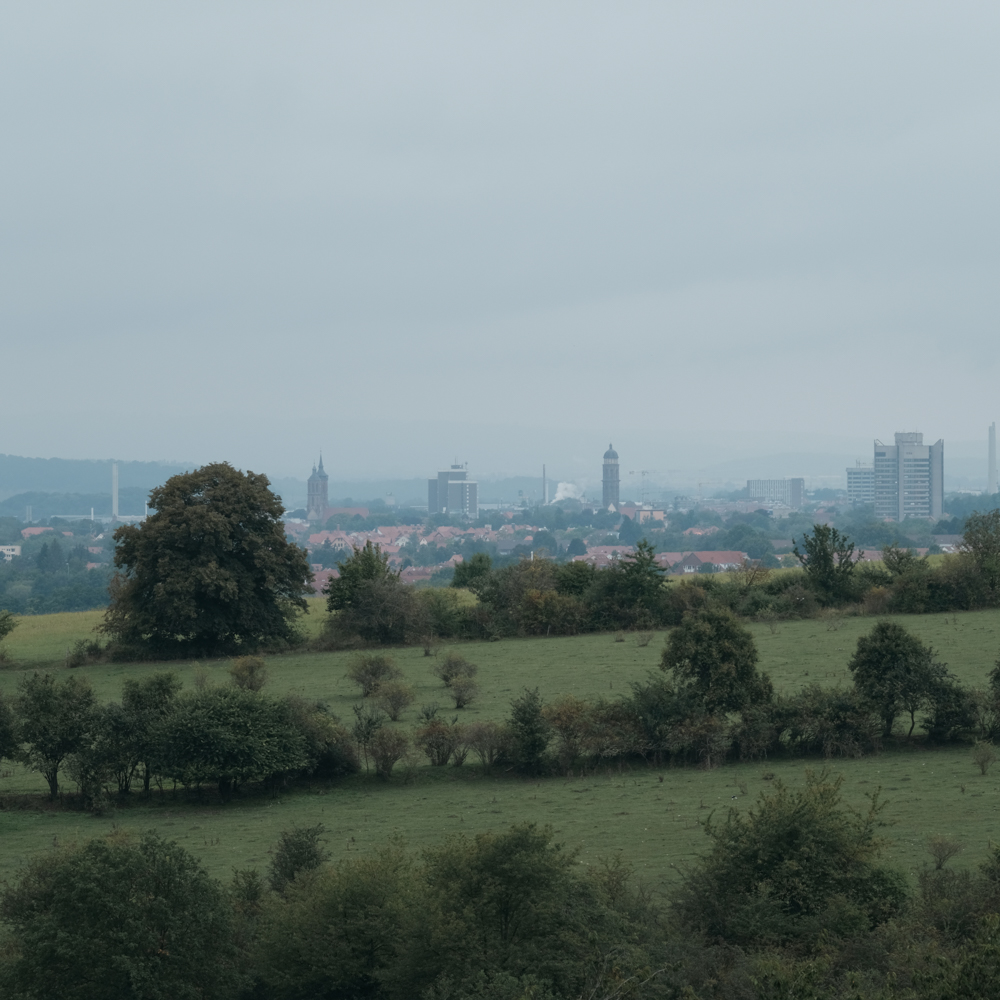
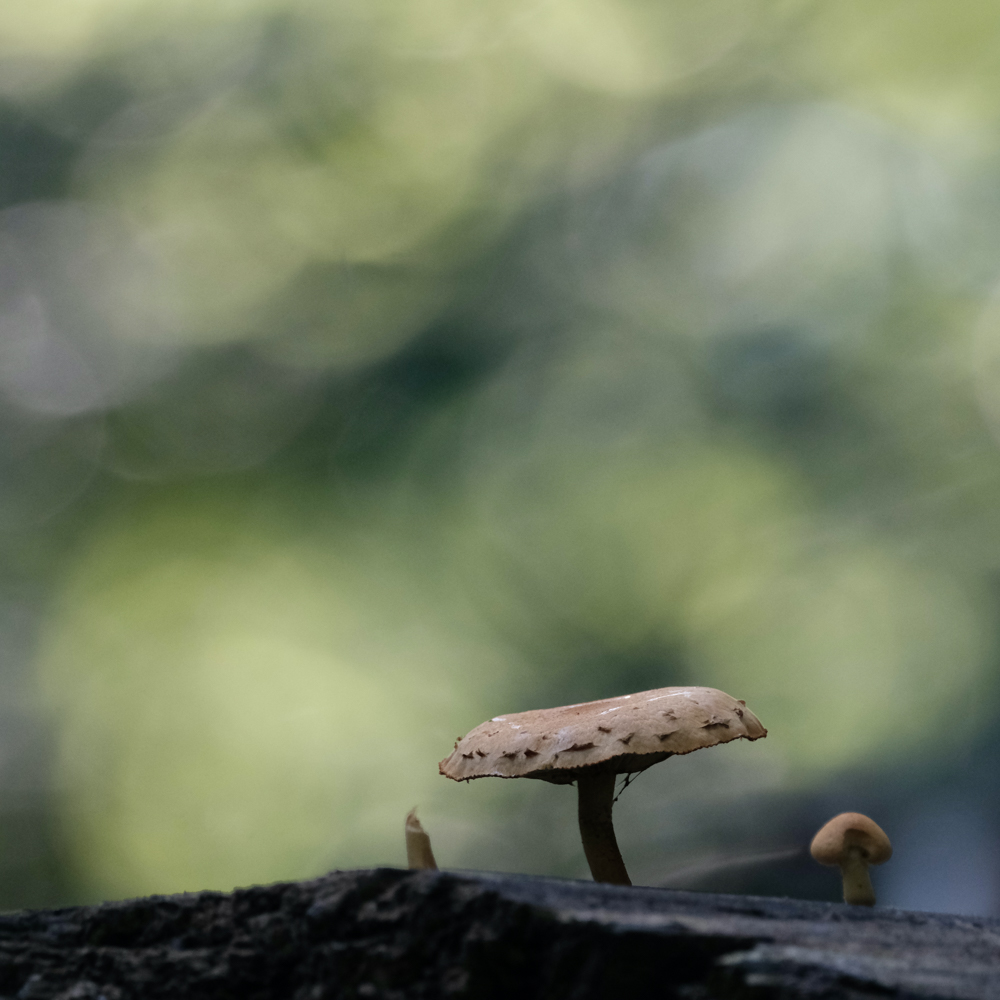
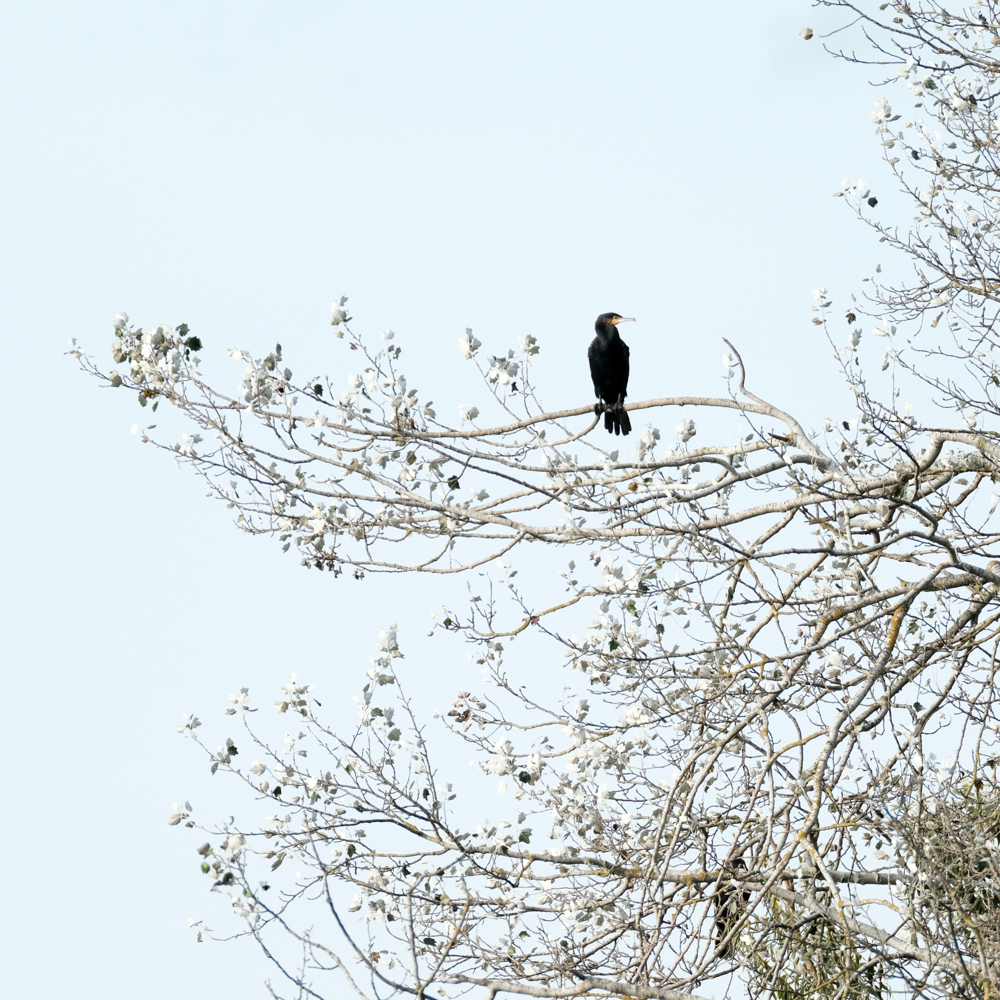
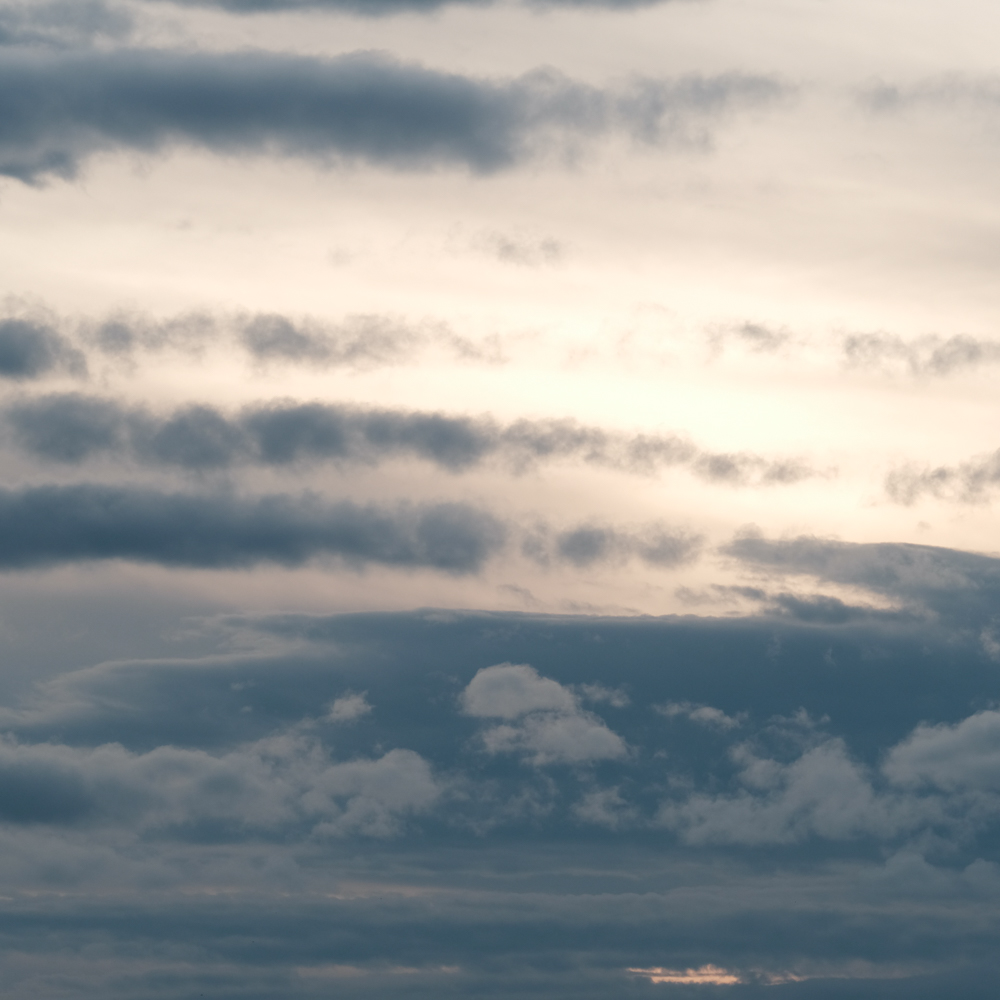
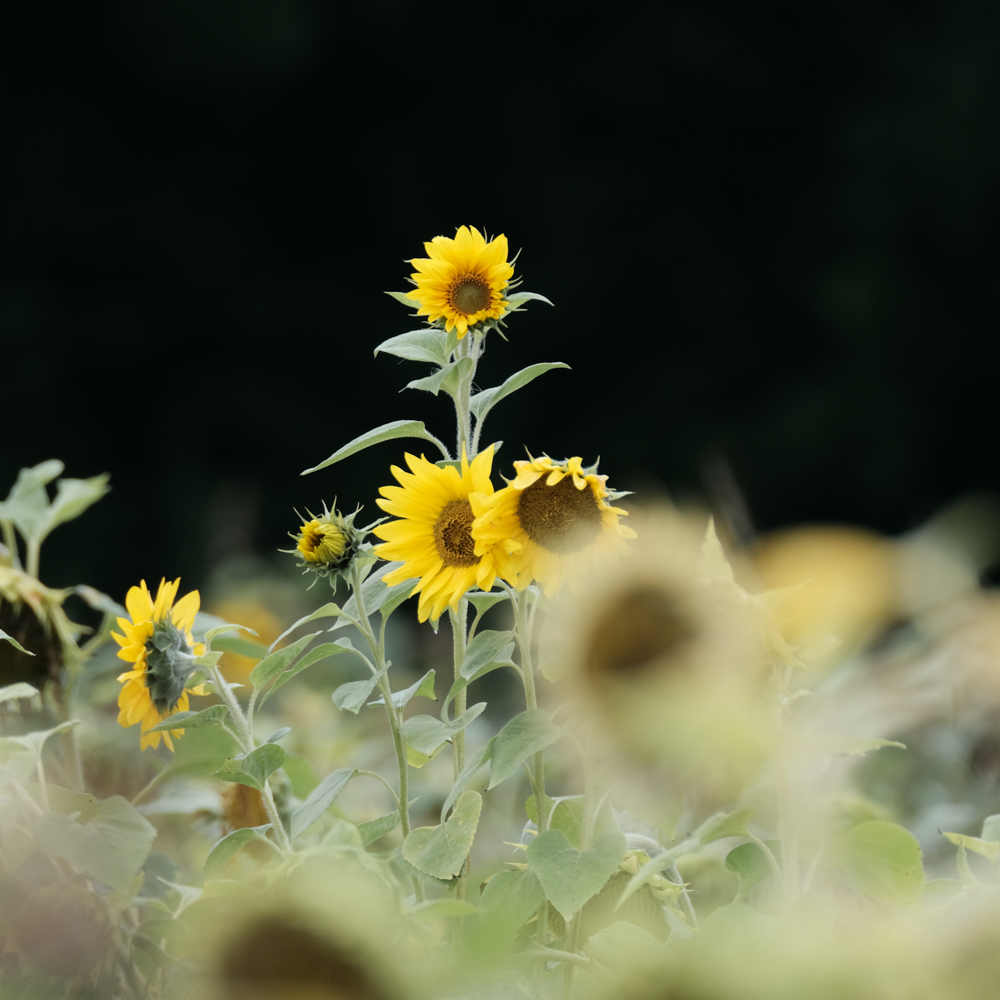
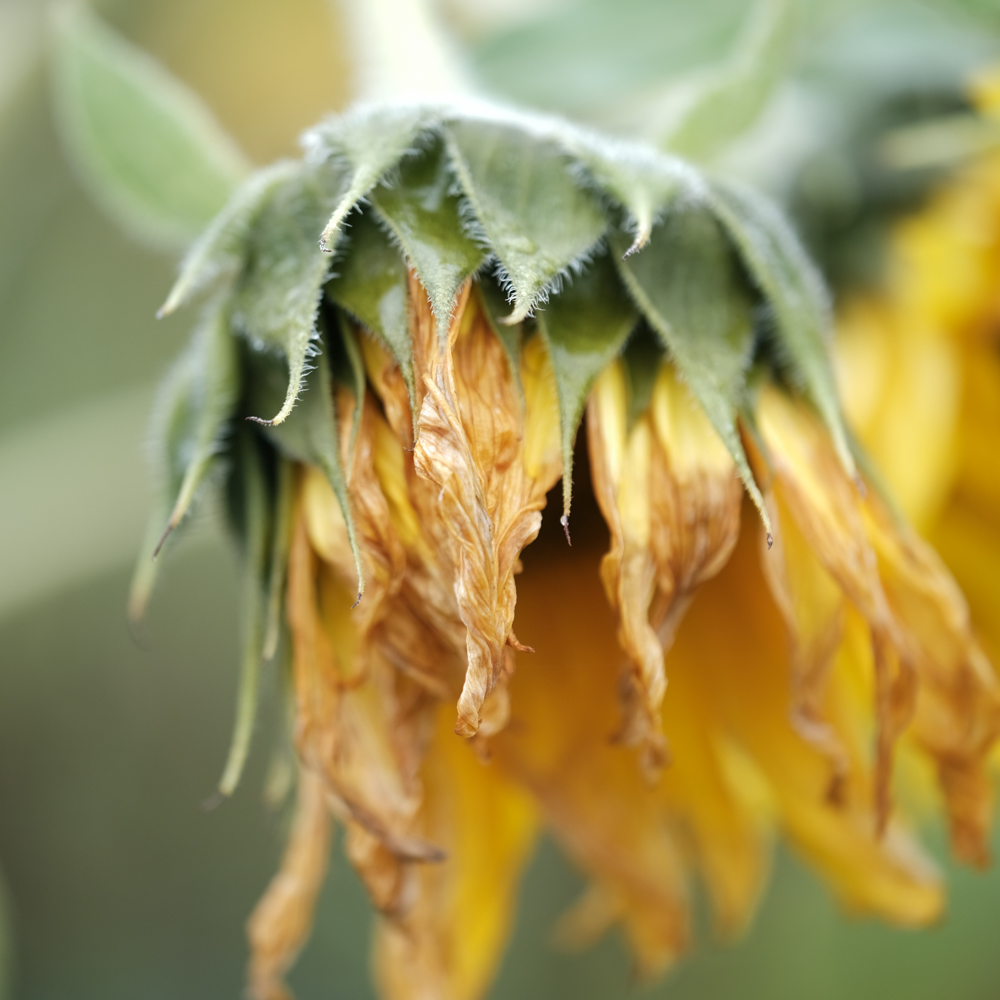
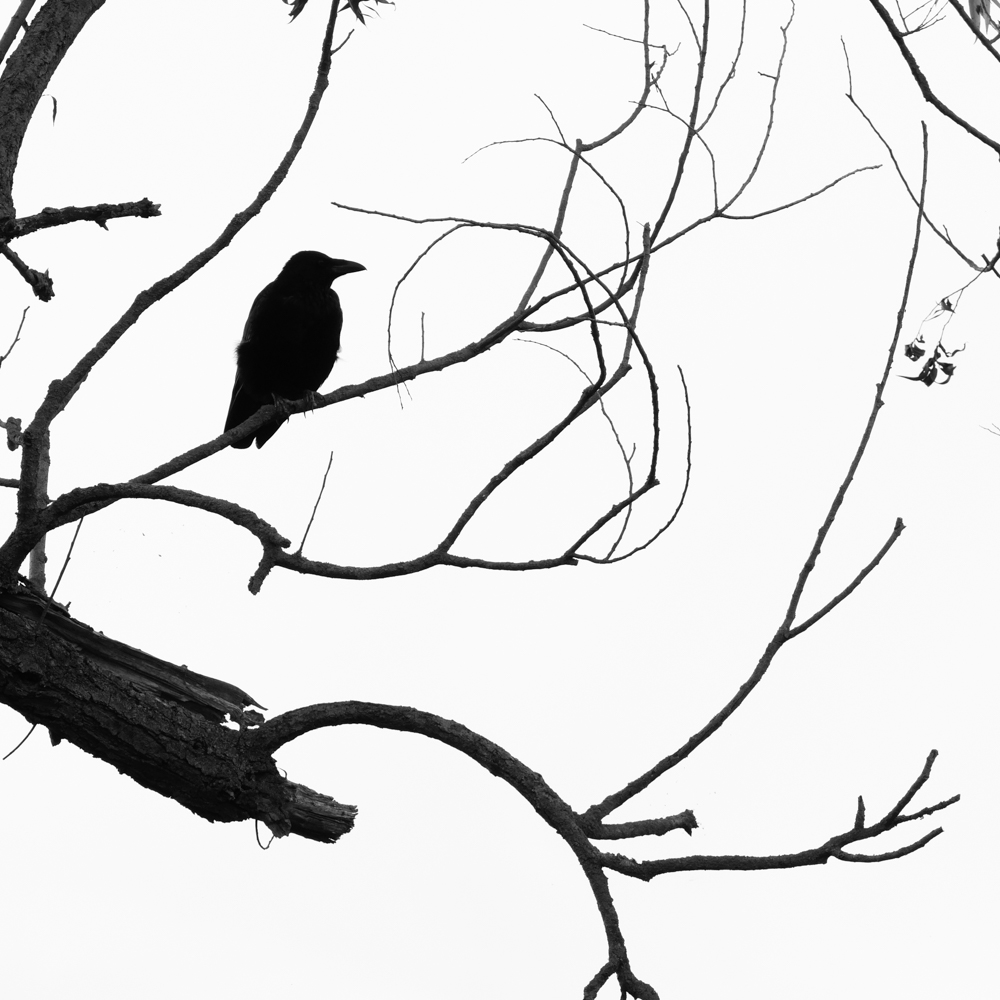
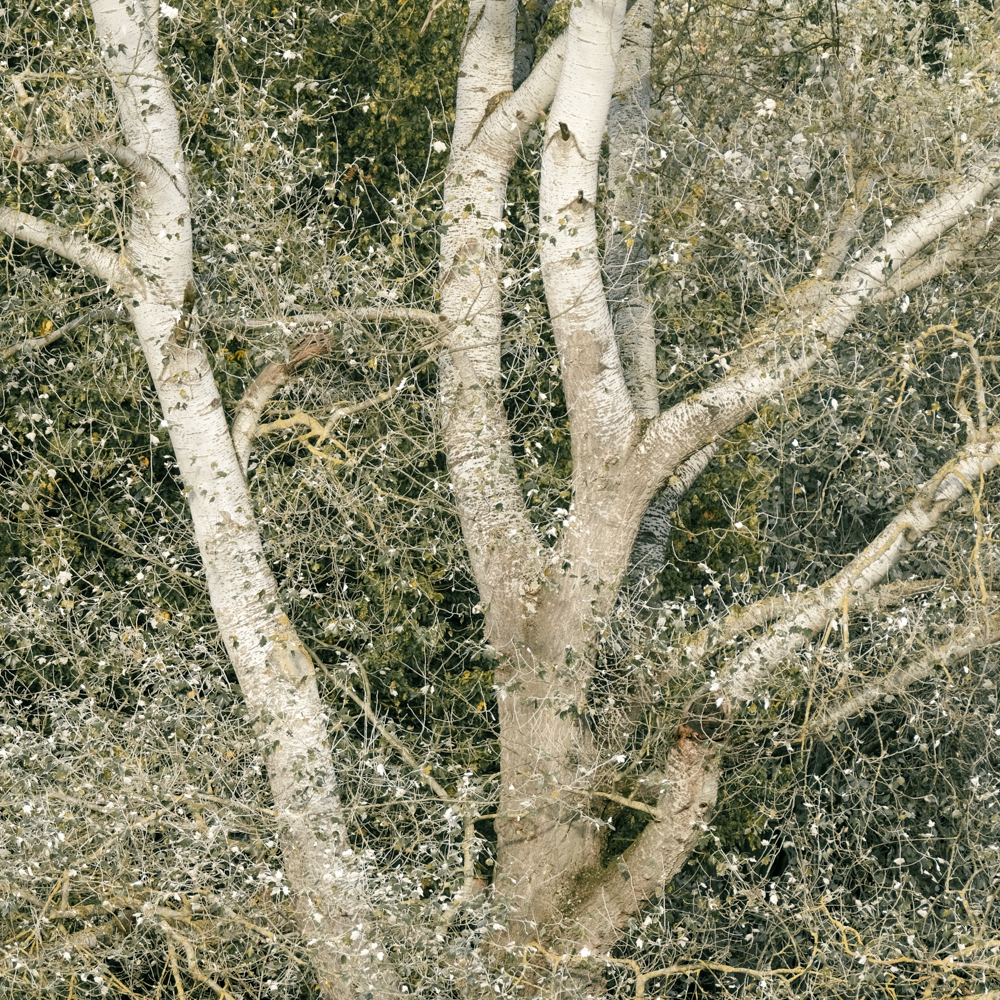
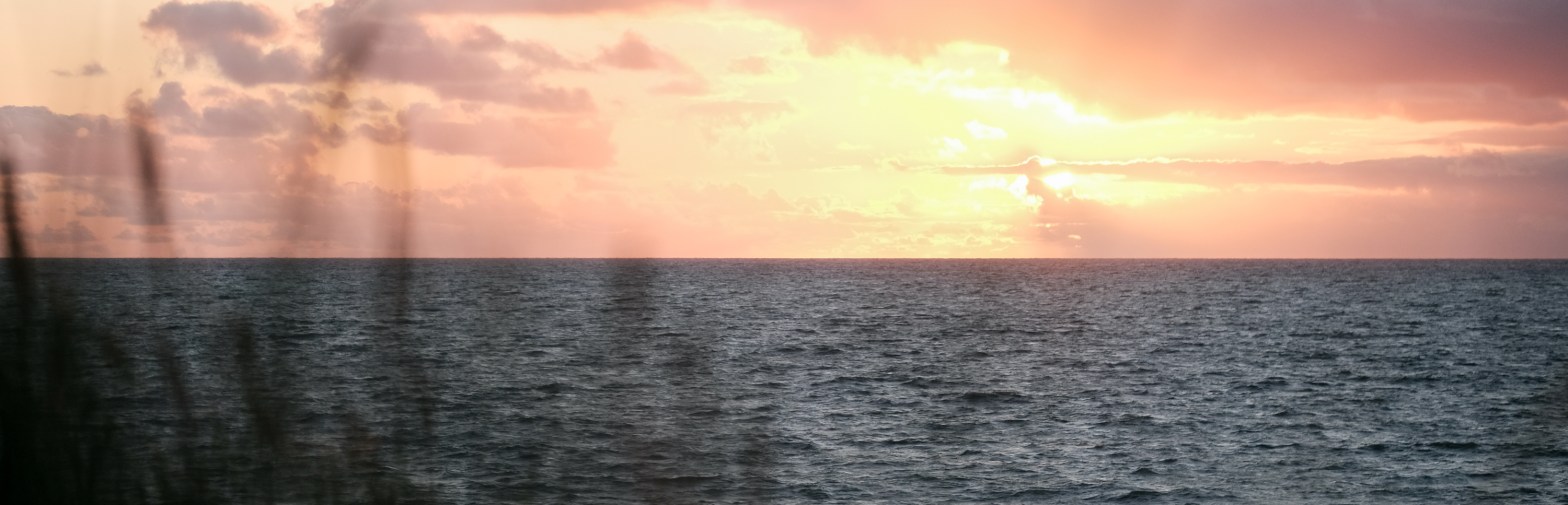
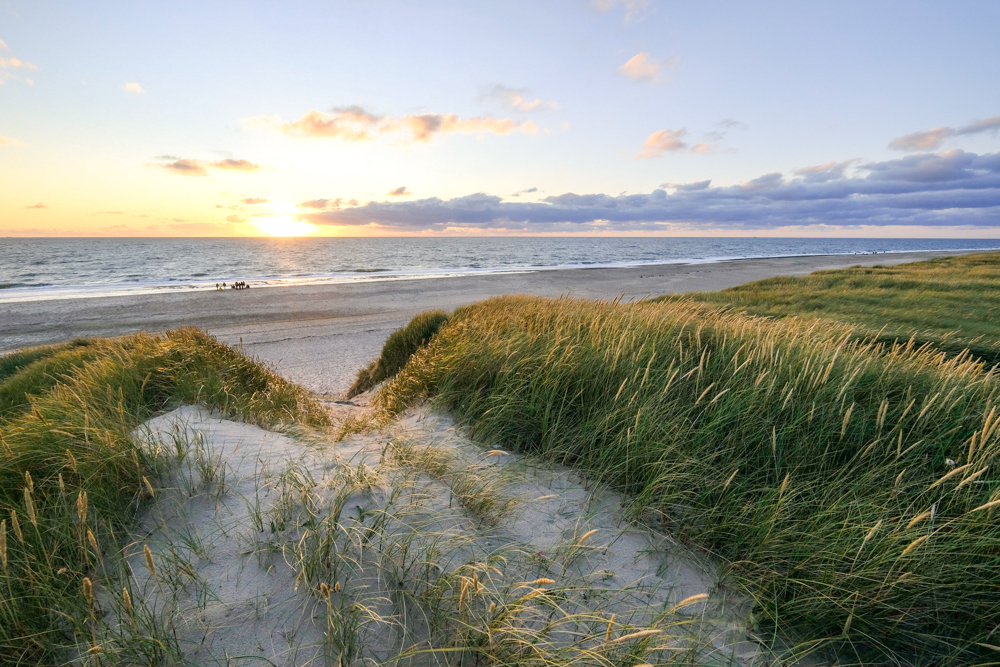
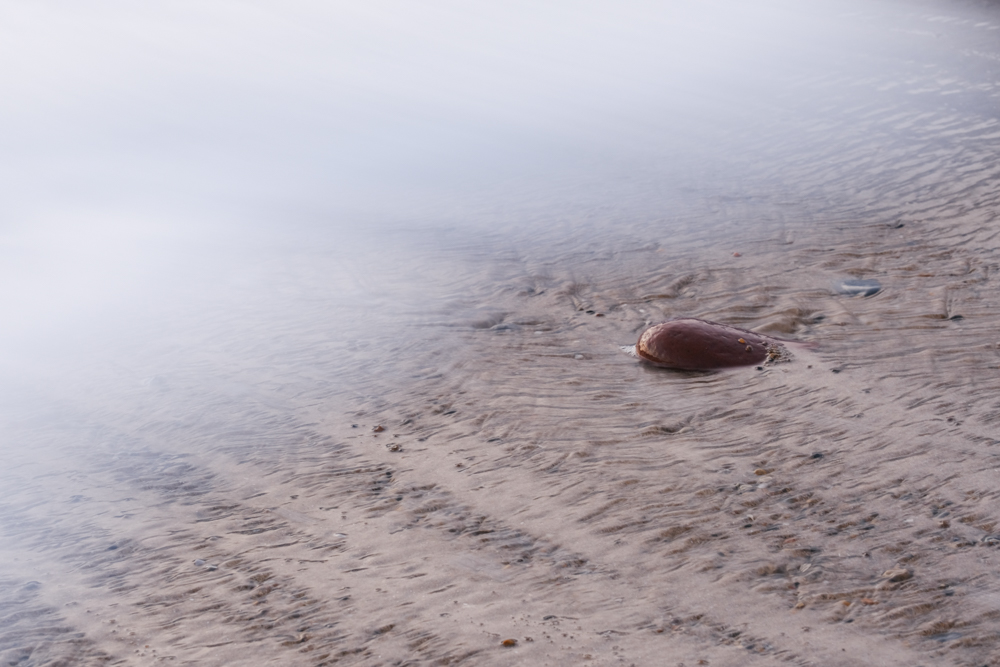
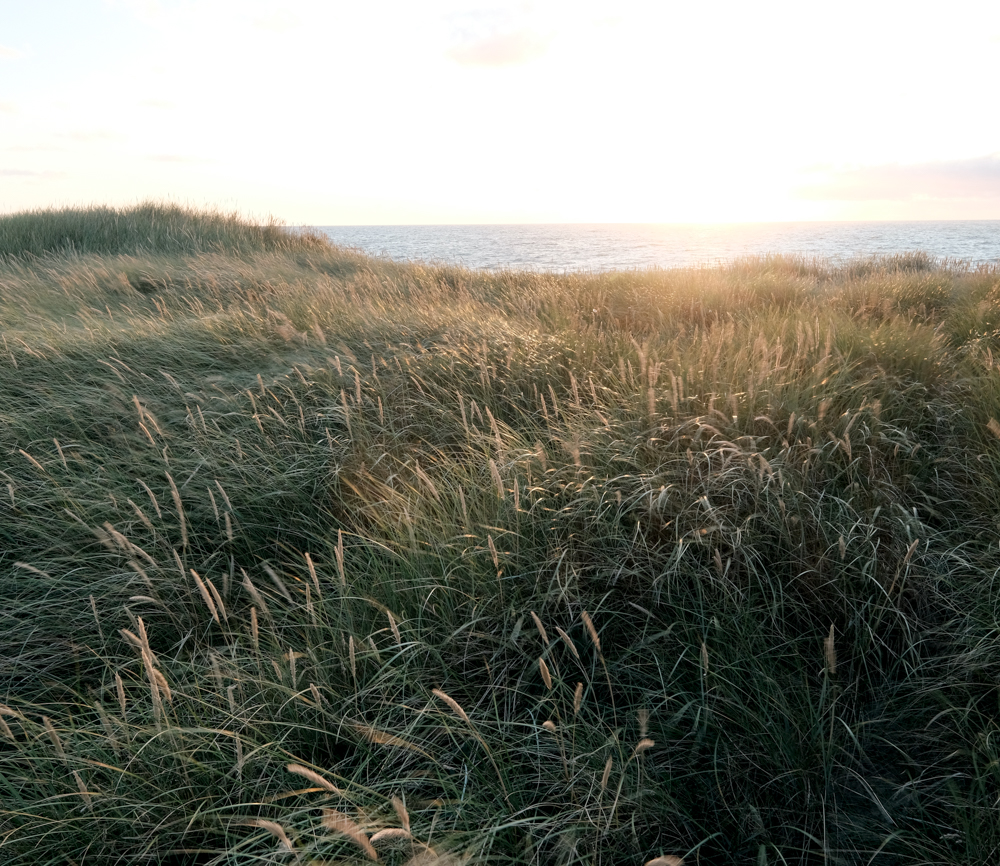
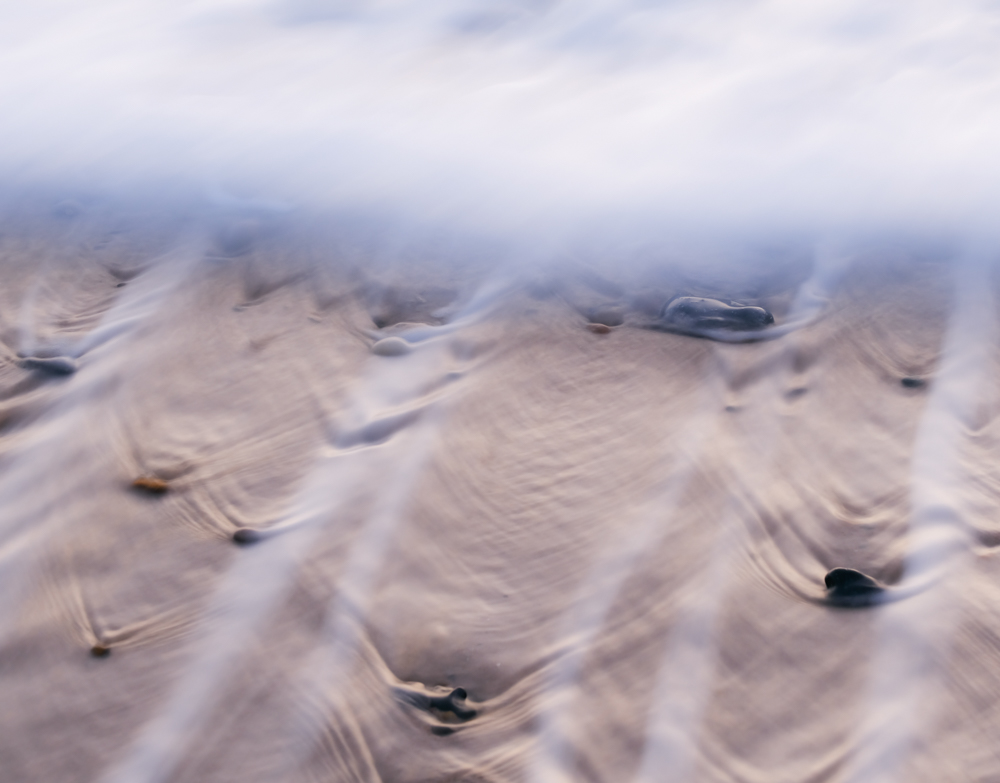
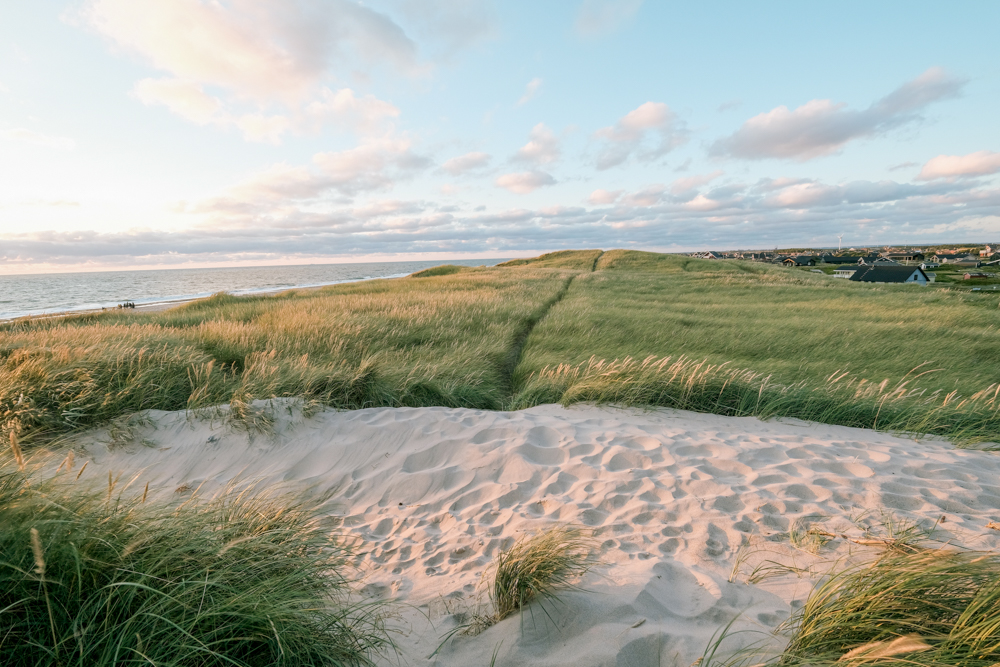
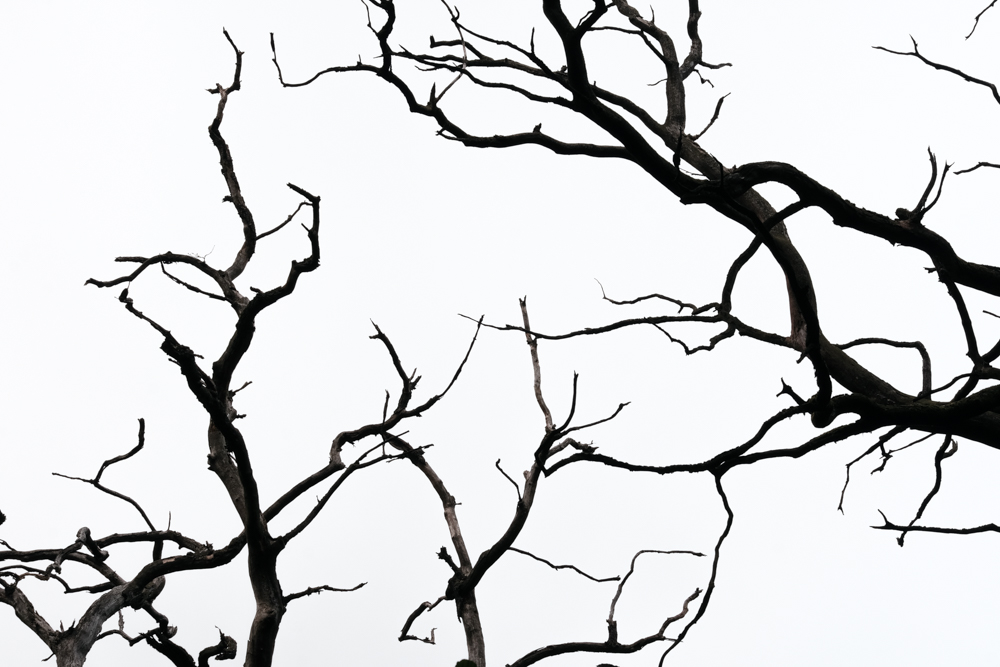
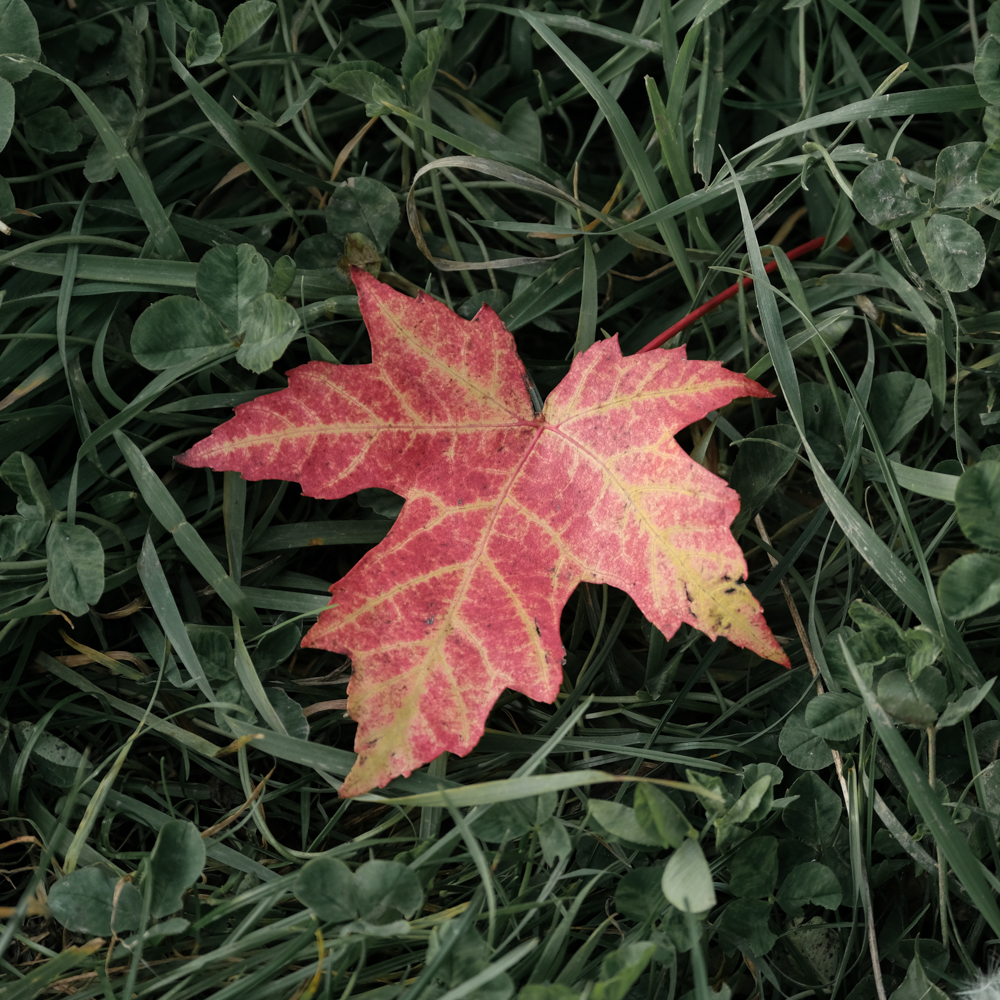
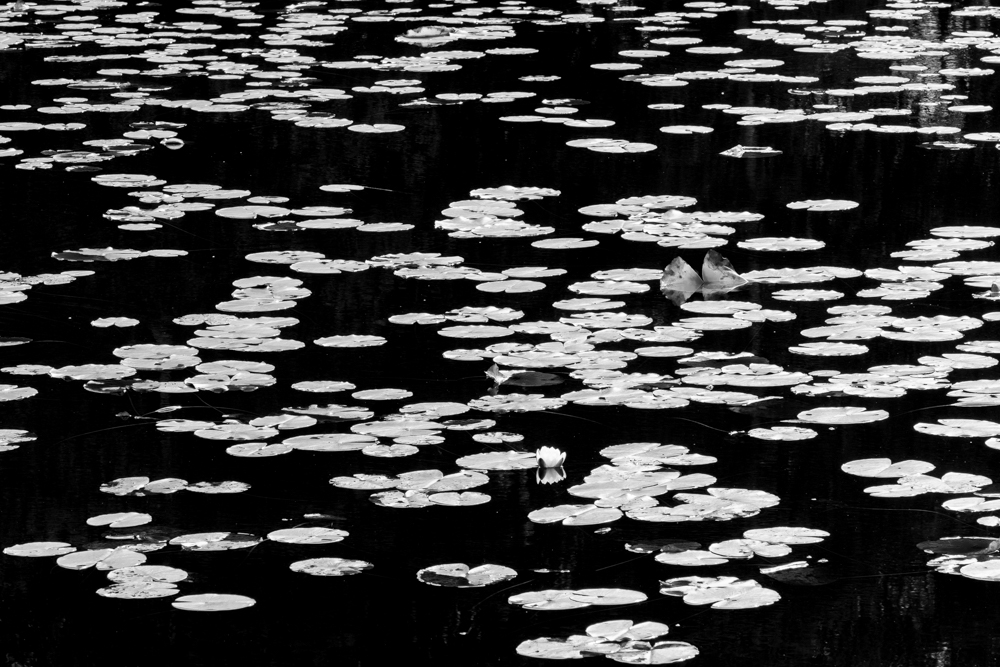
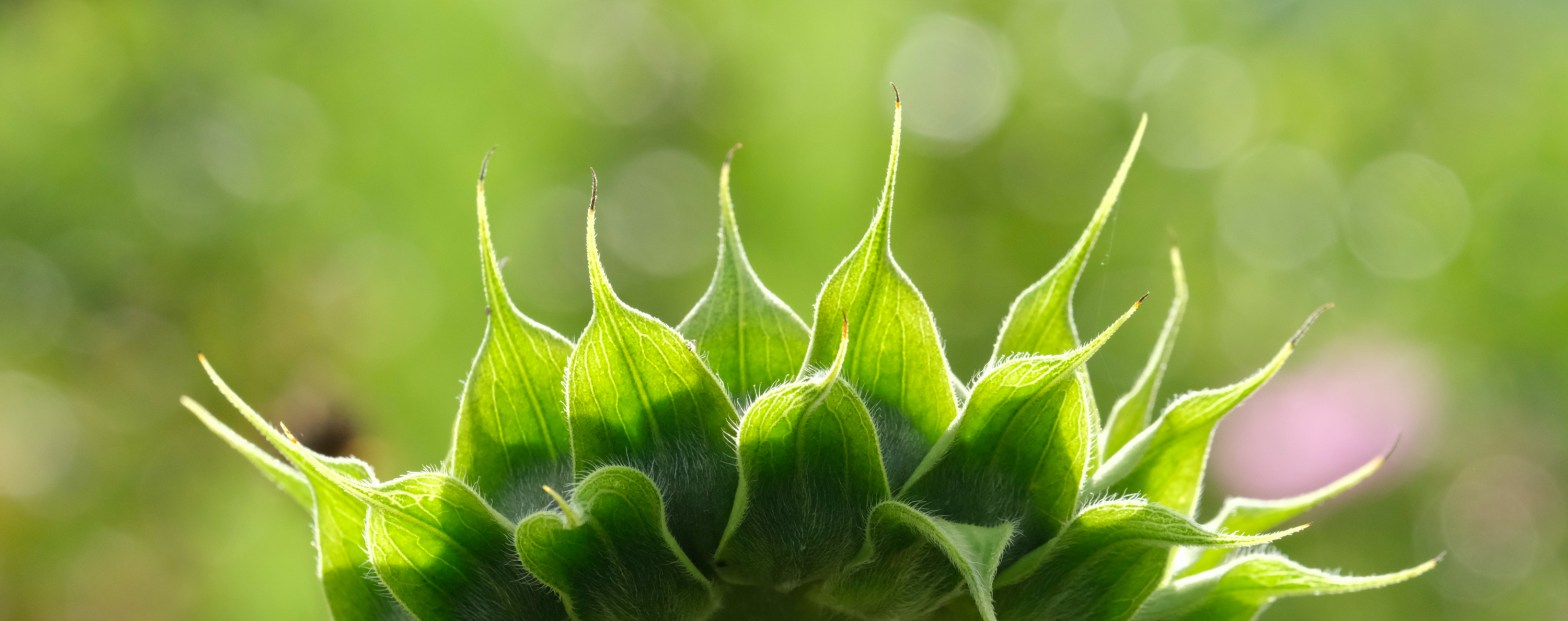
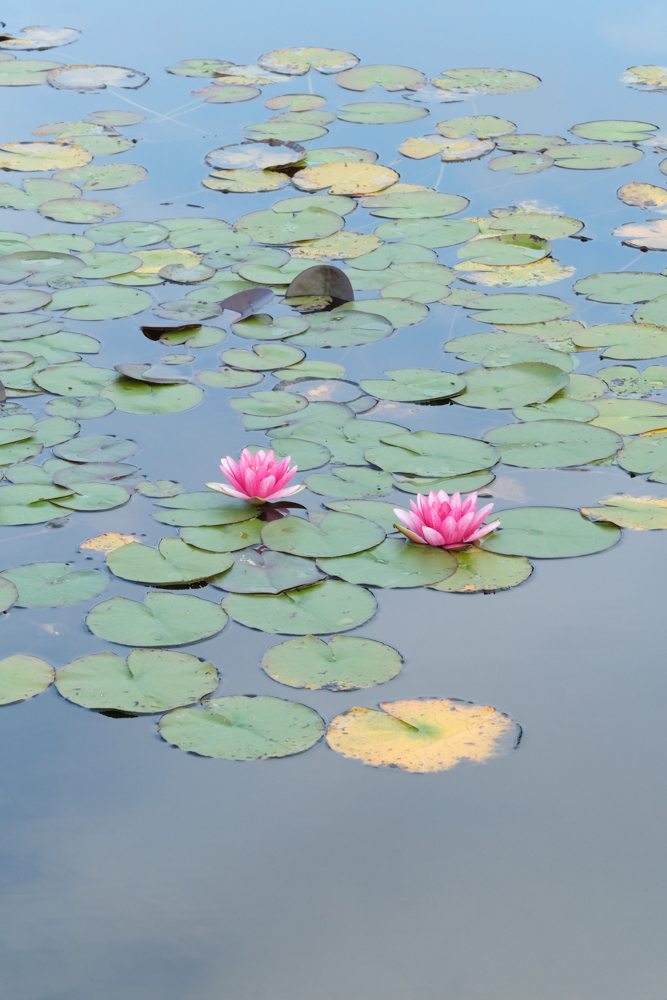
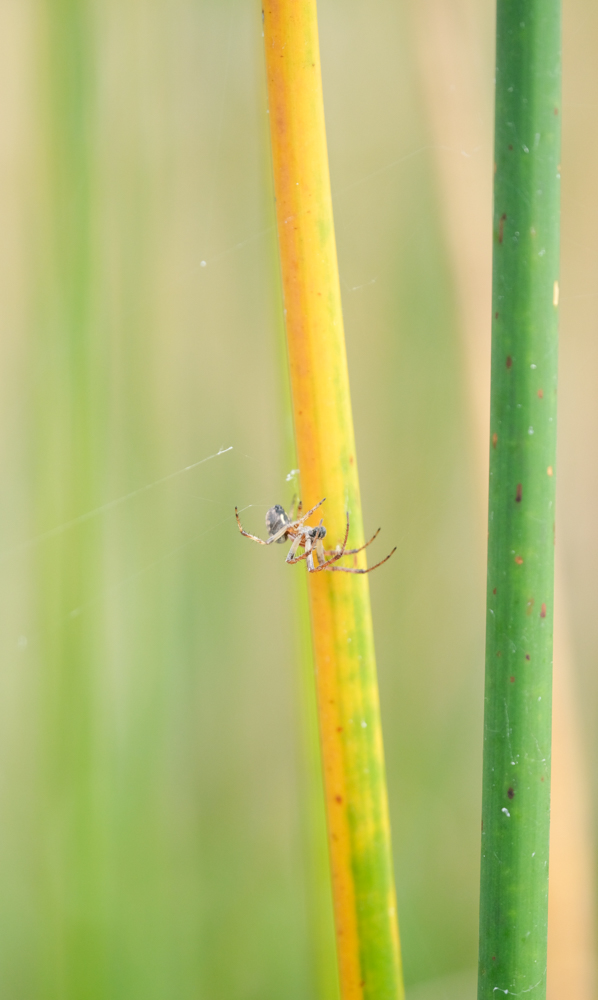
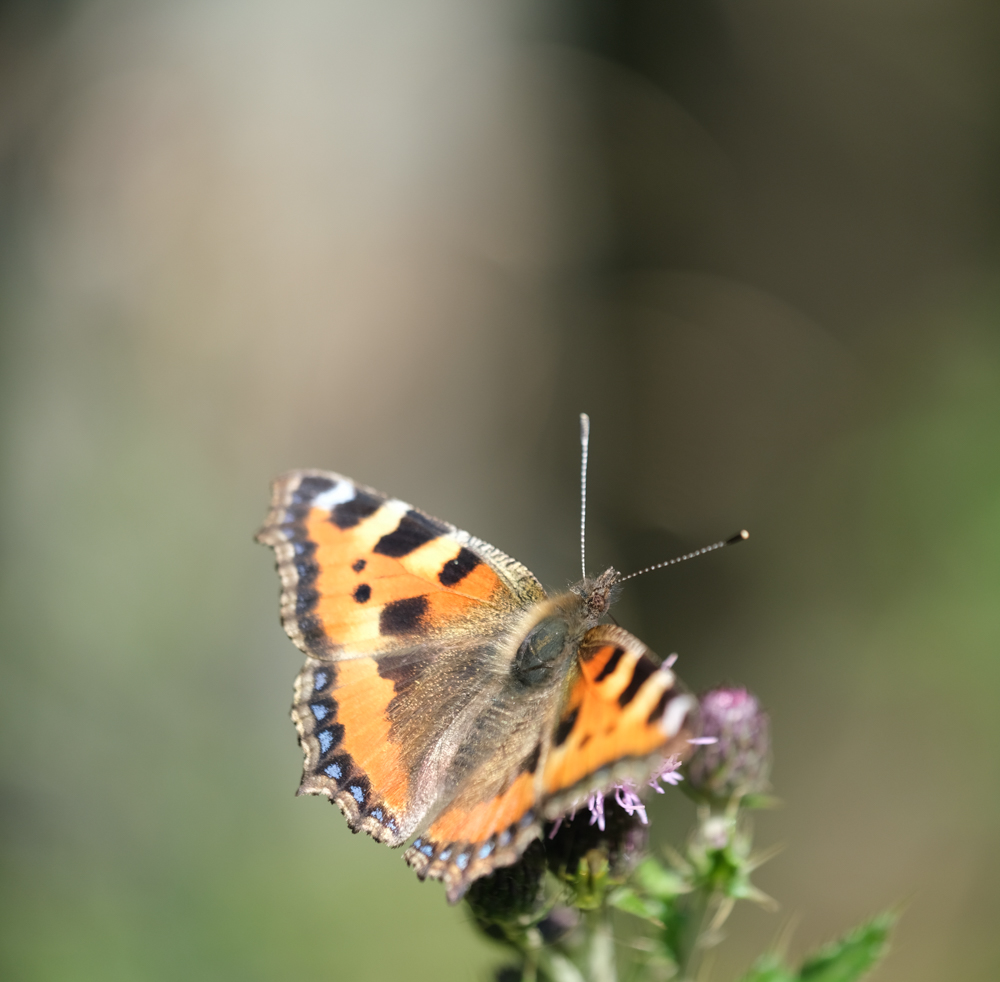
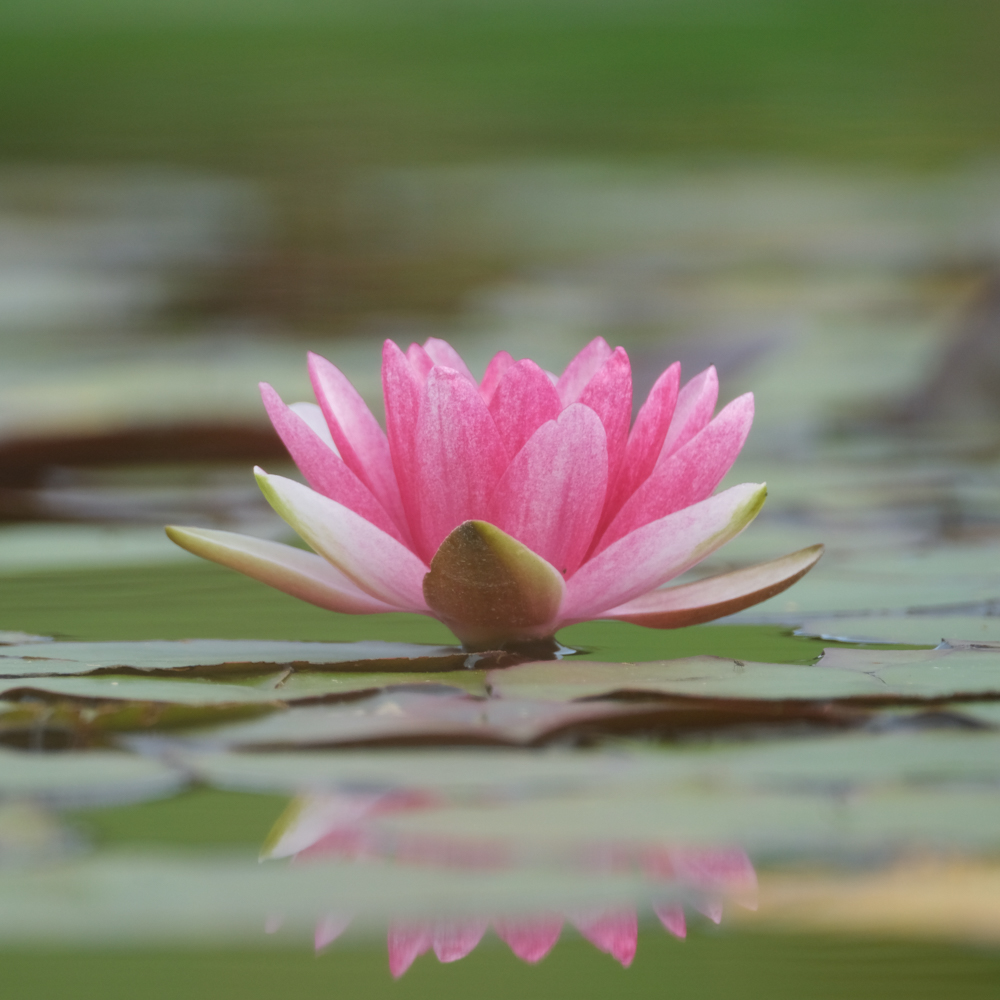
The wet grass absorbs my footsteps as I carefully navigate through bushes and cows. Autumn: the season of fog – however, this is only the second time this year that the colors and sounds of the environment are muted and everything seems calm and silent. My paths leads me out of the city, along the country road, and then into nature: The trees still cling onto their last leaves, the muddy ground hinders my movement, and thorns damage my precious jacket: First into a small valley, then into an old quarry followed by a steep ascent. Next, along a hidden path into the woods. The edge of the small forest is already in sight and after I cross an untreated field, there it is: A hidden gem in our landscape, an old orchard, far off from society. Every time I have been here, together with plenty of wildlife, I can feel at peace.
66 million years ago dinosaurs became extinct – an inconceivably long time span. However, they roamed the planet for even longer: astounding 165 million years. Our species has only been around for ~300.000 years now. When the dinosaurs died, three-quarters of all plant and animal species vanished with them, also known as the Cretaceous-Paleogene extinction event. The cause was, to our best knowledge, the impact of an asteroid with devastating effects. The precise number of such large extinction events is under debate, but by many the Cretaceous-Paleogene extinction is regarded as the fifth and latest one.
So, what does the title of this post refer to? It refers to right now: this millennium, this month, this day. Today, a lot of species are dying. Forever. They will be lost for all of the remaining time this planet exists. Estimates vary from 24 up to 150 species every day. It’s neither possible to precisely guess the actual number, nor it’s easy to evaluate how drastic the estimated numbers really are. The question at heart ist: How much larger is this decline of species than the background noise of species extinction that happens naturally? Some people argue it’s 100-1000 as much as it would be without human interference. Others say these numbers are inflated and global mass extinction is, for now, not as drastic as proposed (because the common assumption that decline in habitat area is highly correlated with decline in diversity might not hold true). One of the major hurdles in assessing the severity of the current biodiversity situation is not only that estimates of dying species vary widely, but also that the total number of species that are currently living is still largely unknown.
In 2010, the UN agreed upon 20 major goals for the upcoming decade regarding biodiversity, including specific plans for the conservation of nature and variety of species. The last decade was even termed the ‘United Nations Decade on Biodiversity’. So, how are we doing so far?
Pretty bad! And irregardless of how accurate the estimates on global diversity decline might be, some other numbers are well proven and unambiguous: There is a large decline in animal populations across most domains of life. Since 1970, populations show an average decline of 60%. In south America, due to deforestation of rain forests, the decline in biodiversity is already estimated at 94%. The number of insects in Germany has gone down 70-80% in the last 30 years alone. 25% of all plant, fungi, and animal species are endangered. To quote a rather optimistic assessment: If we presume a total of 8 million species, we will loose at least 1 million by the end of the century. And these effects can mostly be traced back to modern agriculture alone. As soon as climate change really hits (very soon), these numbers are expected to increase significantly again. And even if these changes do not necessarily mean a decline in global biodiversity, the effects of declining local biodiversity are the ones we will pay for.
So the UN agreement from 2010 didn’t turn out well – and by now, I doubt that the Kunming declaration from this year will cause any large-scale systemic change. For me, reading about these events evokes two opposing feelings. First, sadness and helplessness. That we, as a society, are responsible for this undesirable change. That I, as an individual, am responsible for this horrible change. And second, relief. At least five times life has recovered from the most harsh conditions imaginable. And it probably will continue to do so until the heat death of the universe. It’s unclear though whether the species Homo sapiens will survive this next great extinction; by several scientists, this threat is estimated to be even more dangerous than climate change.
Yesterday, the winners of the European Wildlife Photographer of the Year 2021 were announced. Check them out here. Stunning pictures all around! The winning picture of this year also entails a grave background story about our influence on precious nature.
Most people have a favorite season. For me it was summer for as long as I remember: The mellow evenings, long daylight, warm temperatures. I remember playing soccer for days during the long holidays when I was a kid. In summer, life is easy and joyful. After summer, the second best season is spring. Why? Because summer comes afterwards. Autumn always seemed depressing; and winter, well, winter is cold and rainy.
But my preferences changed in the last year, fueled by my journey through photography. Suddenly, every season brings change into nature and, thus, change into pictures. With every passing week, there are new things to discover: Leaves change color, fog sweeps through, snow coats the landscape, ice transforms the texture of surroundings, the early blossoming plants arrive, and fresh greens flourish. A constant act of discovery – suddenly every season becomes more fascinating than it did before.
Autumn still isn’t my favorite season; but it’s on par with all the others now. I can appreciate it for all its colors, for the misty mornings and foggy woodlands. Getting up for sunrise is comfortably possible at 7 a.m., capturing sunsets can be done before dinner. Many birds pass our latitude, stop at the local pond and calmly wait until the conditions are just right.
Being here, being caught, having fought the fleeting thought.
Being here, we fear but strive, shed a tear within this life.
And the universe presents: a random sequence of events.
Samples from a multitude; is the distribution skewed?
Let me set the stage for a challenging act of balance:
A thin wire rope stretches between two poles. Right in the middle: the artist, high above the ground. Elegant, delicate, confidant. He must maintain balance, otherwise a deep plunge will end the performance quite abruptly. The artist firmly wraps both hands around a long rod; by doing so, he can compensate oscillations of rope and body. Looking straight ahead, knees slightly bent, there is only one way to finish this act of art: Walk forward, maintain balance, reach the save pole, relax; and turn around because the way back awaits.
But two opposing forces disturb the performance – while the actor is confident in his skills, his balancing rod causes imbalance: Attached to one side are his own aspirations, causing a slight, but constant, tilt towards the left. On the other side of the rod are the well-intentioned demands of the spectators pulling him towards the right. In order to survive, own intentions and the will of the spectators need to be integrated to accomplish the feat.
The feedback is essential to learn and improve; but own aspirations are important to maintain motivation and the drive to create. Balance between both has to be maintained. Asking two persons will give you three opinions – and then there is your own as well.
I became aware, that the noise of many will point you in all possible directions. But the voice of a few will show you the right path. So, listen to honest feedback of trusted ones whose only goal is your own success. But sometimes, only yourself can know what is appropriate and how balance can be maintained from start to finish – and all the way back.
Here, take these cookies, be a member, we remember. All of it. Eat, sleep, work, repeat. We bleed, sweet data. Still we tweet – no chance to cheat. It’s temptation, an online nation. Only little hesitation. Enjoy these widgets, rising digits to the sky. A day flies by. A week flies by. A weekend dies with clear blue skies. I briefly wave – but it’s too late. Too late for greetings, many meetings. Too late for any getaway. This day, at least, from the ever hiding beast. Wishful thinking, blinking prey.
But thanks for remembering this birthday from a long-forgotten friend. Attend, or force the end? Phone shines, mails are answered by AI. We buy. Ever increasing entropy gets organized. Our lives exactly sized and priced: A crime. But, at least, we can access everything, everywhere. All the time. A dulcet chime, a finished rhyme: Technology, boon and bane, like a chain.
Where did all the years go? I know, deep below the surface. Good night, withering planet, so bright and ill. Just give me the blue pill. And let big data suggest the best set of pictures.
Time and space complexity are among the first concepts one gets to learn in computer science theory. It’s about the analysis of the time and space an algorithm uses as a function of its input data. Lower time and memory requirements amount to a ‘better’ algorithm and, thus, to improved performance on data sets of increasing size. Optimizing algorithms with respect to their time and space requirements is essential in virtually all areas. Reducing complexity is the key.
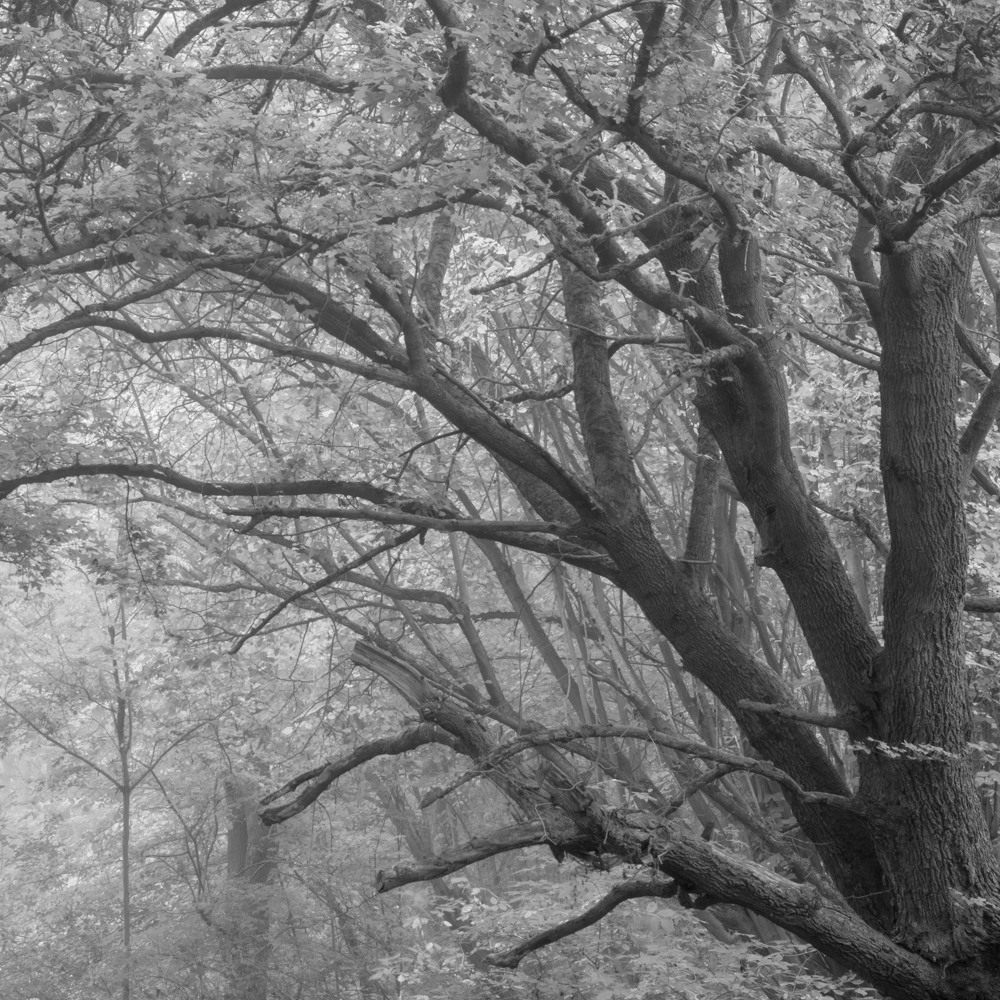
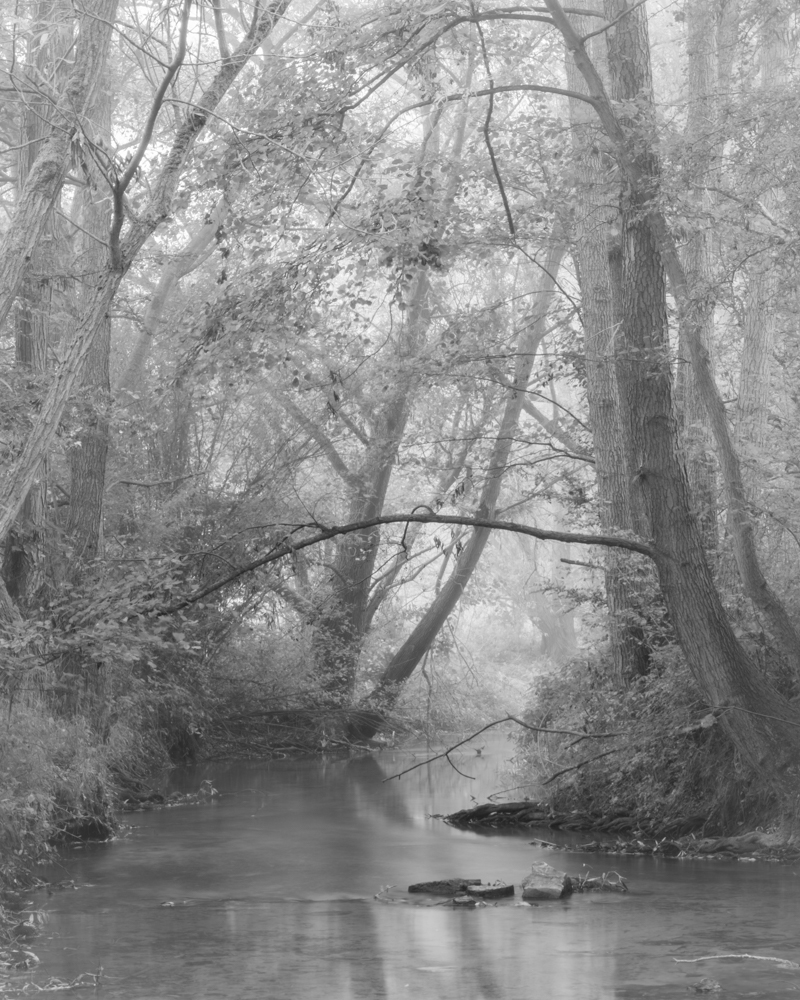
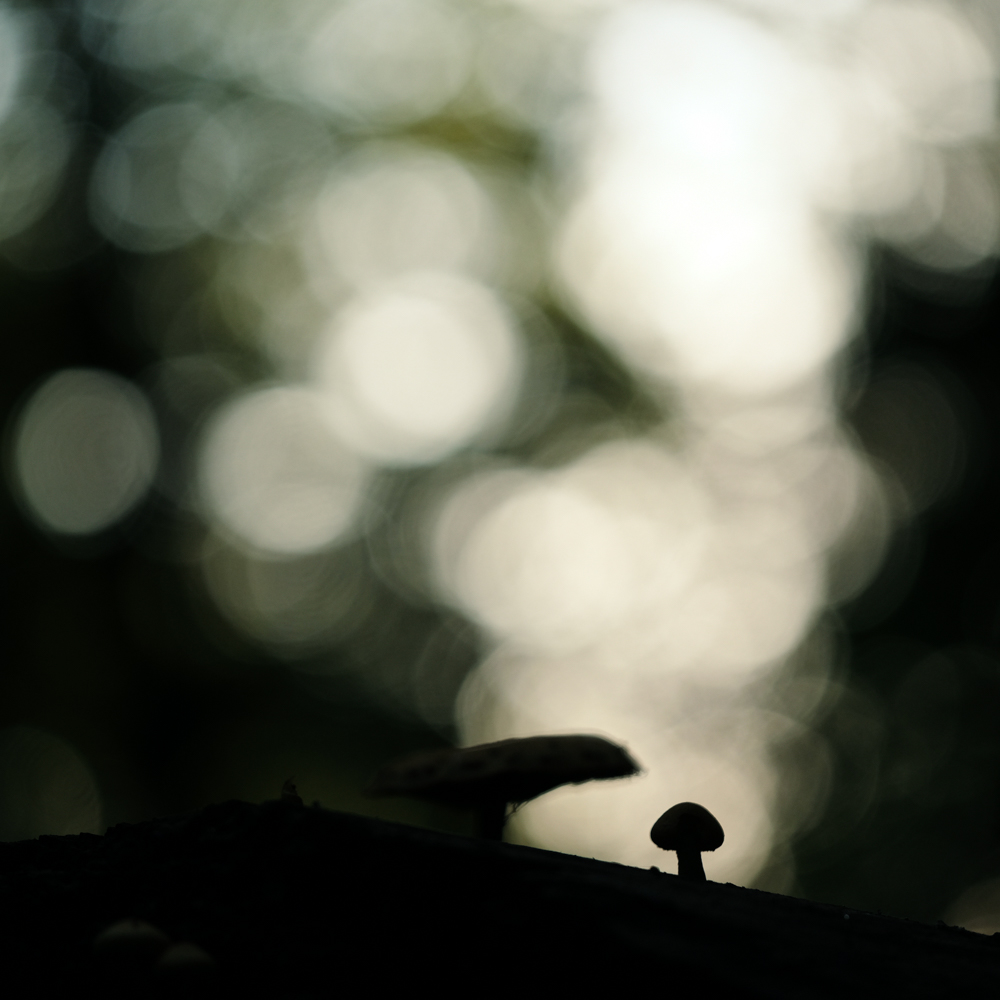
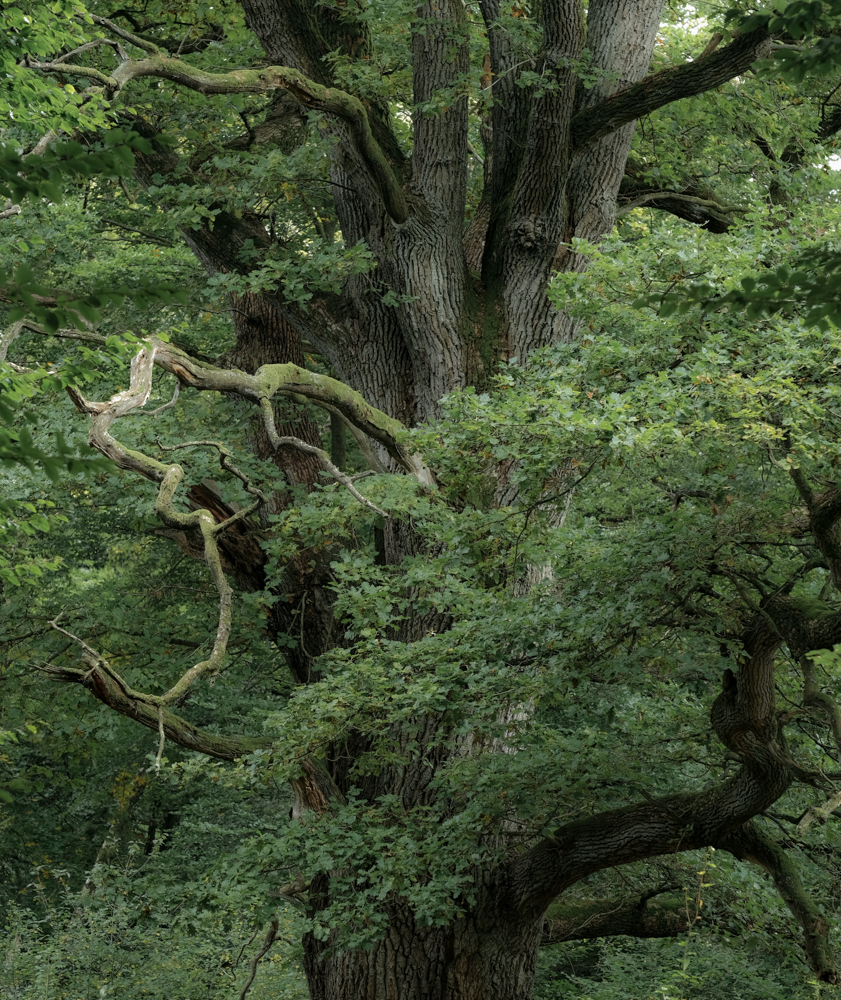
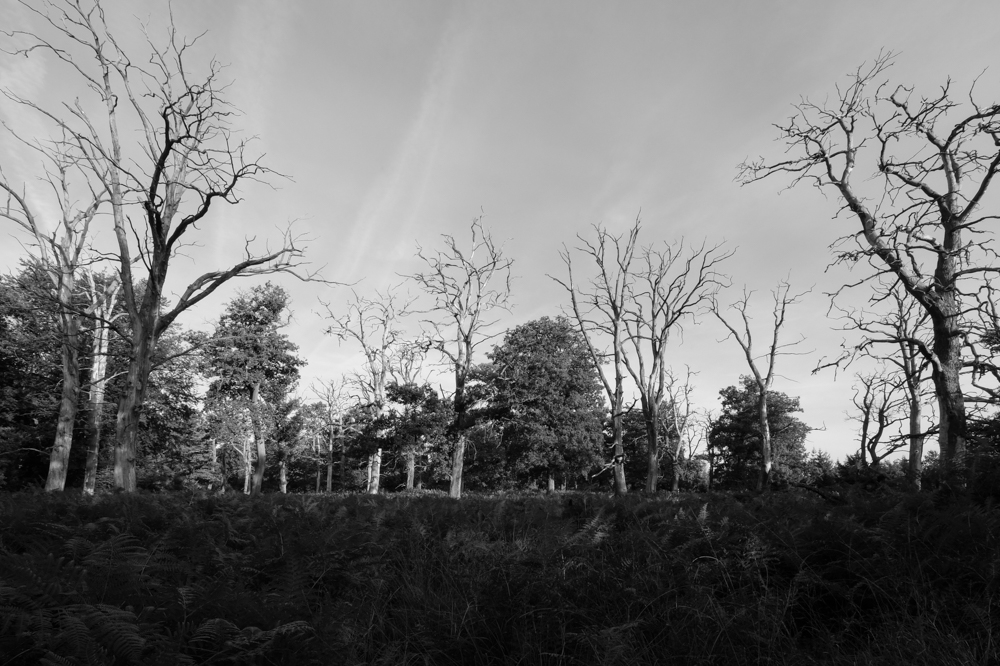
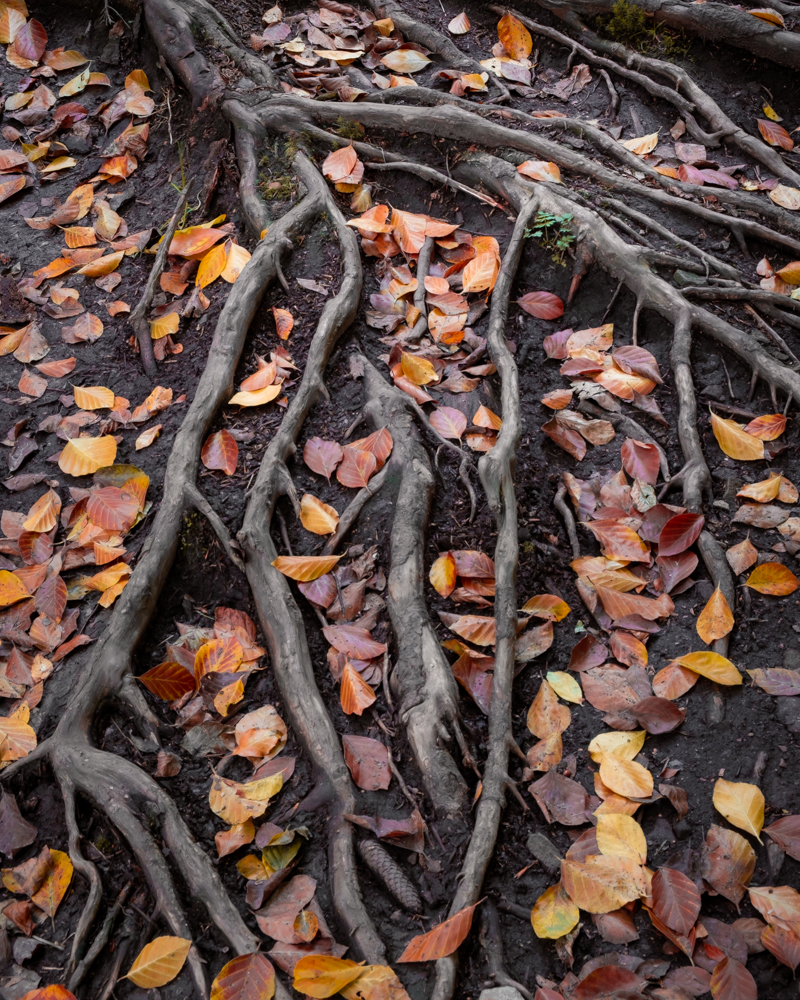
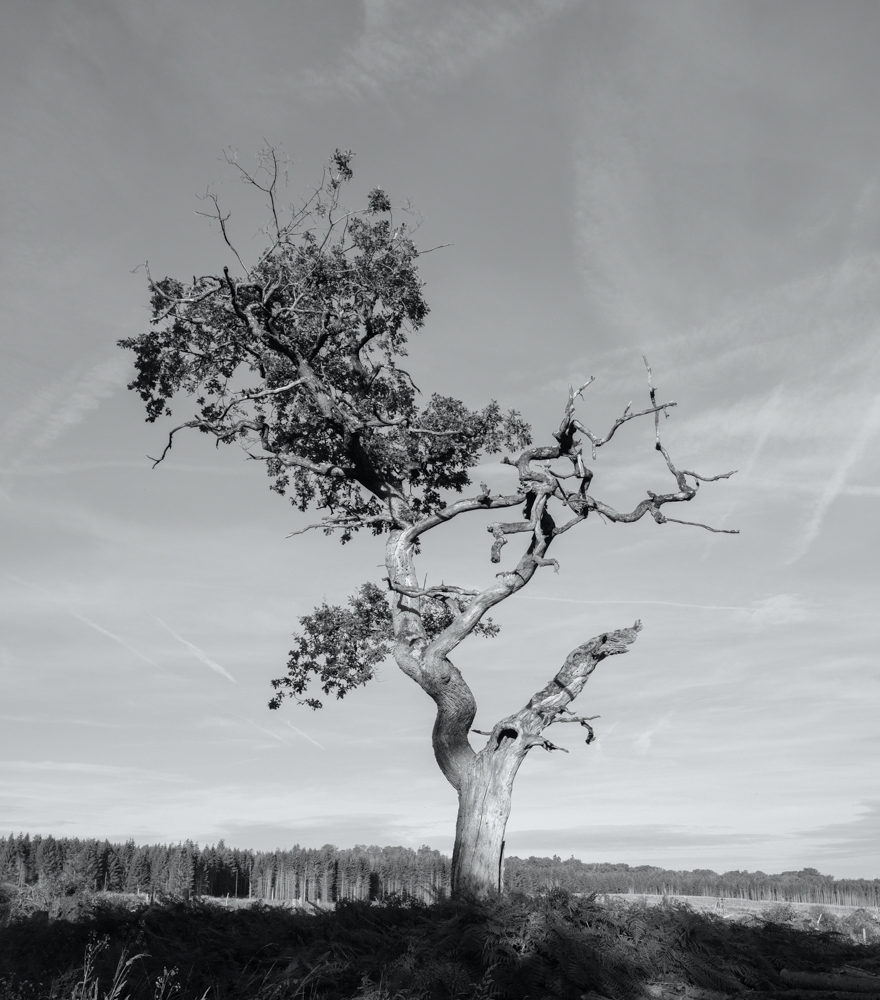
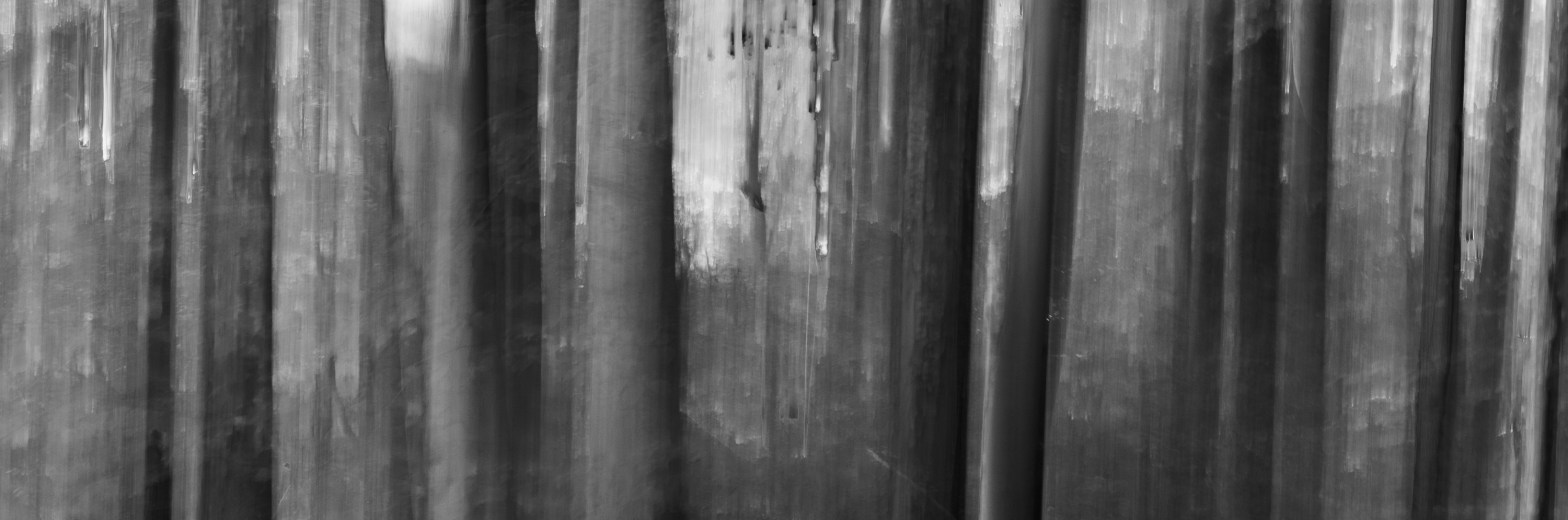
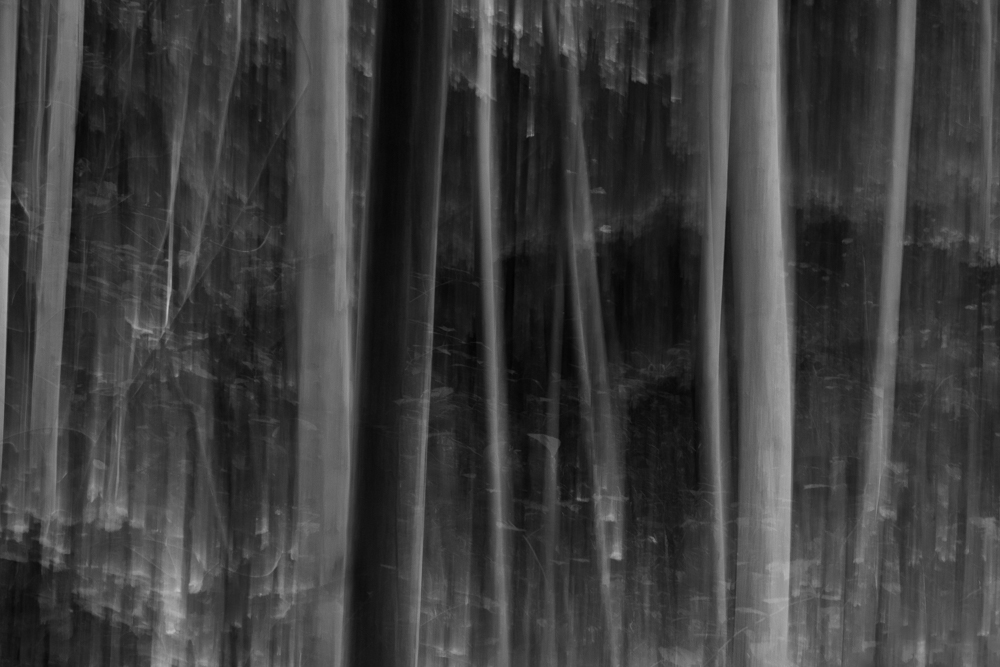
With a little bit of imagination, this concept can be applied to photography. For me, this became apparent recently as I tried to shoot woodlands more intentionally. Here, if the camera is pointed somewhere at random, the frame is filled with a large variety of shapes, colors, and different impressions. However, visually pleasing photos show some kind of order and structure: They reduce the complexity within the space of the frame. They guide the eyes of the viewer. They clearly show the subject. They are easy to understand. Reducing complexity is the key.
The above pictures are neither good examples of reduced complexity, nor of woodland photography. Just some first tries on a long road ahead. But I already have some improved pictures of woodlands in the queue, waiting for their own post. Reduce complexity: in algorithmics, in photography, in life.
I am accustomed to movement in different activities such as juggling and bouldering. Complex body movements, precise homogenous arm motions, balance, or momentum.
However, one major issue in photography is not movement itself, but the opposite: to keep the camera stable during exposure to light. Blurred images are undesirable – at least most of the times. Therefore, tripods and optical image stabilization are common techniques to reduce camera motion.
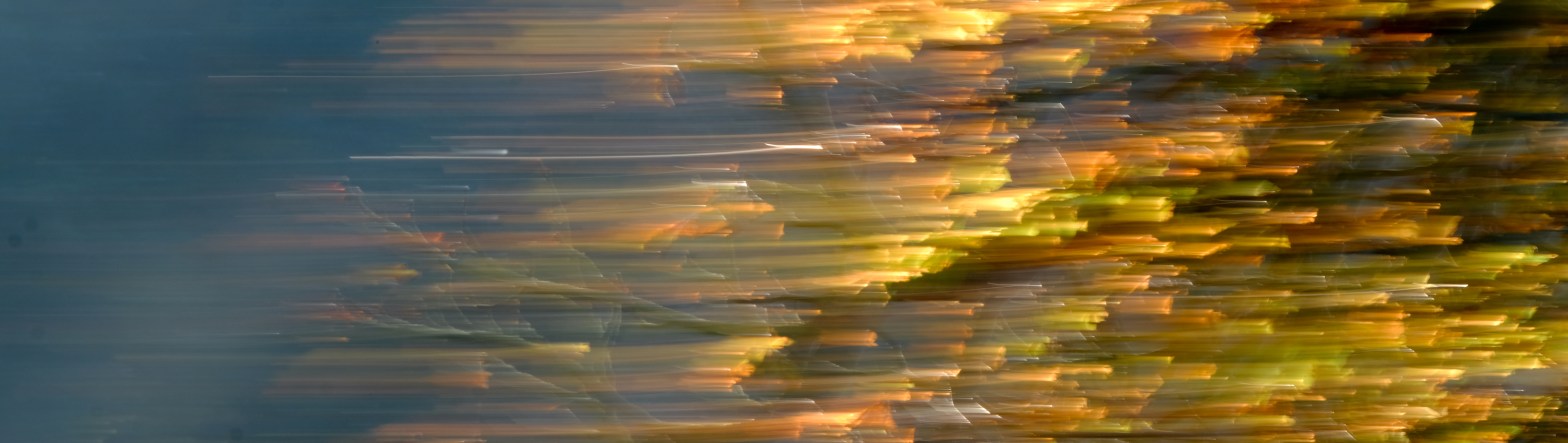
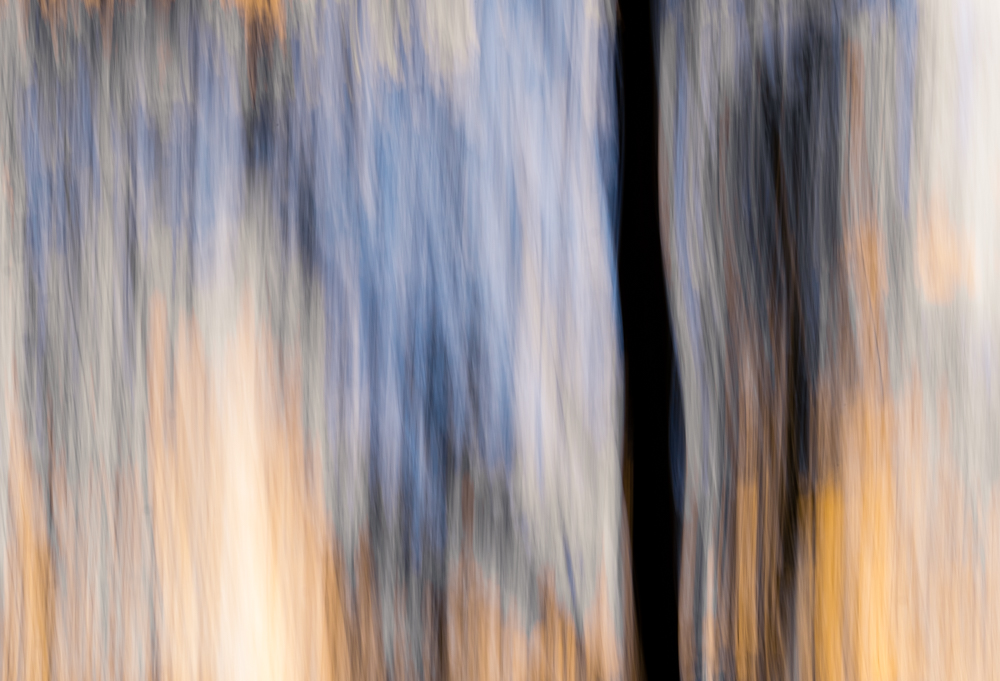
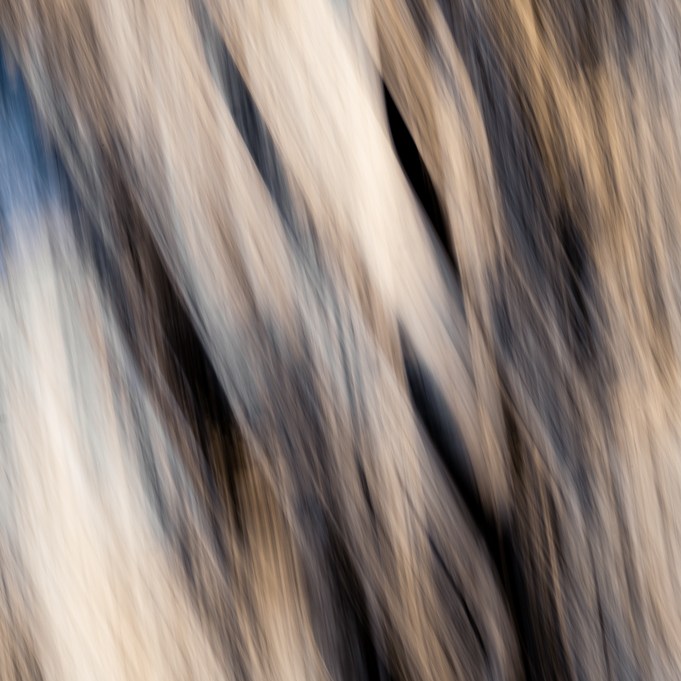
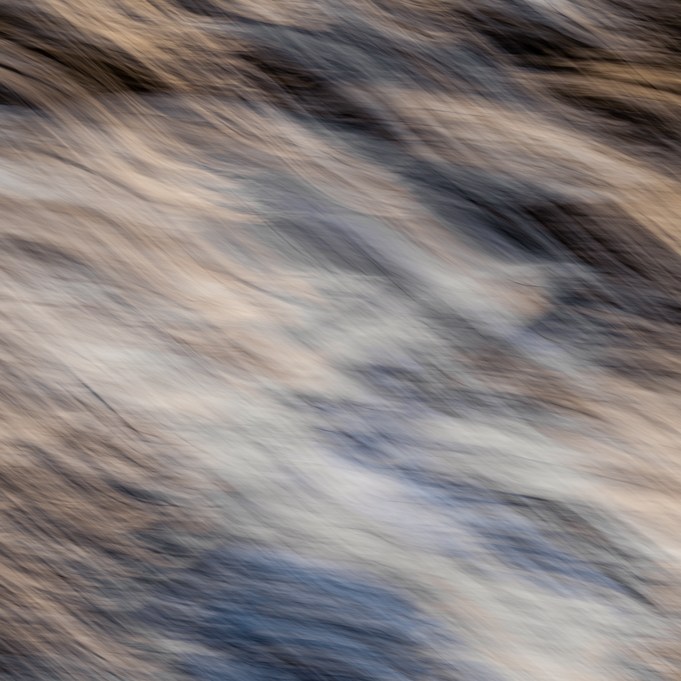
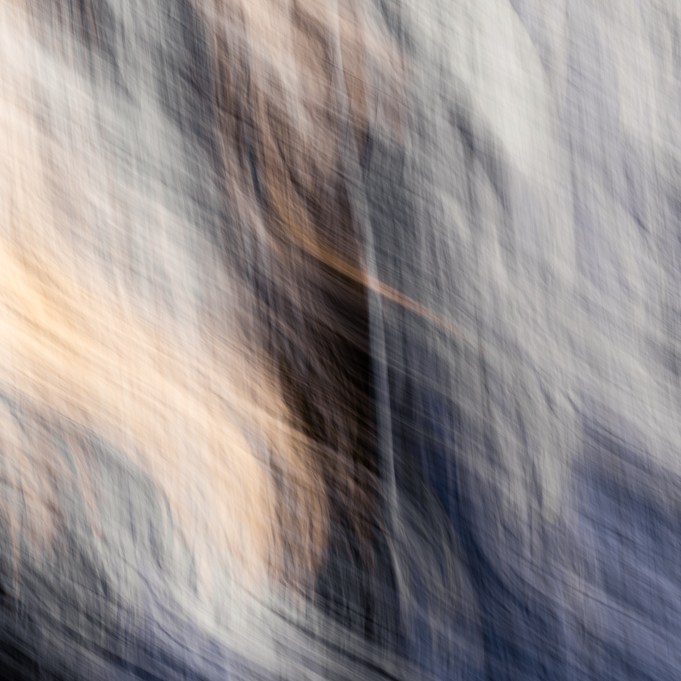
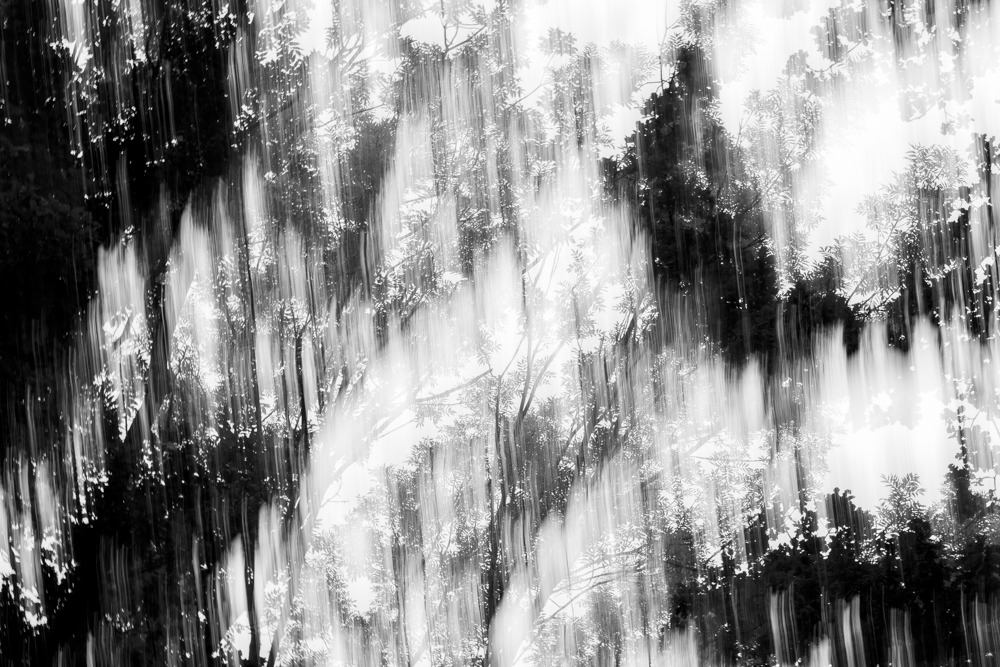
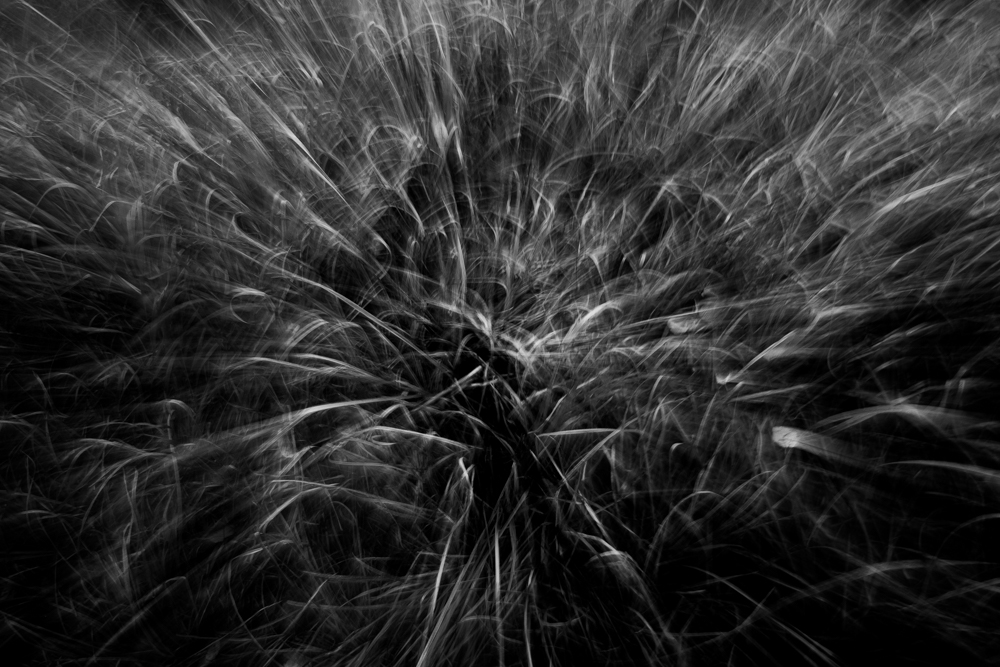
Recently, I am intrigued by images that are blurred; thereby, they can carry emotion and feeling, but in return they often have less tangible subjects. I just recently learned the term for this technique: icm (intentional camera movement).
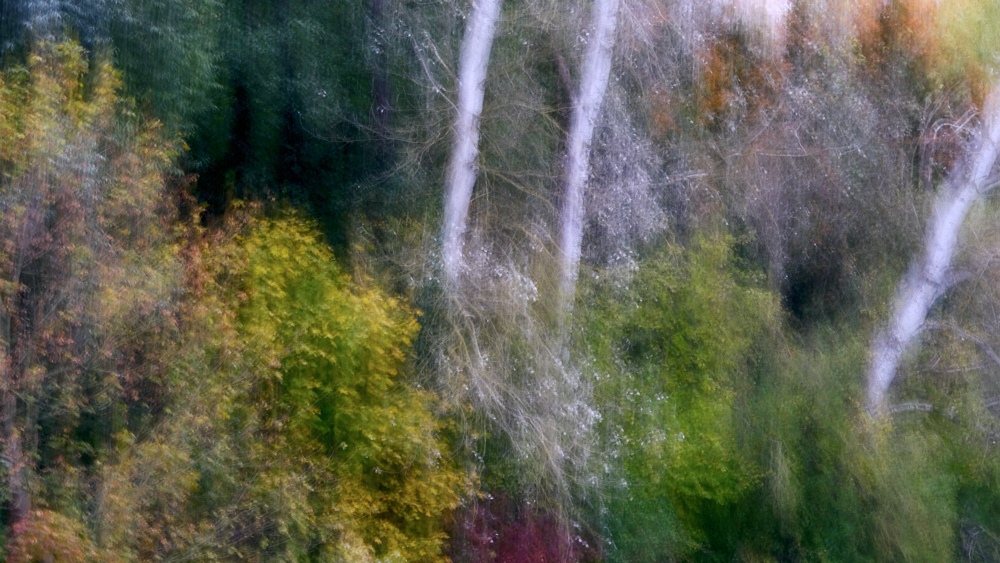
Abstract scene from local woods – directly out of camera without post-processing.
Getting the proper movement is key; and I am still at the very start of playing around with different movements and getting them right. But especially when conditions are difficult for ‘normal’ photos, movements can create appealing abstracts.
In a hectic world where time is measured exactly and partitioned carefully, boredom has become uncommon. Days are planned precisely, work is scheduled tightly, and everyone is his own Scrum master in the evening. Not many hobbies require as much patience as photography: Visiting the same locations over and over, waiting for the right moments repeatedly, or: getting that one picture of a mid-air dragonfly.