Birding

Birding

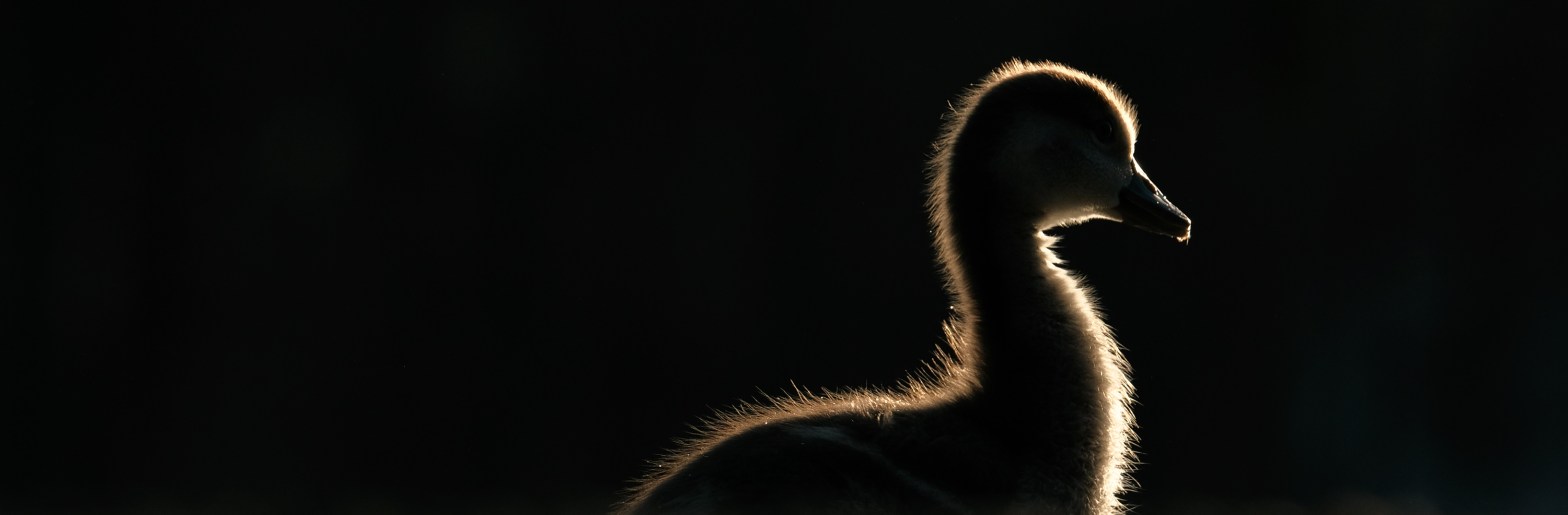
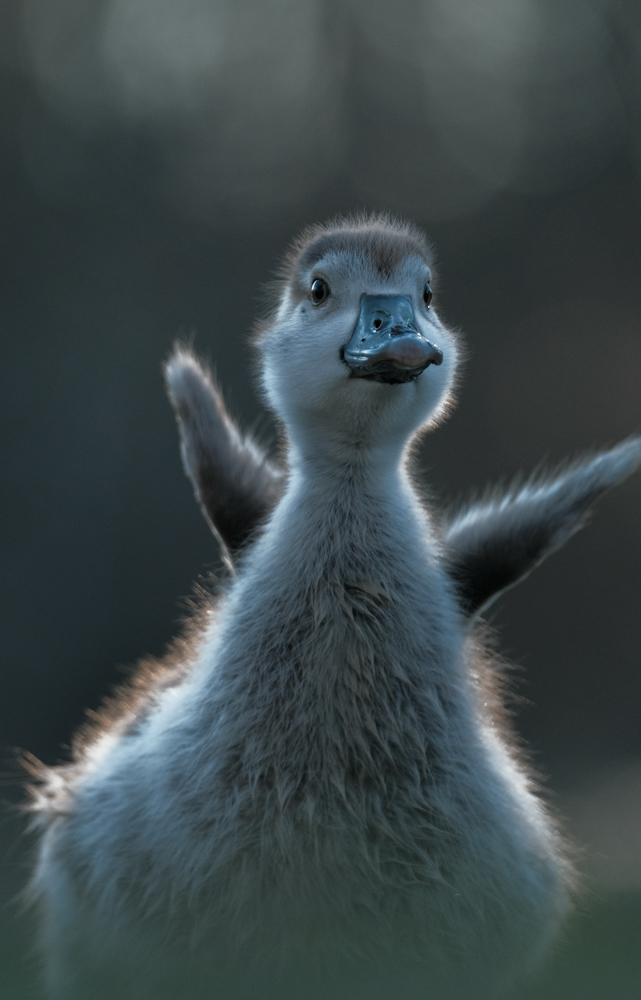
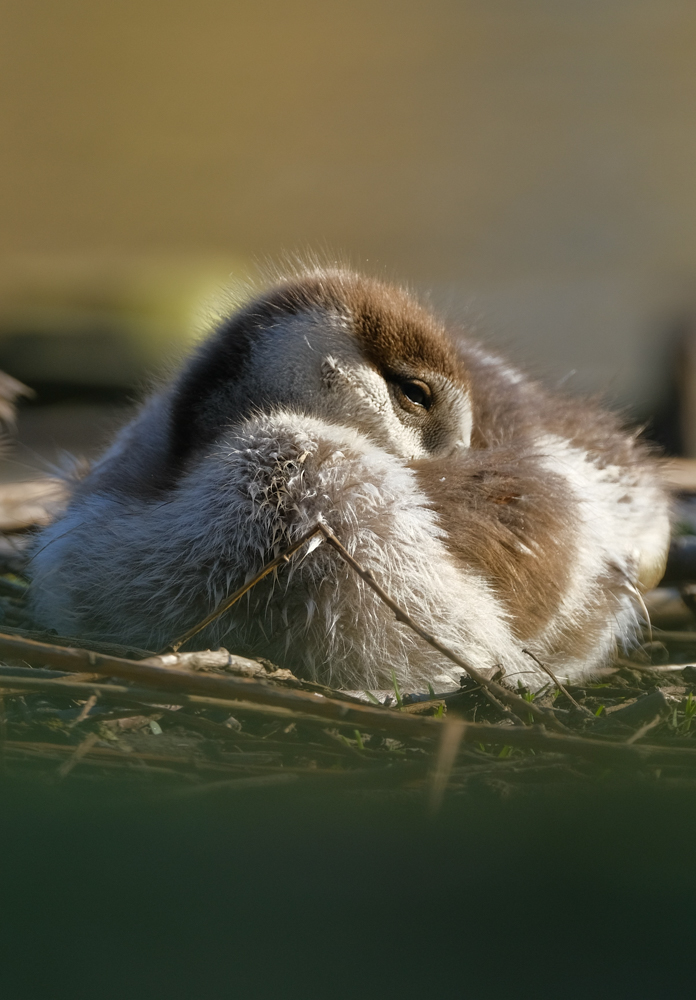
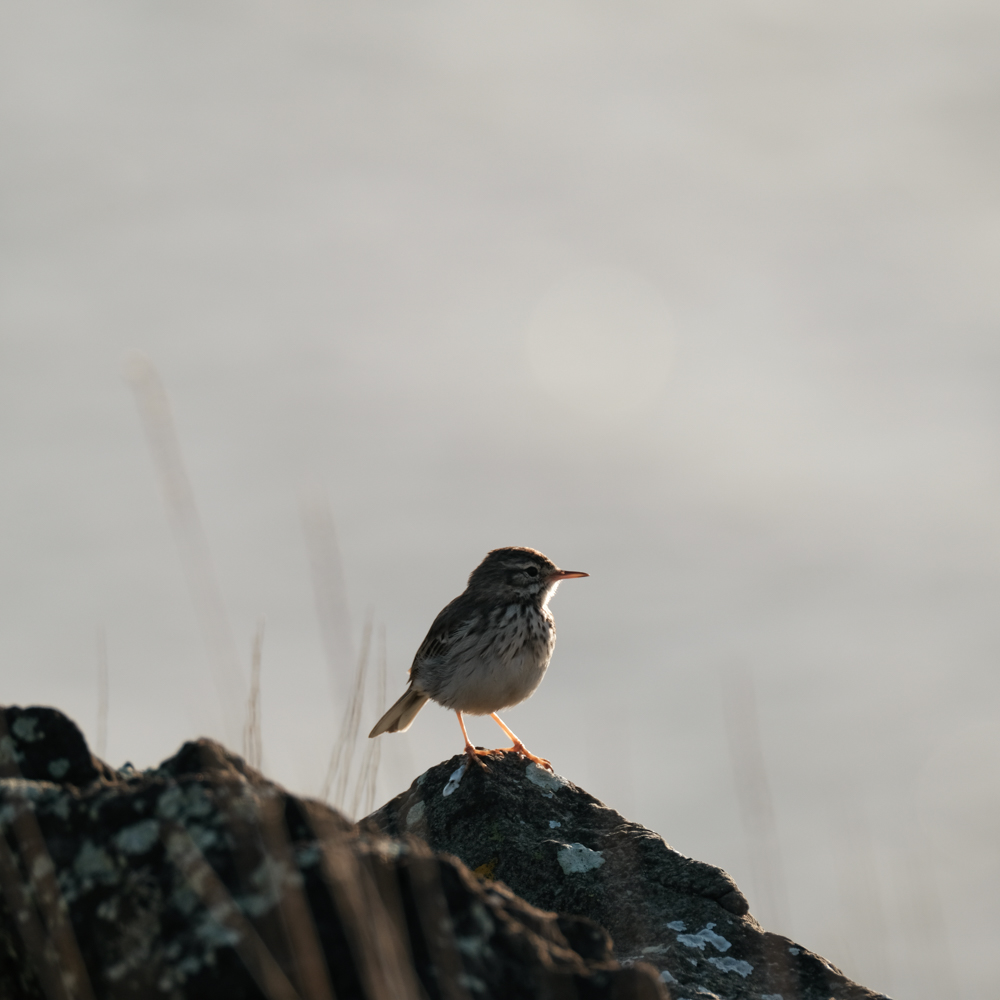
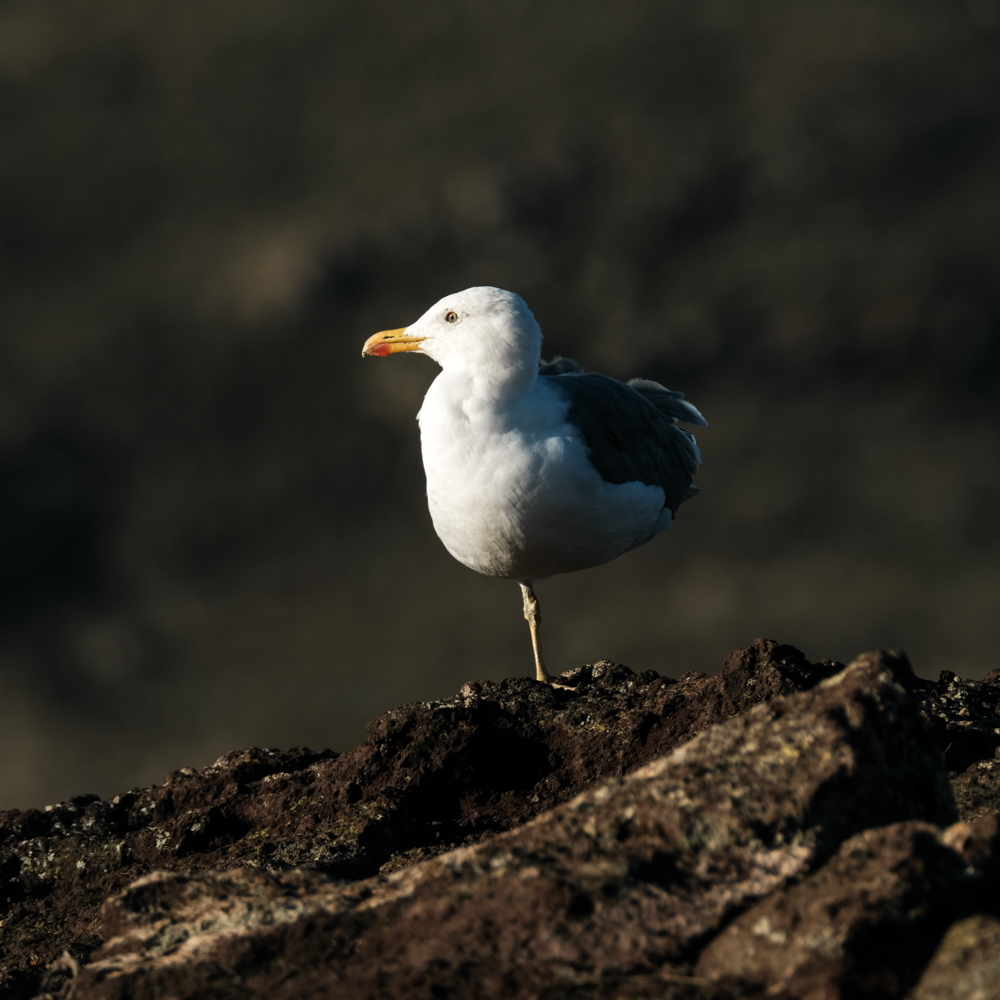
Sometimes, it feels like I am already experiencing symptoms of an aging body and mind: I am getting more conservative, my back often hurts, recovery from sports takes longer, and suddenly I appreciate trees. And flowers. And birds.

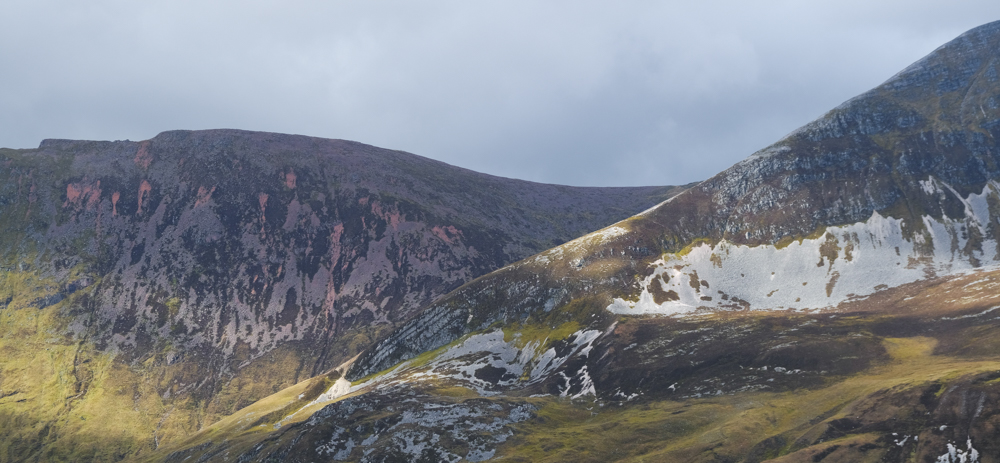
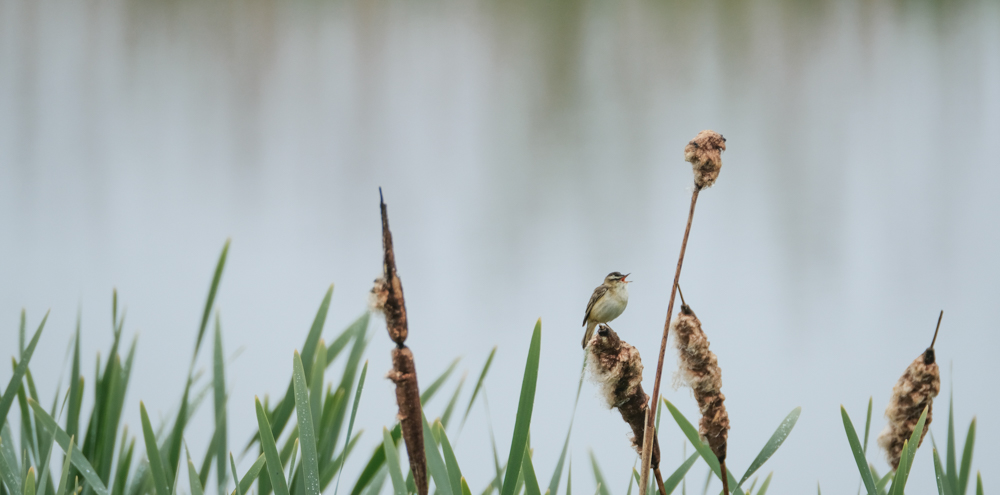
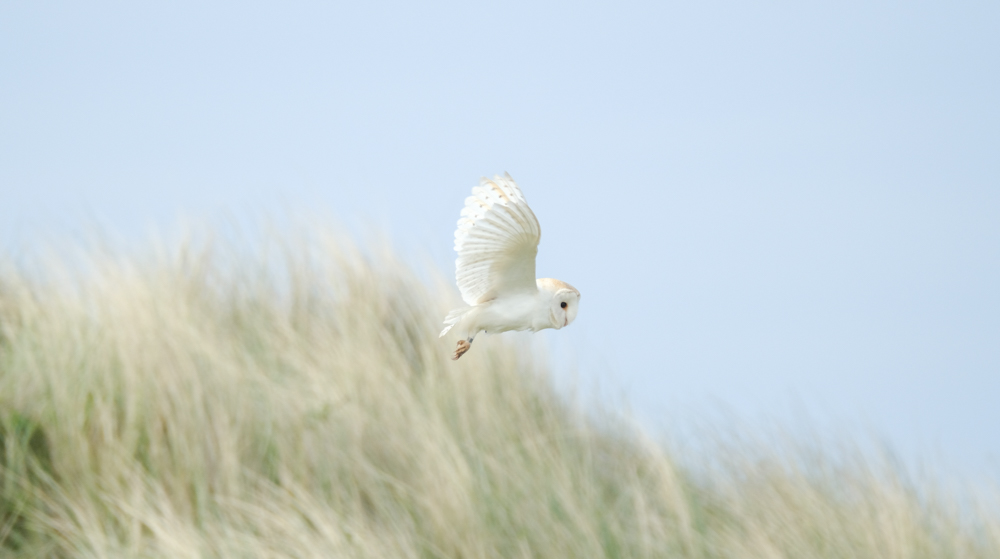
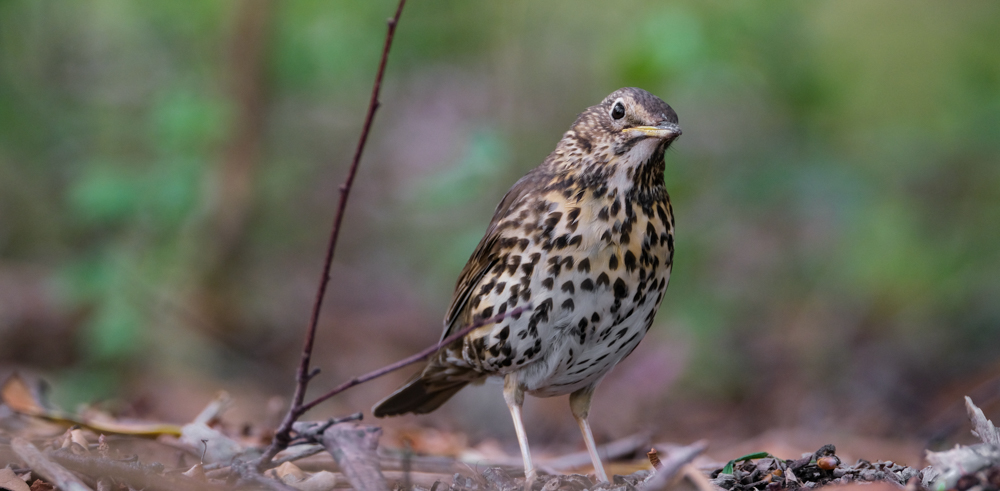
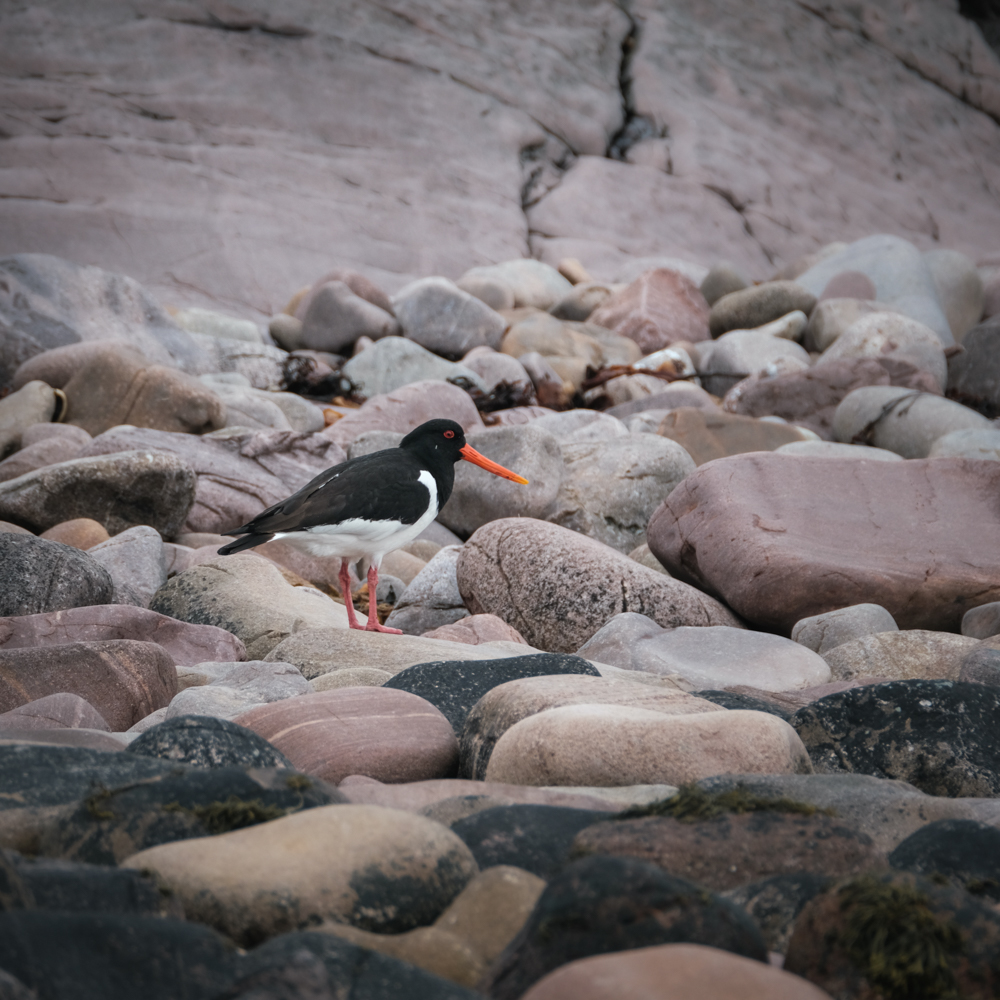
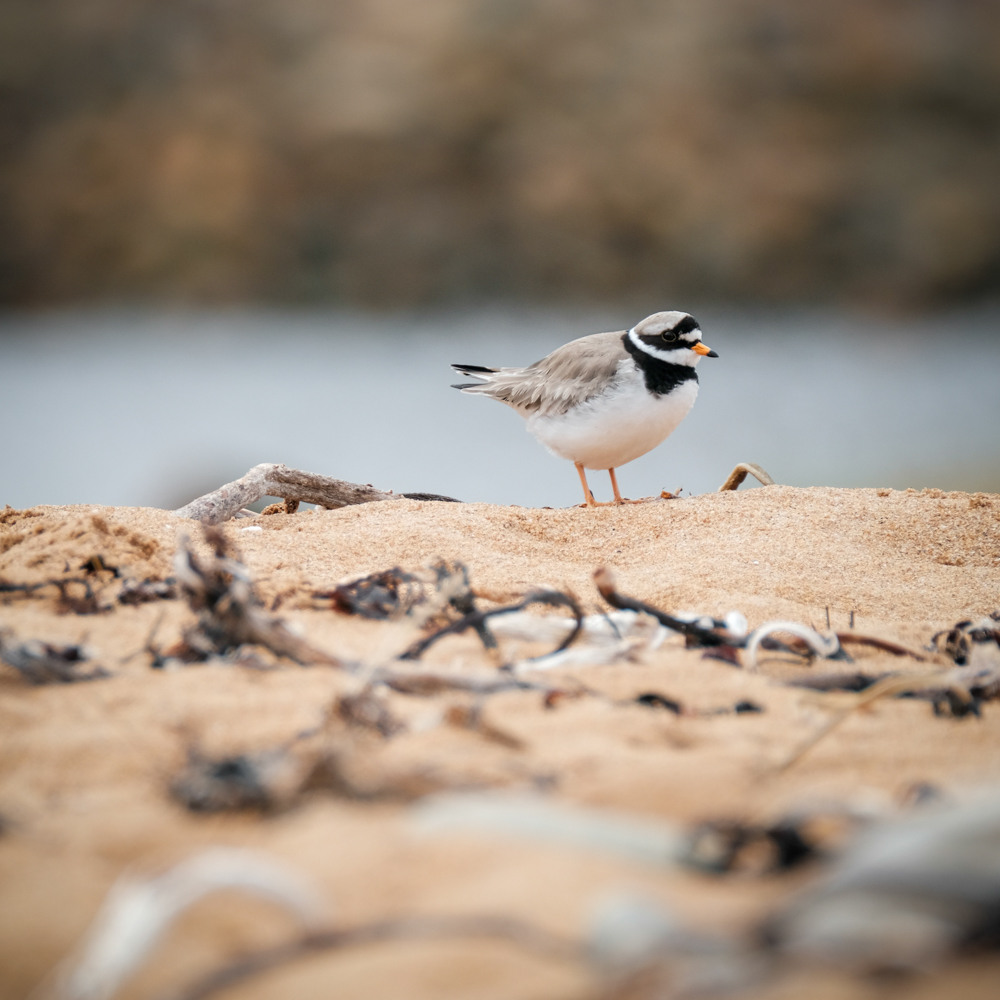
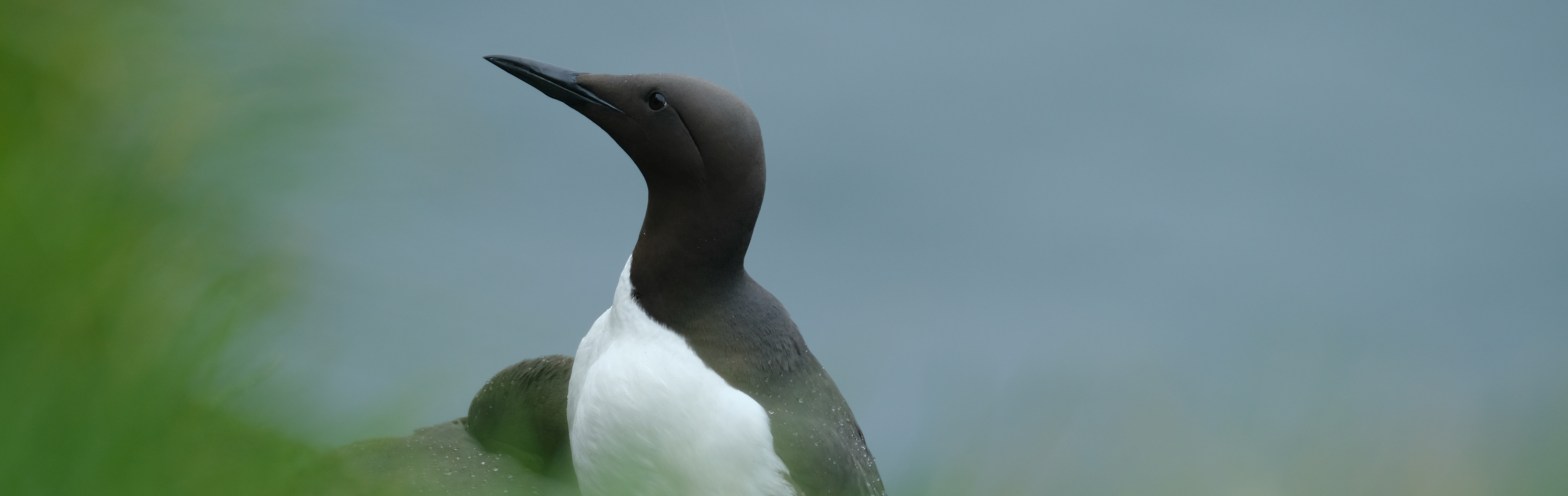
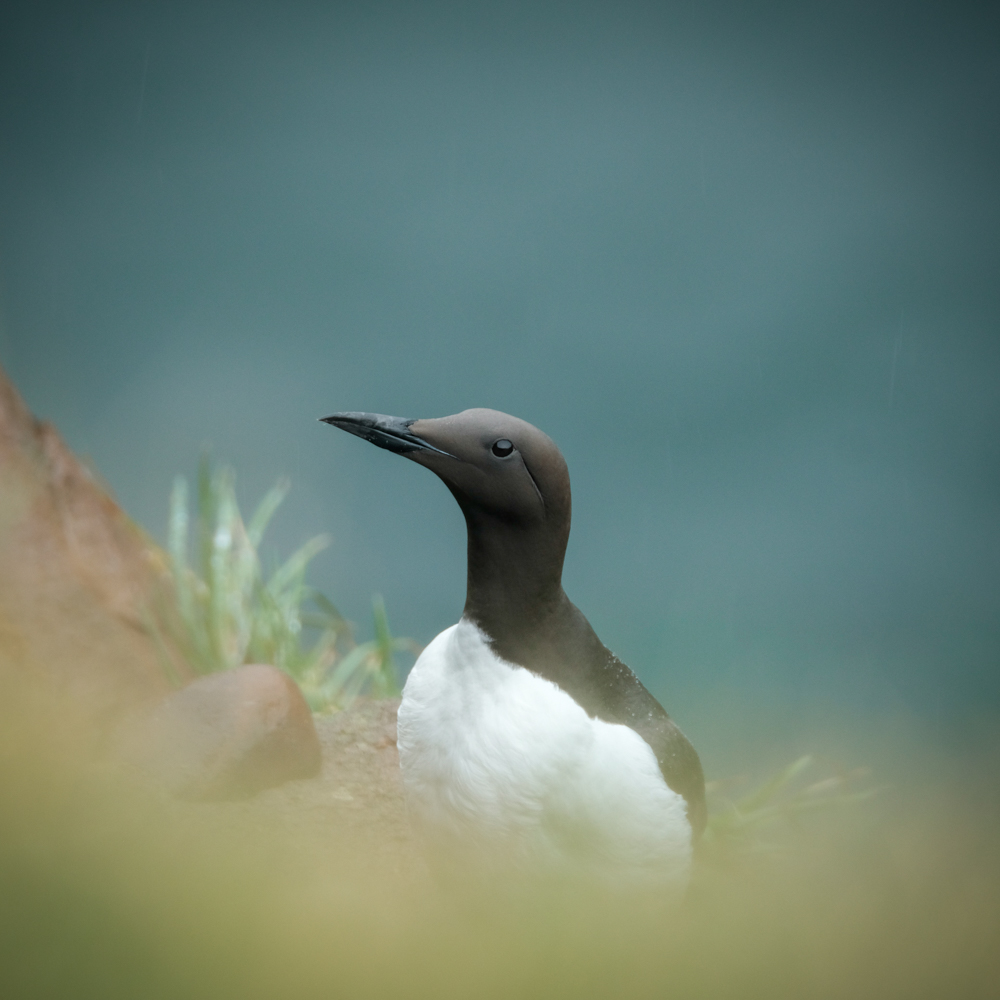
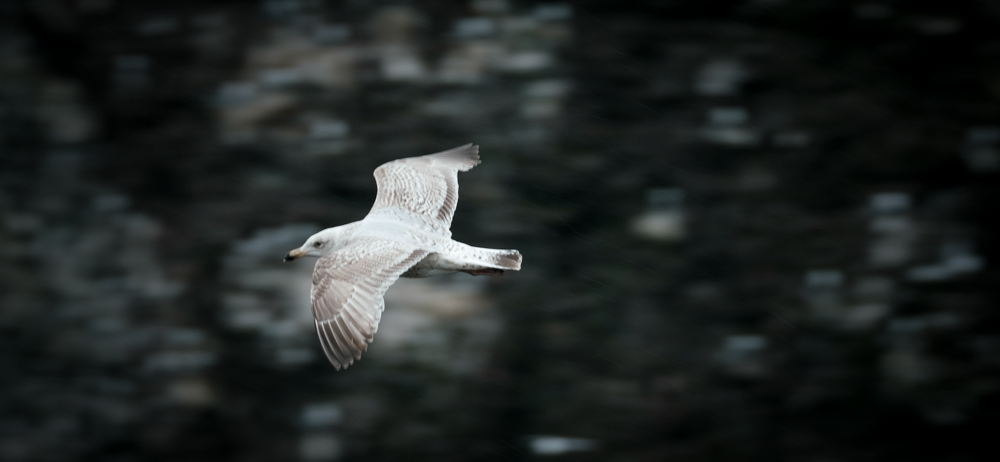
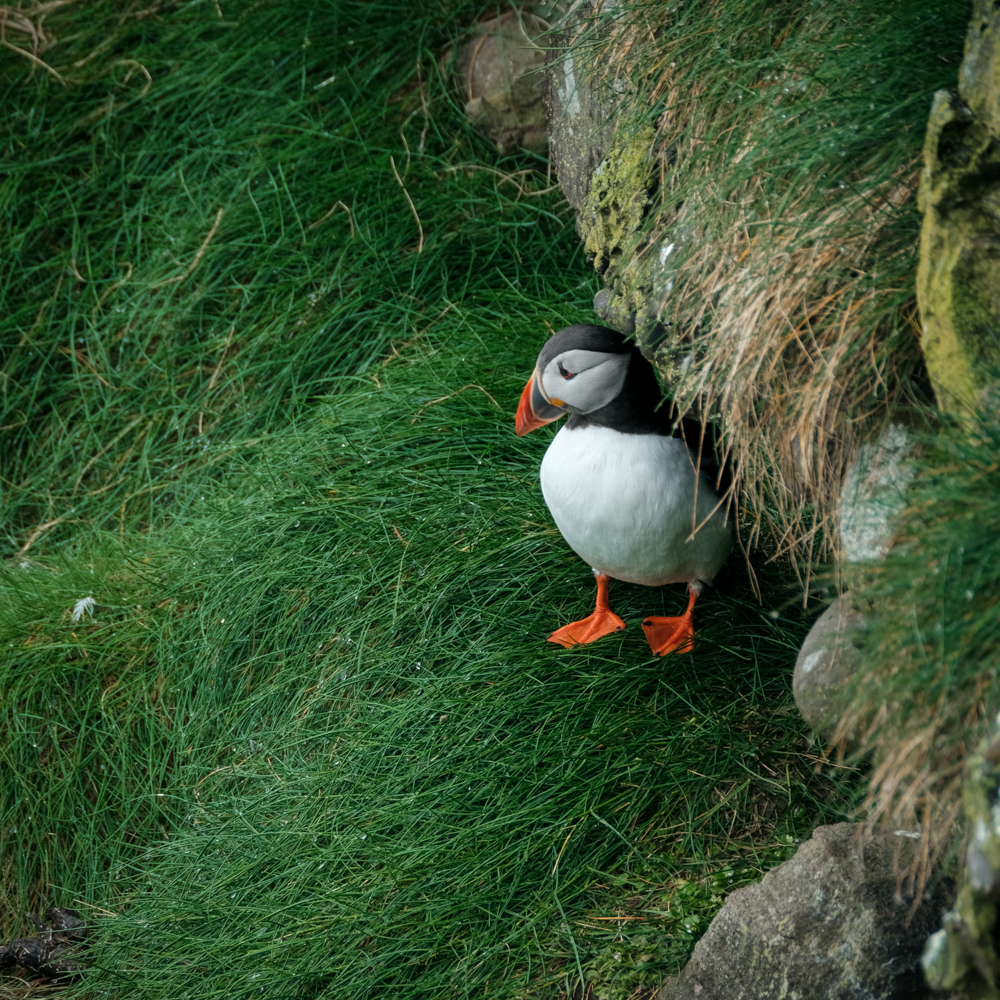
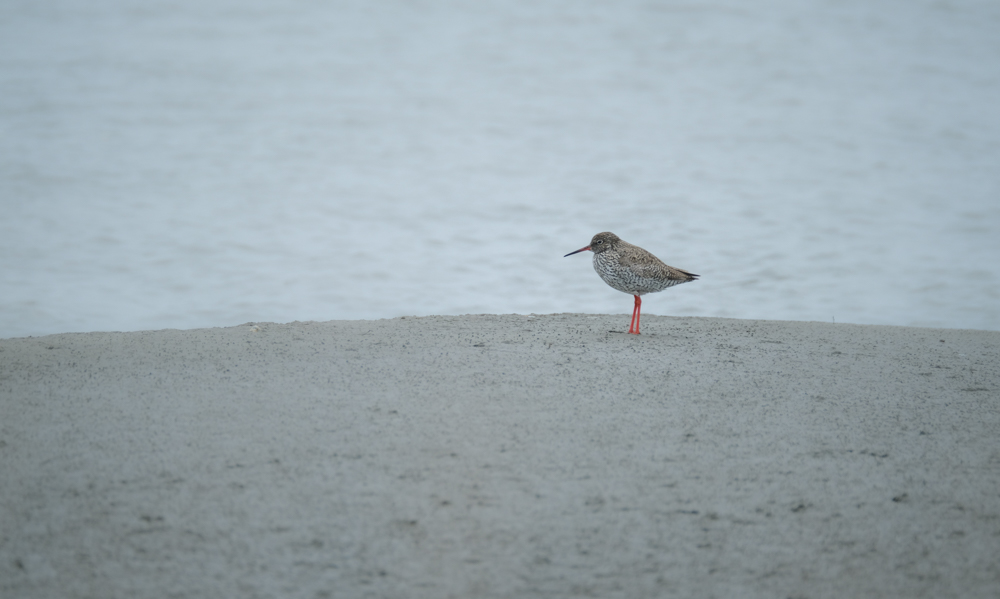
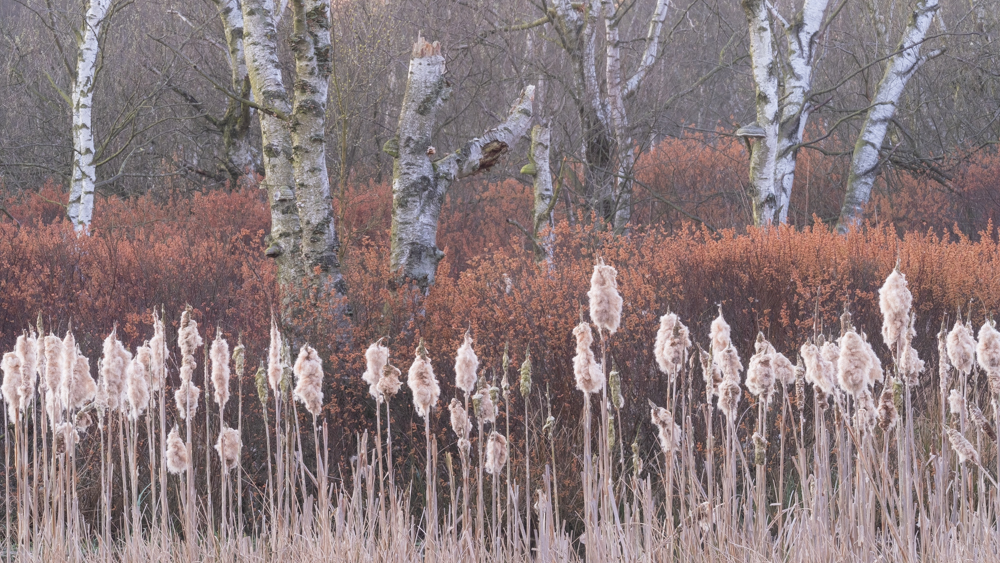
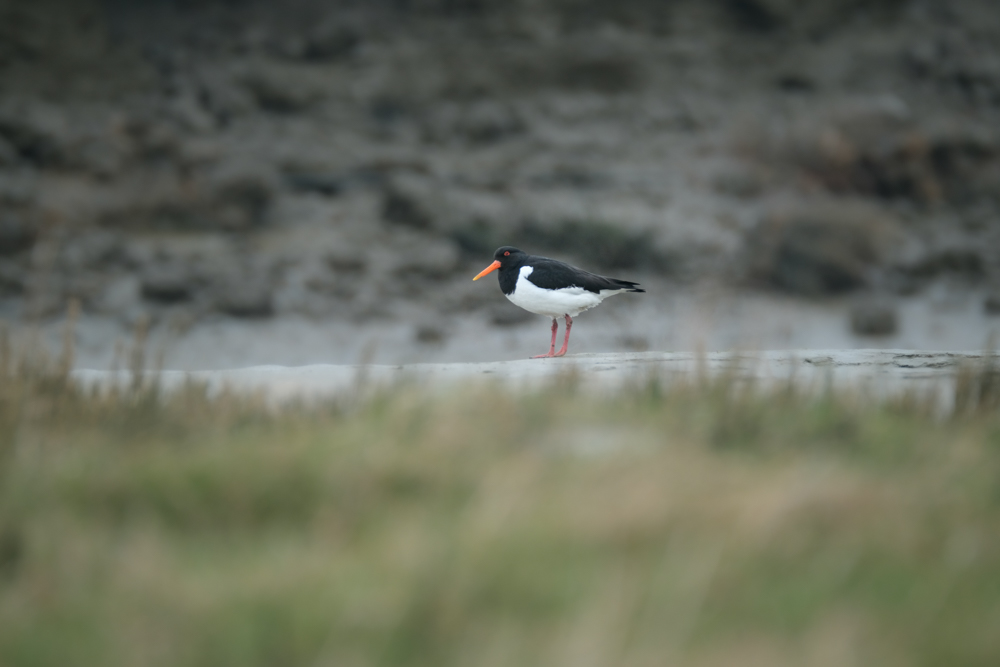
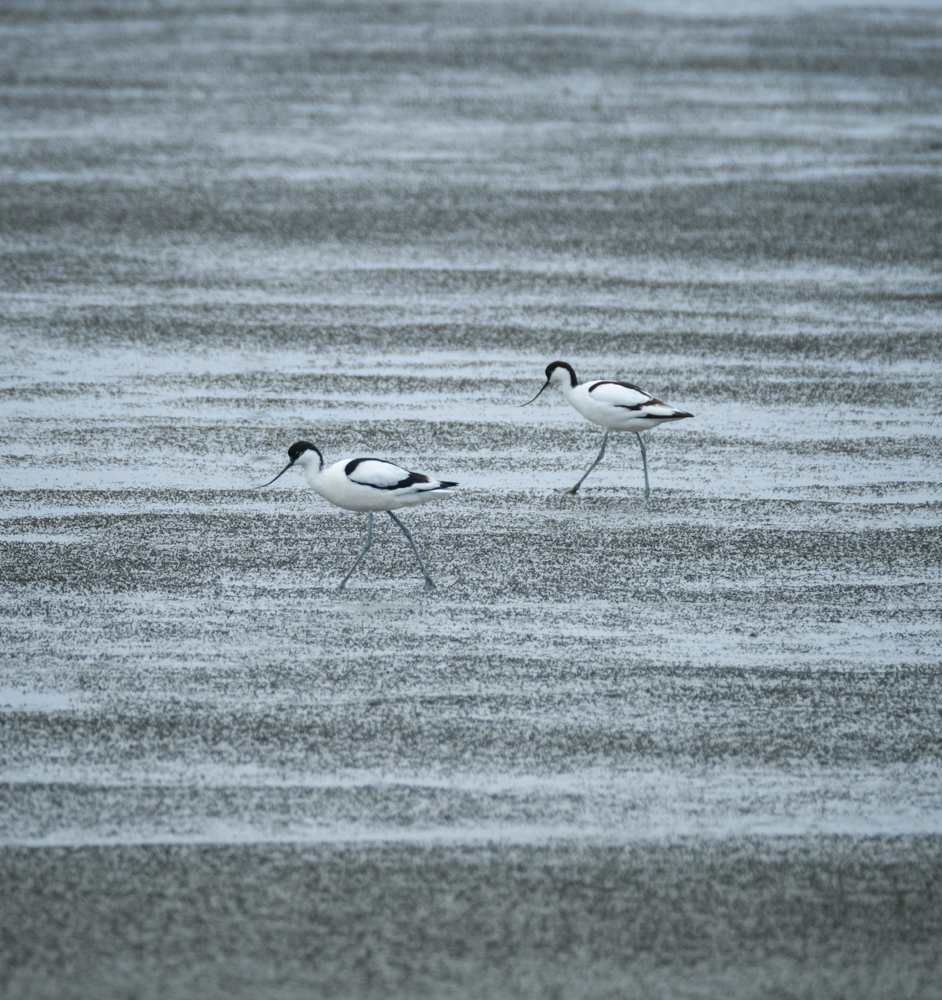
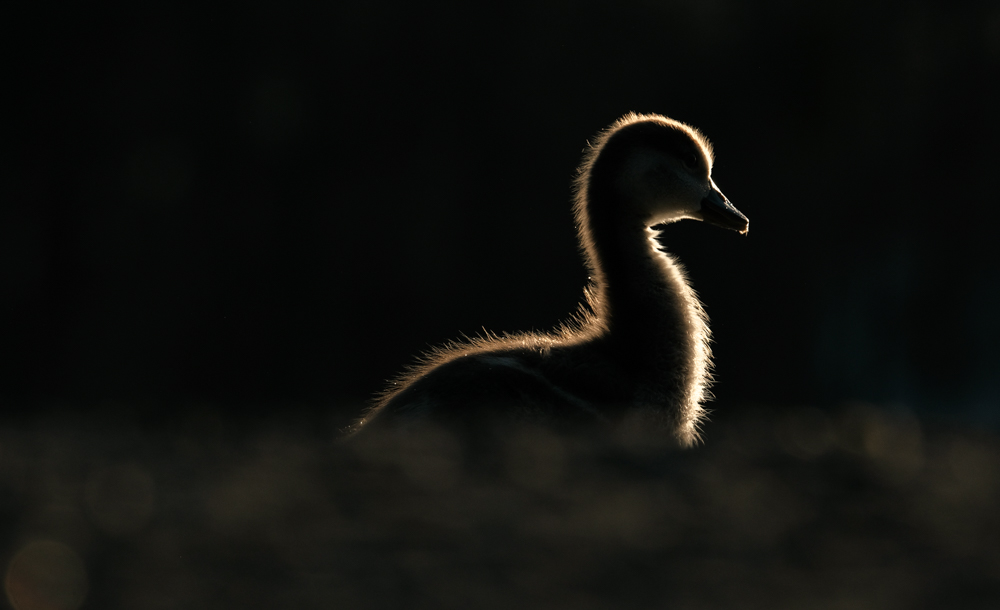
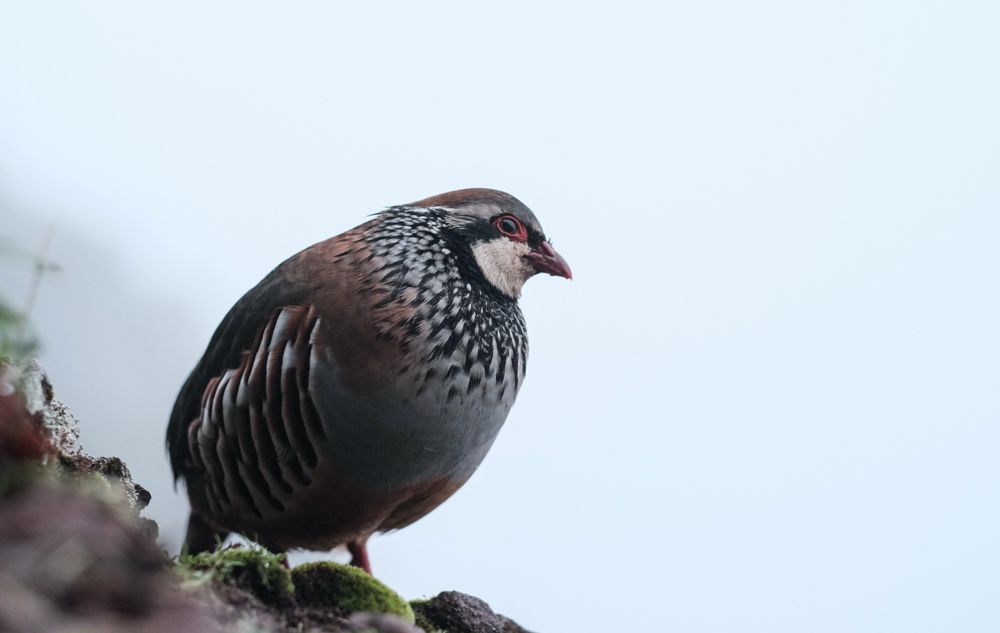
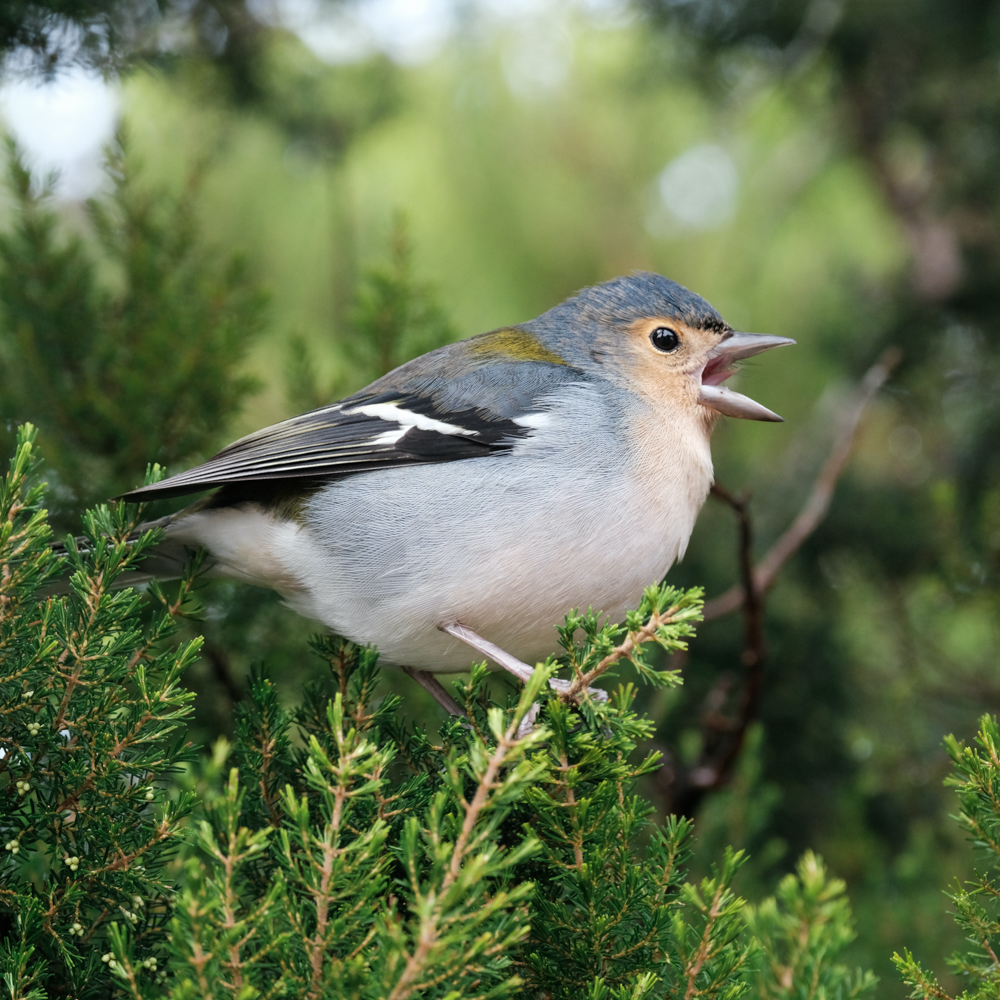
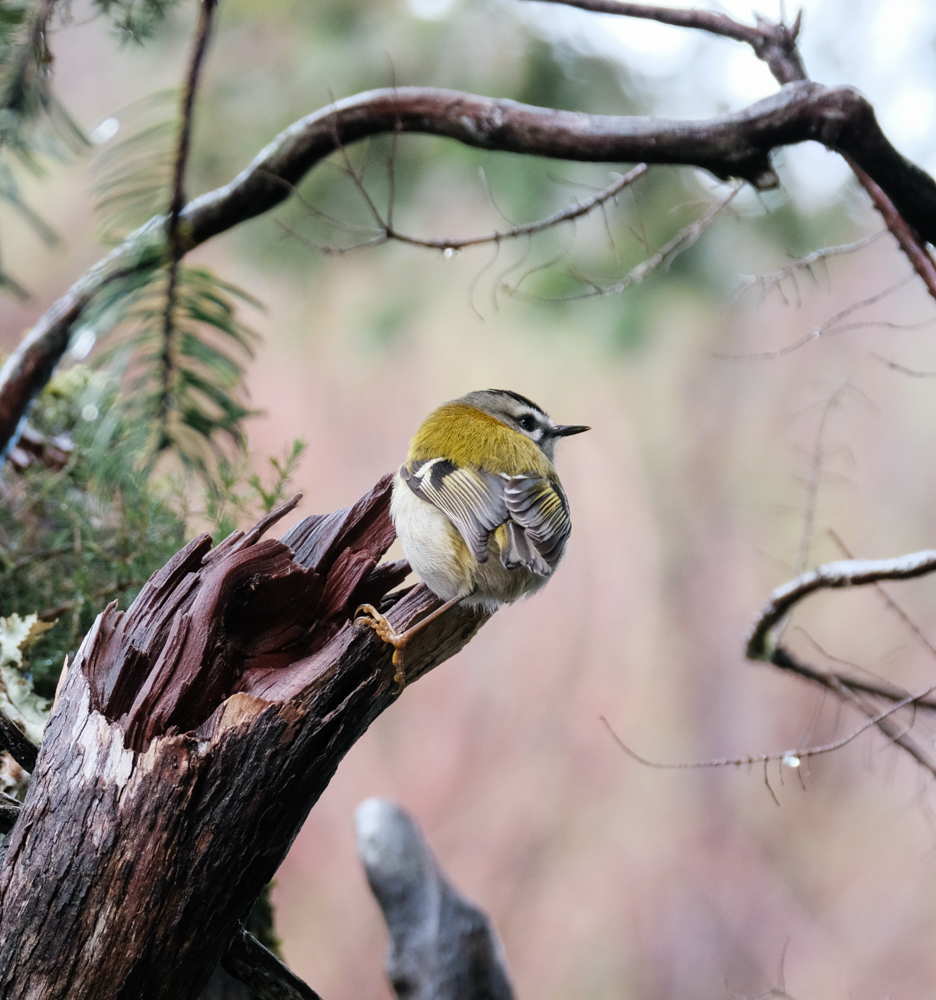
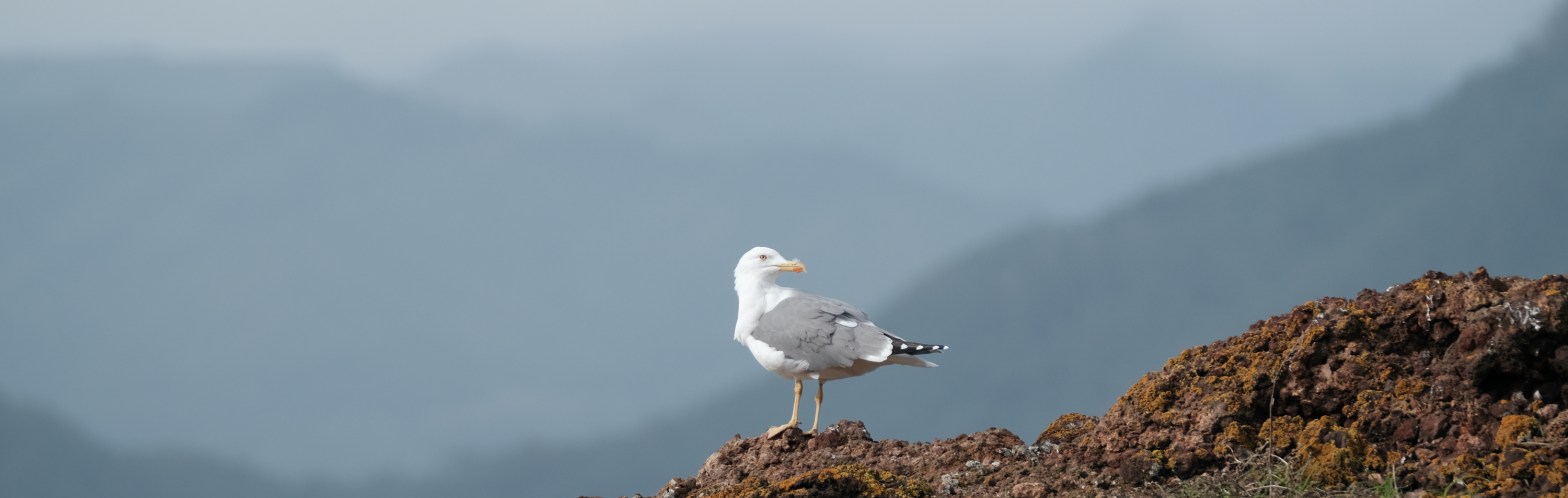
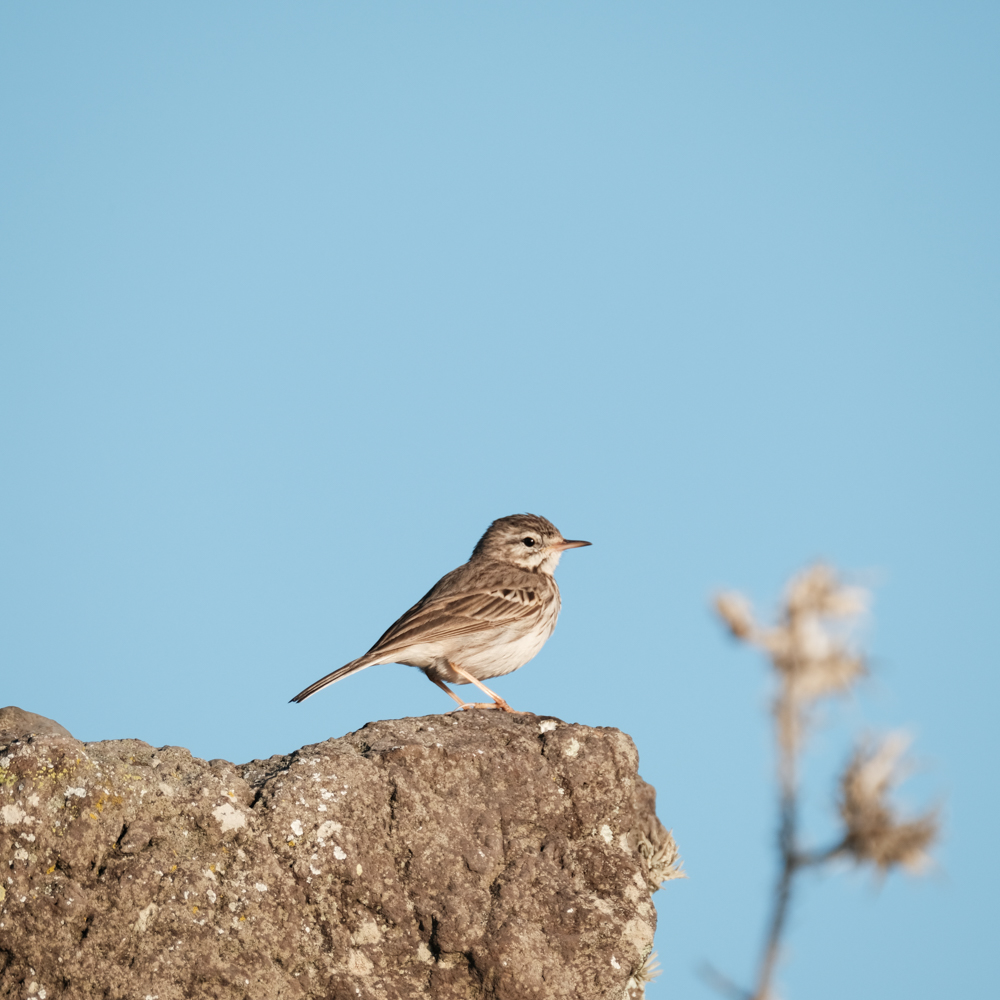
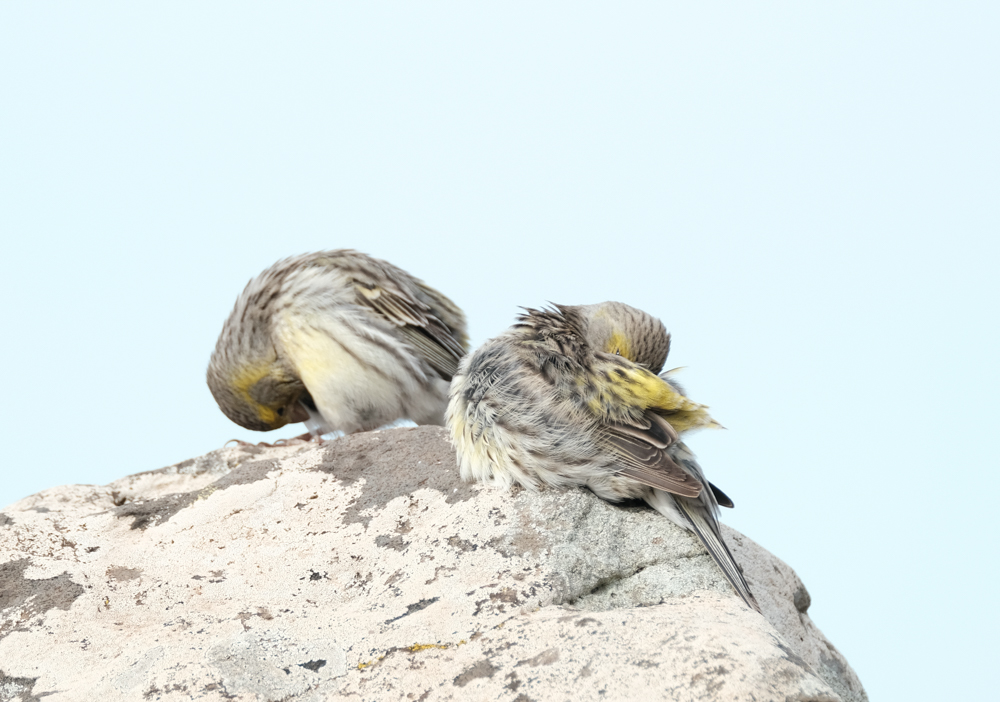
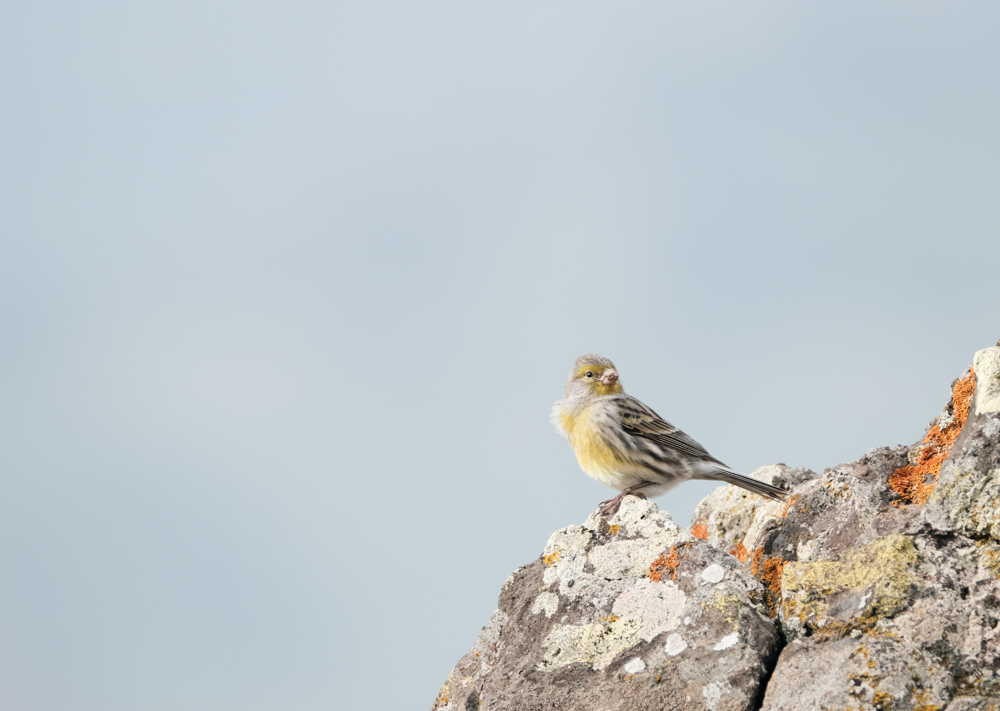
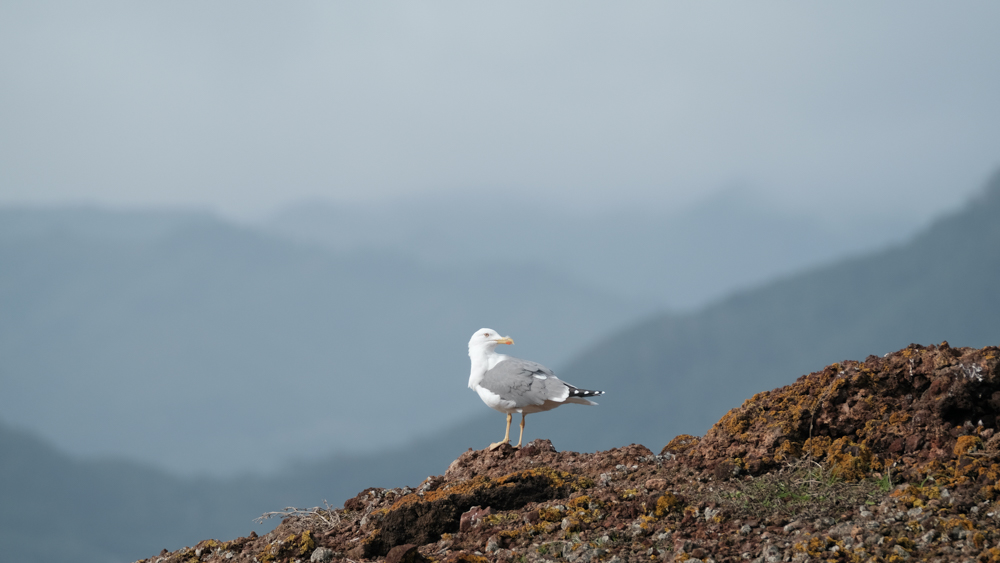
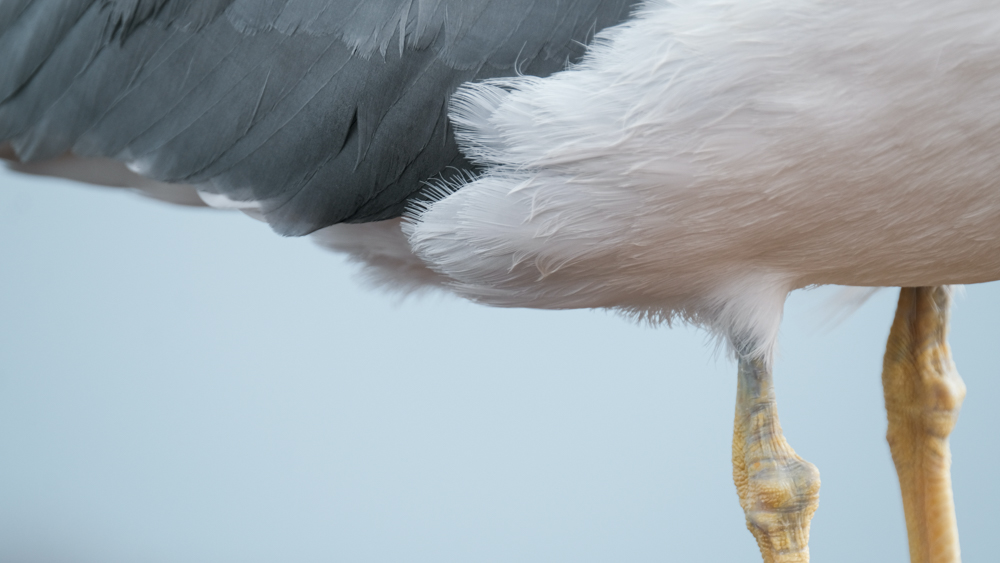
In my younger days, I was convinced that birdwatching is boring; but it has grown on me. Birds are adorable. From the smallest goldcrest to the great bustard (hopefully I’ll see one someday), every type of bird is so unique and fascinating and there is so much to learn: about their behaviour, calls, appearance, and migration patterns. Depending on the employed definition, there are between 10,000 and 20,000 bird species on earth. In Scotland we saw at least 63, many of which I have never seen before. I was a real treat to experience the puffins, razorbills, and guillemots at the coast. On our last day alone we spotted a spoonbill, a barnowl, sedge warblers, and a gannet, none of which I had ever seen before.

But again, the climate is changing everything: The spoonbill populations are slowly shifting north due to the increasing temperature. We got told that it was only the second time that an individual was spotted at the small lake where we parked over night. It is estimated that 15% of all species might go extinct soon (in evolutionary timescales) because they cannot cope with the rapid changes of the climate. Around our hometown some bird populations even increase, but the majority declines. Especially endangered are those that breed on farming grounds because of the streamlined agriculture occupying large amounts of space, often with monocultures. On the bright side: At least around here there are also increasing amounts of ‘Blühstreifen’, strips of wild herbs and flowers that are incorporated into the conventional agriculture and run along all the fields of wheat and corn. And if it doesn’t work out for the birds, my personal contingency plan is to just see all 10,000 species soon enough.

Photo Post: Panic

Photo Post: Panic

I’ve been bouldering a lot (on plastic) recently and it feels great to be back in form! But the last time climbing is a looooooong time ago. At least until last Sunday morning, when I finally managed to squeeze in a short climbing session with my long-time friend and climbing partner. Everything is different outside: Bad footholds, fragile sandstone, and being on a rope high above the last clipping point. Sometimes, a slight fear of falling creeps into the mind. Sometimes, even the good footholds seem tiny and slippery.

Basically, it’s the same as with my current work project: It feels a little insecure, but you keep pushing, little by little, one move at at time. Take a deep breath, do secure movements, calm down, climb high. And luckily, in climbing and in life, there are people who catch me if I fall. Thank you.

Communicating Science

Communicating Science

I’ve been at a scientific meeting recently and (again) was surprised of the disconnect that sometimes occurred between a speaker and the audience. If the listener (me) does not understand a complex subject that is explained, it is not solely on me! Don’t blame me that I could not follow your cluttered slides and your jumbled train of thought! Sure, sometimes I will be uninformed or not smart enough. But sometimes it is on you, dear speaker.

Explaining an easy concept complicatedly is easy. Explaining a complex concept concisely is artistry. And while I’ve set through many talks cluelessly, I admired the few speakers who mastered the art: The ones that make you feel clever just by listening. The ones that explain intricate science so well that you think you designed the experiments yourself. The ones that let you rediscover what they did and make it seem like what they are doing isn’t difficult after all.

Giving a good talk boils down to the same things that are important in photography: The subject needs to be clear. Leading lines are necessary to guide the viewer. Help them navigate the frame. Unimportant stuff is left out (and there is a lot of unimportant stuff). And everything left in has to support the main subject. Tell a story.

The following pictures do not follow these rules at all, but I hope my own talk did at least…

Discrepancies

Discrepancies

As Berlin soils are as dry as never before, the number of applications for private wells is at an ever high.

Part 1.

While hardly anything is more important than clean energy, the compensation for private households for feeding solar electricity back into the grid is at its lowest point in 20 years.

Part 2.

While we have to stop immediately investing into fossil fuel infrastructure to keep climate warming below two degrees, a multitude of countries is opening up new oil and gas drilling sites.

Part 3.

Variation in O-ton

Variation in O-ton

There is always a first time: For a change of scenery, todays post will be in German. Don’t worry, though – the next one will be in English again.

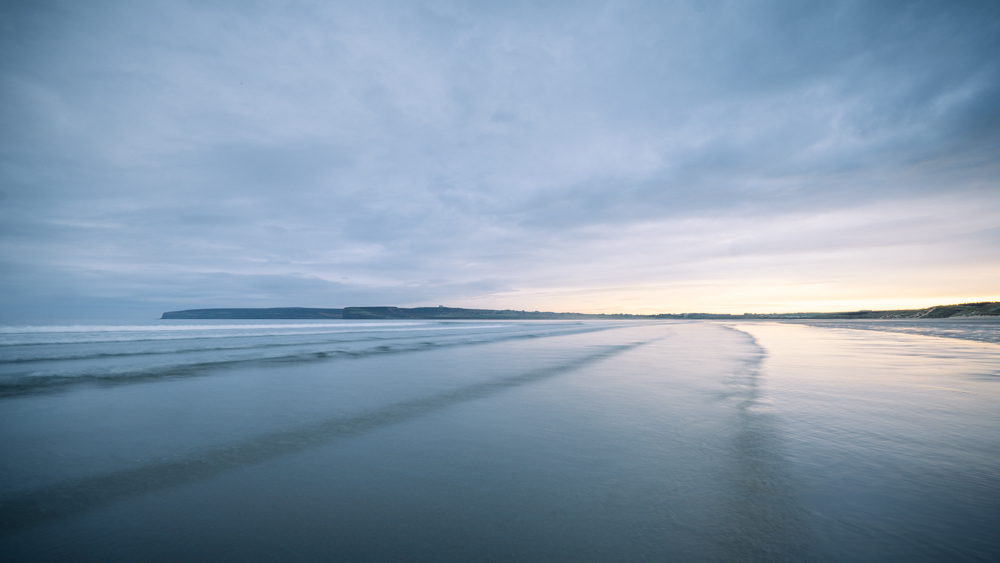
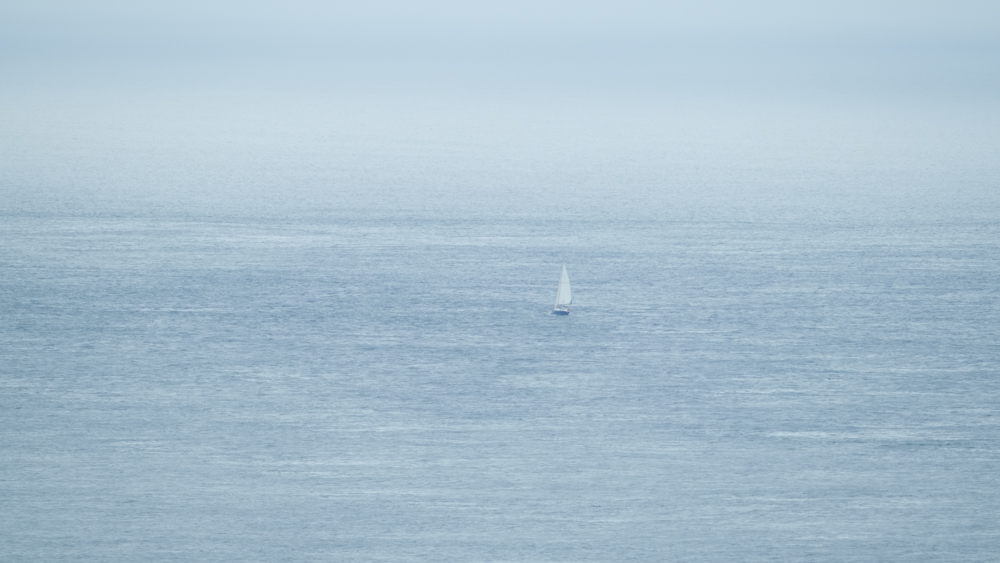
Altbau-Büro, bald grau – heilfroh, dass Schottland kommt, dass flott Strand kommt, das raue Meer, ins Blaue, mehr entspannen, ohne Pannen: Urlaub kommt. Und, mit Verlaub: es ist auch Zeit. Bereit zu Zweit, wir sind soweit.  Für eine kleine Ewigkeit. Ciao Tagesschau und Alltags-Stau, ich schau stattdessen in den Guide der aufgestauter Fantasie jetzt Deutlichkeit verleiht: Weite Landschaft, breite Strände, steile Gipfel, Landzungen-Zipfel, gelb und grün hinein getupft. Die Vögel kühn, die Landung sanft, die Brandung tost tief unten. Die bunten Puffins sind gehüllt in Nebel der die Bucht erfüllt. Und kaum erdacht, schon ist man Fracht auf einer Fähre durch die Nacht. Halb acht, wacht auf, habt acht, bedacht: Der Linksverkehr führt gleich ans Meer, die Küste naht als wüsste sie wo unser Pfad heut enden wird. Mehr braucht es nicht, wir leben schlicht; die Straßen leer, der Ginster dicht. Wir fahren frei – der Sonne nach – der Wonne nach, wie's uns gefällt. Kein News-Beschuss, nur Bus-Genuss. C++? Mitnichten. Frei von Pflichten, nur noch Dichten, Vögel sichten: Tordalks, Möwen, Trottellummen, die Welt singt los und wir verstummen.

Ocean, Swamps, and Freedom

Ocean, Swamps, and Freedom

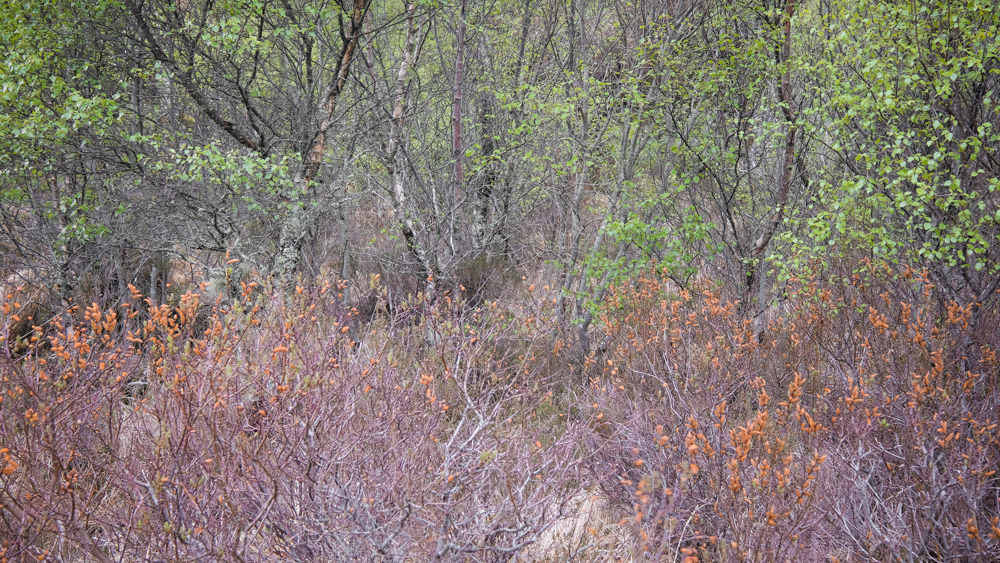
The land is flat and stretches out,
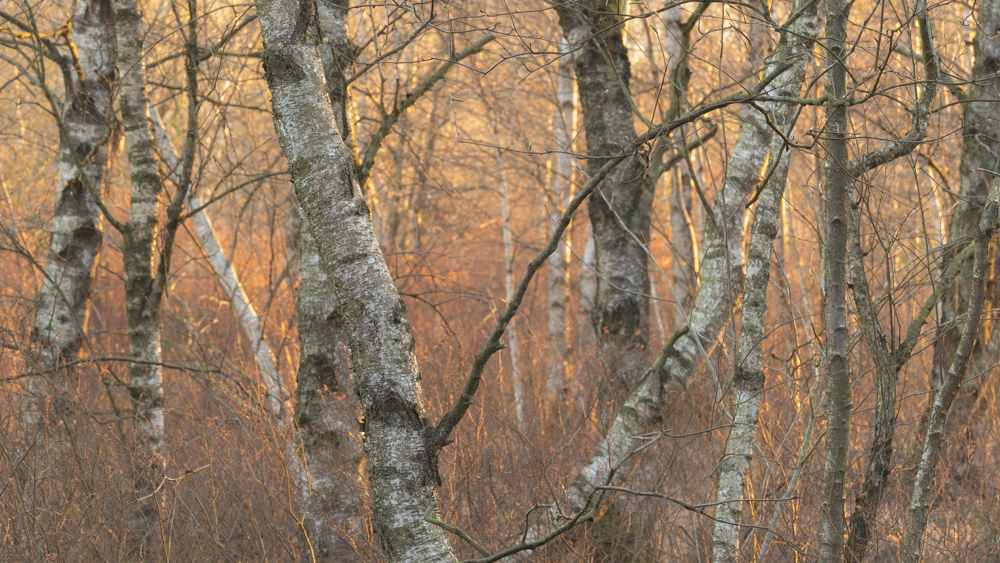
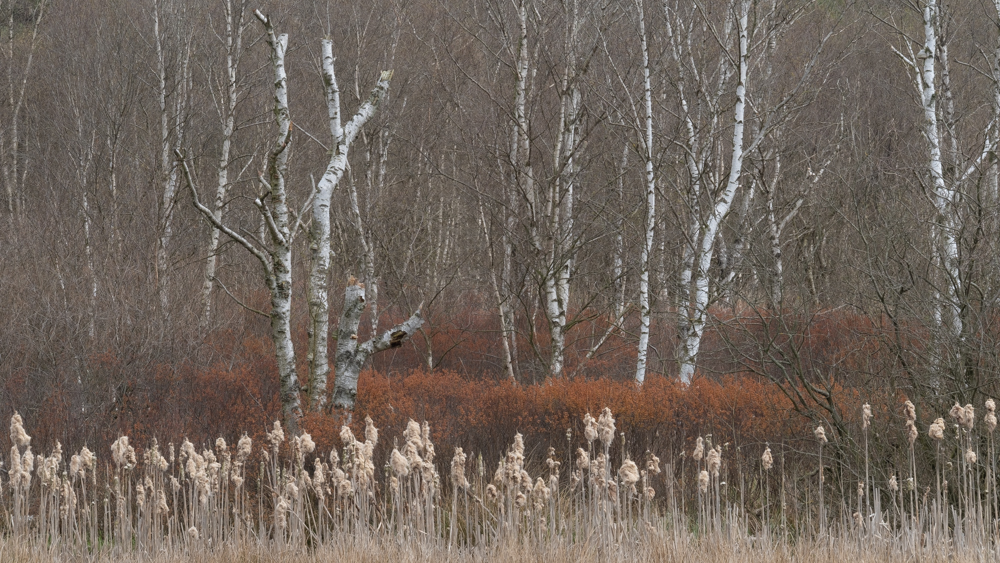
it seems that here the birches sprout
quite willingly in swamps and marsh,
the light is golden, never harsh.
The birds sing different and fly
towards far places, as the sky
turns orange and leaves us behind,
vanishing traces in the mind,
condensed adventure, precious time,
forgetting it might be a crime.

Dunnock

Dunnock

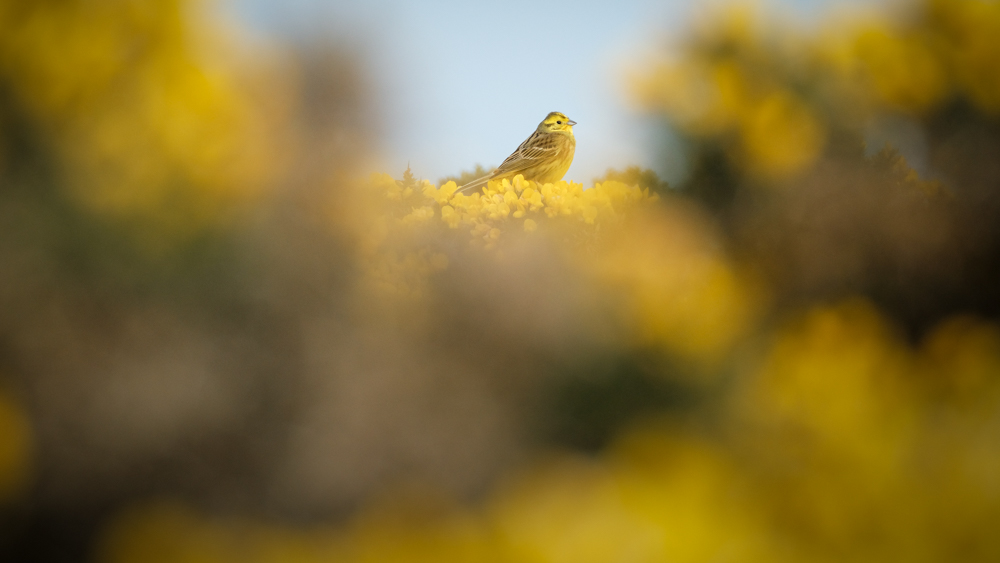
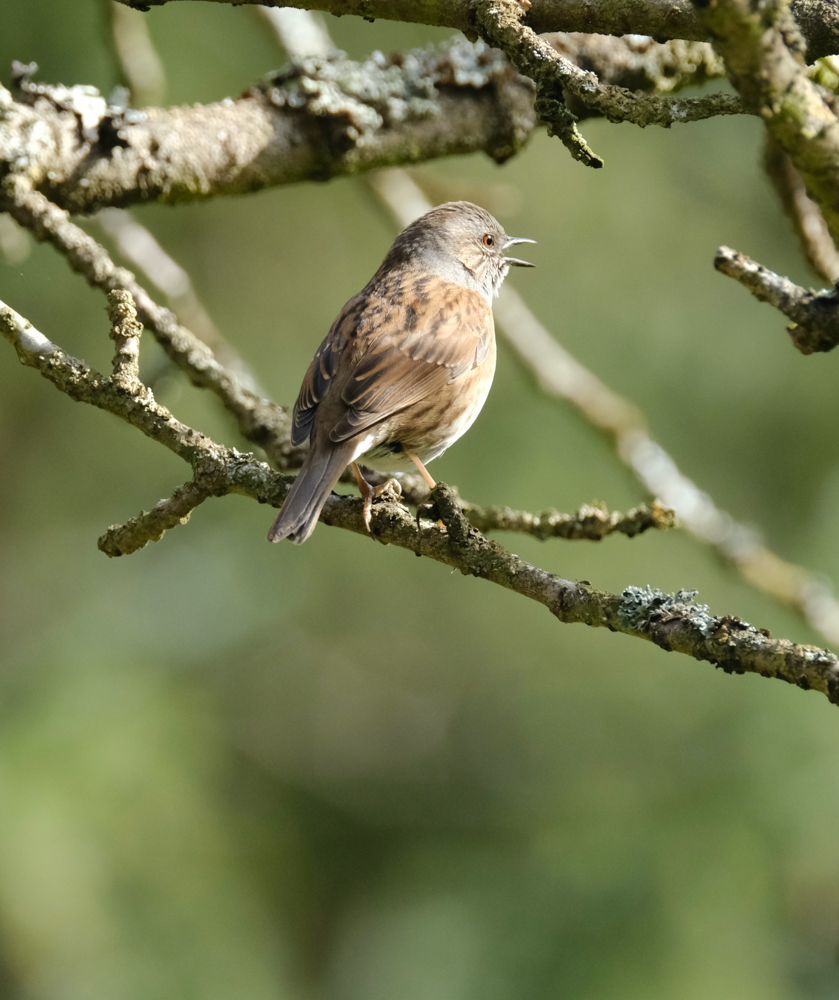
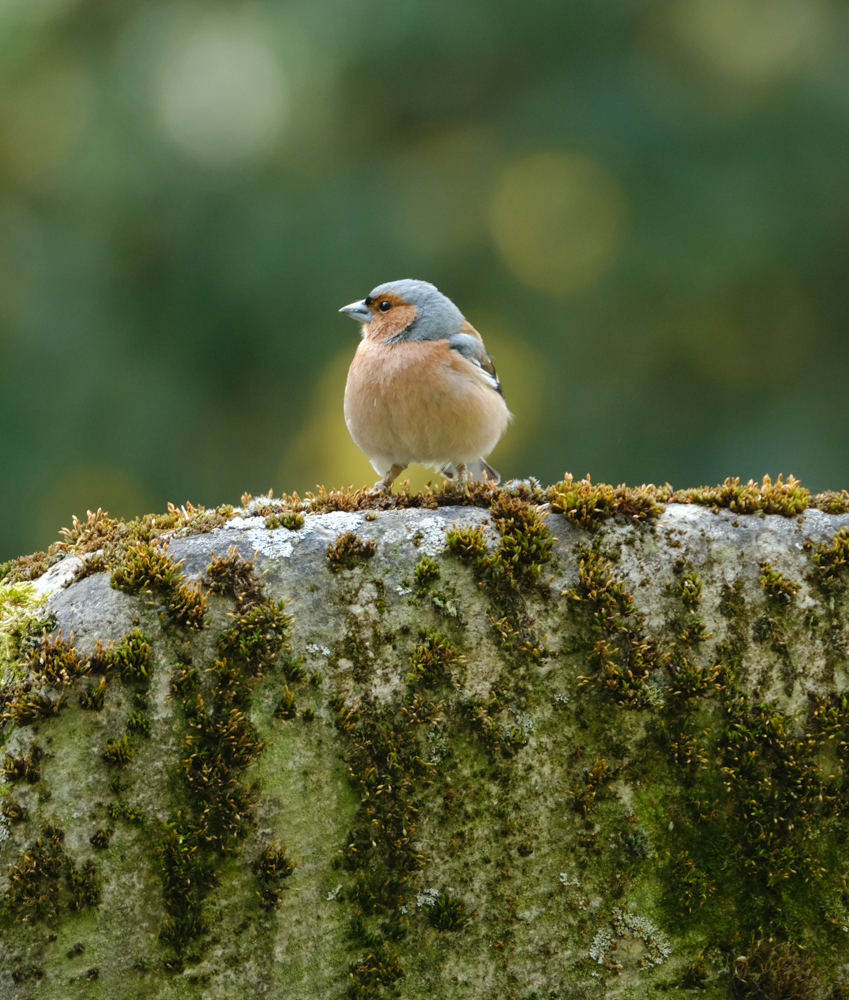
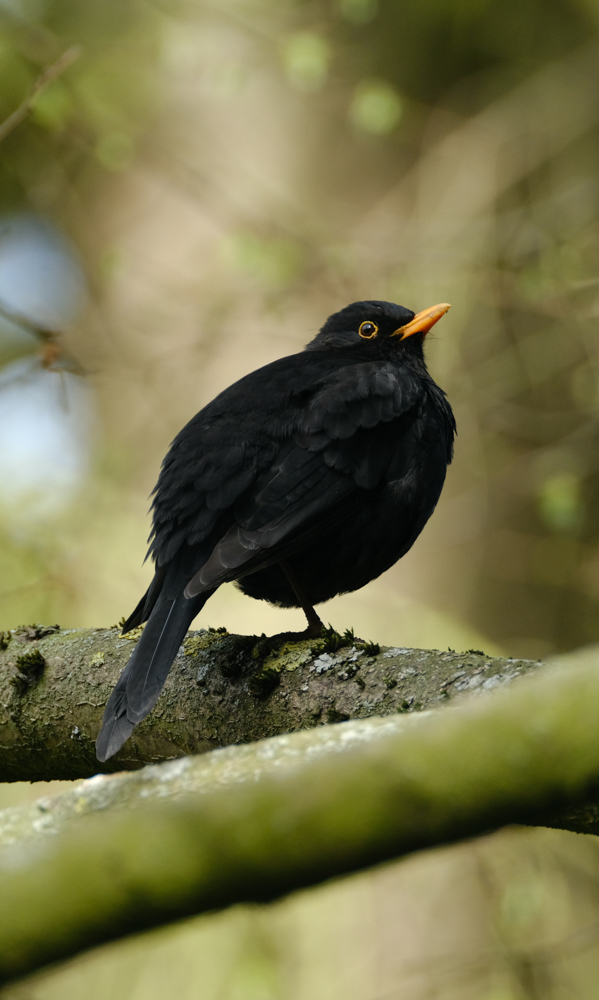
Besides their primary purpose, cemeteries exhibit properties that are hardly ever valued: First, they seem to offer great parking spots for a nights rest in a van (I guess this information shouldn’t be distributed widely, especially not on an internet blog). Secondly, they offer great potential to photograph wildlife – birds and squirrels in particular (however, the latter are rather quick, rendering the photography difficult for a sluggish human who just crawled out of bed). Also, as it should be, cemeteries are calm, quiet, and peaceful; and: very few people seem to visit them (myself included), especially when most graves are from long forgotten times. So, last week, I checked out the largest cemetery in our town, watched the squirrels, and took some pictures of the many many birds that scurried around:

The Inevitability of Triviality

The Inevitability of Triviality

Triviale Maschinen haben nur einen Zustand: Sie liefern auf denselben Input immer den gleichen Output.

Heinz von Förster

The quote could be vaguely transcribed as ‘Trivial machines have a single state: Given the same input, they always produce the same output.’ In contrast, for non-trivial systems the output not only depends on the input but additionally on an inner, possibly unknown, state of the system. This inner state evolves with every given input and, thus, the same input can lead to different output. In other words: the output may seem random to an observer as it also relies on the complete history of inputs processed by the system, reflected by its internal state.

Using this bipolar framework to describe actual systems can be challenging: When I type 2+2 in my calculator it will always yield 4. It’s apparently trivial – until the environment acts upon it and the batteries run out, the circuit board becomes corrupt, or the display breaks. If my bike would always give the same output when I start pedaling, I would be much more satisfied and my local bike shop would go out of business. If computers really were trivial, a whole lot of IT assistants could look for a new job right now. Systems decay over time, they are error prone, they are subjected to the very same universe we are.

Another approach might be to not consider it as a binary decision, but a continuous scale of triviality where systems are ranked based on their robustness. In a probabilistic sense, the calculator is rather trivial as it gives the predicted output in a quantifiably large majority of cases. In contrast, living systems are on the other end of the scale and highly non-trivial since they exhibit wildly different behaviour in seemingly similar situations.

However, when system are ranked on such a scale of non-triviality, problems arise: How should I work on this very laptop when I assume that it could fail me anytime? If I would admit its non-triviality, I couldn’t work in the first place because it could give any output, independent from the keys I am pressing. This example seems a little daft, but when transferring it to human interactions, the exact same applies: How should I communicate with my colleague about work issues when assuming that the output will be determined by a non-trivial living system? How should I forward instructions if the output is uncertain anyway? How could I coherently speak with my partner about serious topics when my input has potentially little effect on the output?

We constantly trivialize the non-triviality around us. We do so because it is necessary. When I am typing in my calculator I expect a correct result. When I am asking a question to a friend, I expect to get an answer. Not because the answering system is trivial, but because I have to assume it is in order to ask the question in the first place. We trivialize machines, we trivialize humans, the reactions of strangers, friends, and partners. And if the output is unexpected, we don’t blame our foolish assumption of triviality, but we blame the system itself. And the scale isn’t really one that describes the non-triviality of systems, but rather a scale of how much an observer trivializes systems.

Where does this lead? Potentially nowhere; there might be other, potentially more useful, distinctions to draw. But when drawing this distinction, I am wondering in which cases it might be wise to begin to acknowledge the non-triviality of systems.

Extinction Rebellion Resistance

Extinction Rebellion Resistance

This post is rather provocative – the judgement of its seriousness is left for the reader.

Way too fast, no breaks, a wall of bricks ahead. That’s how the climate crises can be described. Unprecedented floods, soil dried out for years to come, dying forests, 10 years in a row with highly increased temperatures, glaciers melting at unprecedented speeds. North-west Germany will become significantly smaller, the question is not if it happens, but when it happens.

And out there, some honorable organizations and non-profit associations fight. They fight against the crises, against politics, and for our planet. They try to find some breaks, to dampen the impact, to bypass the unavoidable. Fridays For Future, Extinction Rebellion, 80000 Hours, the list goes on and on. What they do is important and could be our last hope for an ordinary future. But there is an inherent assumption to their philosophies, silently hiding, rarely talked about, let alone discussed, but critical as no other.

They not only fight for the planet, they fight for us, for the human race. They assume that the we, humanity itself, should be saved as well. That the continuation of our species is inherently good. An assumption that is not grounded in any observable truths, but originates from a pure instinct of self-preservation. From the urge of dominance and feeling of supremacy that seemingly has been inherent to our species for a long time now.

Extinction Rebellion is branded as radical and drastic for what they do. They are disregarded as being over the top. But what if they are not radical enough? What if this underlying assumption is just plain false? The fight for both things at once, humans and earth, is impossible. It might be that these goals are diametrically opposed. Since our species has been expanding, it has eradicated everything on its rise. Why should it stop? How should it stop? The planet won’t generate new resources. The change of human nature will be too slow. It just might be that this planets only rescue is the downfall of us. If earth should be saved, maybe we are already heading in the right direction: Way too fast, no breaks, a wall of bricks ahead.