The most important thing about Chess is to keep the king safe. It gets castled behind its pawns and is protected by all pieces. A comfy life, no worries, and no ventures onto the board. It remains inactive. In fact, it remains rather lifeless.
Until the endgame approaches and things start to change: Pieces have fallen left and right, the board is a vast and empty plain, pawns gain importance as they may promote, and – finally – the king abandons its safe place to become more active. To get involved in the game. To get involved in life.
Not every game of chess reaches its endgame.
Fruit flies exist for ten days, sparrows for two years, snails for eight years, and bowhead whale over 200 years. Every ten years our chance of death doubles. We have an awful lot of time to think about what happens afterwards. Until we don’t.
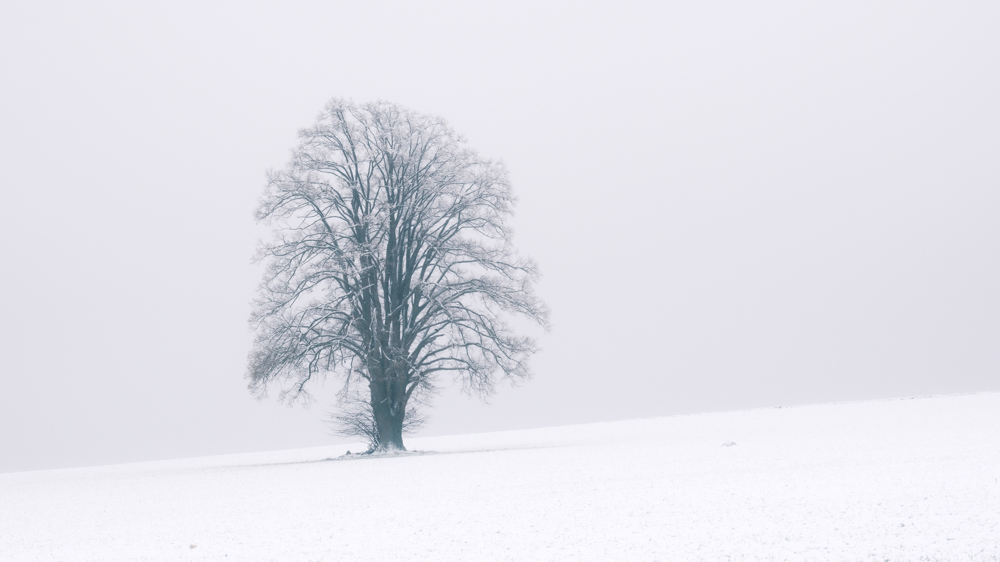
[…] Thus in the winter stands the lonely tree, Nor knows what birds have vanished one by one, Yet knows its boughs more silent than before: I cannot say what loves have come and gone, I only know that summer sang in me A little while, that in me sings no more.
‘What My Lips Have Kissed, And Where And Why’ by Edna St. Vincent Millay; Musical interpretation: Thus in the Winter, by Christopher Tin
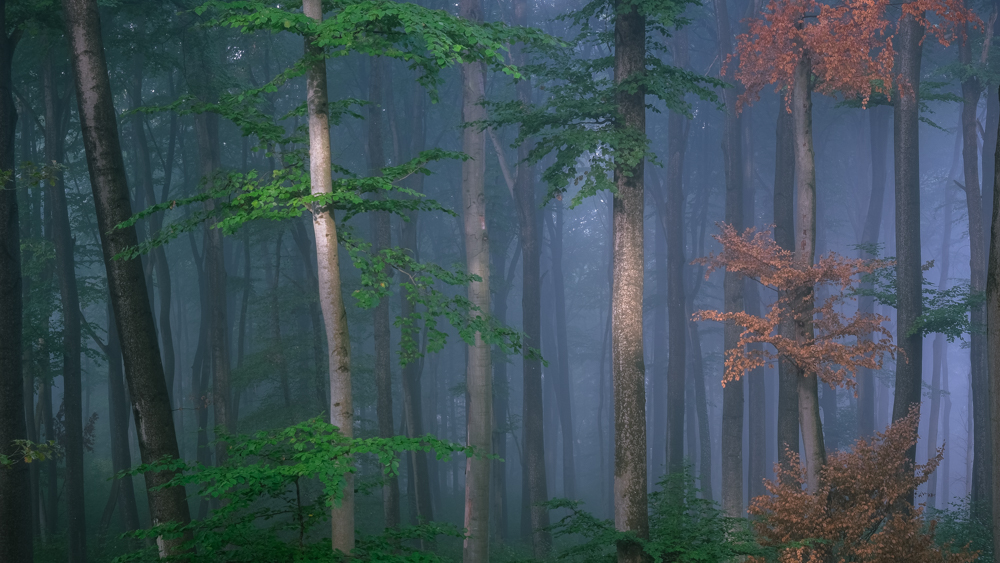
Trees are wise and tenacious. They endure at the most inhospitable places and cling onto earth as if their life depends on it – because it does. Trees are deeply ingrained and reach high. They depend on the light of stars and the nutrients of soil. Trees are manifold and and full of character which allows them to oppose changing climates. Trees have volition.
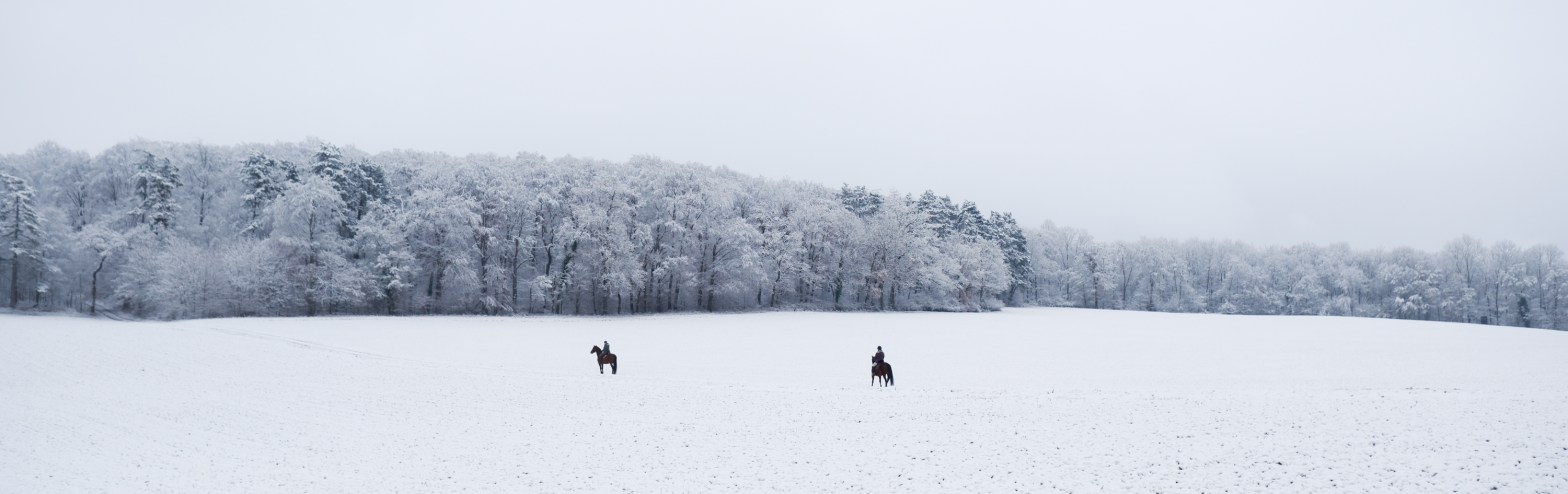
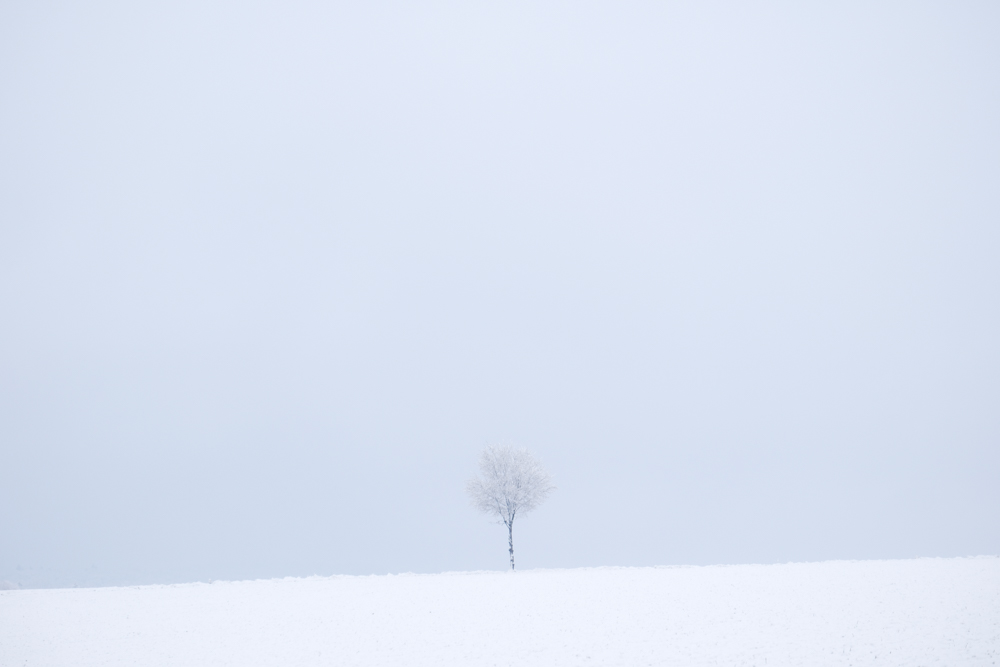
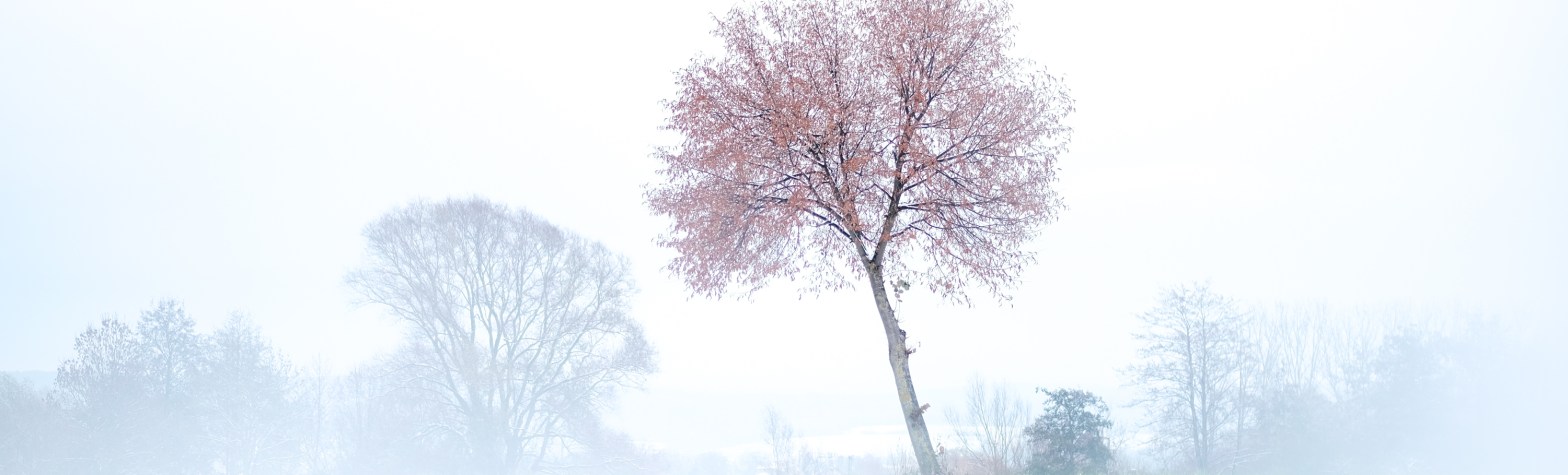
The other day I went out for some photography, motivated to exploit the snow that was still lingering around and covered the landscape like a gentle blanket. Just a few days earlier I had finished my thesis and, thus, I felt a freedom I hadn’t felt in a long time: Not a single appointment for the whole day, no deadlines, no waiting E-Mails, no social obligations, no time constraints. Simply a whole day for myself – is this what retirement feels like? I was standing on a hill overlooking villages, fields, and forests as far the hazy conditions allowed. And as I was pondering about my day, I simply picked a distant tree and started walking. No GPS, no directions how to get there, I simply started walking until I reached this lonely, very distant tree. And it felt good.
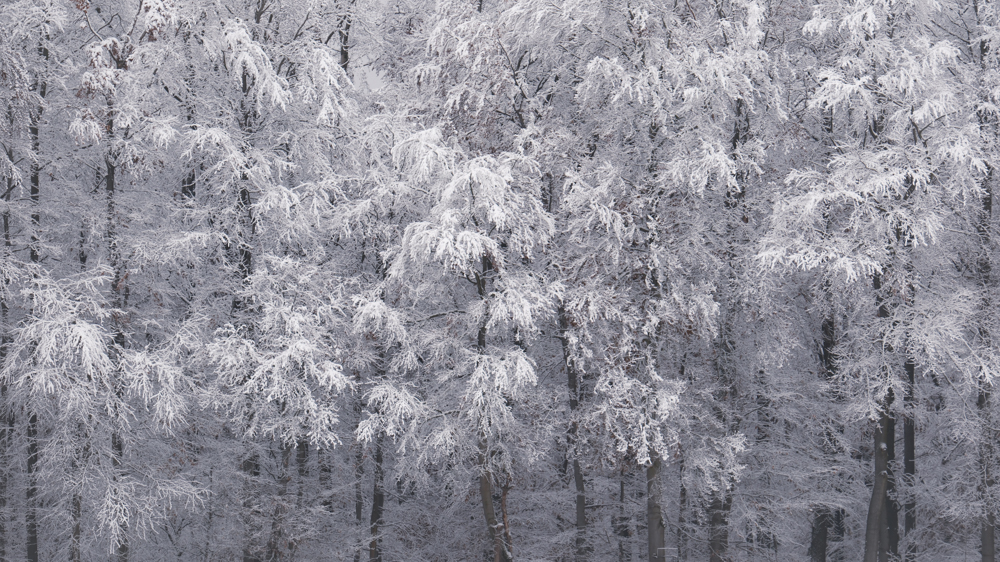
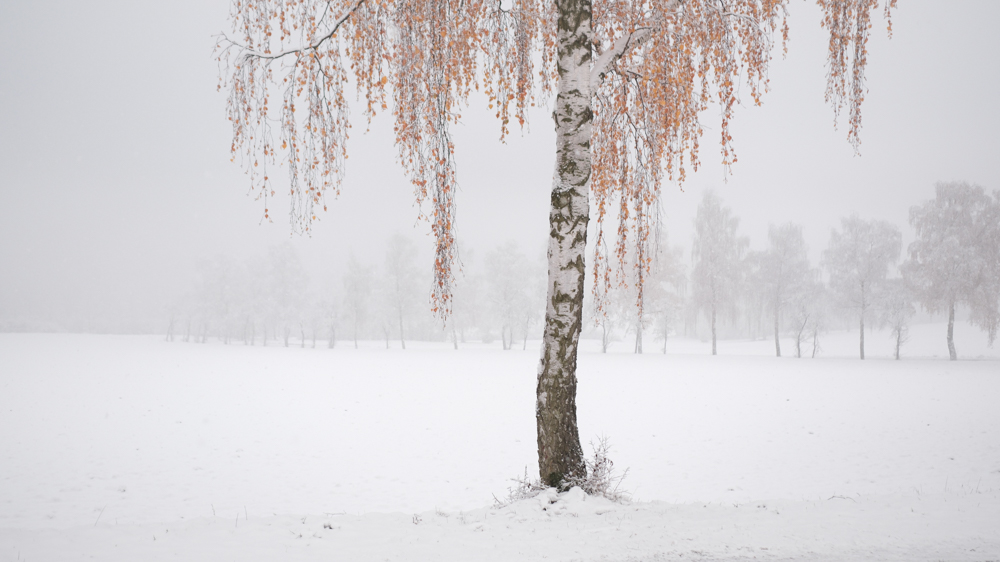
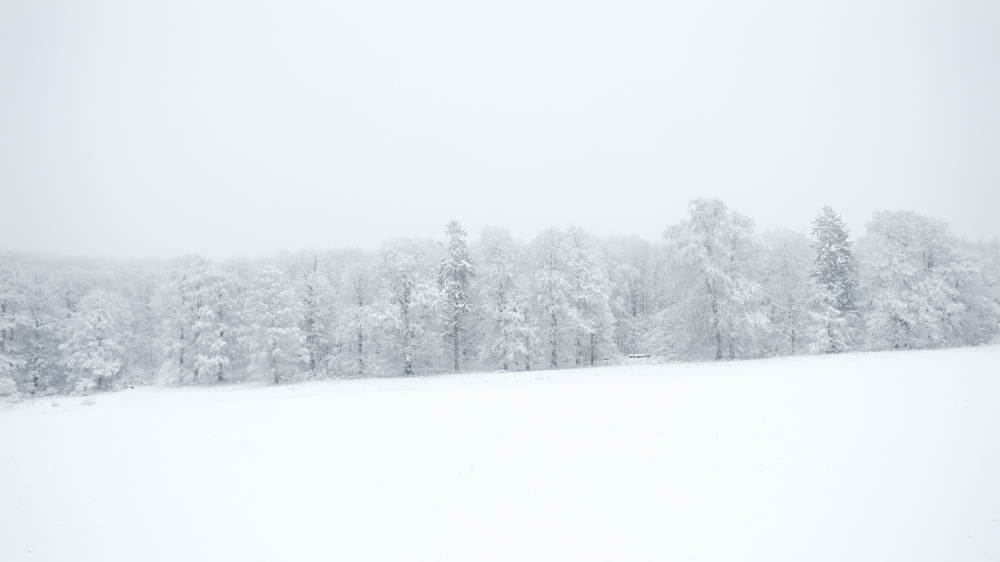
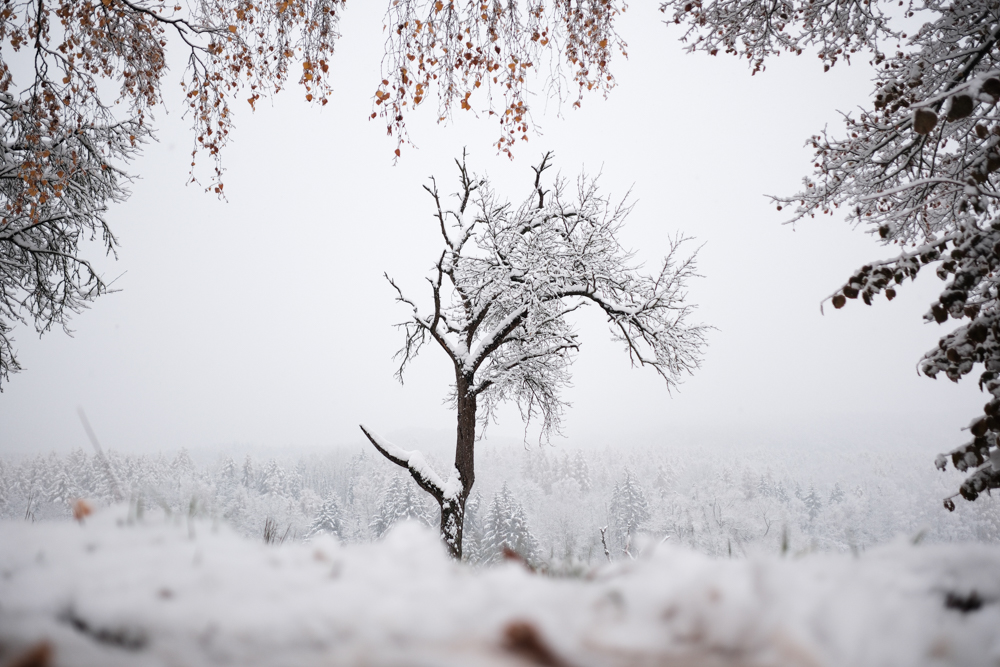
One season passes, the next approaches. One life phase transitions into another one. Snow covers clutter of the past, a fresh canvas onto which new ideas may be painted. Which shall remain unchanged? What must be adjusted? The past is frozen in place, but now and again color persists and defies the whiteout. Lonely figures reach high, rooted deep, yet fragile and delicate. Preparations for a period of hibernation begin, with the aspiration of a fresh awakening.
Barcodes are commonly used for the identification of items. Many standards exist but, in general, barcodes must be universal, unique, and easy to process. The standardization of barcodes grants great benefits, not only for everyday shopping: A unique identifier facilitates and simplifies the ordering and processing of goods all over the world.
Similarly, the distinct identification of organisms and their relationships is one of the major goals in the life sciences. What would be more suited than a barcode – a barcode of life?
Many genetic regions have been proposed for the use of being such a barcode. For eukaryotic species, the 18S gene is most commonly used today; a rather short fragment of ribosomal RNA that is evolving slowly and allows the reliable identification of most species. It is surrounded by highly conserved sequence regions that simplify the sequencing process. By this, the analysis of 18S RNA from the environment delivers a comprehensive overview of all present species, equivalent to scanning a barcode of all organisms.
Irregularities give rise to normality. I’ll be back to English in the next post.
Im Juni 2020 ging es für uns in den Urlaub. Damals frisch verliebt, stimmte ich gerne der angestrebten Urlaubsplanung zu: Also, ab ins Gebirge. Das Richtige. Also zumindest das Richtigste was wir einfach so erreichen können, die Alpen. Quasi am Alpenrand geboren, war ich das erste Viertel meines Lebens (wobei diese Rechnung nur ohne einen voreiligen Tod aufgeht) eigentlich nie so richtig dort. Ein großer Fehler, denn auch die Berge haben anscheinend ein Plätzchen in meinem Herzen reserviert. Sobald wir dort waren, zwischen den erhabenen Gipfeln und tiefen Tälern, fühlte ich eine große Zufriedenheit. Und die Gipfel ziehen mich an. Ich sehe einen Gipfel und plötzlich will ich nur noch hinauf. Steiler Anstieg? – Egal. Wetter? – Egal. Hauptsache hoch, und zwar so hoch es geht.
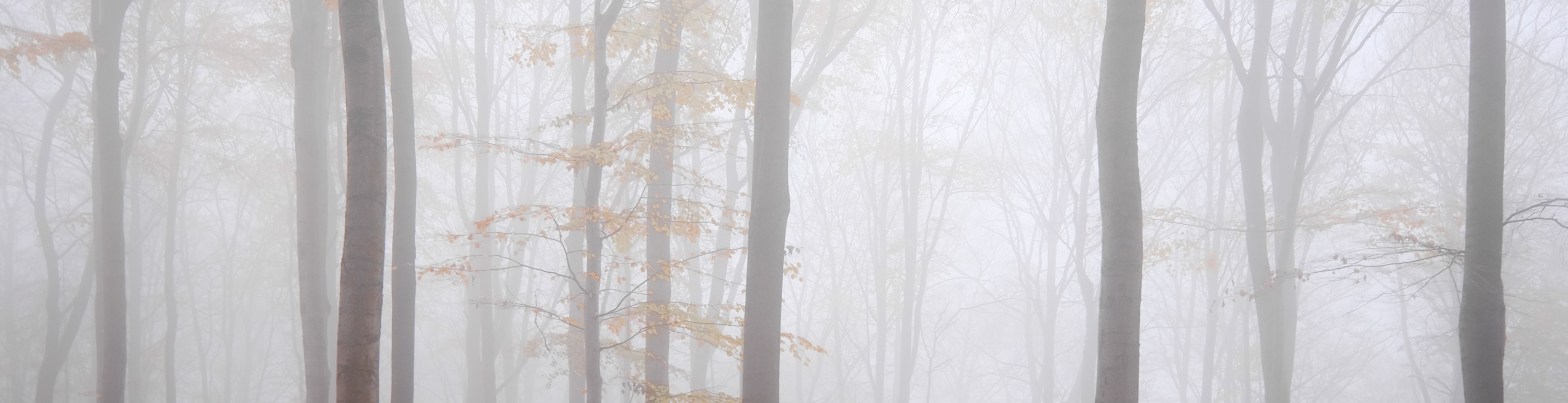
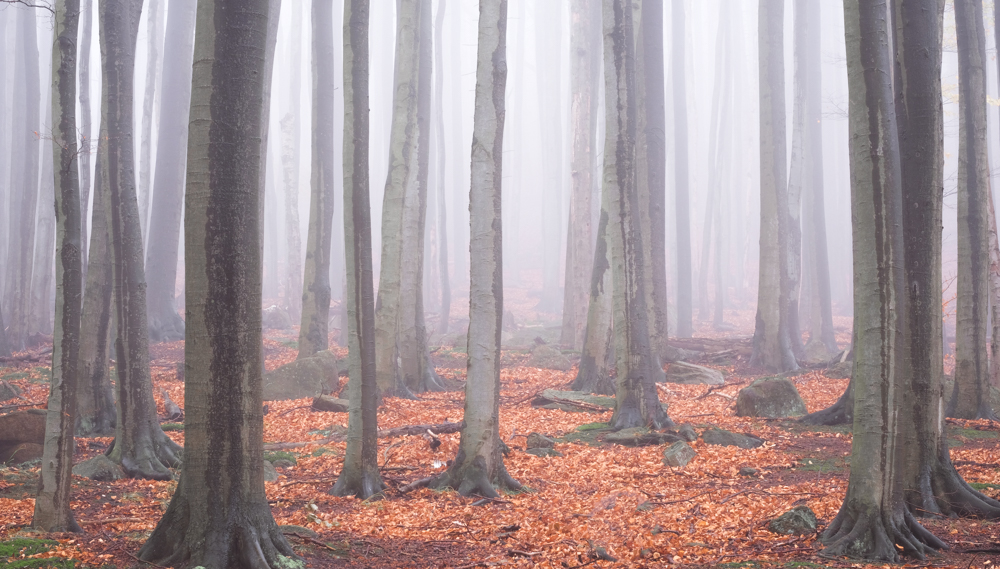
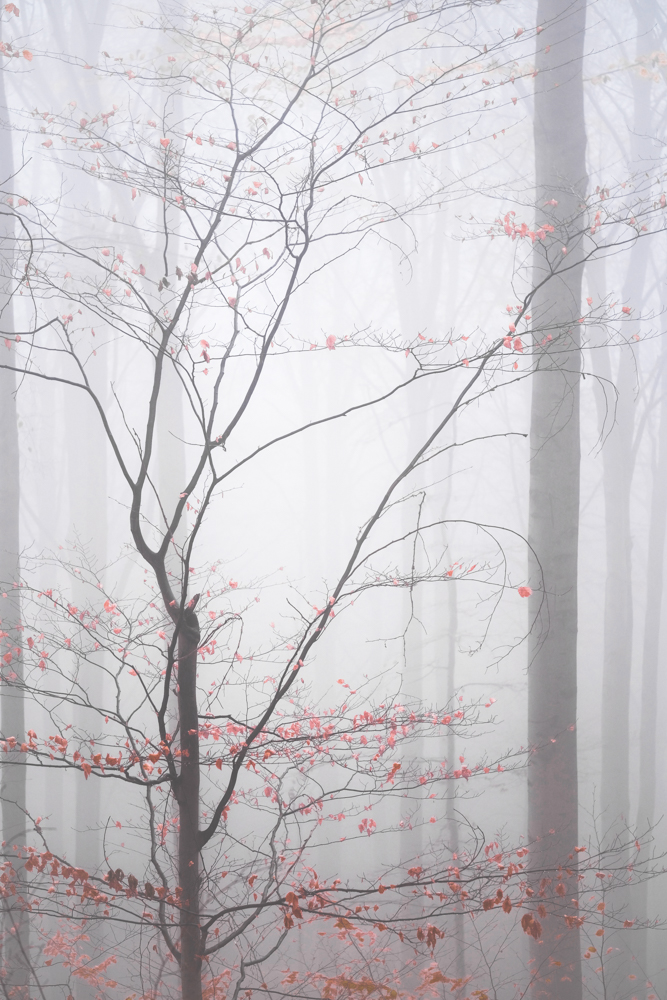
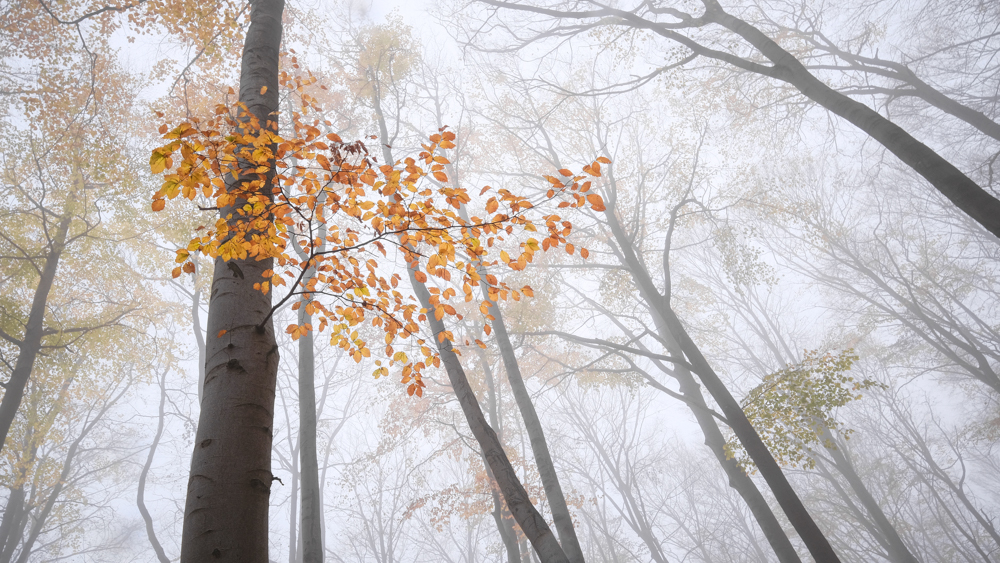
Falls man mal nicht in den Alpen ist, gestaltet sich das Ganze etwas anders: Hier im flachen Norden ist das höchste der Gefühle schon bei 1141 Metern über Null erreicht und man steht mit 84 prozentiger Wahrscheinlichkeit in den Wolken. Aber wen interessiert schon Statistik – gefühlt sind es mindestens 93 Prozent. An den anderen Tagen bietet der Brocken dagegen wunderbare Ausblicke und ein echtes ‘Oben-Gefühl’, das meinen Gipfeldrang kurzfristig bändigt. Ebenfalls seit 2020 sind wir daher auch eifrig am Stempel sammeln, zumindest mit periodischer Eifrigkeit: Der Herbst und Winter hat es uns besonders zugesagt im Harz; wenn Nebel die Seen umschließt und Laubwälder der tieferen Lagen Farbspektakel bieten.
Dennoch, ich freue mich auch schon wieder auf den nächsten Urlaub in dem wieder zwei- und dreitausend Meter bewältigt werden können. Der Kopf so frei, wie die Alpendohle im Auftrieb und das Herz so voll, wie der Bauch in der Adventszeit.
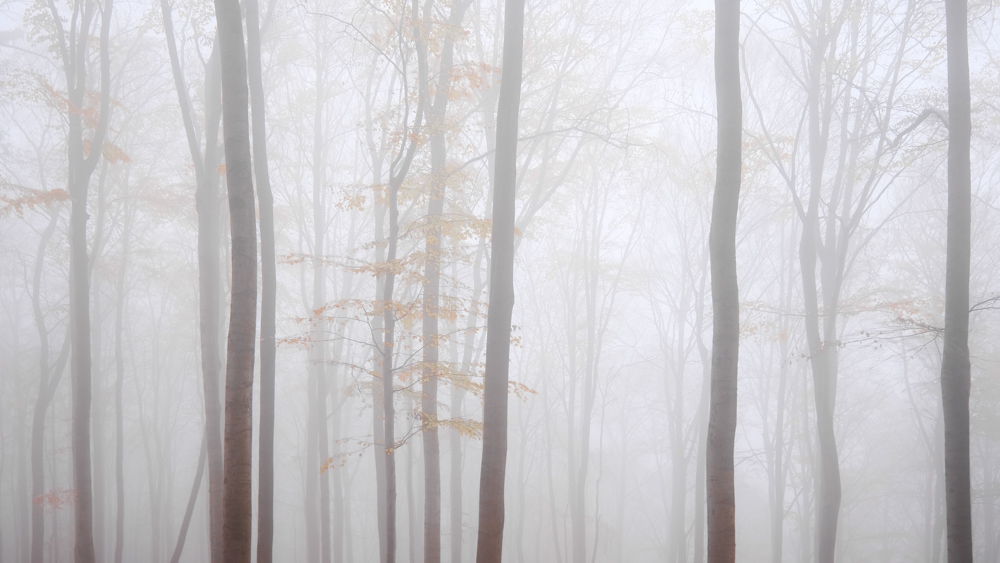
Frigid air blows through the woods,
blows rigid thoughts away;
and gray clouds pervade the vale,
play with remaining leaves.
Draining anger and despair,
the trees take always care.
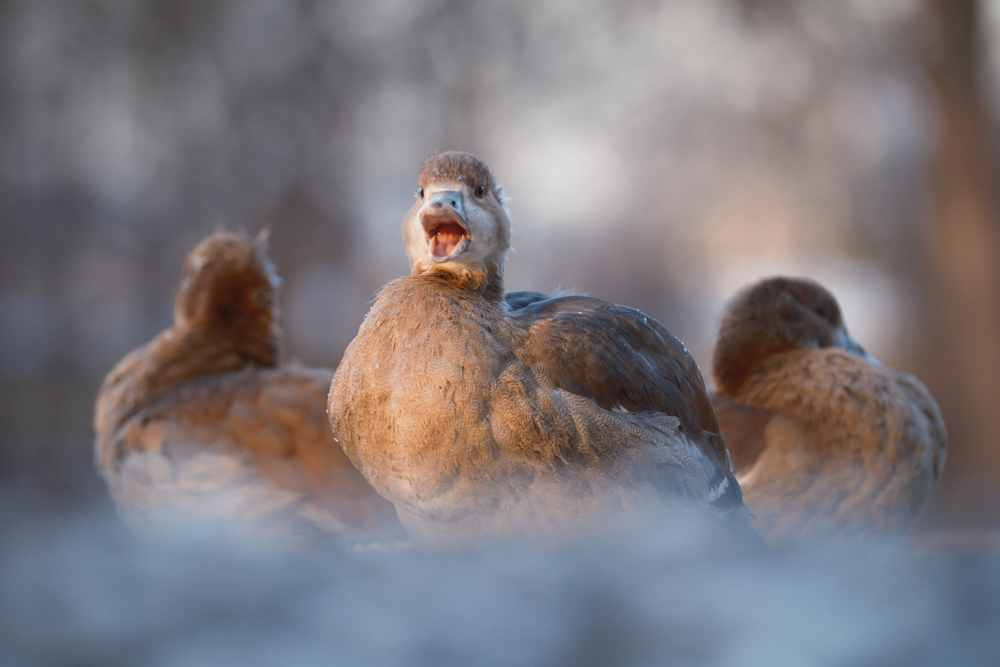
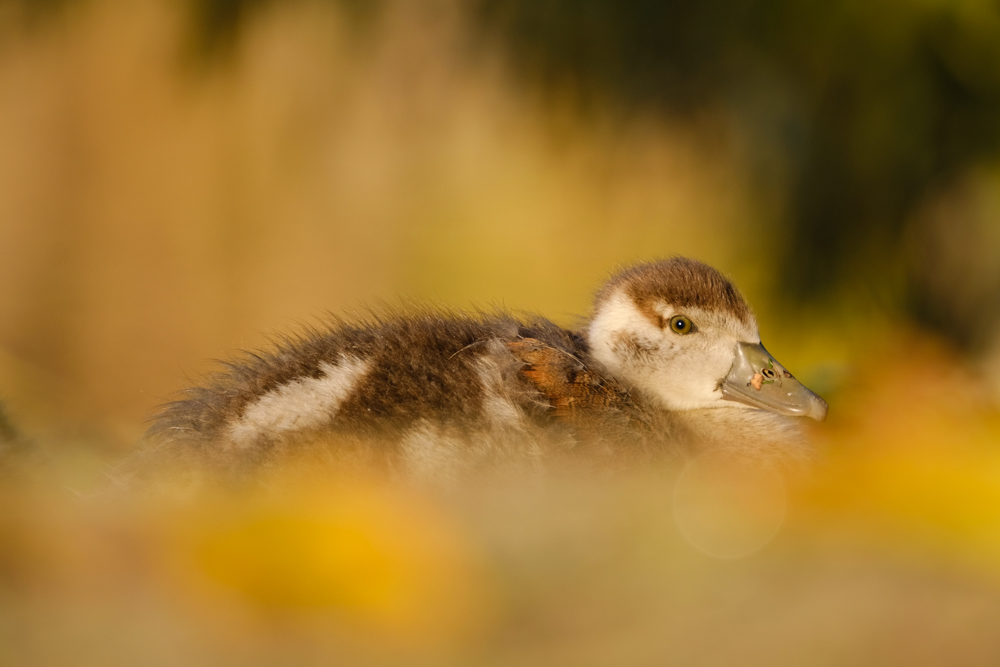
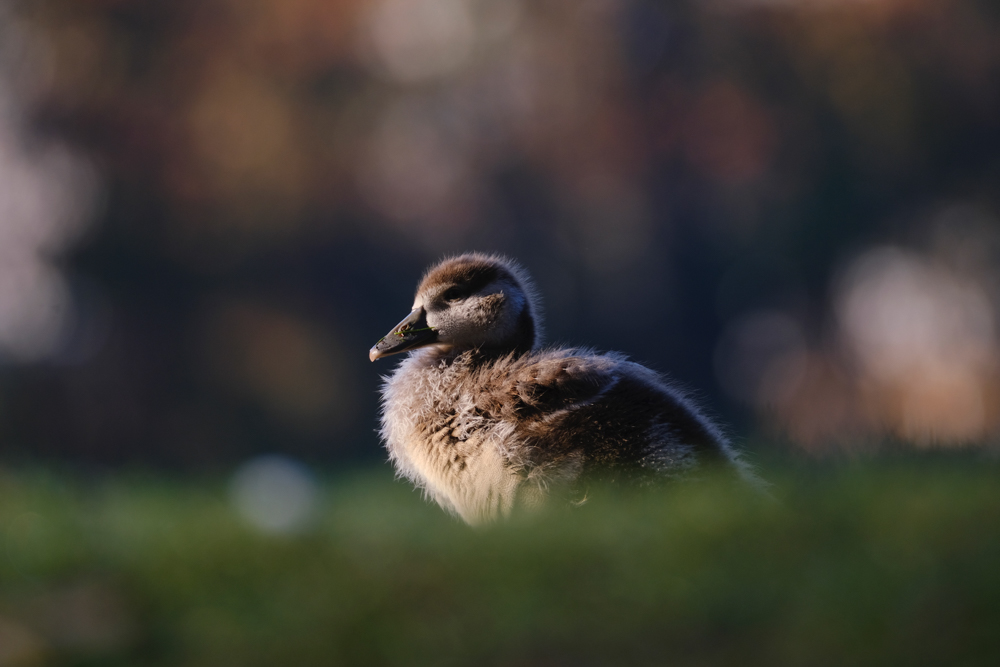
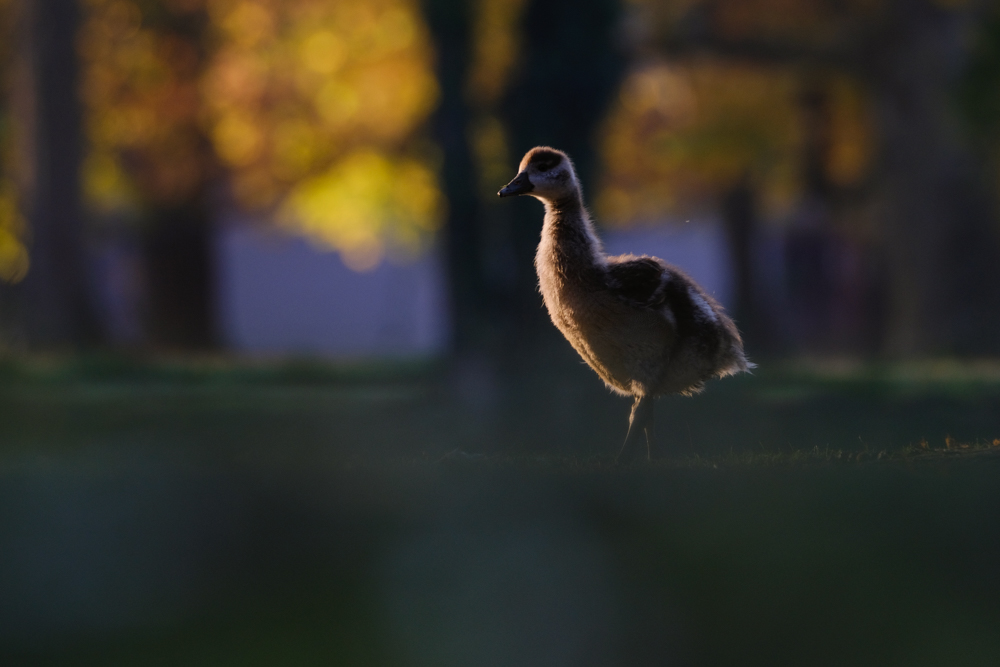
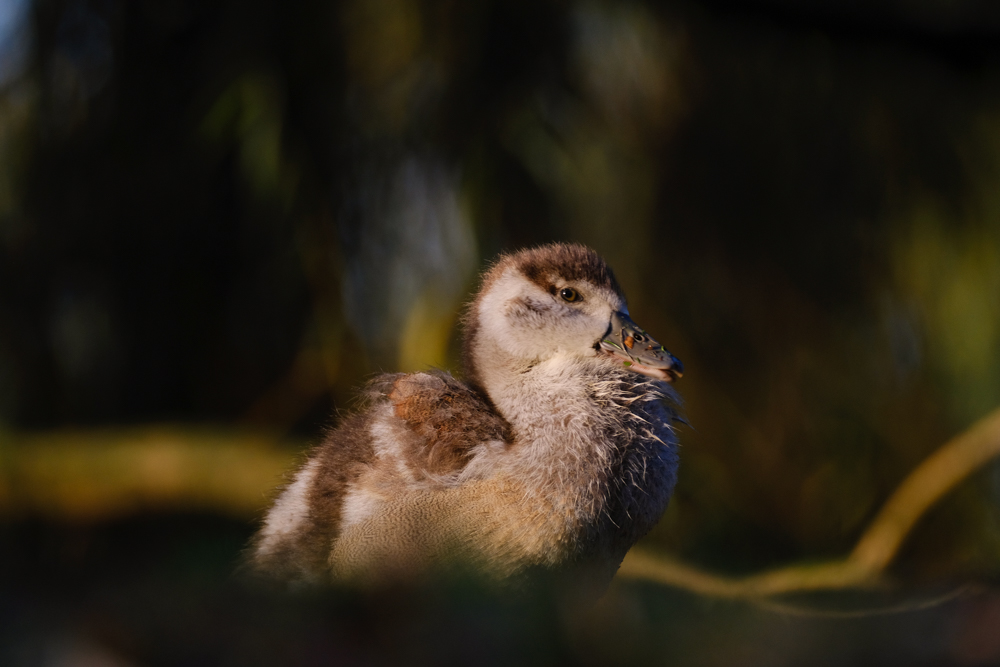
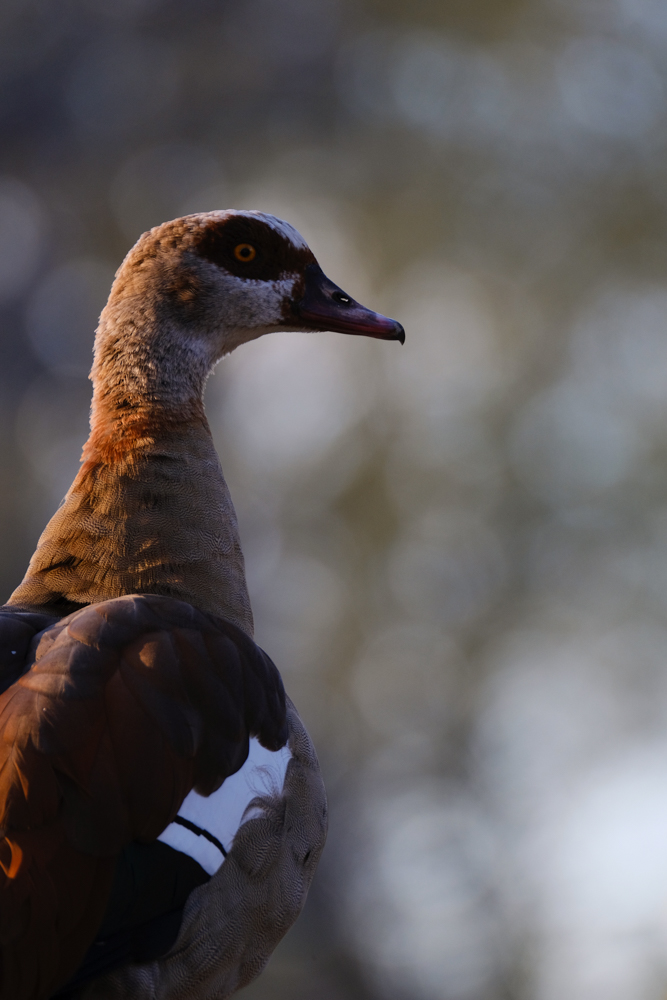
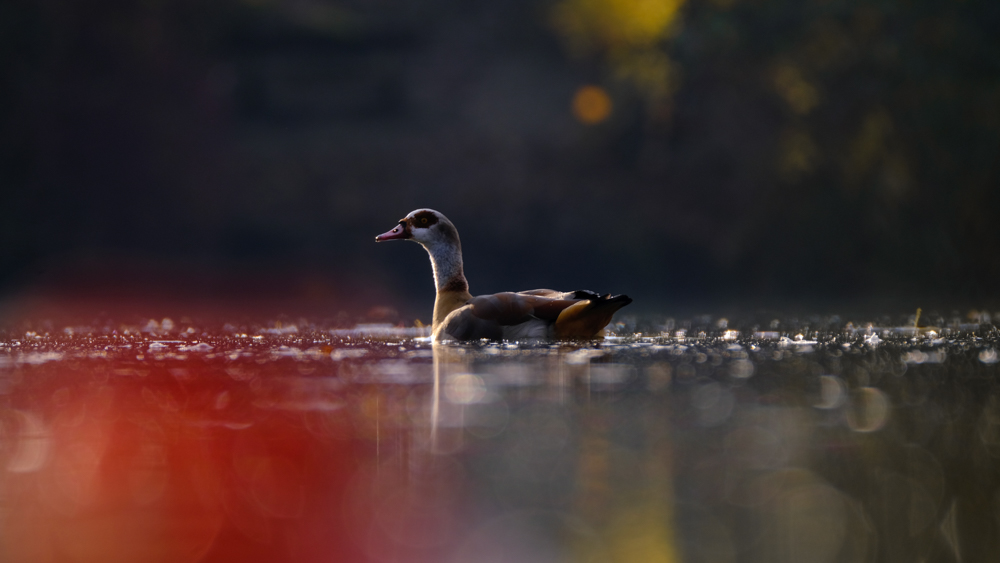
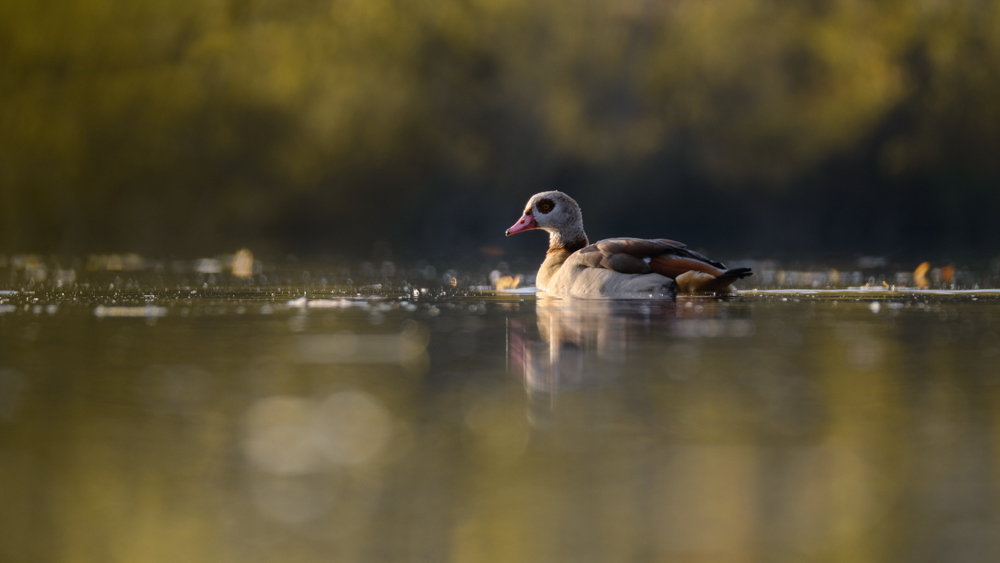
I regularly visit our local lake and another park with two small ponds. What do they have in common? All year long they are both inhabited by at least one couple of Egyptian Geese, which are normally endemic to the southern half of Africa. So what brings them up here?
Egyptian Geese have been hold captive in Europe since the eighteen hundreds and individuals were set free or escaped from time to time, resulting in a small group of wild individuals. Starting in 1970, a fast expansion of these animals occurred along the river Rhine, which also led to a well-maintained population in Germany. Even more so, they continue to spread around Europe and take over urban areas. They can be rather aggressive, especially towards mallard ducks, and seem to have found an environment that favors their species. Sometimes they even displace larger birds from their nests and breed there themselves.
One couple in our city just had its second litter this year, which seems rather odd given that temperatures are dropping rapidly. Maybe the warm autumn mislead their instinct.
We are currently in the midst of a thorough clean up. Sorting out and getting rid of all the things that haven’t been used in a long time. All those things where I’am telling myself every year ‘next year I will use it’; and with every passing year they continue to gather dust. All those things whose acquisition seemed so necessary when I bought them; but most weren’t necessary after all. I enjoy the decluttering, it gives a good perspective onto future purchases: By now, I rarely buy stuff out of an instinct. Instead, I wait for several months and only if my desire or need remains, I proceed with the purchase. Only from time to time, consumption prevails over reason.
So – I am looking forward to my newly preordered camera.
Besides the physical things, there are also the non-physical: Contracts, friendships, data files, a hard drive full of old memories, another hard drive full of new memories. I would guess that I deleted 3 out of 4 photos I took this year. However, 4769 pictures from 2022 still reside on may laptop and wait to be combed out; all those shots where focus didn’t hit, where the composition is off, or which lack any message or visuals of interest.
As with new physical purchases, I need to learn how to take less photos. Especially less photos of low quality. It would save a lot of time and hassle.
I promise, there will also be other topics in future posts; but not today…
Glue on streets and food on art,
repeats each day, matter of heart?
"Not really," says the scientists
who gets the gist and is quite pissed
by egoists that do insist that a cold week
refutes the claim of climate change:
"To blame are others anyway."
The charts are clear, the problem sheer unsolvable;
each year is worse, each choice adverse,
the globe does not reverse its course – quite yet.
They marched on Fridays for a while,
but didn't reach the other isle:
Of people who don't care and stare
on their small screens where it just seems
as if the world is fine right now;
of people who don't share the bare
reality of what's to come;
of people who are still concerned
about their hard-earned treasuries
and do revel in memories about the past
as if they last apocalypse.
And now they found what upsets most:
A simple frowned upon protest
– where streets are used as seats –
defeats the calmness of the crowd
that clings to cars and is in rage
about the new found stage.
In galleries they do reside
throw calories with pride to guide
social debate where it belongs:
What are the values we esteem?
Why does it have to be extreme?
Why do we tolerate the wrongs?
And try to acclimate as if
the floods would stop? As if the crop
grows magically? While livestock drops
quite tragically dead onto barren desert floors –
necessity starts frightful wars.
Who really are the radicals?
Who really are the extremists?
Those who request a fair world
and are obsessed with equity?
Or those who halt the change,
assault the poor, default to strange
conventions from the past and cast
a future for us all that will, at last,
result in unsurpassed distress?
What is allowed, what justified?
This climate activism does
indeed evoke more buzz
than any boring chart. Apart:
It has a heart, and does still act in peace.
Unfortunately, no matter how many climate change conferences are arranged, the large-scale subsidization and expansion of fossil fuel infrastructure continues to take place with each passing month. However, the immediate halt of any further investments into these sources of energy are one of the key factors to mitigate the climate emergency, according to the latest IPCC report. To the best of our knowledge, we steadily continue our path to more than 3 degrees of global warming, if we are lucky and tipping points don’t start to blow up all around us (and the likely do). If the choice is between some paintings and many many lives, I am gladly taking the latter.



































 Punkt im Dunkeln