Snowdrops (Part 1)
Spring music;
played by little bells in white,
a well of warmth despite cold air.
Each year they do appear,
to persevere
where orange-colored skies collide.

Enjoying nature and photography.
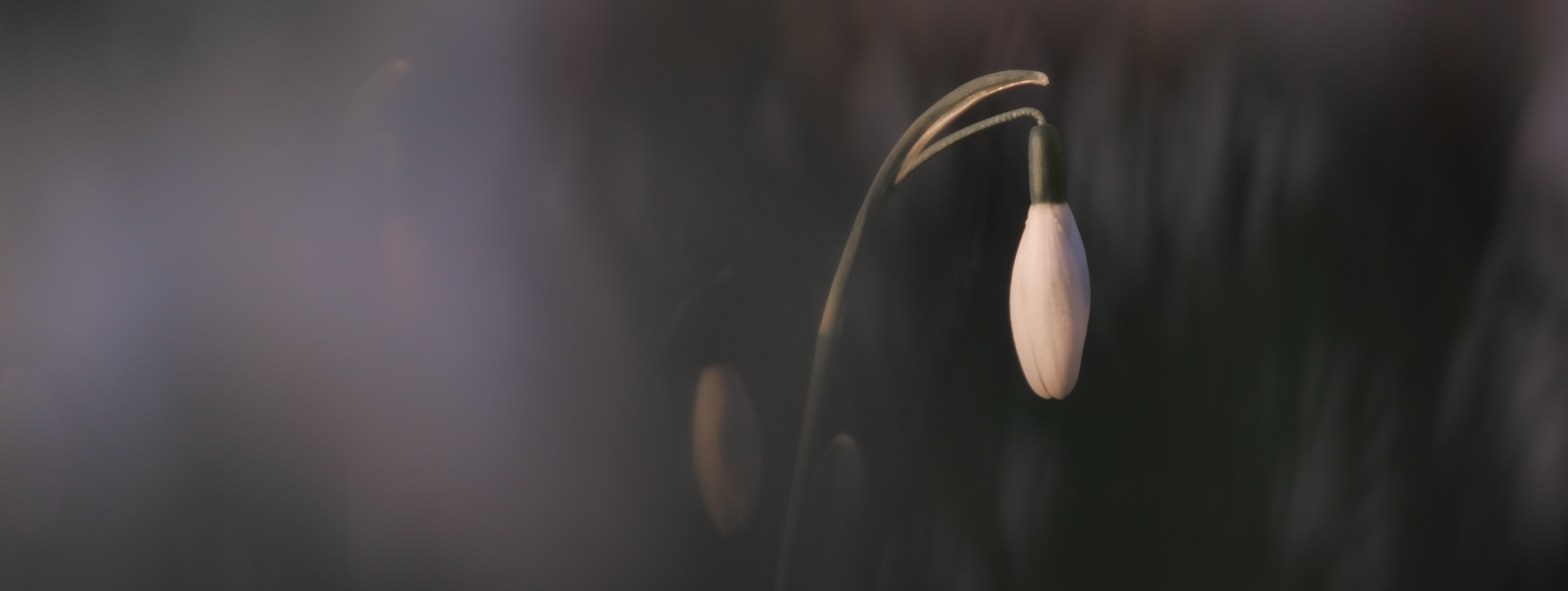
Spring music; played by little bells in white, a well of warmth despite cold air. Each year they do appear, to persevere where orange-colored skies collide.

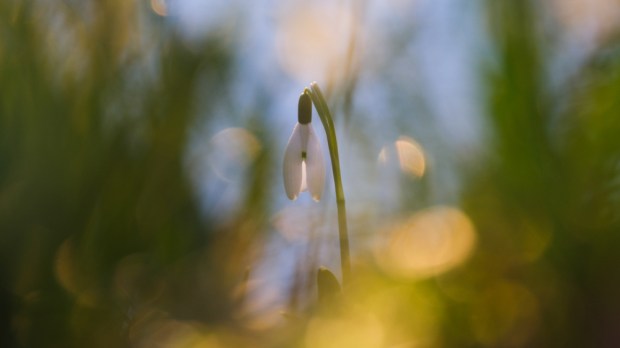

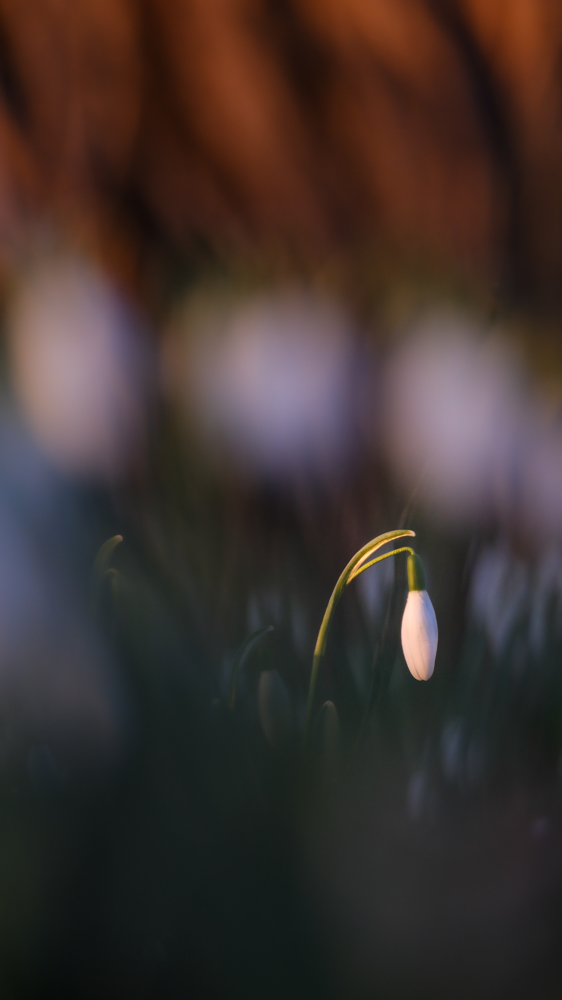

Light flows through the leaves
deep shadows hide beneath:
A lonely flower blooms and shines,
the only one, and it declines
as soon as signs of spring disperse,
and winter reigns again.


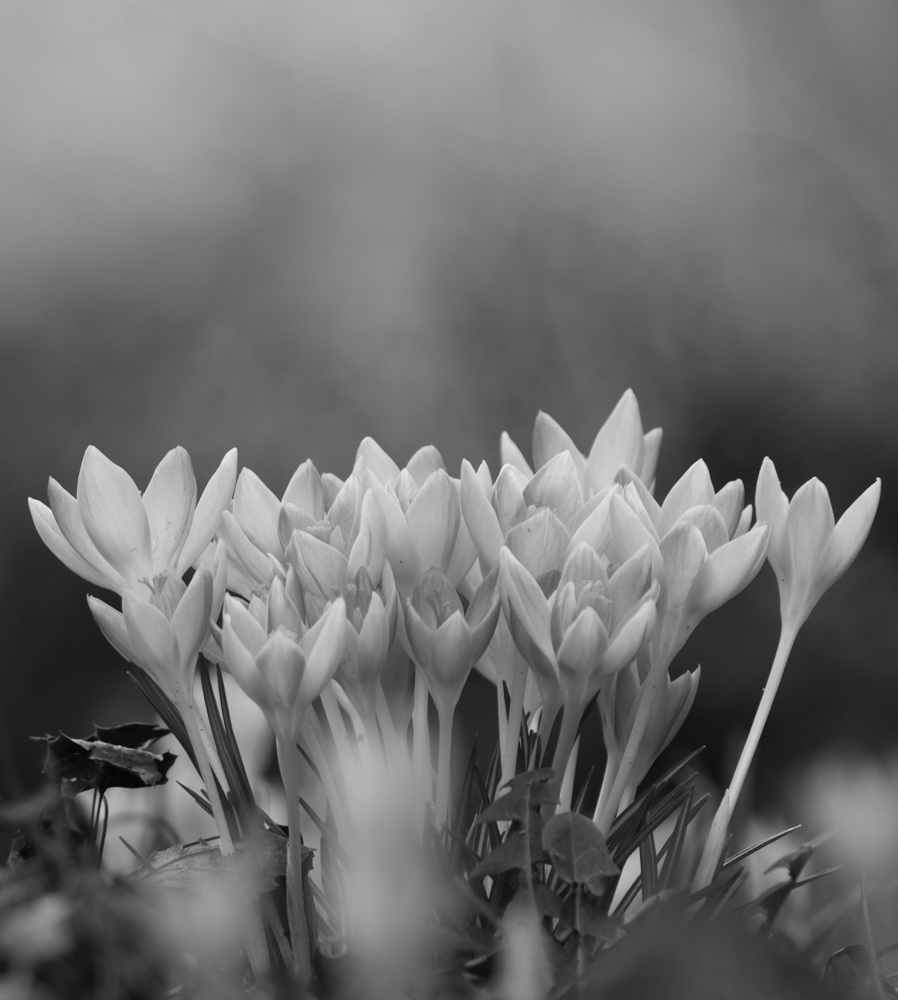


I always liked to color in Mandalas as a child: It’s soothing to see the repetitive patterns emerge in bright colors out of a black and white sketch.
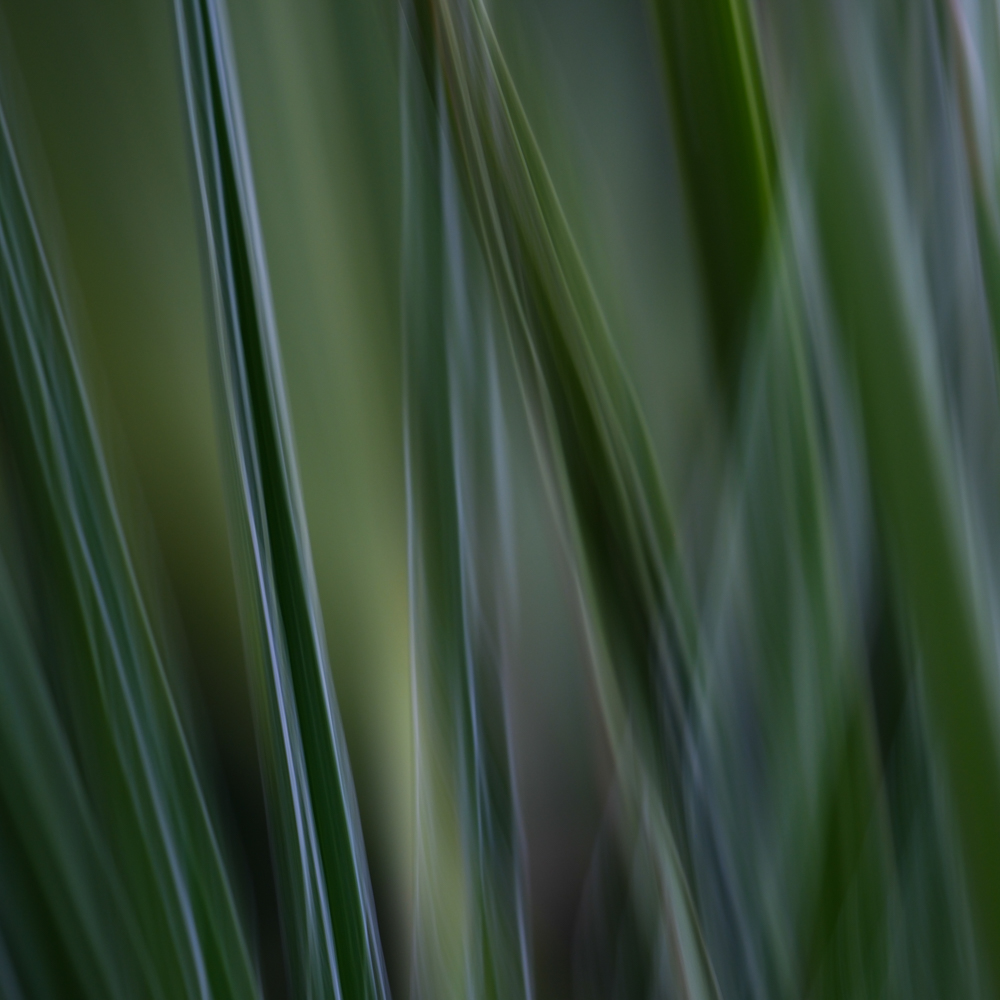
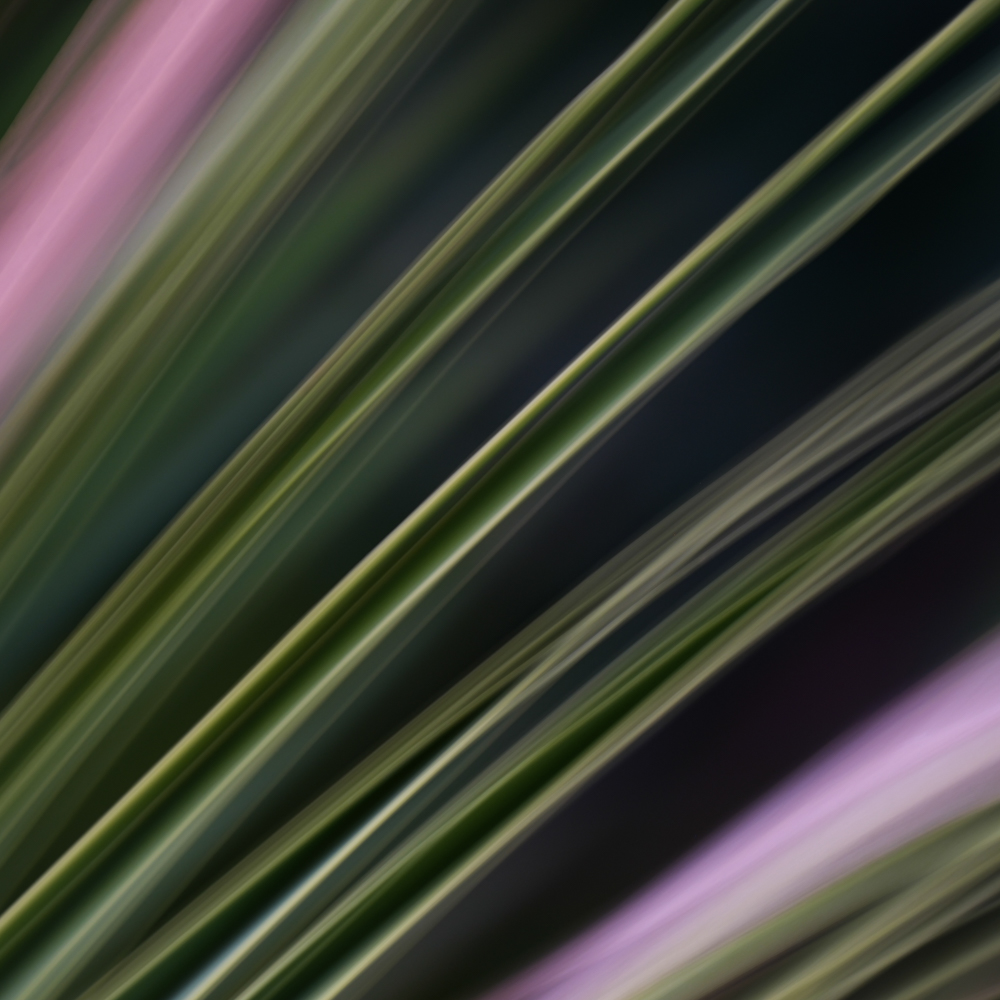
While I’ve played around a lot with ICM photography in the past, I’ve only rarely used in-camera multiple exposures. Mainly, because my old X-T30 offers a limited set of features. So, here is a short series of pictures using additive multiple exposures with the X-T5:
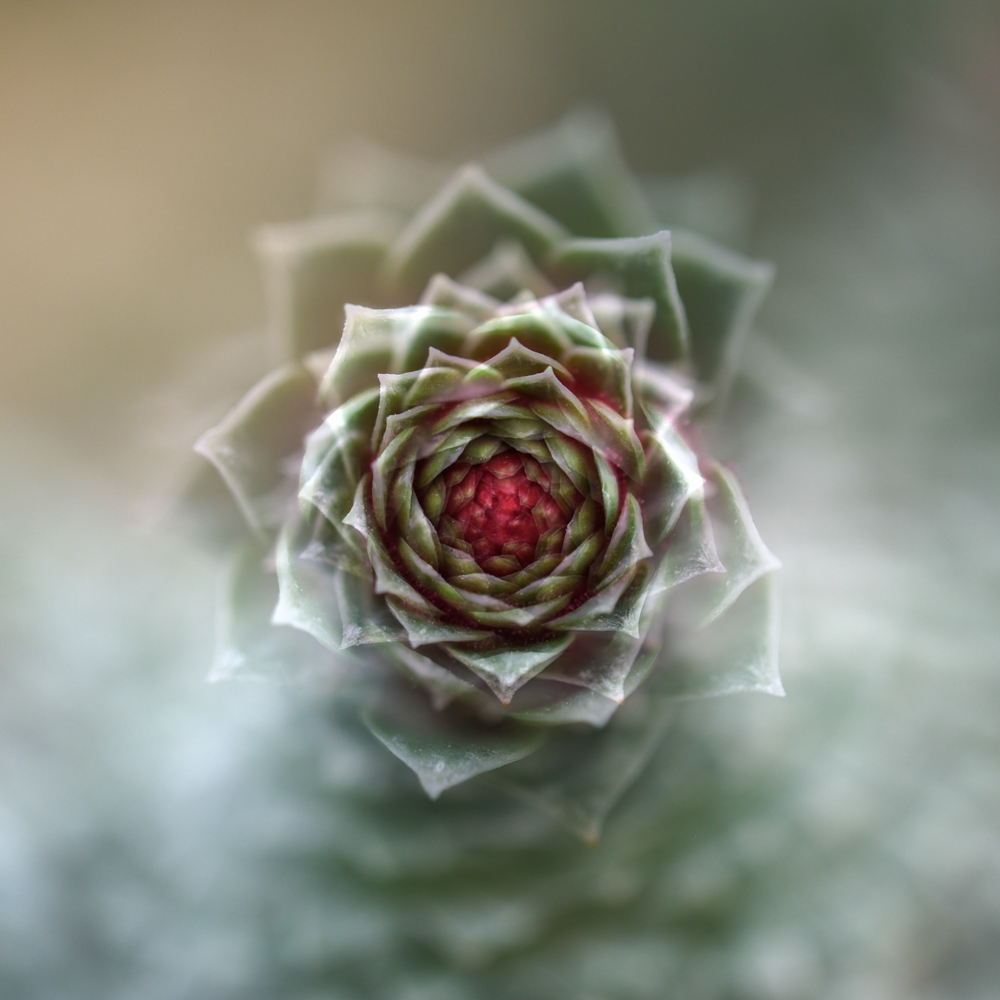

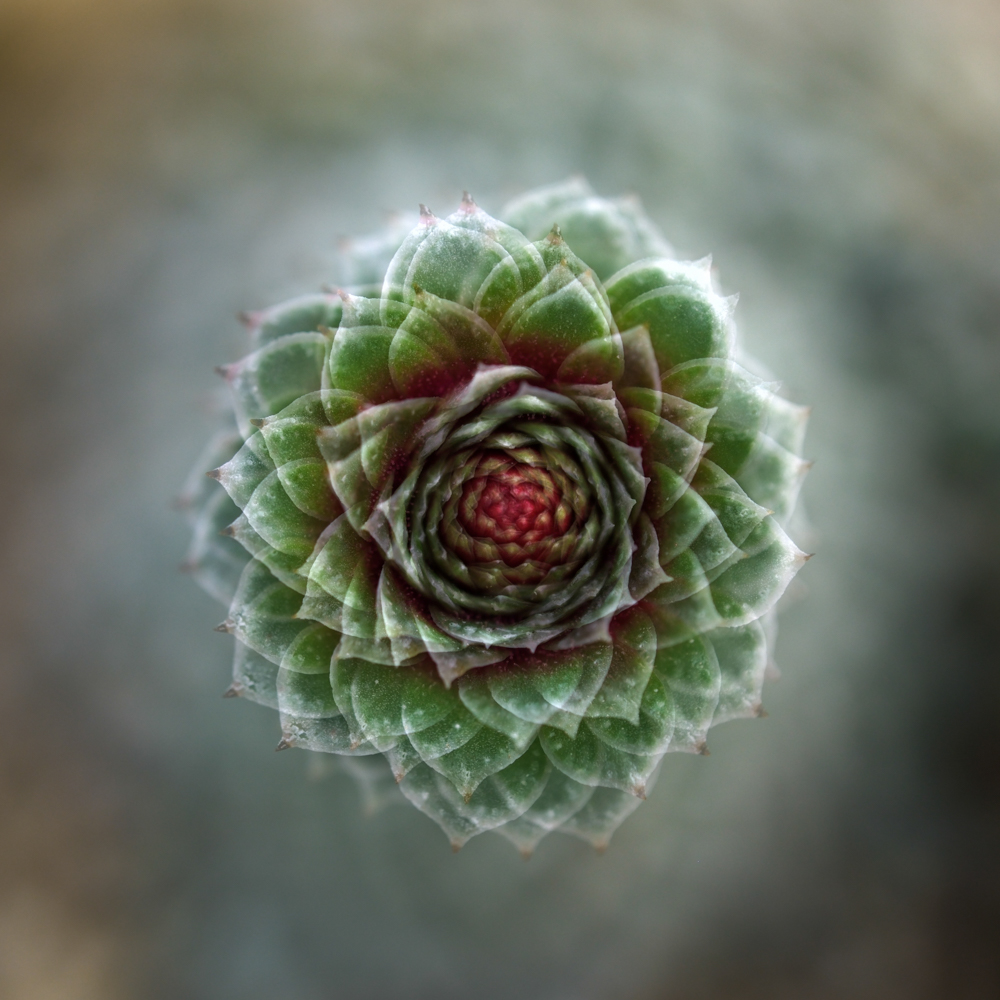

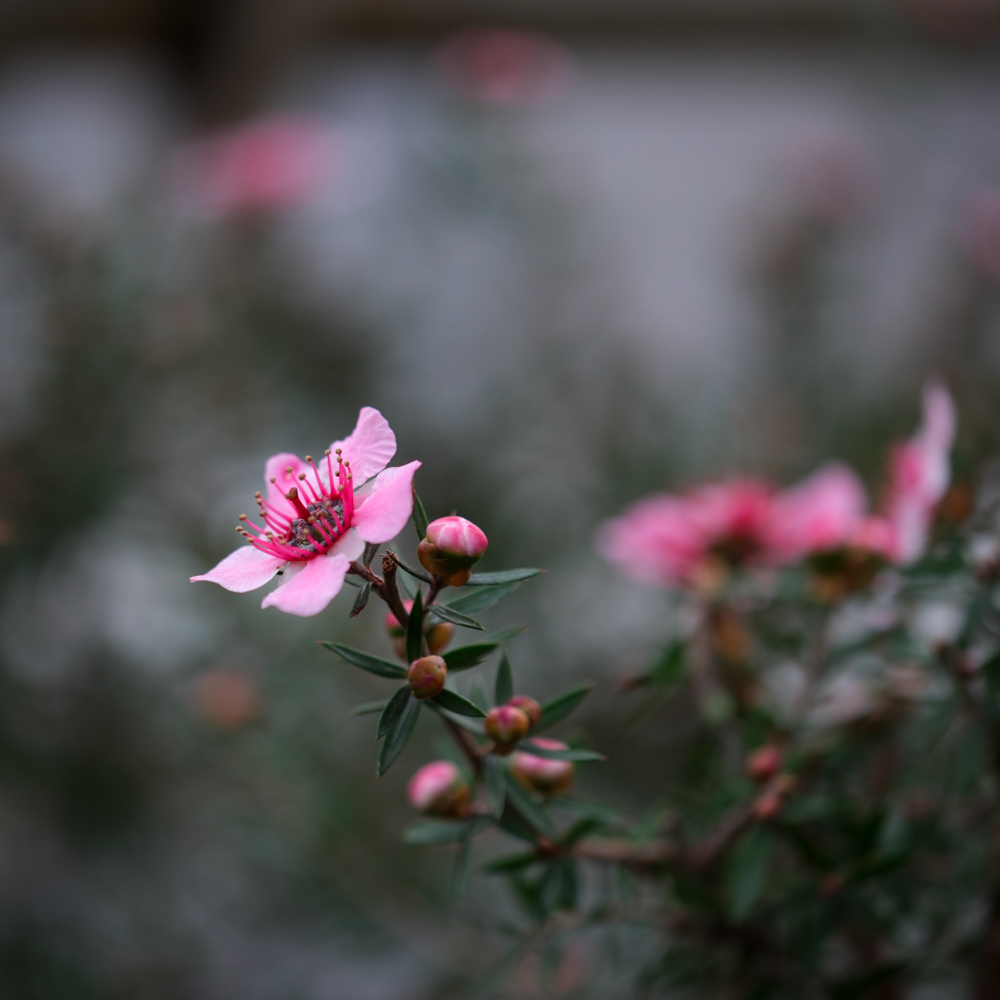
Which one do you like the most? For me, it is certainly No. 1 (or maybe No. 3). I tried around with multiple plants, but this one worked the best by quite a margin: It was helpful that the edges of the leafs were in strong contrast to the deep greens to get the distinct mandala-like appearance and structure. Additionally, there was some lovely passive light through sparse clouds. The Fujinon XF 80mm Macro lens did a wonderful job at isolating the bloom (which was only around 1cm in diameter) from its background while retaining all the little details.
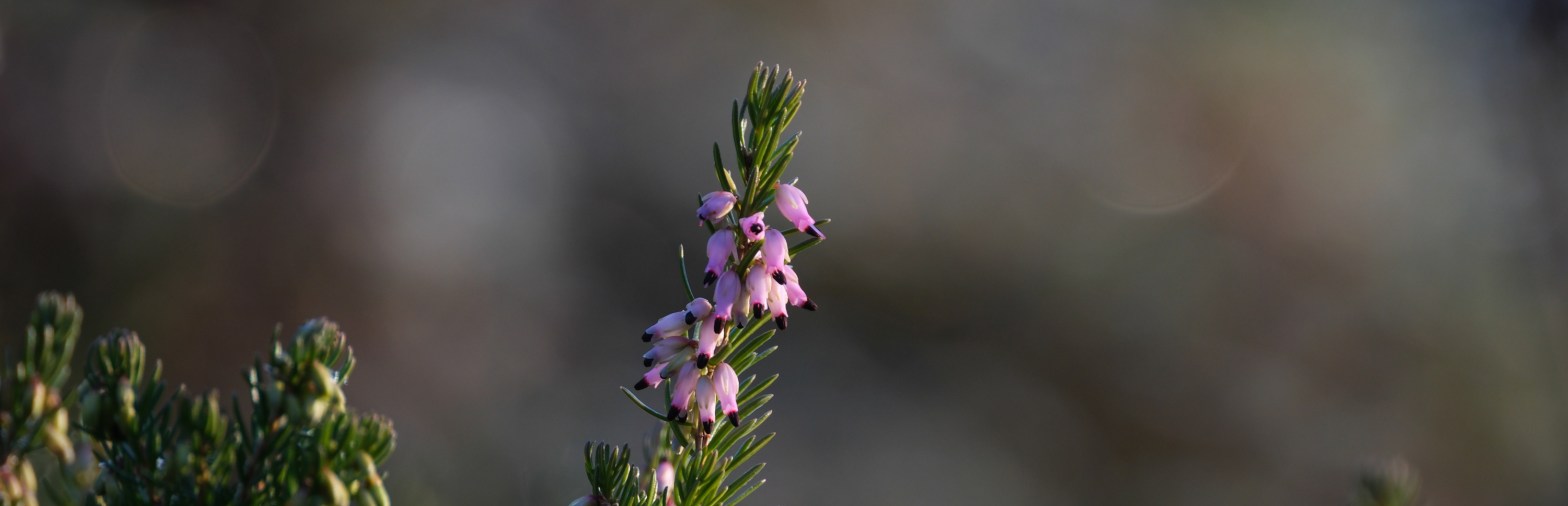




This year’s winter was rather typical: November is rainy and gray and one begins to wait for colder temperatures. Snow actually comes around for brief period in the beginning of December, but is then replaced by even more rain and days after days with little light. Darkness surrounds the city and its inhabitants minds. In January, one has given up the hope for a cold winter after all, and the wait for Spring begins. And while February starts off with some warm sunlight and everybody is getting ready to enjoy the first blossoms, winter grips on tightly again and doesn’t let go, even though it is the middle of March by now.


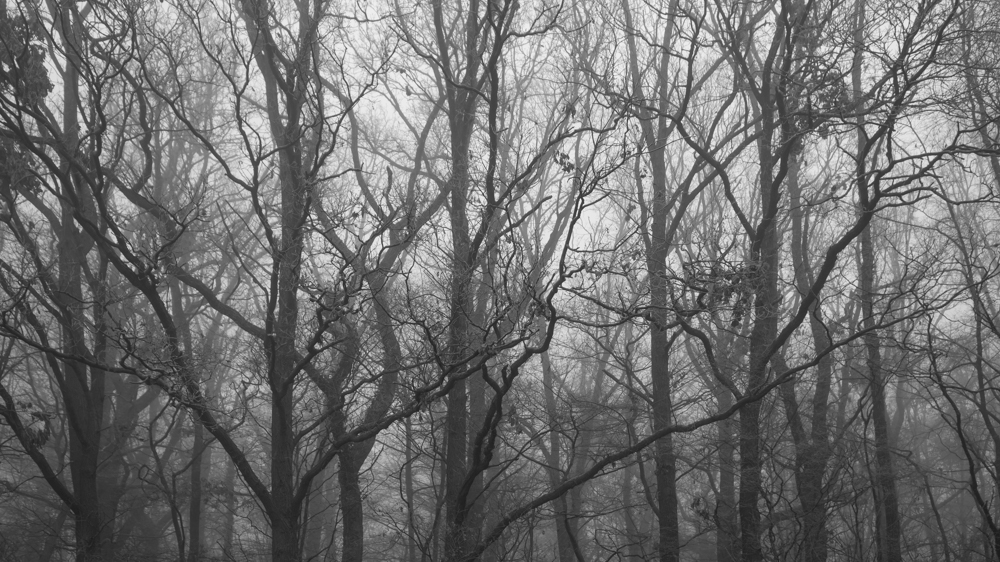
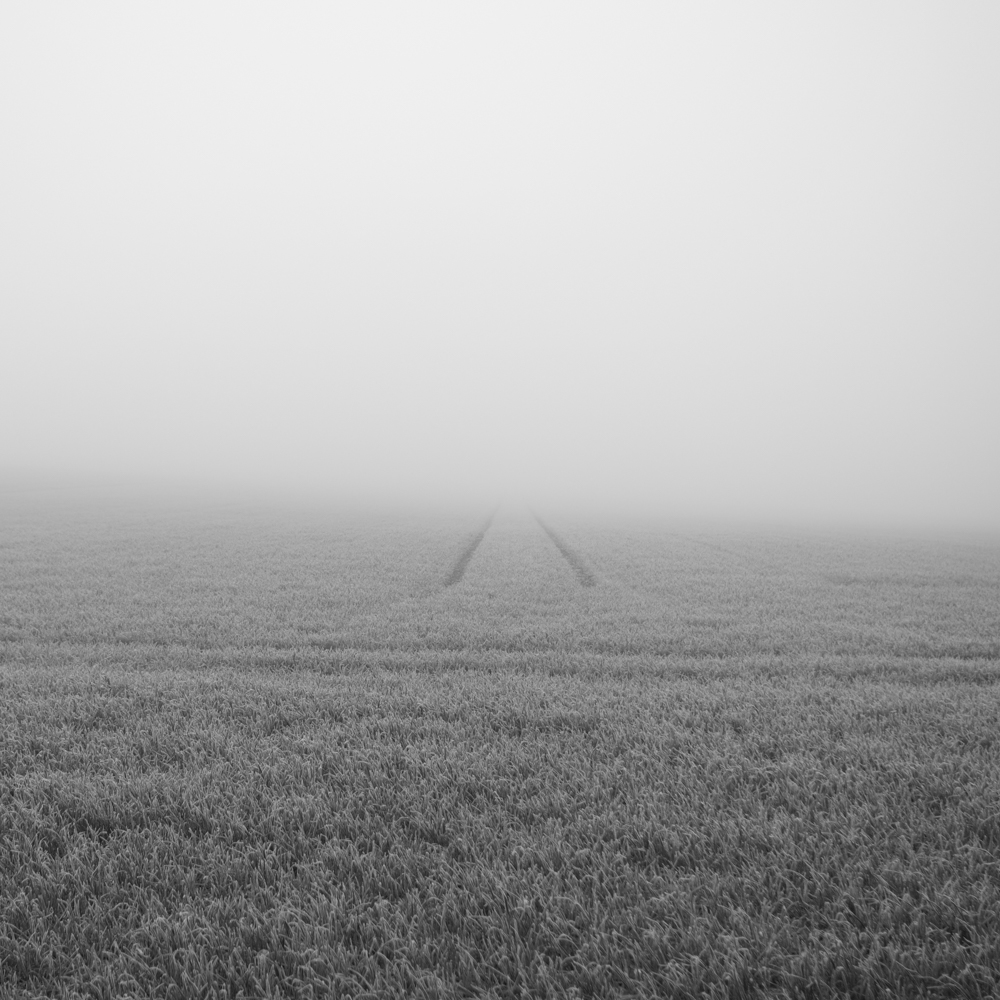
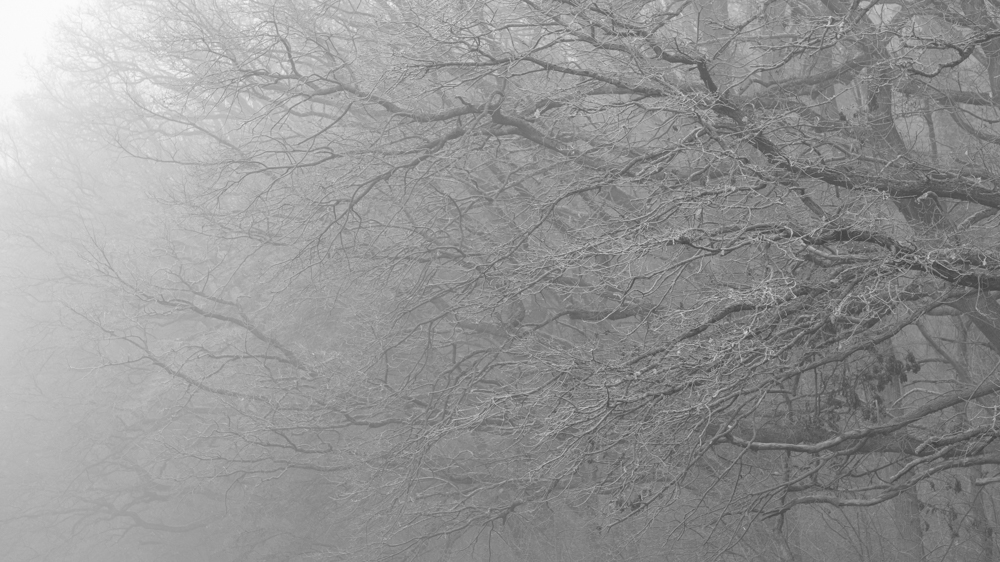
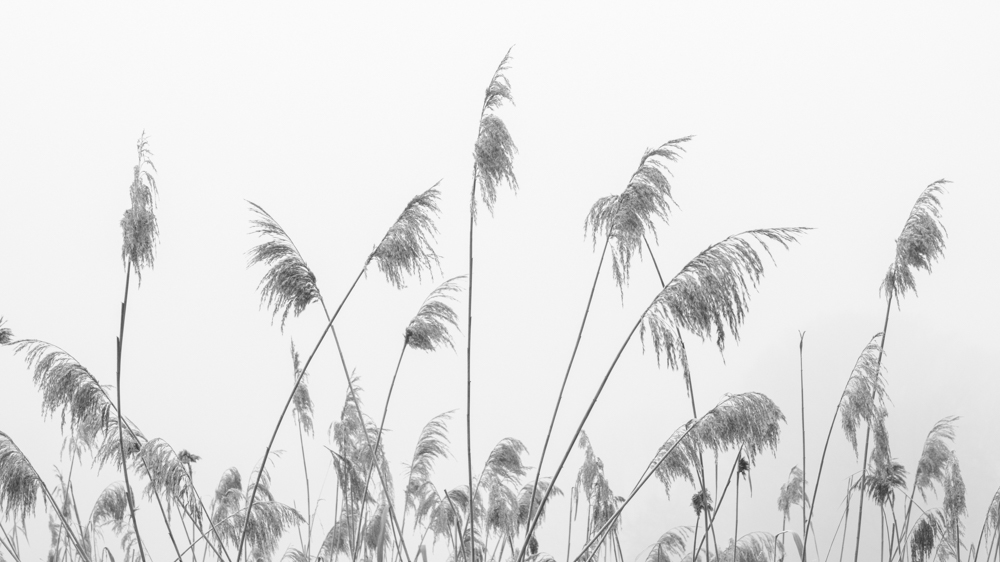
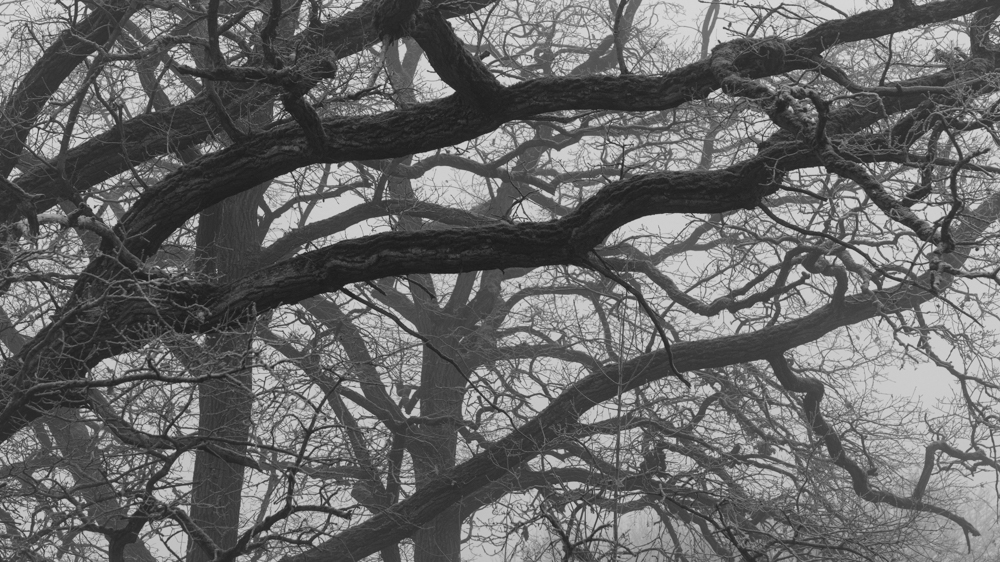
Fog unfolds
holds onto boughs
of ancient trees.
Ghosts of the past
have left, at last.




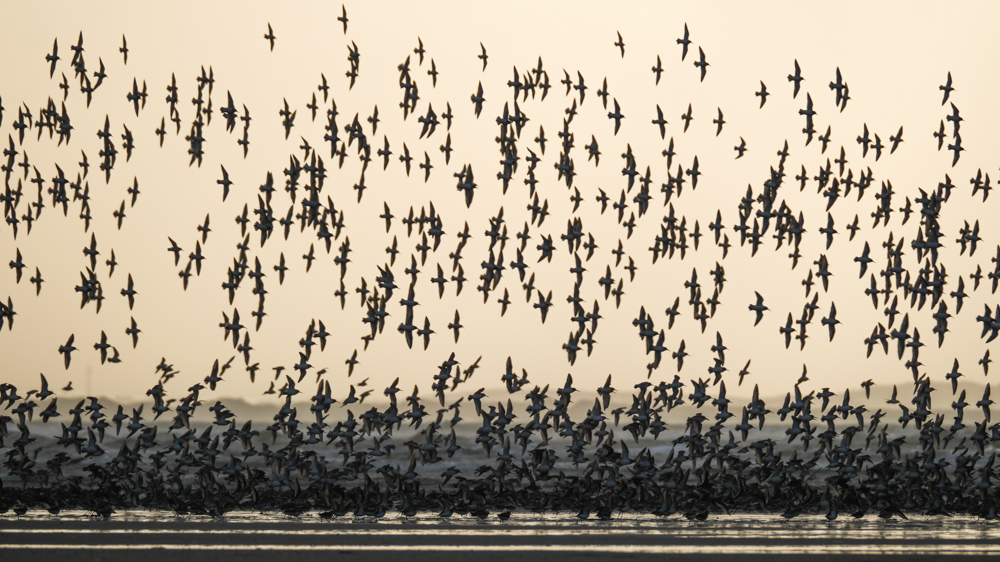
Freedom to fly and live, and thrive and try new things, drop by the roaring sea, be free below the heavens of the world, be slow and grow, relentless wind between the feathers, thoughts stirred up by elements, weather dictates sentiments, torn between the now and then – when will we feel this life again?



Small and quick,
he hauls his loot,
cuts through the light,
speeds through my sight,
lifts off, his flight
insouciant.


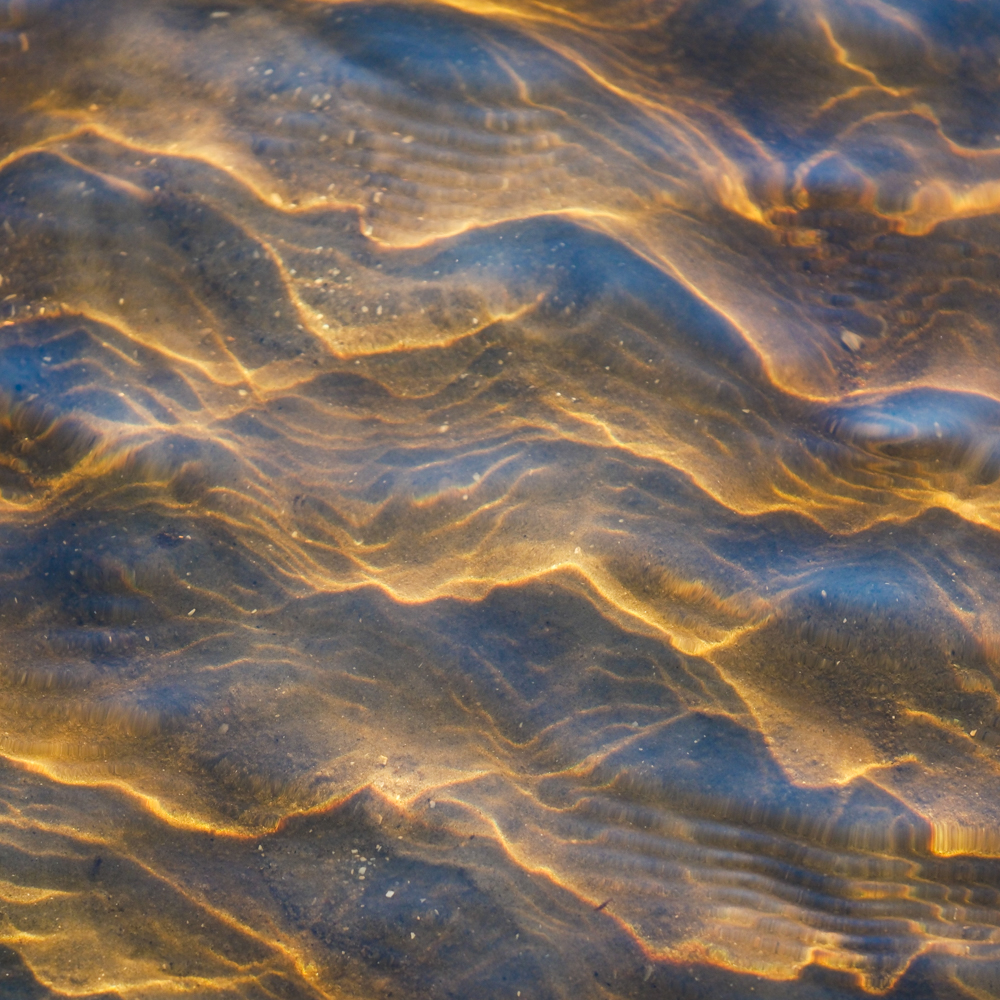
Light is everything in photography. It shapes the scene and provides a sense of time and place. Depending on the direction of light in relation to the camera, the same subject can change its color, form, feeling, and essence.


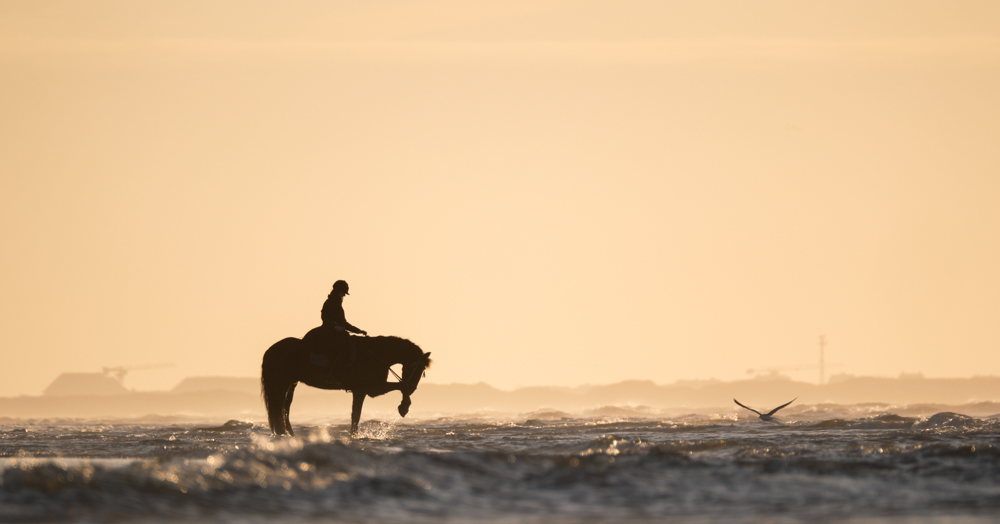
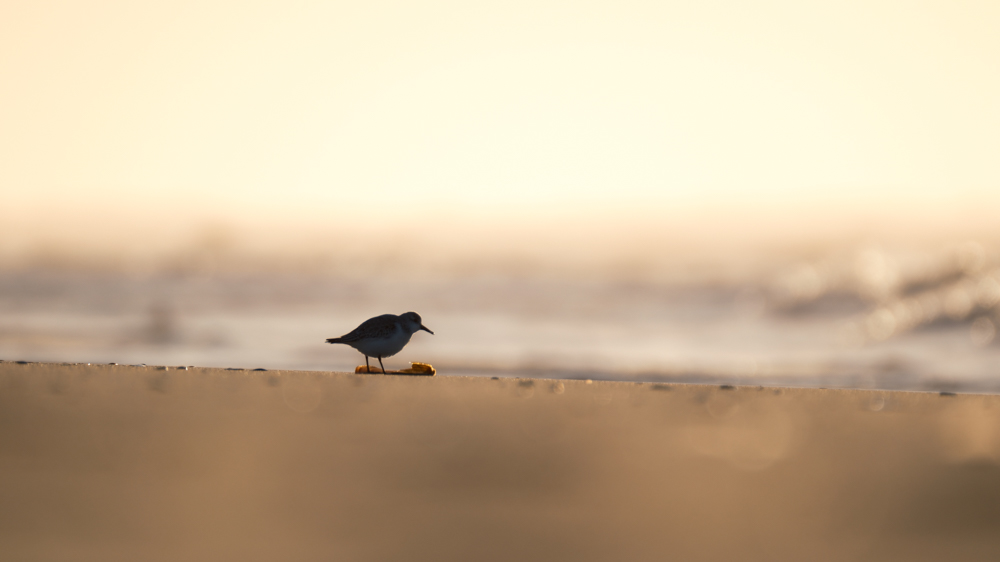

We are slowly approaching the end of our walk. A walk on easy terrain. The vast beach is leading to the vaster sea. The certain becomes uncertain, the walk becomes a swim. We are leaving the comfort in exchange for new experiences, for memories expected to remain. Towards new shores, one sunrise after another.


A little threat,
yet troublesome,
has entered me,
I need more tea!
My former self:
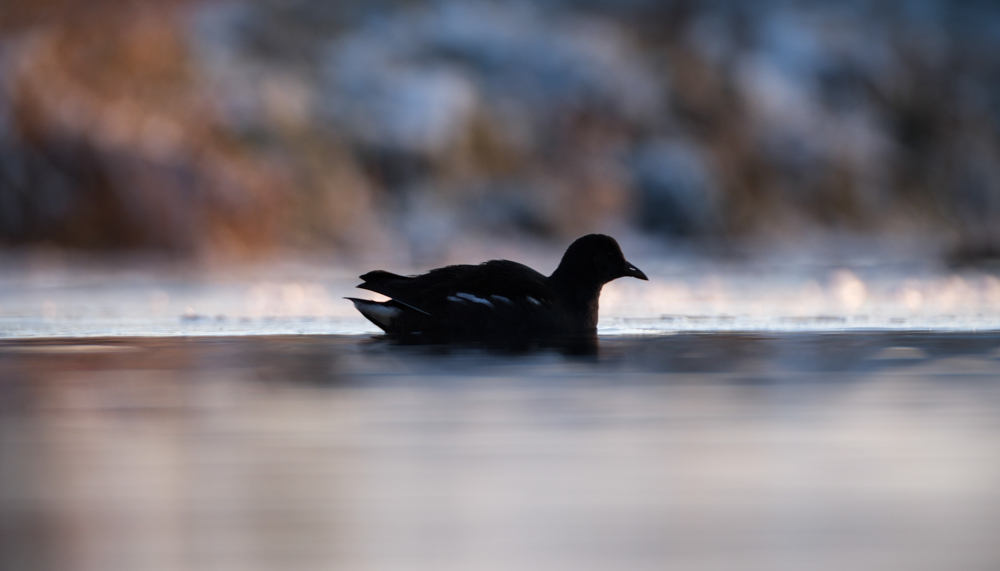
a silhouette,
offset a bit,
I'd like to quit.




Have a WordPress.com account? Log in now.

