The Mountains are Calling

The Mountains are Calling

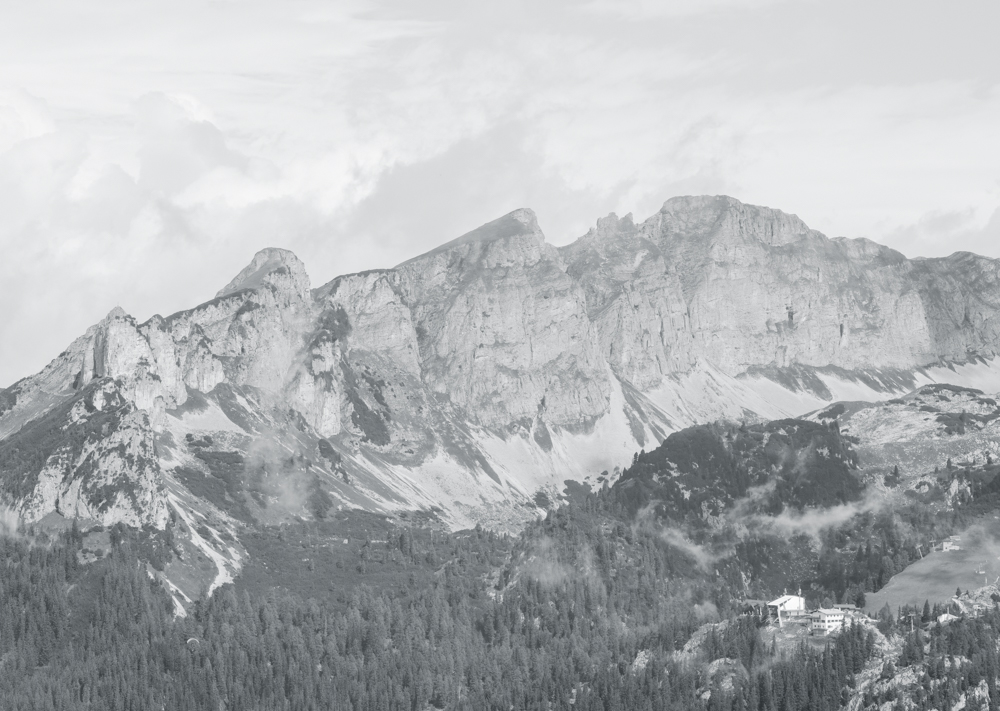
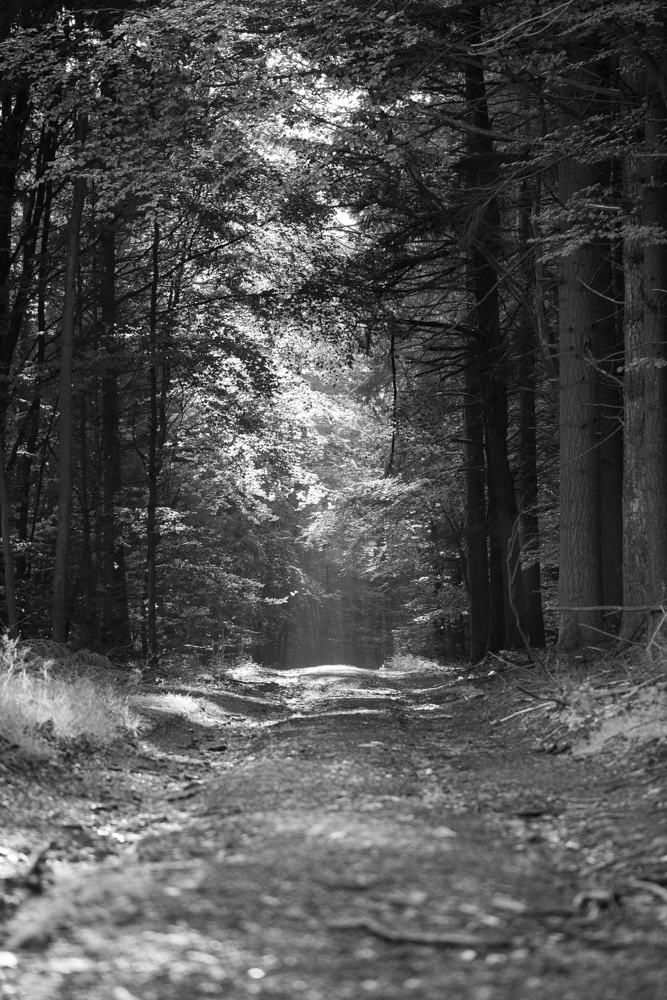
The night is young, but the warmth of the last day has already faded. The cold creeps beneath my jacket. It’s 1:30 a.m., the goal in mind is Hochiss: the highest mountain of the Rofan mountain range at 2299 meters height above sea level. Thus, 1359 meters in altitude to go. Lone clouds are scattered across the sky and the moon peaks cautiously behind to throw dark shadows. During the first 20 minutes I pass the small village Maurach; a single car turns up the music as it passes. Then, I leave the streets and houses, and with them the dim lighting of civilization that seems to be present everywhere. I need a brief stop to retrieve the headtorch deep within my backpack; it hasn’t been used for a long time. After only 30 meters I need to change the batteries – and then the mountains begin, then I walk.

The headtorch bounces around in the dark forest, as do my thoughts in my head, mind and legs wander around together: Have I packed everything? Will I arrive in time for sunrise? Will I find the correct way? What will we eat tonight? How does the story of my current novel turn out? How fast are raindrops when falling from the sky? How good is the vision of cows at night? Will my knee hurt again?

All senses are sharpened, every noise of the forest seems loud and intense; but in comparison to the days, humans and nature are mostly sleeping. The path is steep and gets even steeper with every step. The stone I want to step on quickly jumps out of the way. Startled, I watch the toad disappear in the wet grass and everything goes back to silence.

From time to time I look into nature, and sometimes it looks back: small dots in the dark, reflecting the light, belonging to hidden bodies: Is it a sheep? A bear? An ibex? Sometimes their movement gives it away, sometimes they stay anonymous. The rabbit is pretty obvious though as it hops across the meadow, as are the cows with their bells that cling revealingly. Walking and thinking goes together, especially when alone. Thoughts come and go, as the surrounding landscape, from forest to meadow to rocky paths. Sometimes thoughts are easy and without any obstructions, but suddenly a steep and slippery slope awaits around the next corner.

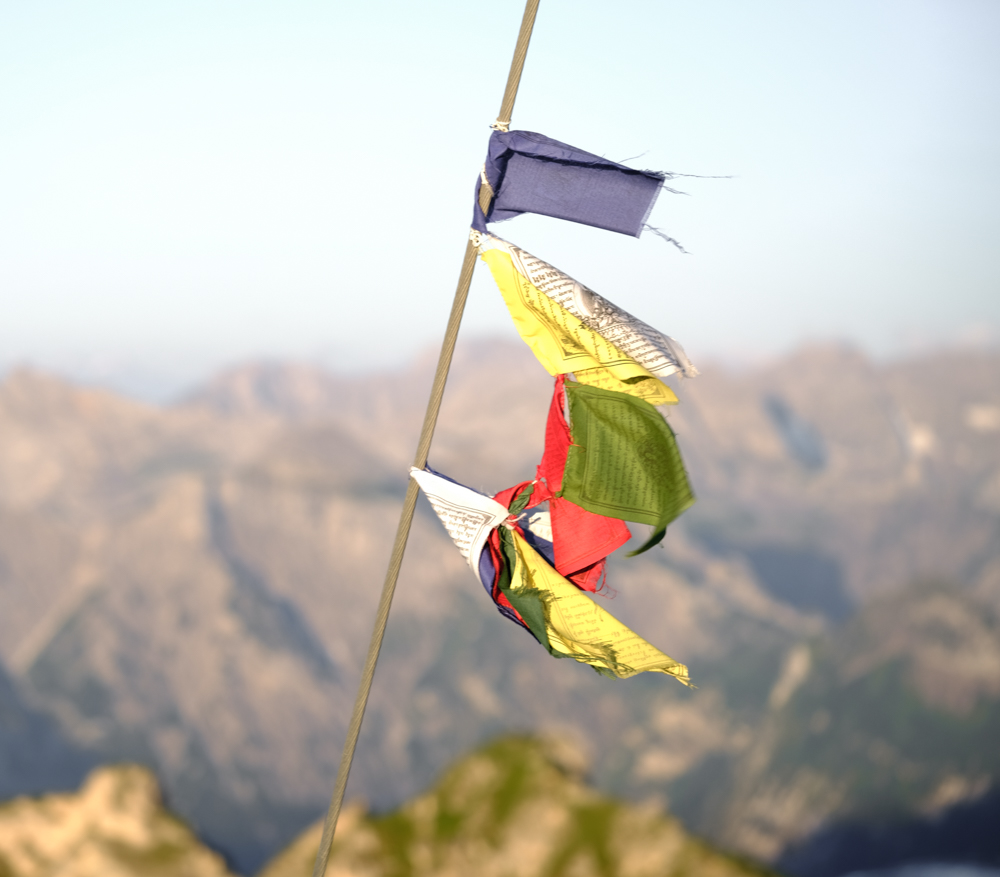
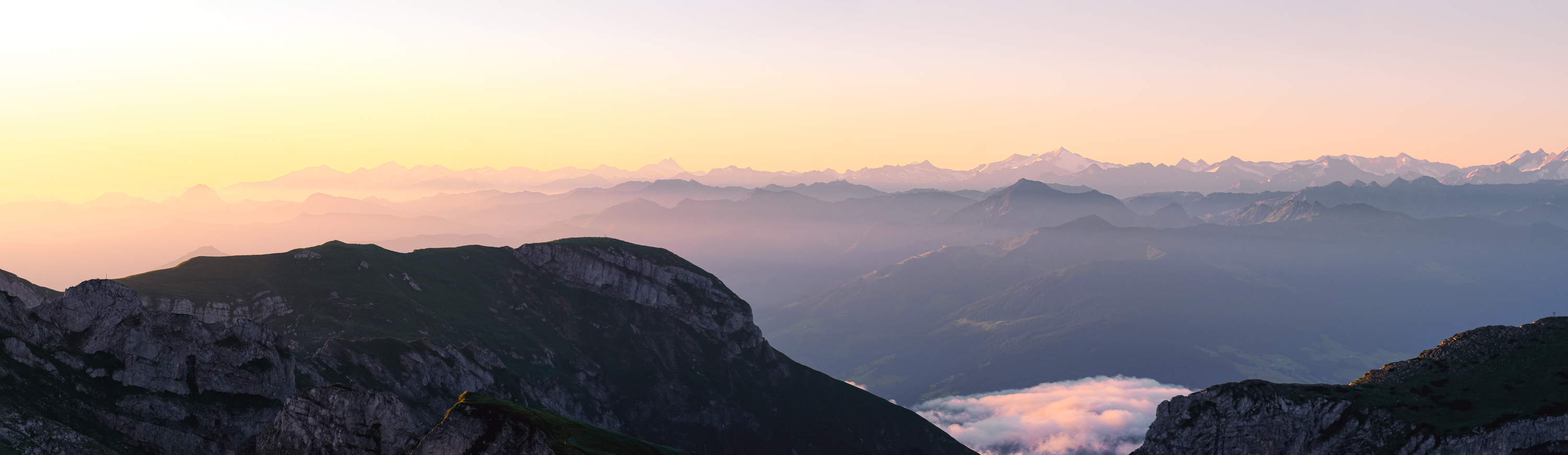
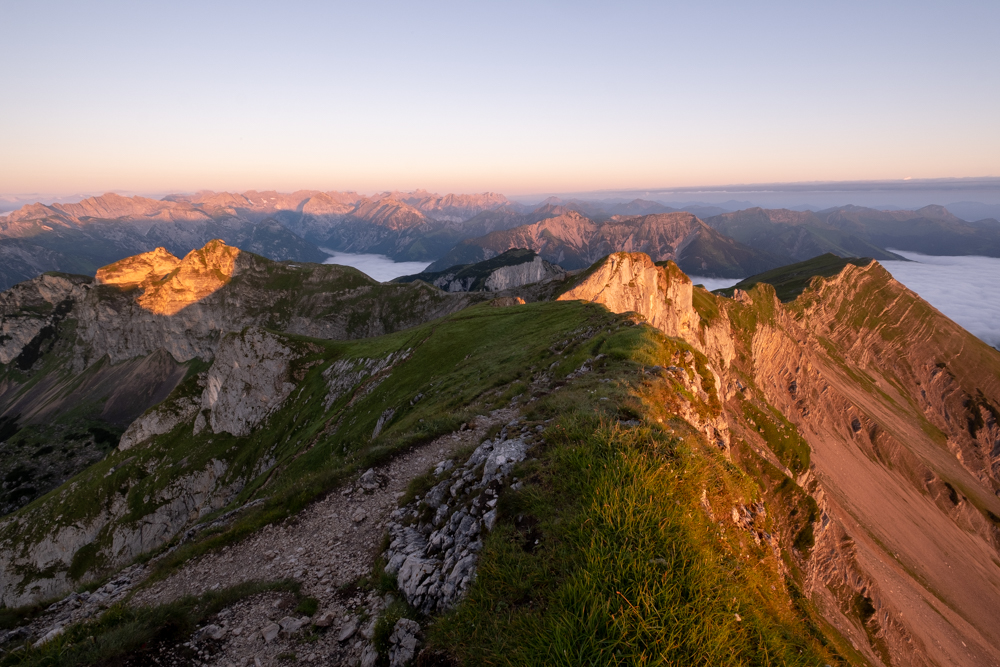
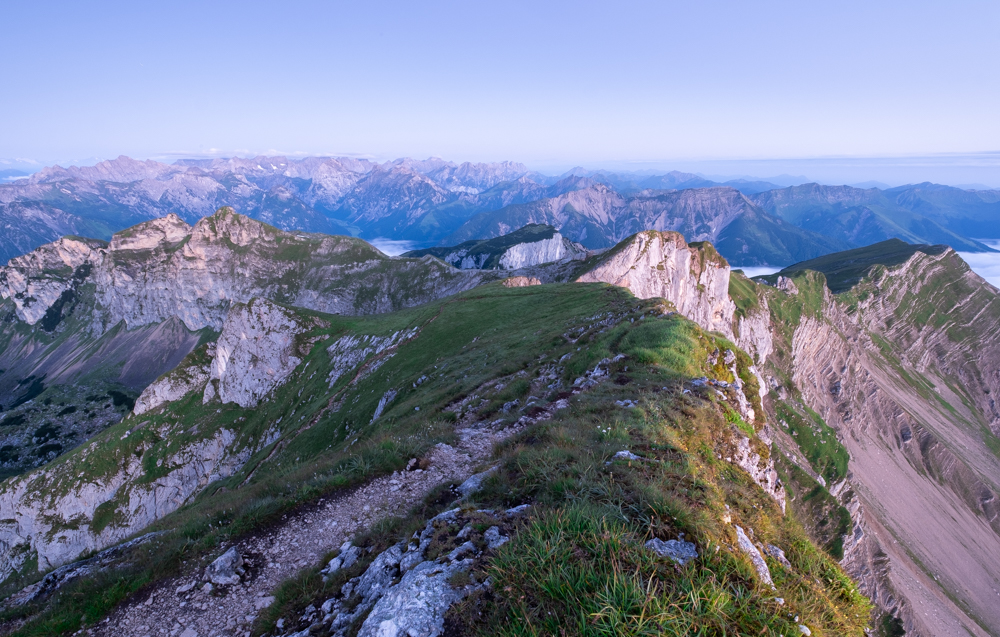
I am fast, faster than anticipated at least. Another more difficult section waits below the summit; especially with limited light. Already at 4:10 a.m. I approach the last ridge towards the lone cross on the peak. Darkness makes it difficult to guess the distance but it doesn’t look too far. And indeed, 5 minutes later I am there: On top of the world – not exactly, but at least on top of the Rofan mountains, the Hochiss. I shut off the headtorch and look around at this miraculous scene illuminated by moon and stars: It’s simply breathtaking. 360 degrees of stunning views. Most haze got washed away by the severe rain falls the day before. A clear summer morning with crisp air. No other person in sight. Other peaks stretch below in every direction. The east-facing walls are already glowing in warm light.
Sweat and wind are never a welcome combination, especially when it’s also freezing cold. I try to dry my clothes from the sweat and put layers on layers on layers to stay warm. Gloves in July; later that day people will be amused by the thick jacket at my backpack. But later that day, the sun will also burn down on the innocent hikers and I will get a sunburn because I didn’t consider sunscreen when I started in the middle of the night.

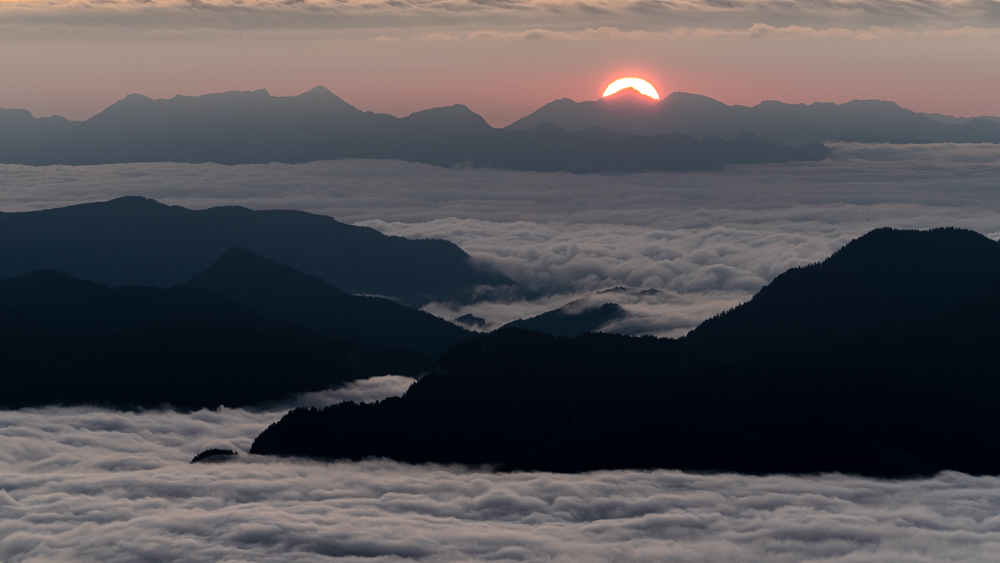
Back to now: Already 90 minutes before sunrise it’s clear where the spectacle will occur: In the east, the very edge of the sky has started to shift towards a pale yellow. With every minute it conquers the sky and gets more intense. We follow our 360 degree view clockwise and see the huge mountains in the distant that belong to Berchtesgaden. The tones are shifting more towards a fiery orange, magenta, and lavender purple.

Towards south, Zillertal and Inntal are covered in a sea of thick and low clouds; just to the right of Inntal, the large mountains of the Karwendel are hiding in dark blues. In front of this spectacle, I can see all the way back to my starting point, the path winding below, towards the muted lights of Maurach.
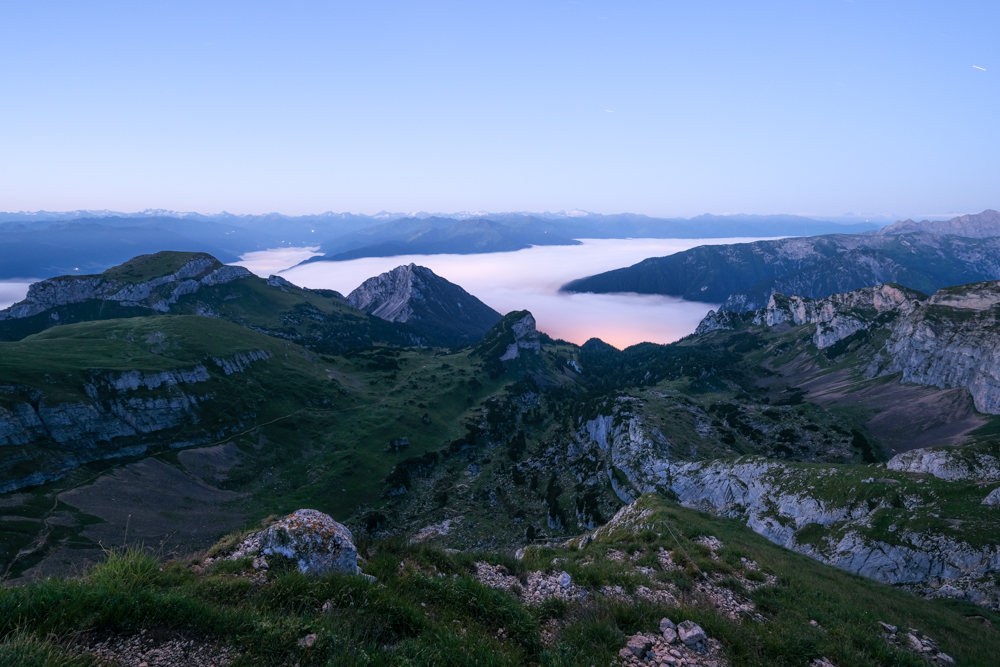
It turns out that being early is better than being late. The time flies and I nearly miss the moment I came for. Secretly, the sun is already looming behind a far mountain. I have to change lenses and all settings in order to take a picture, but it’s already too late to properly prepare it. I did it no favor in banning it on canvas with the structure of the clouds across the valleys til the mountains at the horizon. The sun also seems as big as I have never seen it, as it covers the tip of a single mountain in the distance.

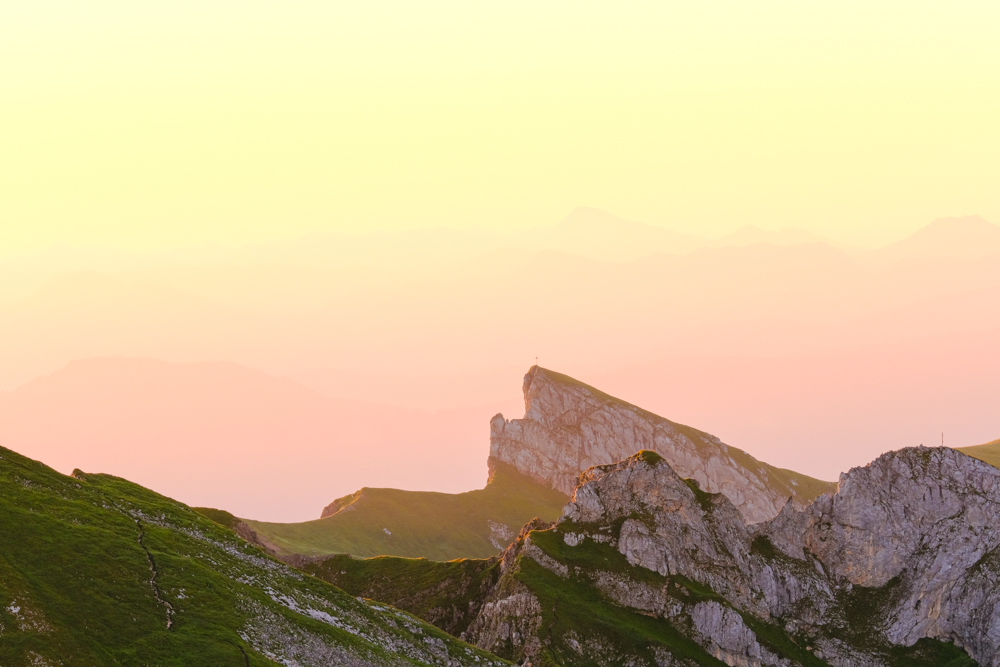
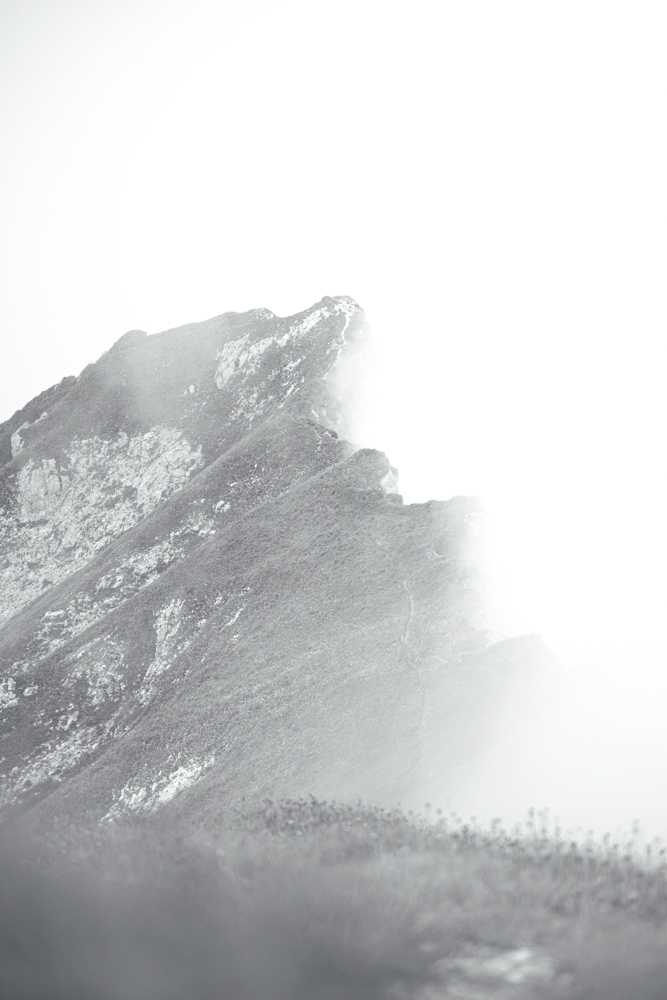
The light stays magical for another 15 minutes, but then, the miracle is over. After 5.5 hours, the second part of the day starts: Hiking across several other peaks to the summit Rofanspitze to meet up with Mädchen Klitzeklein. In the other direction, this can be done as a long via ferrata over five peaks; on my route, I am doing two of the peaks (Hochiss and Spieljoch) and go around two other ones (Rosskopf and Seekarlspitze).

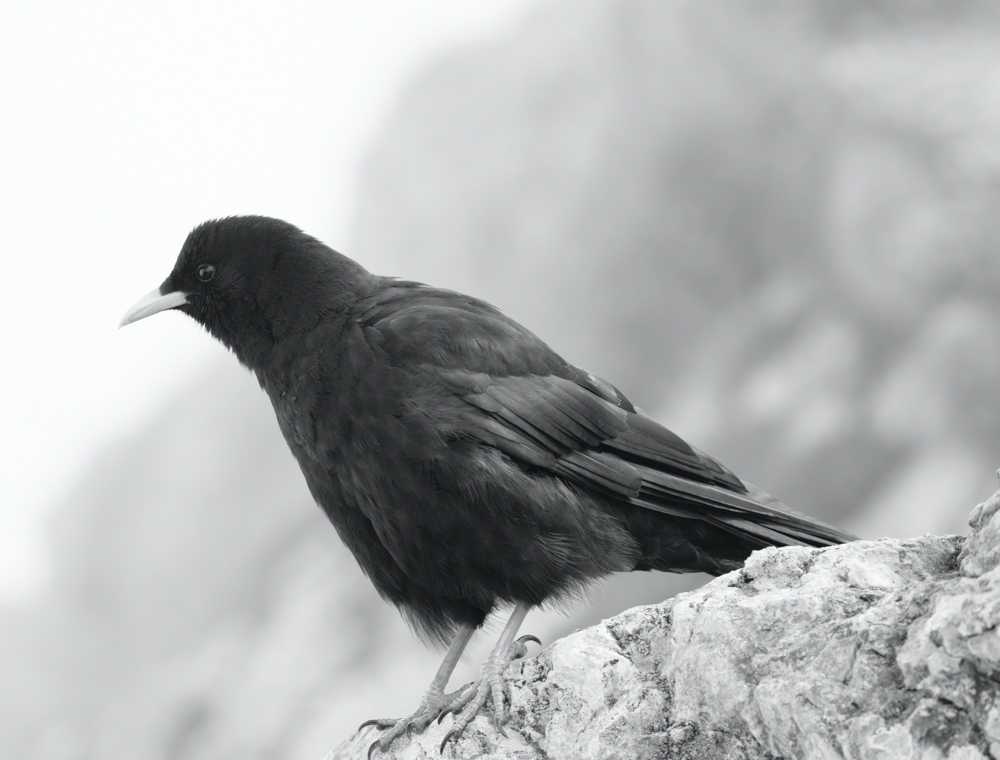
On the way back I am first meeting some of the mysterious nightly lurkers. This time, they aren’t scary at all, skipping around the rocky hillsides like its a 5+ route. At 7:30 a.m. I also meet the first person who does his regular morning walk from his private cabin towards the peak. He is surprised to have oncoming traffic at this time.
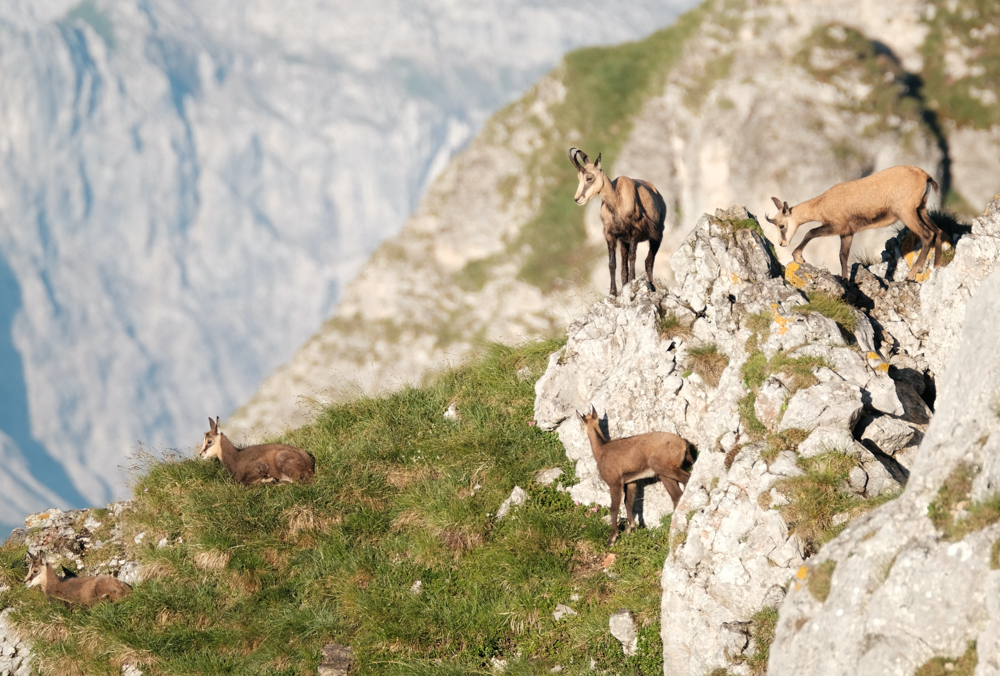
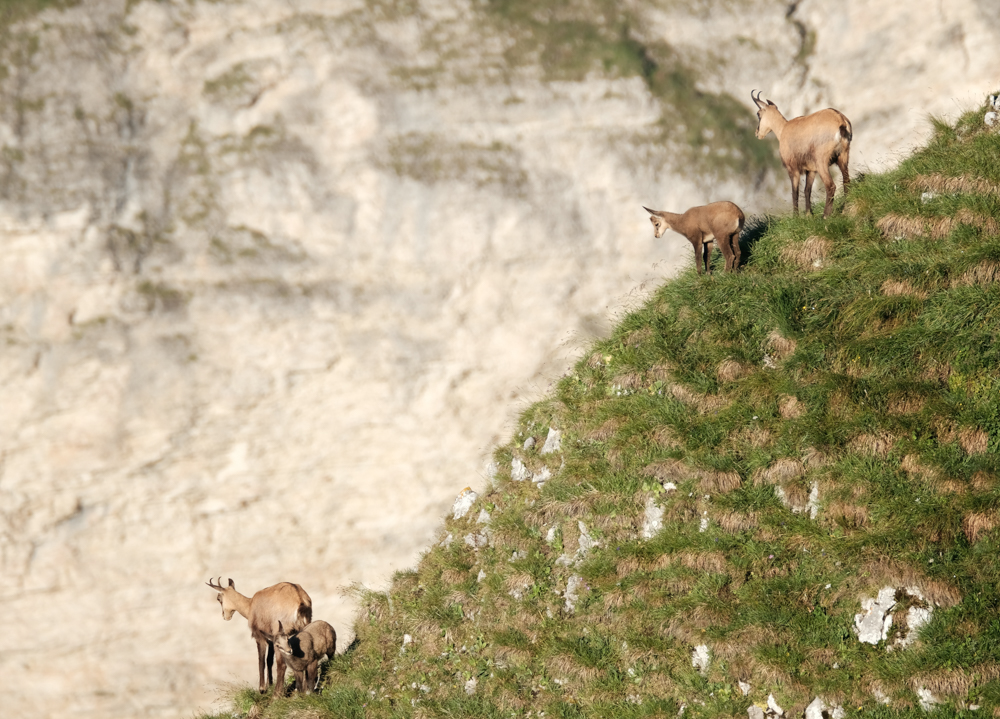
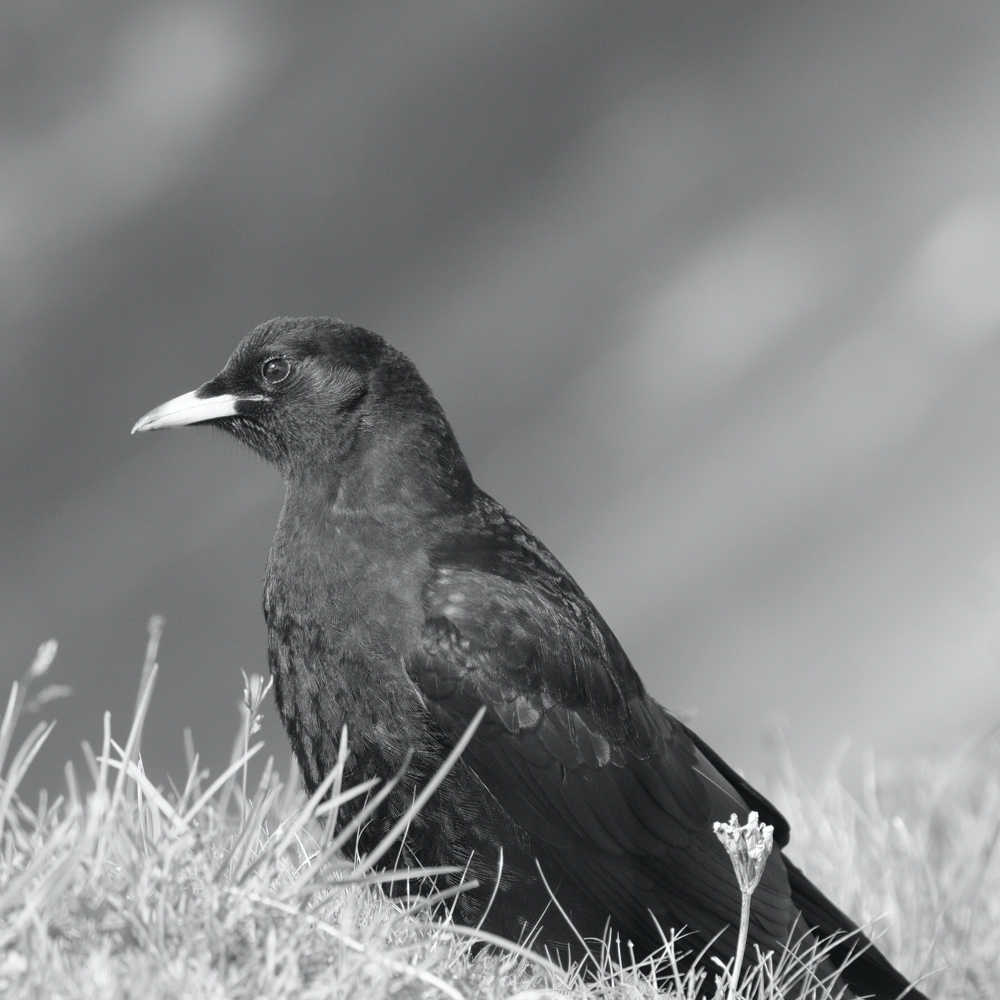
After another two hours of fast hiking, my power is abandoning my body. Also, concentration is dwindling away – as is probably yours after this unusually long post. My day ended, comfortably, with the cableway back down and a lot of food and early sleep. So I’ll leave you, as usual, with some final photos.
Taking Risk

Taking Risk

Alex Honnold free-soloed El Capitan in Yosemite; people might describe such an action as dangerous or inappropriate, or even call him tired of life. For me, it is about the exact opposite: It’s about using your life, about passion and emotion, about feeling alive.

What’s the point in our journey? Do we live the 9–5 weeks until we are 67 and die of illness afterwards? It’s difficult to know beforehand how to live a life that we don’t regret; after all there is only a single chance (from what I believe). This can be a constraining or liberating thought, a coin with two sides. Either: Be careful! Stay save! Or: Use your resources consciously to find satisfaction – even if it might come with risk. This does not need to be dangerous at all though: A walk in the woods, a calm hour in the evening with your favorite music, or a long conversation with close friends.
However, for me, feeling alive also sometimes brings along risk. But it is a deliberate and calculated risk that entails joy, freedom, or happiness. It also entails an honest confrontation with oneself: How far am I willing to go? How good can I assess my own abilities? What is really important to me? So important that I am willing to take a risk? And from time to time the answer is the distant peak at the horizon or the high boulder I am walking by. The boundary is always moving, sometimes towards the safe side, sometimes towards the more dangerous side. And in case of an unplanned end, it’s probably the car ride or the swim in the sea that finishes the journey anyway.
How do you feel alive?

Polyommatus Icarus

Polyommatus Icarus

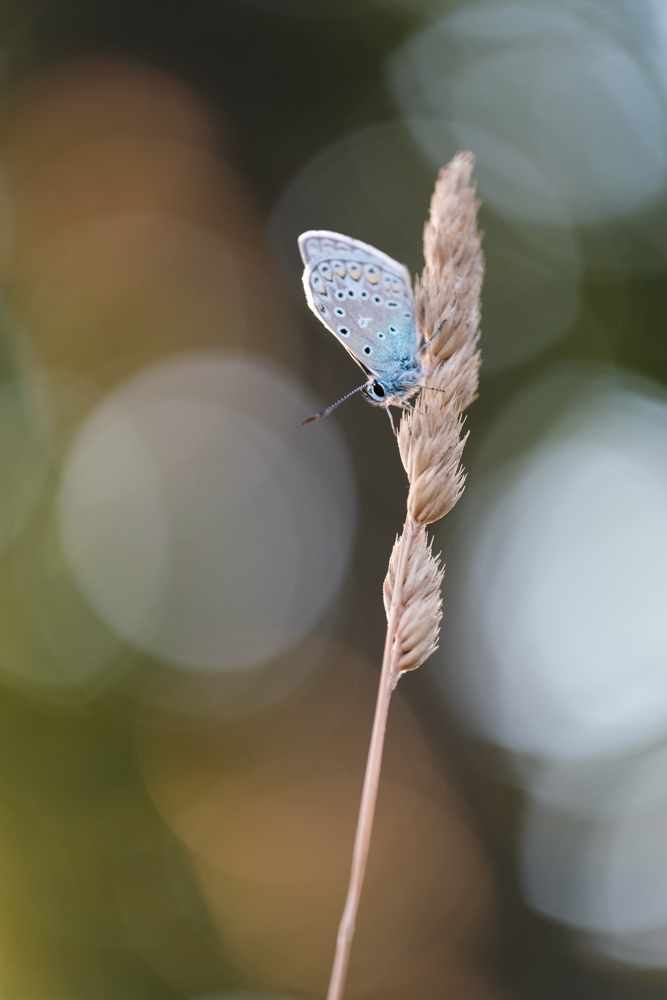
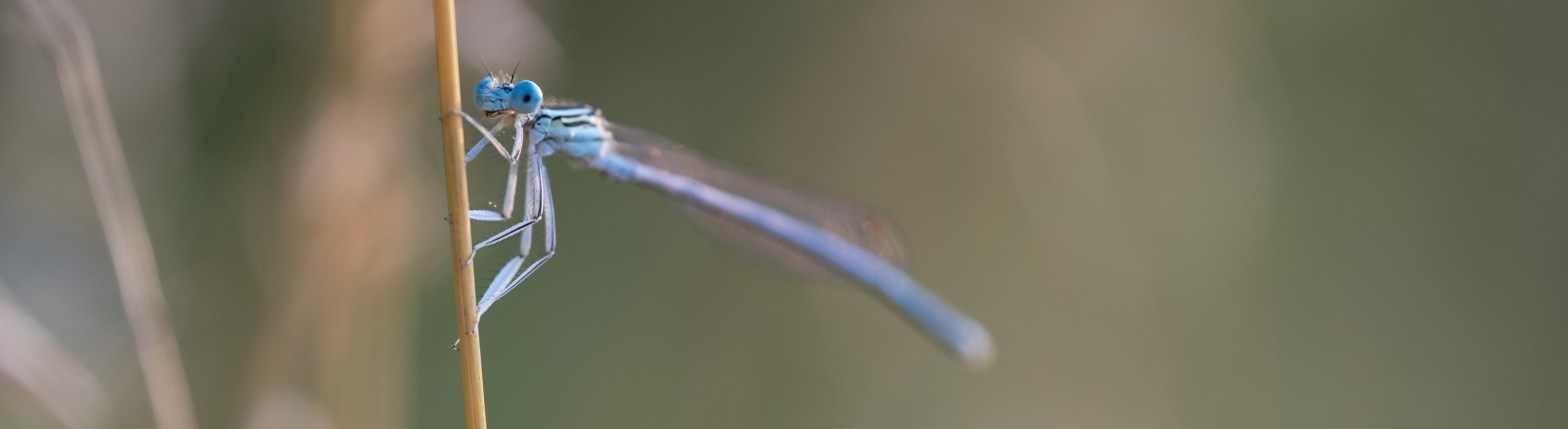
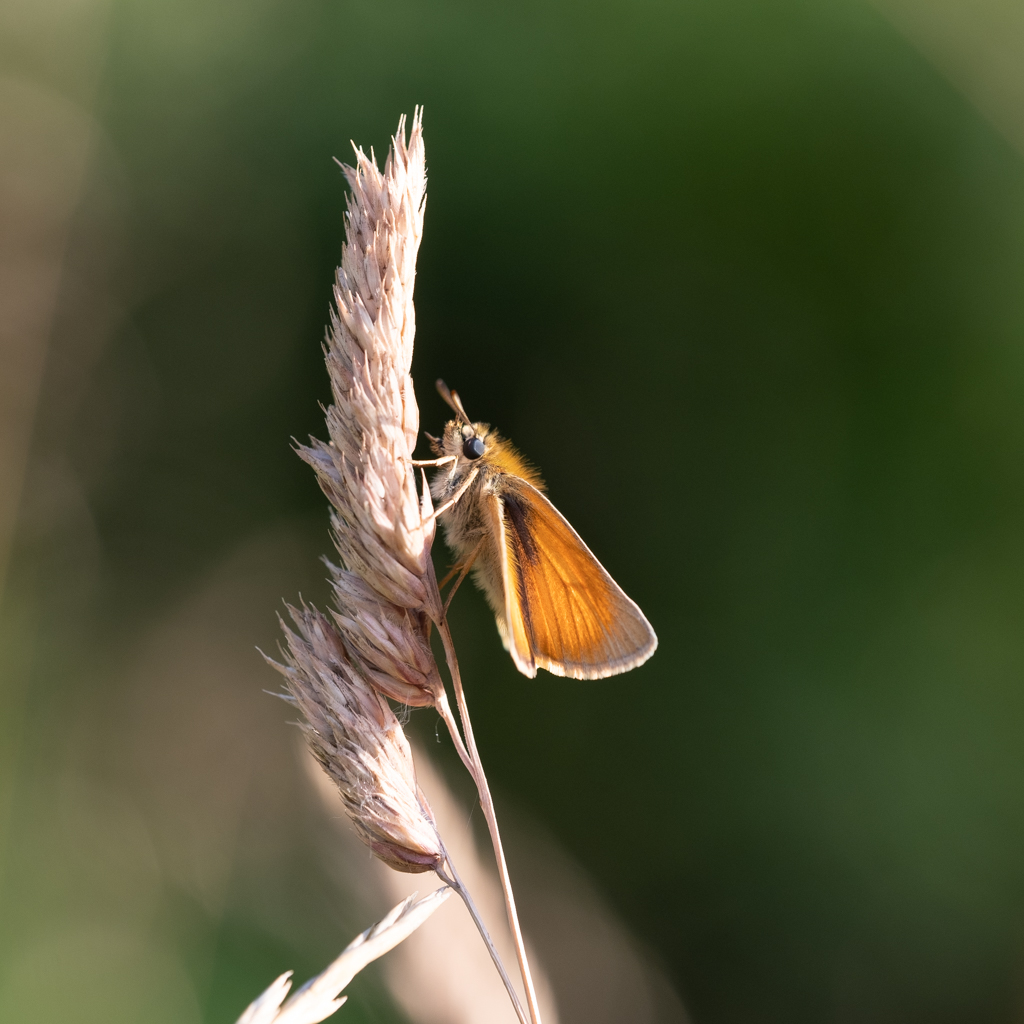
Primrose Optimization 2.0: The common blue (Hauhechel Bläuling), or Polyommatus Icarus. Hiding the blue upper side, but showing the yellow spots underneath the tips of the wings. When flying high his wings don’t melt – when sitting still, a lovely subject for a photographic study during sunrise. His favorite plant: Lotus corniculatus; here: on wheat.

There is never a single point of view. The multiplicity of different perspectives can convey a sense of completeness; however, infinitely many other perspectives always remain unexplored. It’s important to be able to exclude, to simplify, to stop exploring. It’s also important to disconnect from everyday life, slow down, take a break, and relax. Even on vacation I struggle with this. There is always the drive to do stuff, otherwise I am afraid to miss something. I cannot switch off my brain and sit still; the limited time needs to be used to climb the next mountain, to find the next boulder, to photograph the changing landscapes. It remains unknown if and how I can resolve this constant struggle – I’ll let you know when I found a solution…

But still, I have to get up to find a butterfly and at least a hundred different perspectives, enjoy.

DoF 4: Summer Mornings

DoF 4: Summer Mornings

Observations between 4:30 a.m. and 6:30 a.m.:

  • Muted snoring from neighboring rooms
  • Peaceful village in the valley
  • Empty halls and silent corridors of concrete and wood
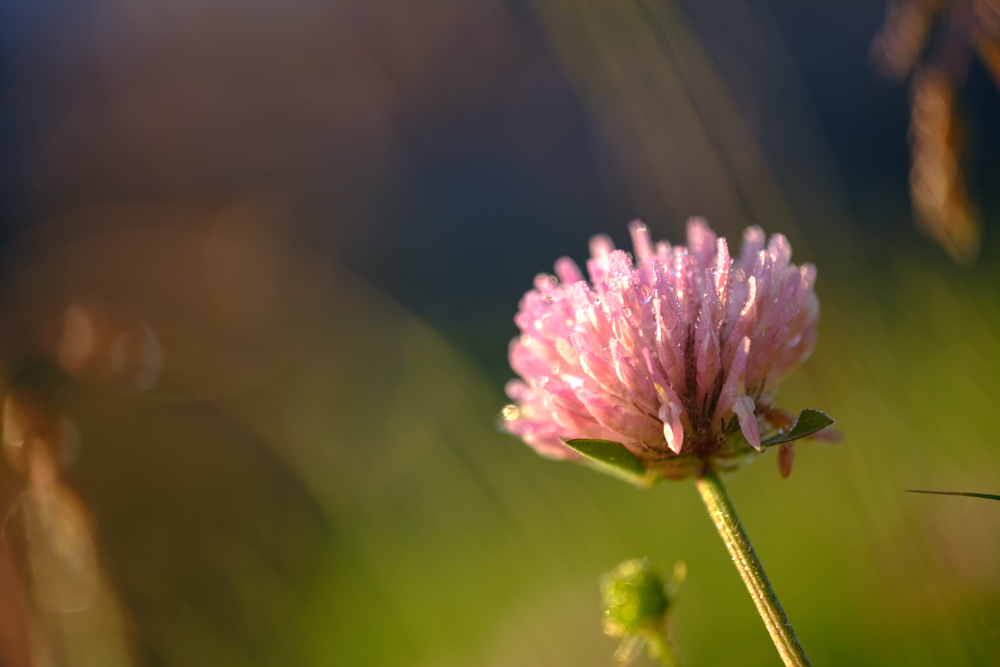
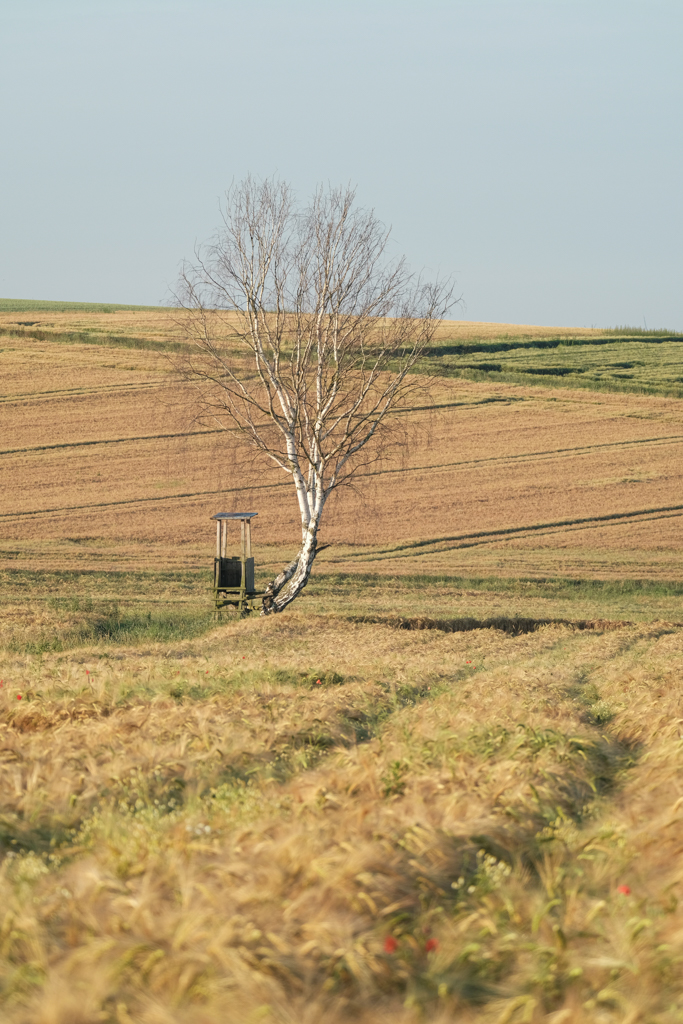
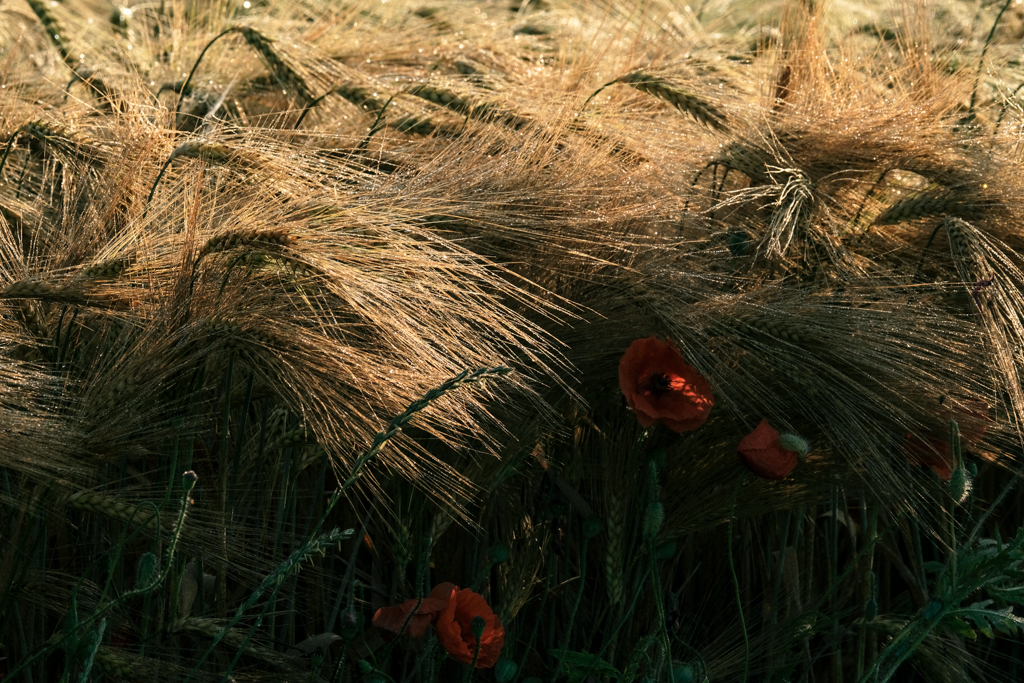
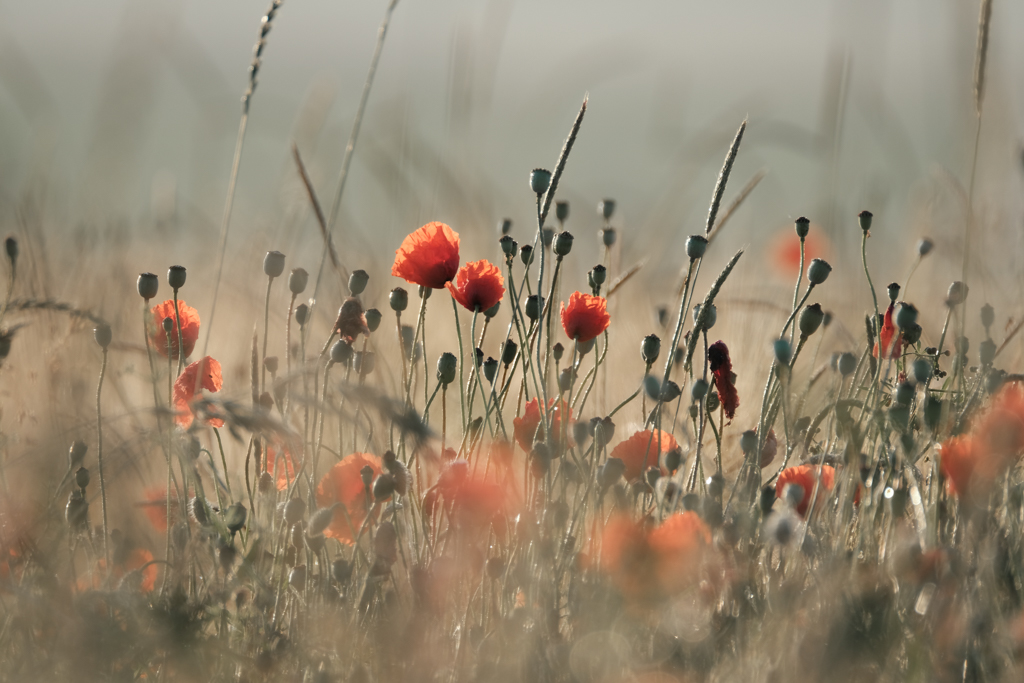
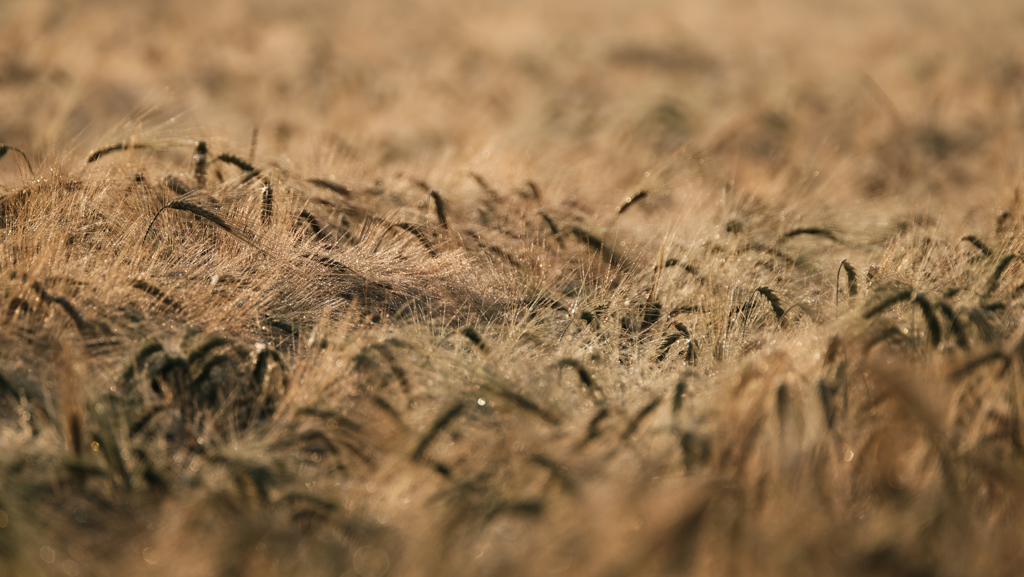
  • Wet dew, grazing deer blend into surroundings
  • Dimly lit forest paths
  • A lone tower on a hill, a last exhausting climb, 8 levels
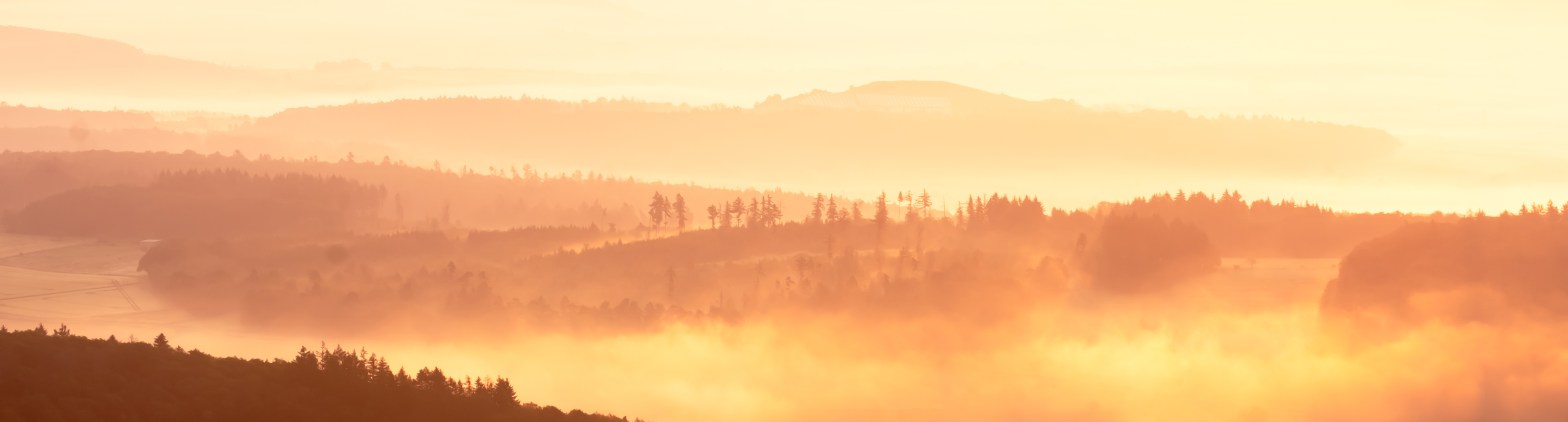
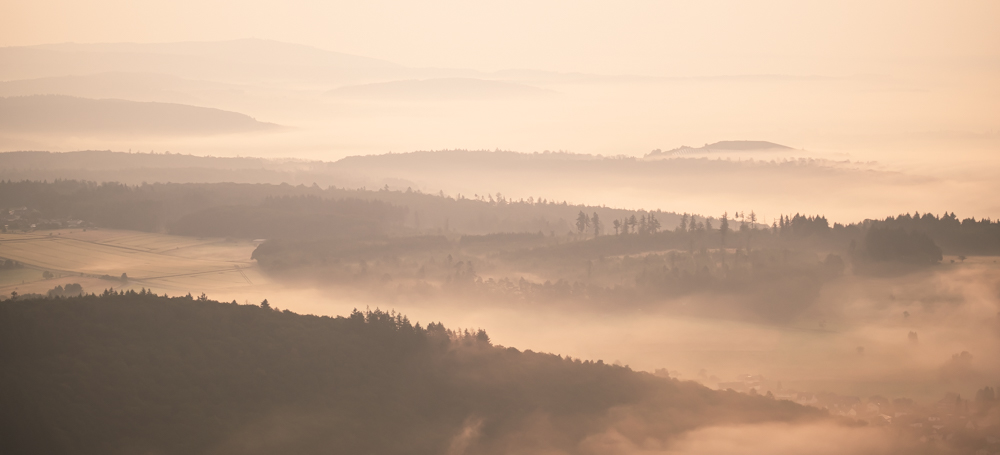
  • Hills divided by lakes of fog and vast planes stretching behind
  • First church bells chime
The early bird…

What do Novels Mean?

What do Novels Mean?

When I was a kid I read a lot (at least, that’s how I remember it). I loved the Famous Five; later I devoured Lord of the Rings, Harry Potter, and many less known fantasy series. But on the journey of growing up I lost the drive to read. I don’t know why or how. Looking back, it was presumably the natural limitation of time that struck and other hobbies that took over. I also never missed it consciously.

But lately, Mädchen Klitzeklein is pushing me to read again. I have the great advantage that she recommends me only those books that she seems fit and, thus, I feel obliged to pick up one of those books and start to turn the first page. As with movies, I specifically appreciate to not know anything about the content besides what the cover tells me. And then, I start to read; it takes a while to get used to a physical book after so many years; but it has its unique charm: no distractions, no home button to press, just the next page to turn. For some books I was hooked from the first page, in other books it took a while until I oriented myself and felt home in their unique world. And what I found should not surprise myself, as I already knew it as a kid: it can be an absolute joy to read – so why did I stop reading in the first place?

In my late teens, computer games replaced the story telling of books for me; and some games do it really, really well. Just to mention at least two, because they are very dear to my heart: There is for example Celeste, the heart-breaking story of Madeline, a girl plagued by depression and panic attacks who has the near-impossible goal of climbing a mountain. The game design is perfect as the player suffers and struggles together with the main character in this hard-core platformer. Very rarely have I been more engaged in reaching the end of a game. And then there is Ori, a visual master piece with a straight-forward but wonderfully told story about an orphaned child who saves the forest. These games have provoked strong emotions within me that felt real and unique as I find it rarely in stories. But with games, as with movies, your own imagination is never as provoked as when reading books. The words cannot stimulate your eyes and ears, and hence, what they create within your head is up to you and can become even stronger.

And here I sit and read, turn the page, and the next, and the next. First, it’s a small dip into another story, another century, another life. But with every page, I immerse myself more and more, get lost in the pages, dive deep into the narrative until the surroundings vanish and I participate, experience it myself to the fullest extent. I witness pleasure and delight, I undergo heartbreak and sadness, I live in another universe at another time, even if it’s only for 30 minutes.

What do novels mean? I have absolutely no idea, I just liked the title. But for me, they gave me a long forgotten glimpse into other worlds, into my own imagination, a reason to slow down, another perspective on life. Thank you for motivating me to take this journey, Mädchen Klitzeklein.

The last two books I read were Migrations by Charlotte McConaghy and Where the Crawdads Sing by Delia Owens. I don’t think they are for everyone, but I can still wholeheartedly recommend them both.

Maze

Maze

The sun sets with golden rays.
Thoughts creep in, are here to graze
the mind. With rising haze,
expands, obscures, distorts, delays.
What was, what is, appraise the days
to come: never ceases to amaze
in a multitude of ways.
And I ponder here and phrase
lose myself, the world ablaze,
deep within my inner maze.

Storks and the Moon

Storks and the Moon

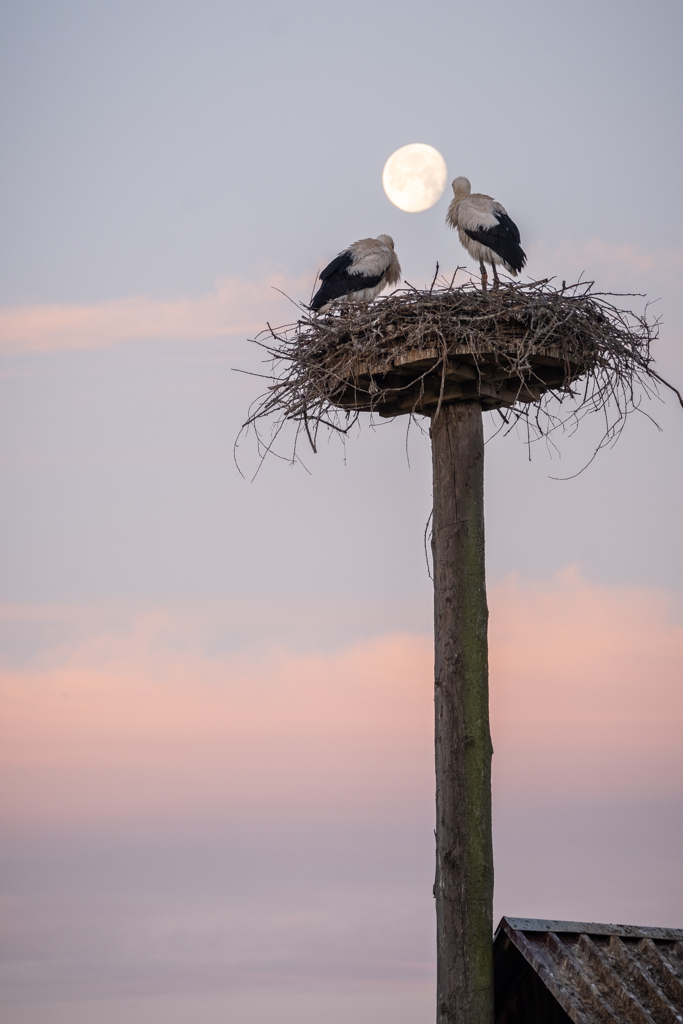
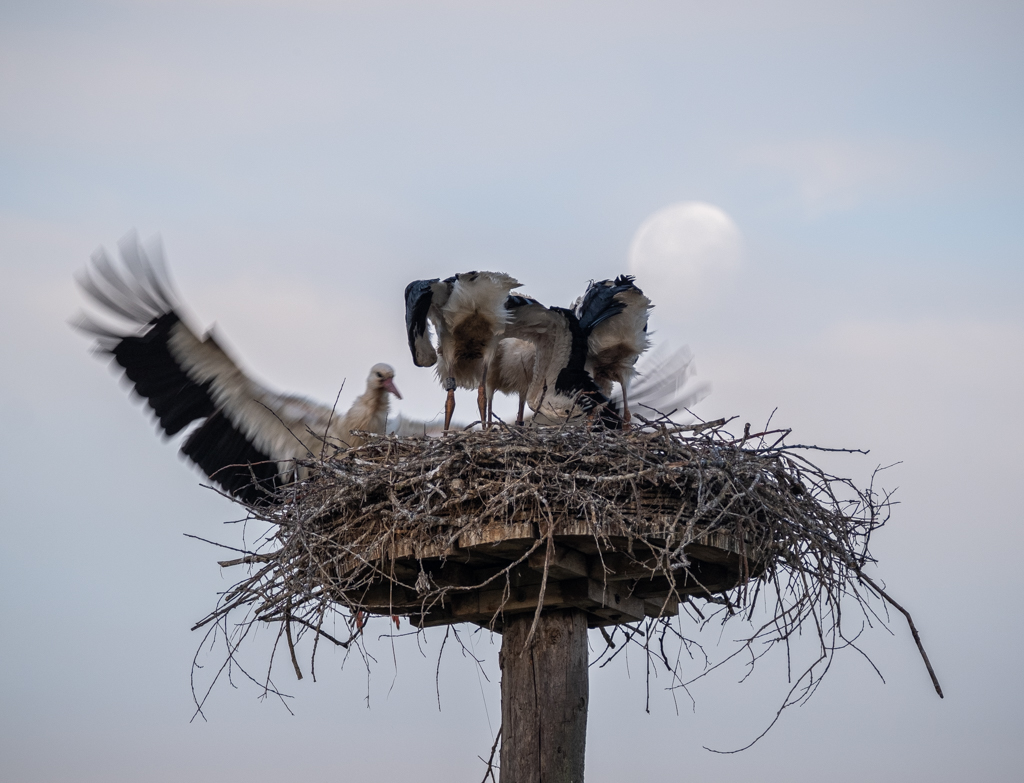
Remember March and Love is in the Air? I wanted to photograph our local storks in front of the moon back then – it took way longer than ‘the next full moon’, but I finally visited them again this week. This time, I initially planned to shoot the sunrise but didn’t know where to go, so I payed the storks another visit. And fortunately I did not only get the sunrise, but also the moon behind their nest.

Getting usable pictures turned out difficult: At first, the moon was too high and at that angle it was impossible to have the storks in front. With the setting moon the angle got better, but the rising sun caused the moon to fade in turn. There was only a brief time window where it actually kind of worked.

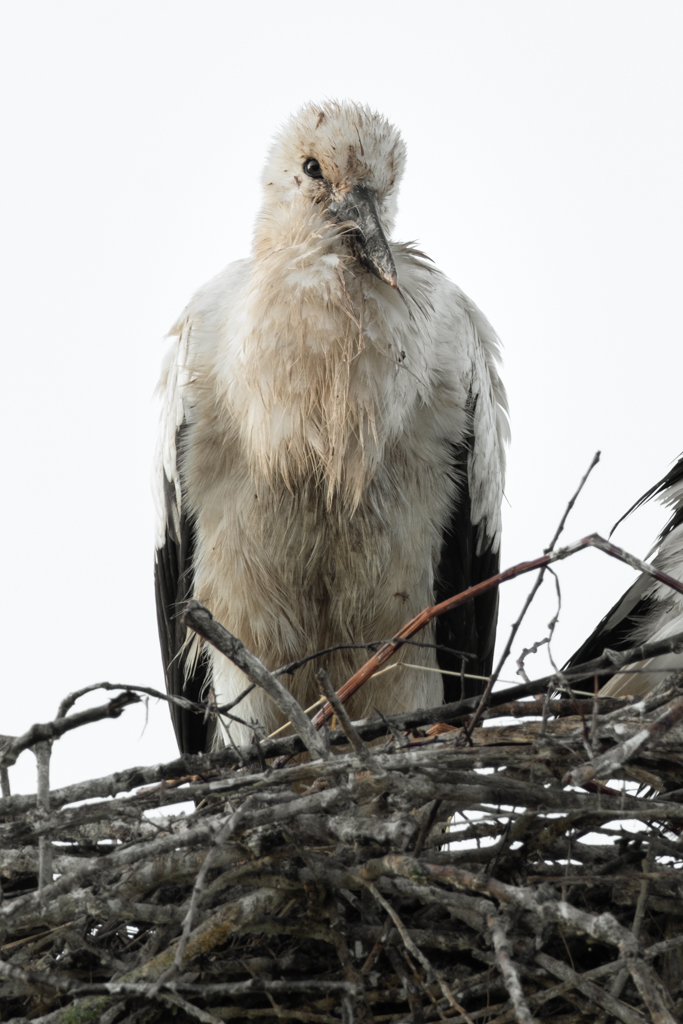
Besides the anyways marvelous morning, it was also lovely to observe the three youngsters and their parents. Storks have a wingspan of 2 meters, weigh 3.5 kilogram, and can reach the age of 35 years. They always come back to the same nesting place during their lifetime. They also migrate over 10,000 kilometers (twice) every year. Because they exploit thermal winds, they avoid the Mediterranean Sea and either migrate on the East through Turkey, or the West through Spain. While they were quite endangered around the end of the last millennium with only 3000 breeding pairs, they slowly recover and the current estimate is around 7000 breeding pairs. The stork was also selected as bird of the year in my birth year.

Photo Post: Printing

Photo Post: Printing

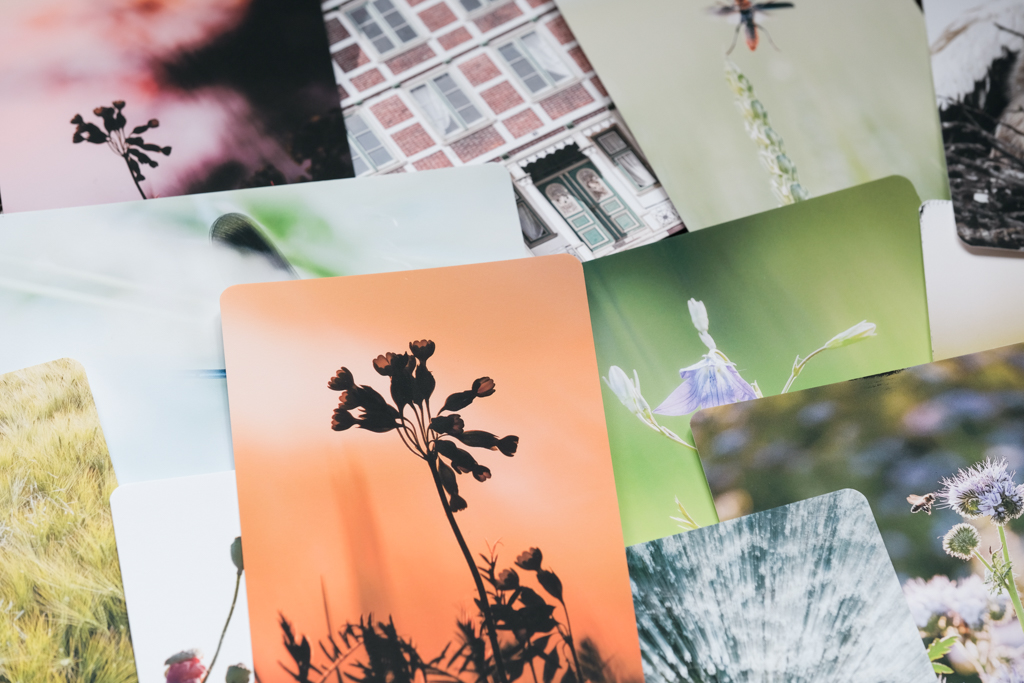
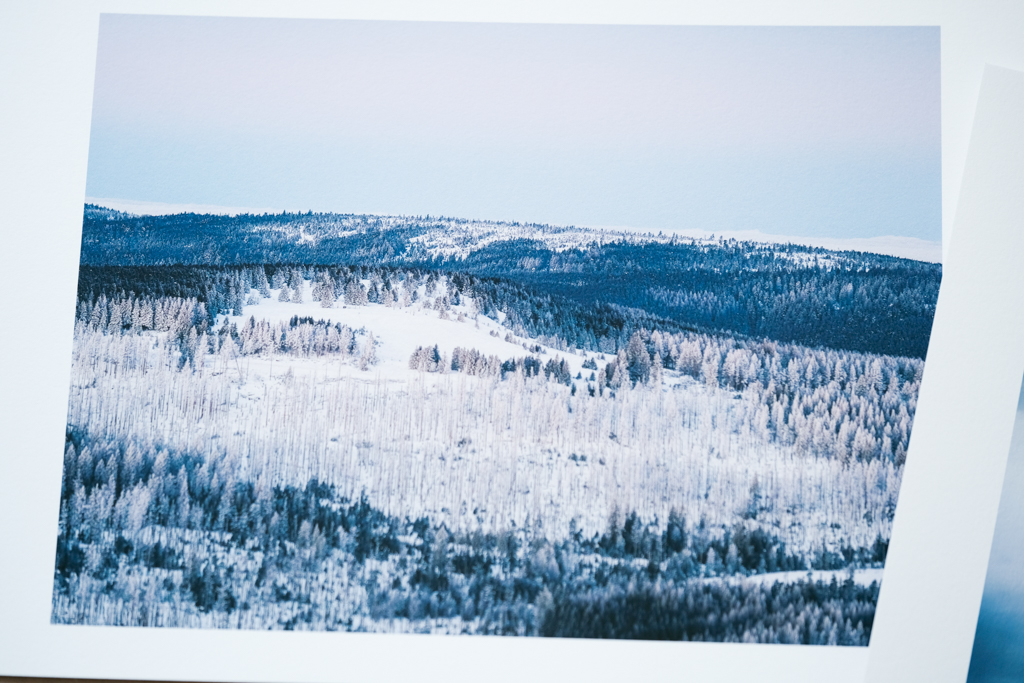
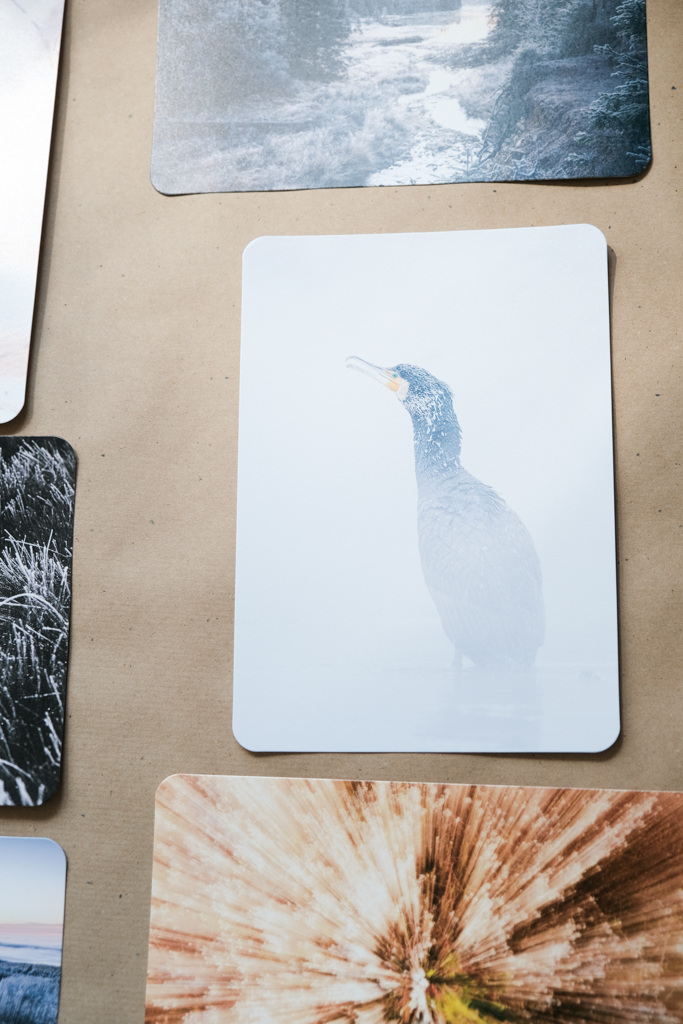
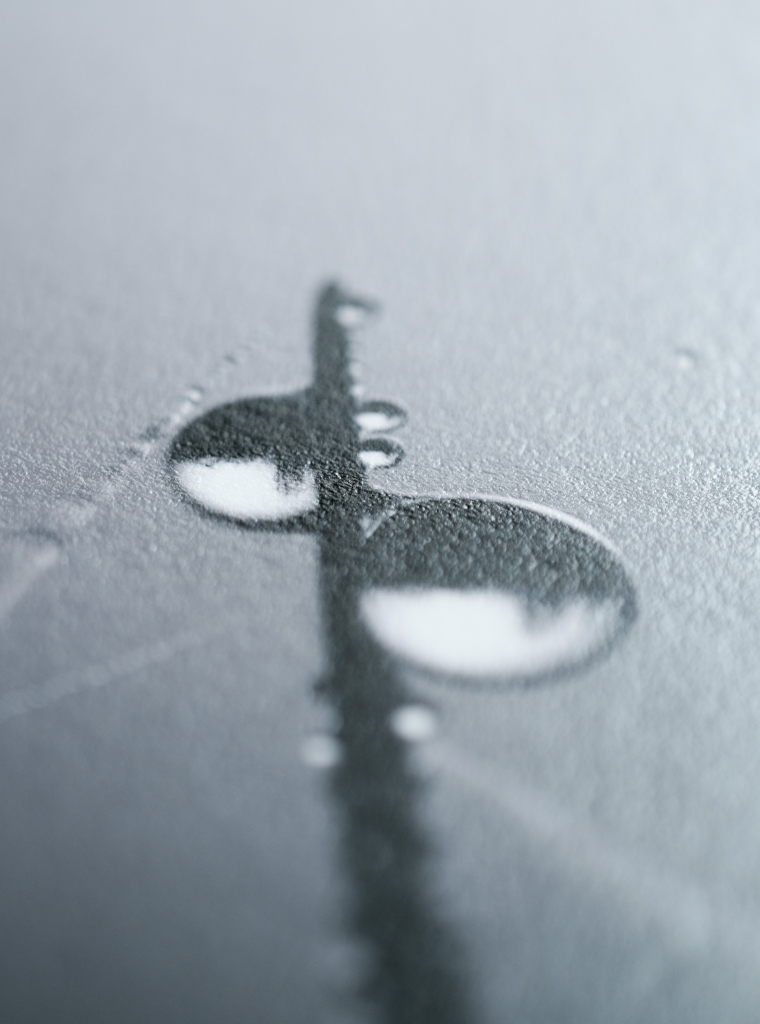
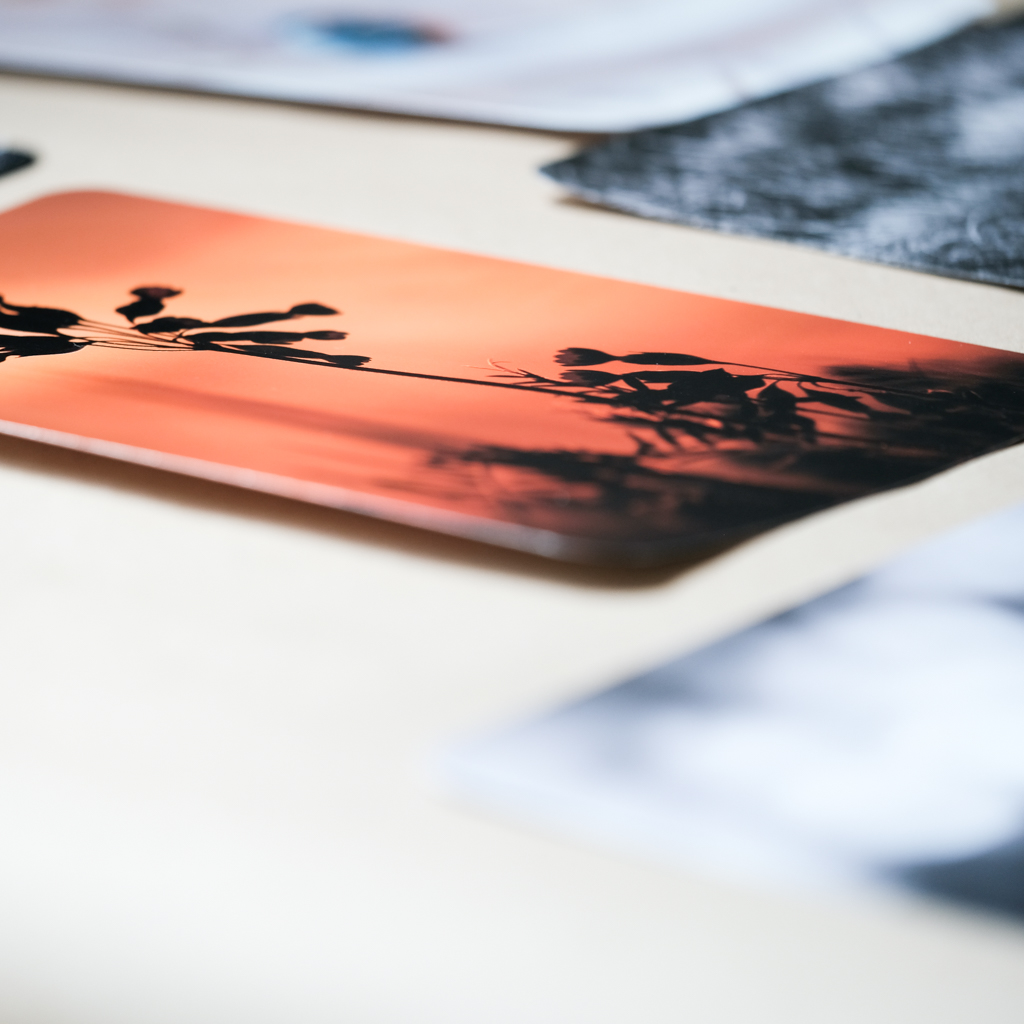
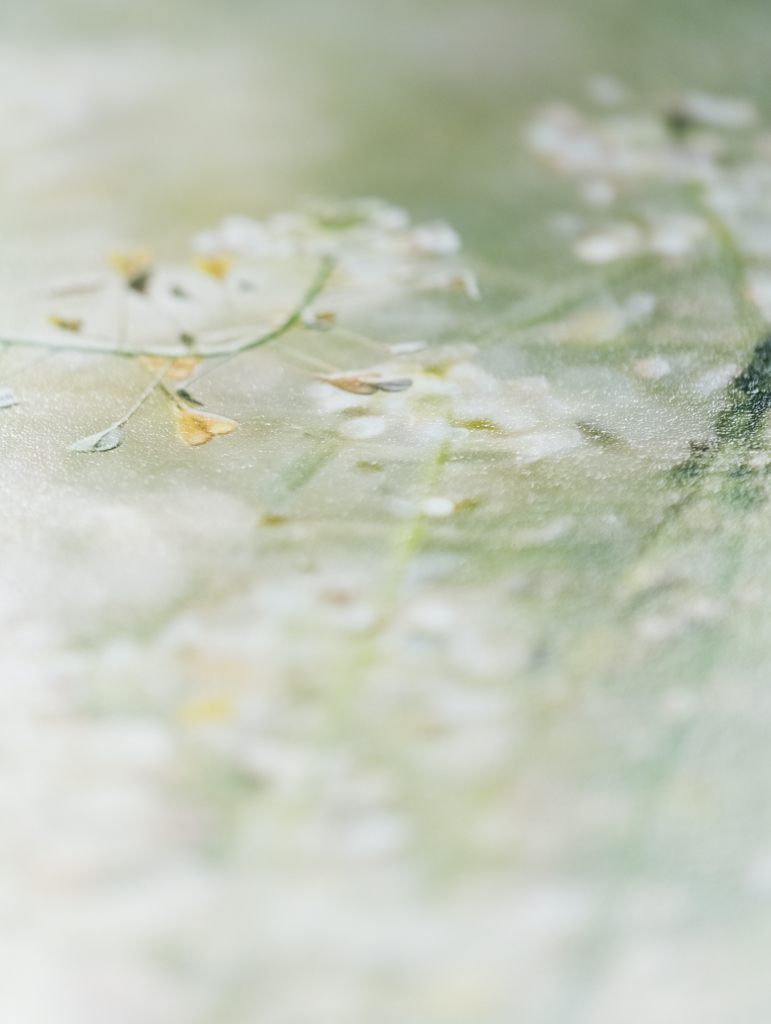
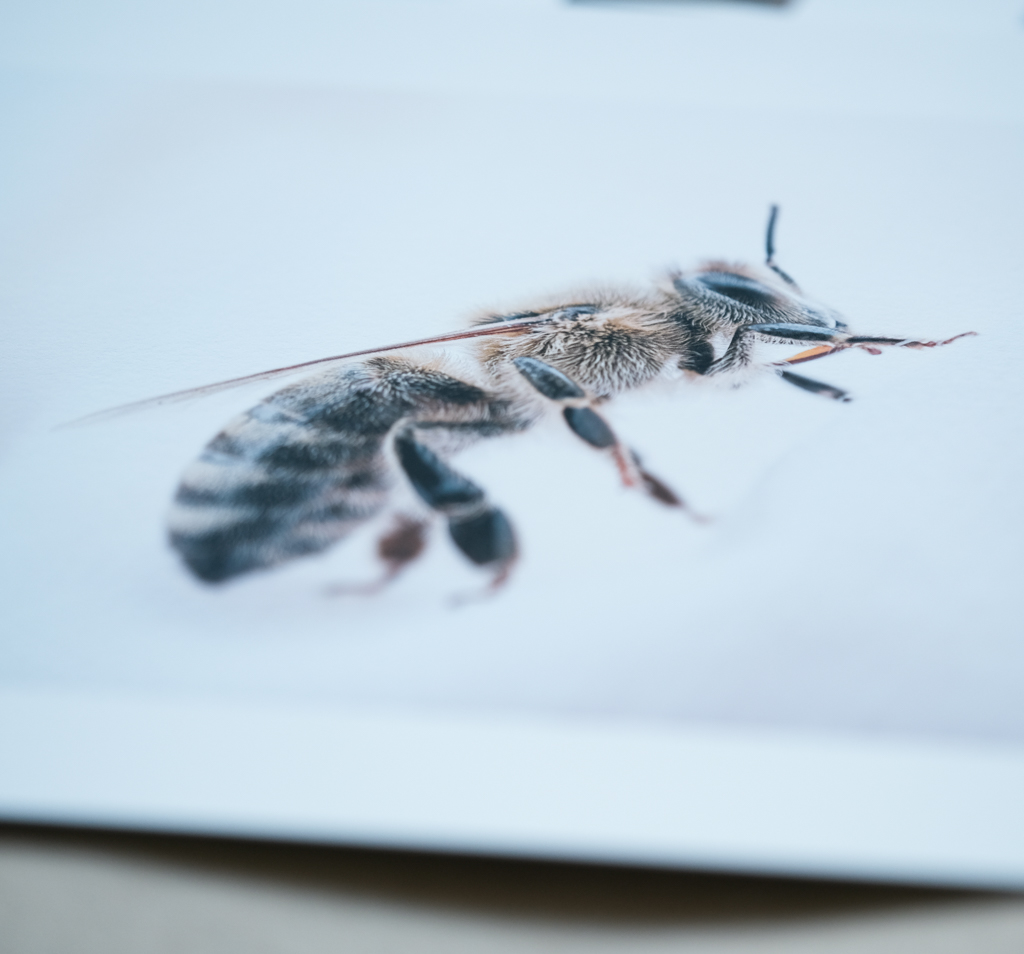
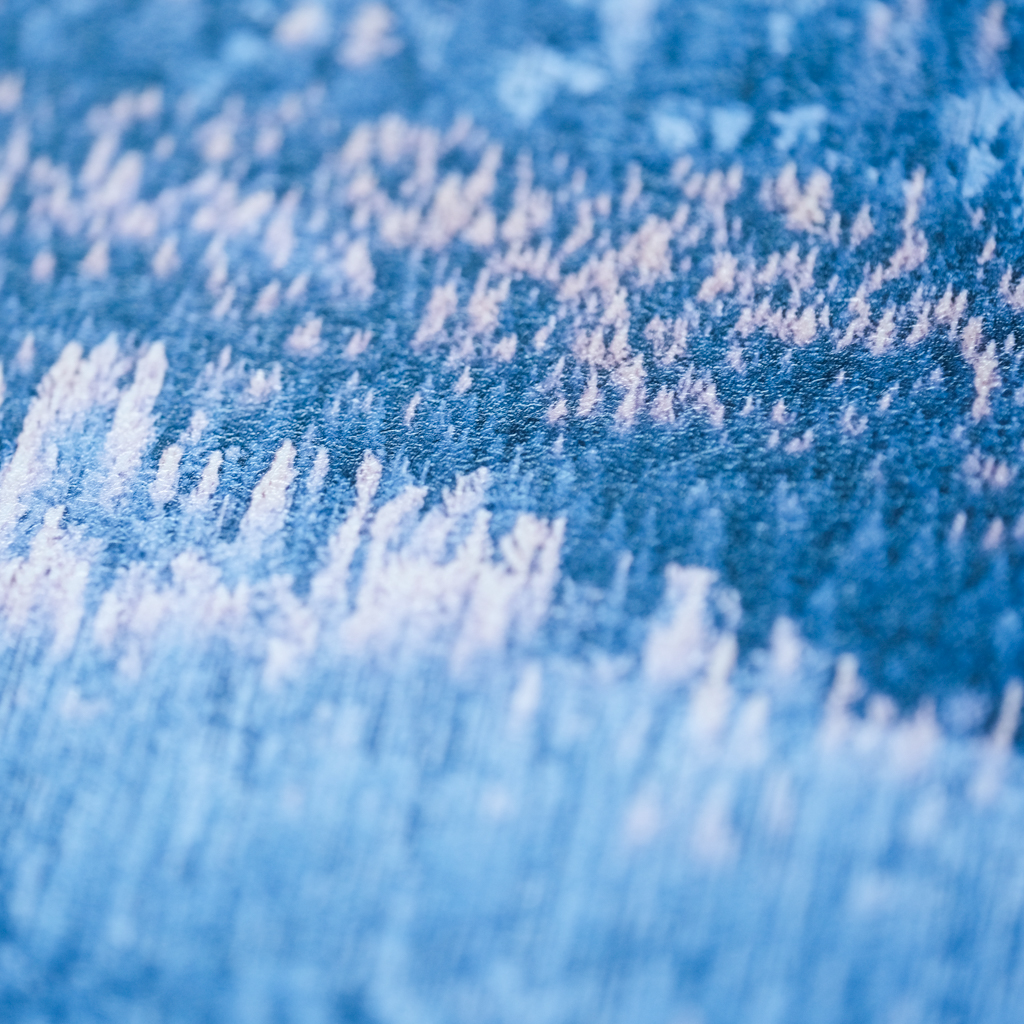
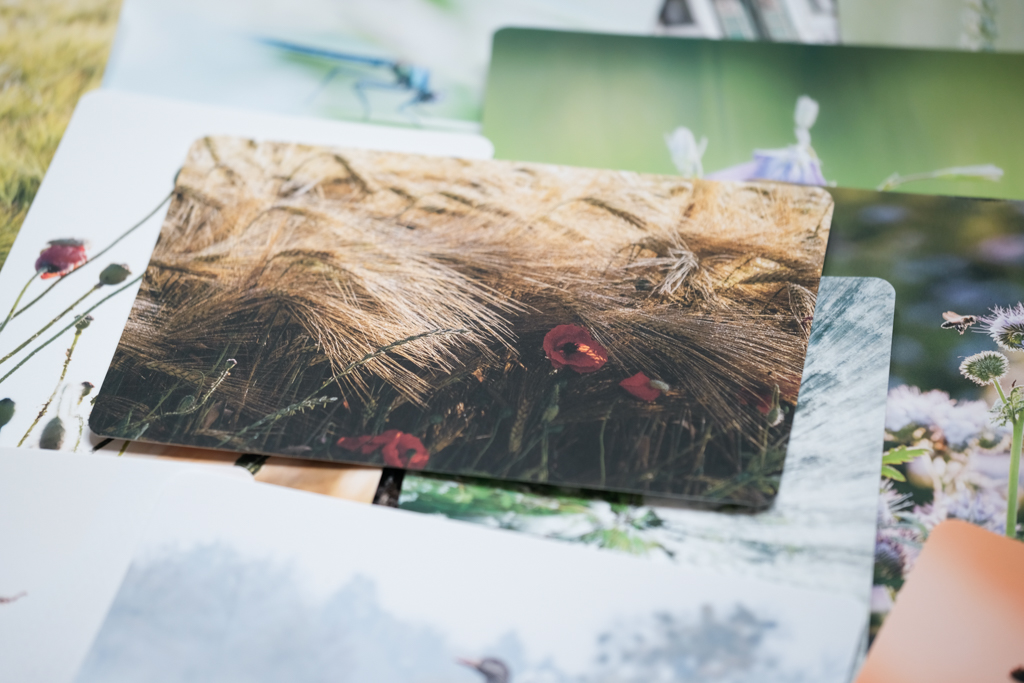
When we are not away on weekends I mainly do two things: Writing blog posts or printing photos (however, this weekend we also prepared our van for the upcoming holiday!). By now, I have stashed quite a few prints and I need to figure out what to do with them; I think we still have plenty of free space on our walls (my significant other does not agree…), but it also takes time and money to properly frame the prints. So far, I have created mainly A6 postcards on matte paper, A5 prints on semi-gloss paper, A4 matte prints with white margins, and occasionally a large A3+, all on fine art Hahnemühle-paper. I also tried some lower quality paper, but have to agree with their slogan: ‘Paper makes the difference’, visually as well as haptically it’s outstanding. While in the beginning I needed several tries for the right settings, now I can get (most) prints as I want them from the get-go. Additionally, I slowly figured out which pictures do work as print in the first place, and which pictures just do not translate to paper. And as mentioned earlier: The printing also changed my progress of photographing itself, regarding the settings, lighting, composition, and subjects. The first charge of cartridges is empty and already replaced for the next prints to come.

Decidability 2

Decidability 2

In my first post on Decidability, I wrote about the Halting problem and how everyday life decisions seem undecidable. Still, we are deciding many things, from minute to minute, from hour to hour, that shape our life, surroundings, and possibly the future. But: Do we decide in the first place or is it arbitrariness? Does it matter which one it is? And if it is not arbitrary, how can we decide?


Only those questions that are in principle undecidable, we can decide.

Heinz von Foerster, Ethics and Second-order Cybernetics

Some time ago, I would have said that decisions are guided and derived from environmental data. The deciding person merges and weighs the available data to arrive at a conclusion on how to decide. However, this model has flaws: If the data would lead to a clear answer, there would be no need to decide in the first place; the data just gives the answer. Consequently, only if the data is insufficient to derive a clear answer, the need to really decide arises. Thus, decisions also always result in uncertainty; inherently, we are deciding only the things where the outcome is unclear. Also, in most cases it is an arbitrary choice which data is considered and how it is weighted; infinitely many and equally reasonable decisions are always available – the decision itself is arbitrary.


If you can’t decide between two options, throw a coin. Before it touches the ground you will know which side you want it to land on: Decision made.

My best friend; around when we were in 6th grade

I always liked the idea of this approach to decisions. While in essence it’s not very spectacular, this proposed trick addresses the time component of decisions: If a decision is difficult, we tend to postpone it to an uncertain moment in the future in the hope for more data (or that someone else decides for us). Throwing the coin makes the decision pressing and imminent; and, if, the correct decision cannot be induced by data but is arbitrary, this trick lets us make a decision right now. And this decision comes down to the gut feeling of the deciding person, but it doesn’t matter because the decision is arbitrary whatsoever. My version, by now, is simpler: ‘If you can’t decide between two options, throw a coin and take the option it selects.’


Draw a distinction.

Georg Spencer Brown, Laws of Form

Thus, the coin method is congruent to the proposed mark or cross by G. S. Brown as used by Luhmann: There is no way to decide correctly. You never know the outcome, otherwise there would be no need to decide. The only thing that matters is that you decide in the first place.

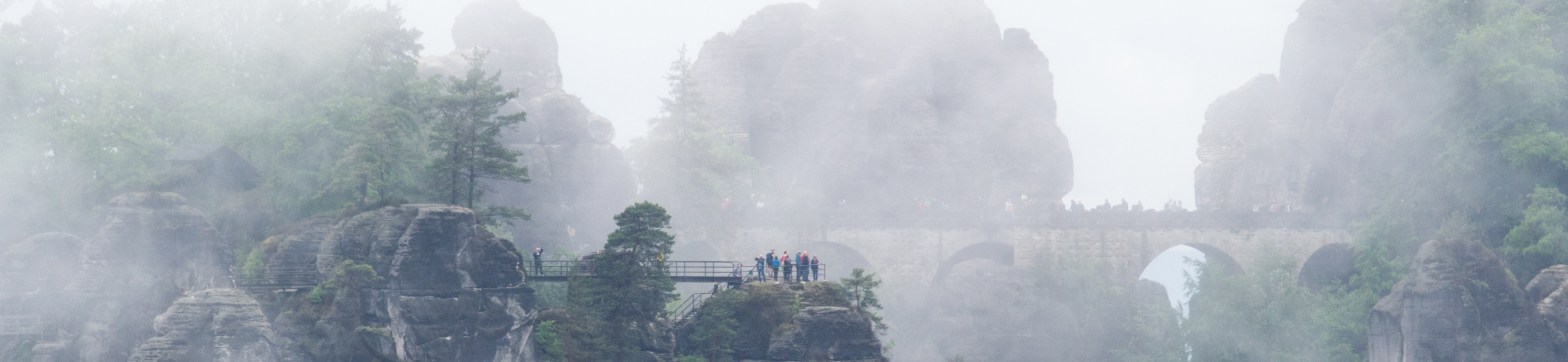
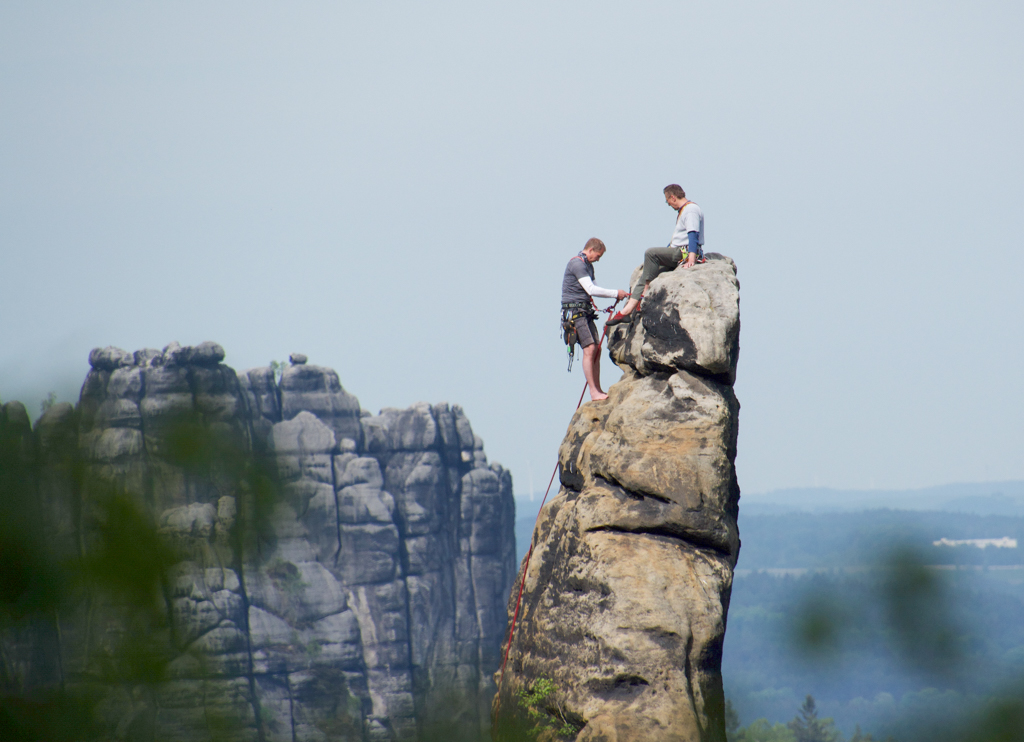
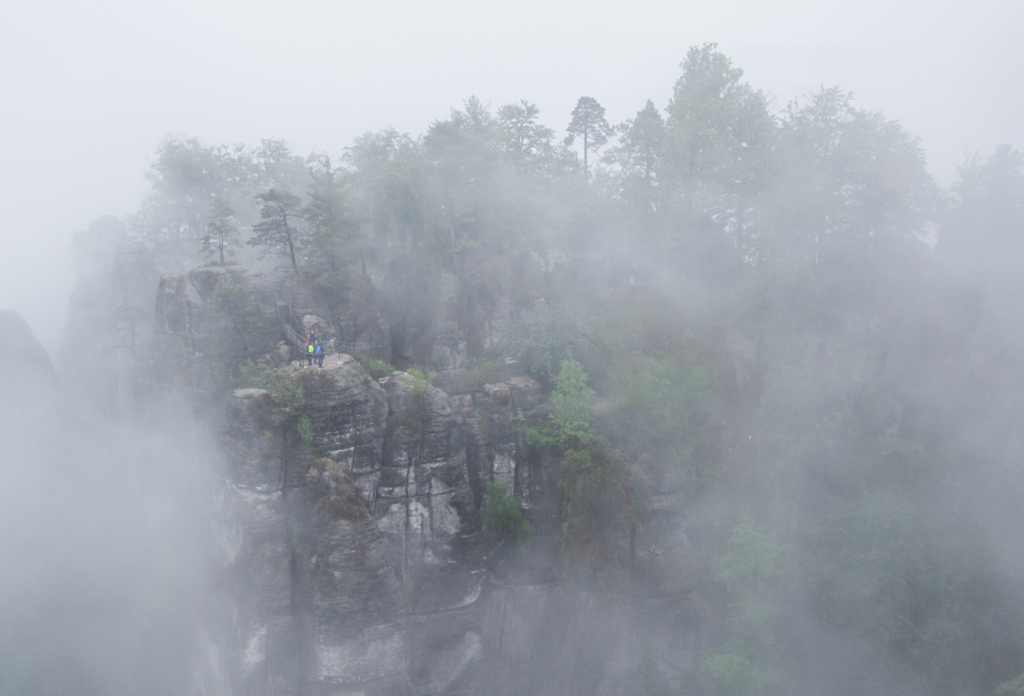
Thanks to input from my dad. This post probably deserves a re-write as soon as I have more time to properly study the provided material. Since I decided that all posts also have pictures, I chose some older ones from a vacation last year in Sächsische Schweiz. Back then, I still had borrowed his camera and had even less knowledge about photography than now…

Photo Post: P1

Photo Post: P1

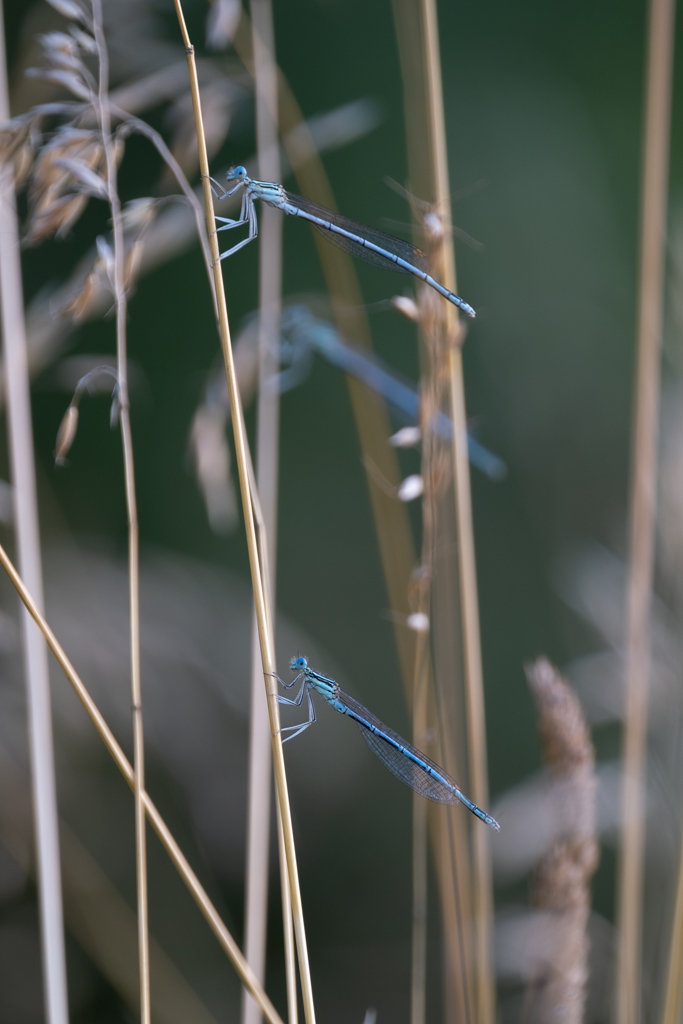
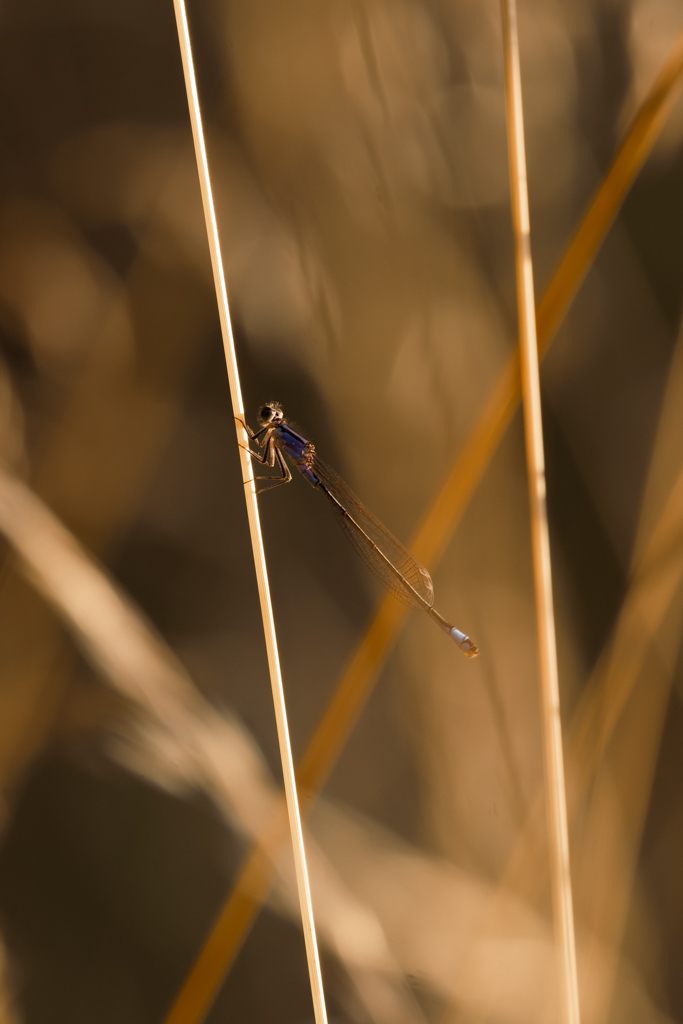
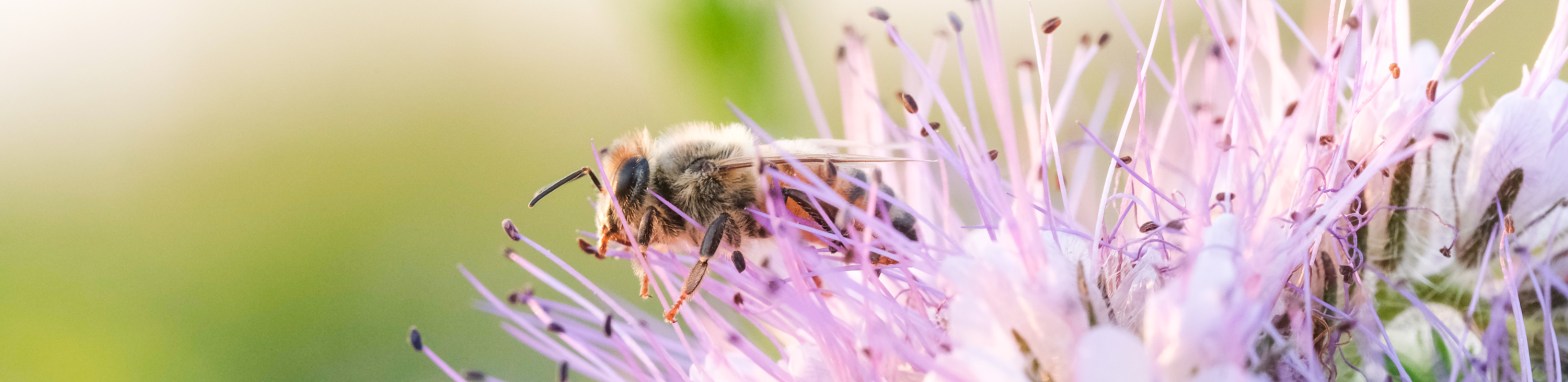
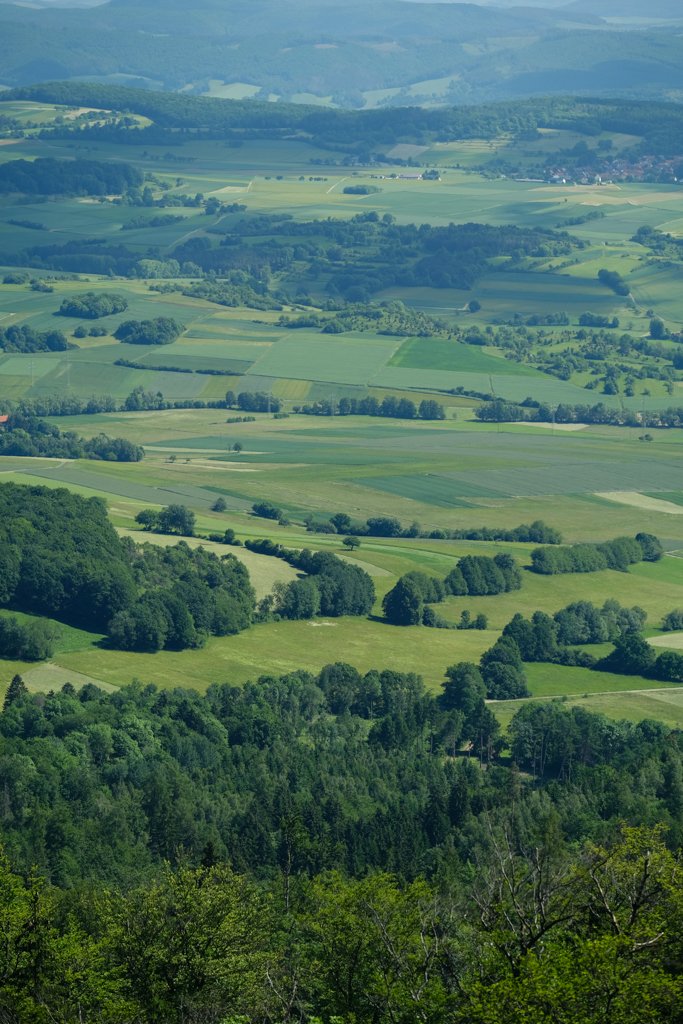
Last weekend we walked a hiking trail around the mountain Hoher Meißner. Unfortunately, the only time the alarm clock wakes me up lately is on weekends. The sun rose at 4:30 a.m., so in order to have good light, one needs to be up on time. While we were early, the sun already was high above the horizon when we started hiking. Nevertheless, the cold air and wet grasses made it feel like morning. The landscape was wonderful, but difficult to photograph during plain sunlight; thus the abundant insects had to serve as objects, including additional species of the soldier beetle, ladybugs, and bees.