
The Marina
It’s a calm morning. Fog encloses the island and mutes the distant cars. The sailing ships are all lined up neatly, one after another, swaying gently on the waves. Next to the ships, there are the bollards. They are lined up neatly as well, ready to welcome any new arrivers. And then there is Gustav, the black-headed gull.
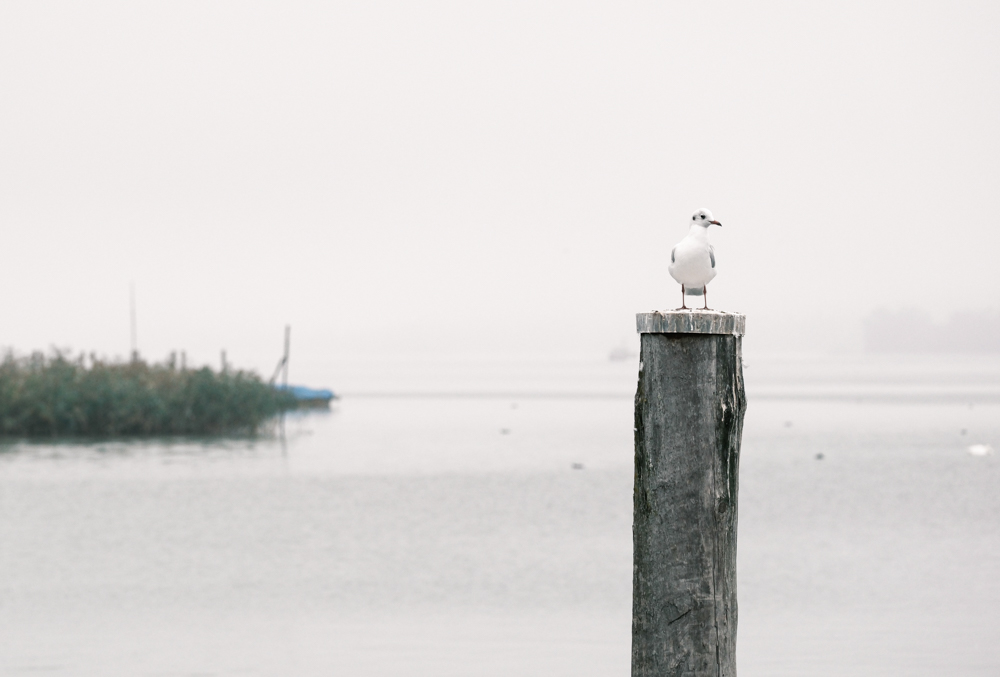
Gustav occupies one of the bollards, but he isn’t the only one. Next to him are all his mates – also, of course, lined up neatly: One bollard, one gull. As it should be. Gustav is satisfied. That’s how he likes his mornings. That’s how he likes his bollards. But then, a new arriver appears. And Gustav knows that there will be turmoil.

Before he can prepare himself, the attack from high above is in full swing. A quick stroke with the wing, a brief chop with the beak, and suddenly his neighbor is tumbling to the ground. Before the attacker can seize his earned place, two distant acquaintances of Gustav are already brawling for the now empty bollard. Claws get sharpened, feathers are plucked, with every passing second a new contender joins in. A whole squadron of coots start to cheer on the warfare. The snide remarks of Carl the cormorant echo across the water. Herbert the heron escapes quietly. Gustav tries to be as inconspicuous as possible.
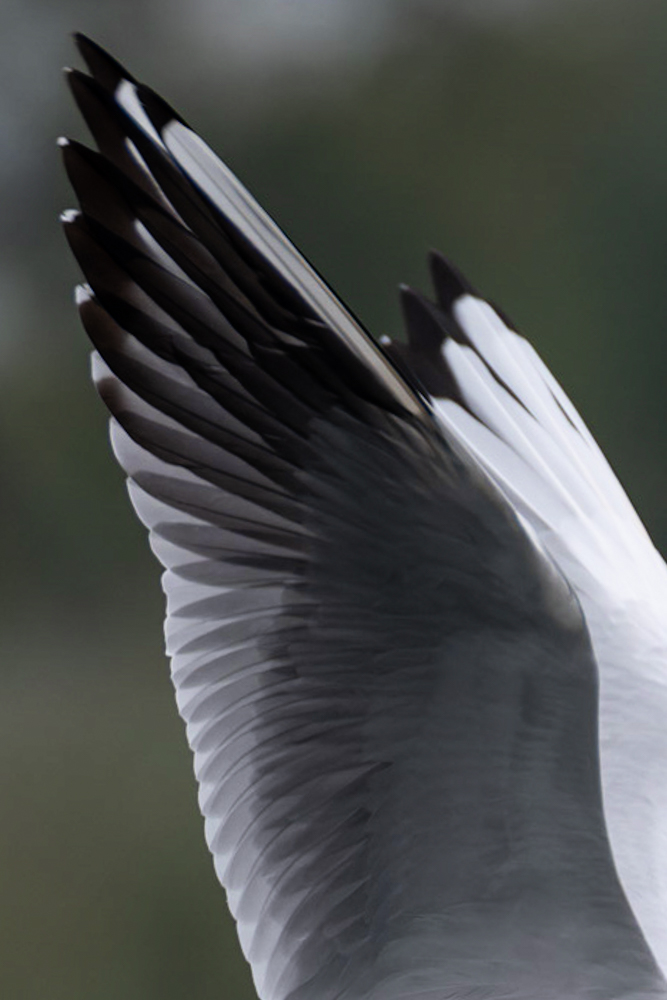
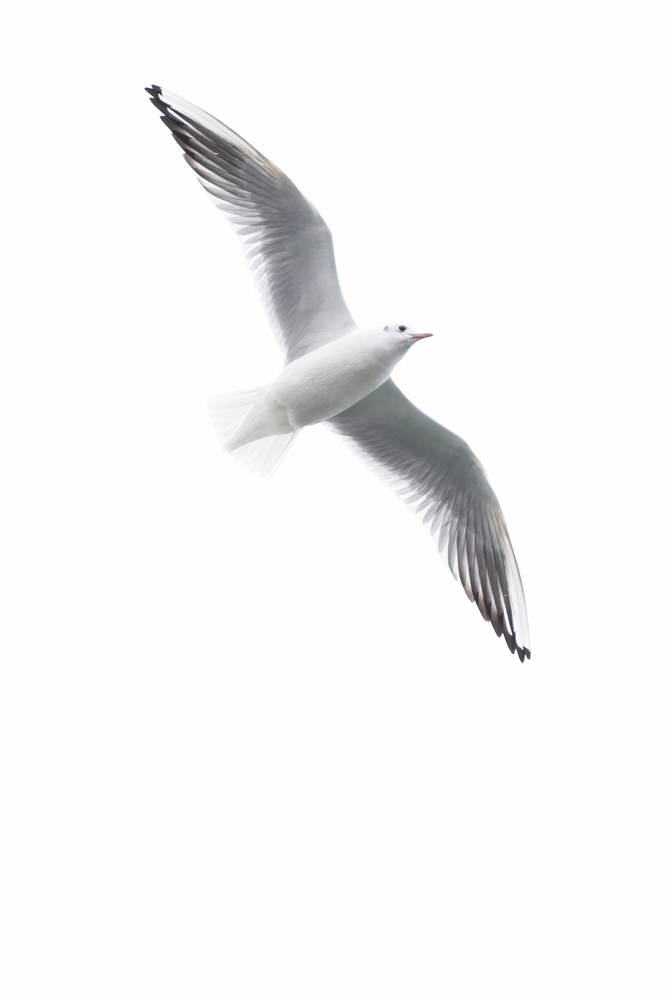
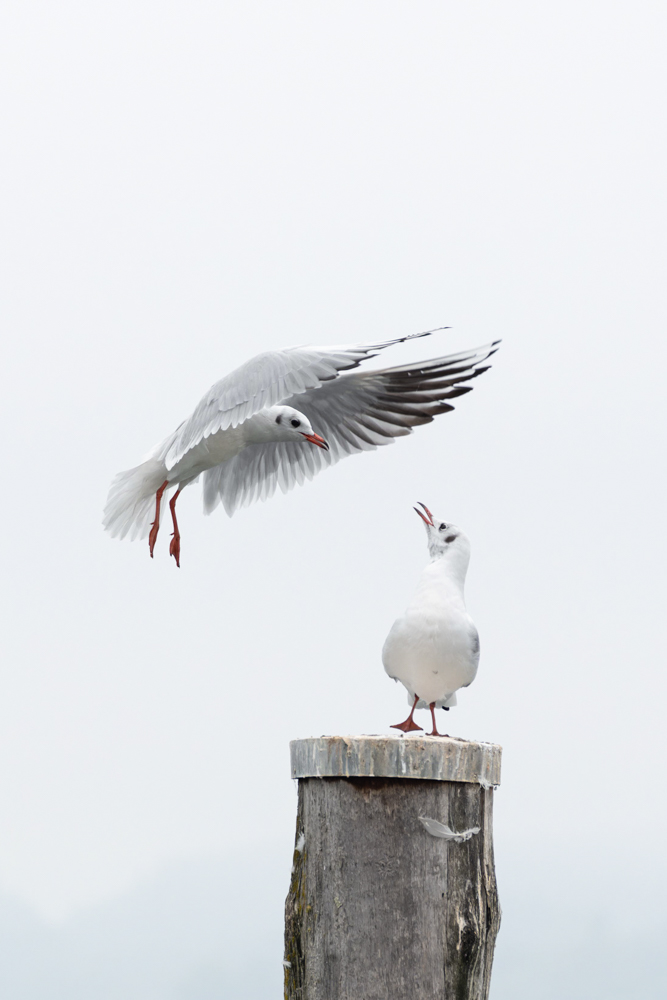
The calm morning has turned to chaos – as every day.
The number of black-headed gulls around the lake has dropped profoundly over the last 30-40 years, presumably by more than 70%. It’s ‘just’ a local decline and most gulls seem to relocate to other areas. Apparently one reason is the increase in water clarity that comes with a reduced offer of food. While the gulls have been seen as a real nuisance in the past, they are now missed by many.
 Punkt im Dunkeln