One of the last exercises in an introductory course to programming I teach is to implement a straight-forward approach for modeling population growth over discrete time steps with a logistic growth function: The population x of a species at time t+1 is determined as x(t+1) = r * x(t) * (1-x(t)) where x(t) is the population at time t, and r is a fixed reproduction parameter. The choice of r influences the long term behaviour of the resulting time series – thus, the growth of the species population; for example, for r < 1, the series tends towards zero – the species goes extinct. However, for r > 3 the series oscillates – it exhibits a periodic behaviour (for some values of r the series even becomes seemingly random without a fixed period, see e.g. here). The length of the period depends upon r, but it never reaches an equilibrium; like a pendulum, swinging around its only stable position in the middle. Like life pulsating between non-steady positions, but never reaching a balanced state.
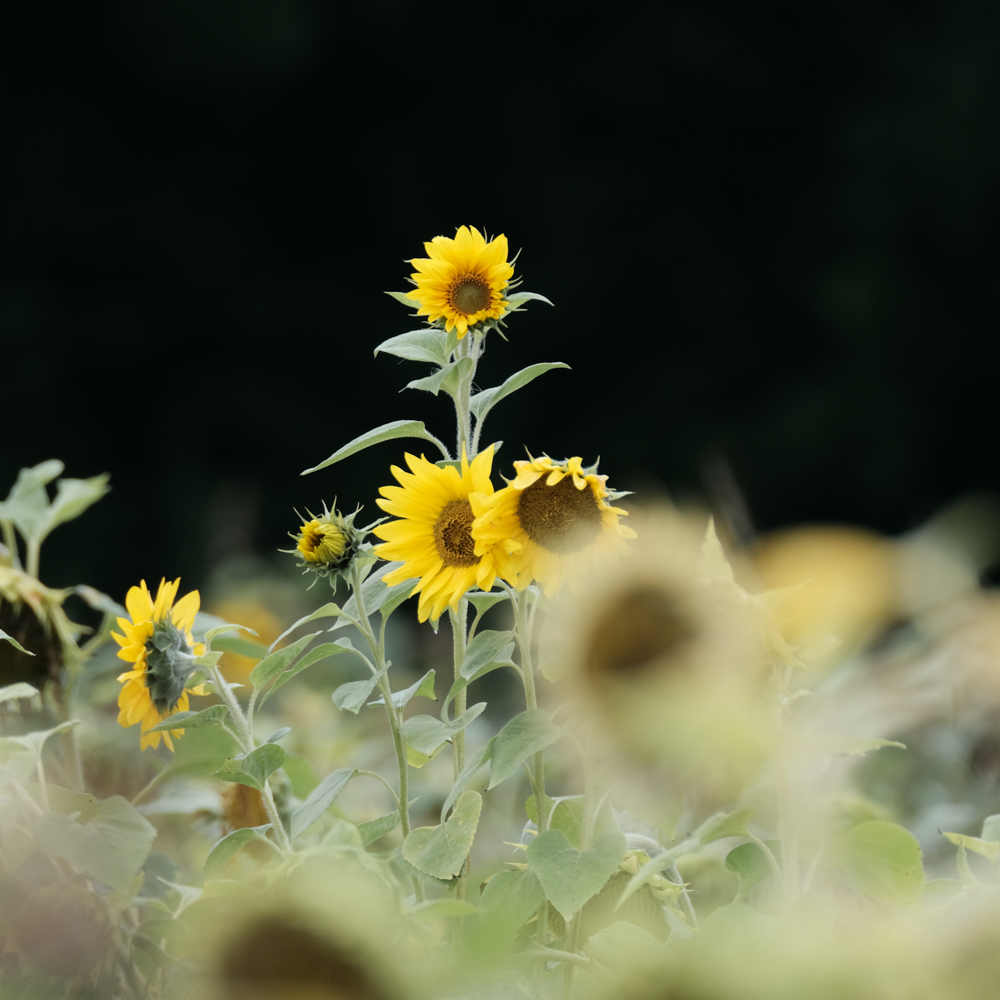
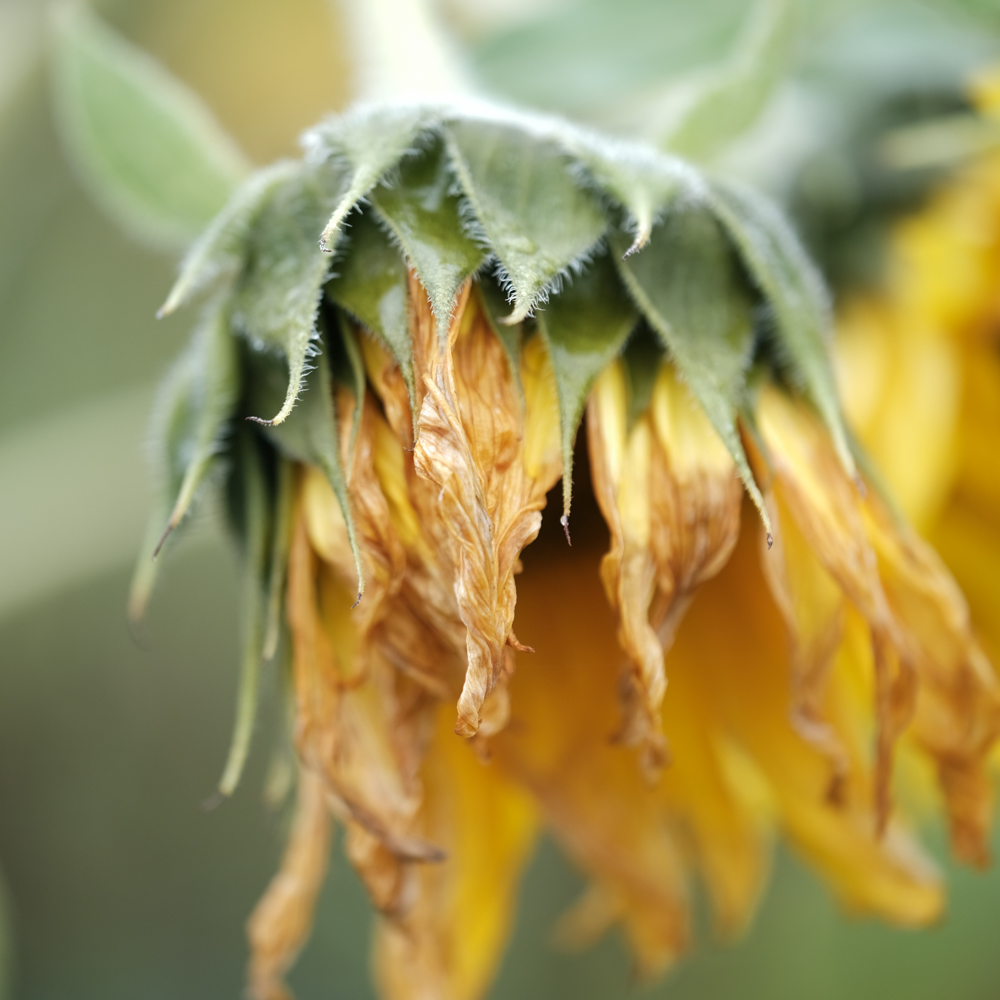
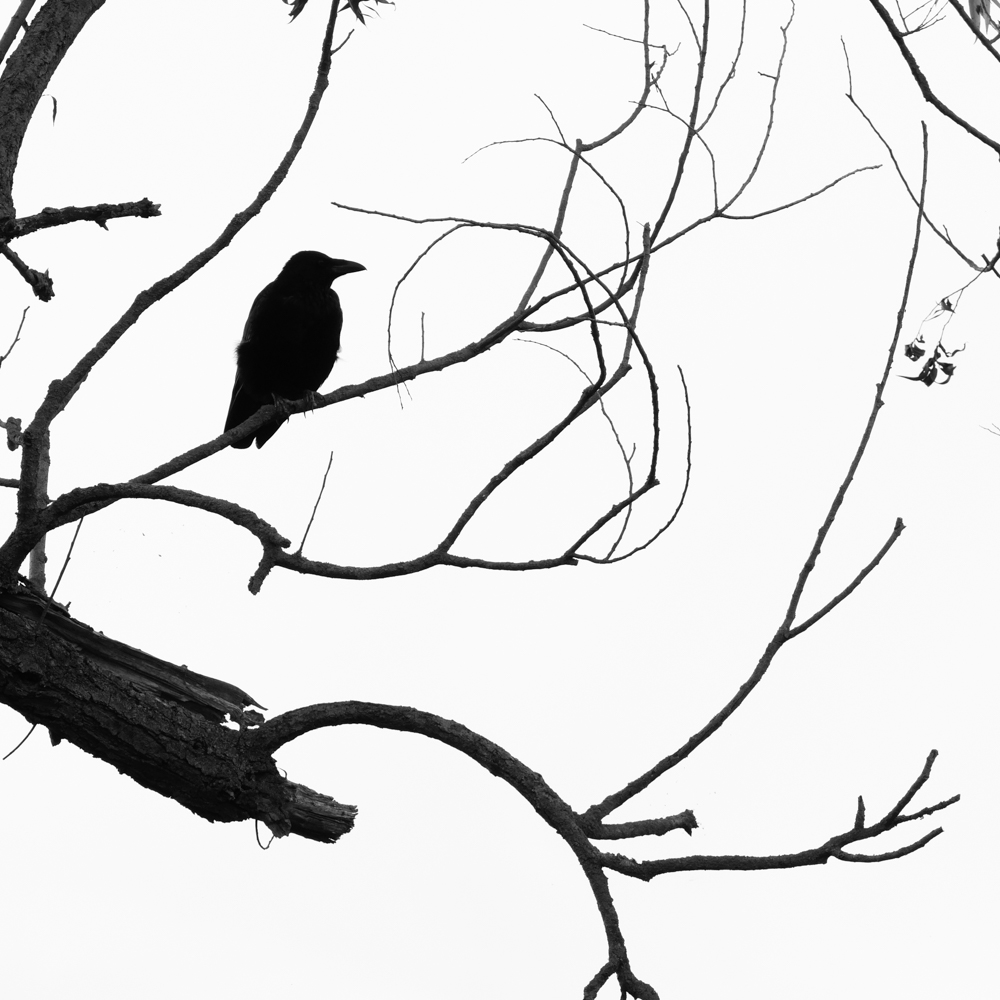
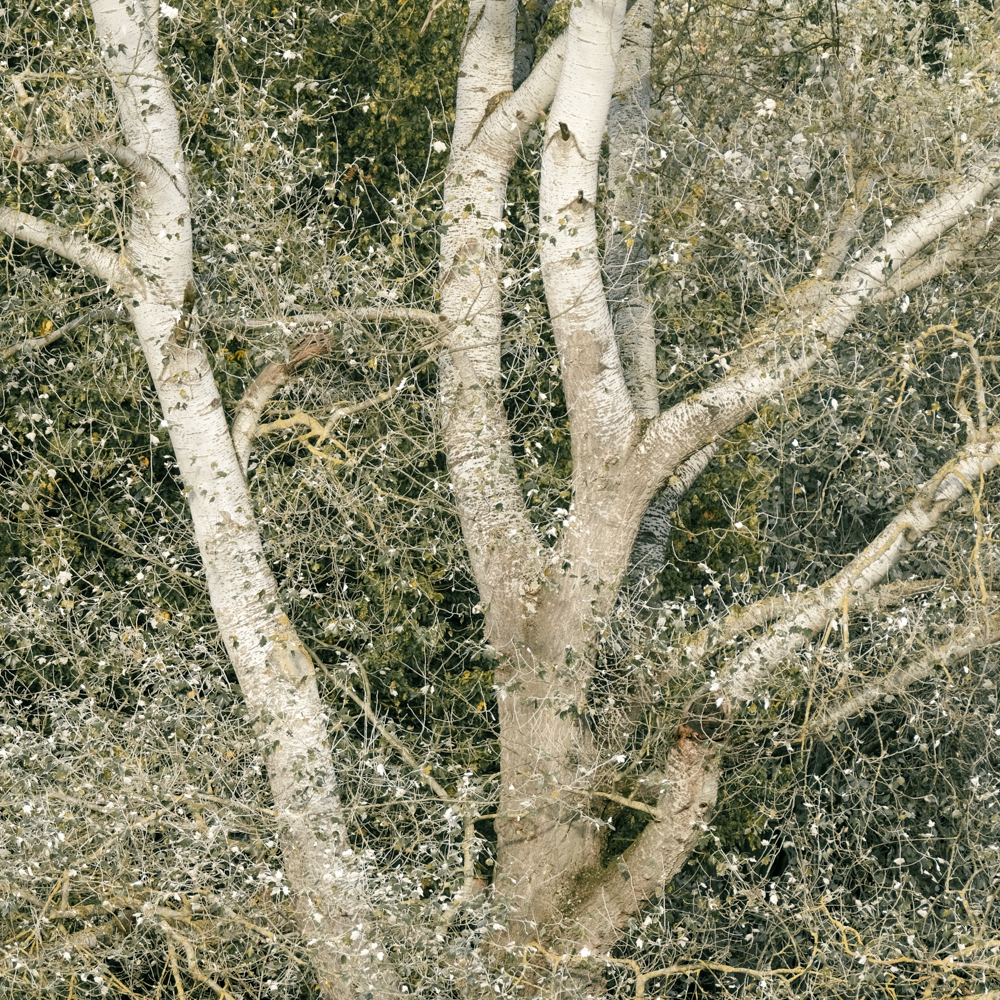
Oscillations are present constantly. The term (1-x(t)) models the environmental restrictions that prohibit unlimited growth. Restrictions which prevent us to come to a rest. The fantasy of a steady state is a futile one. There are times where a stable position seems in reach; until external restraints pull us back into another direction. At the moment, it’s the direction of work; and hence, photography and blog posts are somewhat neglected. Winter already fades again, making way for summer. Left are only some solitary pictures of oscillating camera movements and colorless nature.
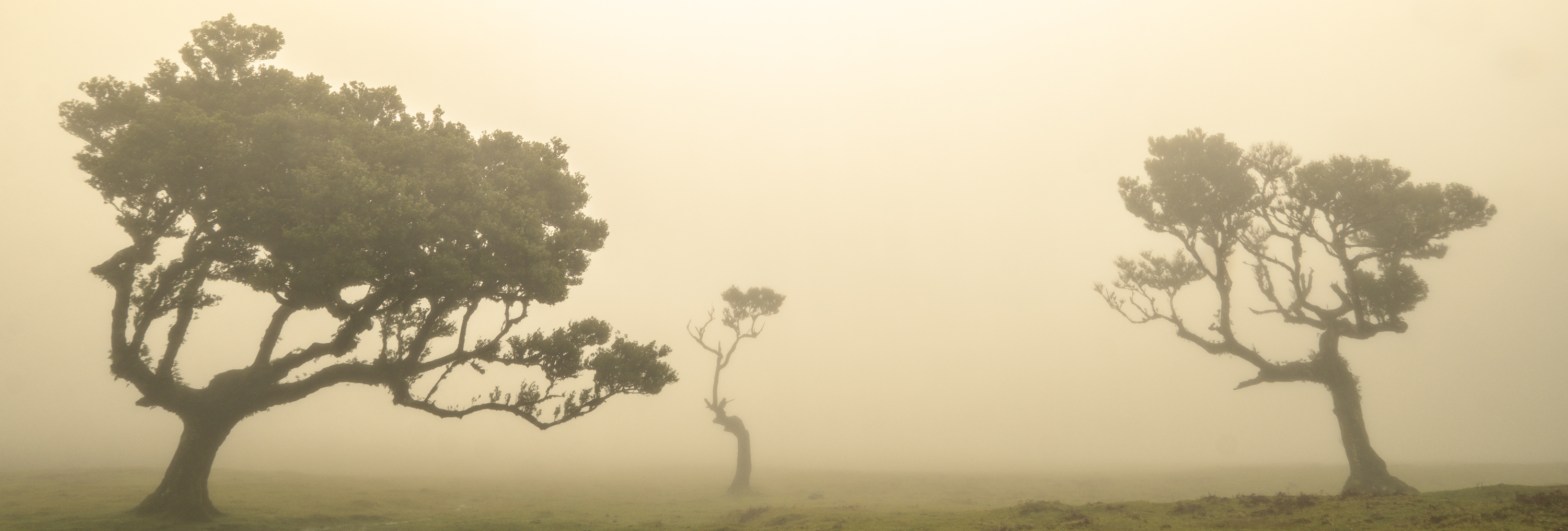
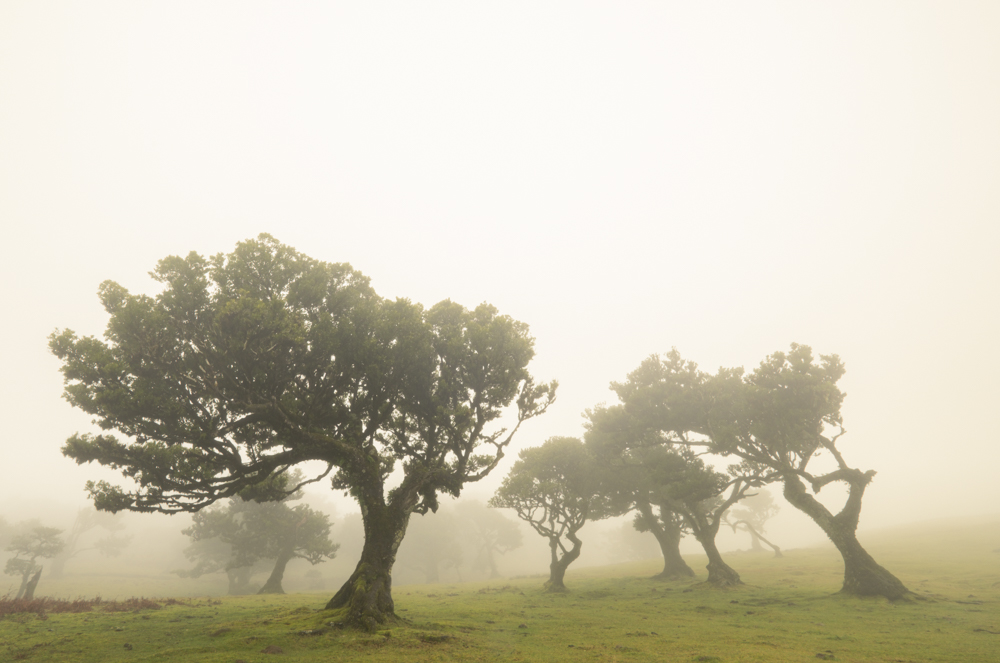
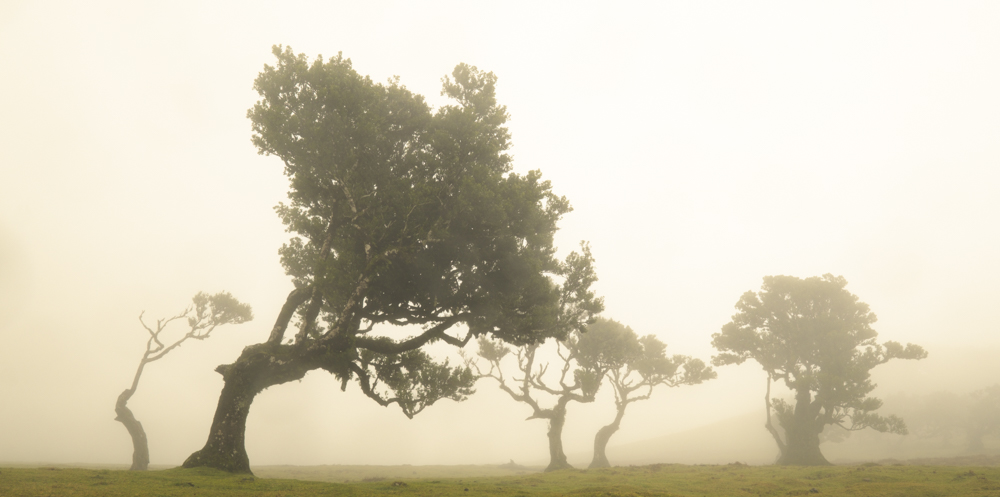
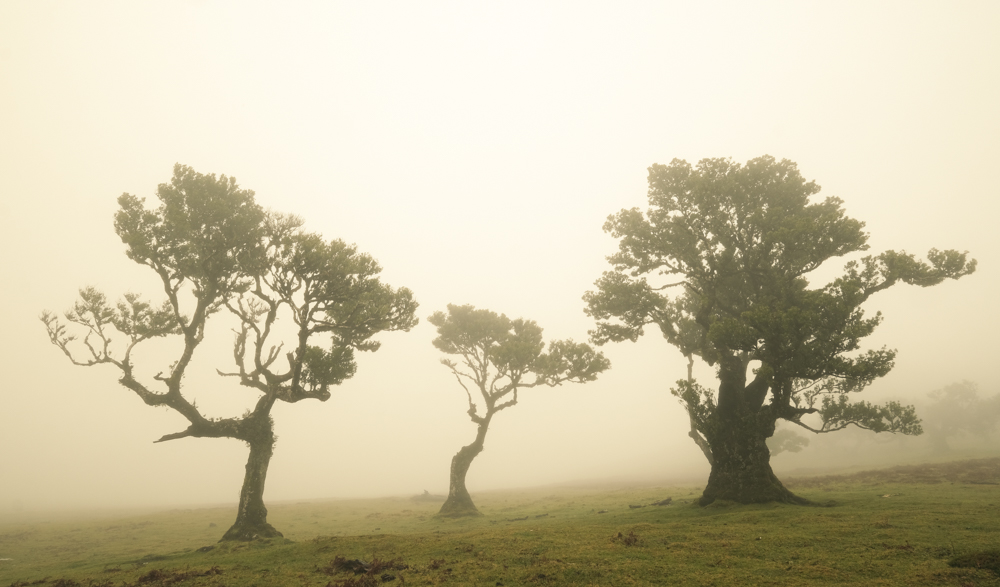
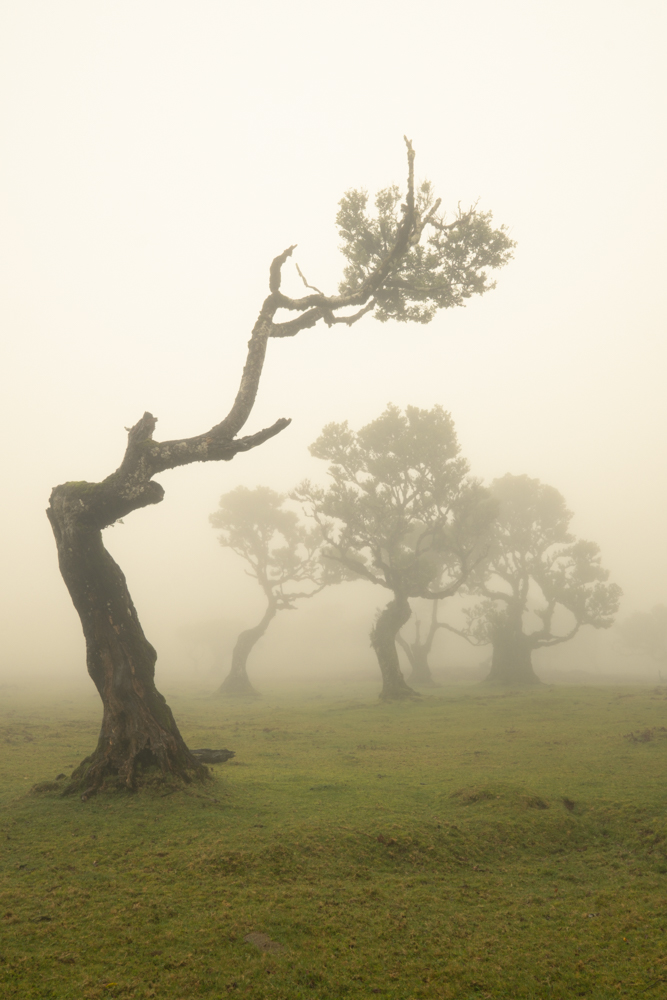
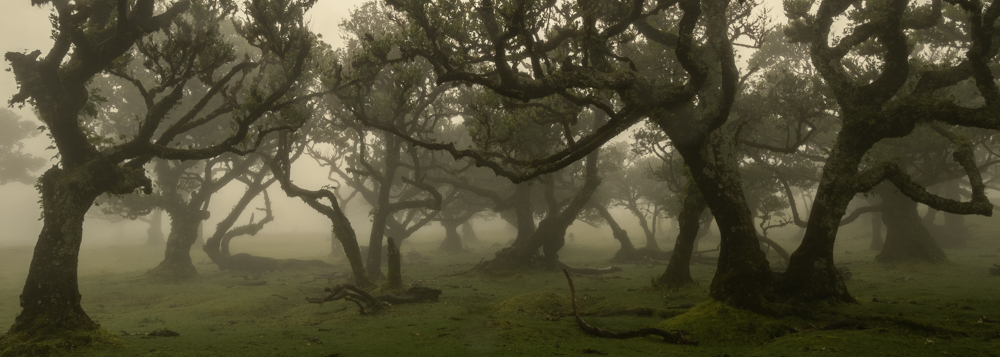
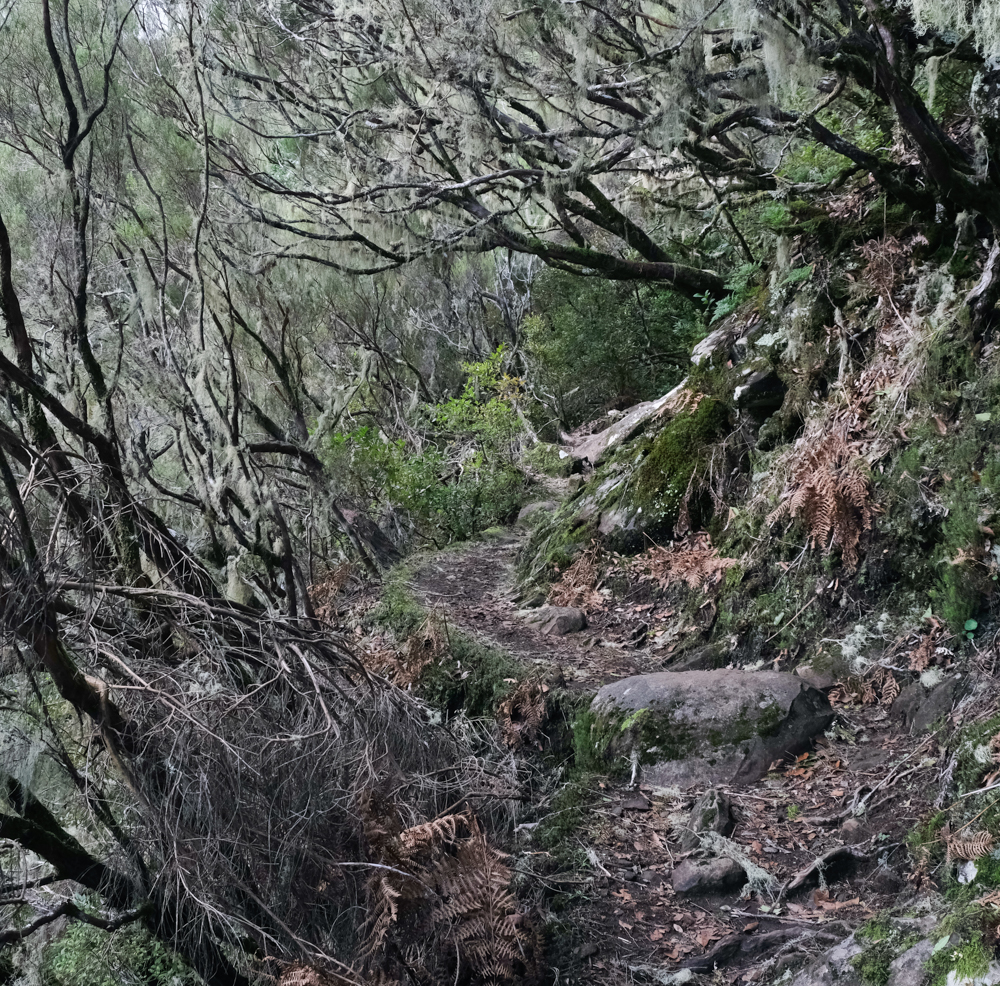
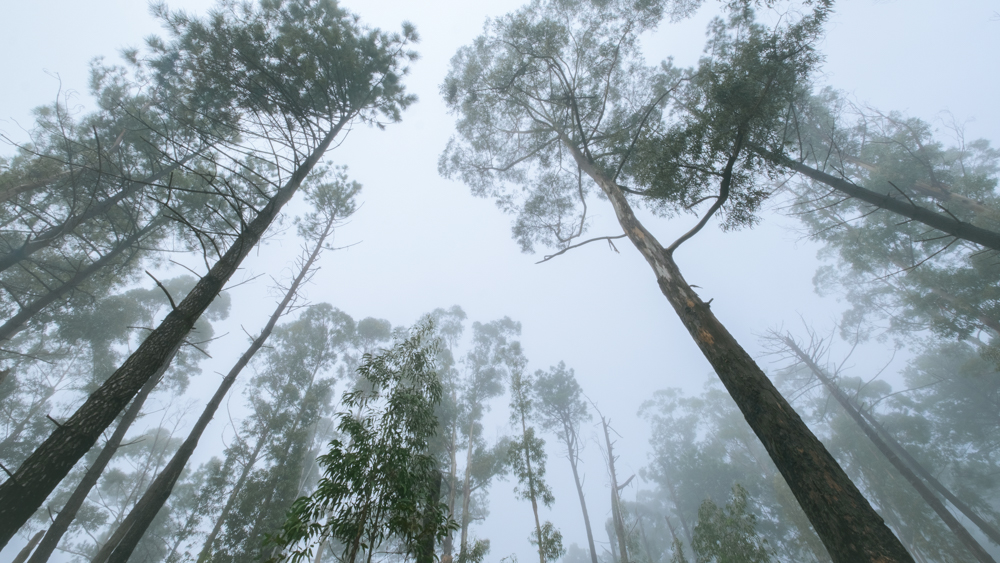
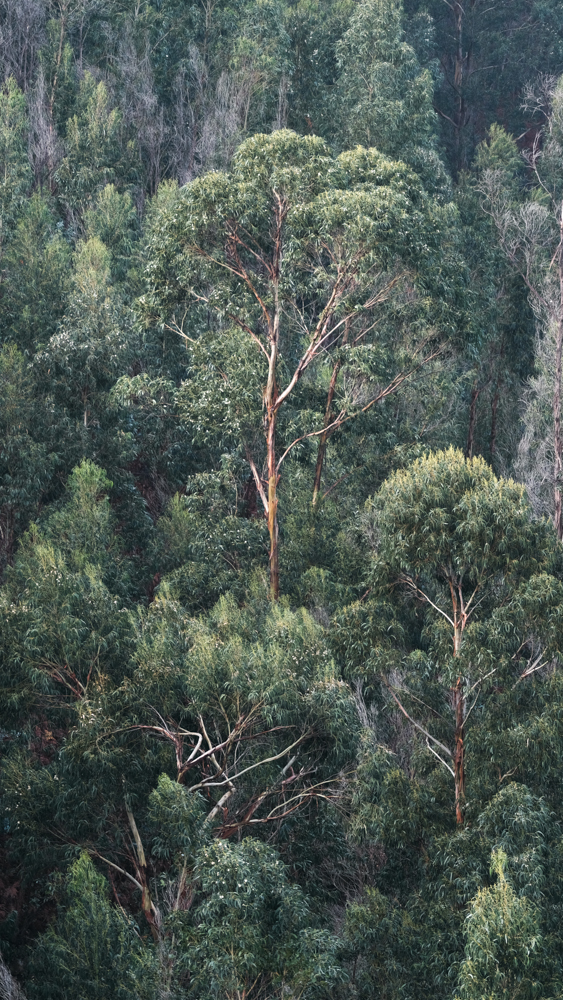
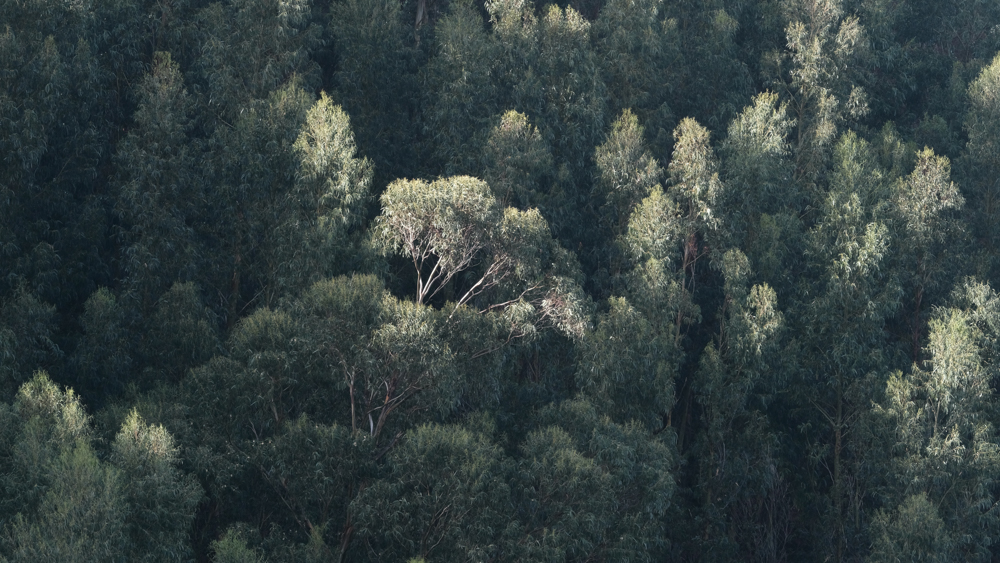
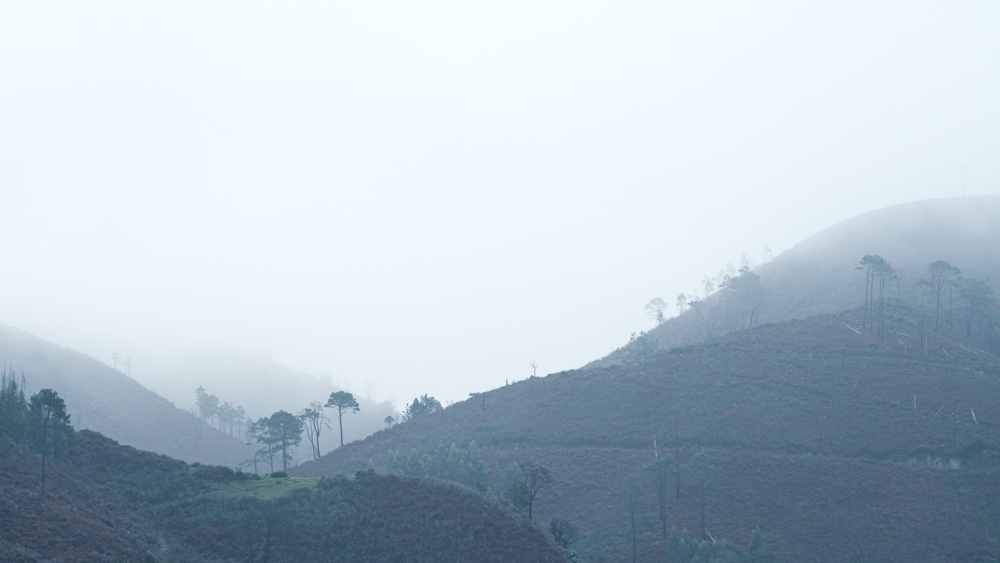
Heavy rain takes turns with strong gusts of wind. I protect the camera, quickly wipe the lens, take a single shot, repeat. From time to time the sun brightens the clouds directly above. And then again, everything is covered in thick fog and sight decreases to only a few metres. Tourists stop in the car park, wait for a few minutes, and leave again. I am lucky that my significant other patiently waits in the car while I battle the weather. There is little chance to check how the photos look – since my camera isn’t weather sealed, I am more concerned about protecting it. The trees around me dance in the wind, characters of long forgotten legends, rooted deep, and yet it seems as they are moving with every step I take: From the lonesome warrior, to the sheltered child, to the ancient sage.
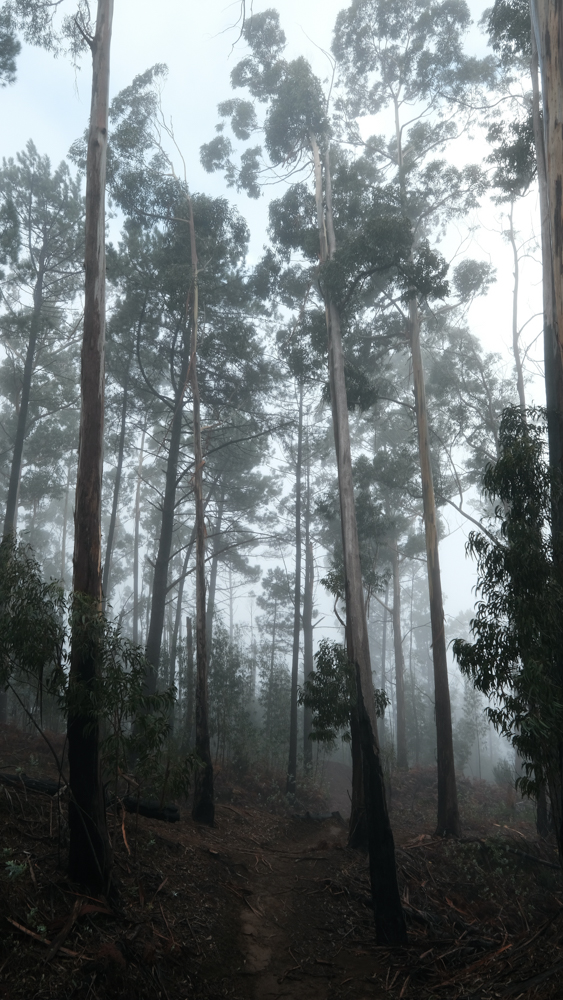
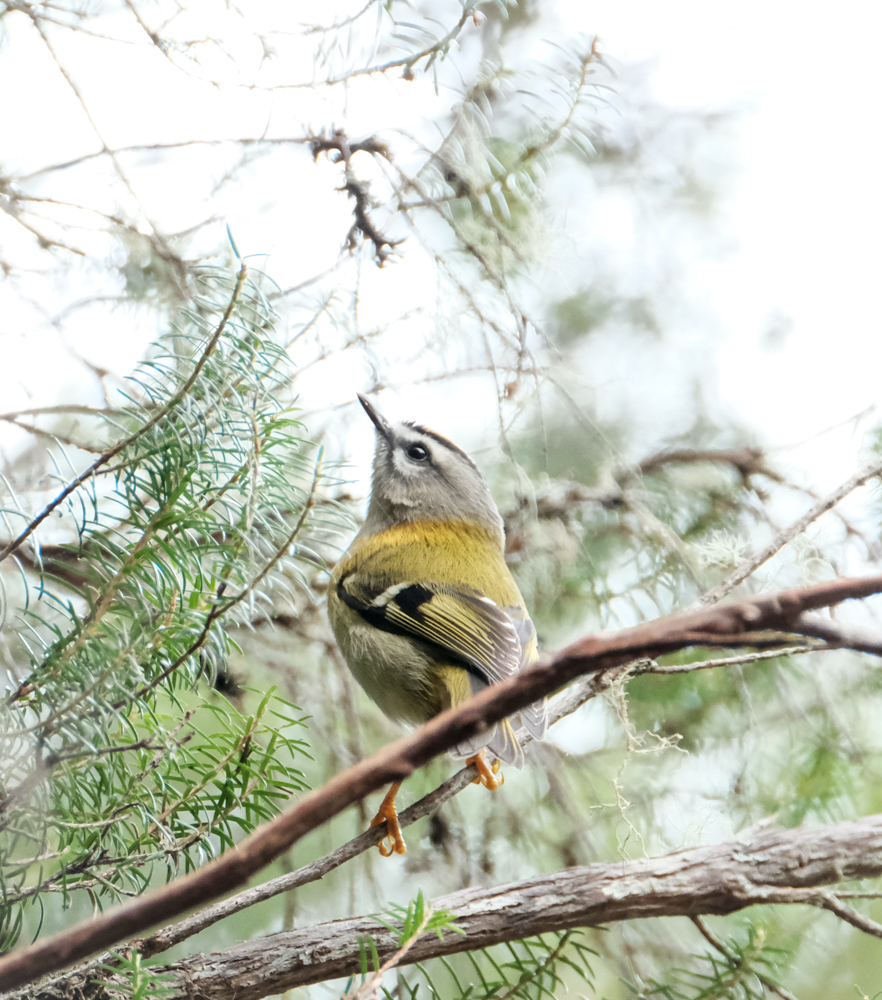
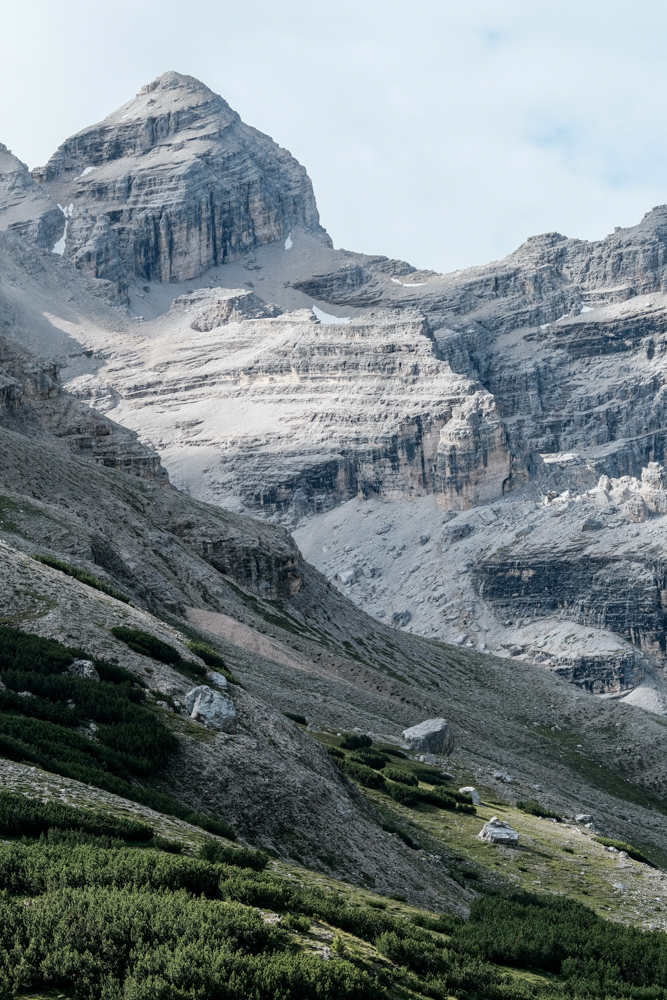
Above the small village of Ribeiro Frio, known for the breeding of trouts, a plateau promises a view towards Madeiras seconds highest peak: Pico Arieiro. The hike follows a narrow path along Levada do Furado. Mist rises from the valley deep below and the sun has brief appearances below the dense canopy of leaves. After following the Levada for a while an arduous ascent begins. We pass a hidden spring, wriggle through low-hanging branches, and cross small meadows with flocks of kinglets. In the end we reach the aspired plateau, but the reward remains absent: Instead of the expected peaks of the central mountain range, we can only see clouds of rain.
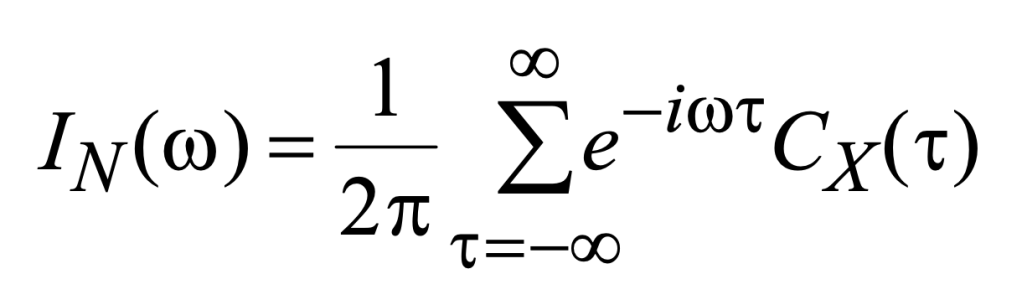
A periodogram estimates the frequency spectrum of a time series. It’s a decomposition of the signal into its single frequency components. An overview of the rate of recurring events and their power. Weekends bring joy. Ends of month bring money. Mornings bring mourning. Sometimes delight. Seasons introduce change. Adventures approach with holidays. Family reunions come every second year. Resolutions once a year.
Adventure time has just passed and the 1 year frequency approaches with all its power. There was a time long ago on an island far away where I understood what is going on in this formula. Right now, I have no idea. Maybe it’s time to start revisiting long forgotten knowledge. Maybe with some fixed frequency. Maybe, at least, with undetermined infrequency.
Being here, being caught, having fought the fleeting thought.
Being here, we fear but strive, shed a tear within this life.
And the universe presents: a random sequence of events.
Samples from a multitude; is the distribution skewed?
Here, take these cookies, be a member, we remember. All of it. Eat, sleep, work, repeat. We bleed, sweet data. Still we tweet – no chance to cheat. It’s temptation, an online nation. Only little hesitation. Enjoy these widgets, rising digits to the sky. A day flies by. A week flies by. A weekend dies with clear blue skies. I briefly wave – but it’s too late. Too late for greetings, many meetings. Too late for any getaway. This day, at least, from the ever hiding beast. Wishful thinking, blinking prey.
But thanks for remembering this birthday from a long-forgotten friend. Attend, or force the end? Phone shines, mails are answered by AI. We buy. Ever increasing entropy gets organized. Our lives exactly sized and priced: A crime. But, at least, we can access everything, everywhere. All the time. A dulcet chime, a finished rhyme: Technology, boon and bane, like a chain.
Where did all the years go? I know, deep below the surface. Good night, withering planet, so bright and ill. Just give me the blue pill. And let big data suggest the best set of pictures.
Boulder grades are confusing. In the french system, difficulties are marked with numbers and letters: Starting from 1, the easiest grade, increasing numbers represent increasing difficulties up until 9. From grade 6 on, however, every difficulty is again split into three parts. For example, the 6th grade is split into 6A, 6B, 6C, from easy to hard. For even better resolution, a plus sign is appended if the problem is in between grades, such as 7B+ (more difficult than 7B, but not difficult enough for a 7C). And then there are multiple other systems besides the french one which cannot be mapped exactly to one another. Currently, the two hardest boulders on this planet are rated as 9A, but only few people have ever even climbed 8C, let alone 8C+.
The first time I went outside, I barely could climb a 6A let alone higher grades. Coming from indoor bouldering, outdoor rock required skills I never learned before. I was in awe of a 7A boulder that I deemed nearly impossible. And I set it as my goal to climb this boulder, one day in the far future.
Back then, it took me more than 1.5 years, but I finally managed it. After many visits and countless hours. After visiting it in hot summer and during cold winter. I knew every intimate detail of the rock, every dent and bulge, every sharp corner. But on this one day, not anymore in the far future, I just did it – and I was happy.
At least for this short moment on top. Until the thoughts crept in: Is it enough? Is this really what I wished for? Have I reached my ultimate goal in bouldering? This insignificant piece of rock, hidden in the forest that I discovered one day, which captured my mind since? And I realized, it’s not.
I chose another block, just 5 minutes further down the trail: A 7B that I considered out of my possibilities during all the other visits. And the cycle repeated. I topped it a year later, followed by my next project: the 7C I never imagined. Which I also topped another year later, followed by the mysterious grade of 8A. Now, on and off, my goal since three years.
But by now, I am afraid of doing it.
Since three years it feels like this is the one and ultimate goal I have: A grade I never could have imagined. A grade, where it’s possible to count all its boulders in the whole north of Germany with two hands. What happens if I reach it? Will it be as with all the other goals? Happy for a short minute before the next goal comes into sight and the struggle begins all over?
When is enough enough?
When can I be satisfied?
This pattern is not limited to bouldering. I struggle to do something just for the sake of doing it. Instead, I continuously set higher and more difficult goals, compare myself to everybody else, compare myself to future me. On the one side, the goals help because they keep me engaged and push me to my limits. Even beyond my limits. But they also entail inevitable failure. They represent a never ending quest without an end. There will be some goal I set and never reach. The one photo I can never get, the efficient algorithm I’ll never find, the last boulder on my list. Maybe it’s the 8A, maybe an 8A+; either way, it’s guaranteed that I will never reach it: the last goal.
The following photos would also fit in a ‘lockdown’ series. But even without any current restrictions I was lacking time and motivation to go much outside lately, thus, here are some pictures only from within our flat.
Life is noisy. Life is messy. A multitude of signals are integrated by helpless minds, every single second. A constant flow of data, reverberating in 1s and 0s, creating and reflecting our thoughts. Sampled from a skewed universe. Our minds adapt and infer non-existing structure. We adapt; we adjust. We tune all variables life has to offer: too many. The big picture gets obscured, the decision functions too specific. Abstraction is our minds biggest achievement, and humanities major difficulty. While algorithms need more data to overcome the overfitting, I guess we need less.
Nothing really new from my side. Important elections coming up in Germany, but everything is as always: Internet and social media create echo chambers where every camp can confirm the superiority of their own arguments. Algorithms distort and decide. Alternative facts dominate and destroy. Little genuine discourse taking place. Four years ago we were horrified about the results beyond the ocean, this time we might elect a clown ourselves.
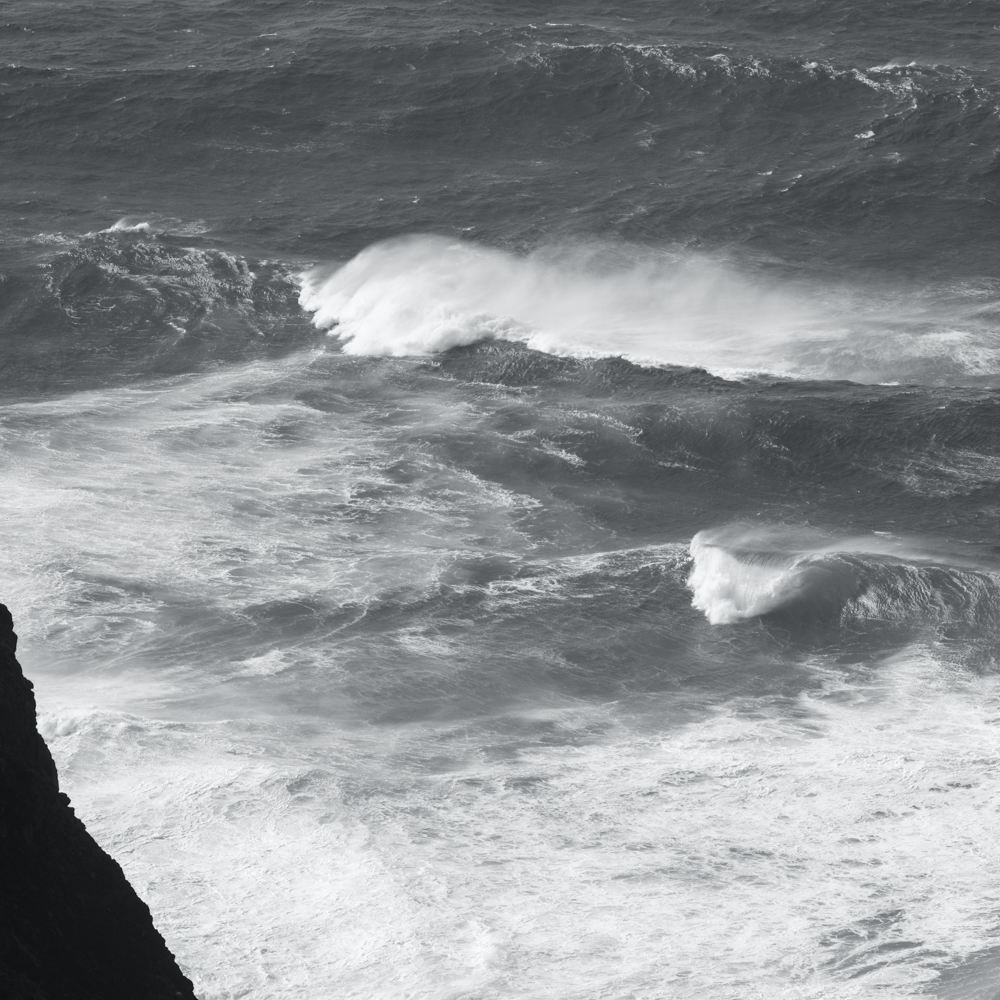
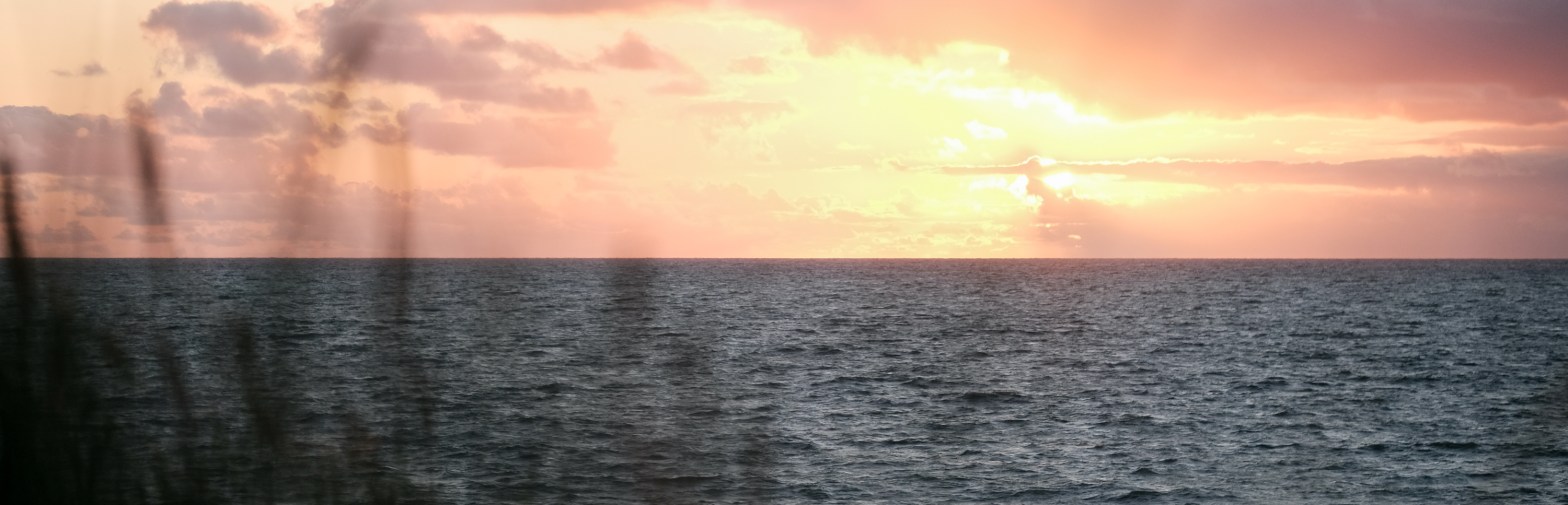
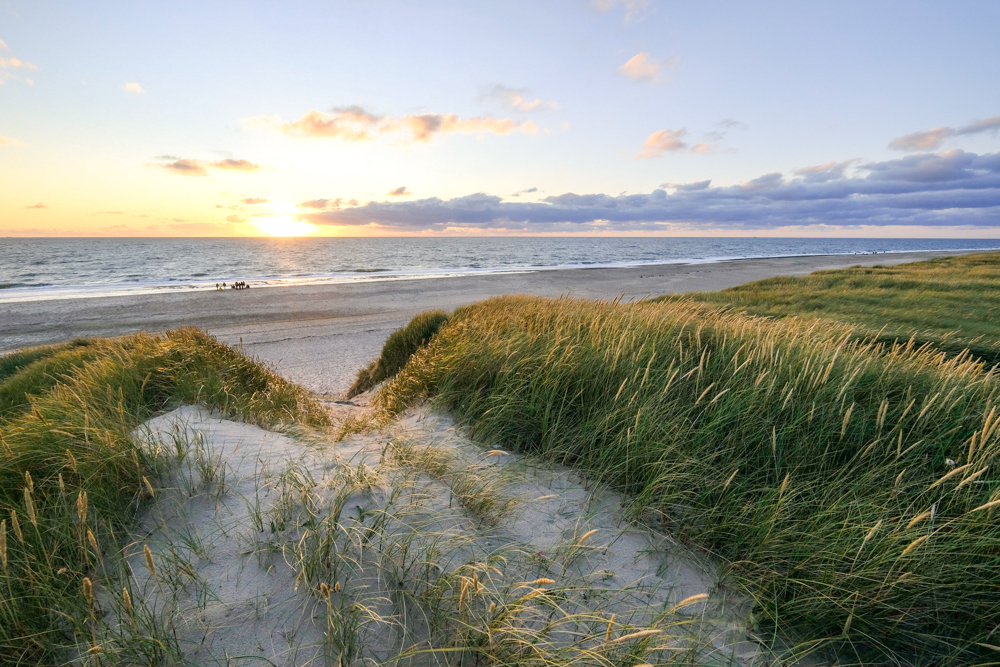
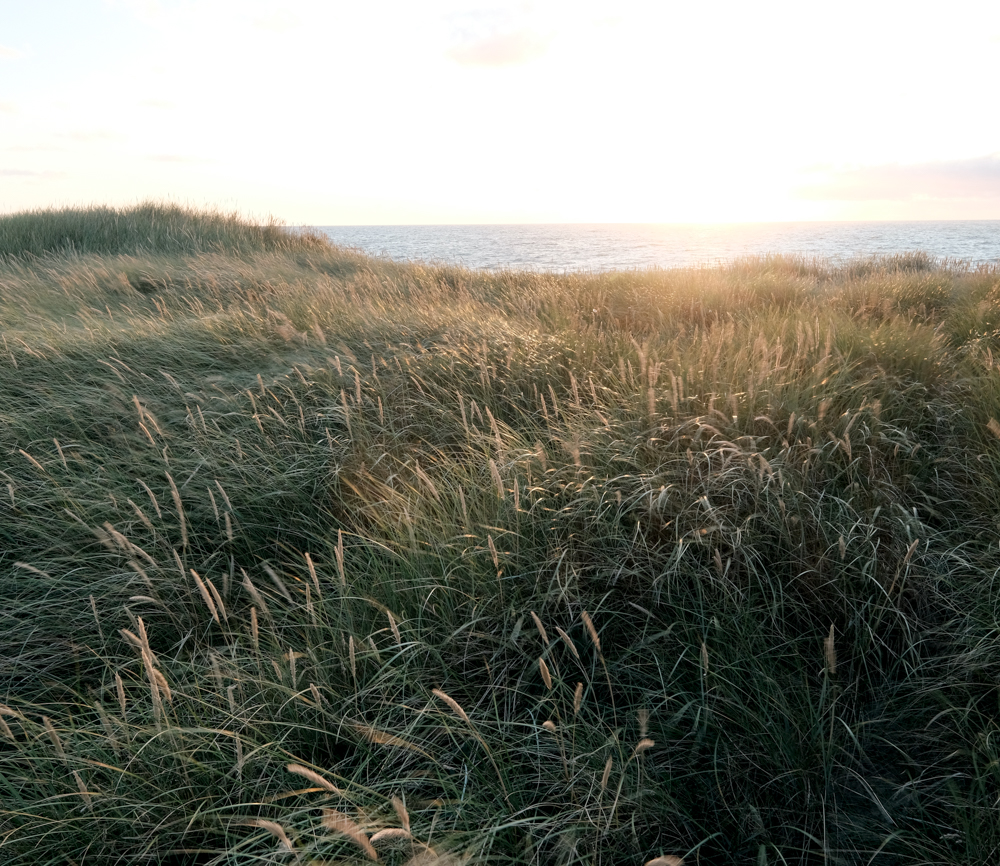
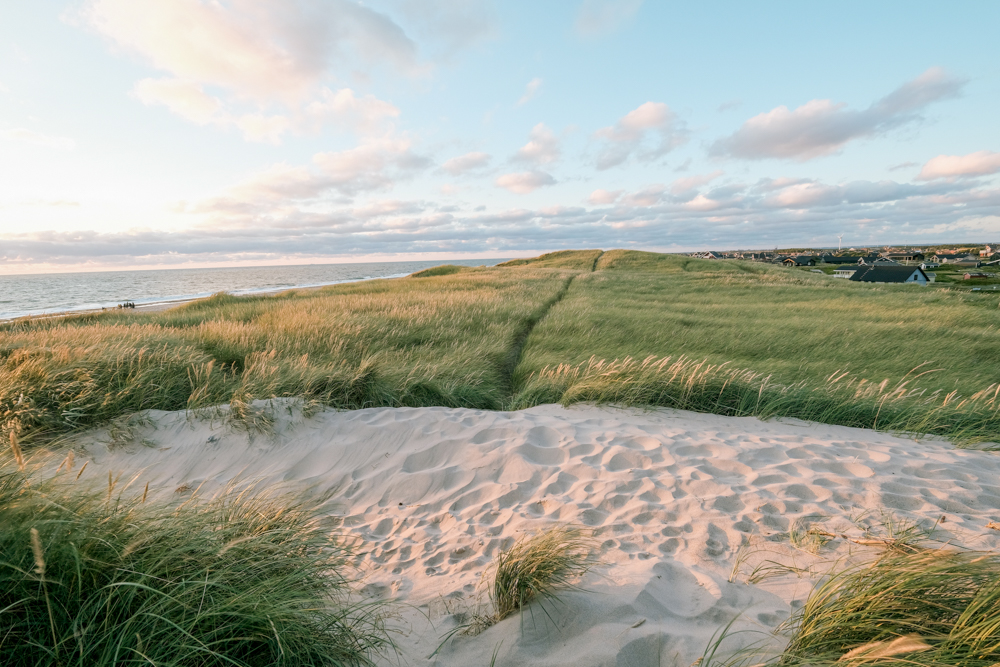
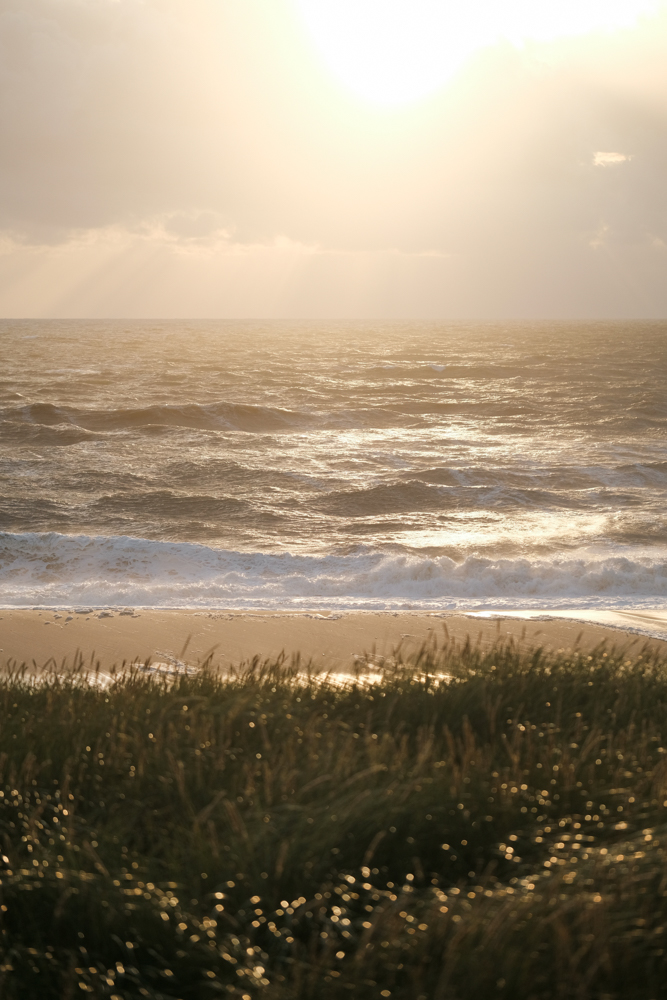
I have pictures for at least five upcoming posts in the queue. But they want to be sighted, sorted, selected, and set up first. The following selection is from our first evening at a seven day vacation at the coast – scenic sunsets, rough seas, wonderful memories. A lot more to come from the other six days.
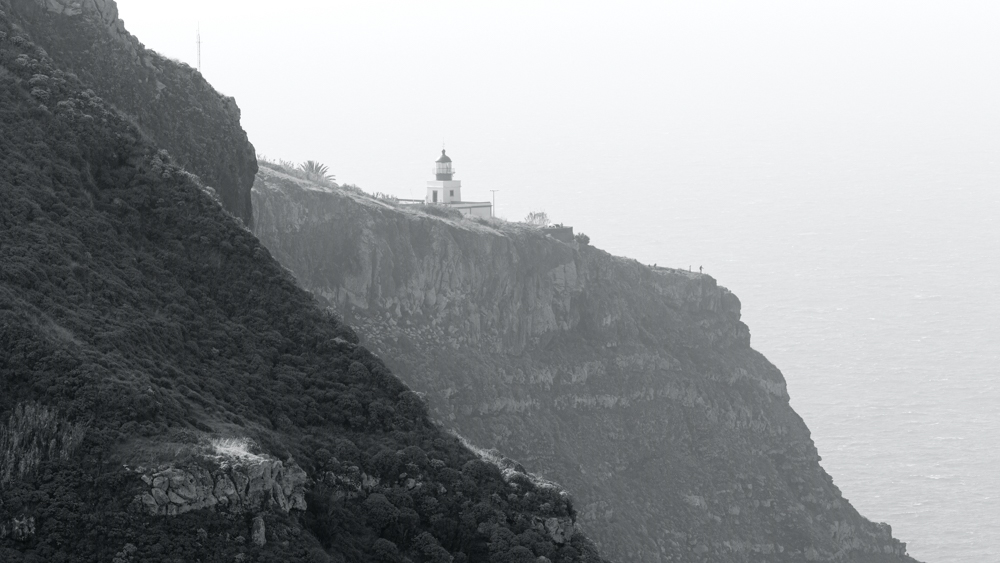
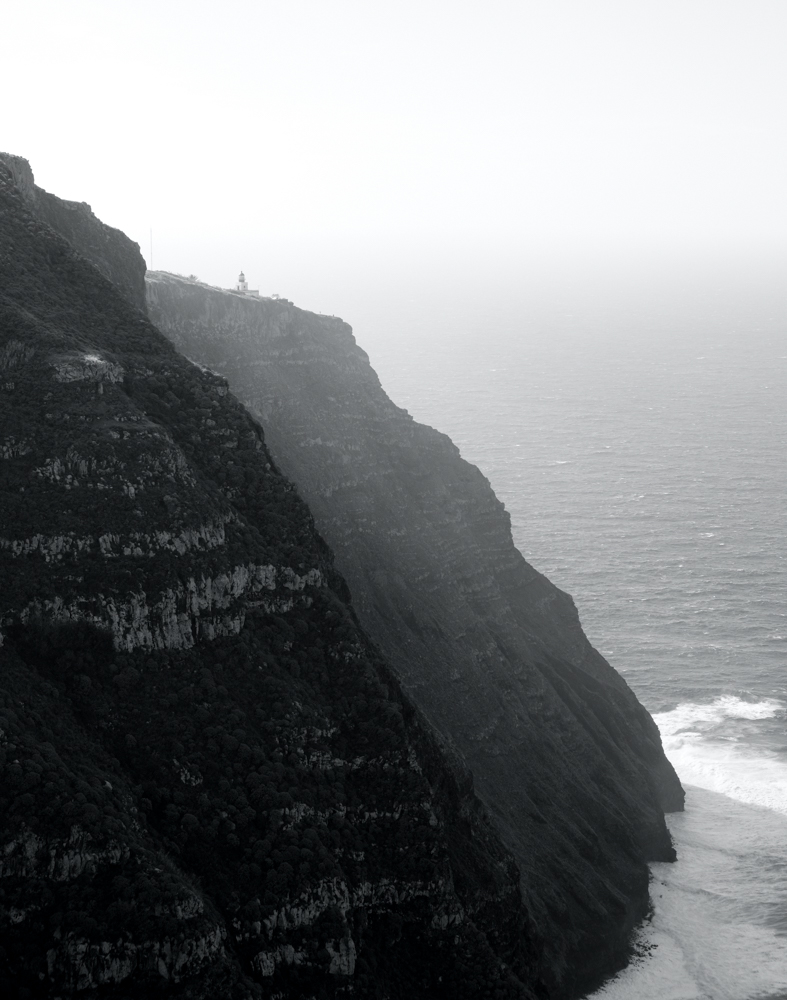
It settles slowly and weighs heavy. It dampens everything. It’s real, the disappointment. A single lantern in the dark – wiped out. Darkness all around. No more glimmer of hope, no light at the end of the tunnel. A lone tree on a hill – chopped down. Roots ripped out, green leaves decay. The remaining air in the lungs squeezed out; it’s impossible to breathe below the surface, impossible to reach the surface. An unsuccessful escape into the familiar. A short diversion by bright screens. Only to get pulled back into reality; another passed day, missed opportunities to progress. Surrendered without a fight. The cube is solved except the last corner, rotated by external force. The next move unknown, all pieces captured. A drawn out opening that does not deliver. A middle game never reached. The king tipped over, onto the rigid board. Only time is left, to reignite the lantern, to plant a new seedling. To pick up all pieces and organize them, for the next fight ahead.















































 Punkt im Dunkeln