When catching the train you expect it to be on time. Like, exactly on schedule, precise to the minute. For yourself to be on time, you probably want to arrive five minutes early at the platform though. When meeting friends there is more leeway: You might be a little early or a little late, it will count as on time, no worries. For some friends don’t be too late though. When photographing the sunrise, as early as possible is on time. There is always a lot to explore and setting up compositions requires care. When approaching a job interview, being on time is being late. You need to be there five to ten minutes earlier than the appointment. But don’t be too early either. Being on time is difficult. So, when is ‘on time’ for a four year project? An hour before deadline? A week? A month?
Merging vacation and photography can be a little bit of a hassle. Should we enjoy the evening or hurry up the hill to catch the sunset? Get up before sunrise or finally sleep in as long as we want to? Enjoy the moment or reduce it to digital pixels? Pack another lens or another bottle of water?
‘Forgotten Ones’
Unfortunately, the photographer’s fear of missing out doesn’t stop when vacation is over. Every weekend, body and mind fight over the right time to get out of bed. And the rare days where we can sleep in happen to be ones where the long-desired fog appears. And thus, again, we get up earlier than we do during the week.
Group of trees in the vast karst landscape.
But the early mornings outside are also wonderful. A silence and calmness that we rarely experience elsewhere or at different times.
Rapids of the river Kolpa.
Luckily, the early autumn time is a blessing for this dilemma: not only does the landscape transform beautifully and all colors pop, but also the sun rises late and getting up at 7 a.m. is still sufficient to catch the twilight. But sometimes, I guess, I have to learn from my better half how to honor the lazy mornings without self-imposed obligations.
What does it take to get large blisters? Not very much, besides mesmerizing mountains, some determination, and lots of naivety.
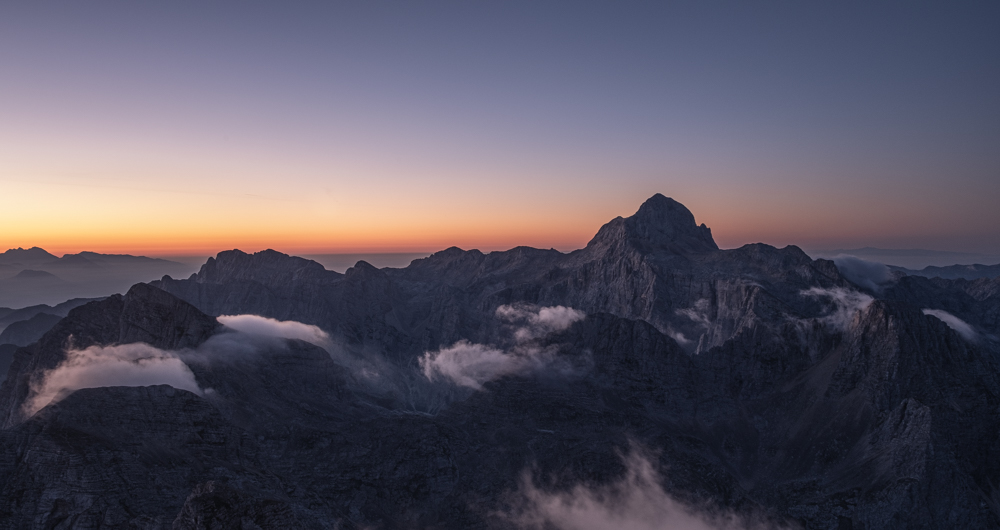
South-east view from Razor towards Triglav.
It’s 0:30 a.m. when I faintly recognize my alarm clock. It takes a moment until I realize what’s going on. I get up, briefly change into the uncomfortably cold clothes, put on my hiking boots, shoulder my 10kg bag, and step in the vast valley below the starlit sky. It’s chilly at this time of day and I put on gloves and a scarf, although I know this will change only a few hours from now. Where am I headed? Toward a nearby mountain, which is yet so distant.
5.48 a.m. – waiting for the sun to rise.
At the heart of the Julian alps there is Razor, a distinct peak barely reaching the 2600 meter threshold. Several routes are possible; I am taking the shortest and steepest one, from Soča Valley 1400m uphill towards Pogačnikov dom, and then another 600m altitude to reach the summit.
Why do I start so early? Because I want to be in time for the rising sun. Because I want to re-experience what I witnessed last year (twice): feeling on top of the world, as the world itself still seems asleep.
South-west view from Razor into the Soča valley.
The beginning goes smoothly; as always, nature is mysterious and the eerie sounds and schemes of the forest drive away the last tiredness. I look into the dark and pairs of glowing eyes look back, attached to invisible bodies. Although I am confident in my stamina, the long winding ascent becomes more and more strenuous. I swiftly reach the hut after 3 hours but I feel that my legs are getting heavy. In hindsight, being so fast on the first part was maybe one of my mistakes to begin with. After the hut, the path first winds along grassy slopes before leading through large screes as it gets steeper and steeper. Some sections are secured with fixed ropes to clip into. After reaching Ganja pass, a last steep ascent awaits. Then, I have defeated the 2000m vertical elevation; in roughly five hours, and an hour before sunrise.
The mighty mountain itself: Triglav in the heart of the Triglav national park.
Due to the height difference, this route is often considered to be a two day trip with a sleepover in the hut, potentially also linking other summits. And while the ascent on its own feels fine for now, the way back down will teach me otherwise.
Now, at 5:30 a.m. the morning light just settles in; the hills in the distance are plunged in a deep and profound glow with a color palette ranging from pitch black to lavender to saffron yellow. Colors I have never seen anywhere else besides when being on a mountain top at this time of day. An astounding show the sun and atmosphere prepare every day, and that far too few people ever witness. The elegance of nature has the power to amend the human heart.
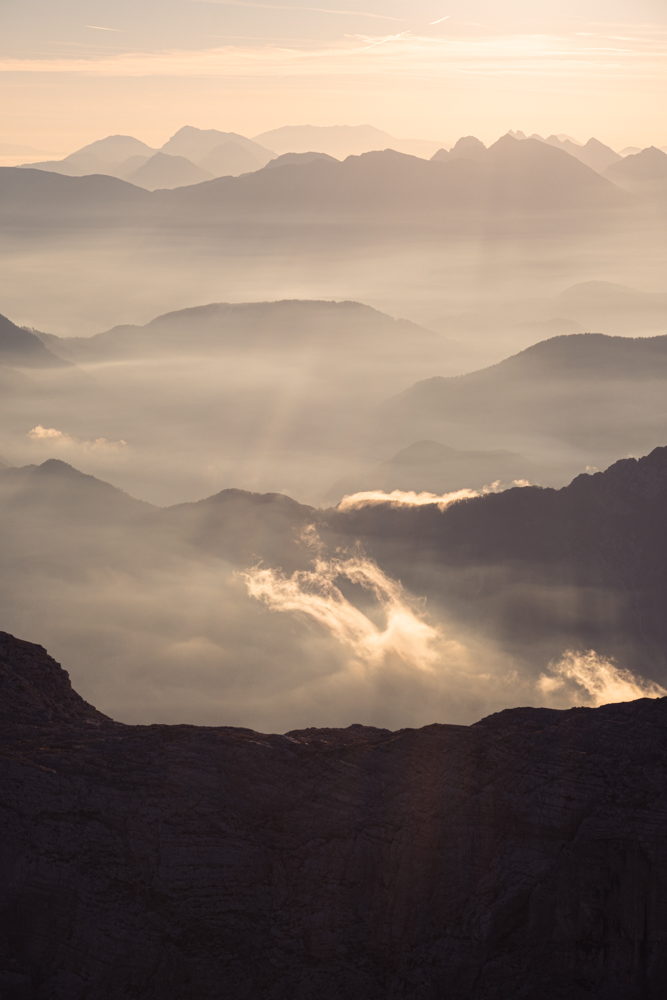
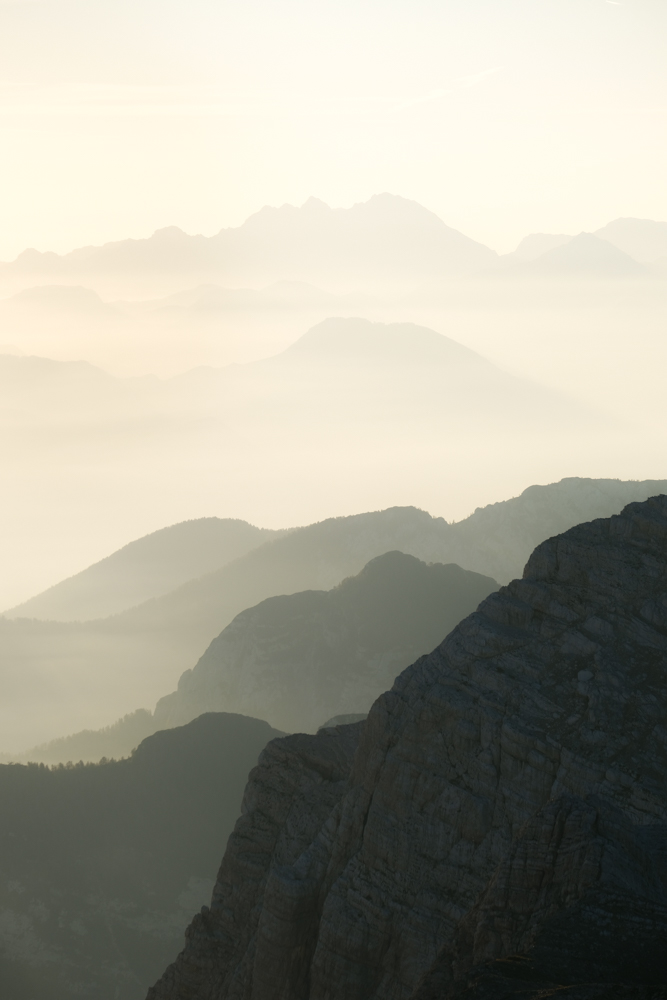
Distant views towards Austria, shortly before sunrise.Hazy valleys deep below.
I relish the brief moments, well aware how quickly they pass by; the sun appears and transforms the landscape. It rises in the distance and brings the long awaited warmth. It also brings a new palette of colors, contrasting the ones from the hour before: pastels all around.
And already, I head back again. Normally, I am rather quick going downhill, but this time is different. The path feels like it never ends and the daylight reveals what I could only suspect a few hours before: it’s steep, it’s long, and there are endless hairpin bends. My legs hurt, and a particularly unpleasant blister gets worse and worse.
Getting back down takes me longer than getting to the top, but it was worth every second.
I’ve warned you: There will be different stuff on this blog. For example, this post right here; a review about one of my absolutely favorite lenses for the Fujifilm X system.
All pictures are shown in reduced resolution (3000 px on the long side). There is (much) more detail in the full-sized versions.
Fujifilm X-T30, Fujinon XF 80 mm Macro, ISO 250, f 2.8, 1/640 s
Intro
There are quite some reviews about the XF 80 mm Macro out there. So, why am I writing another one?
I regularly check out reviews on lenses I think about buying or that I am interested in. And, universally, they lack the most essential content: Good pictures. Pictures I can relate to, pictures I am hoping to shoot, or pictures I can marvel at. Mostly, because most reviews seem to be written after only a few hours of use.
This review is about the pictures. About the capabilities this lens provides and how it might help you to fulfill your artistic dreams. From two years of intensive use. And hopefully, for some rare visitors, this selection of pictures fills the void in between the soulless reviews for this wonderful lens and awakens the urge to go out and create yourself.
Fujifilm X-T30, Fujinon XF 80 mm Macro, ISO 80, f 2.8, 1/320 s
As all my photography gear, I’ve bought this lens from an online second-hand platform. If you’re not already doing it, I can only recommend to buy used gear. It’s not only cheaper, but also saves resources of our precious planet. All detailed stats for this lens can be easily found online. So far, I’ve used the lens exclusively on the X-T30 body.
Fujifilm X-T30, Fujinon XF 80 mm Macro, ISO 500, f 6.4, 1/500 s, stitched from multiple exposures
Handling
The lens is a delight to use. As for most Fuji lenses, it has an aperture control ring that allows the smooth control from f2.8 up to f16. When turned to the very end, it switches to automatic aperture mode. Furthermore, it has two switches: The first one controls whether the optical image stabilization (OIS) is turned on or off. The second one controls the ‘focus range’ – this determines where the lens attempts to find a focal point (either close, far, or anywhere). The lens comes with a lens hood which always stays attached to my lens during use: In my experience, it not only protects the glass from scratches and rain drops, but it also helps to quickly assess how close you may move to your subject while maintaining focus.
The lens is of very high build quality, feels sturdy, and is weather sealed. While these qualities add to its weight, they are also beneficial when you go out in harsh weather (and you should because rain drops are wonderful in Macro photos). I’ve used this lens without any problems whatsoever in minus 23 degrees Celcius, in heavy rain, in scorching heat, at the salty sea, and at sandy beaches. It has never failed on me and still looks like new.
Rarely, I’ve also attached the 1.4x TC, however, it doesn’t bring much benefits as far as I’m concerned.
Fujifilm X-T30, Fujinon XF 80 mm Macro, ISO 320, f 6.4, 1/180 s
Macro: Insects and Flowers
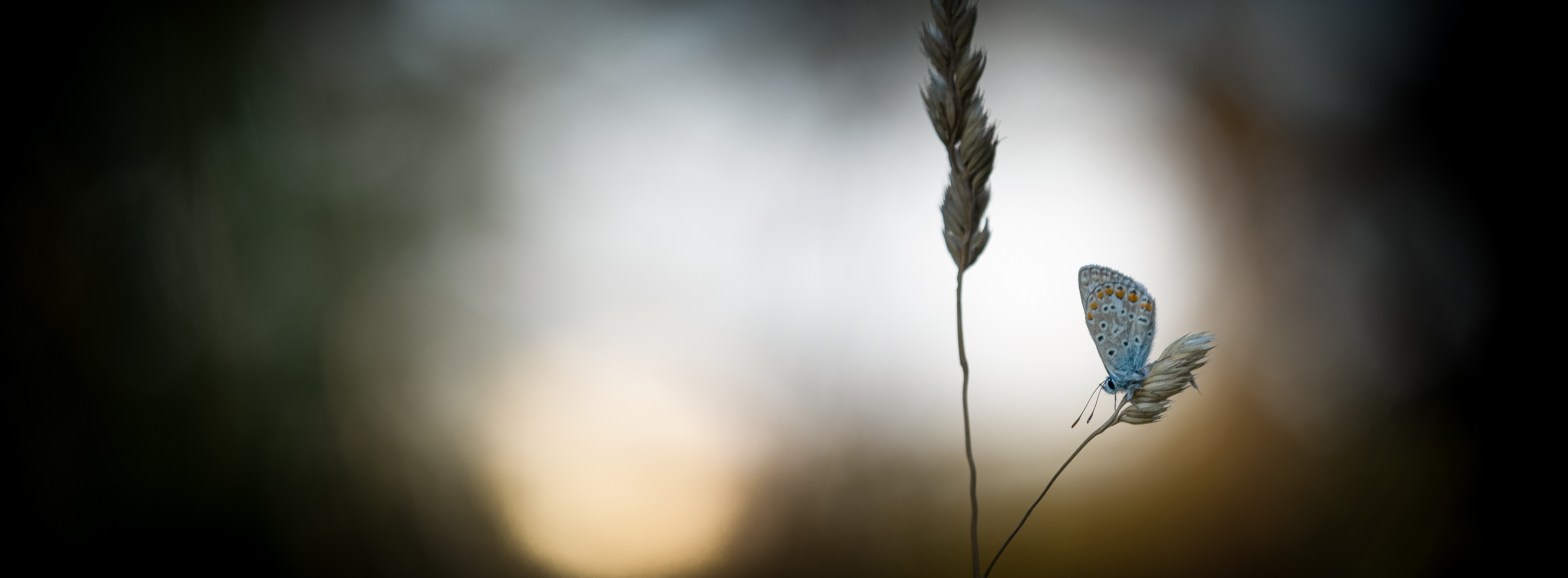
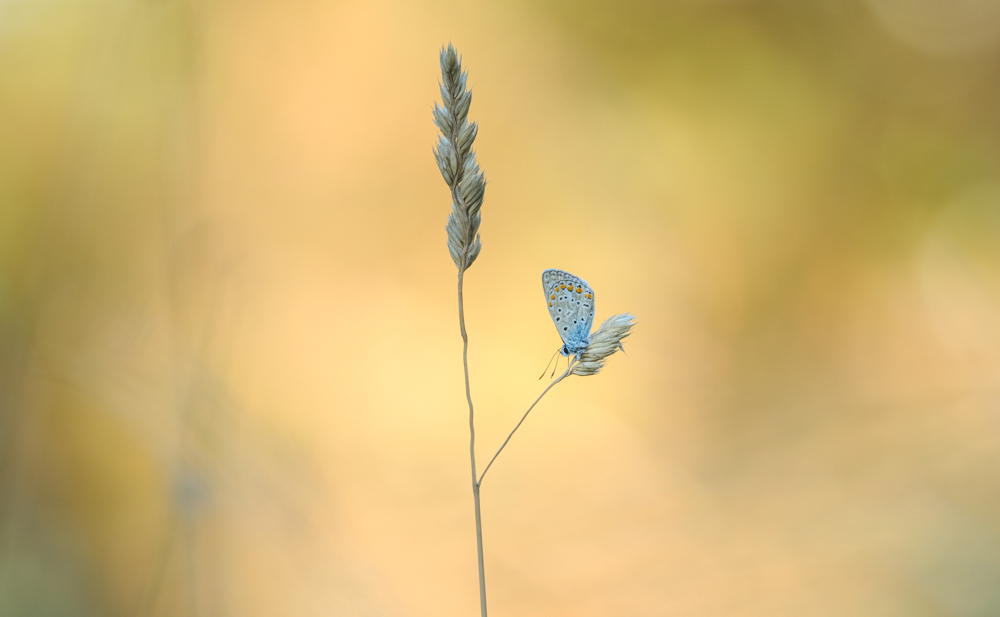
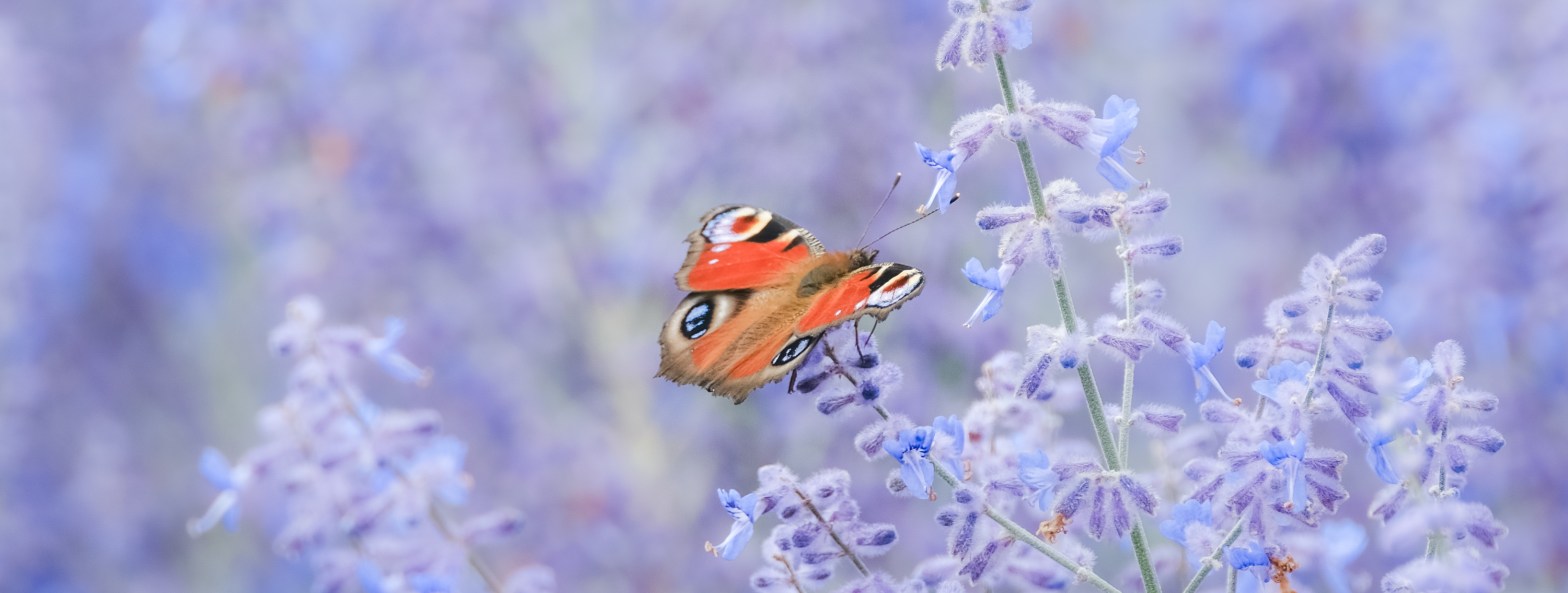
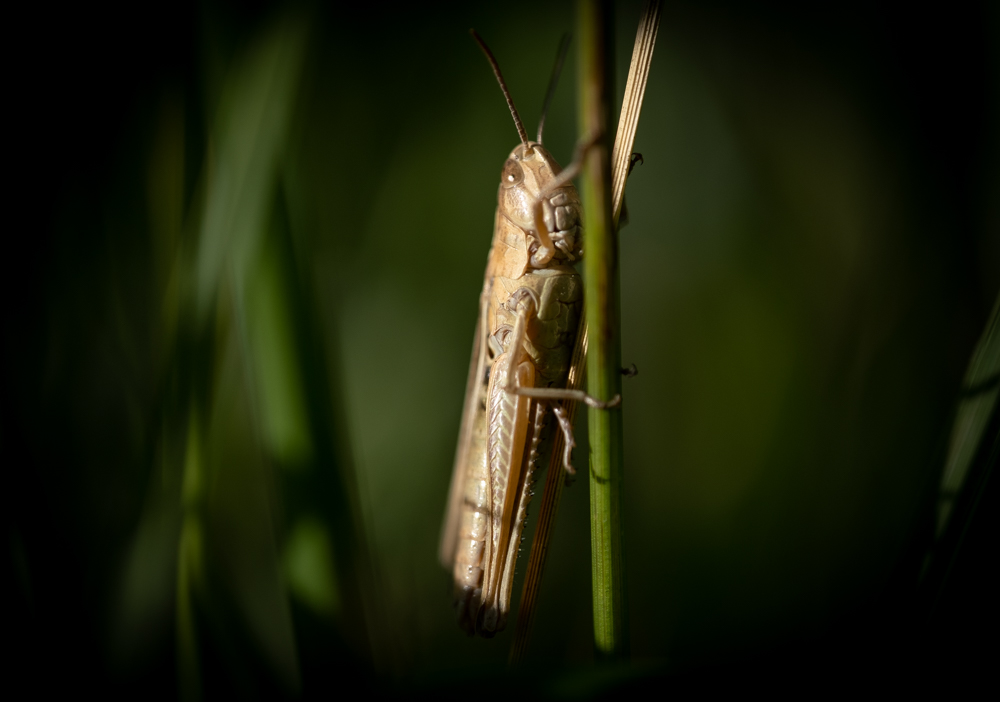
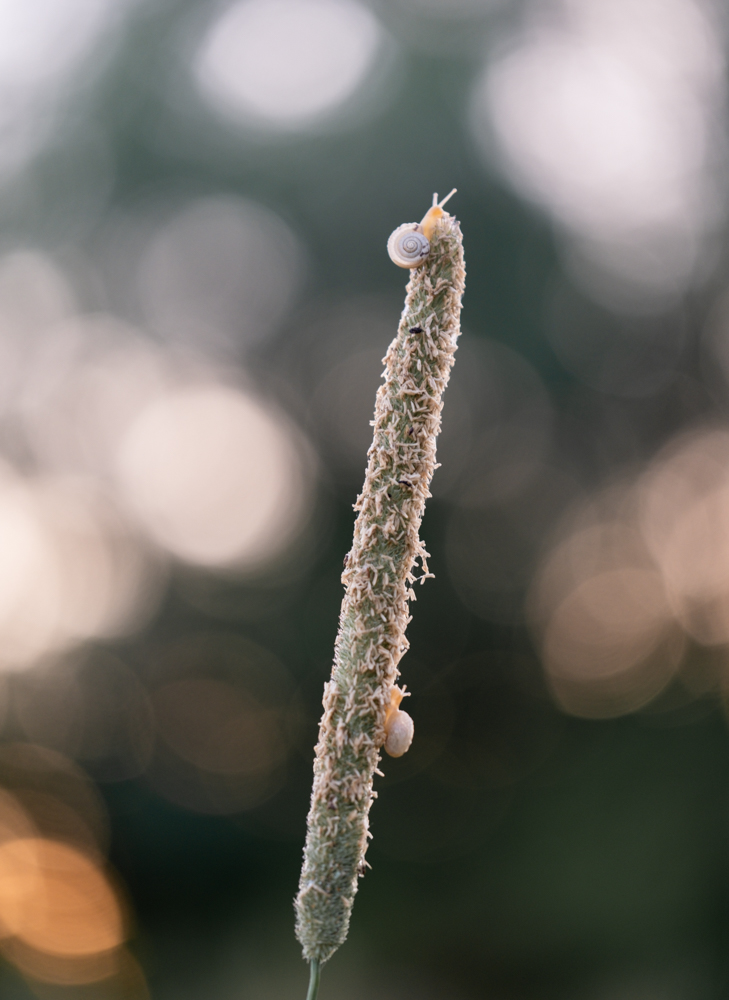
When shooting Macro I predominantly use the camera hand-held with low aperture values and OIS turned on. For a very limited number of times I’ve required focus stacking; for this, I turn off the OIS and use a tripod. However, in most instances, my Macro subjects are moving (either by themselves or in the wind), which makes it difficult to use a tripod and/or stacking anyway. Also I find that shooting hand-held is way more fun and enables you to quickly react to changes in light or the environment. On rare occasions I also removed the lens hood; for example when photographing butterflies close up as they are easily scared from the approaching lens or its shadow.
In the beginning, I often had the urge to move as close to the subjects as possible (it’s a Macro lens after all, isn’ it?). However, you should be aware that the depth of field gets very shallow when being close to your subject. For example, getting the eyes of a dragonfly into focus when being at the minimal focus range requires an aperture of at least f8. Getting a whole insect into focus (without stacking) is only possible when moving further away from your subject. I also found that moving further away often improves the possibilities for creative and appealing compositions significantly.
Fujifilm X-T30, Fujinon XF 80 mm Macro, ISO 500, f 2.8, 1/1000 s
Shooting people, animals, nature, abstracts, and creative imagery
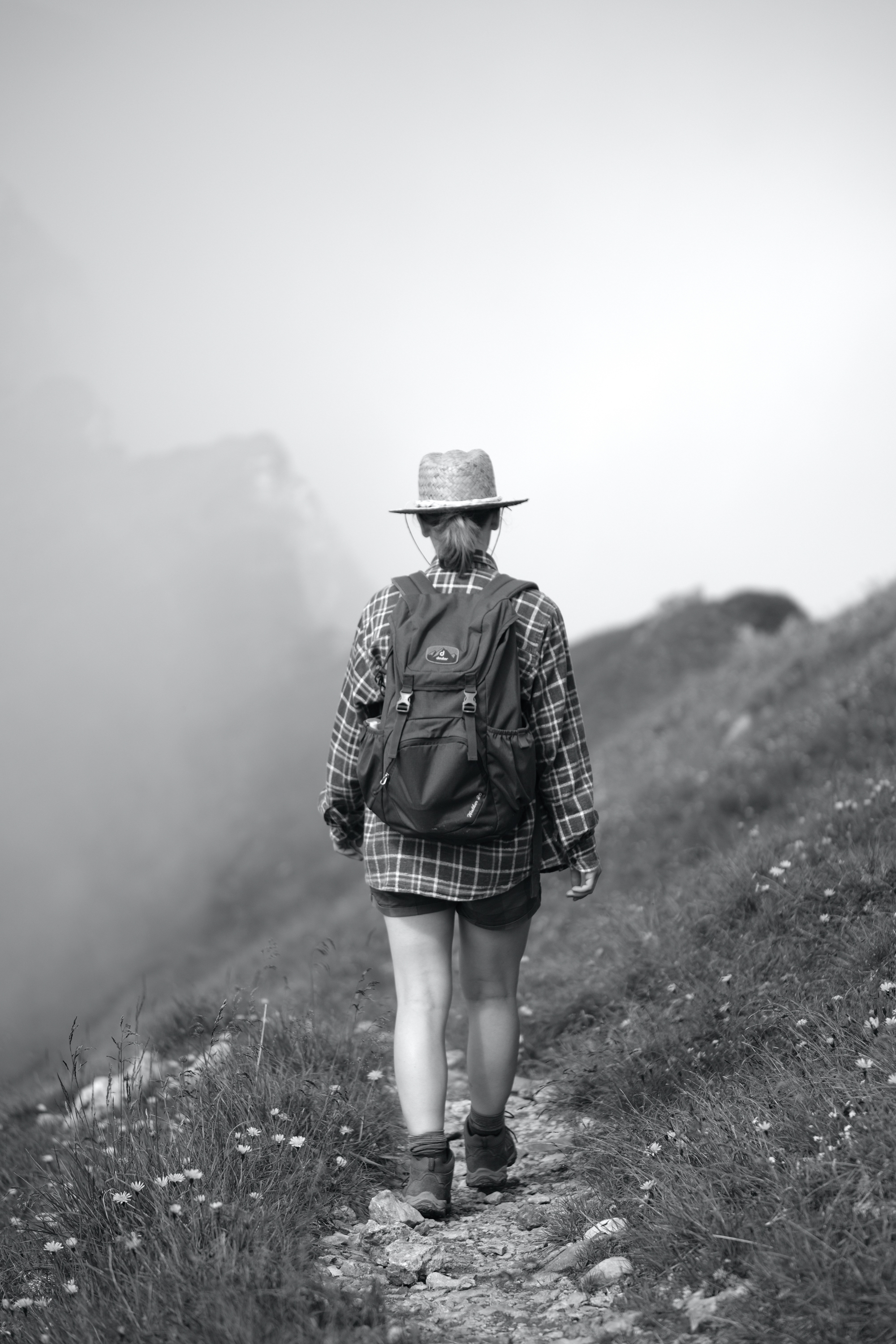
The lens is also excellent at shooting portraits. However, I will not share any because I’ve mainly photographed my family. While I also own the 56 mm f1.2, I still sometimes prefer the 80 mm for people when shooting outside during hikes as the 80 mm gives a lot of flexibility. Somewhere I’ve read that the lens is too sharp for portraits. While it’s definitively the sharpest Fuji lens I own, it still works wonders for portraits; at least for my taste.
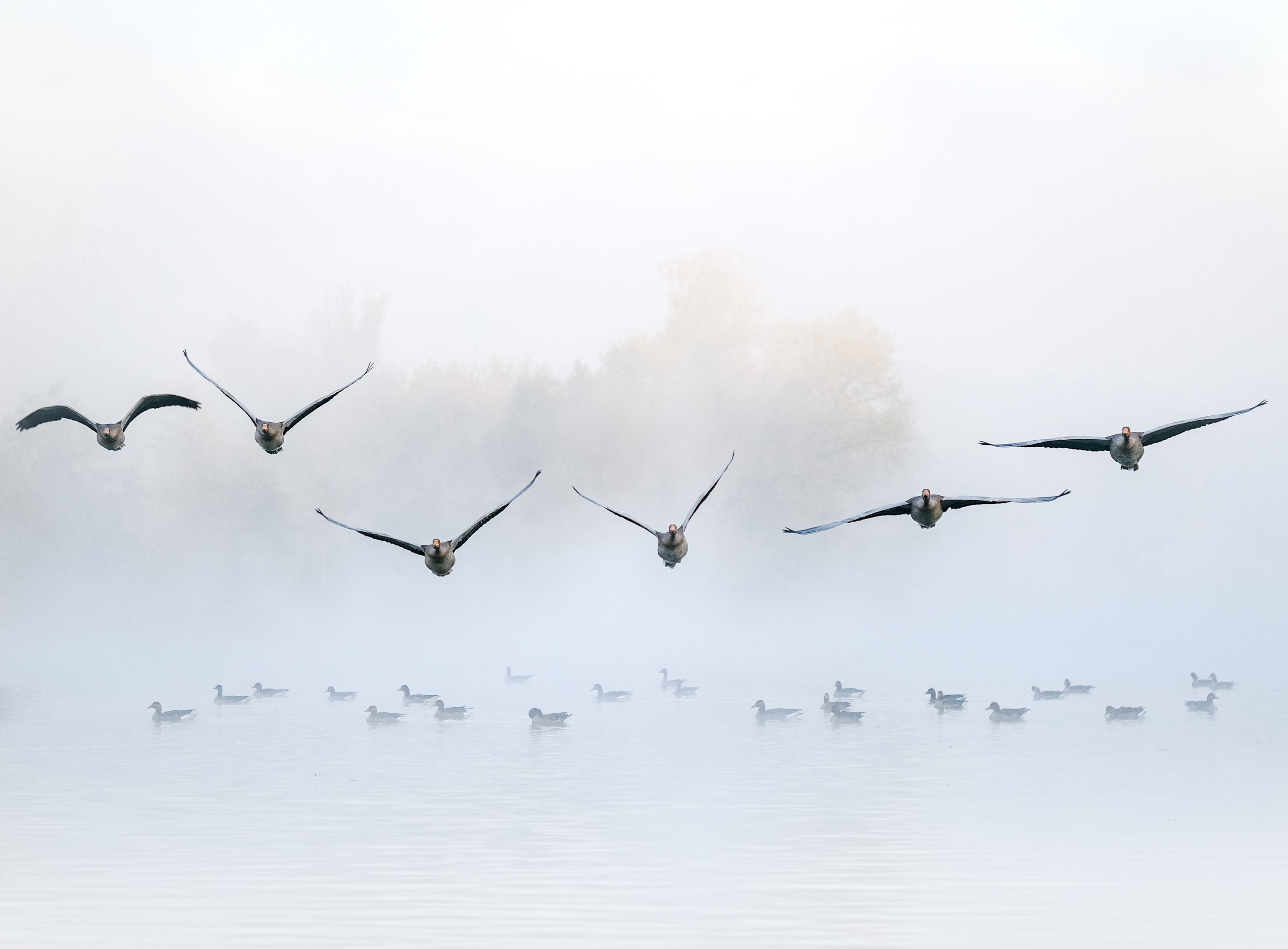
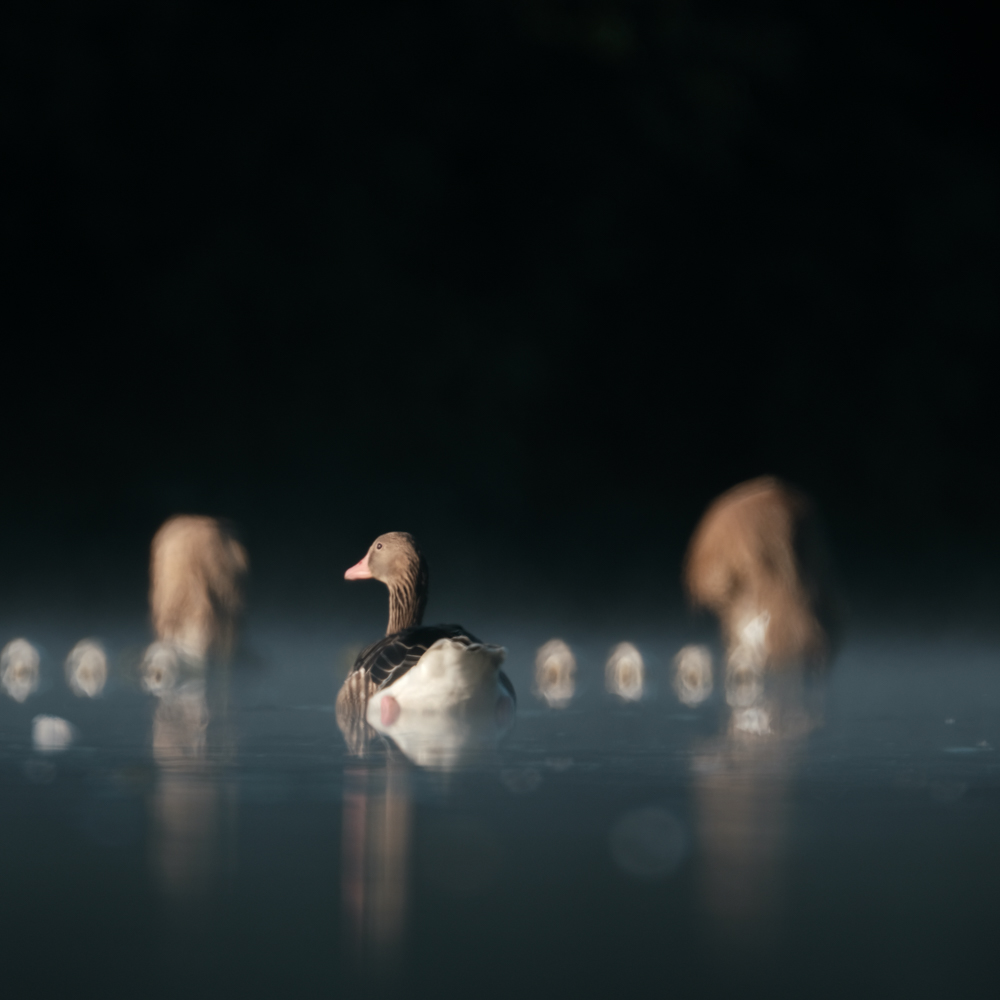
I’ve also shot birds, cows, deer, and some other wildlife with this lens. While I would normally go for the 100-400 mm in these cases, the sharpness of the Macro lens also allows for marvelous pictures of animals within the landscape. In the case of the goose I was lucky enough to get close without disturbing them; additionally, the sharpness of the lens allows a generous crop.
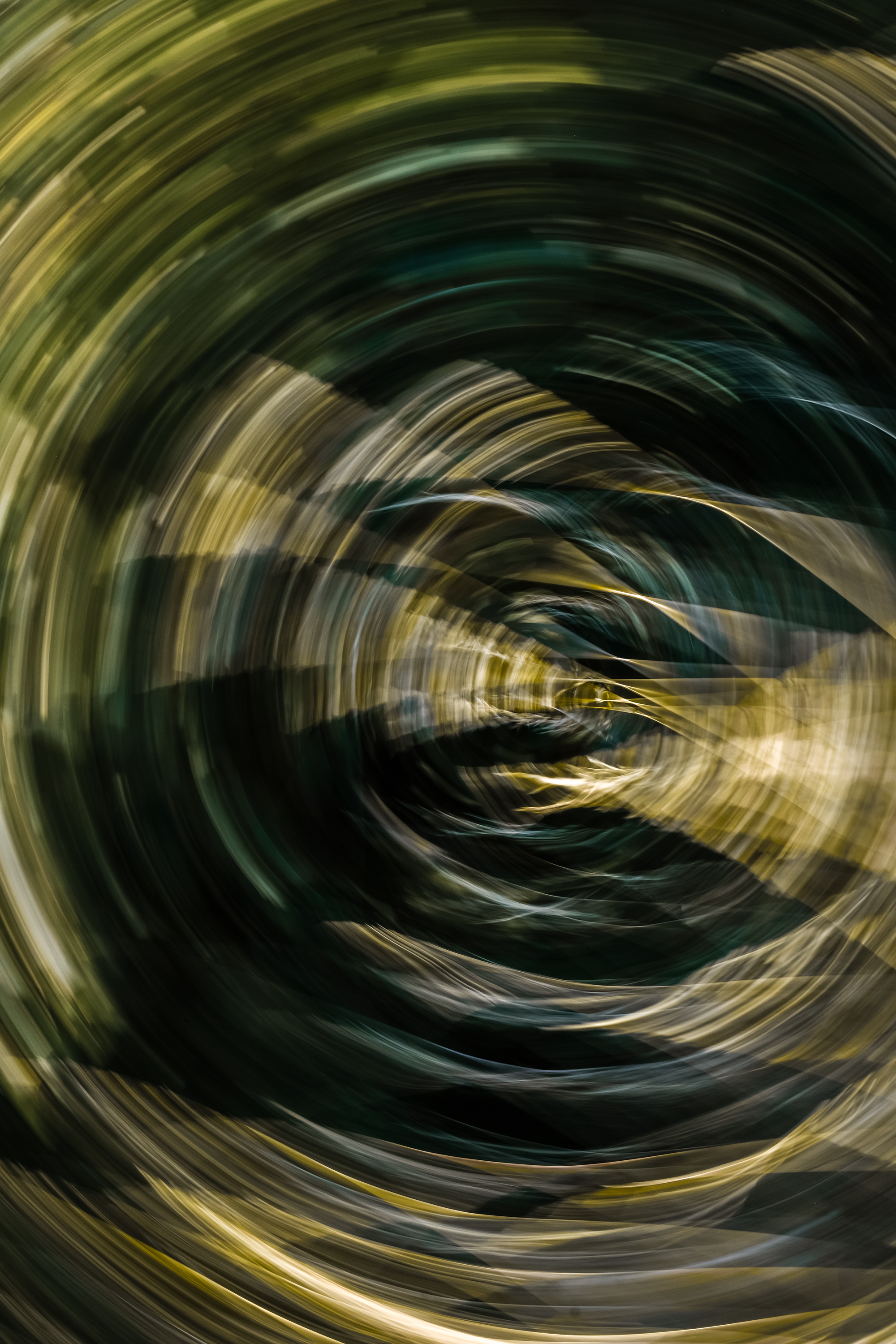
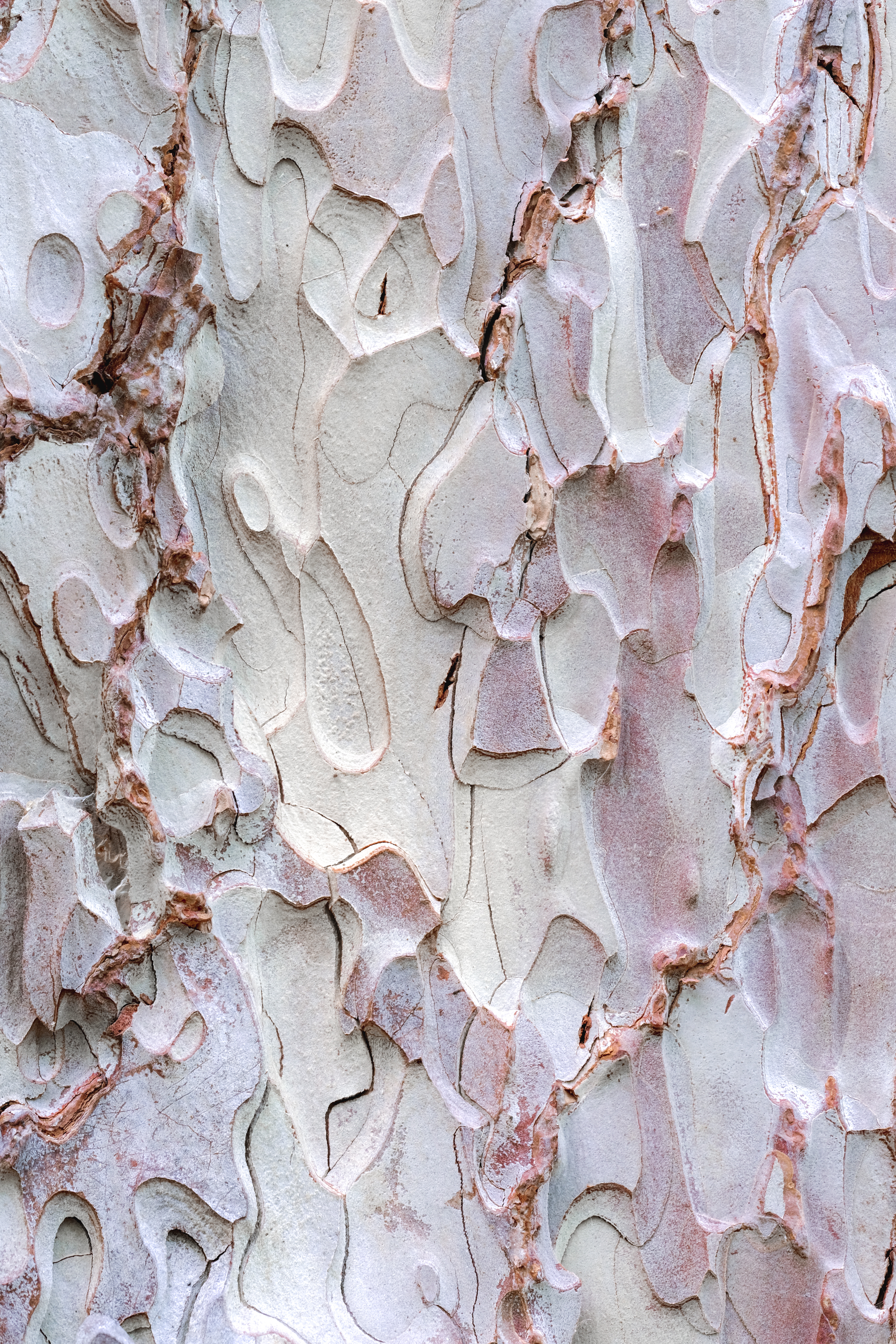
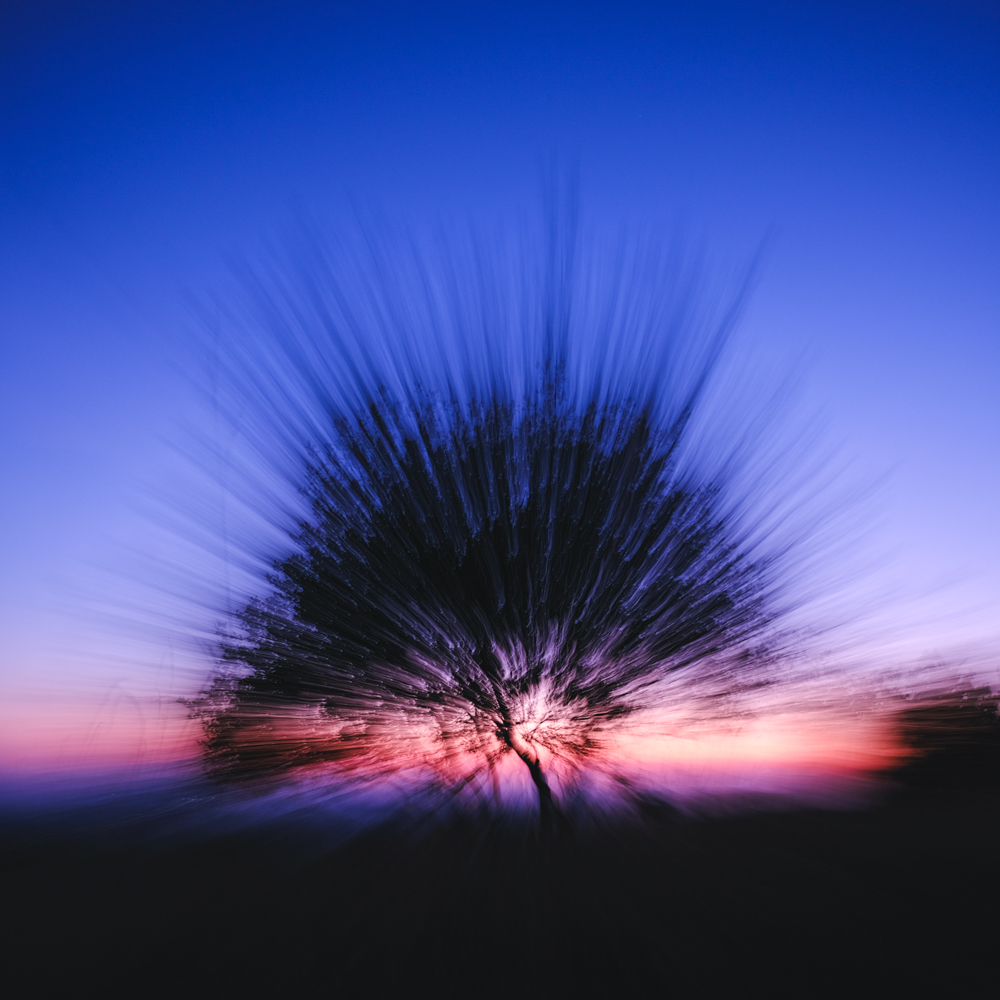
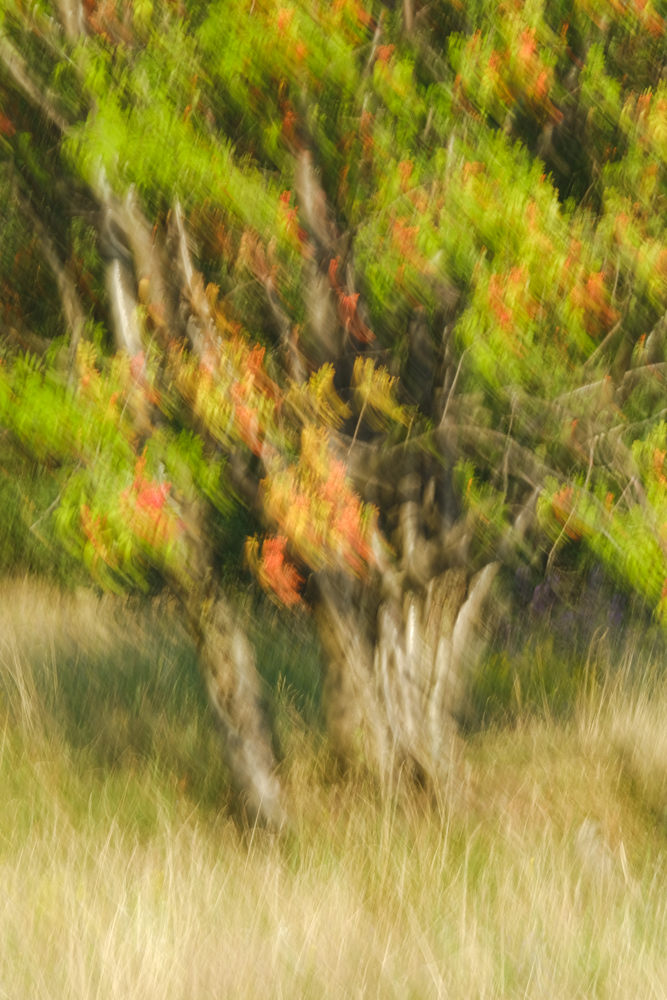
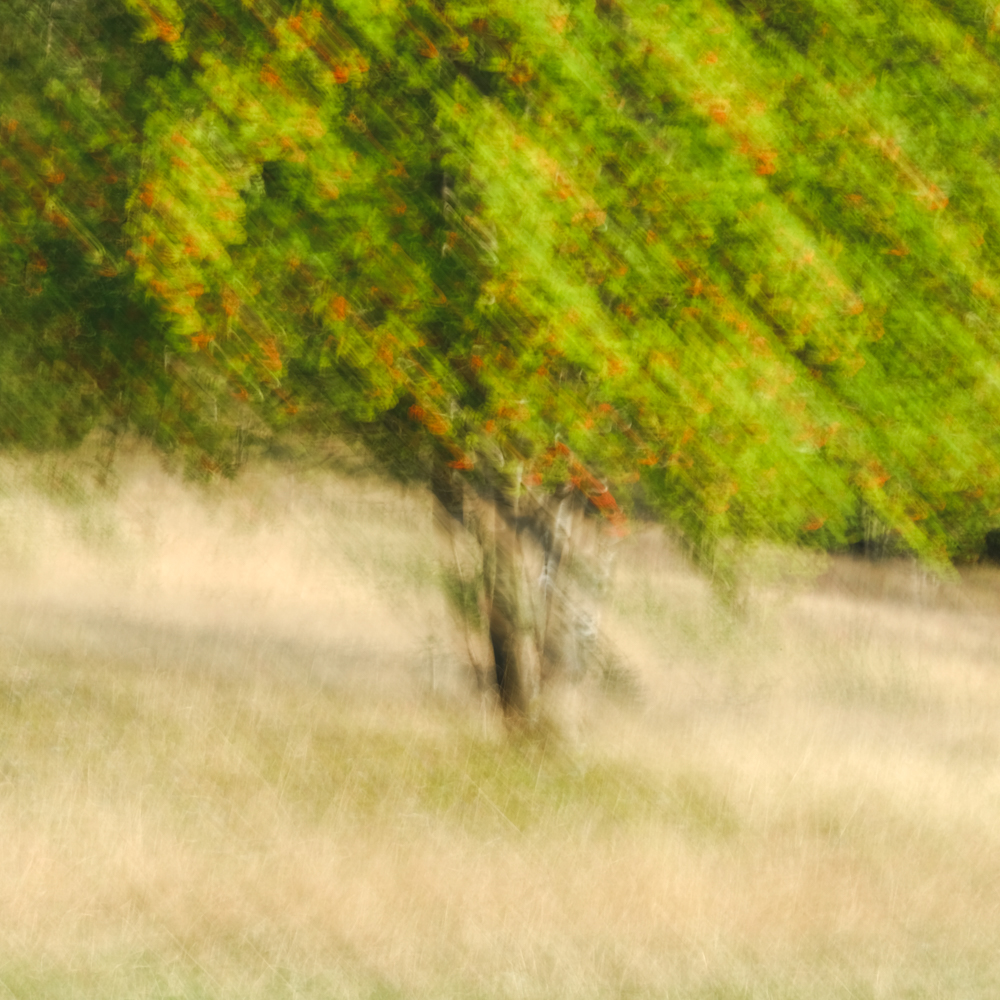
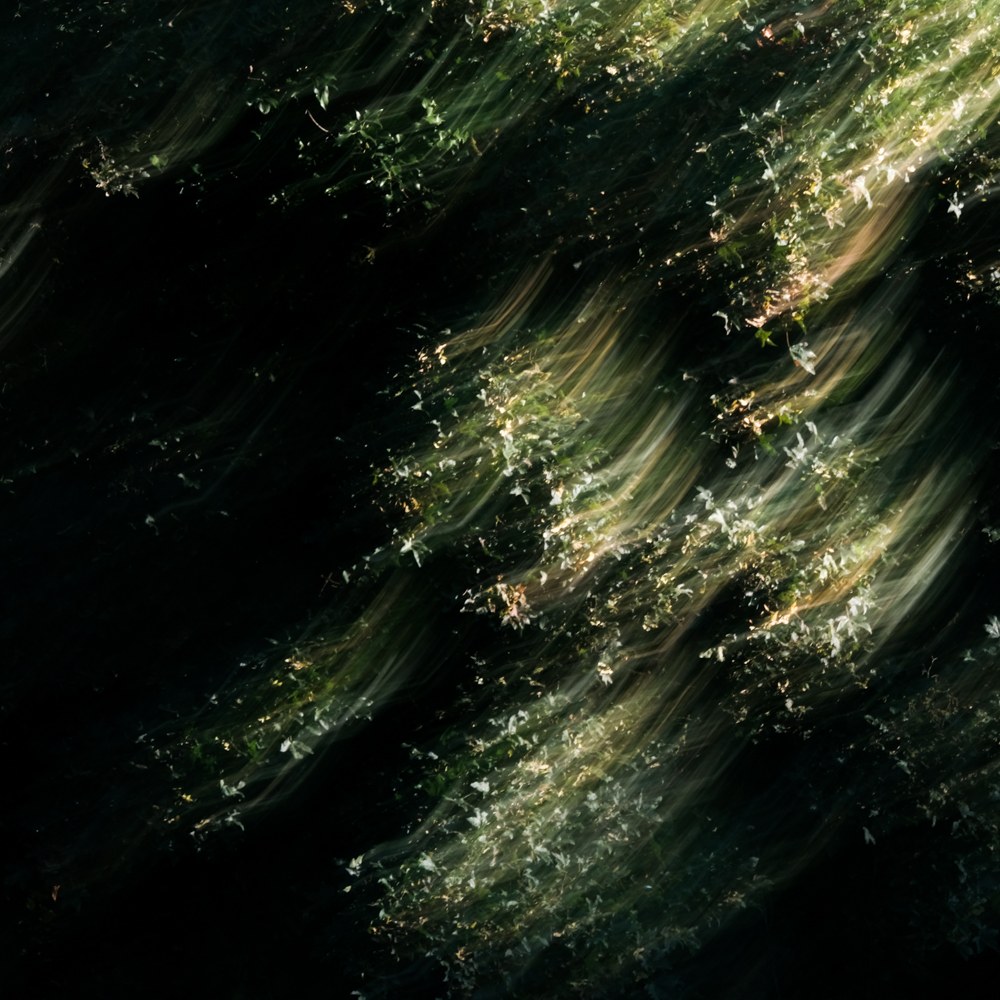
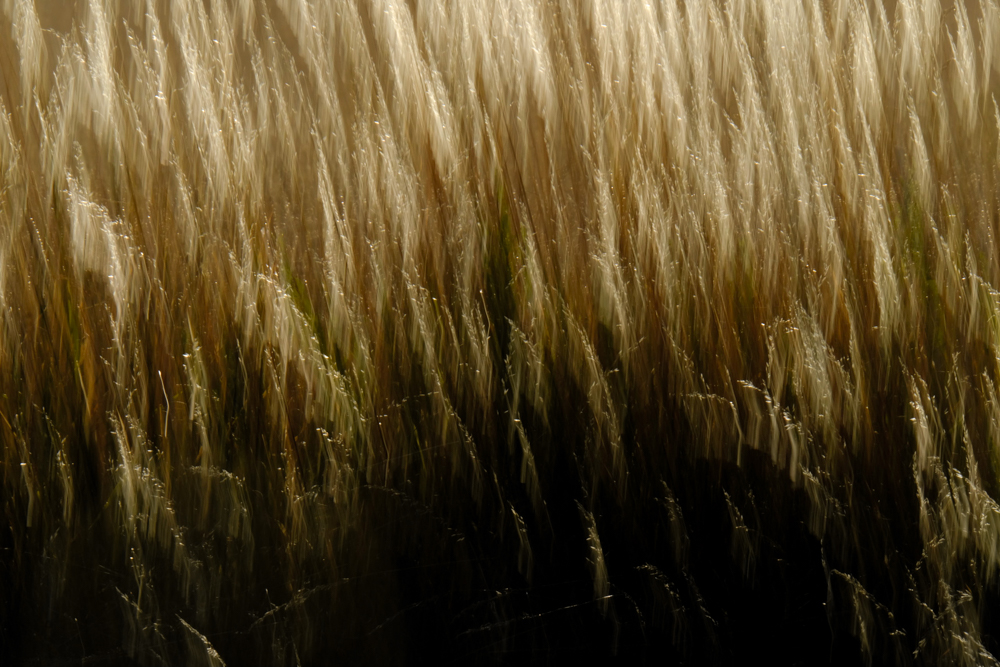
Besides, I’ve used the lens a ton on a tripod on f8 for abstract patterns in nature or landscapes; likewise, I sometimes whirl it around for some ICM photography – if you’re into this, I also recommend to play around with turning the OIS on and off: it makes a significant difference in the resulting patterns.
Conclusion
In most cases, buying new lenses won’t help you to take better pictures. But in this rare instance, it felt like it did work for me. Not only because of the capabilities of the lens itself, but also because it is such a delight to use, and because it motivated me to go outside and play with it, no matter the conditions and weather.
Surreal dreams in pink and black
appeal to me, insomniac
part-time, I mime
the creatures of the dark,
embark on voyages into
the mind, without a crew
through untrue realms to leave
behind mankind.
Retrieve the unconfined
autonomy, the undefined
metonymy
of life.

I like it here,
revere the fear of unknown
years to come, of jointly tears,
of joys alone, of memories in stone
engraved, the best is saved
in our hearts until the end
when we transcend
to afterlife.
Long summer days. I take my bike
through fields of maize, enjoy a hike
through nature which decays and fades
below the sun, without real shades.
Water is sparse, efforts a farce;
records are shattered every week,
the future seems a little bleak.
Some keep silent, some play dumb,
some object, but their effect
seems paltry, like a tiny drop
into an ocean, and they stop
too soon: there is no change.
Another flood, another slum,
1000 dead, and thousands fled,
a joke compared with what's to come.
It will be millions without bread.
It will be billions' awful threat.
The internet is large and most content is shallow. Navigating clickbait, fake news, and social media is exhausting. But sometimes, it also yields something precious, something that is a worthwhile the investment of time, or something that evokes true emotion.
For me, this is mostly the case when someone has mastered his or her art and excels in what they do, such as these three hidden gems I found recently:
In Germany alone, every single second 20 chickens are murdered. Tick-tock, 20 chickens dead. Tick-tock, 40 chickens dead. When you finished reading this post 2.400 chickens will have died. Tomorrow at this time it will be 1.700.000 million. It is absurd. It is grotesque. There is no excuse; the only reason is our own pleasure, our greed, our arrogance.
Pigs are among the most social and intelligent animals we know; they are comparable to dogs in terms of their social life and cleverness. In the next 24 hours, 150.000 pigs will be slaughtered: in Germany alone on a single day. How can this happen? I doubt I will ever find the answer. And: for most of them it will be the greatest relief of their life after they have suffered in cages that are so small they cannot even turn around. Imagine how our western society would react if this would be dogs. What the outcry would be, the outrage and disgust. But there is no difference, the despicable act stays the same: The murdering of innocent beings after robbing them their only existence they will ever have. Their only chance to enjoy this earth. Writing this makes me despise us; the presumptuous human.
Animals do not belong in captivity. They do not belong to us humans. They belong to themselves. They always have and they always will.
Yet we sometimes visit wildlife parks because animals are fascinating after all, aren’t they? We visit mostly those parks that try to do the right thing: raise lynxes to release them into the wild; save bears from their chains in the circus. But is this any better? Saving them from a small cage to put them in a large cage? Is it the lesser evil?
I wish for a future where this won’t be necessary. Where we are not trapped in such a dilemma. Where bears are not trapped in such a dilemma. Where they roam the forests in Scandinavia and Canada and most people will only dream of seeing a bear in real life.
Besides: you should go vegan. Even if it’s for only 80%, it will be the best decision of your life. Not only for the animals, also for us. Going vegan has a significant impact on climate change, we won’t run into troubles by wasting powerful antibiotics in factory farming, we will have more food to feed all the humans, the amazon rainforest will be around for a little longer, and you will be healthier. Going vegan is probably among the most impactful decision you can easily incorporate into your daily life to bring this world onto a better path.















































 Punkt im Dunkeln