Direction: Hawthorn

Direction: Hawthorn

There has been too little time to appropriately maintain the blog lately. Lots of work, some routesetting, and other hobbies devour my time. I also often feel restless when I have some free space, it feels like I need to use these hours in some meaningful or productive way – whatever that means. When I have a free evening I mostly go outside to take some pictures. Last week I was on a small hill south of our home town for the sun set. After many days of rain, the sun finally showed again and all plants sprouted, especially the hawthorn.
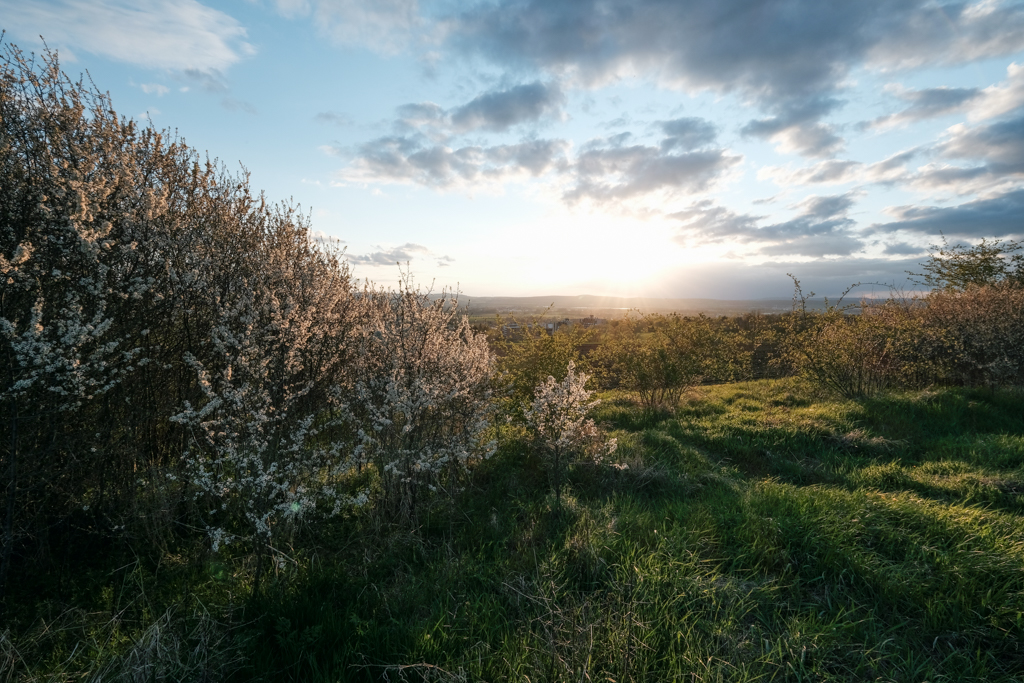
After shooting panoramas and macros, I also tried some new techniques for abstract nature photography as such images always appeal to me when I see them online: Images where it is unclear what exactly is depicted, images that leave room for interpretation but follow patterns. The first 100 tries were uninteresting, but then I changed settings substantially and started playing with the lens zoom while shooting longer exposures:

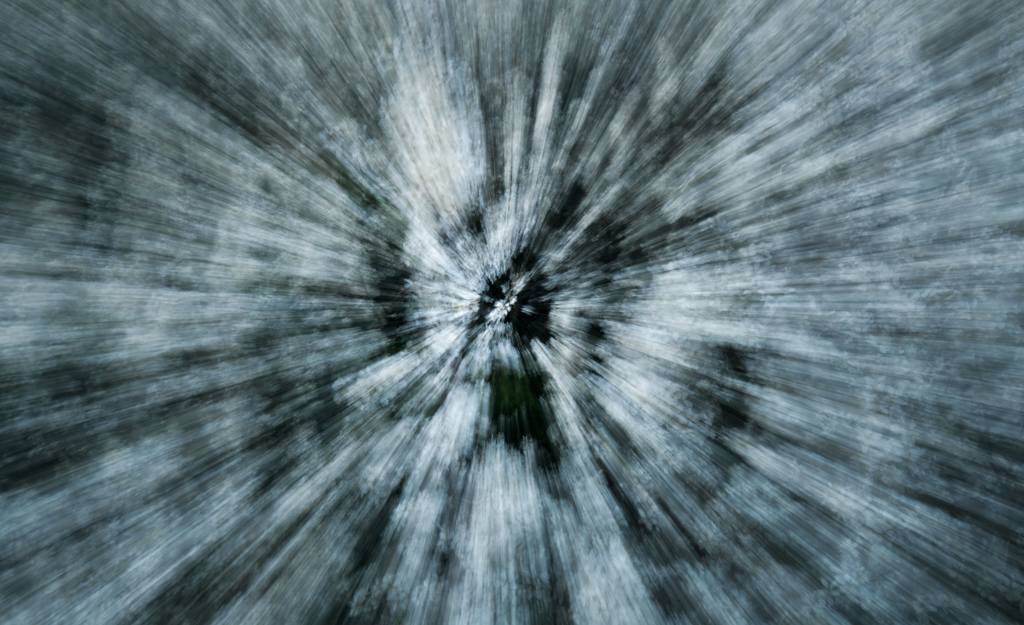
After another 300 photos I felt somewhat satisfied with the results that also were quite unique from what I have seen. The hawthorn and my 10-24mm lens made a nice combination with the evening light, resulting in textured hawthorn spirals:

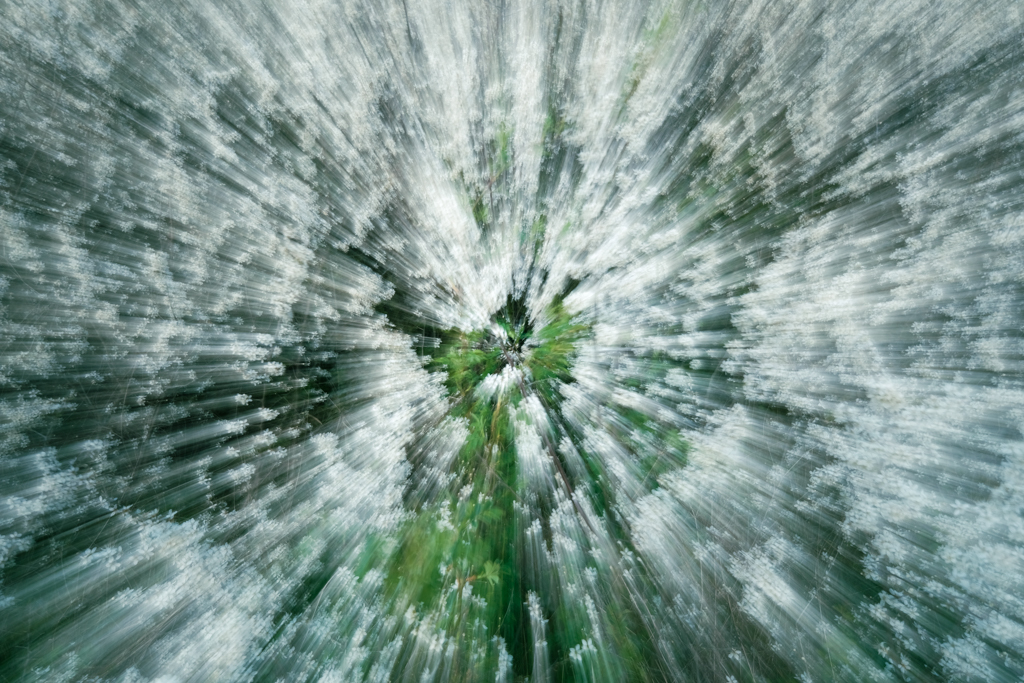
When I started the blog I had little idea in which direction it would evolve. So far, I like the loose combination of computer science topics and everyday life observations accentuated with my latest pictures. However, the writing often takes longer than taking pictures and my backlog of pictures is slowly building up. Thus, I am thinking about some new blog post format that mainly consists of pictures, but I didn’t come up with an appealing idea yet. If you have any, please let me know! Additionally, I would like to make some longer blog posts about specific interest of mine (if time allows), as well as integrate further hobbies into the catalog of potential topics. So, in general, the blog will probably become more diverse, as the hawthorn pictures in this post: Sometimes great vistas, sometimes specific details, and sometimes quick abstracts.

Colors of the Morning

Colors of the Morning

On several occasions I have been asked by family and friends: ‘Do you edit your photos?’ I understand where the question comes from and probably would have asked other photographers the same question myself before I bought a camera. But when you start taking pictures the answer becomes irrelevant, and also more philosophical. The question assumes that the truth can be captured; that there is a real representation of the environment. And this is simply not true. It is impossible to depict the world as it is and every representation is disconnected from the environment and just represents itself.

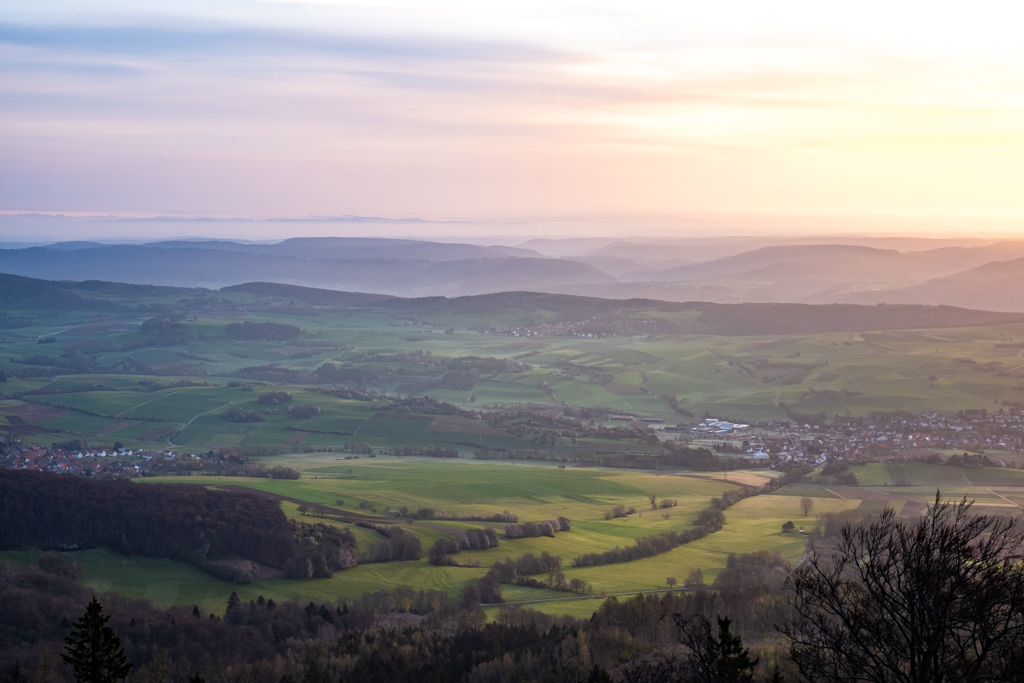
Pastel colors illuminate receding mountain ranges separated by morning haze; 45 minutes before the rising sun.

Thus, when people ask this question, what they often really mean is: ‘Do your photos look like it did in reality?’ And again, there is no right answer. Different people see different things in reality, pay attention to different details, some see green and red, others only see browns instead. Additionally, the effect of a scene is not only influenced by sight, but also many other senses that cannot be transported in a simple photo. So maybe the photo looks somewhat like the reality to me, but not to you.

An additional layer that is often forgotten: The picture is already hugely edited in camera. The photo receptors just capture some limited amount of light which is very different from reality. Besides this raw data, cameras often produce JPEG-images with already applied color profiles that interpret the raw data. This profiles can boost colors, contrast, or luminosities; or decrease them. Let’s take one of the easier settings that is present in all modern cameras: the white balance. The idea is to tune the information received from red, green, and blue light photo cells to display neutral colors (white, grays, or black) as such. The automatic white balance often fails during sunrises or sunsets because there are no neutral colors in the frame: everything is tinted with deep blues, shy purples, defiant magentas, or lush yellows. Take a look at the following two pictures. Both show the exact same frame only with different in-camera white balance settings:

Two different settings of white balance on the same photograph; 20 minutes after sunrise.

So which one is more correct? Impossible to answer. It depends on what I want to show and what you want to see in the image. Because cameras are not as powerful as computers, it often makes much more sense to edit photographs in a specific software instead. Then, you can fine tune the picture without depending on the limited options that are present in the camera.

So, yes! I edit my photographs! Sometimes only in camera, sometimes heavily in software. It depends on what I want to show. Sometimes the edited photos look more accurate to my perceived reality than the unedited photos; sometimes I use editing deliberately to transfer a feeling or message and don’t care about a ‘realistic’ depiction. Sometimes the photo is perceived as unrealistic even though it’s straight out of camera. Sometimes a photo is perceived as realistic even though it’s heavily edited. Ultimately, photography is just one of many arts, I will create what appeals to me, and if it also appeals to someone else: even better.

The color of light is getting warmer with the rising sun and illuminates the meadows below.

All these photographs were taken on last Saturday. Again, my dad and I started at 4 a.m. in the morning to view the sunset. This time not in the Harz Mountains but from a smaller peak in Hessen close to Hoher Meißner. During the two hours on the peak we saw many different colors and I tried to represent all of them in the next pictures. Enjoy.