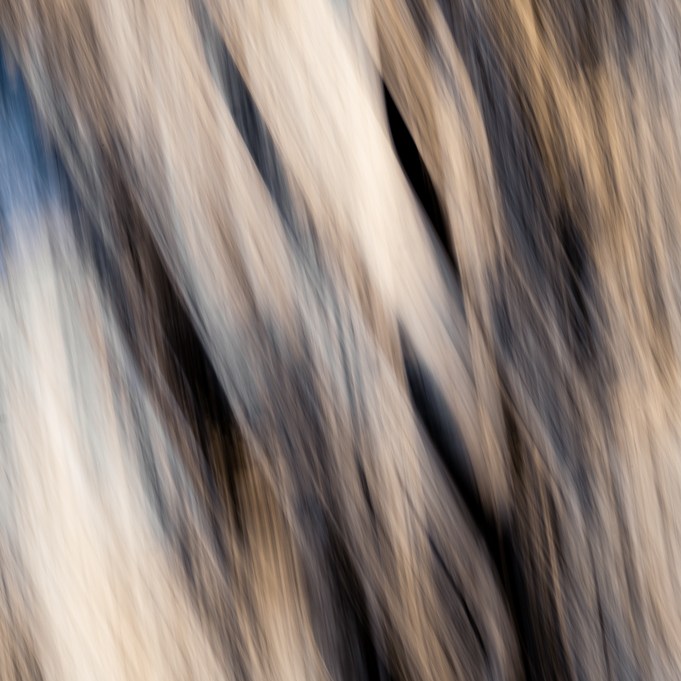
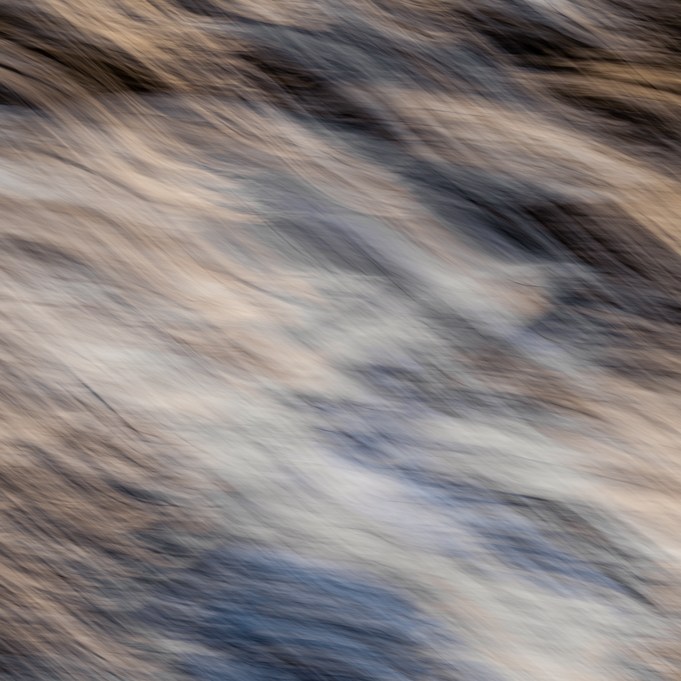
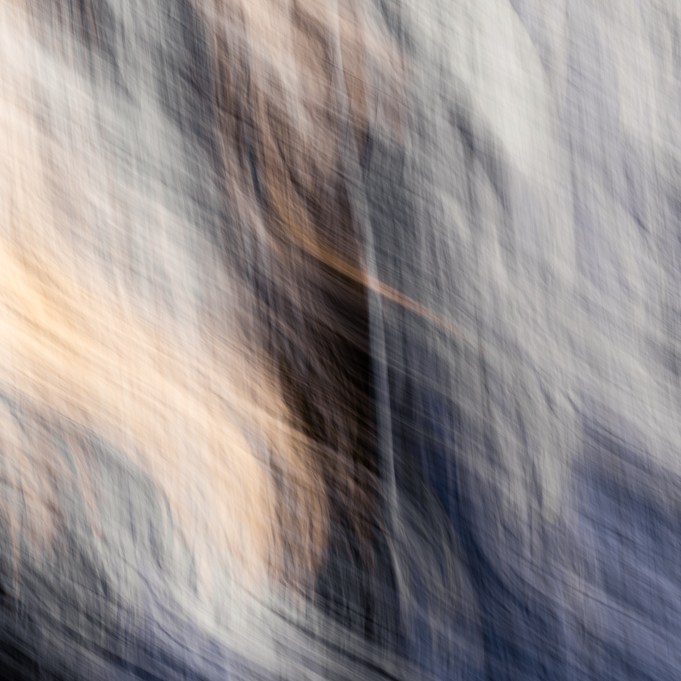
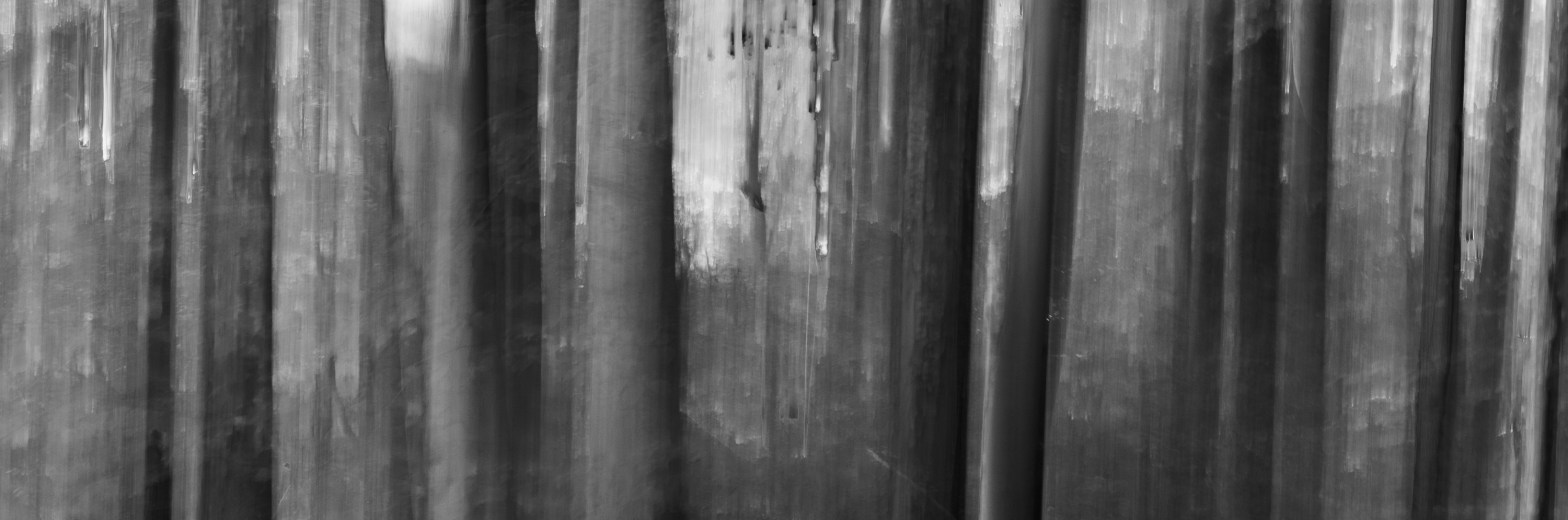
One of the last exercises in an introductory course to programming I teach is to implement a straight-forward approach for modeling population growth over discrete time steps with a logistic growth function: The population x of a species at time t+1 is determined as x(t+1) = r * x(t) * (1-x(t)) where x(t) is the population at time t, and r is a fixed reproduction parameter. The choice of r influences the long term behaviour of the resulting time series – thus, the growth of the species population; for example, for r < 1, the series tends towards zero – the species goes extinct. However, for r > 3 the series oscillates – it exhibits a periodic behaviour (for some values of r the series even becomes seemingly random without a fixed period, see e.g. here). The length of the period depends upon r, but it never reaches an equilibrium; like a pendulum, swinging around its only stable position in the middle. Like life pulsating between non-steady positions, but never reaching a balanced state.
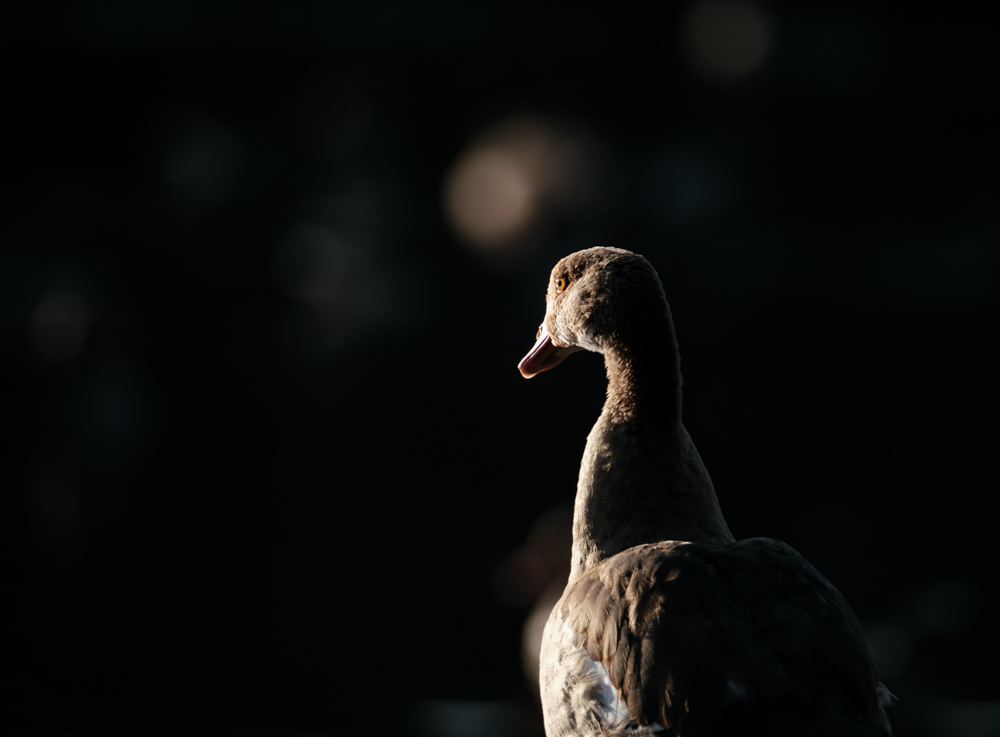
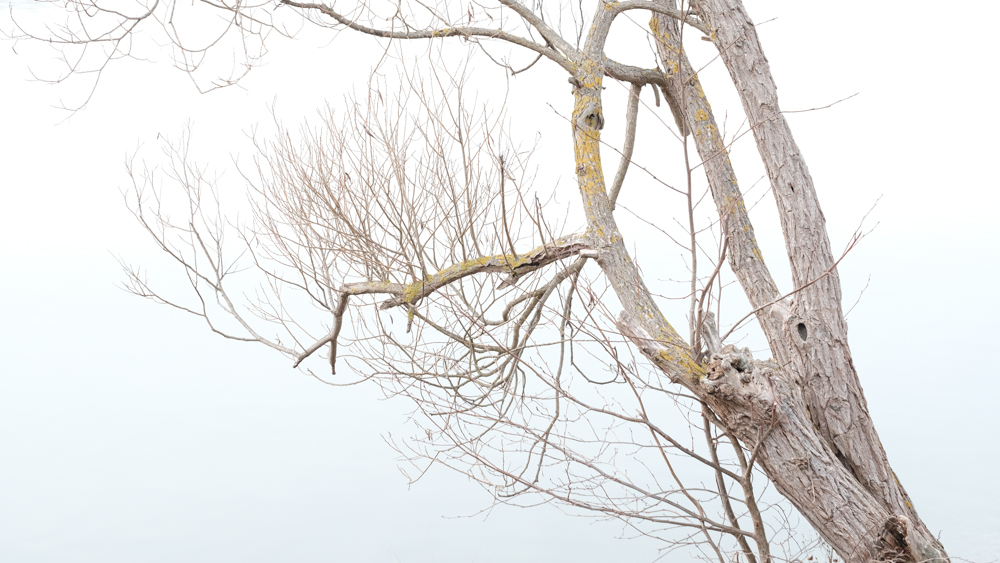
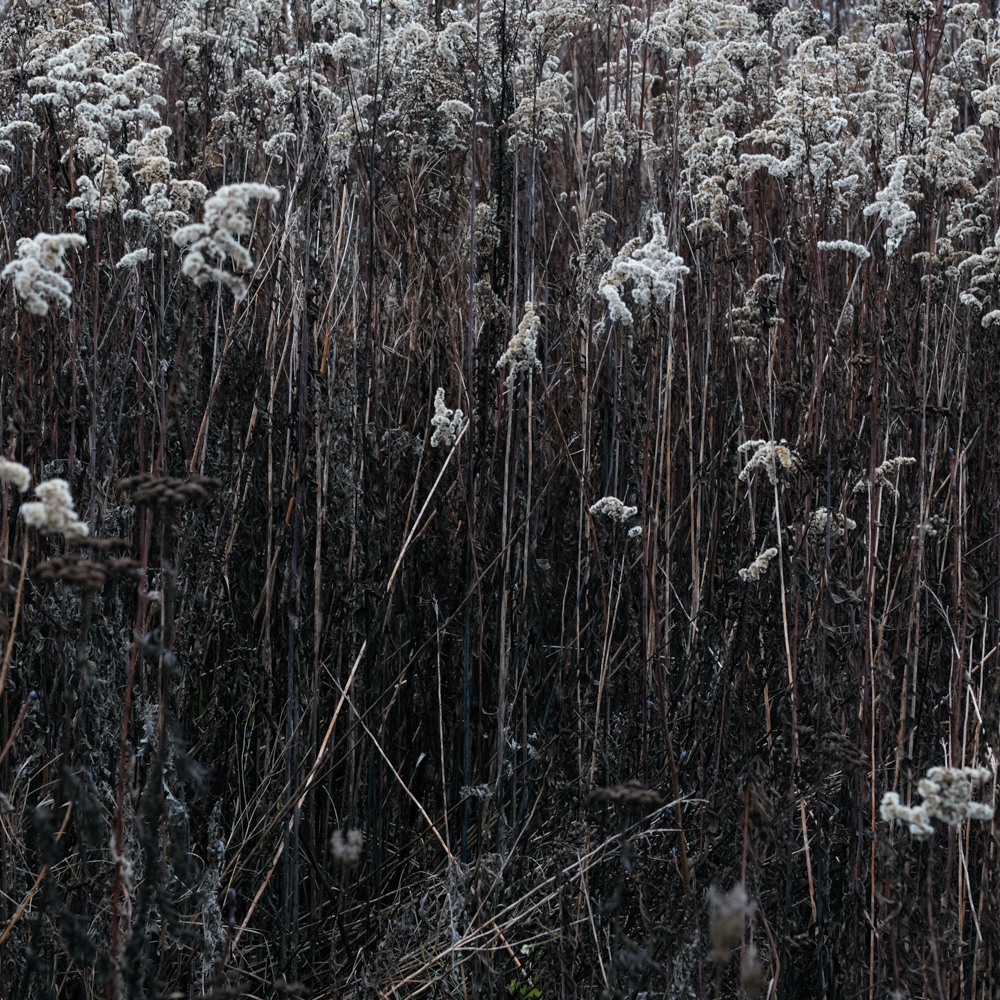
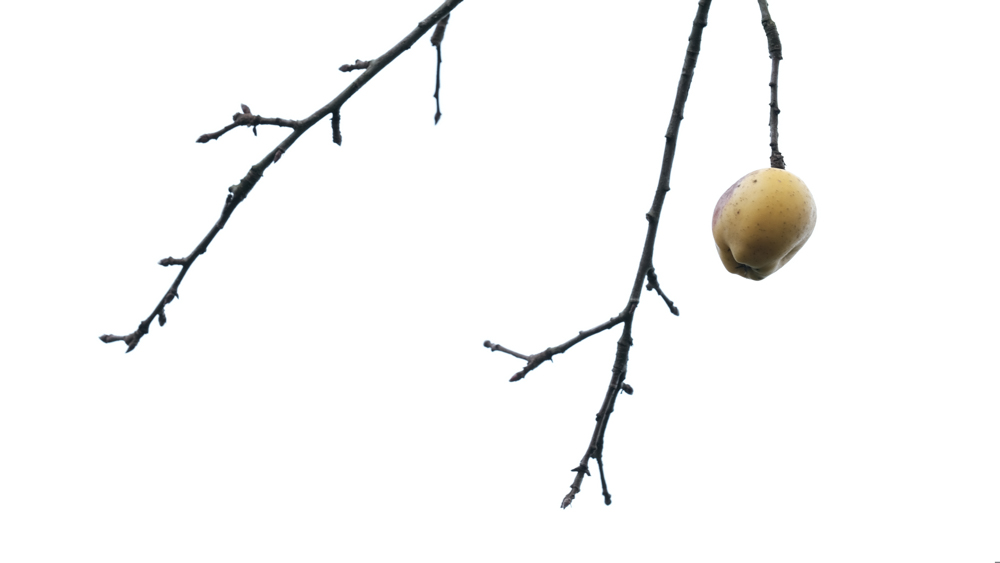
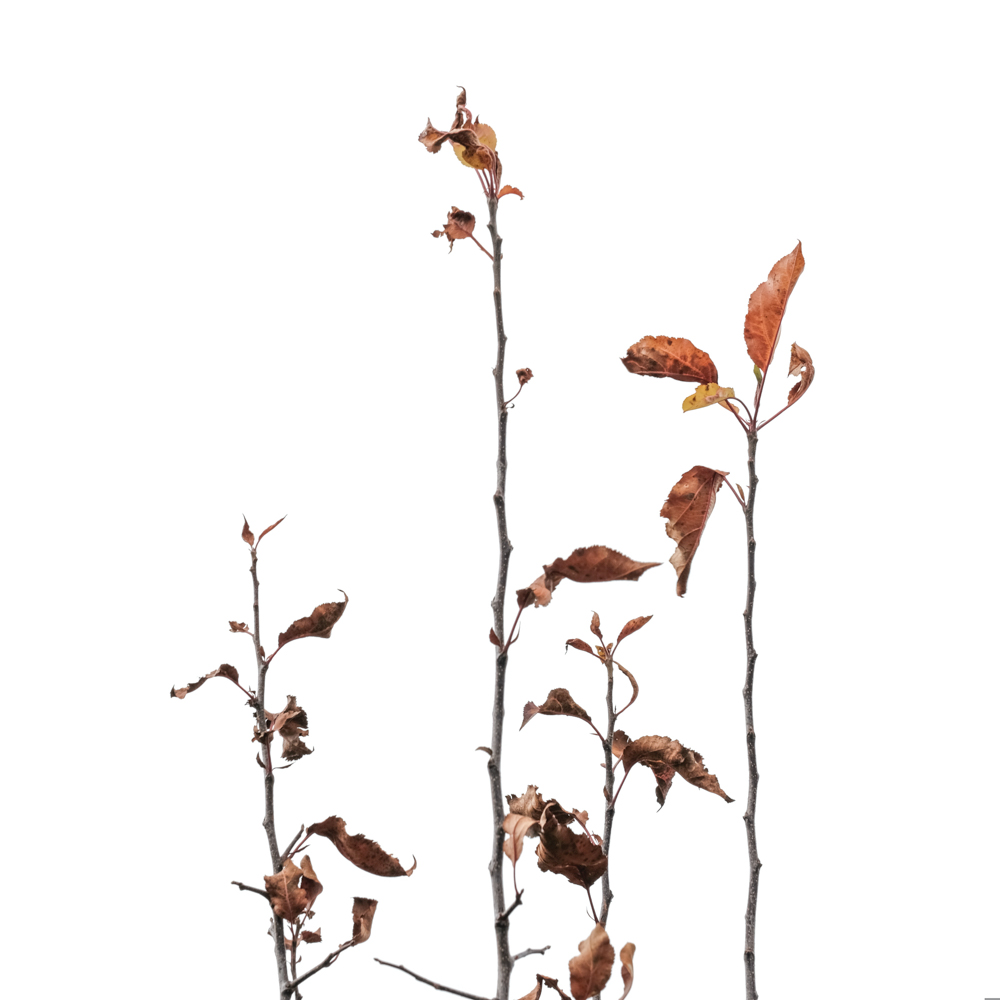
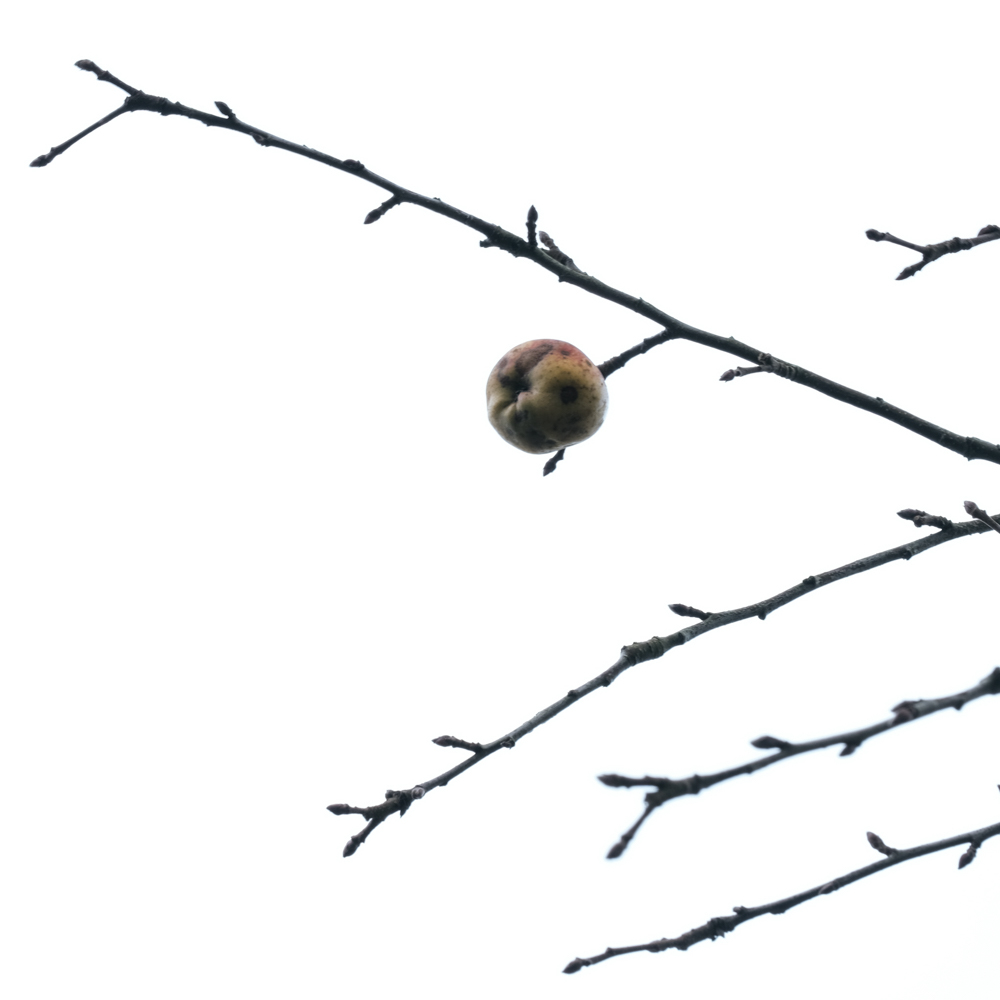
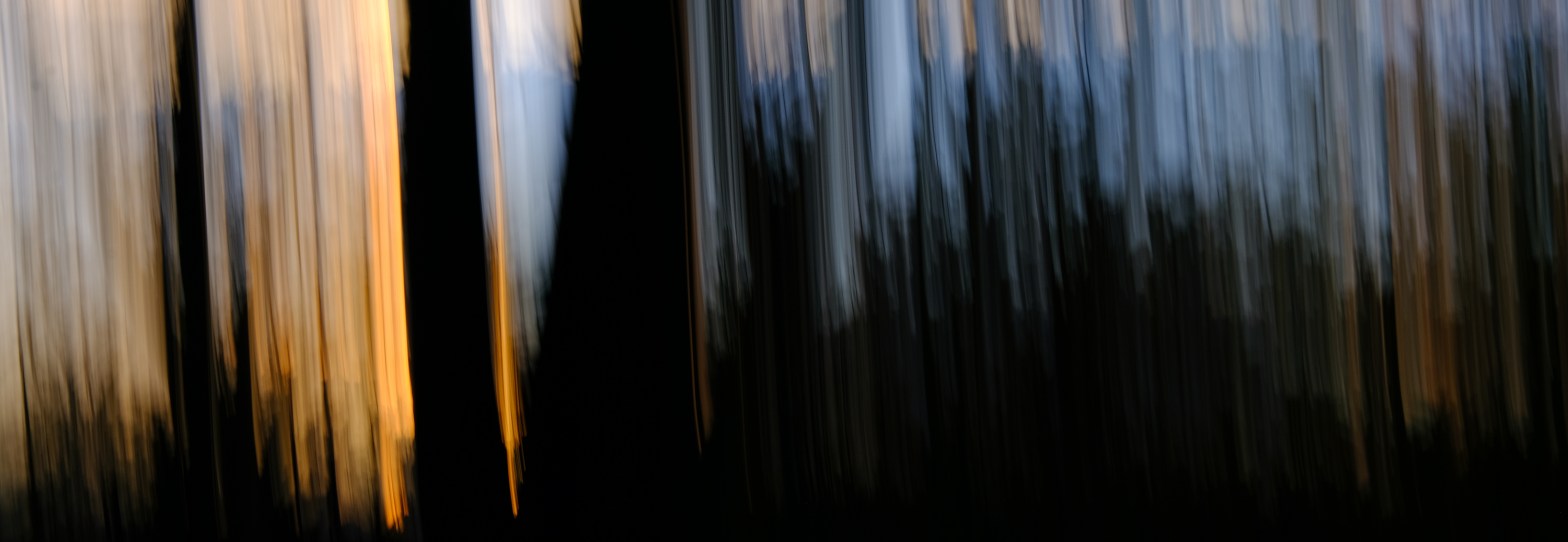
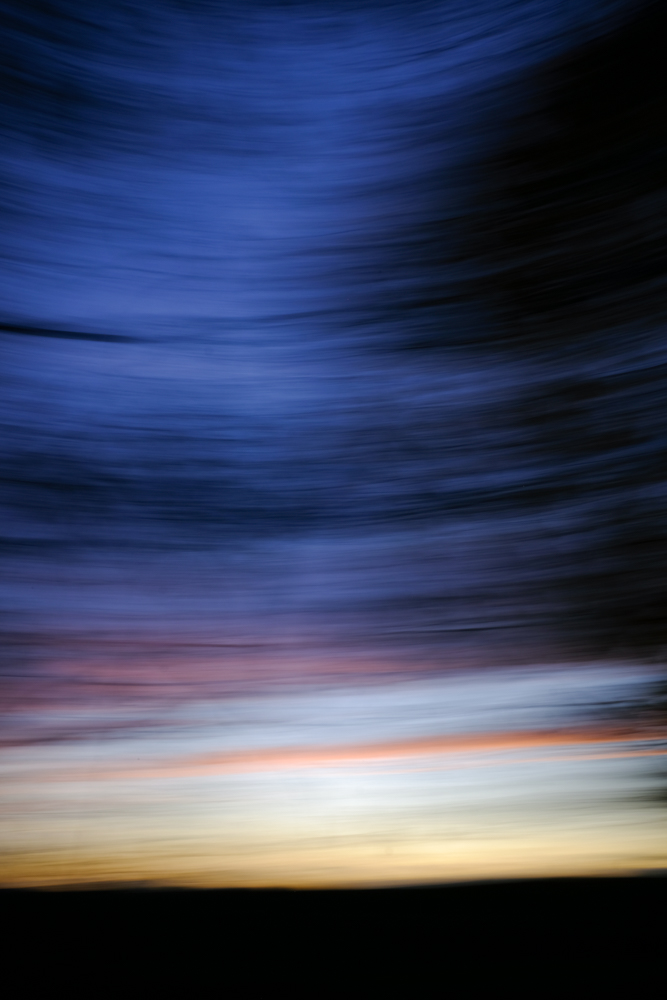
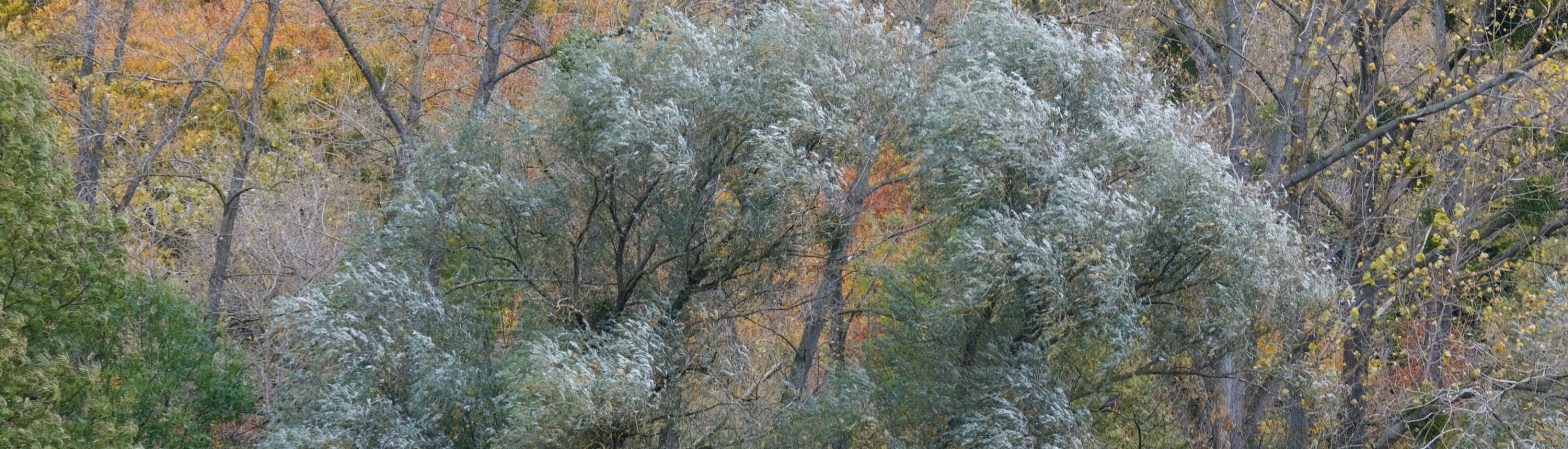
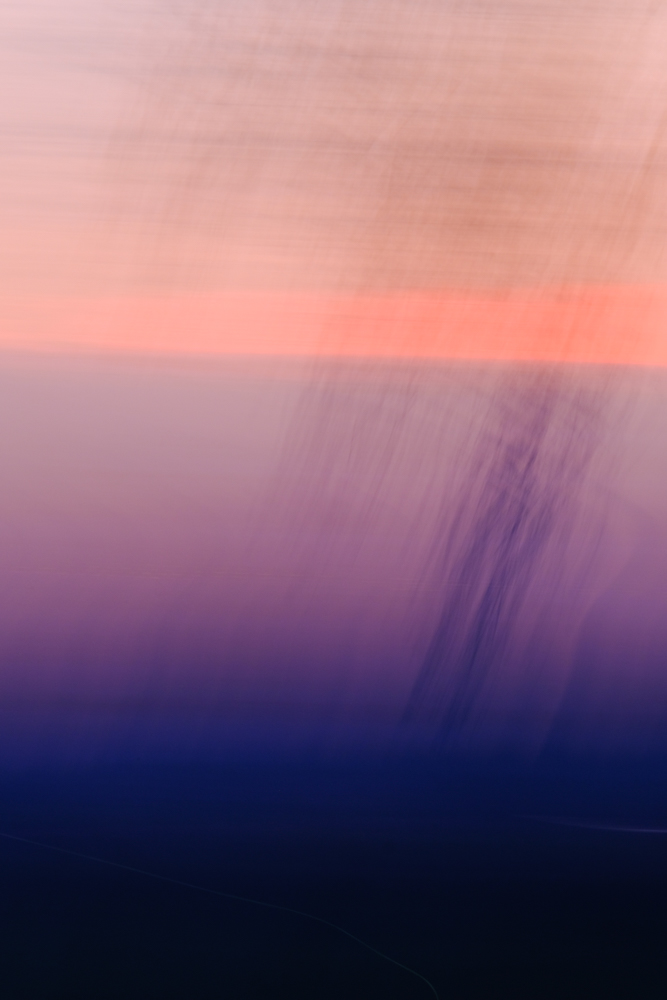
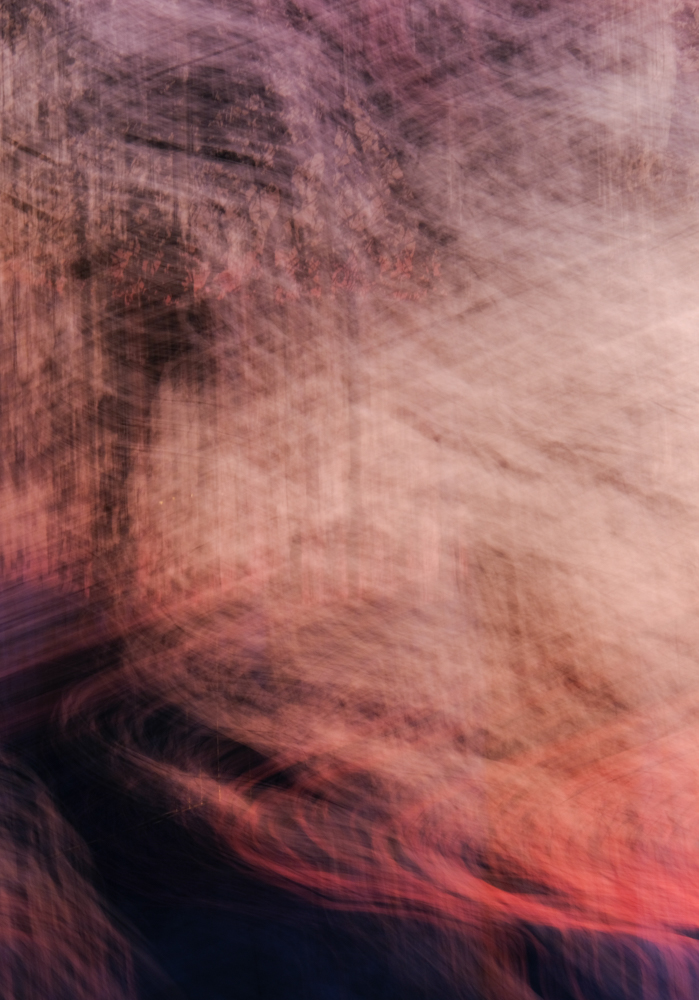
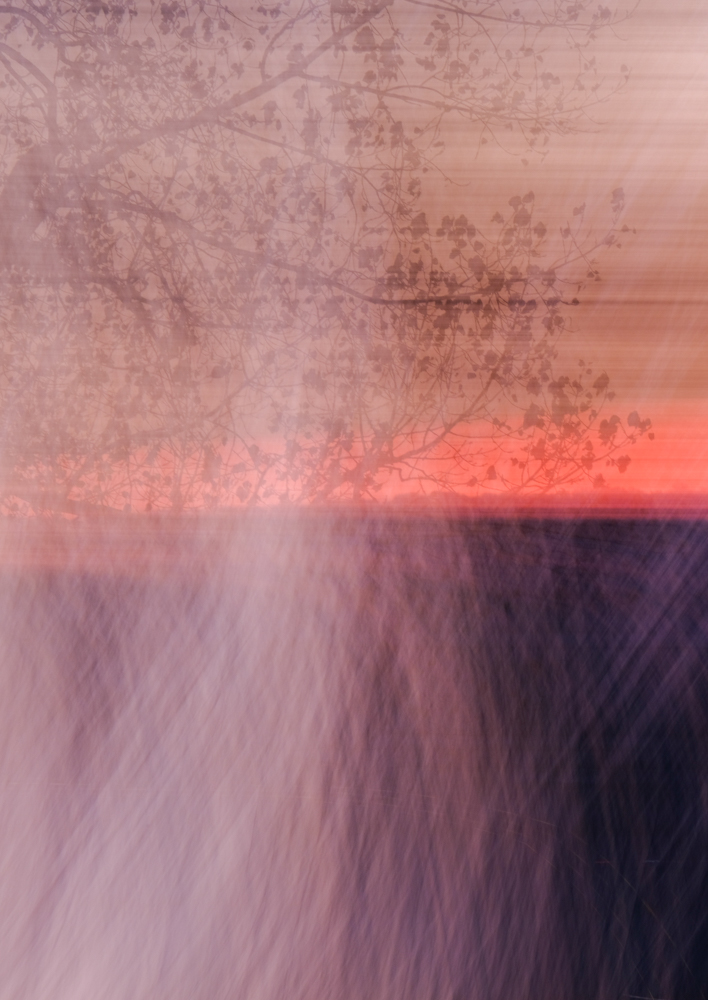
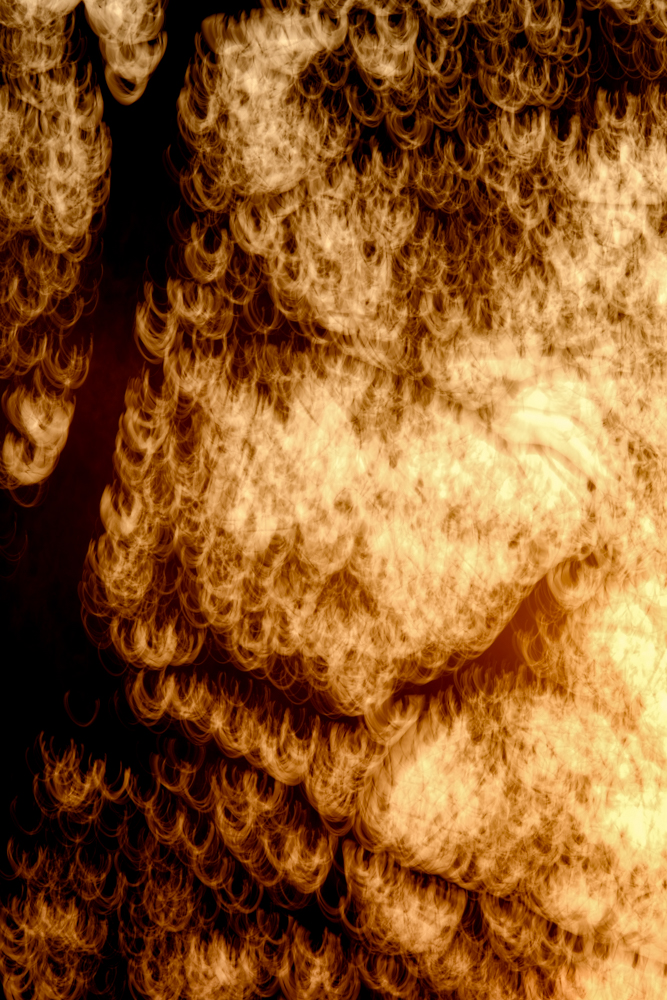
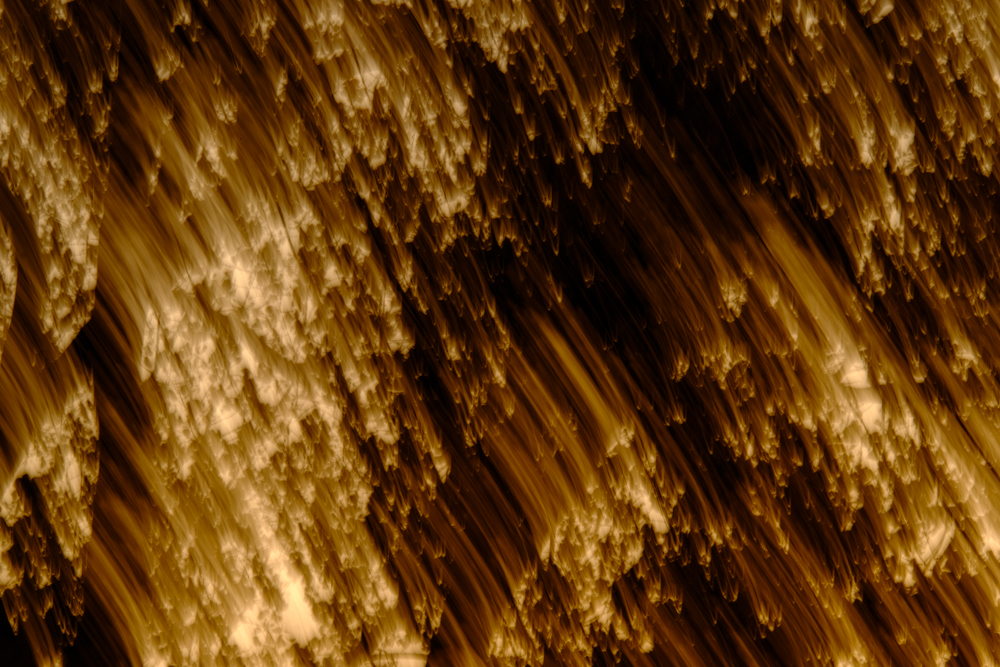
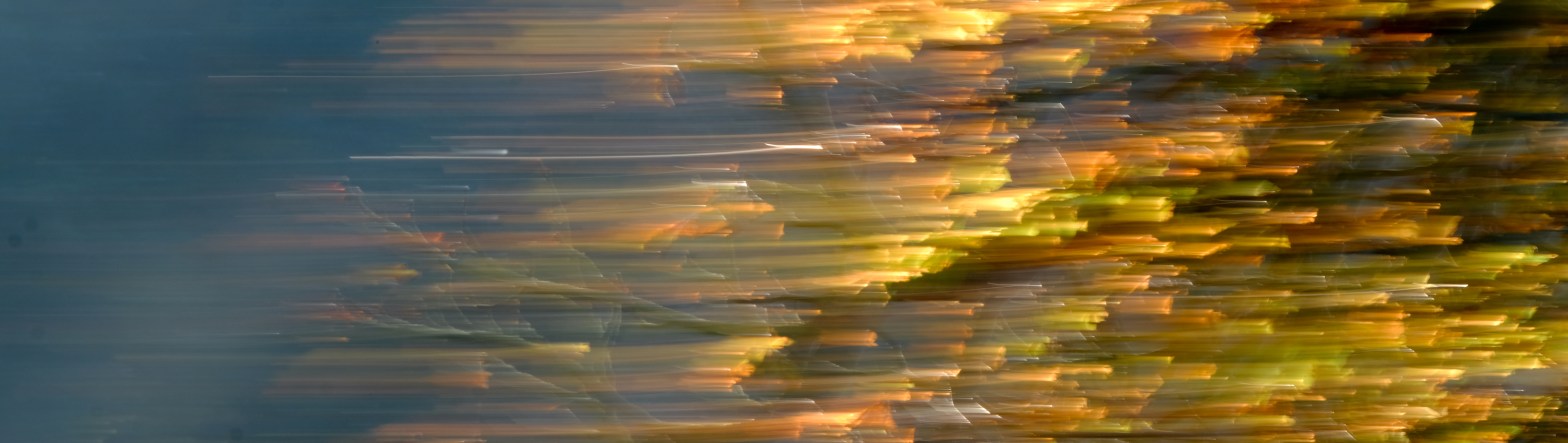
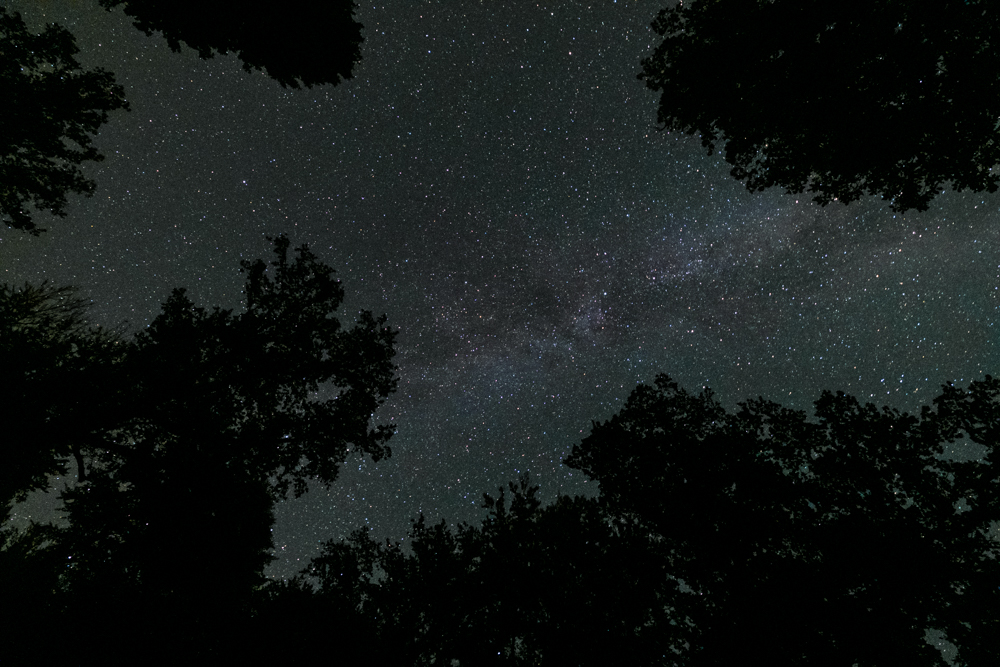
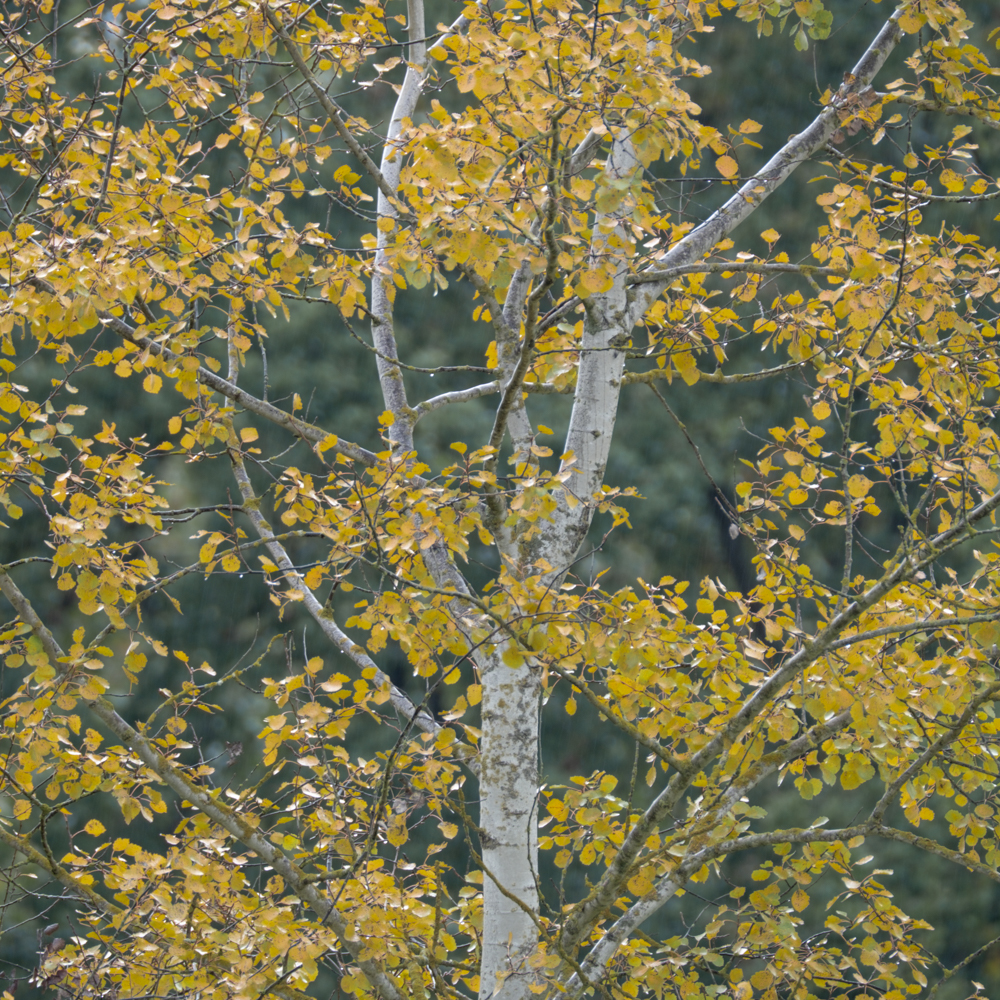
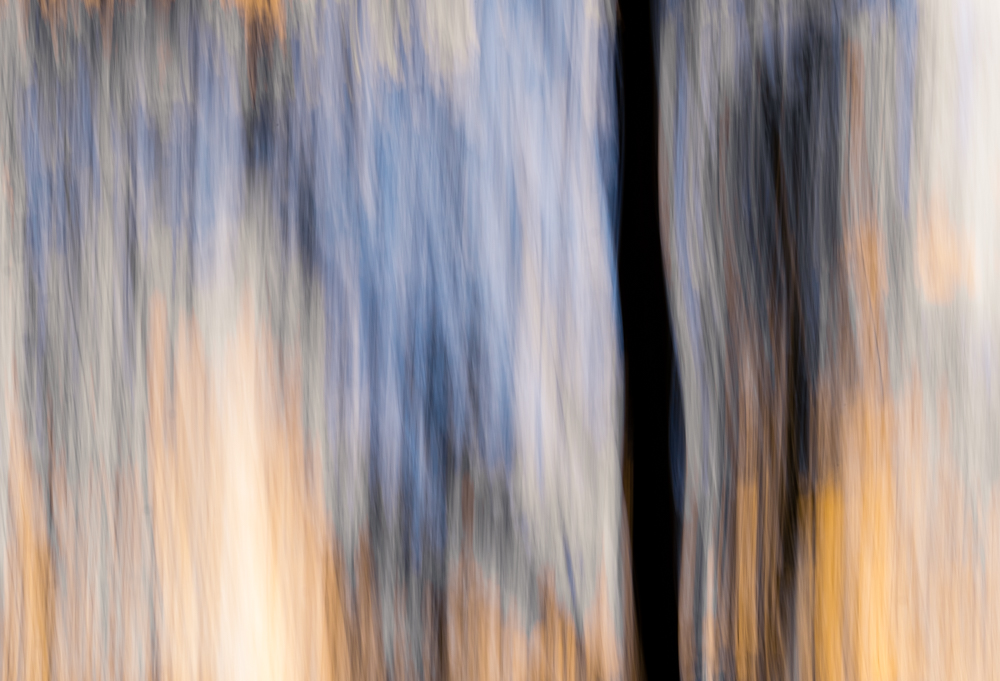
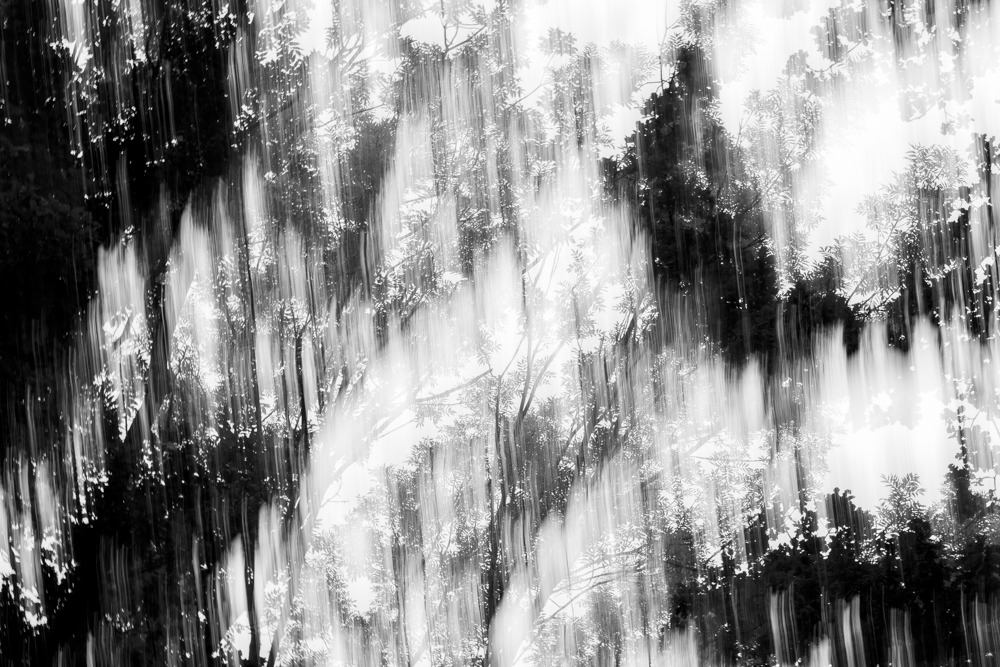
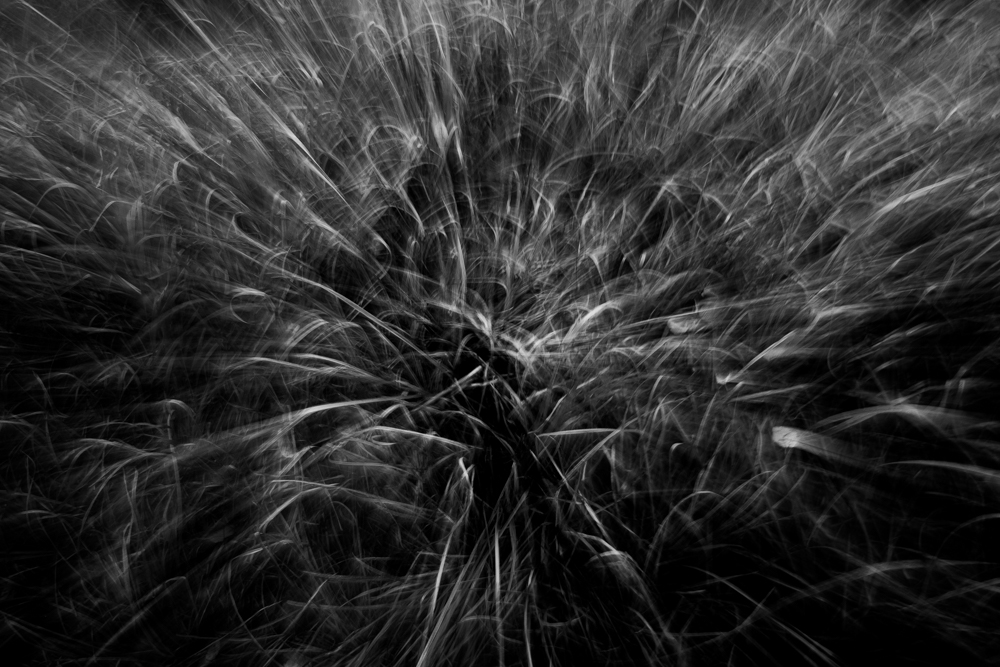
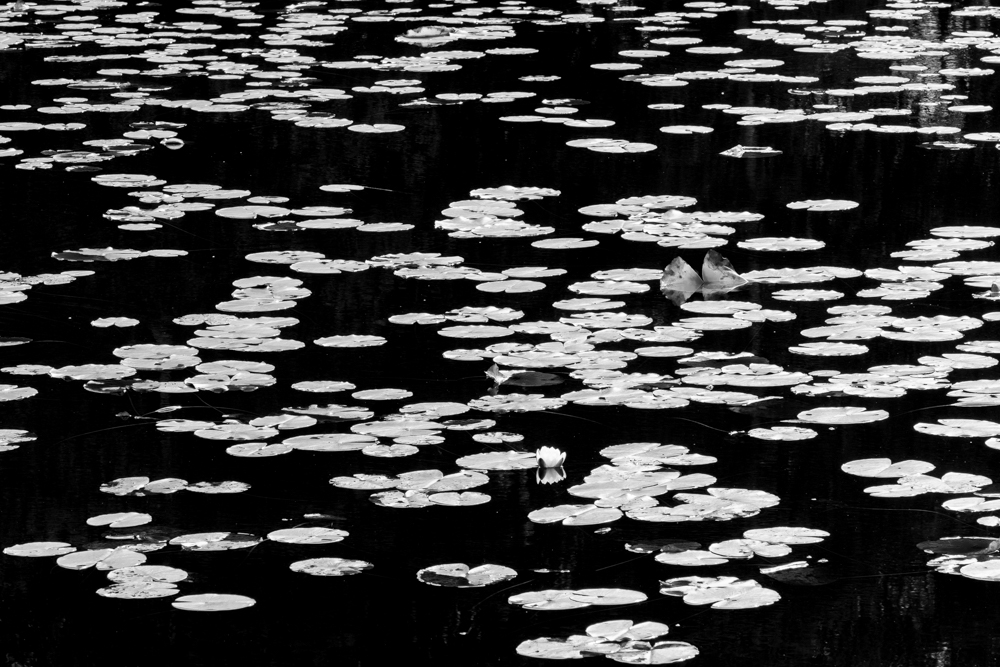
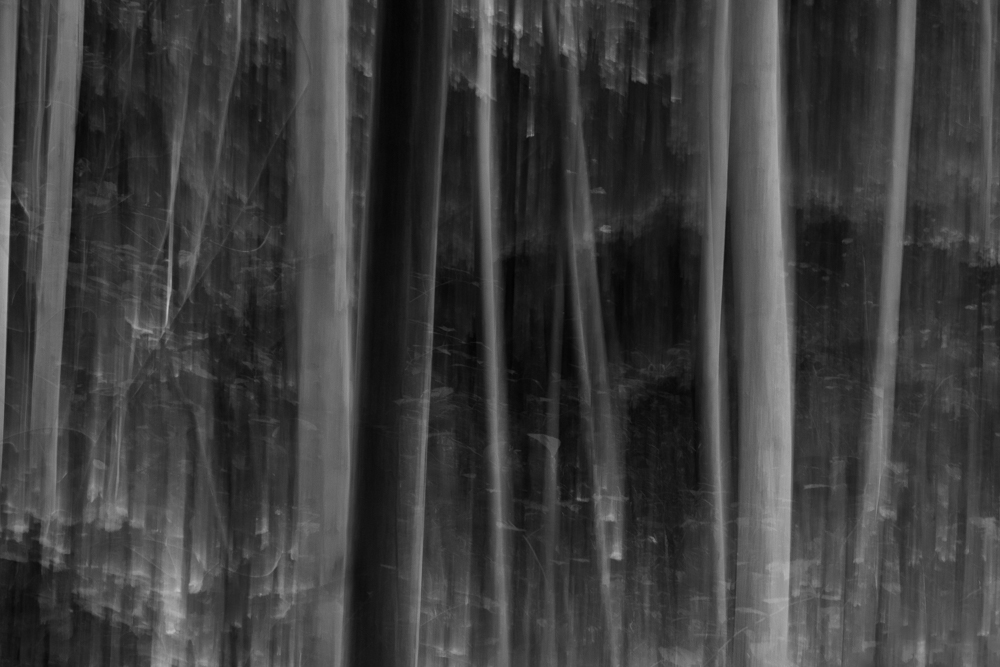
Oscillations are present constantly. The term (1-x(t)) models the environmental restrictions that prohibit unlimited growth. Restrictions which prevent us to come to a rest. The fantasy of a steady state is a futile one. There are times where a stable position seems in reach; until external restraints pull us back into another direction. At the moment, it’s the direction of work; and hence, photography and blog posts are somewhat neglected. Winter already fades again, making way for summer. Left are only some solitary pictures of oscillating camera movements and colorless nature.
Peace is comfortable. Conflicts only appear in the newspapers – neither in our streets, nor in our reality. But out there is war. And with every day we keep ignoring the climate crisis it comes closer. Climate refugees knock on our doors right now – and there will be more. And even though the conflicts haven’t even reached us yet, I am not fighting for what I believe: Basic human rights. The right to use our only chance on life. A chance that we could provide rather easily right now. Instead, I repeatedly choose comfort over action. Security over uncertainty. Every life lost in the Mediterranean, at the British Channel, at the Polish border, is lost forever. And even worse: the tide may turn. When it’s not a handful, but millions who seek shelter, water, food. Will there be a time where we have to defend what we have? Where we have to flee ourselves? So, sometimes, I engage the thought: Fight, flight, freeze? What is it worth fighting for? Would I fight? And why not now?
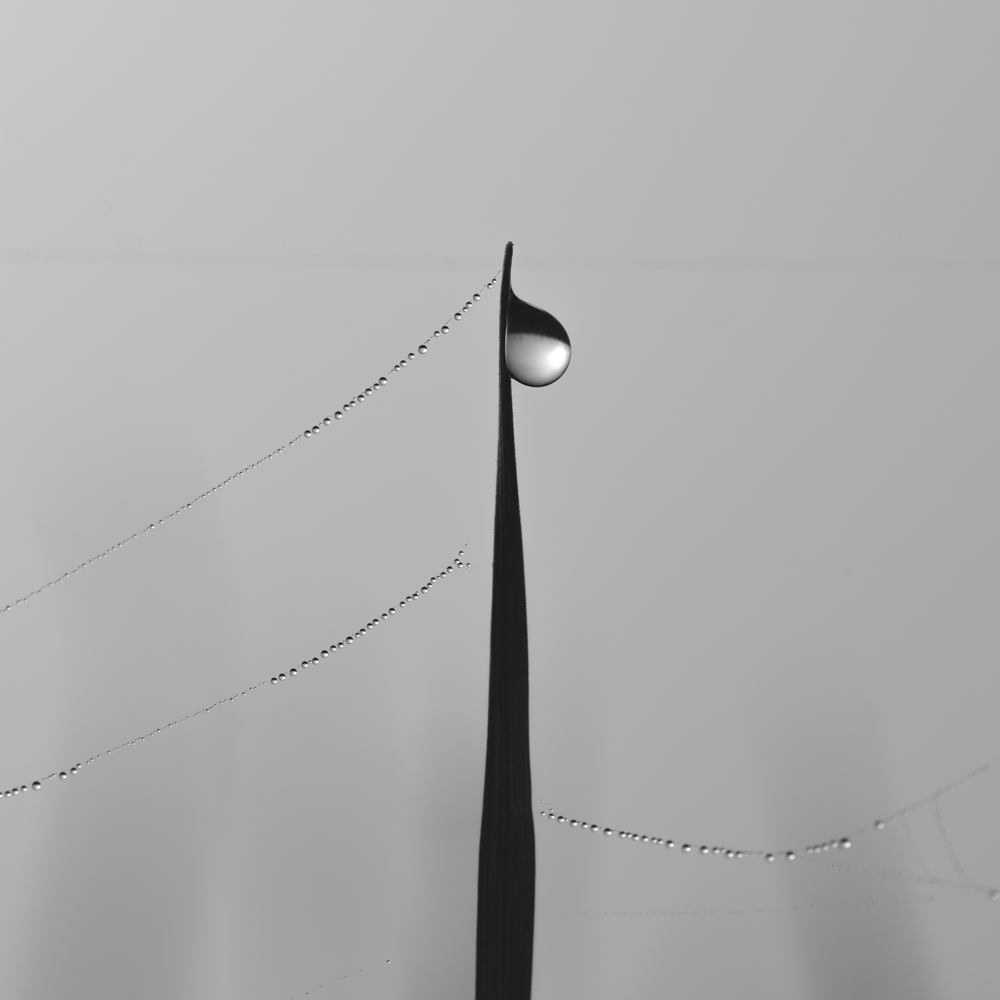
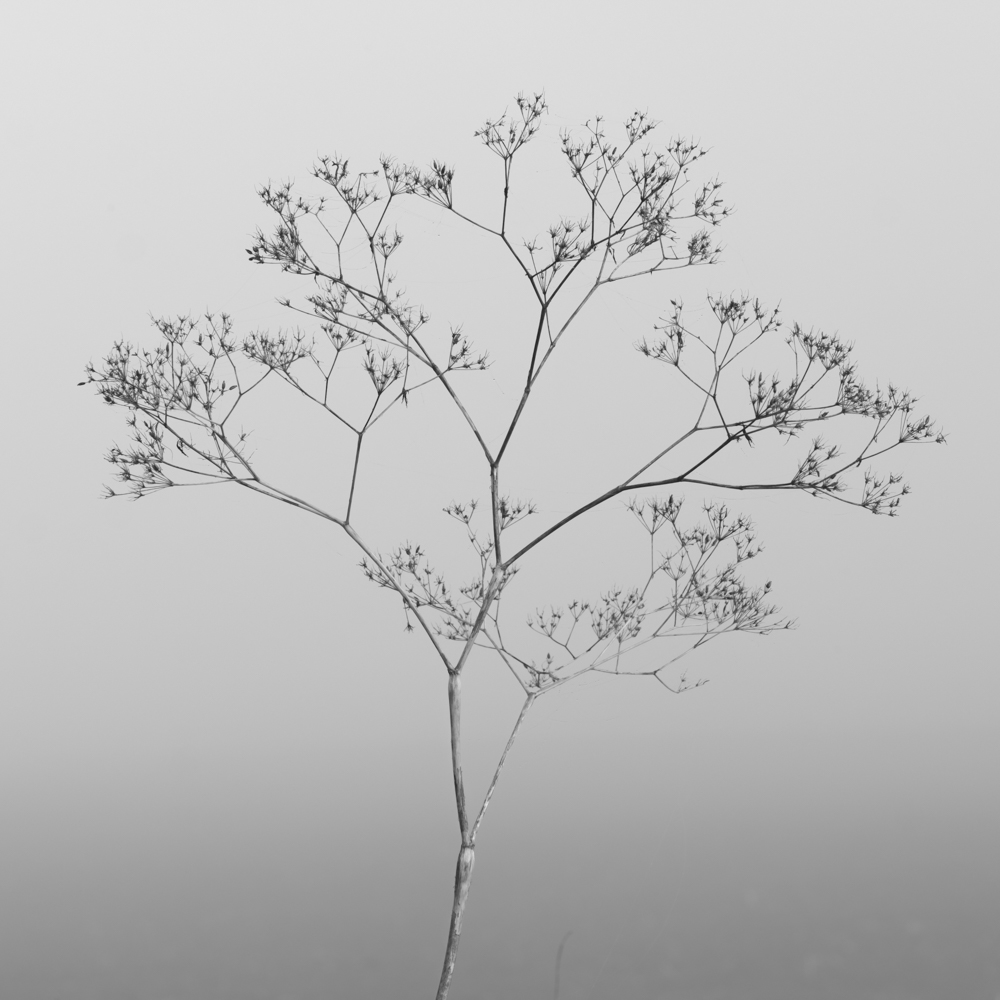
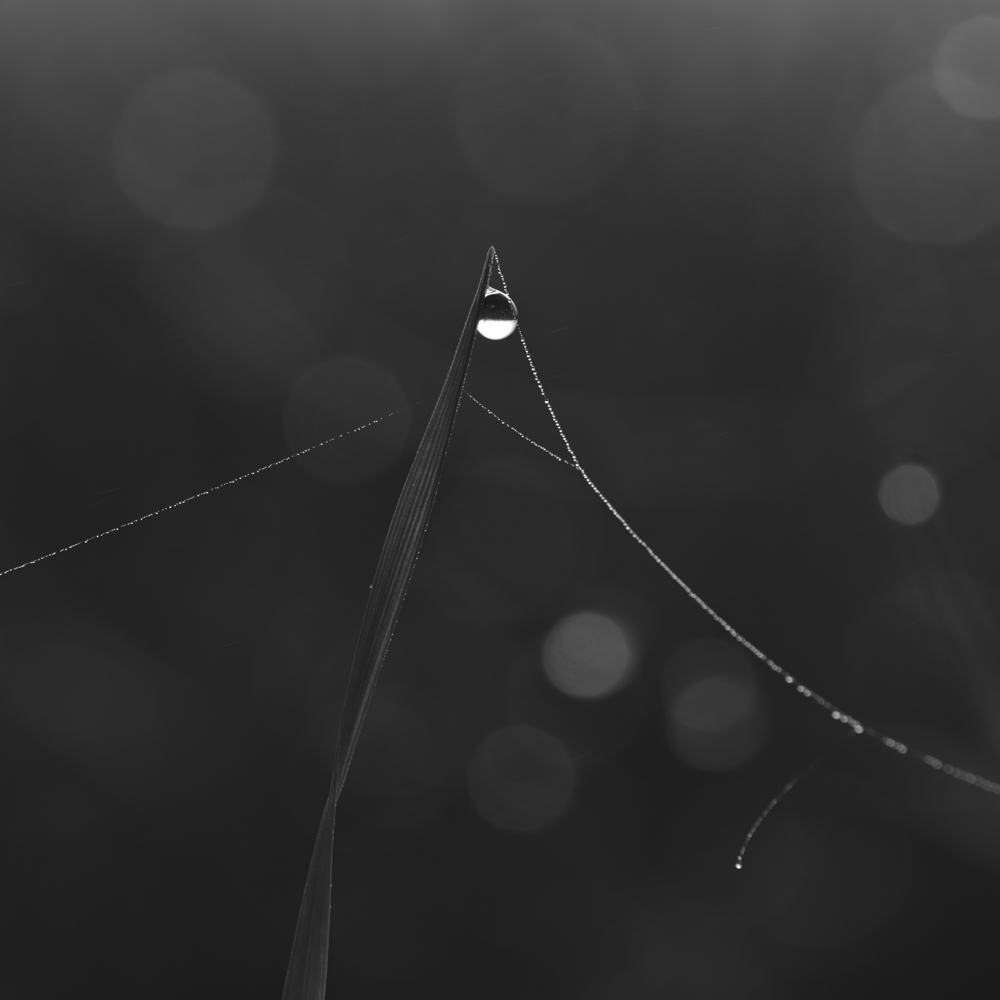
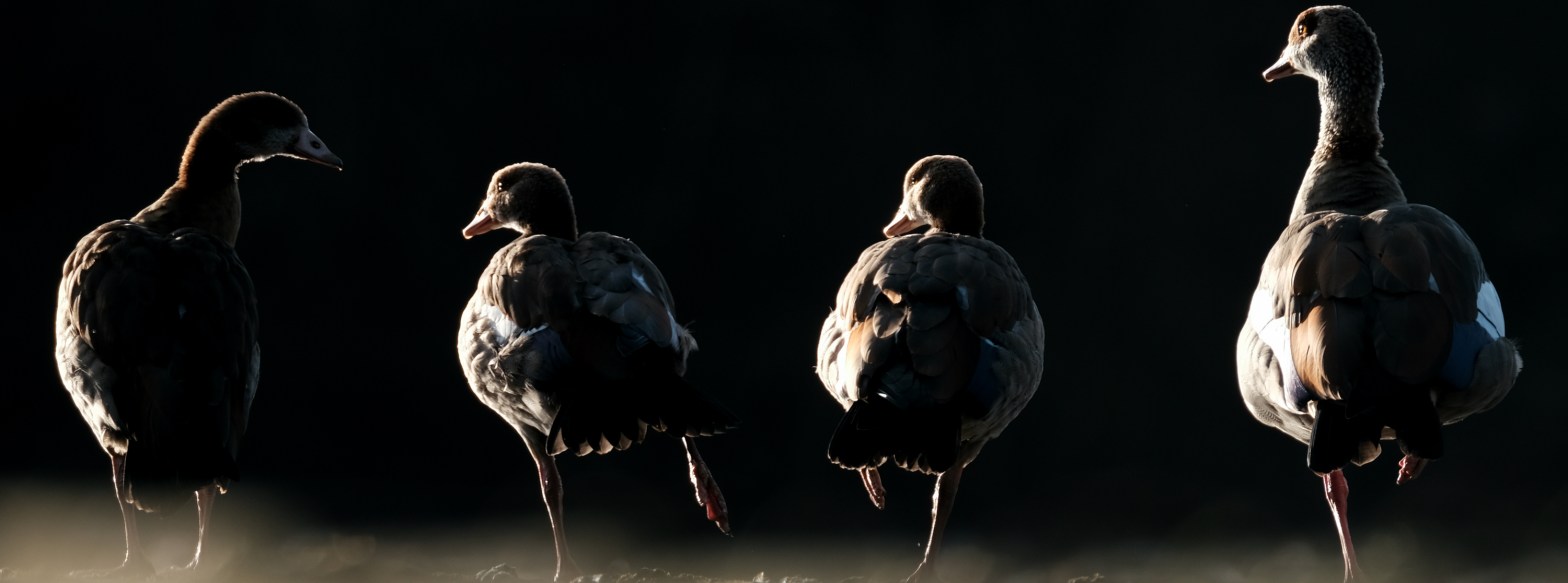
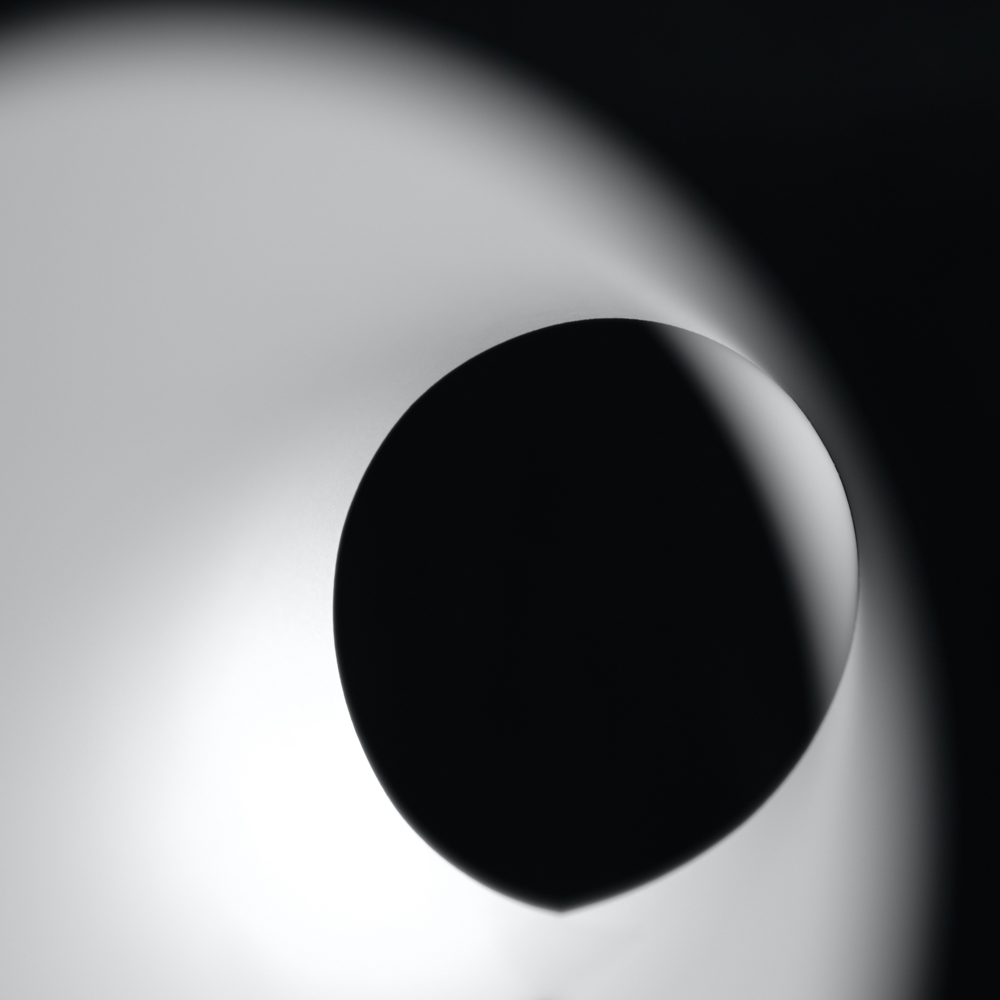
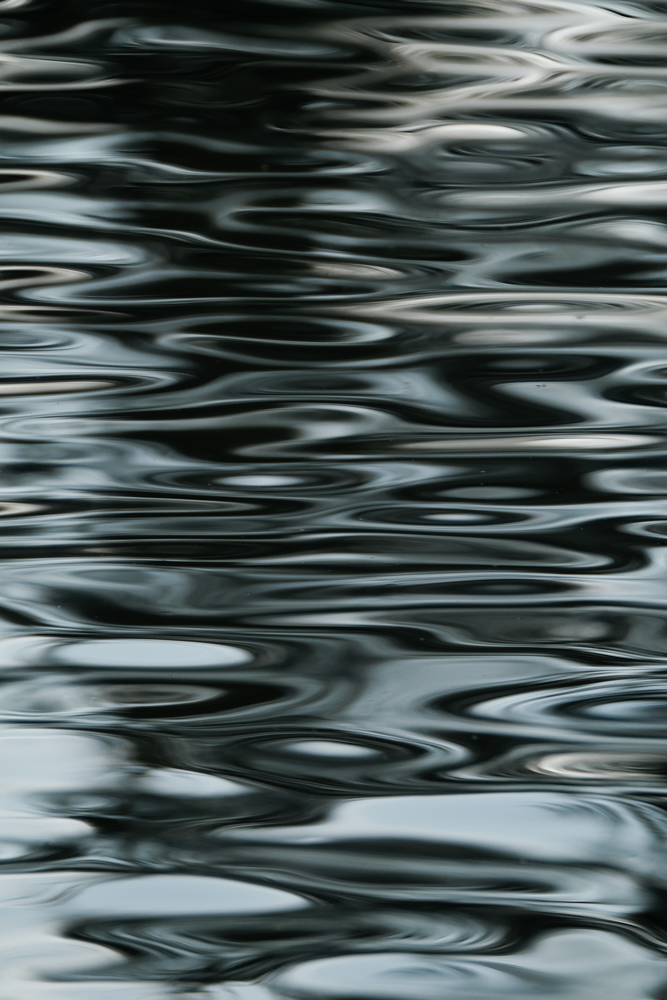
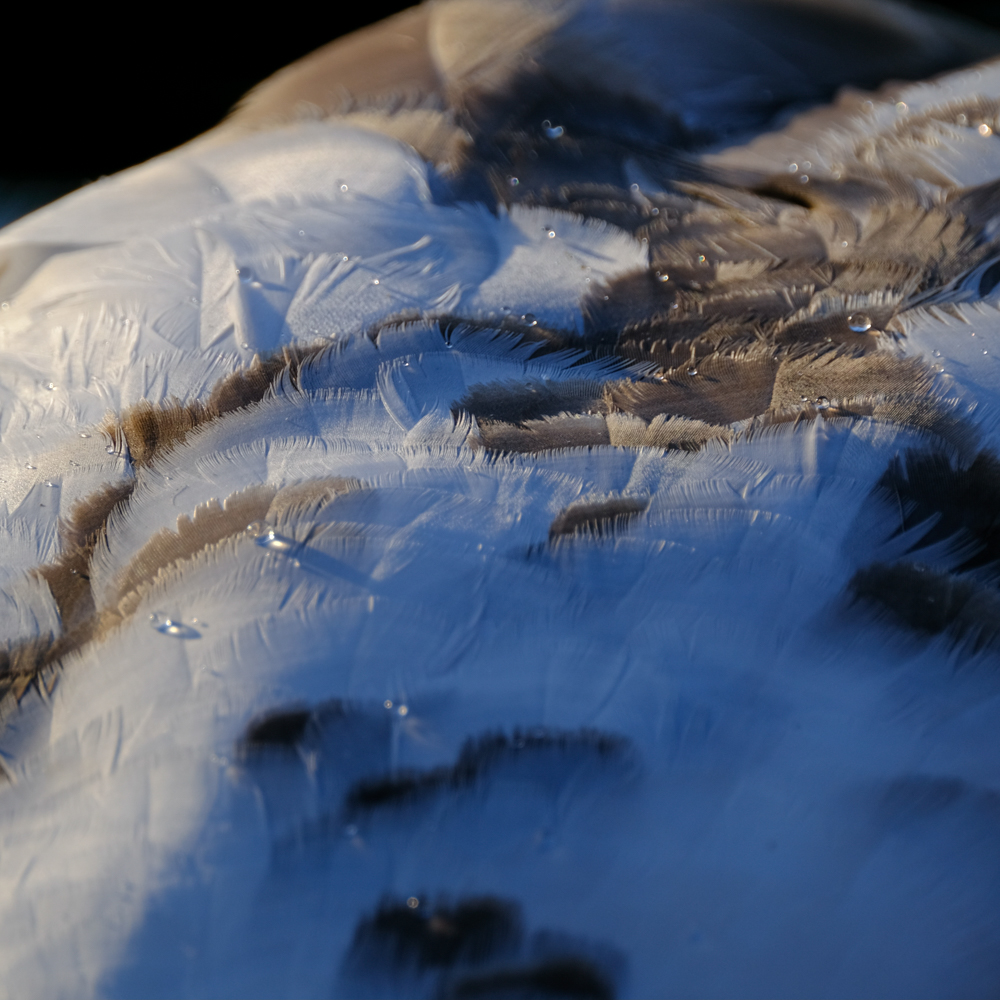
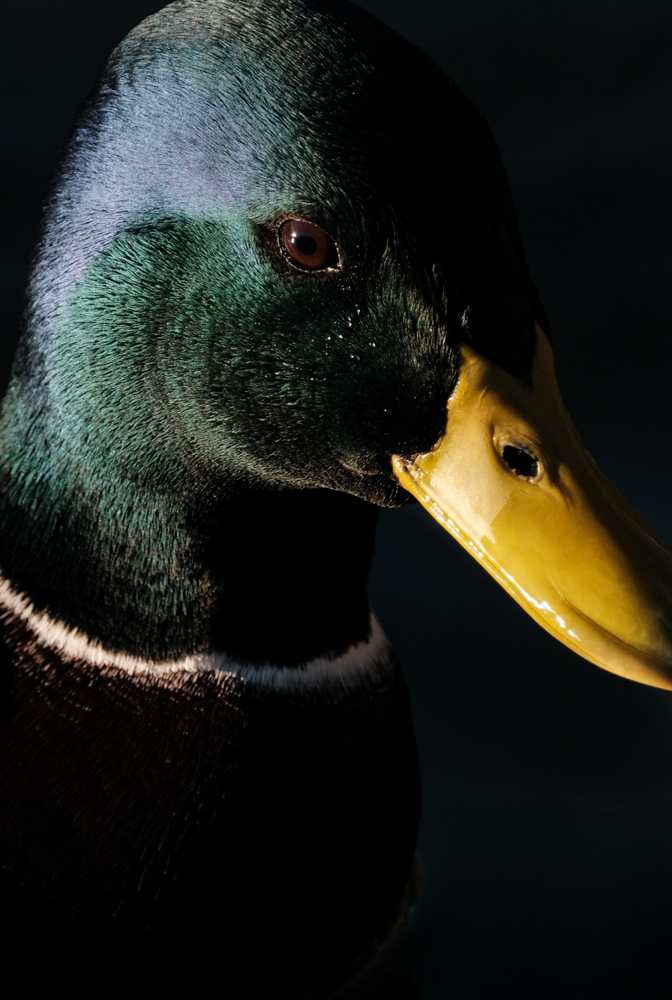
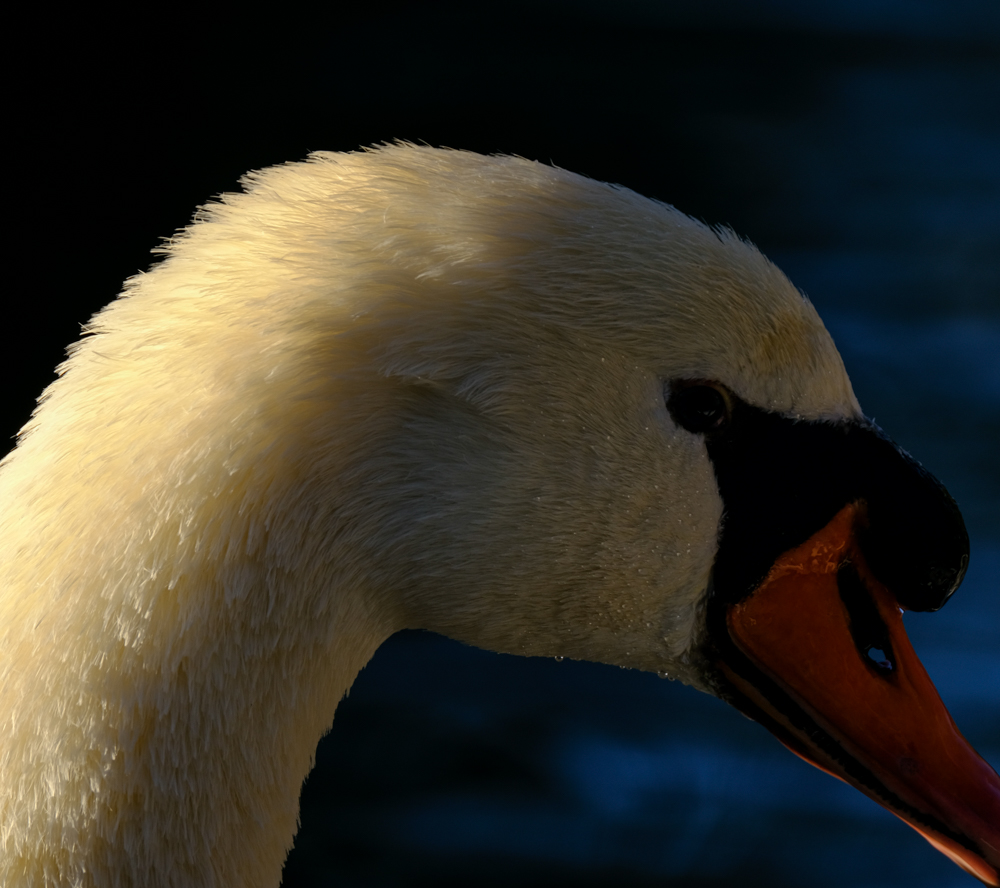
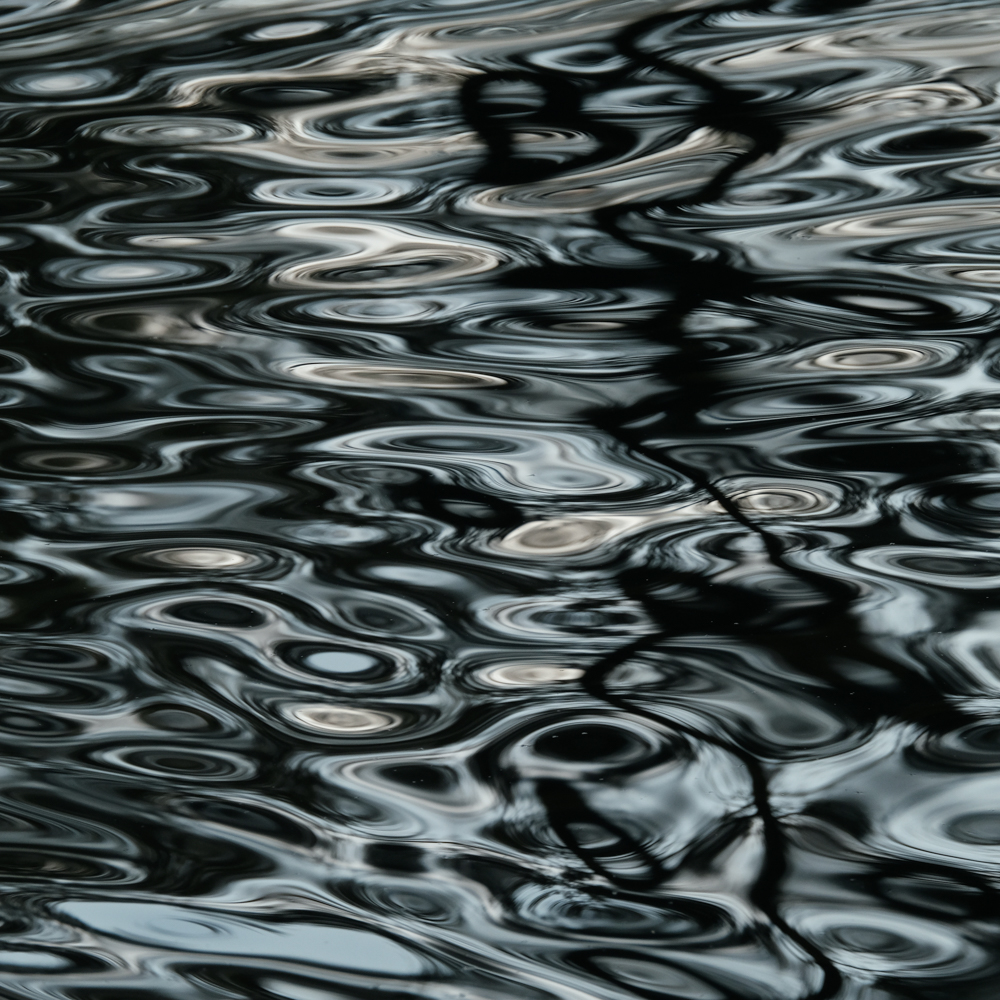
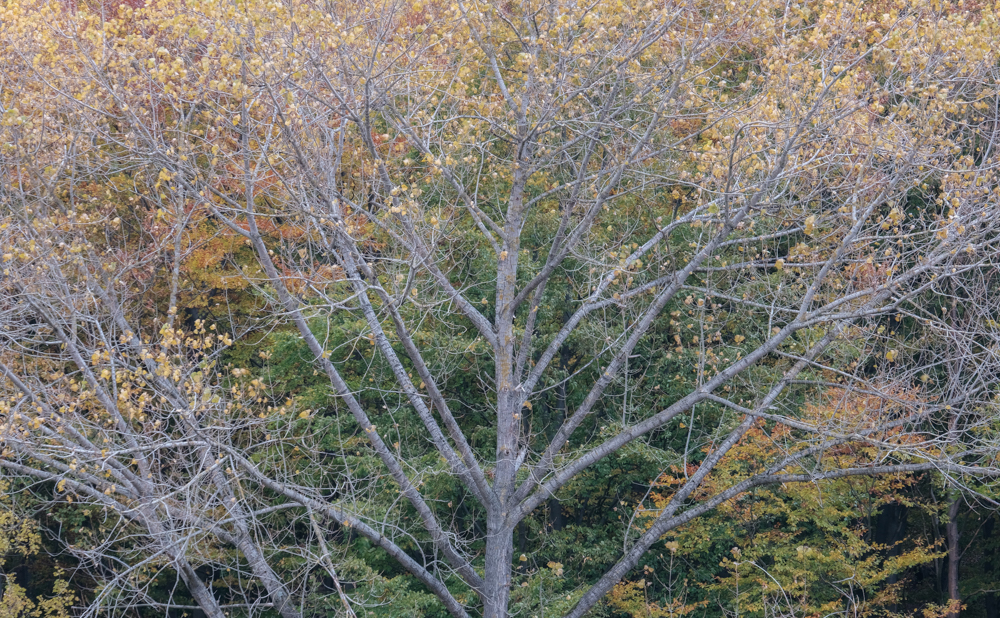
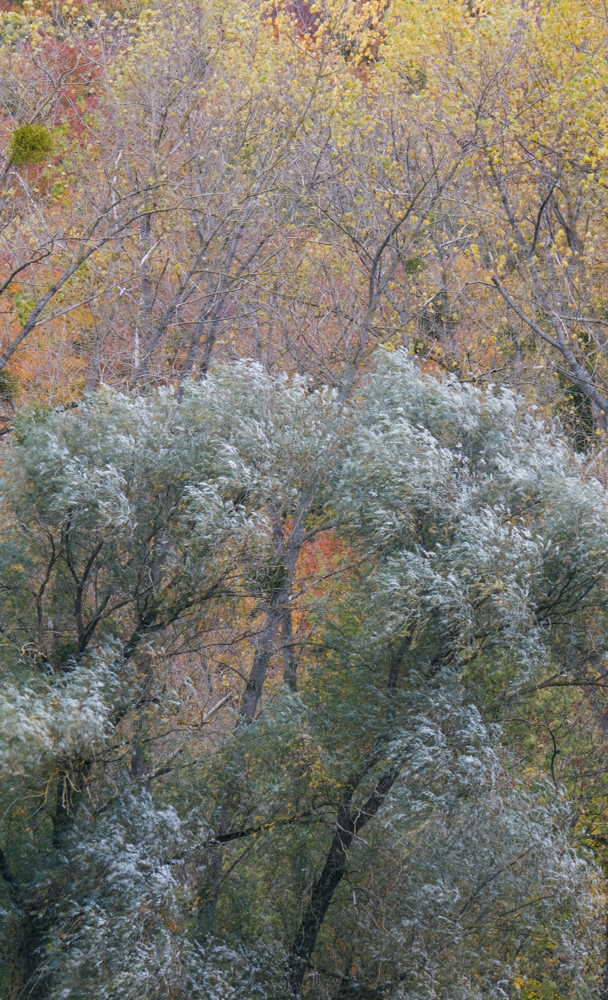
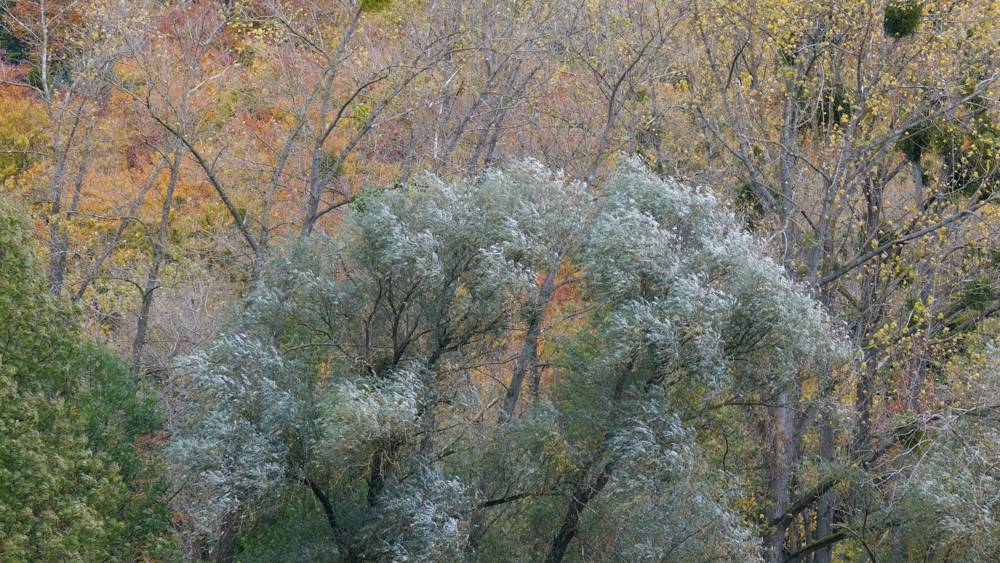
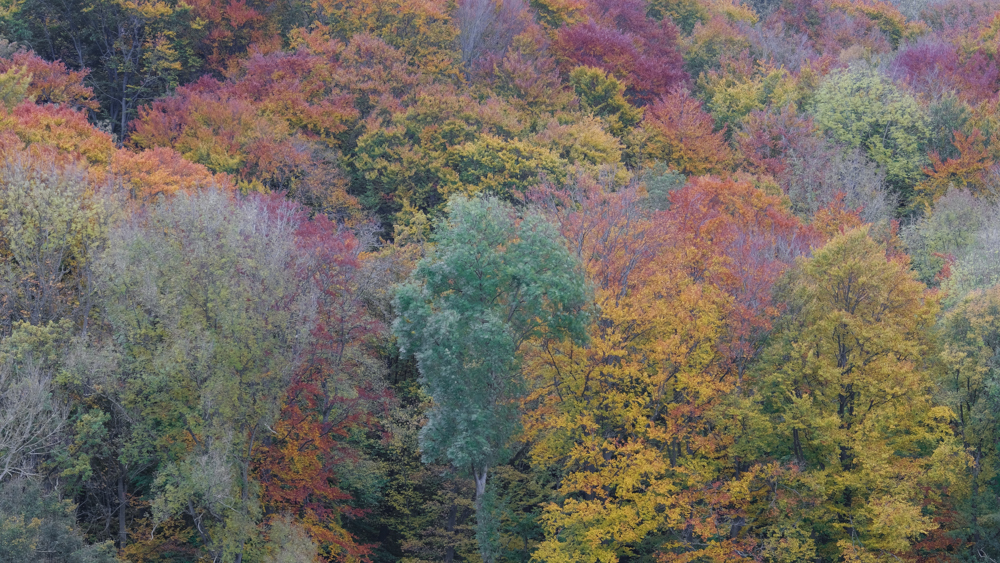
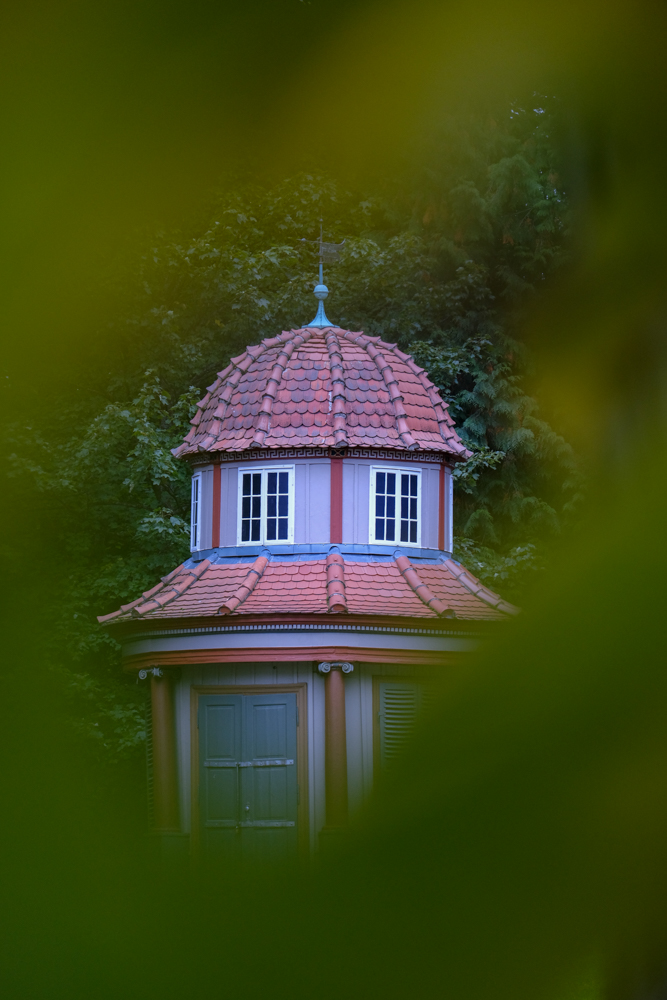
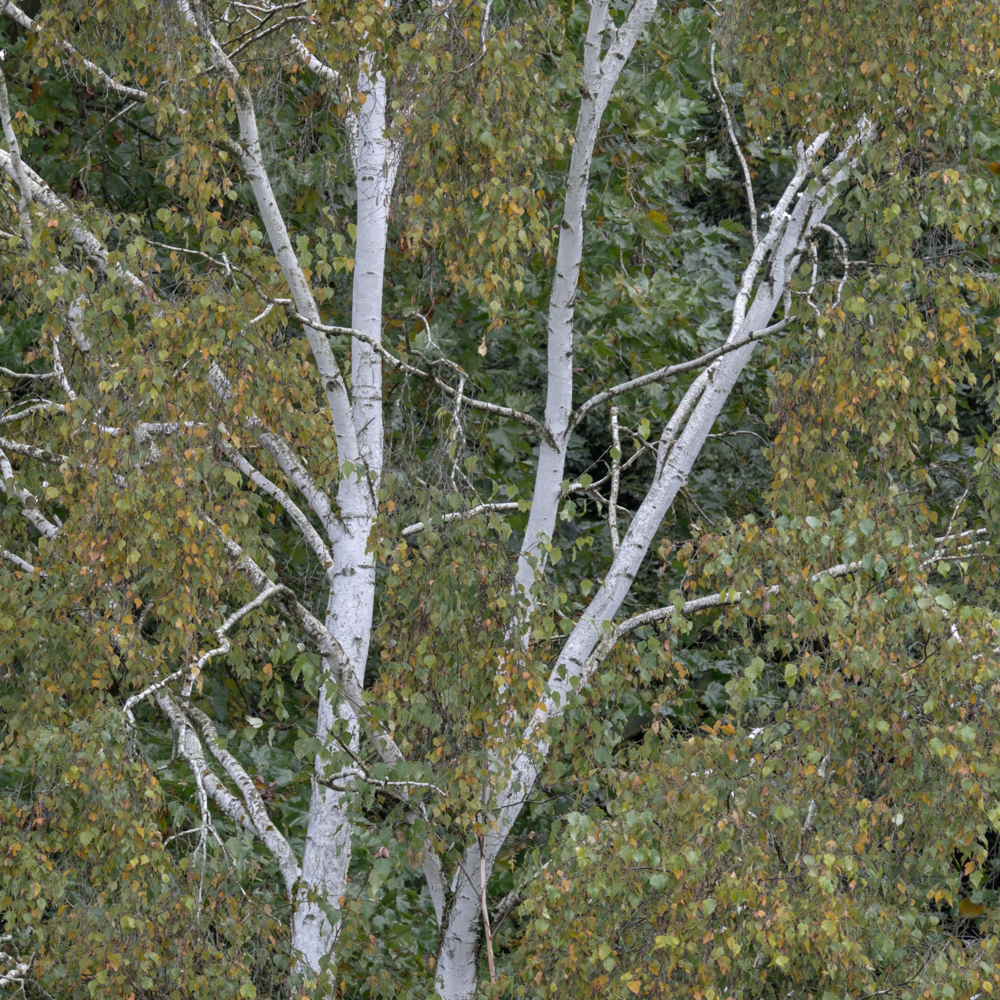
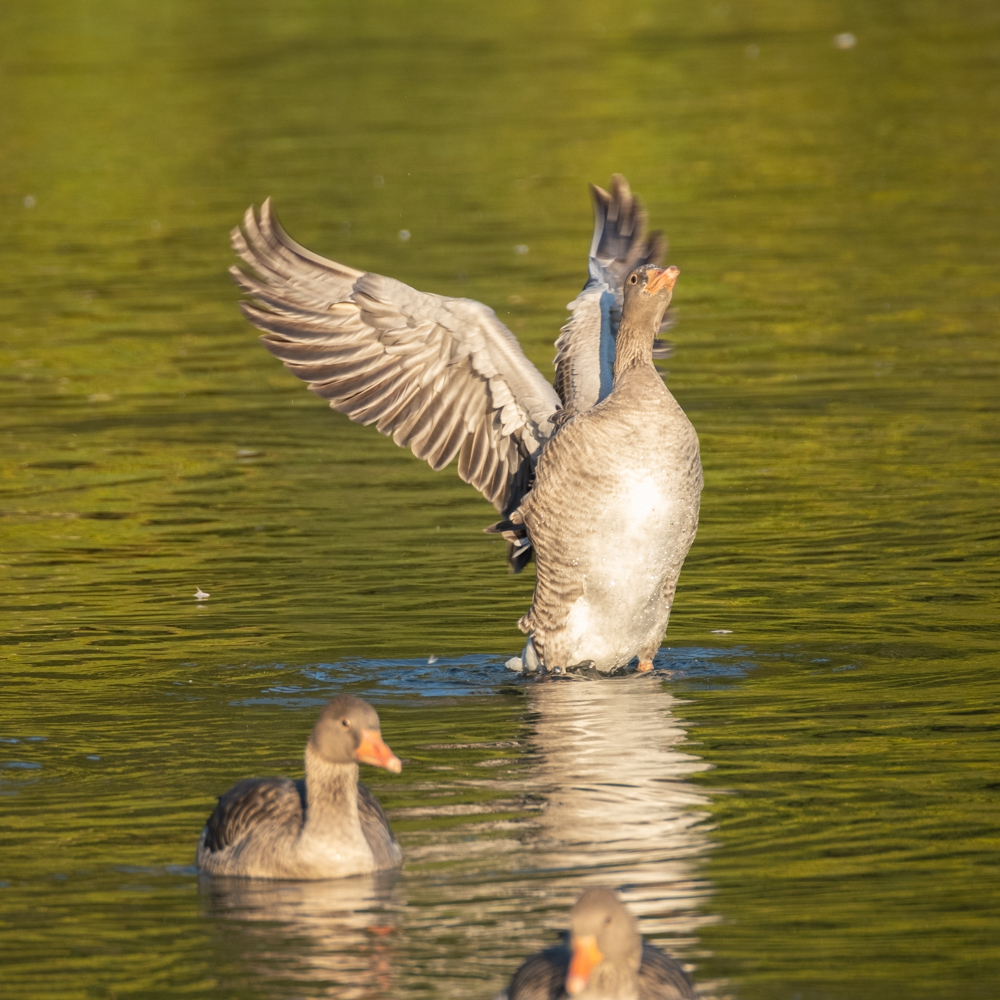
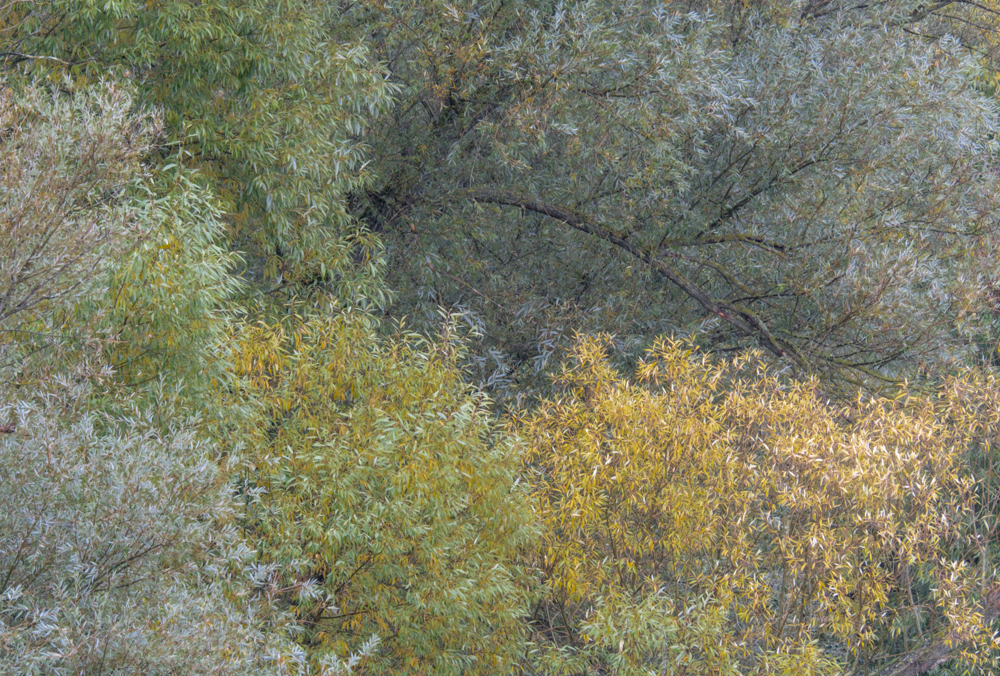
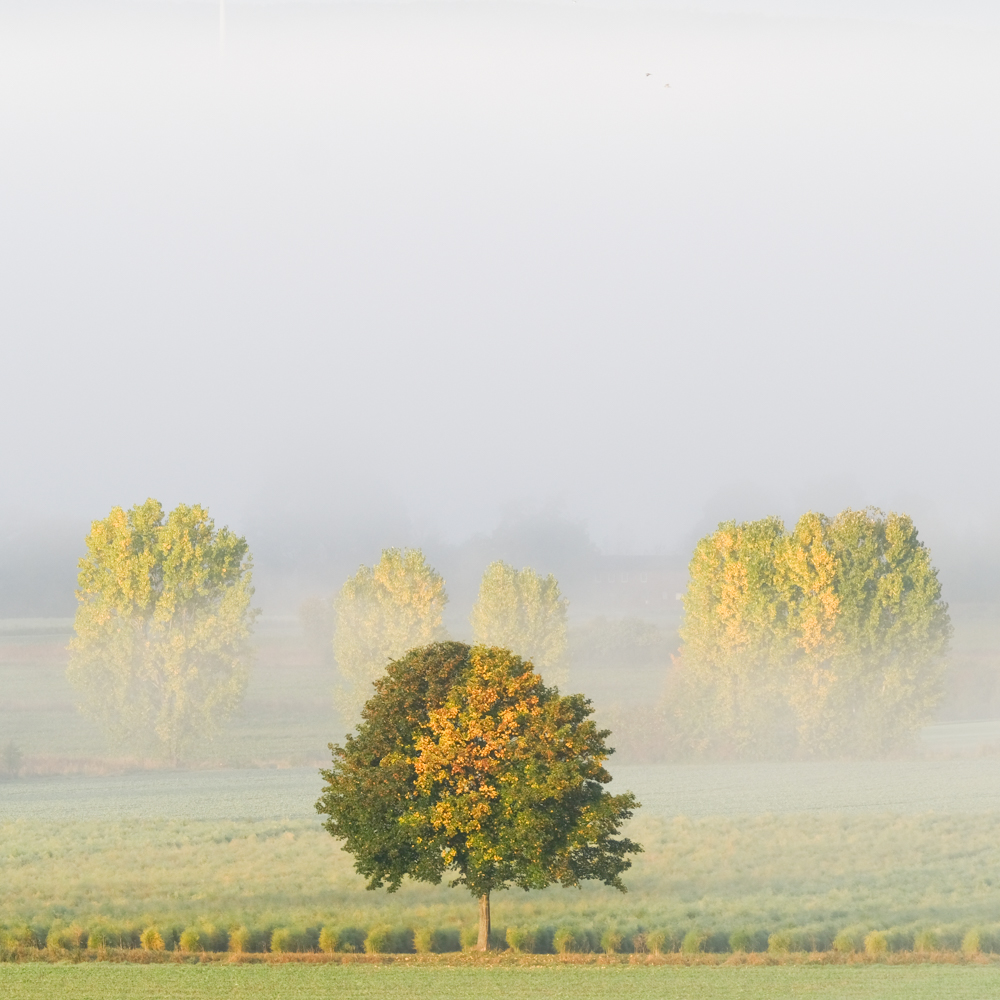
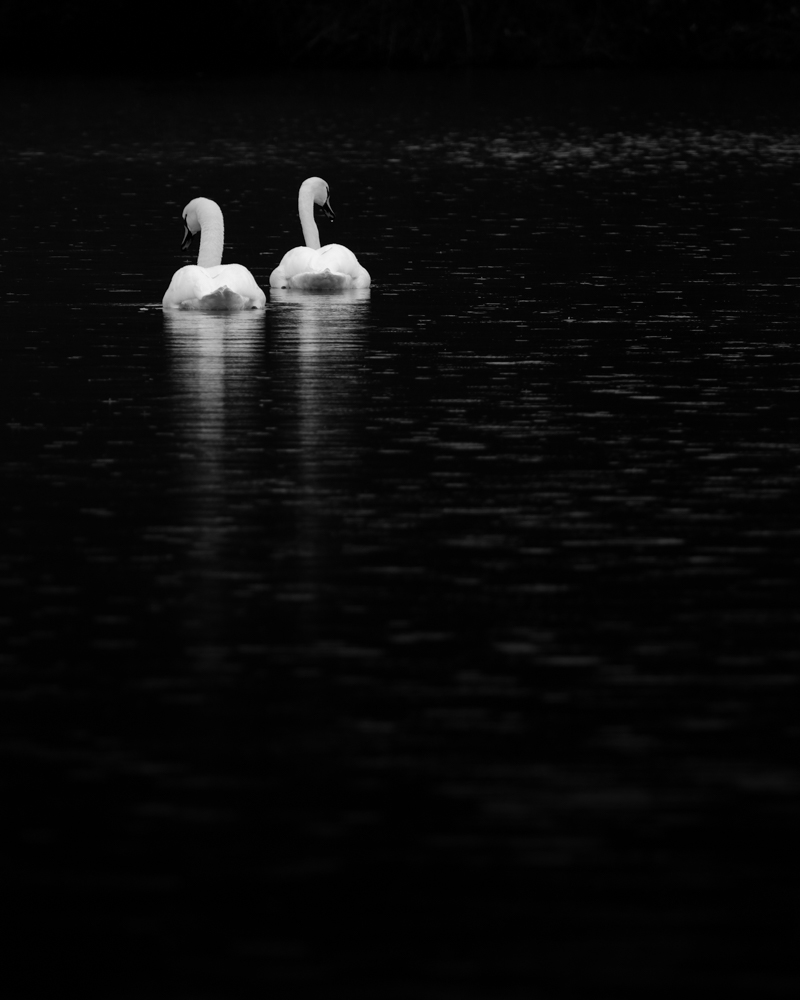
This topic deserves a longer post, I guess. But there is little time (another excuse to not fight right now…). Anyway, I like this selection of photos. Although they are from two different walks at two different lakes around here, they fit together: The combination of light and dark, the muted colors, the mood they reflect – nature during these early winter days. White and black, peace and war.
If finding an exact solution is not possible, perturbation theory provides a framework to build upon a known solution for a simpler problem. The resulting perturbation series can then be utilized to approximate the solution to the original, more complex, problem. If a simple picture does not work, perturbing it might result in the emergence of previously non-existent forms that produce structure. Thus, the more complex procedure while taking the photo can result in pictures of greater simplicity.
Motivation is the beginning. It entails action, which gives positive feedback and, in turn, boosts motivation. Without motivation, there is no action – it’s a (sometimes vicious) cycle.
Or is it? I got reminded recently: the cycle can start anywhere.
I have been ill at home for two weeks. The internet showed me some ad of an artist who photographed plain paper. Admittedly, it looked quite boring. I had no motivation, but I started with action.
Step 1
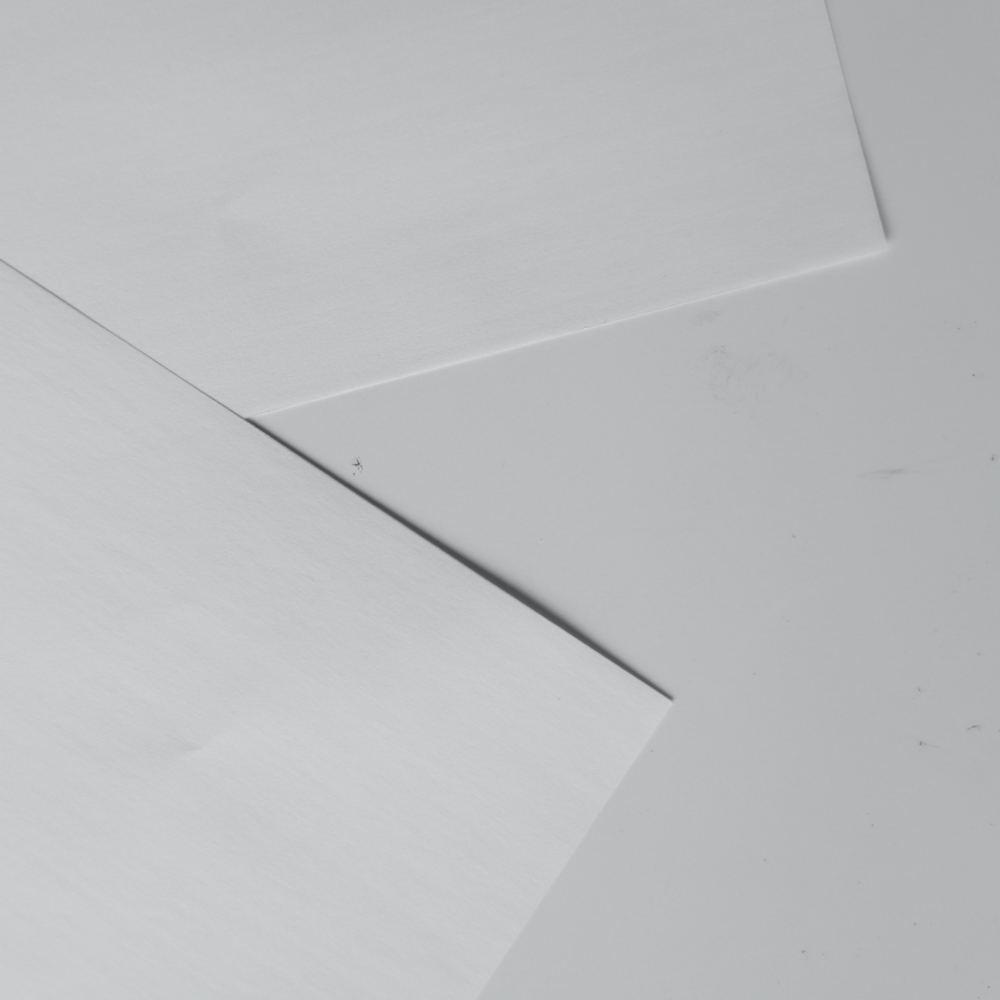
Paper ready. Tape ready. A white kitchen table, a north-facing window. No idea what to do. The first hundred pictures are absolutely unusable:
Step 2
I figure out that pointing the camera down doesn’t work in this setup. I thought it could be nice, but it isn’t. Photographing at a slanted angle with respect to the light, together with a darker background, seems more interesting. Still, there isn’t happening much in the next series of tries:
Step 3
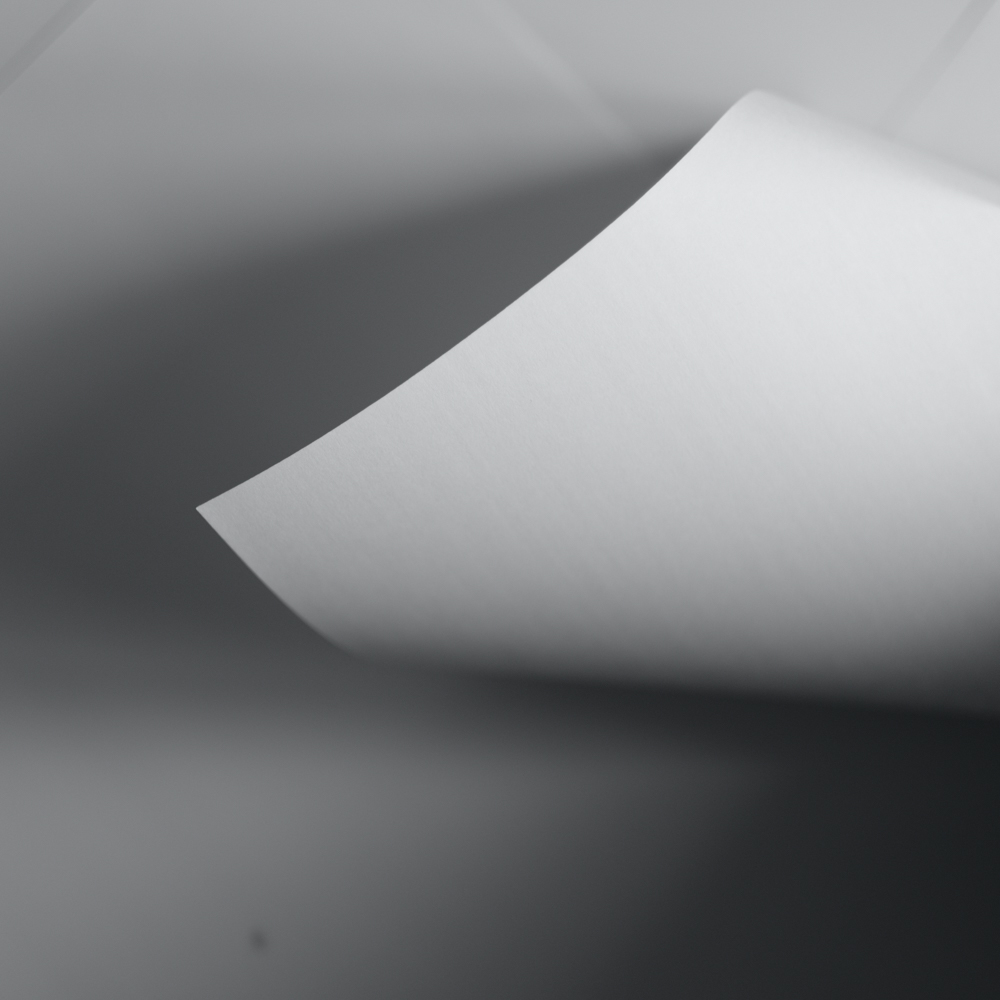
I already had the aperture wide open, but I didn’t place the paper correctly. I figure out that it gets better if only the edge of the paper is in focus. Then, the rest of the paper creates attractive effects in light and shadow:
Step 4
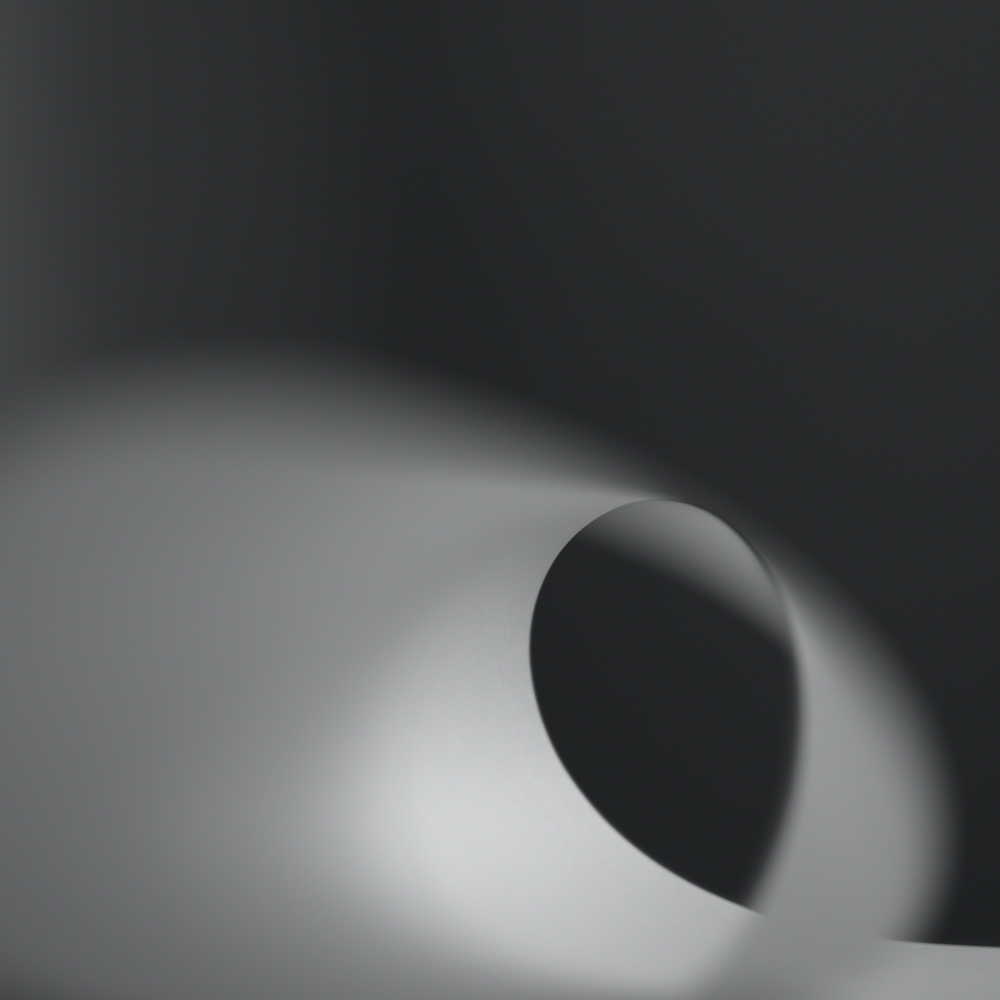
I am lowering the angle – parallel to the surface of the table. Minimizing or preventing the reflection seems more tidy. I can also increase contrast by using a black fabric behind the paper. Finally, I am getting something I enjoy. I wipe the first SD card to start all over:
Step 5
Go closer, omit everything unnecessary, any distractions. Clean and simple.
Step 6
Some last experiments to keep in mind for the next session: Playing with the foreground and using multiple papers. Now, I am motivated:
Deep within the shadows, the important details are hidden: in photography and in discussions.
Discussions are complicated as they require constant inclusion and exclusion. Often, the details are hidden in the shadows; but every detail is as important as the highlights. For example, the two items that are critical for a discussion are the two missing items, that which is missing and the reason for the absence of that item. This is one of the problems that we face in our discussions: What is the Missing Thing?
I am also curious about what else is in the shadows. What other issues are we missing? Why are we not seeing them? What is in the shadows that we do not see? The discussion is on the edges. The motives are unknown. The evil is lurking in the shadows, and the hatred in the hearts of those who know not good from evil. The evil is out there. The problem is that the evil is in all of us. There is a darkness in us that does not understand good and evil. There is a darkness in us that knows not the difference between right and wrong. There is a darkness in us that does not see the light. There is a darkness in us that only sees itself.
It is the nature of shadow to not be quite there. The shadows of photography are what can make a picture: a collection of still moments frozen in time. And for this reason, the use of shadows is a powerful technique that must be used judiciously. Shadows can be very useful, but they can also be very misleading, especially when used without understanding their nature and proper placement. Shadows can be the cause of serious, even fatal, issues in photography. When used wisely, however, shadows can make a photograph interesting and unique.
The hidden picture is just as important as the clear one. To the rest of us, the detail is, if not irrelevant, at least a waste of time. So why even talk about it? Why even photograph it? But if it is hidden and you cannot see it, it is not really there. This is the paradox of hidden details.
All non-italic text in this post has been automatically generated by a computer program, based on the first sentence.
Someone recently told me that she doesn’t like the ‘blurred’ images I have started to share frequently. For a moment, I was a little taken aback. But actually, by now, I am pleased she told me. It reminded me that I picked up photography for myself. I think some of these images are among the best I have taken so far. Others are among the worst. I greatly enjoyed taking all of them, and I find great pleasure looking at them: Blurring the line between reality and fiction.
When I started photography I had no plans, no vision. Now, I have countless. And it has gone far beyond the plain attempt to depict some sort of reality or to take holiday photos. It’s way more: abstract, documentary, emotional, attractive, engaging. Blurring the line between photography and art.
In the beginning, I thought that light plays one of the most important roles in photography – and sure, it’s important to a certain extent. But by now, I’ve seen the most incredible pictures from all conditions imaginable. And I, myself, can go out in most conditions these days and come back with something that might work. Sometimes, blurring the line between light and shadow.
Let me set the stage for a challenging act of balance:
A thin wire rope stretches between two poles. Right in the middle: the artist, high above the ground. Elegant, delicate, confidant. He must maintain balance, otherwise a deep plunge will end the performance quite abruptly. The artist firmly wraps both hands around a long rod; by doing so, he can compensate oscillations of rope and body. Looking straight ahead, knees slightly bent, there is only one way to finish this act of art: Walk forward, maintain balance, reach the save pole, relax; and turn around because the way back awaits.
But two opposing forces disturb the performance – while the actor is confident in his skills, his balancing rod causes imbalance: Attached to one side are his own aspirations, causing a slight, but constant, tilt towards the left. On the other side of the rod are the well-intentioned demands of the spectators pulling him towards the right. In order to survive, own intentions and the will of the spectators need to be integrated to accomplish the feat.
The feedback is essential to learn and improve; but own aspirations are important to maintain motivation and the drive to create. Balance between both has to be maintained. Asking two persons will give you three opinions – and then there is your own as well.
I became aware, that the noise of many will point you in all possible directions. But the voice of a few will show you the right path. So, listen to honest feedback of trusted ones whose only goal is your own success. But sometimes, only yourself can know what is appropriate and how balance can be maintained from start to finish – and all the way back.
I am accustomed to movement in different activities such as juggling and bouldering. Complex body movements, precise homogenous arm motions, balance, or momentum.
However, one major issue in photography is not movement itself, but the opposite: to keep the camera stable during exposure to light. Blurred images are undesirable – at least most of the times. Therefore, tripods and optical image stabilization are common techniques to reduce camera motion.
Recently, I am intrigued by images that are blurred; thereby, they can carry emotion and feeling, but in return they often have less tangible subjects. I just recently learned the term for this technique: icm (intentional camera movement).
Abstract scene from local woods – directly out of camera without post-processing.
Getting the proper movement is key; and I am still at the very start of playing around with different movements and getting them right. But especially when conditions are difficult for ‘normal’ photos, movements can create appealing abstracts.
We’ll mix it up this time. Correct: Not I, but We. Because you’re going to get involved in this one. One simple question, many answers. Take your time to think about it before reading on; here comes the question:
Are the following pictures similar?
Let’s start with the basics: They are digital pictures shown on a website, saved in the same digital format. Not known to you, they also have the same number of pixels along the long side. To be exact, 1000 pixels as all pictures here in order to not occupy too much space (and to not get stolen – but who will steal them anyway…). Color information is stored in Adobe RGB color space, however, since all are black and white, the information for red, green, and blue is identical for every pixel anyway.
Not so fast, you will intervene. And you are right in doing so: While the long side is always 1000 pixels, they do not share the same aspect ratio, nor the same orientation. And it won’t be a stretch to claim that between every two pictures no single pixel is identical. So already after these first simple investigations we see a problem emerging: They are similar to a specific degree, identical in some respects, but disparate with respect to other criteria.
Let’s dive deeper: Are the images we see here the actual images, let alone do they inherit or show some of our reality? First of all, they do not show the full data gathered, since the original pictures are much larger, also encode color, and a variety of additional information in their RAW format. And in any case, they are just some arbitrary representation of reality without any real connection to it. One of endless possible portrayals of reality. While this does not directly touch on the original question, it is important to keep this in mind when we search and interpret their similarity.
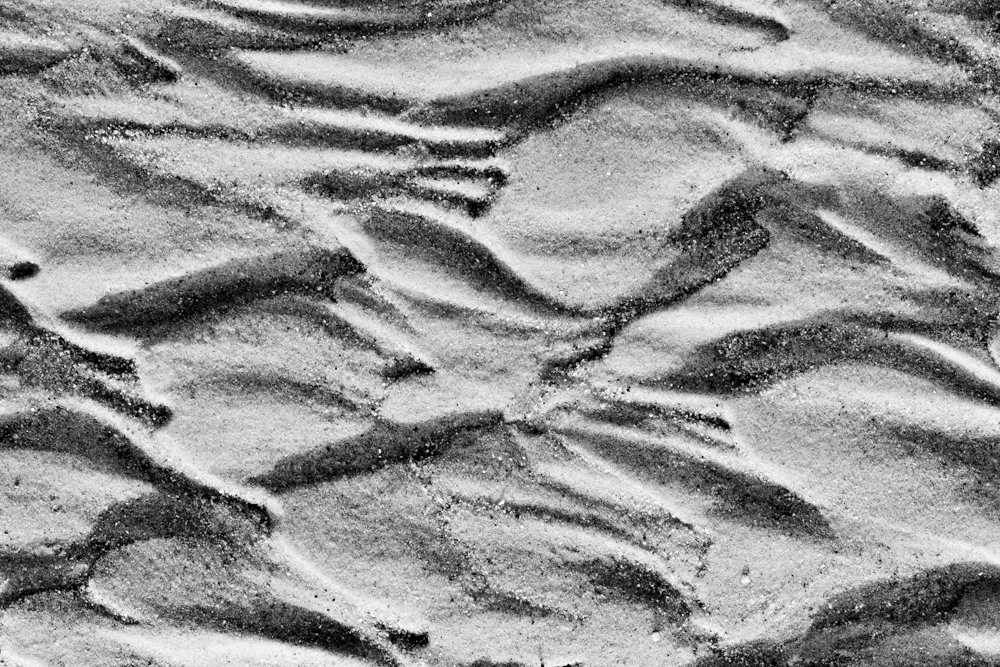
Lastly, how do the overall pictures appear? Even if the single pixels are different between all images, combined they create patterns that can be alike. The pixels combine to a variety of forms, which, in turn, are received differently by different viewers. Waves, scales, oscillations, geometrical forms. And are they really creating these patterns or does the viewer infer them? Can we infer different patterns from the same picture?
I could go on for a while, but it’s getting too long. Let’s move on to the second question: Now, we also need to quantify the difference between every pair of pictures. On a scale from 0 to 100, how different are these two?
And what about these?
I think you are getting my point. We can create an endless list of metrics and choose what we think is best. We can apply these metrics to these simple images, or we can gather more data, larger pictures, RAW data, and then apply the metrics. We can weight and combine metrics to generate an overall score of similarity, we can try to assess how it performs in comparison to other scores. We can compare pairs of pictures and create a hierarchy of similarity. But it will never be the same when done by different people. And in the end, it’s quite arbitrary. Do we look at pixels, color, form, format, derived patterns, povoked emotions?
Most of the day I am doing such arbitrary comparisons. Not between images, but between DNA strands. Instead of pixels I am looking at sequences of A, C, G, and T. Depending on the chosen metric, a variety of results emerges. There is no correct metric, no correct similarity measure. There is no correct way to describe reality, neither to analyze and exploit it. There is an infinite number and every single one creates another distinct result.
But fortunately, in the end, it somehow seems to work – at least sometimes, when it solves a problem in biology research or medicine; but most of the time I don’t get how.