Cairngorms

Cairngorms

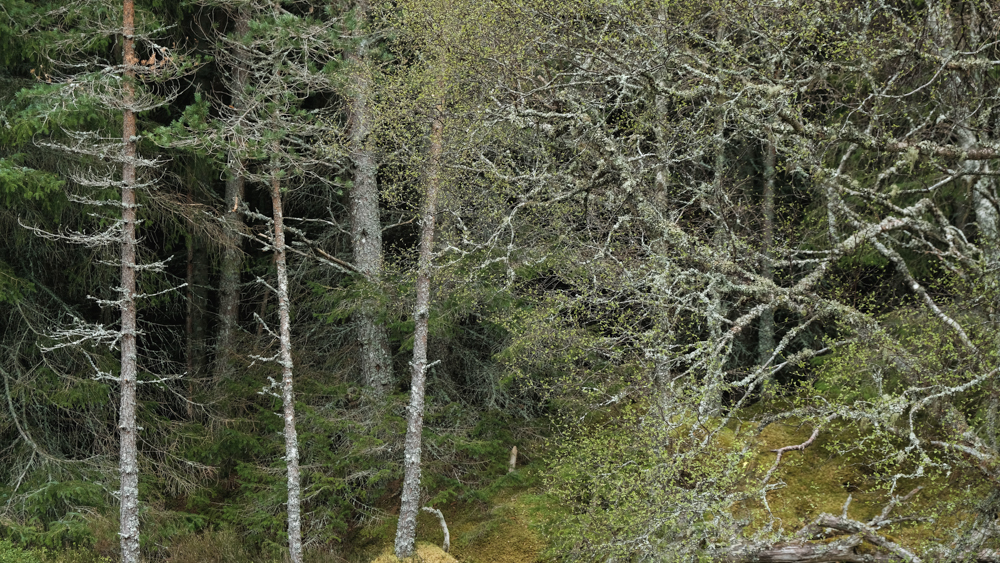
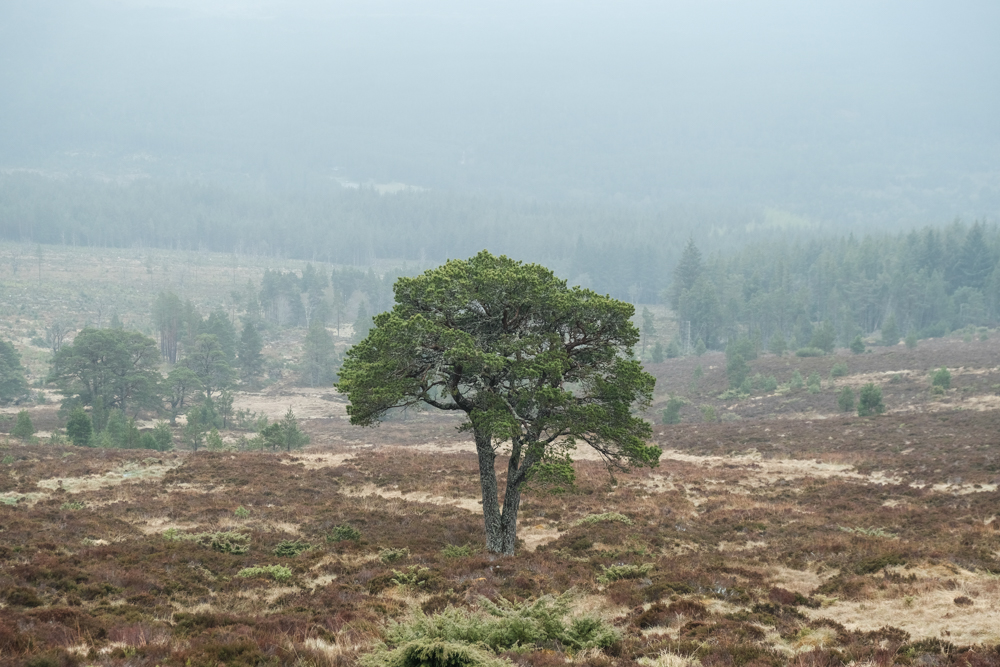
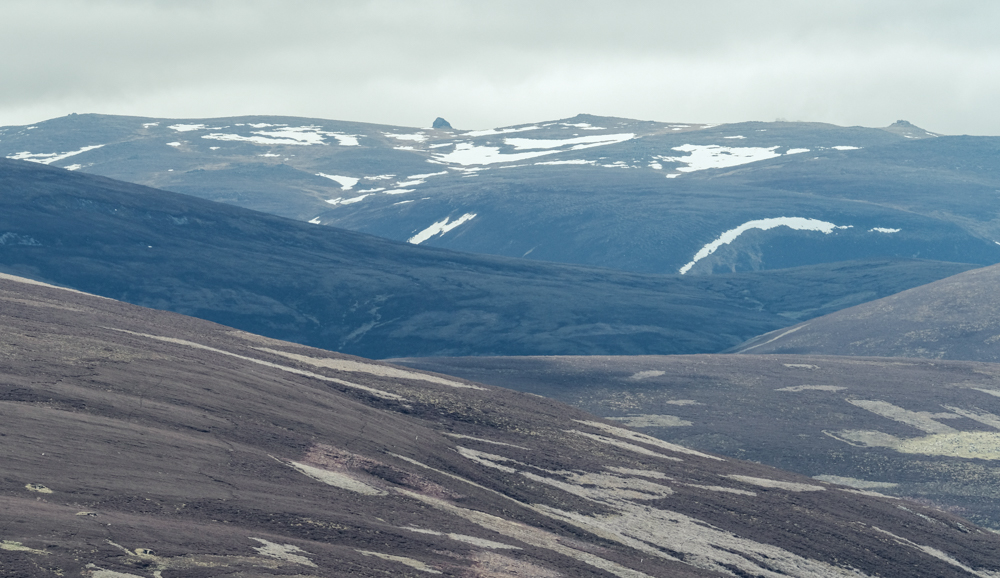
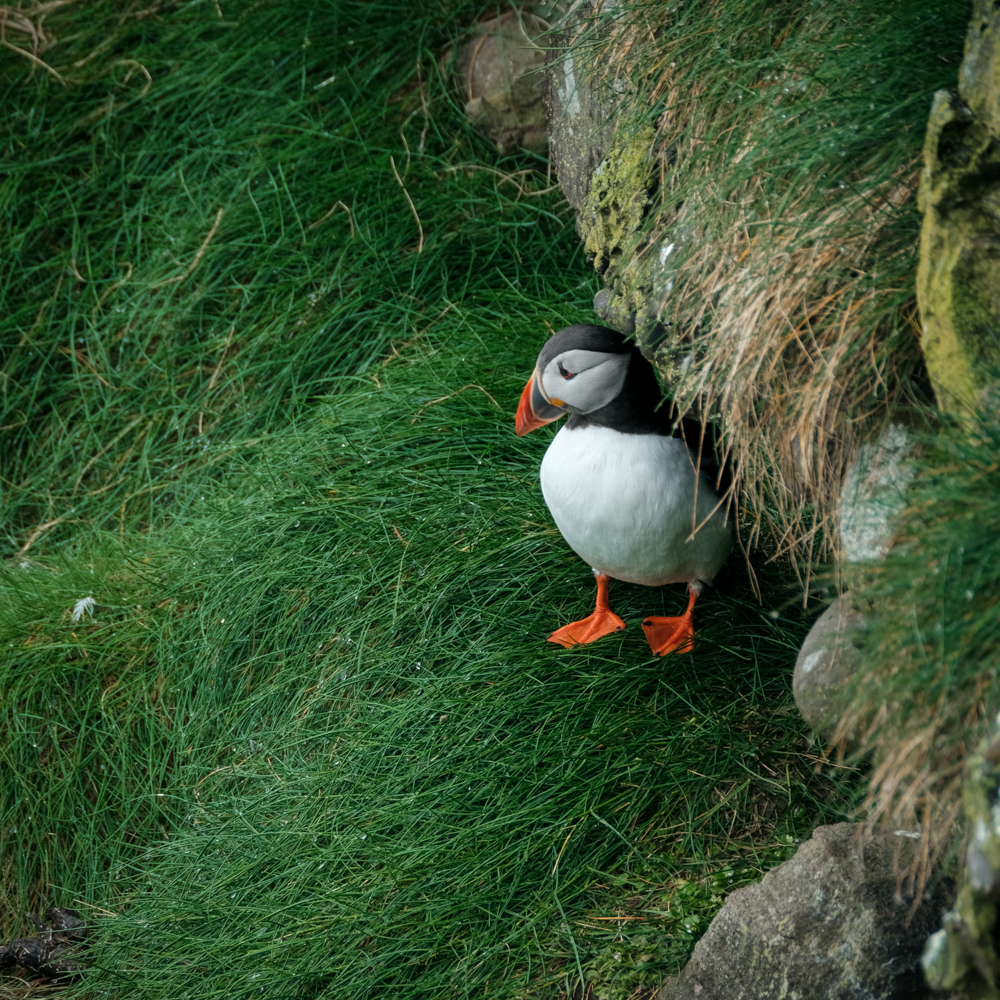
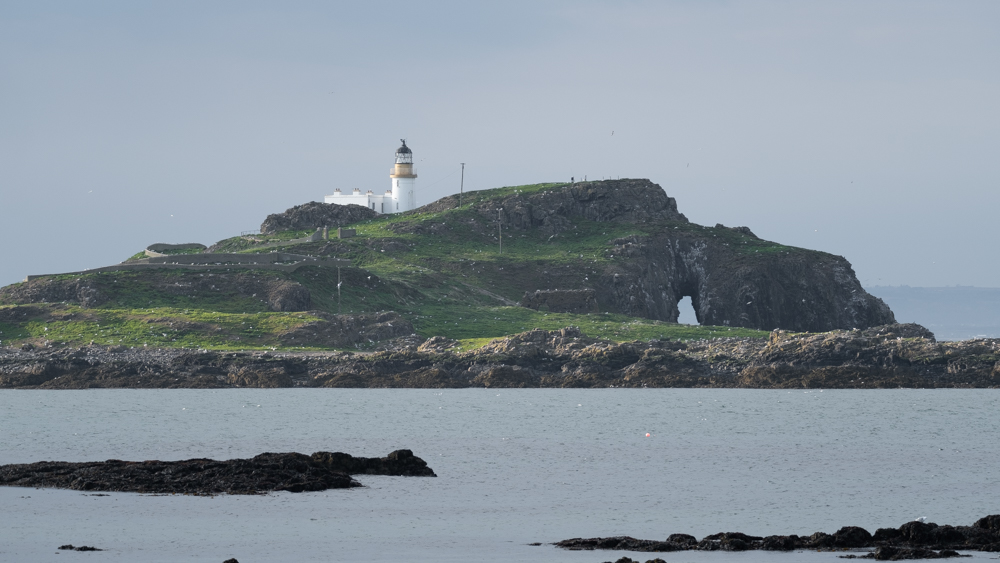
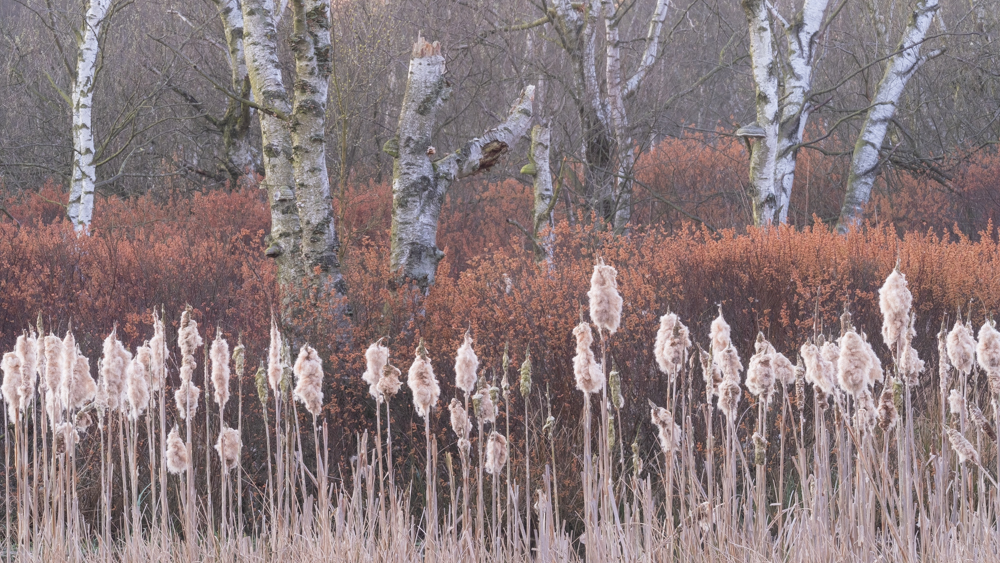
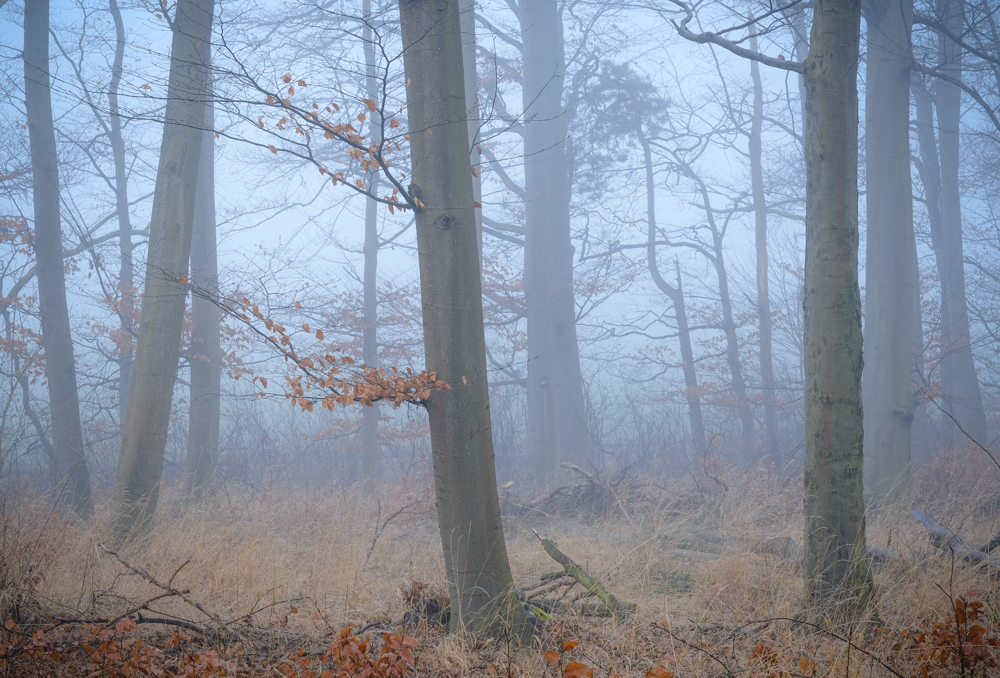
The vastness of the Cairngorms was especially appealing to me. With 1107 square kilometres, the Cairngorms are Scotlands largest national park – perfect for getting lost in nature and a paradise for hiking. Apparently, it’s also a paradise for capercaillies as we noticed pretty quickly: They were quite abundant and apparently the courtship was in full swing. They didn’t display for the camera though, in contrast to Stonechats and Wrens. Especially for the latter one, it was a treat to see it so close in the late evening hours. Besides, the Cairngorms host 5 of the 10 highest mountains of Scotland – watch out for one of the next posts which will be all about the Munro mountains.
Variation in O-ton

Variation in O-ton

There is always a first time: For a change of scenery, todays post will be in German. Don’t worry, though – the next one will be in English again.

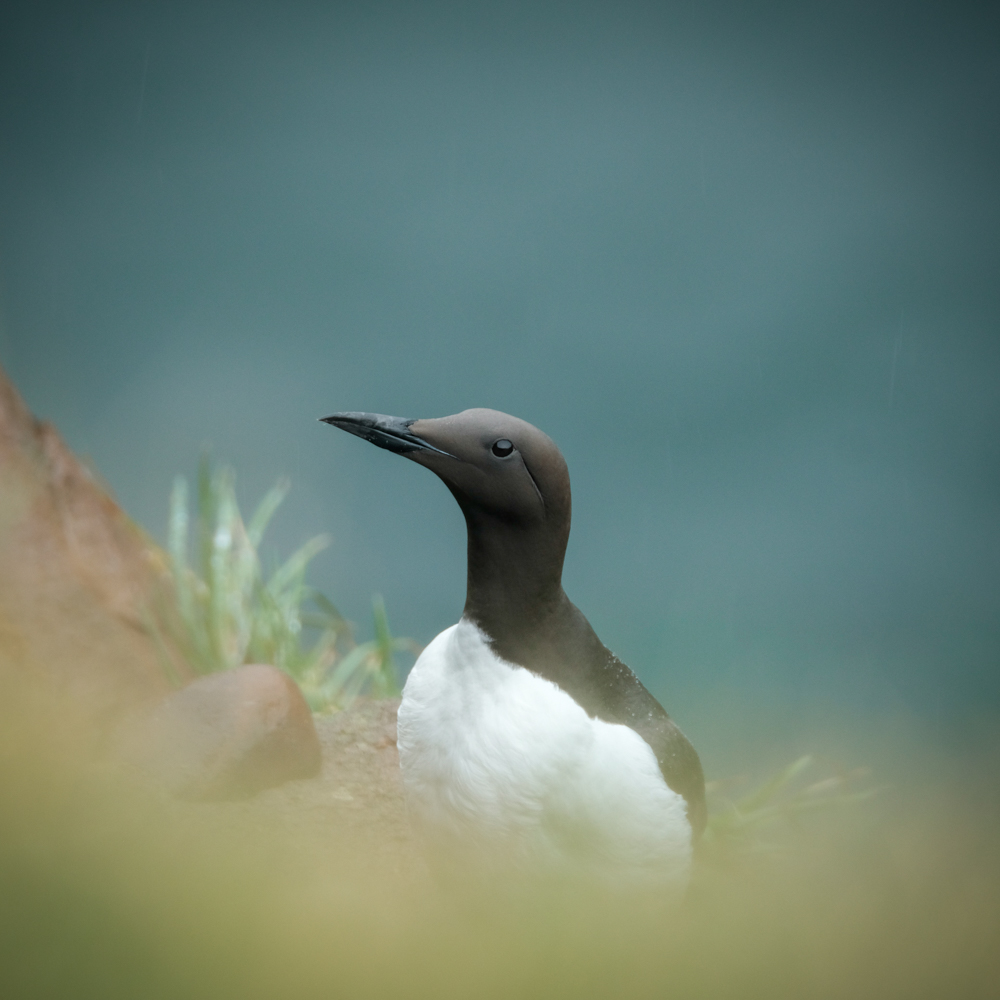
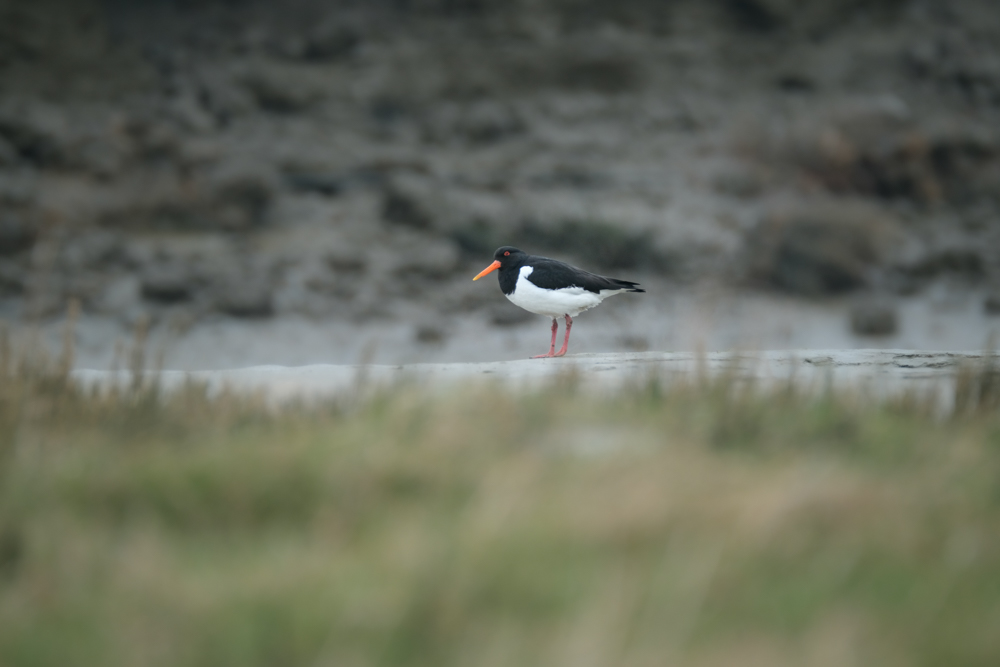
Altbau-Büro, bald grau – heilfroh, dass Schottland kommt, dass flott Strand kommt, das raue Meer, ins Blaue, mehr entspannen, ohne Pannen: Urlaub kommt. Und, mit Verlaub: es ist auch Zeit. Bereit zu Zweit, wir sind soweit.  Für eine kleine Ewigkeit. Ciao Tagesschau und Alltags-Stau, ich schau stattdessen in den Guide der aufgestauter Fantasie jetzt Deutlichkeit verleiht: Weite Landschaft, breite Strände, steile Gipfel, Landzungen-Zipfel, gelb und grün hinein getupft. Die Vögel kühn, die Landung sanft, die Brandung tost tief unten. Die bunten Puffins sind gehüllt in Nebel der die Bucht erfüllt. Und kaum erdacht, schon ist man Fracht auf einer Fähre durch die Nacht. Halb acht, wacht auf, habt acht, bedacht: Der Linksverkehr führt gleich ans Meer, die Küste naht als wüsste sie wo unser Pfad heut enden wird. Mehr braucht es nicht, wir leben schlicht; die Straßen leer, der Ginster dicht. Wir fahren frei – der Sonne nach – der Wonne nach, wie's uns gefällt. Kein News-Beschuss, nur Bus-Genuss. C++? Mitnichten. Frei von Pflichten, nur noch Dichten, Vögel sichten: Tordalks, Möwen, Trottellummen, die Welt singt los und wir verstummen.

Themes

Themes

A large milestone of my (work) life is due at the end of this year. A distinct goal I am working towards; a goal that shouldn’t be missed. Accordingly, I themed the next months as the ‘Time of Progress’. Every day with progress, no matter how much, is a good day. I also have been using (my own implementation of) the Theme System for my work journal for the past three years; however, rather poorly in the recent months. It is time to properly reinvigorate the daily journaling (and themes) – at least for a while.

More lately, I’ve also come to the conclusion that my photography will benefit from a theme-based approach. While pictures on a single post are mostly from a single day and, thus, already appear to follow a theme, I am looking for something more long-termed and directed. So far, I am going out and capture whatever works with the current conditions in nature. And I will keep doing that. But I am also fond of having an artistic project that spans a longer time frame than a single summer afternoon and that results in a ‘finished’ collection of pictures following a common theme – suggestions welcome.

Untangled

Untangled

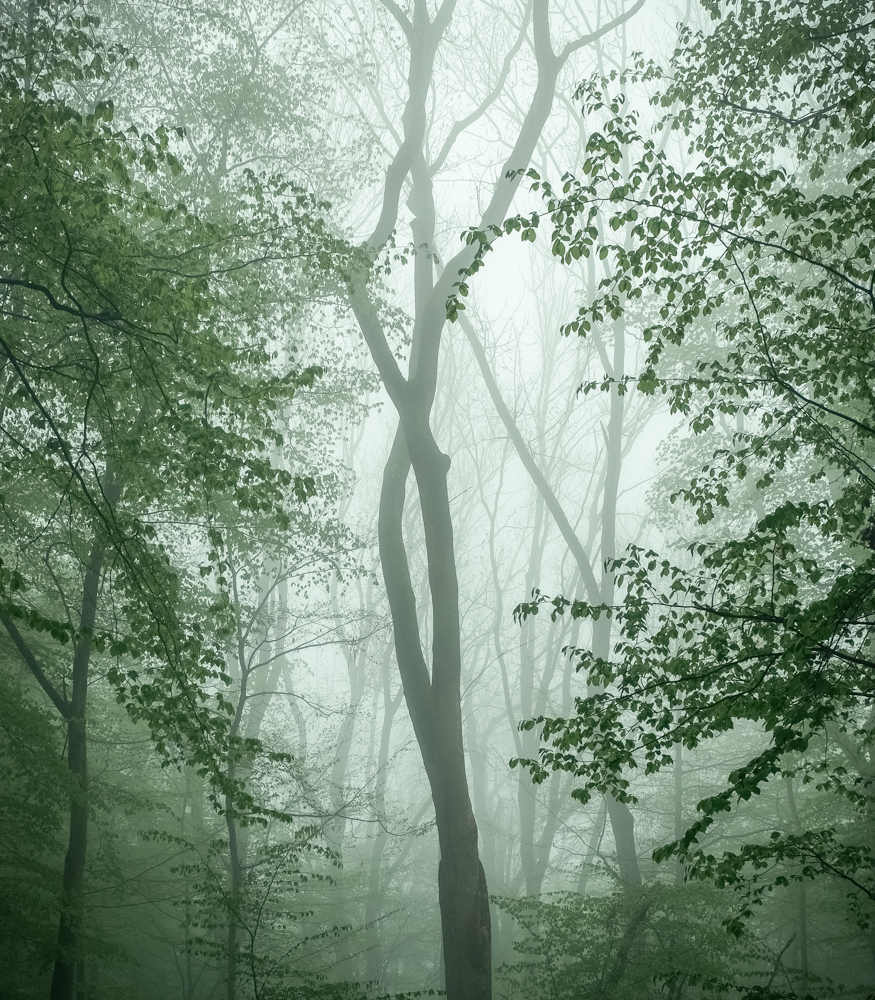
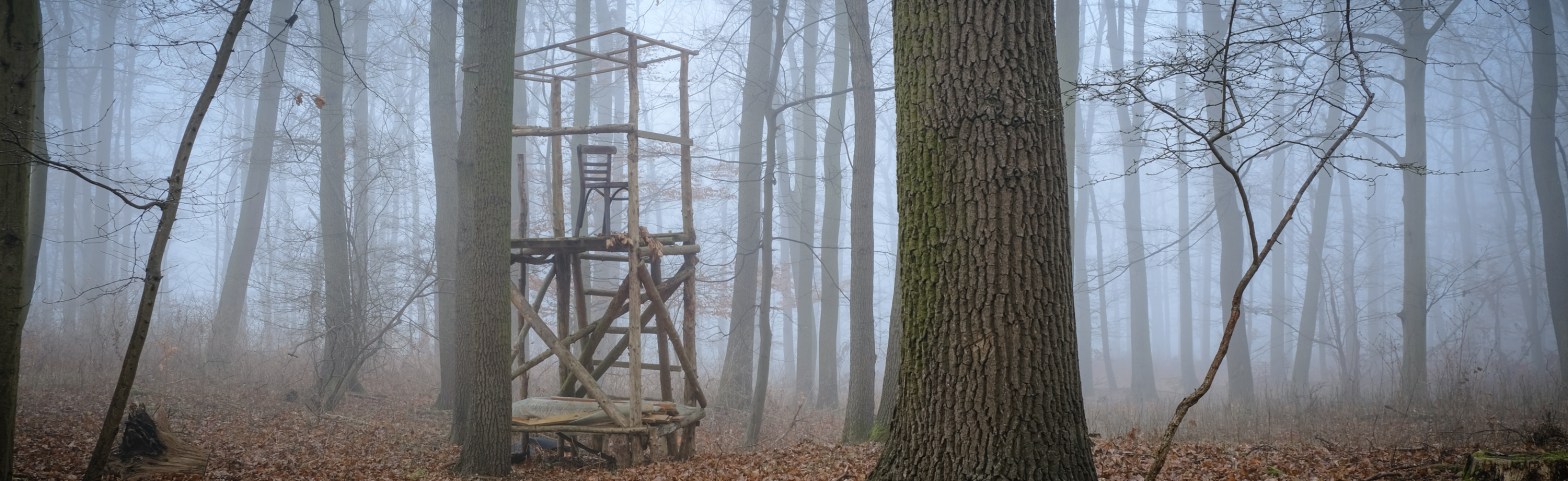
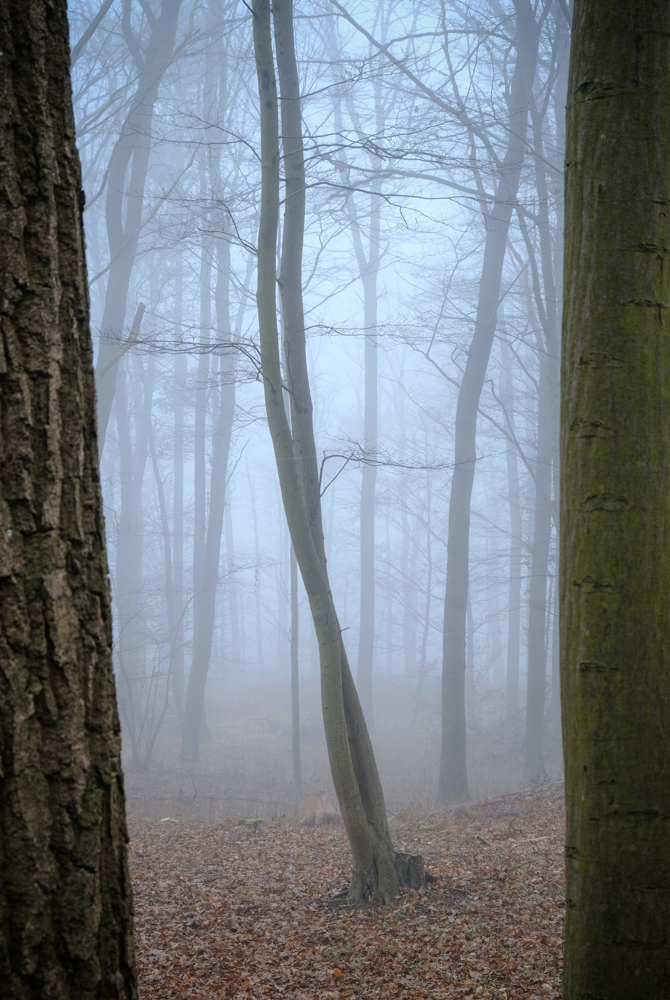
The alarm clock goes off at 5 in the morning. Fortunately, in anticipation of my morning mood, past me already crammed everything into the backpack yesterday evening so I can get started right away. Why today? Because the forecast promised heavy fog for the whole morning. So, despite the apparent lack of fog at this early time, I hop onto my bike, and drive off into nature. All trust placed in the forecast. I have visited this wood many times before; last time in late winter when everything looked naked and cold. So how about today? It’s a different world:

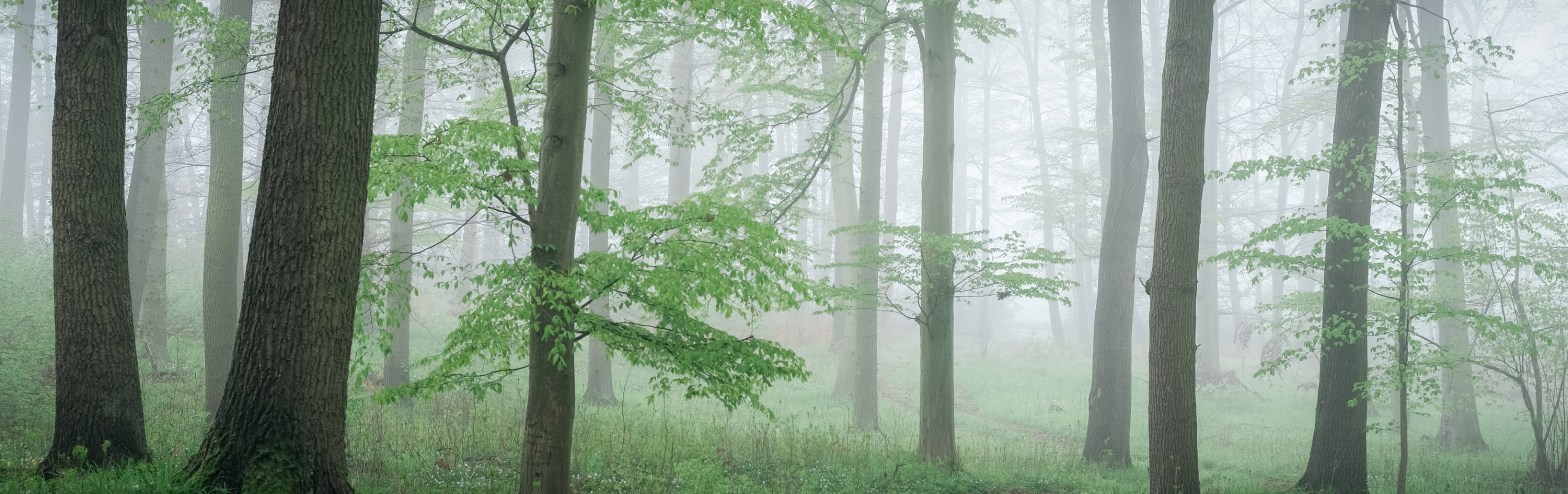
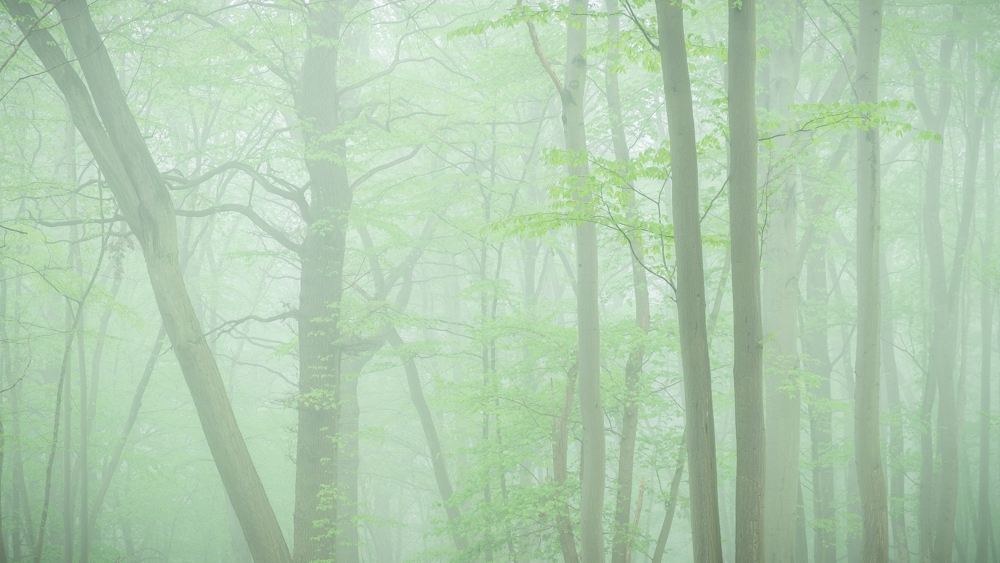
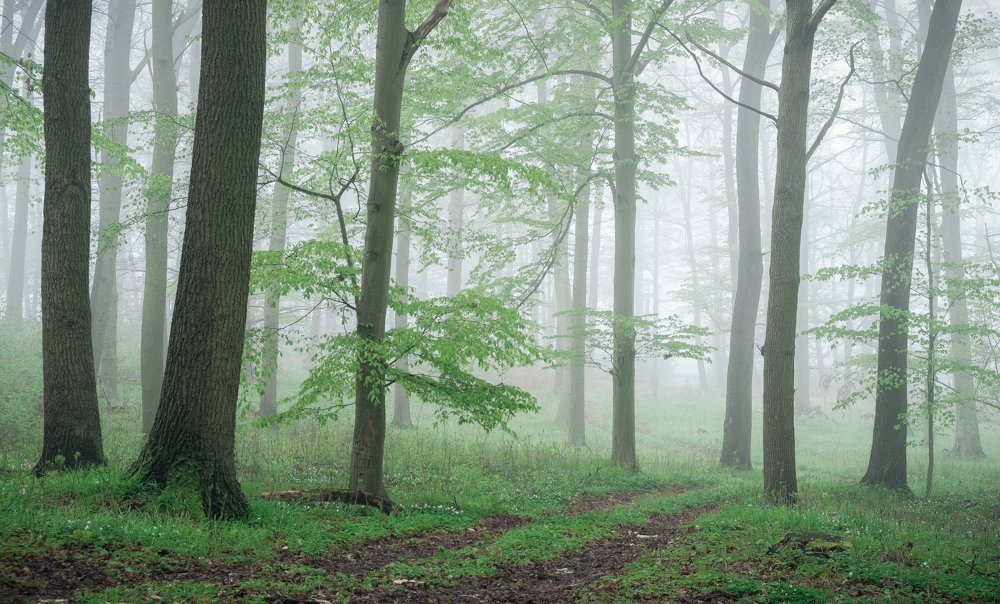
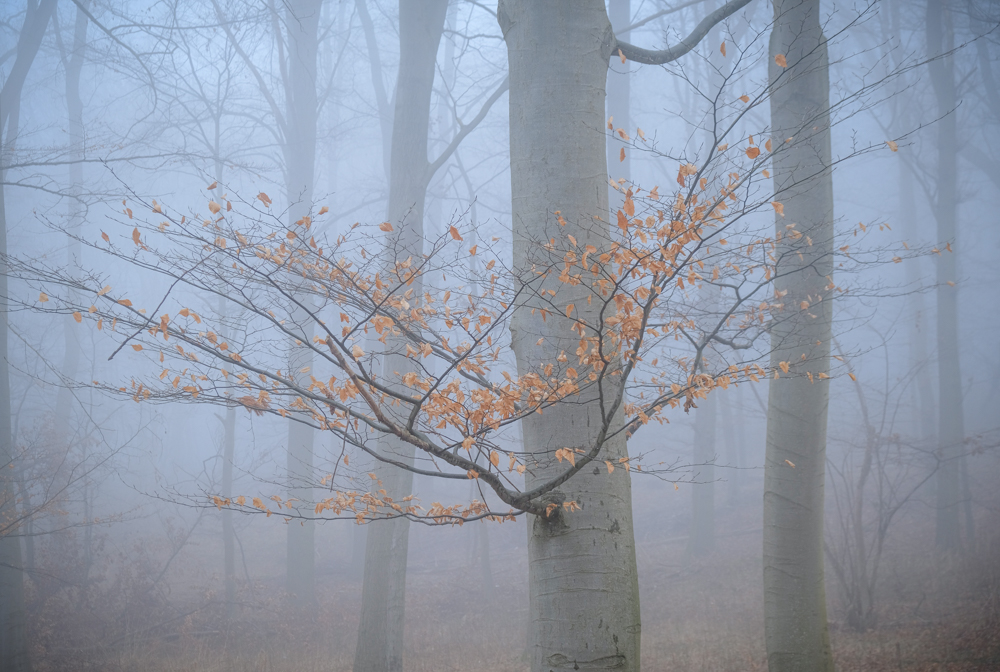
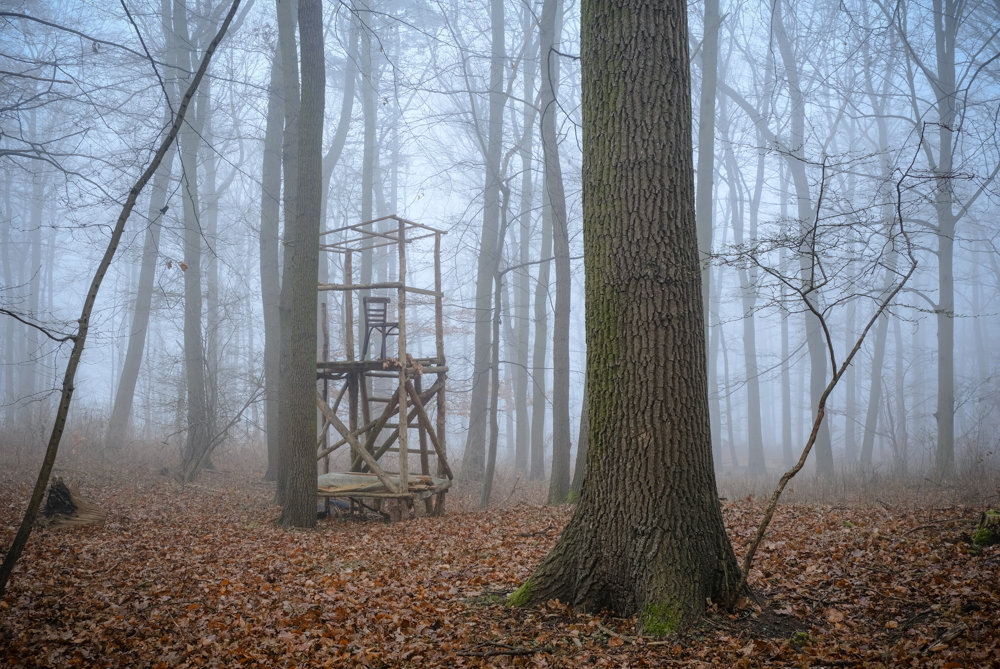
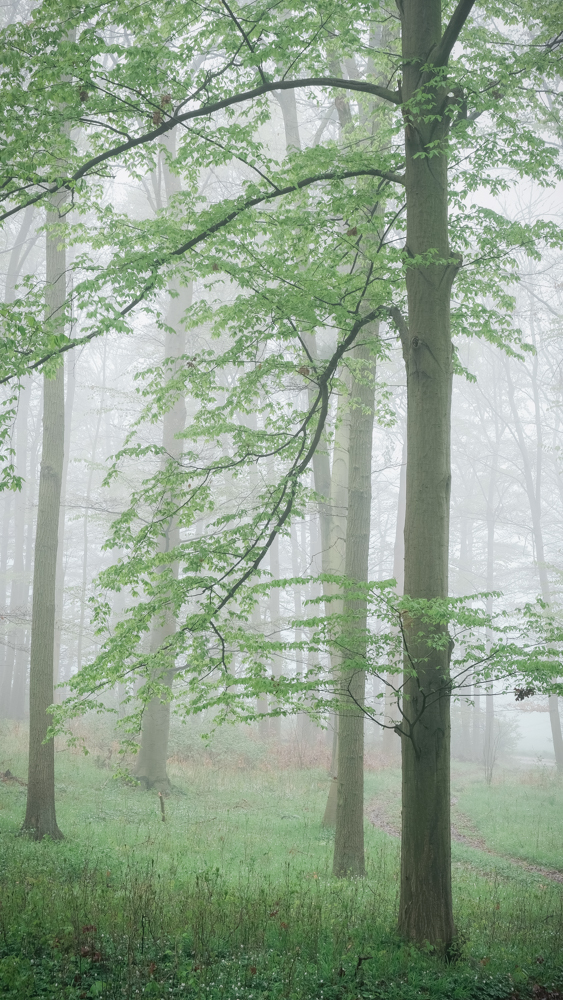
The fog appears as the sun rises. First, it lingers on the fields and streets, but then it slowly creeps into the forest. And with every passing minute it becomes more dense as it wraps around the trunks and branches. The greens get so intense it looks like someone slipped on the saturation slider, while old leaves are scattered across the ground. The birds already conclude their morning symphony, everything is calm and peaceful.

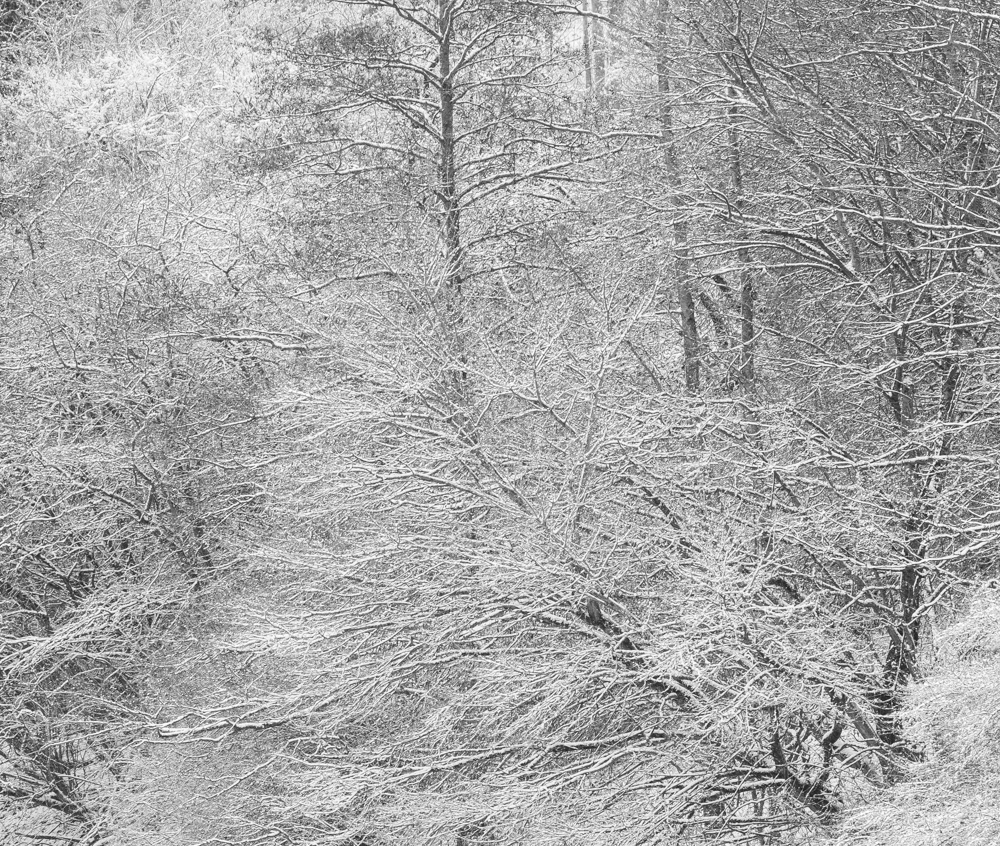
I drift around, on paths, off paths, through the scrub, across small glades. And, as everytime, I realize: photographing woodlands is hard. Everything is cluttered, without structure, entangled. But with enough patience even the woodlands become untangled, as does the mind.

Ocean, Swamps, and Freedom

Ocean, Swamps, and Freedom

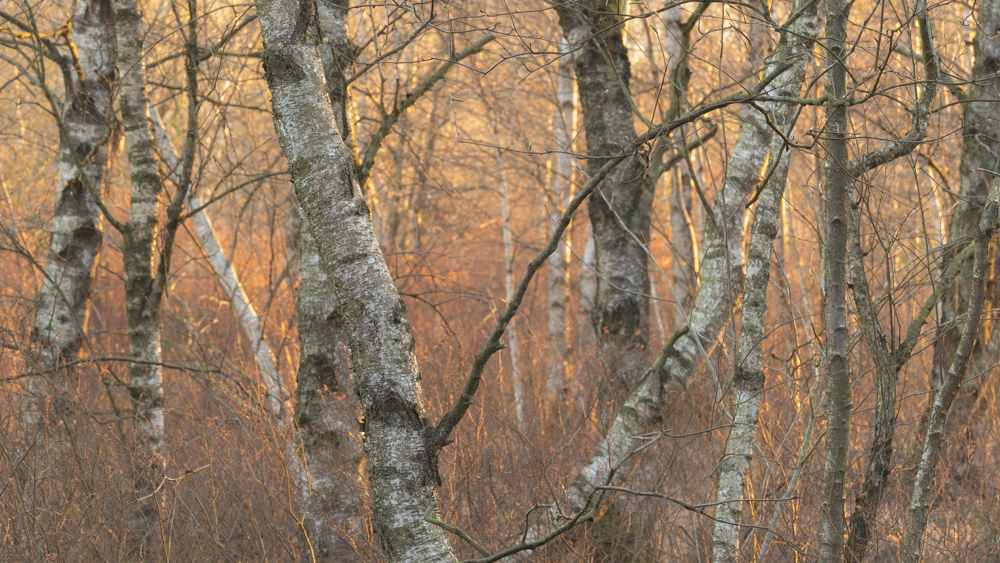
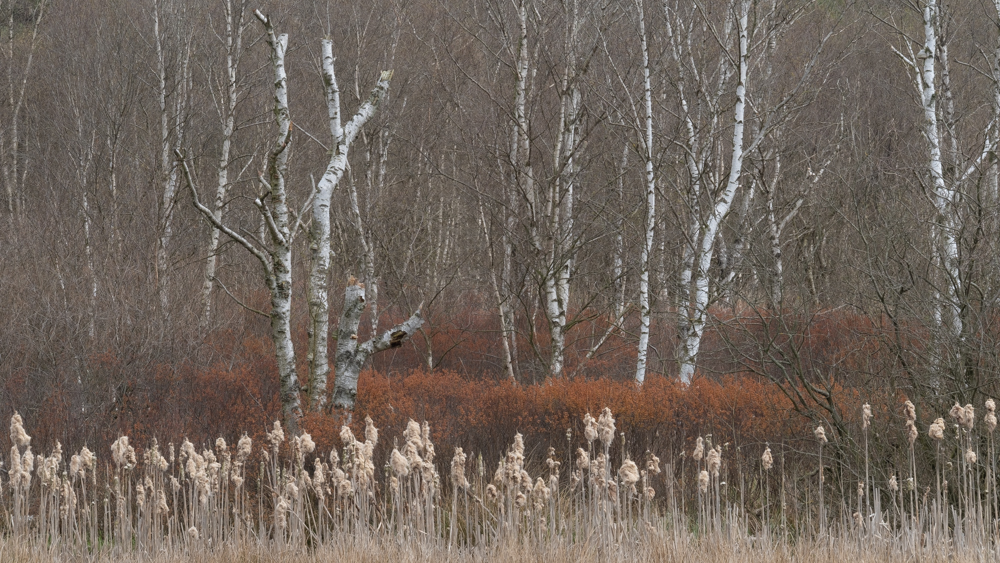
The land is flat and stretches out,
it seems that here the birches sprout
quite willingly in swamps and marsh,
the light is golden, never harsh.
The birds sing different and fly
towards far places, as the sky
turns orange and leaves us behind,
vanishing traces in the mind,
condensed adventure, precious time,
forgetting it might be a crime.

Dunnock

Dunnock

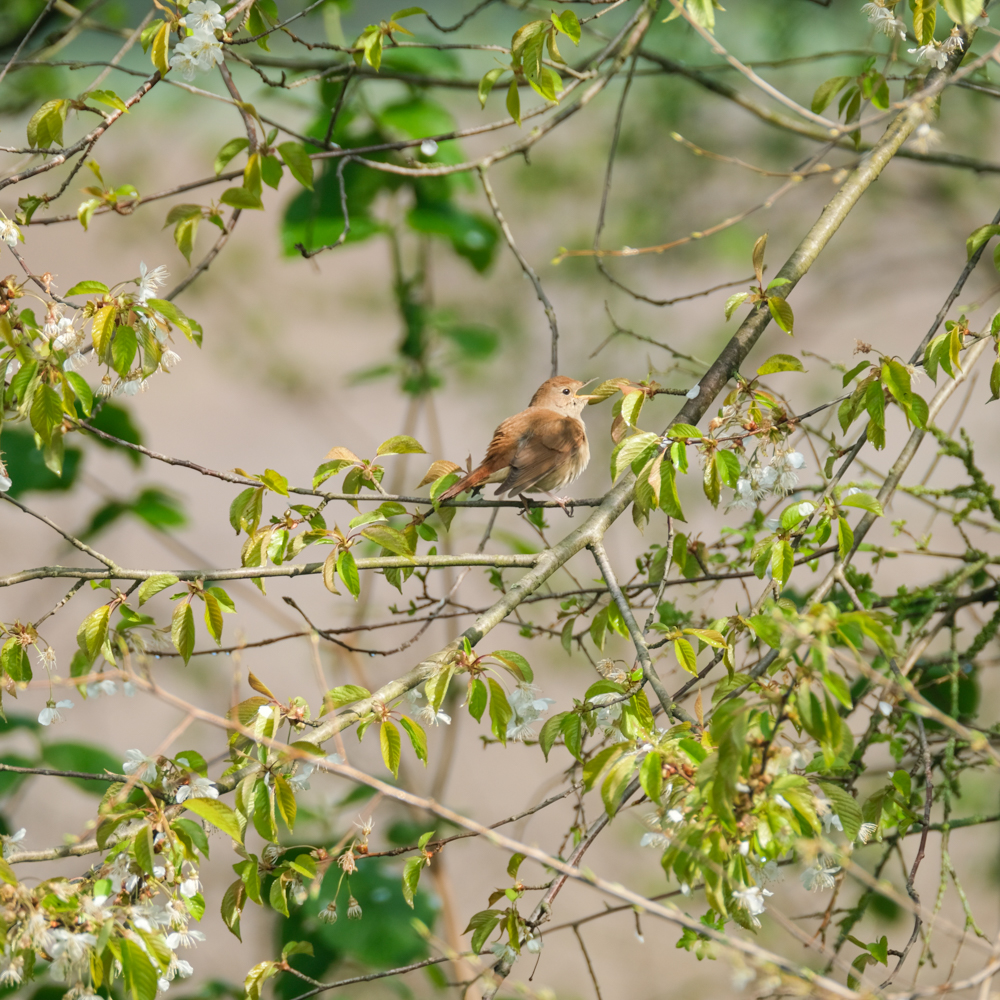
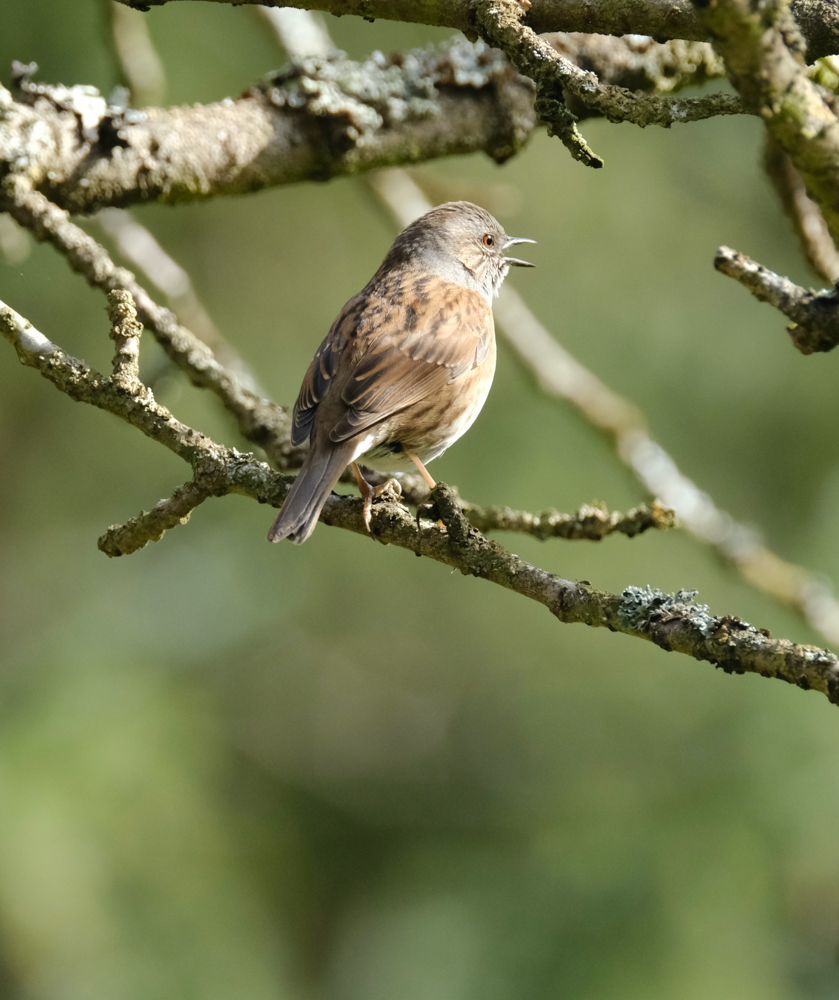
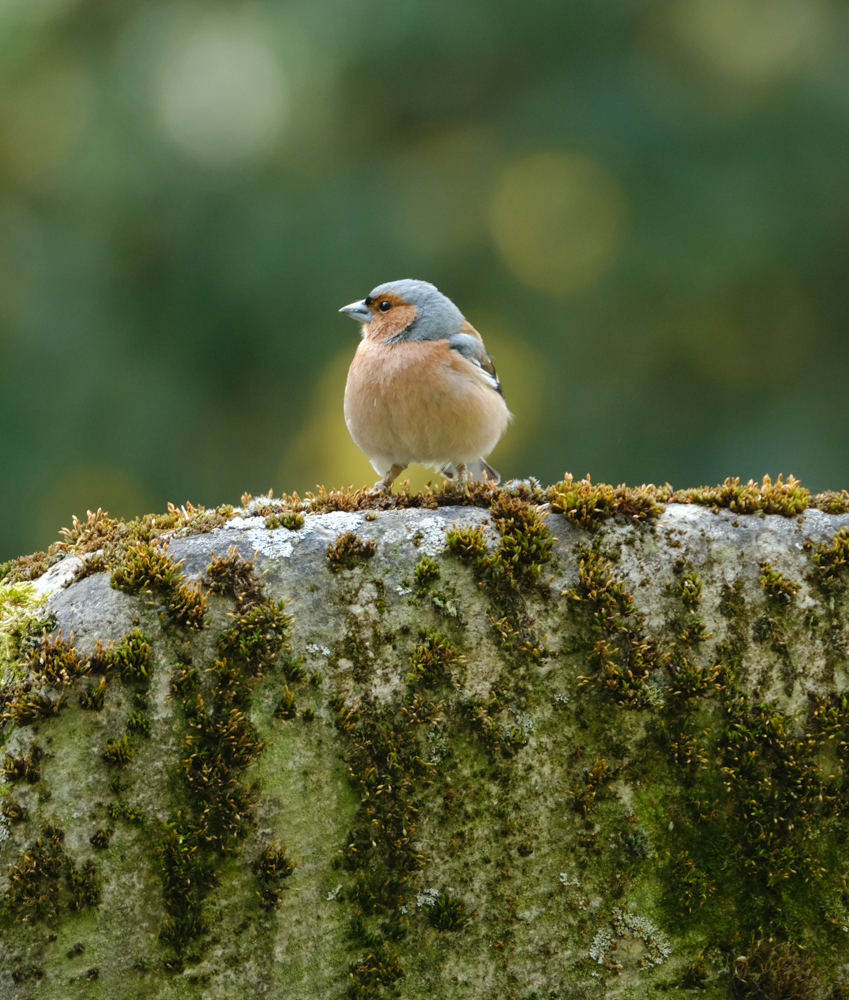
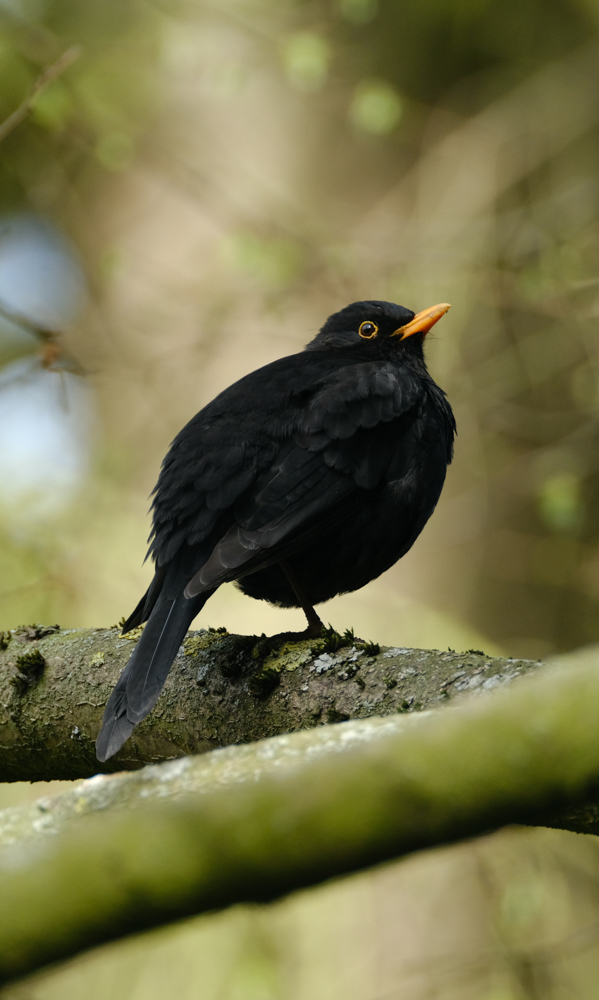
Besides their primary purpose, cemeteries exhibit properties that are hardly ever valued: First, they seem to offer great parking spots for a nights rest in a van (I guess this information shouldn’t be distributed widely, especially not on an internet blog). Secondly, they offer great potential to photograph wildlife – birds and squirrels in particular (however, the latter are rather quick, rendering the photography difficult for a sluggish human who just crawled out of bed). Also, as it should be, cemeteries are calm, quiet, and peaceful; and: very few people seem to visit them (myself included), especially when most graves are from long forgotten times. So, last week, I checked out the largest cemetery in our town, watched the squirrels, and took some pictures of the many many birds that scurried around:

Limbs

Limbs

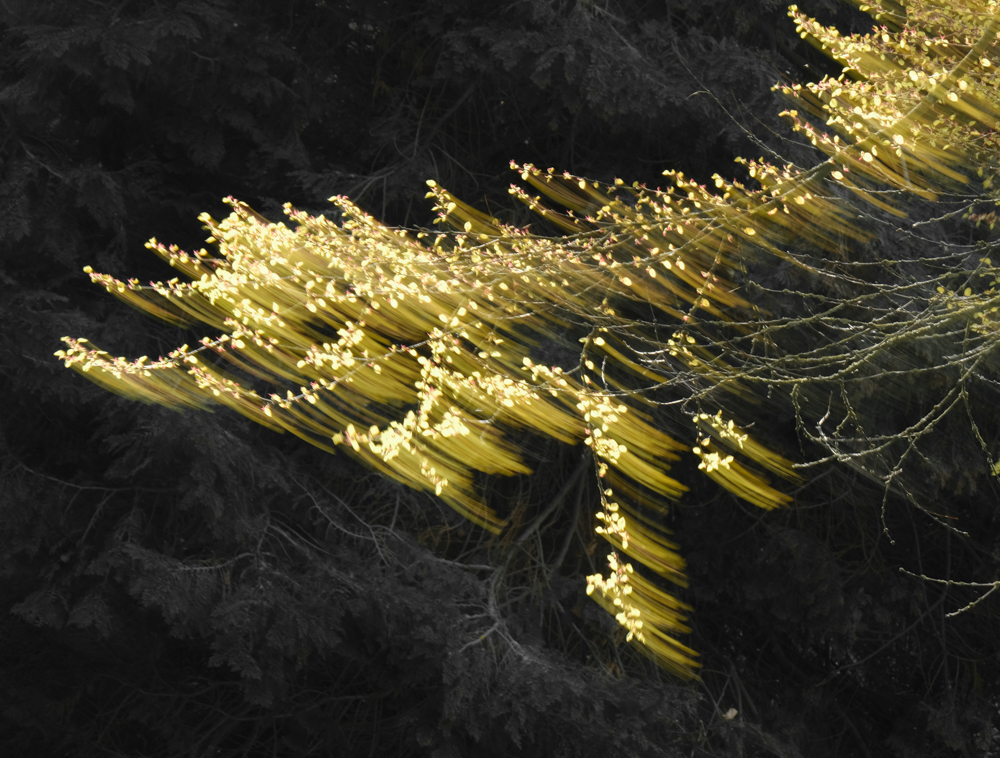
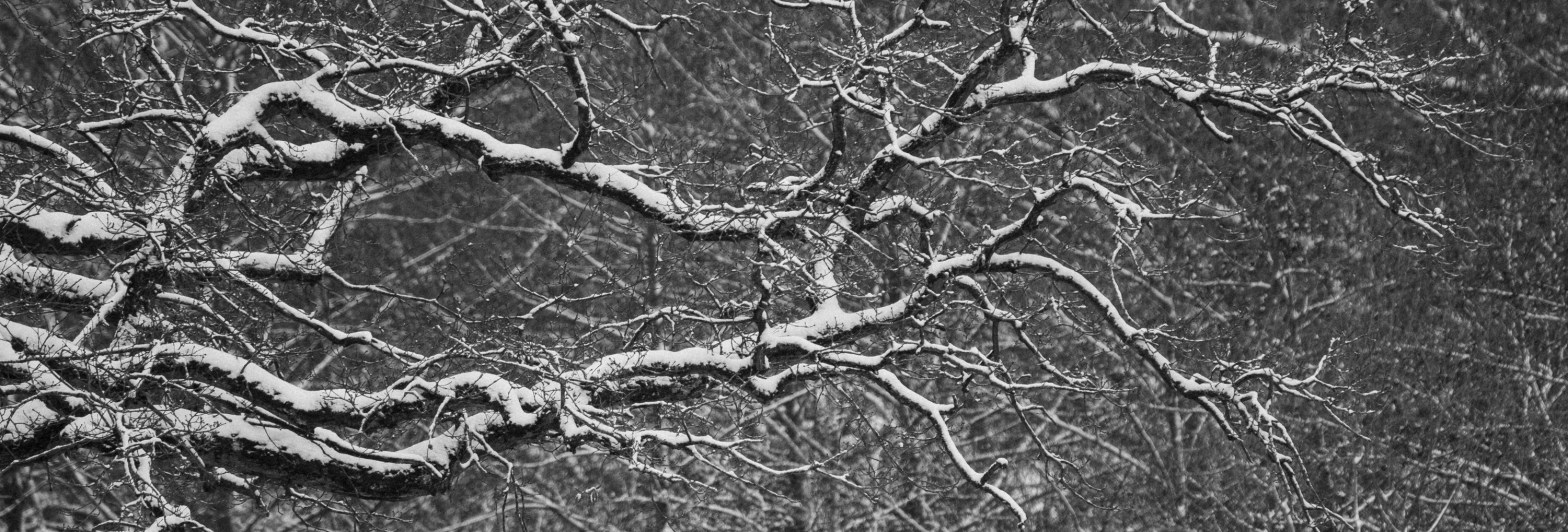
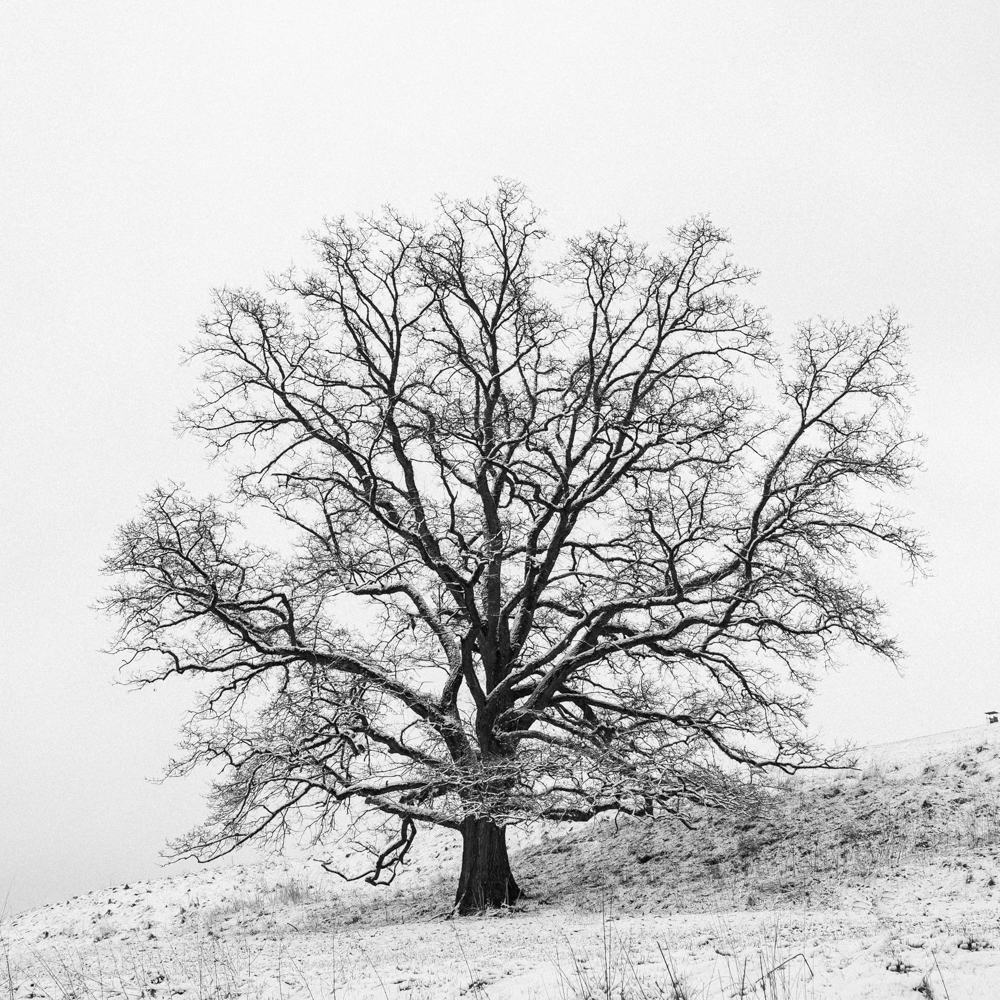
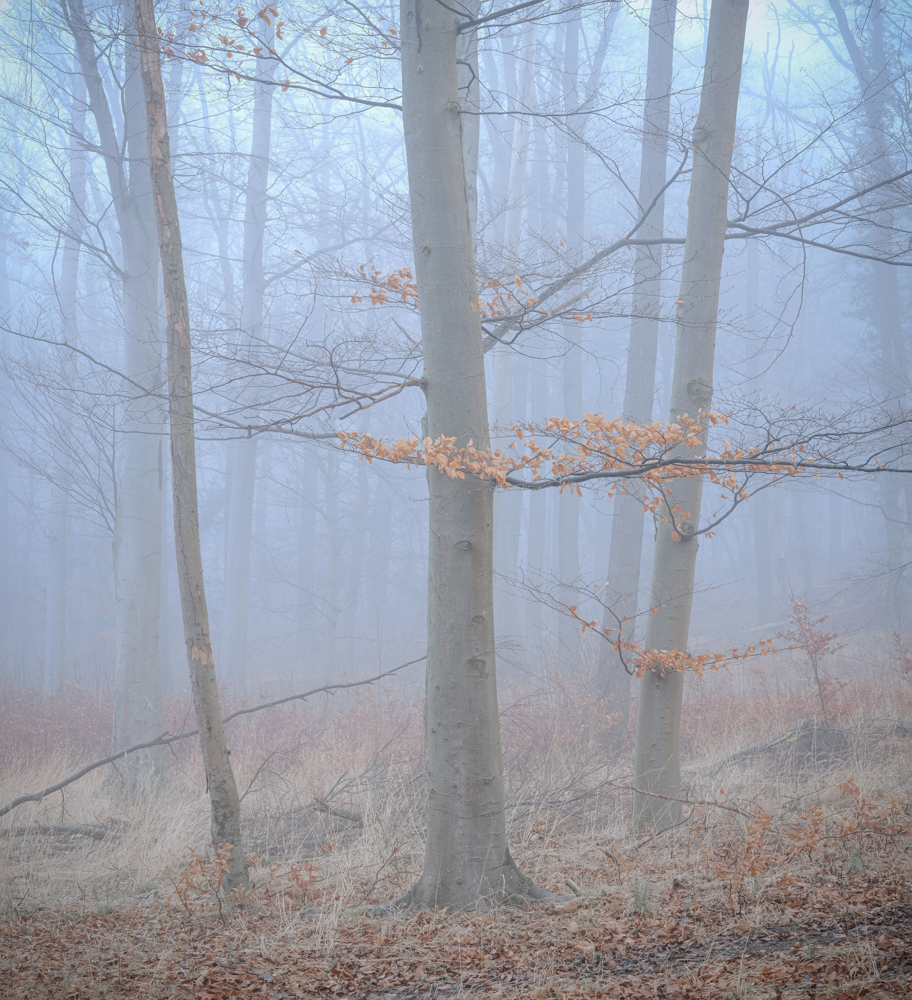
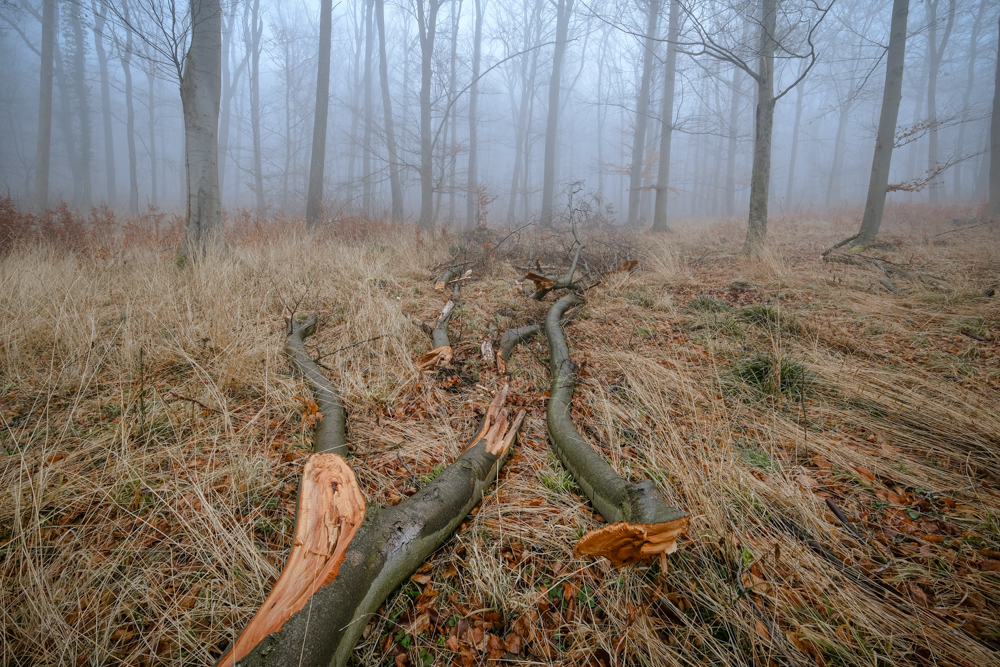
Spreading from a common body, reaching out in search of light, intertwined but solitary, a mutual goal but separate journeys. All supporting a common trunk to be alive, to support a life, to stay alive.

Long-term deep emission reductions, including the reduction of emissions to net-zero, is best achieved through institutions and governance that nurture new mitigation policies, while at the same time reconsidering existing policies that support continued emission of GHGs (high confidence).

TS. 6.1 – Technical Summary – WORKING GROUP III CONTRIBUTION TO THE IPCC SIXTH ASSESSMENT REPORT (AR6)

It’s all there. A multitude of pathways to reduce emissions. Many branches, a common goal: Keep the planet habitable. It requires systematic change in all sectors: energy, housing, transport, industry, land use, food production. All of the pathways that limit warming to ‘acceptable’ limits have one thing in common: they require change right now. Or to be more precise – the required change should have begun 2 years ago, or 10 years ago, or 20 years ago. But still, nothing changes. Since this last report has been released, several countries have released their new plans to drill for even more oil and gas. Business as usual; the trees will get chopped down, leaving limbs scattered around the corpses.
Wallflower

Wallflower

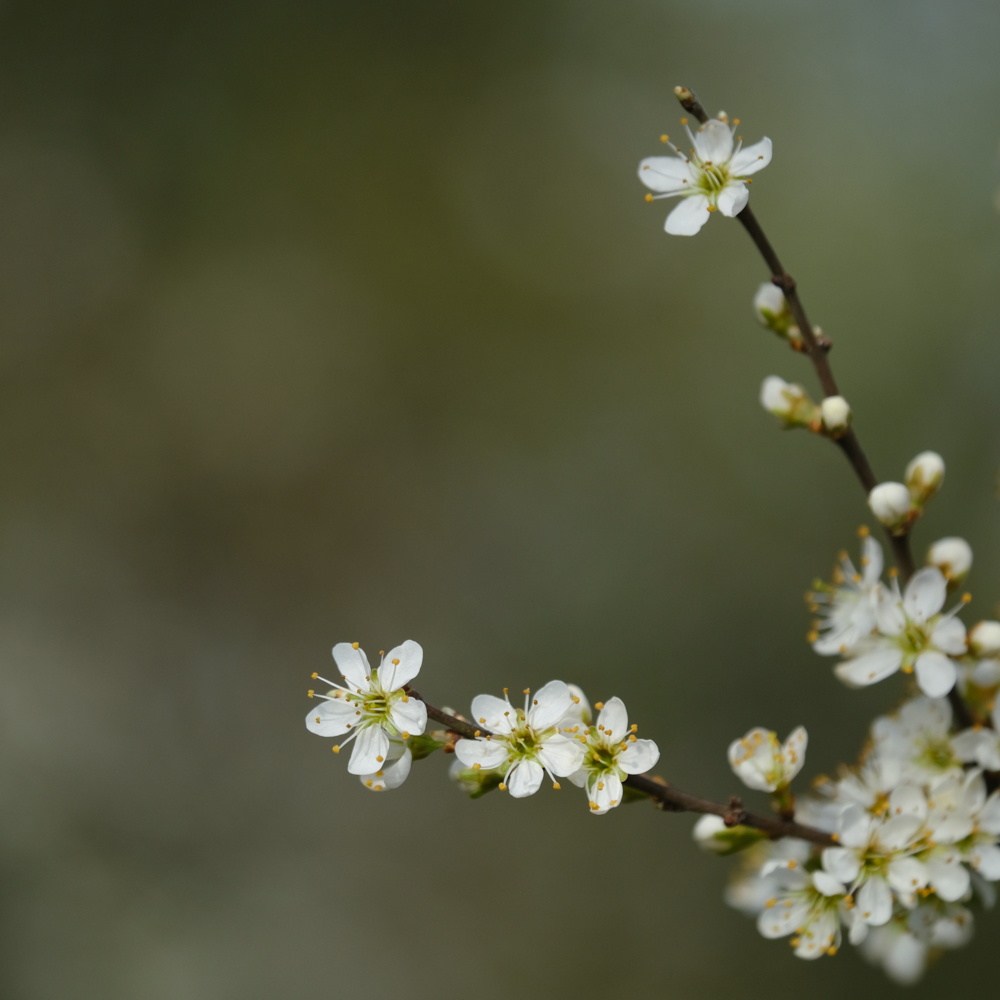
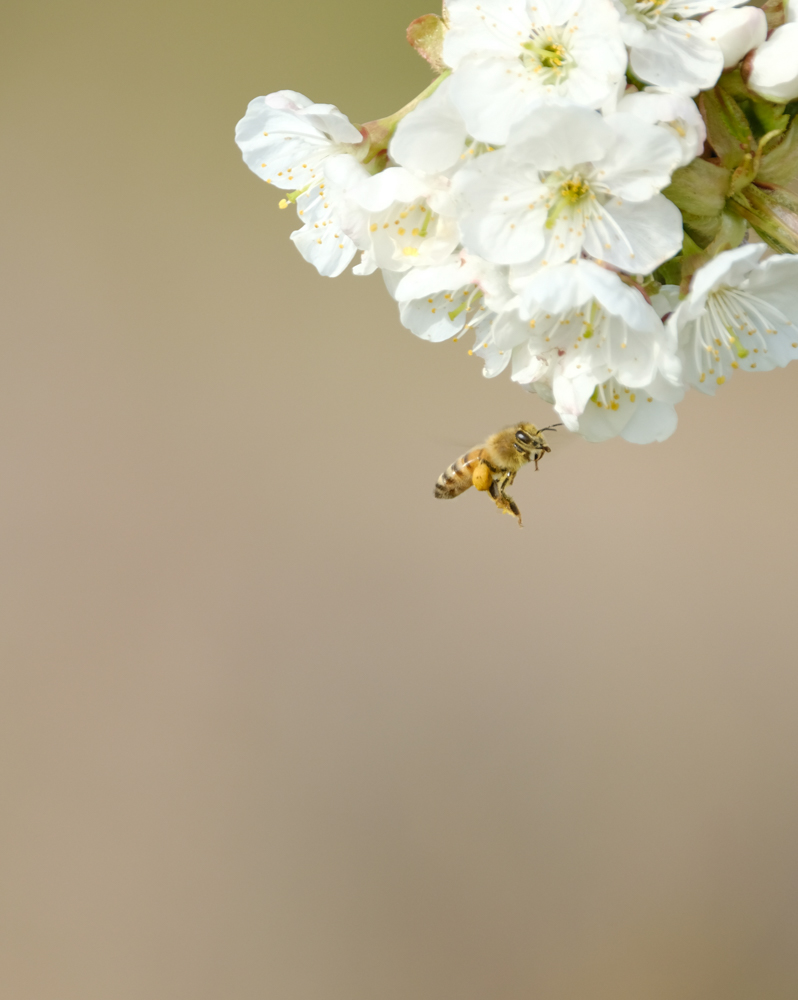
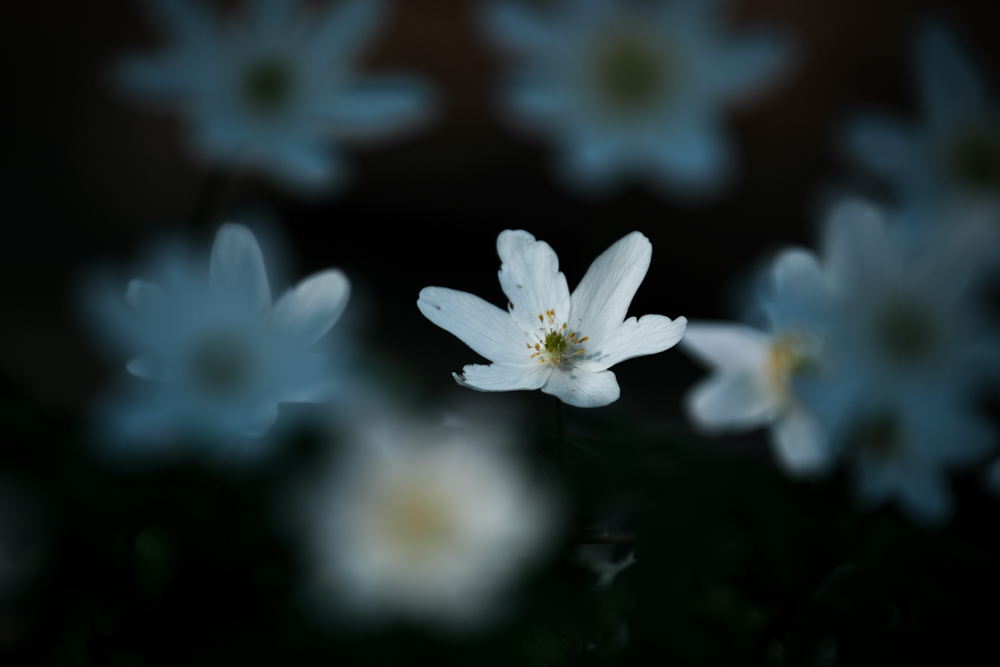
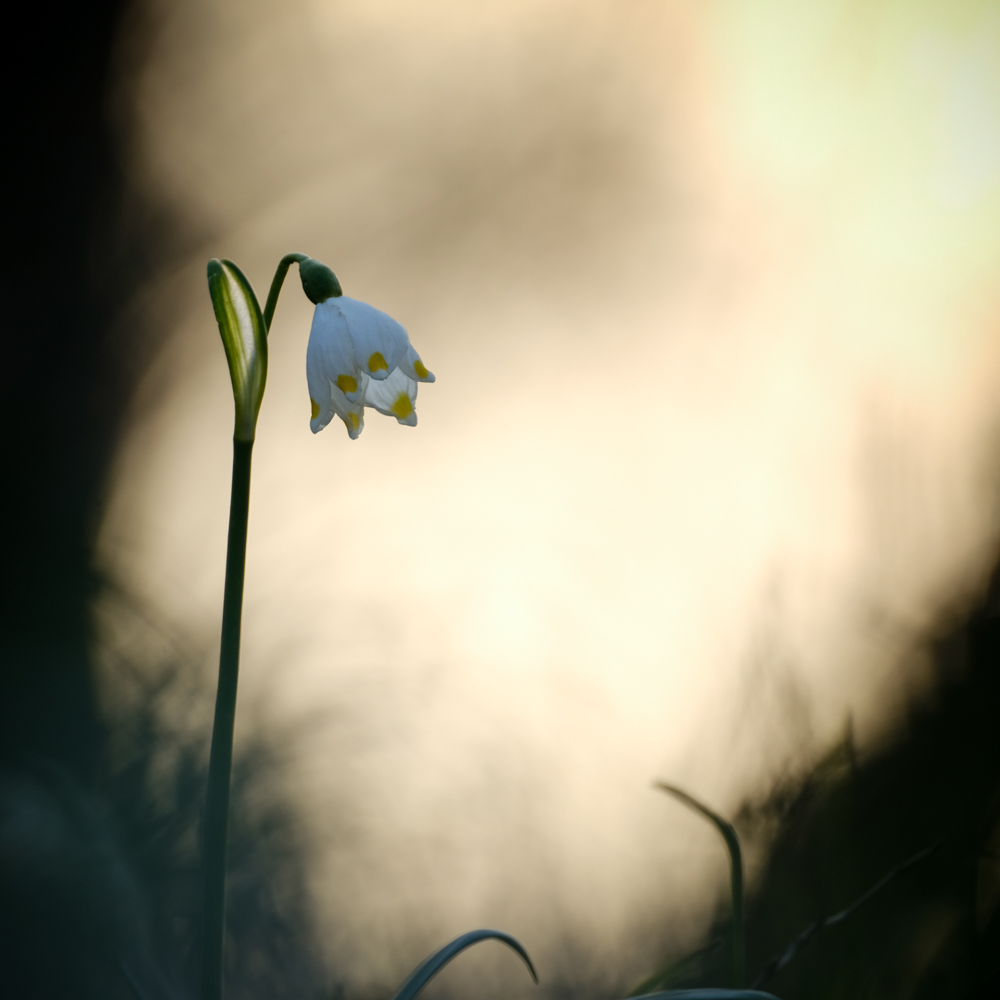
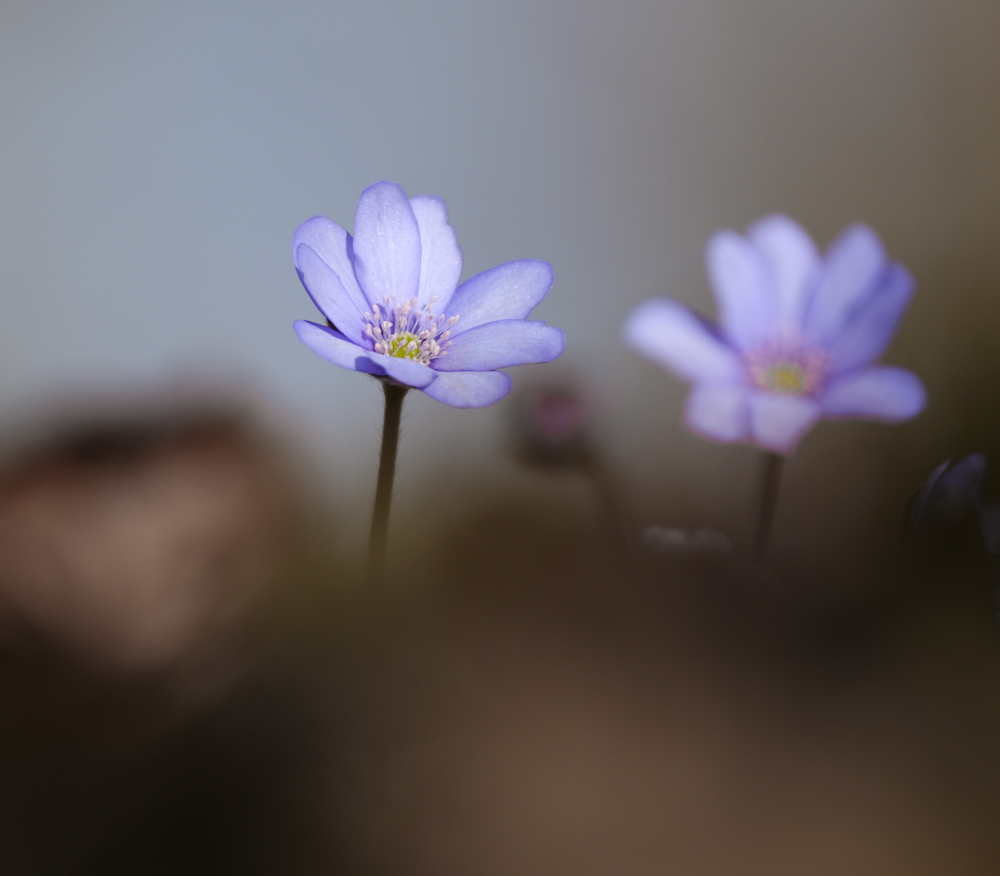
A single flower blooming white,
a lonely bee collecting warmth,
springtime is here, summer is near –
fighting the blight with some delight.

The Unexpected

The Unexpected

Necessary variation,
arbitrary contemplation,
forlorn forest, torn apart,
born in freedom, sworn by heart
to live, to give, inform, restart
what's wrong, what's flawed
does fall apart.
Without definite destination,
ahead a dreaded bifurcation:
What's right? What's left?
And what is left to say and write?
The obscure shadows of the night
do greet the swiftly fleeting light.
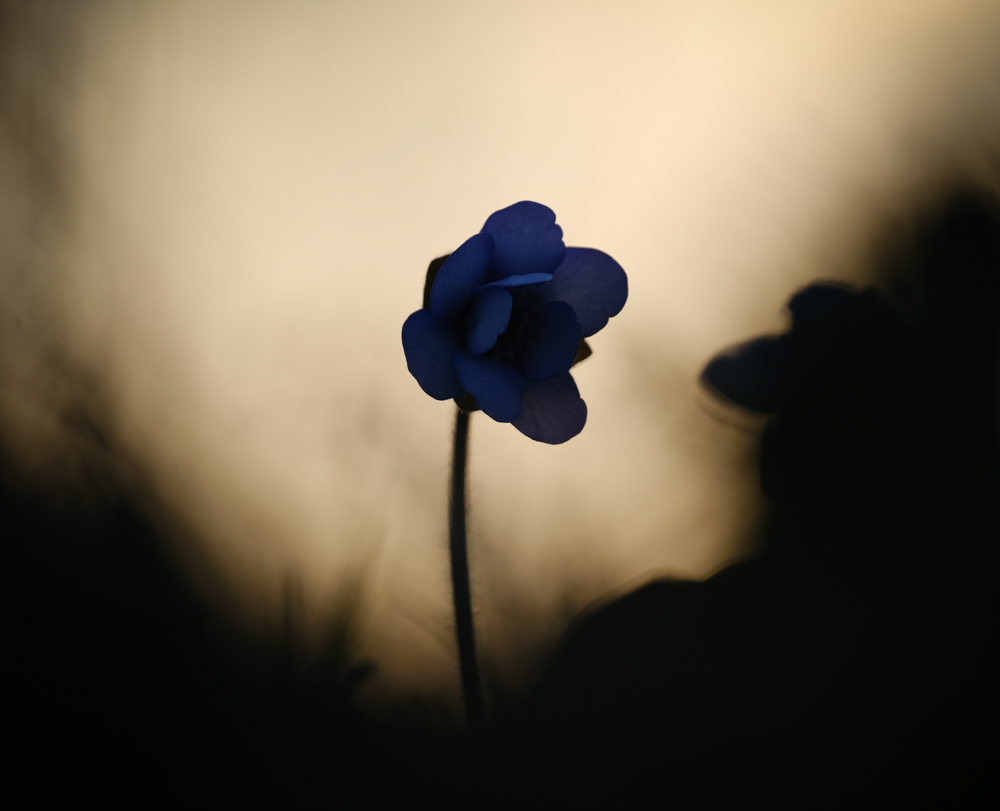
Blue flowers sprout across the ground
as doubt vanishes all around.

Complex World

Complex World

We see faces where there are none. We see patterns where there is only chaos. When we are tasked to produce a series of random numbers, the result does not pass the simplest quality criteria we would demand from computers. In a complex world, we fall back to things we know, concepts we understand, and patterns we have engrained. But: It is brave to acknowledge ‘I don’t know’ – there is no shame in unintentional unknowingness. There is always time to learn. And it’s courageous to think outside the box and propose the unusual. However, this is not to be confused with refuting the consensus. And it does not equate to ignoring or denying the facts. Unfortunately, a non-negligible proportion of society does not seem to be aware of this difference. Instead of arguing in the realm of reality they spread lies. Instead of acknowledging the unknown they act as the keepers of truth. And surely: the other side does the same, however, with another truth. How can such a split society regenerate and reclaim a common truth?