I am stuck on a learning plateau and it’s exhausting: The current learning stimulus is not sufficient enough to induce further synaptic changes.
No matter which new skill is being learnt, it’s common to hit one or several plateaus throughout practice – and it’s also common to get discouraged by the vanishing progress with reduced or no visible improvement. But when I am starting something, I want to do it good. It sometimes feels like a curse: I will go every extra mile needed to achieve what I want to. And this has cost me not only a lot of time with missed days of relaxation and fun, but probably also some friendships, connections with people, and diverse experiences throughout life that I missed out on.
I juggled for many years, but getting beyond five balls just never really happened. Hours and hours, weeks and weeks, several years, I spent throwing stuff in the air, just to catch it one more time. While there was a lot to enjoy, it also involved many hours, alone, of focused practice to reach the next level. I also played piano for over ten years; but there, I got stuck as well. The problem was that I did not put in the required effort, even though the conditions were excellent. I learned some great techniques on the way from my last piano teacher on how to achieve continuous progress; however, I did not implement them until later in another hobby: climbing.
I am climbing now for eight years and it is the hobby where I have the most direct experience with plateaus. My piano teacher always knew the most important part and tried to explain it to me so that I can act accordingly: To overcome plateaus, the most important thing is to adapt the stimulus to your progress and vary it over time. This involves active analysis of your efforts and progress, knowledge and creativity for planning your next steps, and willpower and stamina to adhere to your plans. I have encountered many people in bouldering who wonder why they do not progress any more “even though they train as much as they did in the beginning when they progressed quickly”. But that’s the point: You cannot do the same training and expect it to work all the time! Body and mind will adapt and, thus, your training has to adapt as well. This doesn’t always mean you need to train more or harder, but often it means you need to change your training altogether.
And then, there is my beloved new hobby: Photography. Lately, I am also feeling kind of stuck. I am not satisfied with the results; as always, I want more. However, I did not implement the lessons I learned in climbing so far: I not only need to put in more precious time, but I also need new stimuli. I am eager for our next holidays, but I should also try street photography, portraits, city scapes, anything else from nature.
But maybe even more important: I think I have to learn how to set lower goals for myself. I have to learn how to be happy with the journey, even if it’s is slow, instead of focusing too much on the results. I have to stop moving my goal posts before I even reach them.
This read is meant genuine and was written with honest intention. Please take your time to read it properly and don’t read it on the side when you have no time.
People can be spiteful and violent, people can be nasty and devious: It’s the warlord who terrorizes an ethnic group, the president who declares war and is backed by the country, the company that fosters child labour without consequences. In our privileged daily life we are experiencing mostly the little misconducts of fellow humans: The person who jumps the queue when shopping groceries, the reckless car driver who doesn’t care about your bike, the ignorant dog walker that neglects his duty to use a leash, or the friend who talks ill behind your back.
This world can be a depressing one: It seems that everybody is in it for themself, no one cares about the others, and maximizing ones own profit is the goal. Suffering from this are the poor and the lonely ones, nature and the planet, minorities and discriminated, the polite and modest ones. And what else is left than to surrender to the overwhelming forces of negativity? What else is left than to join the circle of hatred, fear, and egoism?
Empathy.
Let me convince you that this is a better way. Don’t join the others, better bridge the gap between the others and you, because: we are all in it together. It’s not only you who had a bad day. It’s not only you who feels tired and offended by the doings of others. It’s not necessarily you who is in the right. And also, sometimes, it’s not important who is in the right to begin with. What is important is empathy. Be kind. See the good in other people. Embrace differences and allow for discrepancy. Engage in discussion, but not to win, but to understand the validity of other opinions. Retrace their line of thought; carry it on with better arguments. Only then you can get their side. And don’t make fun of the ignorant or uninformed. Instead, be kind and teach. Share your knowledge, humbly, and offer your wisdom that you were lucky enough to absorb in your life. It’s easy to judge, but most often it’s not your place to judge. Instead, support them in resolving their own struggles. Have compassion; show compassion. Help the weak and poor, help your friends, help the people you dislike. Don’t do it to feel better; do it honestly and because it improves someones life. Do it because you want to. Demonstrate courage. Don’t be the one who sees the wronging and summons a smart phone for the fleeting amusement of strangers on the internet. Don’t be the one who points at others when it’s your turn. Step in and act according to your beliefs. Be courteous. To the queue-jumping shopper, to the leash-less dog-walker, and to the reckless driver. Not because they are right, but because it’s the right thing. And because it makes the world a better place.
This doesn’t mean you should accept the wronging of others, nor does it mean you should welcome the brashness that someone displays. But it means you should question every bad thought you have about someone before jumping to conclusions, or worse, actions. And this won’t be easy. It will be difficult, exhausting, and demanding. And I get it: Your own day was difficult and you are tired. But this means it is even more important to practice, day in day out, to make it not your second, but your first thought in every situation: Do I show empathy? Do I judge? Do I know where the other person is coming from? And with enough practice, it will become natural: To be kind and welcoming. To be compassionate and courageous. To be courteous when the opposite isn’t. And to be it out of belief that it brings something good to this world and not to feel superior. And sometimes it won’t help, sometimes it will come to a tough point where empathy does not resolve. Then, stand up for justice and defend your beliefs. But always critically question your actions. And I know, this post reads like an idealistic vision. But I don’t think it is. And even if it were, what is there to loose in not trying? Go for it – to make this world a better place.
This post was closely related to my earlier posts on labels and shall remind myself to practice: Empathy, compassion, and kindness.
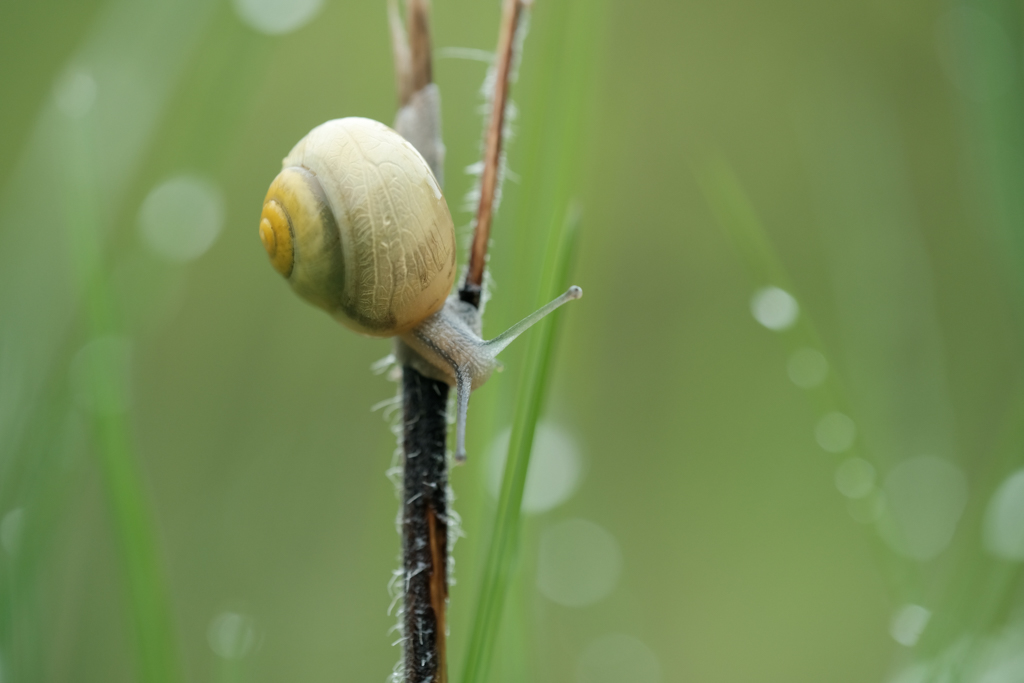
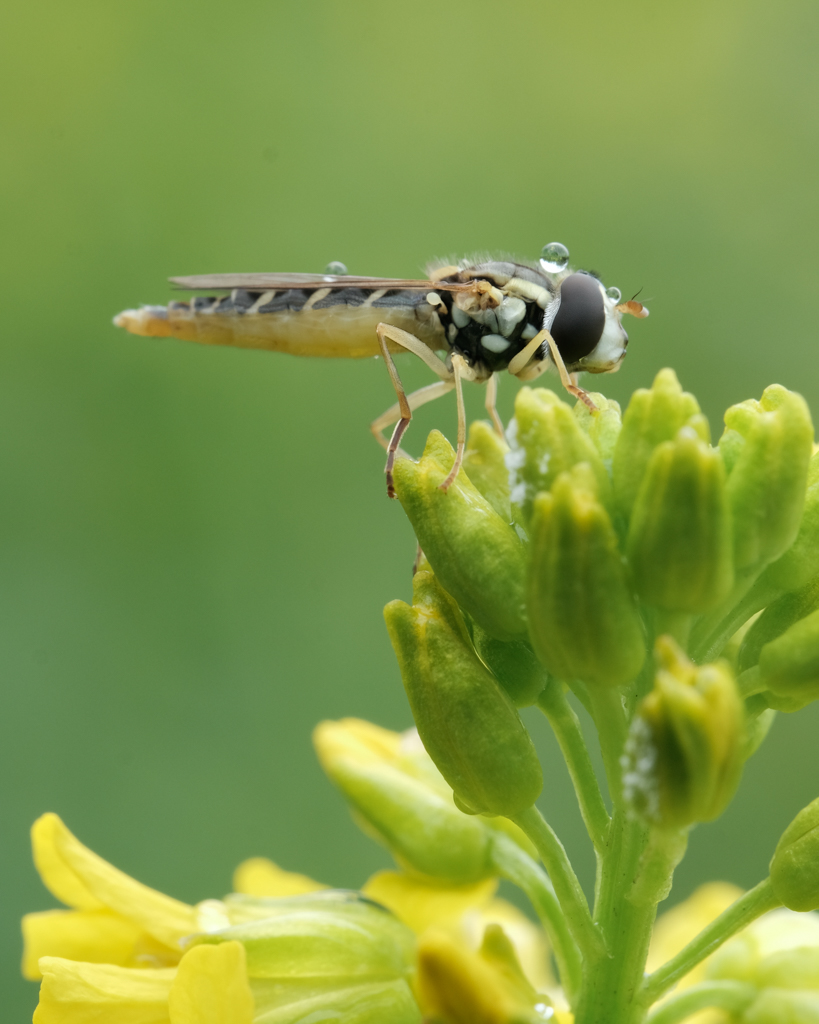
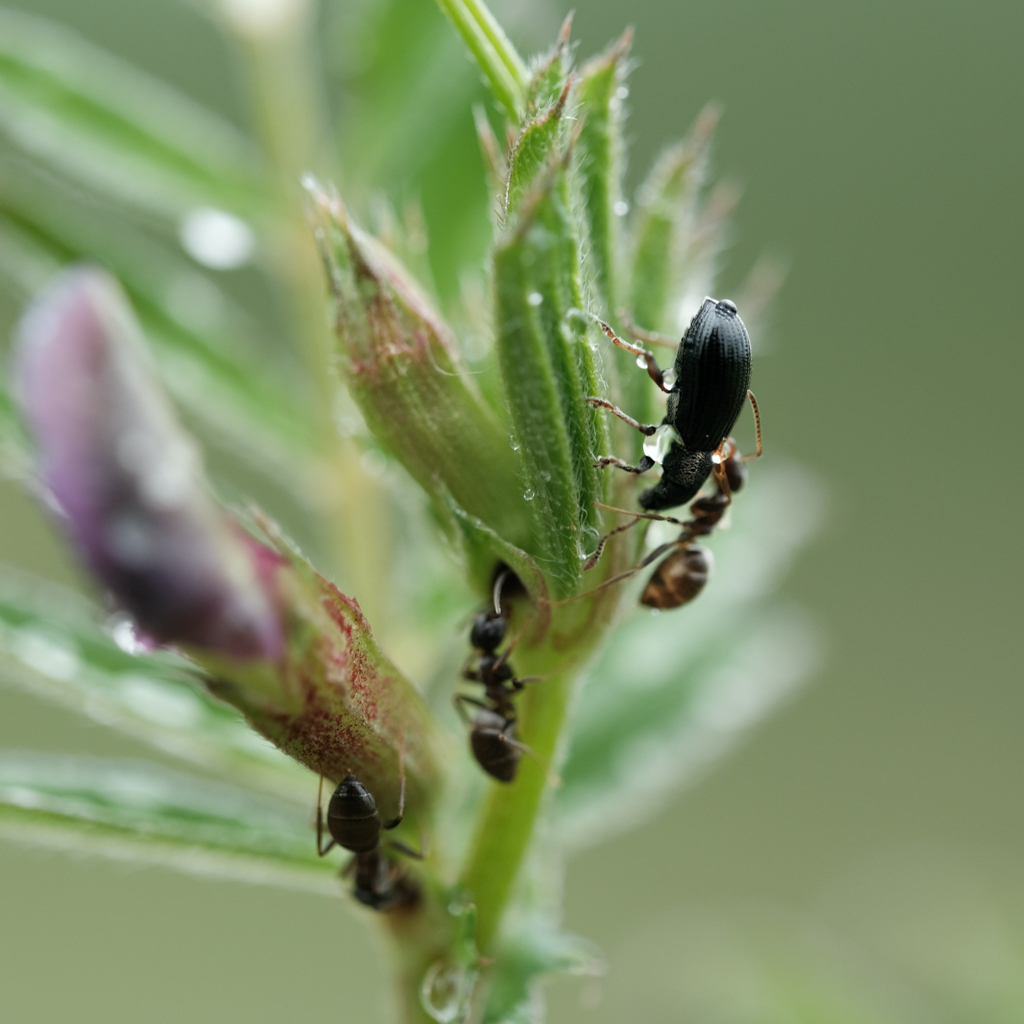
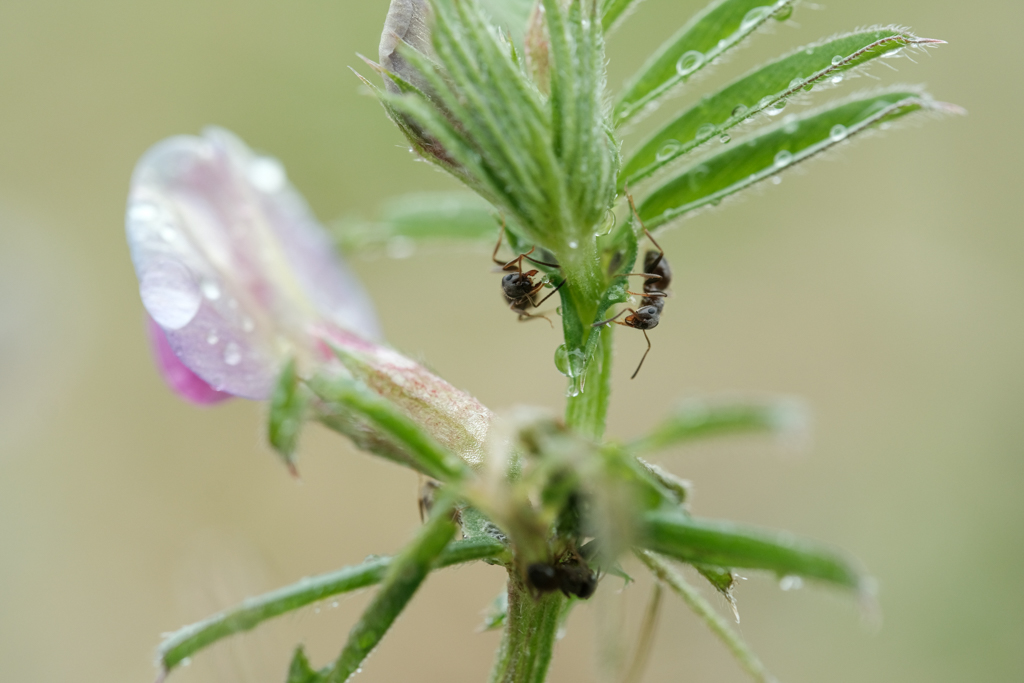
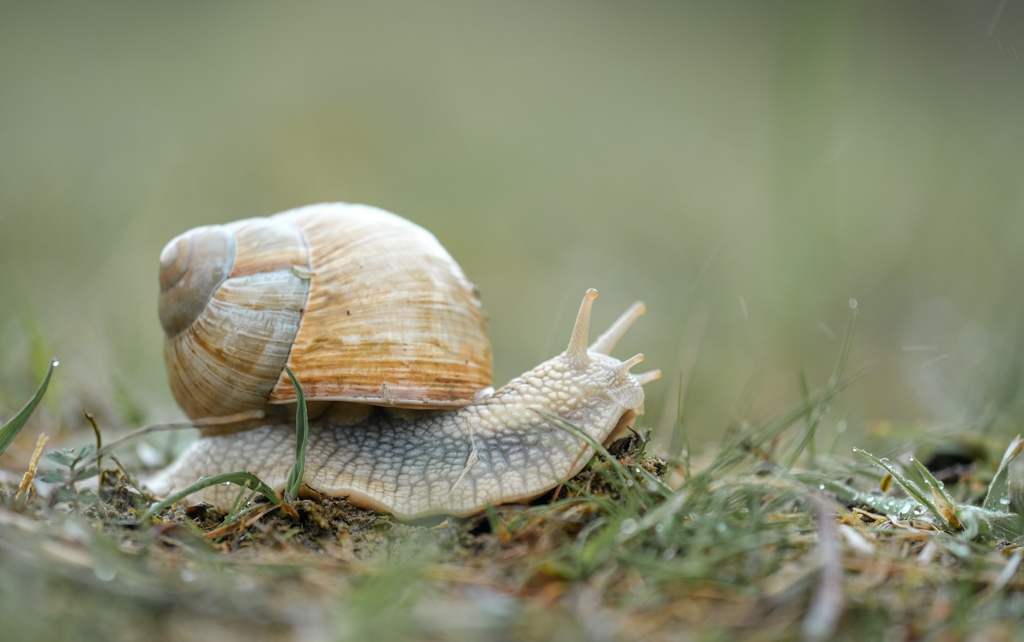
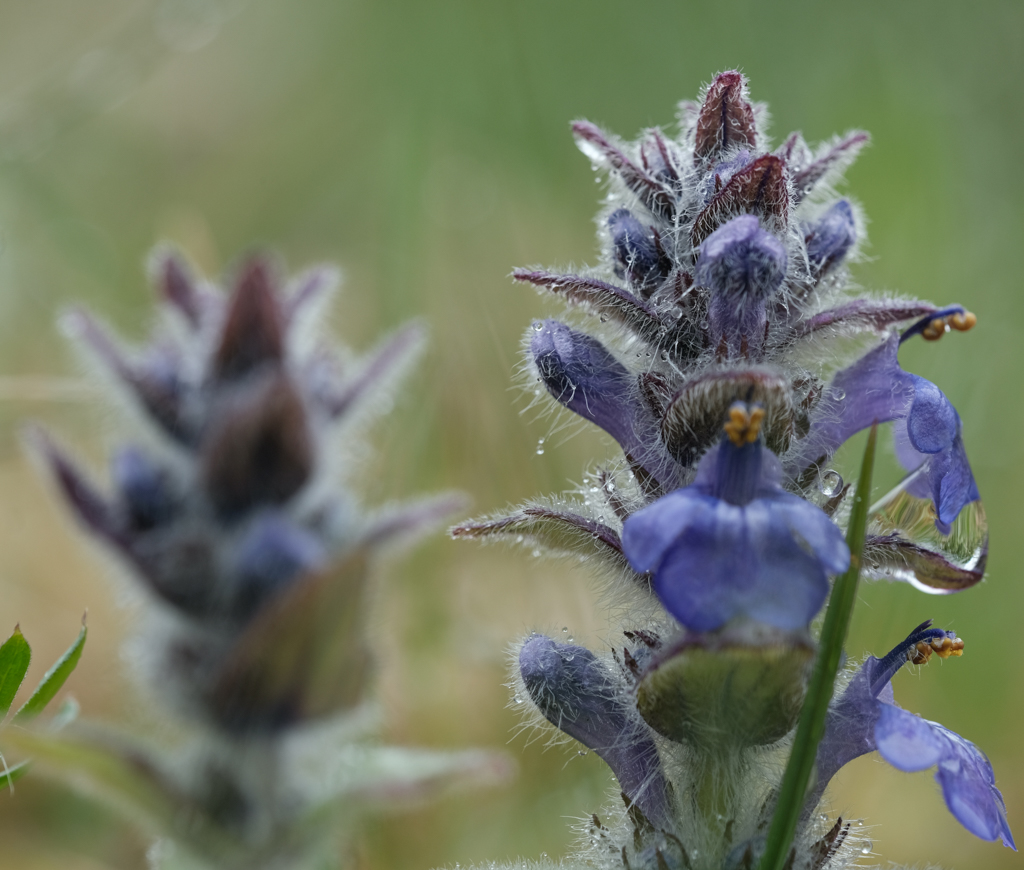
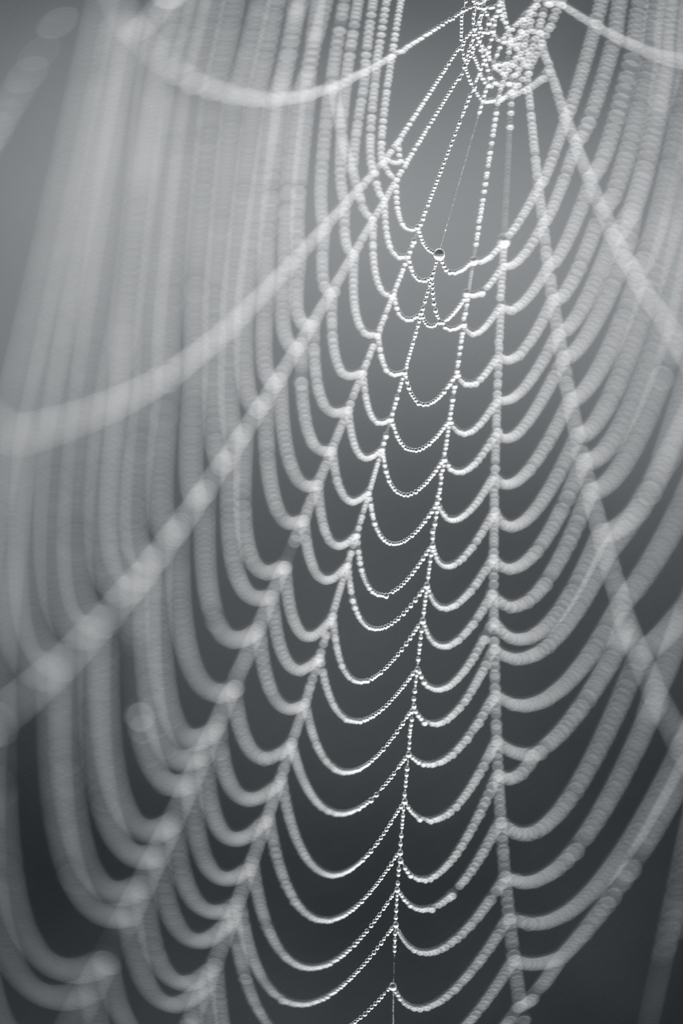
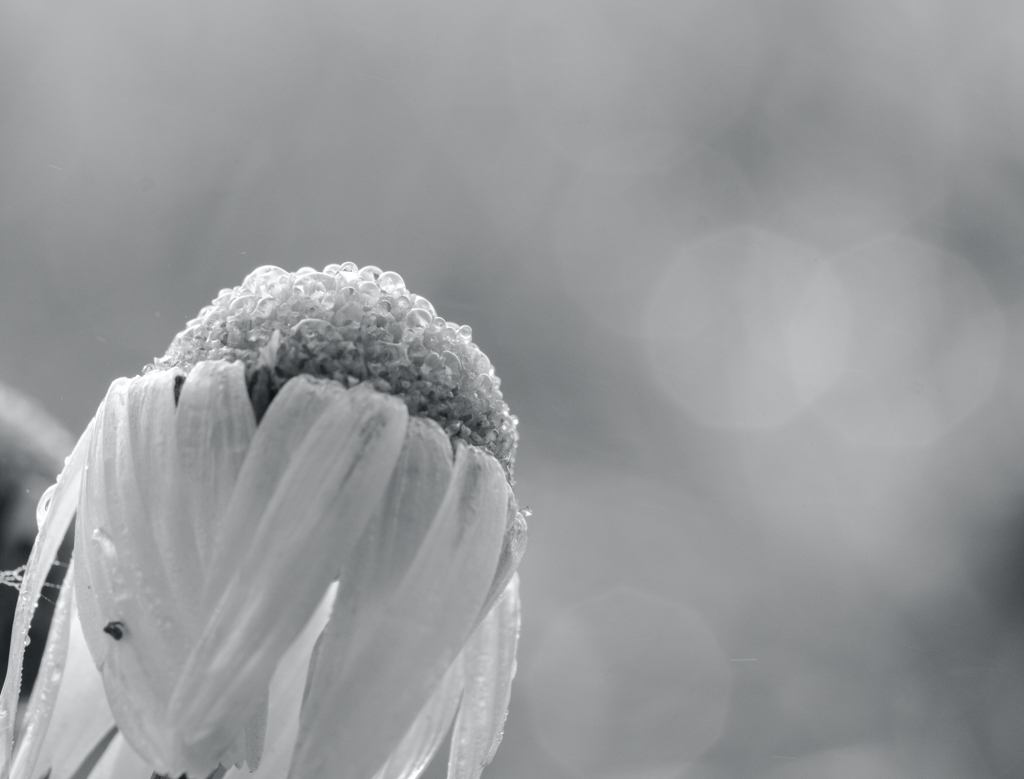
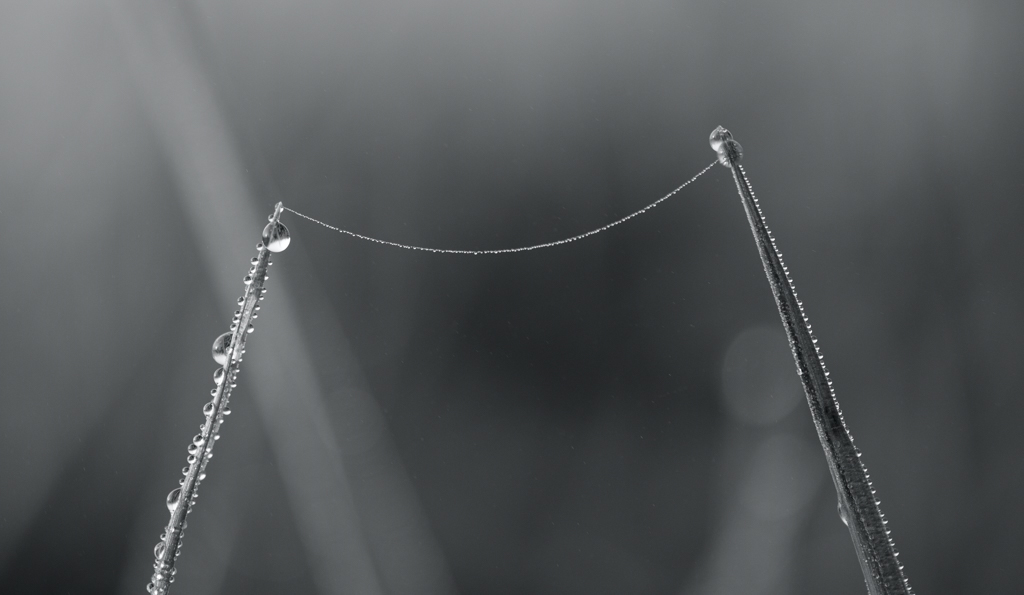
Also: My camera body is not weather resistant. But I received a rain cover as a birthday gift! That’s why there are so many snails on the pictures – I went out during rain for the first time and its so much fun: No people, and so many droplets everywhere on macro photos.
Mathematical optimization or mathematical programming is the selection of a best element, with regard to some criterion, from some set of available alternatives.
Wikipedia
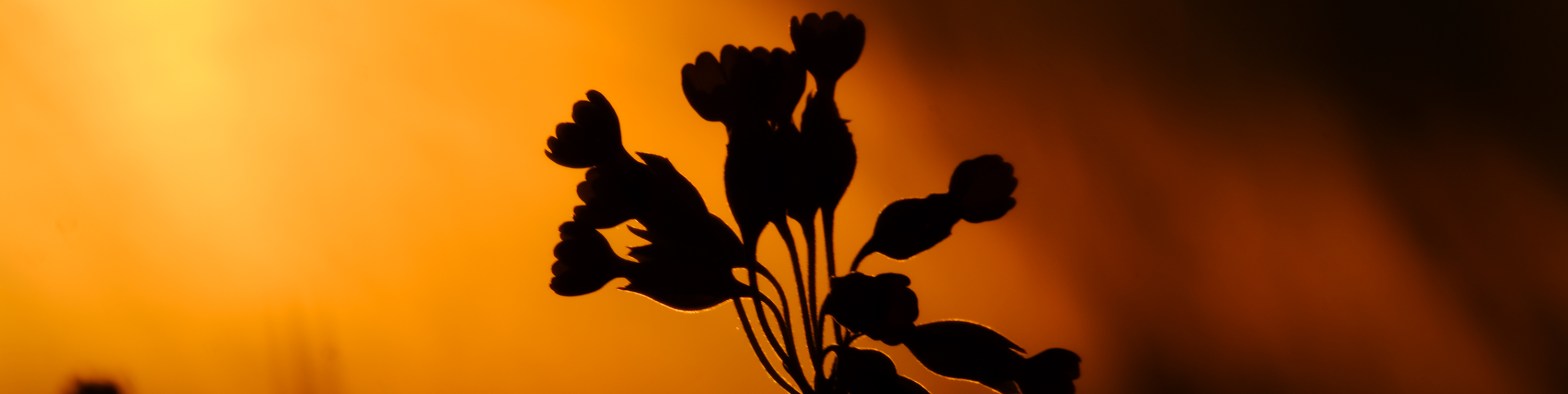
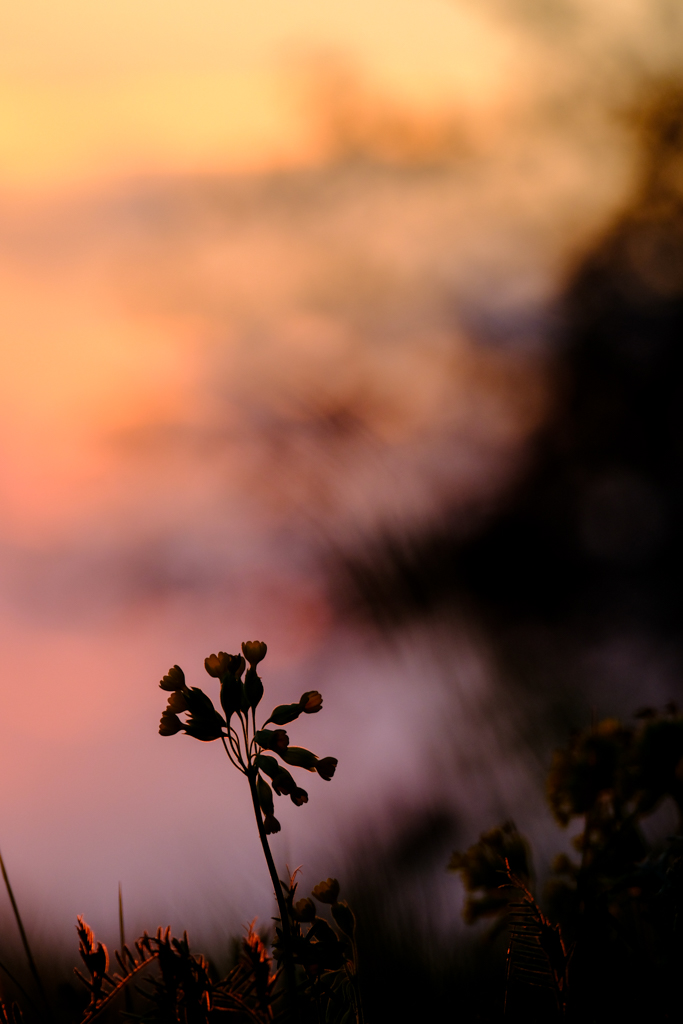
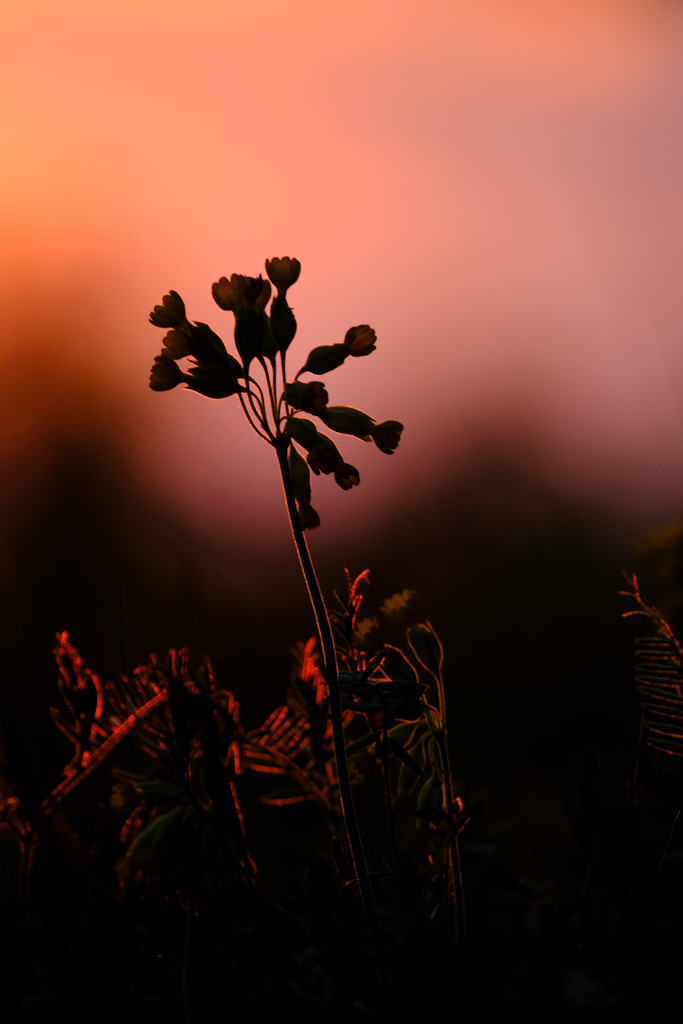
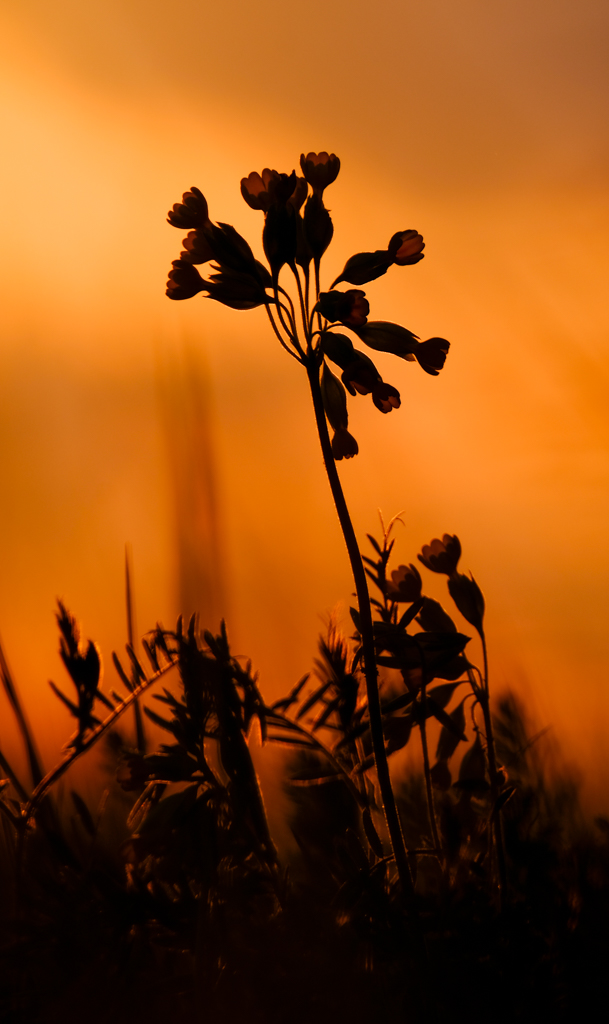
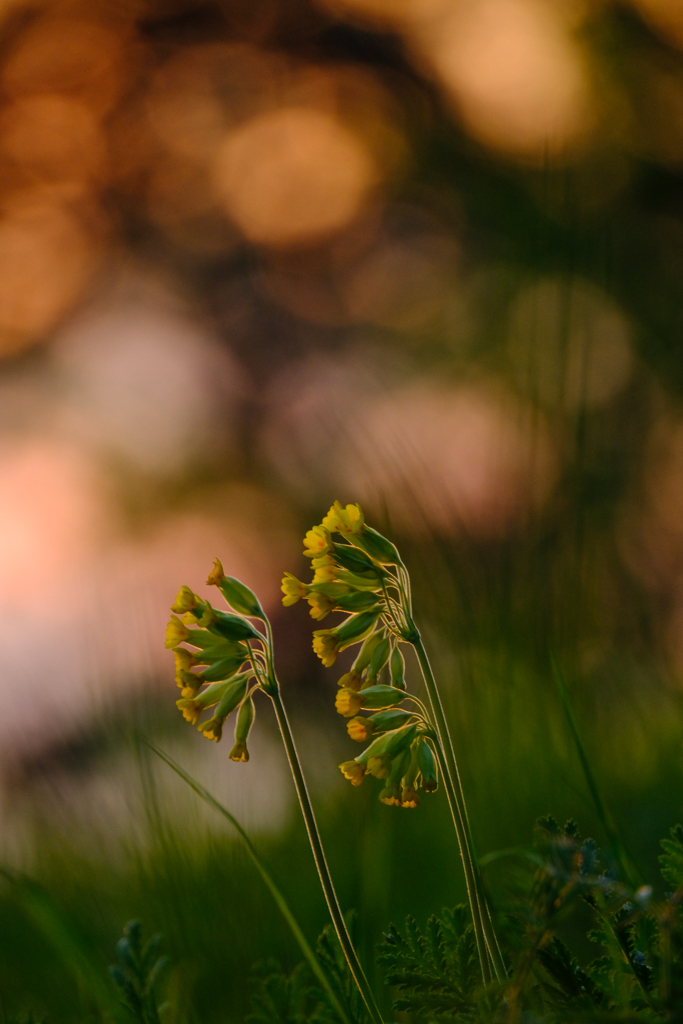
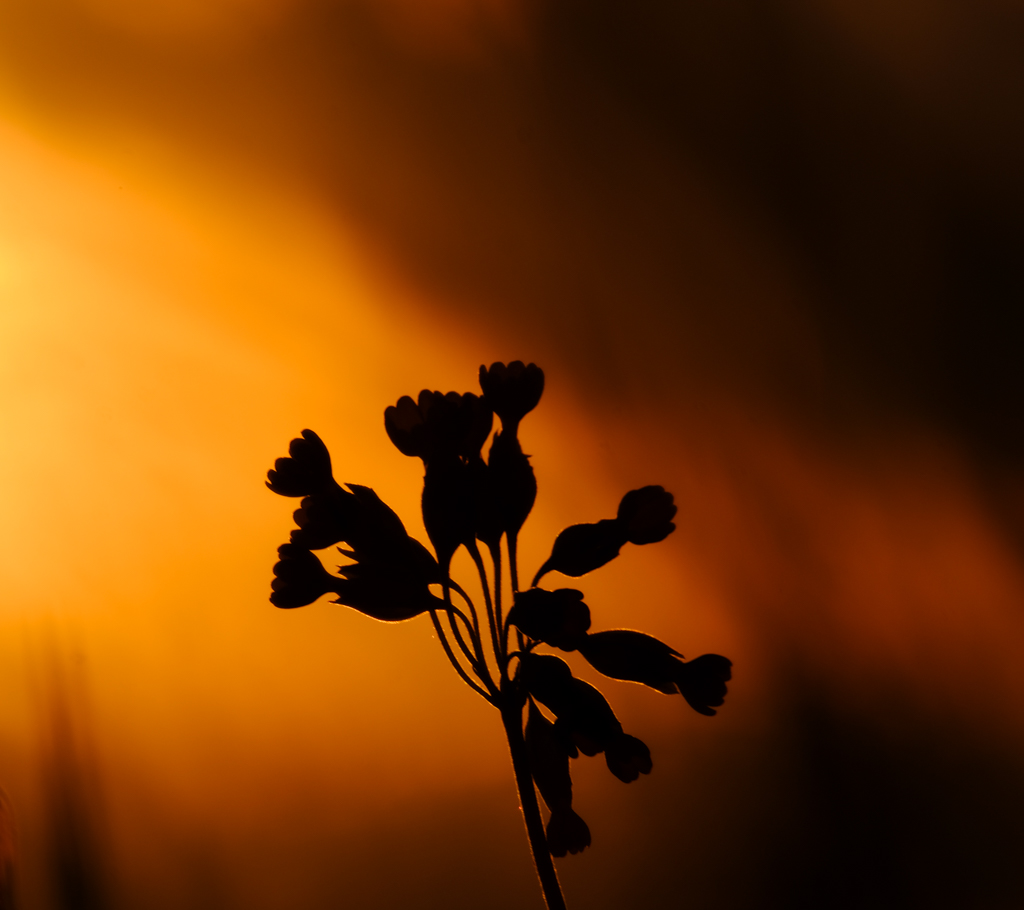
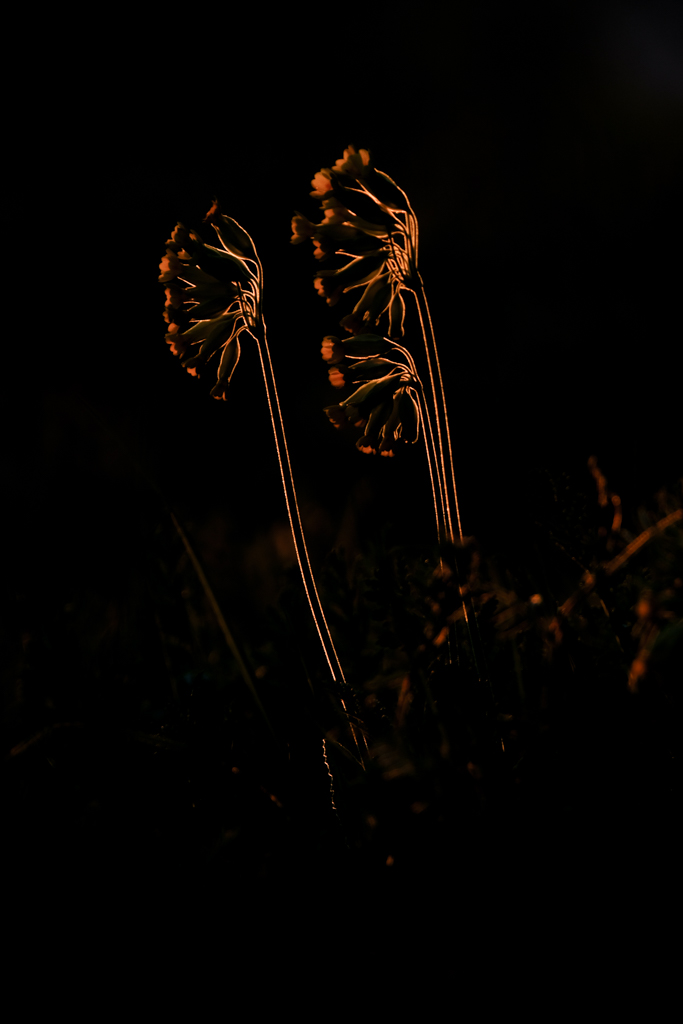
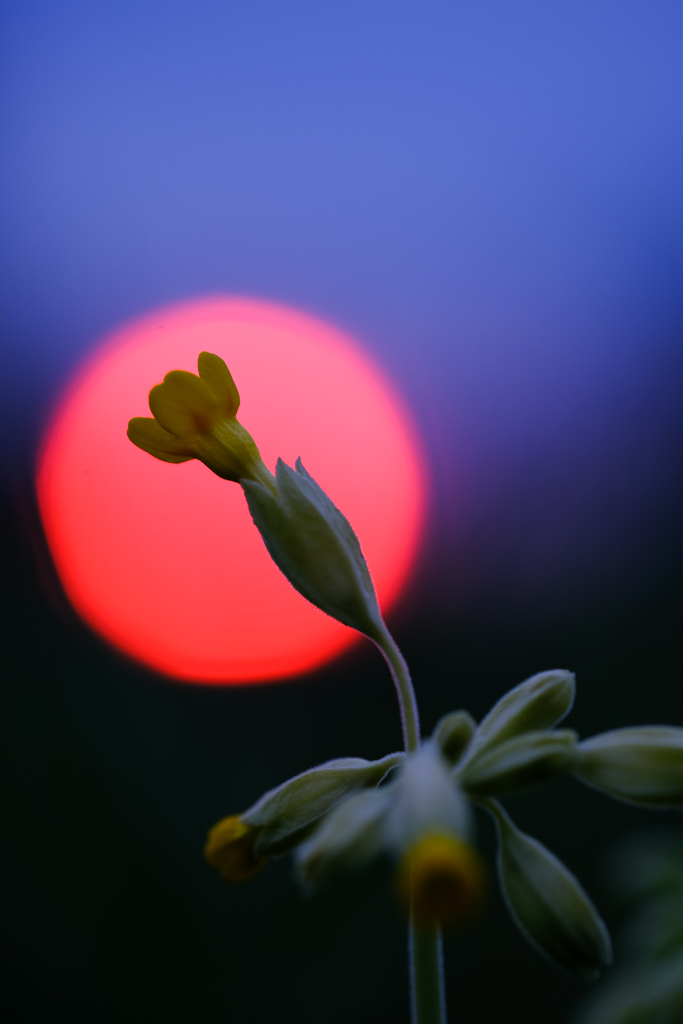
The latest sunset I photographed was from a hill in the north of our city. All shades of red and orange were present, as well as several well-positioned primroses. Thus, everything is set for the optimization. Converging towards the optimal photo went fast in the beginning, but slowed down after the initial photos – a typical observation for a gradient ascent procedure. I picked out the primrose with the best shape and different possible backgrounds. While I have not reached the optimum, I still like most of these pictures. Which one do you like the most?
Our society likes labels. People like labels. Putting things into distinct boxes reduces the complexity of life. Putting people into categories simplifies the complex communication with and about them. We also choose labels for ourselves. It is neither necessary nor impossible; conversely, it is quite arbitrary. The labels we assign are always chosen with respect to our environment and with respect to our own position.
There is a concept in autonomous automation called simultaneous localization and mapping (SLAM): An autonomous agent has to navigate in an unknown environment by using its sensors that observe the surroundings. Thus, it needs to localize itself with respect to the world and it needs to map the environment. The former step, localization, requires a map – only with a correct map it can use its sensor data to infer the current position. The latter step, mapping, requires the exact position of the agent in order to build an internal representation of the world with respect to the current sensor data. So which task should be performed first?
Generally, solutions to SLAM are careful: mapping the environment and inferring labels has to be done simultaneously and with caution. It also relies on large amounts of data. Typically, SLAM is solved via iterative updates of both, the own position, and the map with labels. In every iteration, the already gained information about the own position and environment can be used to improve the estimate of both. Early overconfidence is not advised and can result in disastrous accidents; when used in cars, and when used by people. Sometimes, the latter are not careful enough.
On several occasions I have been asked by family and friends: ‘Do you edit your photos?’ I understand where the question comes from and probably would have asked other photographers the same question myself before I bought a camera. But when you start taking pictures the answer becomes irrelevant, and also more philosophical. The question assumes that the truth can be captured; that there is a real representation of the environment. And this is simply not true. It is impossible to depict the world as it is and every representation is disconnected from the environment and just represents itself.
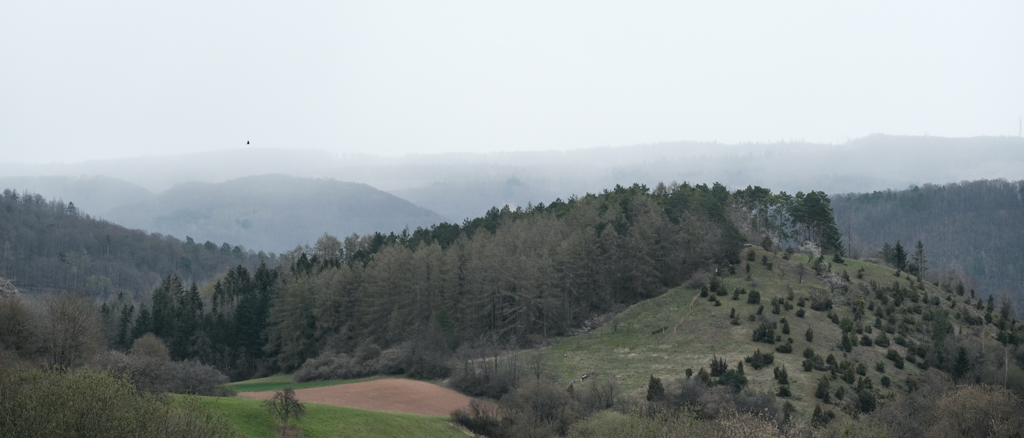
Pastel colors illuminate receding mountain ranges separated by morning haze; 45 minutes before the rising sun.
Thus, when people ask this question, what they often really mean is: ‘Do your photos look like it did in reality?’ And again, there is no right answer. Different people see different things in reality, pay attention to different details, some see green and red, others only see browns instead. Additionally, the effect of a scene is not only influenced by sight, but also many other senses that cannot be transported in a simple photo. So maybe the photo looks somewhat like the reality to me, but not to you.
An additional layer that is often forgotten: The picture is already hugely edited in camera. The photo receptors just capture some limited amount of light which is very different from reality. Besides this raw data, cameras often produce JPEG-images with already applied color profiles that interpret the raw data. This profiles can boost colors, contrast, or luminosities; or decrease them. Let’s take one of the easier settings that is present in all modern cameras: the white balance. The idea is to tune the information received from red, green, and blue light photo cells to display neutral colors (white, grays, or black) as such. The automatic white balance often fails during sunrises or sunsets because there are no neutral colors in the frame: everything is tinted with deep blues, shy purples, defiant magentas, or lush yellows. Take a look at the following two pictures. Both show the exact same frame only with different in-camera white balance settings:
Two different settings of white balance on the same photograph; 20 minutes after sunrise.
So which one is more correct? Impossible to answer. It depends on what I want to show and what you want to see in the image. Because cameras are not as powerful as computers, it often makes much more sense to edit photographs in a specific software instead. Then, you can fine tune the picture without depending on the limited options that are present in the camera.
So, yes! I edit my photographs! Sometimes only in camera, sometimes heavily in software. It depends on what I want to show. Sometimes the edited photos look more accurate to my perceived reality than the unedited photos; sometimes I use editing deliberately to transfer a feeling or message and don’t care about a ‘realistic’ depiction. Sometimes the photo is perceived as unrealistic even though it’s straight out of camera. Sometimes a photo is perceived as realistic even though it’s heavily edited. Ultimately, photography is just one of many arts, I will create what appeals to me, and if it also appeals to someone else: even better.
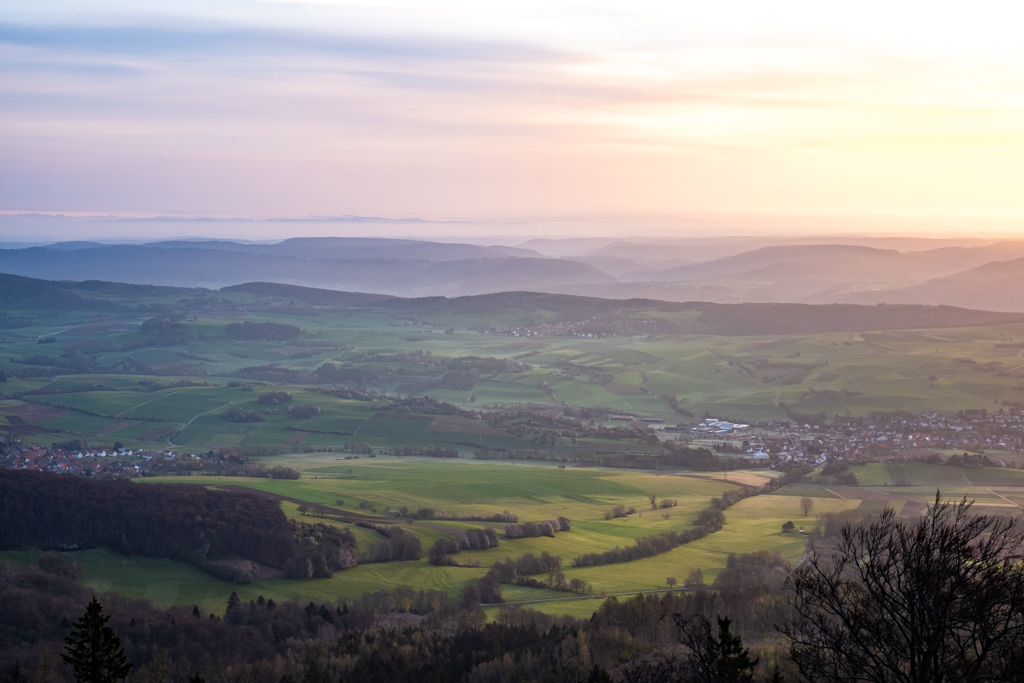
The color of light is getting warmer with the rising sun and illuminates the meadows below.
All these photographs were taken on last Saturday. Again, my dad and I started at 4 a.m. in the morning to view the sunset. This time not in the Harz Mountains but from a smaller peak in Hessen close to Hoher Meißner. During the two hours on the peak we saw many different colors and I tried to represent all of them in the next pictures. Enjoy.
Replication is one of the basic building blocks of science. The replication crisis is still ongoing: many scientific studies regarded as milestones, especially in the social sciences, cannot be reproduced. Also in natural sciences it’s equally difficult to define experiment protocols in such a way that they can be successfully replicated. Replication is also one of the basic building blocks of learning: it can be seen in animals when they imitate their parents behaviour from a young age on. The same is true for humans, also later in life when picking up new skills: In every new hobby, we first have to replicate what someone has done before us.
I have had a few different hobbies in my life that I pursued thoroughly and in most of them I never got over the step of replication. Art seems to be somewhat different: Already the first picture I took is unique. But even though I am immediately creating something novel when taking any photograph, the techniques and contents of my shot are far from innovative. Instead they are also largely influenced by what I have seen from others, what inspired me, which techniques I got thought, and so on. The two lonely counter-examples for me, where I got beyond replicating, are probably 1) route setting for climbing (at least to some extent), which I see as an art, 2) and my work.
Only after I replicated for a long time, with different role models, from different styles, with different materials, I was able to slowly move on: from replication to innovation. I could find my own style by mixing what I learned. I could create a new method by expanding on learned skills. For work, this has required over ten years of education and, hence, over ten years of replication. But slowly I feel that I am not only replicating anymore. From time to time there is some innovation. And if I keep going, the same will apply to photography some day.
Time flies, day by day.

It speeds and leads
to paths unknown;
It has no needs,
proceeds alone.

In between, a lovely scene:
Fine cuisine, regards with love,
Outside wind blowing, doves above.
But it keeps going, the machine.

And one might ask:
"Why so? Which way?"
I know my task,
and thoughts don't stay.

Time flies, day by day.
Preface: This post will be a difficult one and is mainly meant for myself.
I guess most people think that drowning isn’t particularly nice. And I agree: it’s not; at least in the beginning.
(Nearly) Every year, for 10 years, a group of friends and I have been on vacation to the same coast section of the North Sea in Denmark. And every year, we enjoyed swimming in the troubled sea, with high waves breaking onto the shore. Why? Because it is a lot of fun: getting lifted by the waves, struggling to keep your balance, hearing the roaring sounds of wind and water. We also thought we know about the dangers and can judge them. But actually, we, or at least I, could not.
And in 2018, I experienced it first hand: As always, we went for a swim during a stormy day, with high waves continuously crashing around us, sometimes far out on the ocean, sometimes only at the last moment when rolling onto the rocky beach. As always, we were staying really close to the land: I was able to feel the ground between most of the waves. And as always, we were watching out for each other; quite a large group this time, some in the ocean, some on land, all of us with the sharp wind in our faces and salt on our lips.
But this time is also different: The waves are irregular and hard to predict, water and wind are cold and unrelenting, and I think I am in control — although I am not. After several minutes of childlike pleasure of dancing in the waves, I slowly realize that I am feeling rather cold. It’s not an abnormal feeling for me: I am rather skinny and my body always cools down quickly in the water. I decide that it’s time to get out and I start to paddle towards the land. It seems only a few metres away and the warmth of the towel already feels in reach. I take some steps and some strokes, always between two breaching waves. Ride the next wave, two strokes, two steps; ride the next wave, two strokes, two steps.
30 seconds later it feels like I should have reached the coast; but I realize I have not gained a single inch. The feeling of cold has already turned into an intense feeling of freezing; my limbs feel numb, my teeth start to chatter. I take stronger strokes, but only get more exhausted. And the waves don’t care. Ride the next wave, two strokes, two steps; ride the next wave, two strokes, two steps. And then: I don’t ride the next wave, it rides me. After I am back on the surface, I try to pull myself together and look around: I did not notice before that we have drifted off from the people on the coast who are already further away than I thought. But next to me is a good friend, still dancing in the waves and enjoying the elements. But it doesn’t feel right to call for help: The coast seems still close, I am a physically fit guy, not a great swimmer, but I have been in this ocean many times before. I can also still sometimes feel the ground below my feet, between the never stopping waves rolling in. And: What should I even tell him? How should he help me?
Another 30 seconds later, I feel as uncomfortable as I have never felt in life before. I still have not made any progress; the harder I try, the less progress happens. I feel a glimpse of fear creeping into my heart and it’s enough that I try to reach out to him, just a few metres away in the water. I tell him I am feeling uncomfortable and that I do feel like I am not able to reach the coast. But the wind carries away every single word from my lips into the far distance. I try it a second time. I try it a third time. And now, the fear isn’t creeping anymore, I am not dancing in the waves anymore. I am an immobile object that gets thrown around in the ocean as easily as a little pebble of sand in the wind. In only one minute I have lost any bit of control I thought I had. And suddenly, there is no weighing up of my manliness against some unknown fear of showing weakness, there is no more time to loose. Suddenly, I realize how serious it is: I need help. And I need it now. I scream, and finally I get noticed. It still takes a few more screams before the seriousness of my situation is clear to him. The next wave crashes above me and my body is slammed into masses of water. There is no sense of up and down, there is only water everywhere. I loose all sense of orientation. I still have air left, but the attempt to find back to the top depletes most of it. Suddenly, I am above the water again, take a deep breath in a hopeless try to fill my lungs again. But the next wave already slams into my body. And it repeats: wave after wave after wave after wave after wave after wave after wave after wave, second after second, every breath shorter than the one before.
I feel that my body slowly disconnects from my thoughts. I cannot feel my limbs let alone control them in any serious attempt. At some point in time, the air gets too scarce. And these few seconds, which feel like eternities, are also the ones where I experience panic and fear as I never done have before. It occupies the mind, every bit of it, fills your bones and muscles, and drowns you a second time, emotionally. There is no deciding any more. The body does what it needs to do: Fights the waves, fights the cold, fights towards land. And the mind does what it needs to do: It does not accept the unthinkable but also doesn’t see a solution. There is only fear. And, like the cold, it paralyzes my body a second time. And the waves keep coming, endlessly rolling above me. And my lungs keep filling, but not with air anymore, but with salty water instead. And slowly everything around fades away. I cannot see anymore, I cannot hear anymore, I am trapped within my brain unable to do anything about my fate.
And then it changes. I do not feel the raging ocean or the sharp winds, I do not feel the freezing cold or the rocks on the bottom of the ocean in my face. More importantly, the fear goes away and the panic is silenced. It’s gone. Completely. No more thoughts about what I might miss out on in live. No more thoughts about the persons I am leaving behind. Family. Friends. Hobbies. Work. It’s meaningless. The feeling that replaces these thoughts is much much stronger, it is more powerful. It is Happiness. It is tranquility. Absolutely impossible to put into words, but there it is: absolute salvation. Life can be strenuous, life can be exhausting, life can be difficult, and life can be disappointing. This right here is the opposite. No more distress, no more struggles, no more obligations, no more fear; no more life. If this is what the ending feels like, I am not afraid anymore. I am ready. I am free.
By now, my friend in the water has reached me and tries to push my body towards the shore line. Also, the people on land have noticed. And as you might guess, I got rescued by my friends early enough, but from my point of view it was as close as it could be. What I remember from the last minutes is not much and it’s mostly about my internal feelings. My body cooled down so quickly that I was not able to comprehend most of my surroundings any more. When I got pulled ashore I could not breath, nor see, only barely stand, or talk.
I had to learn that being back on land does not mean that it’s over either. First, it took several hours until my body could navigate this foreign world again. Then, it took some weeks to get my thoughts back in order. The following months after the incident, there were several occasions where I woke up in the middle of the night with panic attacks. For a few seconds I would not realize where I am or what was going on, but only experience the unrestrained panic I experienced in the cold water. And then, it took years to comprehend what this experience means for me, and this process is still ongoing. The year after, not a single one of us went swimming.
When I am writing about it, as I do here for the first time publicly, my hands still shake and my breathing is fast. I have been swimming two times since: The first time in an indoor pool where I could not finish 25 metres without the edge right next to me. As soon as I felt exhaustion in my muscles, I got panic attacks. The second time was in a lake close by and it was already far better. But I still hesitate when to go for the next try.
For me, the scary thing is not that I nearly drowned. I already nearly drowned once before as a little child but cannot remember much. Later in life, I got almost run over on my bike by a really fast car. And I have probably had other close incidents that I am not even aware of, as probably all of us have. For me the scary thing is to remember the feeling of the real happiness I could experience in these last brief moments. It was the most pure feeling I have ever experienced. And I struggle to comprehend it; even more to communicate it properly. I think it’s simply impossible to even remotely describe it, how it was, or what it was; and there is nothing I have found so far that resembles it. Remembering this can make life feel dull from time to time. But the more time passes the harder I can grasp how it felt.
So why am I still here? Because why not. I can be rather certain that there will come the day where I will get to experience that same feeling again; this inexpressible emotion, this other-worldly perfection and completeness I am craving for sometimes. But I learned that there is no hurry. And every moment I have on this world is one moment more that I can cherish for what it is. And thus, every moment here can also feel special no matter how difficult it might be. And it also reminds me: It doesn’t really matter what I am doing here; I have to create purpose myself. Only then I can find some sense.
I think drowning is nice. But it’s not; at least in the beginning.
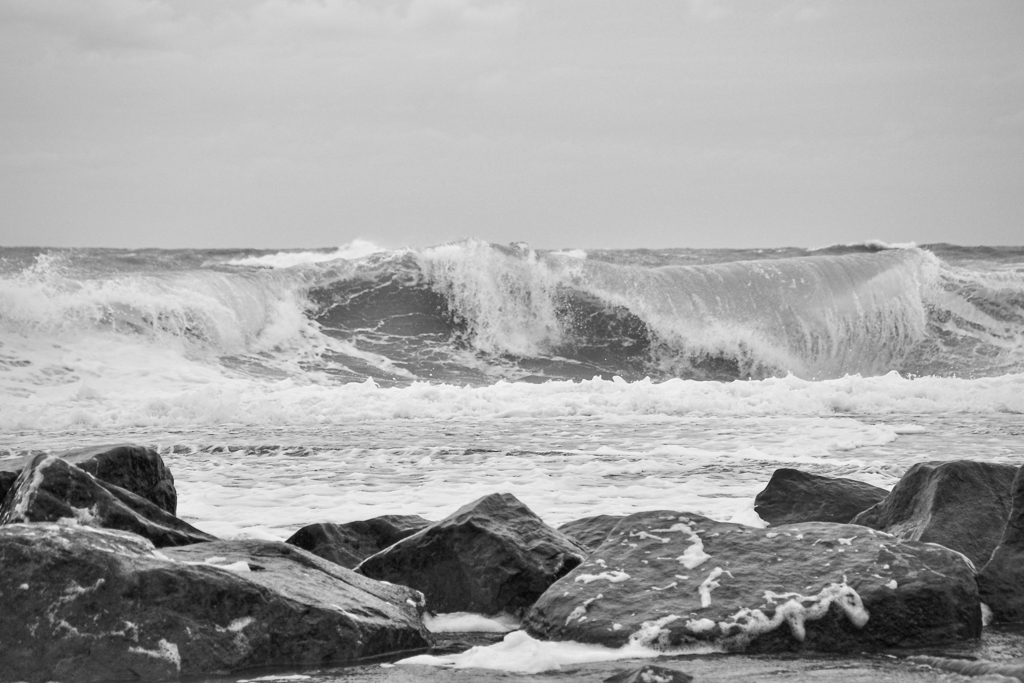
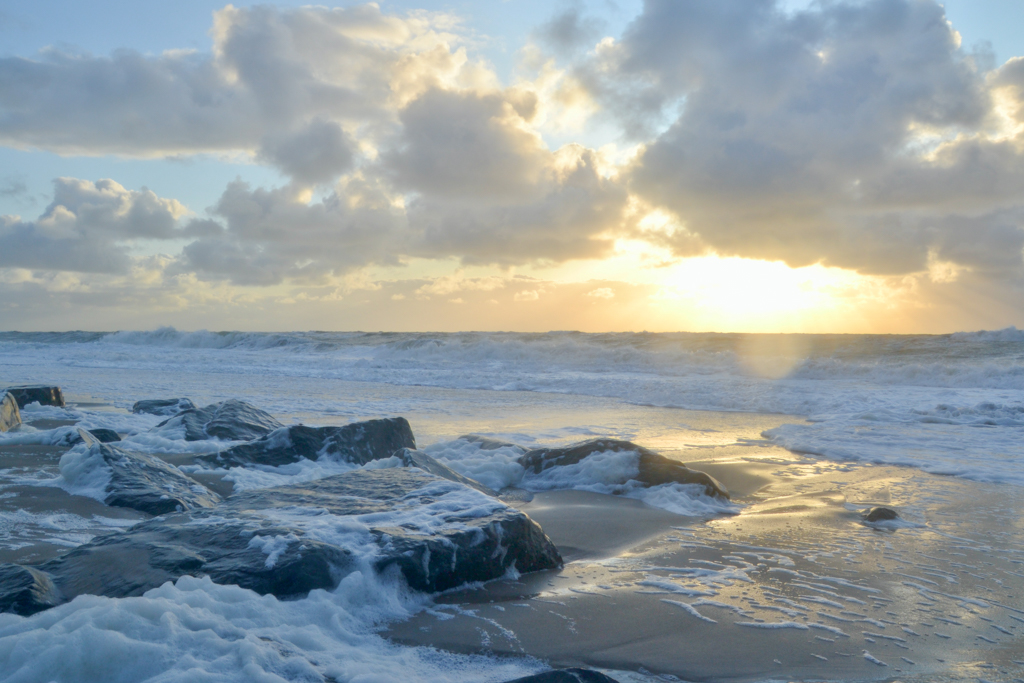
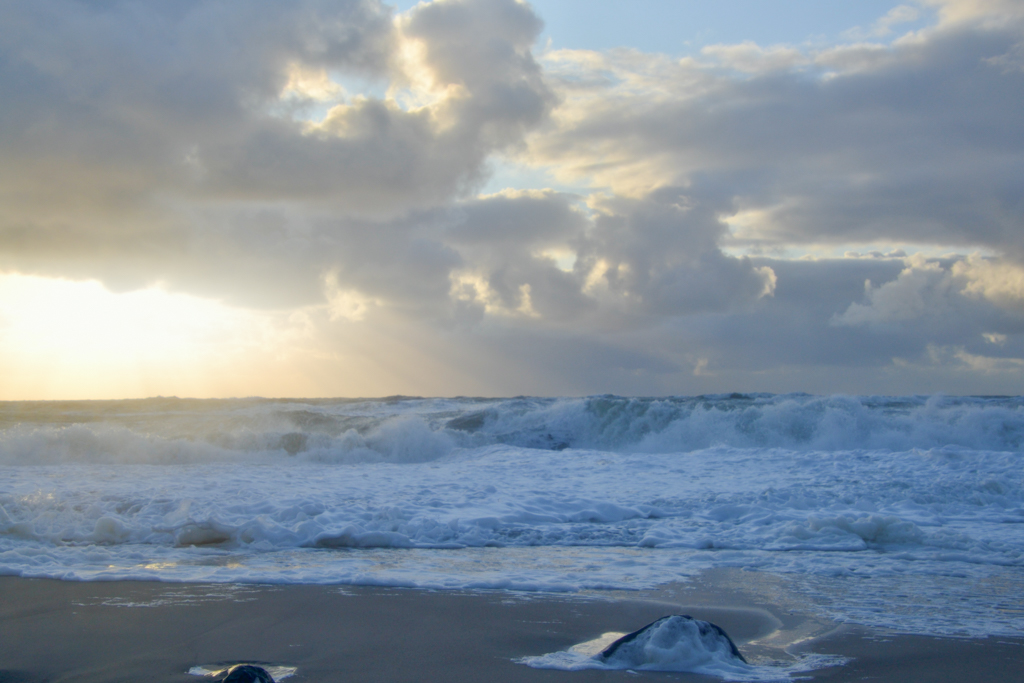
Addendum: I struggled a lot with these experiences. Not only in the beginning, but also later on. Back then, I also searched intensively for reports from other people on the internet because I wanted to know how they felt, and how they dealt with an equal experience. But such reports seemed to be quite rare; this is also why I decided to share my own report here, even though it is difficult. By now I am fine; but I also got (some) professional help and advise anyone who is unsure, to seek out for help as well. I also have only talked rarely, or not at all, about this with friends and family. Because when speaking it’s even harder to find the right words. So to everybody who is reading this and has not heard about it before: I want to apologize that I can only pass on my thoughts in this form for now instead of telling you personally. And if you wondered: all photos are from the exact same stretch of coast, but from other years.
Information and entropy are closely related: Infrequent events carry more information than frequent ones; or, in other words, the lower the occurrence probability of an event the higher its information content. The total information of all possible events is the sum over their individual information content weighted by their occurrence probability. Conversely, with more information, events can be predicted better. And low information means a high entropy, thus low predictability. This is commonly referred to as the Shannon entropy and does not only apply in computer science.
We took one week off before the Easter holidays, but it’s difficult to plan vacations in these uncertain times. For two days and one night we took our T4 and went out into the unknown towards the Southern Harz Mountains. With little information what to expect, what to do, or where to sleep. For me, the less information, the more it feels like adventure. If you want to read in detail what we did, check out the latest blog post from Mädchen Klitzeklein. I will just show some of the photos I shot.
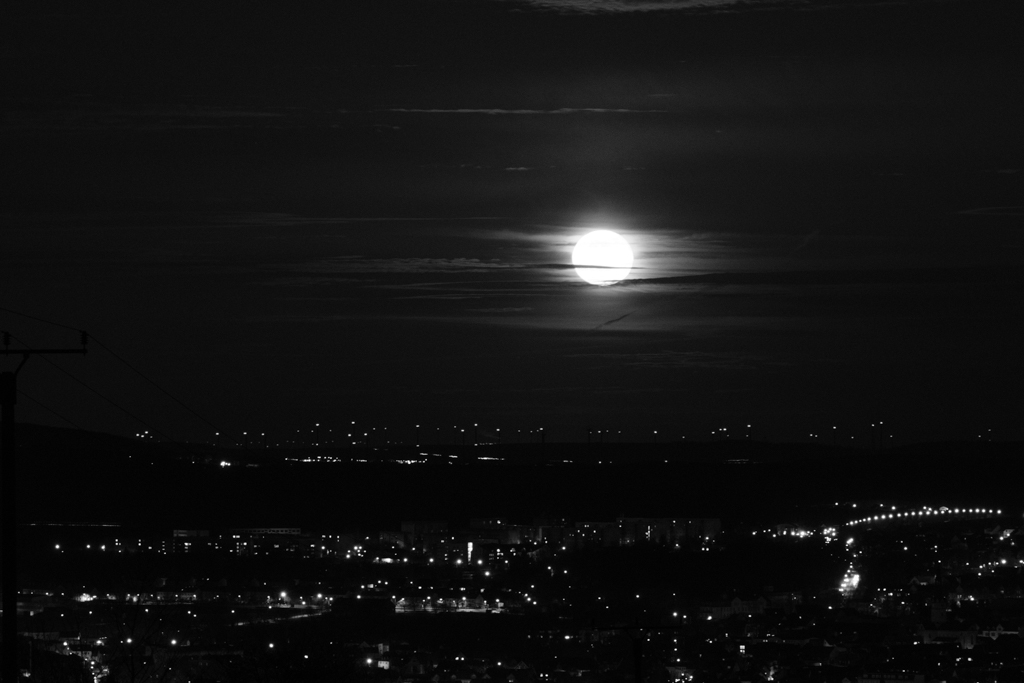
Our sleeping location was on top of a small hill and there was a wonderful evening mood and night sky. The views were calming and the colors powerful. The sun set slowly behind a group of trees and left behind unusually warm air for this time of the year. After another hour, the full moon rose over the next town.
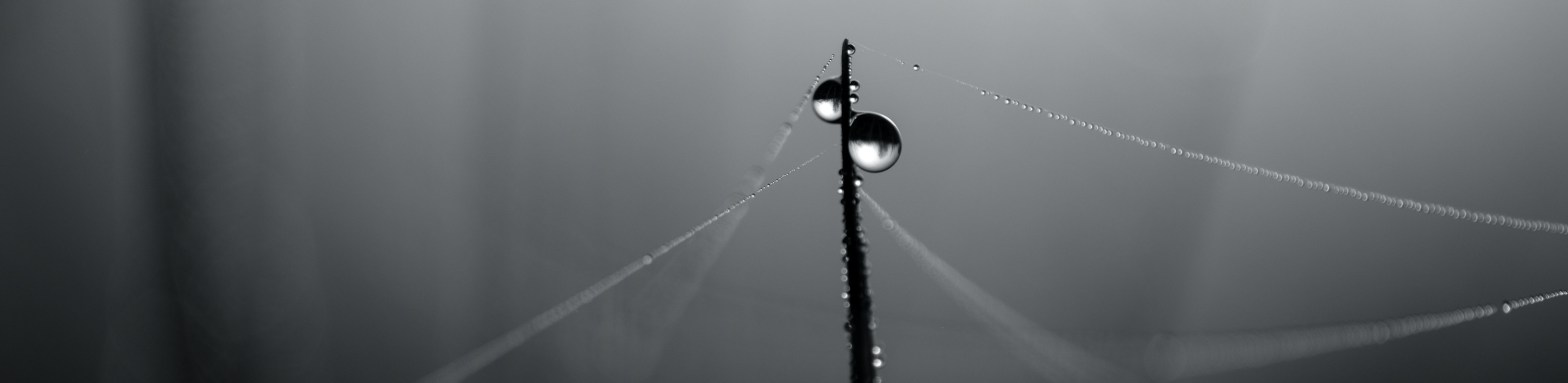
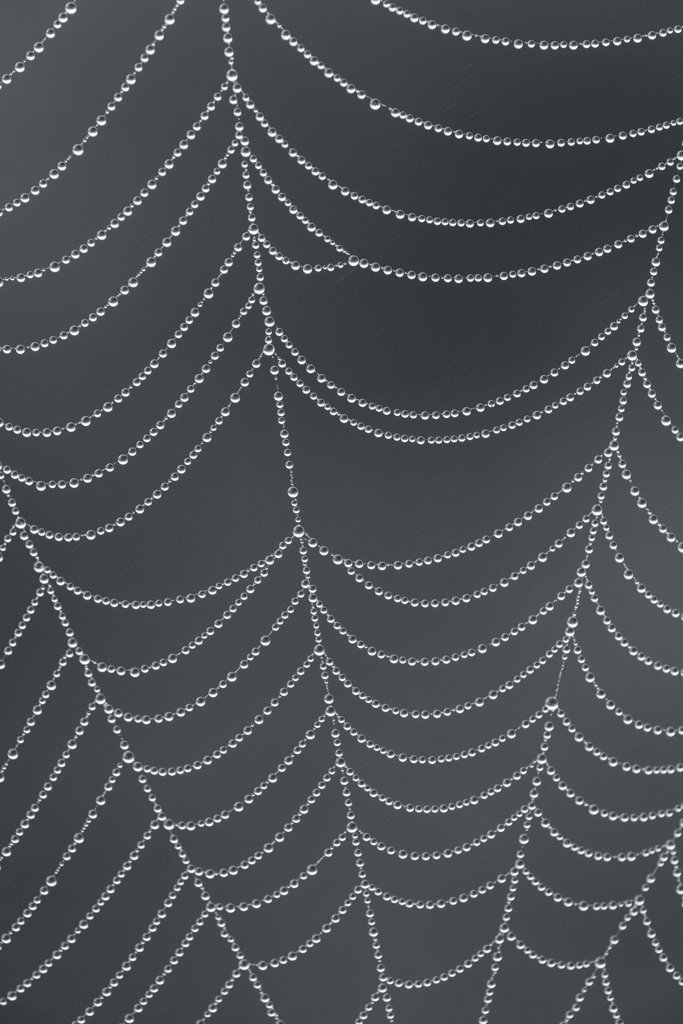
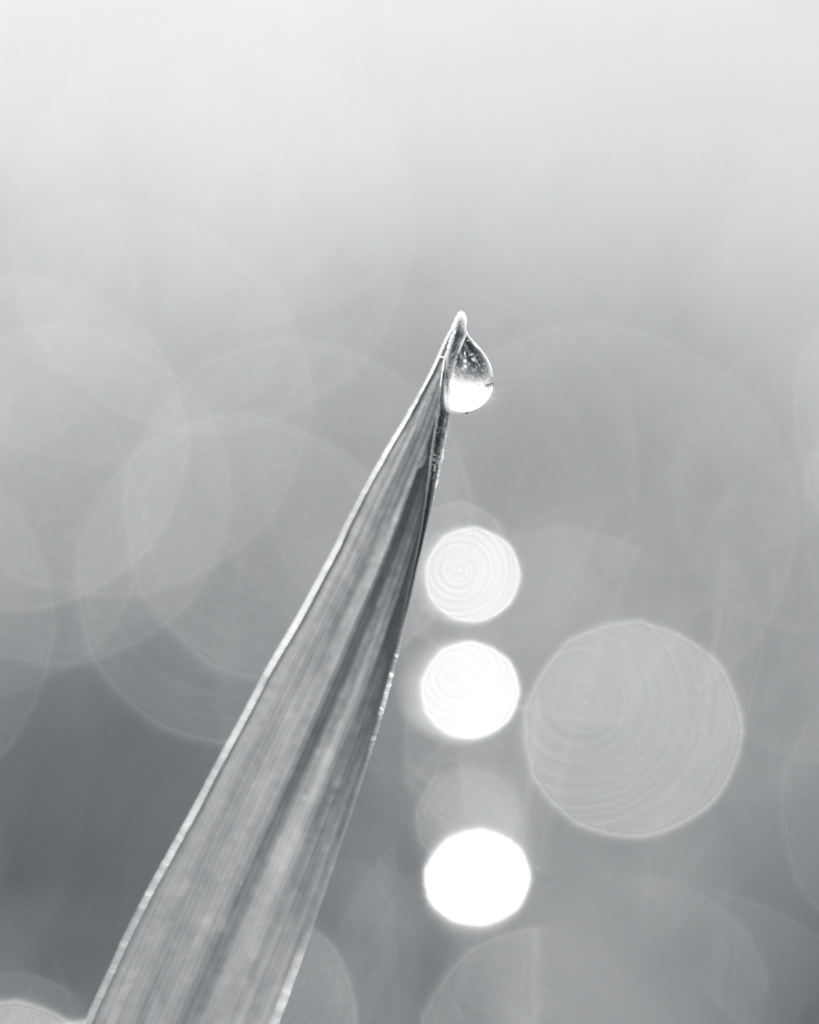
The morning started early at 6 p.m. with some shots of the distant wind turbines. I also couldn’t resist to try some macro captures with the morning dew. The sun reflected beautifully on all the water droplets in the background.
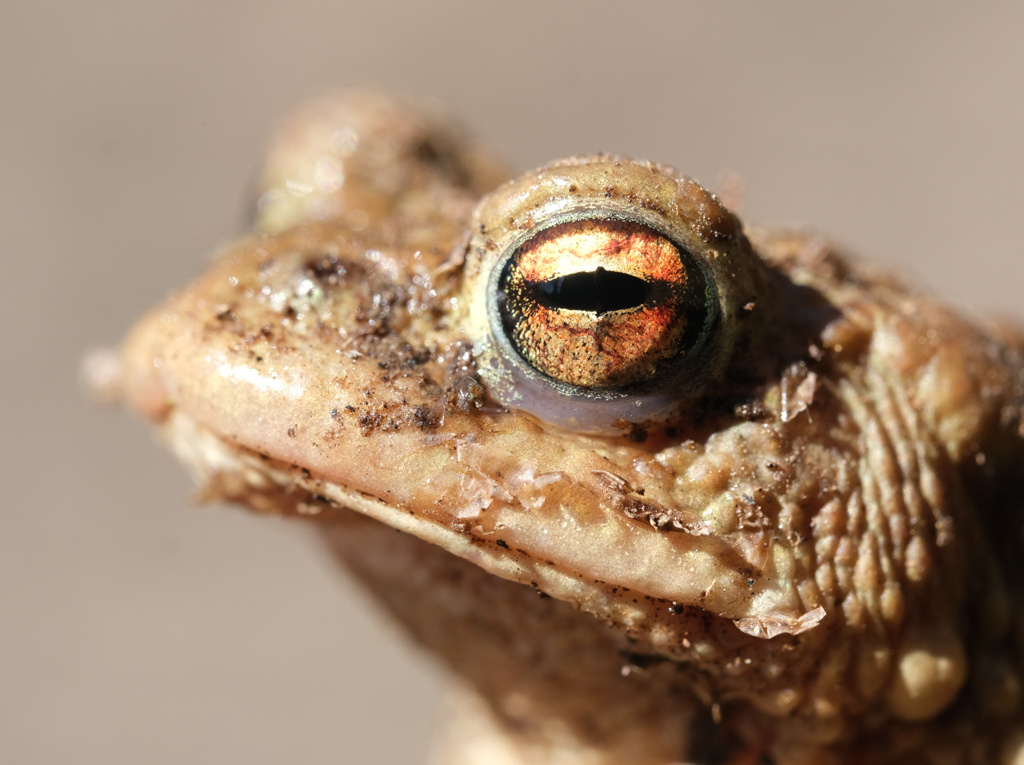
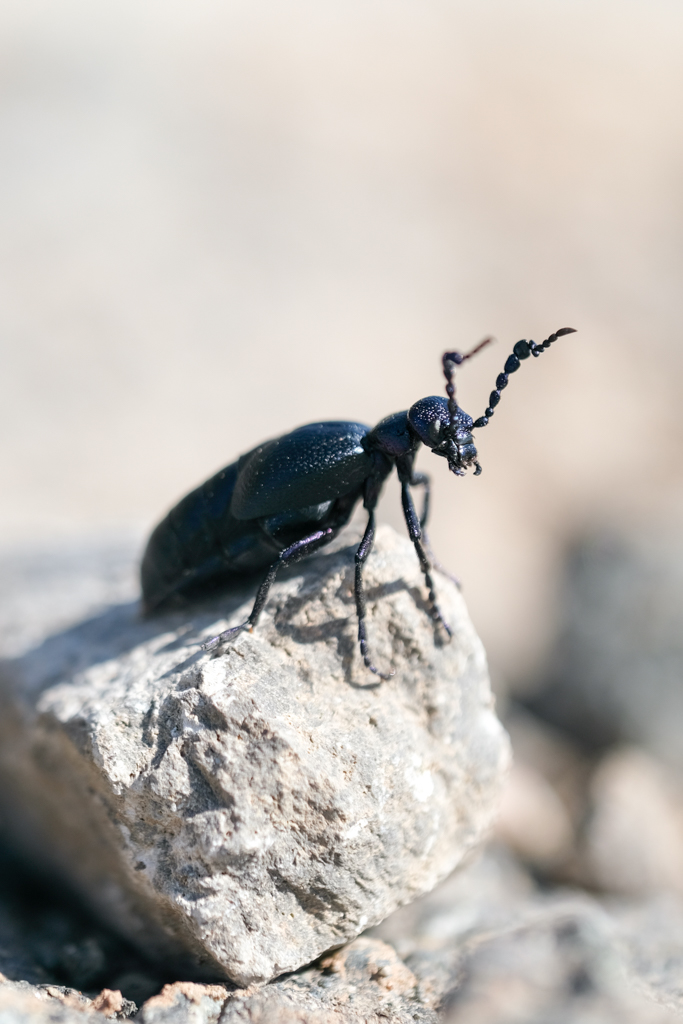
Most of all, I am proud of the following macro shots of toads, ants, and oil beetles. Oil beetles are rather rare in our region, but on one of our hikes we saw multiple ones on a single path. On another hike, we stumbled over a lonely toad on the way. Very excitedly I took some shots before it leaped into the deeper grass towards the water reservoir. When we hiked further, more and more toads were crossing our path, which culminated in a section where it was even becoming difficult to avoid stepping onto them. I made well over 100 photos, but these three are the ones I like the most. The capture of the ant on the tree trunk is also Mädchen Klitzeklein’s merit who evoked the ants’ interest.


















































 Punkt im Dunkeln