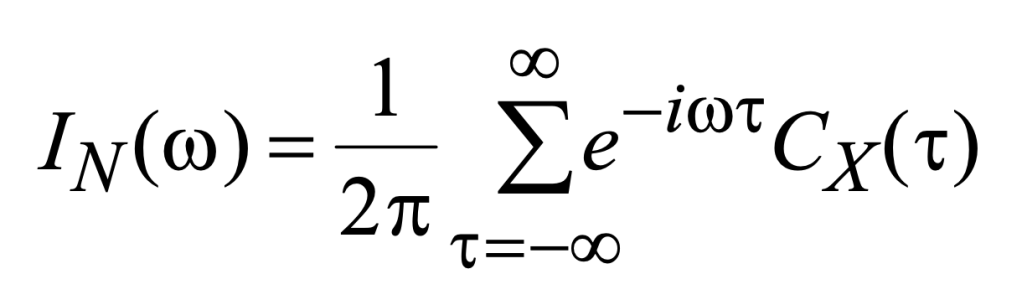
A periodogram estimates the frequency spectrum of a time series. It’s a decomposition of the signal into its single frequency components. An overview of the rate of recurring events and their power. Weekends bring joy. Ends of month bring money. Mornings bring mourning. Sometimes delight. Seasons introduce change. Adventures approach with holidays. Family reunions come every second year. Resolutions once a year.
Adventure time has just passed and the 1 year frequency approaches with all its power. There was a time long ago on an island far away where I understood what is going on in this formula. Right now, I have no idea. Maybe it’s time to start revisiting long forgotten knowledge. Maybe with some fixed frequency. Maybe, at least, with undetermined infrequency.
Peace is comfortable. Conflicts only appear in the newspapers – neither in our streets, nor in our reality. But out there is war. And with every day we keep ignoring the climate crisis it comes closer. Climate refugees knock on our doors right now – and there will be more. And even though the conflicts haven’t even reached us yet, I am not fighting for what I believe: Basic human rights. The right to use our only chance on life. A chance that we could provide rather easily right now. Instead, I repeatedly choose comfort over action. Security over uncertainty. Every life lost in the Mediterranean, at the British Channel, at the Polish border, is lost forever. And even worse: the tide may turn. When it’s not a handful, but millions who seek shelter, water, food. Will there be a time where we have to defend what we have? Where we have to flee ourselves? So, sometimes, I engage the thought: Fight, flight, freeze? What is it worth fighting for? Would I fight? And why not now?
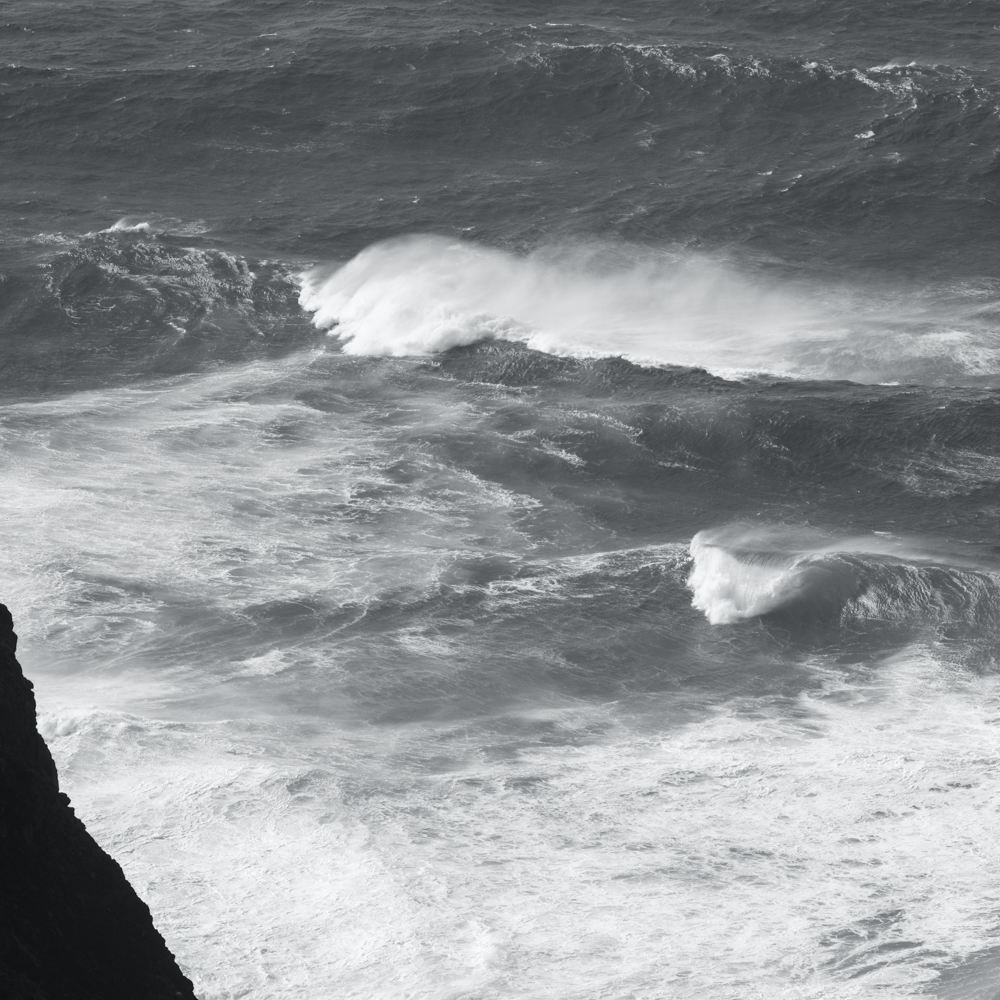
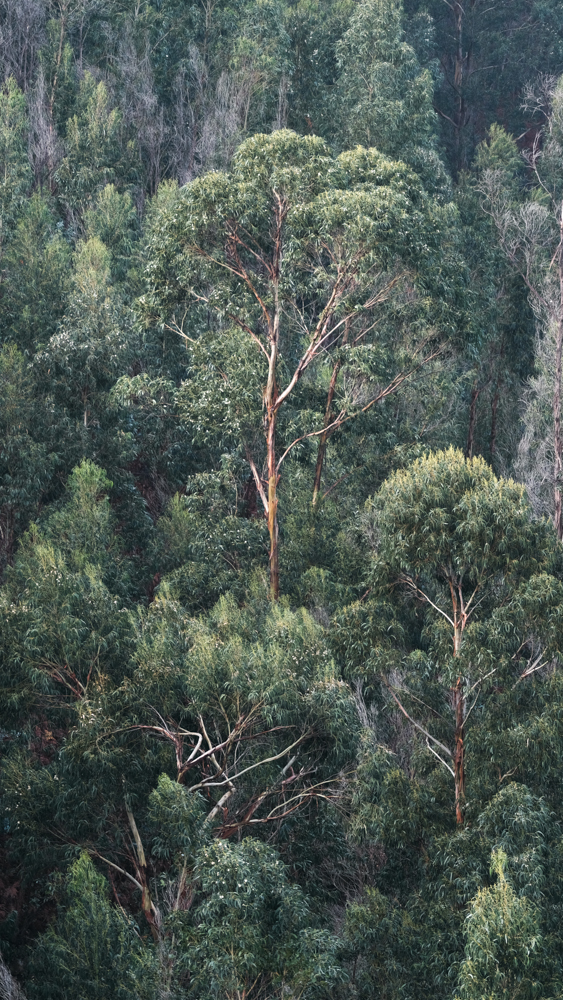
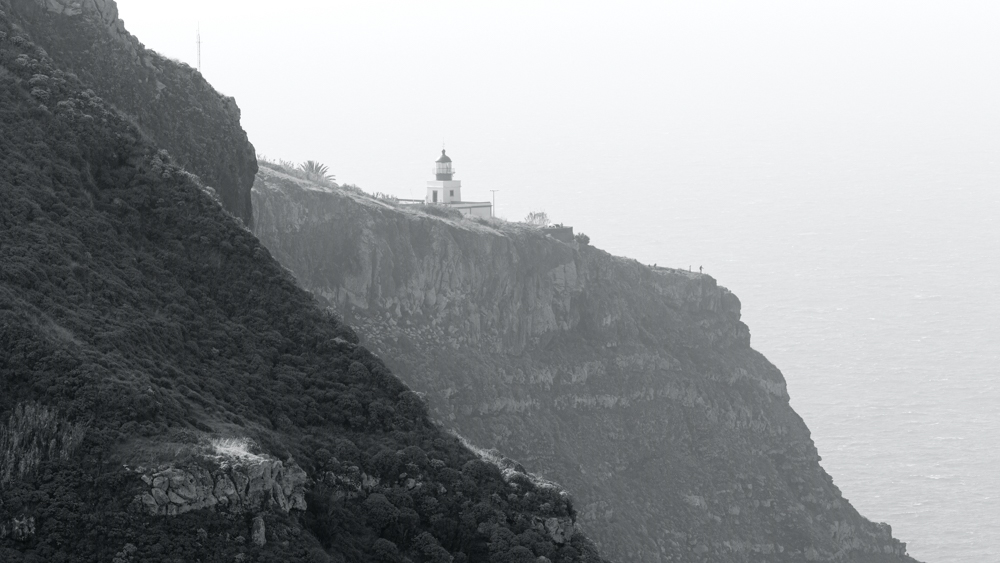
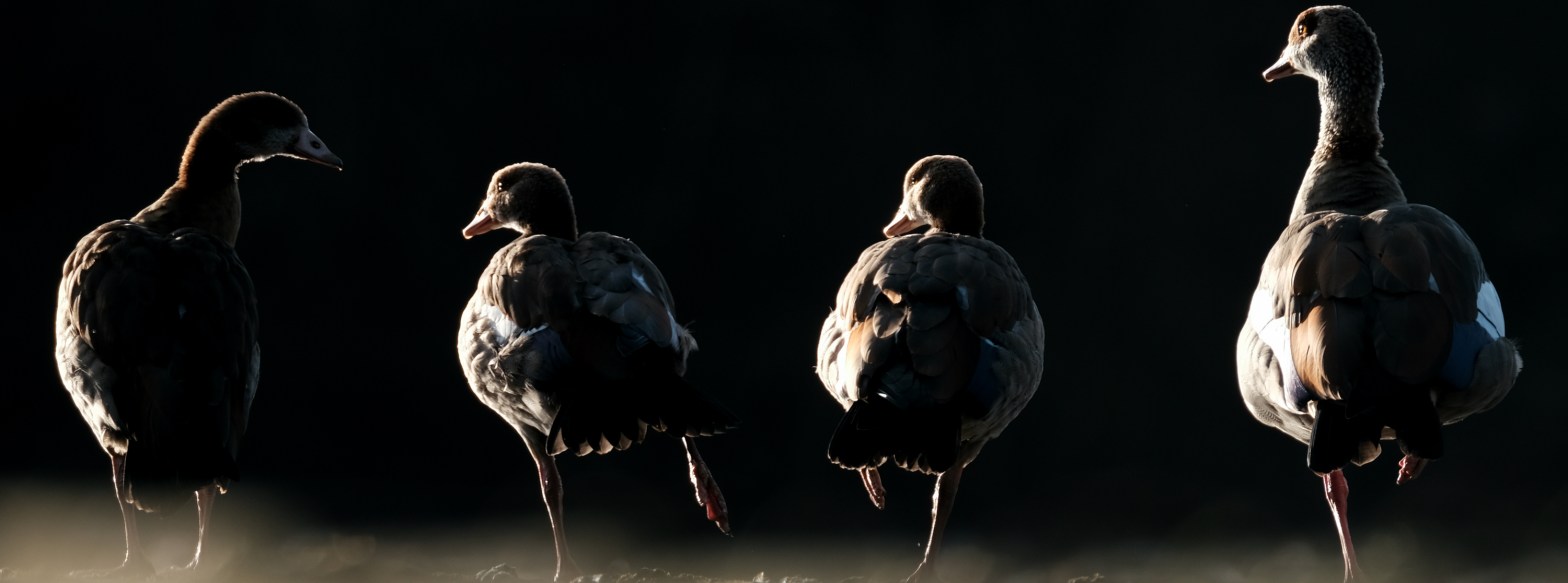
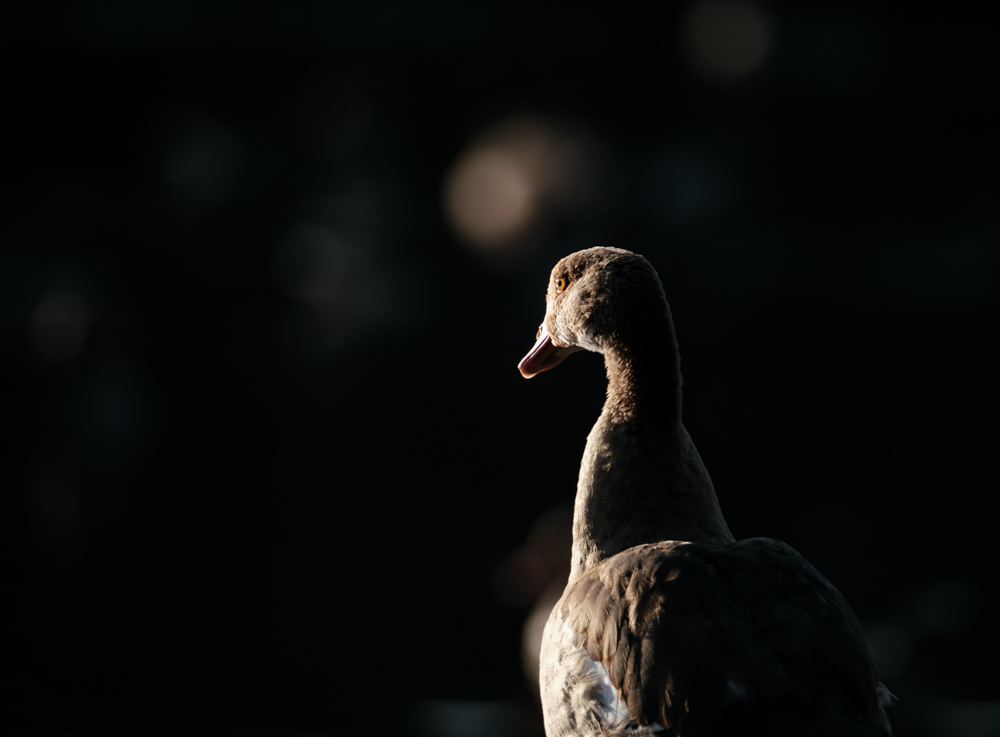
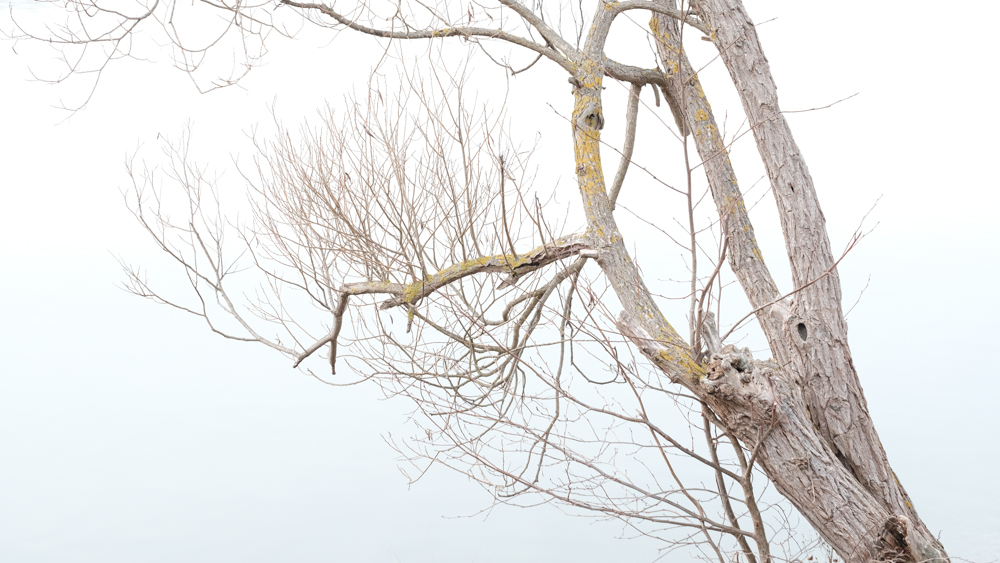
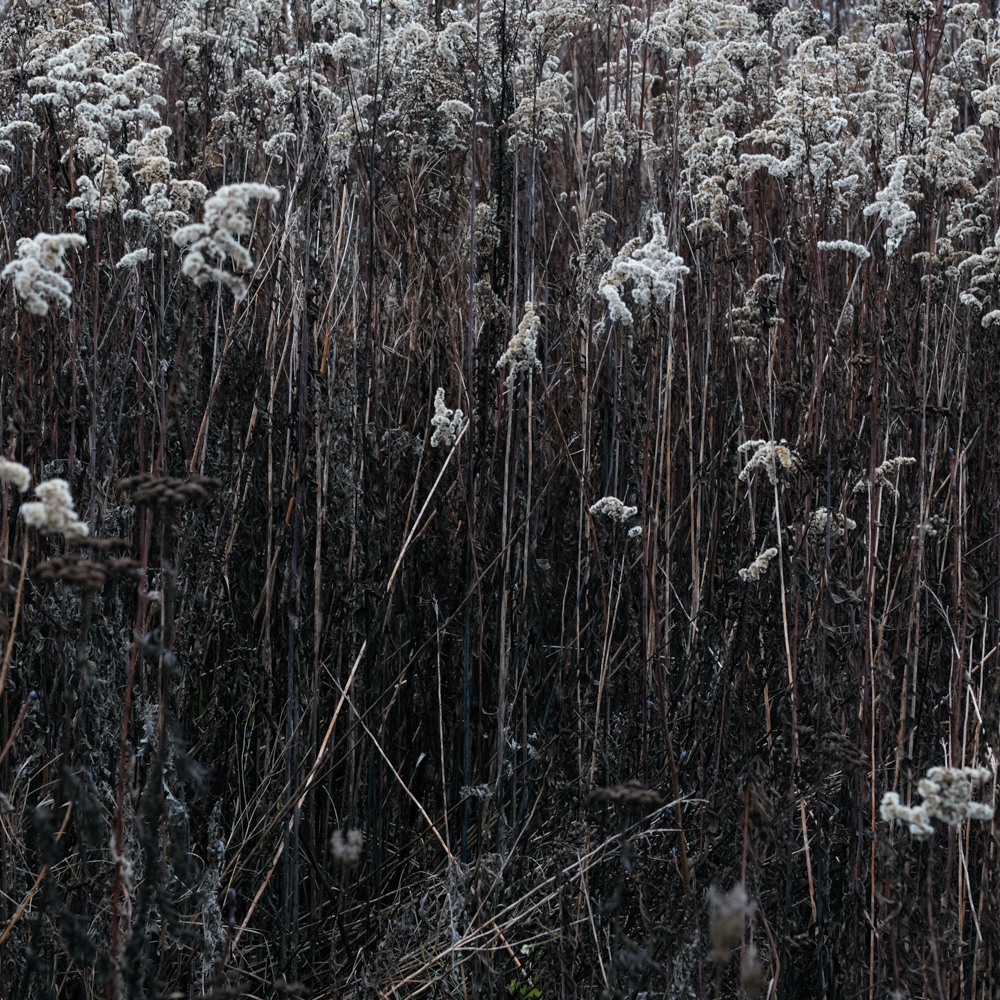
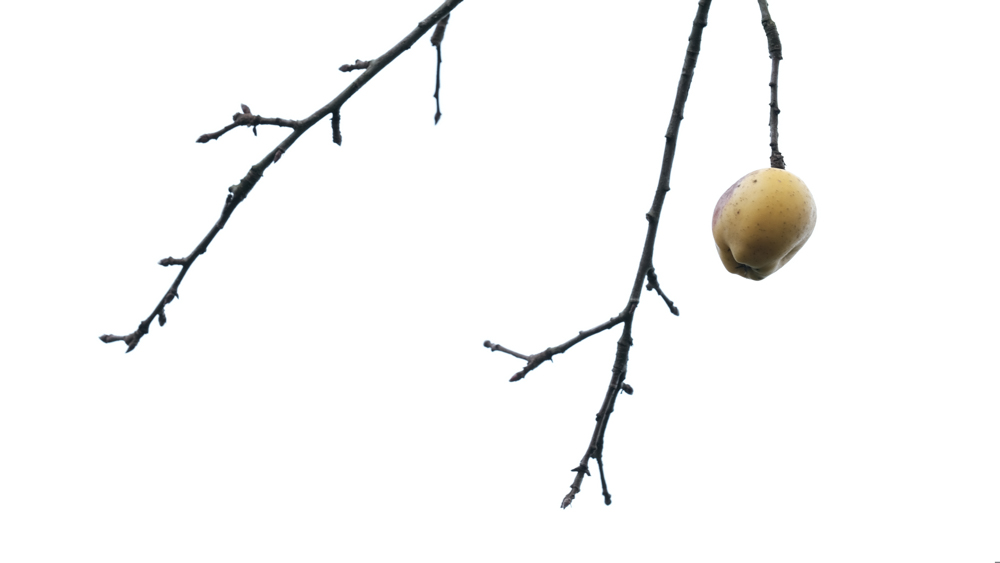
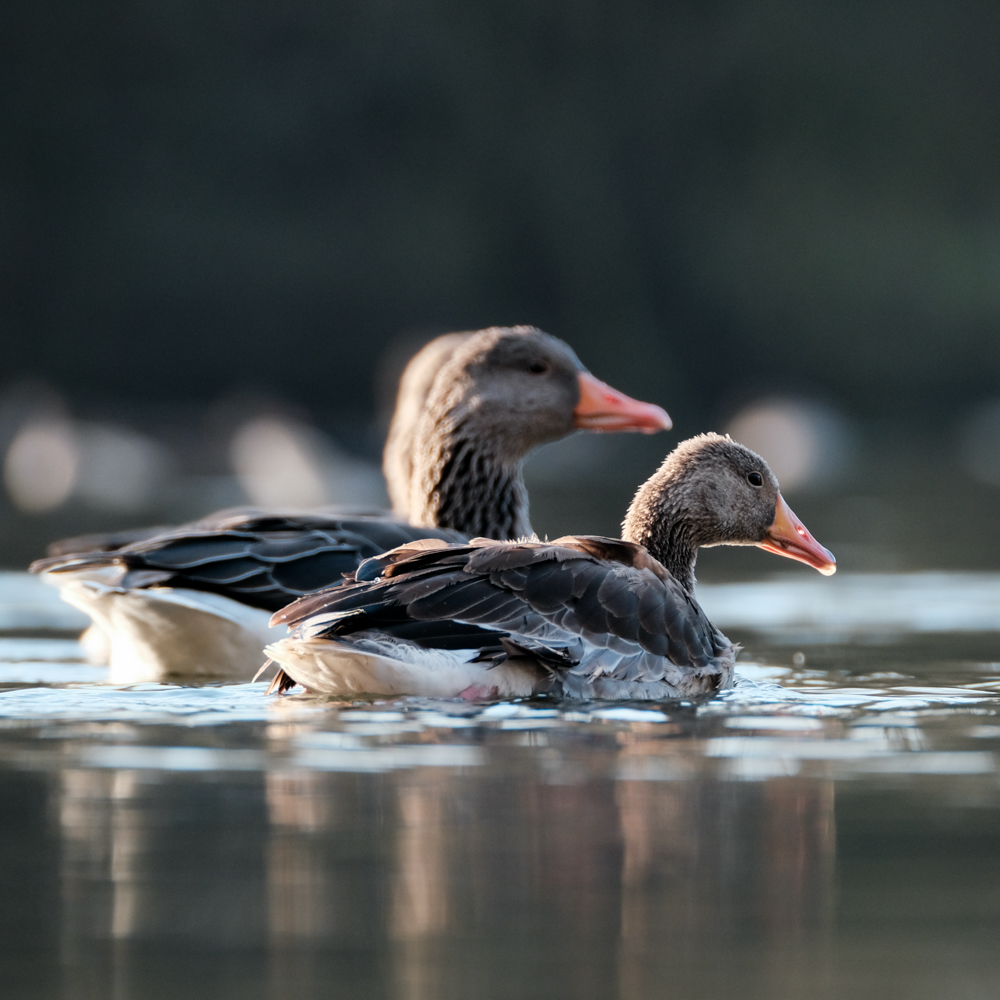
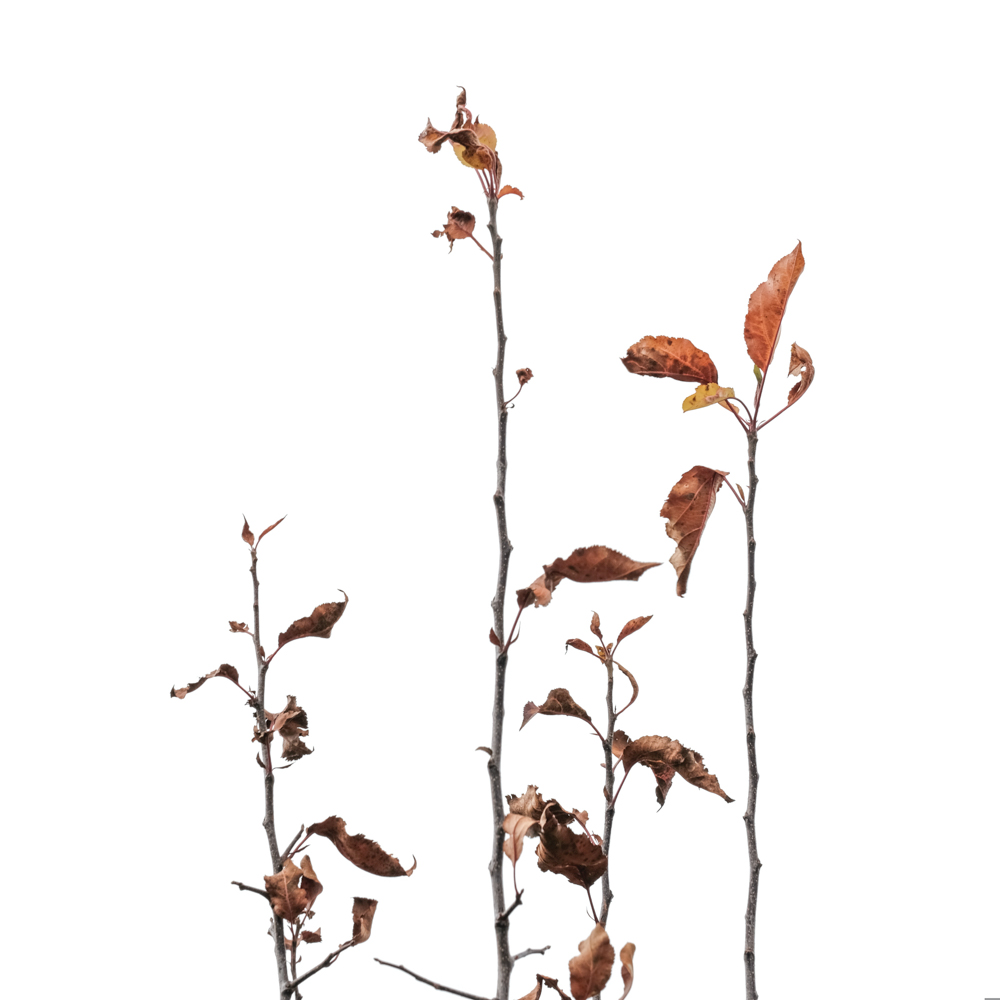
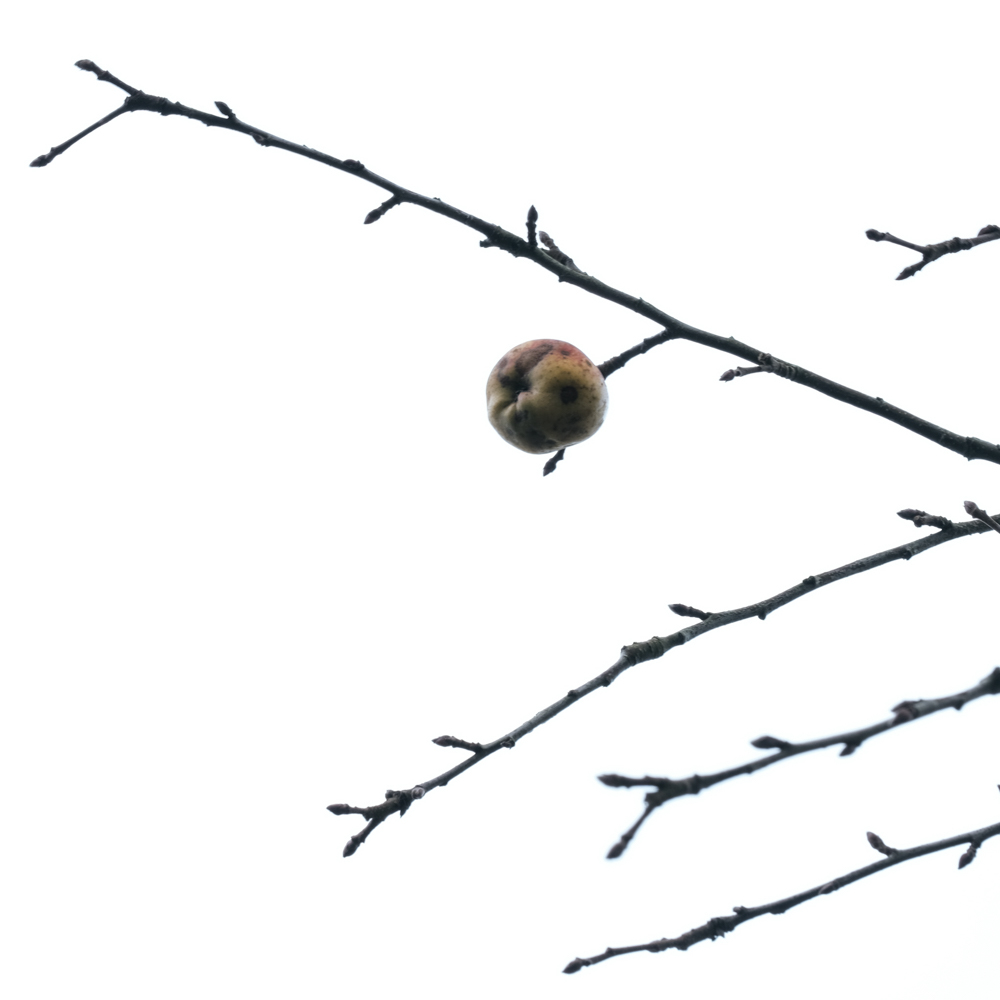
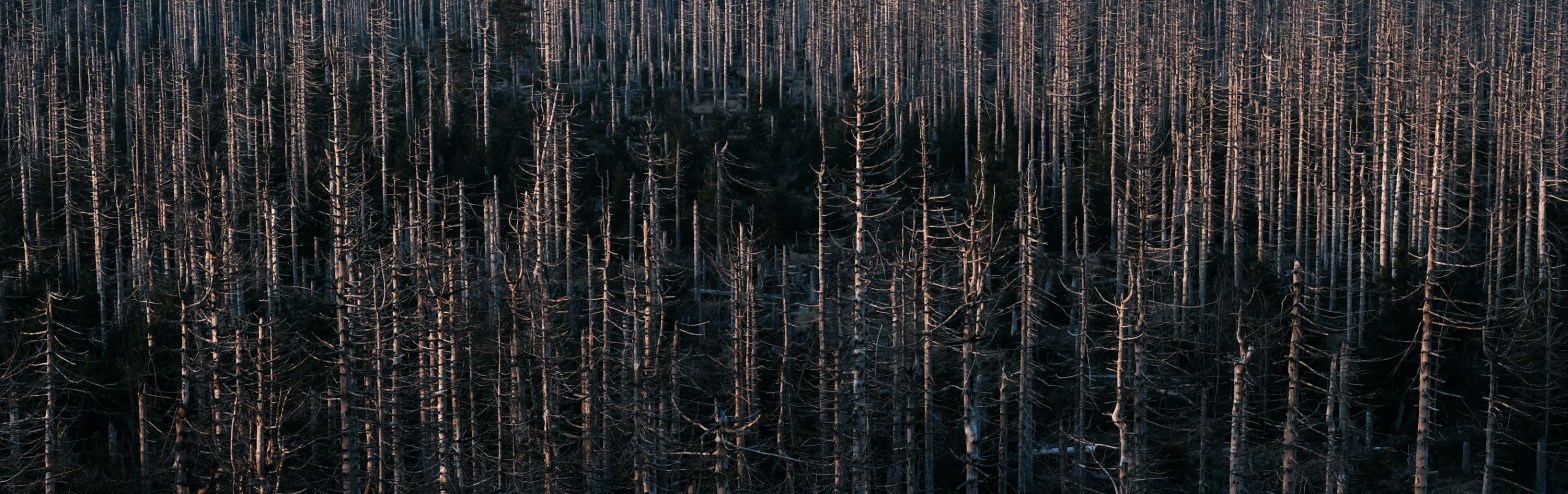
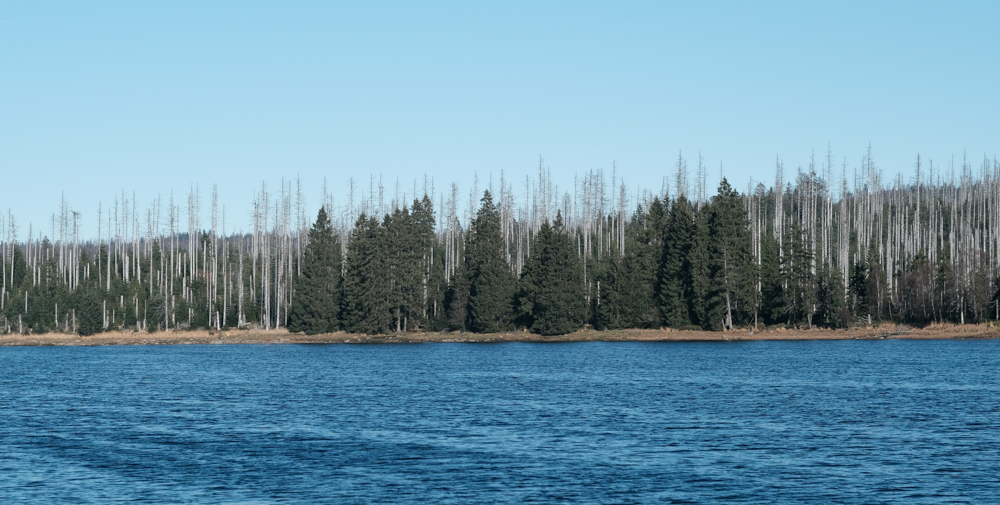
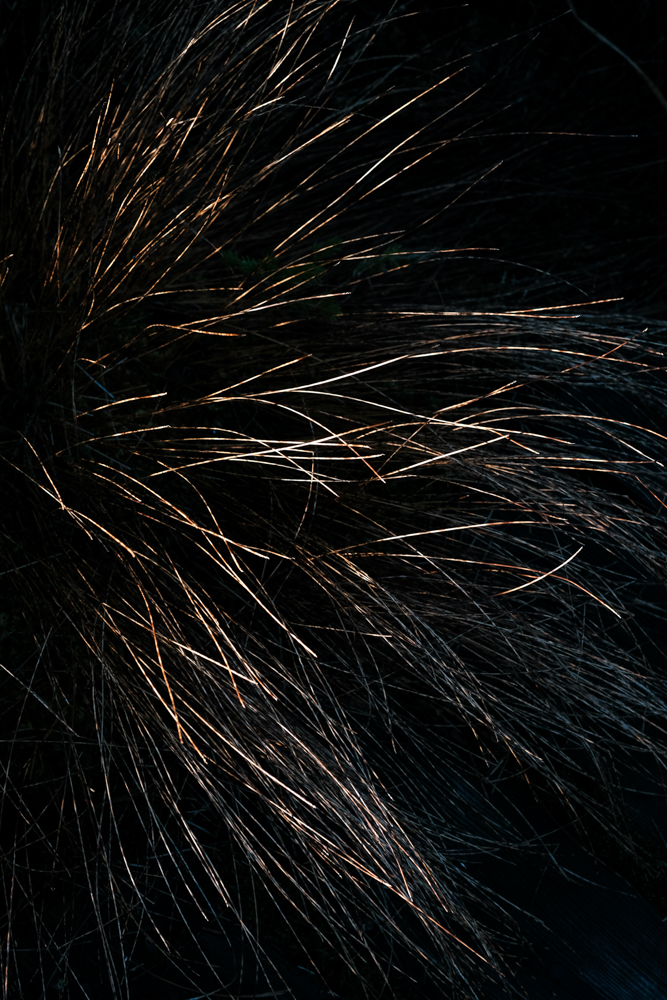
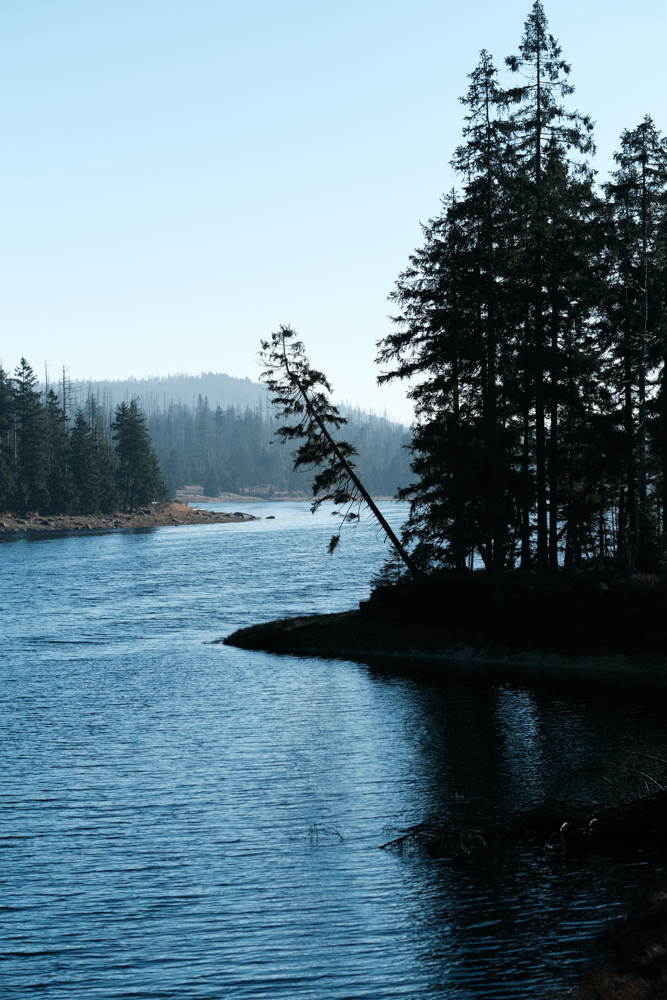
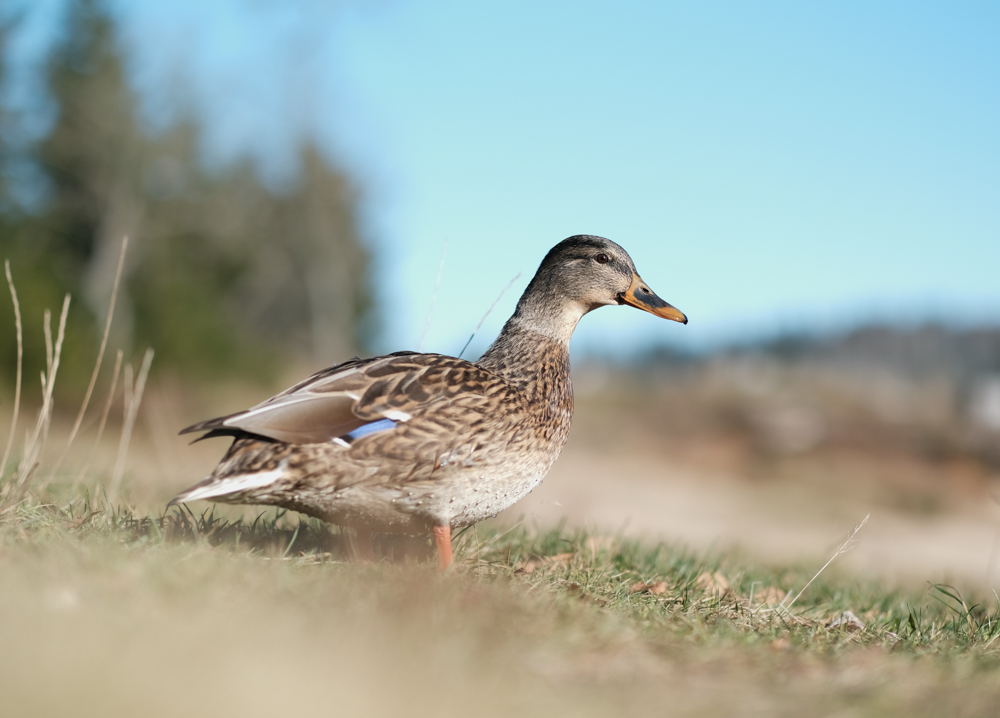
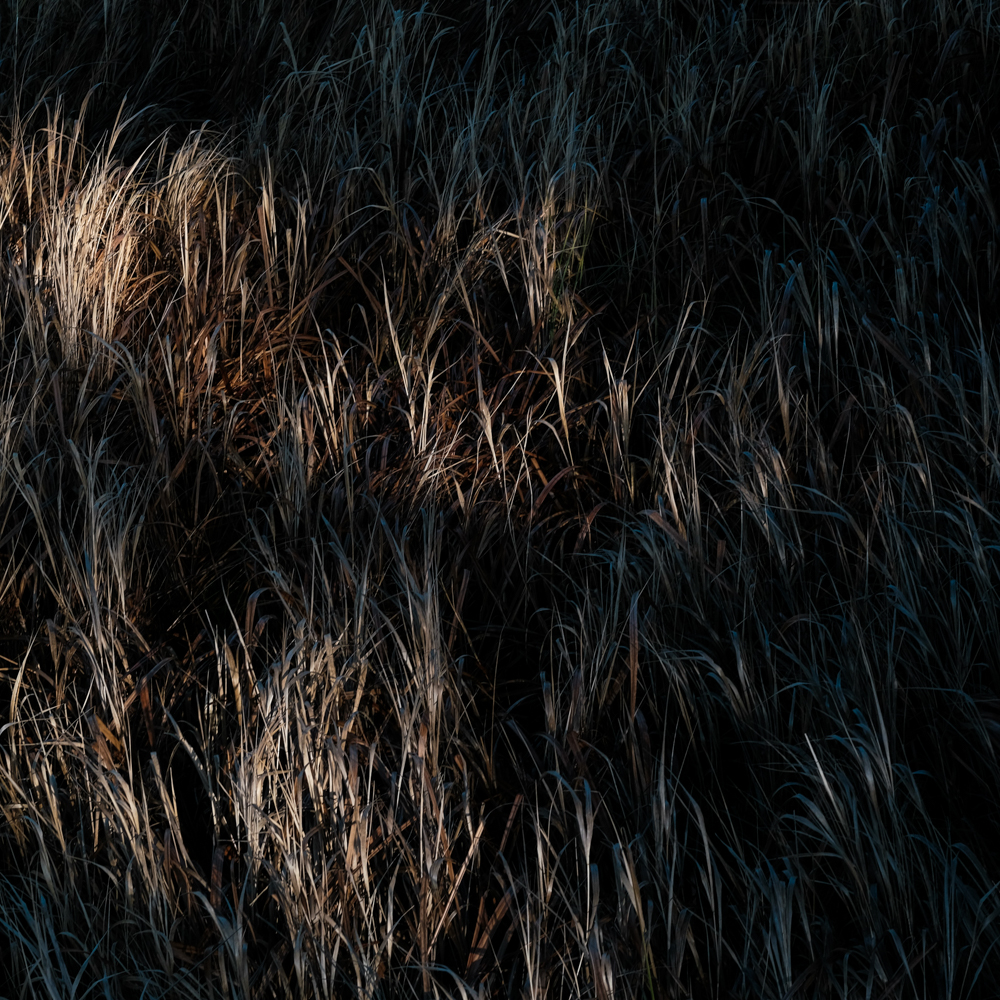
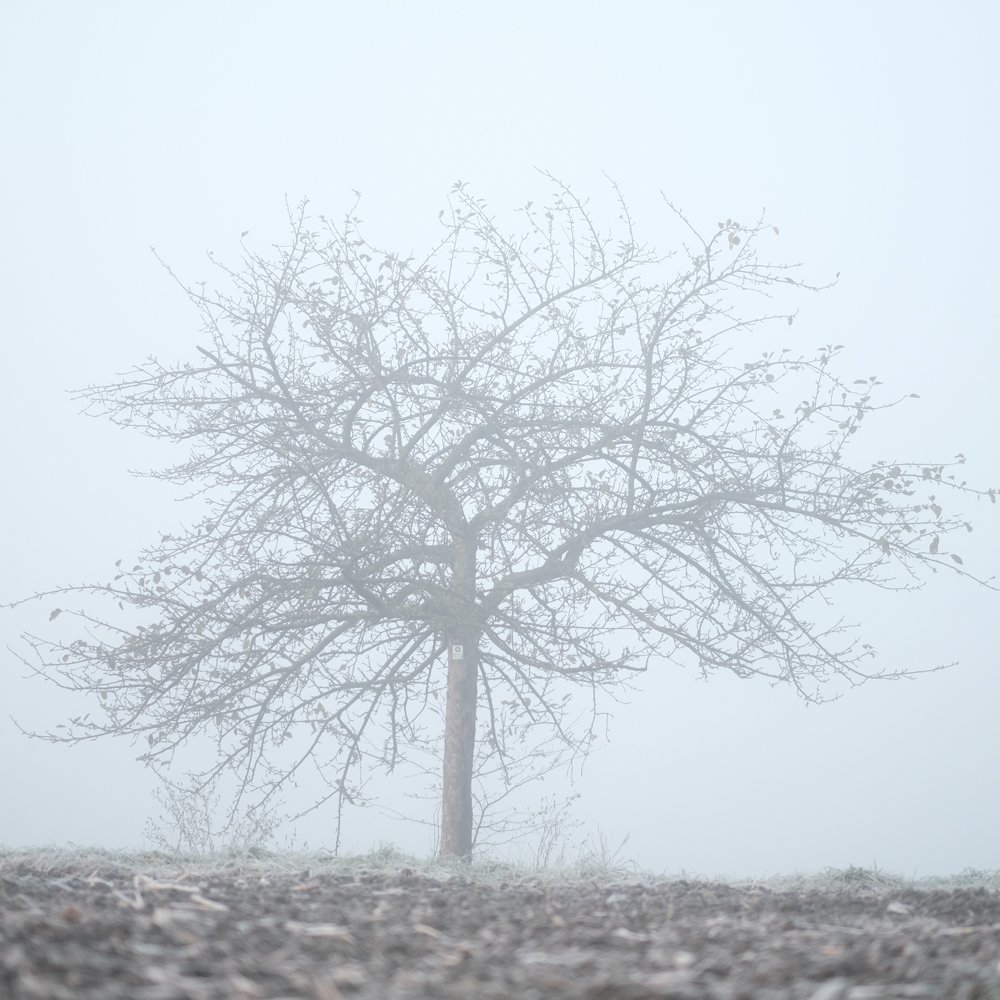
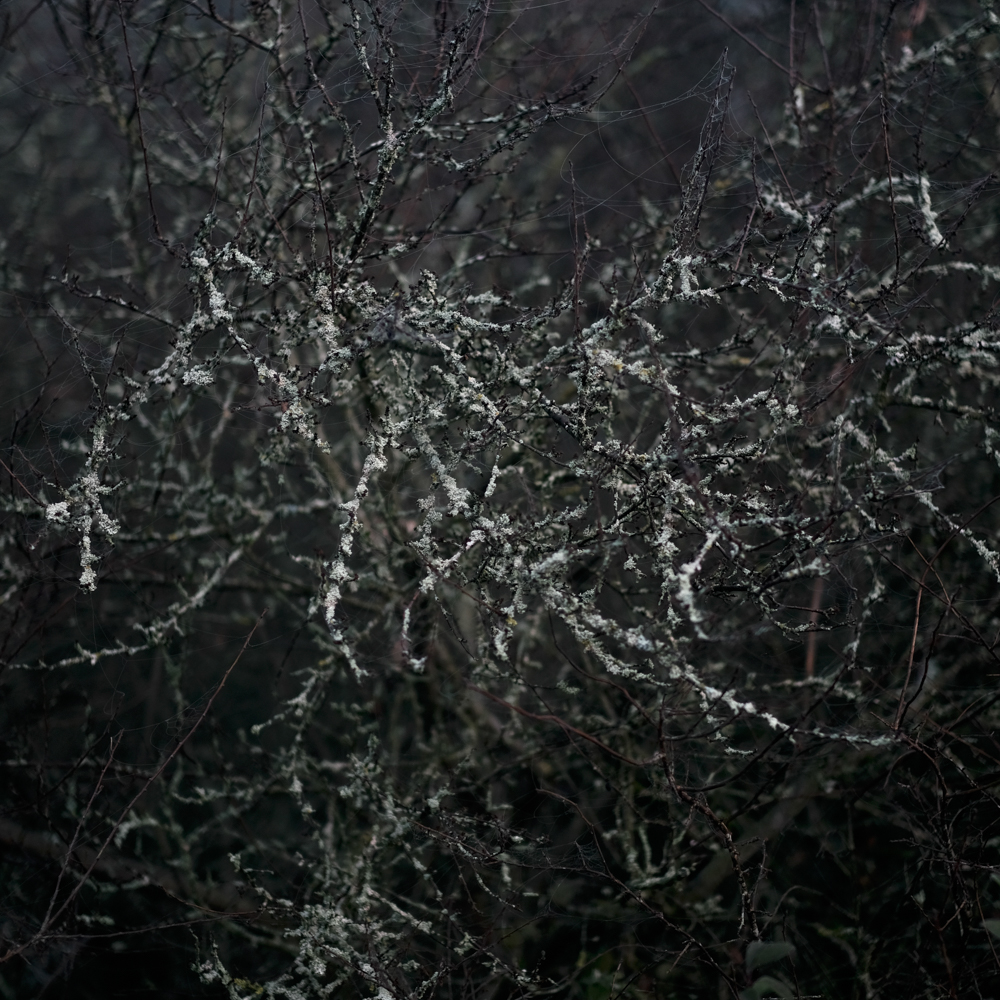
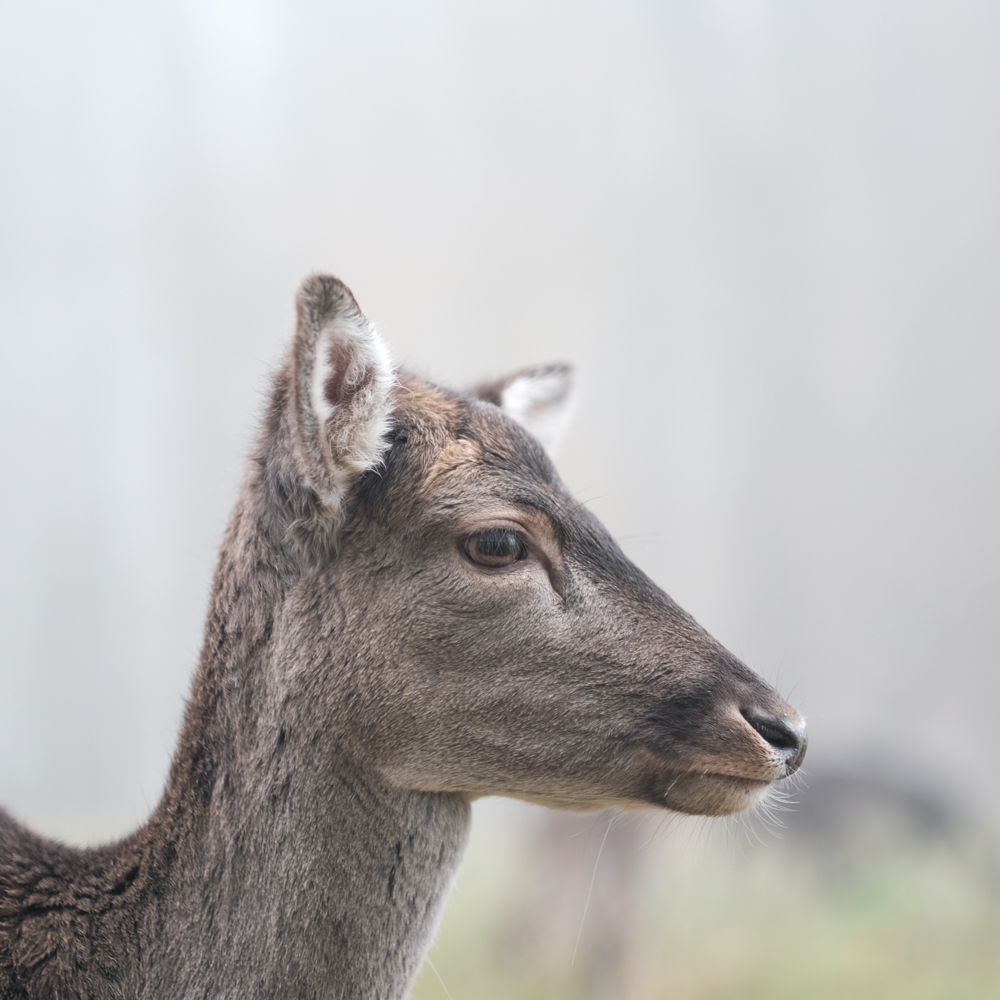
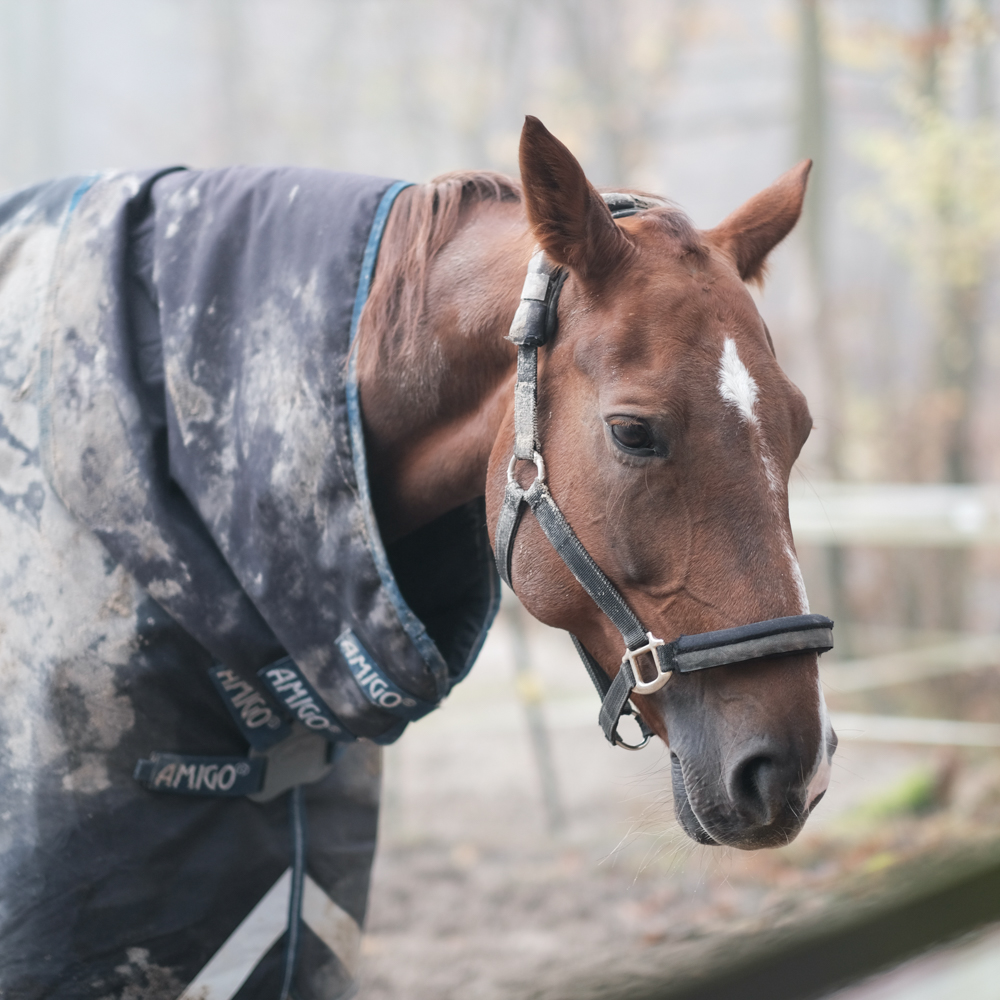
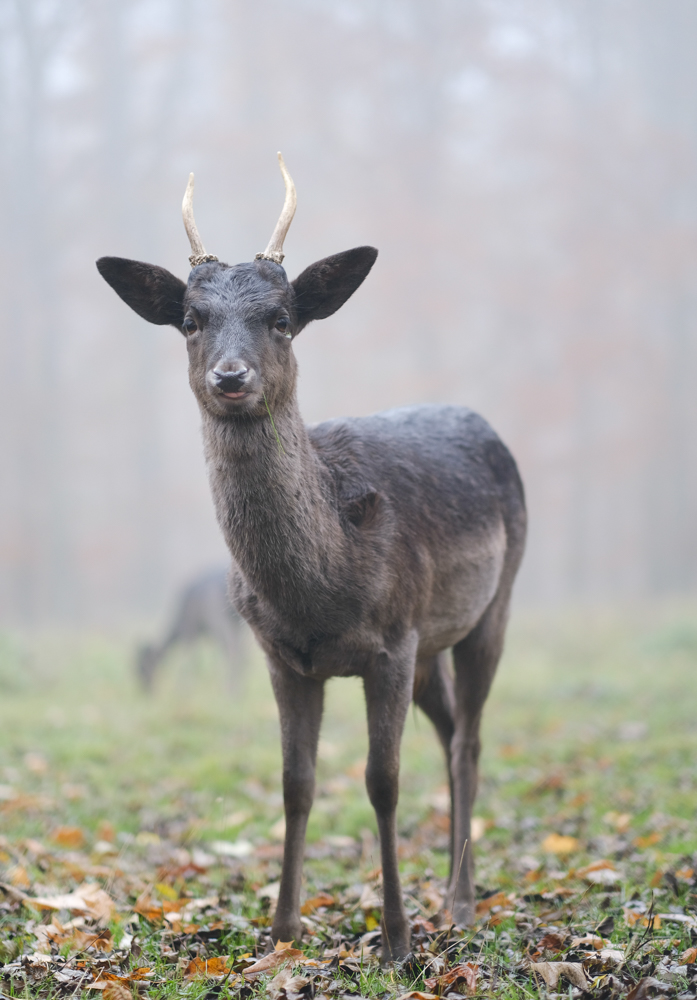
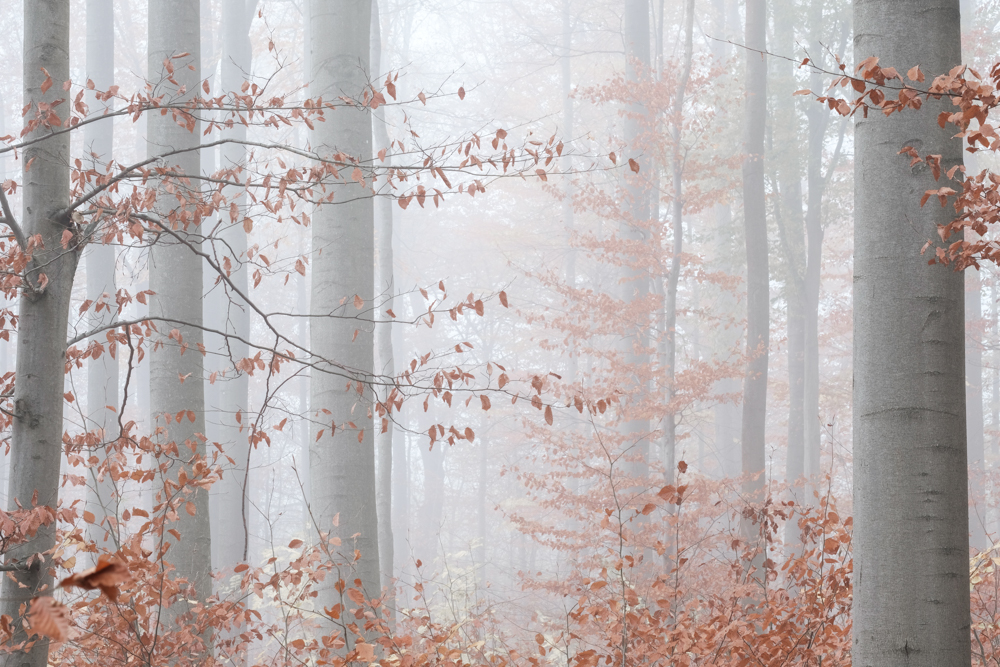
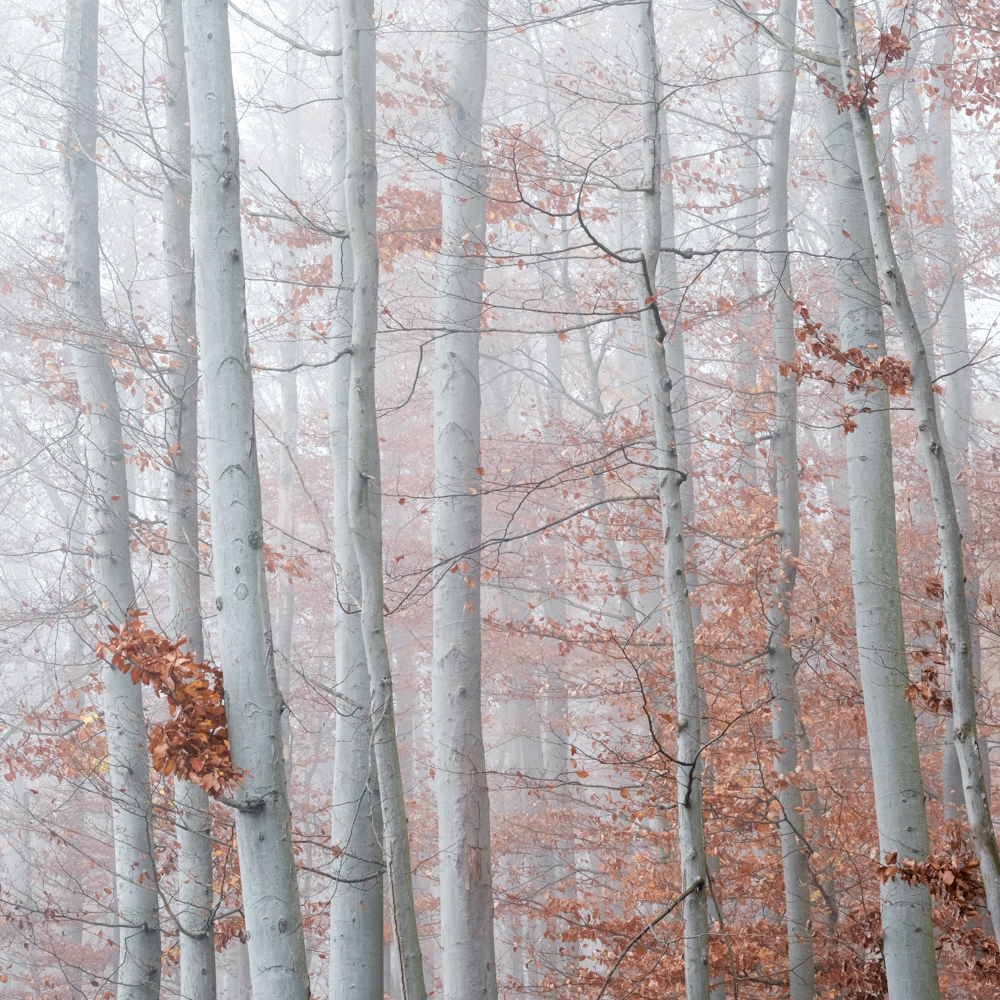
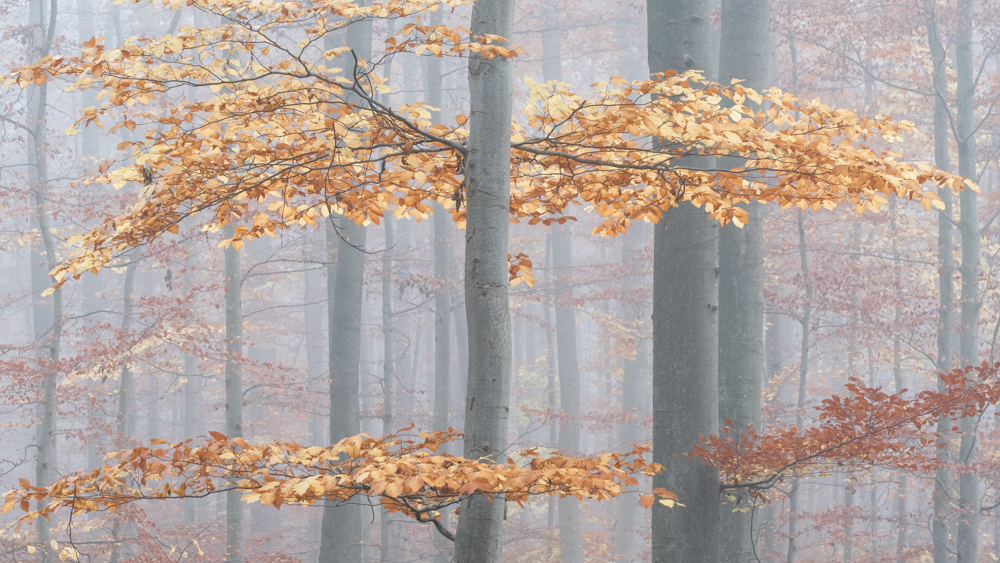
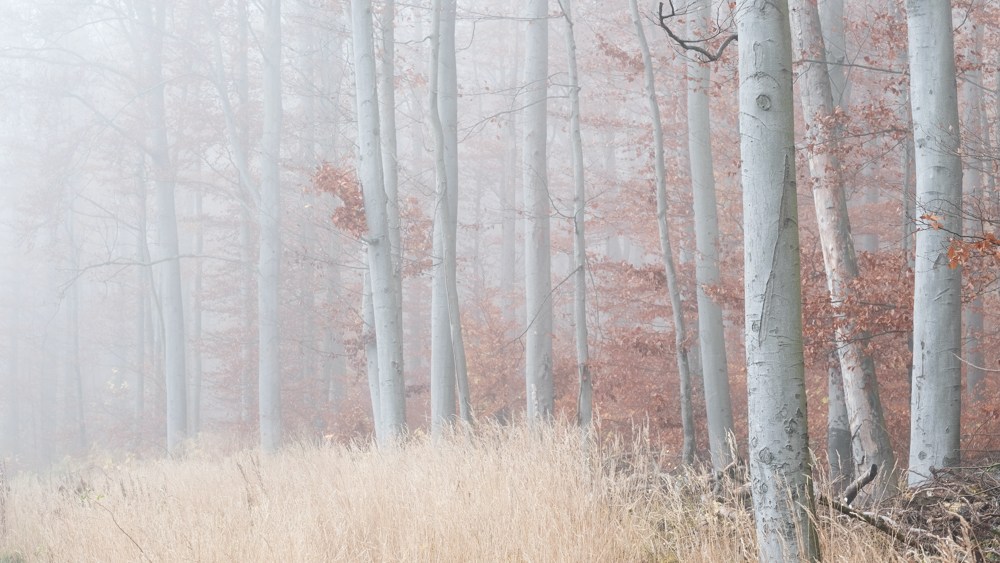
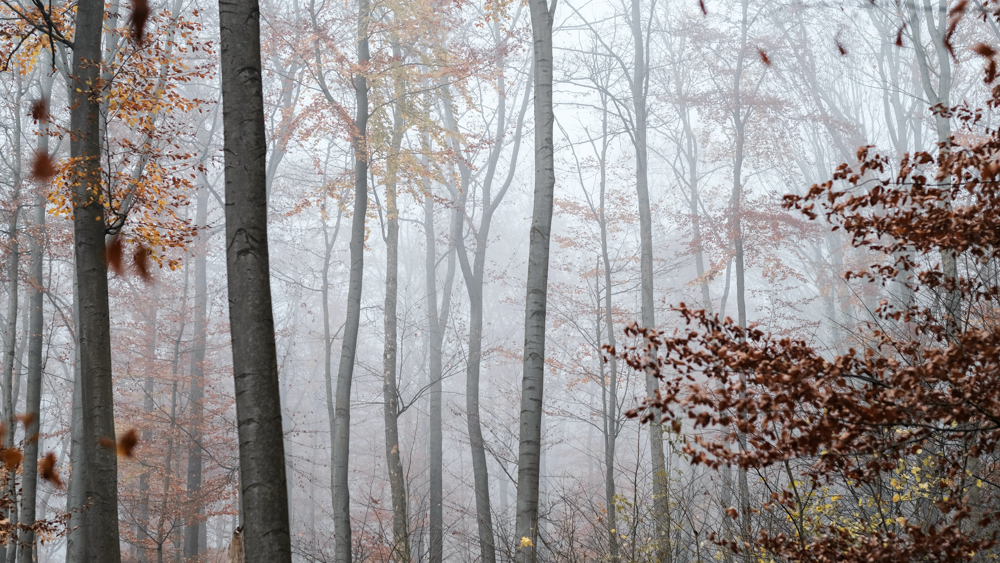
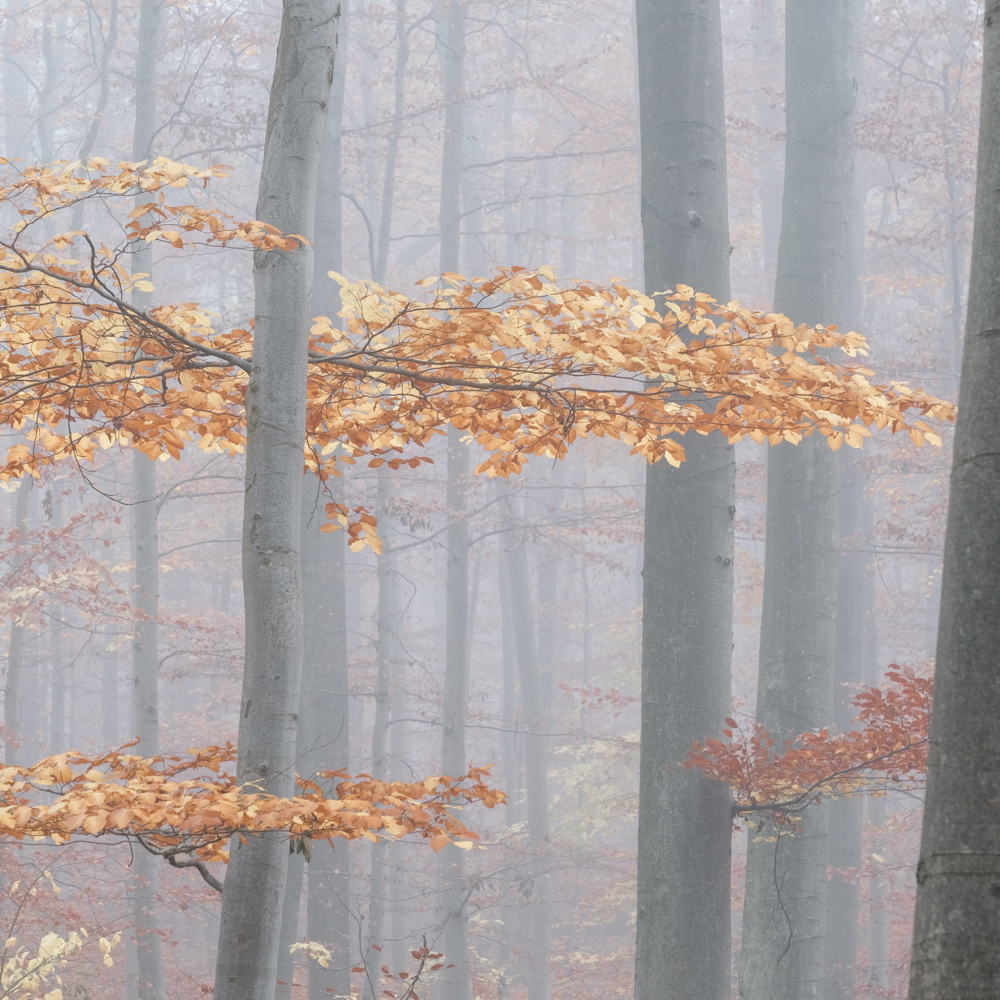
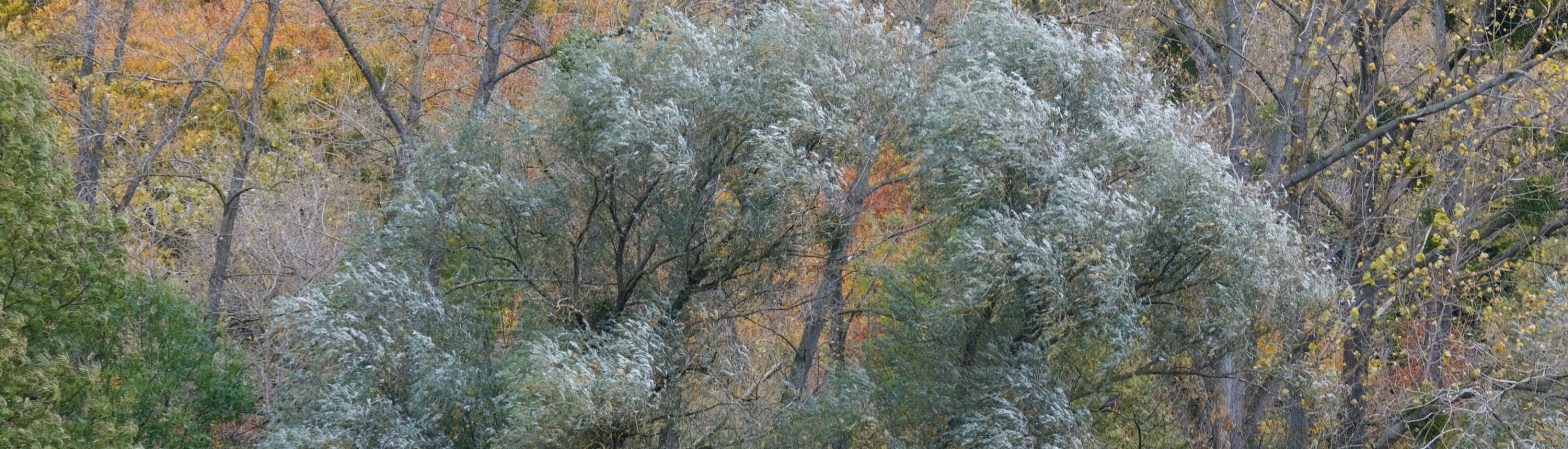
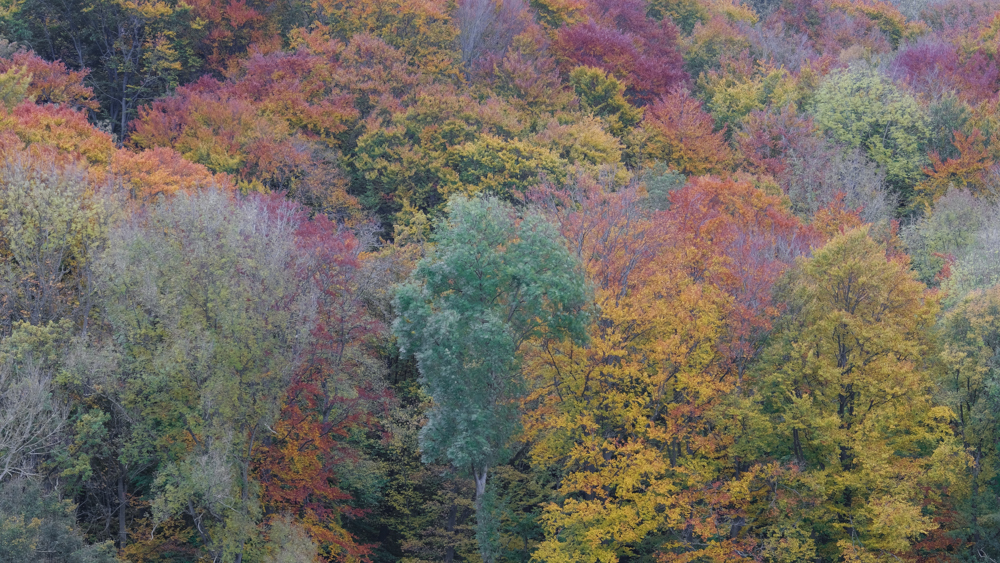
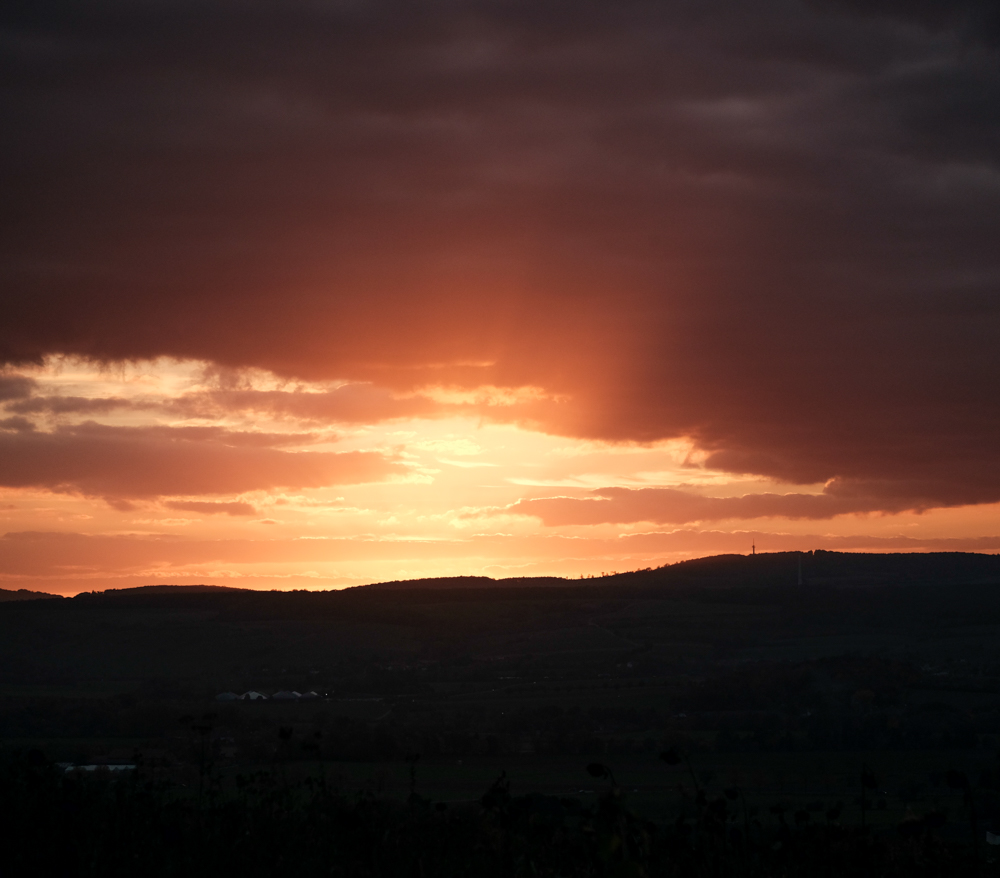
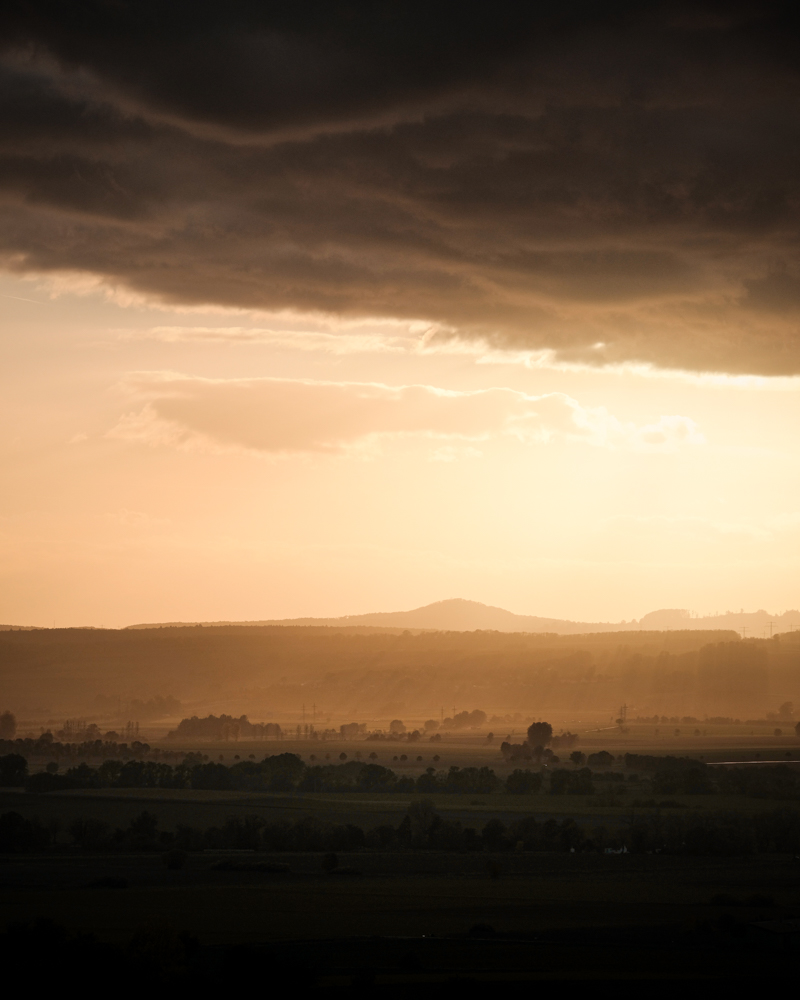
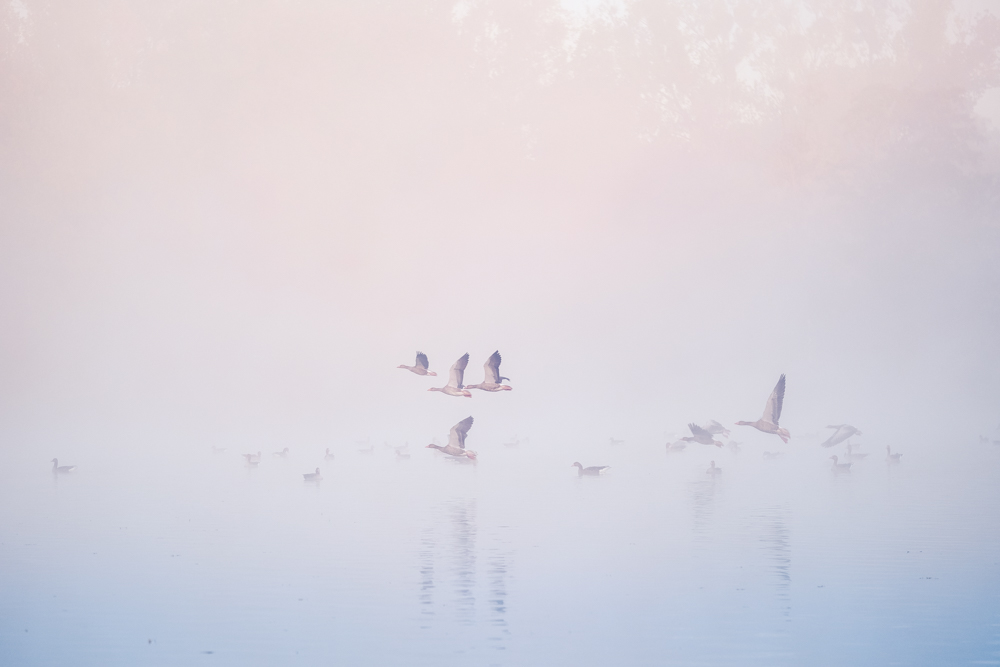
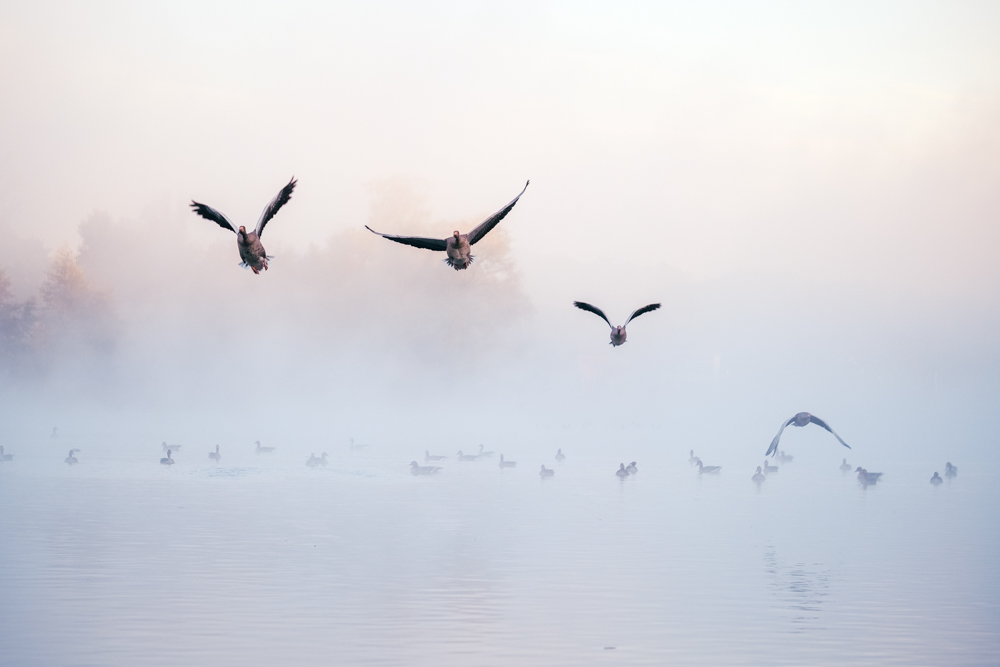
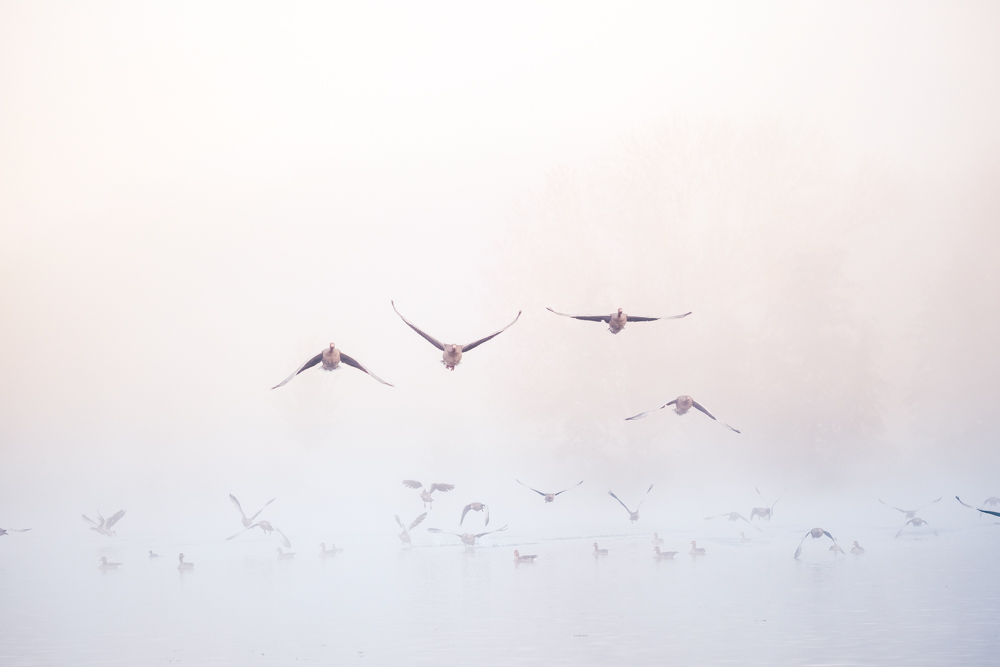
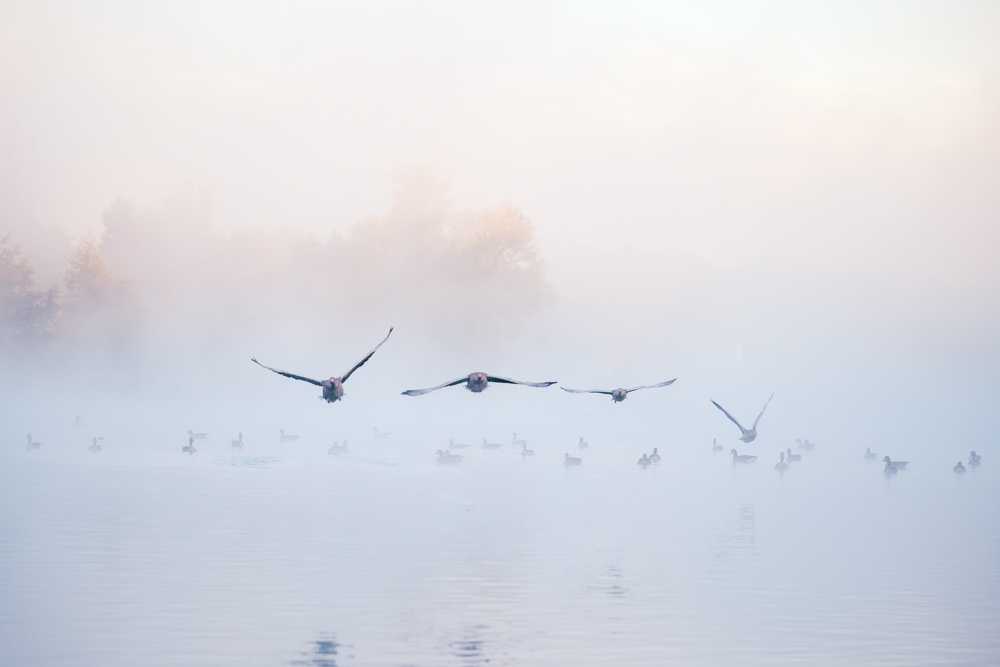
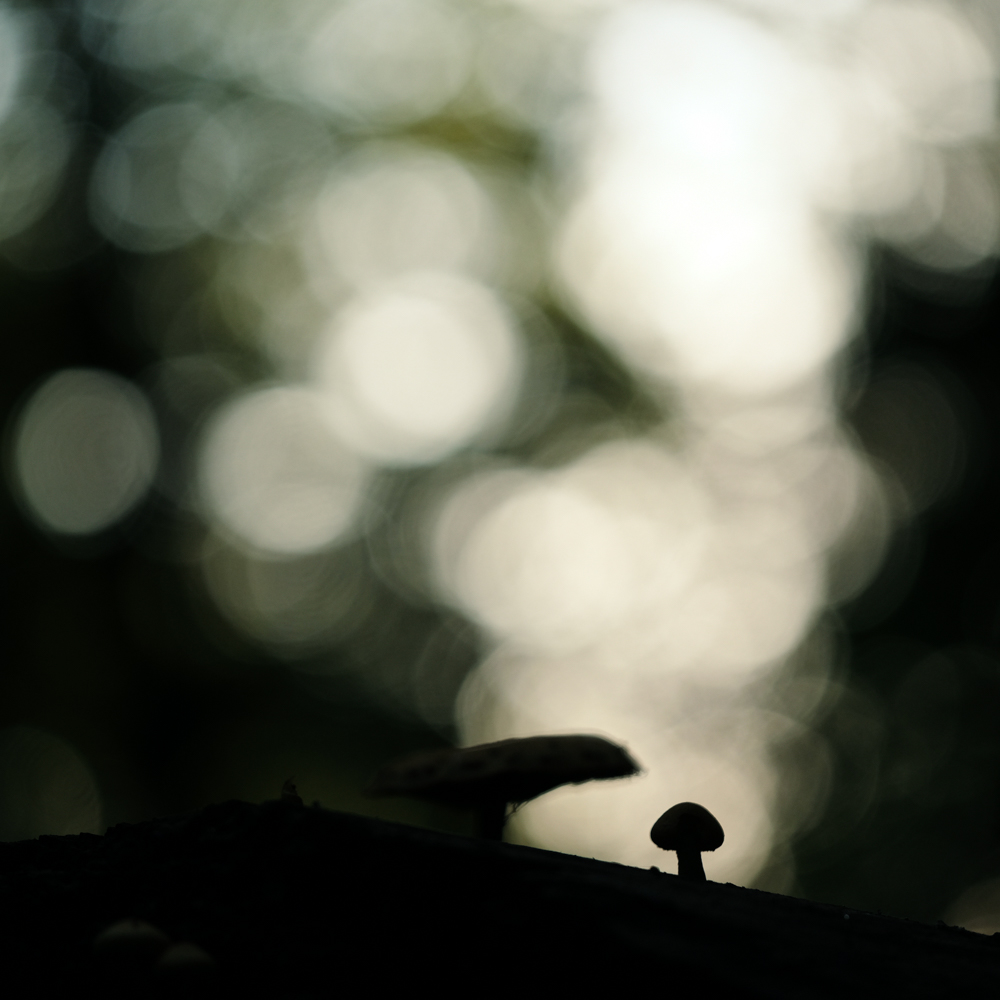
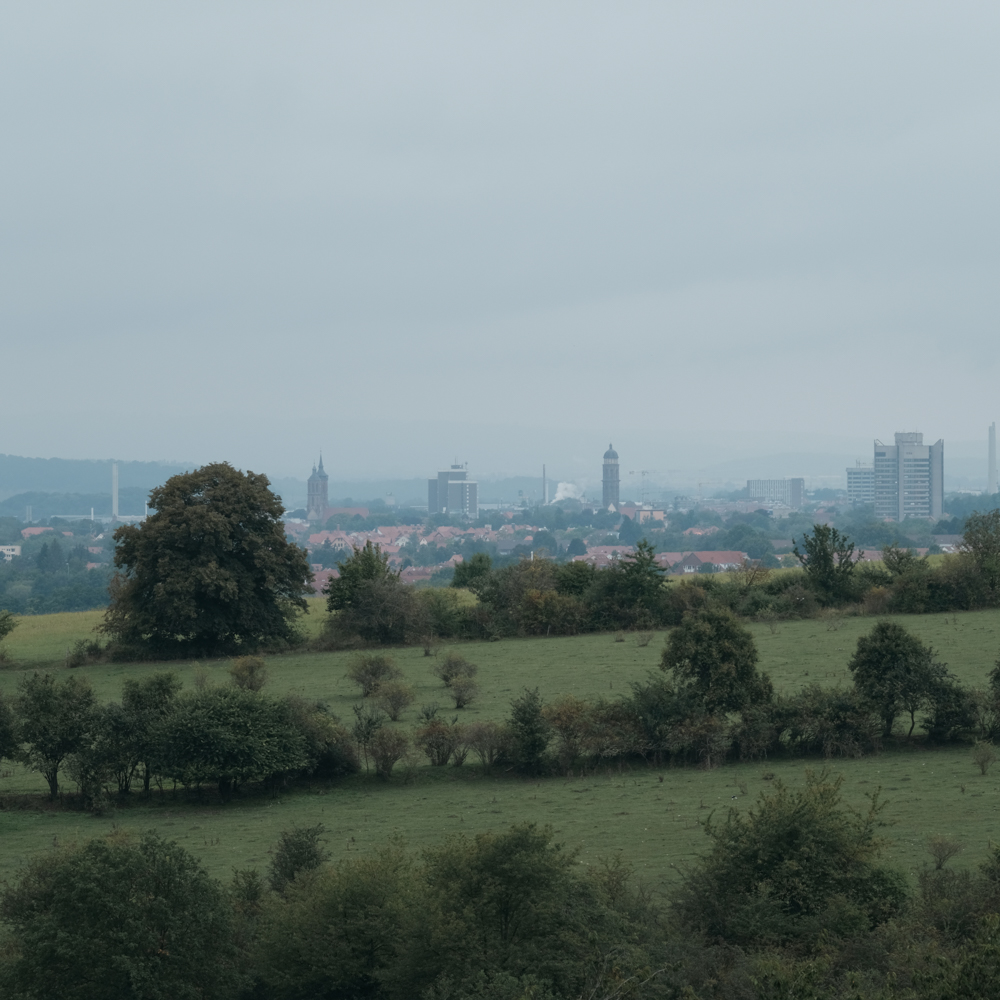
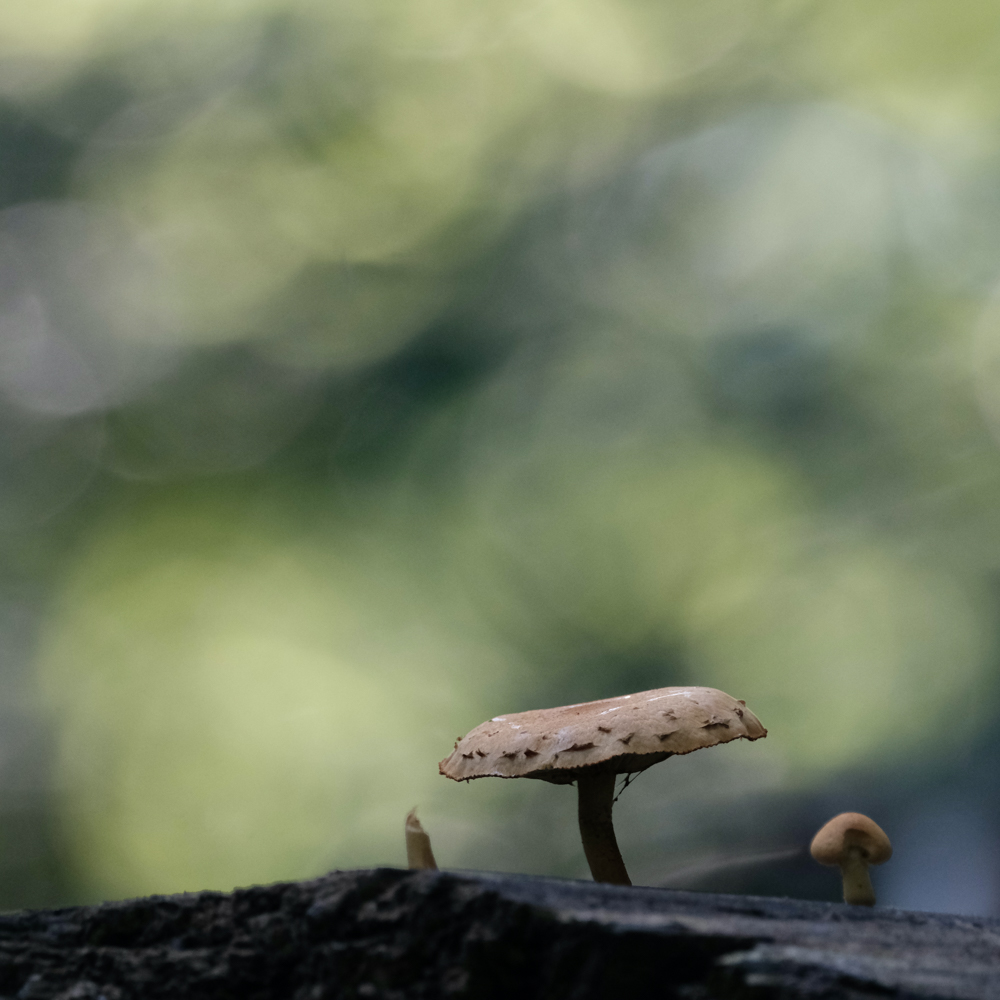
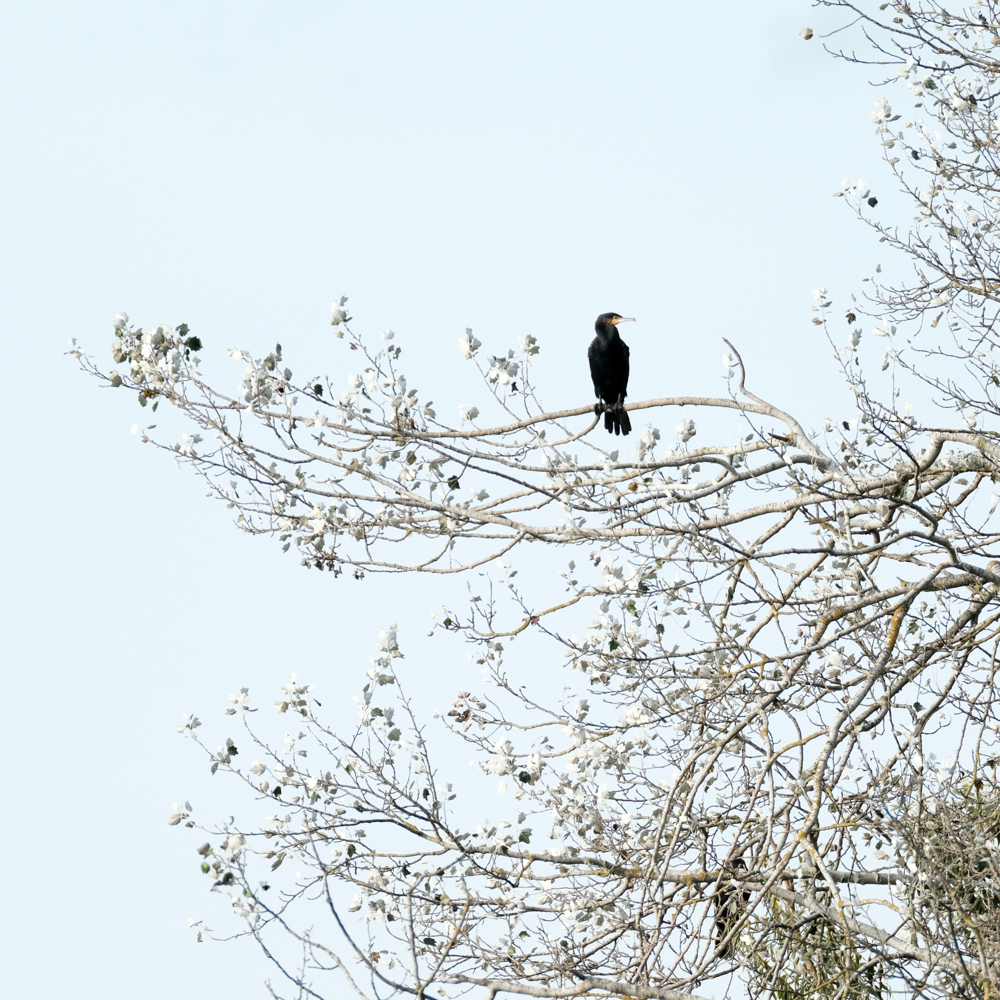
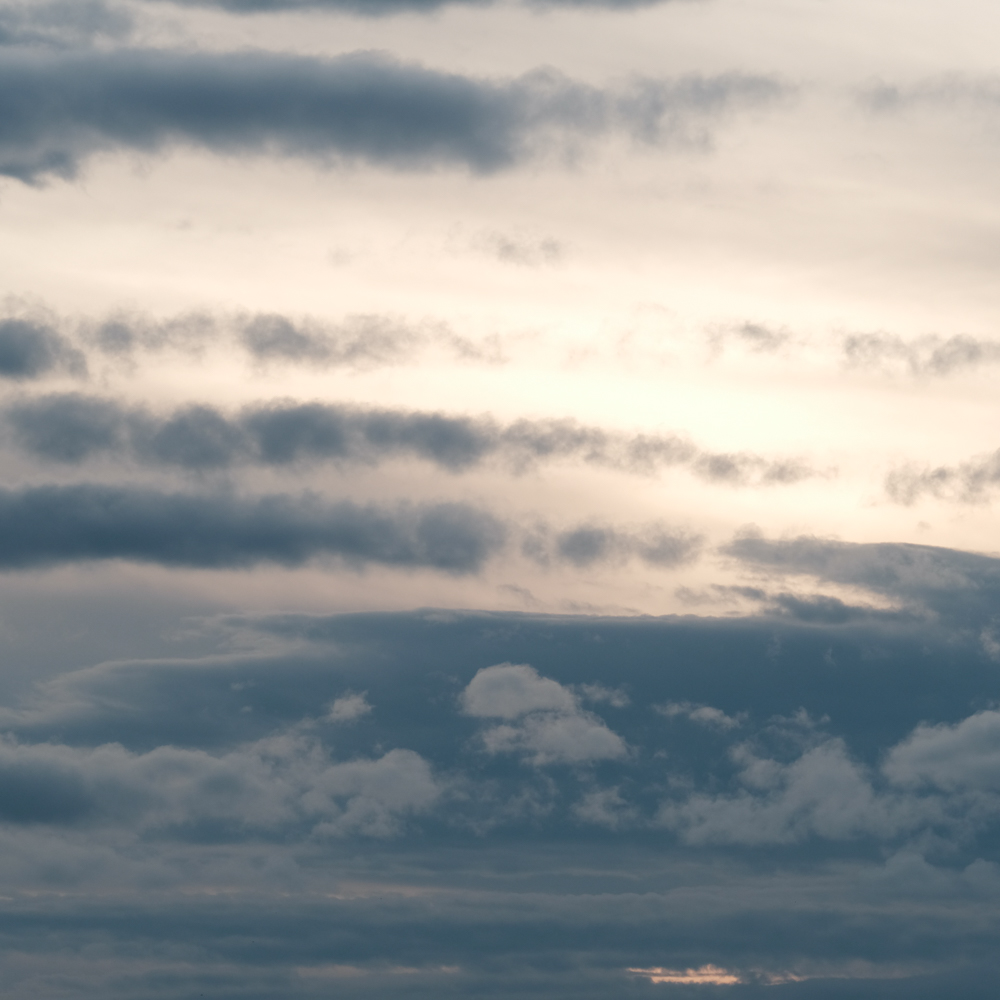
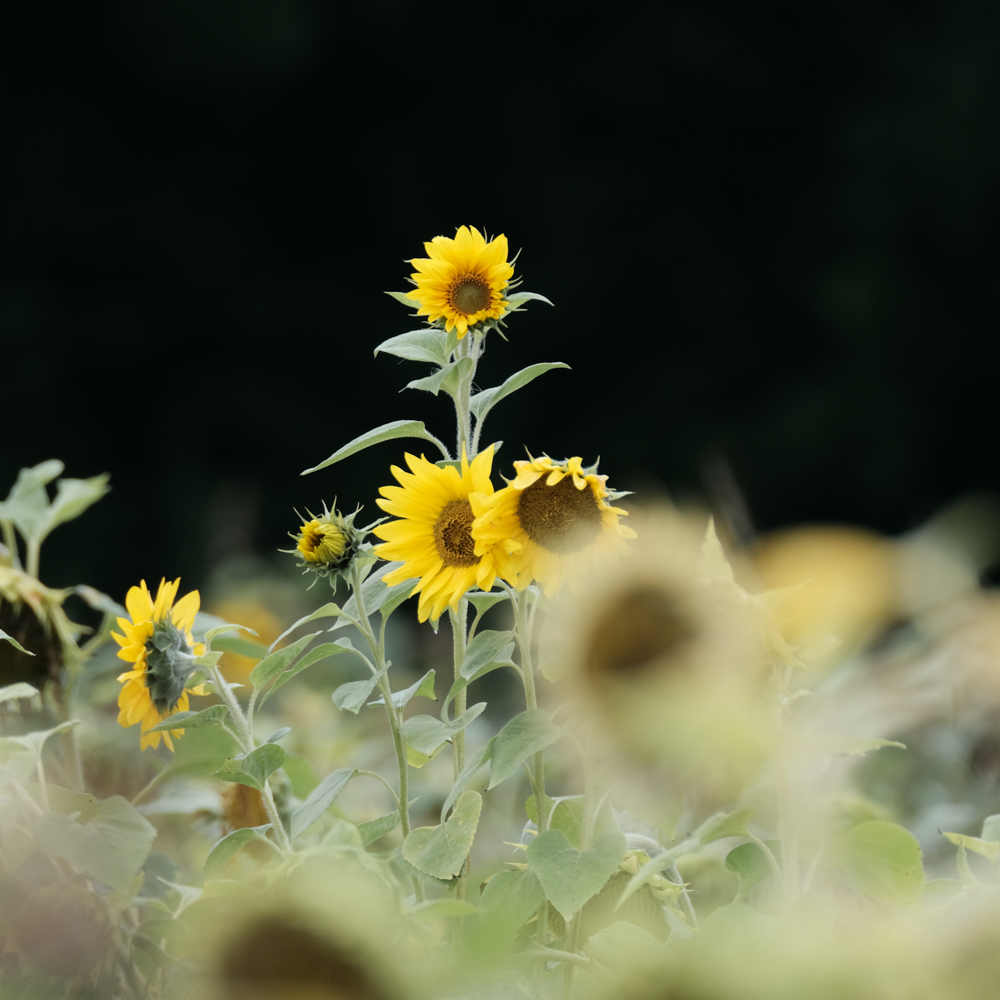
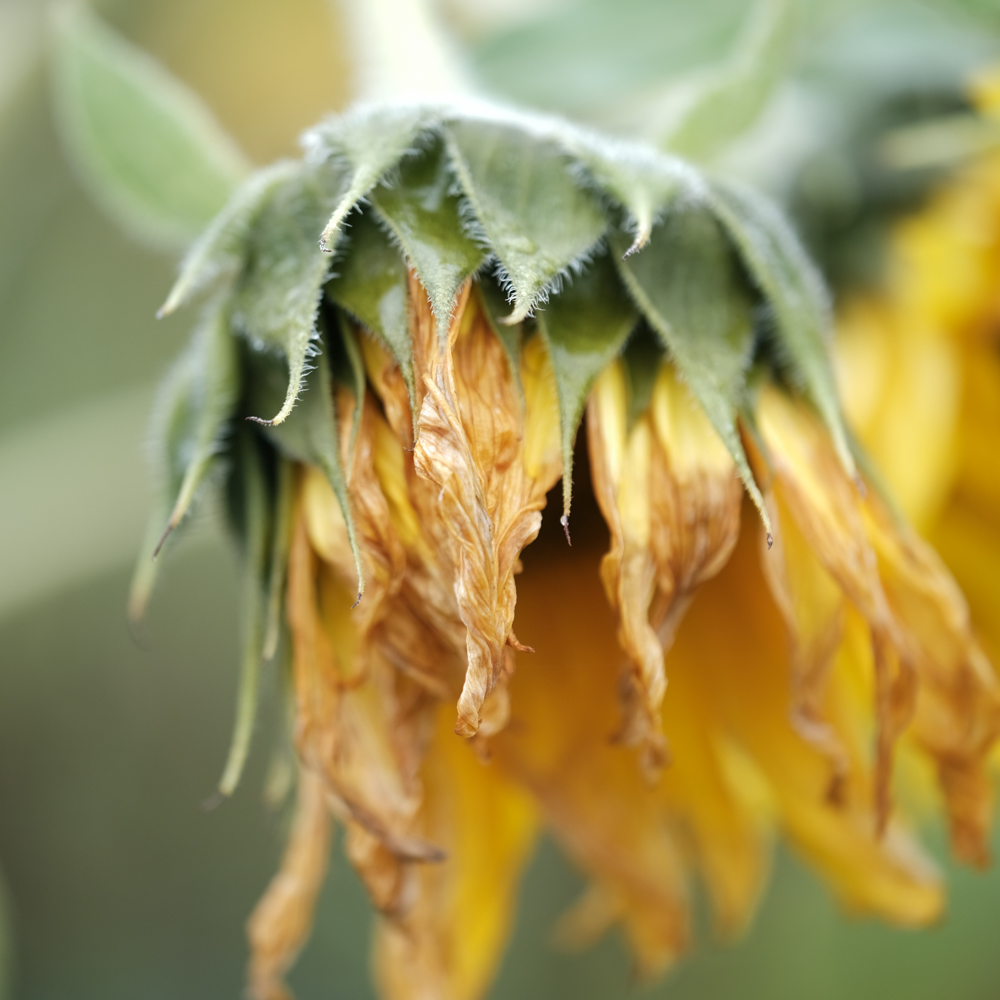
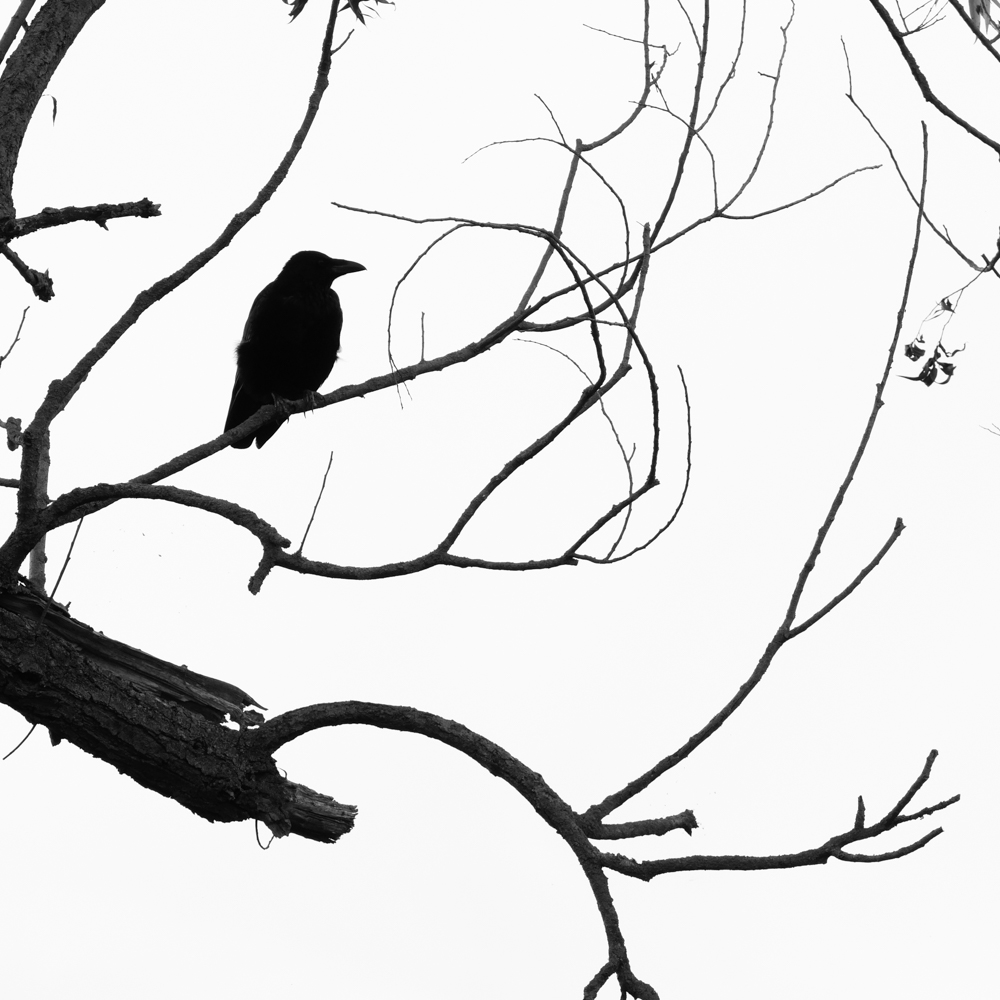
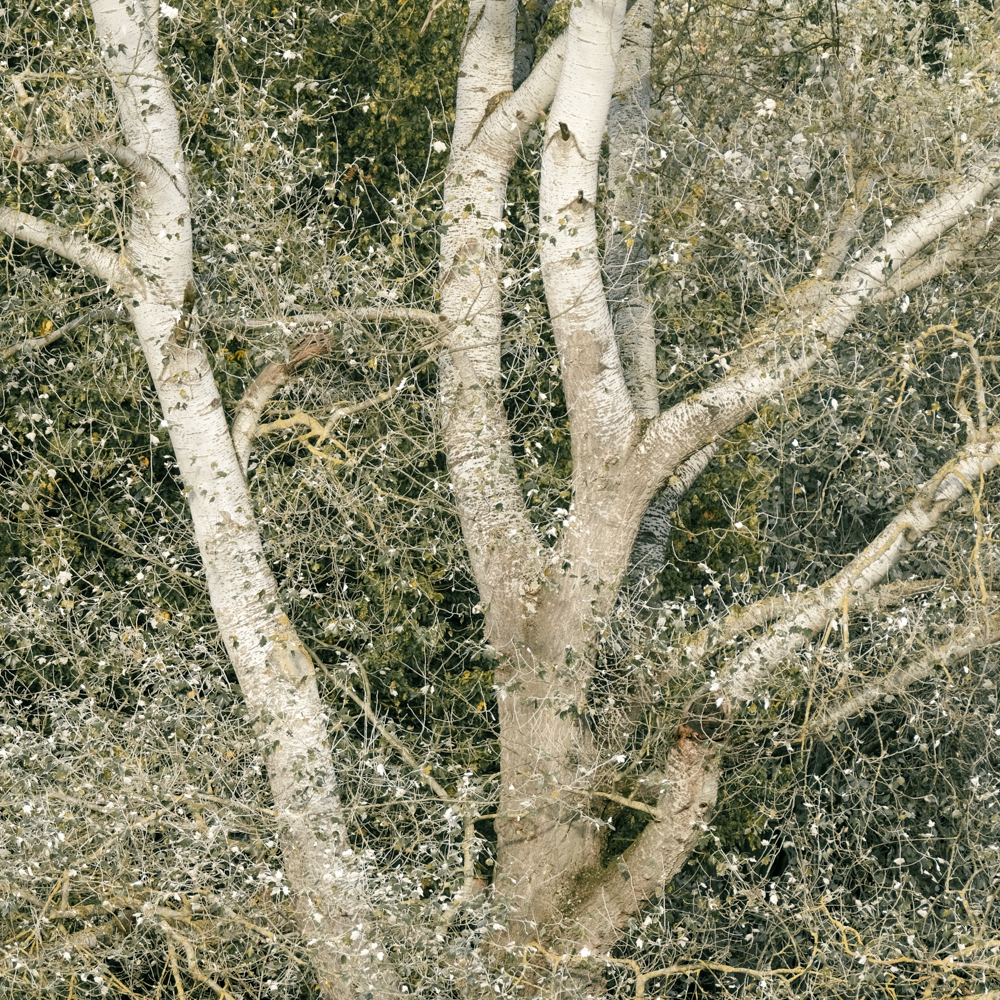
This topic deserves a longer post, I guess. But there is little time (another excuse to not fight right now…). Anyway, I like this selection of photos. Although they are from two different walks at two different lakes around here, they fit together: The combination of light and dark, the muted colors, the mood they reflect – nature during these early winter days. White and black, peace and war.
Happy endings are pleasant. They are comfortable. They are liberating. They are desired. The good overcomes the bad, the mission is successful, there are flowers, firework, and love. People want happy endings. And sometimes, I do as well. It’s easy going and fun. All the hard pain pays off, the characters I rooted for achieve what they deserve, the reading experience is exhilarating. The ring gets finally destroyed, Voldemort is gone for good, and all the rest lived happily ever after. These stories are, and stay, fairy tales.
But, most often, those stories are not the ones that inspire me the most. Instead, it’s the other kind. The ones that do not end well. The ones that end how most things end: In chaos and hardship, and without loved ones. The stories that feel real. And it’s not because they do not portray happiness. It’s because how they portray happiness. In fairy tales, the happiness only comes in the end, after all bad is gone. But without an happy ending, the happiness has to be portrayed in between. During the struggle, despite the struggle, because of the struggle. They teach courage and perseverance. These stories are the ones that move me, move my heart, that have the potential to cause real change. Because there is no ever after. There is only now to find happiness.
It’s less than a year ago that I started this little project, and what an adventure it has been. What I hoped to be, proved to be true indeed: This is way more fun than social media. I care little about how many people engage and whether you like it (although I am very glad about the positive feedback of some of you!), but instead I can focus on what I want to create.
While I did not really had any idea about the written content of the blog when I started, I knew that there will always be photos. Of nature, animals, landscapes, birds, trees, whatever I might encounter. But I didn’t knew how many – by now, it’s already above 1000!
1000 impressions, 1000 compositions, sometimes interesting, sometimes boring, but, with every picture, I could learn and improve. And behind the 1000 shared photos, there are at least fifty times that many, deleted long ago, or sleeping on my hard drive. I am looking forward to the next 1000 images…
In the meantime: Thanks to everyone who is reading these entries, thanks to everyone who is enjoying the pictures, thanks to the few who are following this little undertaking.
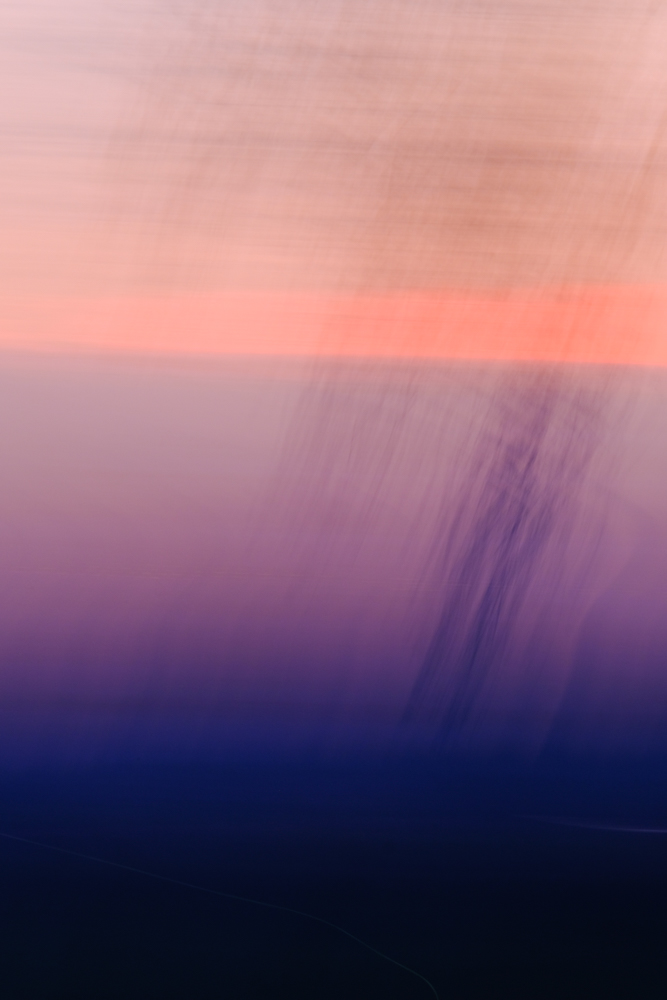
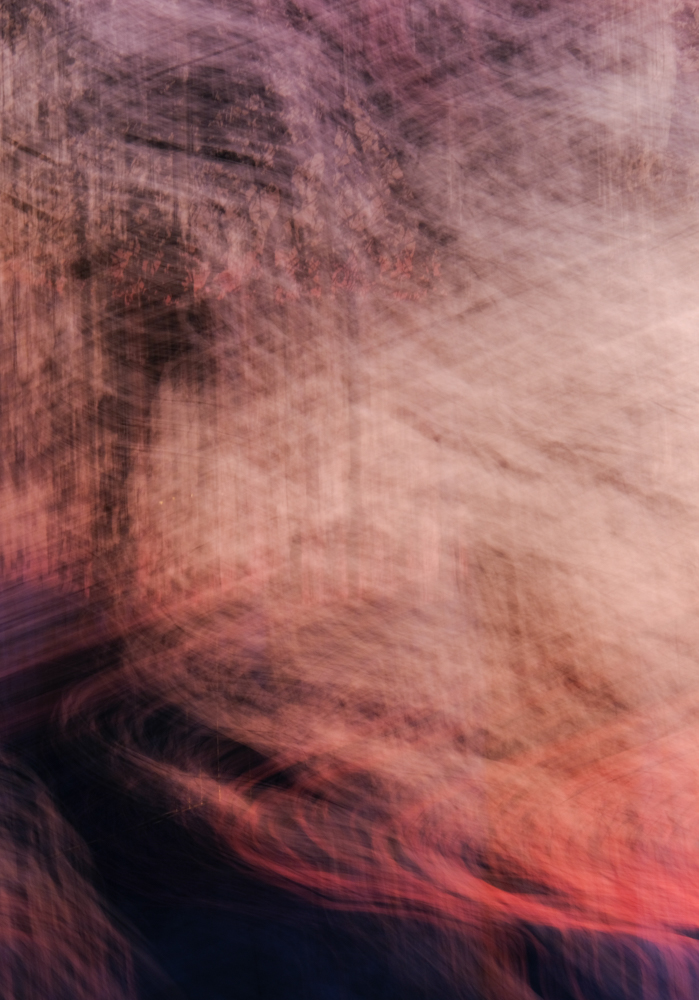
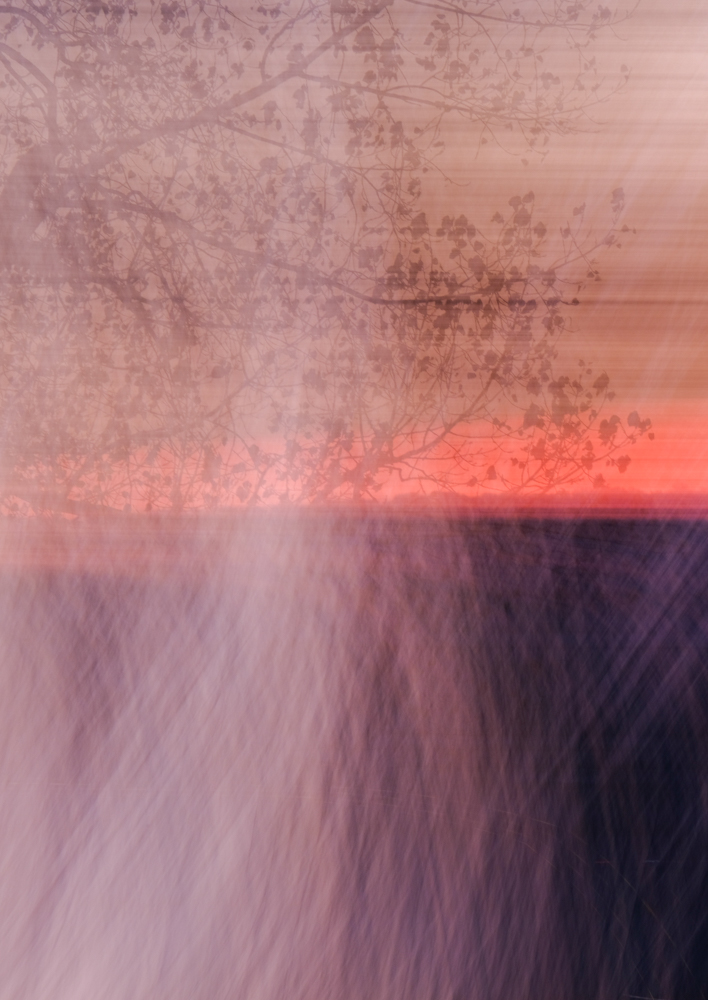
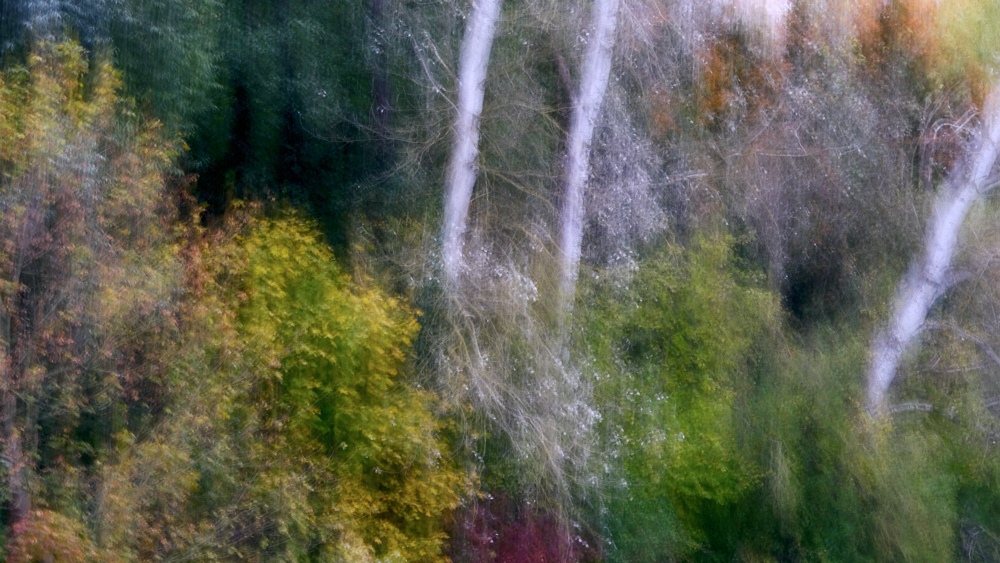
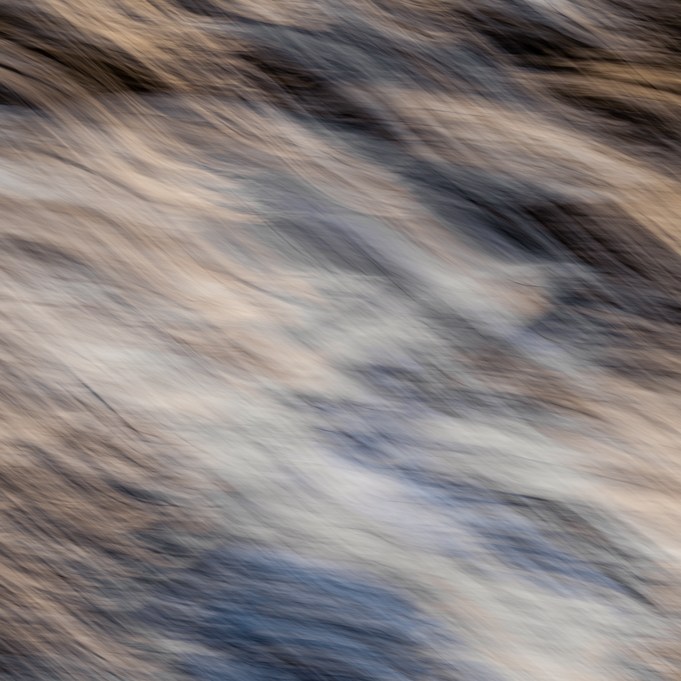
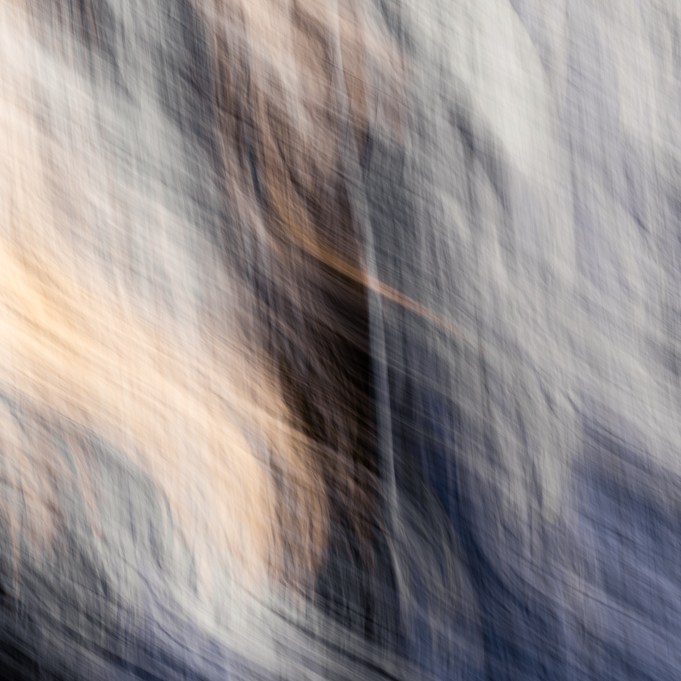
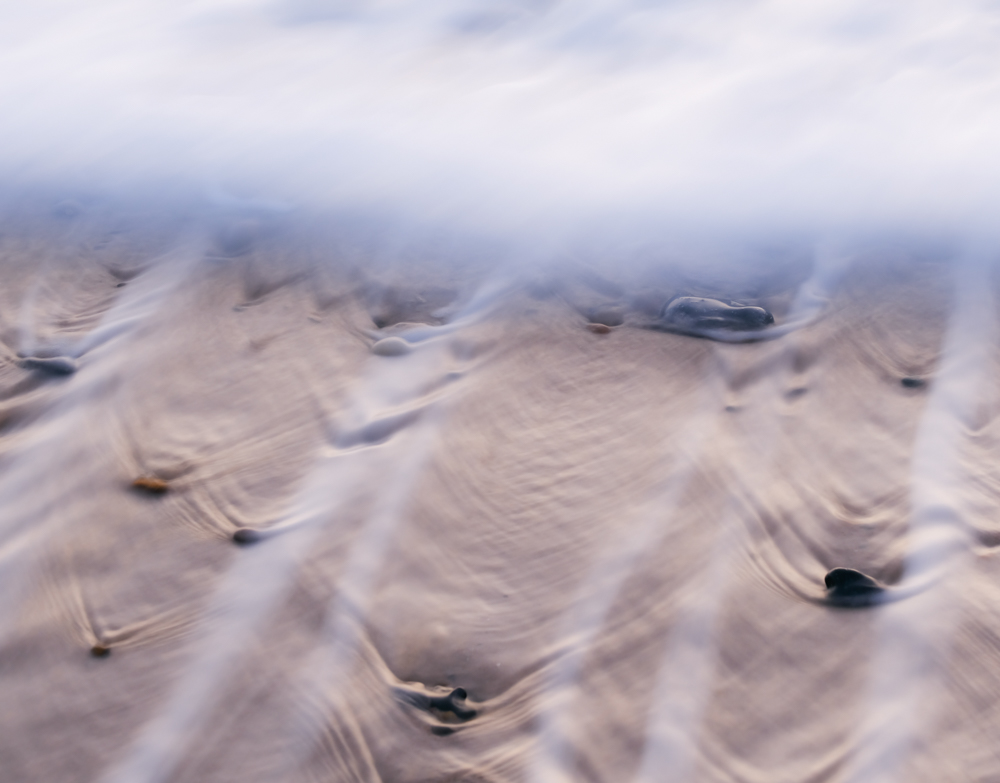
Someone recently told me that she doesn’t like the ‘blurred’ images I have started to share frequently. For a moment, I was a little taken aback. But actually, by now, I am pleased she told me. It reminded me that I picked up photography for myself. I think some of these images are among the best I have taken so far. Others are among the worst. I greatly enjoyed taking all of them, and I find great pleasure looking at them: Blurring the line between reality and fiction.
When I started photography I had no plans, no vision. Now, I have countless. And it has gone far beyond the plain attempt to depict some sort of reality or to take holiday photos. It’s way more: abstract, documentary, emotional, attractive, engaging. Blurring the line between photography and art.
In the beginning, I thought that light plays one of the most important roles in photography – and sure, it’s important to a certain extent. But by now, I’ve seen the most incredible pictures from all conditions imaginable. And I, myself, can go out in most conditions these days and come back with something that might work. Sometimes, blurring the line between light and shadow.
After 25 revision of this post, it needs to go out there. It has already taken too much time, and I cannot justify to spend even more. Even though it’s not as I imagined or planned it and way shorter than its original draft. It’s also a little cliche, but it’s where my head is going from time to time, wandering through the woods. Maybe there will be a version 2.0.
The appeal of gambling is the repetition – repetition of chance. Just wait until the next roll of dice: it will get better. The next hand of cards, it will improve. Failing this time is bearable; there is another opportunity just around the corner. Never the need to place a bet on a bad hand. Instead, waiting is rewarded, until the fortune turns around, until there is a reasonable chance of winning. But the gamble on life is different and harsh. We are being dealt a single hand. We have to play it to the end. There is no escape, no second time; the only option is to start playing.
And with every day rolling by, questions come and stay, in this real life play. Pile up to mountains that obscure the view: Am I satisfied with my decisions? Will I be pleased with the life I lived? When it’s coming to an end? Am I doing what I want to? In this single opportunity? What is my goal? Finding joy while others suffer? Distancing myself from evil? What is my place? Where should it be?
But still, day in day out, we are continuing with daily life. We promise ourselves that soon, so soon, the day will come where we chase our dreams. Where we turn around our life and do what we really want to do, what we should do, what would be the right thing to do, instead of persevering in this treadmill: Dreading potential failure instead of indulging in our aspirations; confused about our singular existence and its meaning. It’s a large gamble in the only real game we will be ever playing – and I am loosing most of the days. And I am afraid that some day, which seems so far away, but will be here any moment, I will awake and realize that I have missed out on my chance, that I missed out on my dreams, that it’s too late to live like I intended, that it’s too late to turn around.
And, while we may be lucky with our 20th roll of dice, in this singular life there will come an end. An end where we loose it all. No matter how we played.
Most people have a favorite season. For me it was summer for as long as I remember: The mellow evenings, long daylight, warm temperatures. I remember playing soccer for days during the long holidays when I was a kid. In summer, life is easy and joyful. After summer, the second best season is spring. Why? Because summer comes afterwards. Autumn always seemed depressing; and winter, well, winter is cold and rainy.
But my preferences changed in the last year, fueled by my journey through photography. Suddenly, every season brings change into nature and, thus, change into pictures. With every passing week, there are new things to discover: Leaves change color, fog sweeps through, snow coats the landscape, ice transforms the texture of surroundings, the early blossoming plants arrive, and fresh greens flourish. A constant act of discovery – suddenly every season becomes more fascinating than it did before.
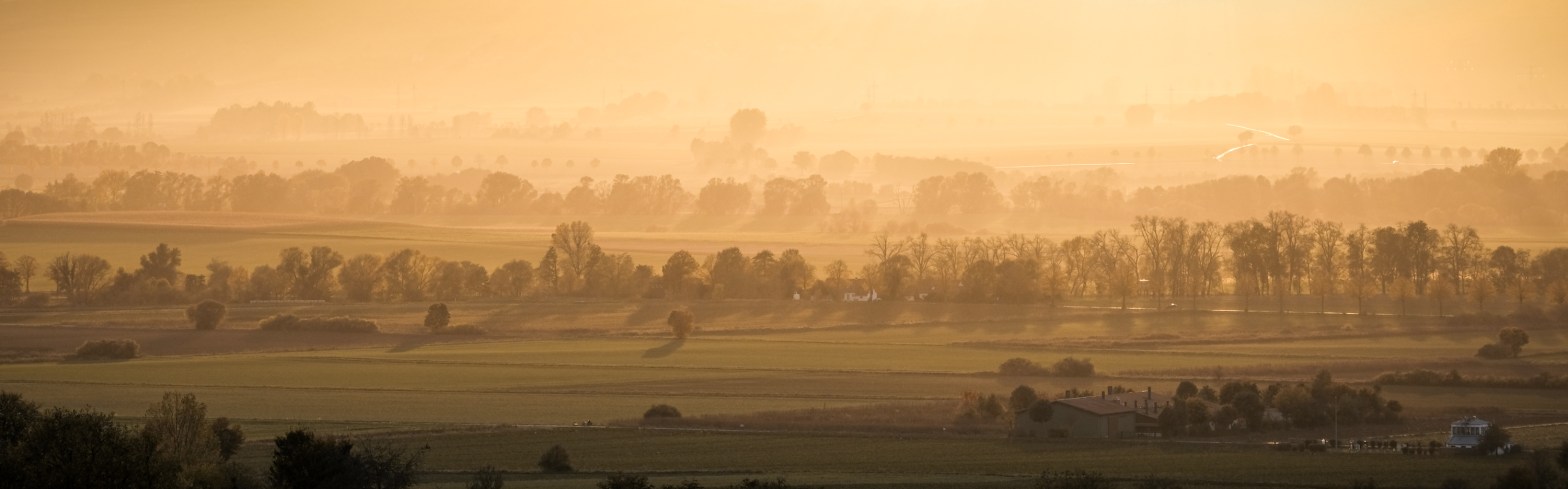
Autumn still isn’t my favorite season; but it’s on par with all the others now. I can appreciate it for all its colors, for the misty mornings and foggy woodlands. Getting up for sunrise is comfortably possible at 7 a.m., capturing sunsets can be done before dinner. Many birds pass our latitude, stop at the local pond and calmly wait until the conditions are just right.
Being here, being caught, having fought the fleeting thought.
Being here, we fear but strive, shed a tear within this life.
And the universe presents: a random sequence of events.
Samples from a multitude; is the distribution skewed?
Let me set the stage for a challenging act of balance:
A thin wire rope stretches between two poles. Right in the middle: the artist, high above the ground. Elegant, delicate, confidant. He must maintain balance, otherwise a deep plunge will end the performance quite abruptly. The artist firmly wraps both hands around a long rod; by doing so, he can compensate oscillations of rope and body. Looking straight ahead, knees slightly bent, there is only one way to finish this act of art: Walk forward, maintain balance, reach the save pole, relax; and turn around because the way back awaits.
But two opposing forces disturb the performance – while the actor is confident in his skills, his balancing rod causes imbalance: Attached to one side are his own aspirations, causing a slight, but constant, tilt towards the left. On the other side of the rod are the well-intentioned demands of the spectators pulling him towards the right. In order to survive, own intentions and the will of the spectators need to be integrated to accomplish the feat.
The feedback is essential to learn and improve; but own aspirations are important to maintain motivation and the drive to create. Balance between both has to be maintained. Asking two persons will give you three opinions – and then there is your own as well.
I became aware, that the noise of many will point you in all possible directions. But the voice of a few will show you the right path. So, listen to honest feedback of trusted ones whose only goal is your own success. But sometimes, only yourself can know what is appropriate and how balance can be maintained from start to finish – and all the way back.
Here, take these cookies, be a member, we remember. All of it. Eat, sleep, work, repeat. We bleed, sweet data. Still we tweet – no chance to cheat. It’s temptation, an online nation. Only little hesitation. Enjoy these widgets, rising digits to the sky. A day flies by. A week flies by. A weekend dies with clear blue skies. I briefly wave – but it’s too late. Too late for greetings, many meetings. Too late for any getaway. This day, at least, from the ever hiding beast. Wishful thinking, blinking prey.
But thanks for remembering this birthday from a long-forgotten friend. Attend, or force the end? Phone shines, mails are answered by AI. We buy. Ever increasing entropy gets organized. Our lives exactly sized and priced: A crime. But, at least, we can access everything, everywhere. All the time. A dulcet chime, a finished rhyme: Technology, boon and bane, like a chain.
Where did all the years go? I know, deep below the surface. Good night, withering planet, so bright and ill. Just give me the blue pill. And let big data suggest the best set of pictures.