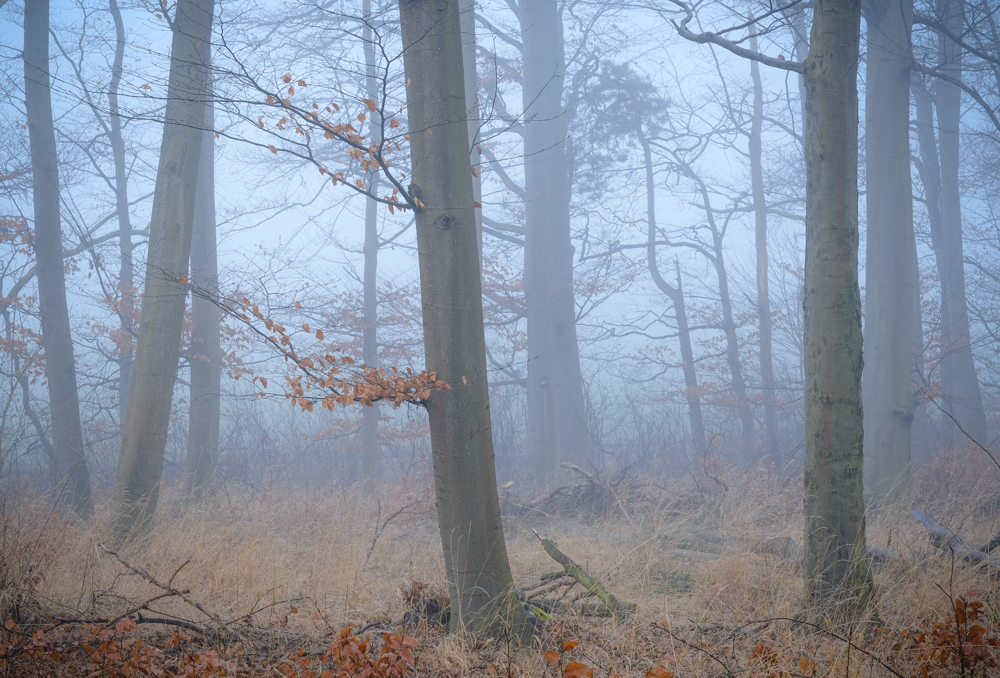
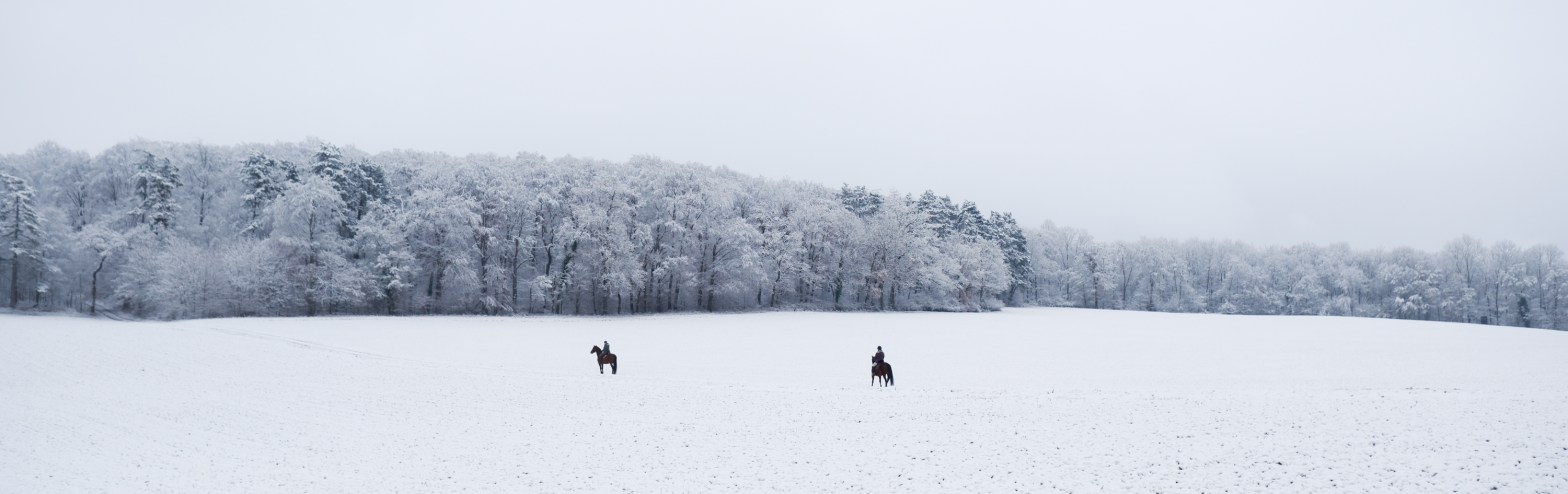
Aimless Volition

Aimless Volition

[…]
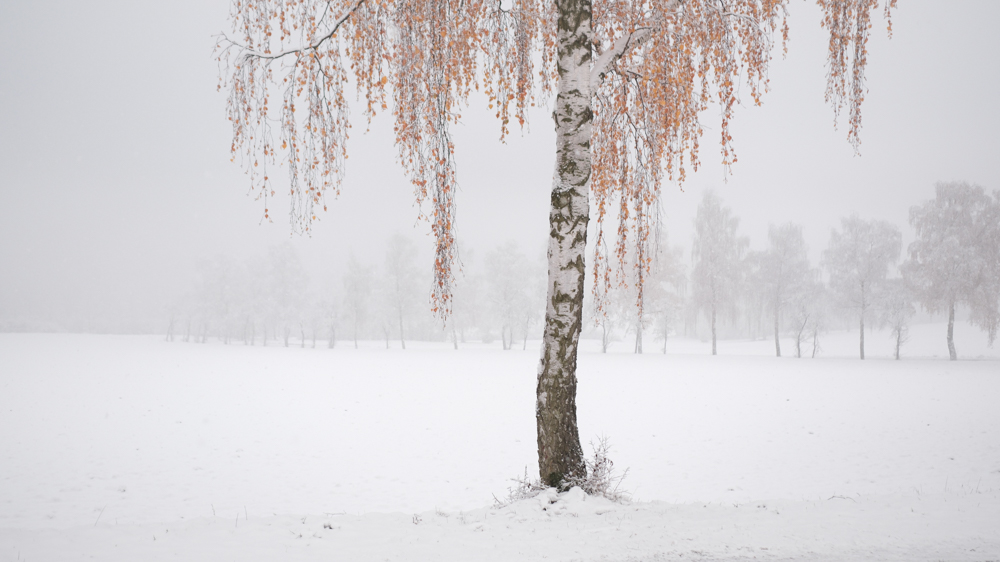
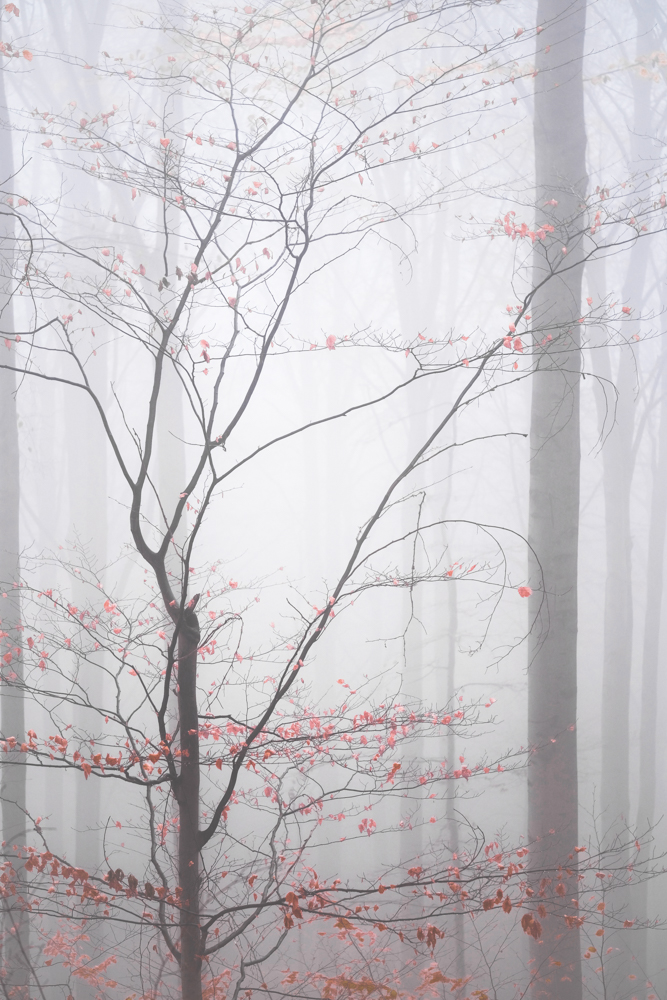
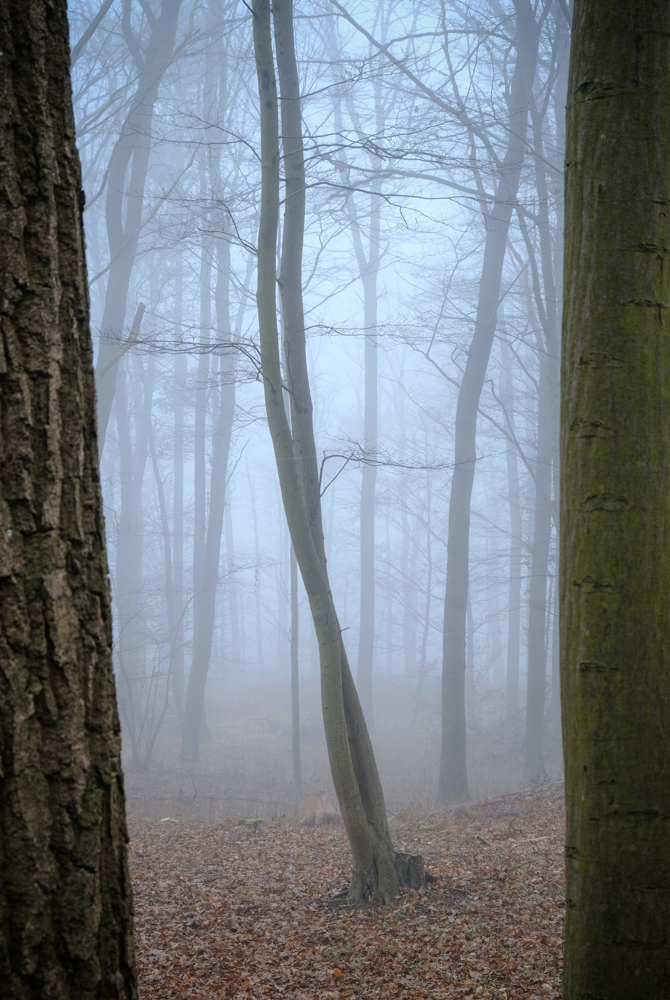
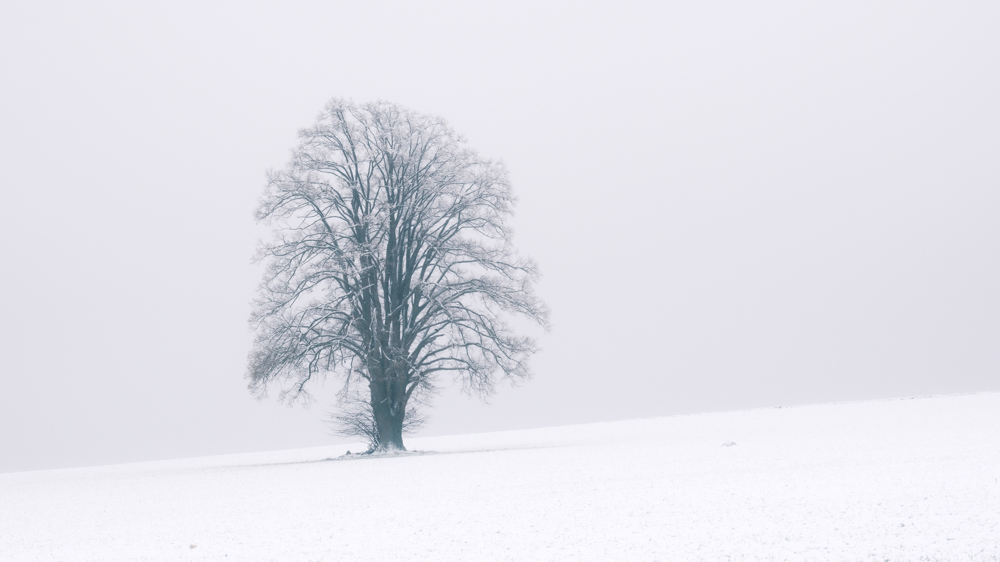
Thus in the winter stands the lonely tree,
Nor knows what birds have vanished one by one,
Yet knows its boughs more silent than before:
I cannot say what loves have come and gone,
I only know that summer sang in me
A little while, that in me sings no more.

‘What My Lips Have Kissed, And Where And Why’ by Edna St. Vincent Millay;
Musical interpretation: Thus in the Winter, by Christopher Tin
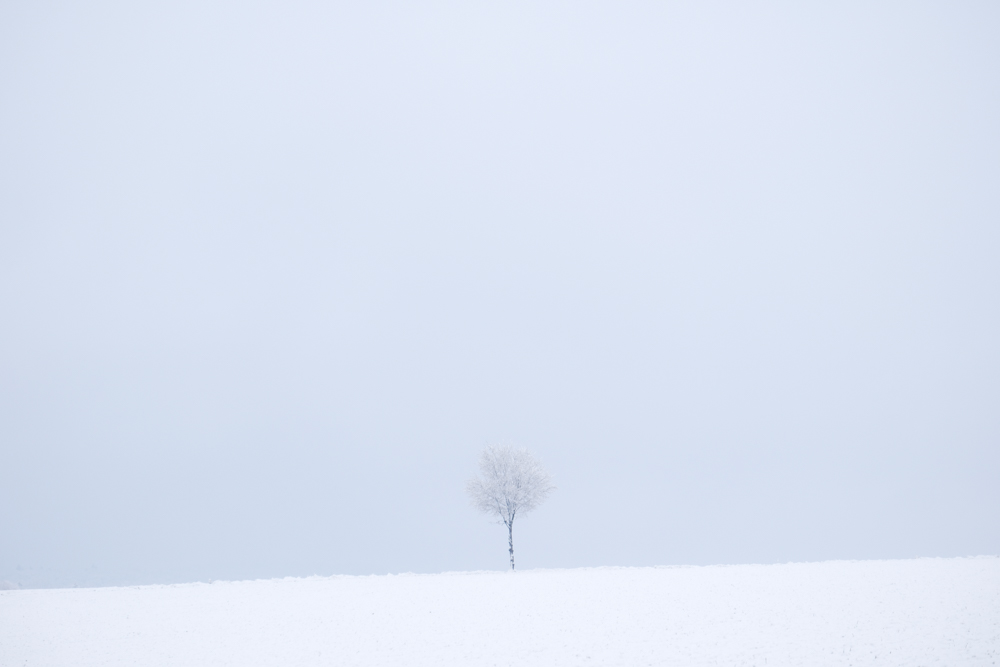
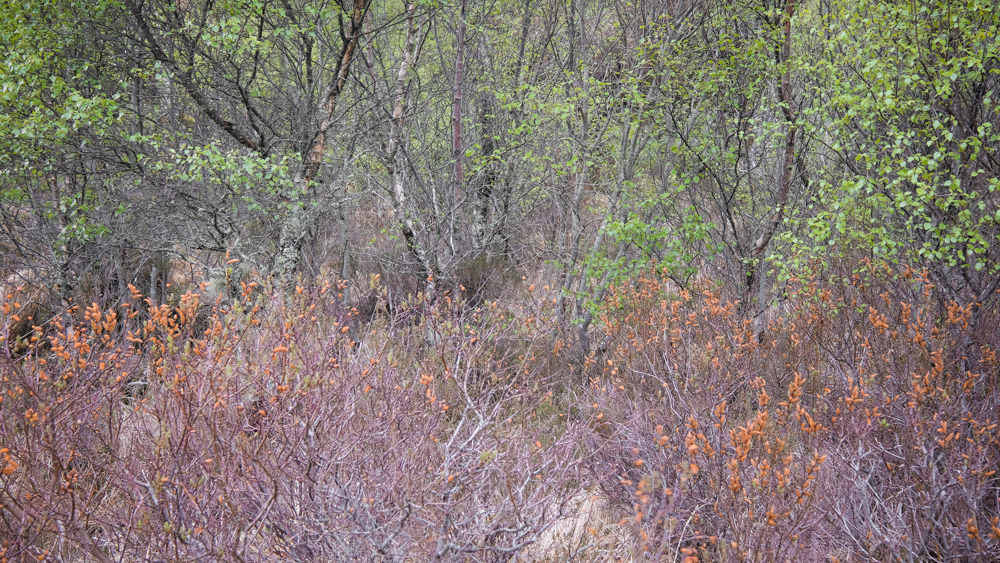
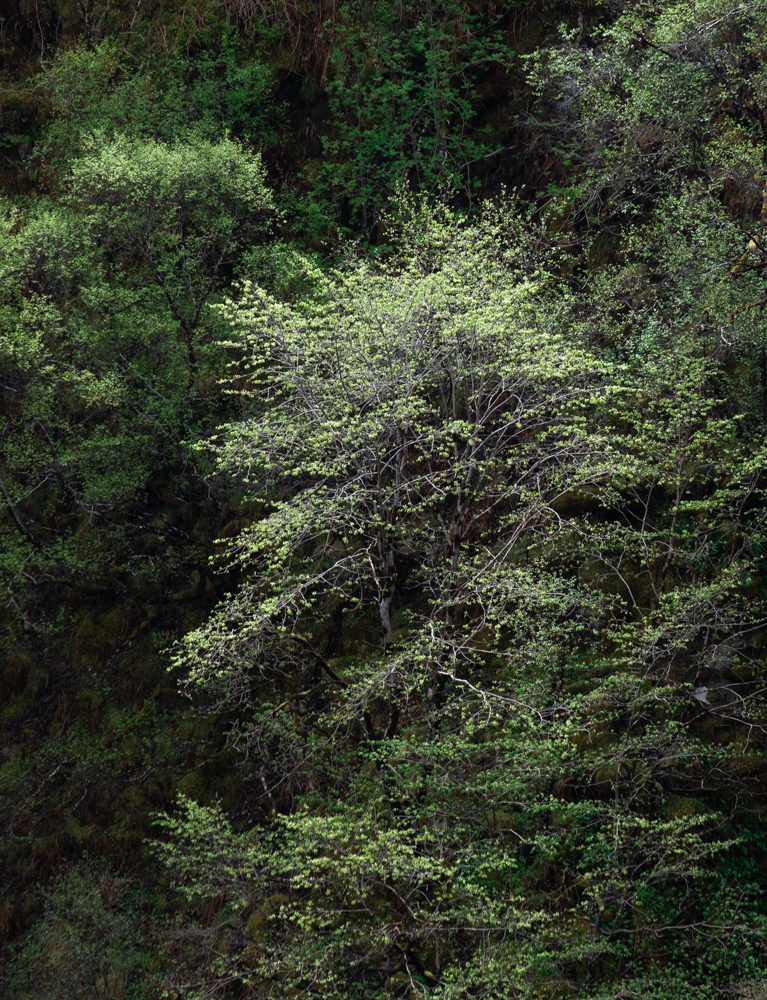
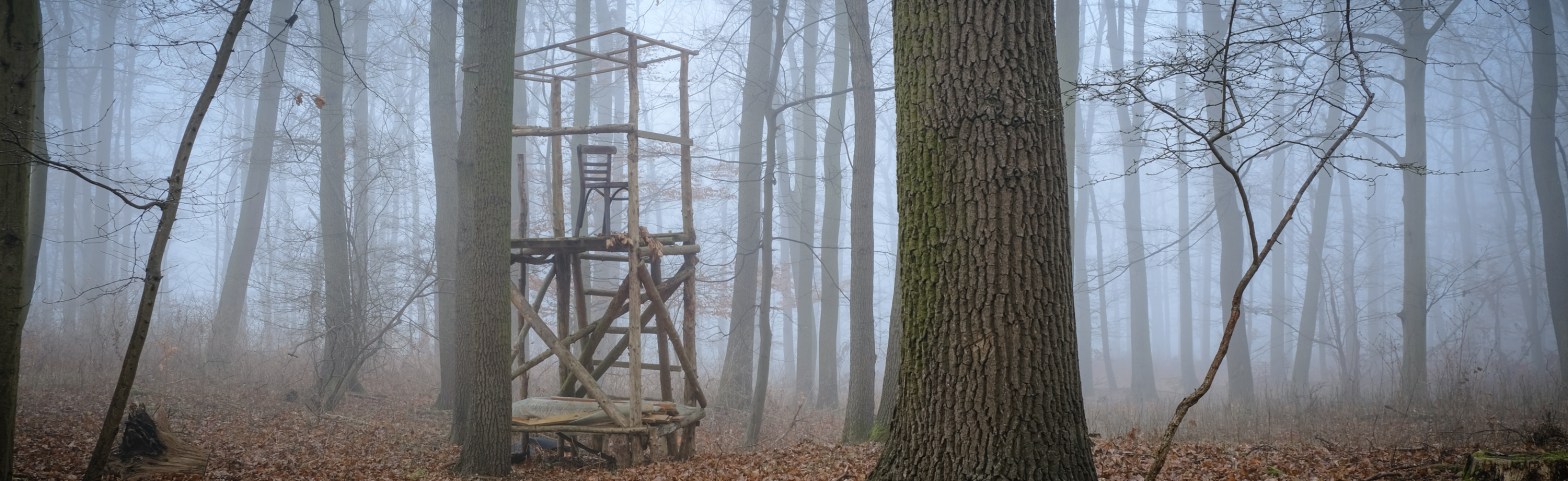
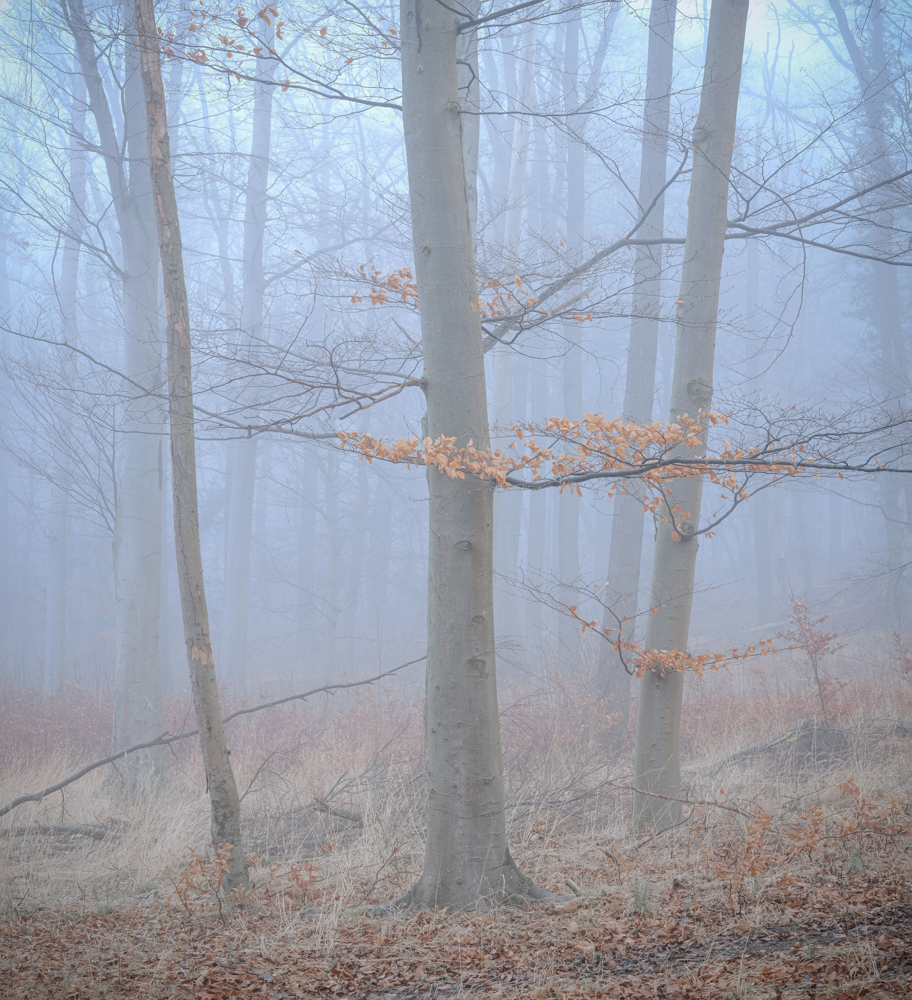
Trees are wise and tenacious. They endure at the most inhospitable places and cling onto earth as if their life depends on it – because it does. Trees are deeply ingrained and reach high. They depend on the light of stars and the nutrients of soil. Trees are manifold and and full of character which allows them to oppose changing climates. Trees have volition.

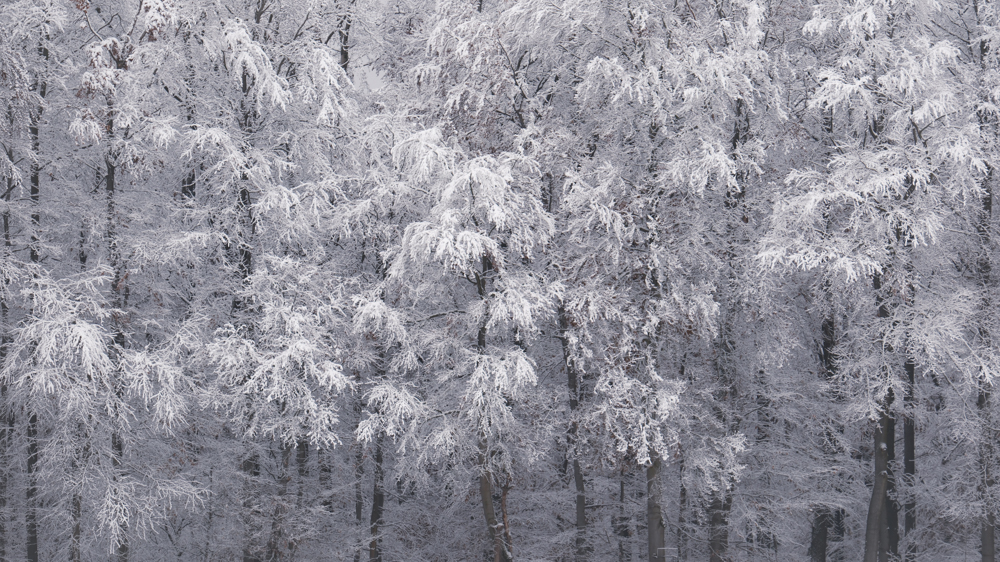
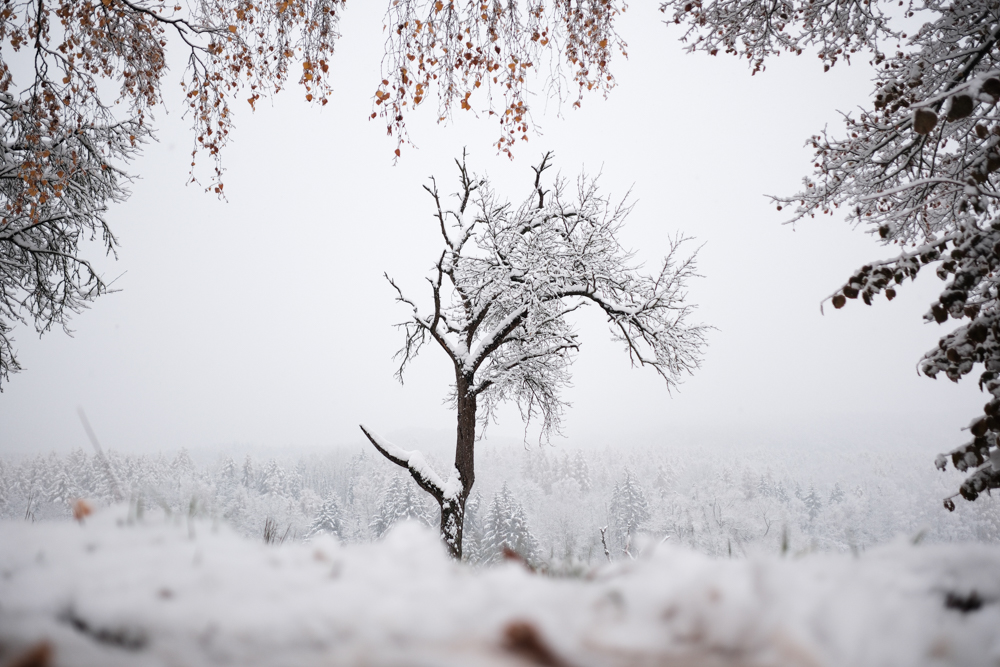
The other day I went out for some photography, motivated to exploit the snow that was still lingering around and covered the landscape like a gentle blanket. Just a few days earlier I had finished my thesis and, thus, I felt a freedom I hadn’t felt in a long time: Not a single appointment for the whole day, no deadlines, no waiting E-Mails, no social obligations, no time constraints. Simply a whole day for myself – is this what retirement feels like? I was standing on a hill overlooking villages, fields, and forests as far the hazy conditions allowed. And as I was pondering about my day, I simply picked a distant tree and started walking. No GPS, no directions how to get there, I simply started walking until I reached this lonely, very distant tree. And it felt good.
Changing Seasons

Changing Seasons

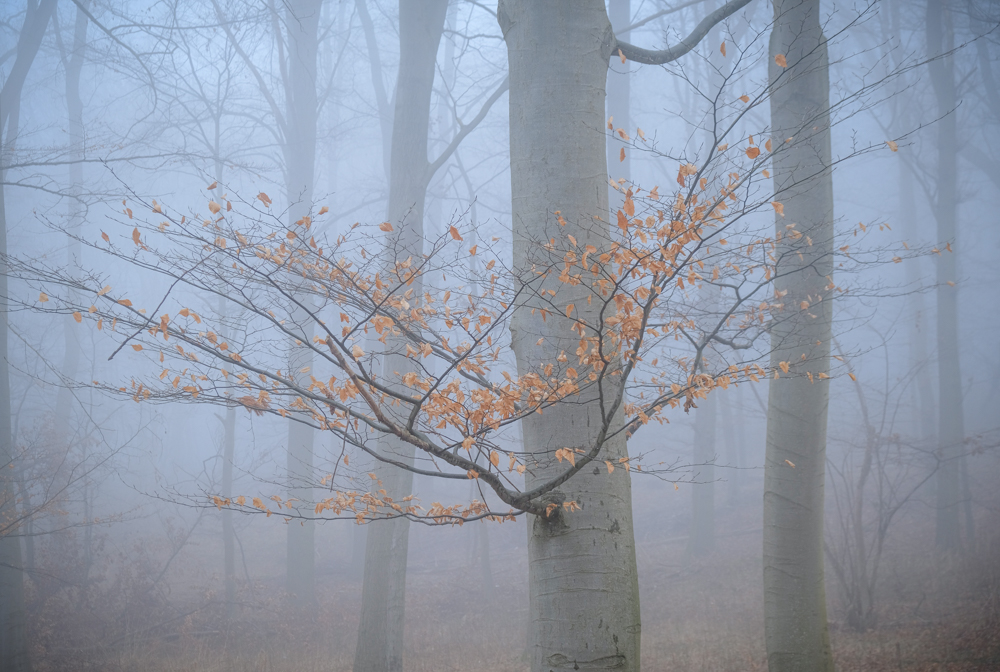
One season passes, the next approaches. One life phase transitions into another one. Snow covers clutter of the past, a fresh canvas onto which new ideas may be painted. Which shall remain unchanged? What must be adjusted? The past is frozen in place, but now and again color persists and defies the whiteout. Lonely figures reach high, rooted deep, yet fragile and delicate. Preparations for a period of hibernation begin, with the aspiration of a fresh awakening.
Woodlands

Woodlands

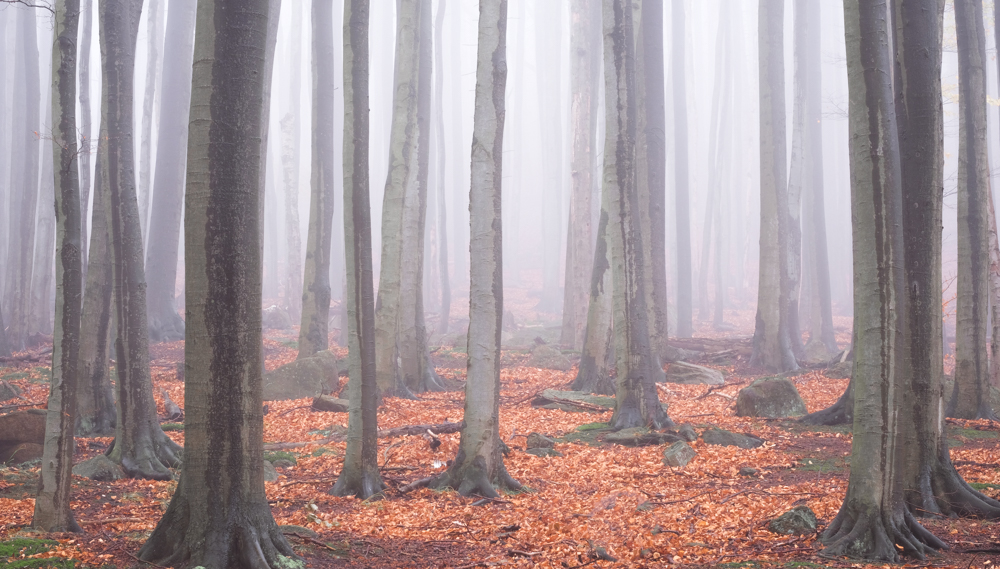
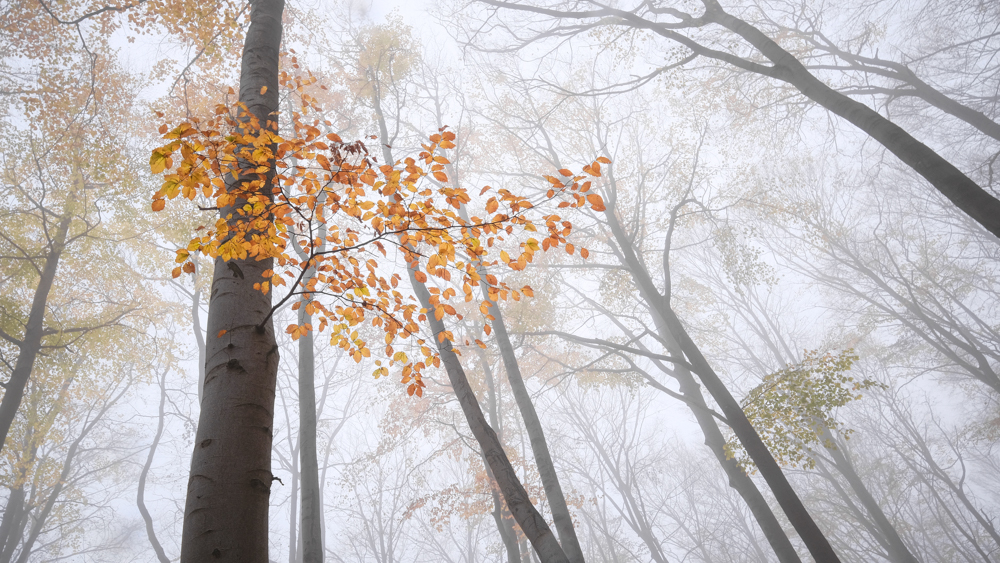
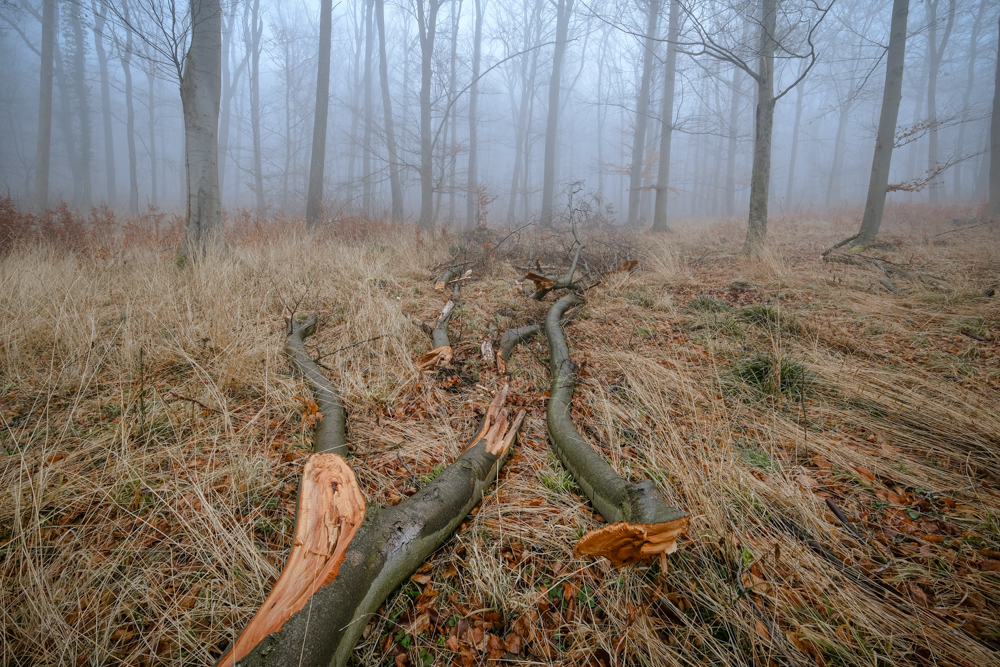
Frigid air blows through the woods,
blows rigid thoughts away;
and gray clouds pervade the vale,
play with remaining leaves.
Draining anger and despair,
the trees take always care.

Tidying Out

Tidying Out

We are currently in the midst of a thorough clean up. Sorting out and getting rid of all the things that haven’t been used in a long time. All those things where I’am telling myself every year ‘next year I will use it’; and with every passing year they continue to gather dust. All those things whose acquisition seemed so necessary when I bought them; but most weren’t necessary after all. I enjoy the decluttering, it gives a good perspective onto future purchases: By now, I rarely buy stuff out of an instinct. Instead, I wait for several months and only if my desire or need remains, I proceed with the purchase. Only from time to time, consumption prevails over reason.

So – I am looking forward to my newly preordered camera.

Besides the physical things, there are also the non-physical: Contracts, friendships, data files, a hard drive full of old memories, another hard drive full of new memories. I would guess that I deleted 3 out of 4 photos I took this year. However, 4769 pictures from 2022 still reside on may laptop and wait to be combed out; all those shots where focus didn’t hit, where the composition is off, or which lack any message or visuals of interest.

As with new physical purchases, I need to learn how to take less photos. Especially less photos of low quality. It would save a lot of time and hassle.

Mashed Potatoes

Mashed Potatoes

I promise, there will also be other topics in future posts; but not today…

Glue on streets and food on art, 
repeats each day, matter of heart? 
"Not really," says the scientists 
who gets the gist and is quite pissed 
by egoists that do insist that a cold week 
refutes the claim of climate change:
"To blame are others anyway." 
The charts are clear, the problem sheer unsolvable; 
each year is worse, each choice adverse,
the globe does not reverse its course – quite yet.
They marched on Fridays for a while, 
but didn't reach the other isle:
Of people who don't care and stare 
on their small screens where it just seems 
as if the world is fine right now;
of people who don't share the bare
reality of what's to come;
of people who are still concerned 
about their hard-earned treasuries
and do revel in memories about the past
as if they last apocalypse.
And now they found what upsets most: 
A simple frowned upon protest
– where streets are used as seats –
defeats the calmness of the crowd 
that clings to cars and is in rage
about the new found stage.
In galleries they do reside
throw calories with pride to guide
social debate where it belongs:
What are the values we esteem?
Why does it have to be extreme?
Why do we tolerate the wrongs?
And try to acclimate as if 
the floods would stop? As if the crop
grows magically? While livestock drops
quite tragically dead onto barren desert floors –
necessity starts frightful wars.
Who really are the radicals?
Who really are the extremists?
Those who request a fair world
and are obsessed with equity?
Or those who halt the change,
assault the poor, default to strange
conventions from the past and cast
a future for us all that will, at last,
result in unsurpassed distress?
What is allowed, what justified? 
This climate activism does
indeed evoke more buzz
than any boring chart. Apart:
It has a heart, and does still act in peace.

Unfortunately, no matter how many climate change conferences are arranged, the large-scale subsidization and expansion of fossil fuel infrastructure continues to take place with each passing month. However, the immediate halt of any further investments into these sources of energy are one of the key factors to mitigate the climate emergency, according to the latest IPCC report. To the best of our knowledge, we steadily continue our path to more than 3 degrees of global warming, if we are lucky and tipping points don’t start to blow up all around us (and the likely do). If the choice is between some paintings and many many lives, I am gladly taking the latter.

Slovenia: Black & White

Slovenia: Black & White

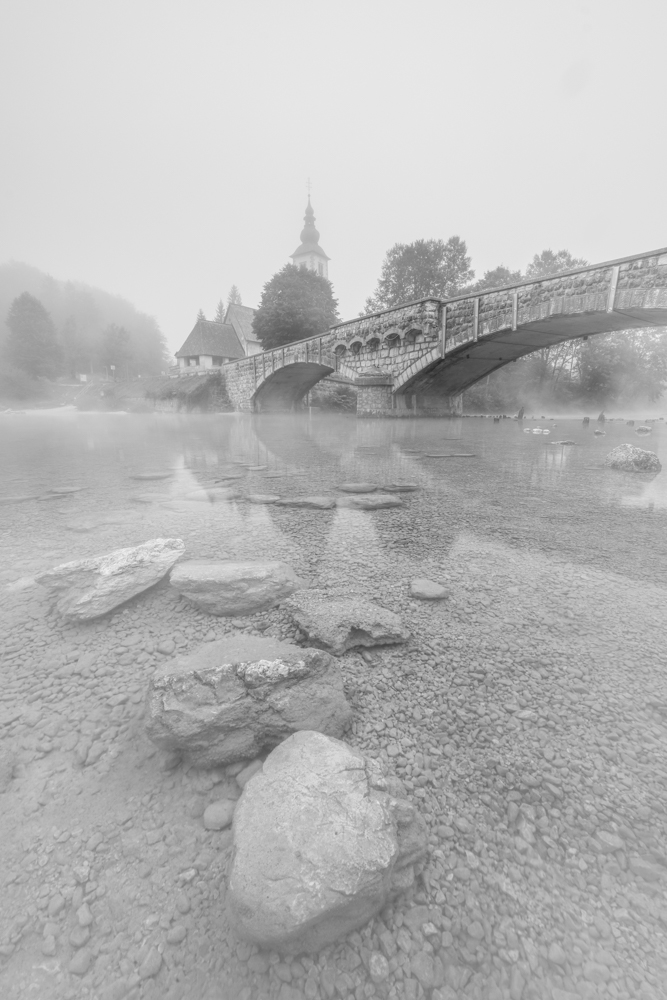
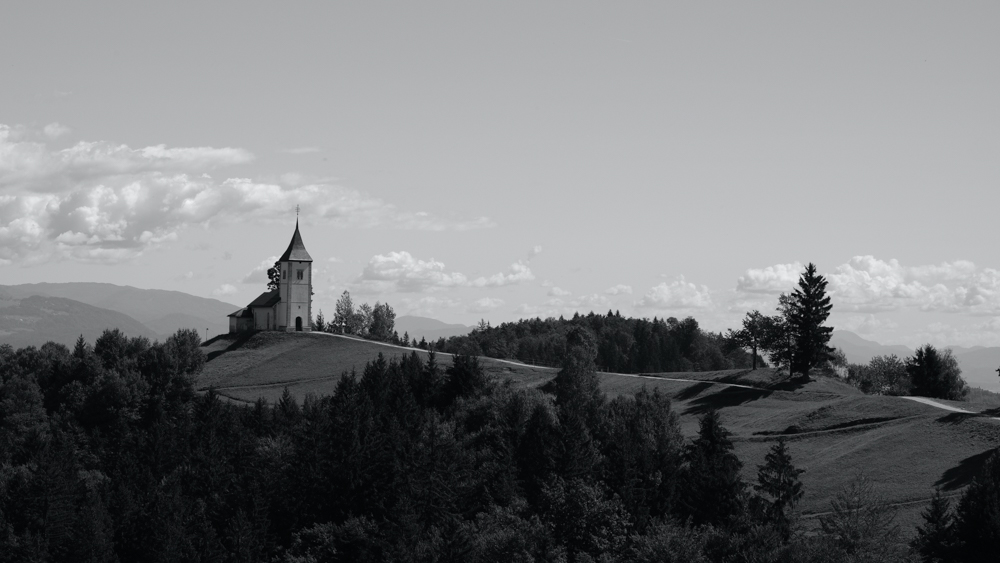
Merging vacation and photography can be a little bit of a hassle. Should we enjoy the evening or hurry up the hill to catch the sunset? Get up before sunrise or finally sleep in as long as we want to? Enjoy the moment or reduce it to digital pixels? Pack another lens or another bottle of water?

‘Forgotten Ones’

Unfortunately, the photographer’s fear of missing out doesn’t stop when vacation is over. Every weekend, body and mind fight over the right time to get out of bed. And the rare days where we can sleep in happen to be ones where the long-desired fog appears. And thus, again, we get up earlier than we do during the week.

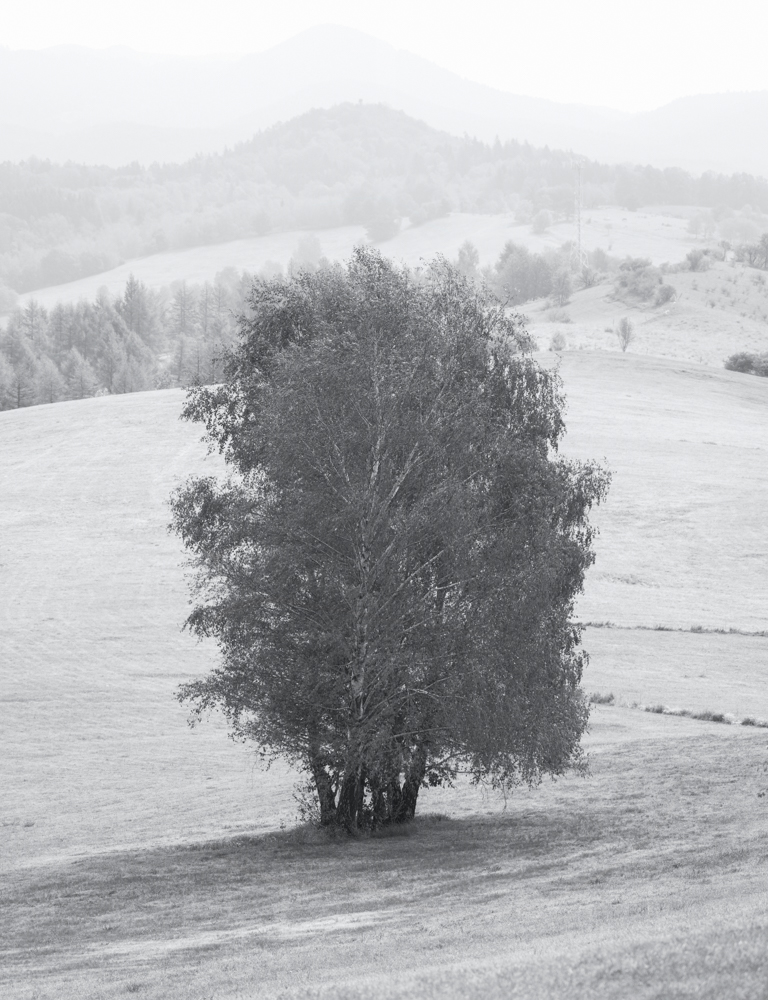
Group of trees in the vast karst landscape.

But the early mornings outside are also wonderful. A silence and calmness that we rarely experience elsewhere or at different times.

Rapids of the river Kolpa.

Luckily, the early autumn time is a blessing for this dilemma: not only does the landscape transform beautifully and all colors pop, but also the sun rises late and getting up at 7 a.m. is still sufficient to catch the twilight. But sometimes, I guess, I have to learn from my better half how to honor the lazy mornings without self-imposed obligations.

Trapped

Trapped

In Germany alone, every single second 20 chickens are murdered. Tick-tock, 20 chickens dead. Tick-tock, 40 chickens dead. When you finished reading this post 2.400 chickens will have died. Tomorrow at this time it will be 1.700.000 million. It is absurd. It is grotesque. There is no excuse; the only reason is our own pleasure, our greed, our arrogance.

Pigs are among the most social and intelligent animals we know; they are comparable to dogs in terms of their social life and cleverness. In the next 24 hours, 150.000 pigs will be slaughtered: in Germany alone on a single day. How can this happen? I doubt I will ever find the answer. And: for most of them it will be the greatest relief of their life after they have suffered in cages that are so small they cannot even turn around. Imagine how our western society would react if this would be dogs. What the outcry would be, the outrage and disgust. But there is no difference, the despicable act stays the same: The murdering of innocent beings after robbing them their only existence they will ever have. Their only chance to enjoy this earth. Writing this makes me despise us; the presumptuous human.

Animals do not belong in captivity. They do not belong to us humans. They belong to themselves. They always have and they always will.

Yet we sometimes visit wildlife parks because animals are fascinating after all, aren’t they? We visit mostly those parks that try to do the right thing: raise lynxes to release them into the wild; save bears from their chains in the circus. But is this any better? Saving them from a small cage to put them in a large cage? Is it the lesser evil?

I wish for a future where this won’t be necessary. Where we are not trapped in such a dilemma. Where bears are not trapped in such a dilemma. Where they roam the forests in Scandinavia and Canada and most people will only dream of seeing a bear in real life.

Besides: you should go vegan. Even if it’s for only 80%, it will be the best decision of your life. Not only for the animals, also for us. Going vegan has a significant impact on climate change, we won’t run into troubles by wasting powerful antibiotics in factory farming, we will have more food to feed all the humans, the amazon rainforest will be around for a little longer, and you will be healthier. Going vegan is probably among the most impactful decision you can easily incorporate into your daily life to bring this world onto a better path.

Photo Post: Pace

Photo Post: Pace

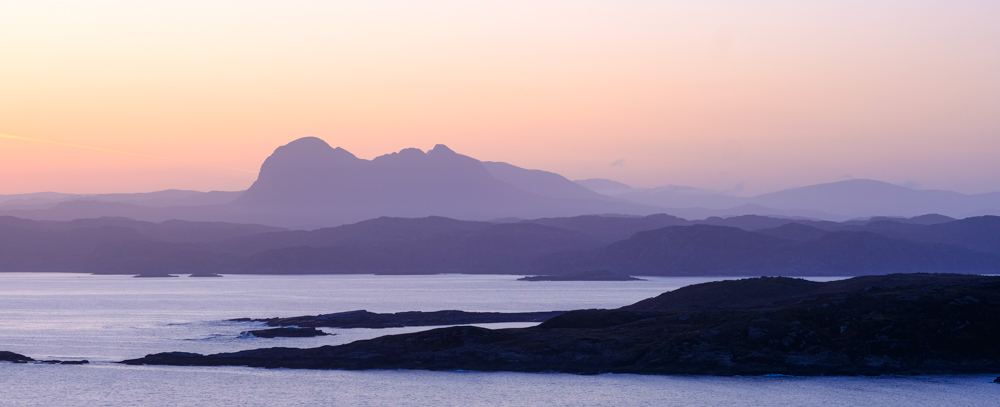
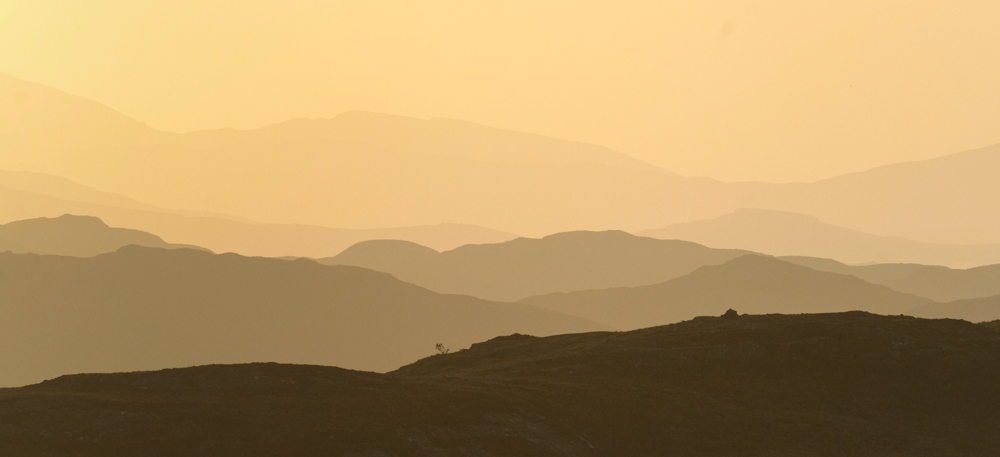
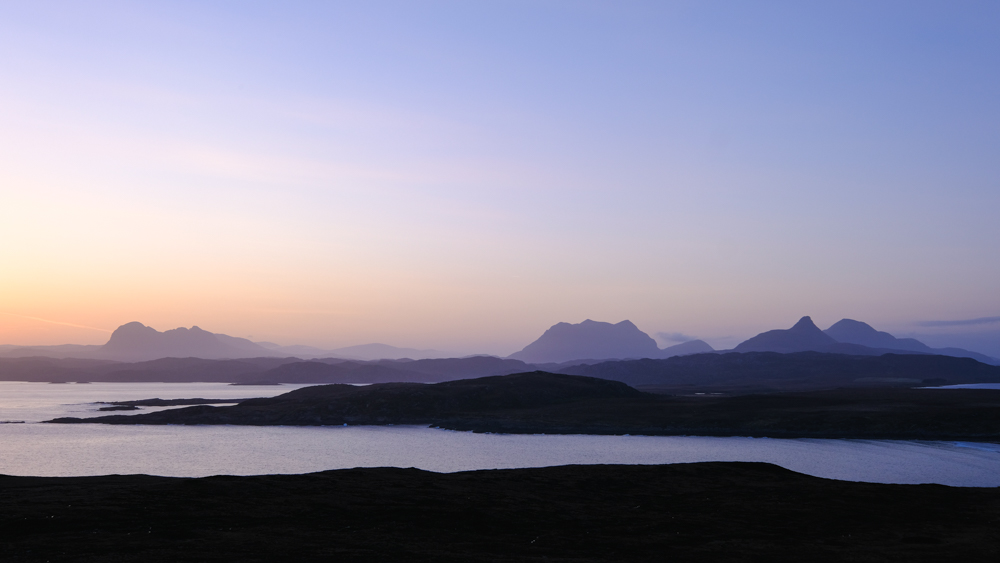
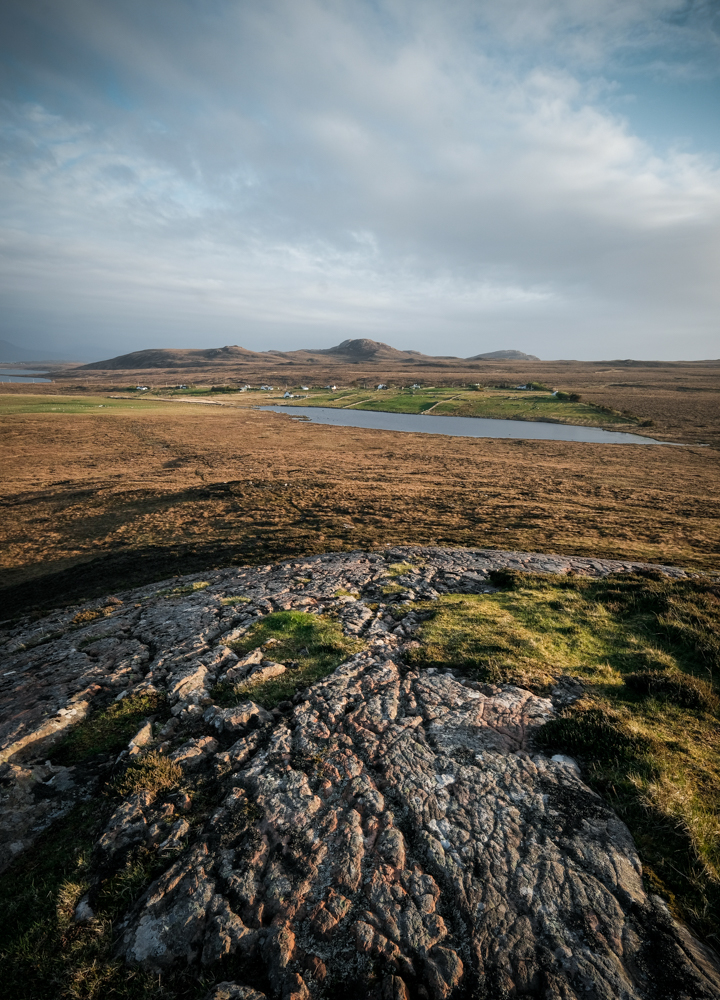
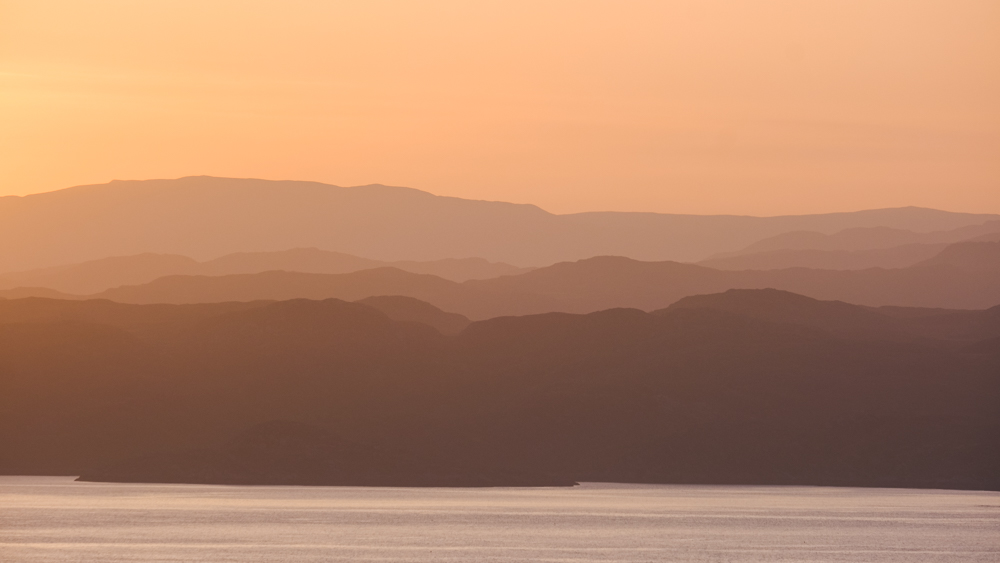
Here is a brief one featuring some pictures from Scotland (again). Time is tight at the moment, but there will be more posts again soon (I hope).

Time is tight, daylight confined, night comes too soon right after noon.
Despite, I fight with steady pace, I brace myself: A final race.

Communicating Science

Communicating Science

I’ve been at a scientific meeting recently and (again) was surprised of the disconnect that sometimes occurred between a speaker and the audience. If the listener (me) does not understand a complex subject that is explained, it is not solely on me! Don’t blame me that I could not follow your cluttered slides and your jumbled train of thought! Sure, sometimes I will be uninformed or not smart enough. But sometimes it is on you, dear speaker.

Explaining an easy concept complicatedly is easy. Explaining a complex concept concisely is artistry. And while I’ve set through many talks cluelessly, I admired the few speakers who mastered the art: The ones that make you feel clever just by listening. The ones that explain intricate science so well that you think you designed the experiments yourself. The ones that let you rediscover what they did and make it seem like what they are doing isn’t difficult after all.

Giving a good talk boils down to the same things that are important in photography: The subject needs to be clear. Leading lines are necessary to guide the viewer. Help them navigate the frame. Unimportant stuff is left out (and there is a lot of unimportant stuff). And everything left in has to support the main subject. Tell a story.

The following pictures do not follow these rules at all, but I hope my own talk did at least…

Complex World

Complex World

We see faces where there are none. We see patterns where there is only chaos. When we are tasked to produce a series of random numbers, the result does not pass the simplest quality criteria we would demand from computers. In a complex world, we fall back to things we know, concepts we understand, and patterns we have engrained. But: It is brave to acknowledge ‘I don’t know’ – there is no shame in unintentional unknowingness. There is always time to learn. And it’s courageous to think outside the box and propose the unusual. However, this is not to be confused with refuting the consensus. And it does not equate to ignoring or denying the facts. Unfortunately, a non-negligible proportion of society does not seem to be aware of this difference. Instead of arguing in the realm of reality they spread lies. Instead of acknowledging the unknown they act as the keepers of truth. And surely: the other side does the same, however, with another truth. How can such a split society regenerate and reclaim a common truth?