Photo Post: Praia

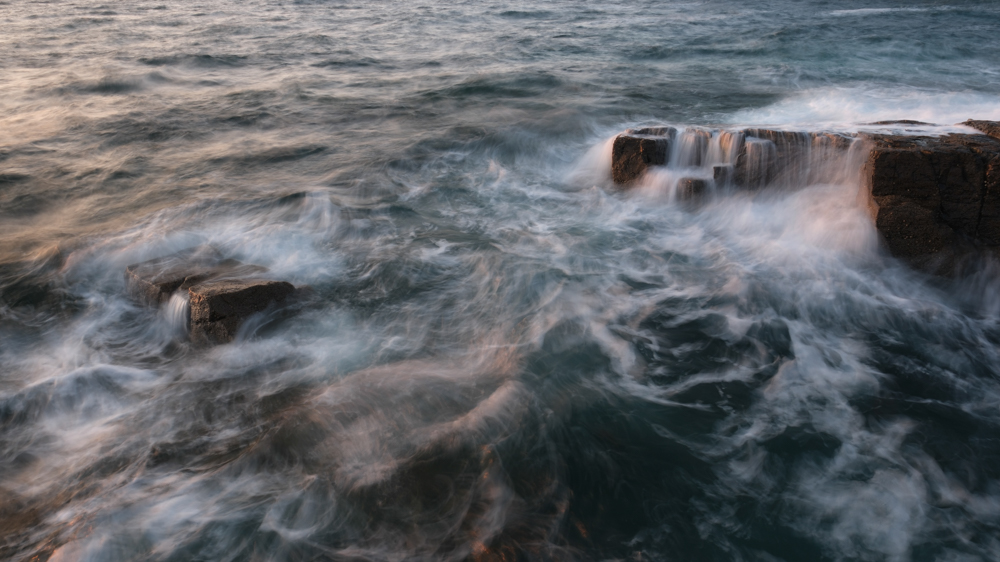

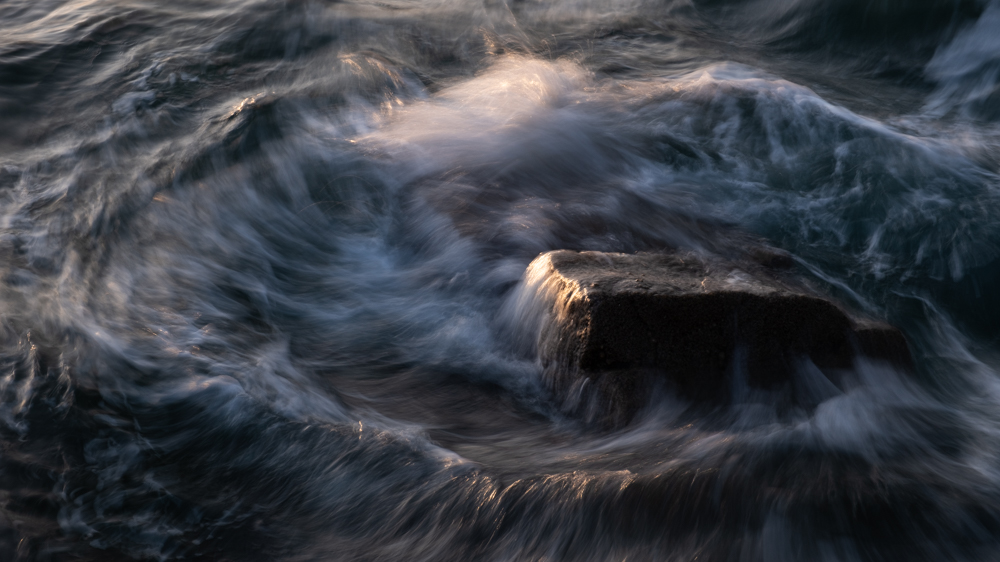
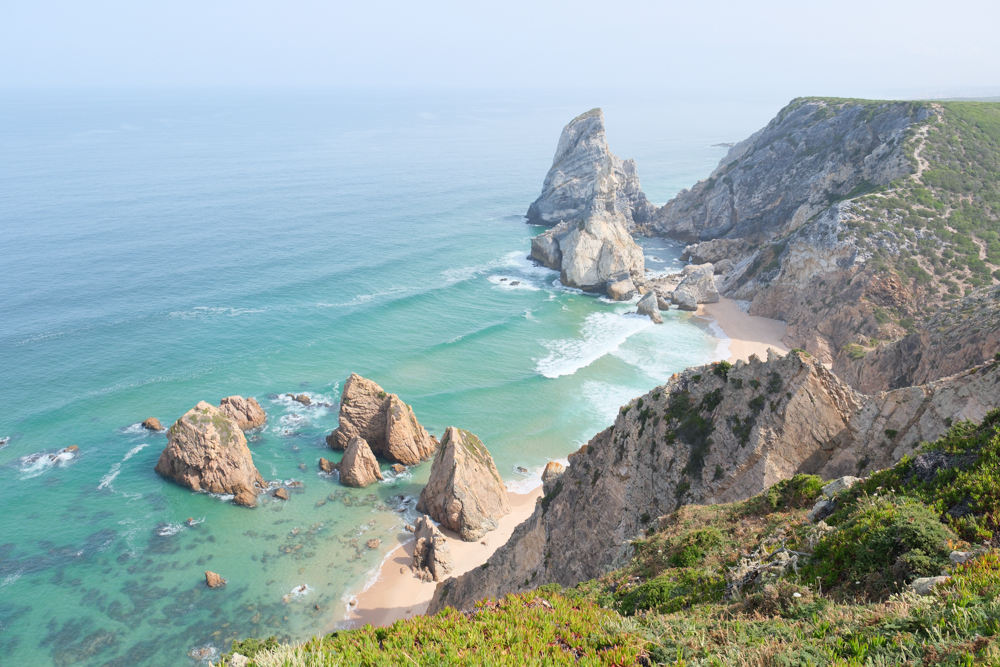
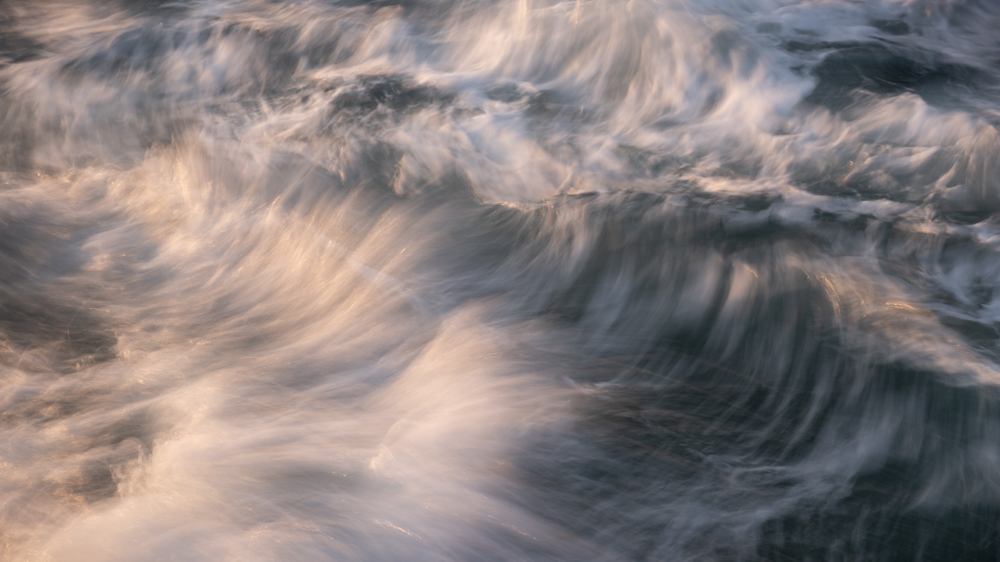
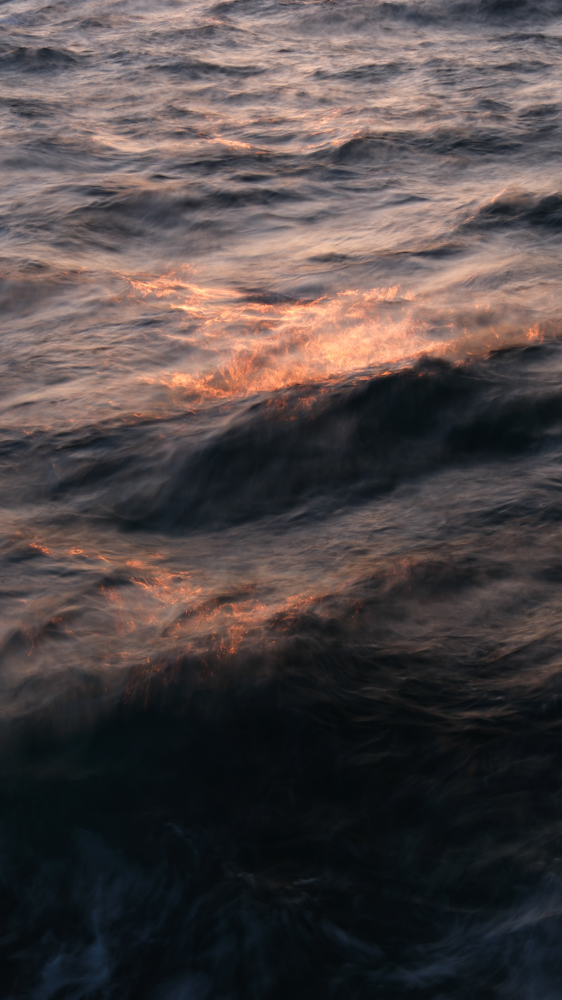

Enjoying nature and photography.


It’s a calm morning. Fog encloses the island and mutes the distant cars. The sailing ships are all lined up neatly, one after another, swaying gently on the waves. Next to the ships, there are the bollards. They are lined up neatly as well, ready to welcome any new arrivers. And then there is Gustav, the black-headed gull.
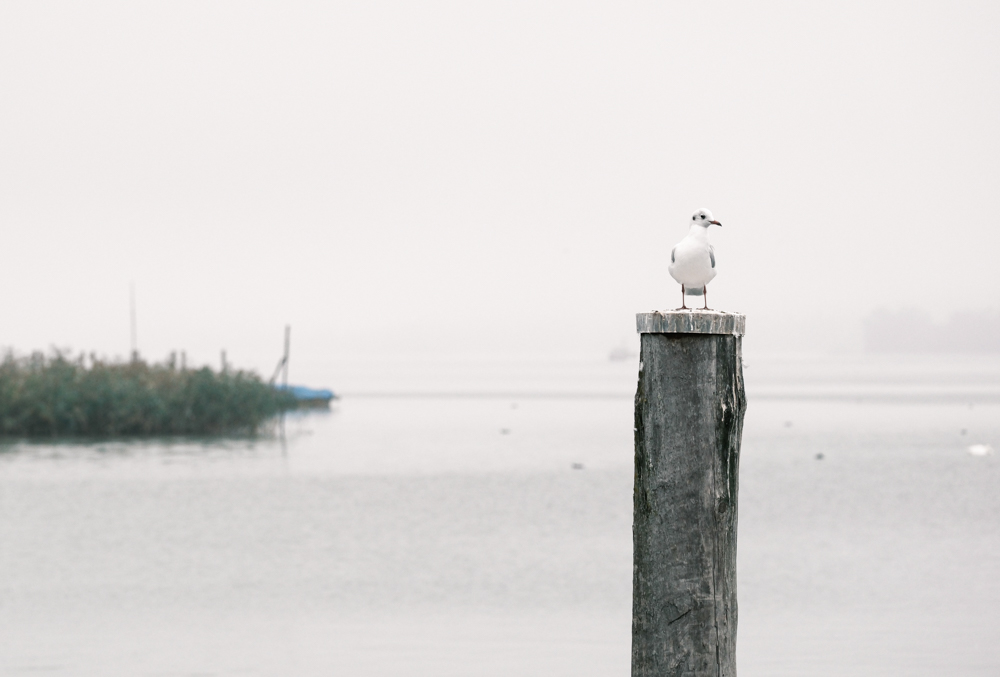
Gustav occupies one of the bollards, but he isn’t the only one. Next to him are all his mates – also, of course, lined up neatly: One bollard, one gull. As it should be. Gustav is satisfied. That’s how he likes his mornings. That’s how he likes his bollards. But then, a new arriver appears. And Gustav knows that there will be turmoil.

Before he can prepare himself, the attack from high above is in full swing. A quick stroke with the wing, a brief chop with the beak, and suddenly his neighbor is tumbling to the ground. Before the attacker can seize his earned place, two distant acquaintances of Gustav are already brawling for the now empty bollard. Claws get sharpened, feathers are plucked, with every passing second a new contender joins in. A whole squadron of coots start to cheer on the warfare. The snide remarks of Carl the cormorant echo across the water. Herbert the heron escapes quietly. Gustav tries to be as inconspicuous as possible.
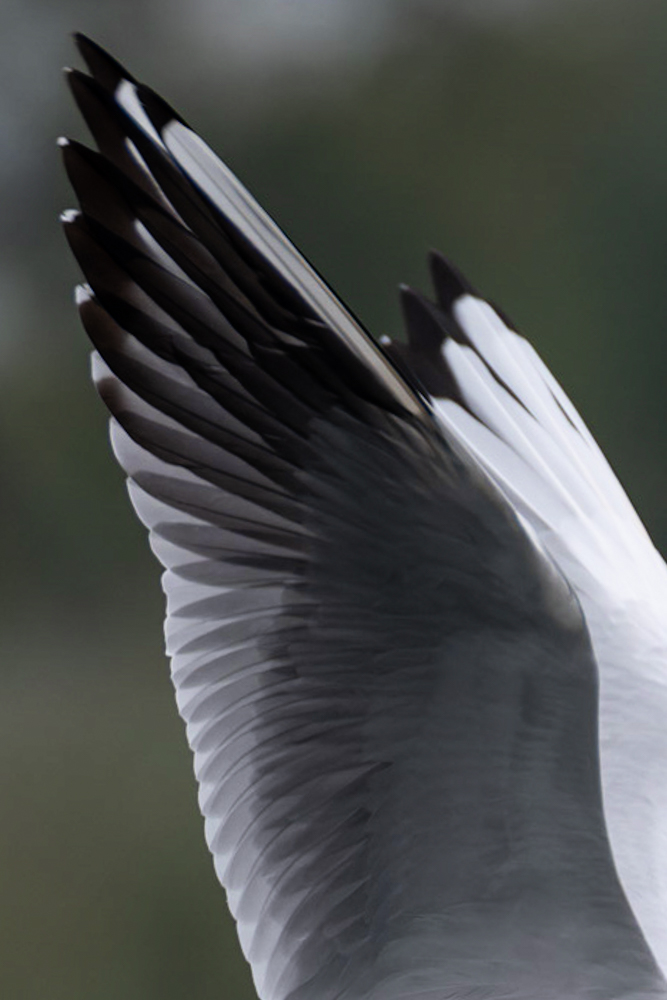
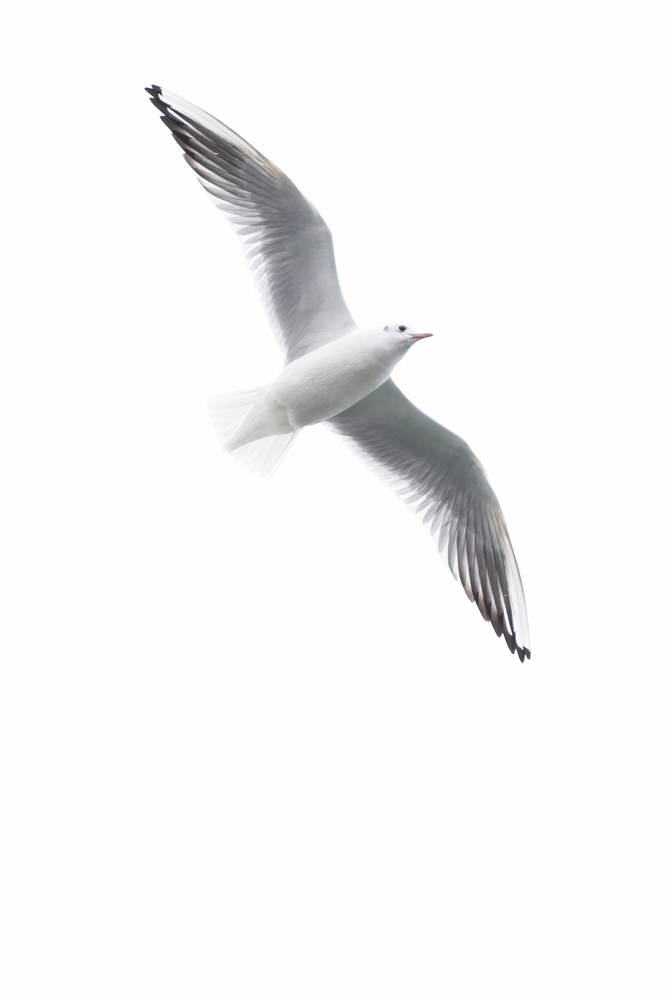
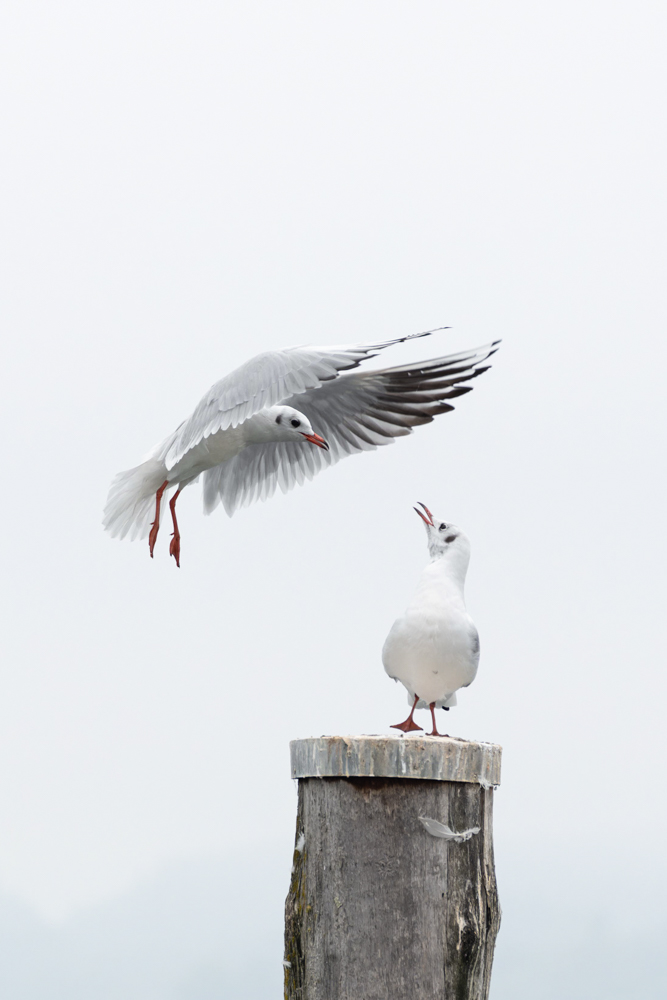
The calm morning has turned to chaos – as every day.
The number of black-headed gulls around the lake has dropped profoundly over the last 30-40 years, presumably by more than 70%. It’s ‘just’ a local decline and most gulls seem to relocate to other areas. Apparently one reason is the increase in water clarity that comes with a reduced offer of food. While the gulls have been seen as a real nuisance in the past, they are now missed by many.

Wind whistles harshly from afar,
night settles gently, au revoir
dear Portugal, dear distant star,
each day filled up my memoir
with fragments of divided beams,
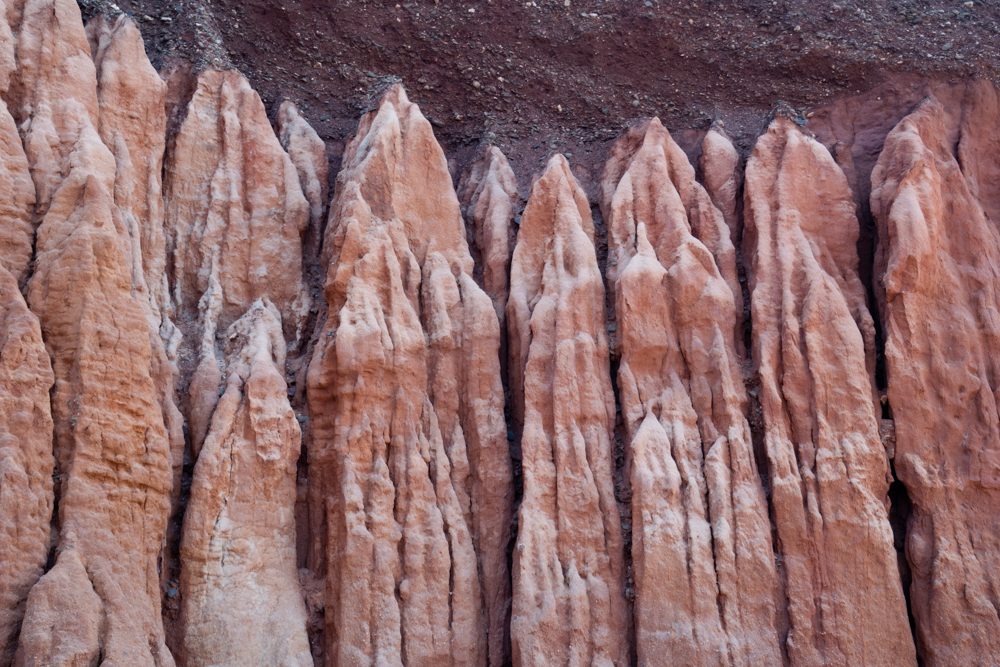
with rock-formations, quite bizarre,
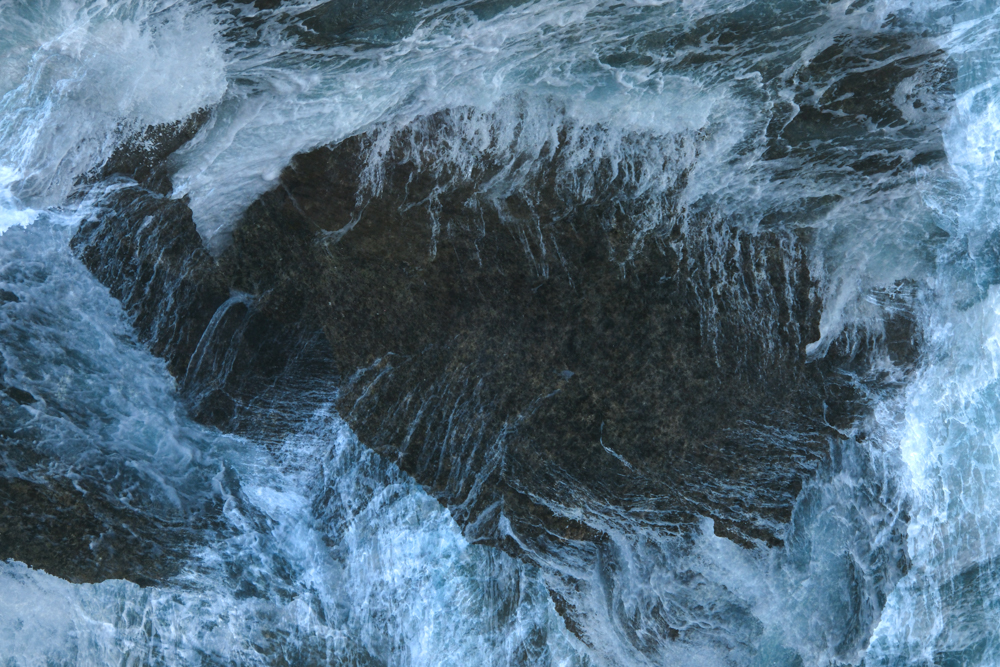
with ocean waves and short-lived streams
of water flowing as in dreams,
a never ending love, it seems,
another round, the earth gets drowned,
and in the distant is unbound
a nightjar calling out his sound;
sweet memories still float around.
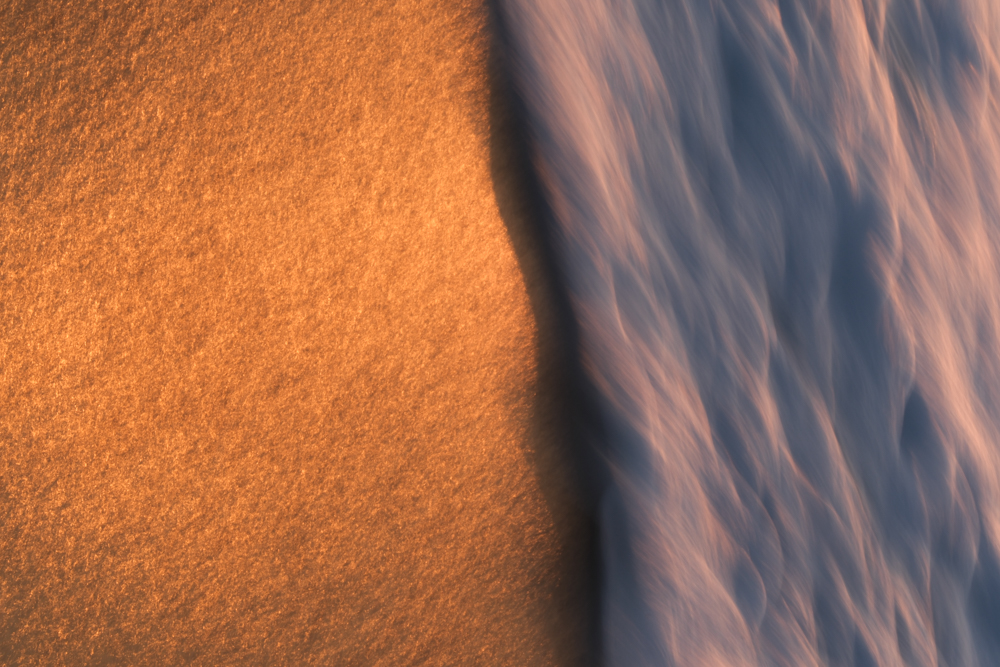


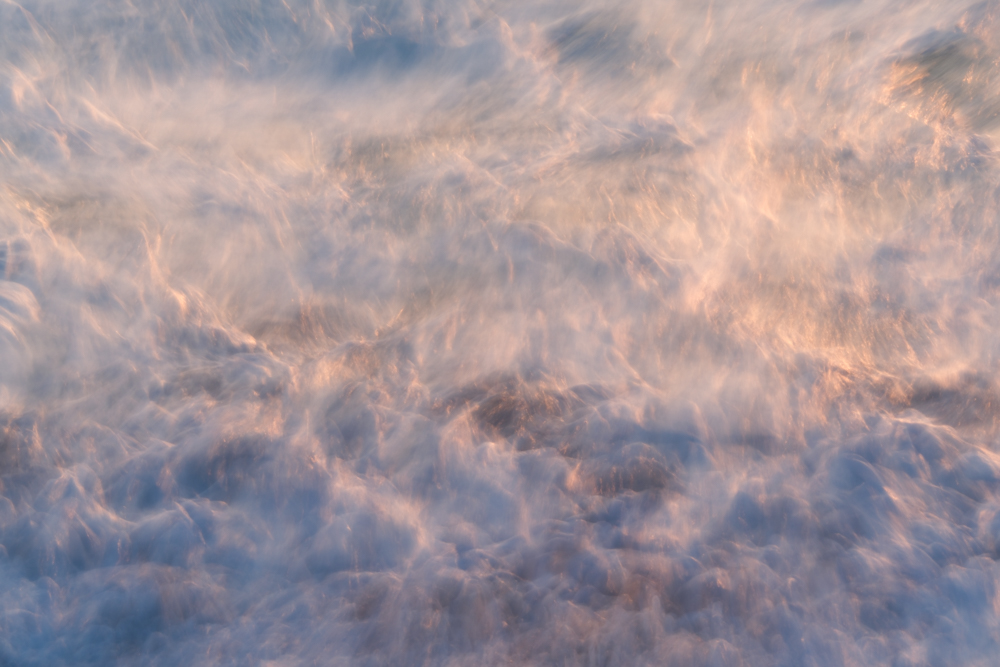
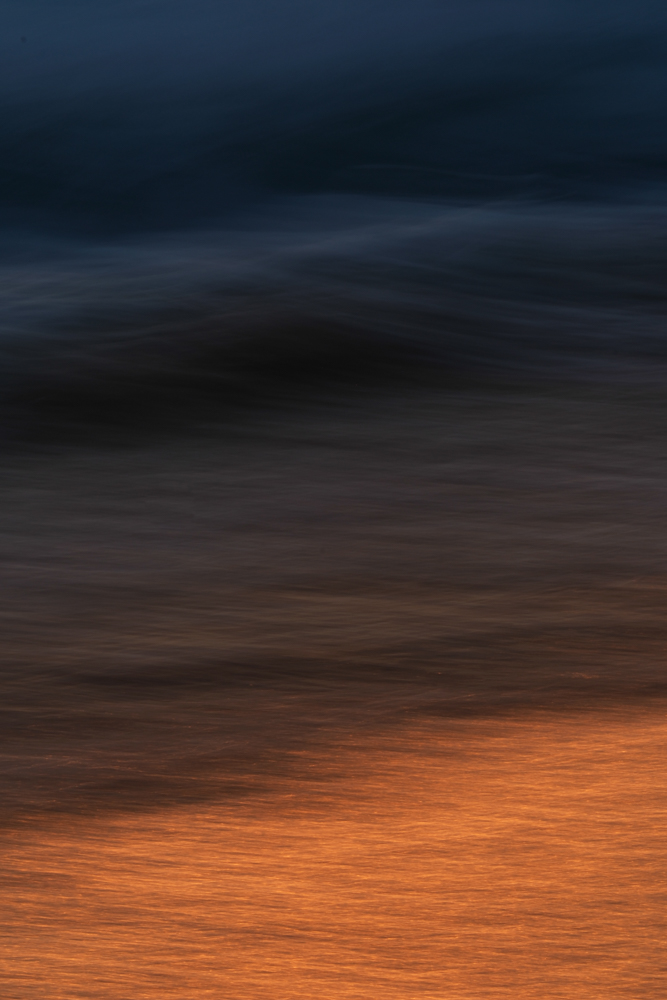

In most places the twenty-four hours of a day are divided into day and night. In midst a lake there seem to be three phases instead: Fog, sun, and night. And the difference between fog and sun is no less than between day and night. The fog transforms every part of nature: Birds extend their sleep and wait for the sun to arrive; plants are cautious and don’t open up; all the tiny cobwebs are suddenly visible – tiny strings beaded with water pearls. A wet and moist world which is calm and peaceful. Photographers love fog. I love fog.




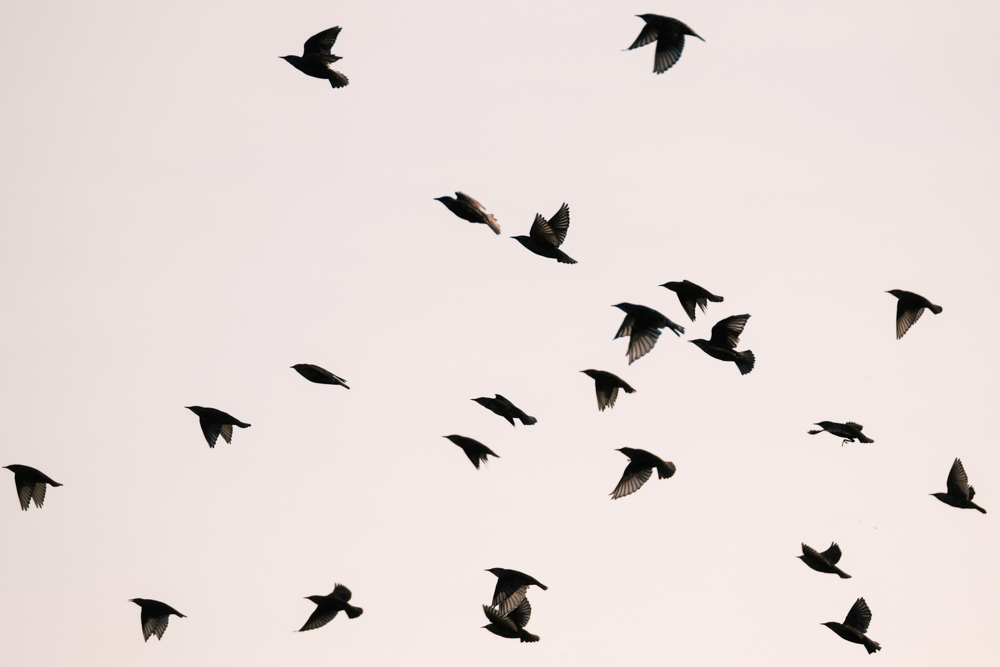

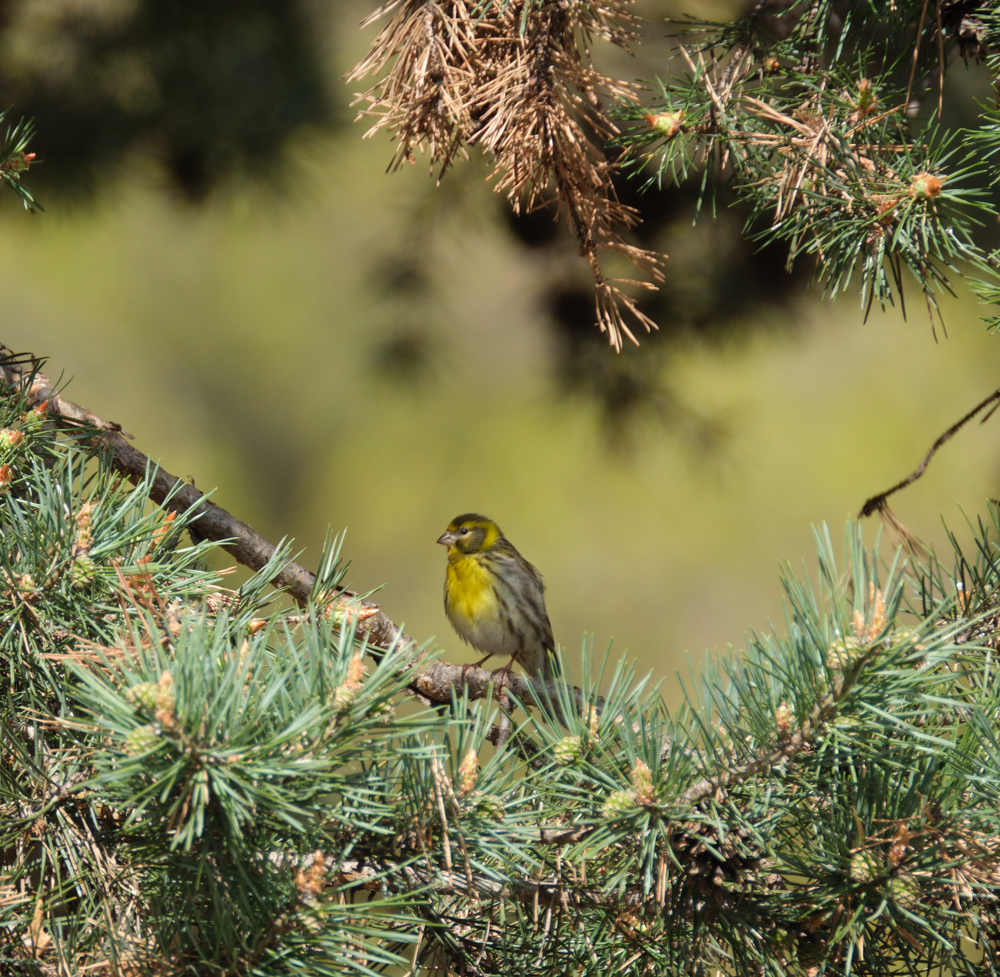
When I started photographing birds a few years ago I couldn’t identify more than five species at maximum. Already the yellow feathers of a goldfinch (Stieglitz) would make me wonder what kind of special species I am witnessing. It then also took me several months to realize that it’s the same bird as a Distelfink.
Back then I also wasn’t aware of the immense diversity of birds around the globe: Most of our local species in Germany share their families with many other species that often inhabit the different continents. But even within Europe there is a large diversity: the Iberian peninsula alone hosts many endemic species and, thus, on our trip during the past summer we had the pleasure to engage with this large new world of birds. This is a brief overview.
Our first special encounter was with vultures, birds that impressed me so profoundly I already wrote about them earlier.
In the Pyrenees we observed a wryneck couple and learned their unambiguous calls. After listening for the whole morning I was finally able to spot one of them as well; they surely are the most camouflaged birds I have seen so far. We also saw several dippers in the mountain streams between France and Spain – and even spotted a nest in the Gorges de la Carança.
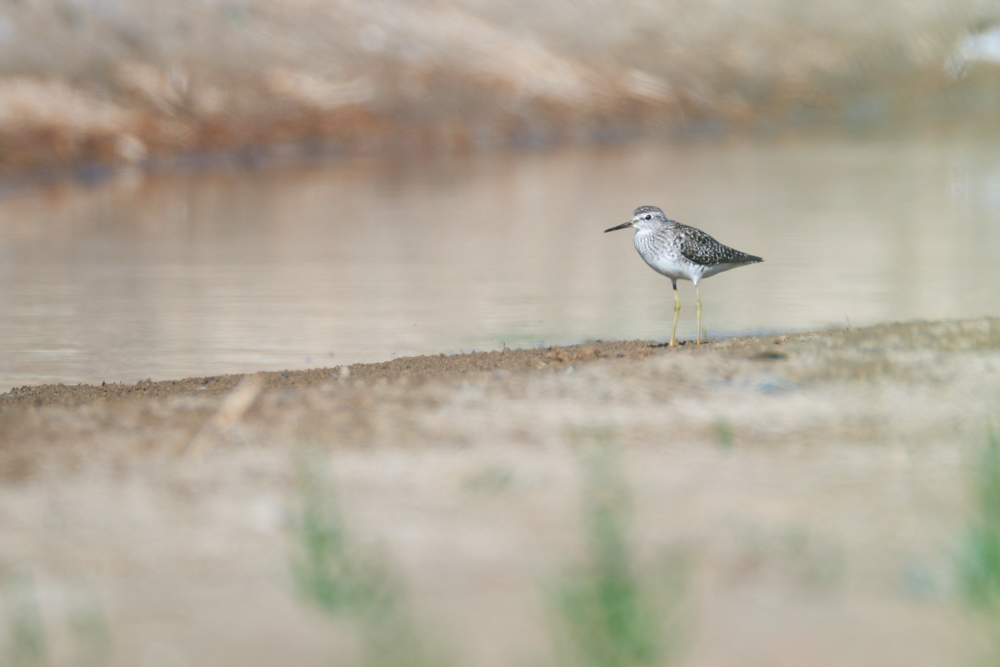
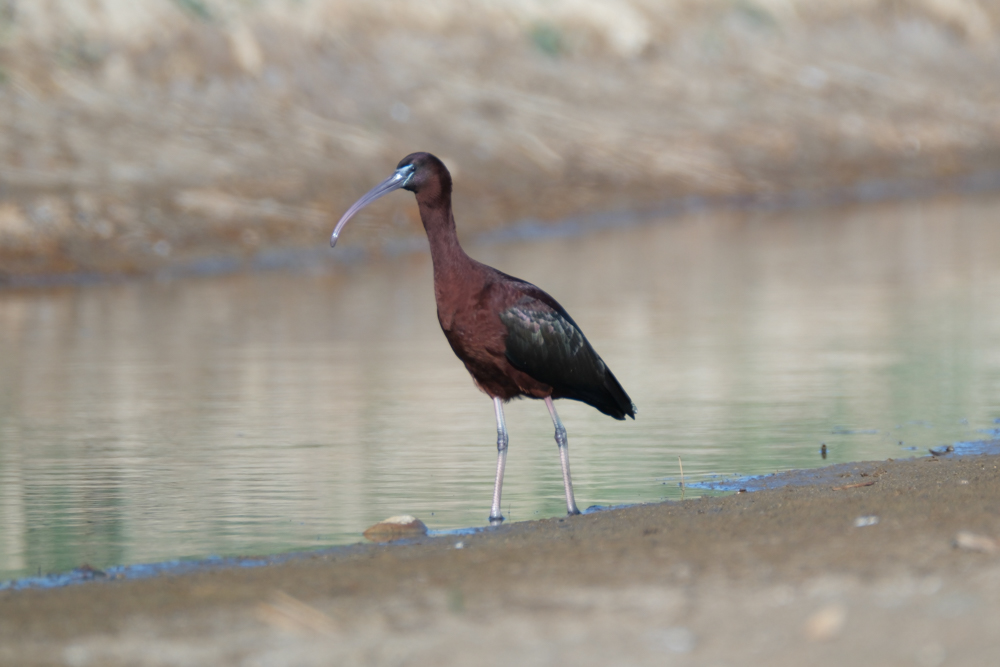
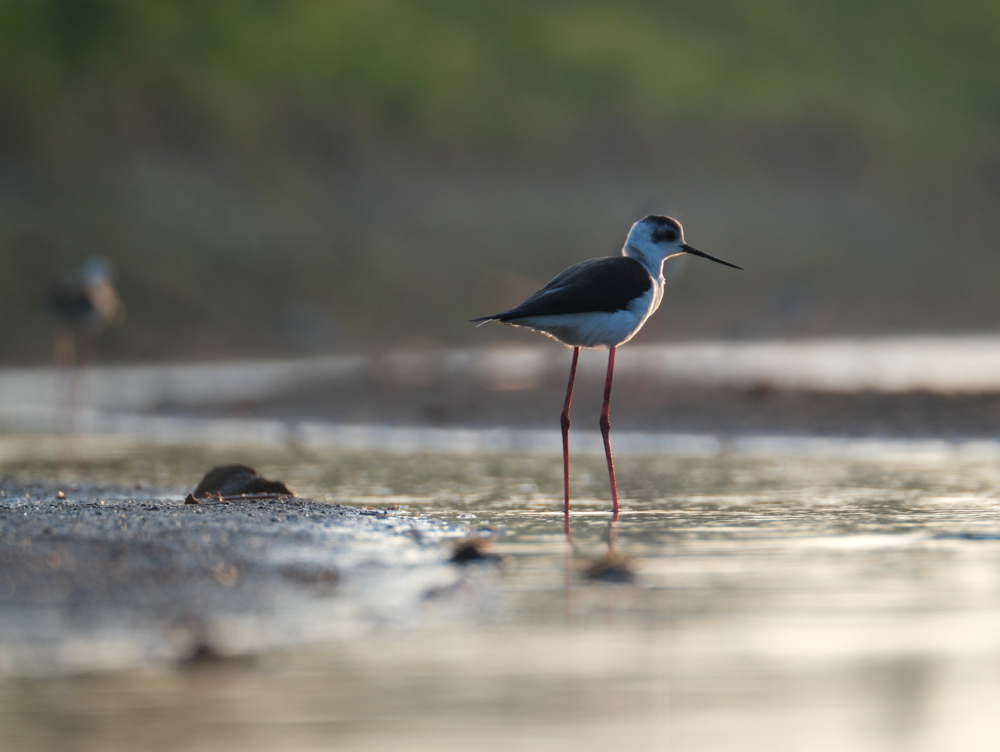
Then, the delta of the Ebro river greeted us with all its water birds: Flamingos, cattle egrets, little egrets, glossy ibises, black-winged stilts, all the gulls, and sandpipers – just to name a few.
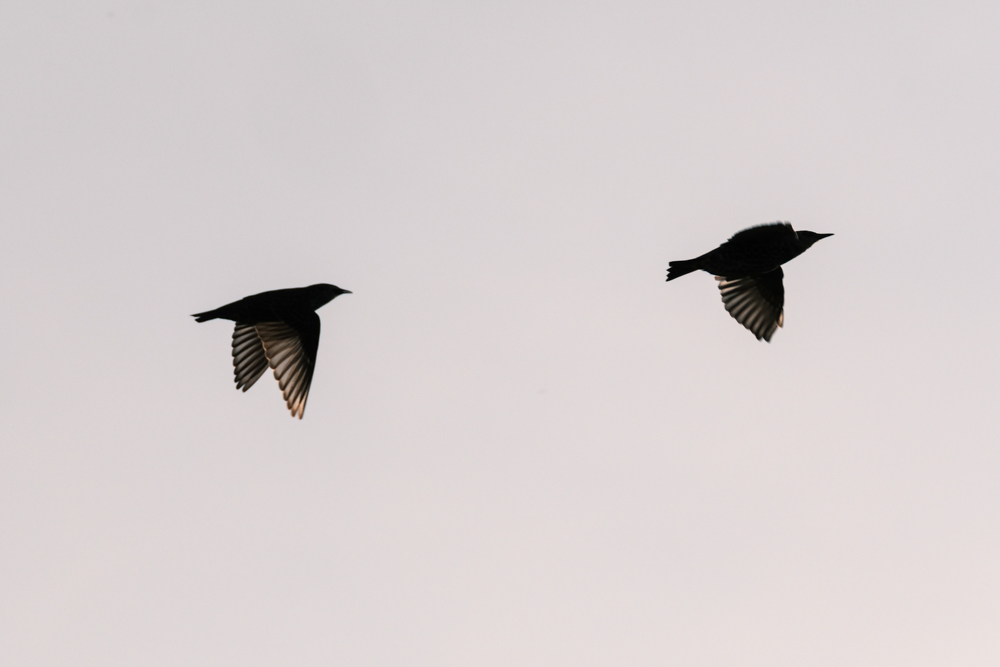
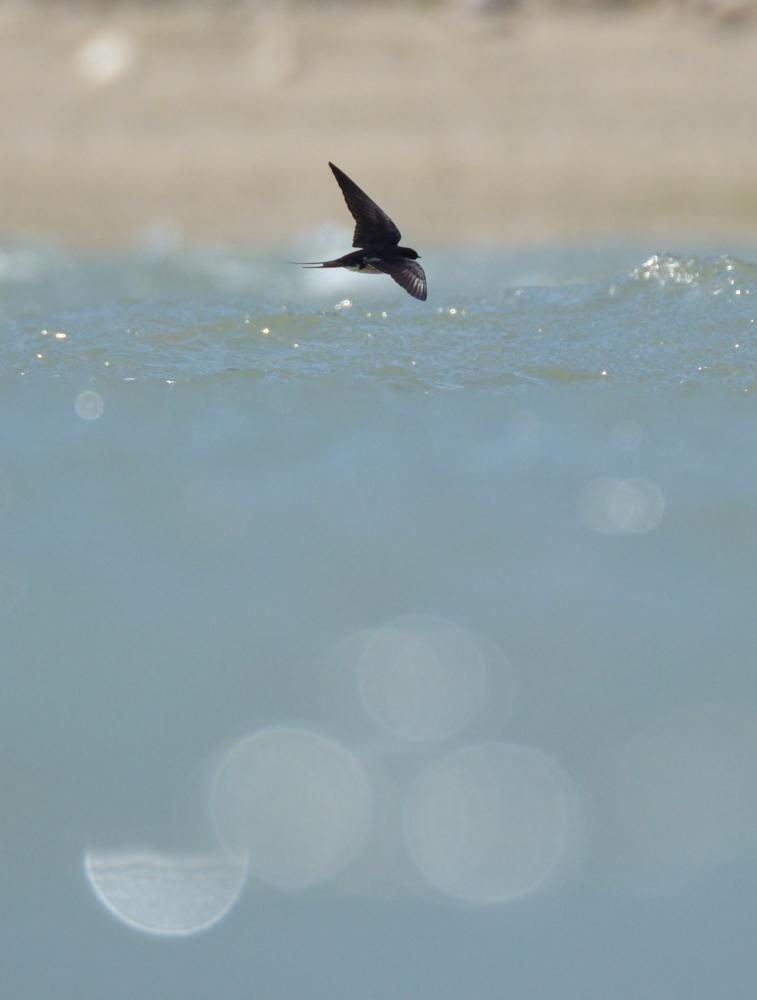
Redstarts visited us on most campsites and bee-eaters decorated the power lines. Rock buntings and corn buntings lined the hiking trails. However, among my favorites were the many swallows, swifts and martins. They were everywhere. And they were many. Something I am truly missing here back home in Germany.
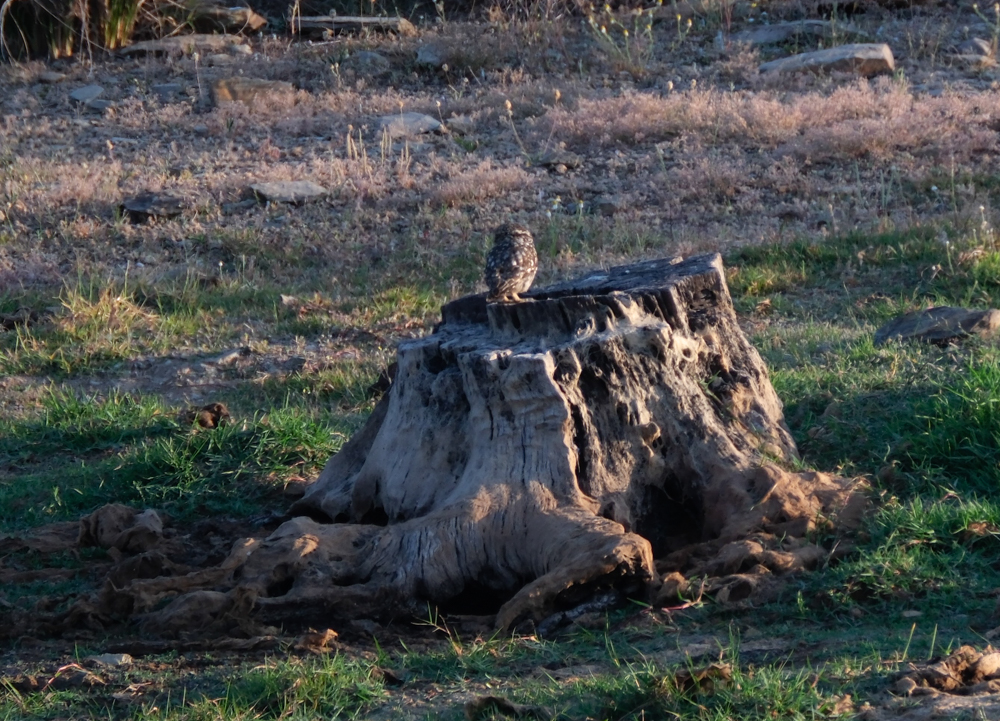
And as soon as the night time start there are the owls. Every single night we would hear another one. Often scops owls, but also little owls and tawny owls. Every night – simply beautiful.
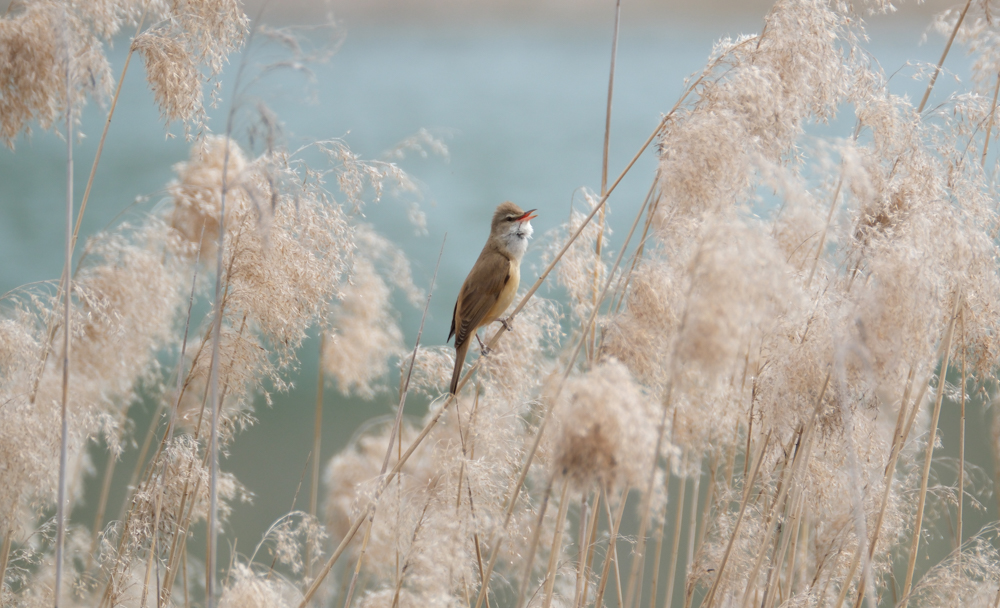
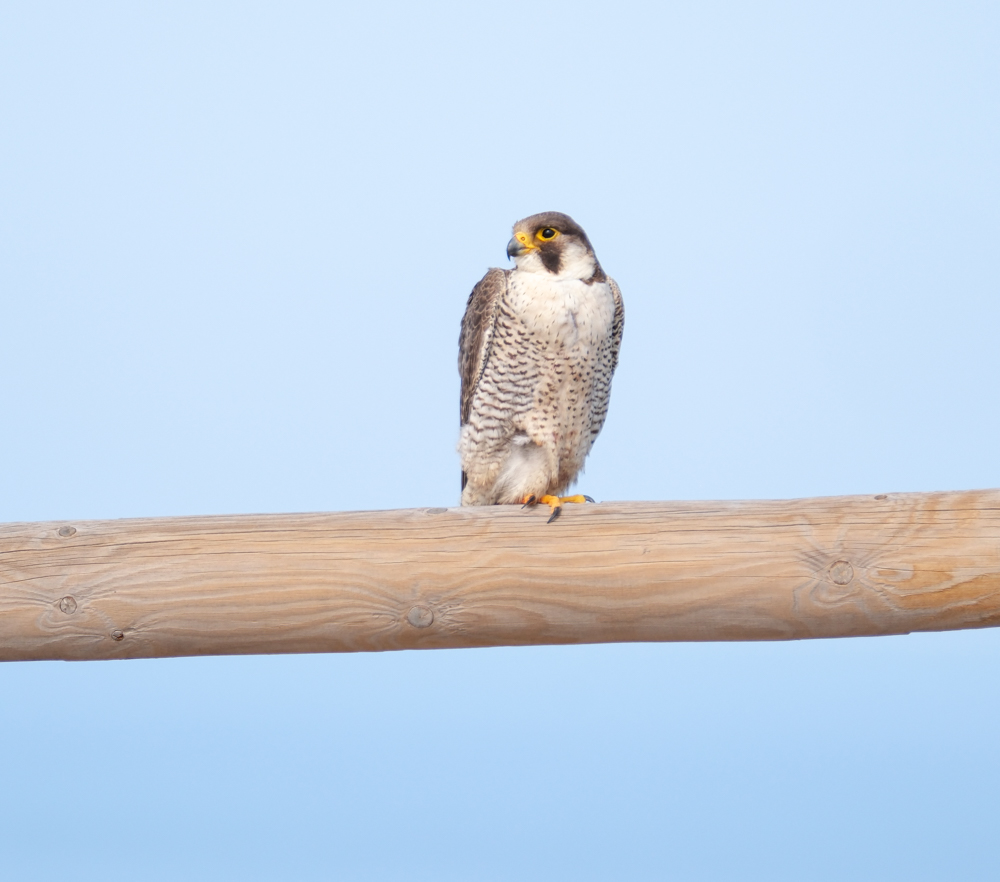
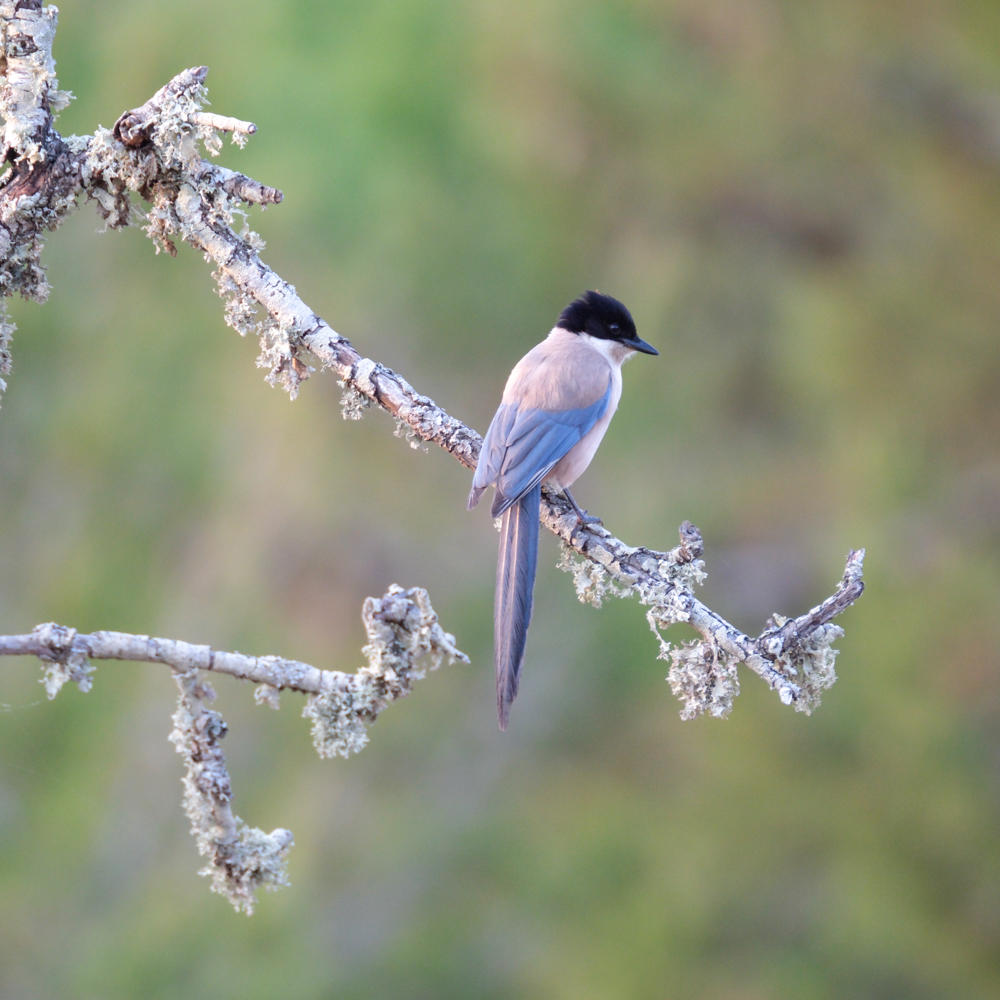
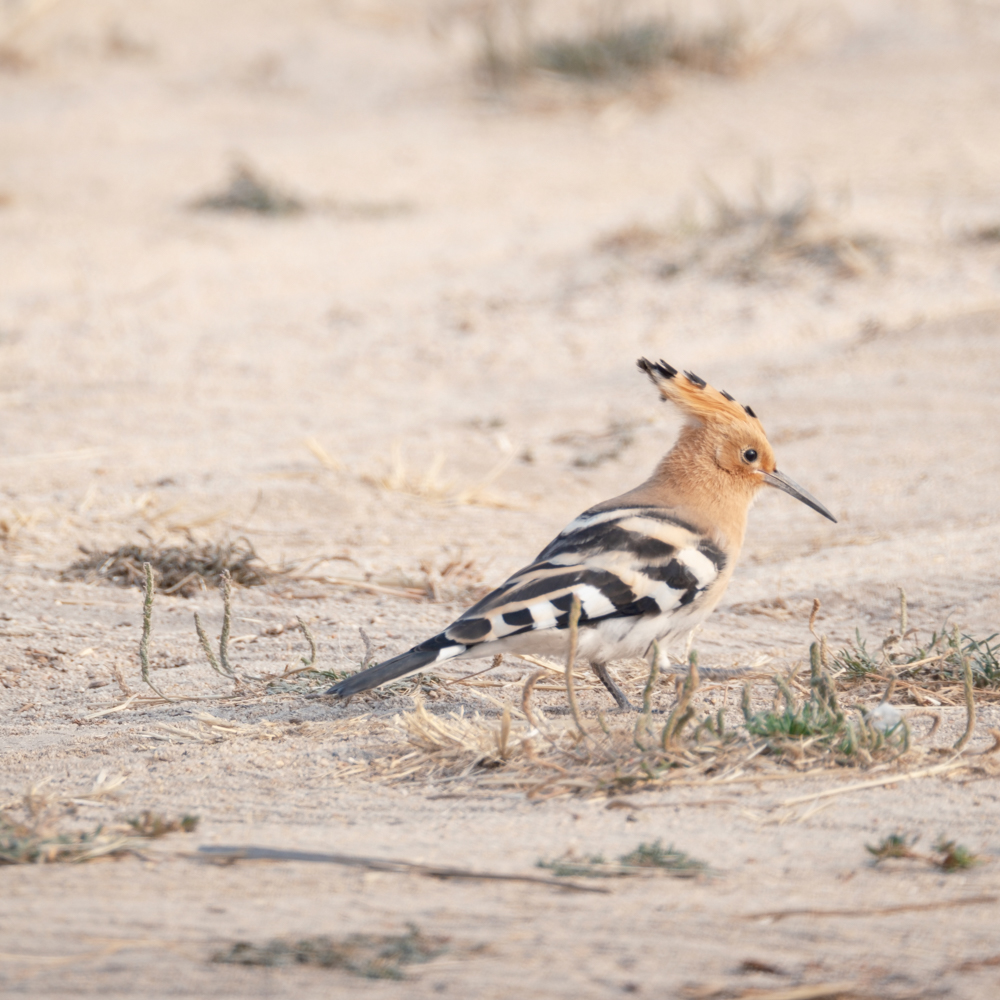
Coming into the Southern regions, we watched hoopoes digging for ants, Iberian magpies grabbing tourists’ food, spotless starlings snacking from trees, Sardinian warblers sleeping in the sun, and black-headed weavers weaving their nests. The list of birds seems endless; we counted at least 110 species, including many we never saw before.









I grew up in a rural village with a large garden and I have fond memories of exploring it day in day out: Climbing the trees through all seasons, picking red currents, scything nettles, mowing our soccer pitch, chasing sheep, or having campfires; there was so much to do, to find, to enjoy.
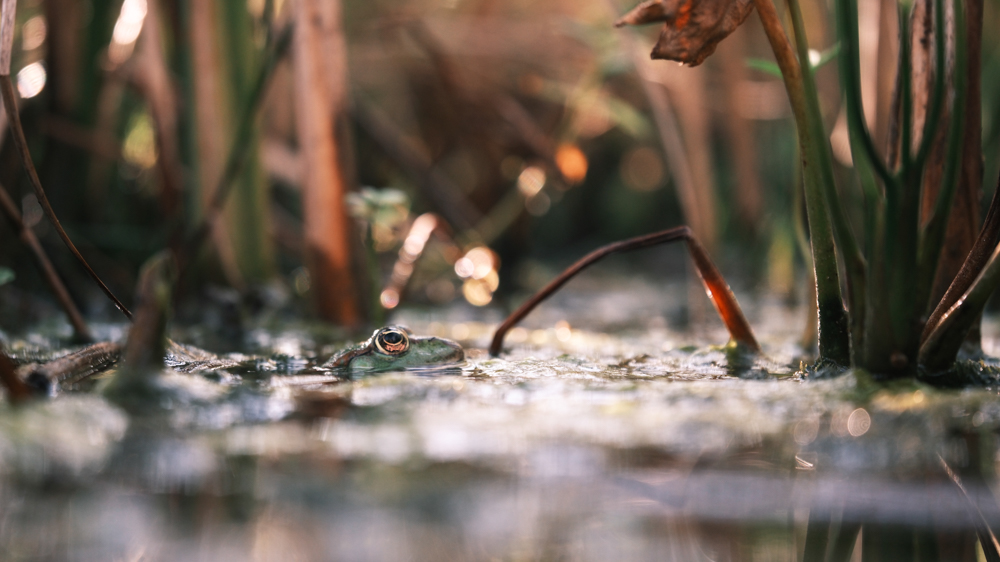
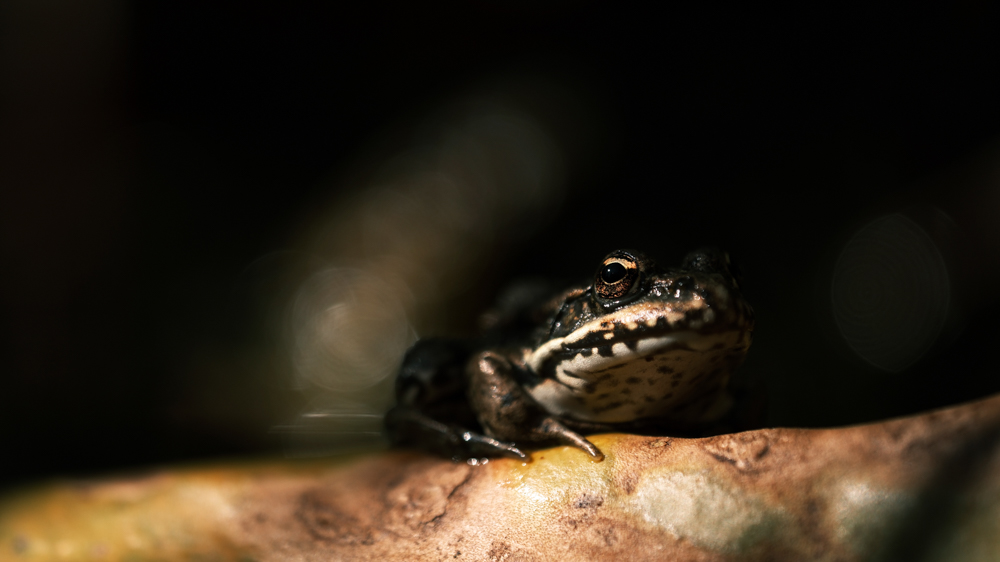
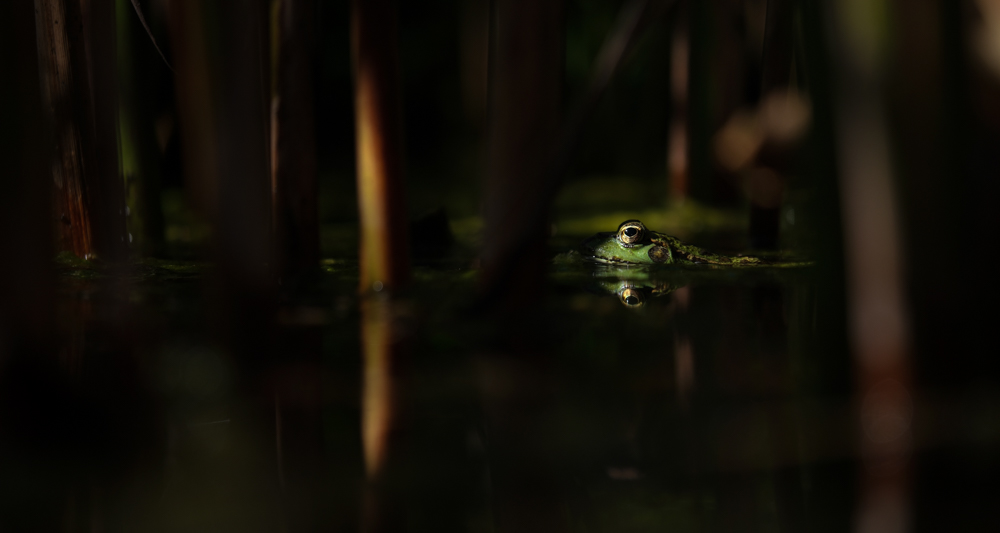
But somehow, all these wonderful memories were stuffed away neatly and labeled as ‘being a kid’. It turns out, it’s not only about being a kid, it’s also about having a garden. No matter the age, there is so much to discover: I can lie for hours at the pond observing all of the different frogs (if only they would be less shy), I love raspberries and there are too many to snack all of them, and the starlings behave like our pets. And: It’s quiet.
After living in a city for more than ten years, it’s surprisingly easy to forget what you’re missing out on – but I am just about to rediscover everything. And I am not sure if going back to a city is an option afterwards.

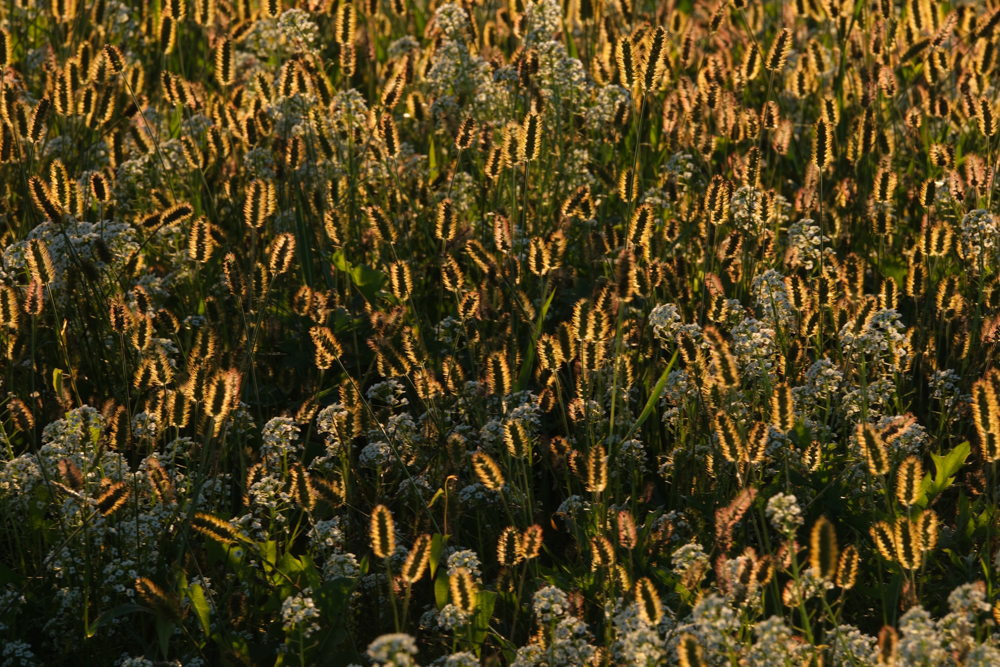










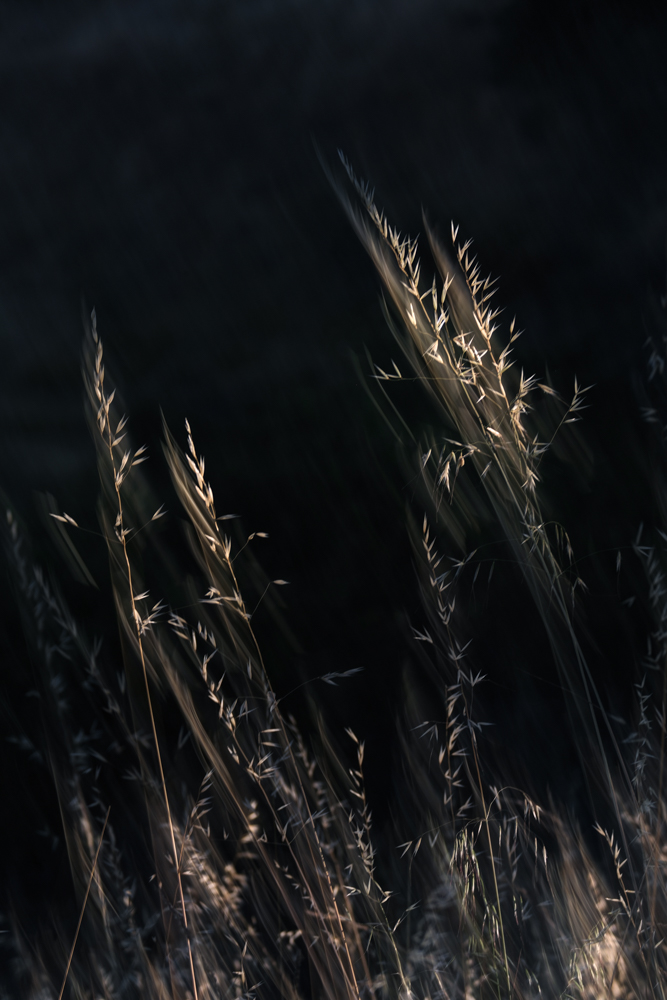
A tempting shimmer,
often bright and sometimes dimmer,
tiny twinkles, shiny flickers,
mighty seas of jolly glimmer,
gently waving in the wind,
often aligned, yet intertwined,
thin blades on fire,
in shades refined,
ensnare the mind,
tether the eyes,
mankind inclined
to stay right here,
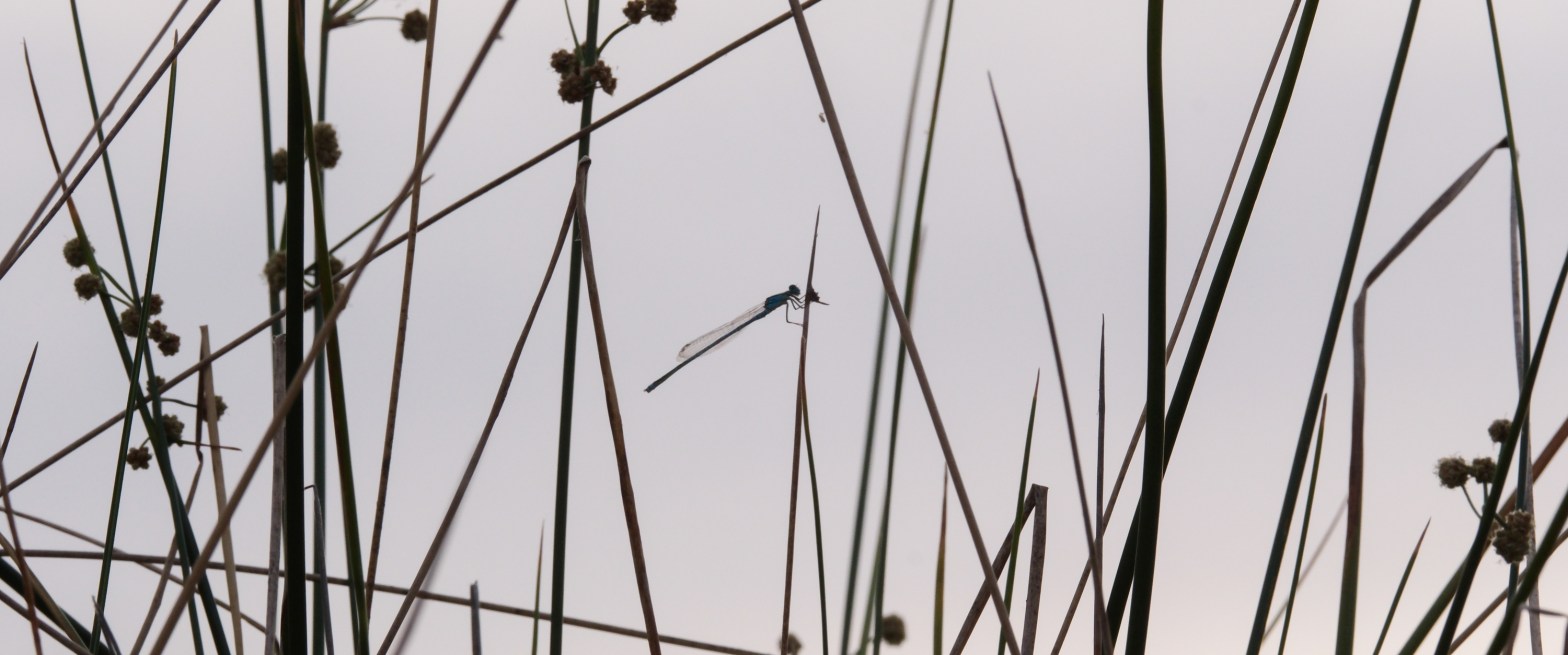
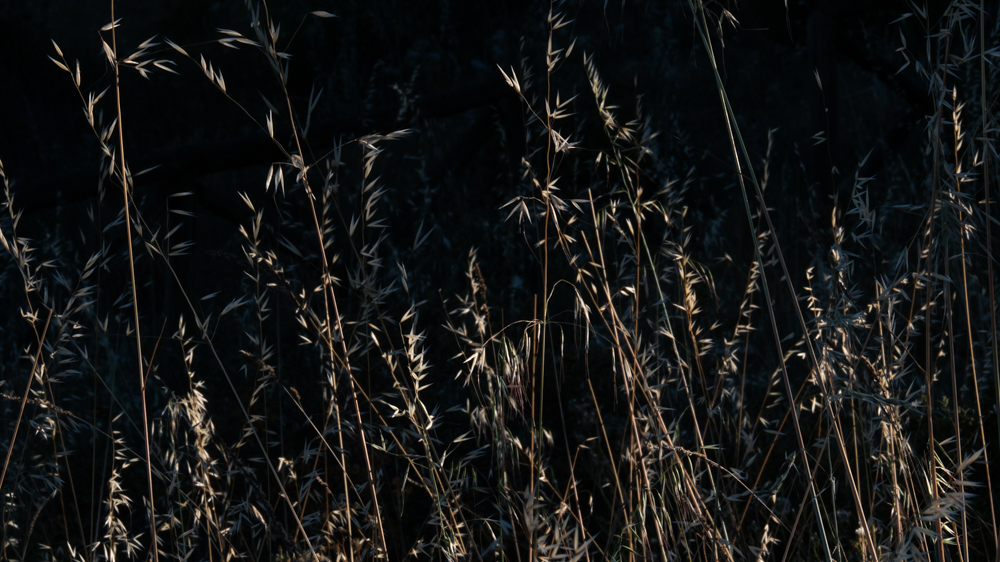
witness the rustling, bustling weeds,
small beads pinned by the sun,
a moment passes, all is gone.


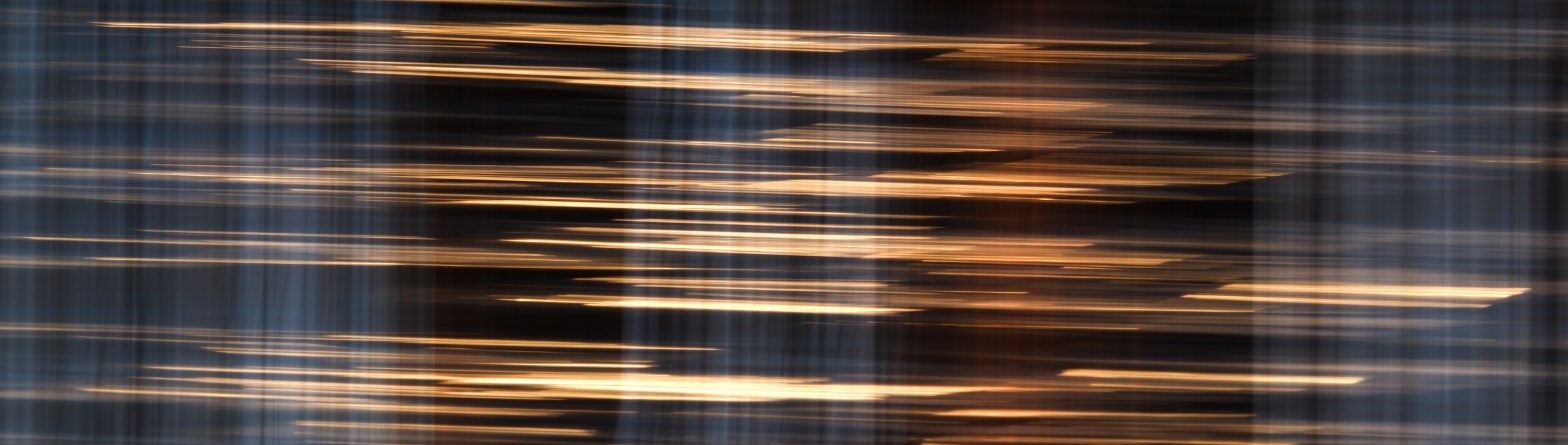


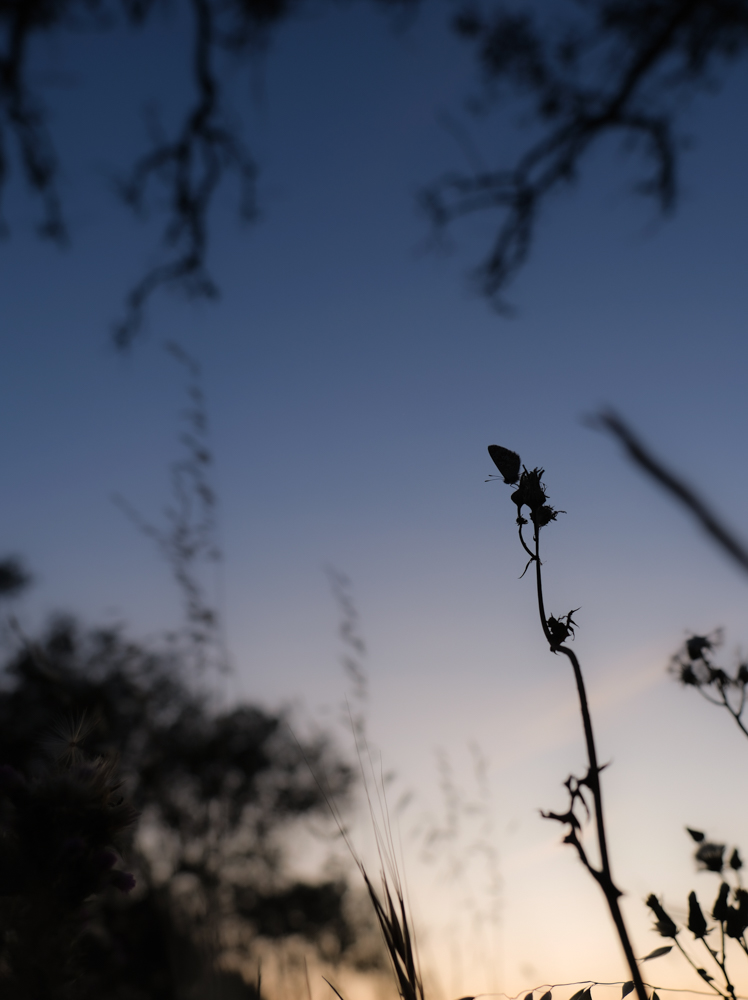

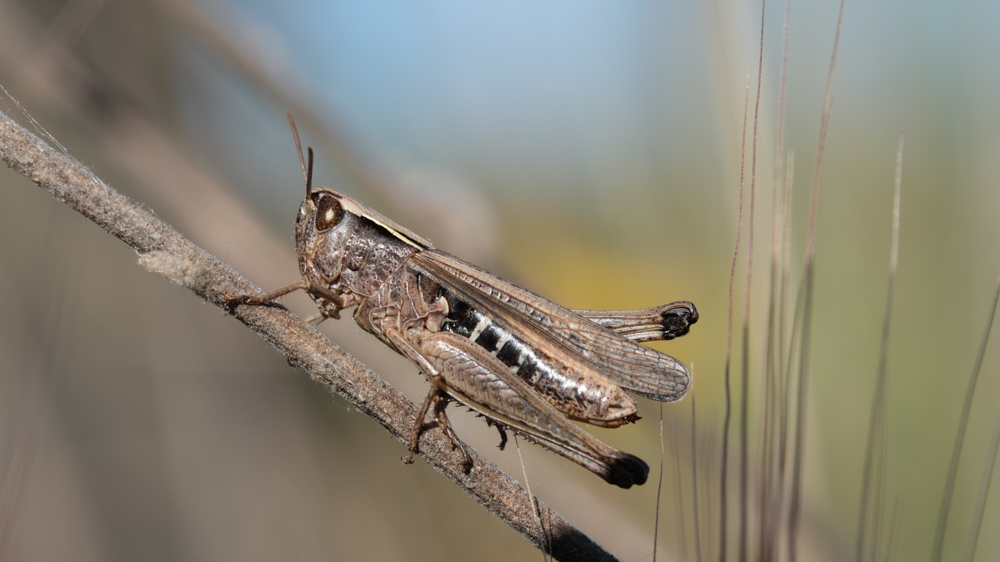
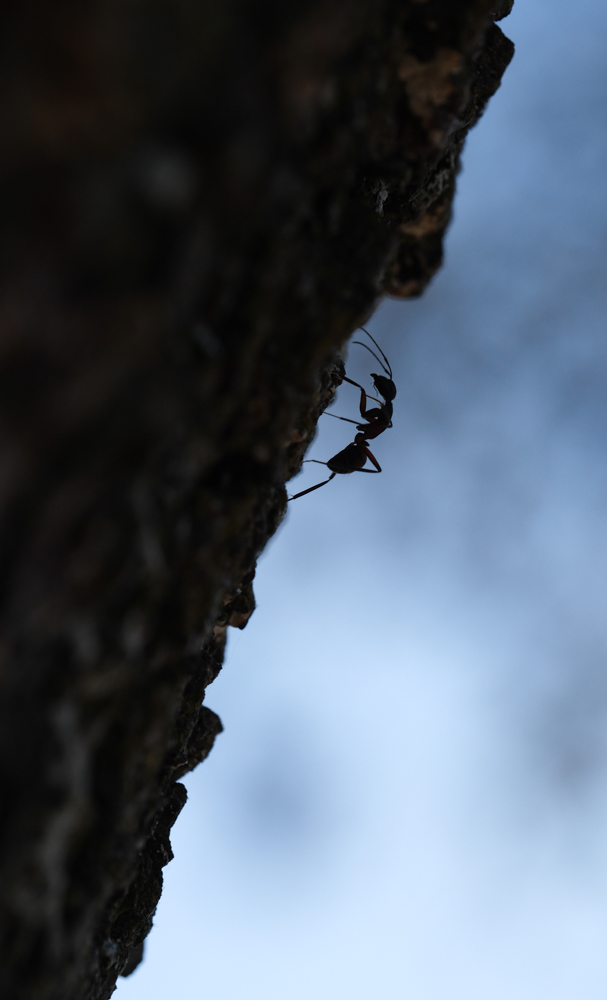
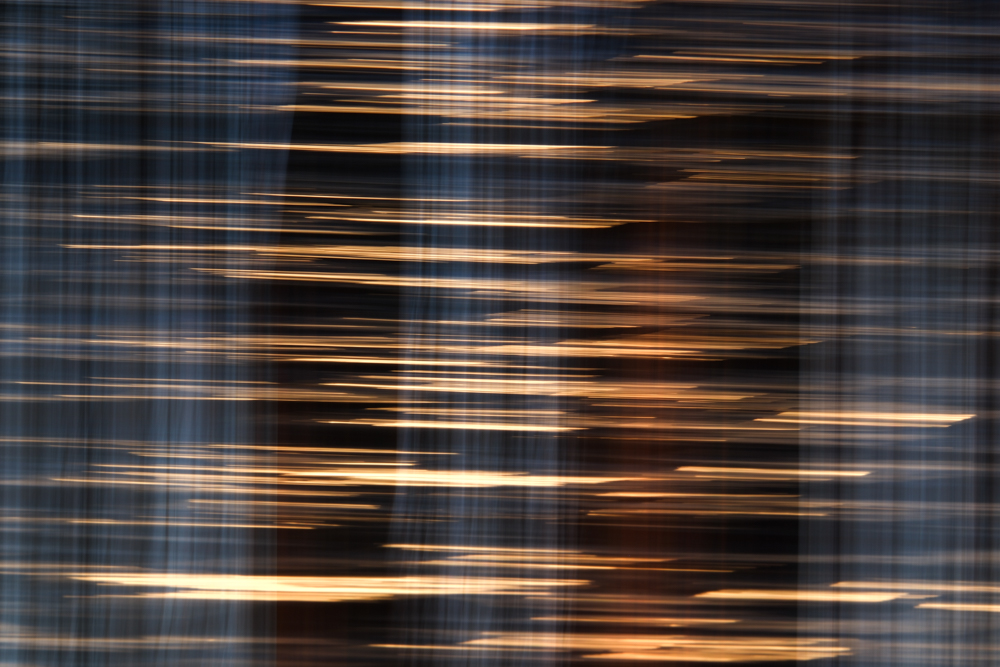

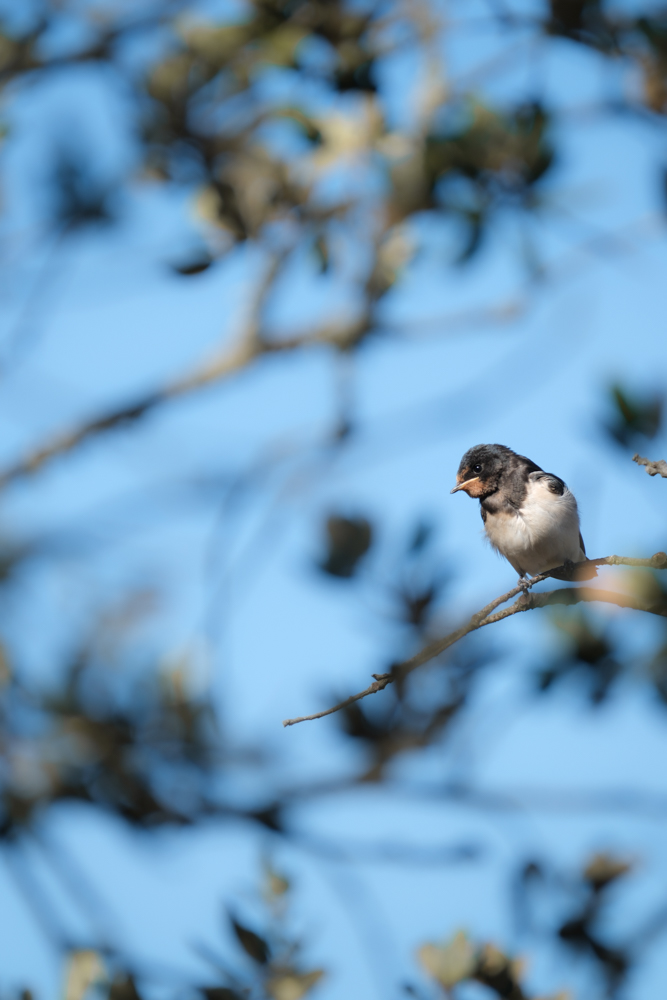
Perhaps I am lagging behind a little with my all my photographs from the long summer; some photo posts are incoming. Perhaps I am also happy to have so many photographs so that I can keep on writing posts even if I don’t produce new ones. And, perhaps, I need a new format to publish my photographs after all.

 Punkt im Dunkeln