Looking Right

The plumage arranged
and each feather exchanged,
while yonder awaits
those who ponder and wait,
as wings are awaiting blue skies.

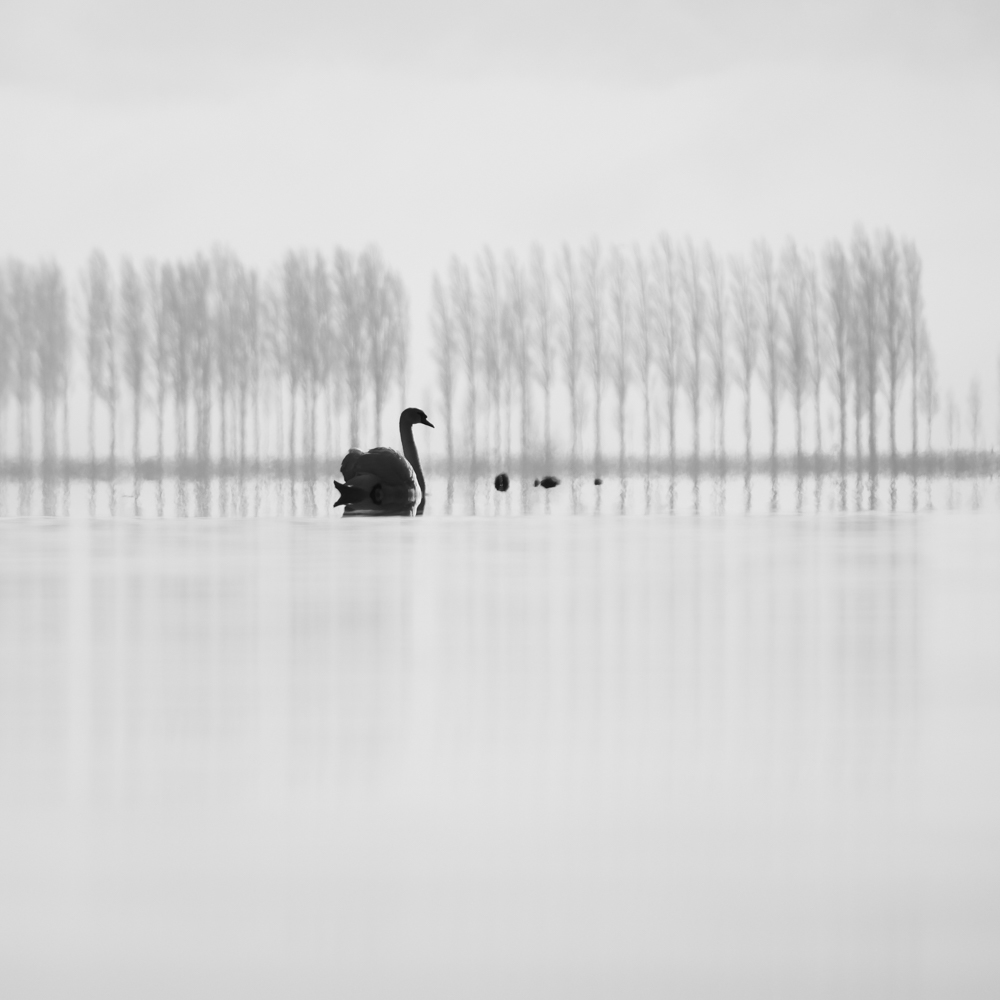



Enjoying nature and photography.

The plumage arranged
and each feather exchanged,
while yonder awaits
those who ponder and wait,
as wings are awaiting blue skies.

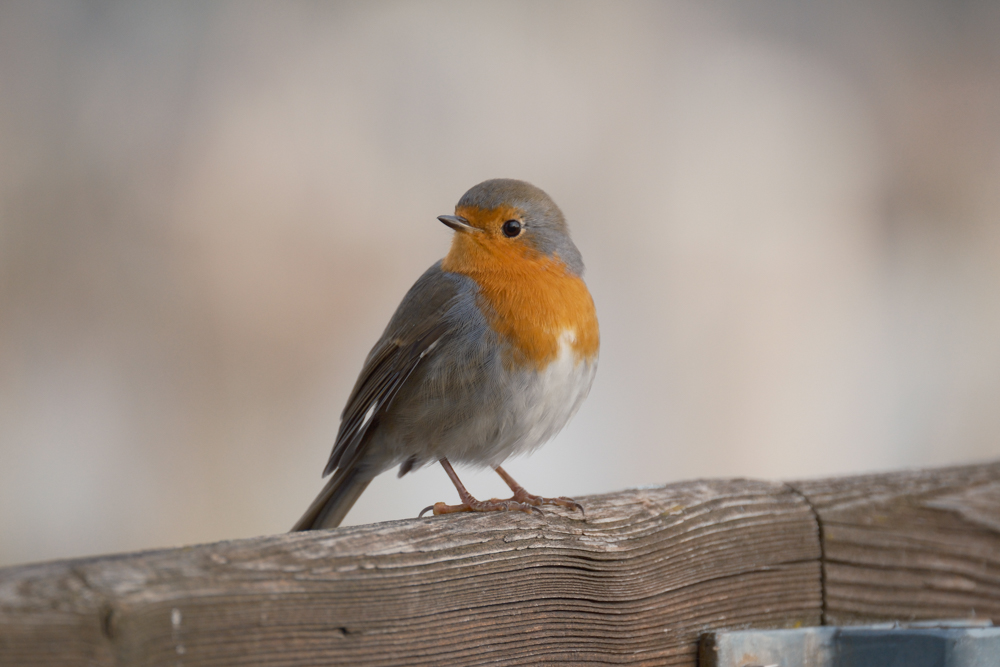
77 760 000 heart beats of a robin, 39 340 000 fallen leaves on the island dam, 9 072 000 heart beats for me, 246 000 migratory birds at lake constance, 17 300 people for democracy, 2398 lines of code, 830 kilometers on the bike, 462 hours of work, 91 sunrises, 35 bouldering sessions, and three full moons.
While we experienced the longest summer last year, from autumn to early spring felt like a single heartbeat. Is this a glimpse of the future?




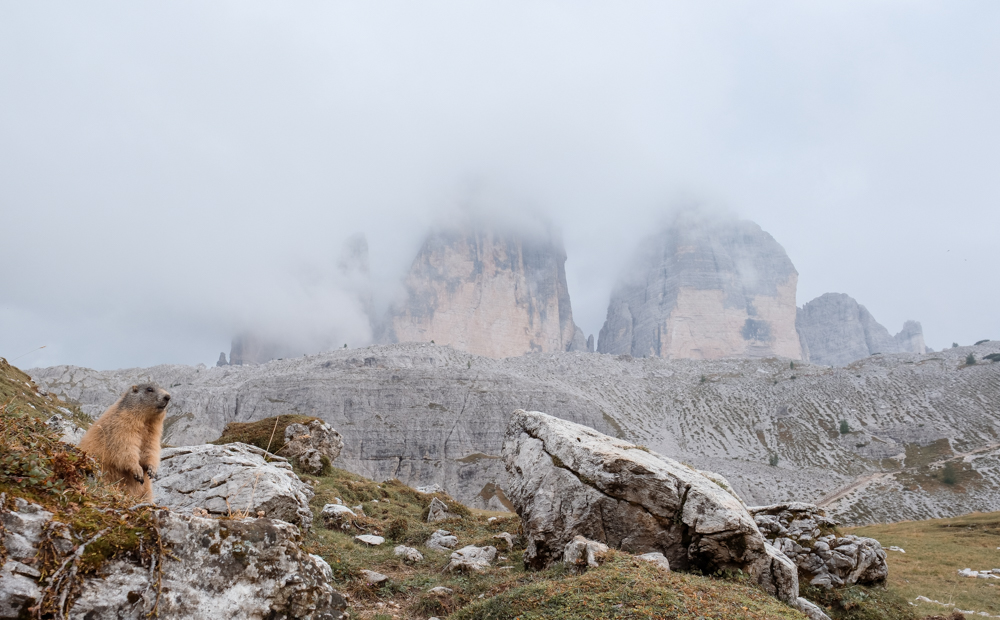
They swarm in hundreds from below,
trudge through the meadows in a row,
to infiltrate the sacred realm,
to irritate, to overwhelm
the residents below the sky
who simply sigh and shy away –
their habitat is in decay
because of mankind's holiday.


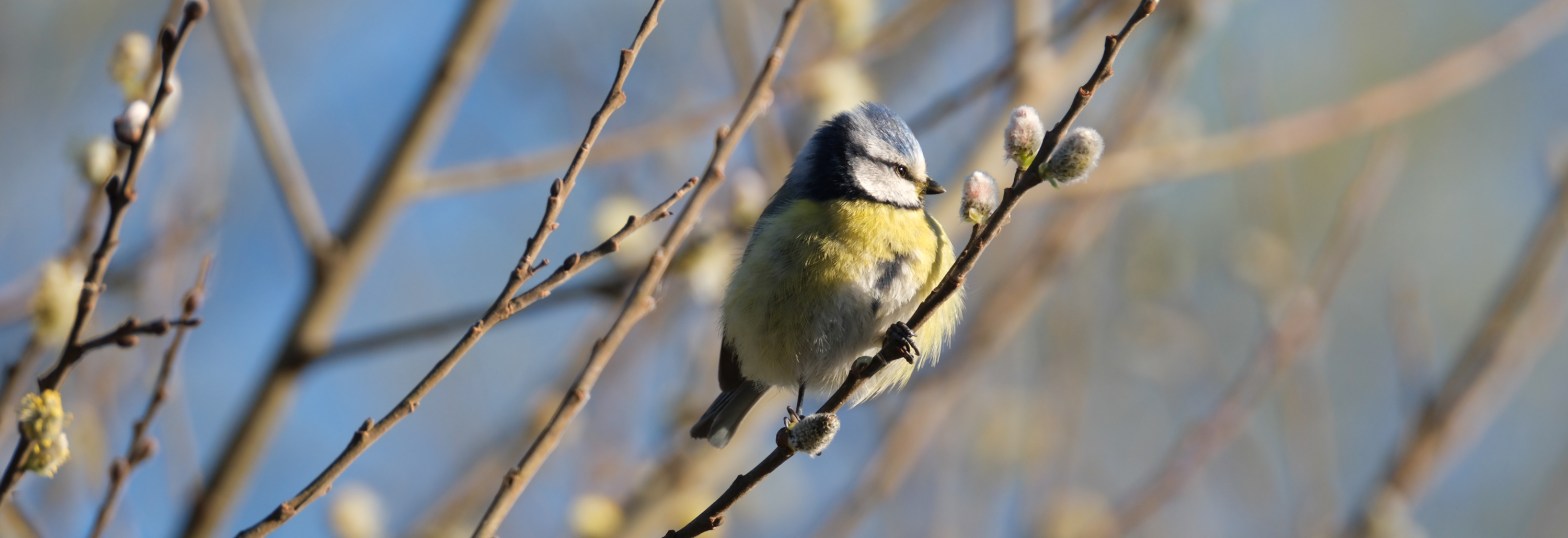
‘Lately, we have been photographing many birds – I even bought a used lens for wildlife, but I am still struggling to use it properly.’
This is how I started this blog post – more than three years ago. It should’ve been my second post ever, but for some reason I never finished it. Until now.
One of the most dominant groups of birds in our region are tits, grouped together into the taxonomic family of Paridae. Especially during winter time they are omnipresent and like to cause havoc at the feeding stations. Still, they are absolutely lovely: Little balls of fluff, chirping around non-stop, and always bouncing around between the branches faster than any camera can focus. In total the family comprises 63(!) species, scattered mostly across the northern hemisphere and some regions of Africa. Because of their noisy nature, North American representatives of the family are also referred to as chickadees.

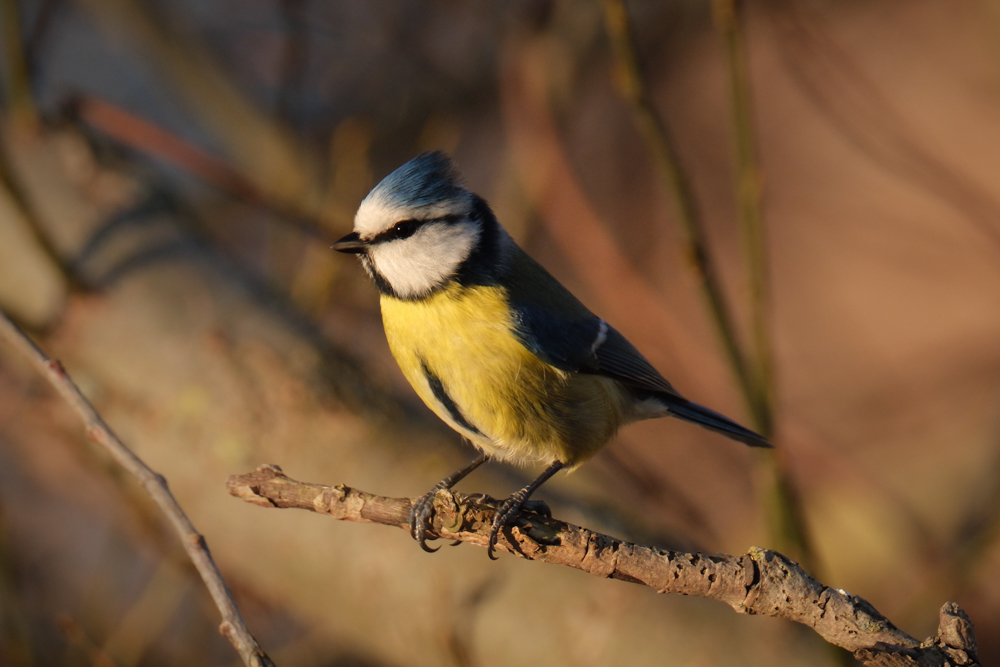
In Europe alone, there are great tits (Kohlmeisen), eurasian blue tits (Blaumeisen), marsh tits (Sumpfmeisen), coal tits (Tannenmeisen), willow tits (Weidenmeisen), and crested tits (Haubenmeisen). And for each of them, there are often close relatives in other geographic regions. For example, eurasian blue tits belong to the genus of Cyanistes which they share with african blue tits (Northern Africa and Canary Islands) and azure tits (parts of Asia); especially the latter are beautiful, check them out.
For some species, the classification as a tit came rather late due to their unusual appearance and habits: For example, ground tits and sultan tits have very distinct visuals and characteristics and were only included after analyzing their genomes. And to this date the debate about their exact systematics is still ongoing.

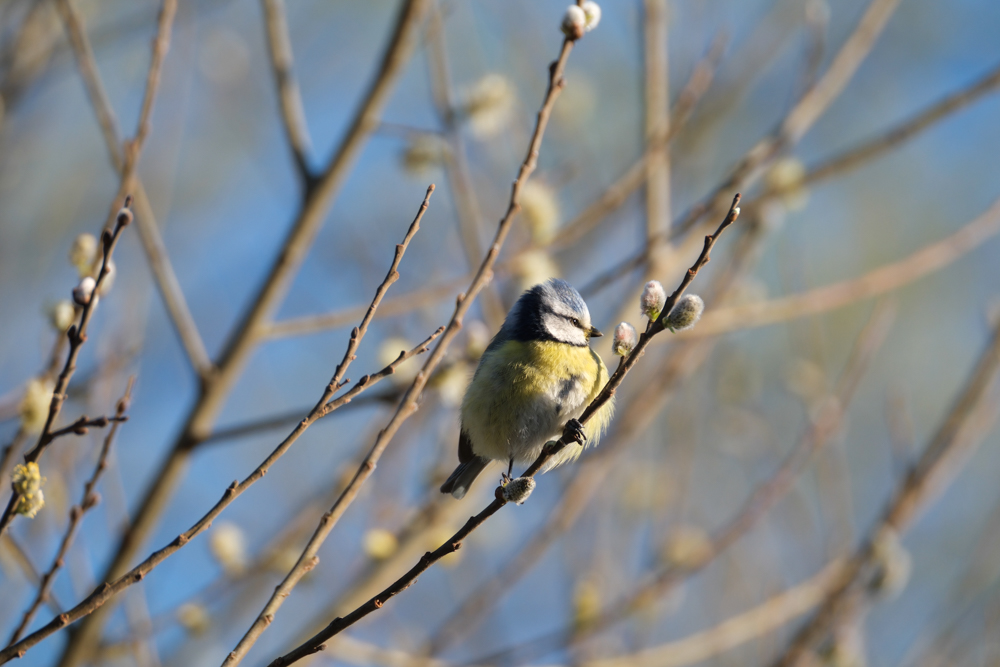

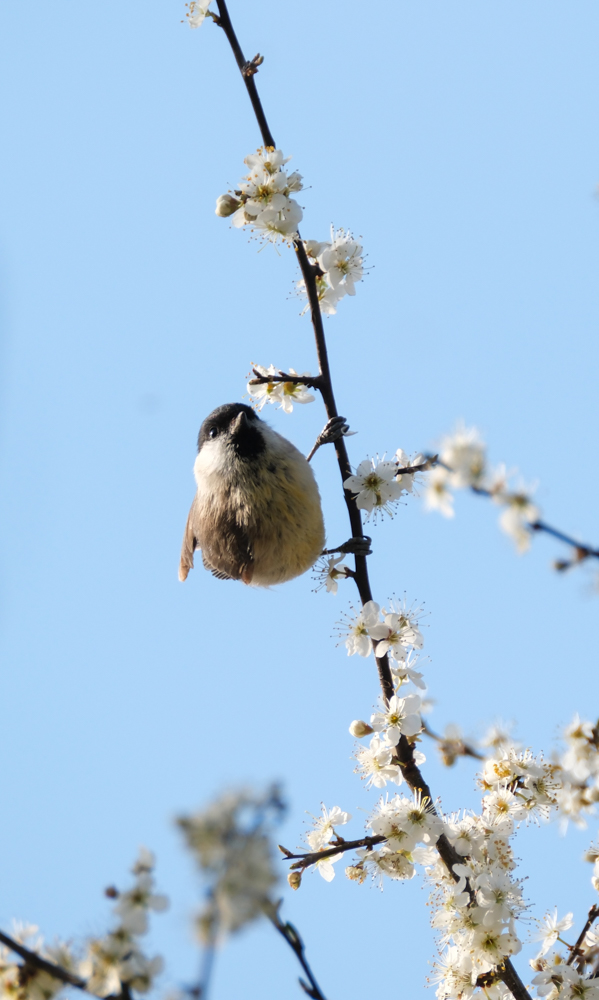
I also just recently discovered that our favorites, the long-tailed tits (Schwanzmeisen), taxonomically don’t even belong to the family of Paridae – and neither do penduline tits (Beutelmeisen) nor bearded seedlings (Bartmeisen)! We saw the latter just last autumn for the first time, check it out here. Thus, despite their deceptive German names they do not share a common ancestry with other tits inside the family of Paridae. Furthermore, penduline tits are sadly extinct in our region anyways and the last sighting of their nest in our region is already more than 7 years ago).
For more information I suggest you check out birdsoftheworld.org.
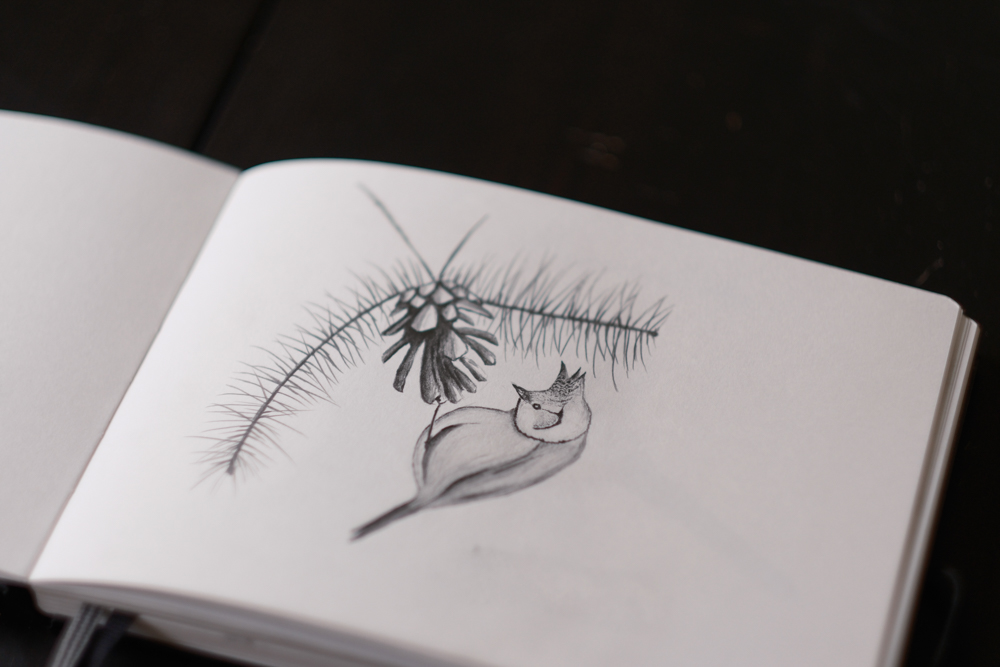
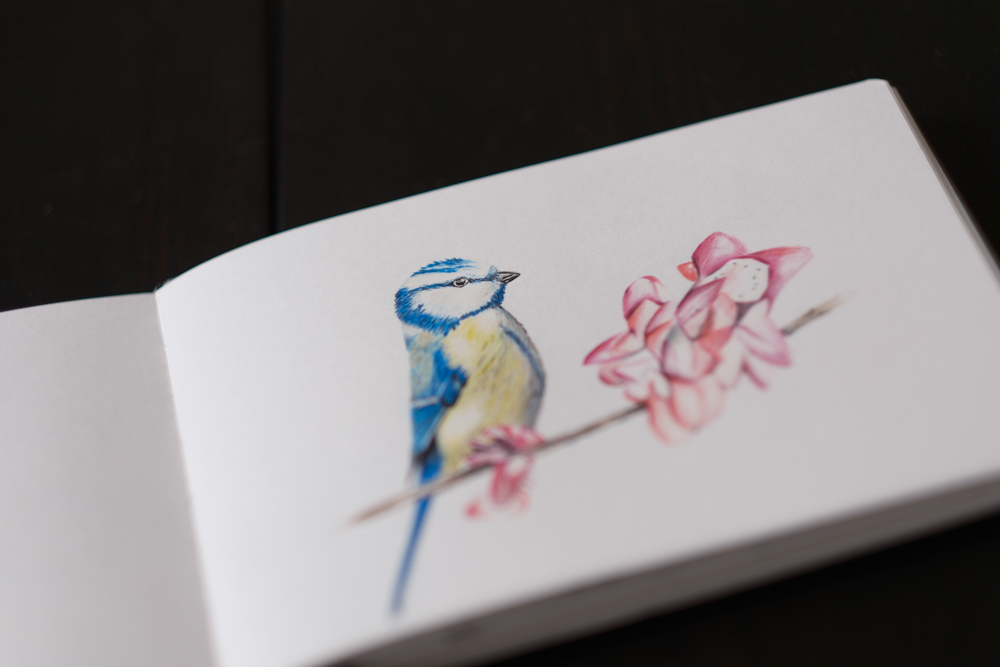
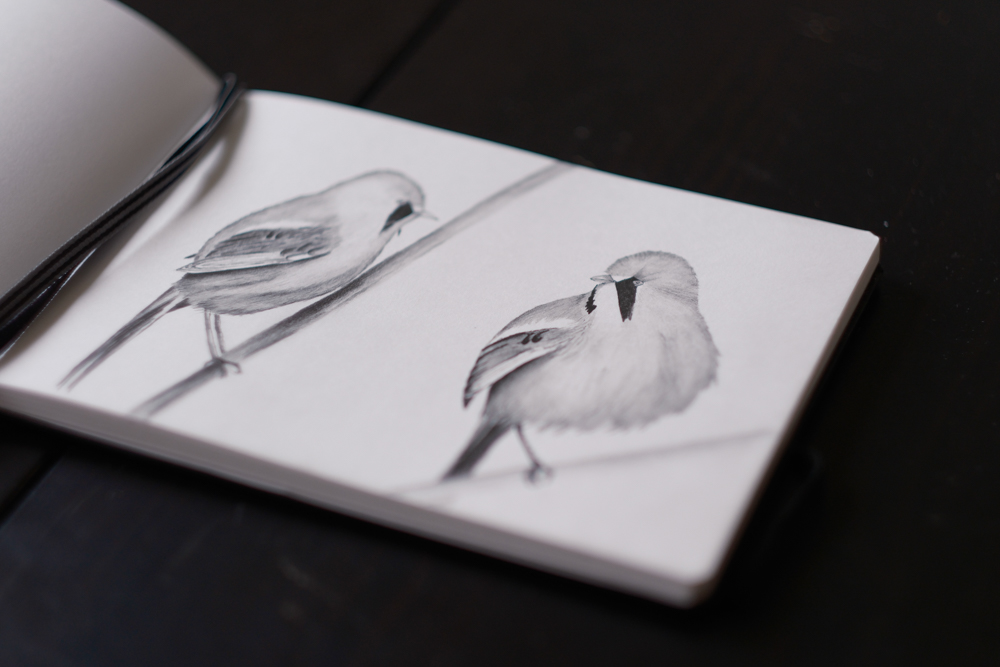
Drawn to the void inside
alloyed by sweat and tears,
in search for heavy feet
and pure joy on repeat.
I only fear the laziness
while trying to escape the years
to find instead the emptiness
out there, wide landscapes all around,
a place where thoughts do have no doubt.




Go and check out https://matthiasblanke.github.io/MunroStats/
There are many Mountains in the UK and Ireland; but especially Scotland has all of the high peaks. A refined classification system categorizes all British hills based on their height and drop (also called prominence).
The Munros are the highest ones: A Munro is a Scottish Mountain with a height above 3000 feet that has a ‘distinct’ peak. Currently, there are 282 official Munro mountains, see also here. All other Scottish Peaks with a height above 3000 feet that are not considered to be a Munro are called Munro Tops.
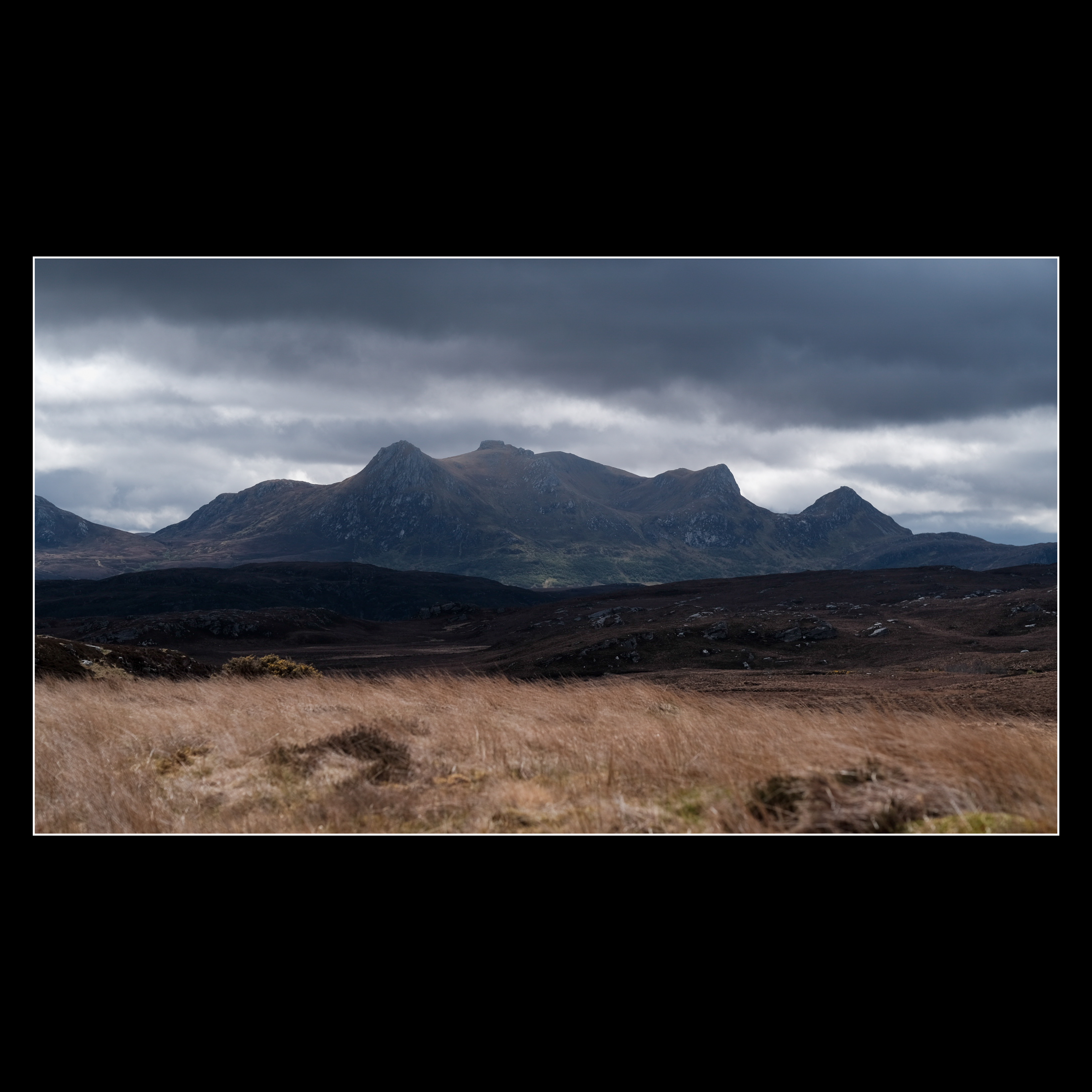
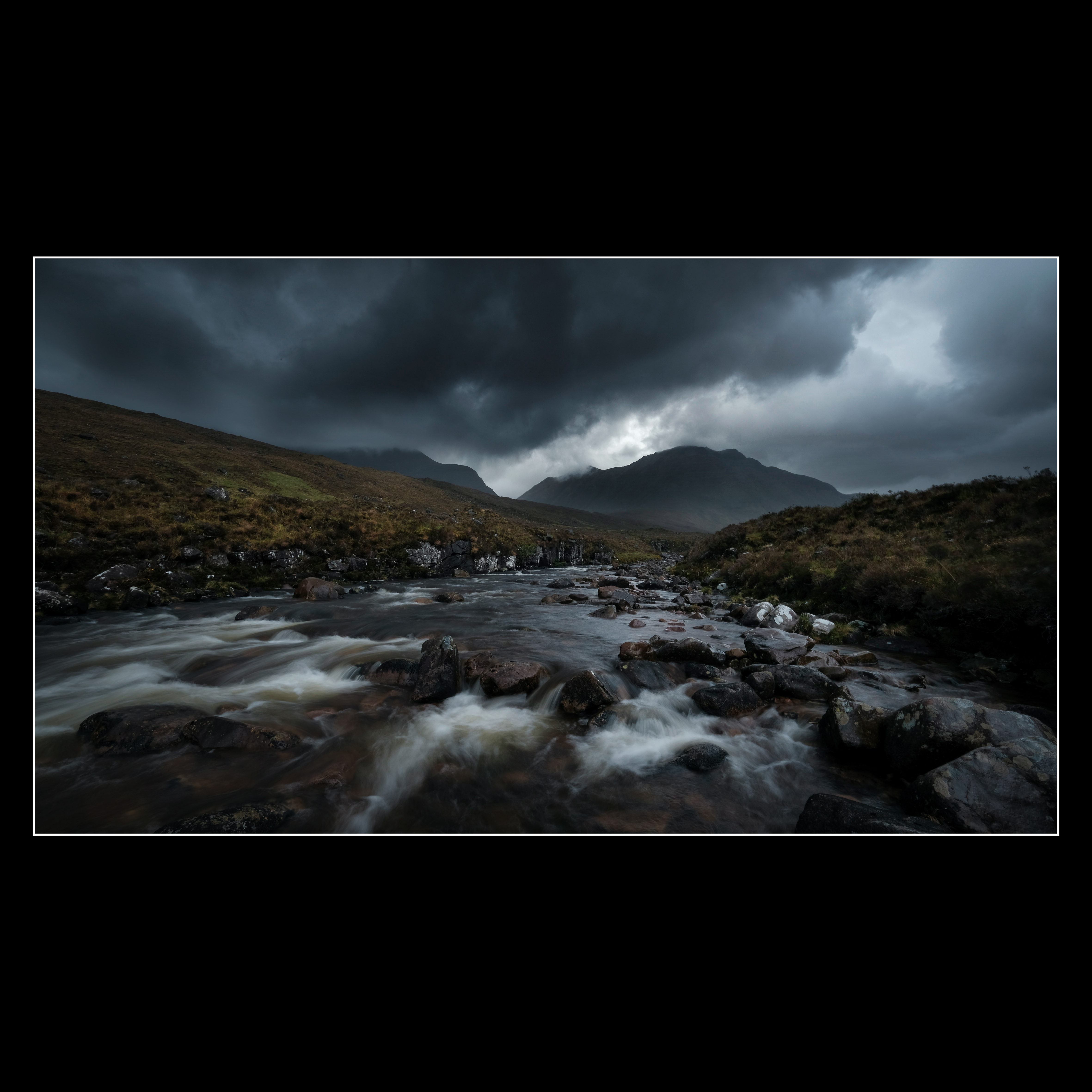
When we visited Scotland this year (actually it was 2022, but this post has been in the pipeline since), I was quite intrigued by these mountains. But where are they? How high are they? Which one is the highest one? Which one barely passes the 3000 feet threshold?

A little googling yields this excellent MunroMap that shows where all Munros are located in Scotland. Then, there is the Hill Bagging website where you can track your own progress on your pursuit to scale them all. There is also this wonderful blog post about the distribution of Munro mountains across different regions in Scotland. And lastly, the database of British and Irish hills gives comprehensive tabular data.
This encouraged me to do a little side project: I took (parts of) the data and visualized the location of all Munros as well as further hill types, as well as their height distribution compared to their drop. On the map you can also check out their prominence. It was a nice intro into learning Vue.js and also get started with d3js, but there is lots more to learn; so maybe there will be a second post soon.

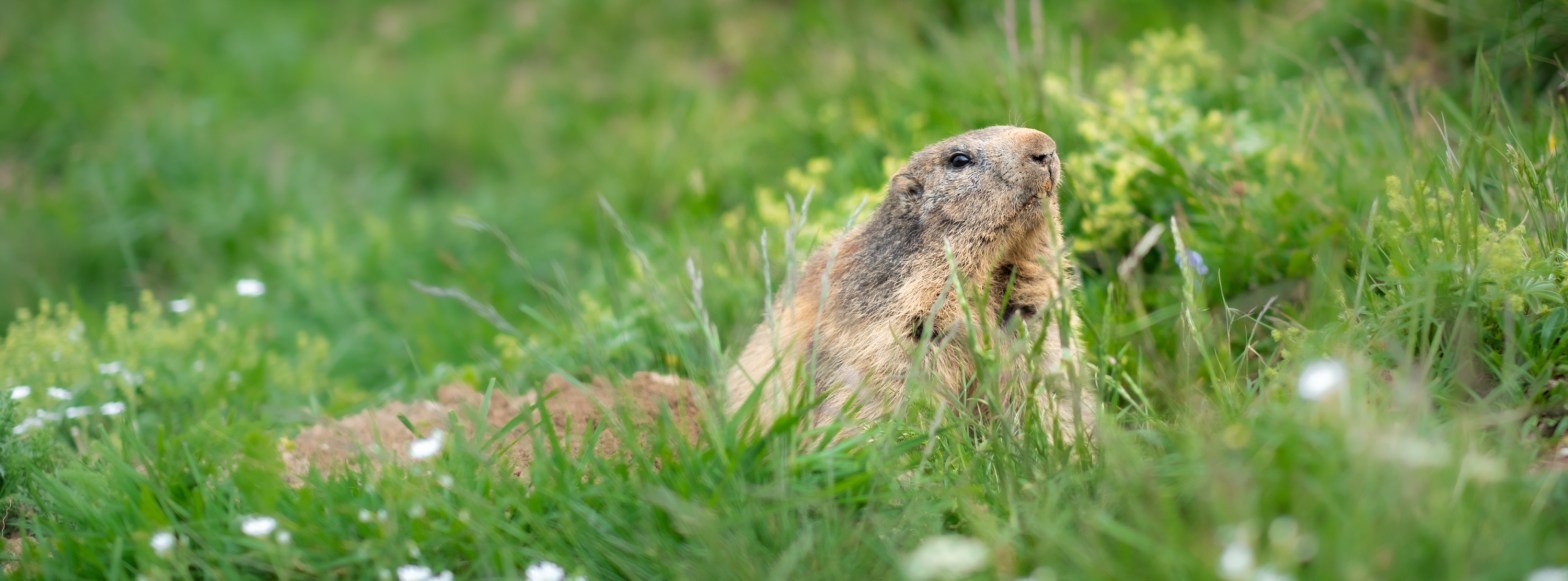
Two marmots twist
until one bails,
an Ibex roams
across the trails,
sweet memories
so long ago
do only grow.


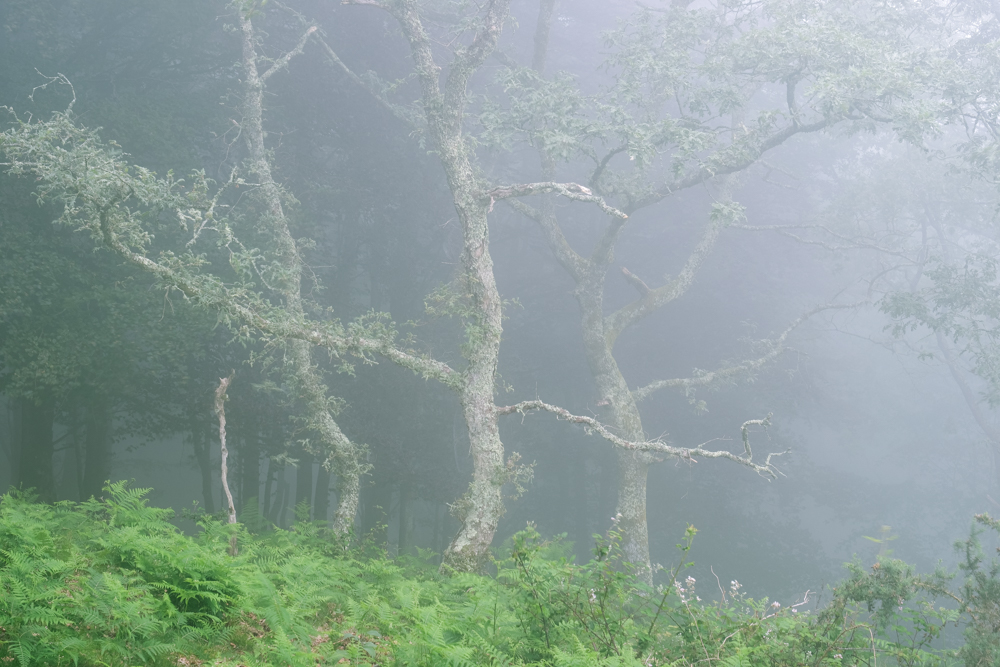
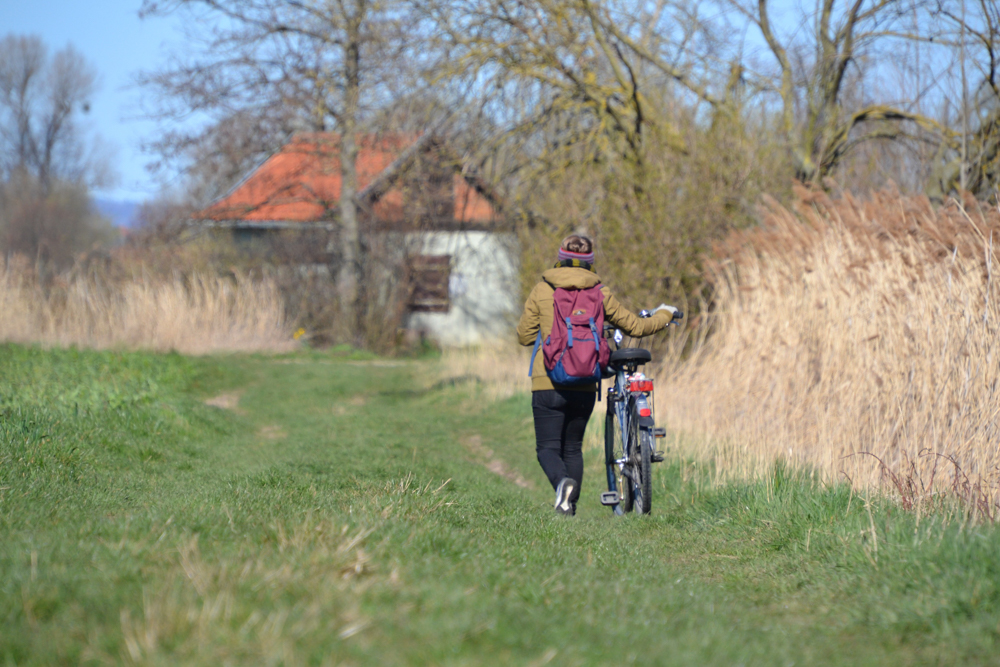
Our island has plenty to offer: A vibrant tourist season, tranquility in winter, lovely walking trails and well-developed cycling paths, magical sunsets, and water all around that causes foggy mornings and provides habitat for many marine birds. What it doesn’t offer are woodlands. Before, I would often take my bike and drive to the woods, to wander around, to get lost between the trees, and admire their age and wisdom. Woodlands are soothing; they absorb stress. So it’s about time that I start to explore the woods on the mainland – just beyond the watery boundaries of our new home.


A brief break
to take a breath,
a brake in life
to take a step
back, two steps
onwards,
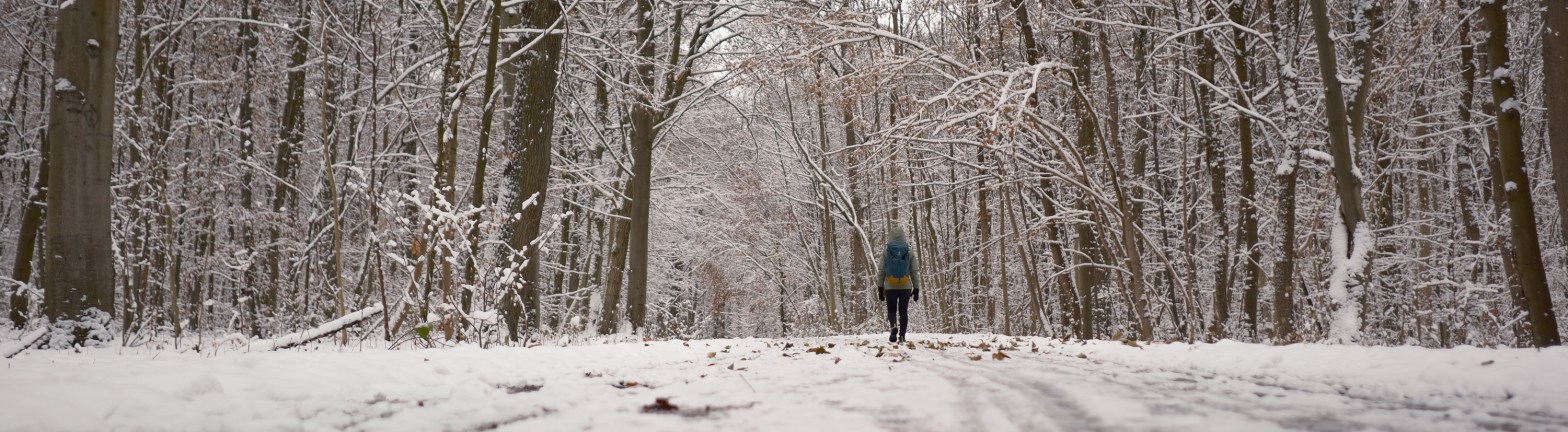
as soon awaits the biting cold –
so, take your skates,
roll out and trust:
yourself,
and the ice shelf,
through faded sceneries
where bare trees house
jaded starlings
left alone
within the snow,
I am still watching, though,
behind the door,
while the world awaits outside.



Halb acht, die Nacht vorbei,
der Tag erwacht,
du bist dabei,
die Dunkelheit wird weggefegt,
Trübsal vergeht wenn man aufsteht
mir dir,
mein Kopf verdreht
von dir,
der Alltag lacht
dank dir,
schier unfassbare Lust
zu lieben, leben, hier zu sein,
Frust weicht,
mir scheint
mir gehts ganz gut,
mir scheint
dir auch – das tut ganz gut,
just keine Zeit reicht aus
mit dir im Haus,
ich glaub durchaus
da wird was draus.





 Punkt im Dunkeln