In a hectic world where time is measured exactly and partitioned carefully, boredom has become uncommon. Days are planned precisely, work is scheduled tightly, and everyone is his own Scrum master in the evening. Not many hobbies require as much patience as photography: Visiting the same locations over and over, waiting for the right moments repeatedly, or: getting that one picture of a mid-air dragonfly.
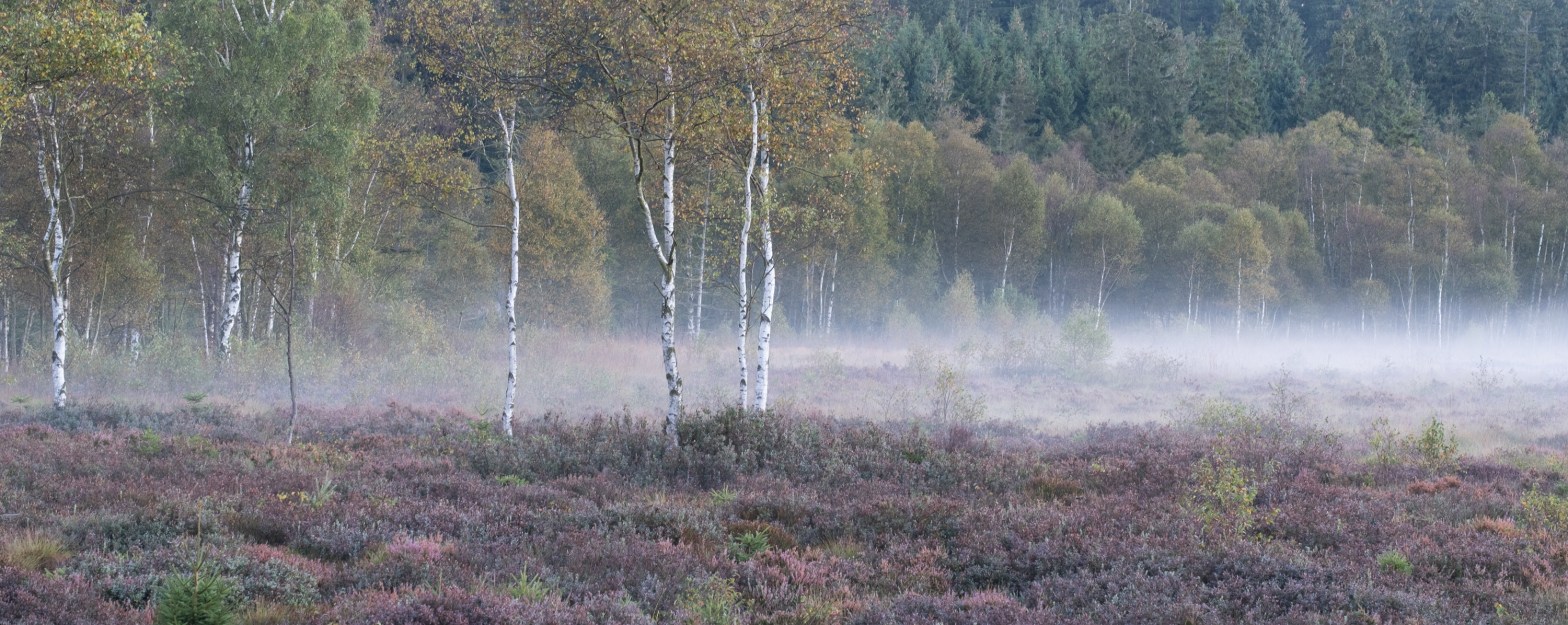
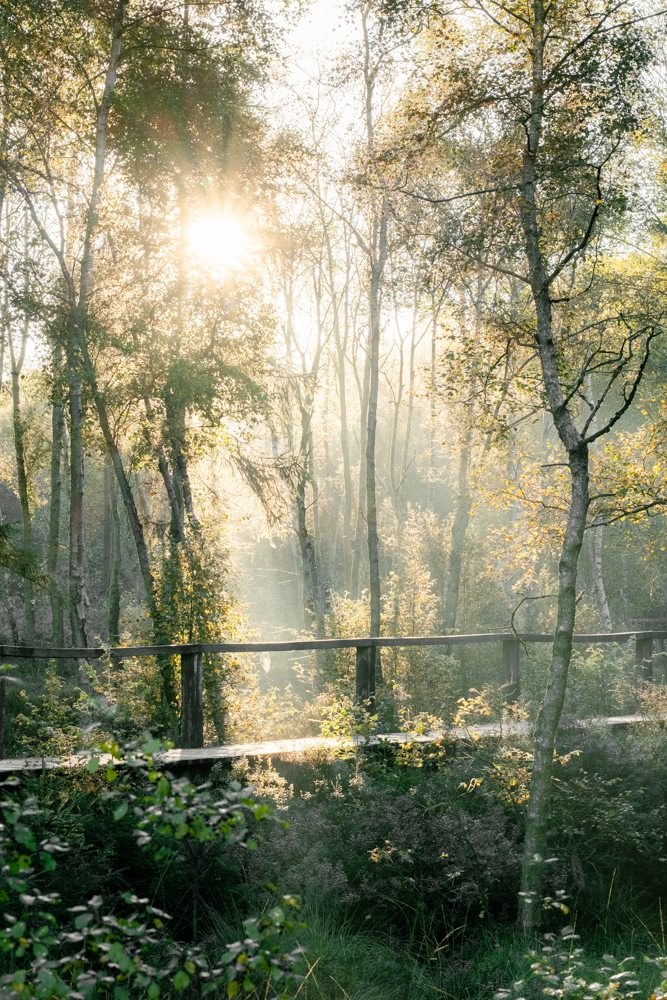
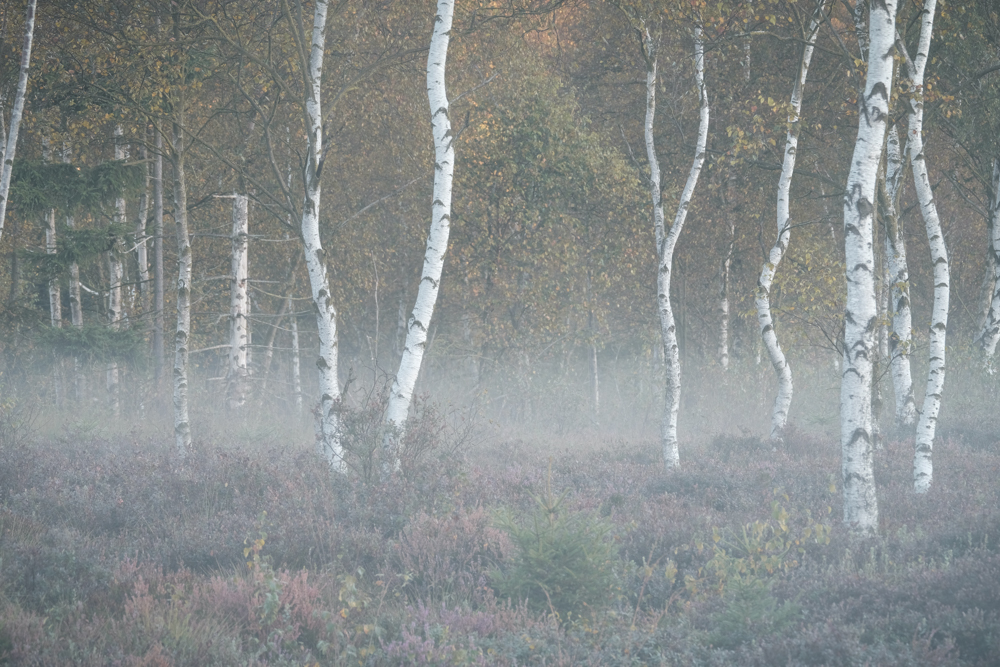
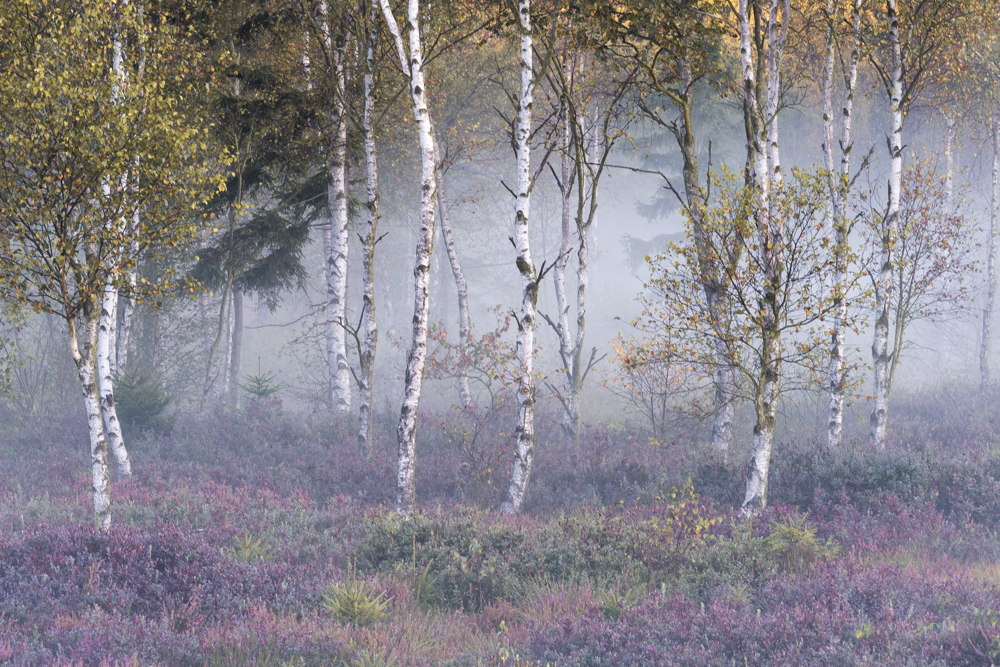
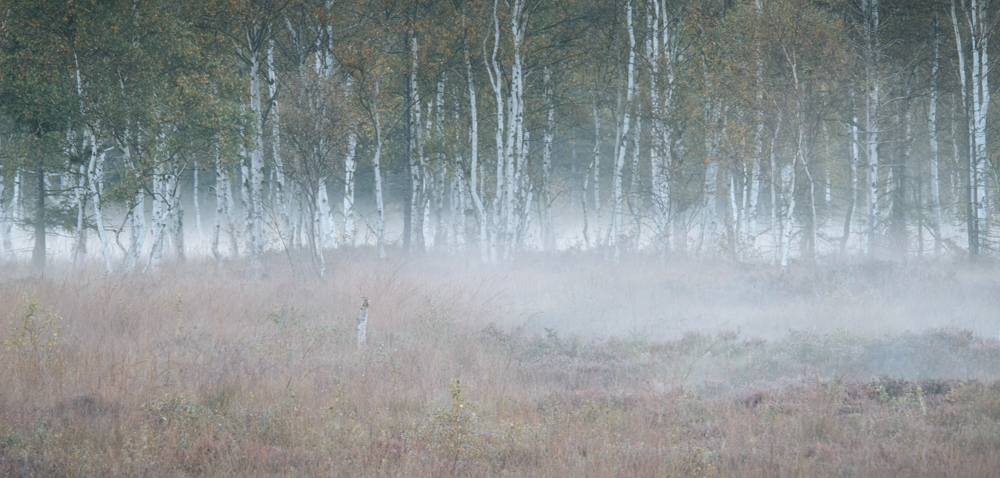
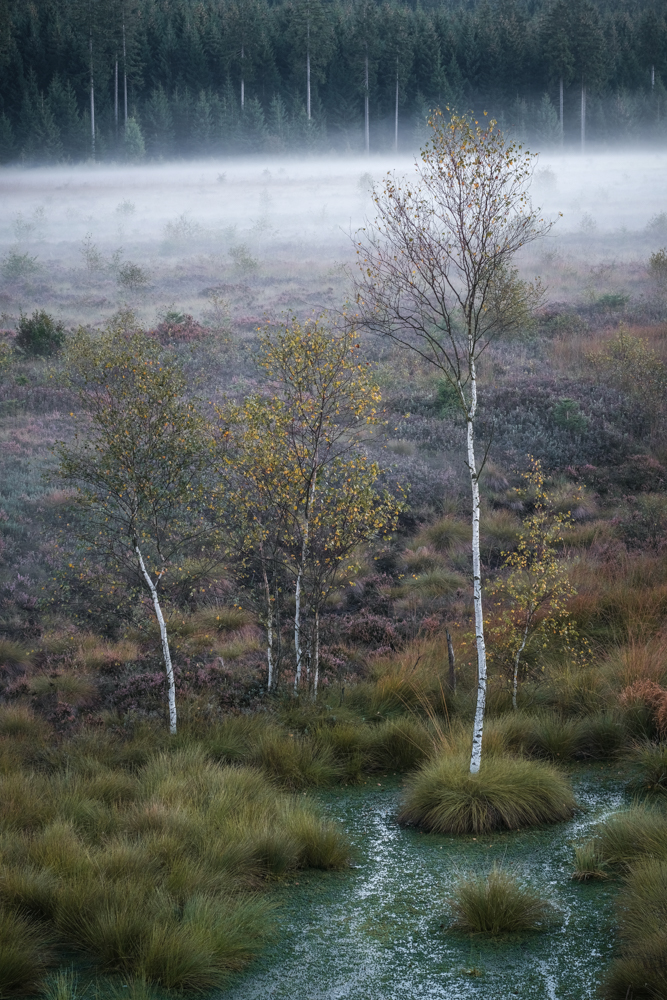
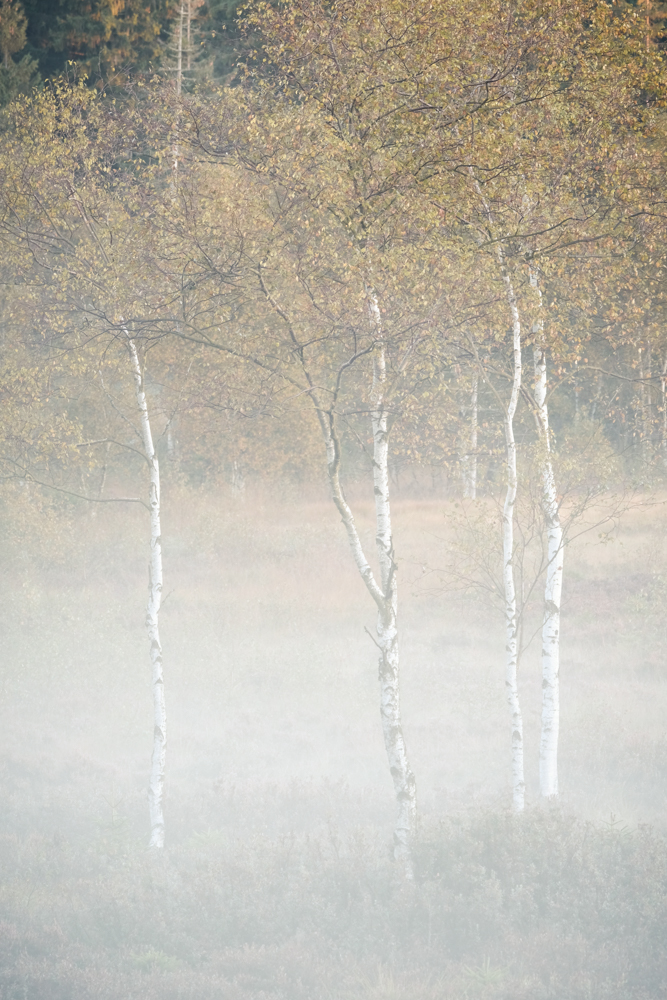
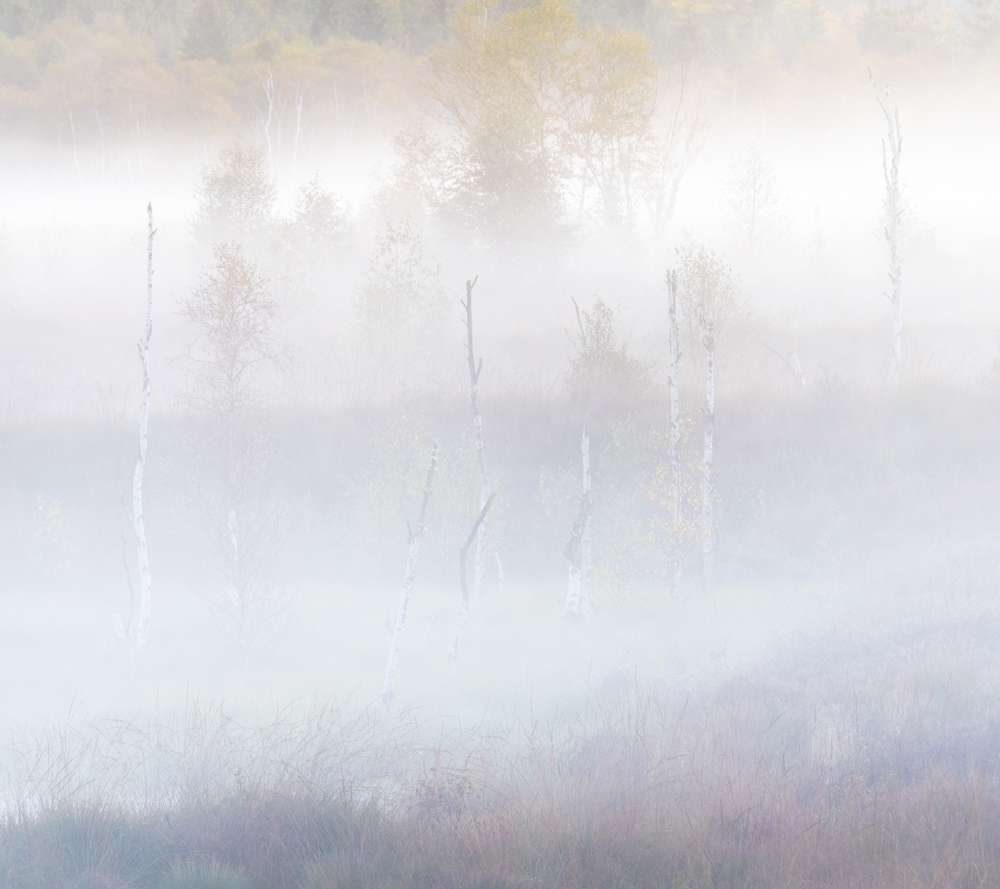
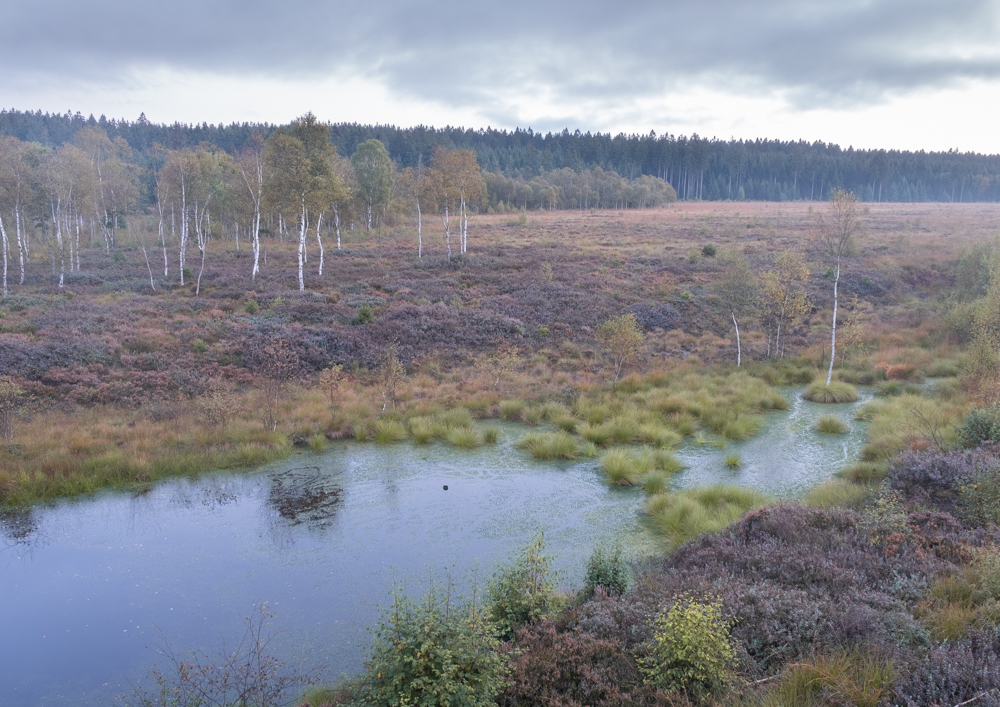
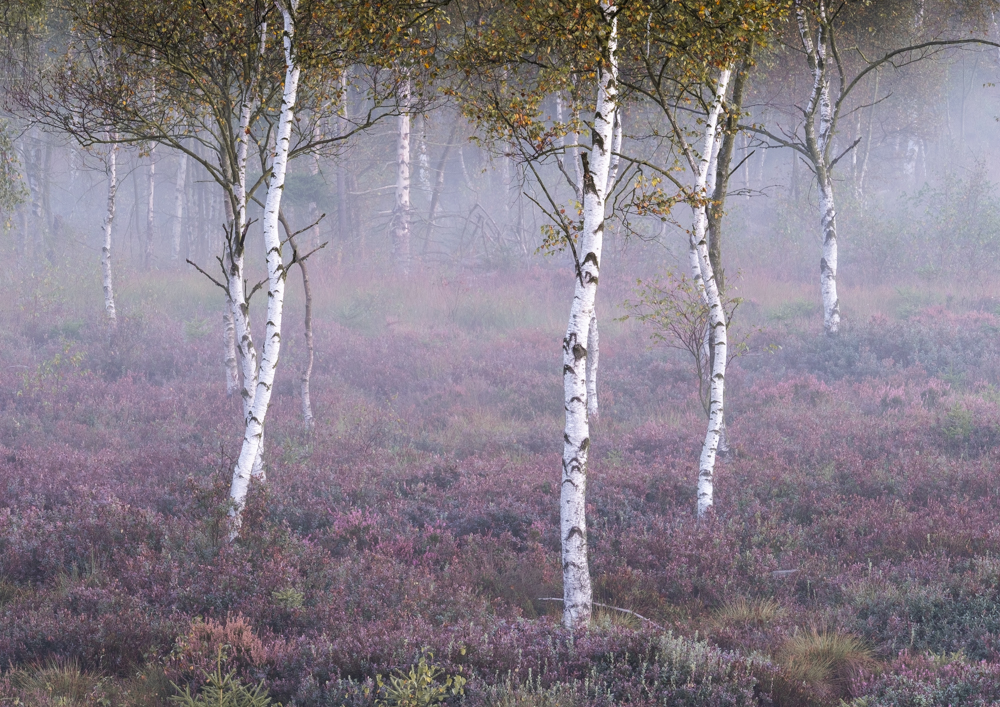
The scene: A large glade within the swamp, stretching under the moon-lit sky. The actors: Multiple deer, hidden between the trees, rutting season has begun; a group of motionless birches, leaves turning yellow. The director: Fog, shaping the landscape, constantly changing the stage.
Boulder grades are confusing. In the french system, difficulties are marked with numbers and letters: Starting from 1, the easiest grade, increasing numbers represent increasing difficulties up until 9. From grade 6 on, however, every difficulty is again split into three parts. For example, the 6th grade is split into 6A, 6B, 6C, from easy to hard. For even better resolution, a plus sign is appended if the problem is in between grades, such as 7B+ (more difficult than 7B, but not difficult enough for a 7C). And then there are multiple other systems besides the french one which cannot be mapped exactly to one another. Currently, the two hardest boulders on this planet are rated as 9A, but only few people have ever even climbed 8C, let alone 8C+.
The first time I went outside, I barely could climb a 6A let alone higher grades. Coming from indoor bouldering, outdoor rock required skills I never learned before. I was in awe of a 7A boulder that I deemed nearly impossible. And I set it as my goal to climb this boulder, one day in the far future.
Back then, it took me more than 1.5 years, but I finally managed it. After many visits and countless hours. After visiting it in hot summer and during cold winter. I knew every intimate detail of the rock, every dent and bulge, every sharp corner. But on this one day, not anymore in the far future, I just did it – and I was happy.
At least for this short moment on top. Until the thoughts crept in: Is it enough? Is this really what I wished for? Have I reached my ultimate goal in bouldering? This insignificant piece of rock, hidden in the forest that I discovered one day, which captured my mind since? And I realized, it’s not.
I chose another block, just 5 minutes further down the trail: A 7B that I considered out of my possibilities during all the other visits. And the cycle repeated. I topped it a year later, followed by my next project: the 7C I never imagined. Which I also topped another year later, followed by the mysterious grade of 8A. Now, on and off, my goal since three years.
But by now, I am afraid of doing it.
Since three years it feels like this is the one and ultimate goal I have: A grade I never could have imagined. A grade, where it’s possible to count all its boulders in the whole north of Germany with two hands. What happens if I reach it? Will it be as with all the other goals? Happy for a short minute before the next goal comes into sight and the struggle begins all over?
When is enough enough?
When can I be satisfied?
This pattern is not limited to bouldering. I struggle to do something just for the sake of doing it. Instead, I continuously set higher and more difficult goals, compare myself to everybody else, compare myself to future me. On the one side, the goals help because they keep me engaged and push me to my limits. Even beyond my limits. But they also entail inevitable failure. They represent a never ending quest without an end. There will be some goal I set and never reach. The one photo I can never get, the efficient algorithm I’ll never find, the last boulder on my list. Maybe it’s the 8A, maybe an 8A+; either way, it’s guaranteed that I will never reach it: the last goal.
The following photos would also fit in a ‘lockdown’ series. But even without any current restrictions I was lacking time and motivation to go much outside lately, thus, here are some pictures only from within our flat.
Life is noisy. Life is messy. A multitude of signals are integrated by helpless minds, every single second. A constant flow of data, reverberating in 1s and 0s, creating and reflecting our thoughts. Sampled from a skewed universe. Our minds adapt and infer non-existing structure. We adapt; we adjust. We tune all variables life has to offer: too many. The big picture gets obscured, the decision functions too specific. Abstraction is our minds biggest achievement, and humanities major difficulty. While algorithms need more data to overcome the overfitting, I guess we need less.
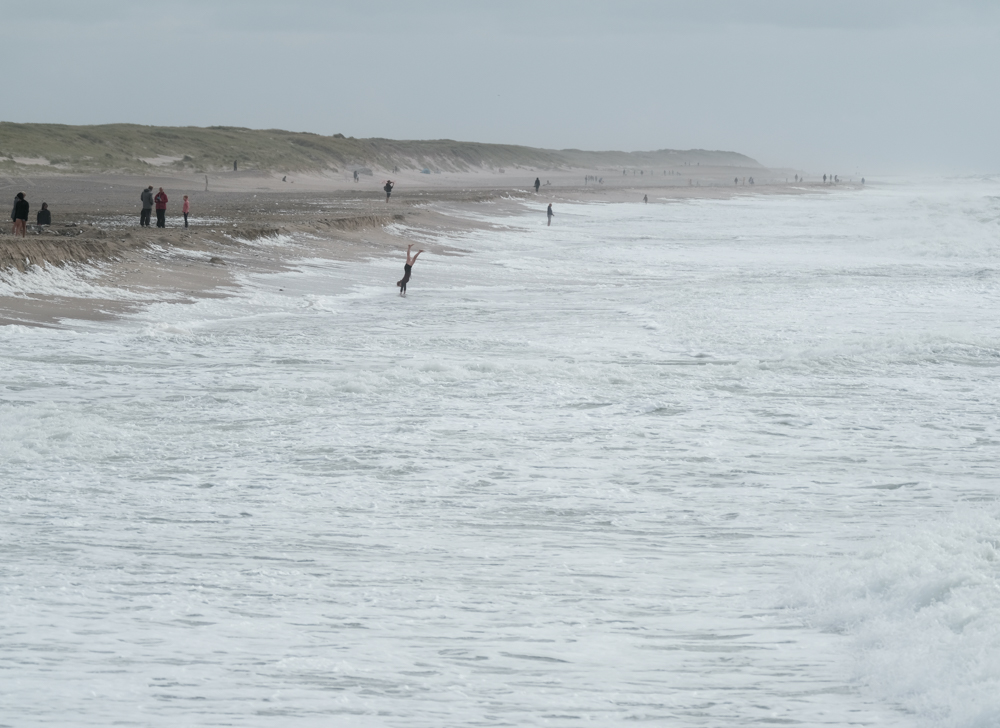
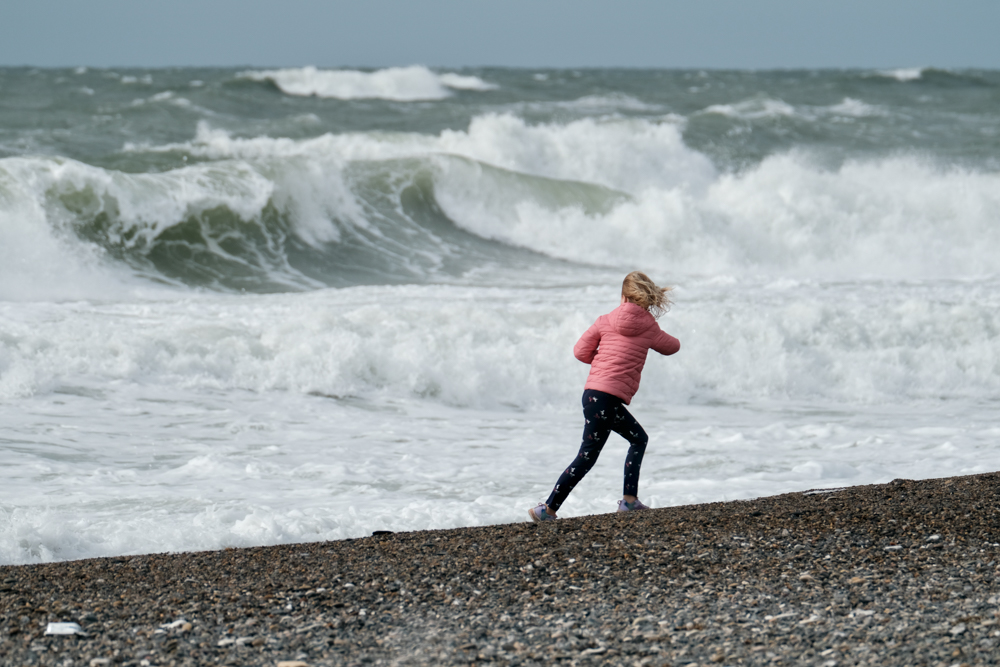
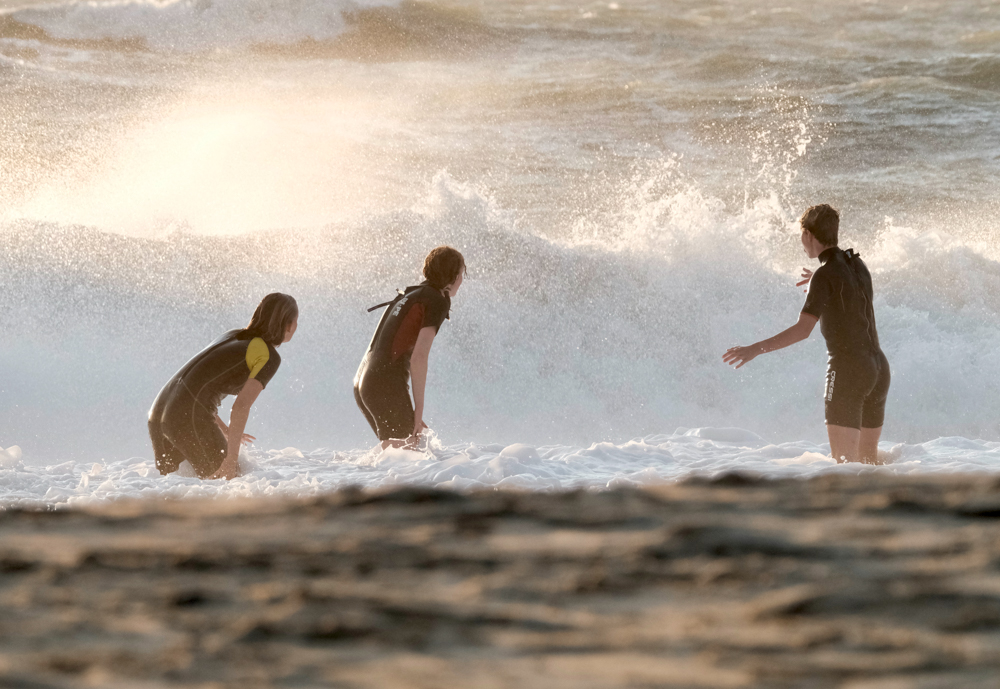
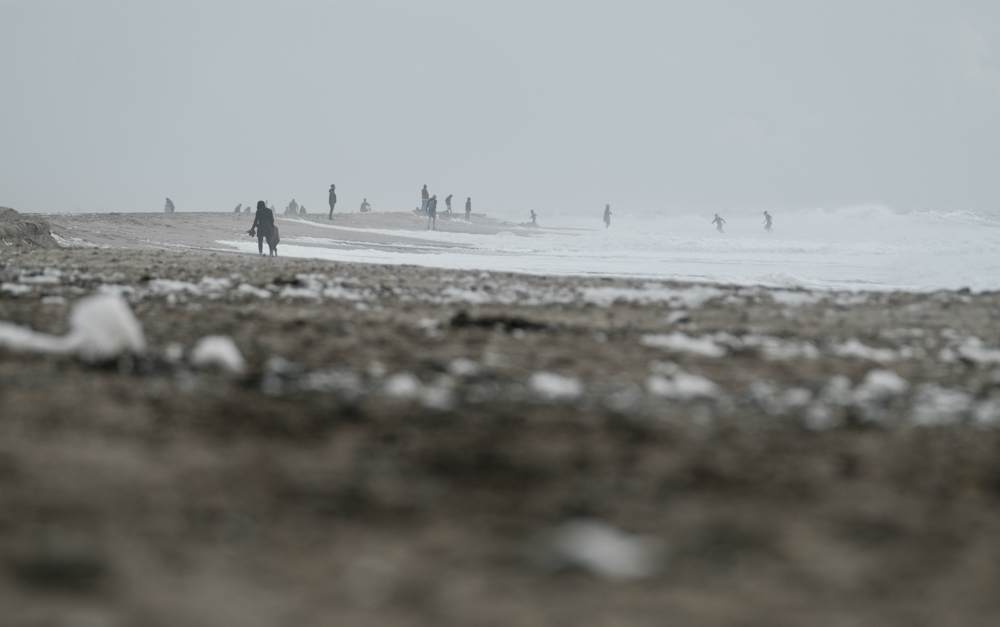
After three days of constant rain, grey weather and grey water, the skies are mostly clear. The sun is slowly approaching the horizon above the vast ocean. Despite low tide, large waves crash at the coast line and the water is shining in cyan, teal, and turquoise – unexpected, here in Denmark. And there are youths in front of waves. I’ve photographed people rarely, especially strangers, but this time I approach them and ask for their permission to take some pictures. It brings more joy than expected. Especially when they see the pictures afterwards and their eyes open widely, a slight grin on their face. My favorite pictures are the ones that show their facial expressions in the midst of the raging waters (not shown here).
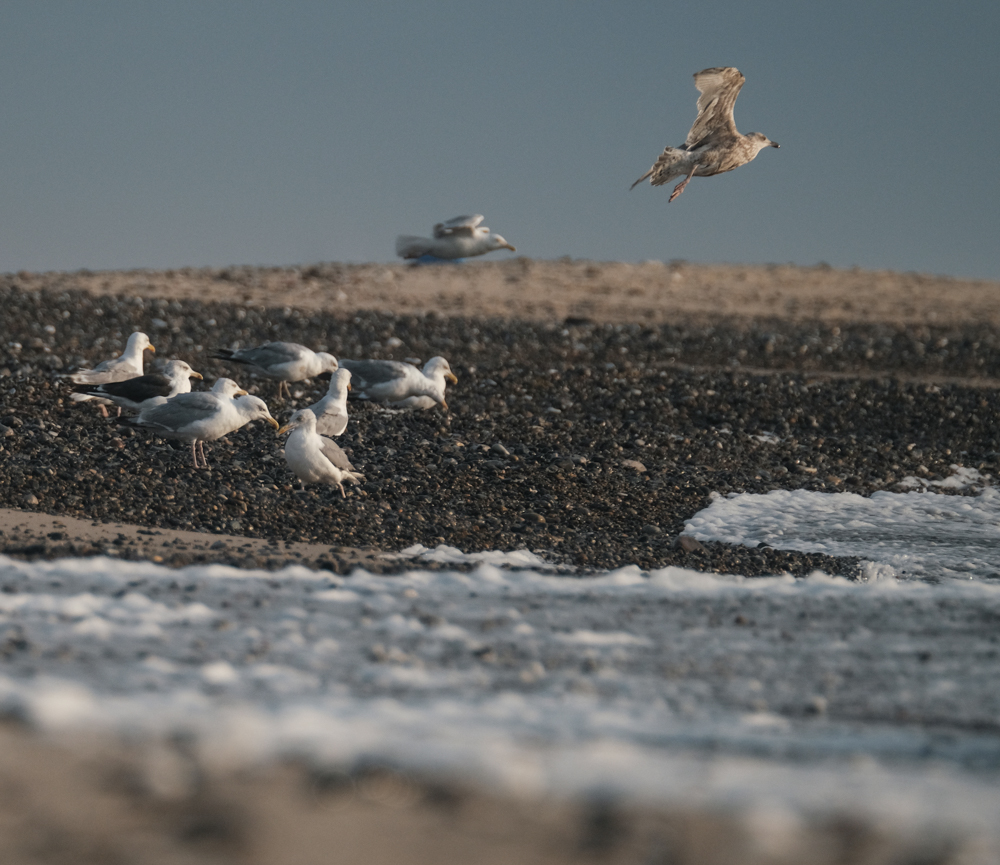
Sometimes, nature can be too beautiful to comprehend. The birds causally sail the uplift above the ocean, the forces of water and wind no human structure can withhold, and the dazzling dark night sky scattered with uncountably many stars. In the end, human life is rather insignificant within the great universe we are in. Even if we manage to save this little planet for a while, our solar system will die eventually.
We’ll mix it up this time. Correct: Not I, but We. Because you’re going to get involved in this one. One simple question, many answers. Take your time to think about it before reading on; here comes the question:
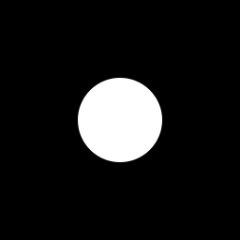
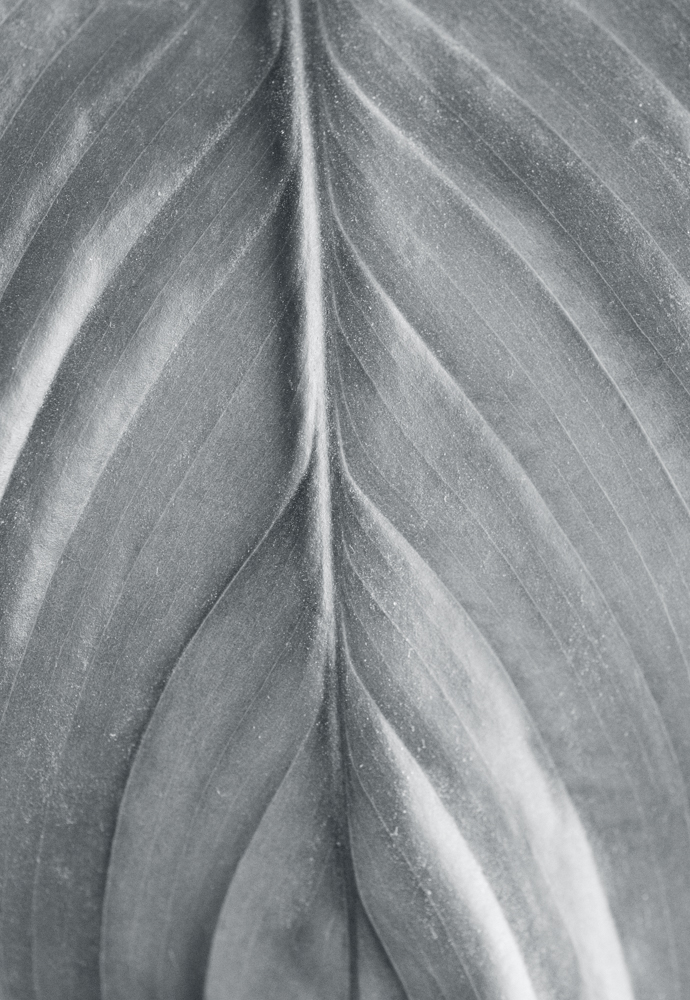
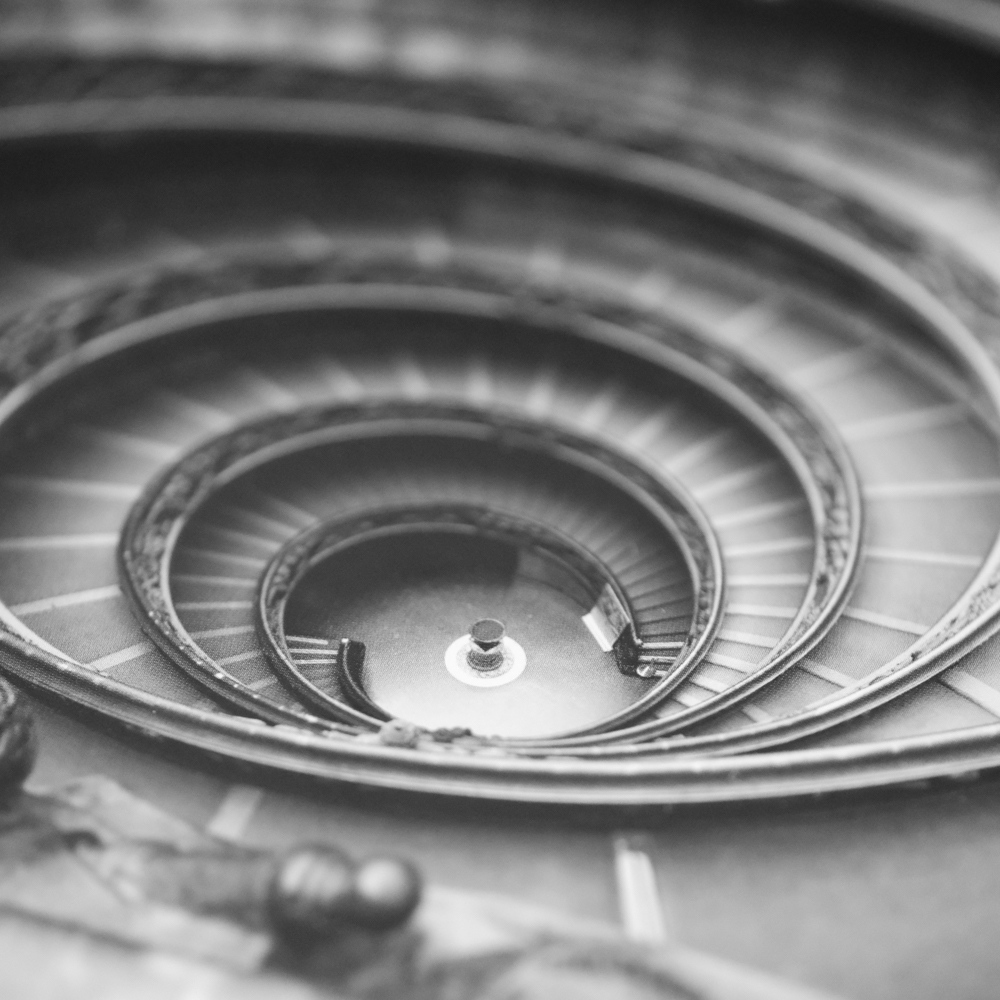
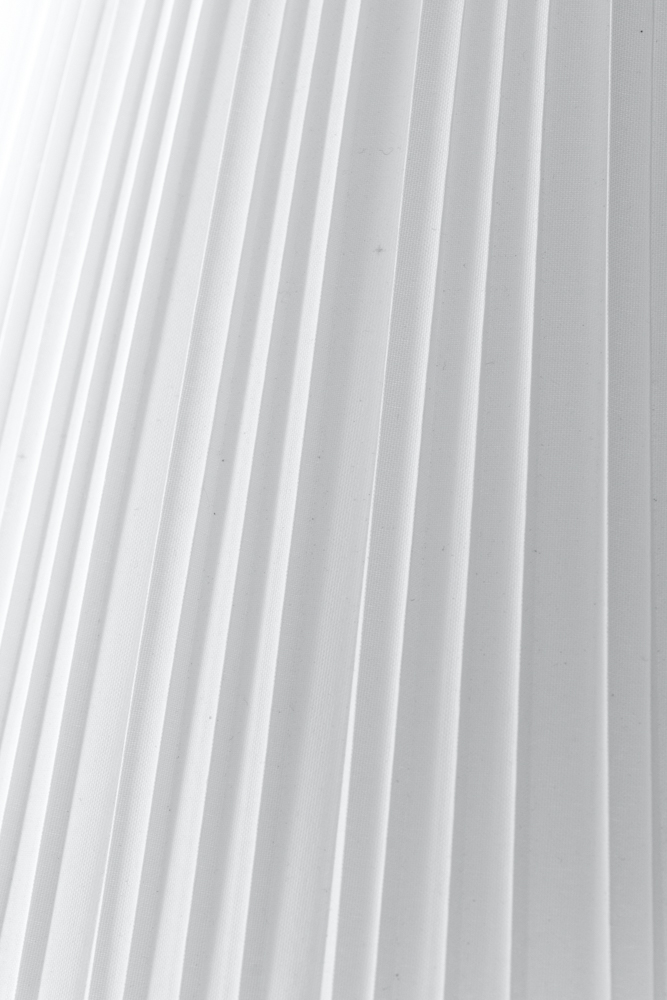
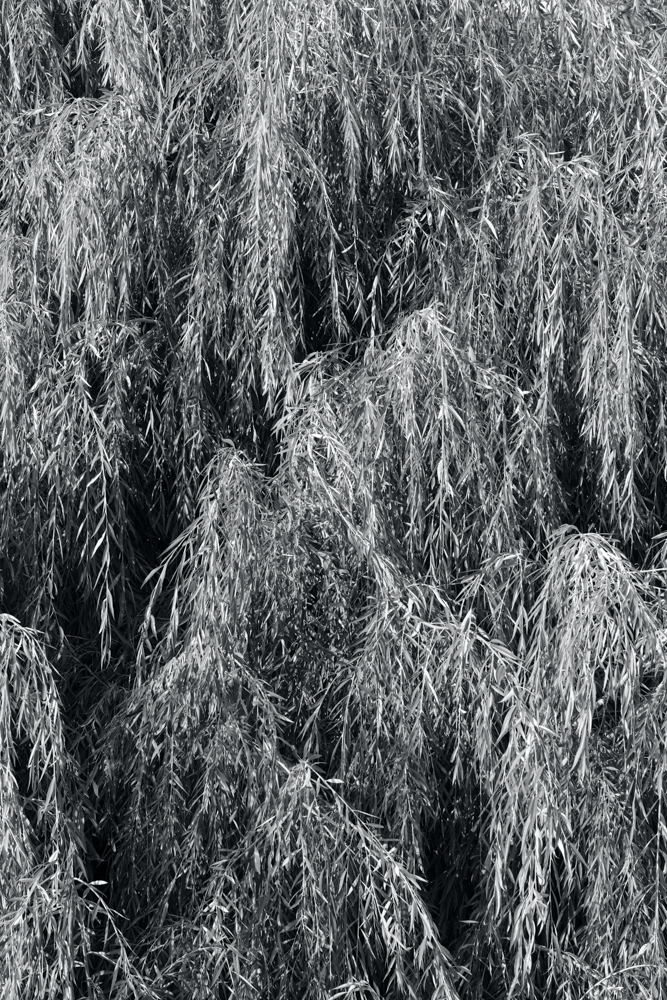
Are the following pictures similar?
Let’s start with the basics: They are digital pictures shown on a website, saved in the same digital format. Not known to you, they also have the same number of pixels along the long side. To be exact, 1000 pixels as all pictures here in order to not occupy too much space (and to not get stolen – but who will steal them anyway…). Color information is stored in Adobe RGB color space, however, since all are black and white, the information for red, green, and blue is identical for every pixel anyway.
Not so fast, you will intervene. And you are right in doing so: While the long side is always 1000 pixels, they do not share the same aspect ratio, nor the same orientation. And it won’t be a stretch to claim that between every two pictures no single pixel is identical. So already after these first simple investigations we see a problem emerging: They are similar to a specific degree, identical in some respects, but disparate with respect to other criteria.
Let’s dive deeper: Are the images we see here the actual images, let alone do they inherit or show some of our reality? First of all, they do not show the full data gathered, since the original pictures are much larger, also encode color, and a variety of additional information in their RAW format. And in any case, they are just some arbitrary representation of reality without any real connection to it. One of endless possible portrayals of reality. While this does not directly touch on the original question, it is important to keep this in mind when we search and interpret their similarity.
Lastly, how do the overall pictures appear? Even if the single pixels are different between all images, combined they create patterns that can be alike. The pixels combine to a variety of forms, which, in turn, are received differently by different viewers. Waves, scales, oscillations, geometrical forms. And are they really creating these patterns or does the viewer infer them? Can we infer different patterns from the same picture?
I could go on for a while, but it’s getting too long. Let’s move on to the second question: Now, we also need to quantify the difference between every pair of pictures. On a scale from 0 to 100, how different are these two?
And what about these?
I think you are getting my point. We can create an endless list of metrics and choose what we think is best. We can apply these metrics to these simple images, or we can gather more data, larger pictures, RAW data, and then apply the metrics. We can weight and combine metrics to generate an overall score of similarity, we can try to assess how it performs in comparison to other scores. We can compare pairs of pictures and create a hierarchy of similarity. But it will never be the same when done by different people. And in the end, it’s quite arbitrary. Do we look at pixels, color, form, format, derived patterns, povoked emotions?
Most of the day I am doing such arbitrary comparisons. Not between images, but between DNA strands. Instead of pixels I am looking at sequences of A, C, G, and T. Depending on the chosen metric, a variety of results emerges. There is no correct metric, no correct similarity measure. There is no correct way to describe reality, neither to analyze and exploit it. There is an infinite number and every single one creates another distinct result.
But fortunately, in the end, it somehow seems to work – at least sometimes, when it solves a problem in biology research or medicine; but most of the time I don’t get how.
No consistent system of axioms whose theorems can be listed by an effective procedure is capable of demonstrating its own consistency.
Gödel’s incompleteness theorem
A 1: Being happy requires time.
A 2: Being happy requires fulfilling work.
A 3: Pursuing fulfilling work for a comfortable life requires time.
A 4: Time is limited.
Theorem: Living a happy life is possible in our given time.
Some topics keep occupying the mind. And for the moment, again, it’s balance; or, as here, phrased as: completeness. Can something be complete? Work? A picture? Life? And what makes it complete? Is it the experiences we make? The amount of satisfaction we achieve? The accomplished perfection? And can we ever tell when it is complete, or can we just decide that it is? Or is it just a feeling of fulfillment that cannot be proven?
I’ve felt completeness once, however, in unfortunate circumstances. Maybe we need to accept, or even embrace, the incompleteness. The imperfection of the picture, the irregularity in life. Maybe this is the distinctive feature, the remarkable quality, that makes our existence worthwhile. That makes the picture special. That motivates us to keep going, to keep on pushing and to go out to find the rare human experiences that enrich daily routines. Incompleteness, as the 10th Dan that cannot be achieved, as the optimal algorithm that cannot be written, as the last theorem that cannot be proven.
Maybe, someday, I will know; and maybe someday you will know. For now, I’ll keep on trying to find the proof.
Nothing really new from my side. Important elections coming up in Germany, but everything is as always: Internet and social media create echo chambers where every camp can confirm the superiority of their own arguments. Algorithms distort and decide. Alternative facts dominate and destroy. Little genuine discourse taking place. Four years ago we were horrified about the results beyond the ocean, this time we might elect a clown ourselves.
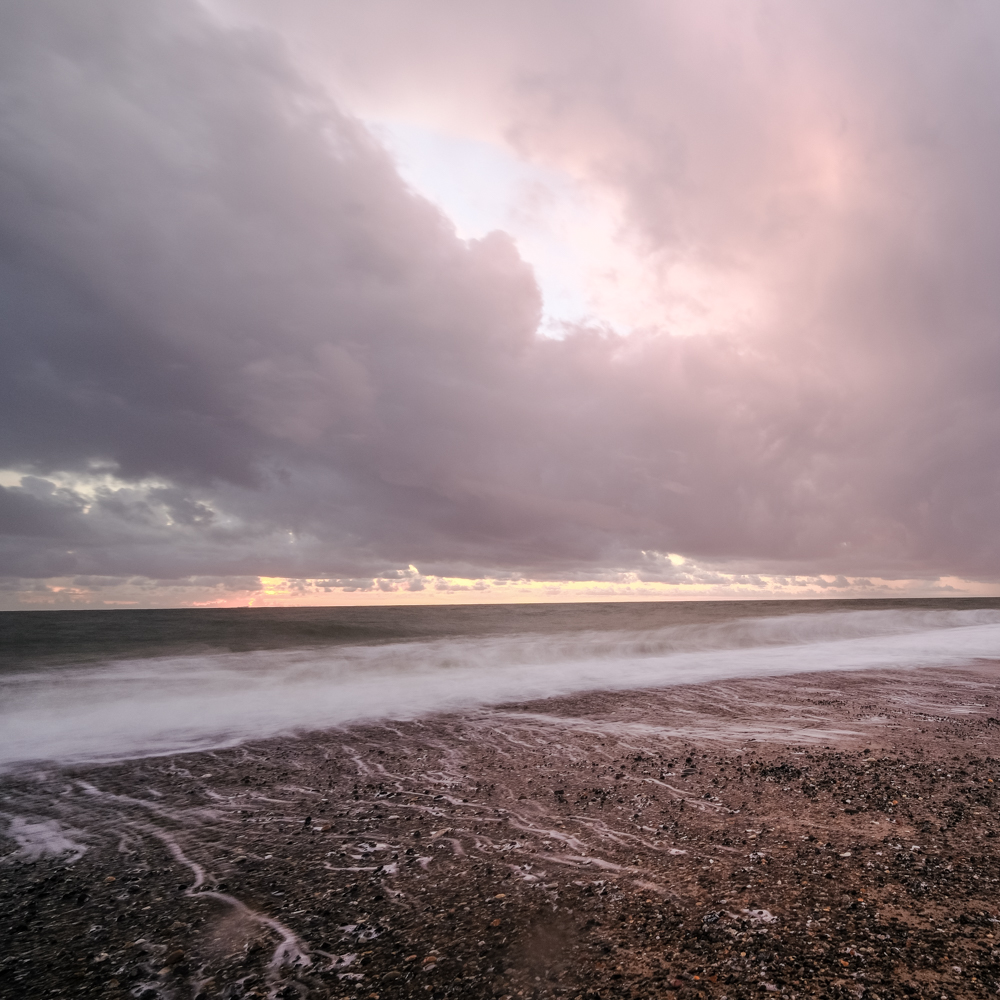
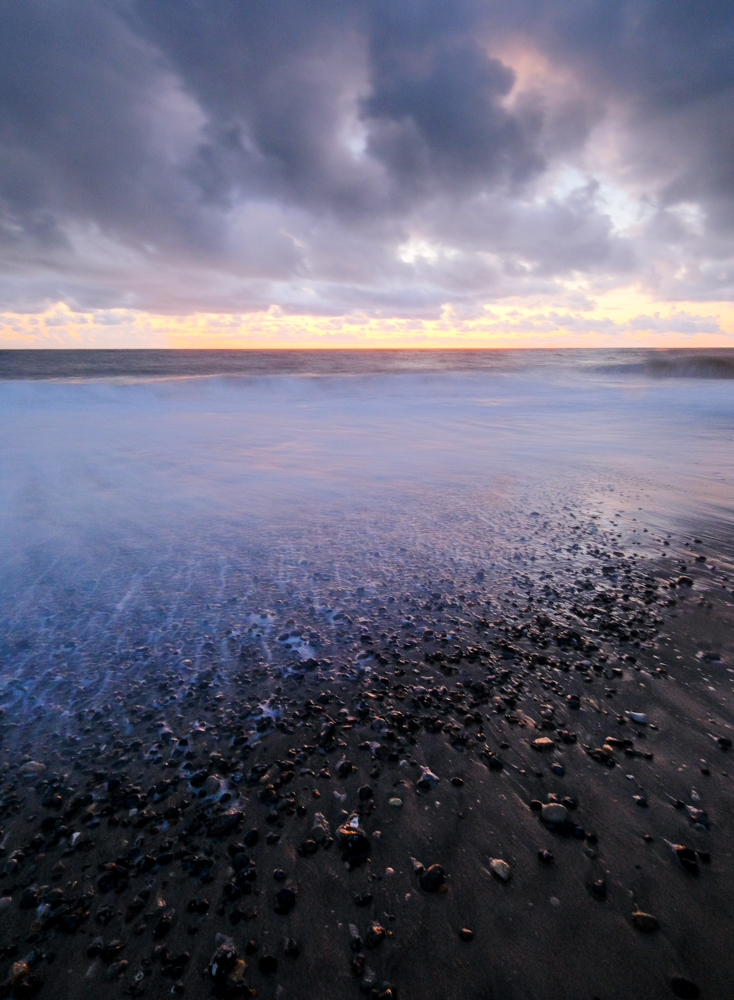
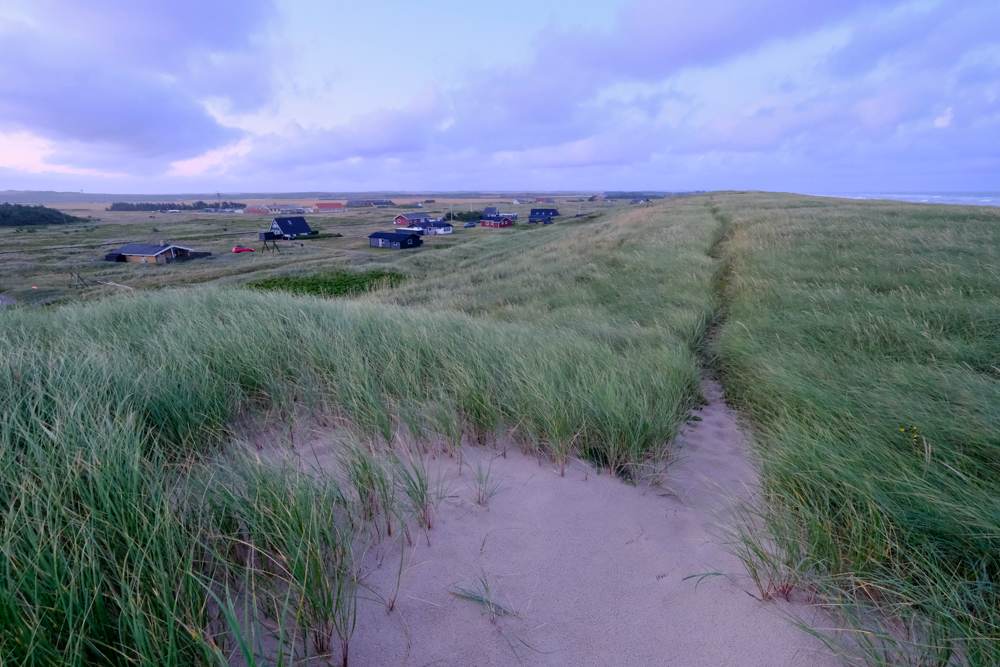
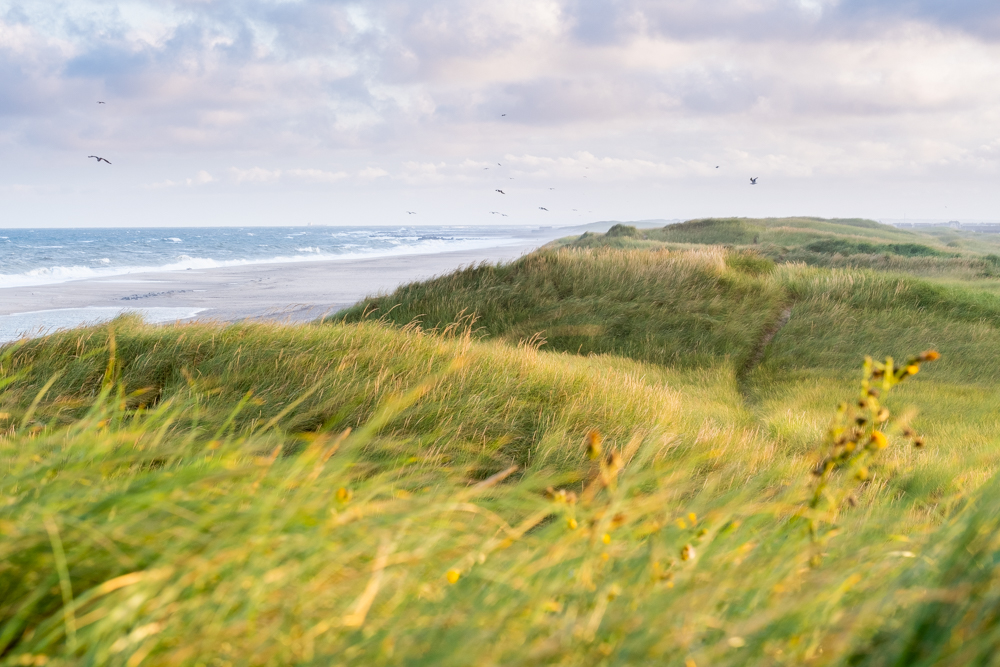
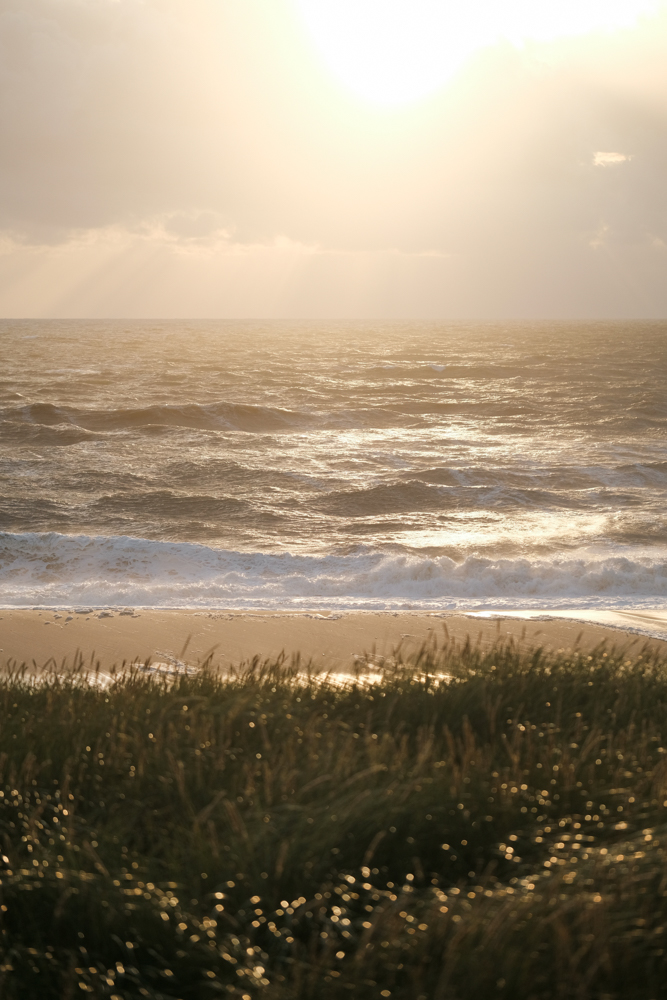
I have pictures for at least five upcoming posts in the queue. But they want to be sighted, sorted, selected, and set up first. The following selection is from our first evening at a seven day vacation at the coast – scenic sunsets, rough seas, wonderful memories. A lot more to come from the other six days.
There is a common thought that the best ideas come in the most unexpected circumstances. While showering, while washing dishes, or while taking a walk. I agree that distraction and activities that leave room for thoughts to roam freely are important; but I also feel that the flip side is just as important and does only seldom get recognition: deliberate creativity.
The walls are empty, stripped from the grimy holds that decorated this section over the past weeks. Boulder problems climbed by hundreds of people are gone. Problems climbed by only a few will be forgotten soon. But the walls are not meant to stay this bleak – new boulders are to be created.
For now, however, the holds are neatly arranged into their boxes; by color and by manufacturer. Large wooden volumes lay on the floor and wait to be placed somewhere on 45 square metres of wall – to change the wall shape and angle. Where to start? Which volume to pick? Which holds go where? What movements to create? How hard should it be? Everything is possible. The number of options are uncountably infinite.
But still, the result cannot be chosen by chance. It needs to be assembled carefully and put together accurately. It needs knowledge, experience, empathy, strengths, and: creativity. The movements shouldn’t feel similar because it will be boring. If the movements are to funky, most people will be turned off as well. Most boulders need to have an element of interest while the body positions still feel familiar. They need to be challenging, but without overloading the customer. All elements of this job require a lot of creativity. So again: Where to start?
Waiting in the shower won’t solve the problem of being creative. And the same applies for taking a walk. The only thing that will solve the task is to dive right into it and start. Routesetting has taught me this important lesson: Creativity doesn’t come to me on its own. It does not always present itself in unrelated tasks. I need to actively seek it out. I have to explore my mind, feel the holds, inspect the wall. I need to place volumes at different angles, arrange the holds on the floor, move my body, move my thoughts. Holds go up, holds go down again. Holds go up, this time slightly better. I try to replicate a neat move I saw. I fail. Instead, I find something new – sometimes worse, sometimes even better. Problems that require specific muscles movements, boulders that require intricate movements.
And if everything goes well, a new set of boulders decorates the wall. For people to try hard, to invest, to train on, to feel accomplishment, to show off, to feel their body, to cheer for others, to fail and fall, to scale and accomplish their goals.
I notice the same in my field of work: mostly, the ideas do not come to me on their own. I need to sit down and actively explore them. I need to draw diagrams and pictures for some hours until a new potential idea emerges. In photography, I do not sit at home and wait for my subject to appear. I go outside, in all conditions, change my viewpoint, change my approach, and only then, if I am lucky, I create something interesting, sometimes even something creative. And lastly, when writing on here: It’s useless for me to wait for the next topic to peak around the next corner; I have to actively engage in thought. And even if it’s not creative, at least it’s about creativity.
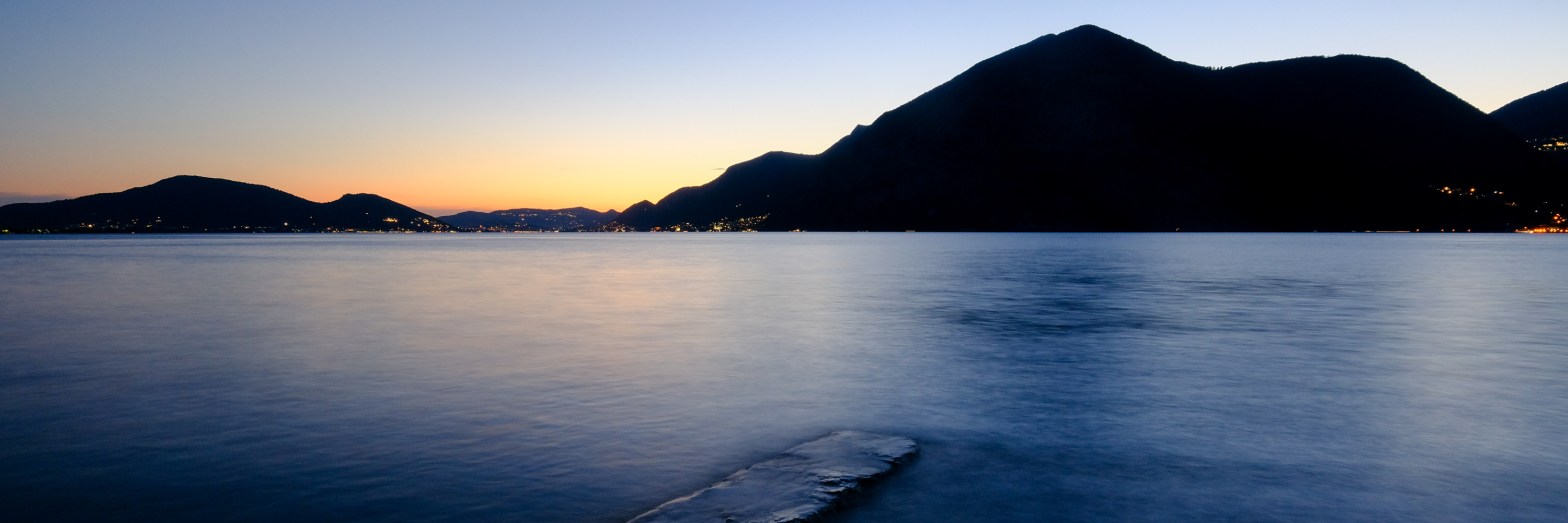
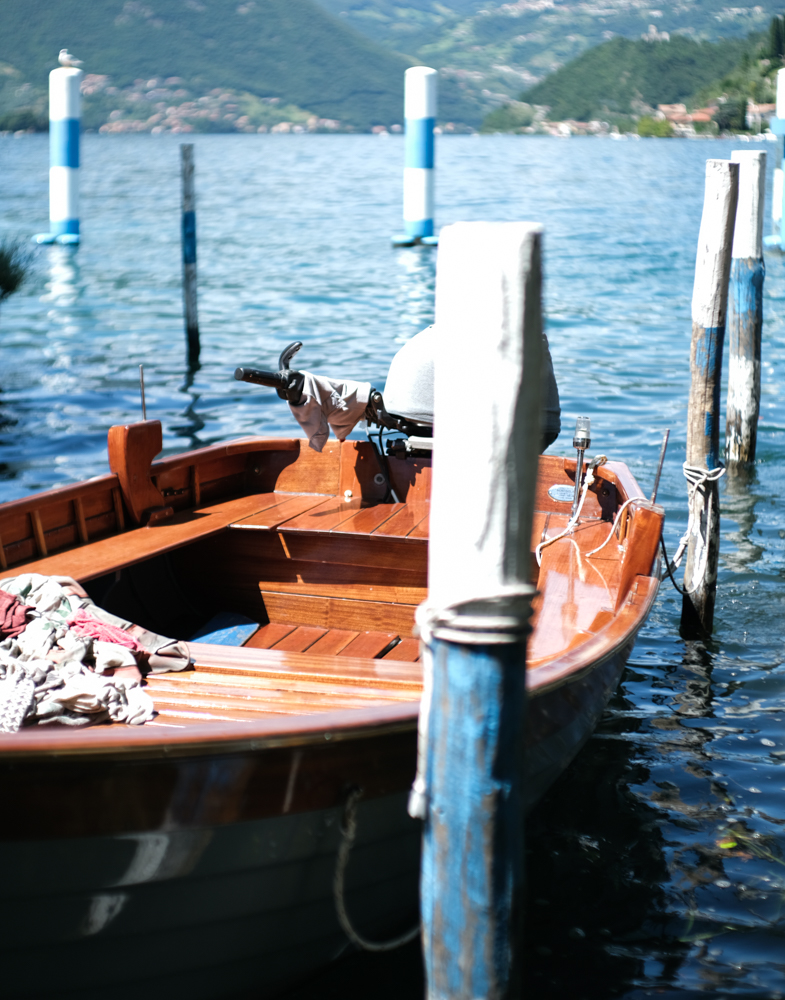
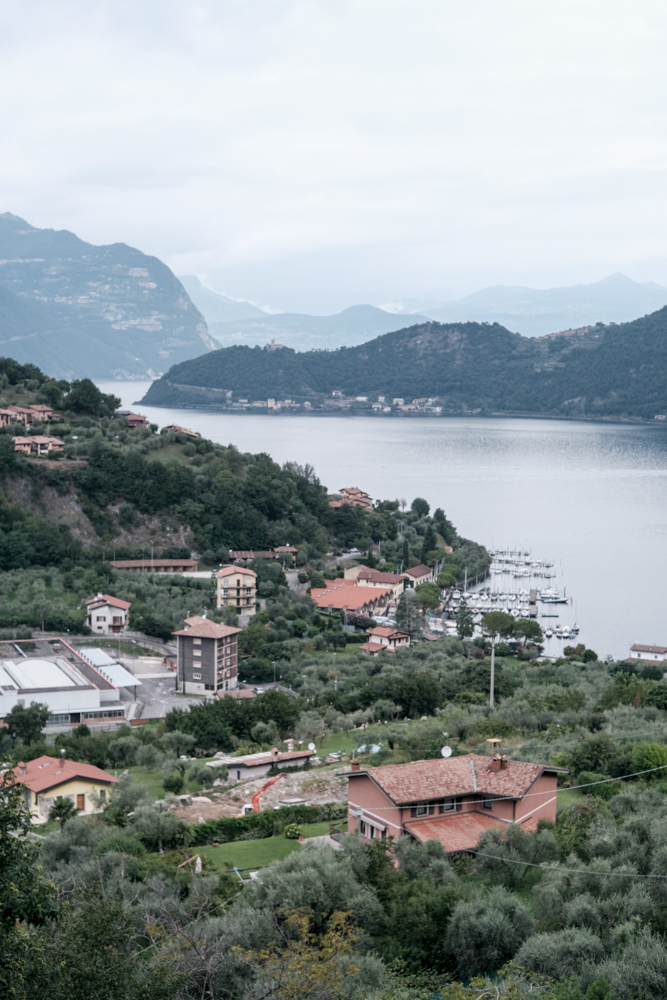
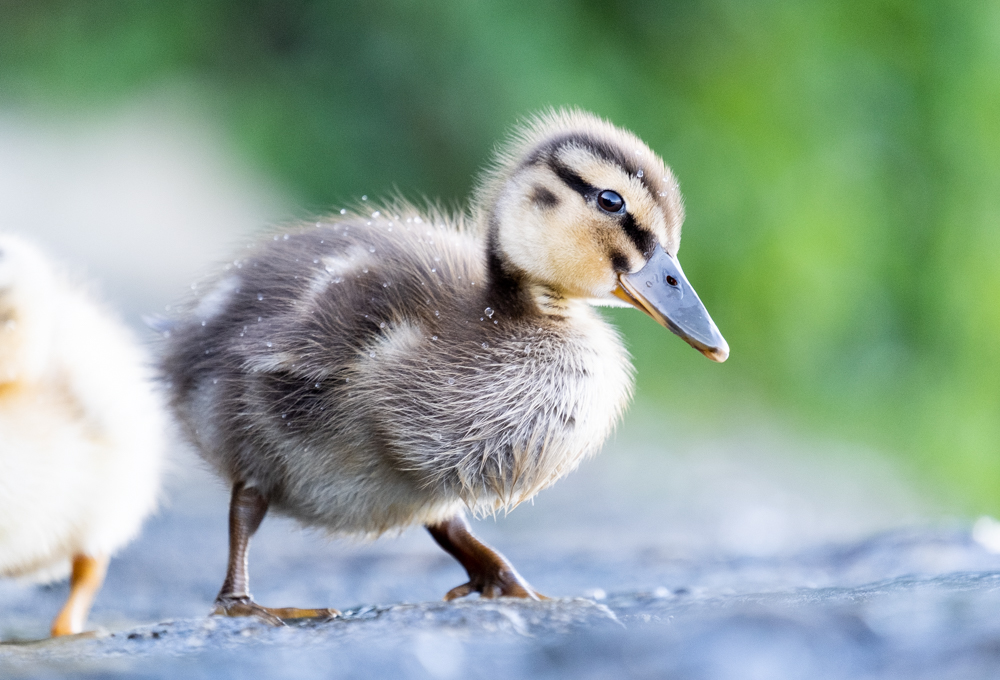
Also, the pictures aren’t to creative this time, but I still like them as they remind me of our wonderful vacations we had in Italy. Just look at those cute ducklings!












































 Punkt im Dunkeln