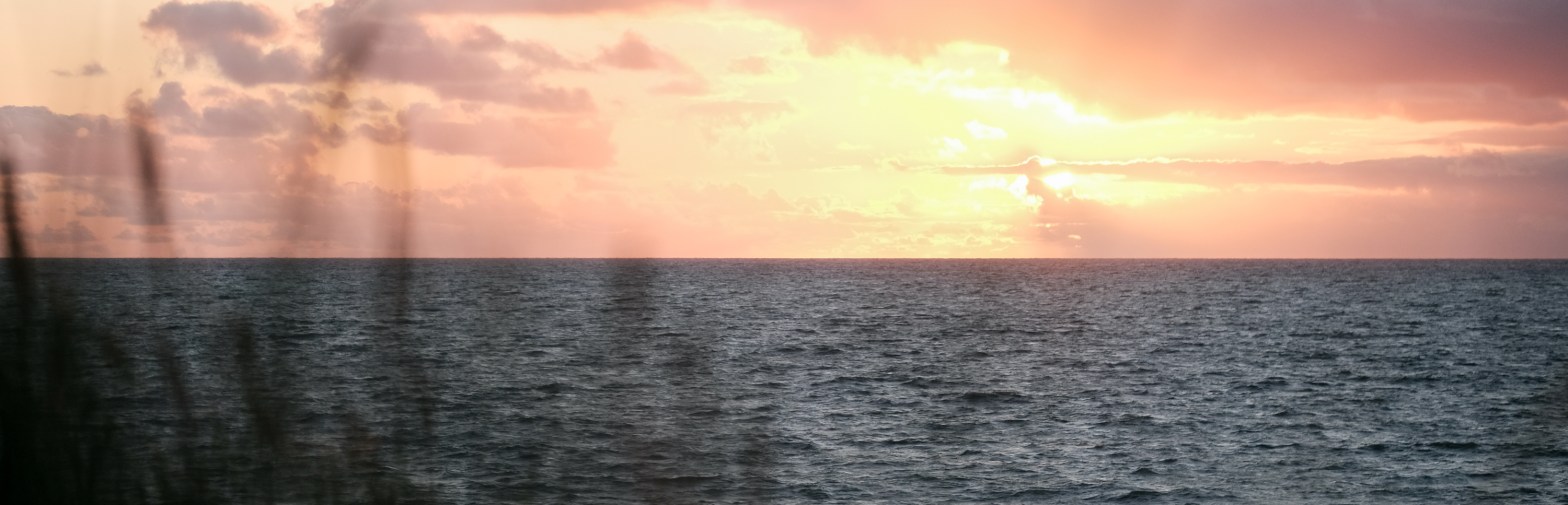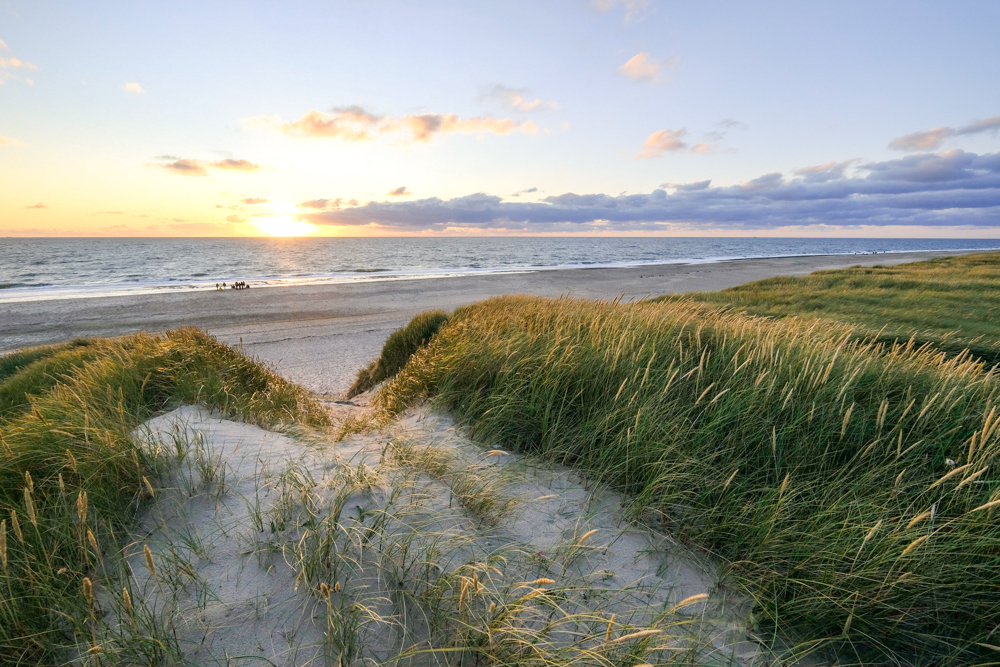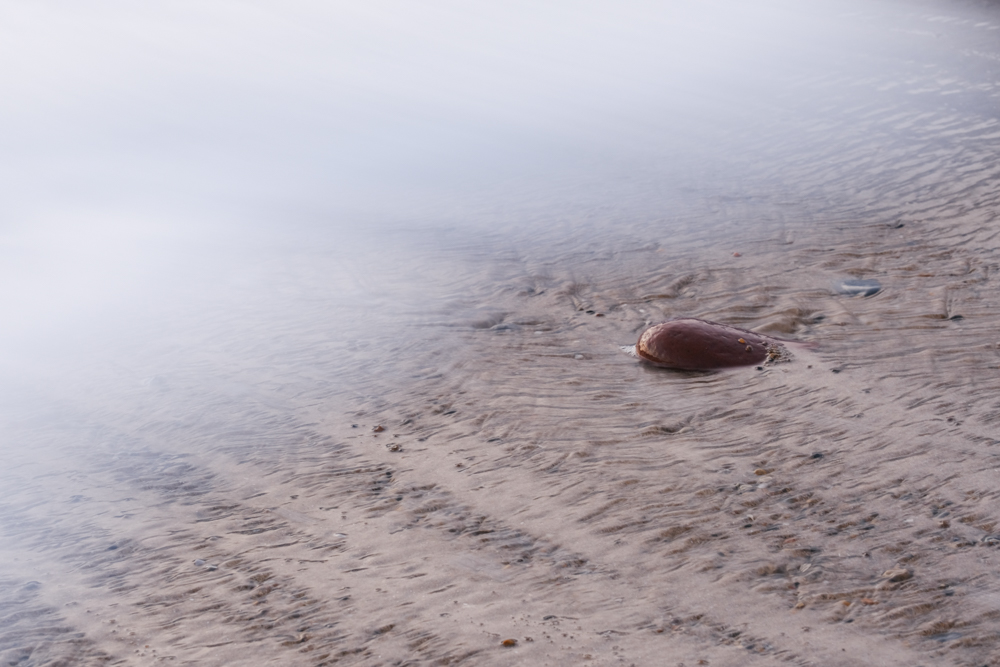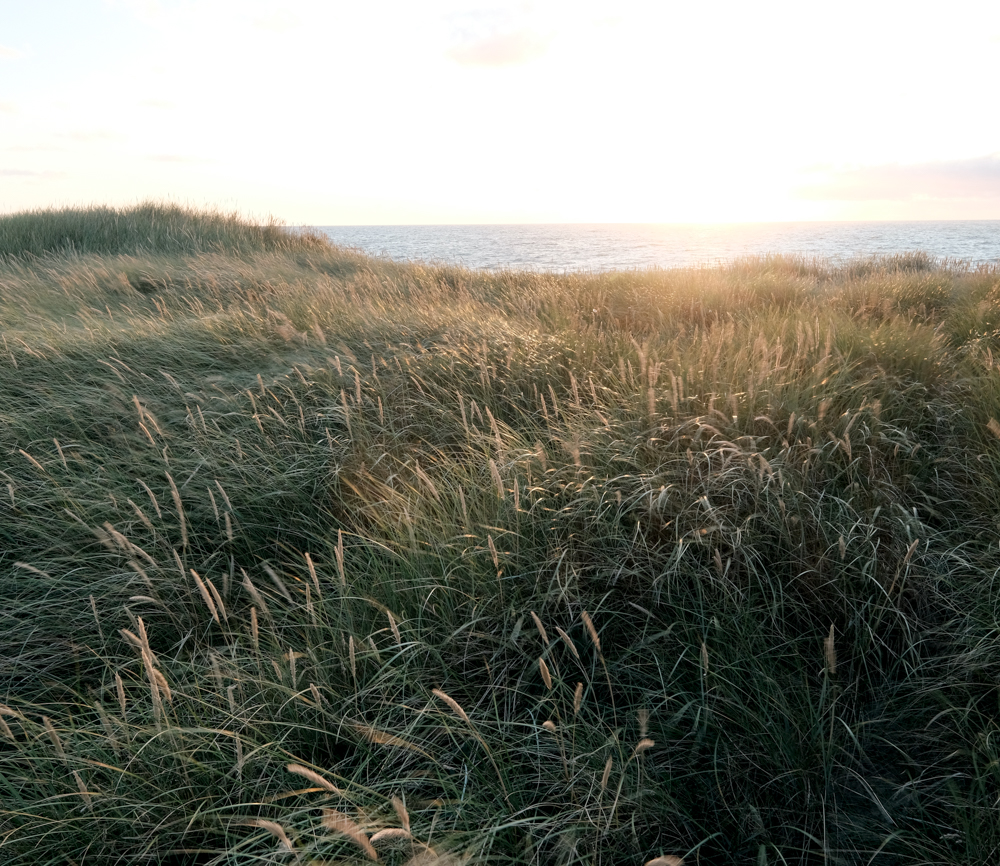
Taking a Gamble on Life

Taking a Gamble on Life

After 25 revision of this post, it needs to go out there. It has already taken too much time, and I cannot justify to spend even more. Even though it’s not as I imagined or planned it and way shorter than its original draft. It’s also a little cliche, but it’s where my head is going from time to time, wandering through the woods. Maybe there will be a version 2.0.

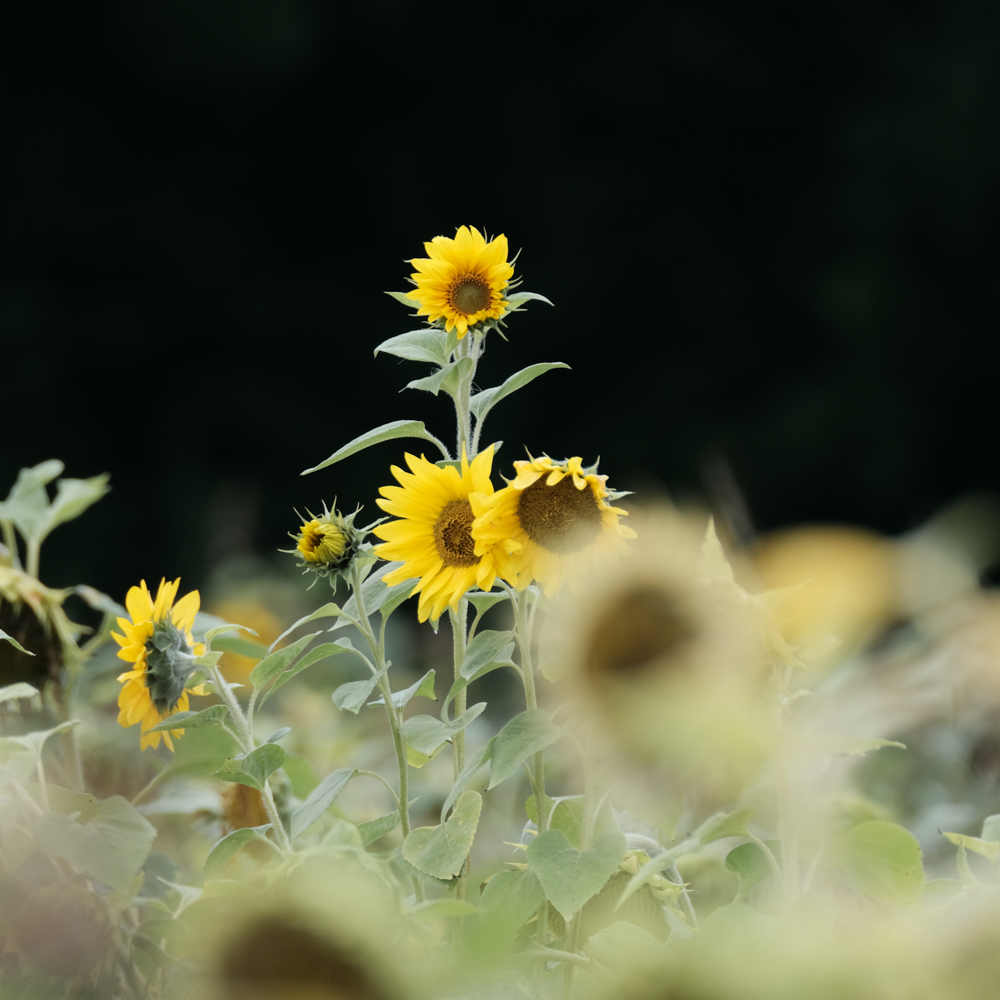
The appeal of gambling is the repetition – repetition of chance. Just wait until the next roll of dice: it will get better. The next hand of cards, it will improve. Failing this time is bearable; there is another opportunity just around the corner. Never the need to place a bet on a bad hand. Instead, waiting is rewarded, until the fortune turns around, until there is a reasonable chance of winning. But the gamble on life is different and harsh. We are being dealt a single hand. We have to play it to the end. There is no escape, no second time; the only option is to start playing.

And with every day rolling by, questions come and stay, in this real life play. Pile up to mountains that obscure the view: Am I satisfied with my decisions? Will I be pleased with the life I lived? When it’s coming to an end? Am I doing what I want to? In this single opportunity? What is my goal? Finding joy while others suffer? Distancing myself from evil? What is my place? Where should it be?

But still, day in day out, we are continuing with daily life. We promise ourselves that soon, so soon, the day will come where we chase our dreams. Where we turn around our life and do what we really want to do, what we should do, what would be the right thing to do, instead of persevering in this treadmill: Dreading potential failure instead of indulging in our aspirations; confused about our singular existence and its meaning. It’s a large gamble in the only real game we will be ever playing – and I am loosing most of the days. And I am afraid that some day, which seems so far away, but will be here any moment, I will awake and realize that I have missed out on my chance, that I missed out on my dreams, that it’s too late to live like I intended, that it’s too late to turn around.

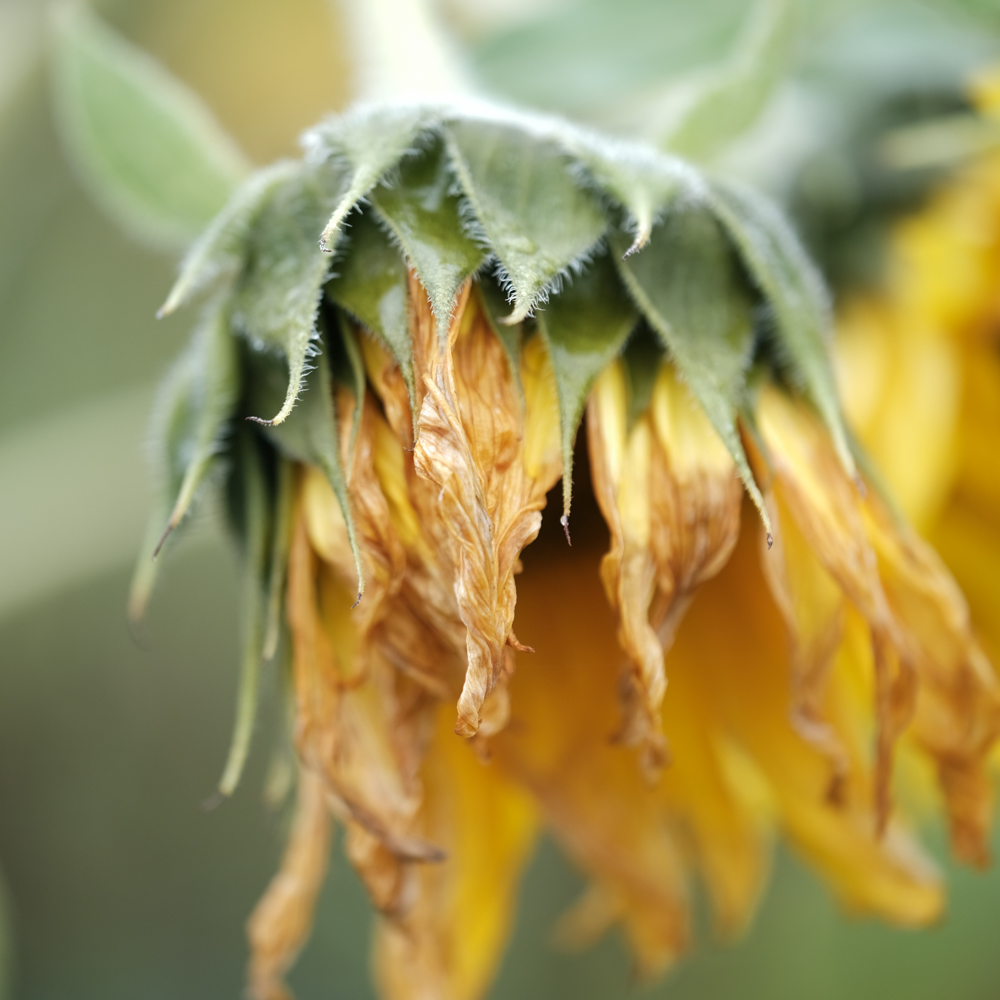
And, while we may be lucky with our 20th roll of dice, in this singular life there will come an end. An end where we loose it all. No matter how we played.
Hidden Places

Hidden Places

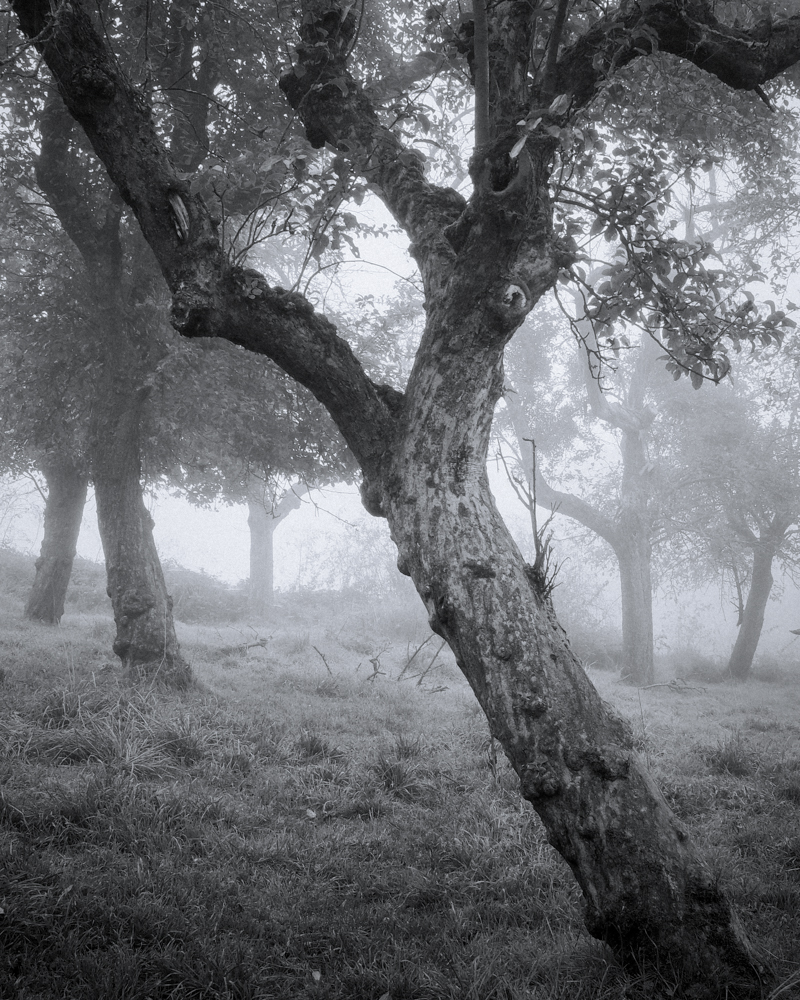
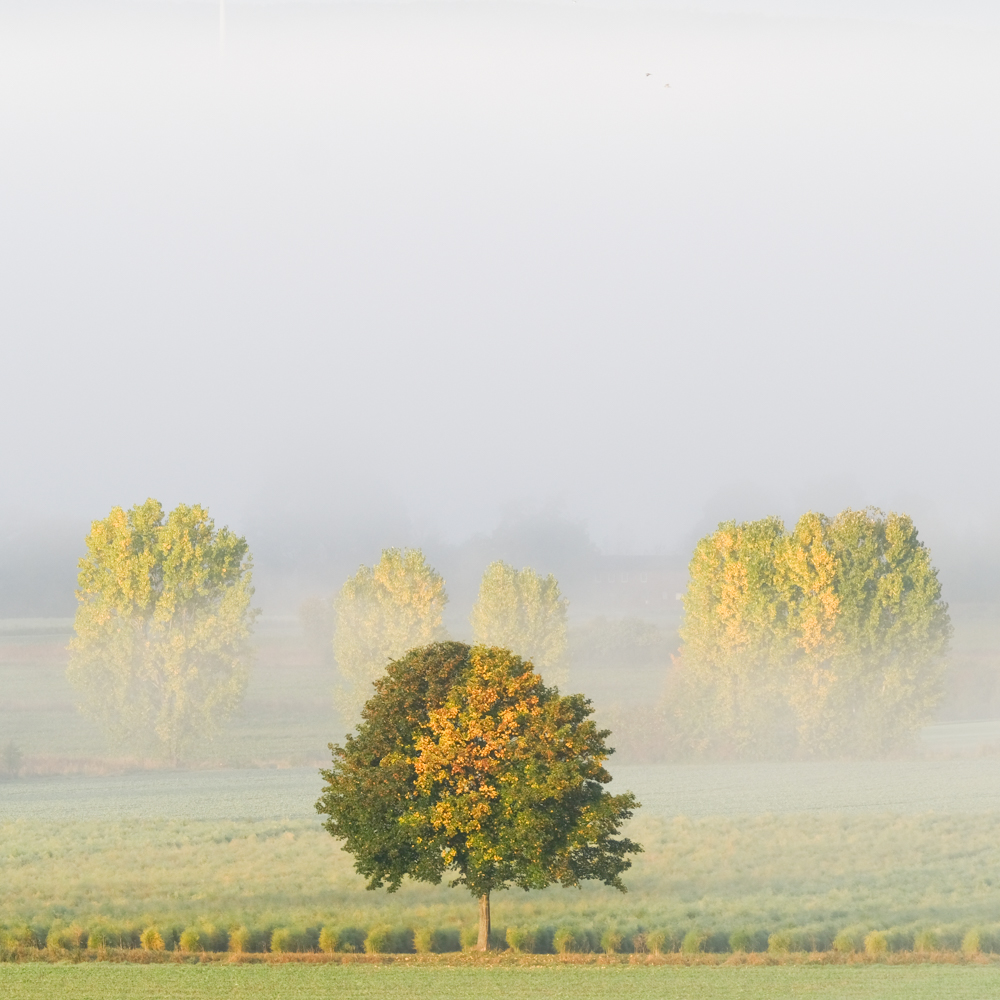
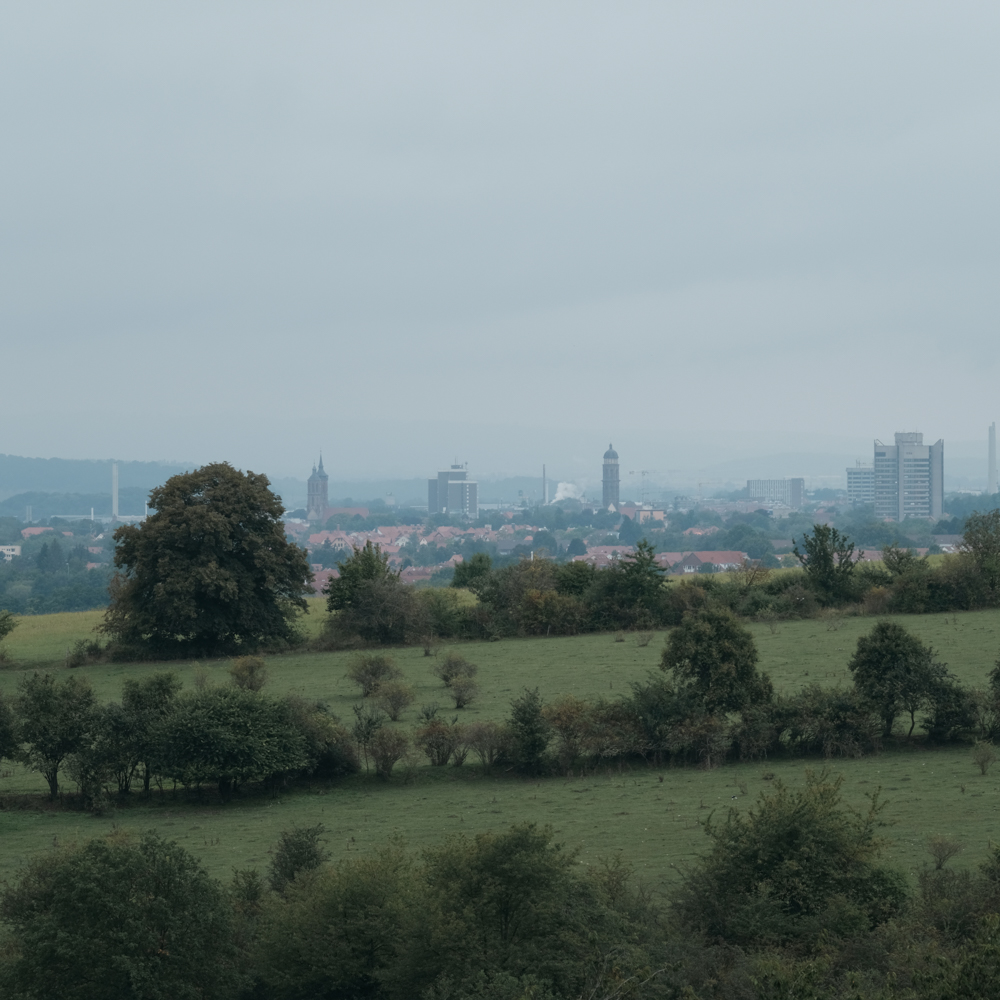
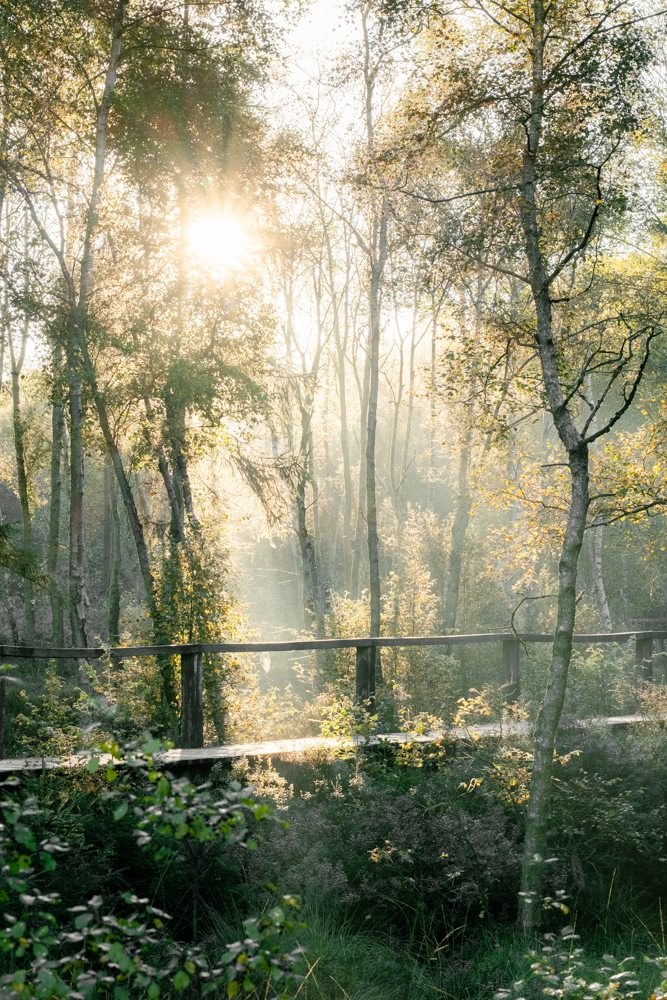
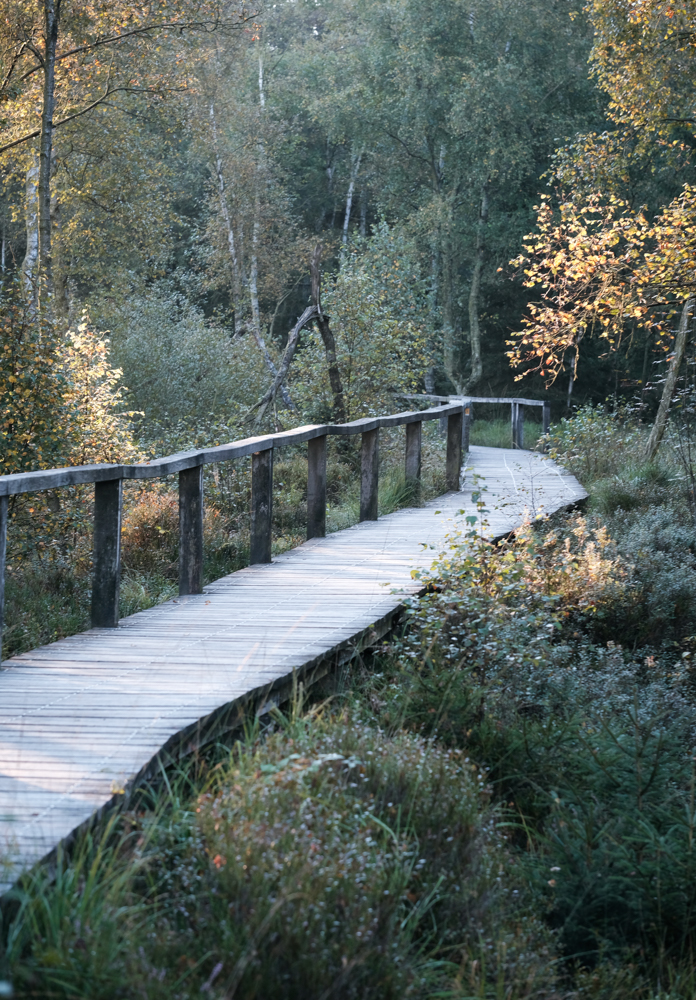
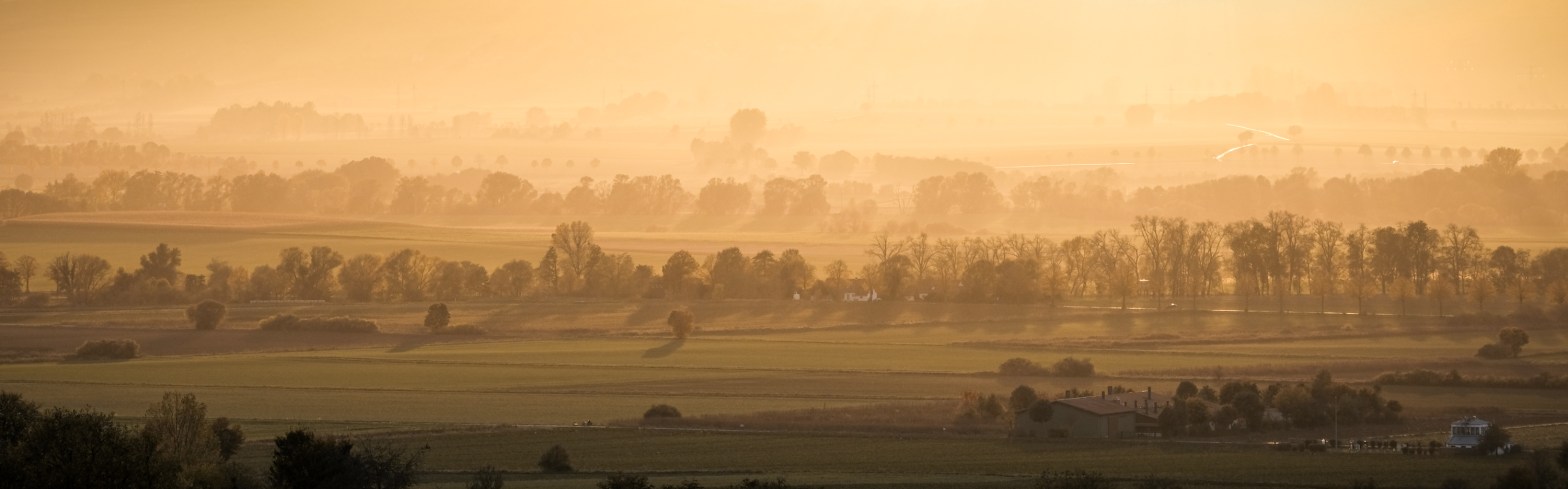
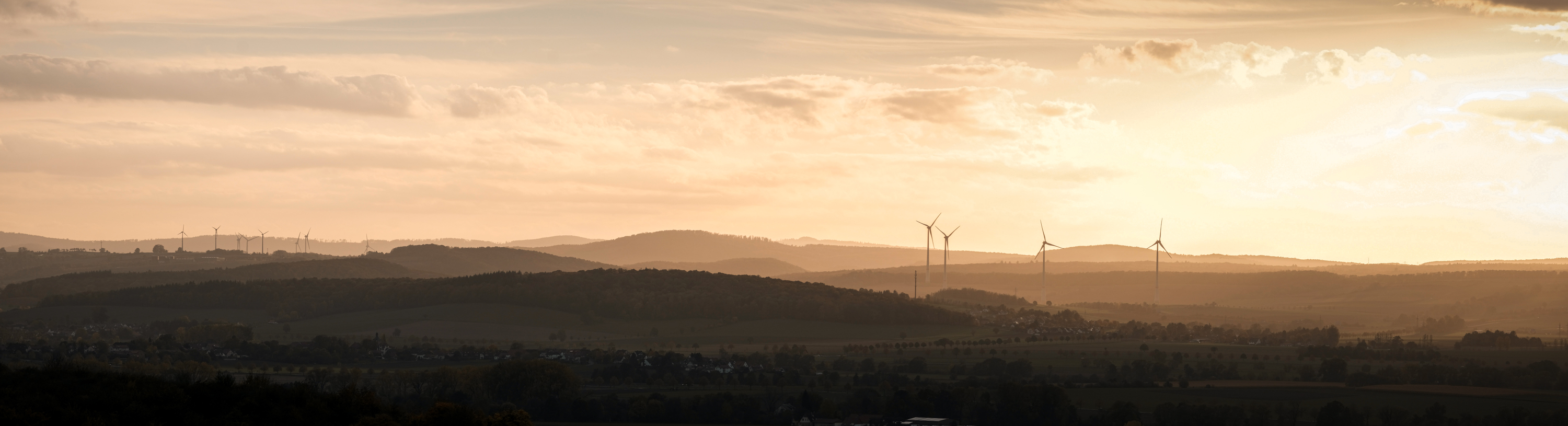
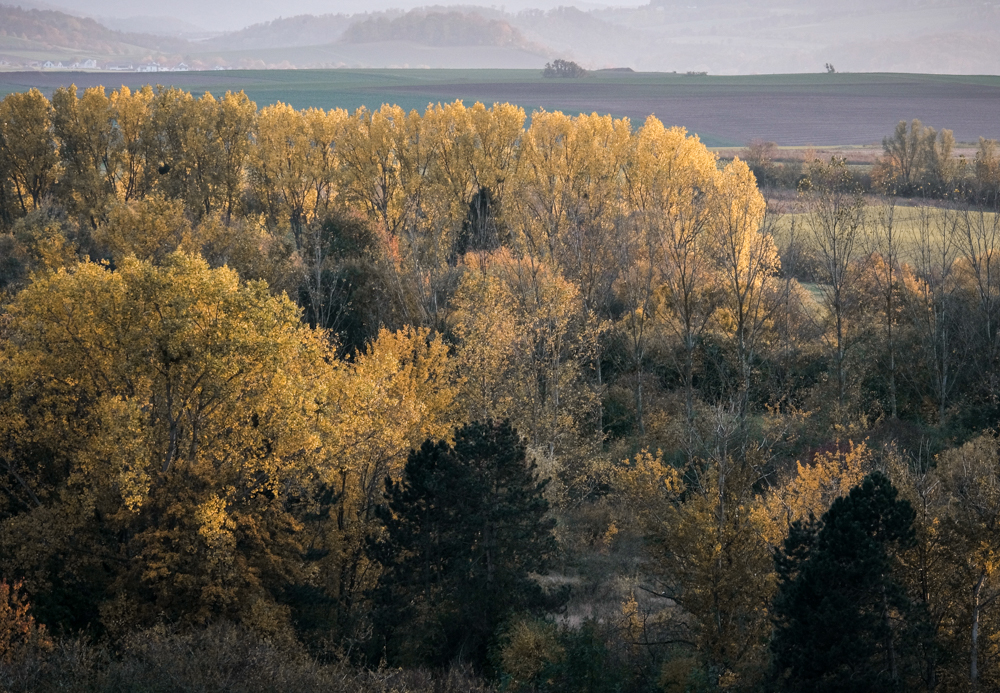
The wet grass absorbs my footsteps as I carefully navigate through bushes and cows. Autumn: the season of fog – however, this is only the second time this year that the colors and sounds of the environment are muted and everything seems calm and silent. My paths leads me out of the city, along the country road, and then into nature: The trees still cling onto their last leaves, the muddy ground hinders my movement, and thorns damage my precious jacket: First into a small valley, then into an old quarry followed by a steep ascent. Next, along a hidden path into the woods. The edge of the small forest is already in sight and after I cross an untreated field, there it is: A hidden gem in our landscape, an old orchard, far off from society. Every time I have been here, together with plenty of wildlife, I can feel at peace.

Falling in Love with Fall

Falling in Love with Fall

Most people have a favorite season. For me it was summer for as long as I remember: The mellow evenings, long daylight, warm temperatures. I remember playing soccer for days during the long holidays when I was a kid. In summer, life is easy and joyful. After summer, the second best season is spring. Why? Because summer comes afterwards. Autumn always seemed depressing; and winter, well, winter is cold and rainy.

But my preferences changed in the last year, fueled by my journey through photography. Suddenly, every season brings change into nature and, thus, change into pictures. With every passing week, there are new things to discover: Leaves change color, fog sweeps through, snow coats the landscape, ice transforms the texture of surroundings, the early blossoming plants arrive, and fresh greens flourish. A constant act of discovery – suddenly every season becomes more fascinating than it did before.

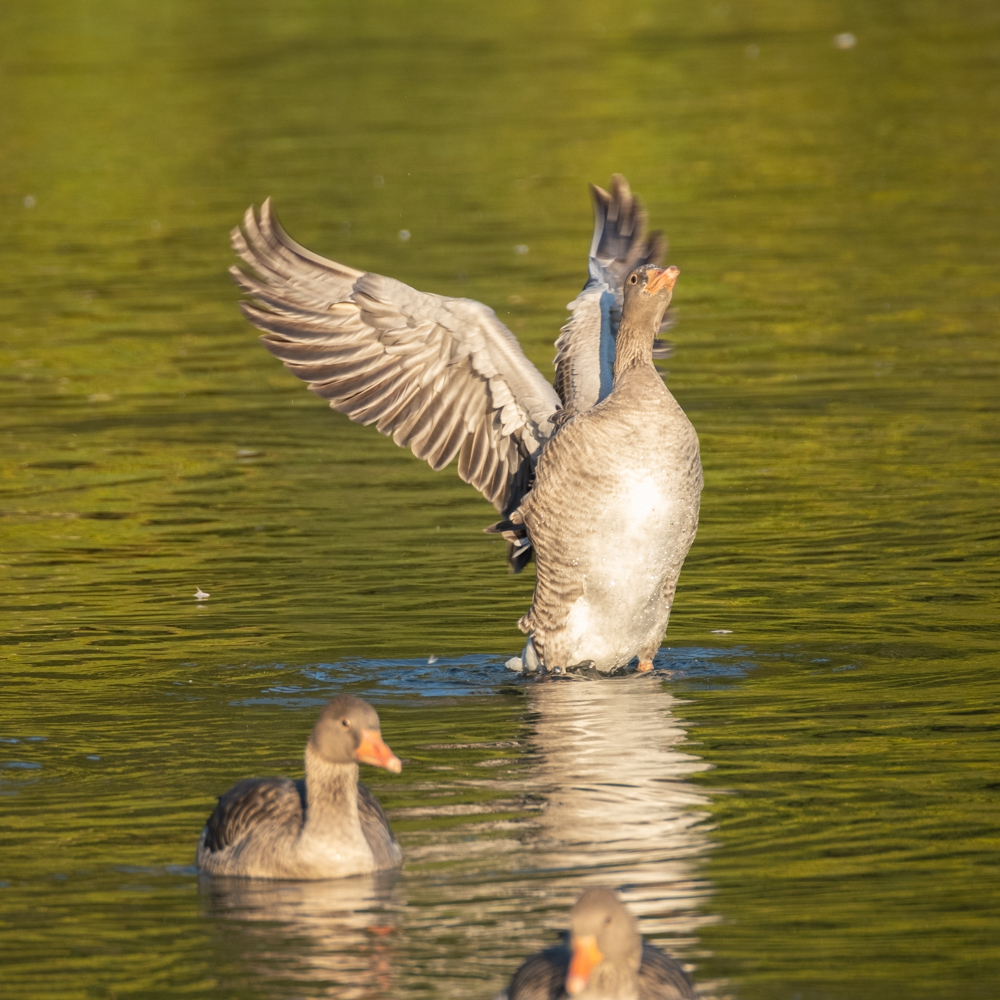
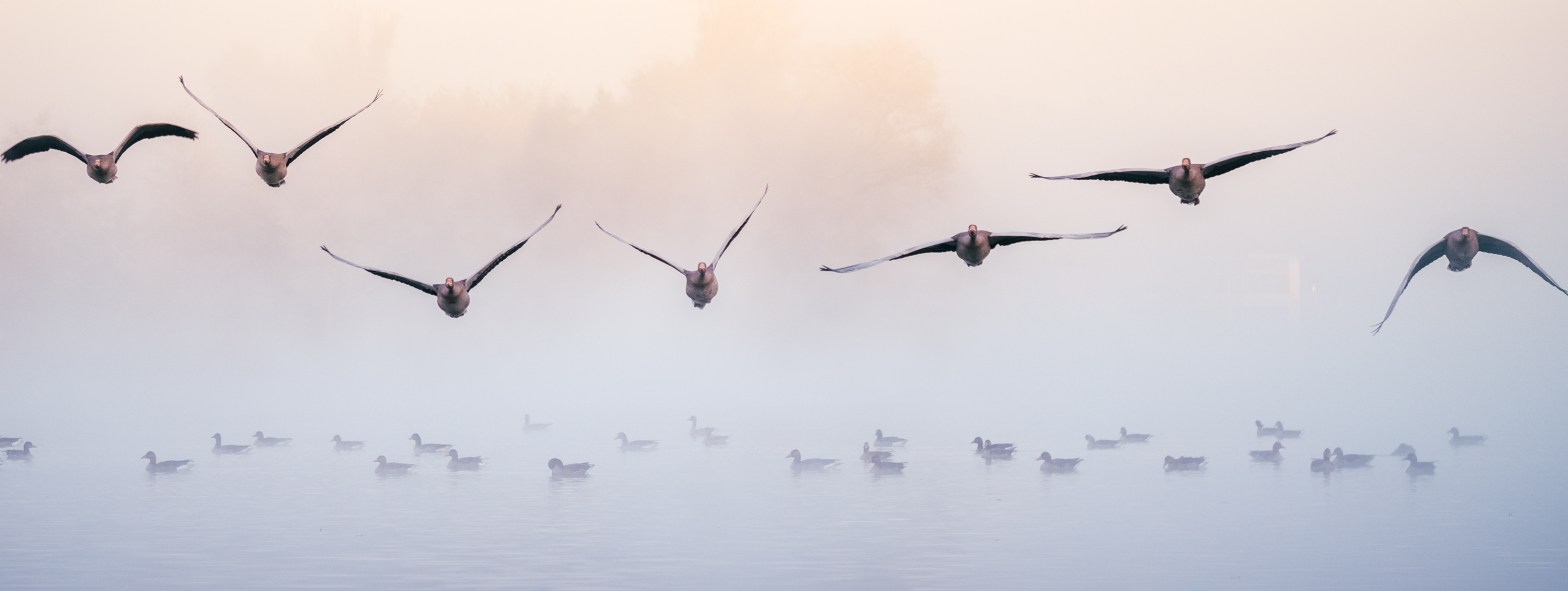
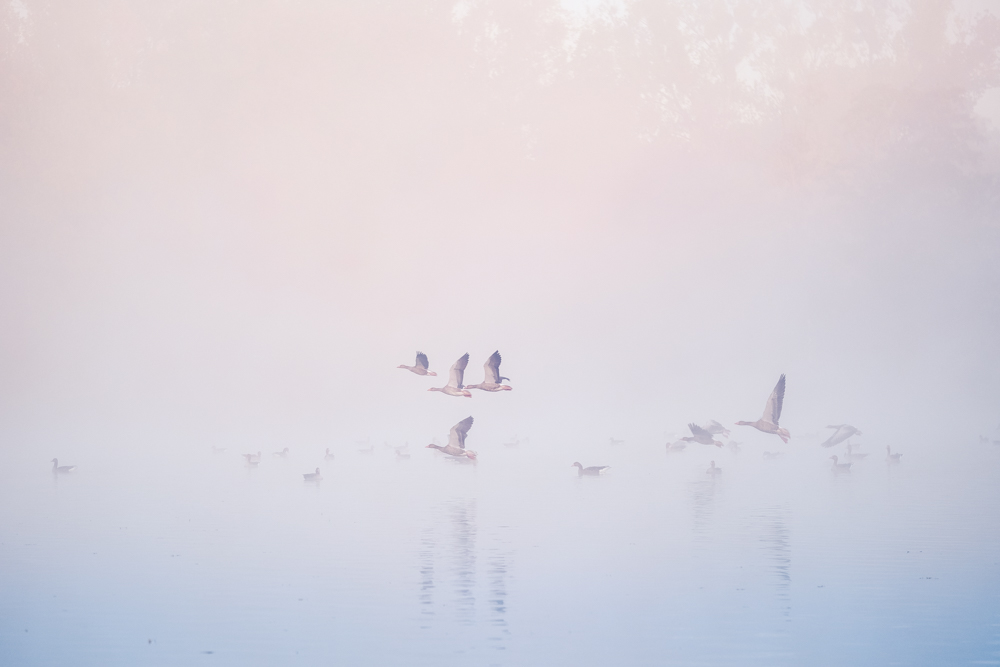
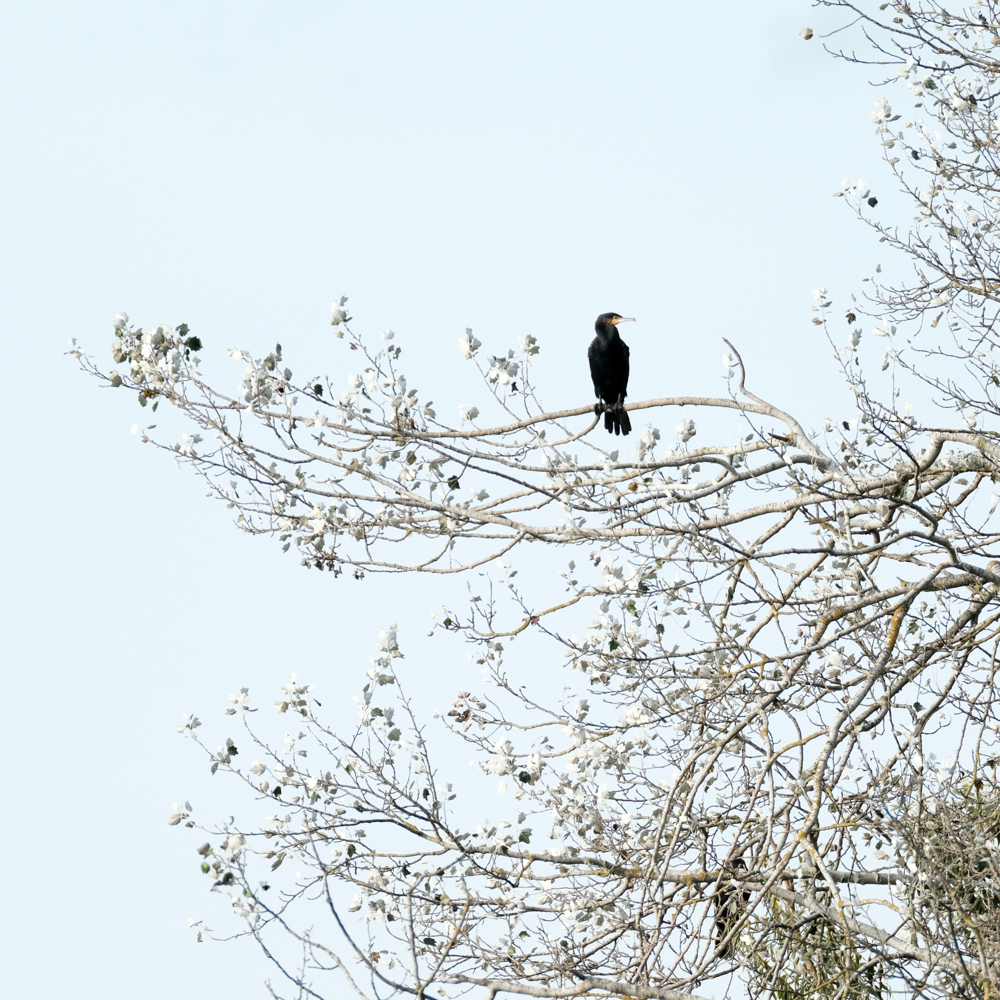
Autumn still isn’t my favorite season; but it’s on par with all the others now. I can appreciate it for all its colors, for the misty mornings and foggy woodlands. Getting up for sunrise is comfortably possible at 7 a.m., capturing sunsets can be done before dinner. Many birds pass our latitude, stop at the local pond and calmly wait until the conditions are just right.

Sampling

Sampling

Being here, being caught, having fought the fleeting thought.
Being here, we fear but strive, shed a tear within this life.
And the universe presents: a random sequence of events. 
Samples from a multitude; is the distribution skewed?

The Fine Line

The Fine Line

Let me set the stage for a challenging act of balance:

A thin wire rope stretches between two poles. Right in the middle: the artist, high above the ground. Elegant, delicate, confidant. He must maintain balance, otherwise a deep plunge will end the performance quite abruptly. The artist firmly wraps both hands around a long rod; by doing so, he can compensate oscillations of rope and body. Looking straight ahead, knees slightly bent, there is only one way to finish this act of art: Walk forward, maintain balance, reach the save pole, relax; and turn around because the way back awaits.


But two opposing forces disturb the performance – while the actor is confident in his skills, his balancing rod causes imbalance: Attached to one side are his own aspirations, causing a slight, but constant, tilt towards the left. On the other side of the rod are the well-intentioned demands of the spectators pulling him towards the right. In order to survive, own intentions and the will of the spectators need to be integrated to accomplish the feat.

The feedback is essential to learn and improve; but own aspirations are important to maintain motivation and the drive to create. Balance between both has to be maintained. Asking two persons will give you three opinions – and then there is your own as well.
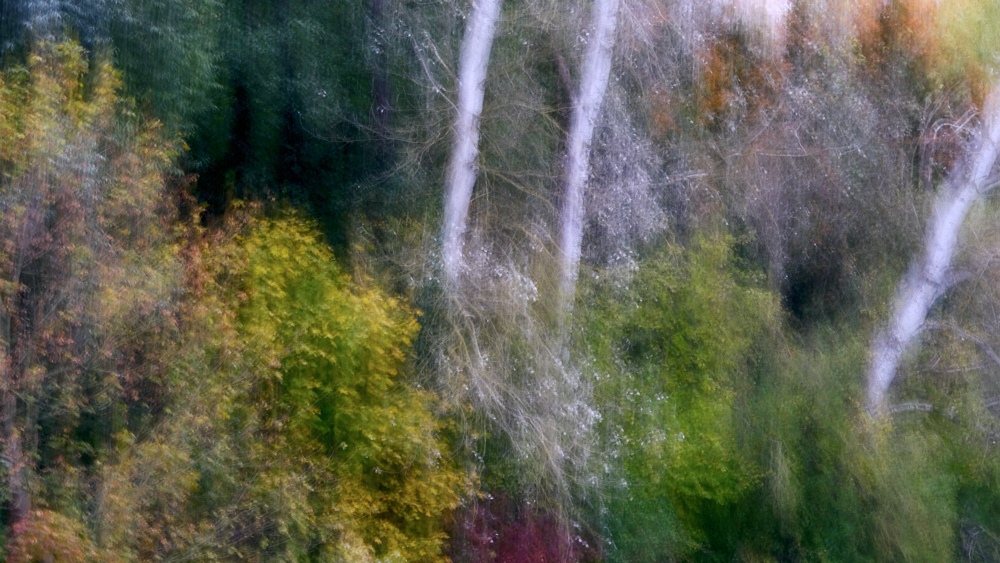
I became aware, that the noise of many will point you in all possible directions. But the voice of a few will show you the right path. So, listen to honest feedback of trusted ones whose only goal is your own success. But sometimes, only yourself can know what is appropriate and how balance can be maintained from start to finish – and all the way back.

Random Access Memory

Random Access Memory

Here, take these cookies, be a member, we remember. All of it. Eat, sleep, work, repeat. We bleed, sweet data. Still we tweet – no chance to cheat. It’s temptation, an online nation. Only little hesitation. Enjoy these widgets, rising digits to the sky. A day flies by. A week flies by. A weekend dies with clear blue skies. I briefly wave – but it’s too late. Too late for greetings, many meetings. Too late for any getaway. This day, at least, from the ever hiding beast. Wishful thinking, blinking prey.

But thanks for remembering this birthday from a long-forgotten friend. Attend, or force the end? Phone shines, mails are answered by AI. We buy. Ever increasing entropy gets organized. Our lives exactly sized and priced: A crime. But, at least, we can access everything, everywhere. All the time. A dulcet chime, a finished rhyme: Technology, boon and bane, like a chain.
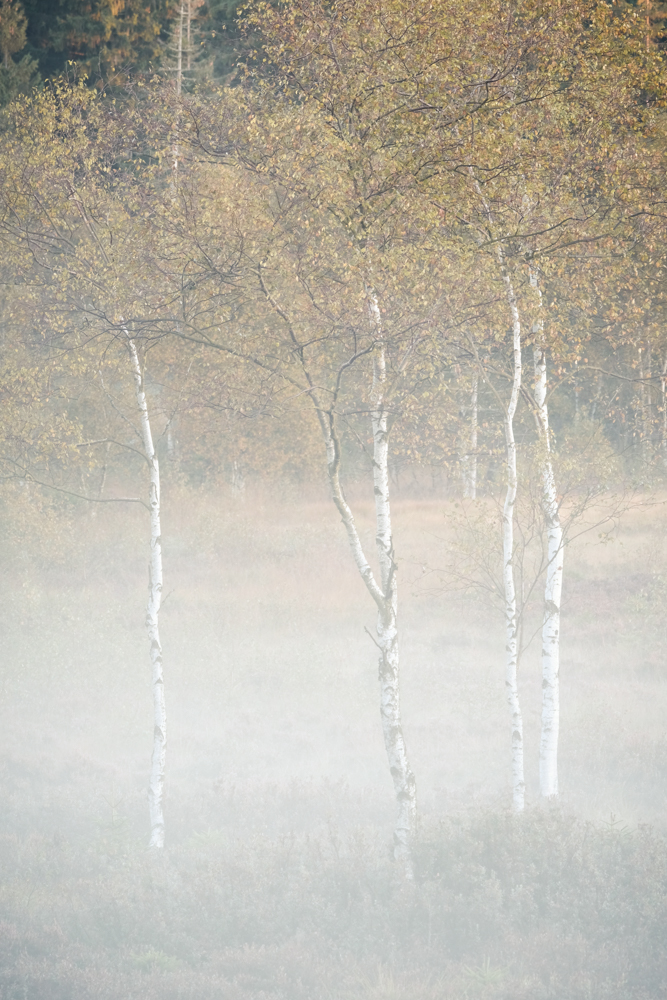
Where did all the years go? I know, deep below the surface. Good night, withering planet, so bright and ill. Just give me the blue pill. And let big data suggest the best set of pictures.

Birches, Deer, Fog

Birches, Deer, Fog

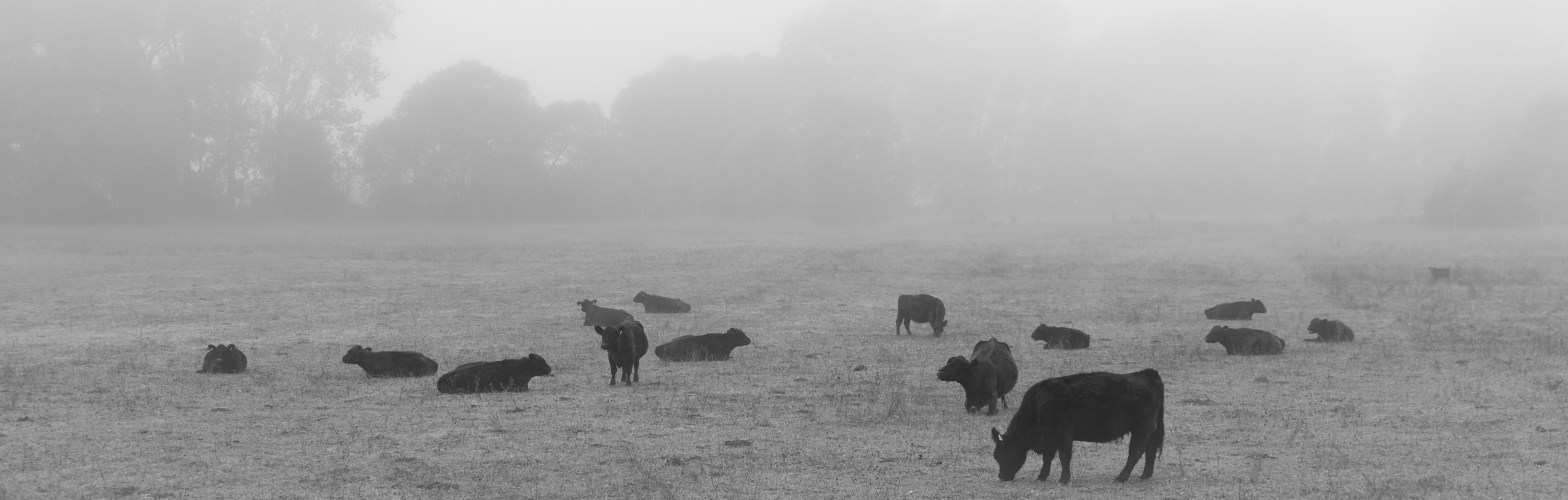
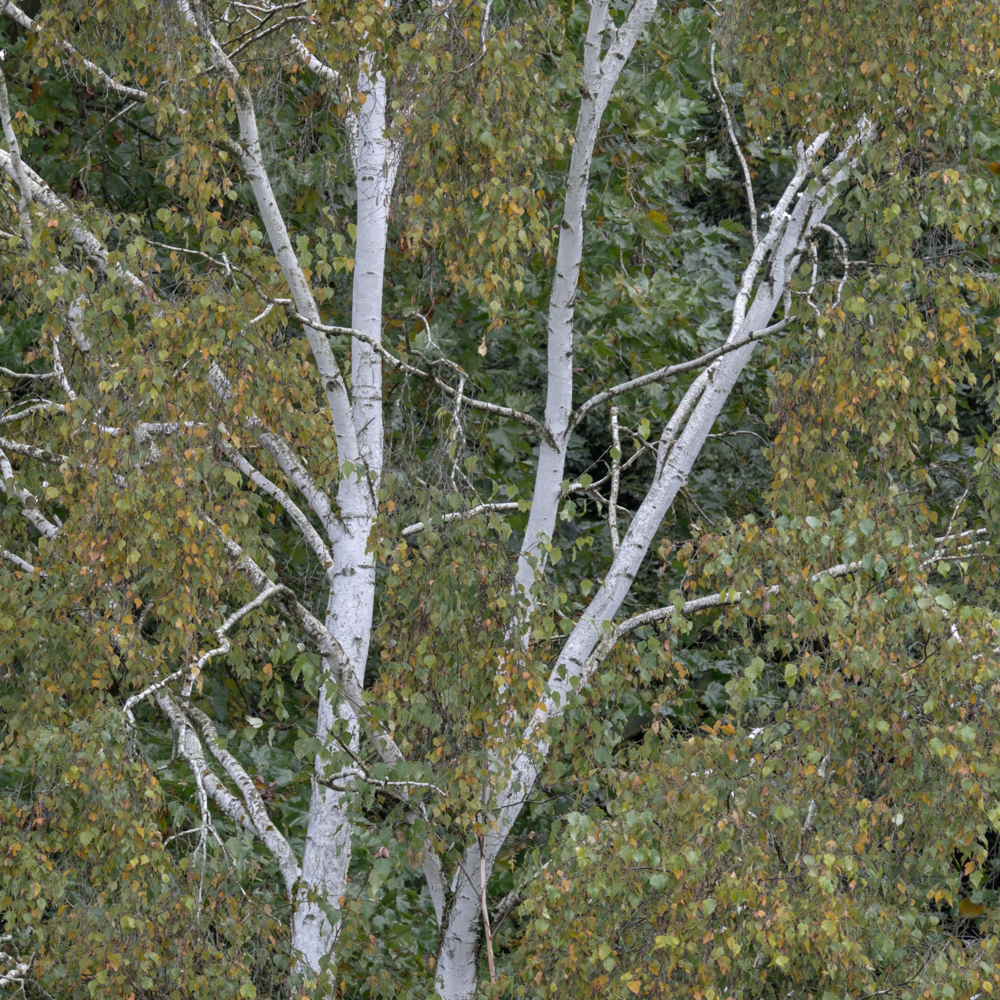
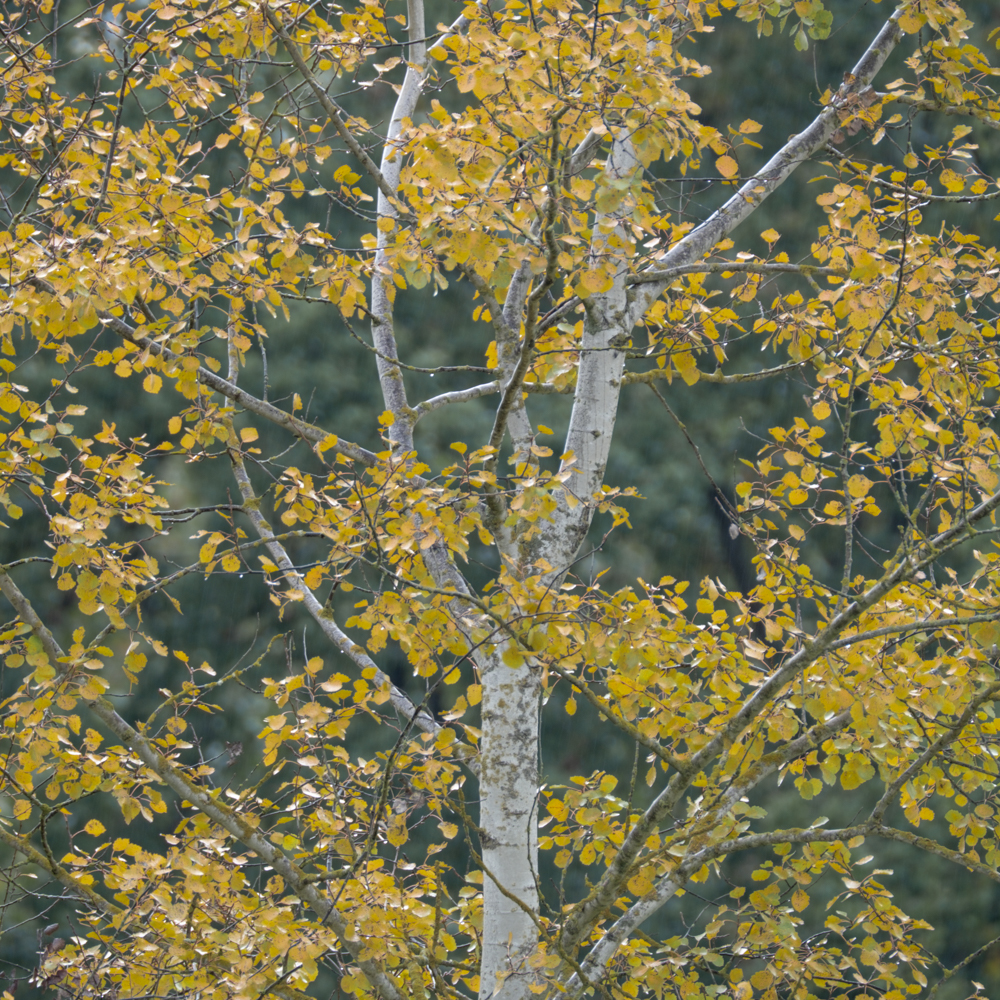
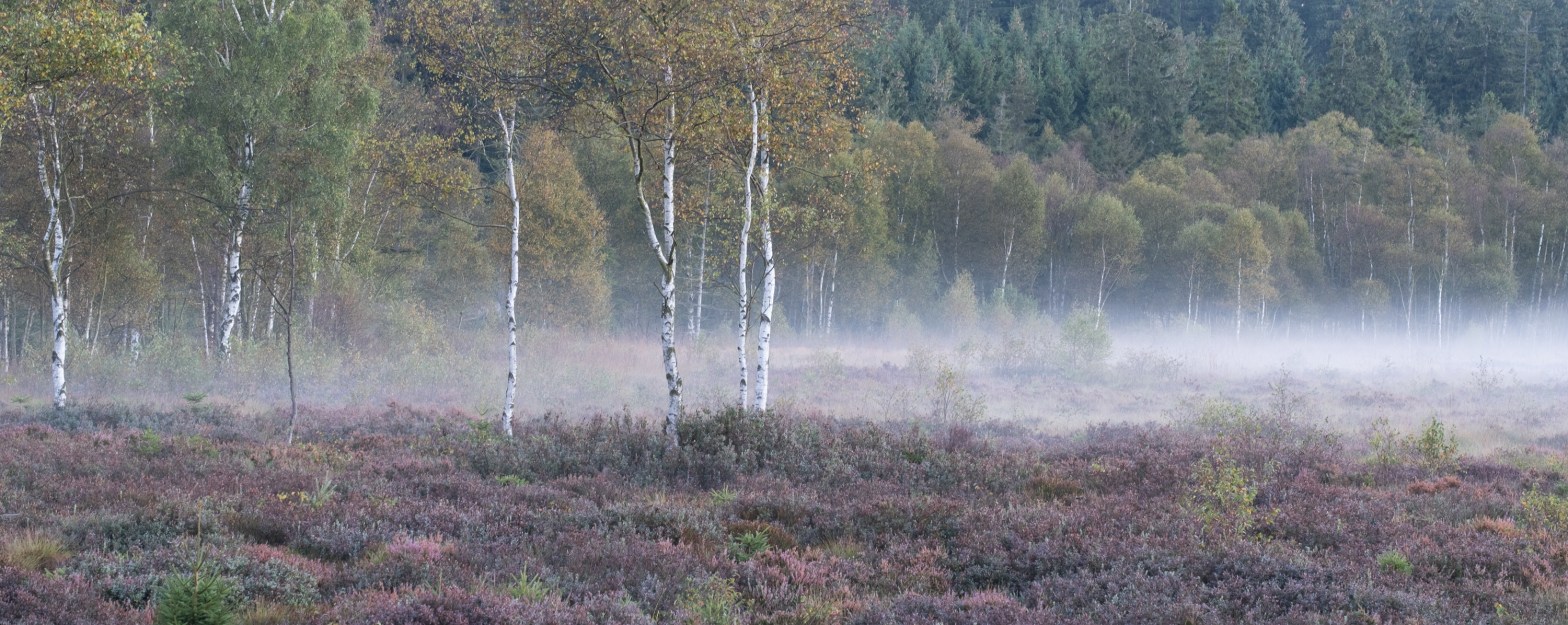
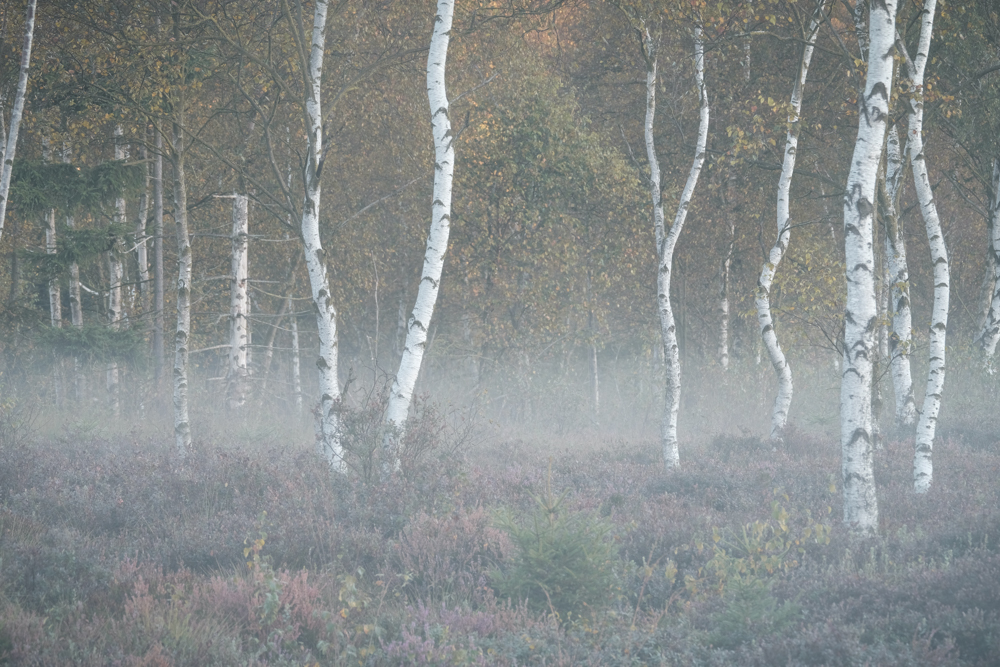
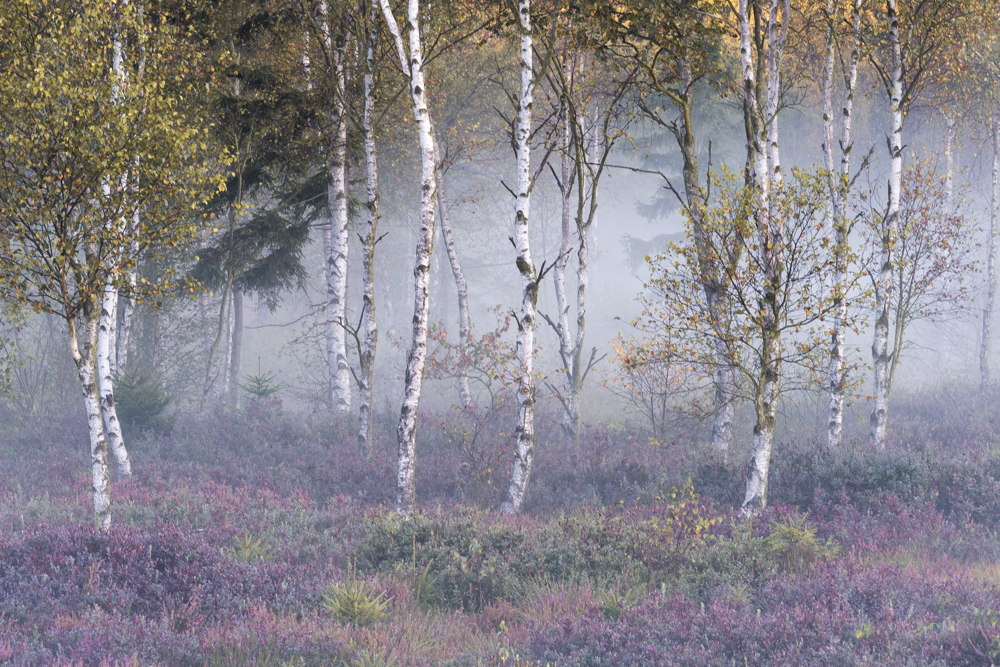
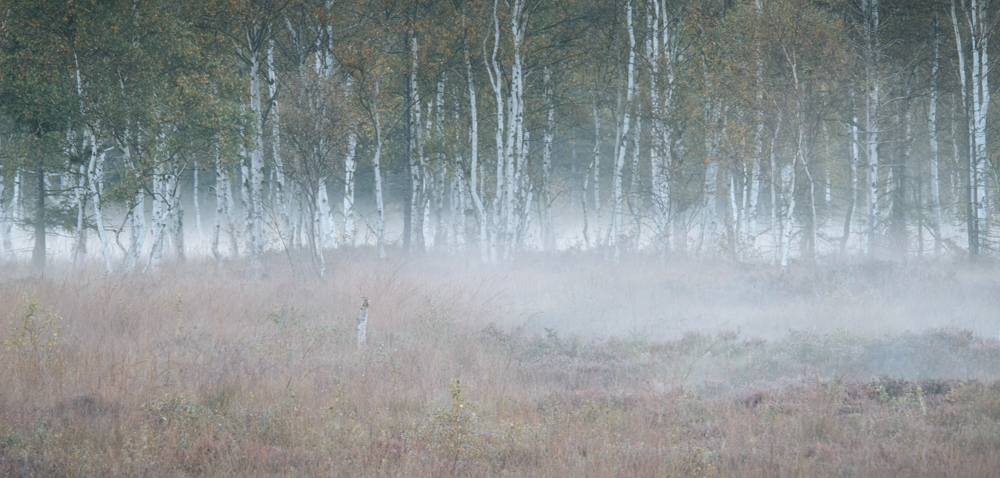
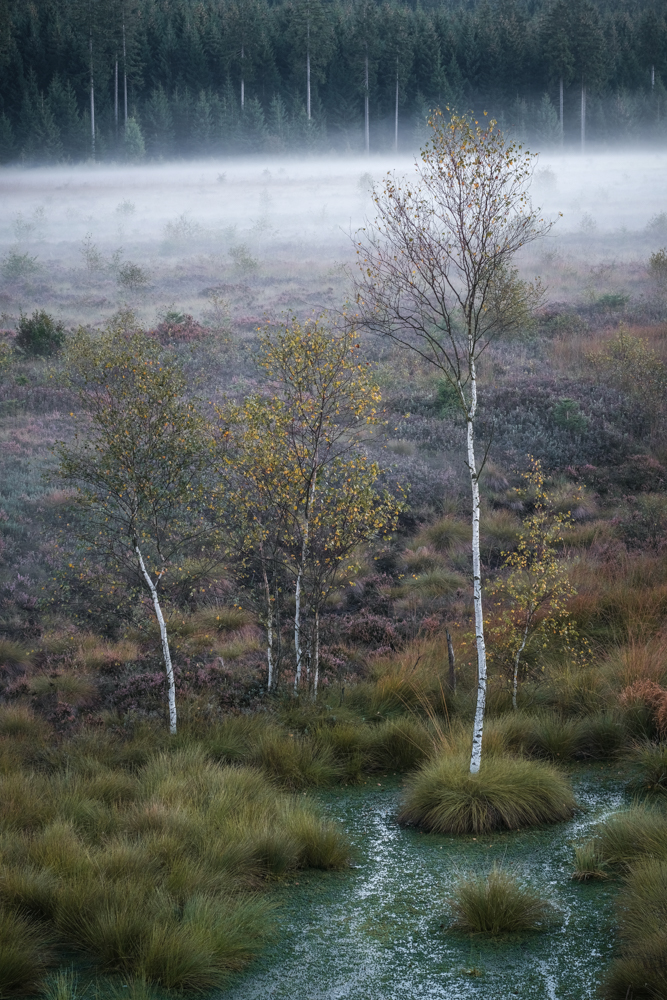
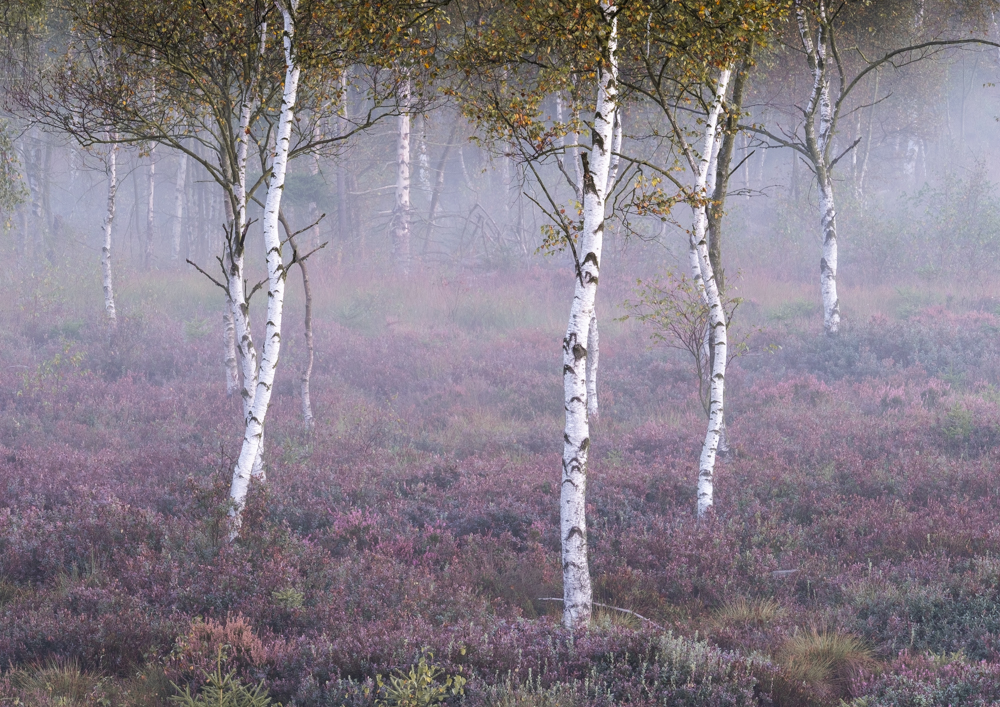
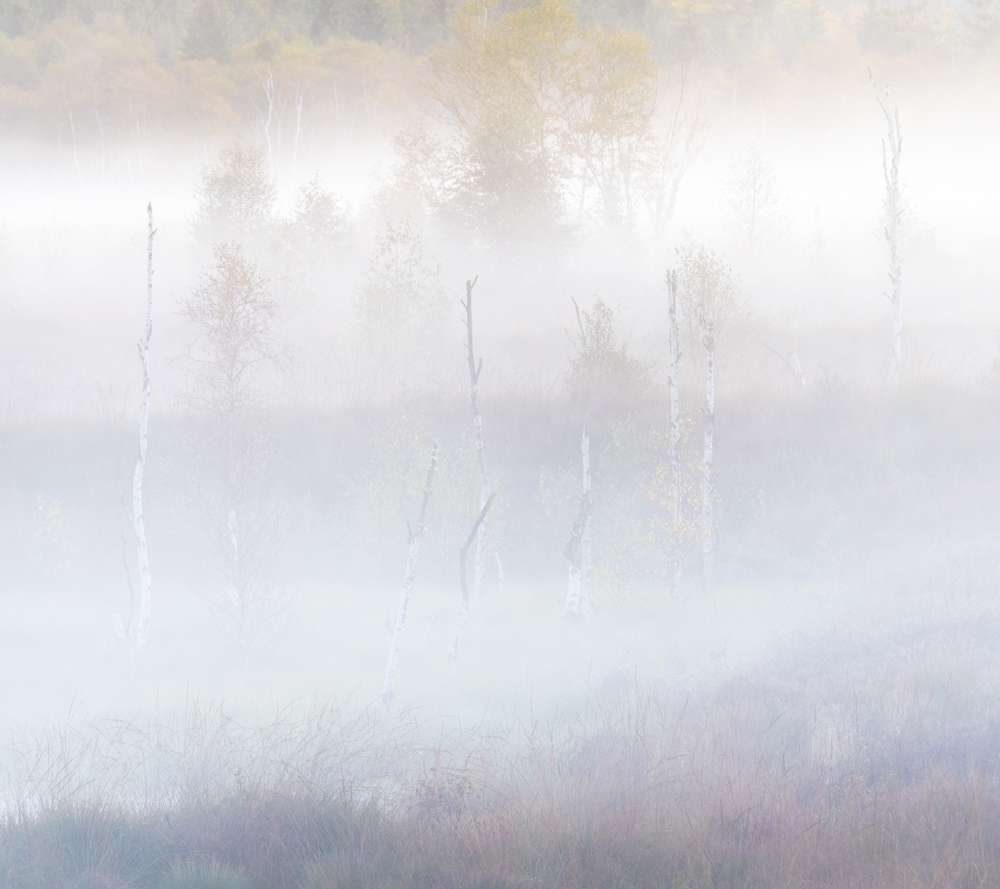
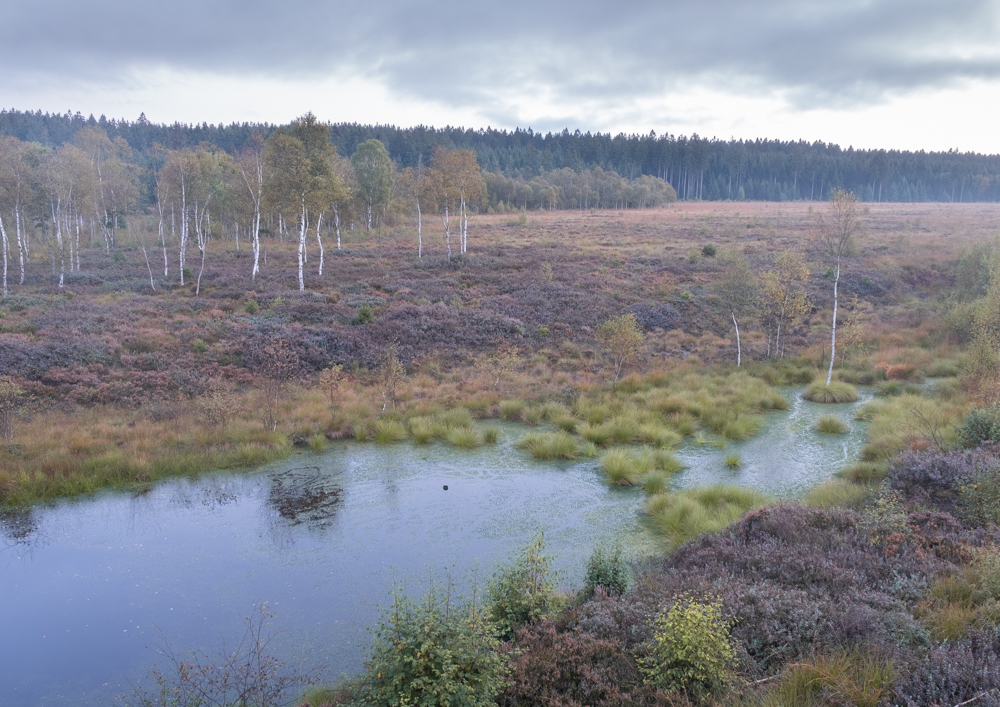
The scene: A large glade within the swamp, stretching under the moon-lit sky. The actors: Multiple deer, hidden between the trees, rutting season has begun; a group of motionless birches, leaves turning yellow. The director: Fog, shaping the landscape, constantly changing the stage.

People

People

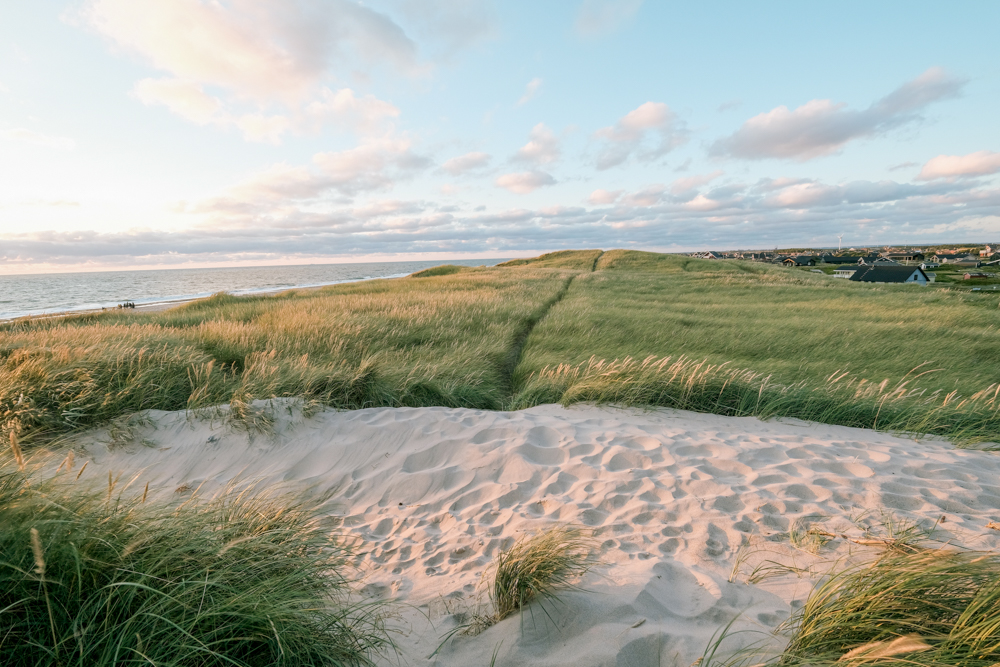
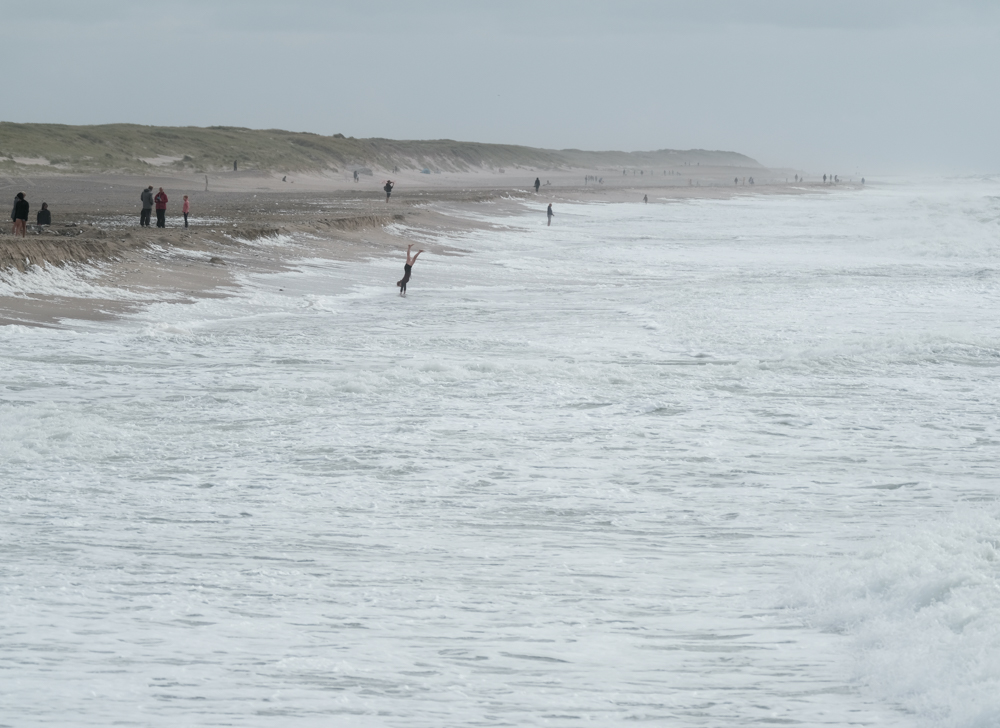
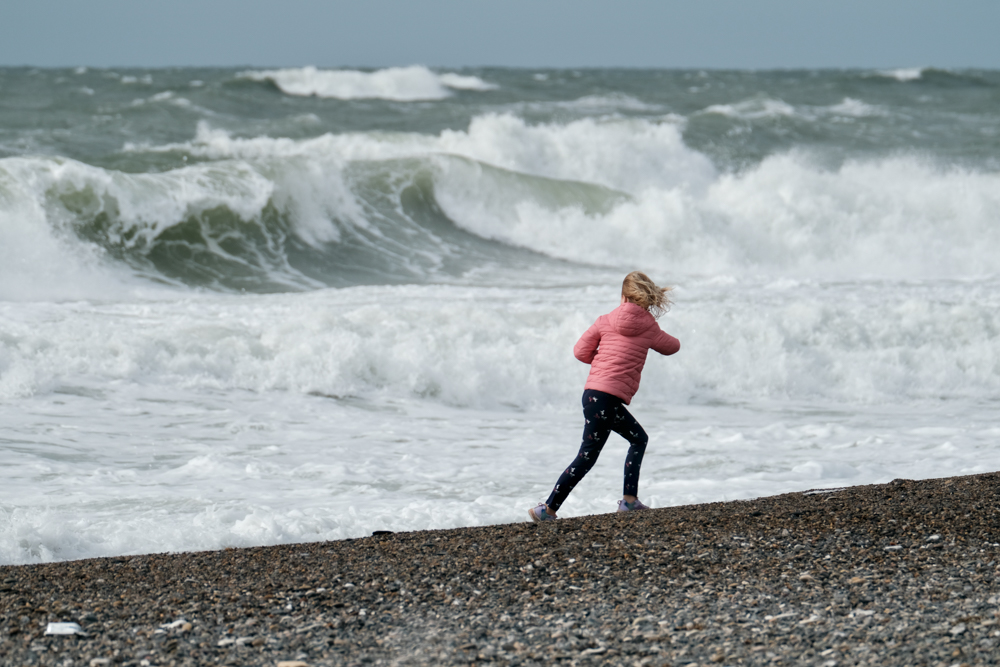
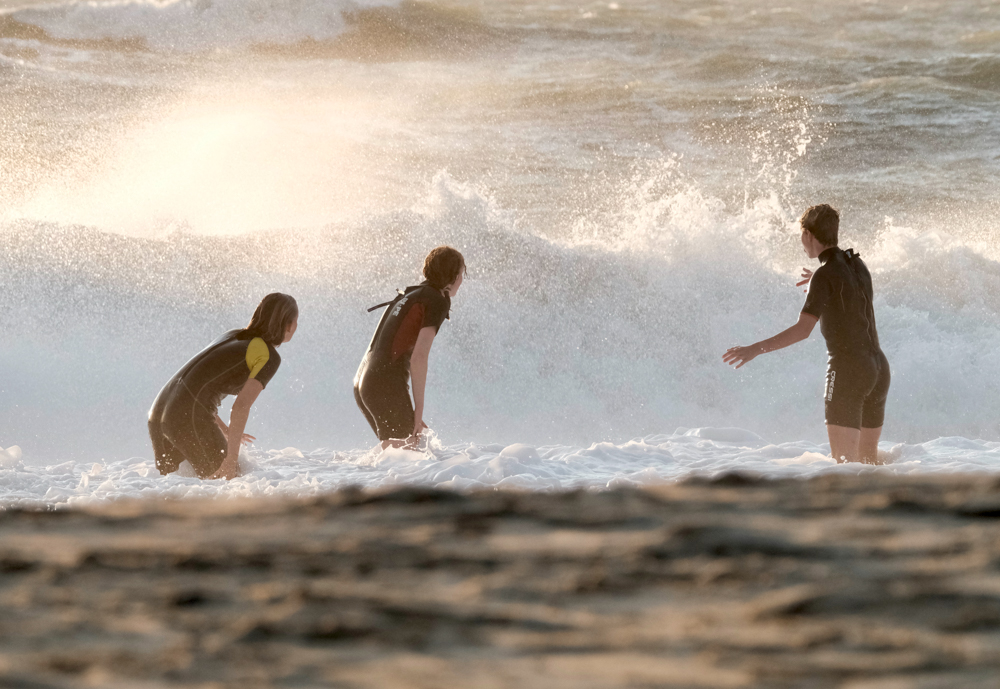
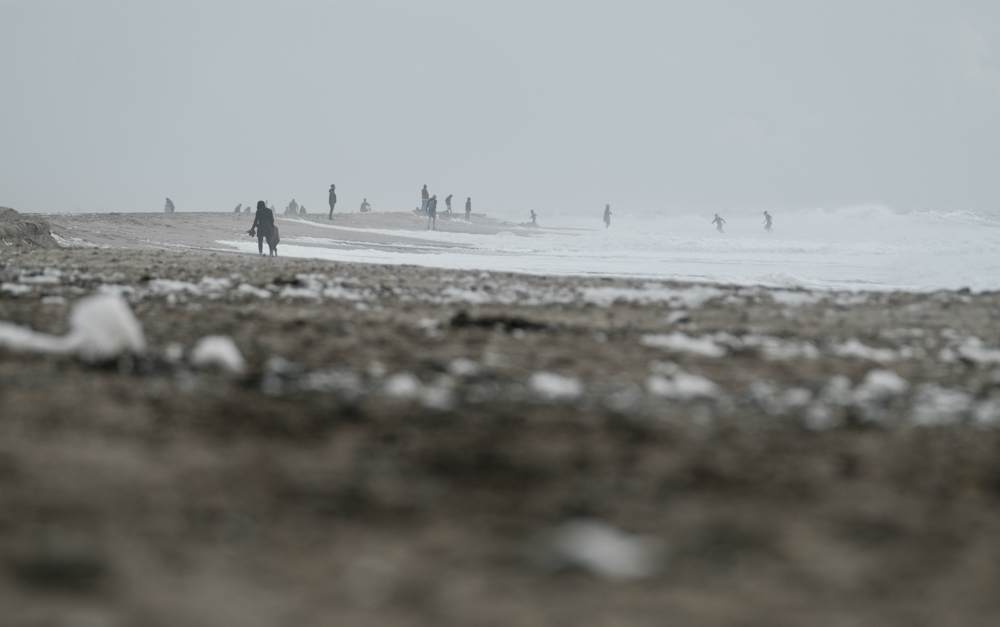
After three days of constant rain, grey weather and grey water, the skies are mostly clear. The sun is slowly approaching the horizon above the vast ocean. Despite low tide, large waves crash at the coast line and the water is shining in cyan, teal, and turquoise – unexpected, here in Denmark. And there are youths in front of waves. I’ve photographed people rarely, especially strangers, but this time I approach them and ask for their permission to take some pictures. It brings more joy than expected. Especially when they see the pictures afterwards and their eyes open widely, a slight grin on their face. My favorite pictures are the ones that show their facial expressions in the midst of the raging waters (not shown here).
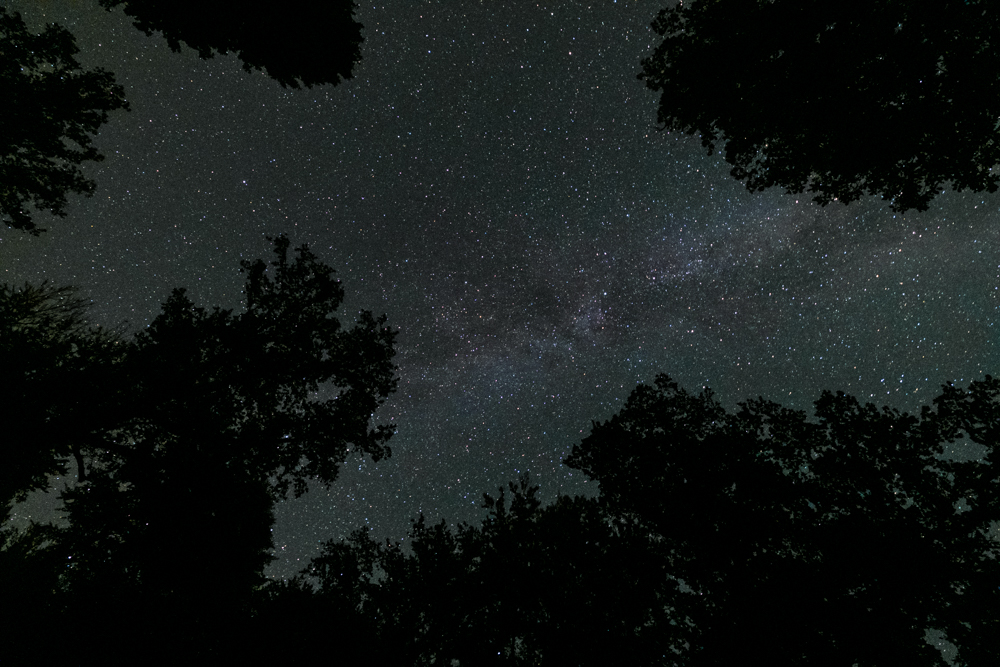
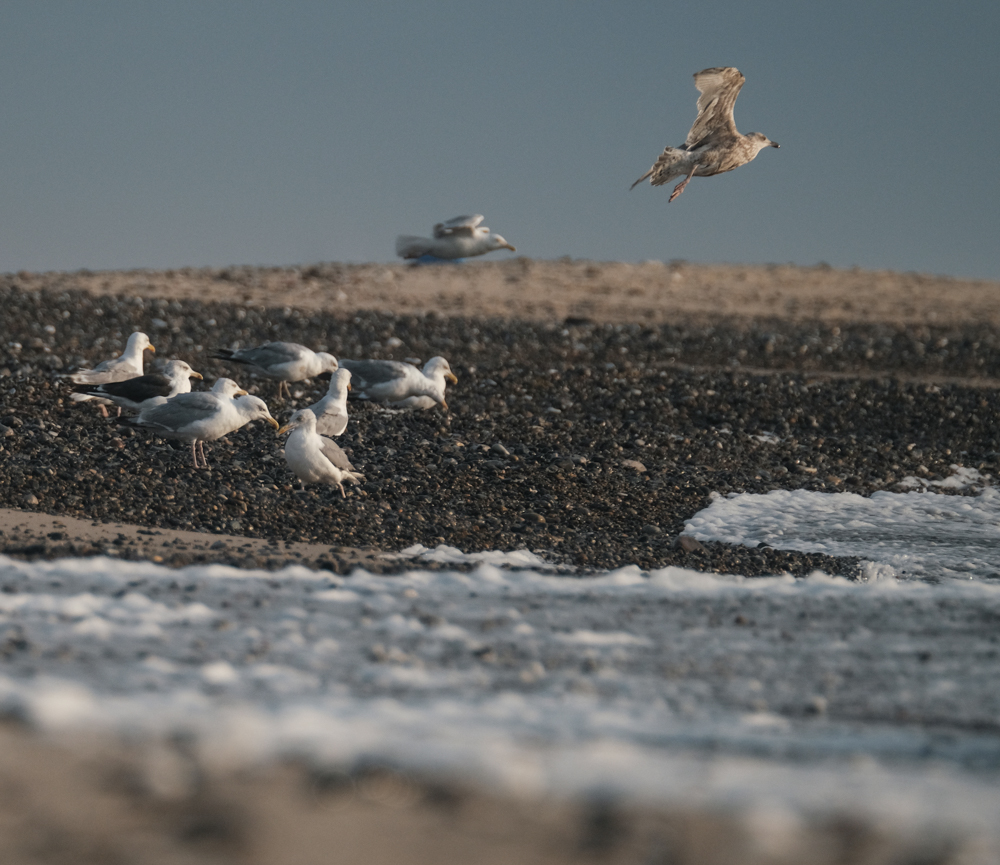
Sometimes, nature can be too beautiful to comprehend. The birds causally sail the uplift above the ocean, the forces of water and wind no human structure can withhold, and the dazzling dark night sky scattered with uncountably many stars. In the end, human life is rather insignificant within the great universe we are in. Even if we manage to save this little planet for a while, our solar system will die eventually.

Similarity / Dissimilarity

Similarity / Dissimilarity

We’ll mix it up this time. Correct: Not I, but We. Because you’re going to get involved in this one. One simple question, many answers. Take your time to think about it before reading on; here comes the question:

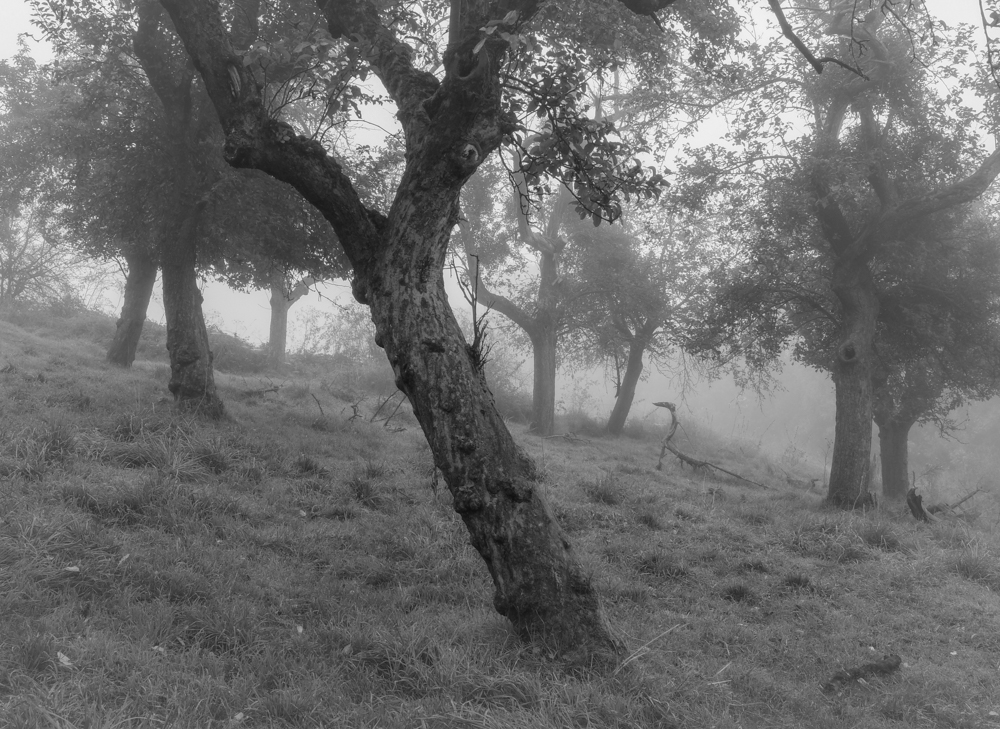
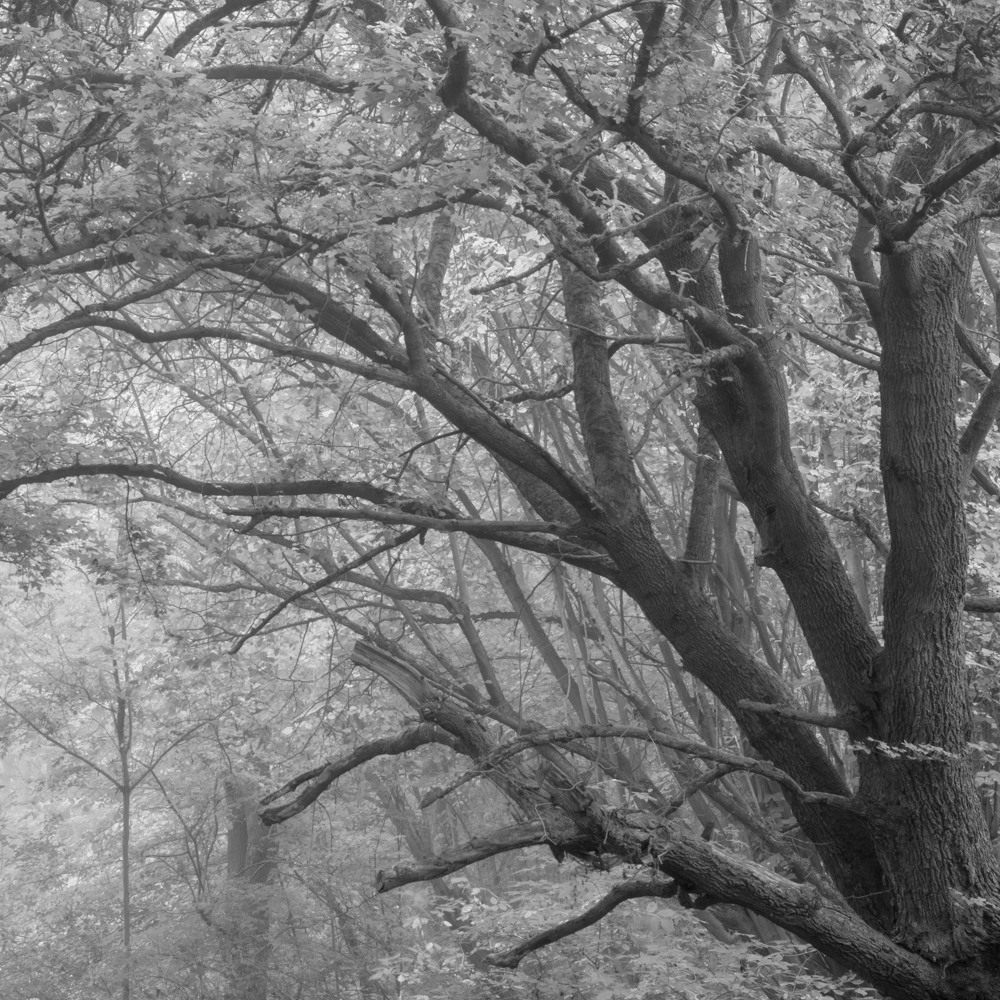
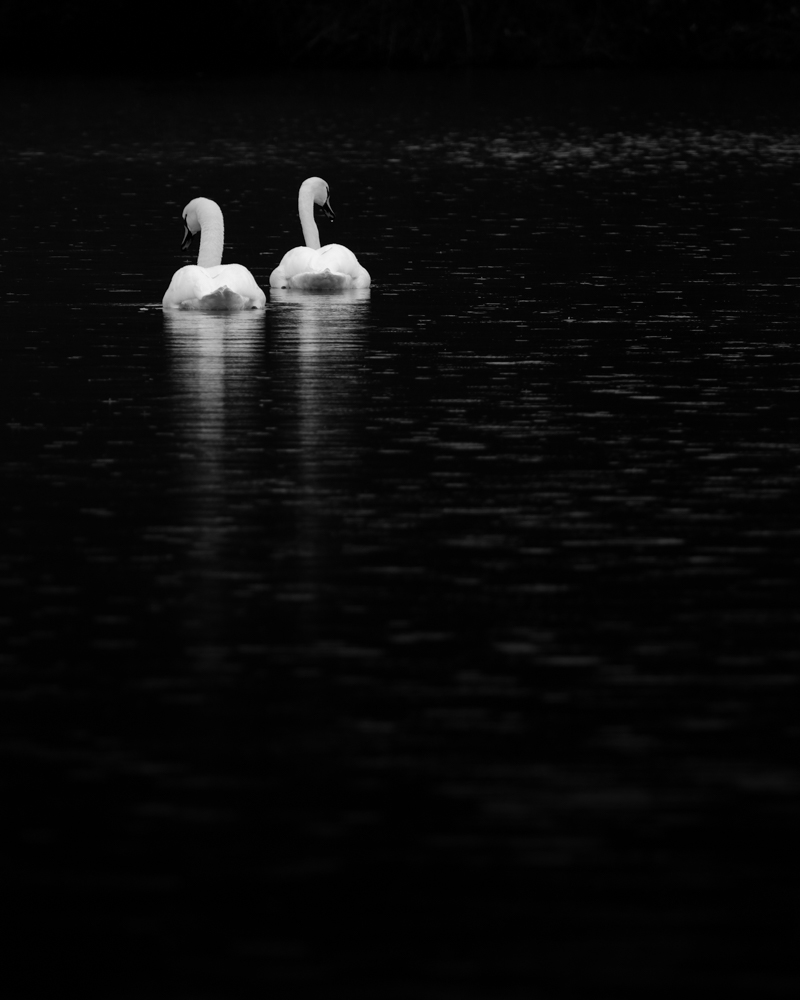
Are the following pictures similar?

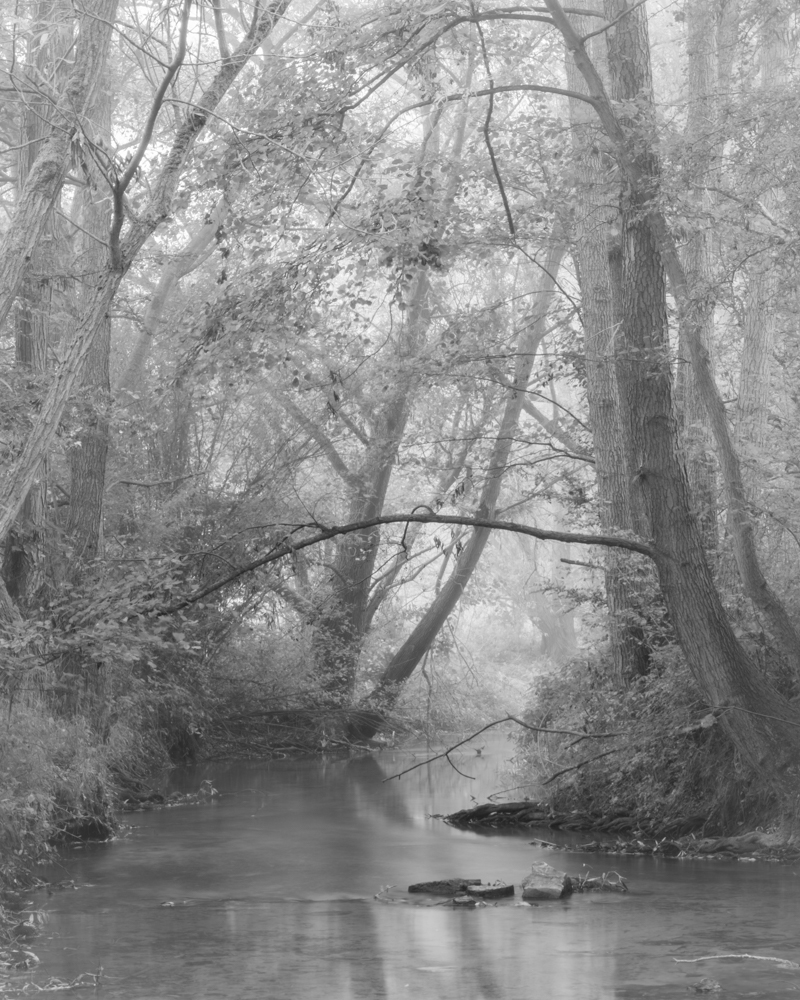
Let’s start with the basics: They are digital pictures shown on a website, saved in the same digital format. Not known to you, they also have the same number of pixels along the long side. To be exact, 1000 pixels as all pictures here in order to not occupy too much space (and to not get stolen – but who will steal them anyway…). Color information is stored in Adobe RGB color space, however, since all are black and white, the information for red, green, and blue is identical for every pixel anyway.

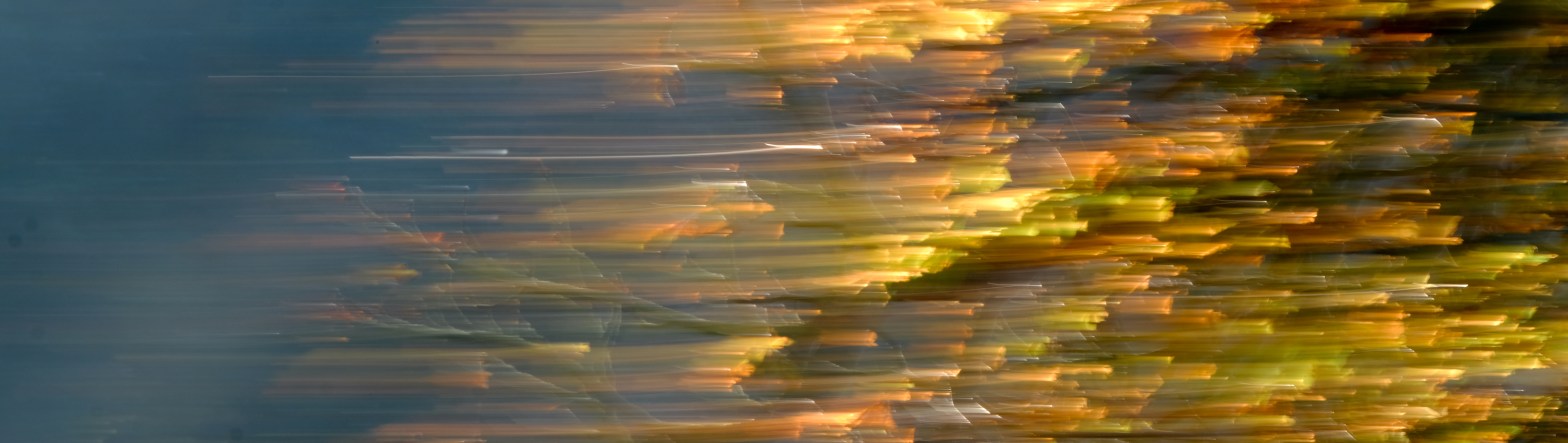
Not so fast, you will intervene. And you are right in doing so: While the long side is always 1000 pixels, they do not share the same aspect ratio, nor the same orientation. And it won’t be a stretch to claim that between every two pictures no single pixel is identical. So already after these first simple investigations we see a problem emerging: They are similar to a specific degree, identical in some respects, but disparate with respect to other criteria.

Let’s dive deeper: Are the images we see here the actual images, let alone do they inherit or show some of our reality? First of all, they do not show the full data gathered, since the original pictures are much larger, also encode color, and a variety of additional information in their RAW format. And in any case, they are just some arbitrary representation of reality without any real connection to it. One of endless possible portrayals of reality. While this does not directly touch on the original question, it is important to keep this in mind when we search and interpret their similarity.

Lastly, how do the overall pictures appear? Even if the single pixels are different between all images, combined they create patterns that can be alike. The pixels combine to a variety of forms, which, in turn, are received differently by different viewers. Waves, scales, oscillations, geometrical forms. And are they really creating these patterns or does the viewer infer them? Can we infer different patterns from the same picture?

I could go on for a while, but it’s getting too long. Let’s move on to the second question: Now, we also need to quantify the difference between every pair of pictures. On a scale from 0 to 100, how different are these two?

And what about these?

I think you are getting my point. We can create an endless list of metrics and choose what we think is best. We can apply these metrics to these simple images, or we can gather more data, larger pictures, RAW data, and then apply the metrics. We can weight and combine metrics to generate an overall score of similarity, we can try to assess how it performs in comparison to other scores. We can compare pairs of pictures and create a hierarchy of similarity. But it will never be the same when done by different people. And in the end, it’s quite arbitrary. Do we look at pixels, color, form, format, derived patterns, povoked emotions?

Most of the day I am doing such arbitrary comparisons. Not between images, but between DNA strands. Instead of pixels I am looking at sequences of A, C, G, and T. Depending on the chosen metric, a variety of results emerges. There is no correct metric, no correct similarity measure. There is no correct way to describe reality, neither to analyze and exploit it. There is an infinite number and every single one creates another distinct result.

But fortunately, in the end, it somehow seems to work – at least sometimes, when it solves a problem in biology research or medicine; but most of the time I don’t get how.