Moved by the Wind

Moved by the Wind

I love the process of making photographs: Turning the dials for setting shutter speed and aperture, framing the subject, experimenting with different lenses. The haptic feedback of turning the focus ring and observing how nature is transformed in front of your eyes: From soft and vague shapes, to well-lit and pin sharp flower petals, to out of focus trees at the dark forest edge. It brings joy to press the shutter, so much, in fact, that I often end up with way too many pictures of the same scene.
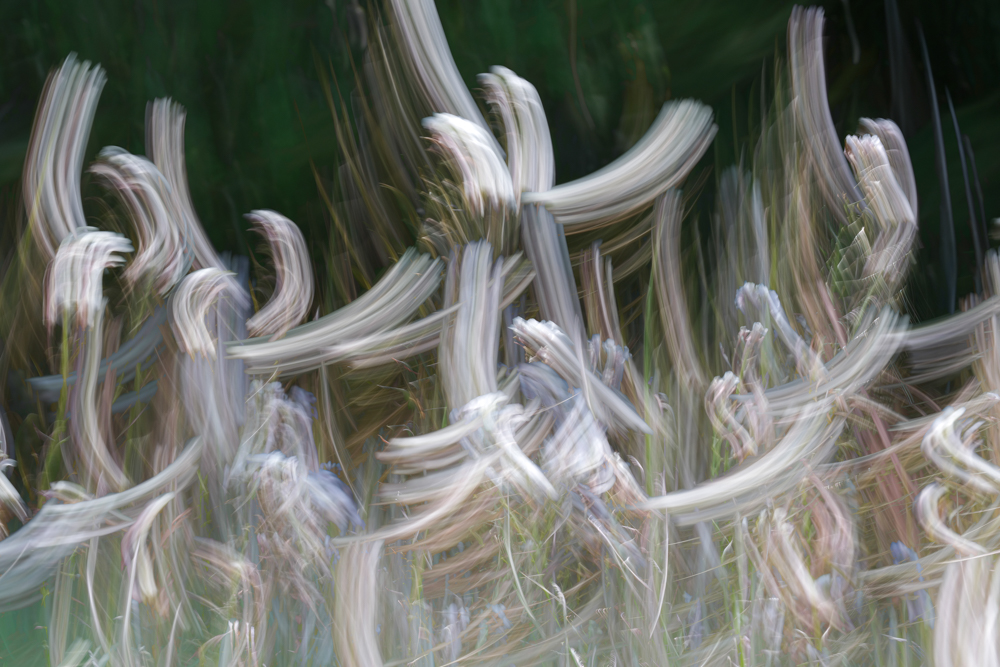
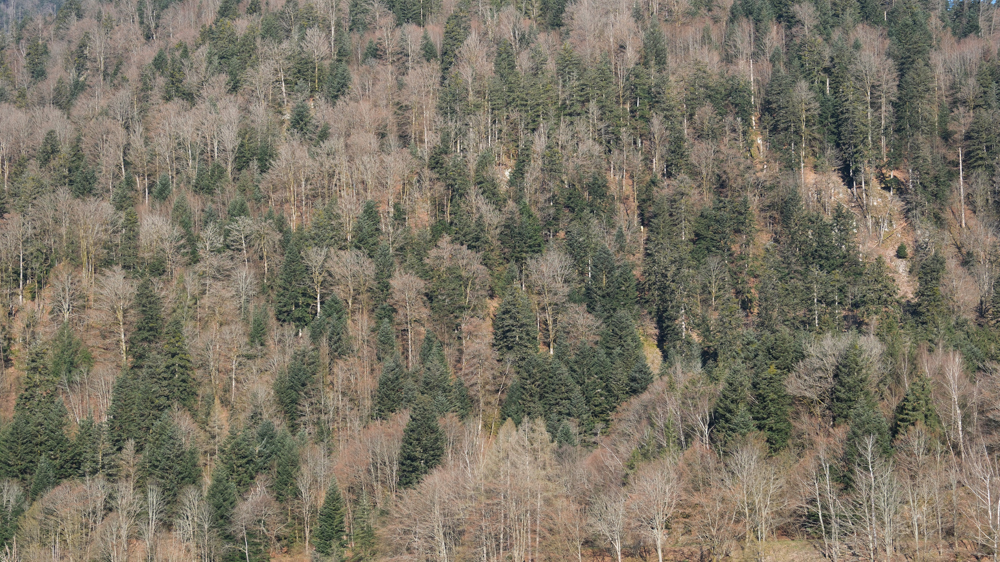
Best conditions for taking photographs are often the blue and golden hour, foggy forest scenes, or dramatic skies. Even though those nature spectacles are marvelous to experience and photograph, I am more satisfied when I manage to take appealing pictures without gorgeous light. At least appealing to myself, as I am aware that this style of photography is not everyone’s cup of tea.

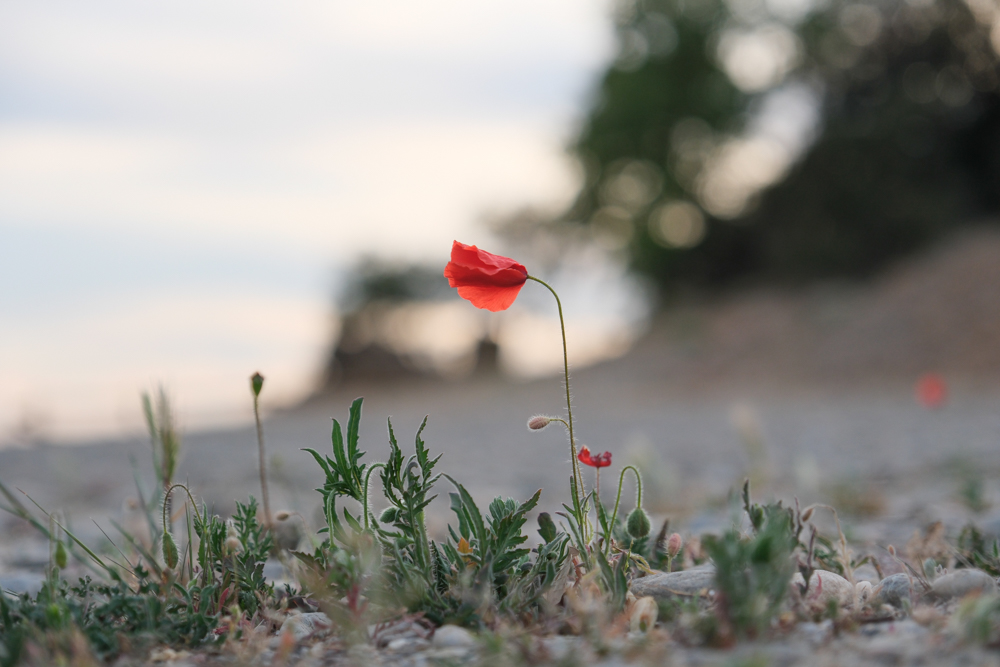
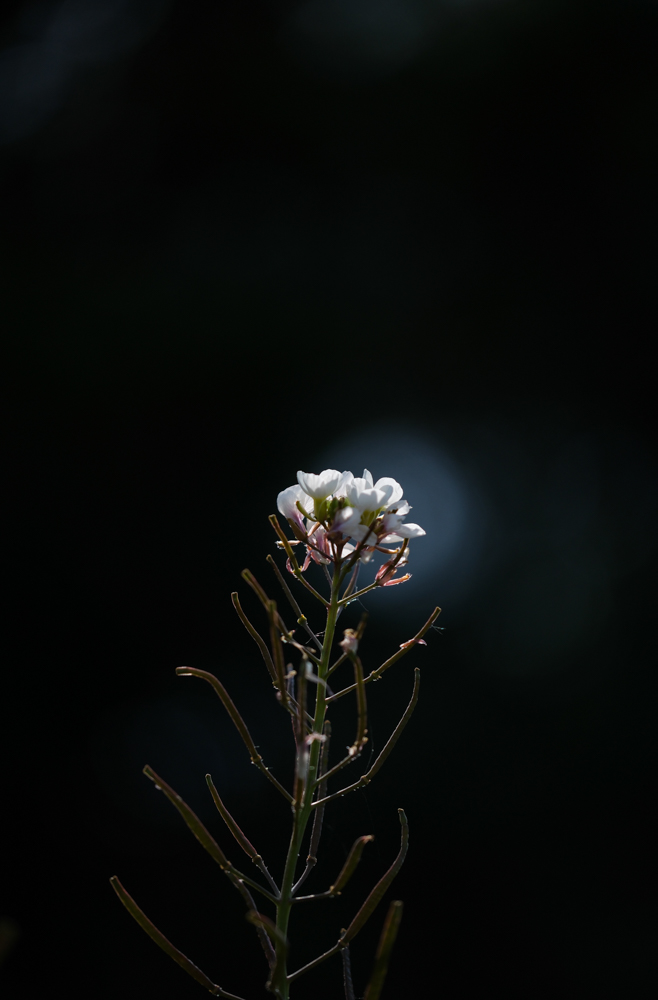
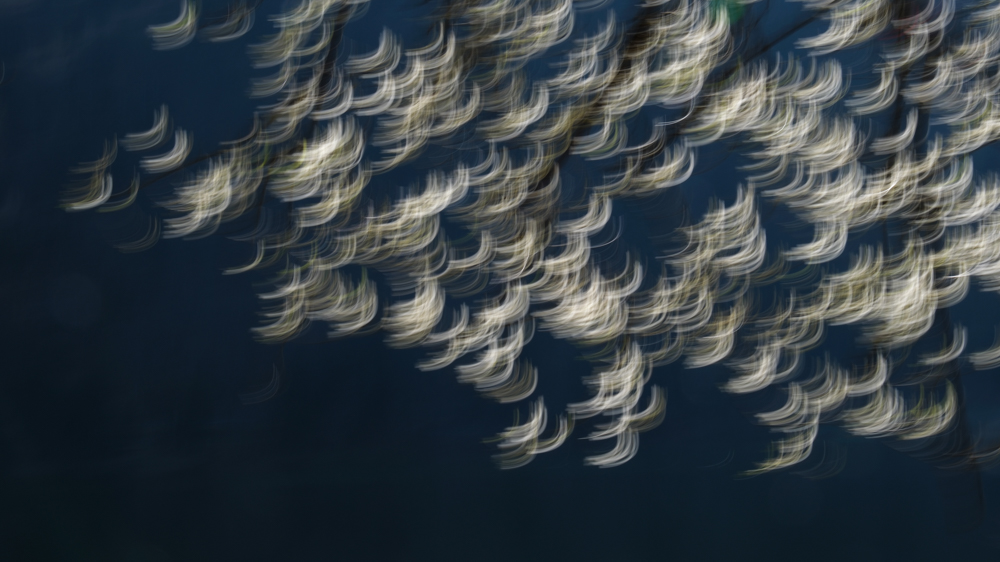
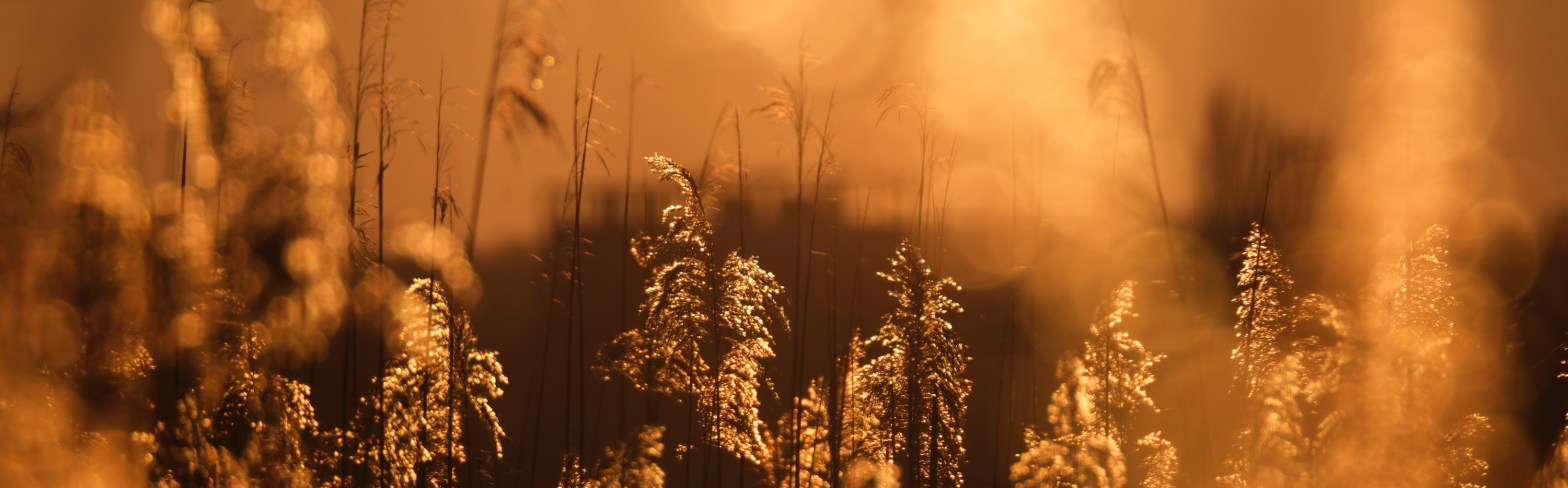
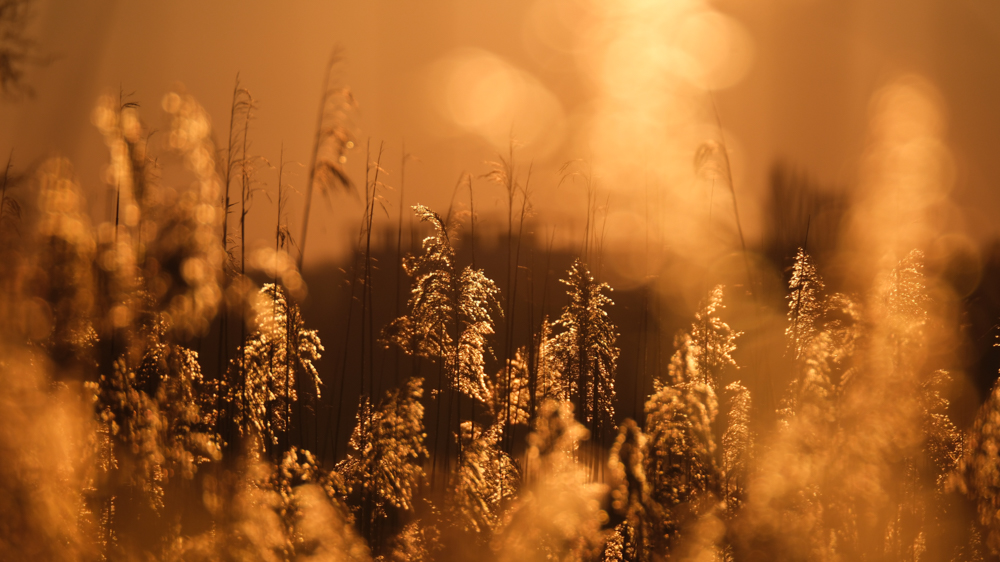
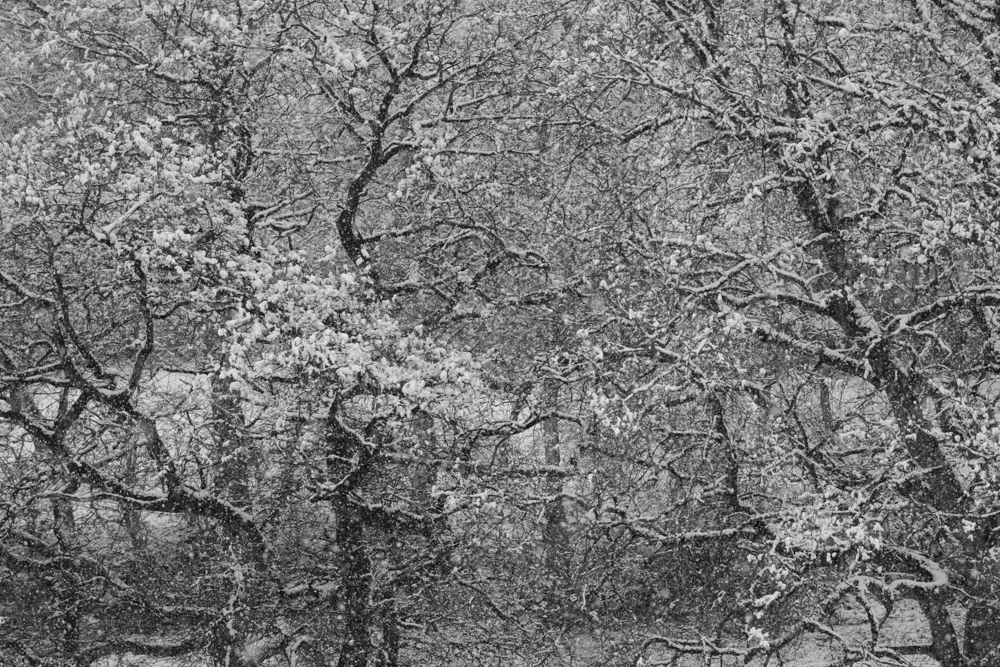
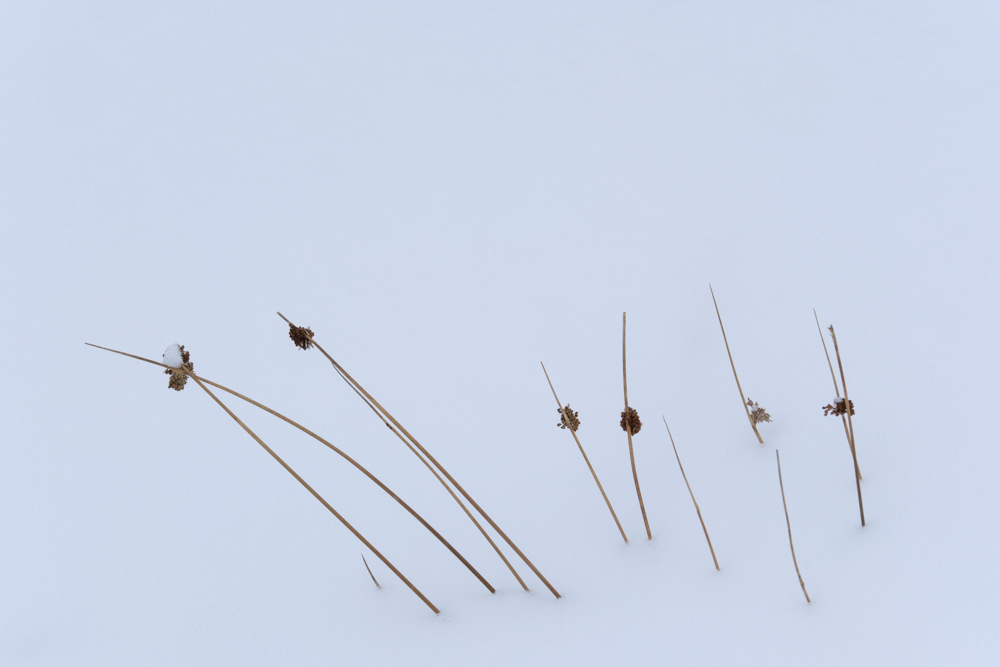
On this particular day, wind and sun were strong. I went out during high noon expecting not too much, but I ended up with one of my favorites pictures of the whole trip so far: Grasses and flowers, moved by the wind. Taken in bright sunlight on a barren field. Simple shapes and patterns. Between abstract and concrete. A subject and a feeling. A sense of the scene.

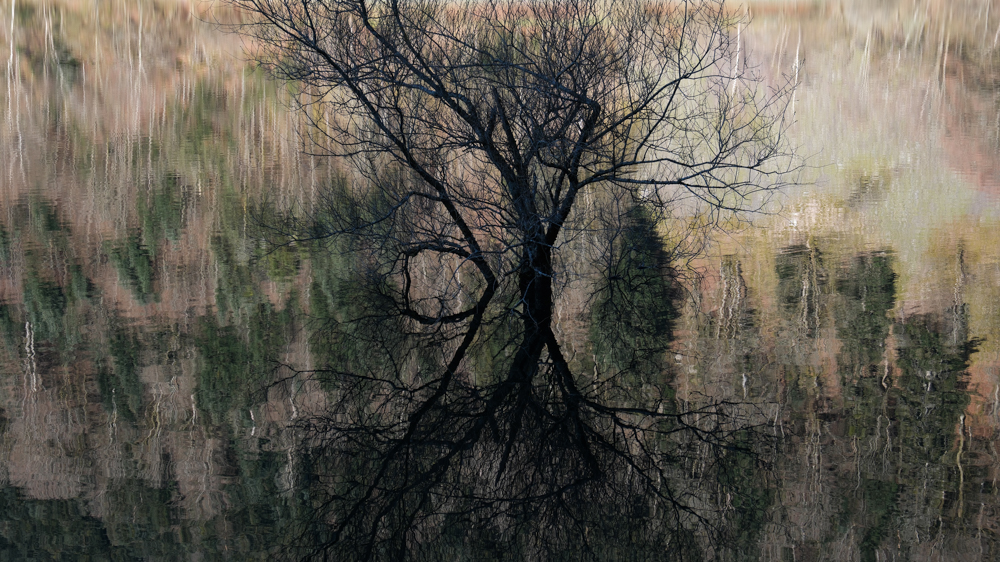
In the beginning I wanted to photograph what I saw. Now, I like to believe that I photograph what I feel. How nature makes me feel at that point in time at that location. Of course, I still photograph what I see, but by now my repertoire of techniques has grown enough that I may come closer to the essence of the observed scene. Or: to one essence of the observed scene, allowing to take vastly different pictures of the same subject by using different techniques. At least sometimes, as this does not happen too often. But the best moments are when it does.

So gut wie nie geschlafen

So gut wie nie geschlafen

Bellende Hunde jede Stunde, von Sekunde zu Sekunde reist der Geist von wach zu schlaf. Zu wach: Ein lauter Krach, der Nachbar schließt laut seine Tür – ohne jegliches Gespür. Ich mach das Dach zu und lieg flach im schwülen Bus, jetzt fehlt frischer Luft-Zufluss: Fenster auf zum Kühlen. Schluss, jetzt wird tief geschlummert. Endlich leise, zeitweise. Vögel singen, paarweise, Ton-Gebilde in die Nacht. Milde Luft bringt feinen Duft von Regen rein, von wegen kein Wasser, es tropft und strömt, wir sind verwöhnt von einsamer Natur; pur, rund um die Uhr. Und in der Ferne helle Sterne, eine einzelne Laterne leuchtet mitten ins Gesicht, ihr Licht durchbricht die dunkle Nacht, unangebracht. Feine Glocken von drei Schafen, Wellen im entfernten Hafen – wir schlummern ein, so gut es geht, bevor der nächste Tag ansteht.

My Dear Friend,

My Dear Friend,

I thought I am good in farewells, maybe even experienced; after all, I was close to having my last farewell more than once. But apparently I am not. There is the saying that you only learn to appreciate something when it’s gone. I already appreciated our friendship while it lasted. And they say ‚distance does not separate’, but it does. And so, here we are, you will stay and I will go. The distance will separate us, and we will continue on our own paths. You made me feel at home, you made me feel happy, and you made me feel safe. Thank you.

Hashtag

Hashtag

#toohottoohandle #piesdegato #erstdiedrohnedanndaskind #nosleep #sabrinawobistdu #bellendehundebeißenauch #katzeimbus #musicisforeveryone

Sujet (Part 2)

Sujet (Part 2)

As a kid I had a whole collection of matchbox cars. My favorite one was a blue police cruiser which had blinking lights — simply wonderful. I sometimes still miss it. Together with my brother, I could play for hours and hours. They were like a large playground for us, offering endless possibilities. Among other things, we developed an intricate car racing simulation; we might even find our old notes in some hidden folder. And within this world of cars, my younger me also found meaning. At least for a while.
I guess at some point everyone who writes, writes about writing. There are endless lyrics on writing lyrics, or poems about their own creation (link). It seems an evident topic. After all, the process of creation is what characterizes any practiced craft. When I started this blog I thought I would get around this topic; but apparently I am not. Back at home when time was sparse, writing often felt easy. Accepting something with its imperfections was fine. But now, as there is seemingly endless time and no obligations, no word seems to fit in its place, no sentence bears a clever idea, and no text seems satisfactory. Simultaneously, the same happens with my photographic journey: infinite opportunities, but no direction. No purpose. No meaning.

And so, for now, I keep exploring the large playground that I’ve found in these creative crafts.
Sujet (Part 1)

Sujet (Part 2)

A retrospect, time to reflect:
birds, poems, and photography
of calm nature, IT mixed in,
sometimes even a unique spin.
I recollect all memories
left from my past, or simply write
what’s deep within.

An introspect, time to dissect:
I‘d like to be an architect
of words with charm and wit, that bite
and split the readership in two,
to reconnect them right again.
I’d like to describe mundane life
as if it carries weight, as if it’s great,
to resonate with other minds.

Upside Down (Part 1)

Upside Down (Part 1)

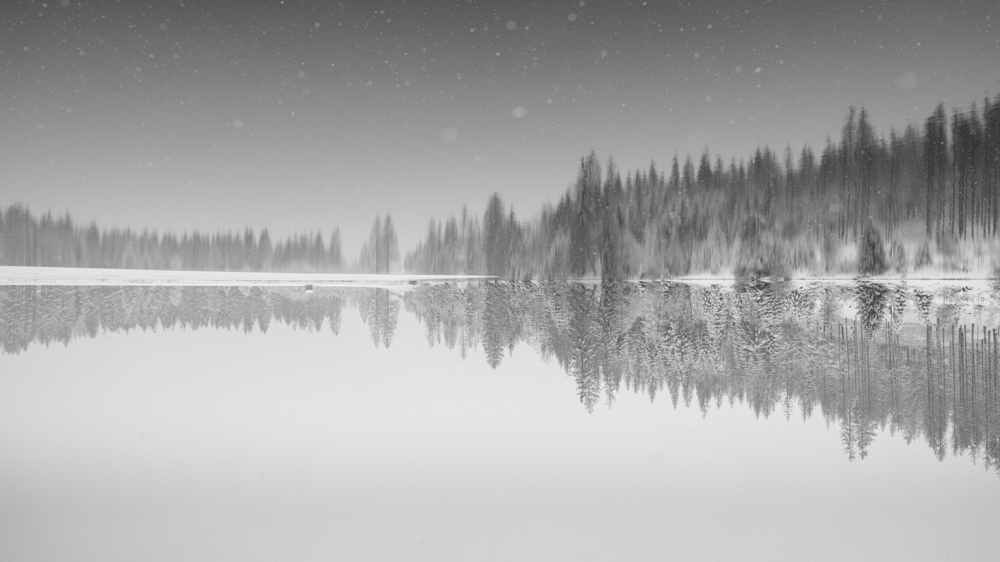
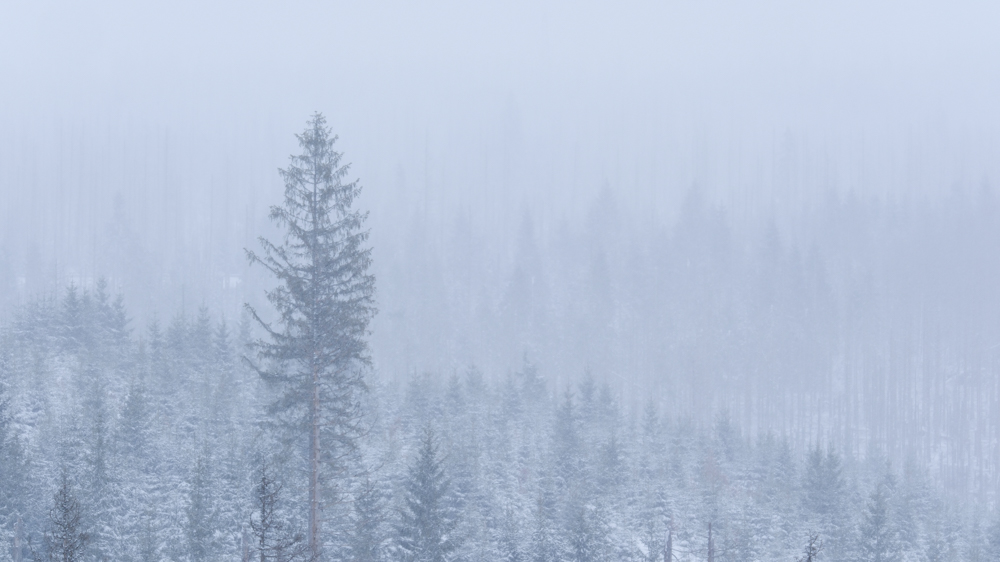
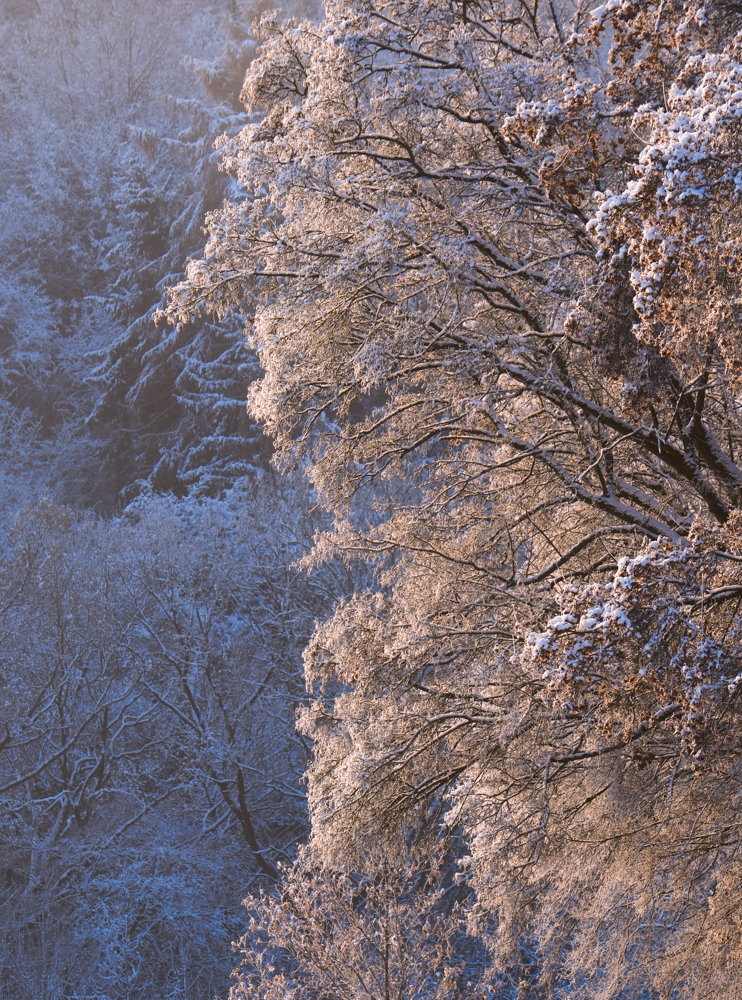
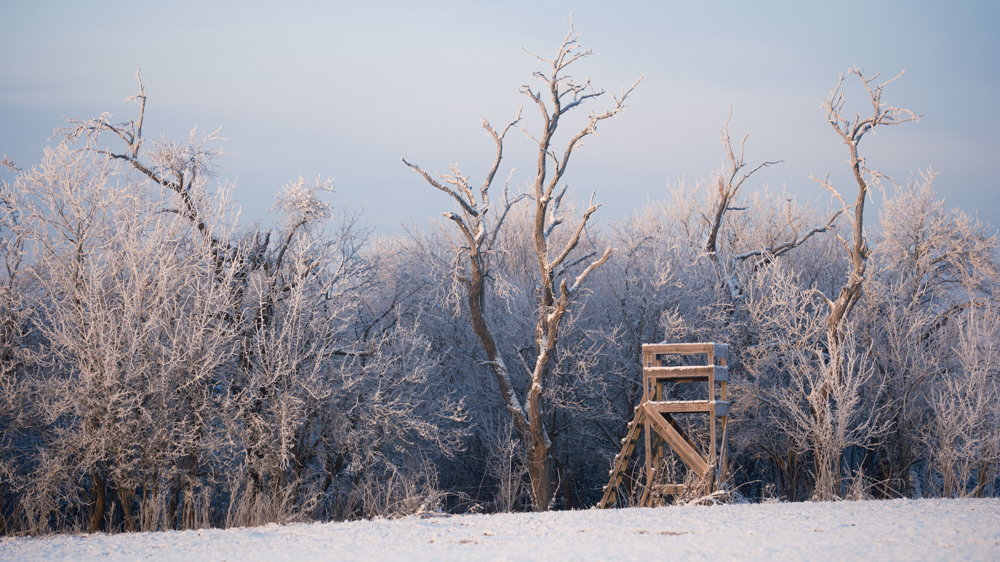
Family discussions are a precarious venture: Bogged down relationships and intimate bonds clash with a mutual lack of goodwill and little restraint in abrasively advertising ones beliefs. The ones you’re nearest to might be the ones who are the least likely to share your worries and fears. Or they might be the ones who possess a seemingly divergent set of values. Each advent of a disagreement triggers the same repeating patterns, and all ways forward appear to be blocked; like a wall of snow, smudging an unequivocal truth, close but unattainable.

One Last Time

One Last Time

Sometimes, there is the necessity for change and, sometimes, there is the desire for change. I love my city, the very city I came to ten years ago for my studies. The very city I stayed in, because of all the people I got to know and because of all the places I became attached to. A city which offers more bicycle tracks than any other city I’ve seen, a city which hosts wonderful buildings, large churches, a rich university life, and extensive nature all around. But now is the time for change.

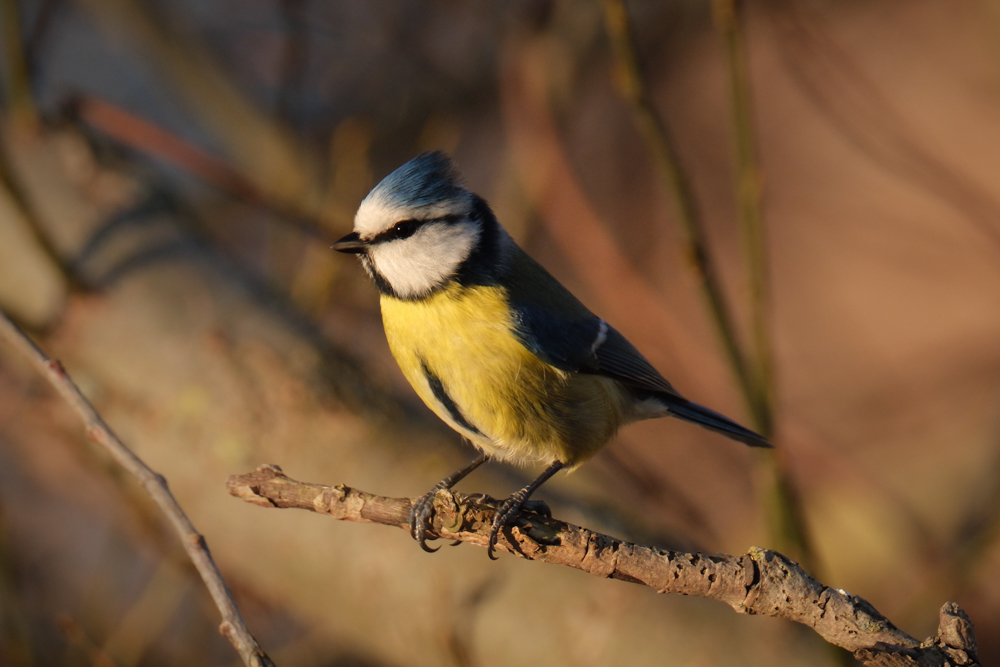
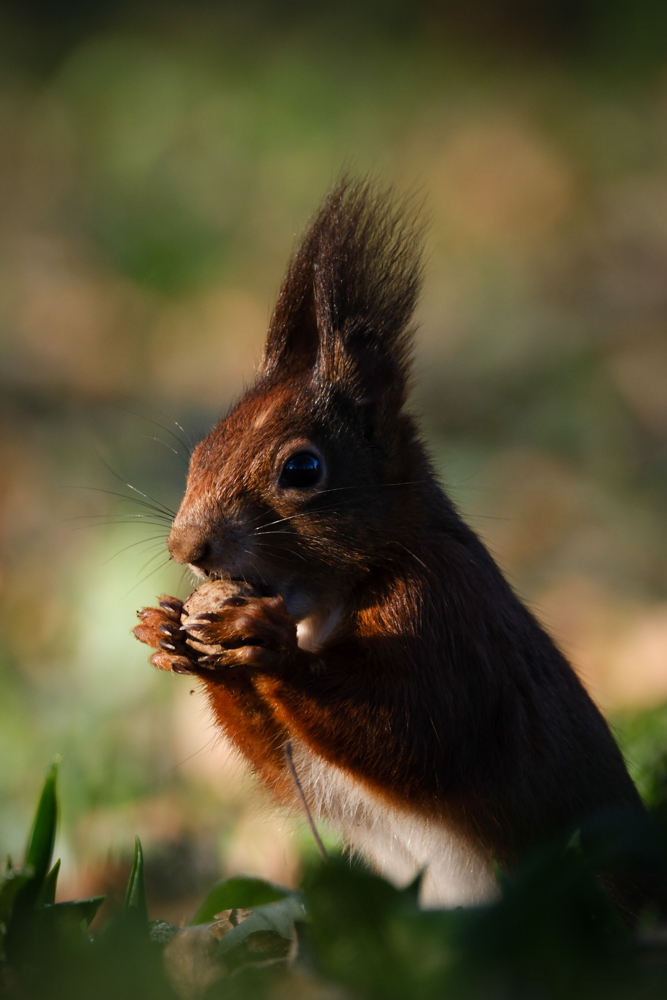
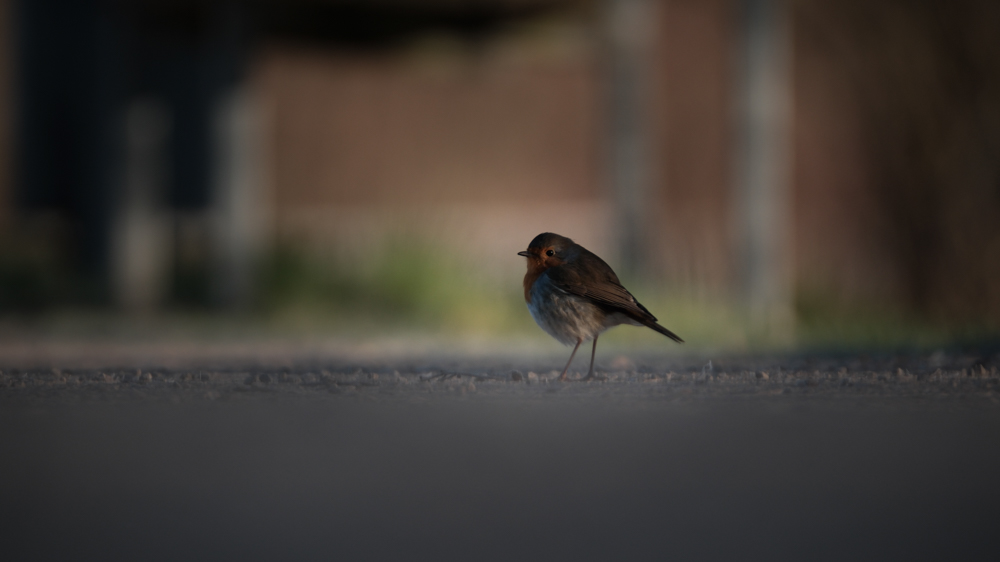
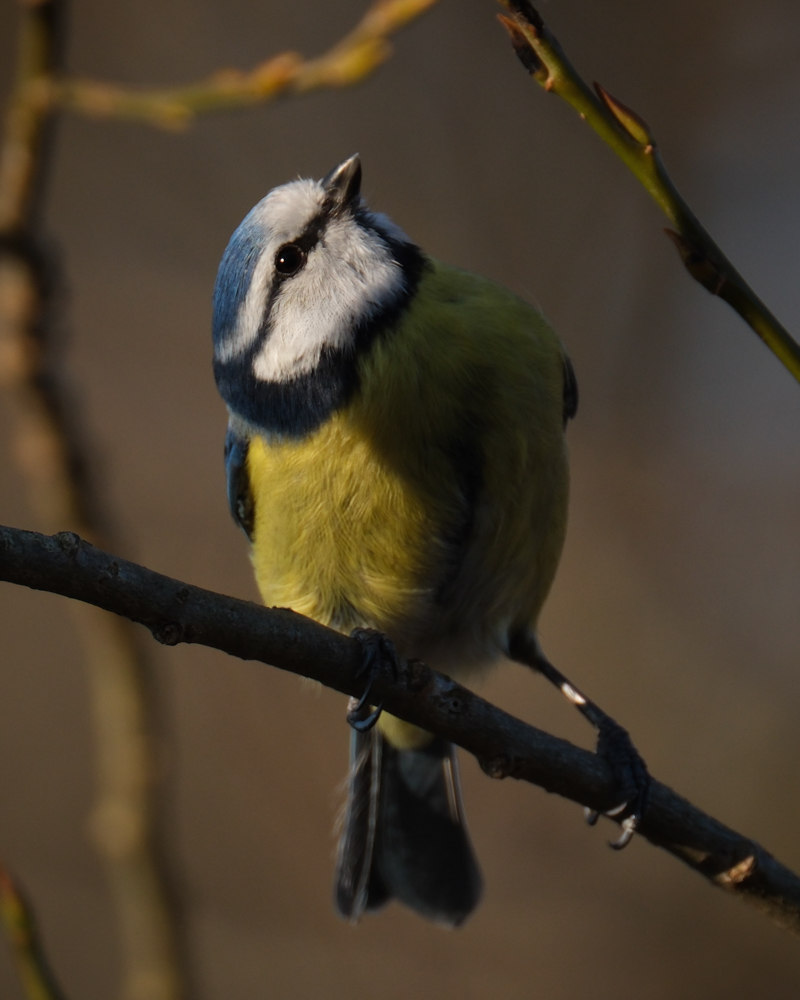
And, thus, I am walking my oh so familiar path around the lake, one last time. I am visiting the Old Botanical garden, one last time. I am meeting people, temporary acquaintances, friends who are not familiar enough to stay in touch with, one last time. I am riding down the pedestrian zone, unlawfully, one last time. I am eating at my favorite place, I am visiting the climbing gym, I am enjoying the sun on our balcony, I am admiring the birds, the squirrels, the gray-legged geese, one last time.

We are taking a break and set forth to seek new shores, for the first time.

Shoreline

Shoreline

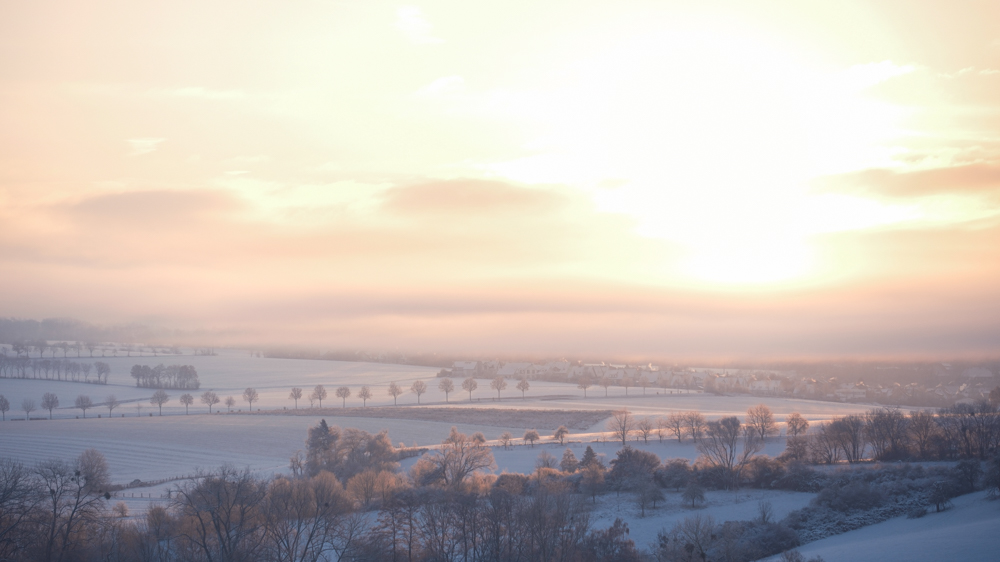
We are slowly approaching the end of our walk. A walk on easy terrain. The vast beach is leading to the vaster sea. The certain becomes uncertain, the walk becomes a swim. We are leaving the comfort in exchange for new experiences, for memories expected to remain. Towards new shores, one sunrise after another.

The Algorithm

The Algorithm

--- algorithm (noun) ---
A well-defined procedure consisting of a finite number of consecutive steps. Often confused with its realization (implementation).


--- The Algorithm (proper noun) ---
A musical project that blends electronic music with progressive metal. Often confused with random noises.


--- algorithm (example) ---
def is_alive()
    return flip_coin()

def life()
    while(is_alive())
        go_outside();
        take_pictures();
        persist();
    decay();

Aren’t algorithms fascinating? Well-defined procedures that solve well-defined problems – often with the goal to find the most efficient solution. It’s the single most important thing that amazes me in computer science.

My most favorite problem in algorithmics is one of the most simple ones. Suppose you have a short word, let’s call it T. Additionally, a long text S is given. The task is to determine whether the word T is contained within the text S. Thus, we want an algorithm for a simple search! Suppose the word T contains n distinct characters; for example T = “alive” has a length of n = 5. Similarly, the text S has a length of m, for example, S = “The tree is alive.” has a length of m = 18 (including the spaces and the period).

The most simplest algorithm aligns T at the first position of S and compares all n characters of T to the first n characters of S, which requires n comparisons (in other words, for our above example we answer the question whether “alive” and the first five characters of S are identical. Hint: they are not). Afterwards, the word is shifted to the next position of S and the comparison is repeated. This happens for all m starting characters of S. The problem? This will take a total of m times n comparisons which already amounts to 90 comparisons for our little toy example.

But what other solution could there be? There are many. None of them are easy to understand (at least for me), but all are fascinating. The first one I learned was the KMP algorithm, which performs mind-boggling reuses of previously obtained information about differing characters. The fascinating part: It only needs (roughly) m + n comparisons! A speed-up that determines whether we are able to browse the internet or not, whether we can perform research on molecular data or not, and whether we can advance as a technological species or not. Algorithmic design makes or brakes today’s society (at least for now, until climate change kicks in – always end on a positive note, right?).