Peace is comfortable. Conflicts only appear in the newspapers – neither in our streets, nor in our reality. But out there is war. And with every day we keep ignoring the climate crisis it comes closer. Climate refugees knock on our doors right now – and there will be more. And even though the conflicts haven’t even reached us yet, I am not fighting for what I believe: Basic human rights. The right to use our only chance on life. A chance that we could provide rather easily right now. Instead, I repeatedly choose comfort over action. Security over uncertainty. Every life lost in the Mediterranean, at the British Channel, at the Polish border, is lost forever. And even worse: the tide may turn. When it’s not a handful, but millions who seek shelter, water, food. Will there be a time where we have to defend what we have? Where we have to flee ourselves? So, sometimes, I engage the thought: Fight, flight, freeze? What is it worth fighting for? Would I fight? And why not now?
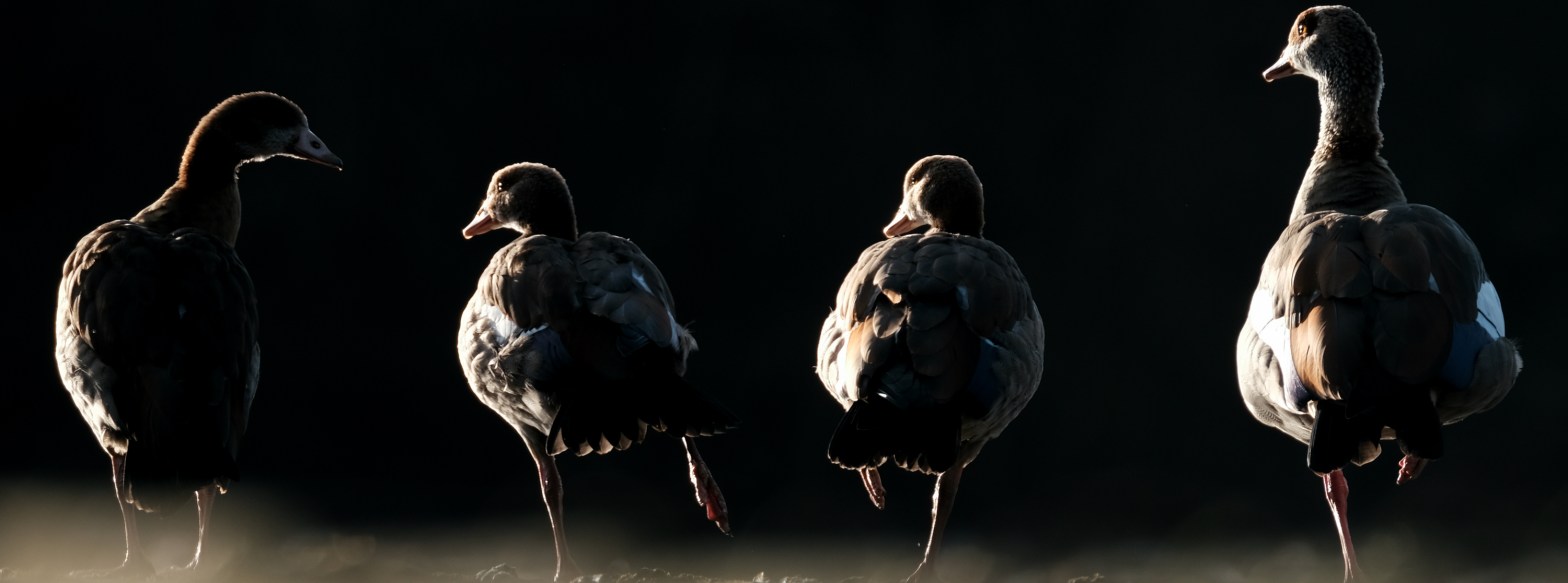
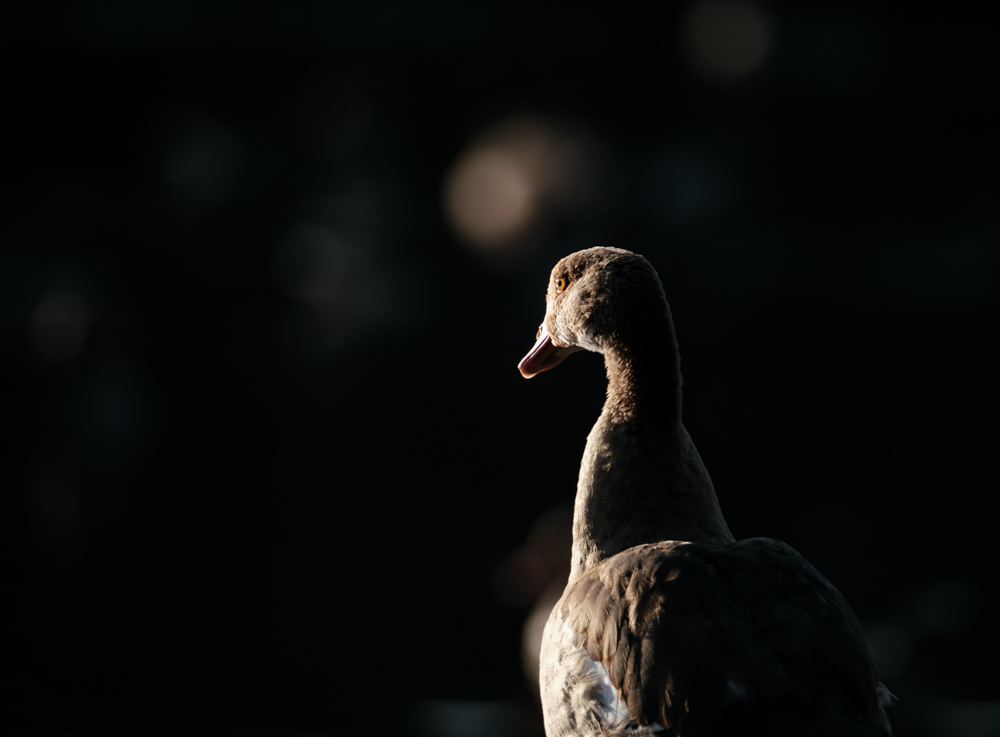
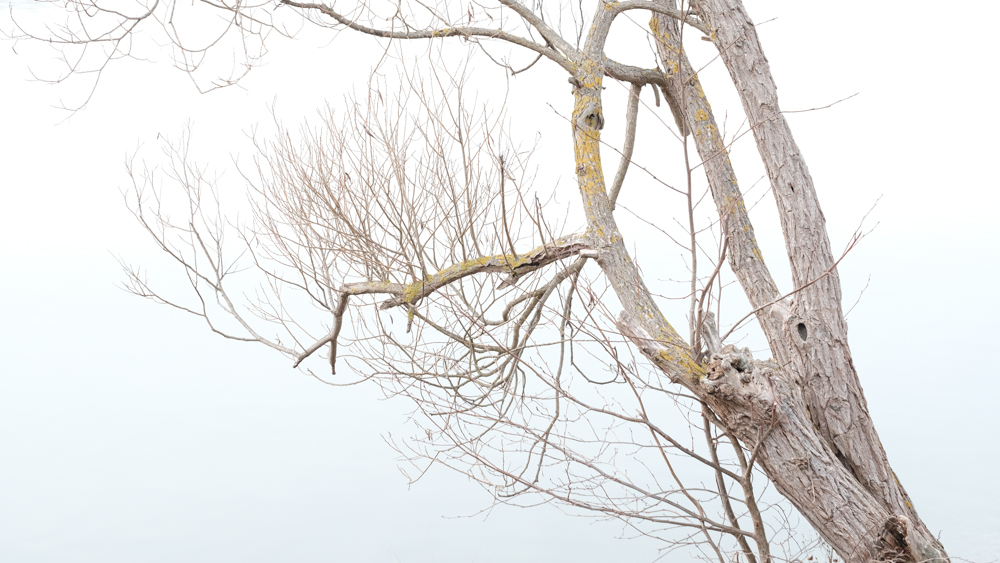
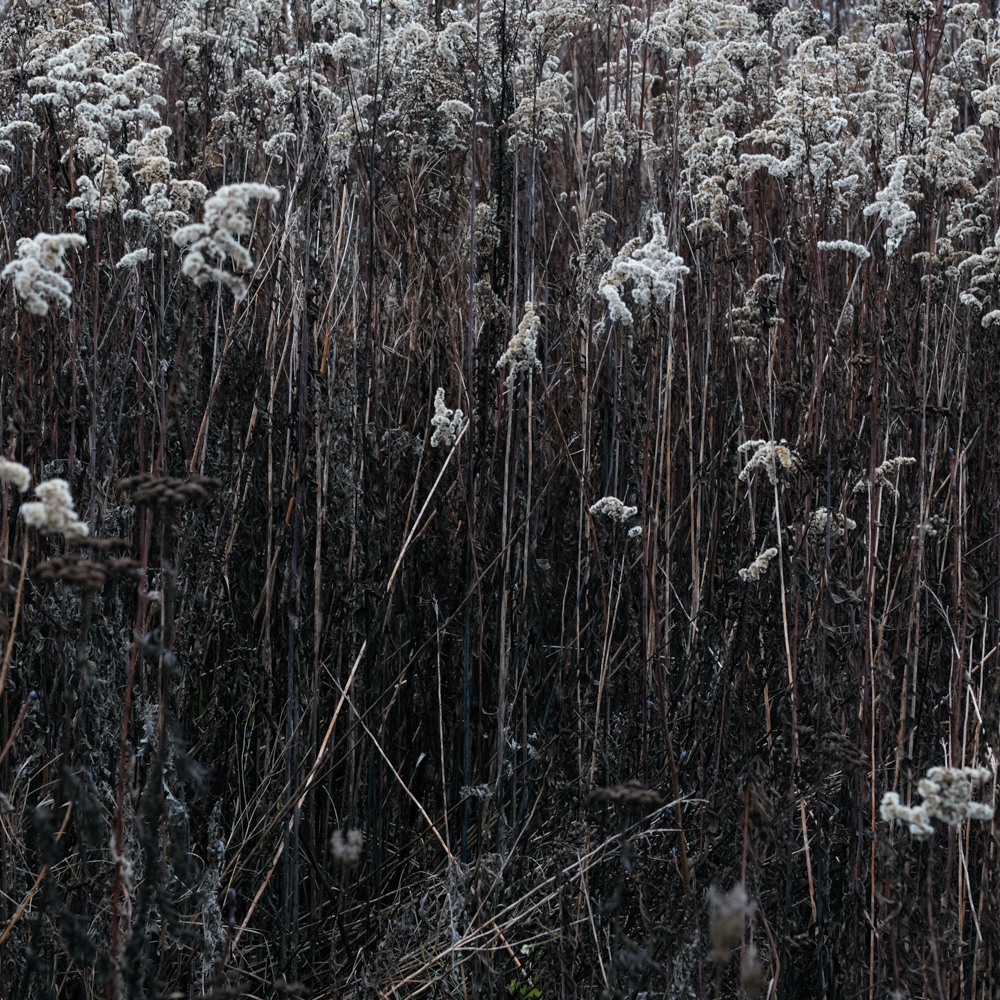
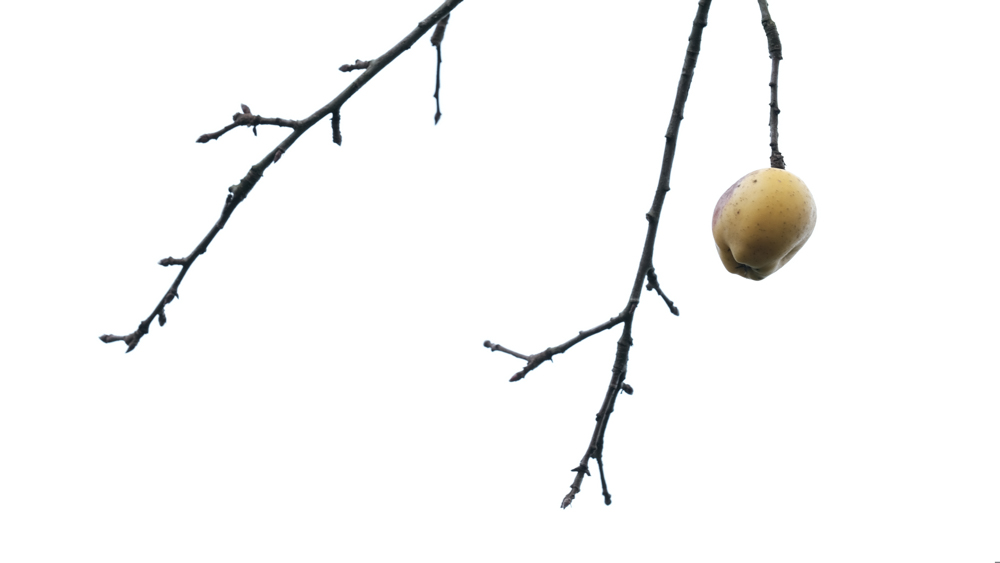
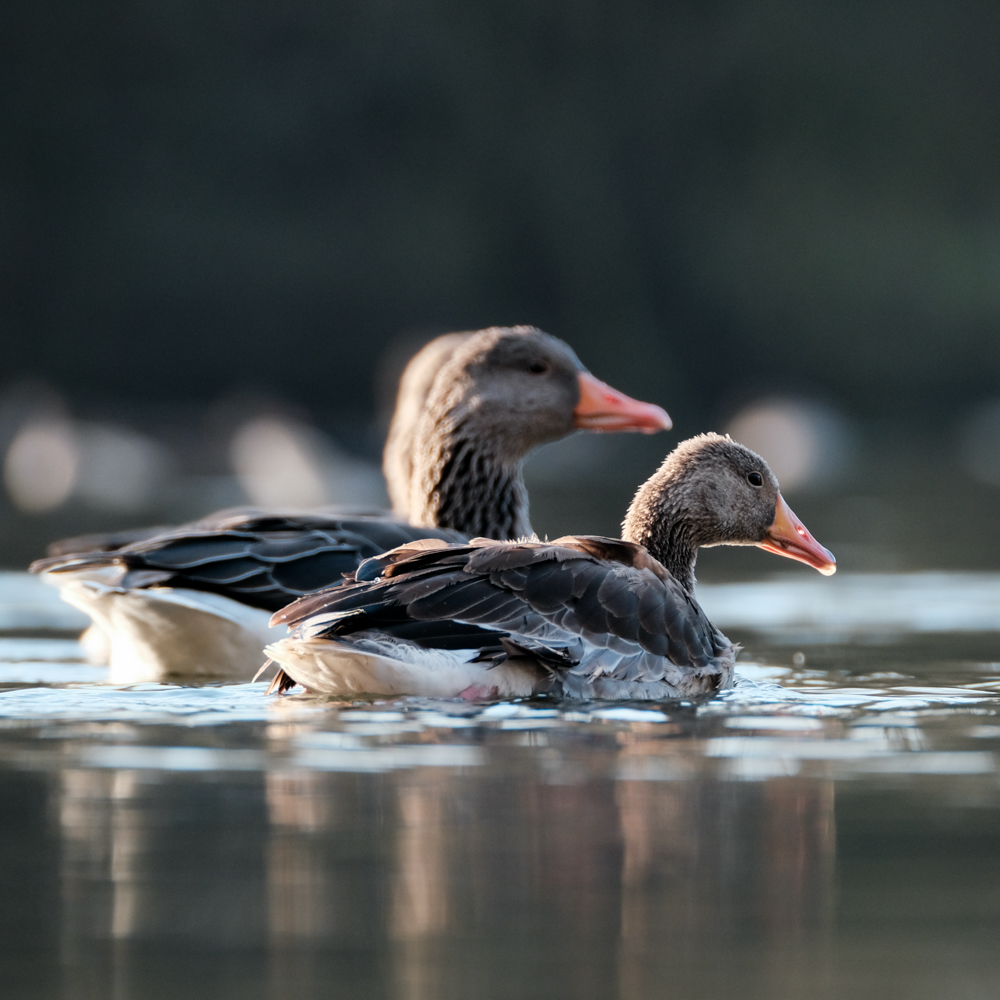
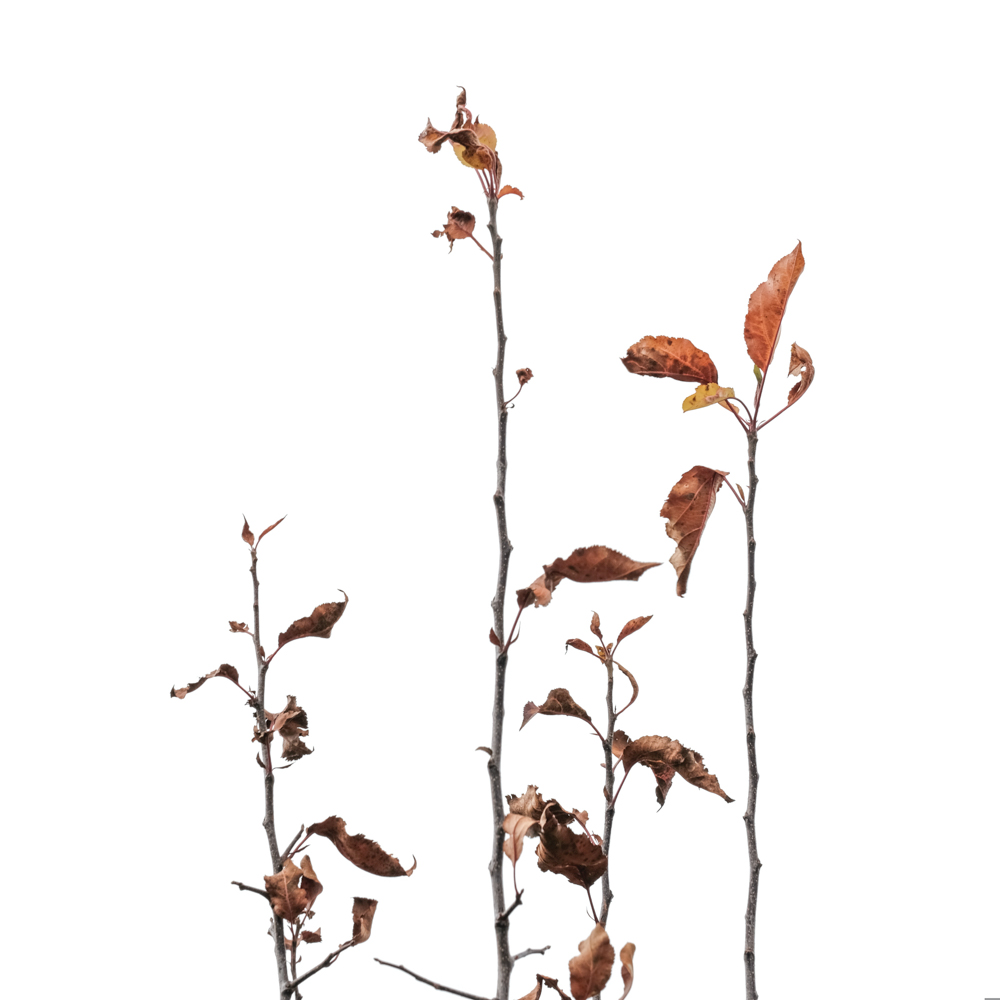
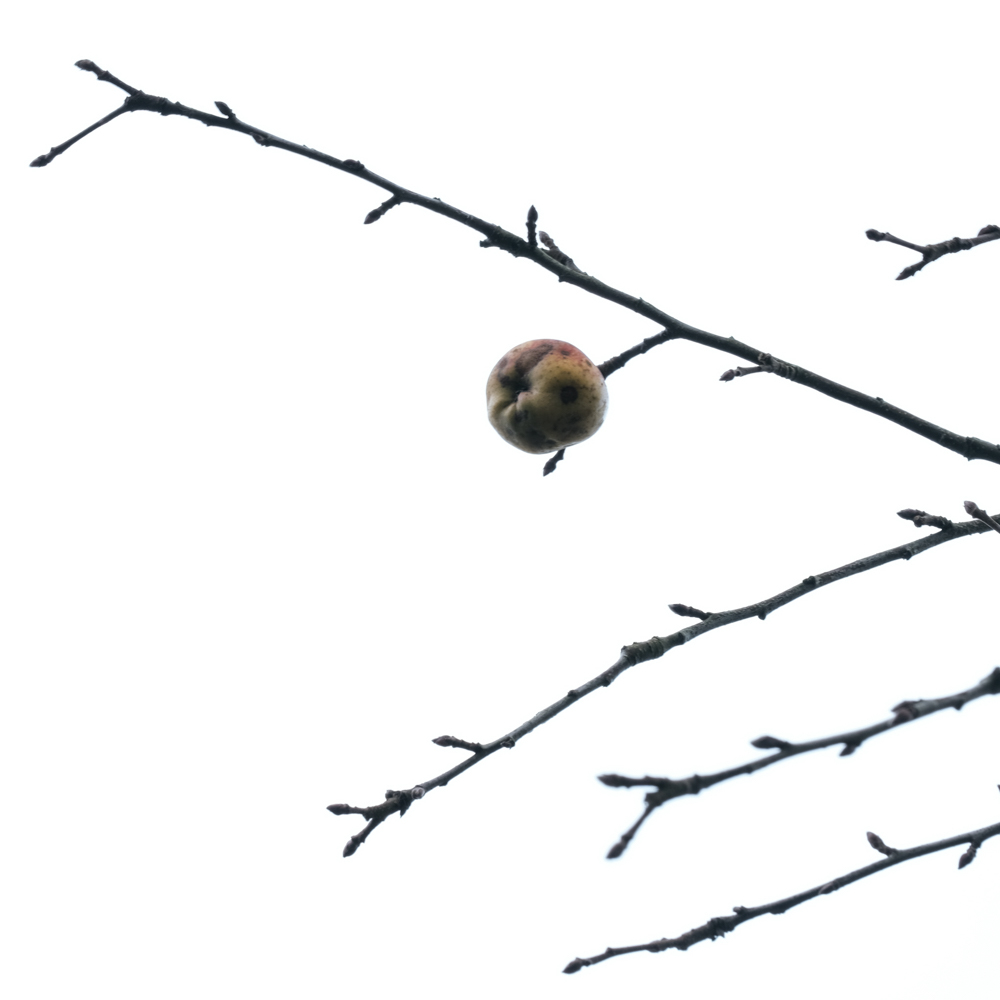
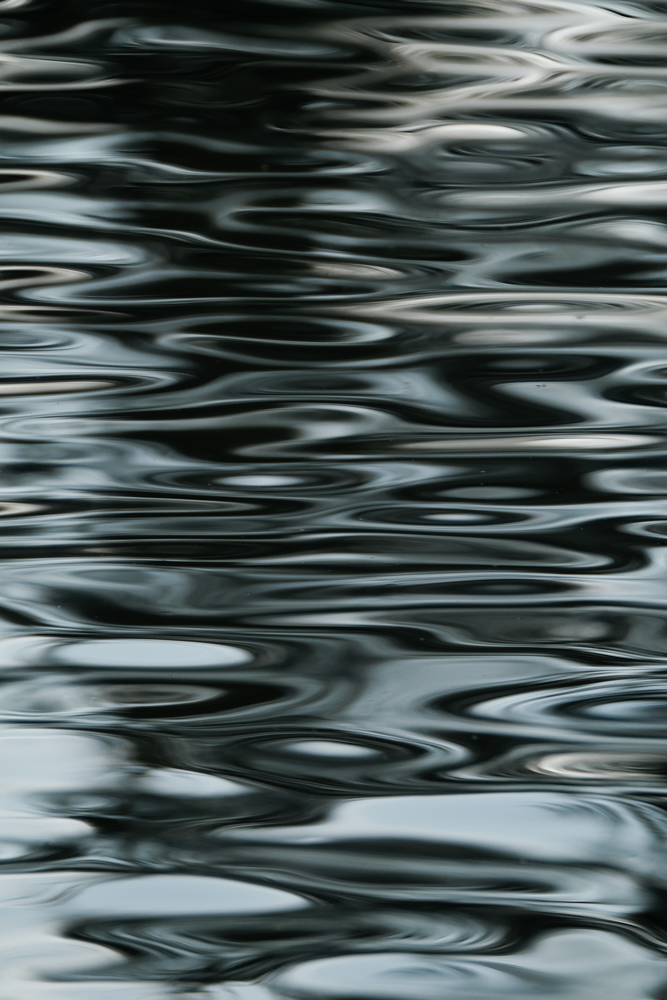
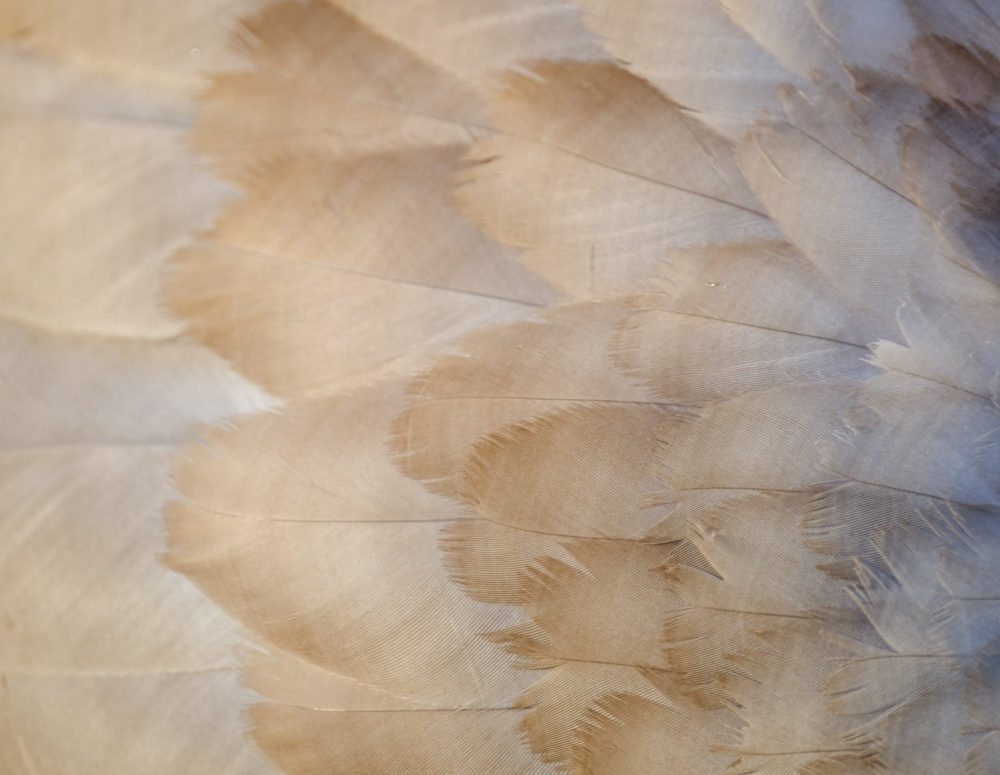
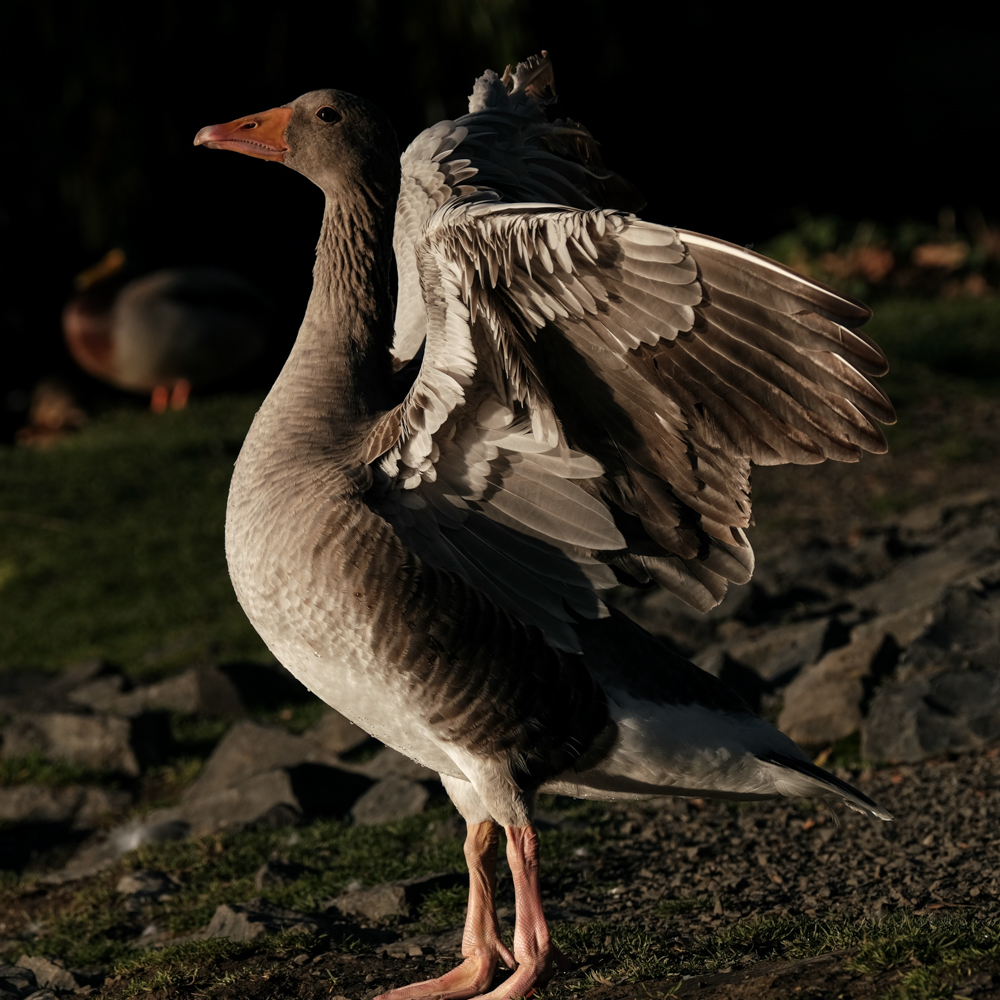
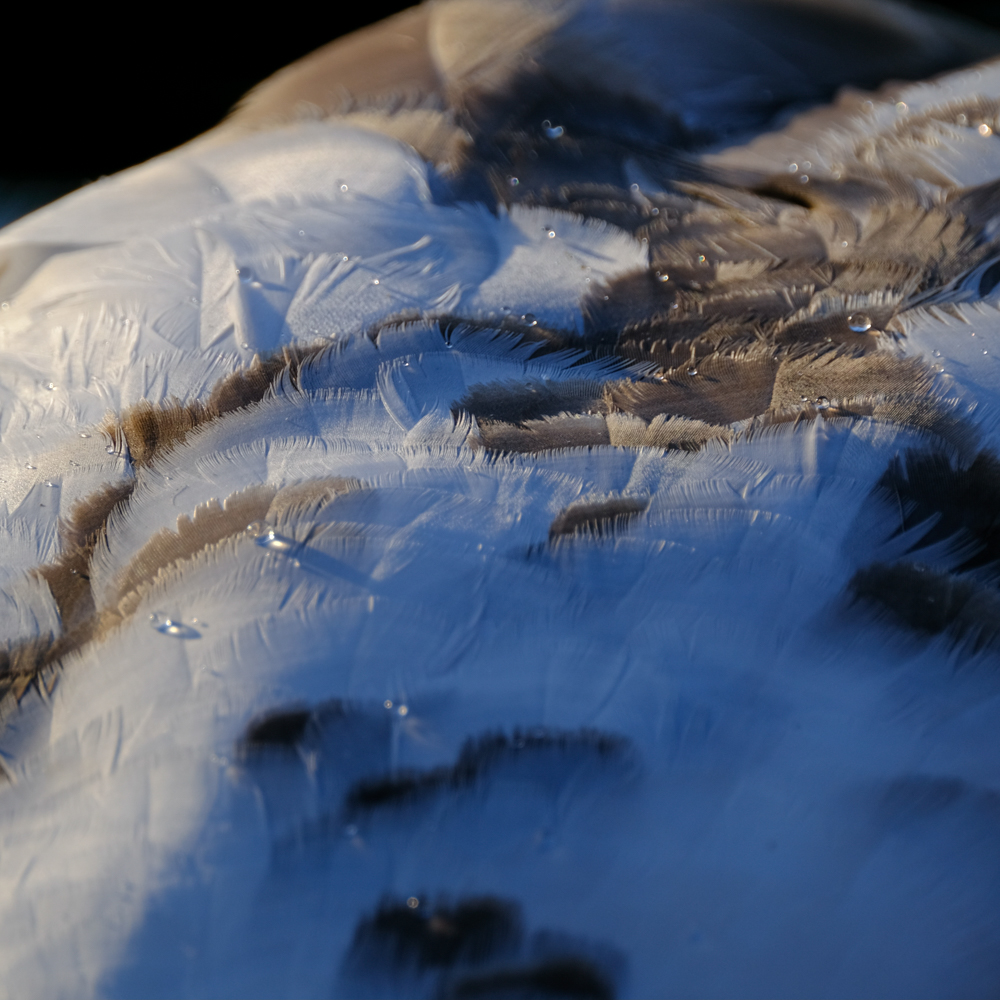
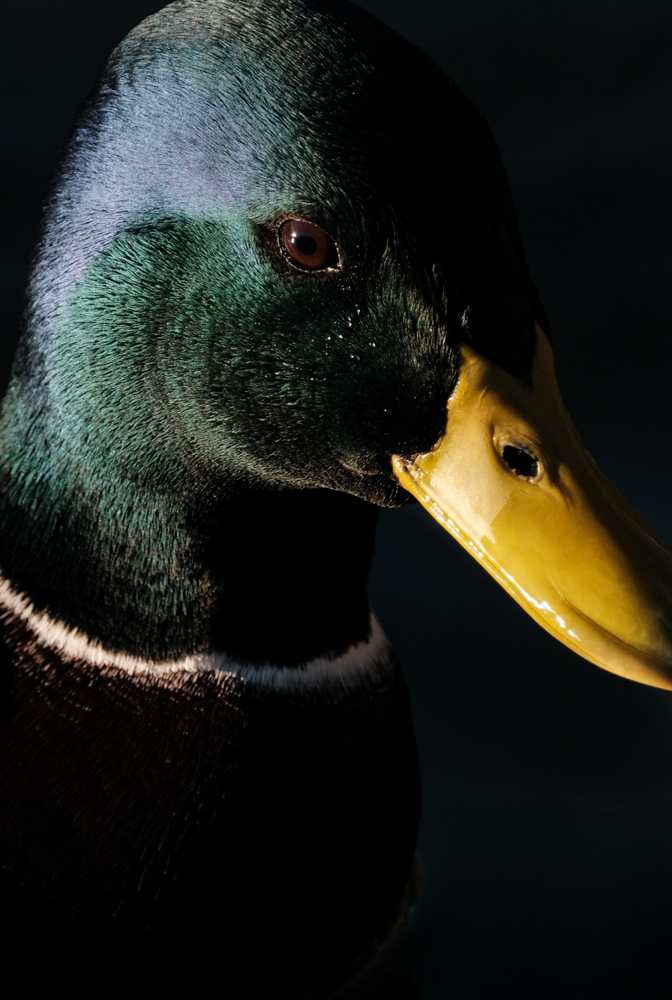
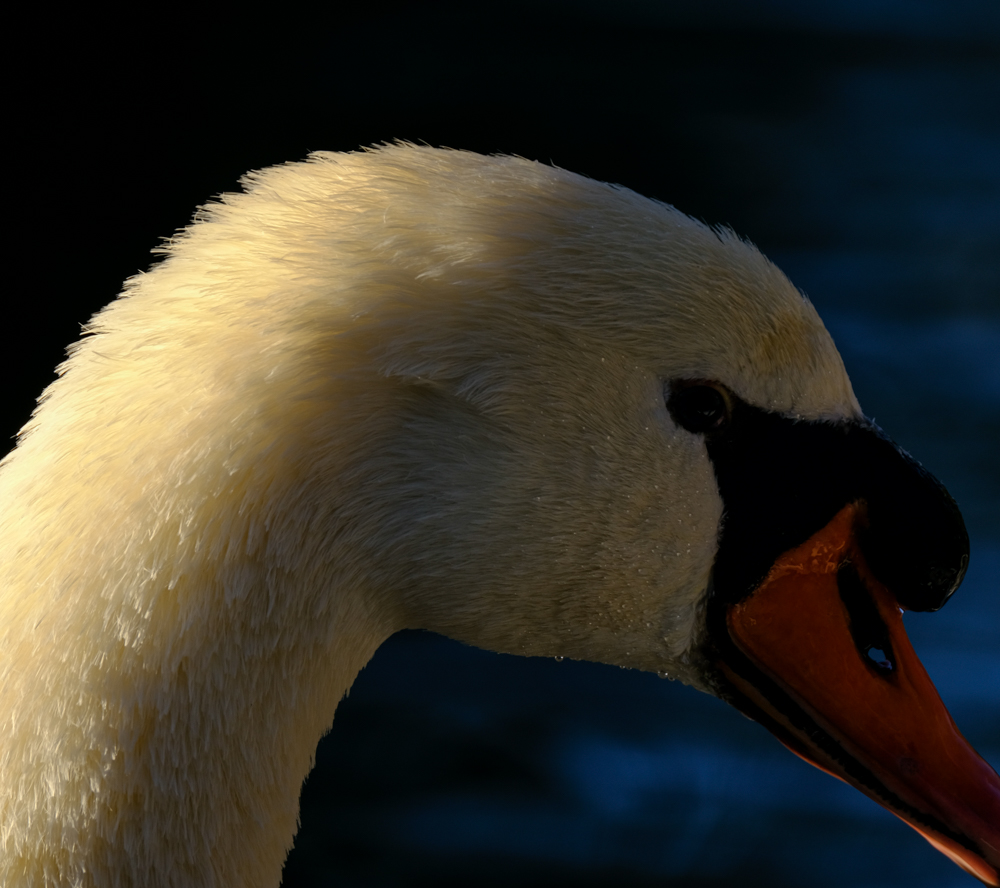
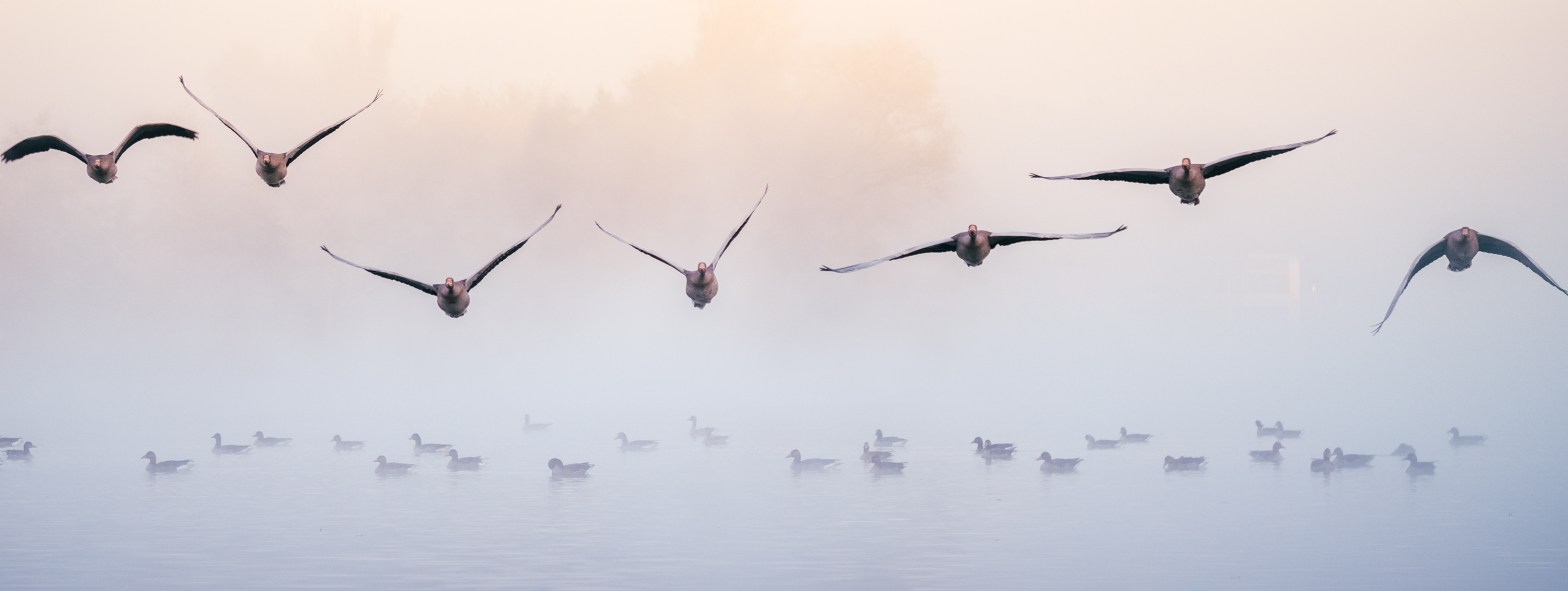
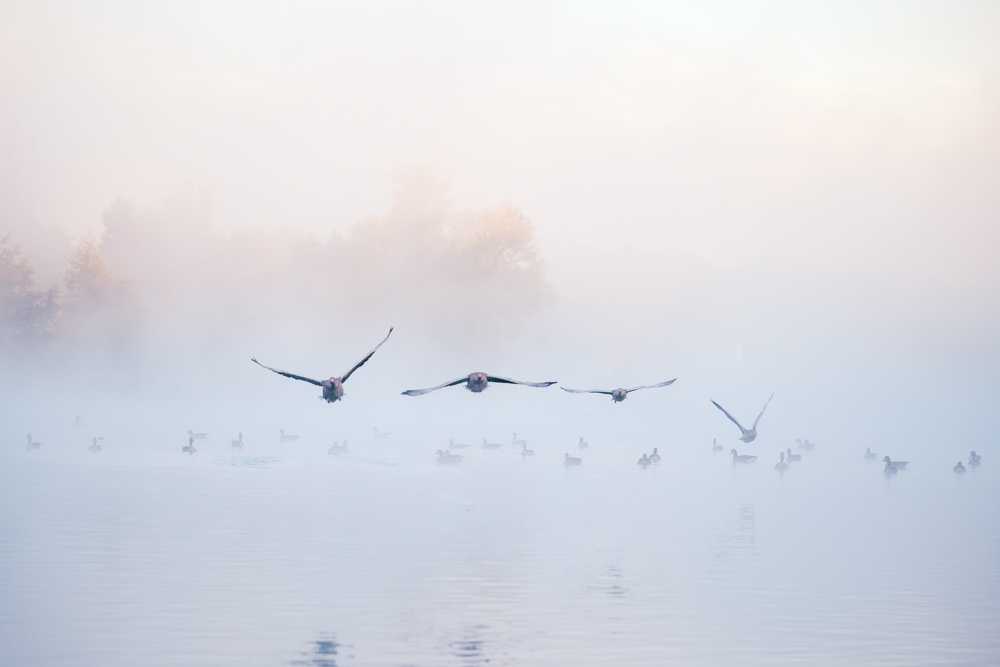
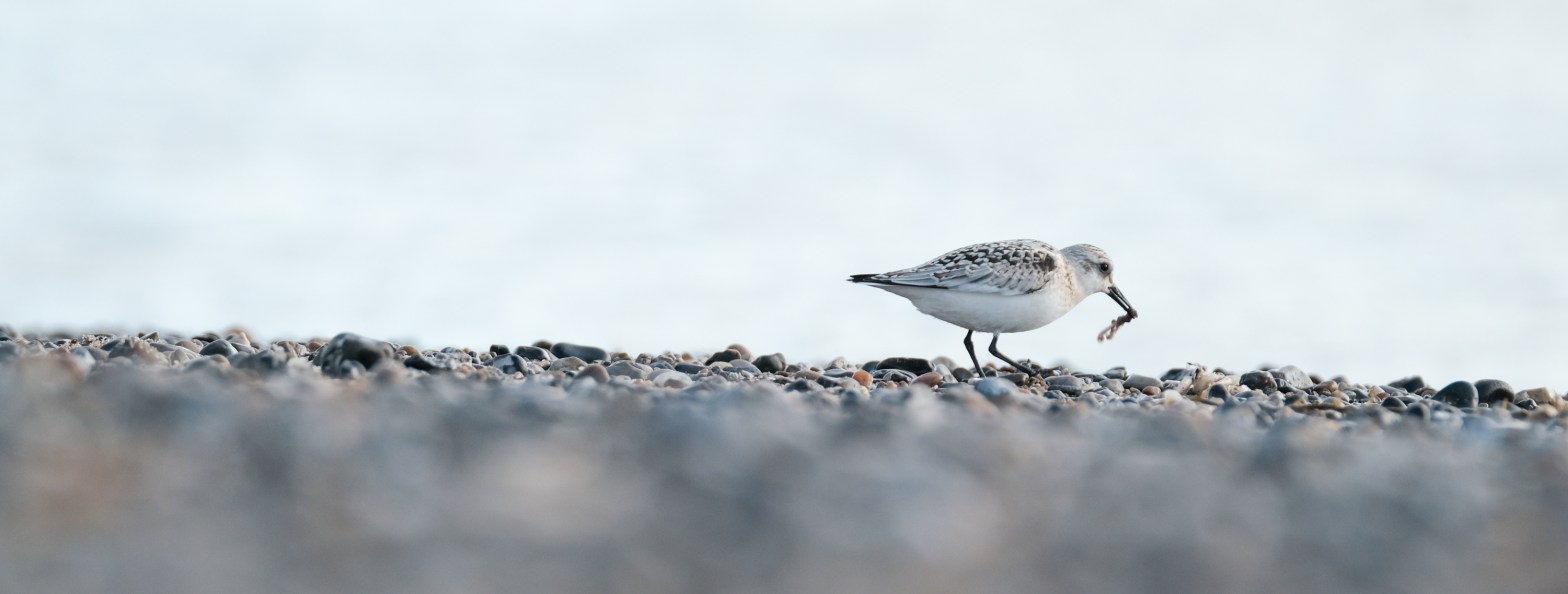
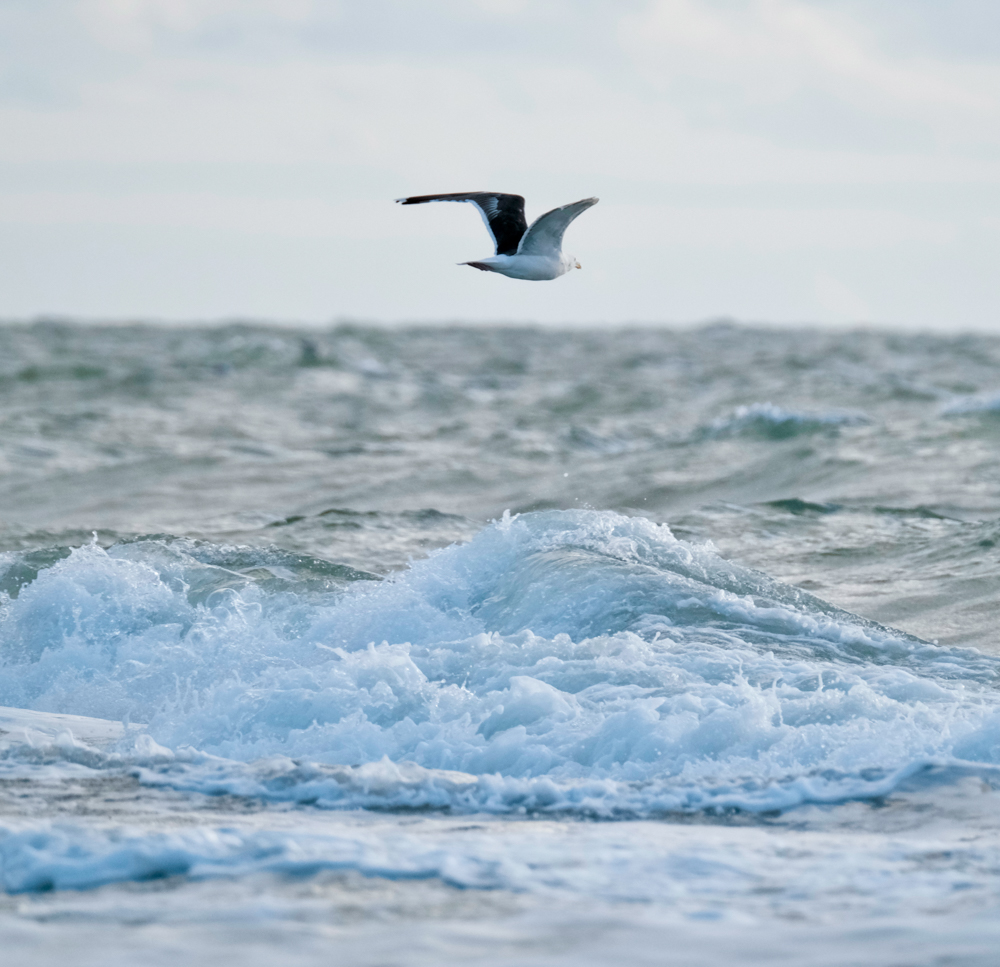
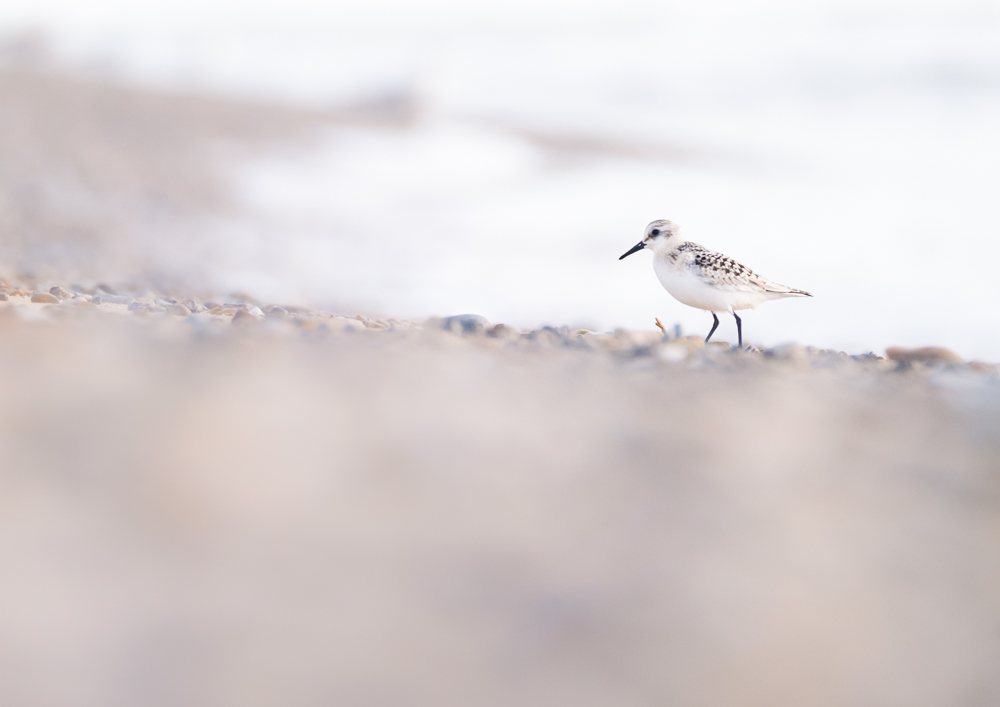
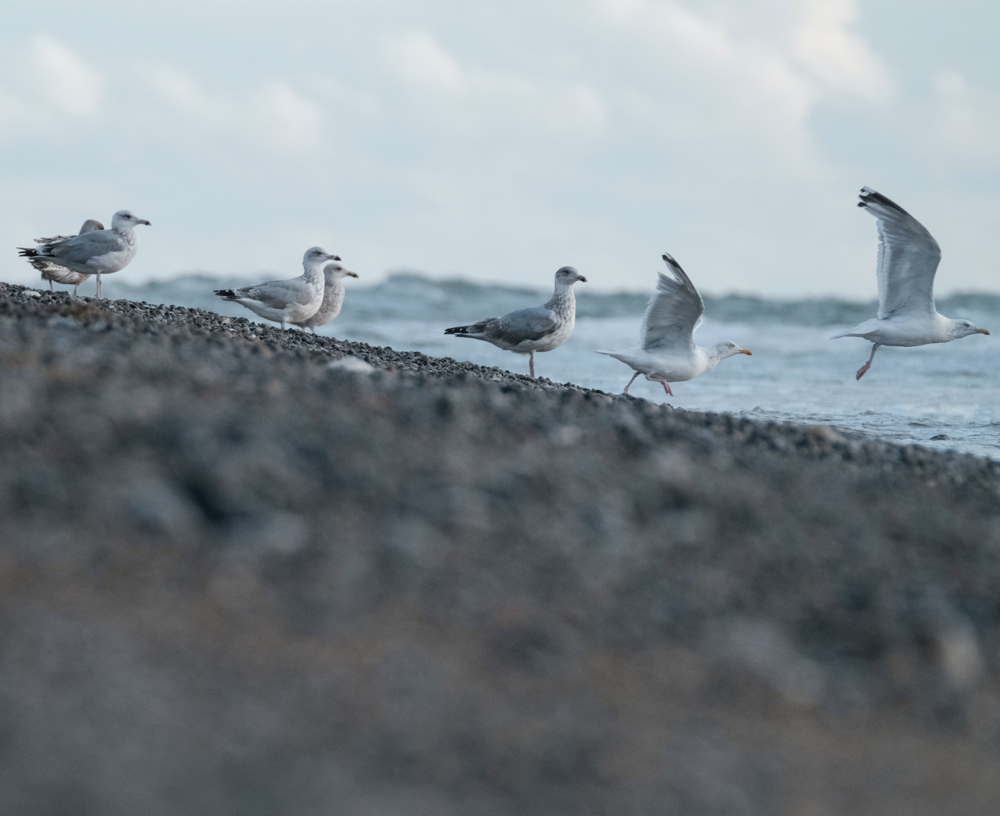
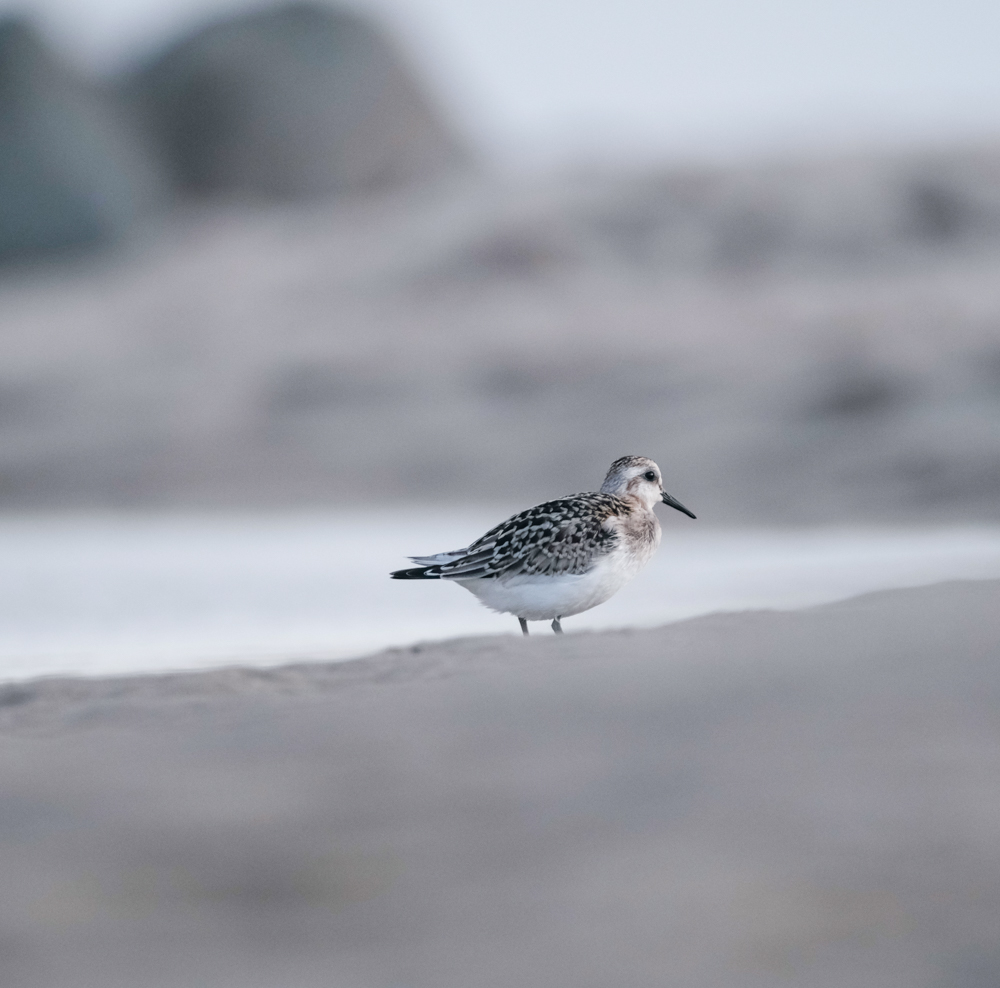
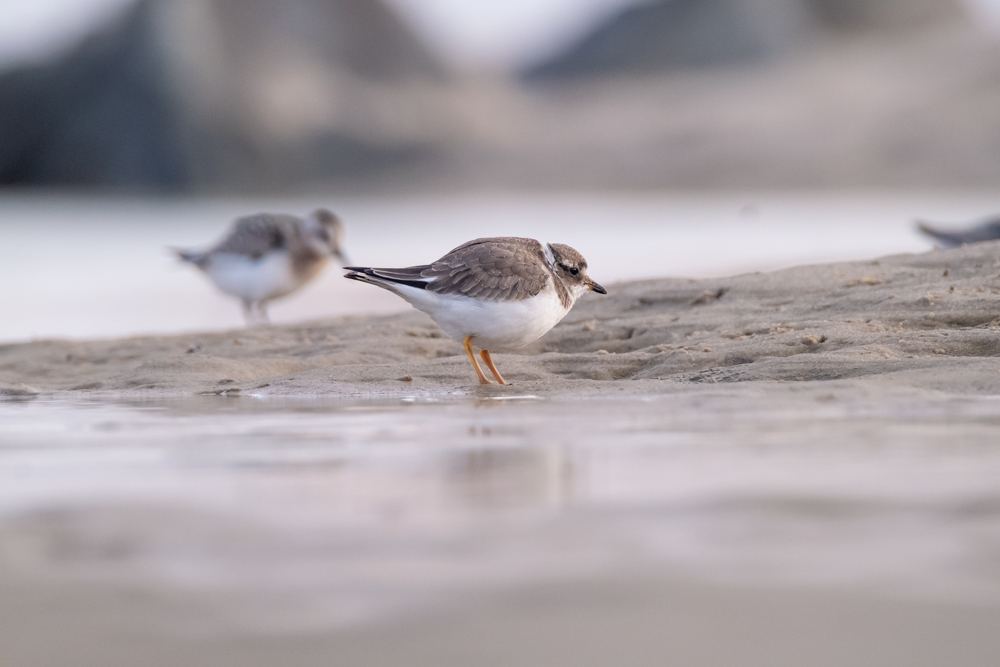
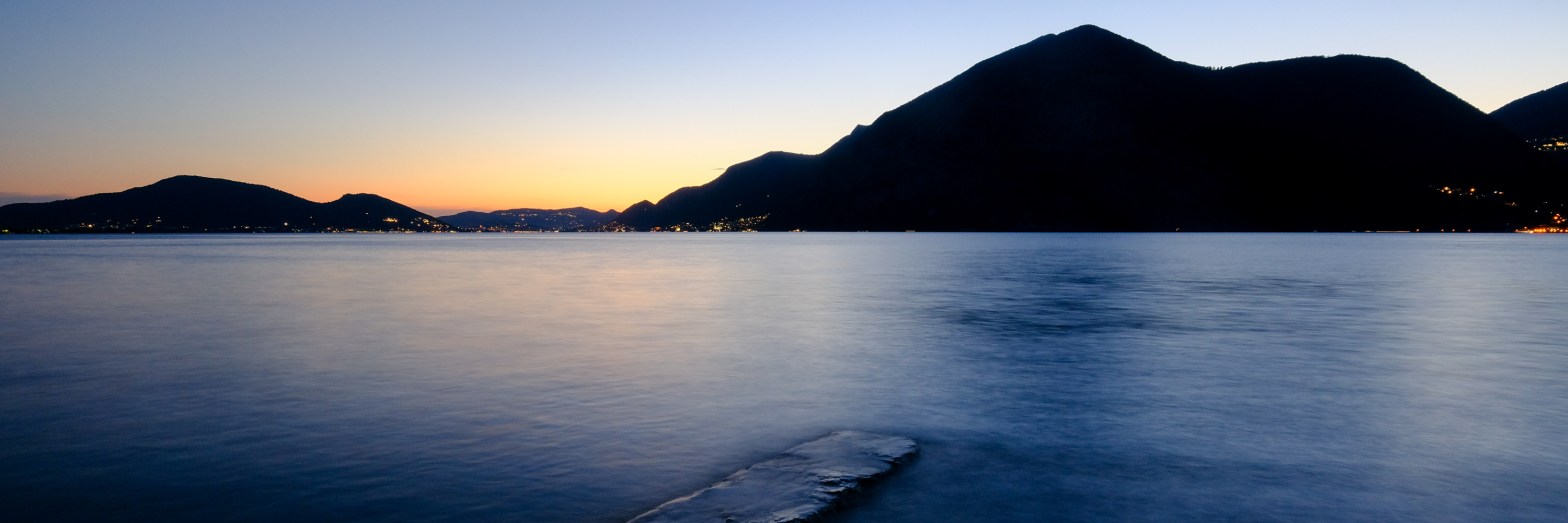
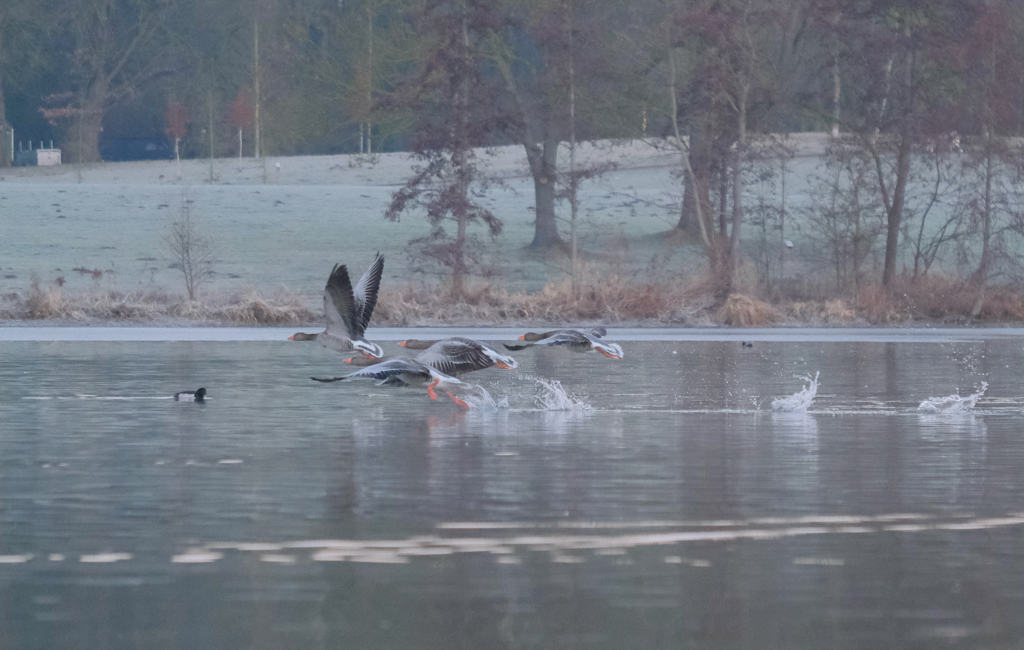
This topic deserves a longer post, I guess. But there is little time (another excuse to not fight right now…). Anyway, I like this selection of photos. Although they are from two different walks at two different lakes around here, they fit together: The combination of light and dark, the muted colors, the mood they reflect – nature during these early winter days. White and black, peace and war.
Deep within the shadows, the important details are hidden: in photography and in discussions.
Discussions are complicated as they require constant inclusion and exclusion. Often, the details are hidden in the shadows; but every detail is as important as the highlights. For example, the two items that are critical for a discussion are the two missing items, that which is missing and the reason for the absence of that item. This is one of the problems that we face in our discussions: What is the Missing Thing?
I am also curious about what else is in the shadows. What other issues are we missing? Why are we not seeing them? What is in the shadows that we do not see? The discussion is on the edges. The motives are unknown. The evil is lurking in the shadows, and the hatred in the hearts of those who know not good from evil. The evil is out there. The problem is that the evil is in all of us. There is a darkness in us that does not understand good and evil. There is a darkness in us that knows not the difference between right and wrong. There is a darkness in us that does not see the light. There is a darkness in us that only sees itself.
It is the nature of shadow to not be quite there. The shadows of photography are what can make a picture: a collection of still moments frozen in time. And for this reason, the use of shadows is a powerful technique that must be used judiciously. Shadows can be very useful, but they can also be very misleading, especially when used without understanding their nature and proper placement. Shadows can be the cause of serious, even fatal, issues in photography. When used wisely, however, shadows can make a photograph interesting and unique.
The hidden picture is just as important as the clear one. To the rest of us, the detail is, if not irrelevant, at least a waste of time. So why even talk about it? Why even photograph it? But if it is hidden and you cannot see it, it is not really there. This is the paradox of hidden details.
All non-italic text in this post has been automatically generated by a computer program, based on the first sentence.
Most people have a favorite season. For me it was summer for as long as I remember: The mellow evenings, long daylight, warm temperatures. I remember playing soccer for days during the long holidays when I was a kid. In summer, life is easy and joyful. After summer, the second best season is spring. Why? Because summer comes afterwards. Autumn always seemed depressing; and winter, well, winter is cold and rainy.
But my preferences changed in the last year, fueled by my journey through photography. Suddenly, every season brings change into nature and, thus, change into pictures. With every passing week, there are new things to discover: Leaves change color, fog sweeps through, snow coats the landscape, ice transforms the texture of surroundings, the early blossoming plants arrive, and fresh greens flourish. A constant act of discovery – suddenly every season becomes more fascinating than it did before.
Autumn still isn’t my favorite season; but it’s on par with all the others now. I can appreciate it for all its colors, for the misty mornings and foggy woodlands. Getting up for sunrise is comfortably possible at 7 a.m., capturing sunsets can be done before dinner. Many birds pass our latitude, stop at the local pond and calmly wait until the conditions are just right.
There is a common thought that the best ideas come in the most unexpected circumstances. While showering, while washing dishes, or while taking a walk. I agree that distraction and activities that leave room for thoughts to roam freely are important; but I also feel that the flip side is just as important and does only seldom get recognition: deliberate creativity.
The walls are empty, stripped from the grimy holds that decorated this section over the past weeks. Boulder problems climbed by hundreds of people are gone. Problems climbed by only a few will be forgotten soon. But the walls are not meant to stay this bleak – new boulders are to be created.
For now, however, the holds are neatly arranged into their boxes; by color and by manufacturer. Large wooden volumes lay on the floor and wait to be placed somewhere on 45 square metres of wall – to change the wall shape and angle. Where to start? Which volume to pick? Which holds go where? What movements to create? How hard should it be? Everything is possible. The number of options are uncountably infinite.
But still, the result cannot be chosen by chance. It needs to be assembled carefully and put together accurately. It needs knowledge, experience, empathy, strengths, and: creativity. The movements shouldn’t feel similar because it will be boring. If the movements are to funky, most people will be turned off as well. Most boulders need to have an element of interest while the body positions still feel familiar. They need to be challenging, but without overloading the customer. All elements of this job require a lot of creativity. So again: Where to start?
Waiting in the shower won’t solve the problem of being creative. And the same applies for taking a walk. The only thing that will solve the task is to dive right into it and start. Routesetting has taught me this important lesson: Creativity doesn’t come to me on its own. It does not always present itself in unrelated tasks. I need to actively seek it out. I have to explore my mind, feel the holds, inspect the wall. I need to place volumes at different angles, arrange the holds on the floor, move my body, move my thoughts. Holds go up, holds go down again. Holds go up, this time slightly better. I try to replicate a neat move I saw. I fail. Instead, I find something new – sometimes worse, sometimes even better. Problems that require specific muscles movements, boulders that require intricate movements.
And if everything goes well, a new set of boulders decorates the wall. For people to try hard, to invest, to train on, to feel accomplishment, to show off, to feel their body, to cheer for others, to fail and fall, to scale and accomplish their goals.
I notice the same in my field of work: mostly, the ideas do not come to me on their own. I need to sit down and actively explore them. I need to draw diagrams and pictures for some hours until a new potential idea emerges. In photography, I do not sit at home and wait for my subject to appear. I go outside, in all conditions, change my viewpoint, change my approach, and only then, if I am lucky, I create something interesting, sometimes even something creative. And lastly, when writing on here: It’s useless for me to wait for the next topic to peak around the next corner; I have to actively engage in thought. And even if it’s not creative, at least it’s about creativity.
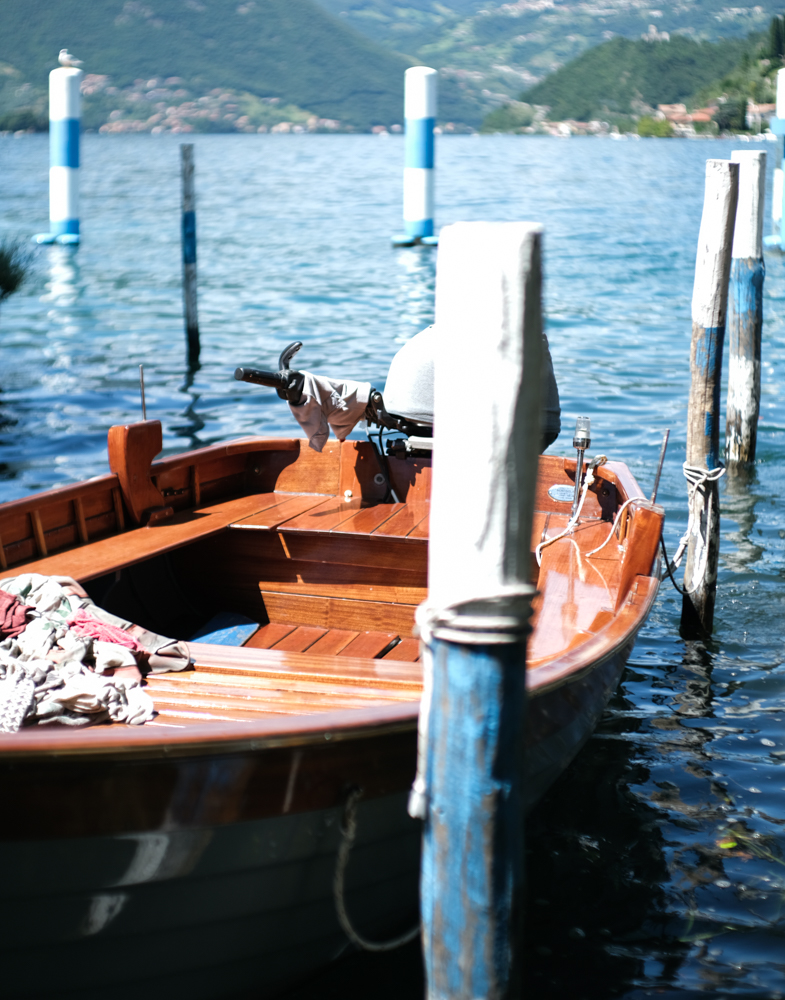
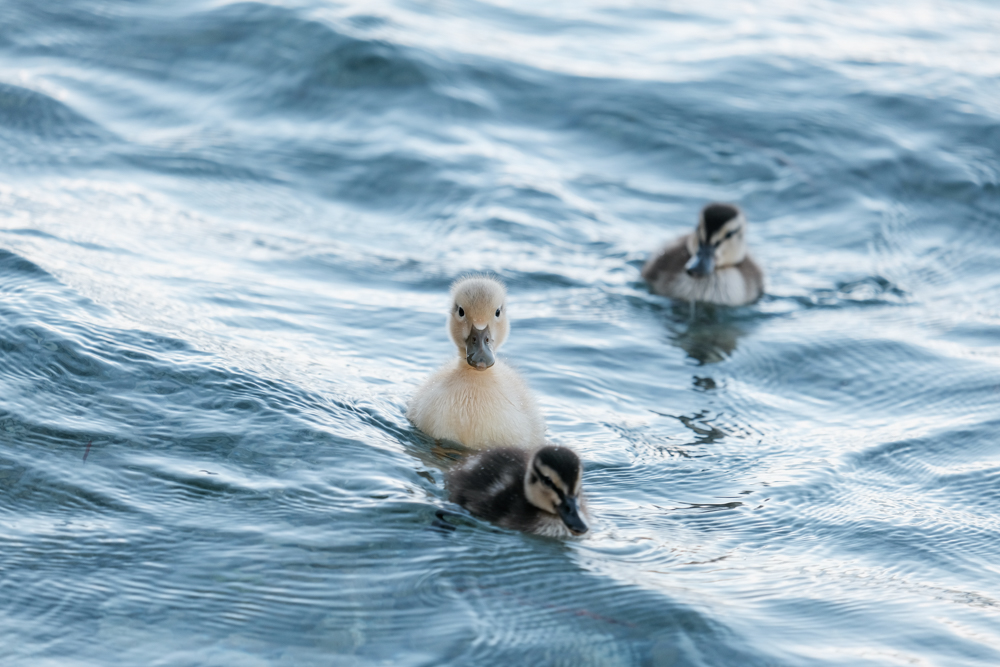
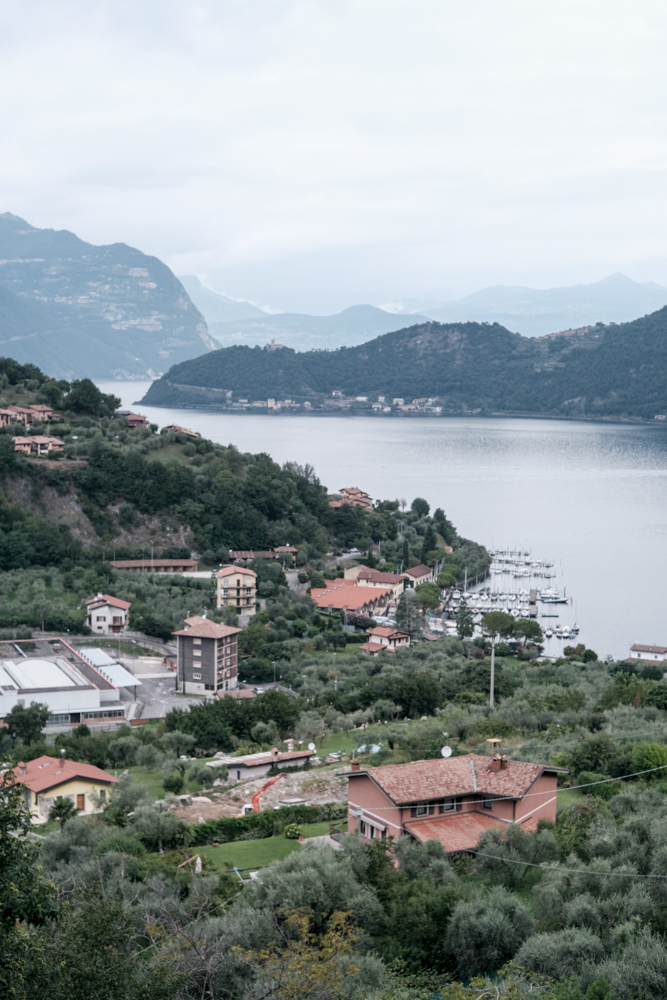
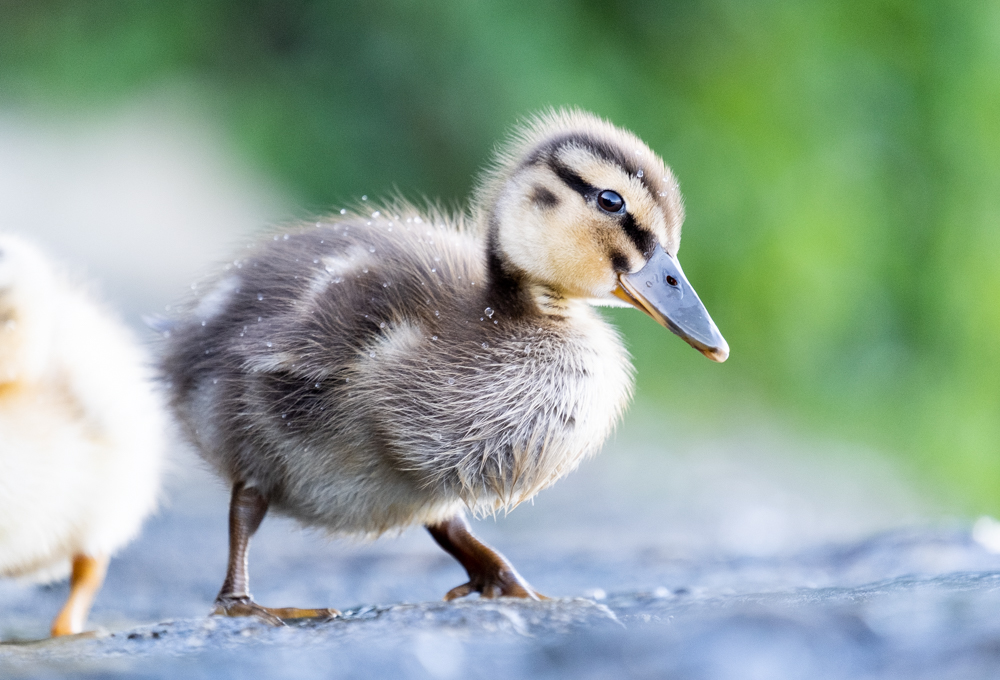
Also, the pictures aren’t to creative this time, but I still like them as they remind me of our wonderful vacations we had in Italy. Just look at those cute ducklings!
Have you ever cooked an elaborate and complicated meal? First, you research a recipe. Then, you go out shopping for all the right ingredients, sometimes even to a few different shops. Lastly, you carefully prepare the ingredients and cook them in just the right way to create a wonderful meal. And then, imagine, you just throw it away, without smelling or tasting it, and start with the next one.
Have you ever started a laborious project for work? You research the topic thoroughly and speak to all your colleagues about the tasks ahead. You then sit down for several weeks and work on the project day in day out. You neglect family, friends, and health because it motivates and captivates you. And then there is the day where you are finished: You can harvest the results from your hard work and you see that it payed off. And then, imagine, without showing your results to anybody, you just close the folder on your smart machine, lock it away, and start with the next project.
There is always a last step you should take. And to me it feels like I have been missing out on the last step of photography until now: I spent many hours into researching gear before I bought my first camera. Since then, I have invested many, many more hours into researching how to use it properly, how to get the settings right, which lens to buy next, how to edit photos, and so on. I spent hundreds of hours outside, walking through sun and rain, with frozen feet and hands in fog and snow, with sweat and exerted muscles in the sun. I have spent hours editing photos and shared them somewhere on social media for some people to see. And then? I have closed the photo file on my laptop, maybe looked at it one or two more times on my tiny smartphone screen, and went out to shoot new pictures. But I have never done the last, and maybe most wonderful step: Using the digital information for which I have spent countless hours to get, all the single bits of 0 and 1, and capture them into physical form: a photo print to touch, feel, smell, and look at.
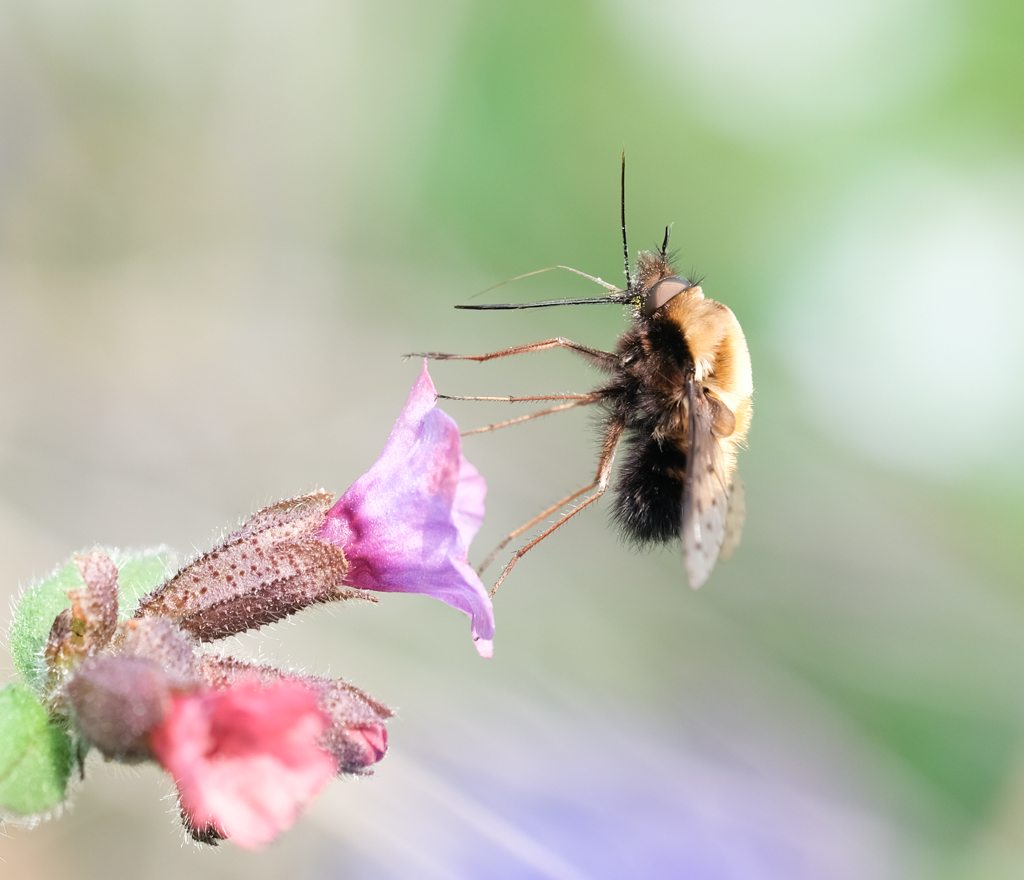
I have printed two of my photos on fine art paper at an online shop some months ago. While the result is nice, it was also rather expensive, but more important than that: I want to learn this last step myself. And I want to be able to fine tune the results exactly as I want them to, and I want to experience the process of printing. So I bought a printer (quite expensive), some ink (even more expensive), and some paper to test on and I will attempt to print myself in the coming weeks. I do not have anything to show yet, but hopefully soon. Until then, here are some spring photos, mostly from the botanical garden of our town, including pasque flowers, the common black bird which always visits us in the evenings, a great tit, and a humble fly.
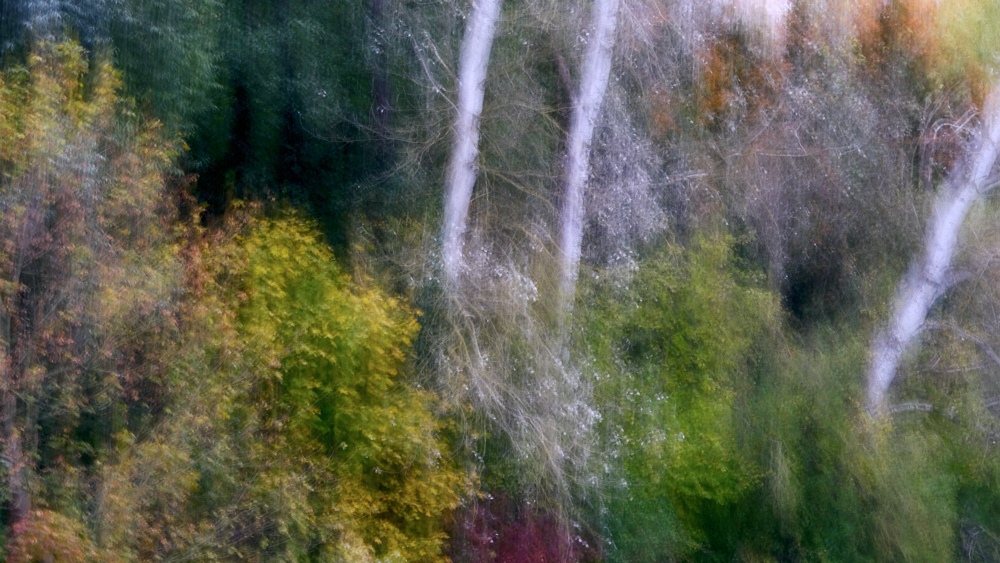
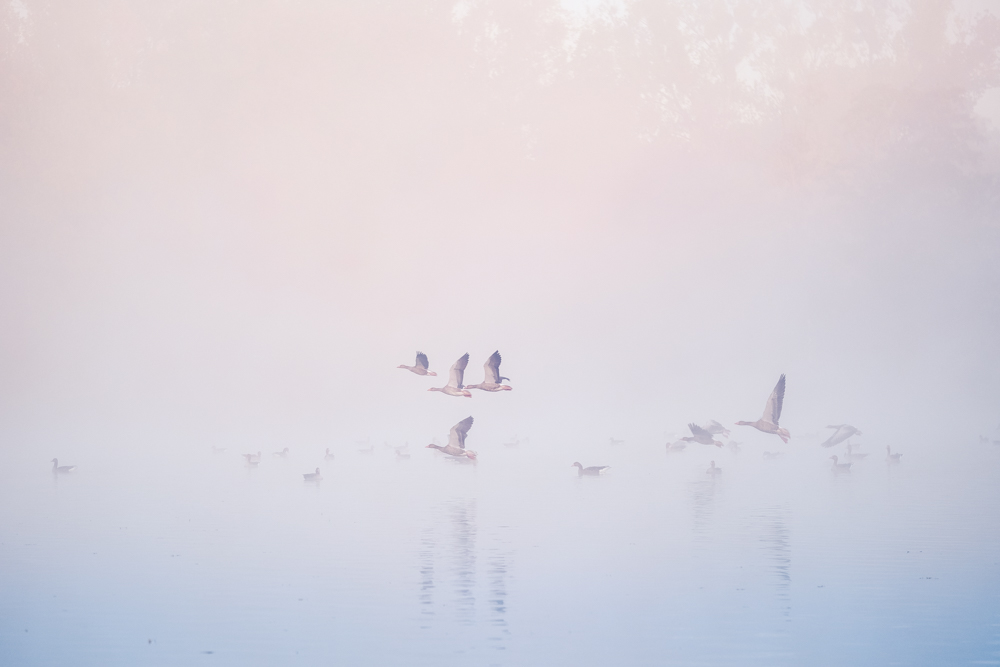
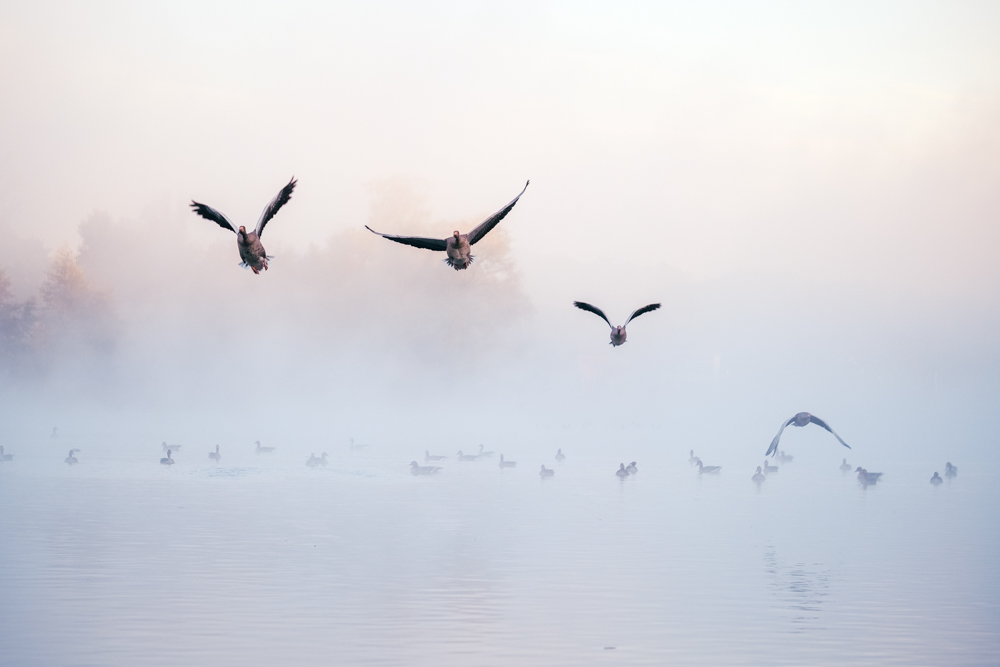
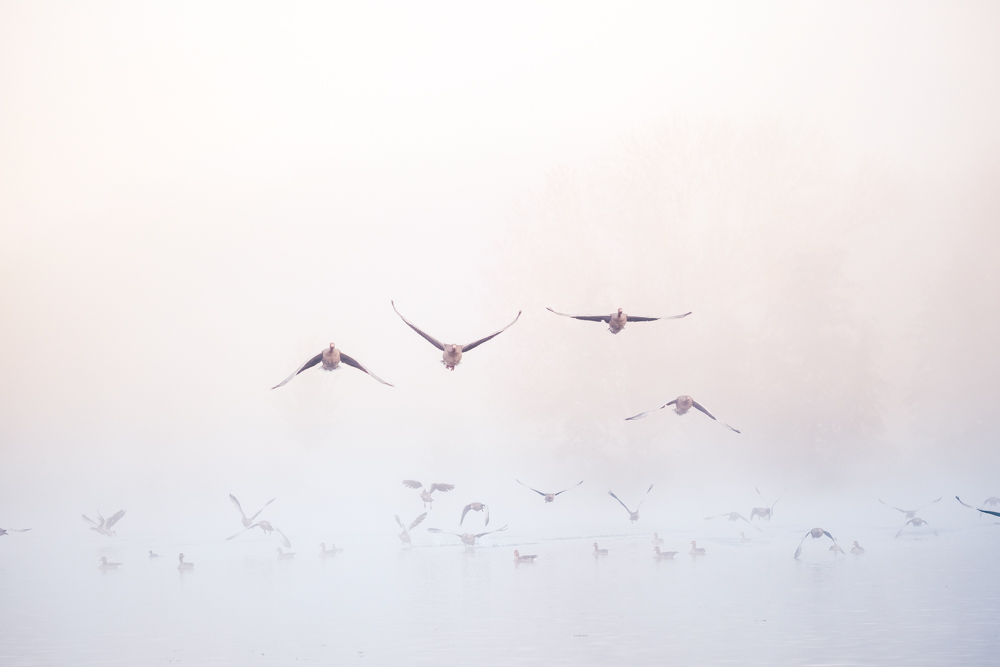
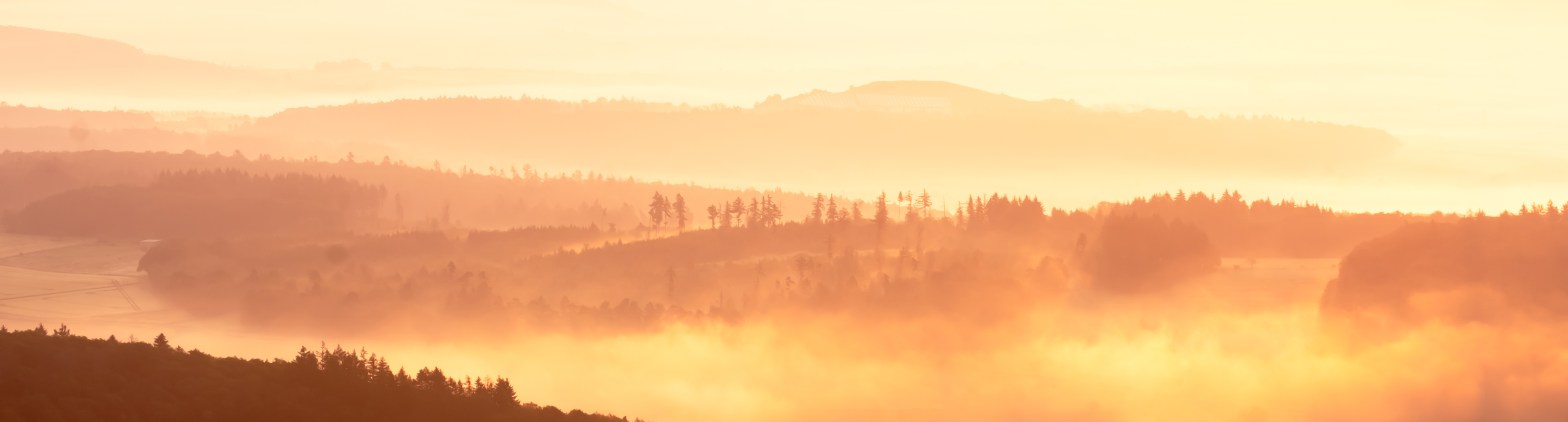
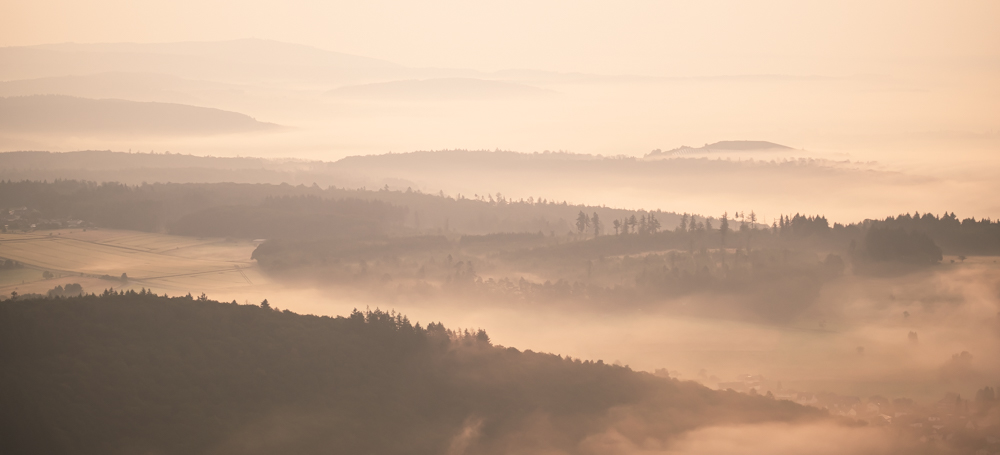
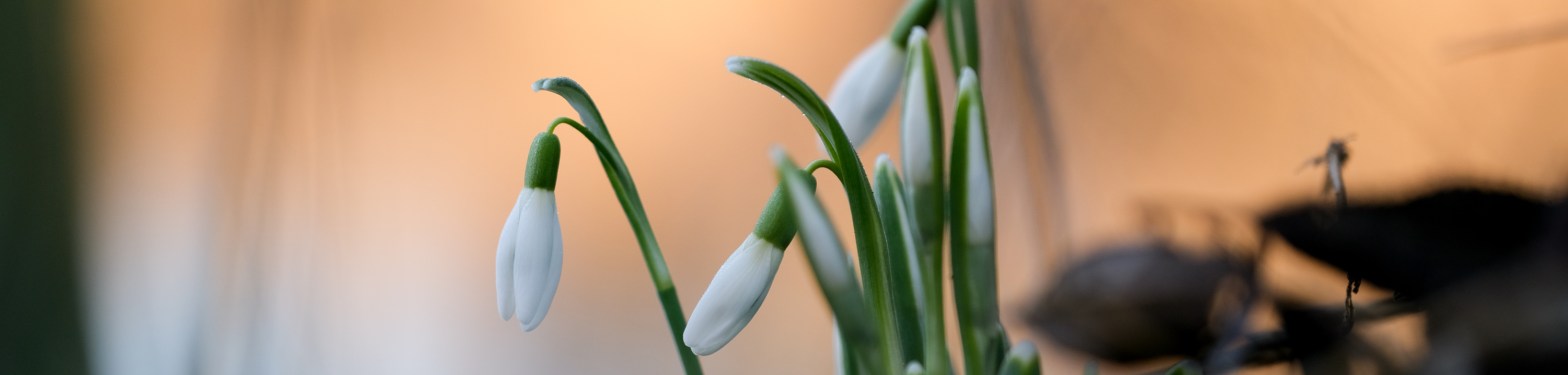
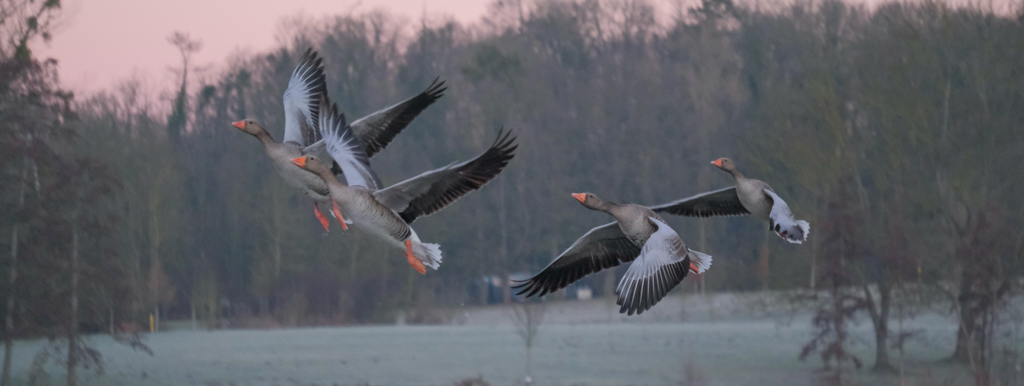
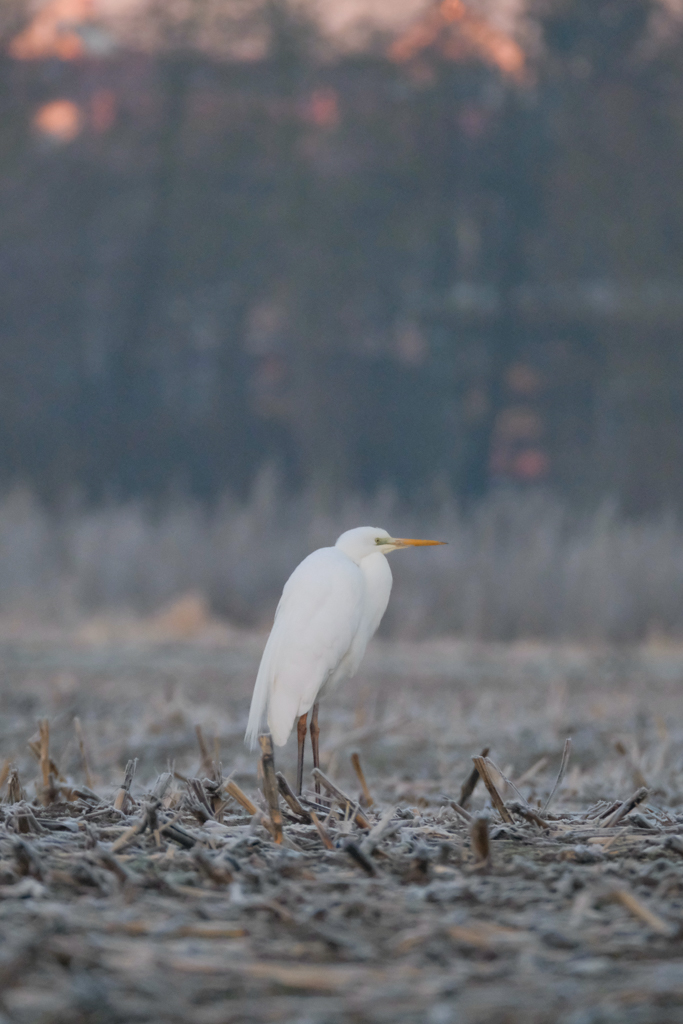
Being out at sunrise feels exciting. Nature awakes and prepares for the day, people jog in circles, in life and around the lake, traffic noises drown the early birds; and we stare and wait for the orange dot at the horizon. When it arrives, the frozen fog begins to shine, flowers begin to bloom, our cameras begin to click, and birds win the second round against the traffic. And then the excitement gives way to everyday life, routines are repeating themselves, and we join the others and continue our own circle, in life and around the lake.











































 Punkt im Dunkeln