The Fine Line

The Fine Line

Let me set the stage for a challenging act of balance:

A thin wire rope stretches between two poles. Right in the middle: the artist, high above the ground. Elegant, delicate, confidant. He must maintain balance, otherwise a deep plunge will end the performance quite abruptly. The artist firmly wraps both hands around a long rod; by doing so, he can compensate oscillations of rope and body. Looking straight ahead, knees slightly bent, there is only one way to finish this act of art: Walk forward, maintain balance, reach the save pole, relax; and turn around because the way back awaits.


But two opposing forces disturb the performance – while the actor is confident in his skills, his balancing rod causes imbalance: Attached to one side are his own aspirations, causing a slight, but constant, tilt towards the left. On the other side of the rod are the well-intentioned demands of the spectators pulling him towards the right. In order to survive, own intentions and the will of the spectators need to be integrated to accomplish the feat.

The feedback is essential to learn and improve; but own aspirations are important to maintain motivation and the drive to create. Balance between both has to be maintained. Asking two persons will give you three opinions – and then there is your own as well.

I became aware, that the noise of many will point you in all possible directions. But the voice of a few will show you the right path. So, listen to honest feedback of trusted ones whose only goal is your own success. But sometimes, only yourself can know what is appropriate and how balance can be maintained from start to finish – and all the way back.

Movement

Movement

I am accustomed to movement in different activities such as juggling and bouldering. Complex body movements, precise homogenous arm motions, balance, or momentum.

However, one major issue in photography is not movement itself, but the opposite: to keep the camera stable during exposure to light. Blurred images are undesirable – at least most of the times. Therefore, tripods and optical image stabilization are common techniques to reduce camera motion.

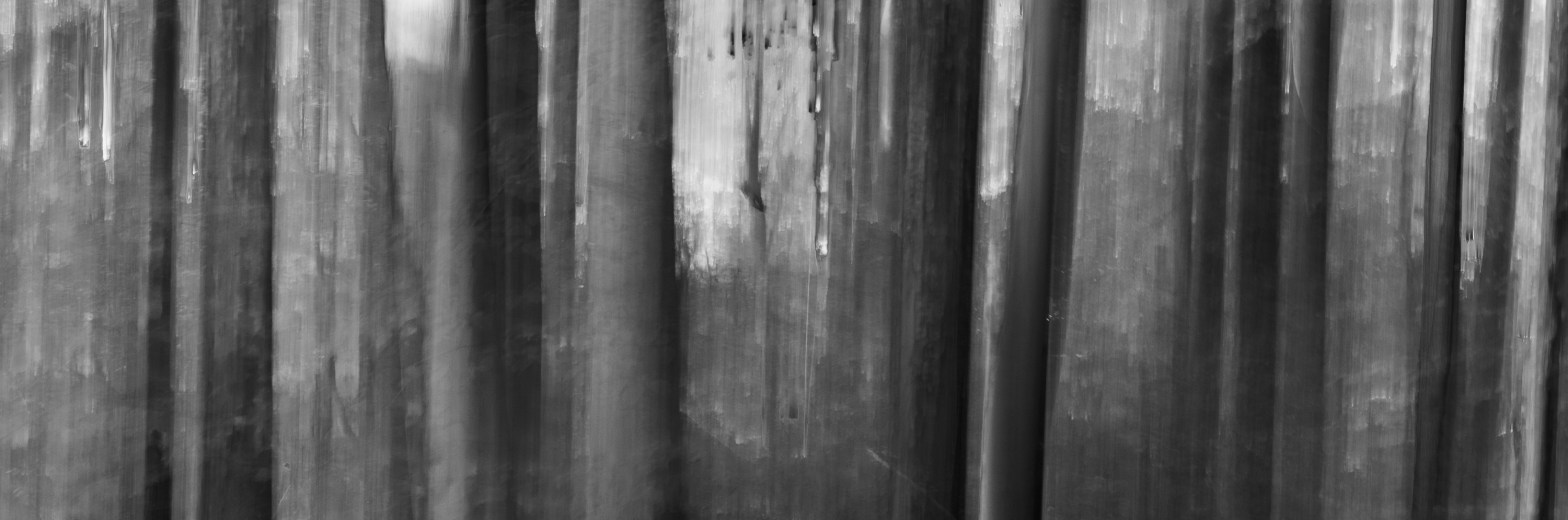
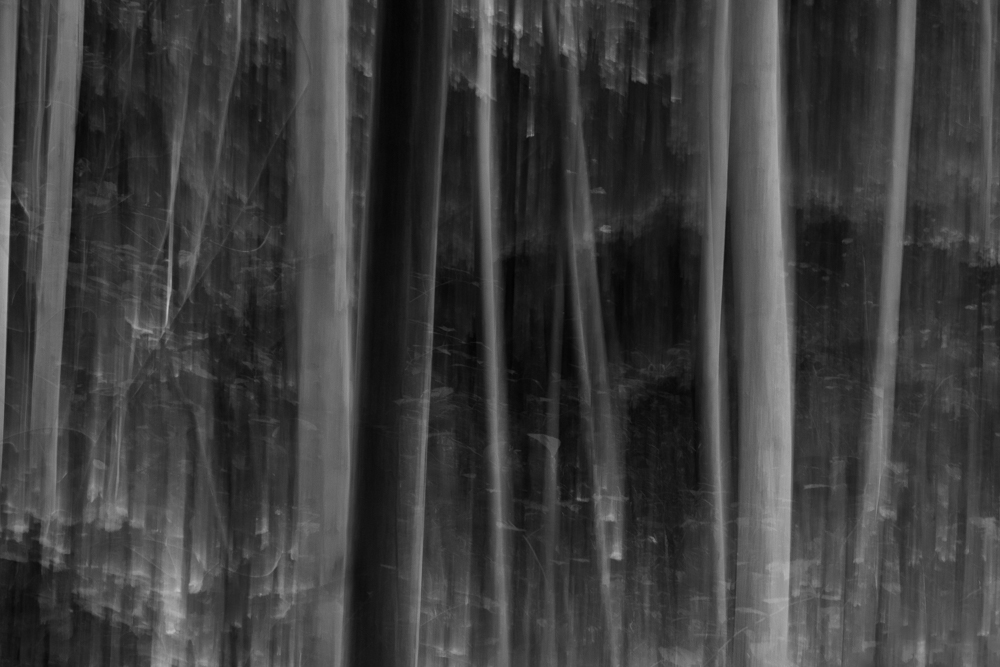
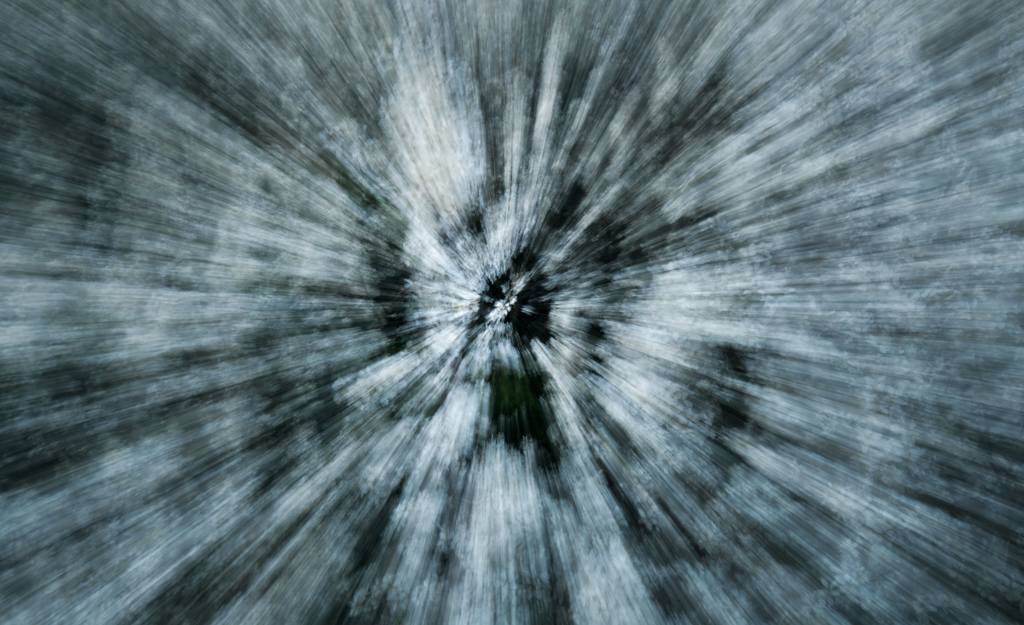
Recently, I am intrigued by images that are blurred; thereby, they can carry emotion and feeling, but in return they often have less tangible subjects. I just recently learned the term for this technique: icm (intentional camera movement).

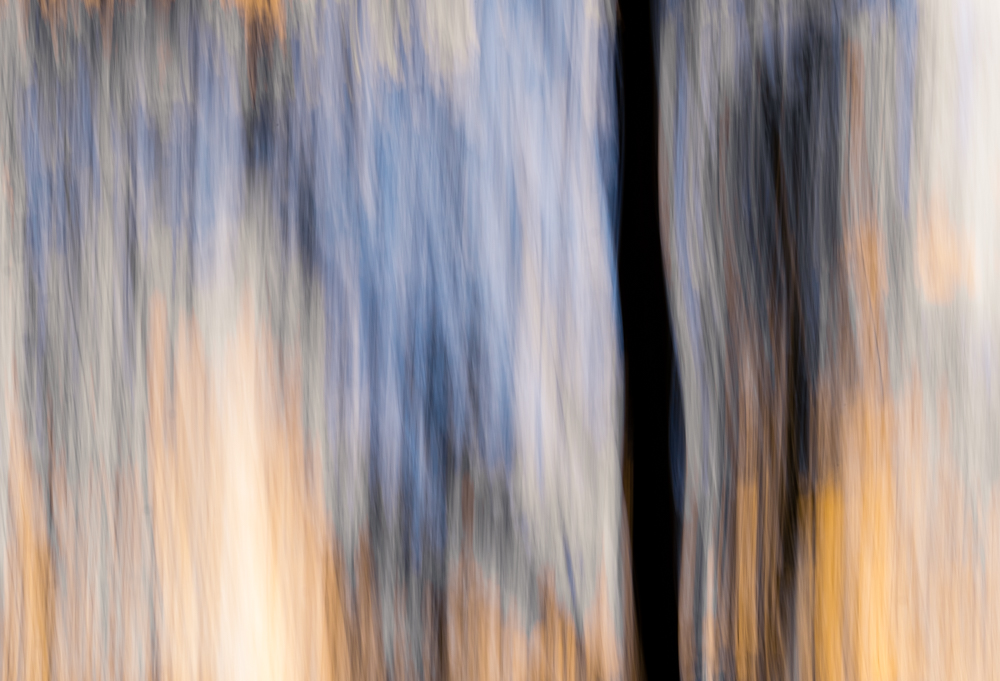
Abstract scene from local woods – directly out of camera without post-processing.

Getting the proper movement is key; and I am still at the very start of playing around with different movements and getting them right. But especially when conditions are difficult for ‘normal’ photos, movements can create appealing abstracts.

Direction: Hawthorn

Direction: Hawthorn

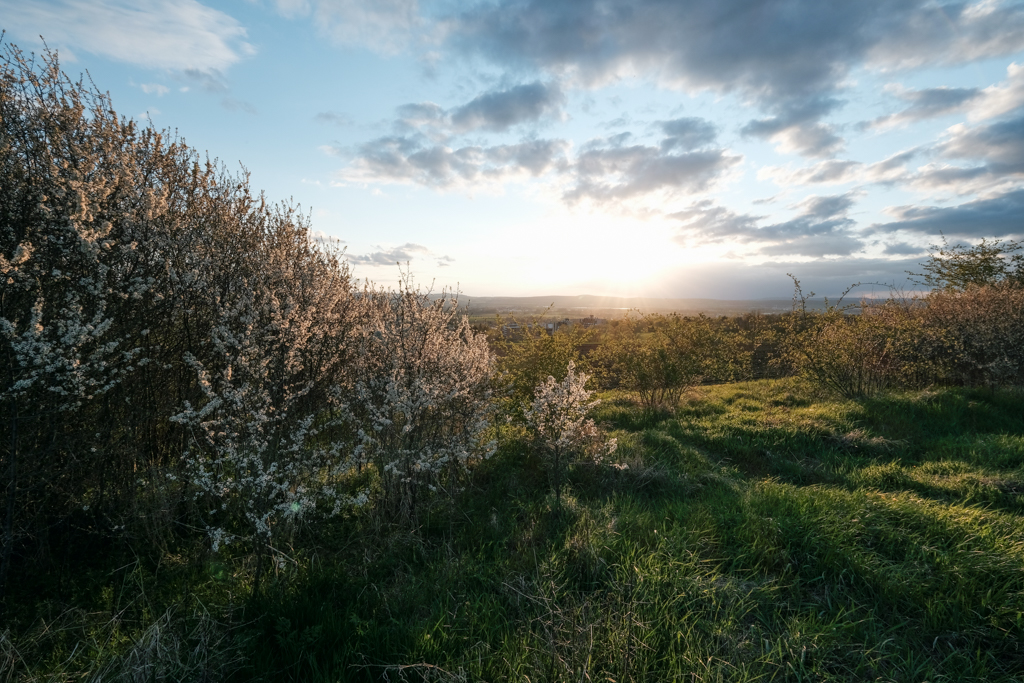
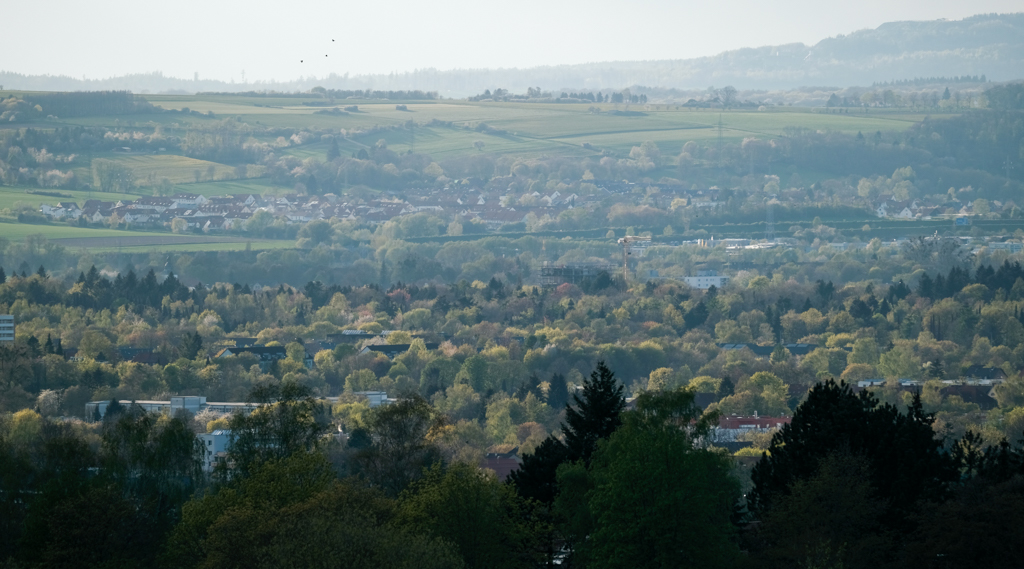
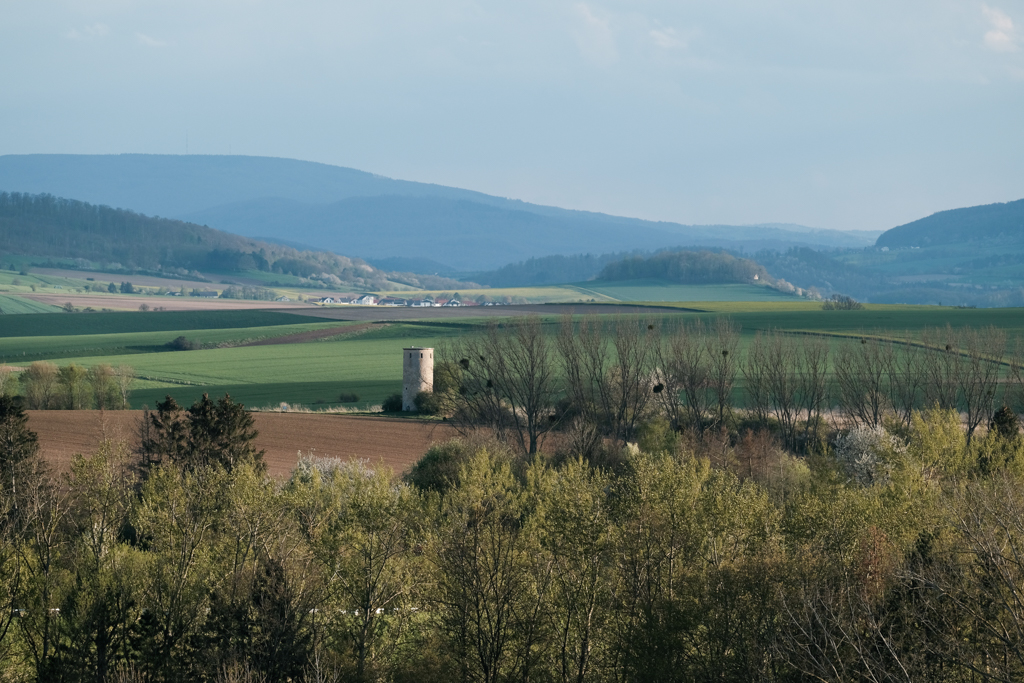
There has been too little time to appropriately maintain the blog lately. Lots of work, some routesetting, and other hobbies devour my time. I also often feel restless when I have some free space, it feels like I need to use these hours in some meaningful or productive way – whatever that means. When I have a free evening I mostly go outside to take some pictures. Last week I was on a small hill south of our home town for the sun set. After many days of rain, the sun finally showed again and all plants sprouted, especially the hawthorn.

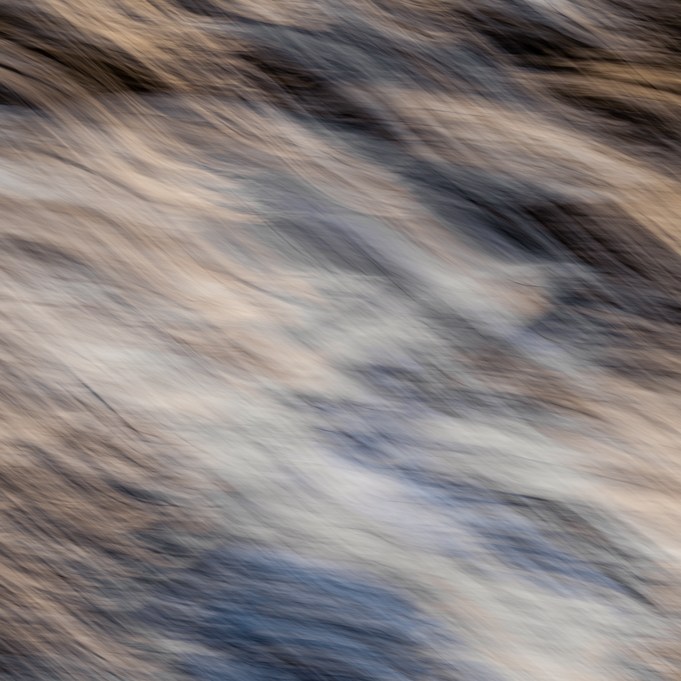
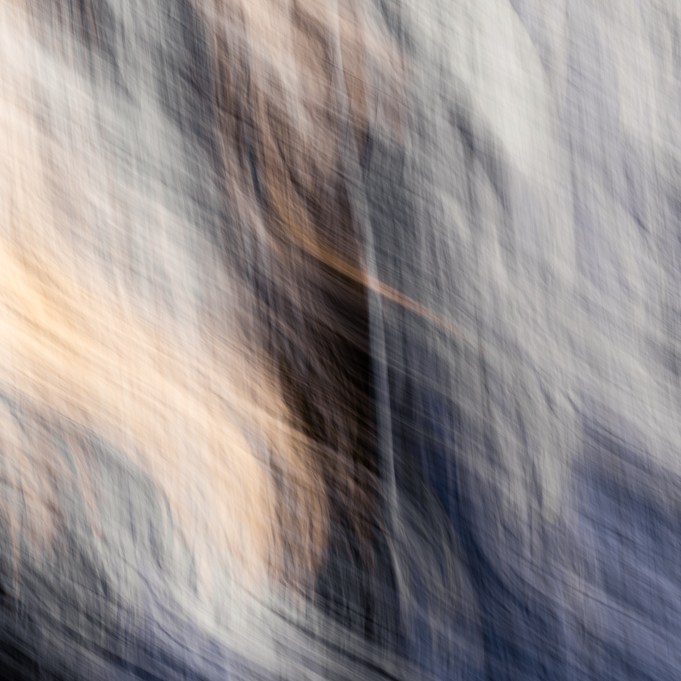
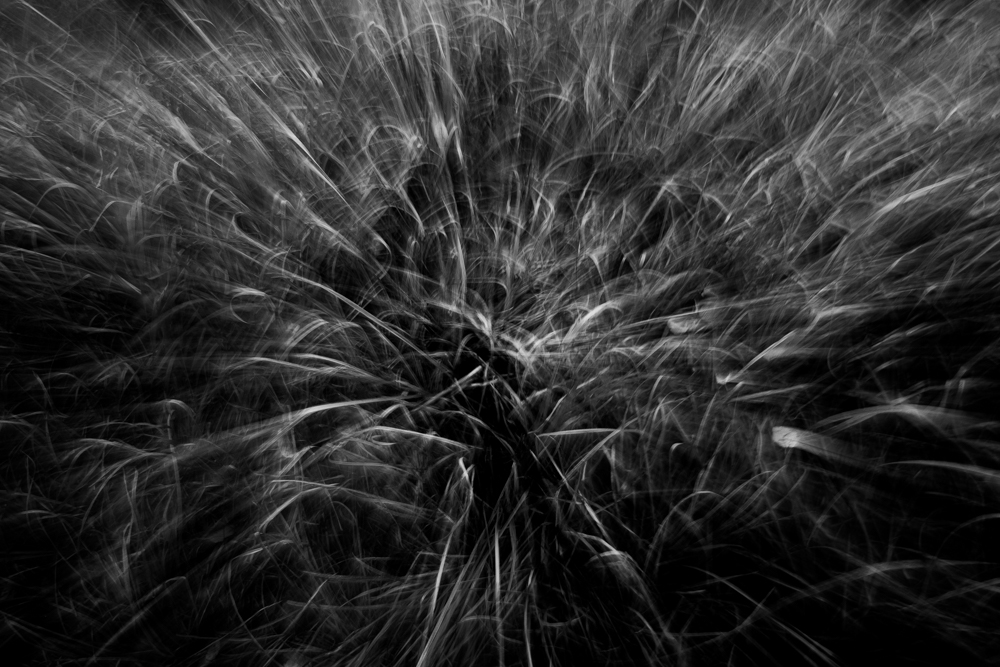
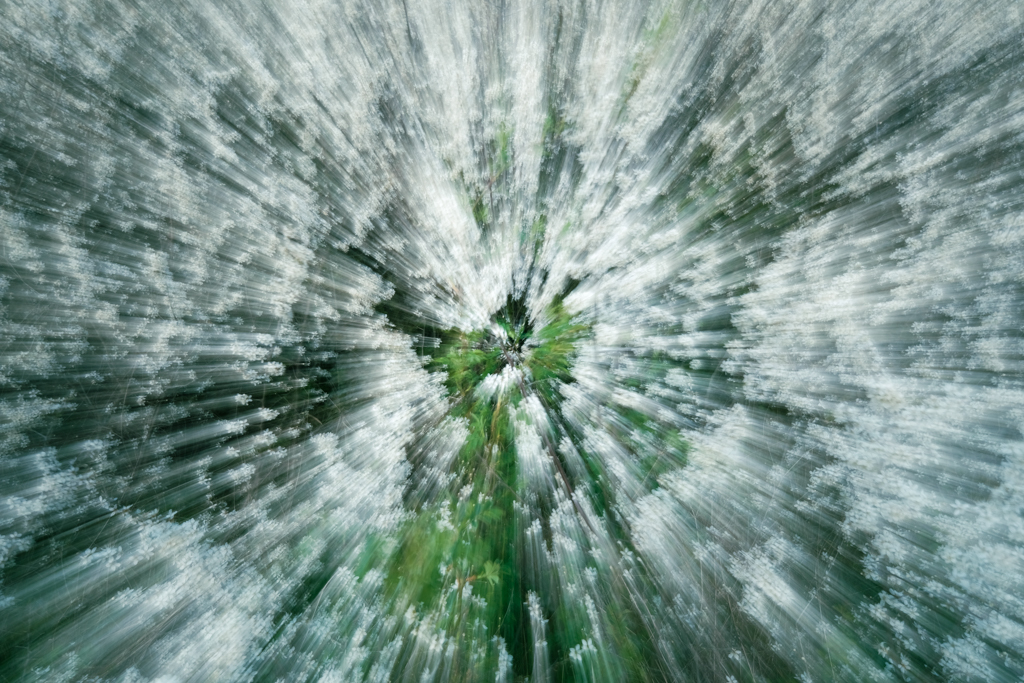
After shooting panoramas and macros, I also tried some new techniques for abstract nature photography as such images always appeal to me when I see them online: Images where it is unclear what exactly is depicted, images that leave room for interpretation but follow patterns. The first 100 tries were uninteresting, but then I changed settings substantially and started playing with the lens zoom while shooting longer exposures:

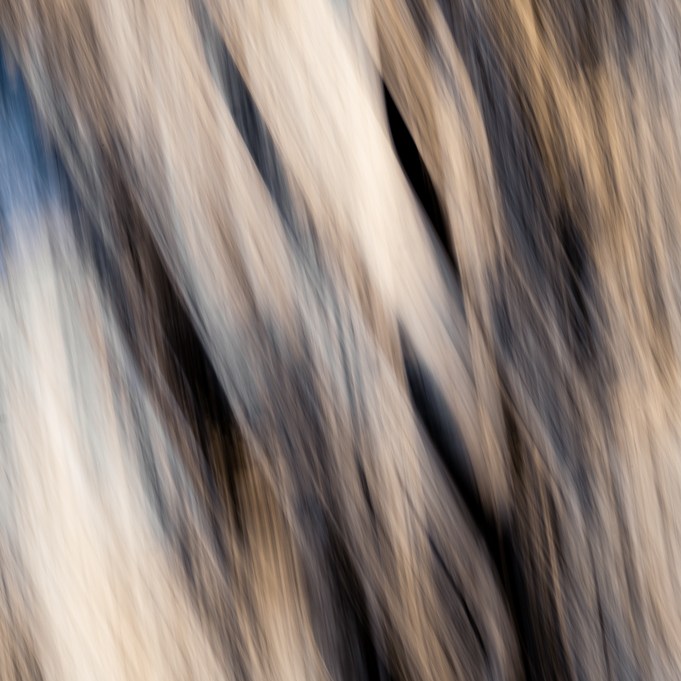
After another 300 photos I felt somewhat satisfied with the results that also were quite unique from what I have seen. The hawthorn and my 10-24mm lens made a nice combination with the evening light, resulting in textured hawthorn spirals:

When I started the blog I had little idea in which direction it would evolve. So far, I like the loose combination of computer science topics and everyday life observations accentuated with my latest pictures. However, the writing often takes longer than taking pictures and my backlog of pictures is slowly building up. Thus, I am thinking about some new blog post format that mainly consists of pictures, but I didn’t come up with an appealing idea yet. If you have any, please let me know! Additionally, I would like to make some longer blog posts about specific interest of mine (if time allows), as well as integrate further hobbies into the catalog of potential topics. So, in general, the blog will probably become more diverse, as the hawthorn pictures in this post: Sometimes great vistas, sometimes specific details, and sometimes quick abstracts.

Replication / Innovation

Replication / Innovation

Replication is one of the basic building blocks of science. The replication crisis is still ongoing: many scientific studies regarded as milestones, especially in the social sciences, cannot be reproduced. Also in natural sciences it’s equally difficult to define experiment protocols in such a way that they can be successfully replicated. Replication is also one of the basic building blocks of learning: it can be seen in animals when they imitate their parents behaviour from a young age on. The same is true for humans, also later in life when picking up new skills: In every new hobby, we first have to replicate what someone has done before us.

I have had a few different hobbies in my life that I pursued thoroughly and in most of them I never got over the step of replication. Art seems to be somewhat different: Already the first picture I took is unique. But even though I am immediately creating something novel when taking any photograph, the techniques and contents of my shot are far from innovative. Instead they are also largely influenced by what I have seen from others, what inspired me, which techniques I got thought, and so on. The two lonely counter-examples for me, where I got beyond replicating, are probably 1) route setting for climbing (at least to some extent), which I see as an art, 2) and my work.

Only after I replicated for a long time, with different role models, from different styles, with different materials, I was able to slowly move on: from replication to innovation. I could find my own style by mixing what I learned. I could create a new method by expanding on learned skills. For work, this has required over ten years of education and, hence, over ten years of replication. But slowly I feel that I am not only replicating anymore. From time to time there is some innovation. And if I keep going, the same will apply to photography some day.

Black and White Spring

Black and White Spring

I don’t like thinking in black and white. I don’t think liking black and white-thinking is sensible: There is always an in-between, an uncertainty, missing knowledge. My side is not correct and your side is not wrong, truth is on both sides. While it’s easy to say, it’s hard to act on: Being empathetic in heated situations, seeing purpose when everything seems empty, or noticing progress when stagnation feels permanent – it takes effort to spot and point at the grey areas. It is exhausting to discuss the subtleties and understand the intricacies of the in-between.
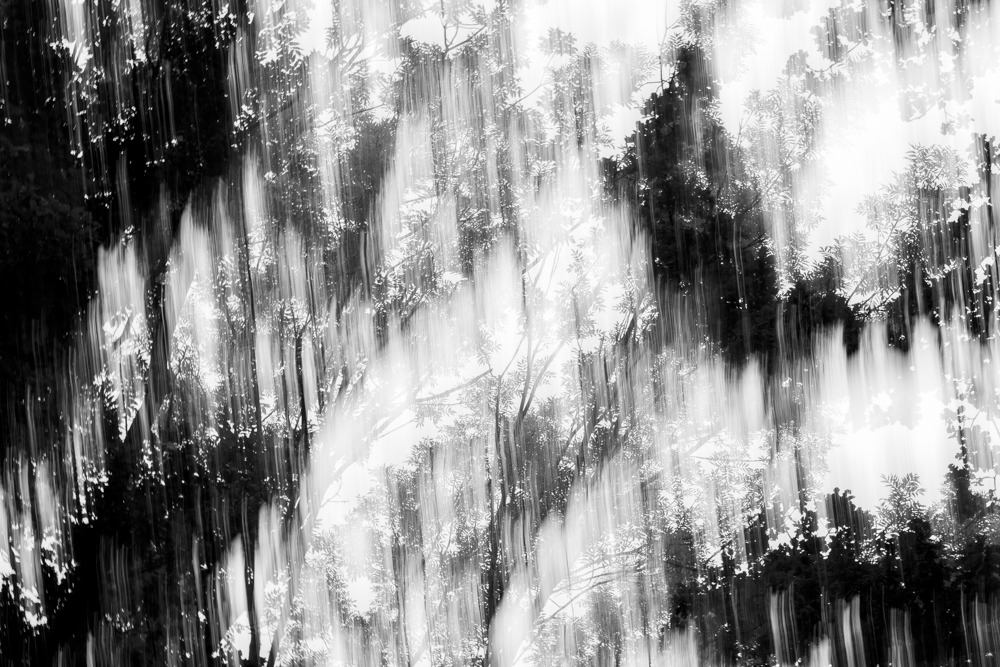
And still, sometimes it is necessary to treat things as if they were black and white, because otherwise we would still be discussing the shades of grey – as long as we are aware of the underlying simplifications. Maybe we should just do it as in modern photography: Take the picture in color, from purple to pink, from dark corners to bright skies, include all shades in between. And then: Edit and redact it, remove undesired colors, increase the contrast, do it careful, and you are left with a delicate black and white version of truth while knowing the steps you took to get there.

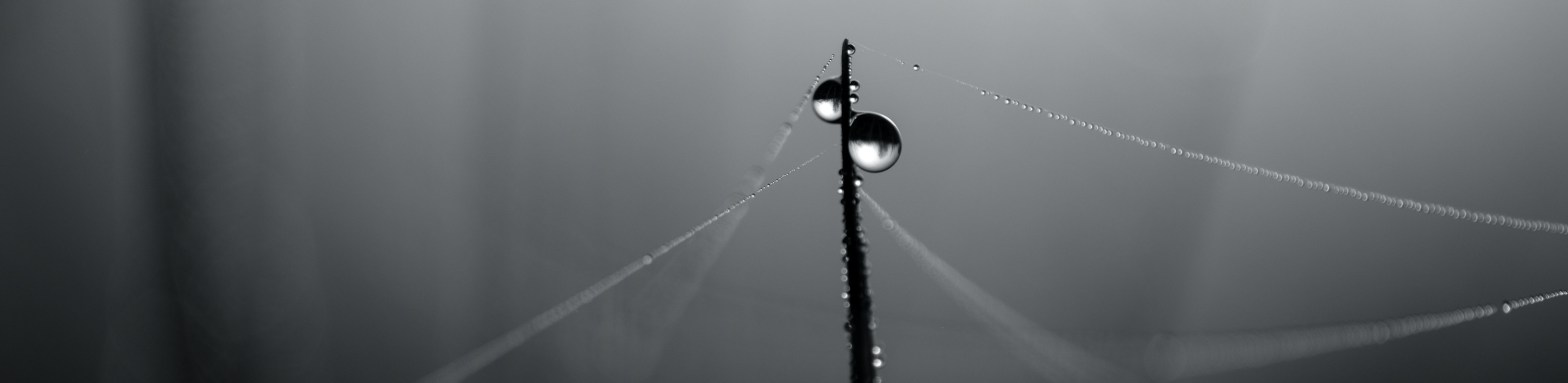
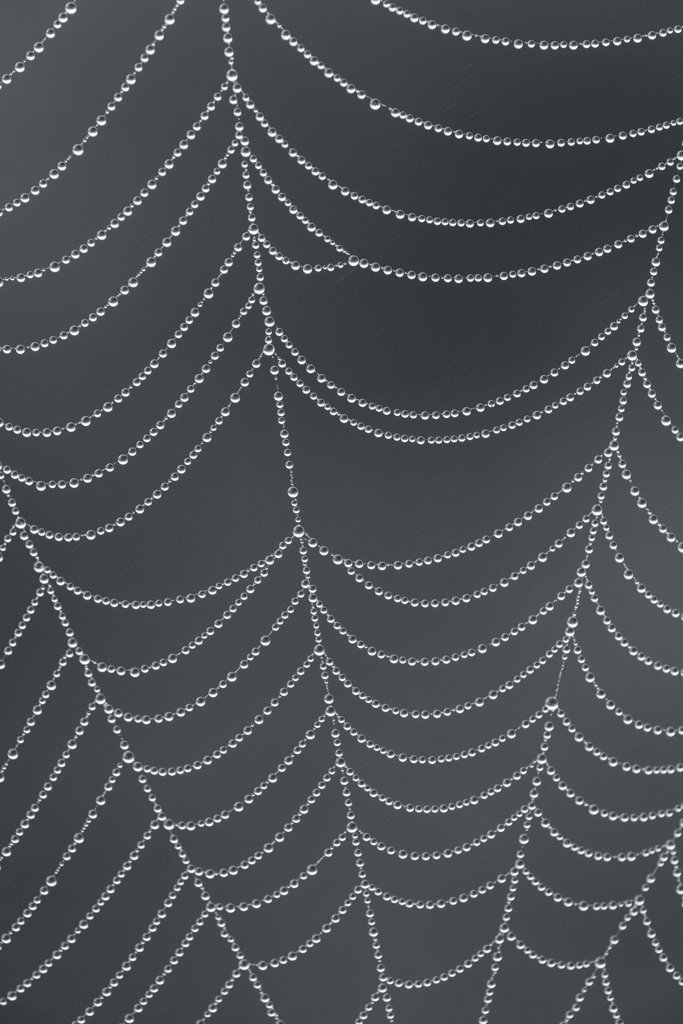
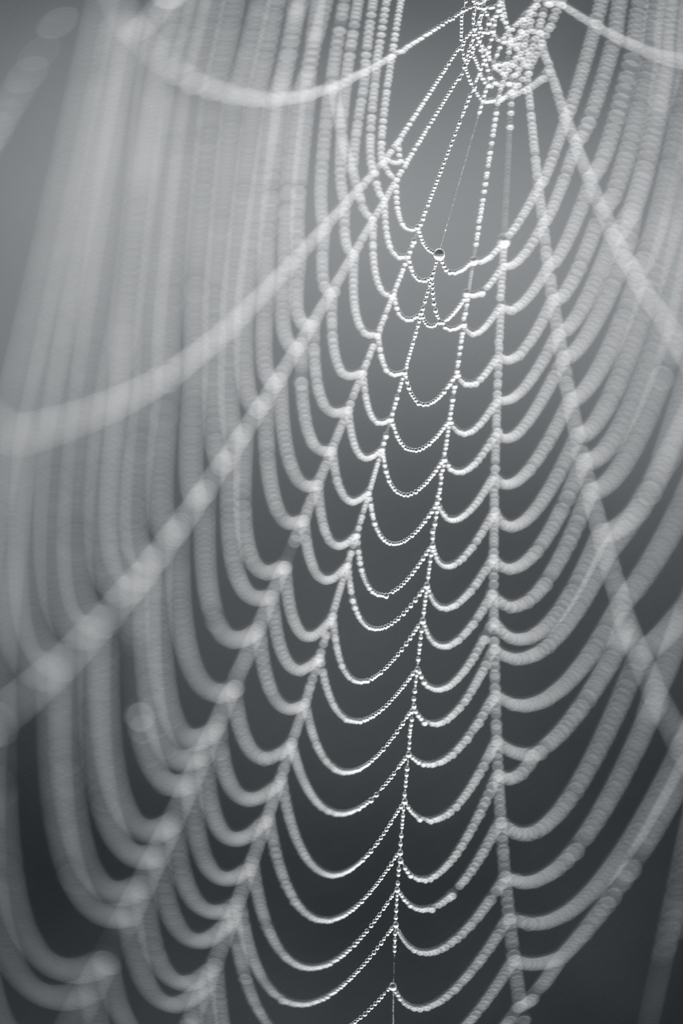
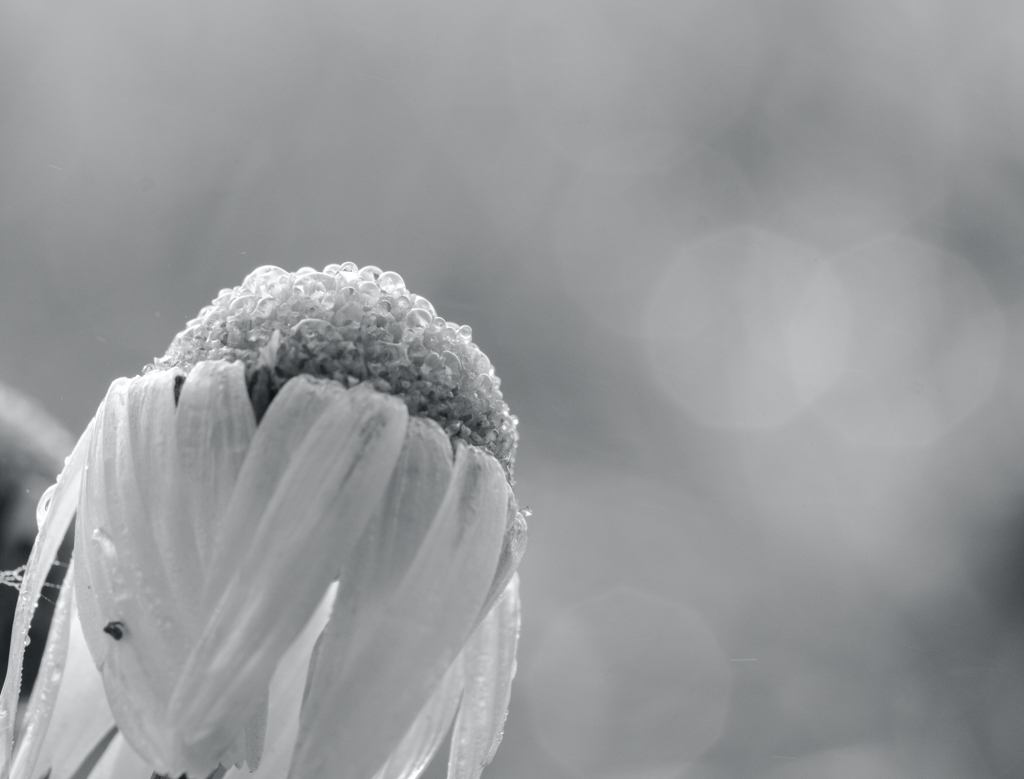
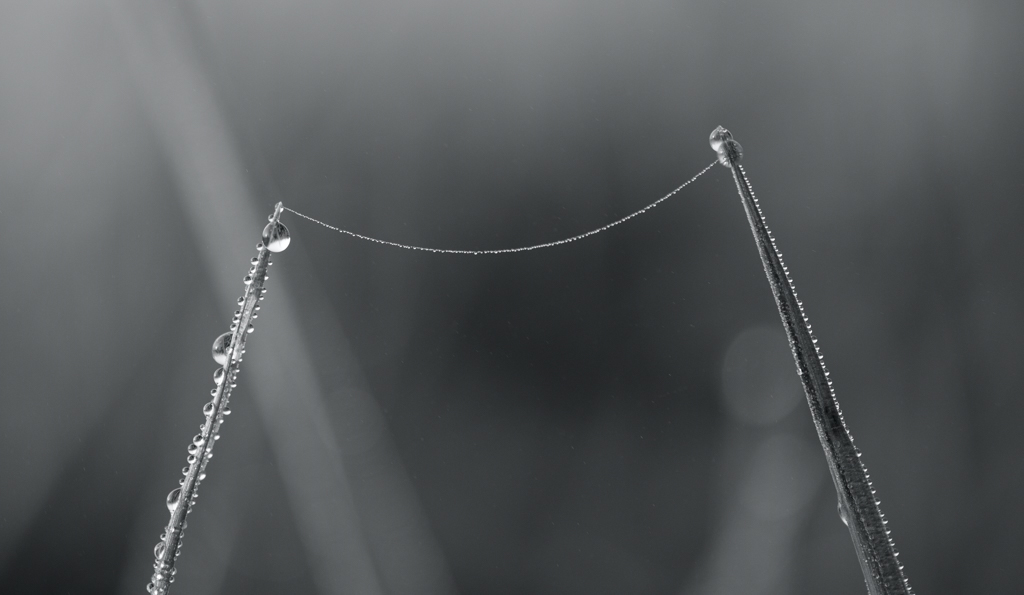
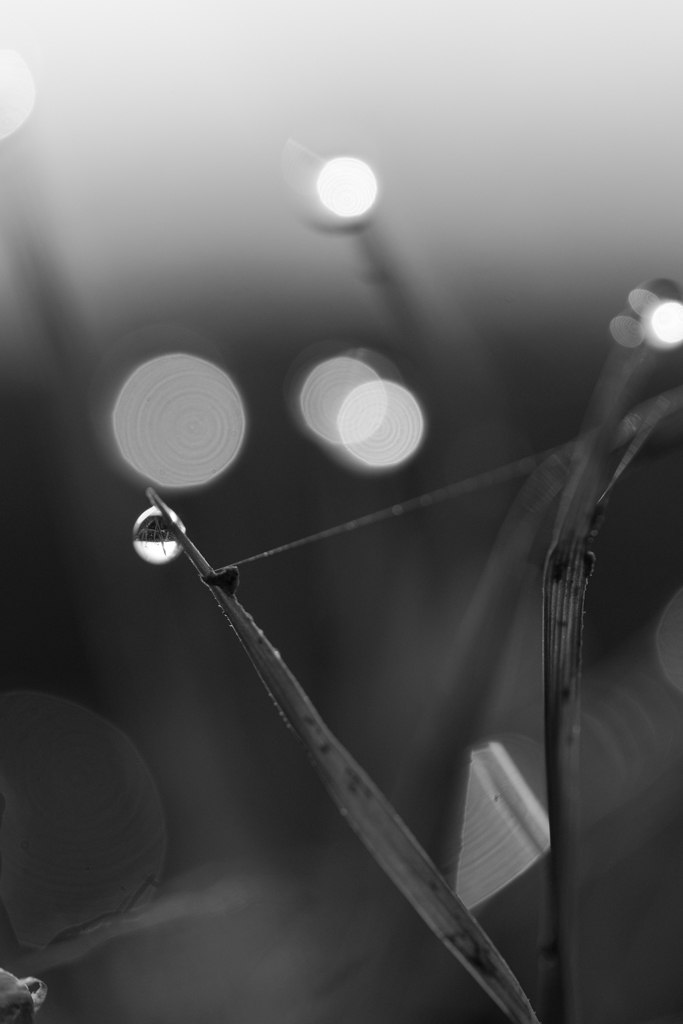
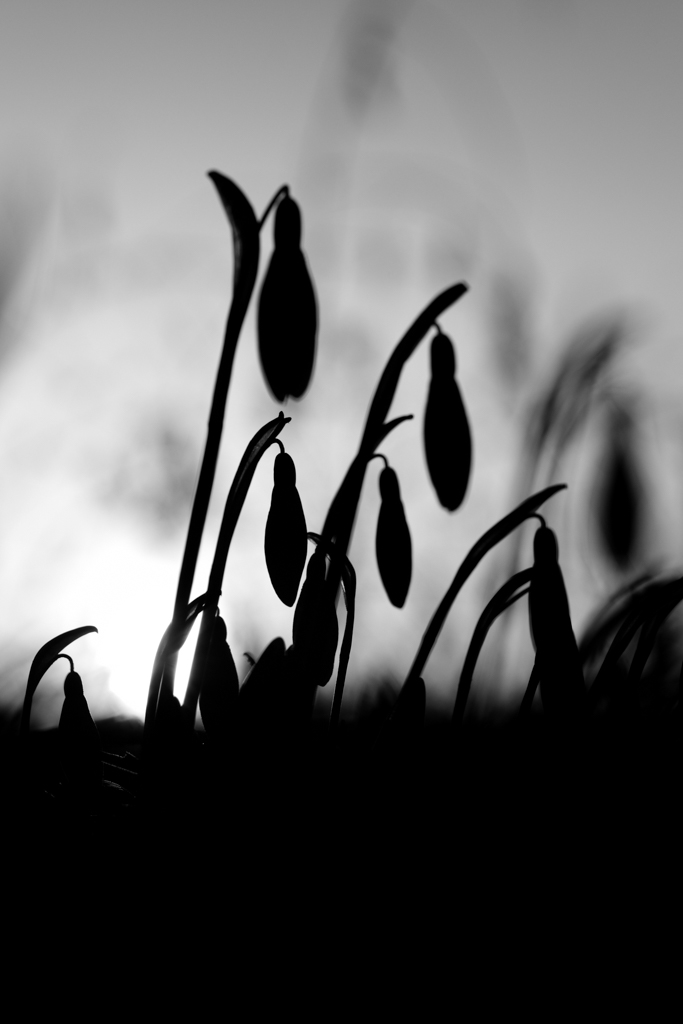
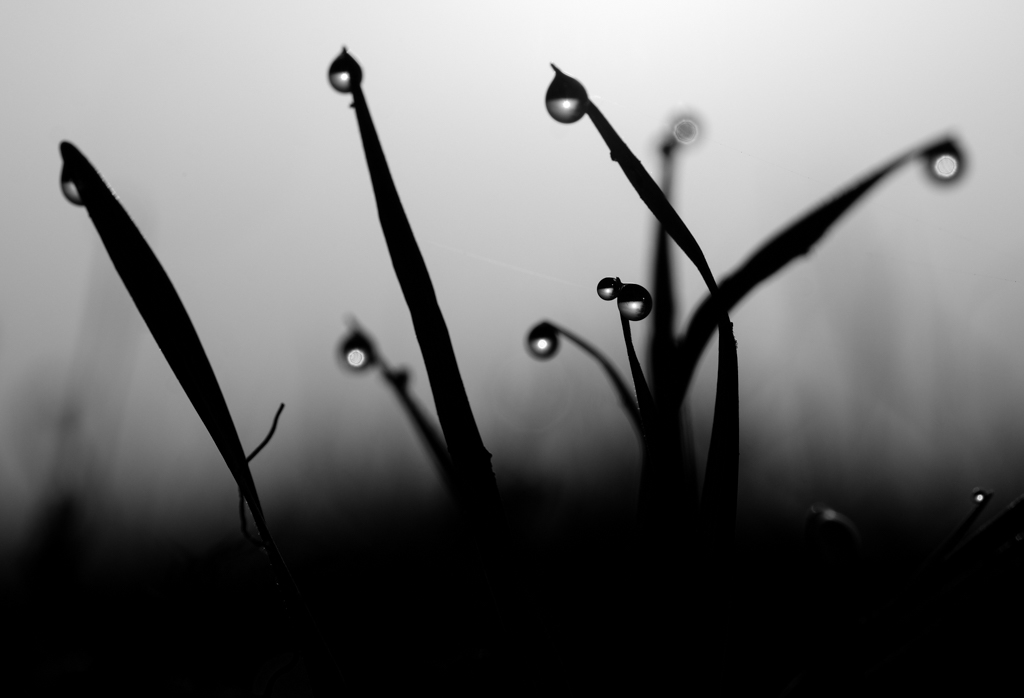
I am very happy how the images from today’s morning walk turned out: First, everything looked quite dull and I couldn’t find anything interesting. On my first passing of this field, where small water droplets gathered at the growing seeds, I quickly moved onward when the first pictures did not turn out as expected. I had the wrong settings and not enough patience to find an interesting perspective. Then, on my second passing on my way home, I tried it again and this time I did not want to give up. And after many, many failed attempts of pictures that only showed grass and water droplets, I was able (at least to some extent) to capture the beauty I was hoping to find: Small sceneries of nature in light and shadow that allow the imagination to roam free. Now, I not only see grass and water droplets, but I can see small individuals, I can see groups of fairy-tale characters, I can see them holding lanterns to find there way through illuminated towns in the dark between moon-lit flowers.