Surreal dreams in pink and black
appeal to me, insomniac
part-time, I mime
the creatures of the dark,
embark on voyages into
the mind, without a crew
through untrue realms to leave
behind mankind.
Retrieve the unconfined
autonomy, the undefined
metonymy
of life.

I like it here,
revere the fear of unknown
years to come, of jointly tears,
of joys alone, of memories in stone
engraved, the best is saved
in our hearts until the end
when we transcend
to afterlife.
The internet is large and most content is shallow. Navigating clickbait, fake news, and social media is exhausting. But sometimes, it also yields something precious, something that is a worthwhile the investment of time, or something that evokes true emotion.
For me, this is mostly the case when someone has mastered his or her art and excels in what they do, such as these three hidden gems I found recently:
I’ve been bouldering a lot (on plastic) recently and it feels great to be back in form! But the last time climbing is a looooooong time ago. At least until last Sunday morning, when I finally managed to squeeze in a short climbing session with my long-time friend and climbing partner. Everything is different outside: Bad footholds, fragile sandstone, and being on a rope high above the last clipping point. Sometimes, a slight fear of falling creeps into the mind. Sometimes, even the good footholds seem tiny and slippery.
Basically, it’s the same as with my current work project: It feels a little insecure, but you keep pushing, little by little, one move at at time. Take a deep breath, do secure movements, calm down, climb high. And luckily, in climbing and in life, there are people who catch me if I fall. Thank you.
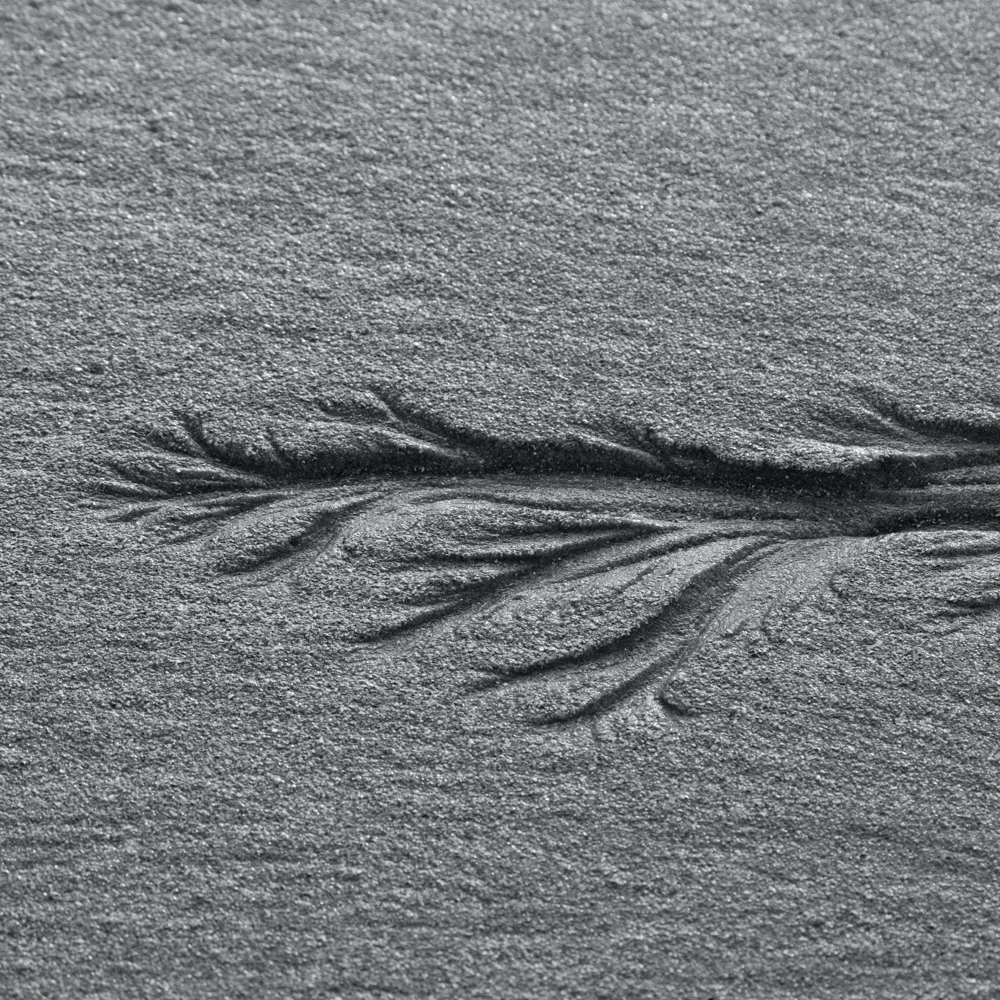
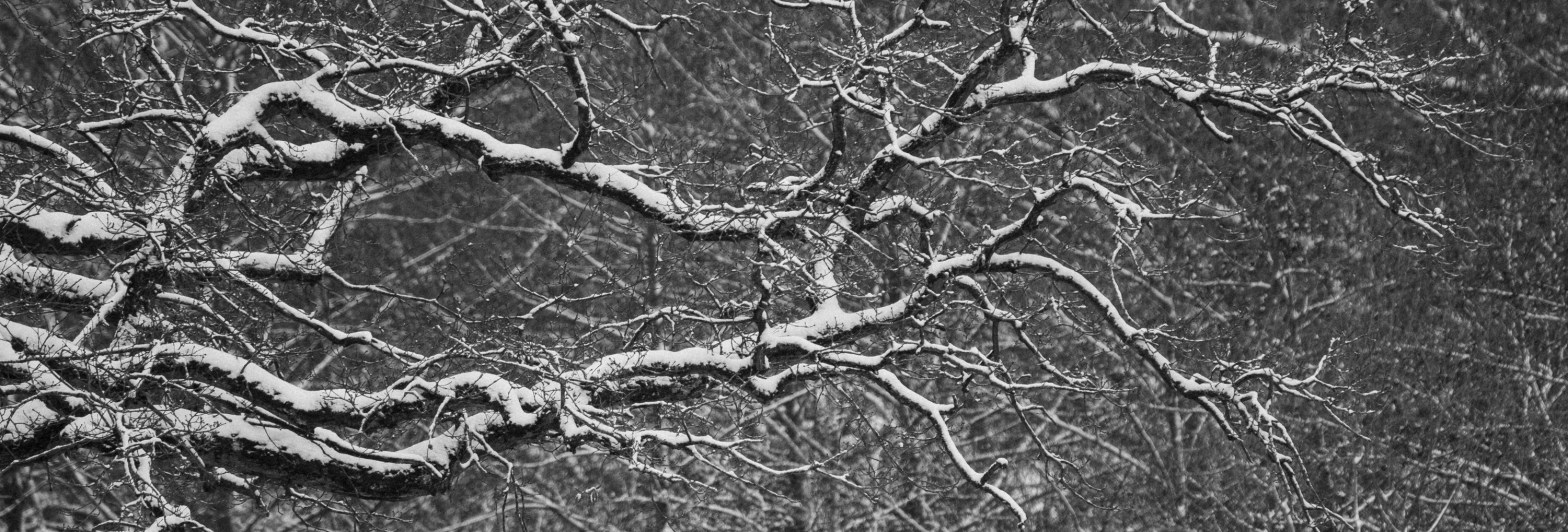
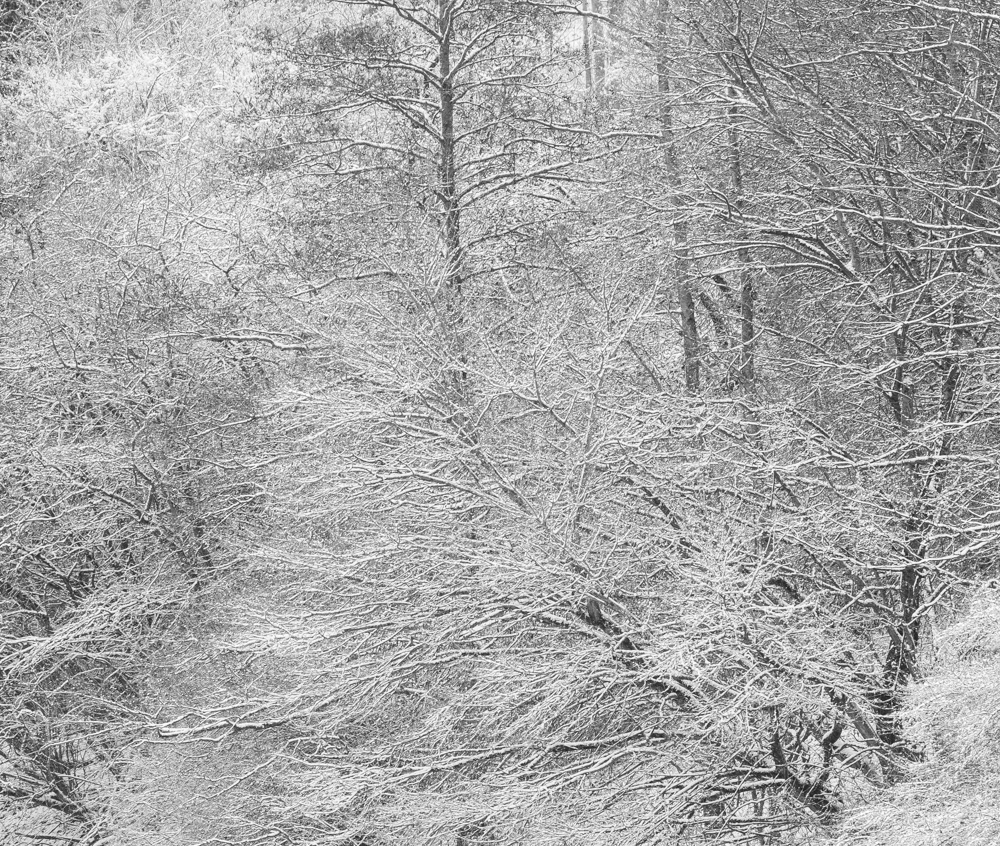
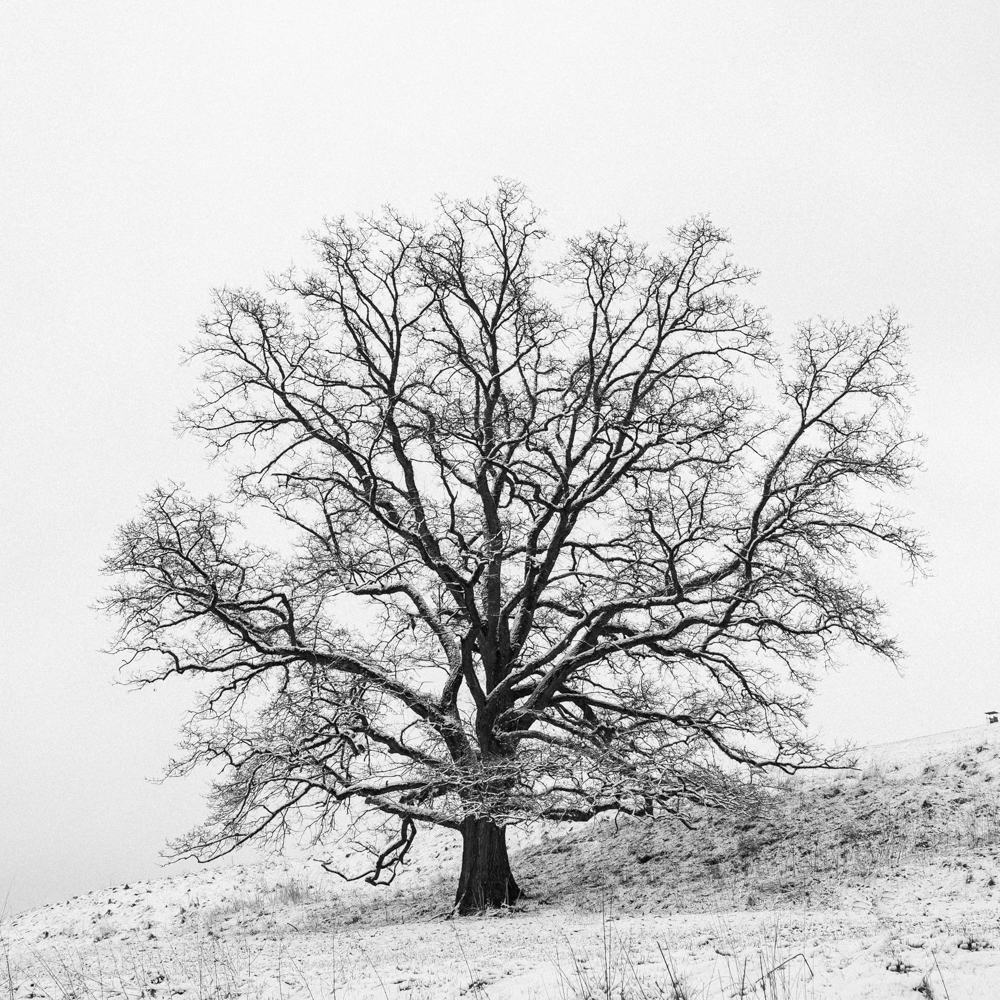
Spreading from a common body, reaching out in search of light, intertwined but solitary, a mutual goal but separate journeys. All supporting a common trunk to be alive, to support a life, to stay alive.
Long-term deep emission reductions, including the reduction of emissions to net-zero, is best achieved through institutions and governance that nurture new mitigation policies, while at the same time reconsidering existing policies that support continued emission of GHGs (high confidence).
It’s all there. A multitude of pathways to reduce emissions. Many branches, a common goal: Keep the planet habitable. It requires systematic change in all sectors: energy, housing, transport, industry, land use, food production. All of the pathways that limit warming to ‘acceptable’ limits have one thing in common: they require change right now. Or to be more precise – the required change should have begun 2 years ago, or 10 years ago, or 20 years ago. But still, nothing changes. Since this last report has been released, several countries have released their new plans to drill for even more oil and gas. Business as usual; the trees will get chopped down, leaving limbs scattered around the corpses.
Necessary variation,
arbitrary contemplation,
forlorn forest, torn apart,
born in freedom, sworn by heart
to live, to give, inform, restart
what's wrong, what's flawed
does fall apart.
Without definite destination,
ahead a dreaded bifurcation:
What's right? What's left?
And what is left to say and write?
The obscure shadows of the night
do greet the swiftly fleeting light.
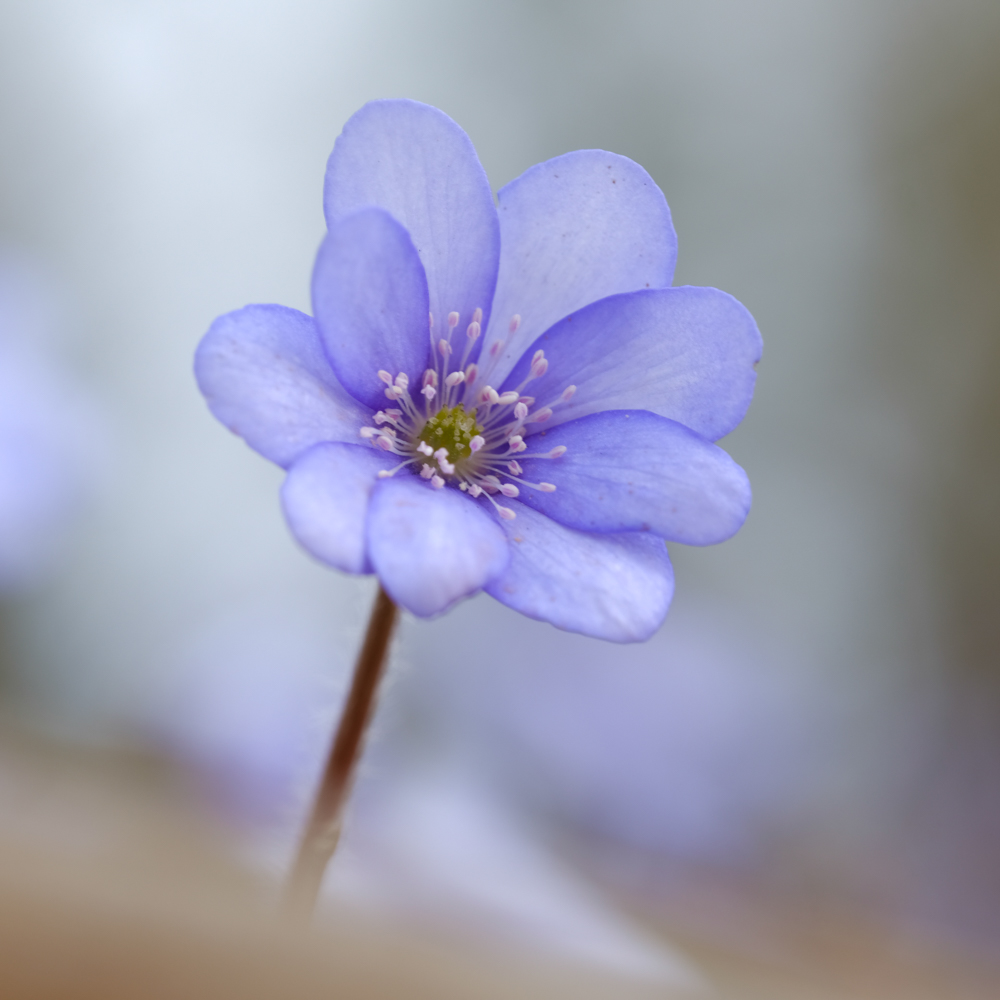
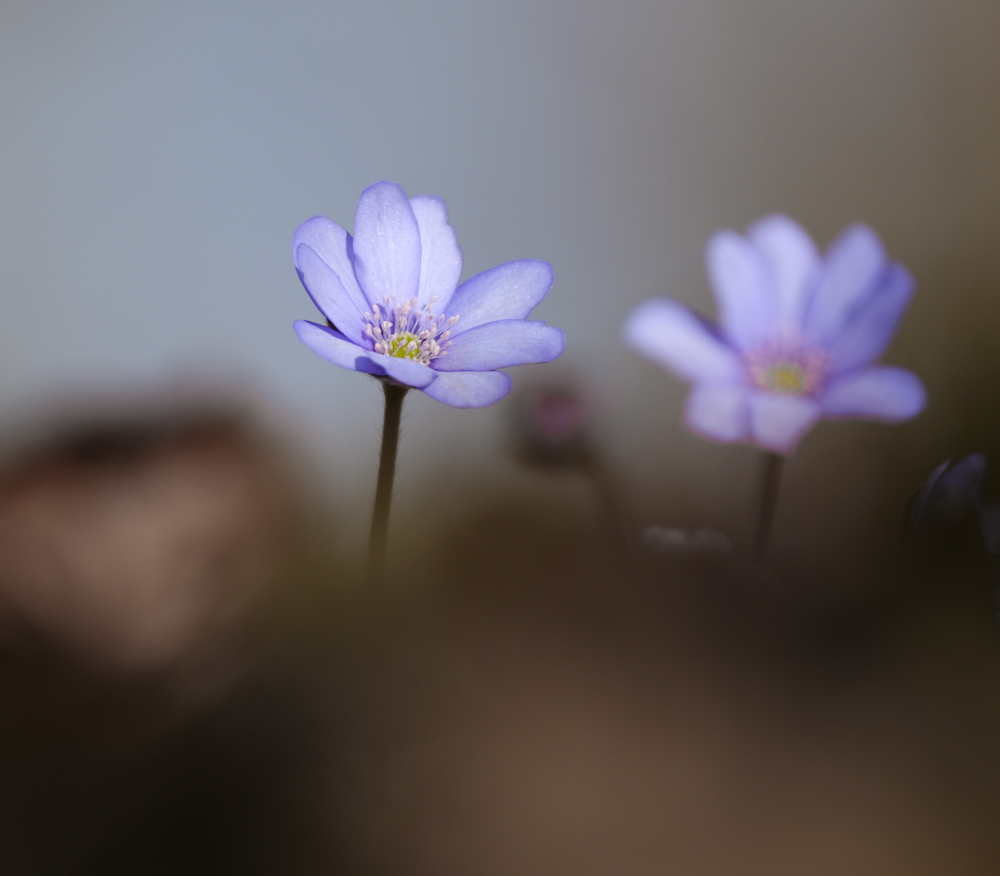
Blue flowers sprout across the ground
as doubt vanishes all around.
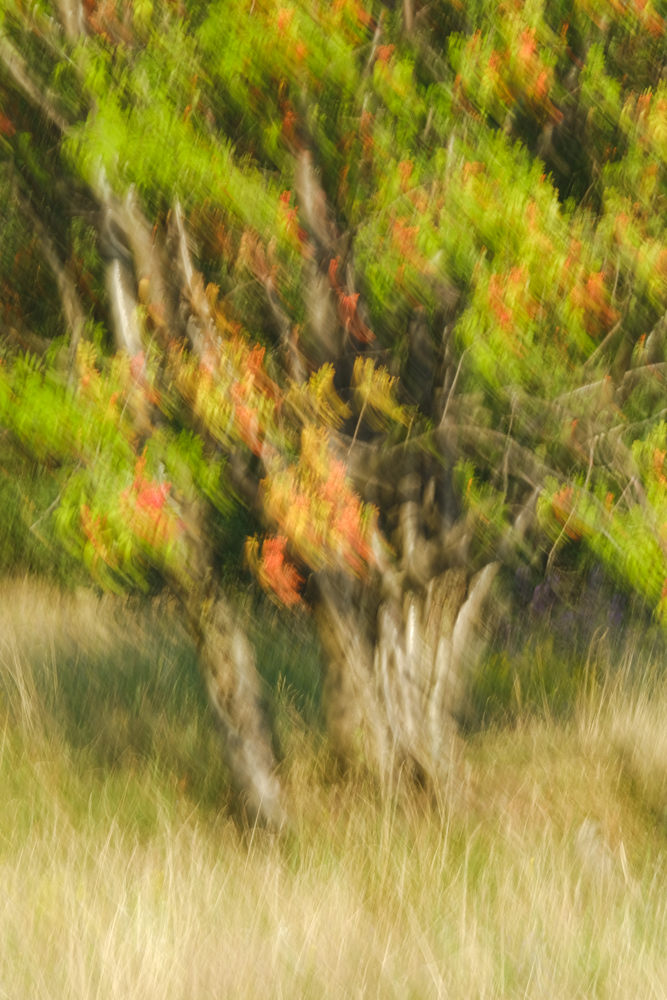
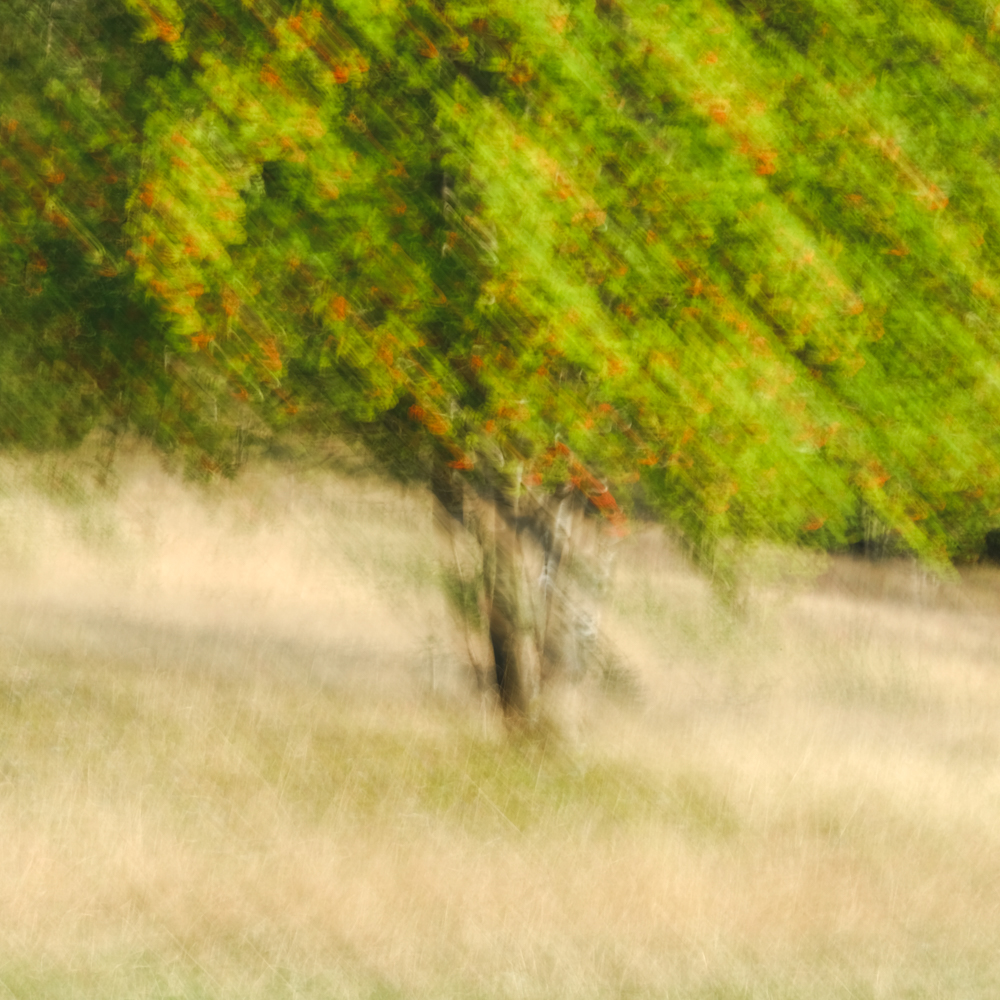
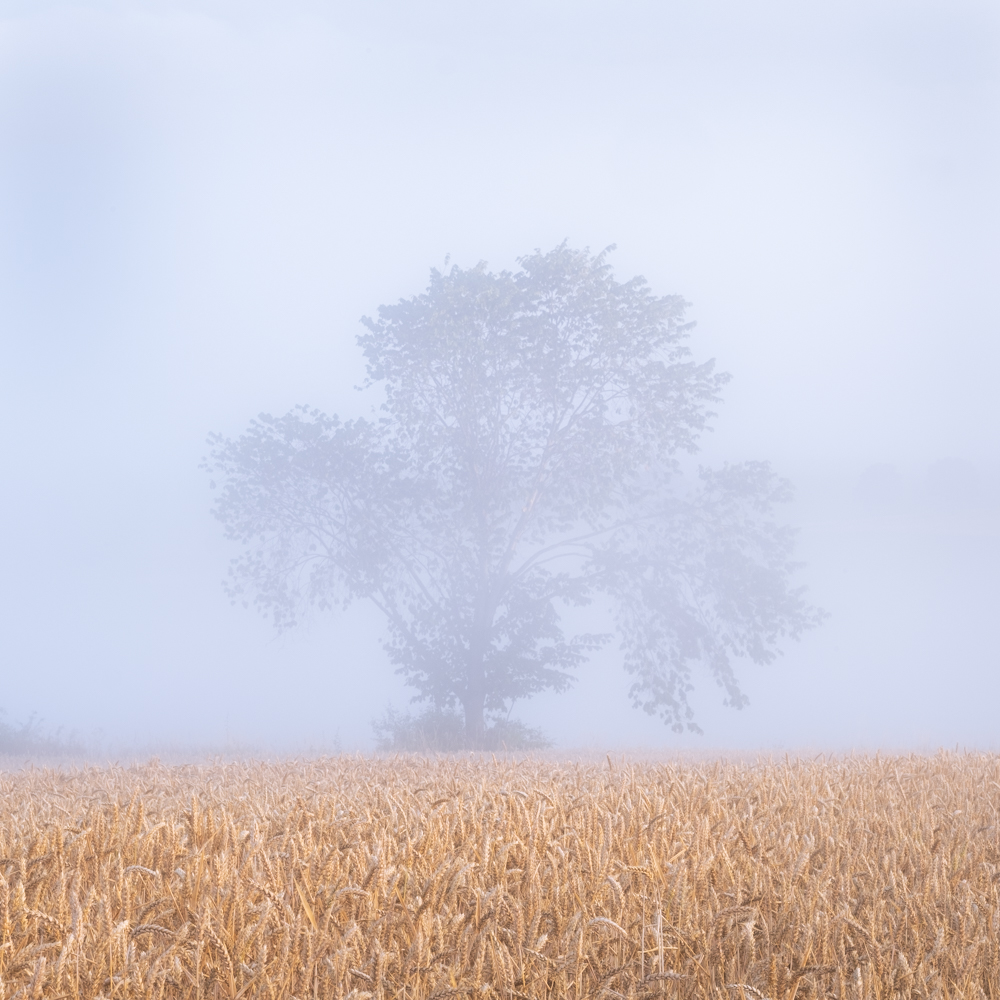
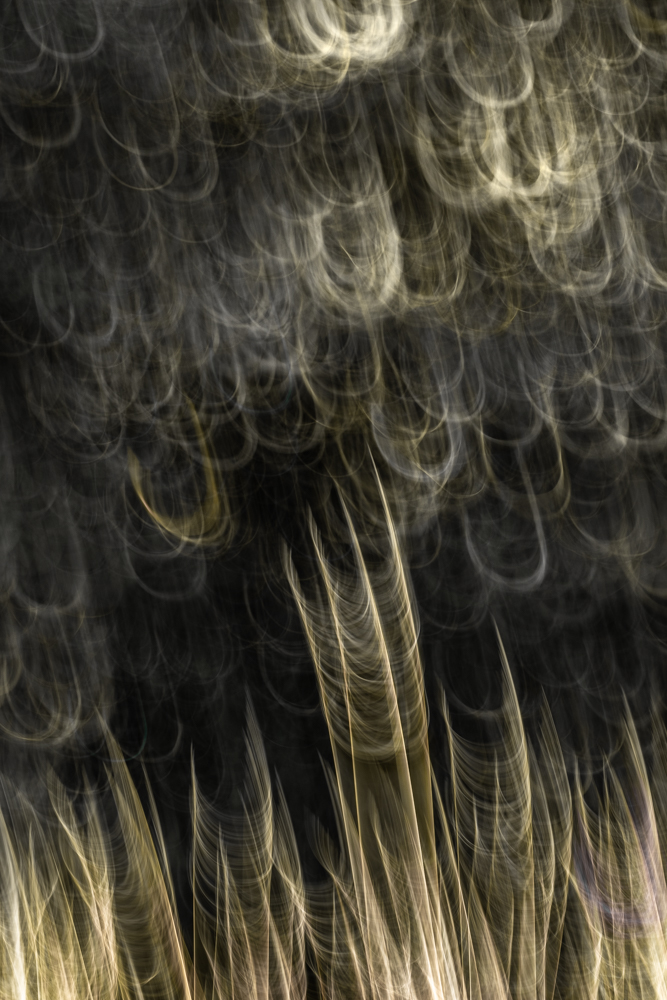
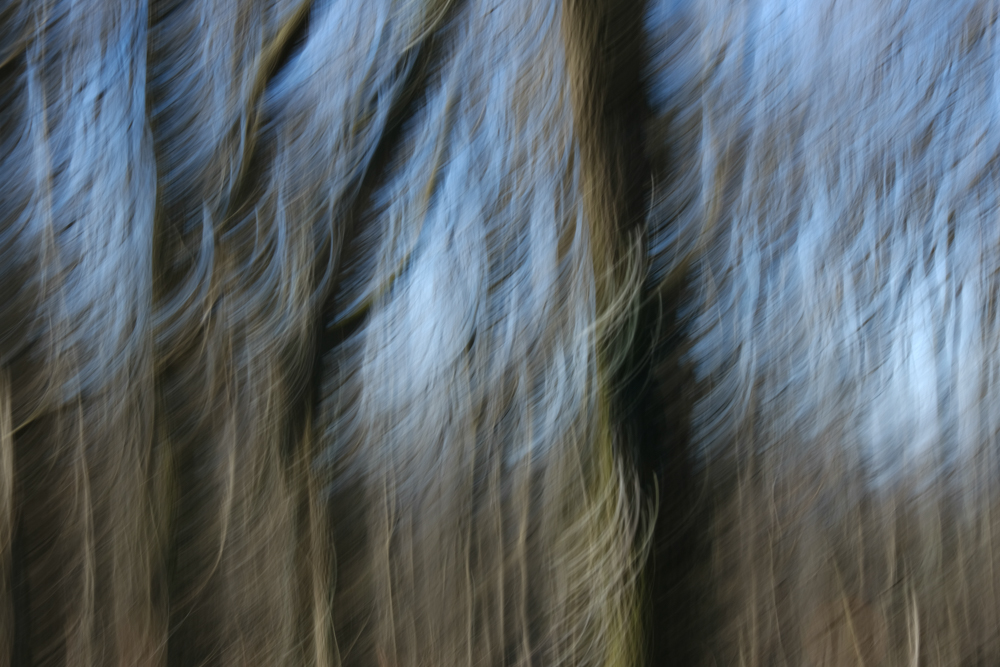
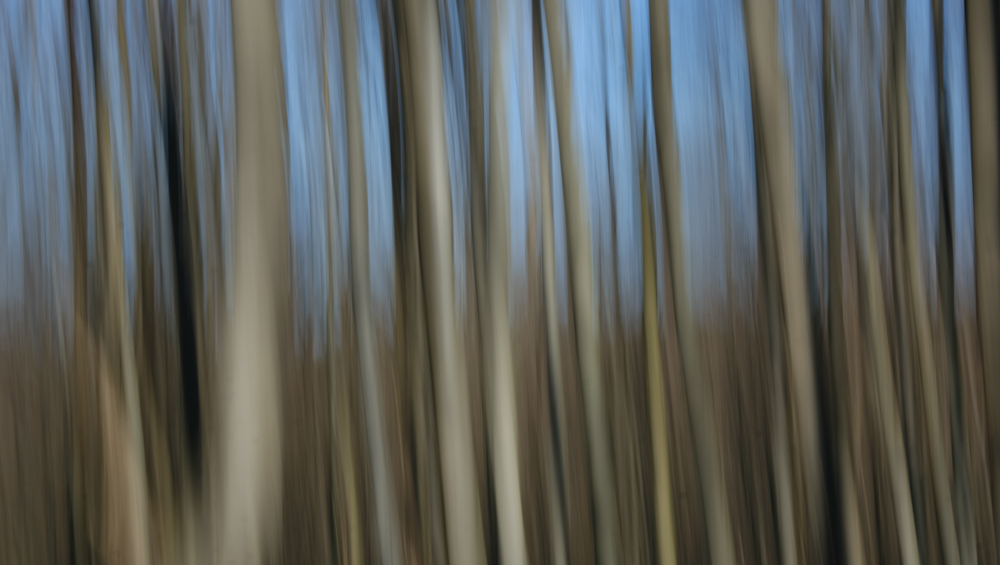
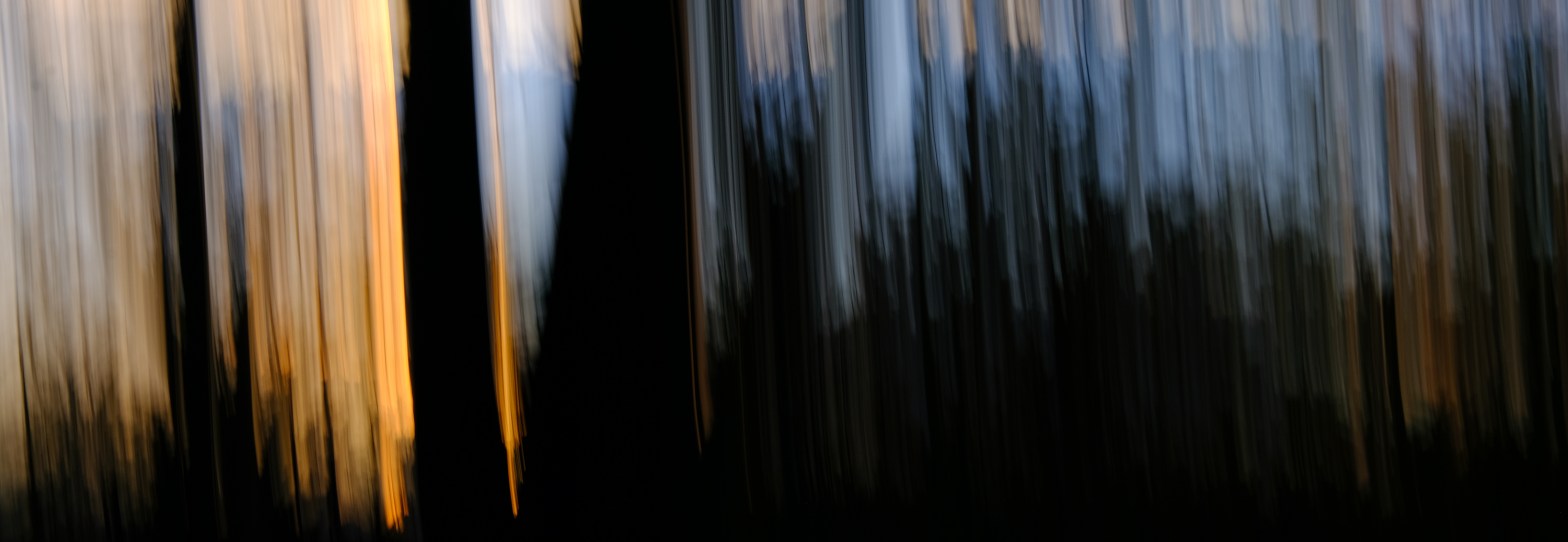
If finding an exact solution is not possible, perturbation theory provides a framework to build upon a known solution for a simpler problem. The resulting perturbation series can then be utilized to approximate the solution to the original, more complex, problem. If a simple picture does not work, perturbing it might result in the emergence of previously non-existent forms that produce structure. Thus, the more complex procedure while taking the photo can result in pictures of greater simplicity.
Motivation is the beginning. It entails action, which gives positive feedback and, in turn, boosts motivation. Without motivation, there is no action – it’s a (sometimes vicious) cycle.
Or is it? I got reminded recently: the cycle can start anywhere.
I have been ill at home for two weeks. The internet showed me some ad of an artist who photographed plain paper. Admittedly, it looked quite boring. I had no motivation, but I started with action.
Step 1
Paper ready. Tape ready. A white kitchen table, a north-facing window. No idea what to do. The first hundred pictures are absolutely unusable:
Step 2
I figure out that pointing the camera down doesn’t work in this setup. I thought it could be nice, but it isn’t. Photographing at a slanted angle with respect to the light, together with a darker background, seems more interesting. Still, there isn’t happening much in the next series of tries:
Step 3
I already had the aperture wide open, but I didn’t place the paper correctly. I figure out that it gets better if only the edge of the paper is in focus. Then, the rest of the paper creates attractive effects in light and shadow:
Step 4
I am lowering the angle – parallel to the surface of the table. Minimizing or preventing the reflection seems more tidy. I can also increase contrast by using a black fabric behind the paper. Finally, I am getting something I enjoy. I wipe the first SD card to start all over:
Step 5
Go closer, omit everything unnecessary, any distractions. Clean and simple.
Step 6
Some last experiments to keep in mind for the next session: Playing with the foreground and using multiple papers. Now, I am motivated:
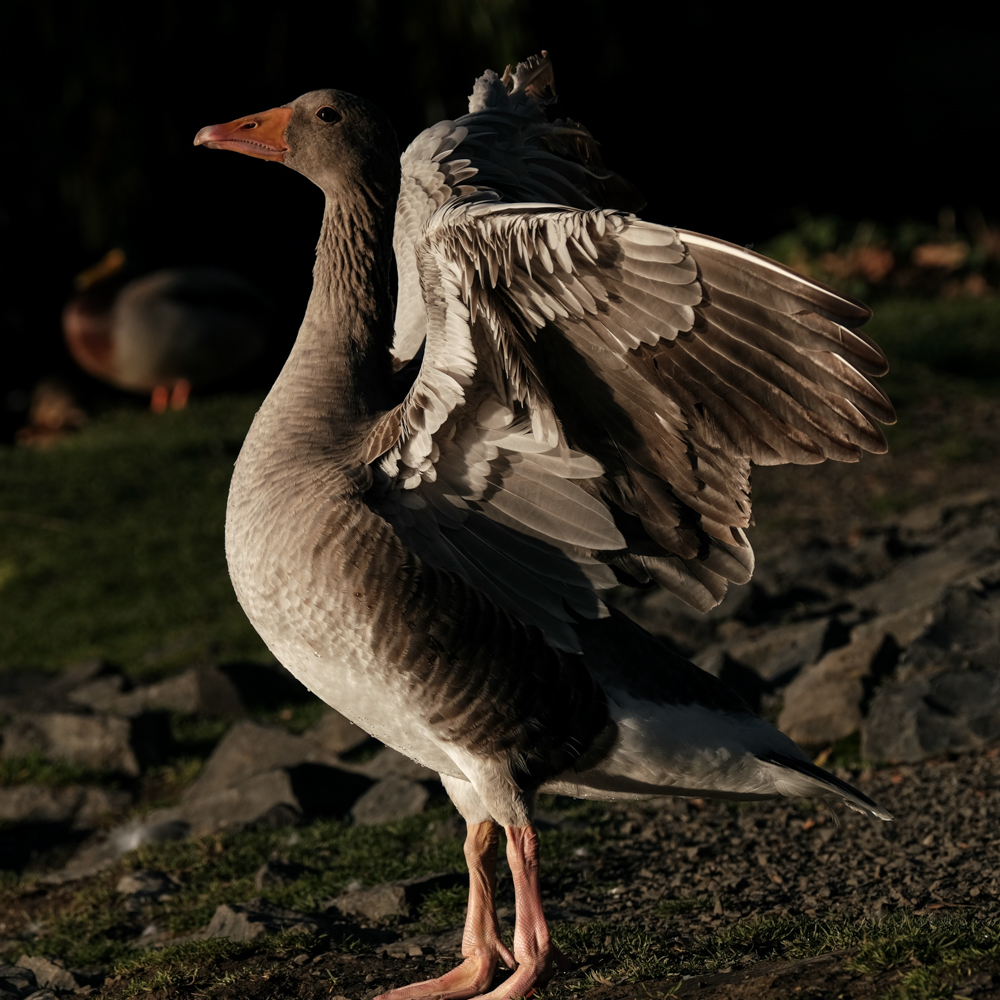
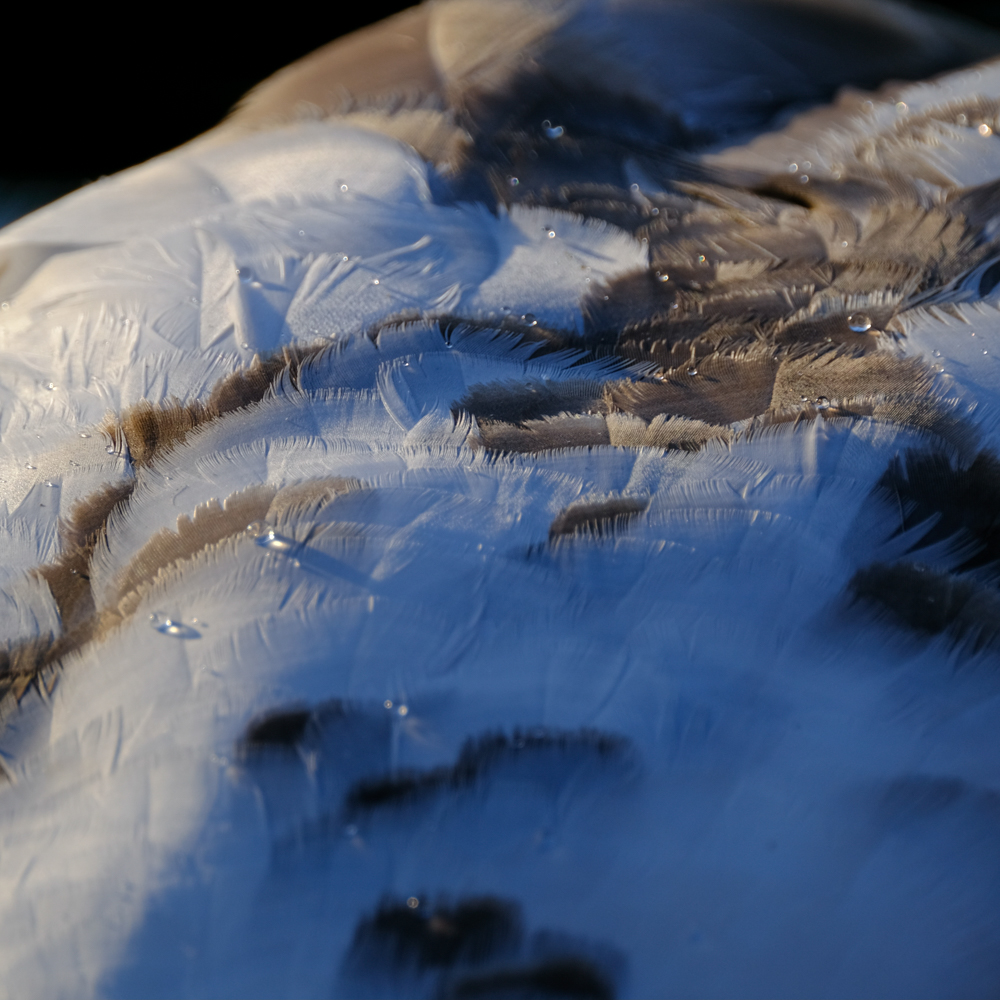
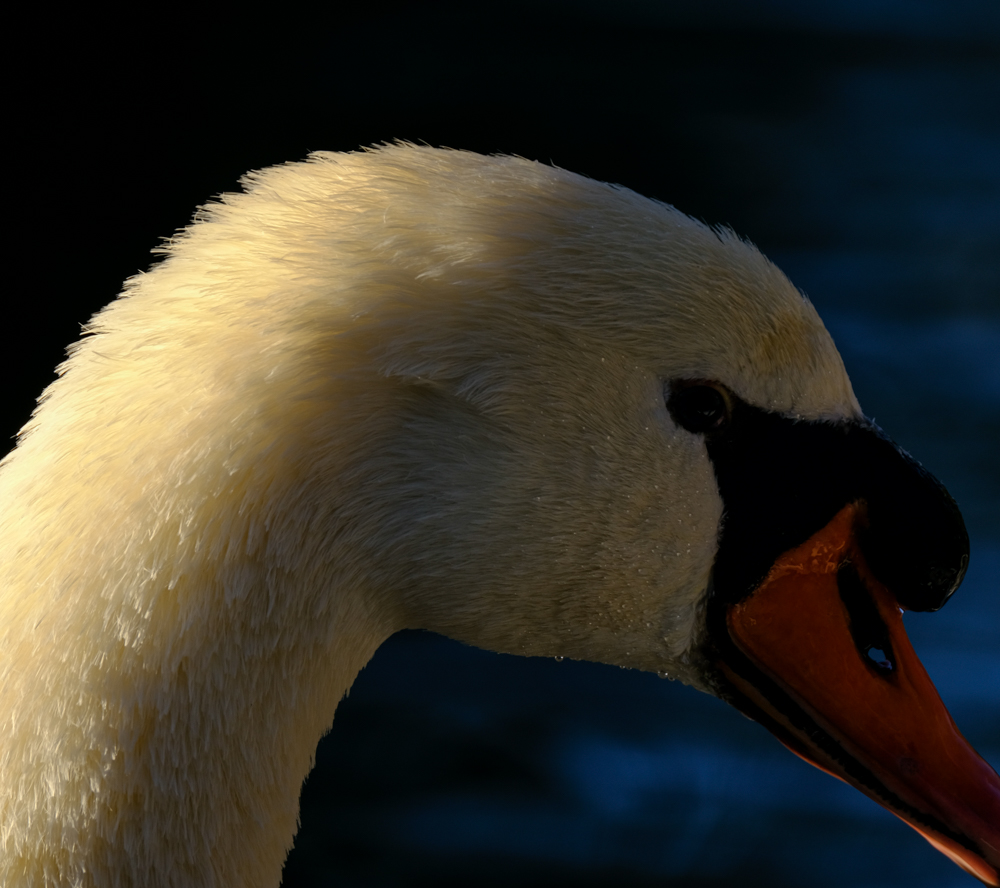
Deep within the shadows, the important details are hidden: in photography and in discussions.
Discussions are complicated as they require constant inclusion and exclusion. Often, the details are hidden in the shadows; but every detail is as important as the highlights. For example, the two items that are critical for a discussion are the two missing items, that which is missing and the reason for the absence of that item. This is one of the problems that we face in our discussions: What is the Missing Thing?
I am also curious about what else is in the shadows. What other issues are we missing? Why are we not seeing them? What is in the shadows that we do not see? The discussion is on the edges. The motives are unknown. The evil is lurking in the shadows, and the hatred in the hearts of those who know not good from evil. The evil is out there. The problem is that the evil is in all of us. There is a darkness in us that does not understand good and evil. There is a darkness in us that knows not the difference between right and wrong. There is a darkness in us that does not see the light. There is a darkness in us that only sees itself.
It is the nature of shadow to not be quite there. The shadows of photography are what can make a picture: a collection of still moments frozen in time. And for this reason, the use of shadows is a powerful technique that must be used judiciously. Shadows can be very useful, but they can also be very misleading, especially when used without understanding their nature and proper placement. Shadows can be the cause of serious, even fatal, issues in photography. When used wisely, however, shadows can make a photograph interesting and unique.
The hidden picture is just as important as the clear one. To the rest of us, the detail is, if not irrelevant, at least a waste of time. So why even talk about it? Why even photograph it? But if it is hidden and you cannot see it, it is not really there. This is the paradox of hidden details.
All non-italic text in this post has been automatically generated by a computer program, based on the first sentence.










































































 Punkt im Dunkeln