Double Exposure
Stars enclosed deep in the vale,
doubly exposed, a lizards' tail
scurries down the winding trail
and vanishes – a fairytale.


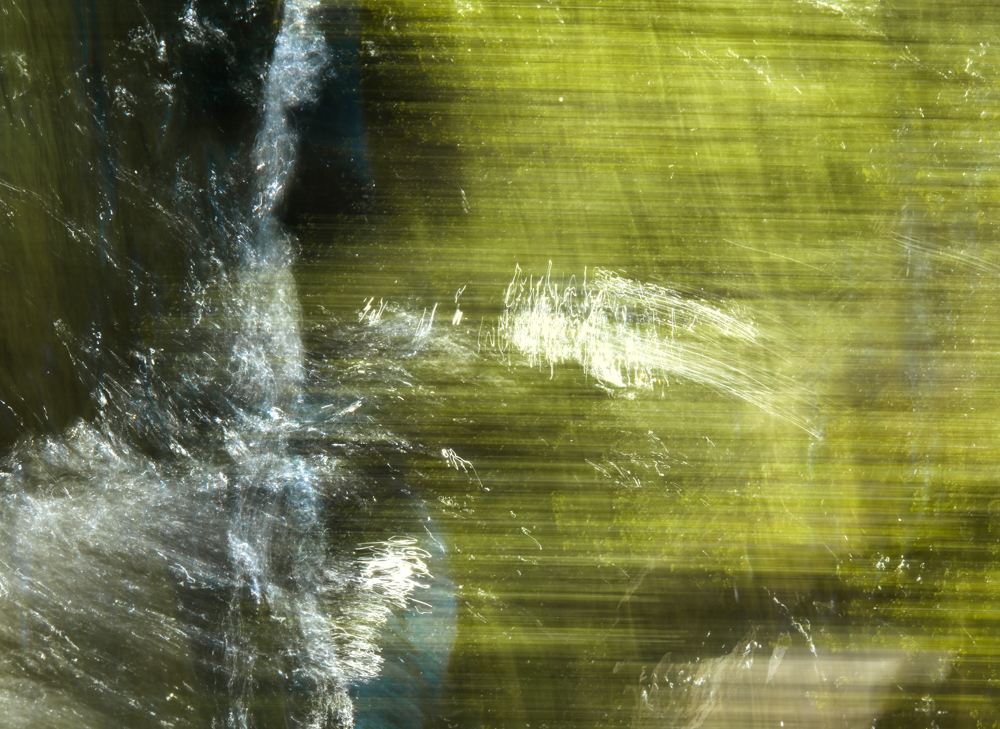
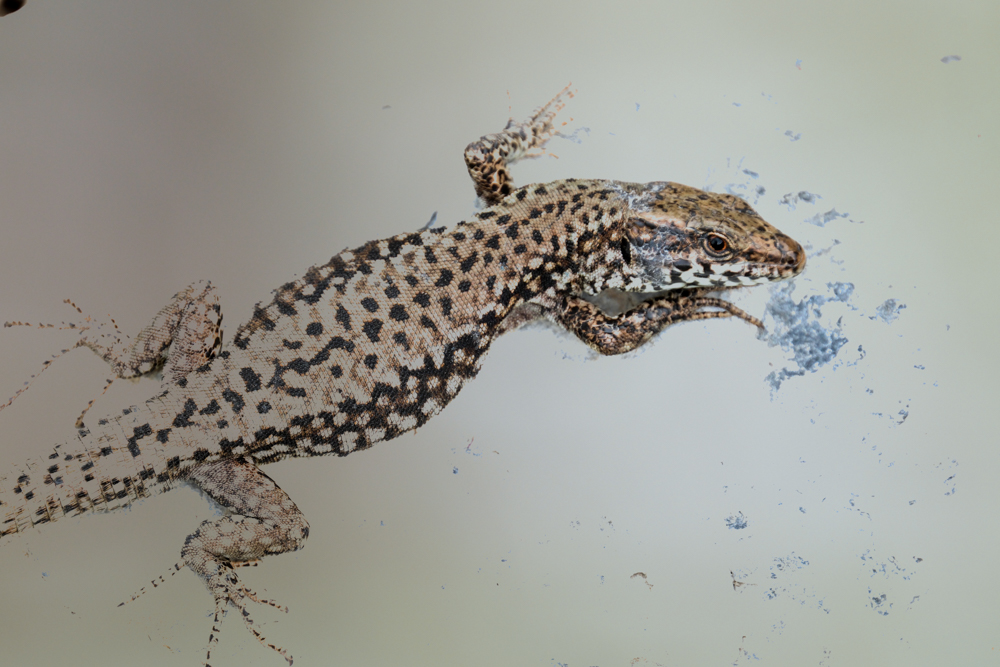



Enjoying nature and photography.
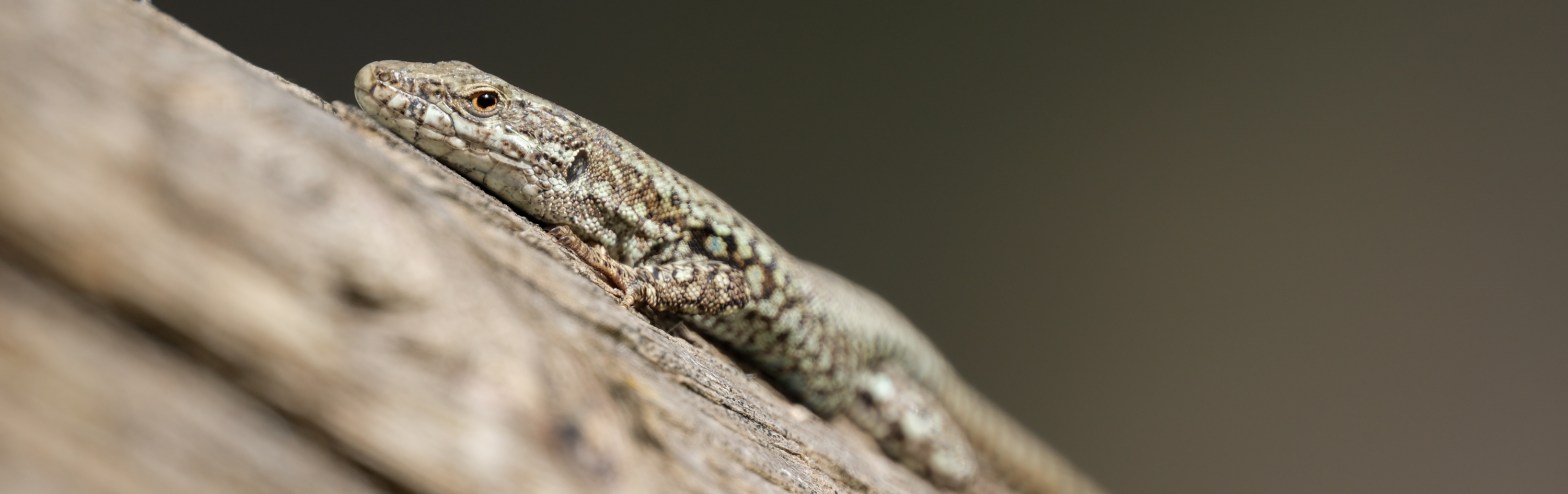
Stars enclosed deep in the vale, doubly exposed, a lizards' tail scurries down the winding trail and vanishes – a fairytale.
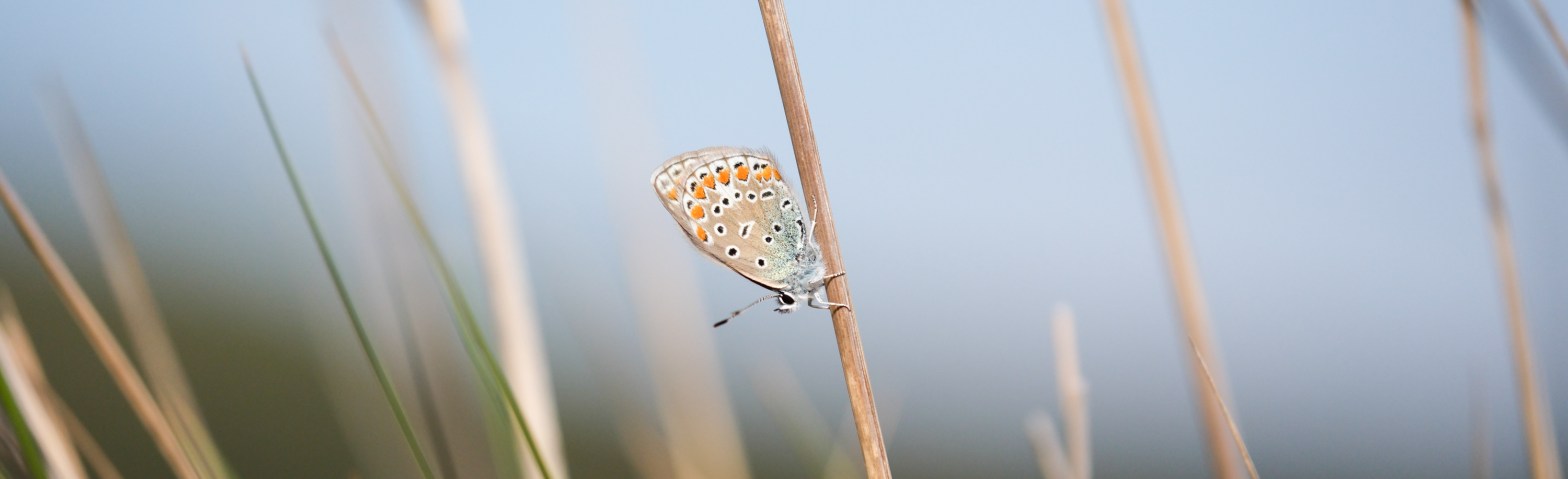
I love the process of making photographs: Turning the dials for setting shutter speed and aperture, framing the subject, experimenting with different lenses. The haptic feedback of turning the focus ring and observing how nature is transformed in front of your eyes: From soft and vague shapes, to well-lit and pin sharp flower petals, to out of focus trees at the dark forest edge. It brings joy to press the shutter, so much, in fact, that I often end up with way too many pictures of the same scene.
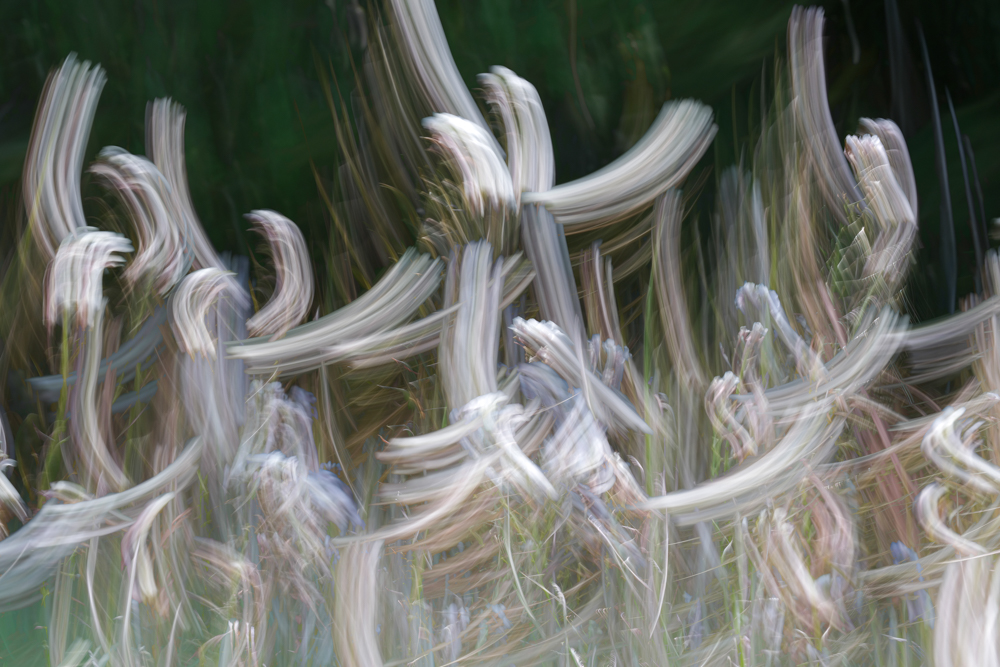
Best conditions for taking photographs are often the blue and golden hour, foggy forest scenes, or dramatic skies. Even though those nature spectacles are marvelous to experience and photograph, I am more satisfied when I manage to take appealing pictures without gorgeous light. At least appealing to myself, as I am aware that this style of photography is not everyone’s cup of tea.
On this particular day, wind and sun were strong. I went out during high noon expecting not too much, but I ended up with one of my favorites pictures of the whole trip so far: Grasses and flowers, moved by the wind. Taken in bright sunlight on a barren field. Simple shapes and patterns. Between abstract and concrete. A subject and a feeling. A sense of the scene.

In the beginning I wanted to photograph what I saw. Now, I like to believe that I photograph what I feel. How nature makes me feel at that point in time at that location. Of course, I still photograph what I see, but by now my repertoire of techniques has grown enough that I may come closer to the essence of the observed scene. Or: to one essence of the observed scene, allowing to take vastly different pictures of the same subject by using different techniques. At least sometimes, as this does not happen too often. But the best moments are when it does.


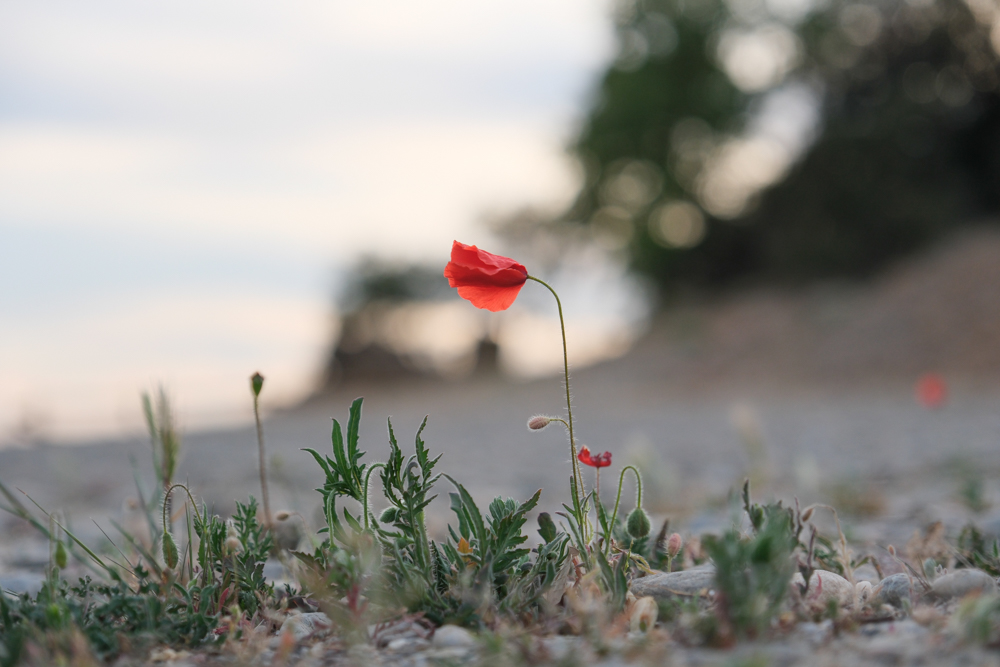
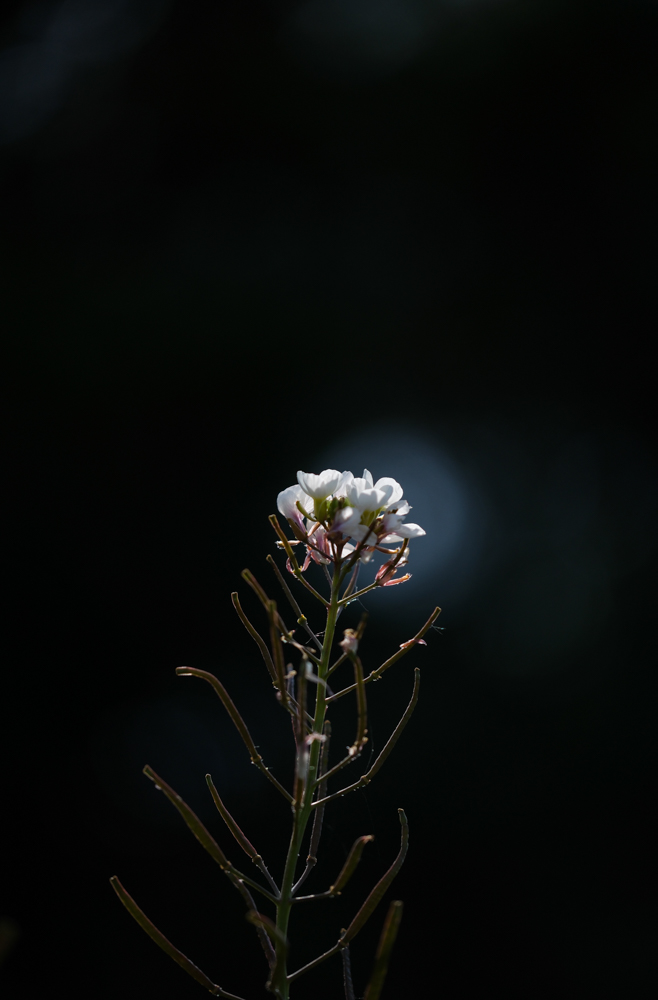

Missed opportunities amidst routines,
thoughts caught by obtrusive screens –
for laziness we stride for now,
hide from duties, disallow
old habits to creep in, begin
a time with generosity,
a life without velocity.
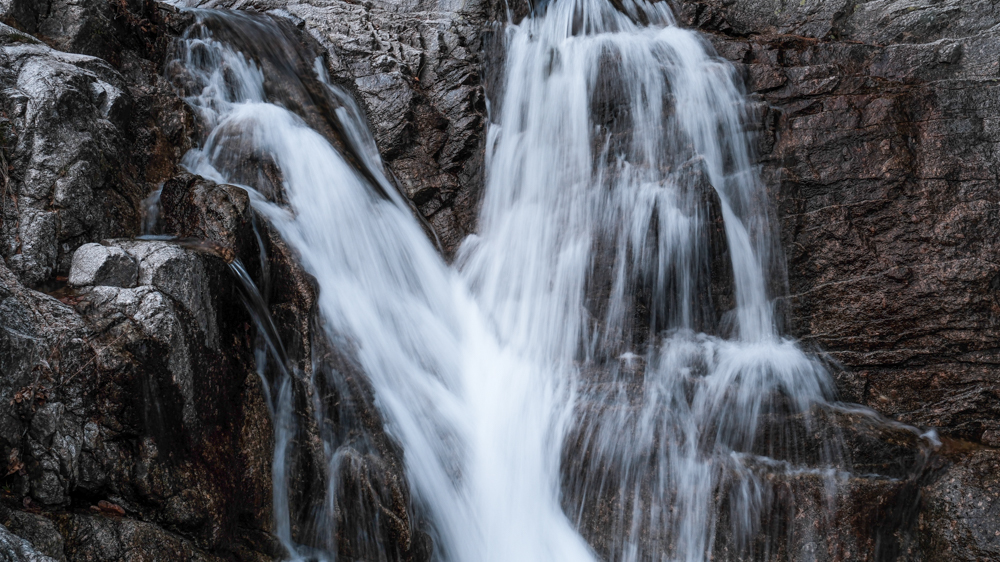
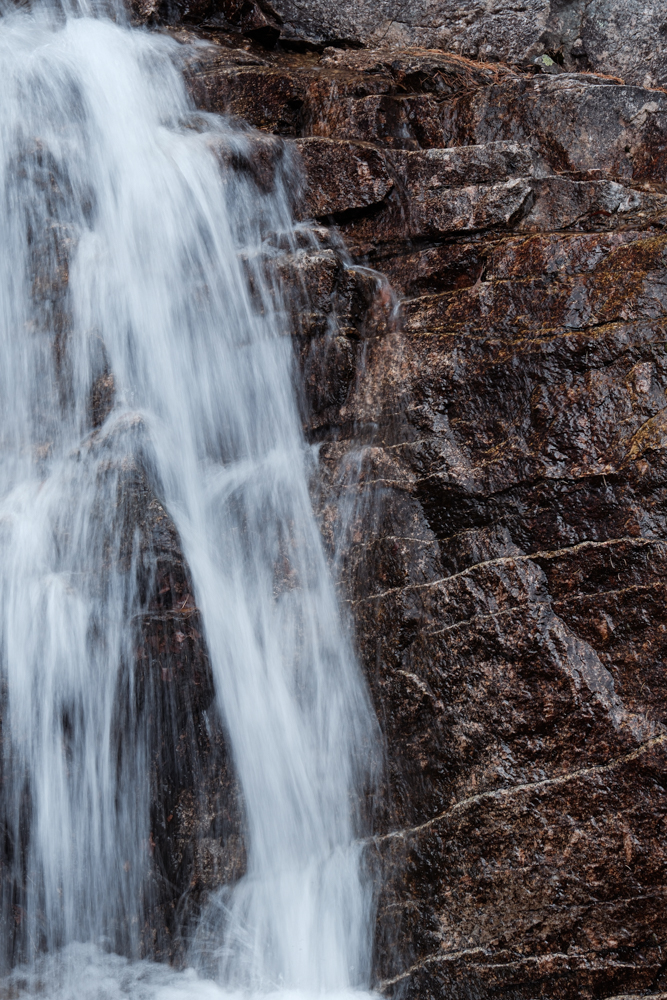


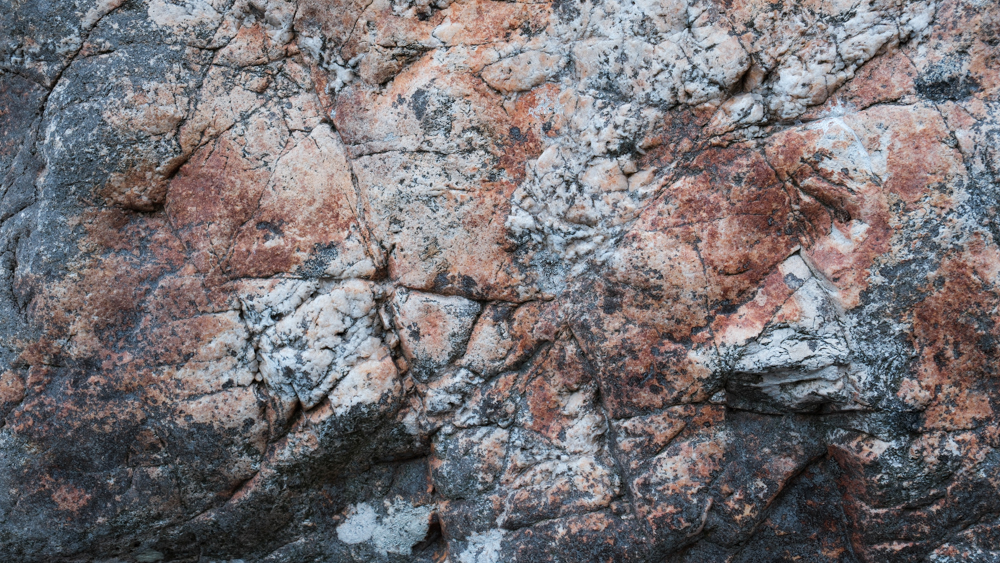


As a kid I had a whole collection of matchbox cars. My favorite one was a blue police cruiser which had blinking lights — simply wonderful. I sometimes still miss it. Together with my brother, I could play for hours and hours. They were like a large playground for us, offering endless possibilities. Among other things, we developed an intricate car racing simulation; we might even find our old notes in some hidden folder. And within this world of cars, my younger me also found meaning. At least for a while.

I guess at some point everyone who writes, writes about writing. There are endless lyrics on writing lyrics, or poems about their own creation (link). It seems an evident topic. After all, the process of creation is what characterizes any practiced craft. When I started this blog I thought I would get around this topic; but apparently I am not. Back at home when time was sparse, writing often felt easy. Accepting something with its imperfections was fine. But now, as there is seemingly endless time and no obligations, no word seems to fit in its place, no sentence bears a clever idea, and no text seems satisfactory. Simultaneously, the same happens with my photographic journey: infinite opportunities, but no direction. No purpose. No meaning.

And so, for now, I keep exploring the large playground that I’ve found in these creative crafts.
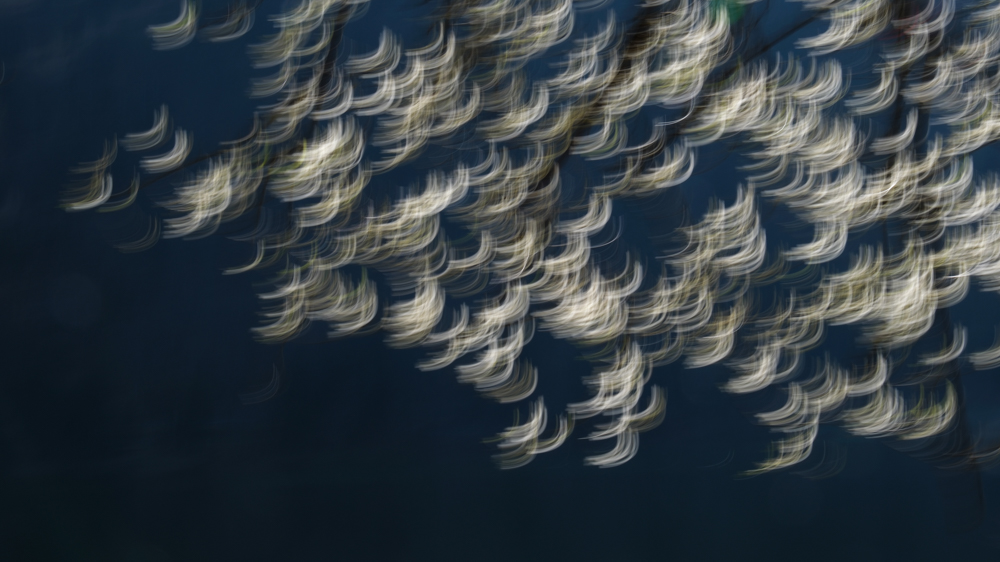
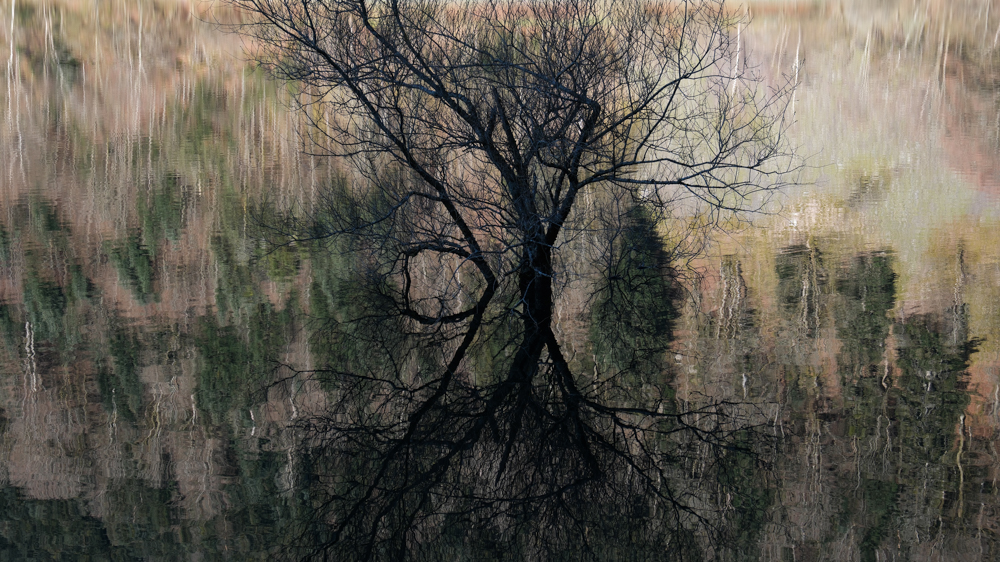
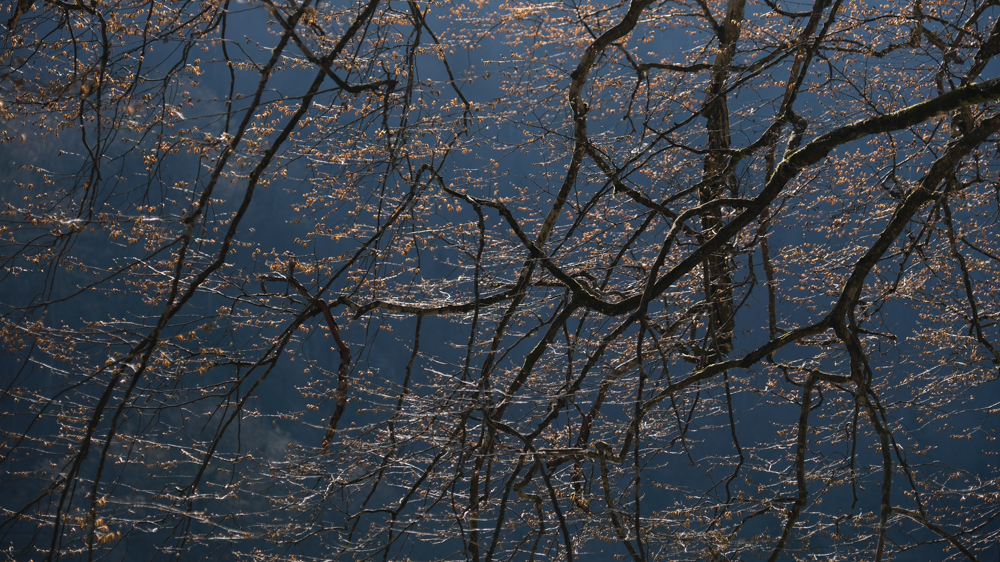
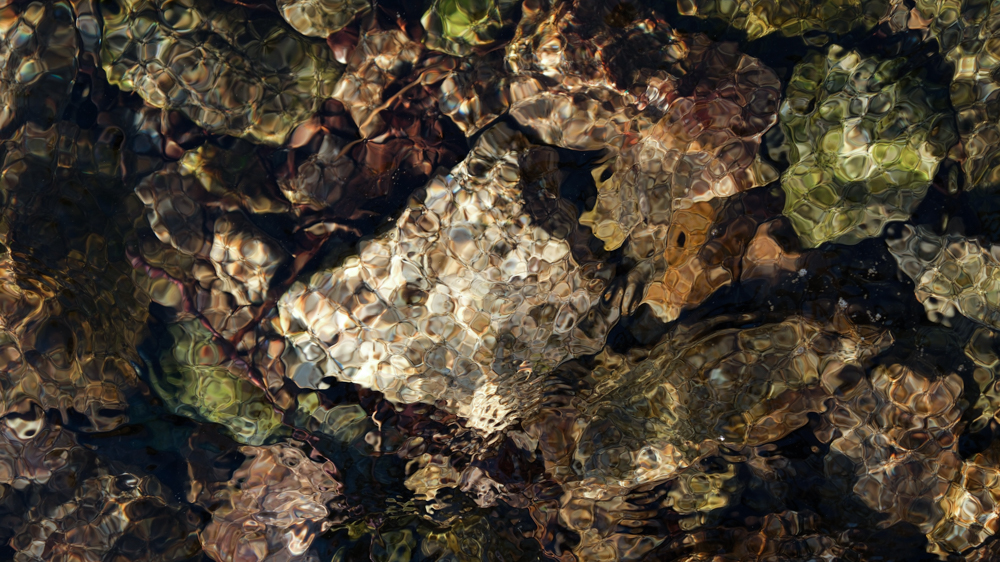

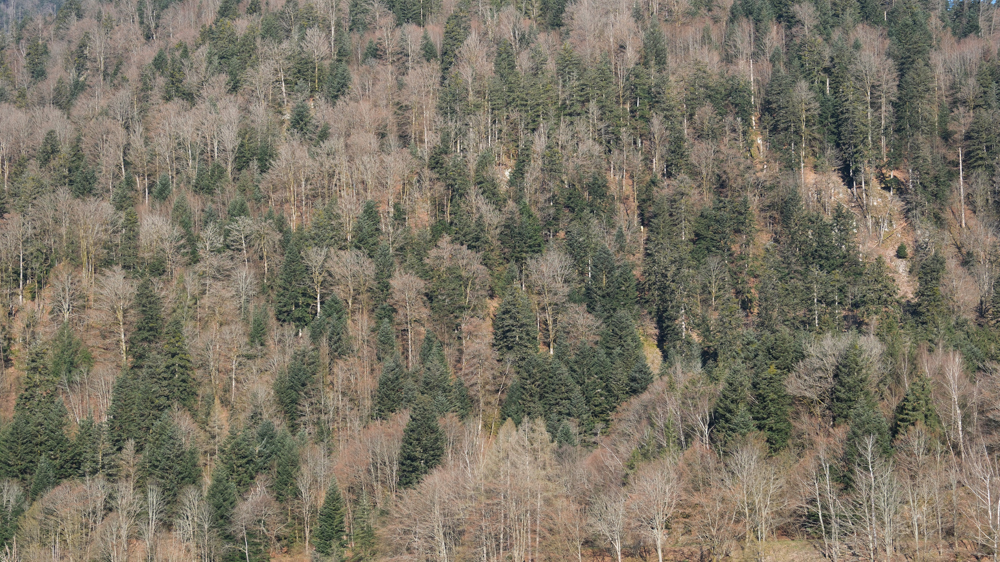
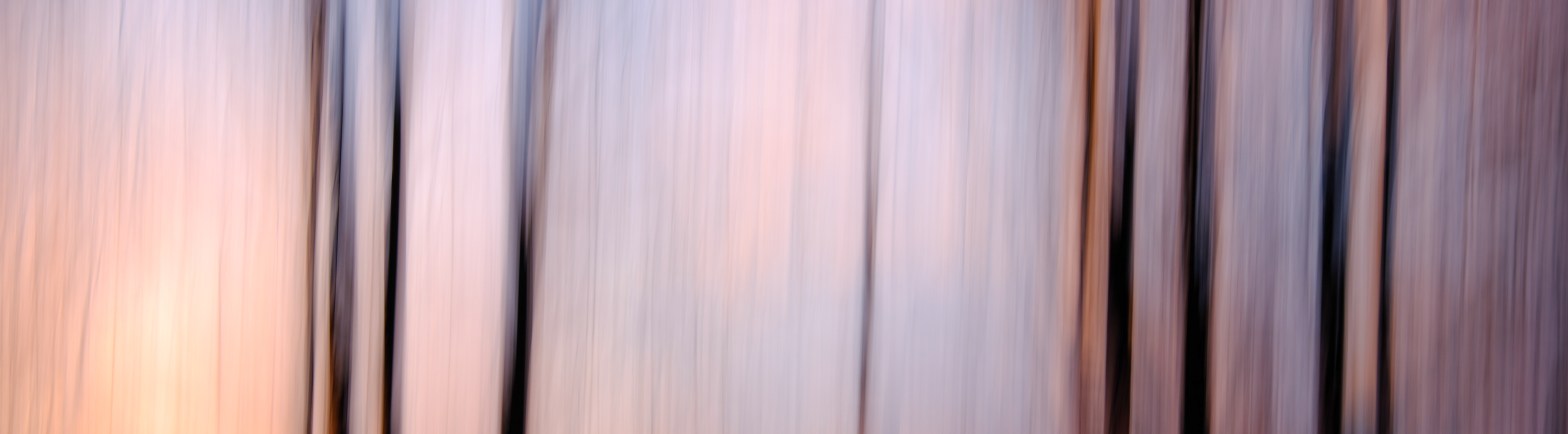
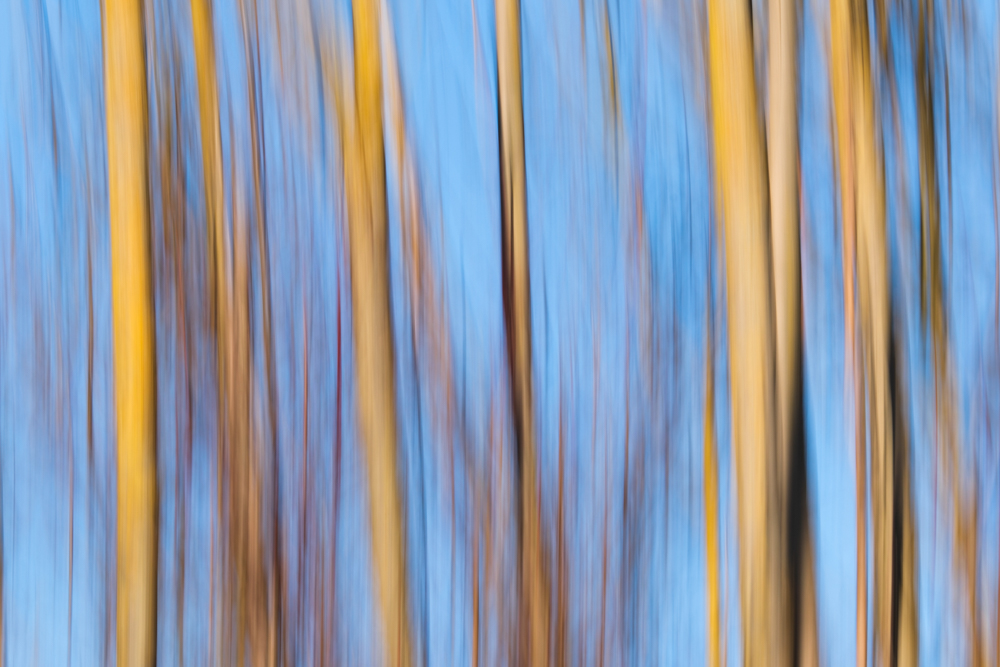
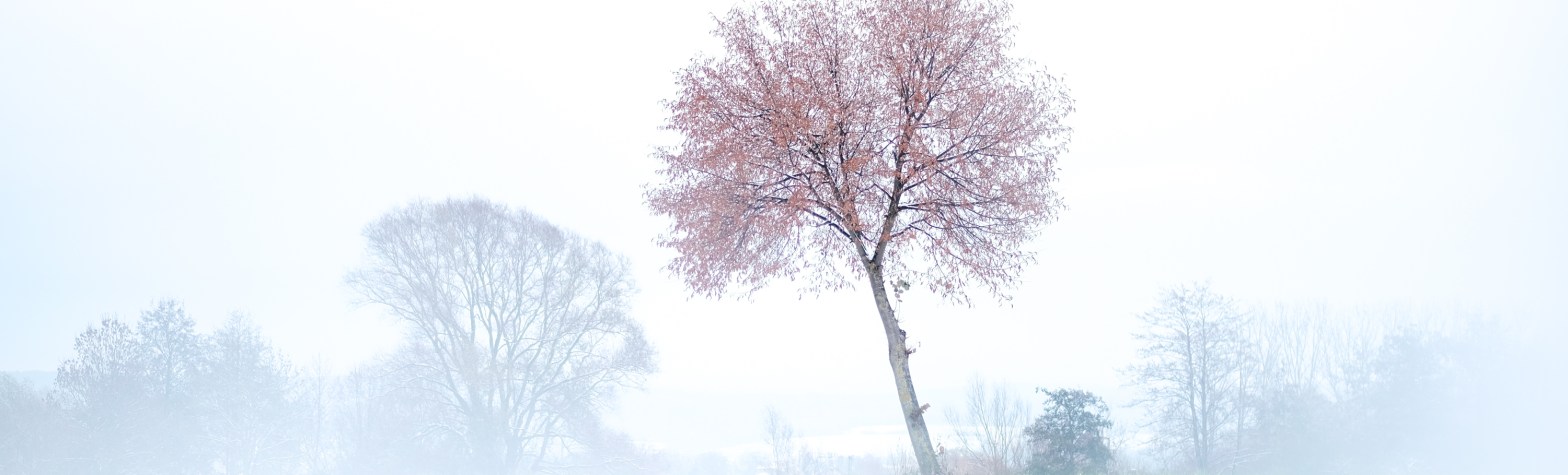
Trees shifted by a gentle breeze
of grace, at ease the silent world around,
clouds drifting by, unbound and free,
three cranes agree with distant calls:
a potpourri of nature's soul.
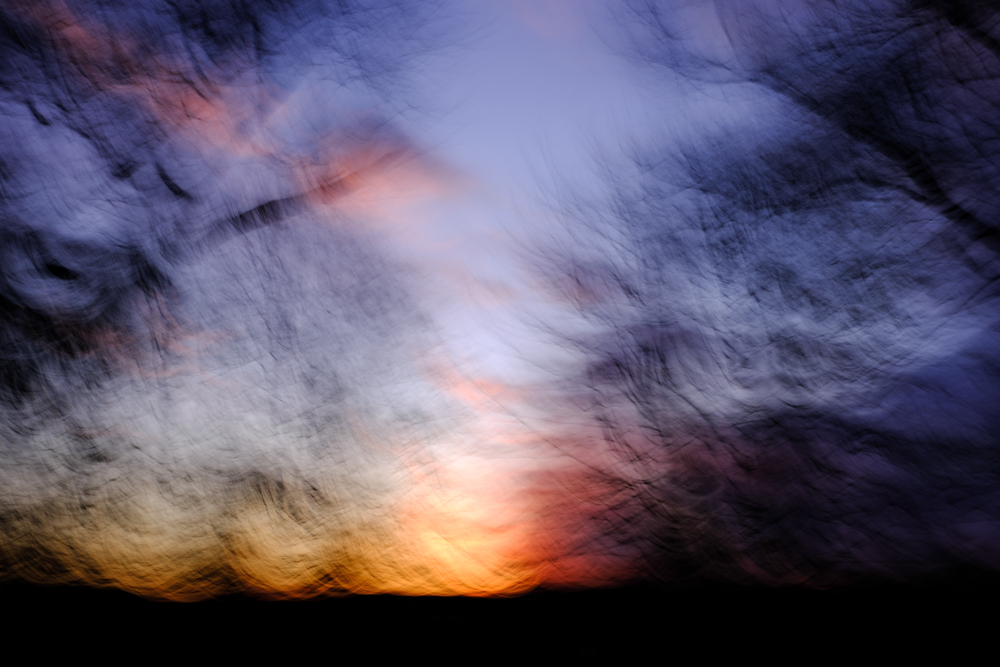


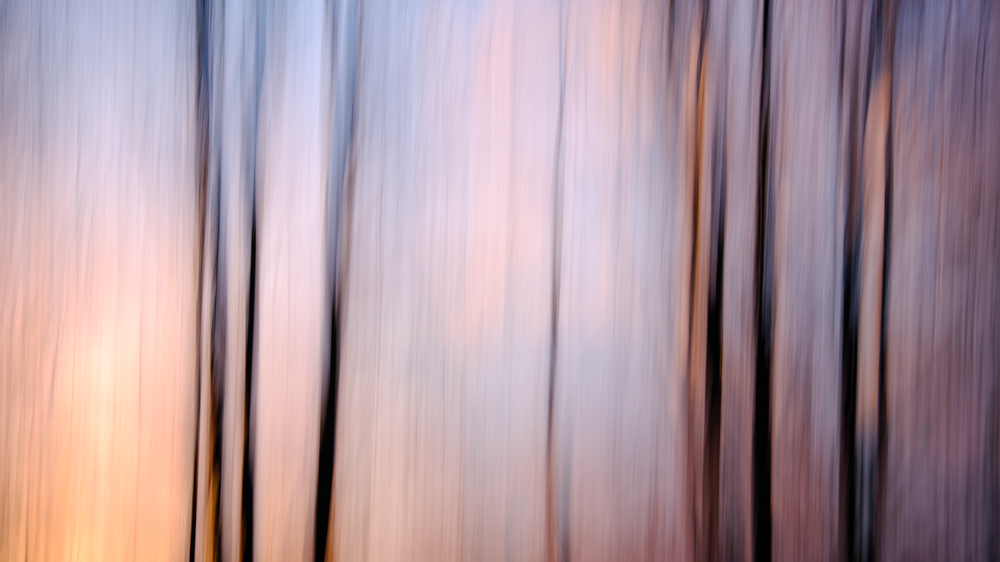
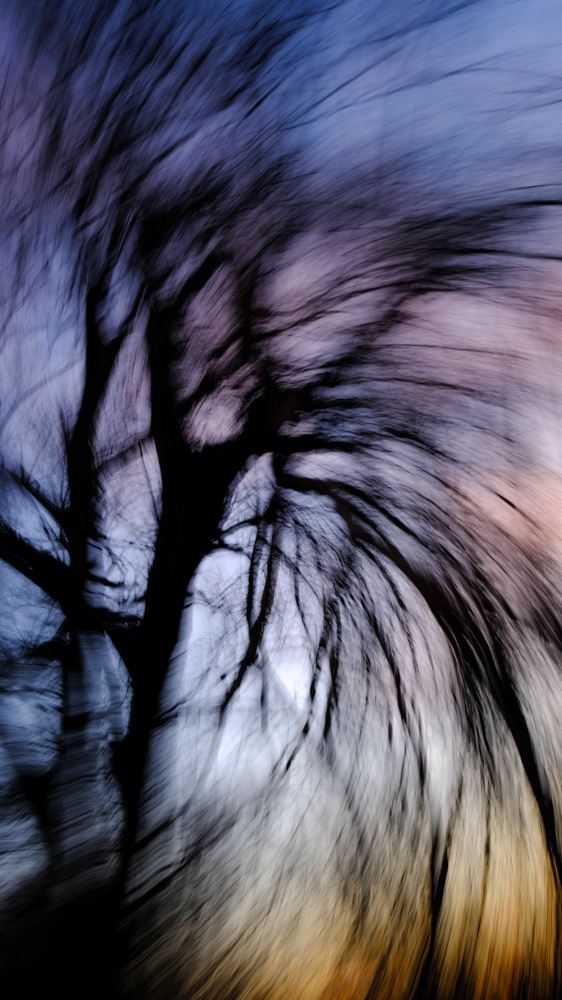

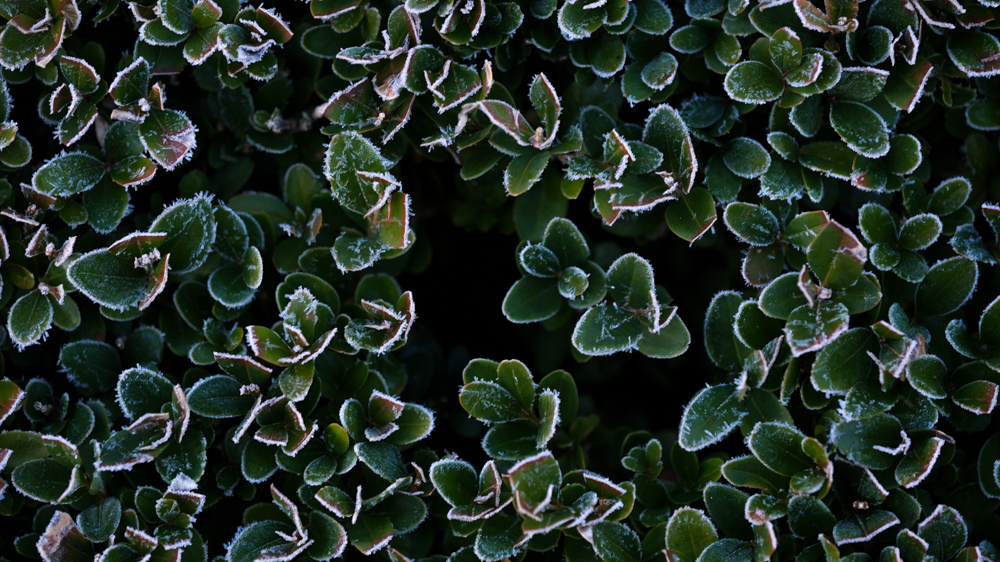
I always liked to color in Mandalas as a child: It’s soothing to see the repetitive patterns emerge in bright colors out of a black and white sketch.
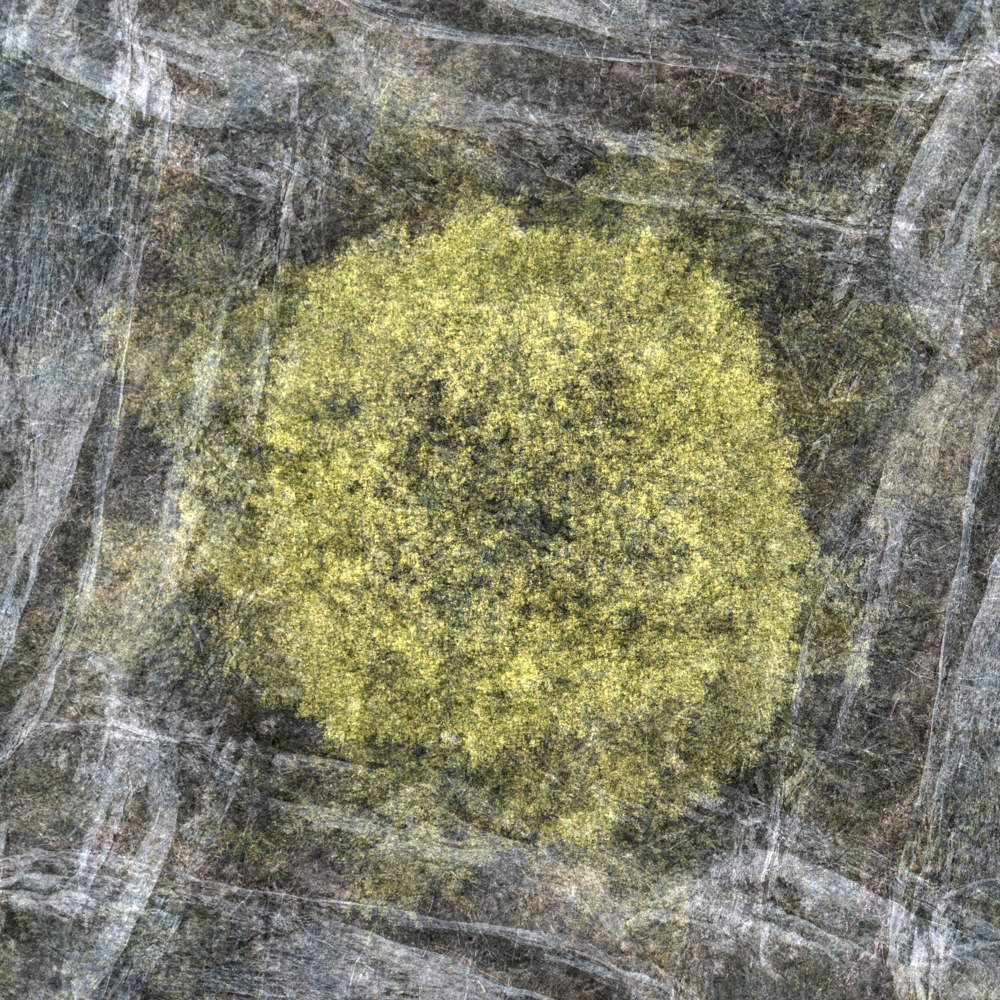
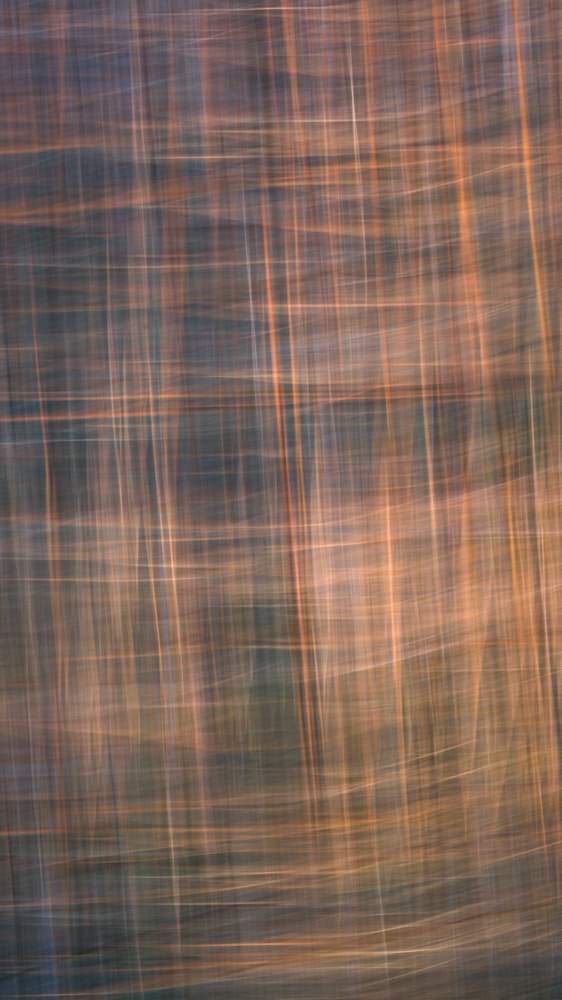
While I’ve played around a lot with ICM photography in the past, I’ve only rarely used in-camera multiple exposures. Mainly, because my old X-T30 offers a limited set of features. So, here is a short series of pictures using additive multiple exposures with the X-T5:
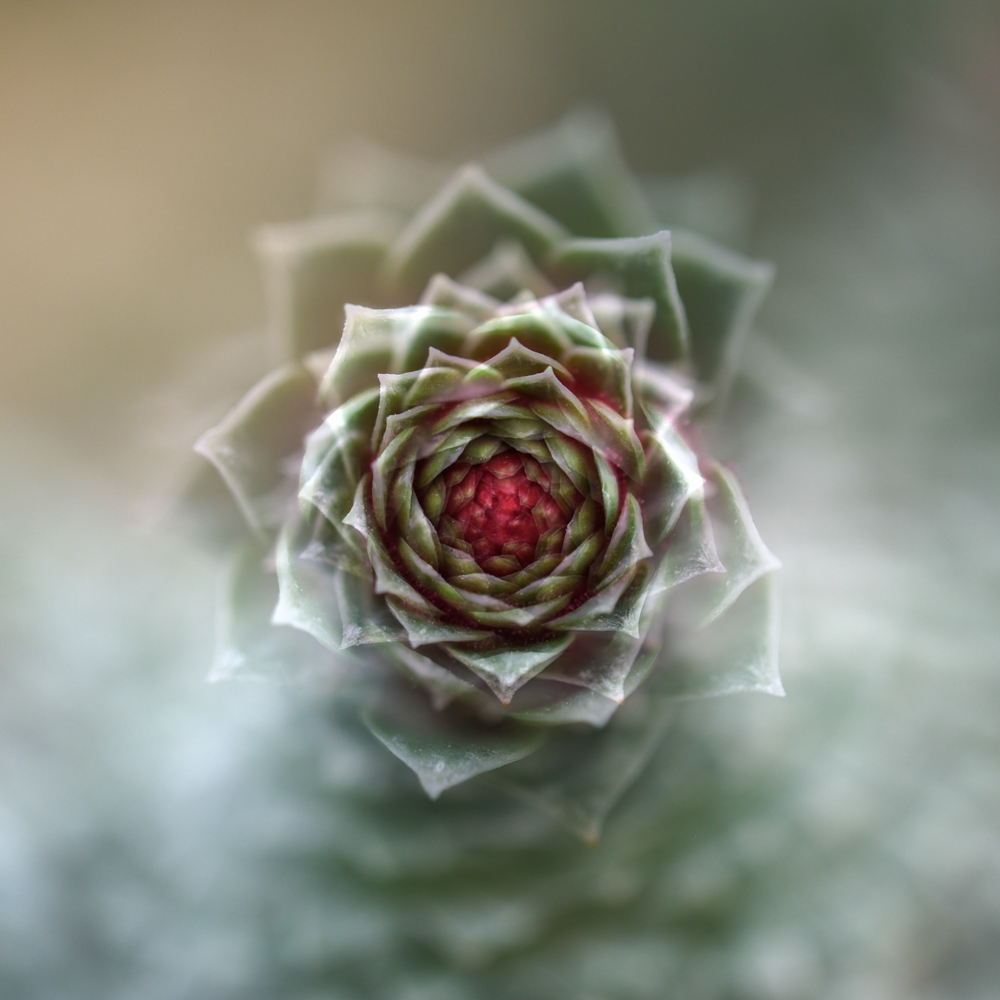

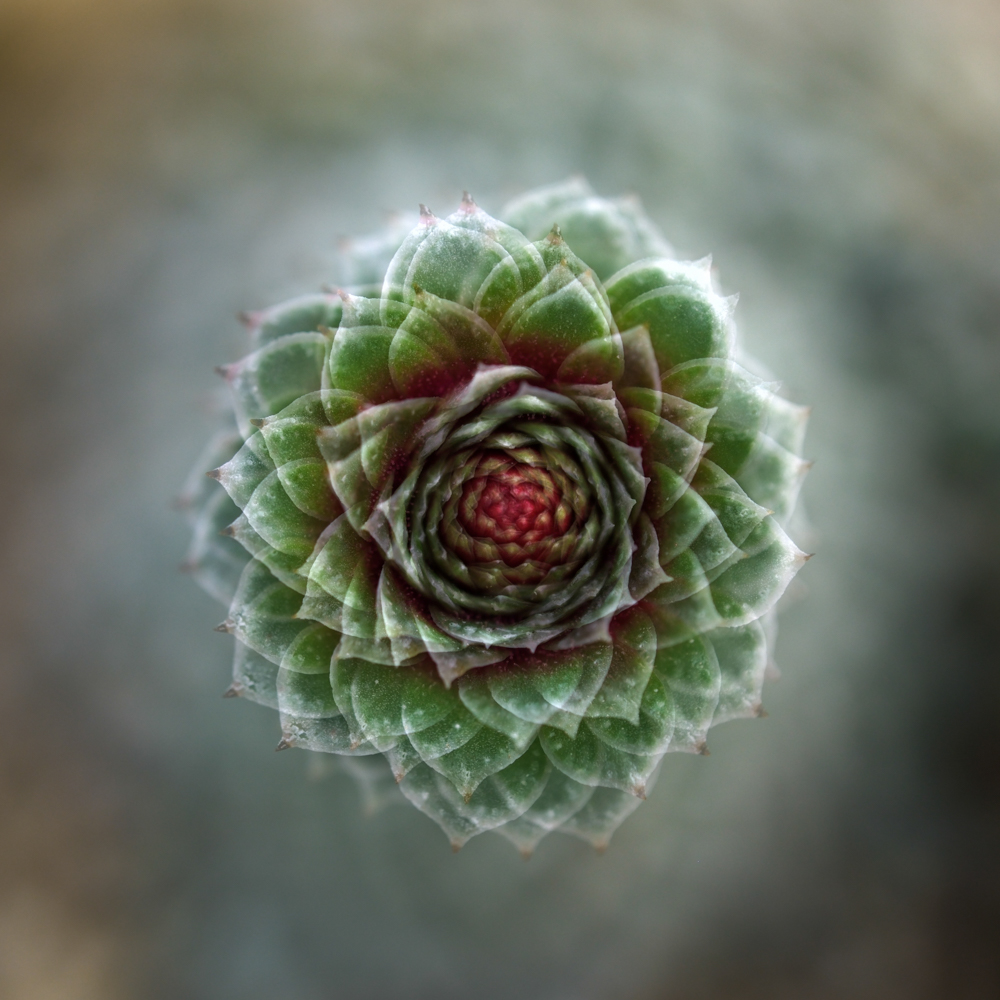

Which one do you like the most? For me, it is certainly No. 1 (or maybe No. 3). I tried around with multiple plants, but this one worked the best by quite a margin: It was helpful that the edges of the leafs were in strong contrast to the deep greens to get the distinct mandala-like appearance and structure. Additionally, there was some lovely passive light through sparse clouds. The Fujinon XF 80mm Macro lens did a wonderful job at isolating the bloom (which was only around 1cm in diameter) from its background while retaining all the little details.
Life on the 3rd floor, high above the ground, spoiled by consumption of irrelevance, social life reduced to glowing screens, a life detached from truth, daydreams all day long, dreams of what could be, of what should be. Removed from reality, many layers in-between. Life is foul when mass-produced food is catered on silver platters.




I am in search for a genuine life. I guess, we all are. And probably I will continue this search until leaving this existence. So why am I searching in the first place? What hope is buried deep beneath? What do I expect to find? And do I want to find it? Or am I scared to face the harsh actuality of passing time?
A little threat,
yet troublesome,
has entered me,
I need more tea!
My former self:
a silhouette,
offset a bit,
I'd like to quit.
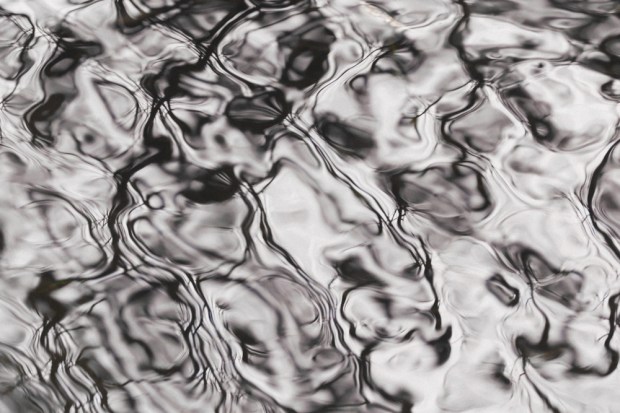


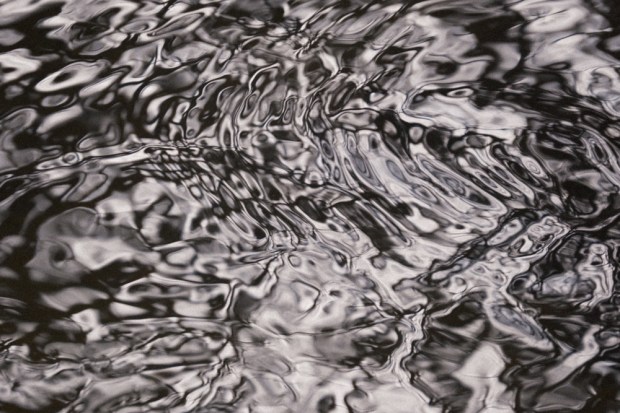
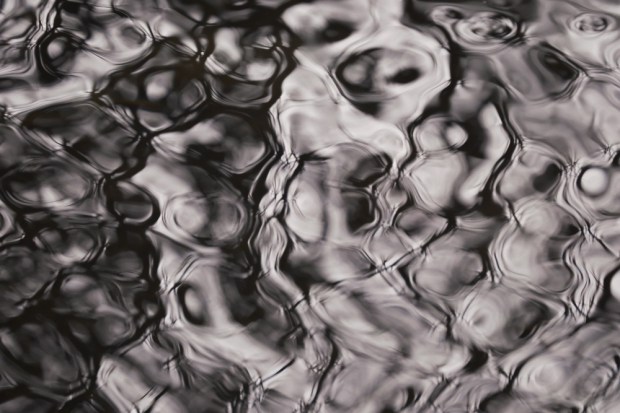

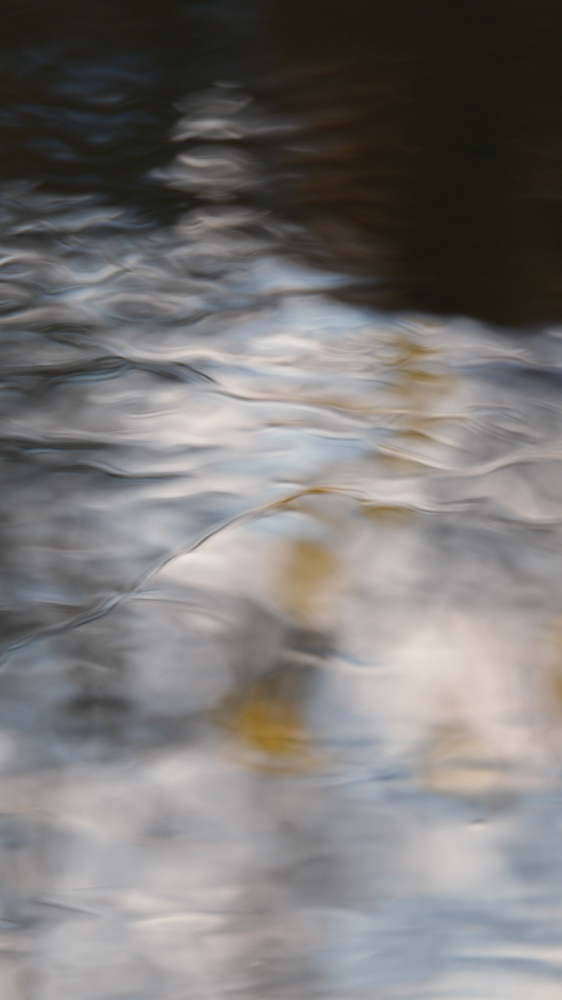
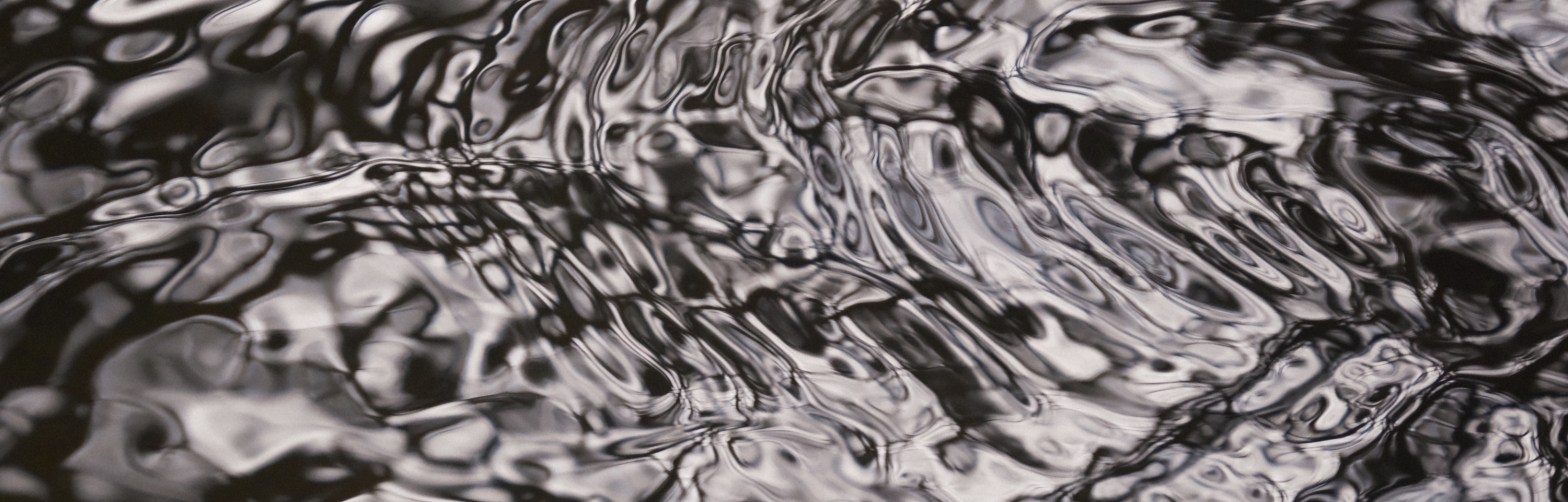
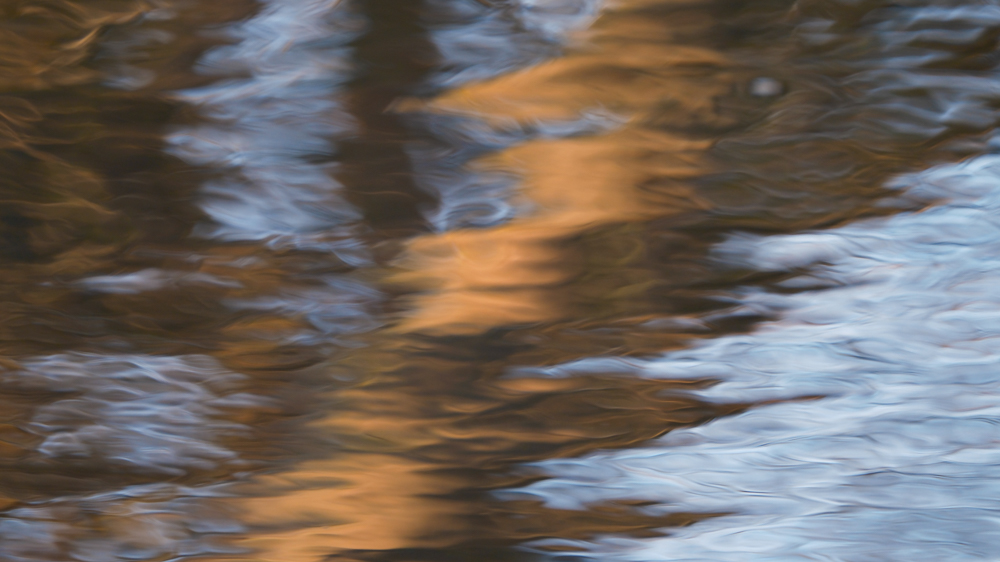
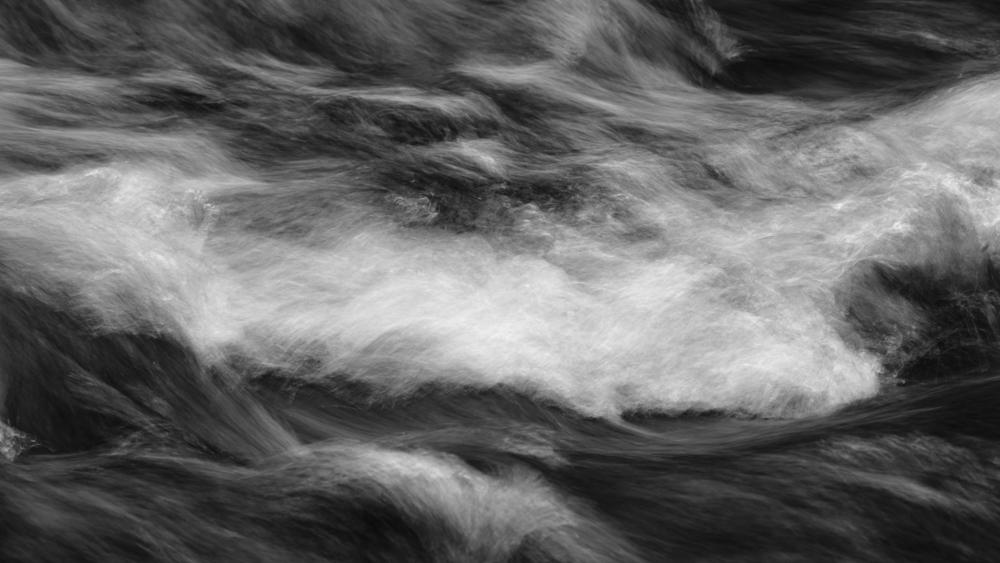
Blurry shapes are stirred around,
mixed in motion, give a notion
of the hidden world above.
Day and night are intertwined
and realigned by breathing air:
a little water love affair.



Barcodes are commonly used for the identification of items. Many standards exist but, in general, barcodes must be universal, unique, and easy to process. The standardization of barcodes grants great benefits, not only for everyday shopping: A unique identifier facilitates and simplifies the ordering and processing of goods all over the world.


Similarly, the distinct identification of organisms and their relationships is one of the major goals in the life sciences. What would be more suited than a barcode – a barcode of life?

Many genetic regions have been proposed for the use of being such a barcode. For eukaryotic species, the 18S gene is most commonly used today; a rather short fragment of ribosomal RNA that is evolving slowly and allows the reliable identification of most species. It is surrounded by highly conserved sequence regions that simplify the sequencing process. By this, the analysis of 18S RNA from the environment delivers a comprehensive overview of all present species, equivalent to scanning a barcode of all organisms.


 Punkt im Dunkeln