Last Autumn
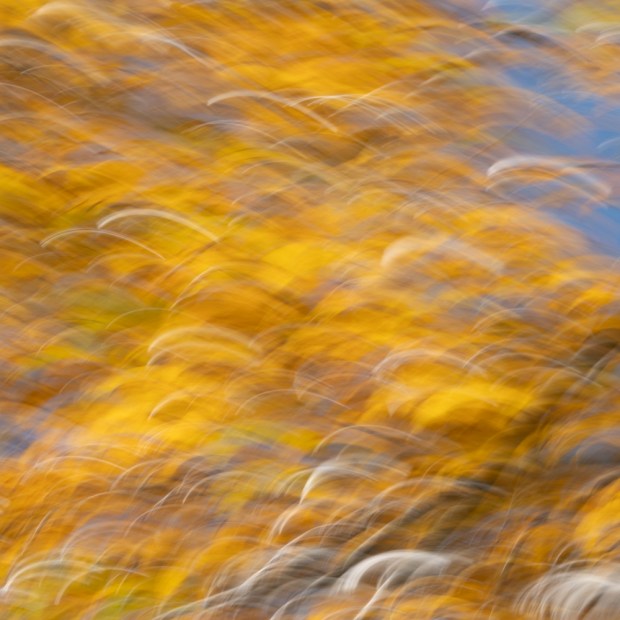
Where yellow meets the sky
and blues merge into grey,
the silent willows sway
and seagulls sing 'good bye'.

Enjoying nature and photography.
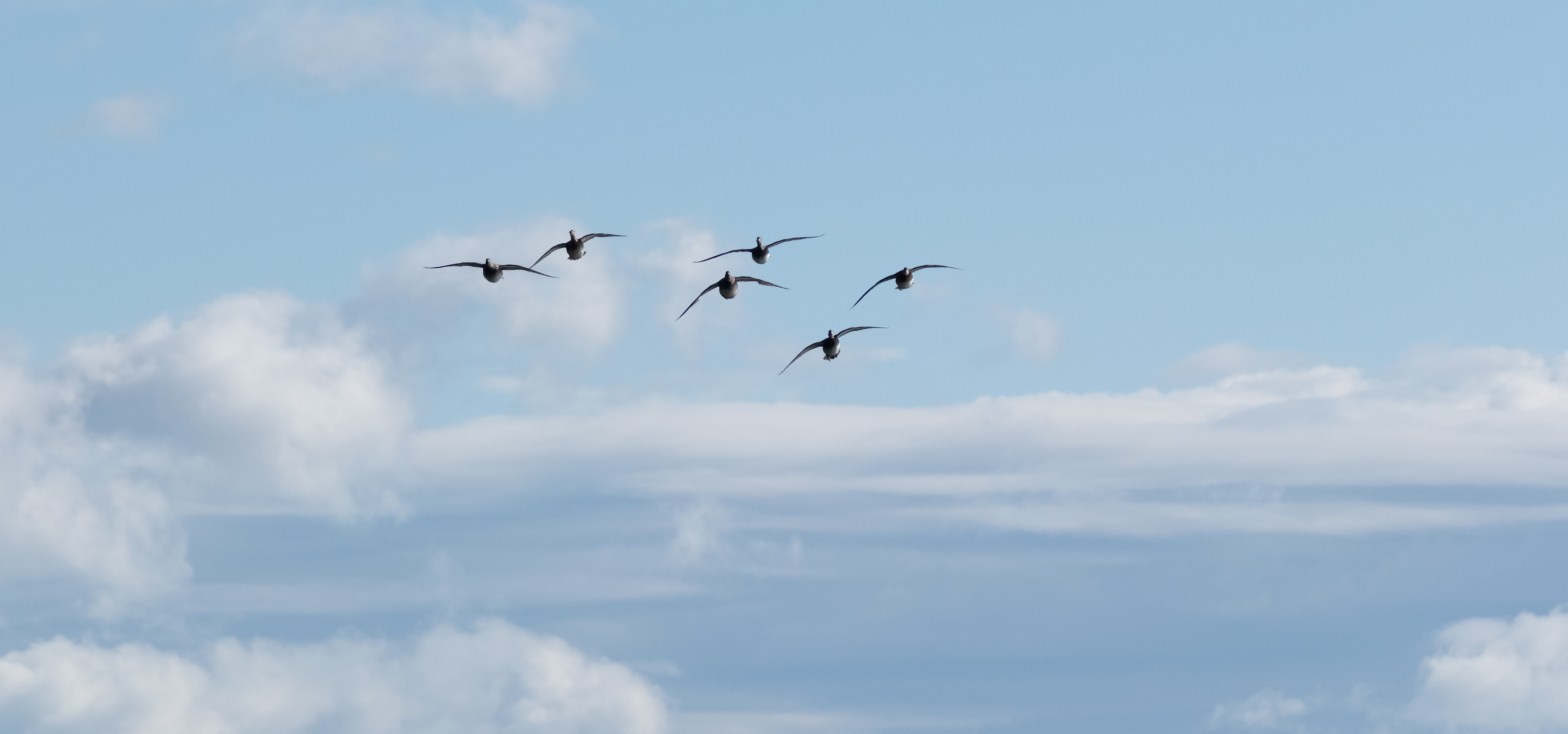
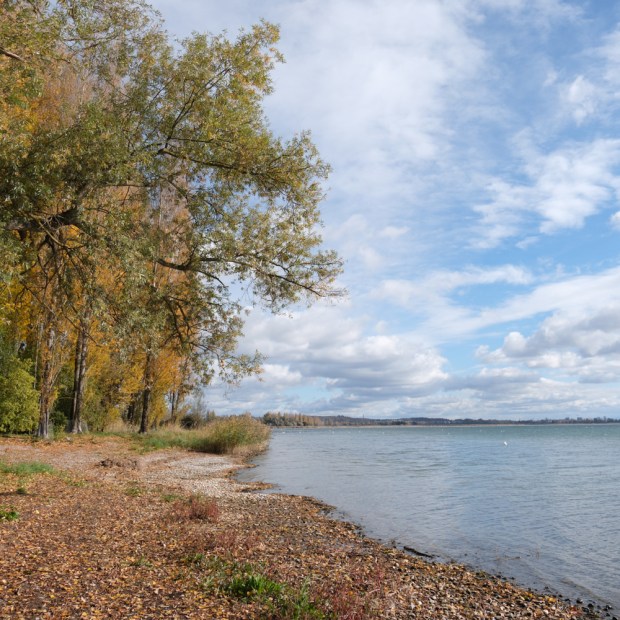
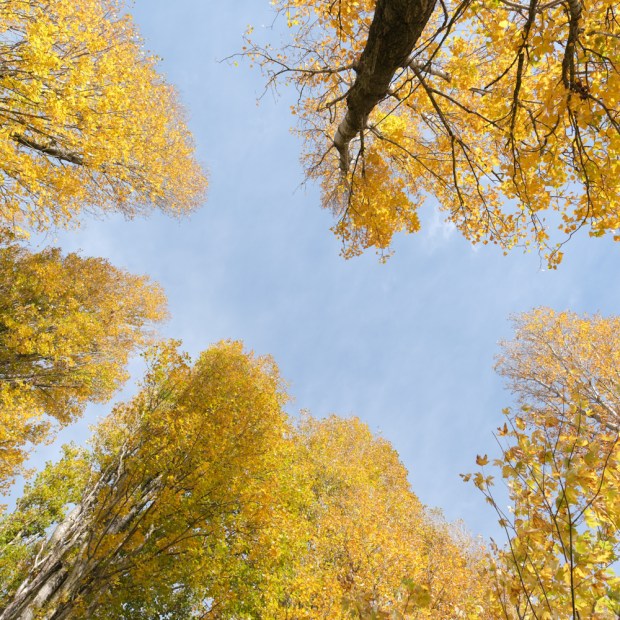
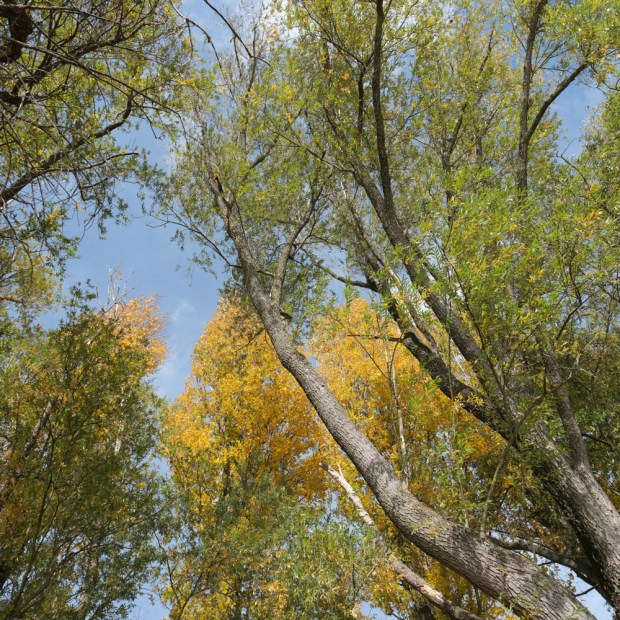
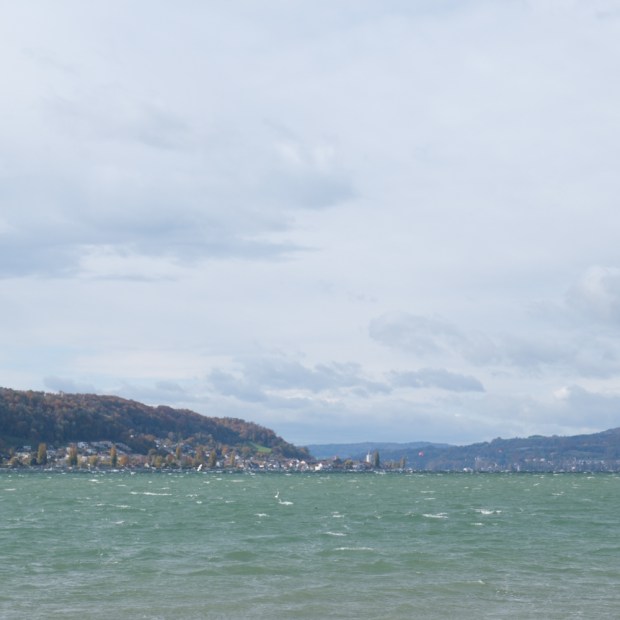
Where yellow meets the sky
and blues merge into grey,
the silent willows sway
and seagulls sing 'good bye'.
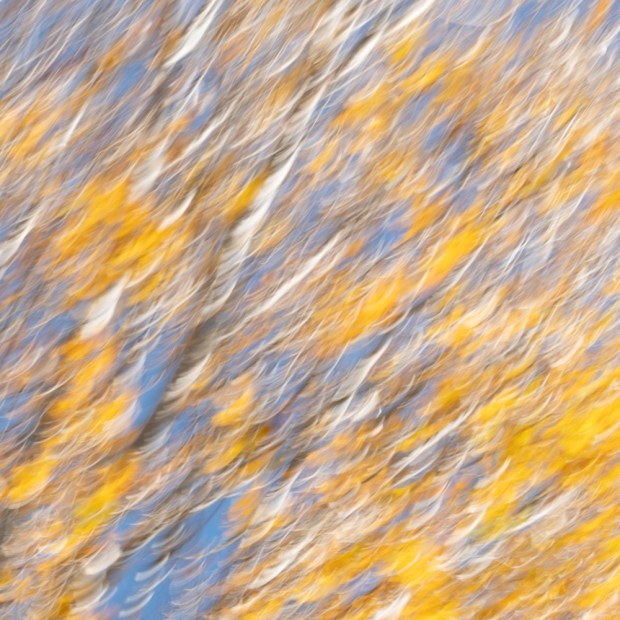
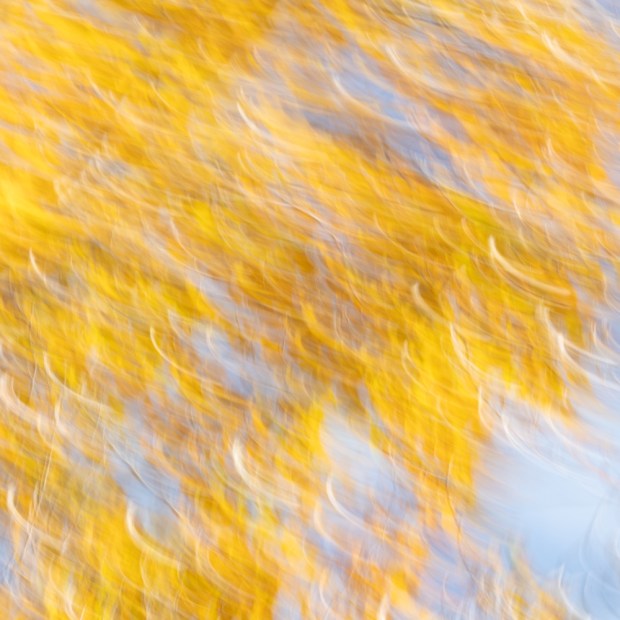
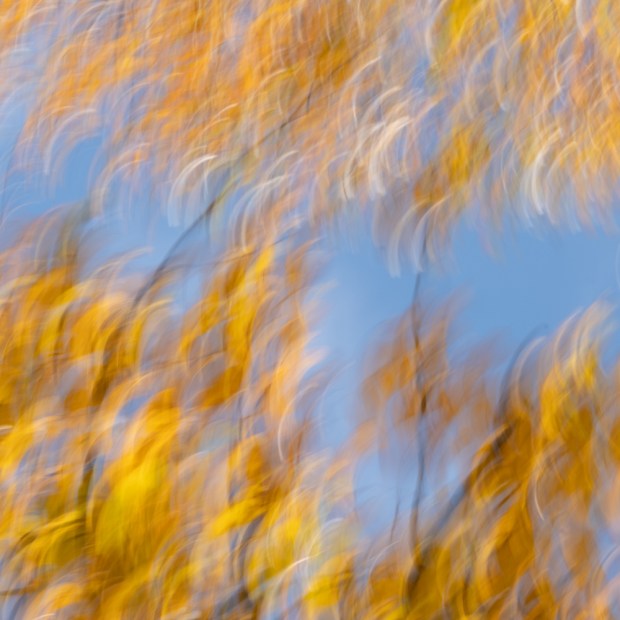
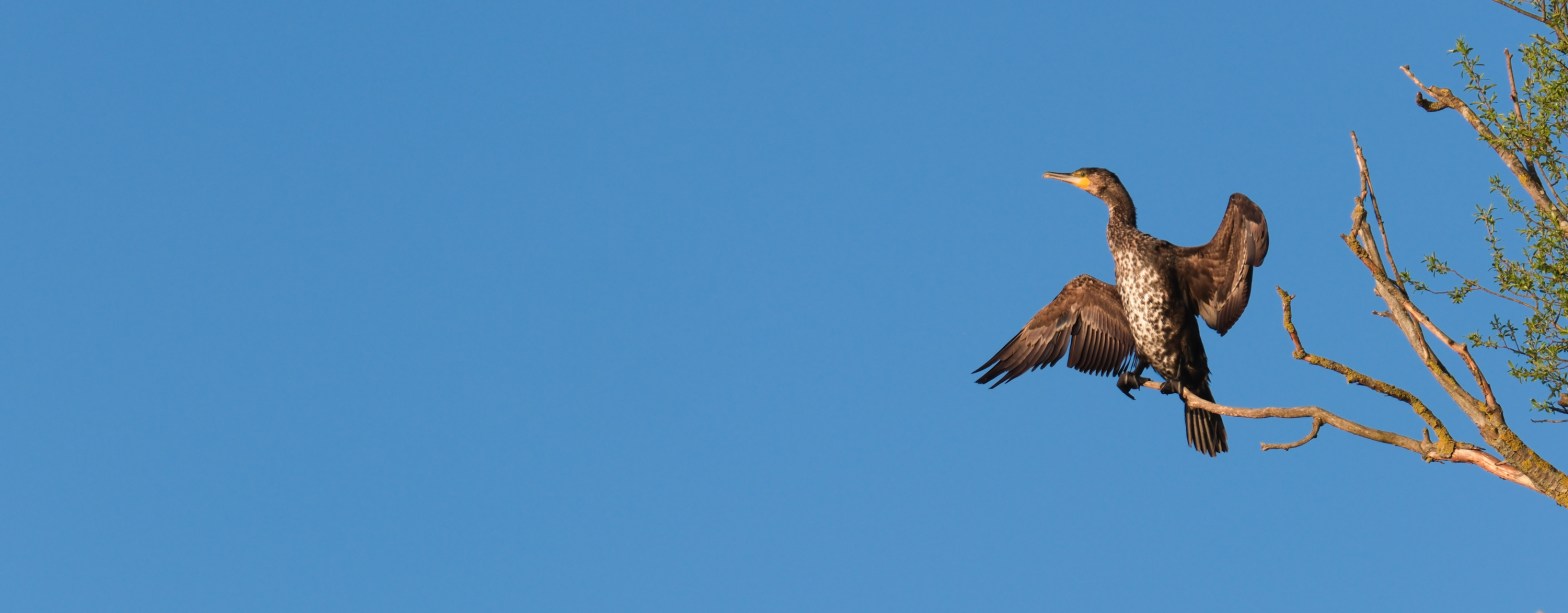
11:25

Zuhause
suche ich die Heimat
umsonst.
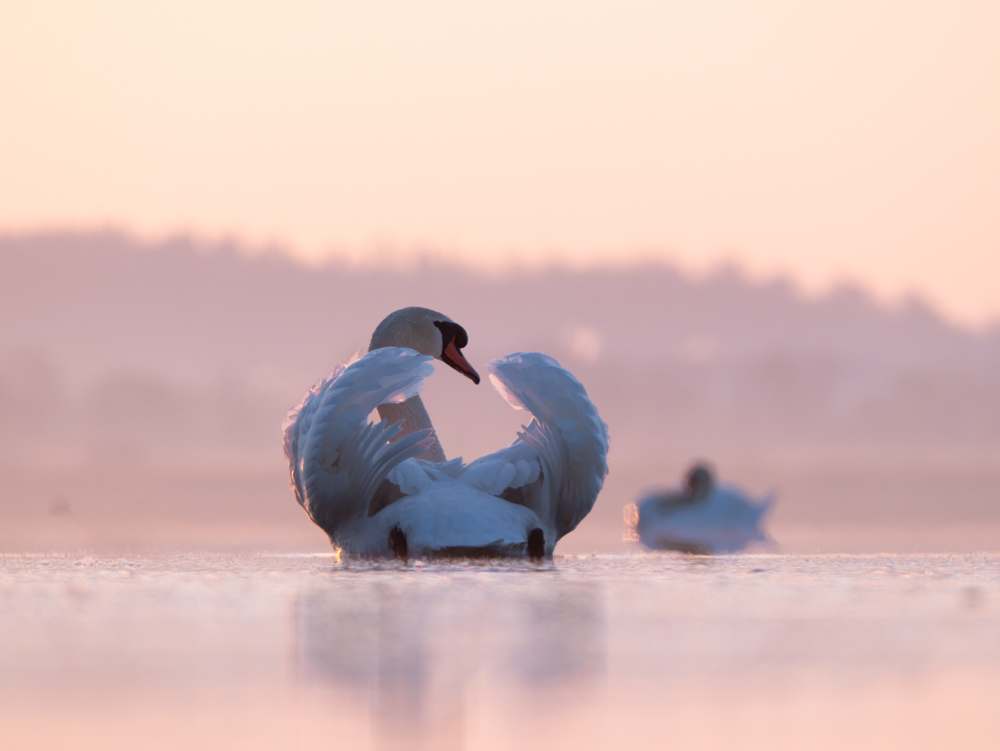
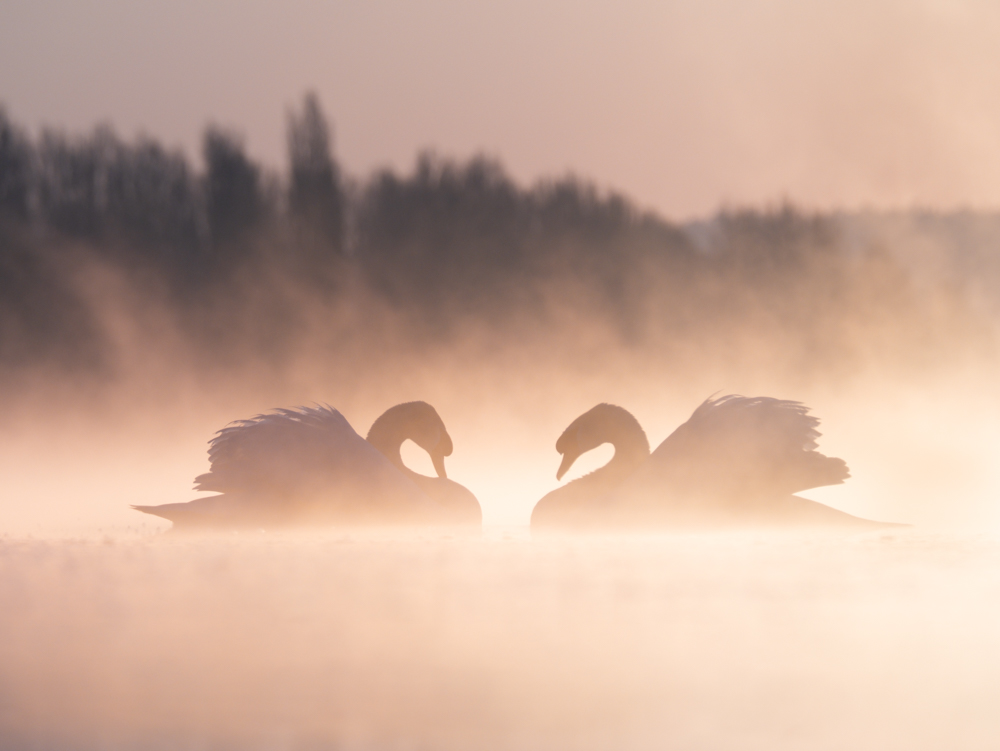
11:26

Draußen
ist die Heimat
umsonst.
15:41

Wortgesuche
um den verlorenen Sinn
zu vergessen.
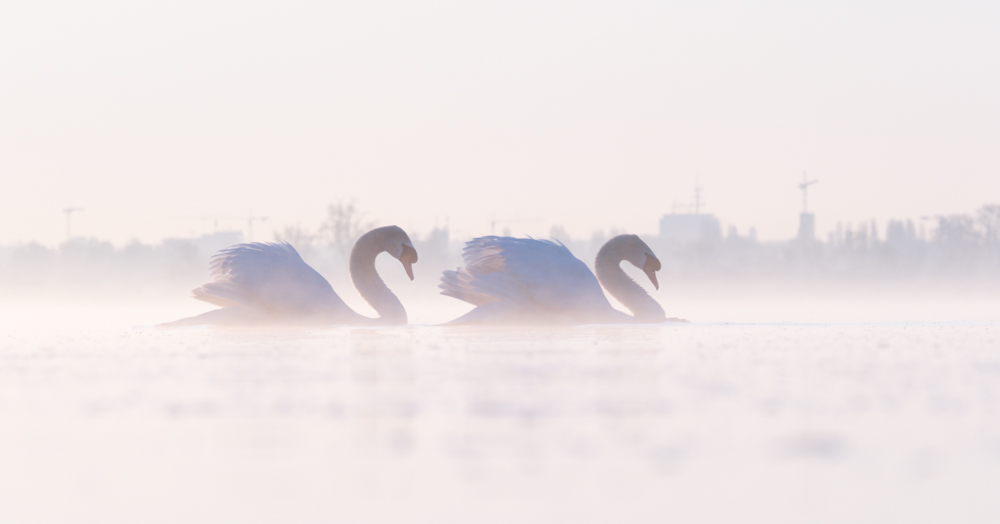
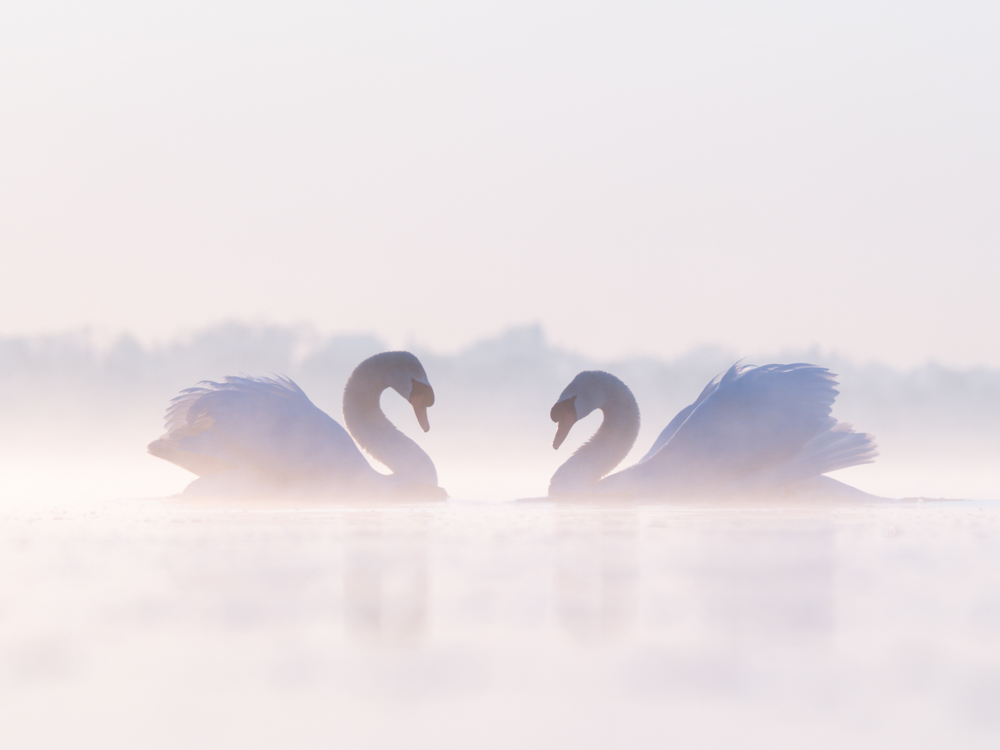
16:17

Aus Sehnsucht
und Verdruss
formen sich Träume.
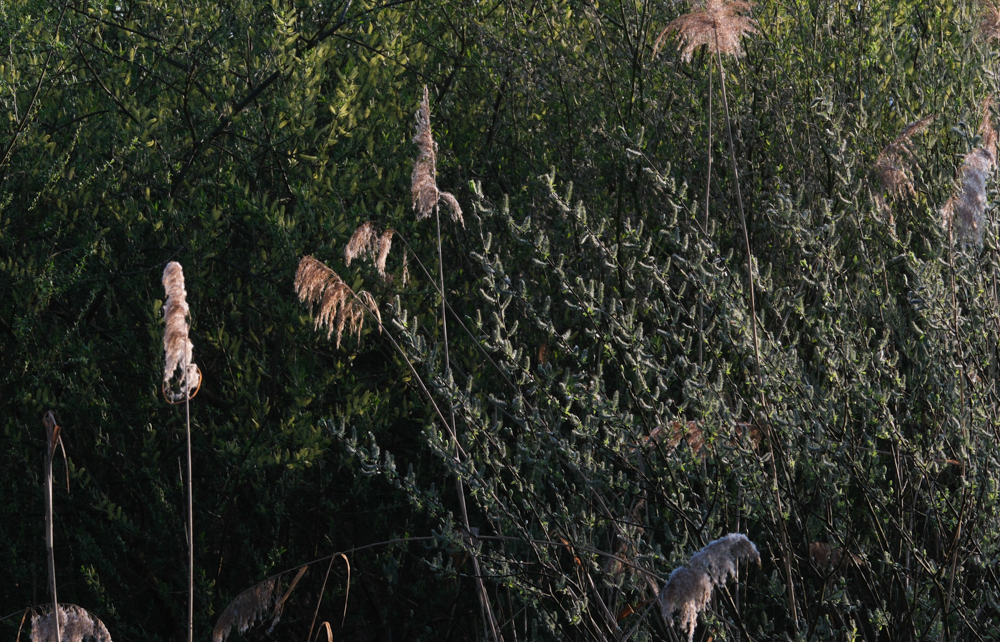

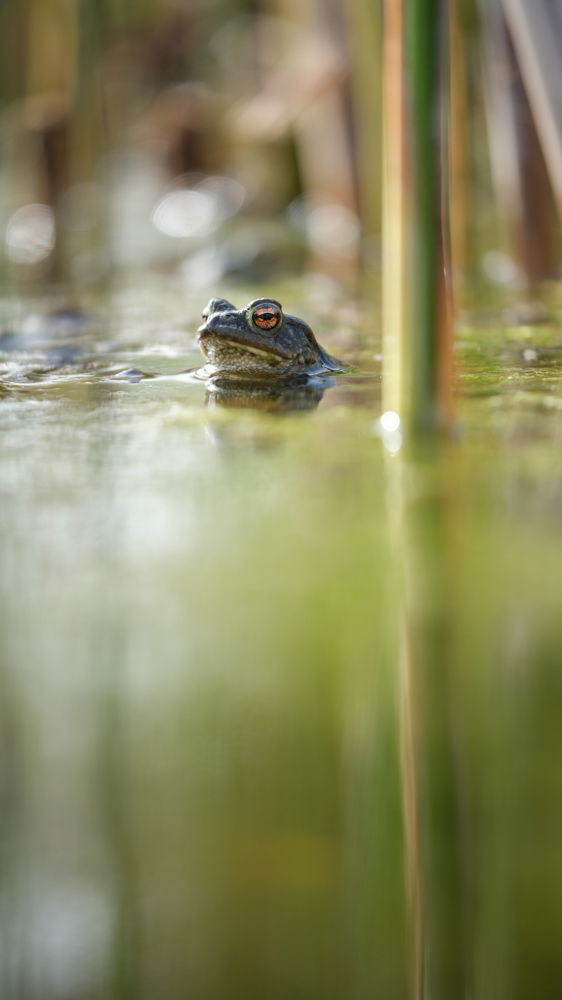
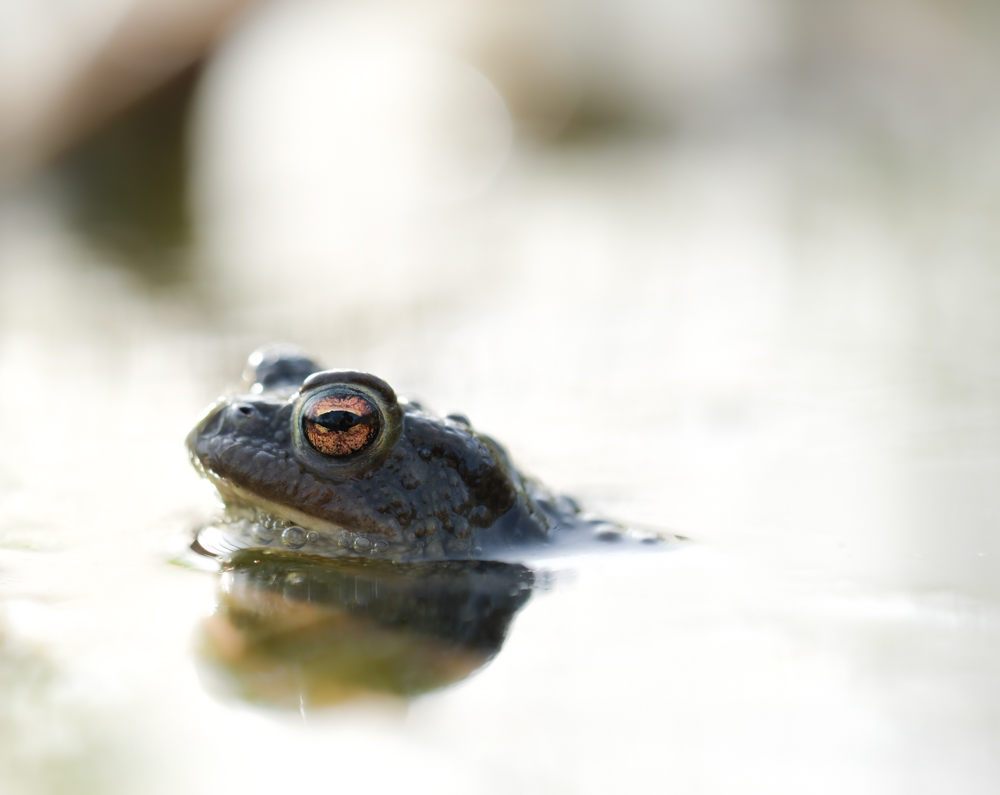
The time of winter vegetables is over and suddenly there is a lot more than only cabbage: cucumber, green beans, salad, kohlrabi (why is this the correct English word?), and fennel. Especially on the island, things seem to grow fast. In accordance, April continued the temperature high of the first three months and brought us 30 degrees before my birthday. Just to plummet to zero afterwards. Thus, somehow here we are, still discussing e-fuels and heat pumps. So, instead of debating politics, we continued to learn a lot about birds. Most recent progress includes the effortless identification of the songs of the short-toed treecreeper, the willow warbler, and the Savi’s warbler – black birds and starlings are breeding in the garden, and the frogs intone their chants. I am ready for summer.
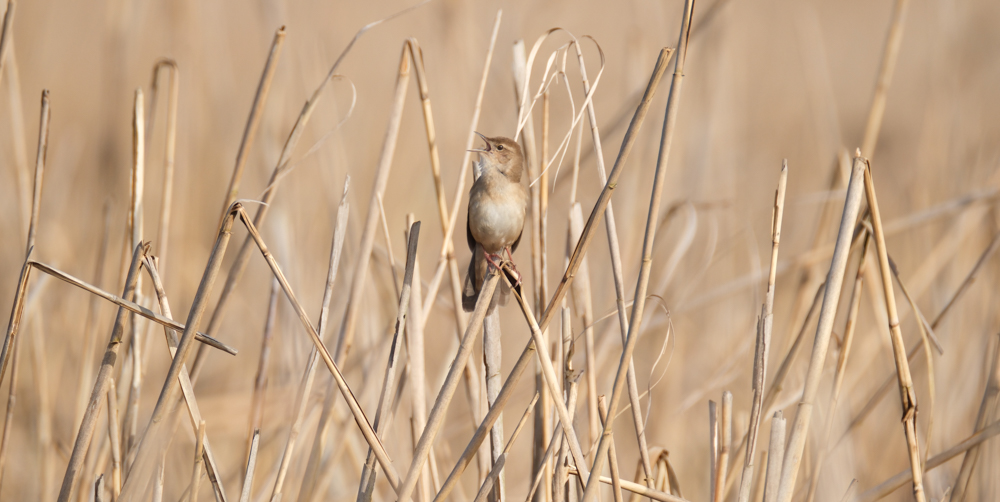





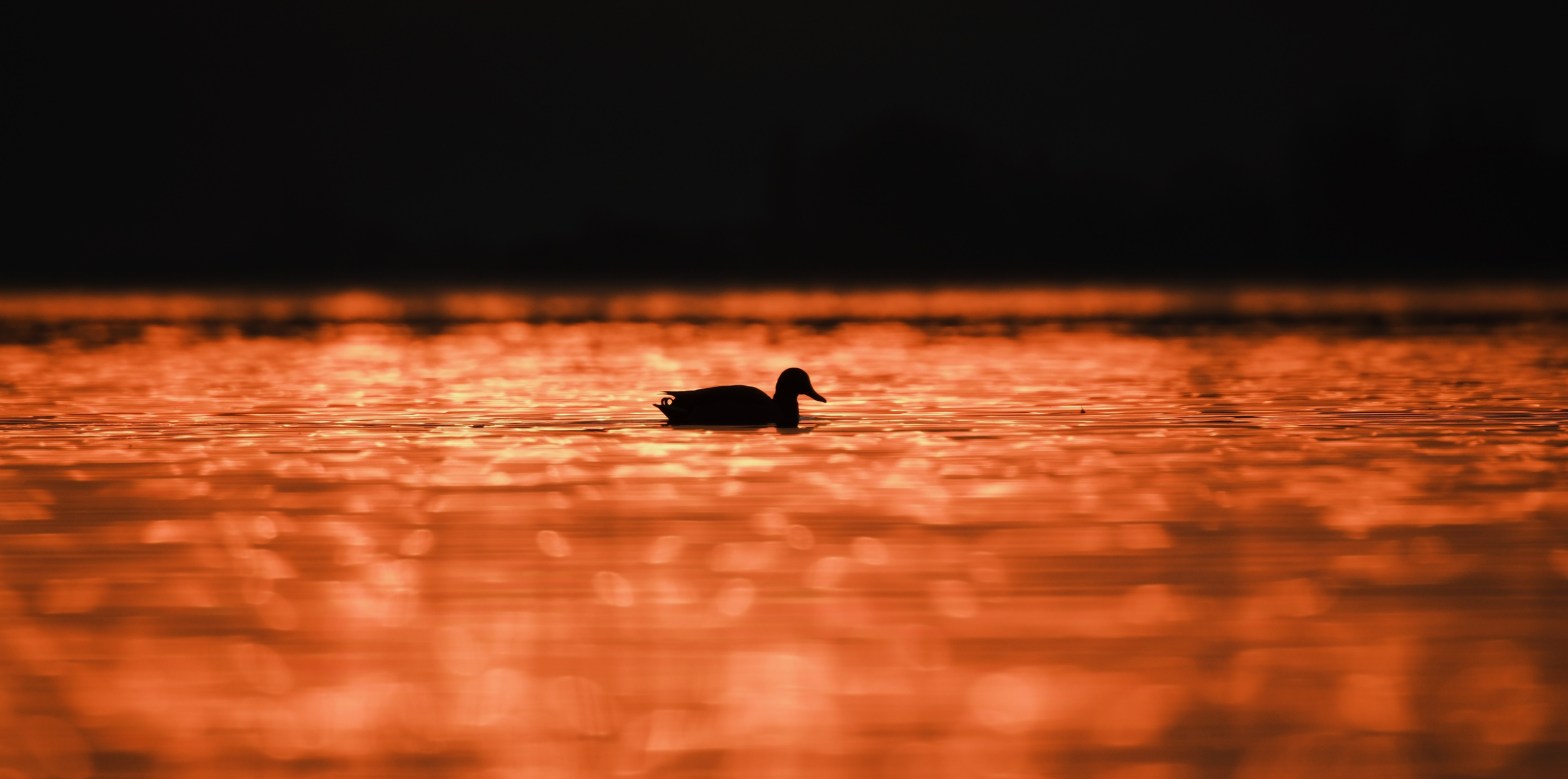


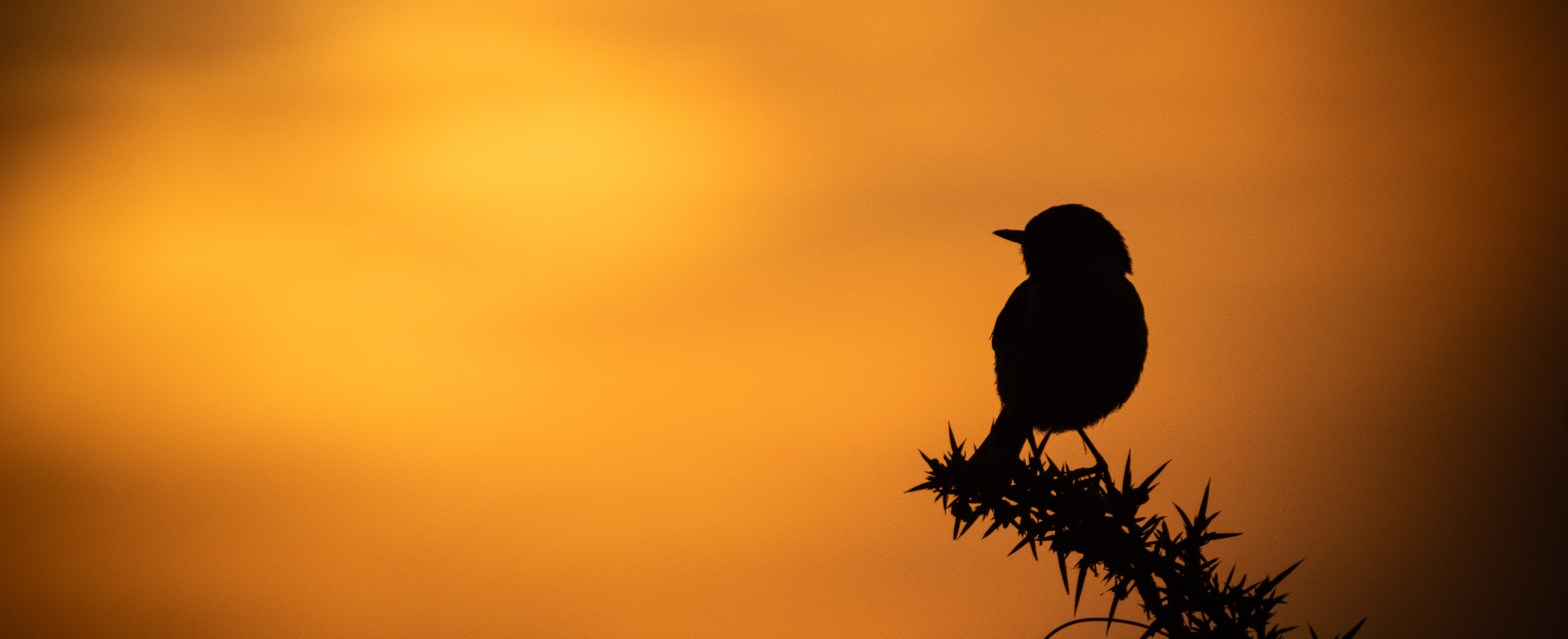
The weather turned. Temperatures are beginning to creep past 20 degrees. The bouldering gym has moved from second home to third home as work has now become my second home. It’s too much – but who would say otherwise? Sometimes it seems unclear whether I live life as intended – but who would say otherwise? But: Old hobbies are waiting to picked up again. Juggling balls have already seen the light of day, and 88 keys are waiting to be pushed again. Visitors are coming by the lake and we are delighted to host them. Yet, I have to find time to return the favor. Instead, we watch the birds coming back with memories from endless journeys across continents. And they bring back our wanderlust, to go out and explore, and enjoy, and soak up life.


A brief break
to take a breath,
a brake in life
to take a step
back, two steps
onwards,
as soon awaits the biting cold –
so, take your skates,
roll out and trust:
yourself,
and the ice shelf,
through faded sceneries
where bare trees house
jaded starlings
left alone
within the snow,
I am still watching, though,
behind the door,
while the world awaits outside.




It’s a calm morning. Fog encloses the island and mutes the distant cars. The sailing ships are all lined up neatly, one after another, swaying gently on the waves. Next to the ships, there are the bollards. They are lined up neatly as well, ready to welcome any new arrivers. And then there is Gustav, the black-headed gull.
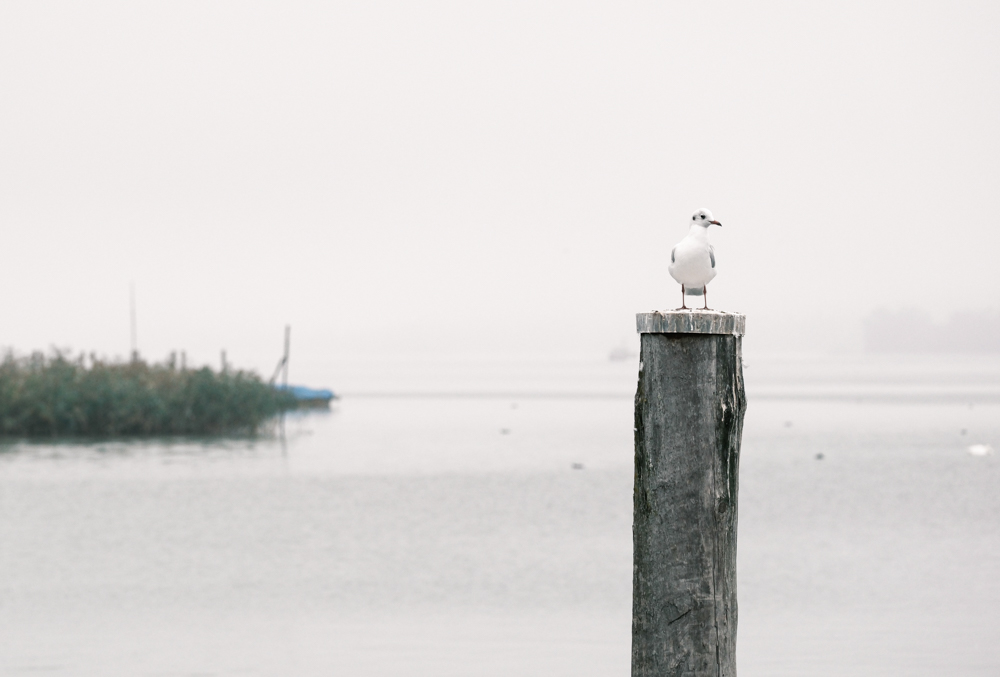
Gustav occupies one of the bollards, but he isn’t the only one. Next to him are all his mates – also, of course, lined up neatly: One bollard, one gull. As it should be. Gustav is satisfied. That’s how he likes his mornings. That’s how he likes his bollards. But then, a new arriver appears. And Gustav knows that there will be turmoil.

Before he can prepare himself, the attack from high above is in full swing. A quick stroke with the wing, a brief chop with the beak, and suddenly his neighbor is tumbling to the ground. Before the attacker can seize his earned place, two distant acquaintances of Gustav are already brawling for the now empty bollard. Claws get sharpened, feathers are plucked, with every passing second a new contender joins in. A whole squadron of coots start to cheer on the warfare. The snide remarks of Carl the cormorant echo across the water. Herbert the heron escapes quietly. Gustav tries to be as inconspicuous as possible.
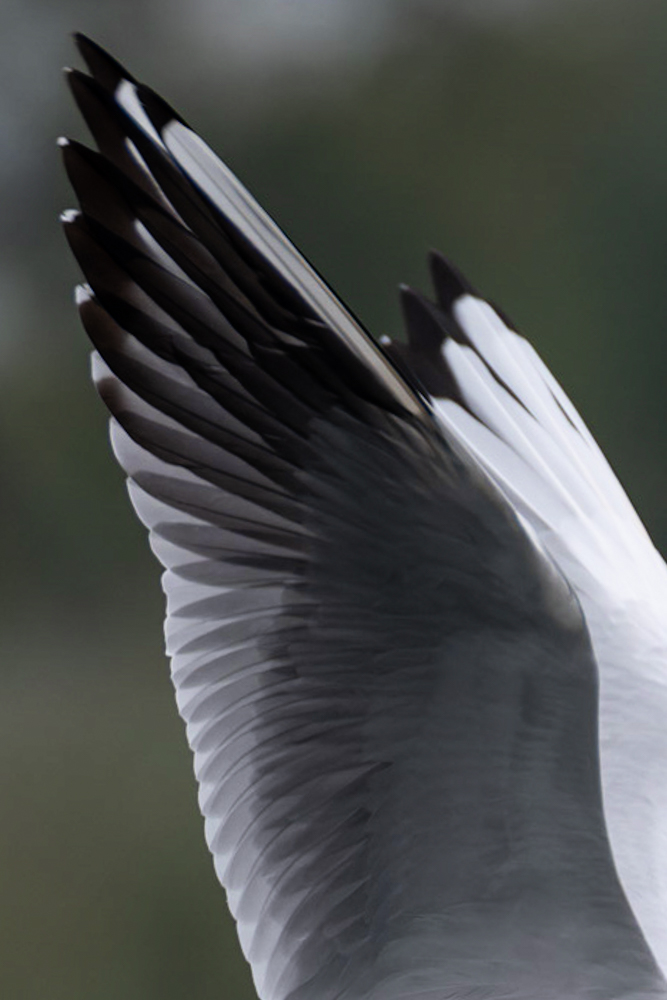
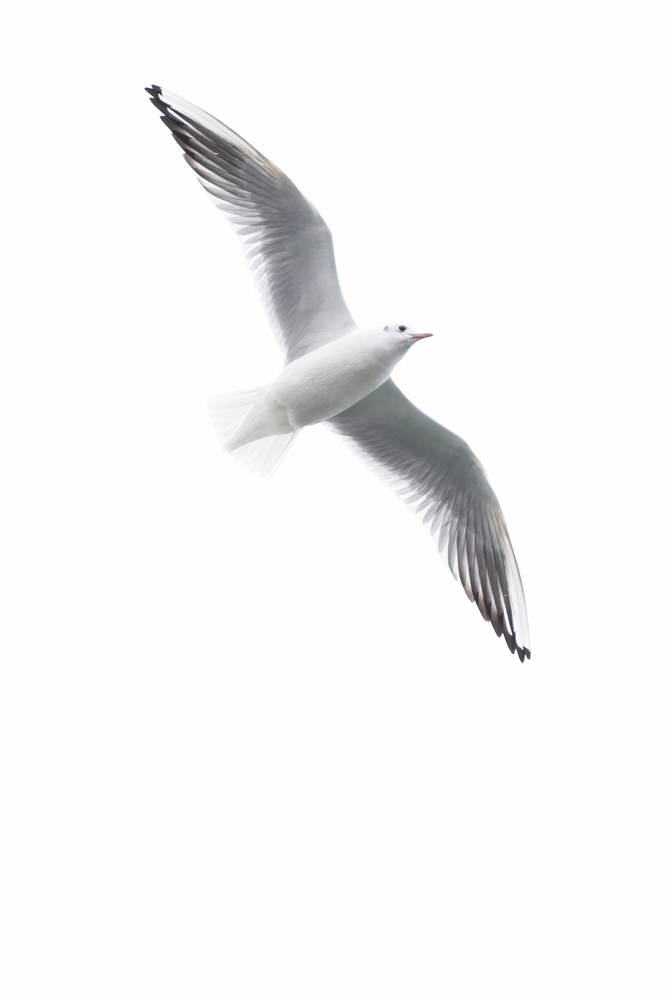
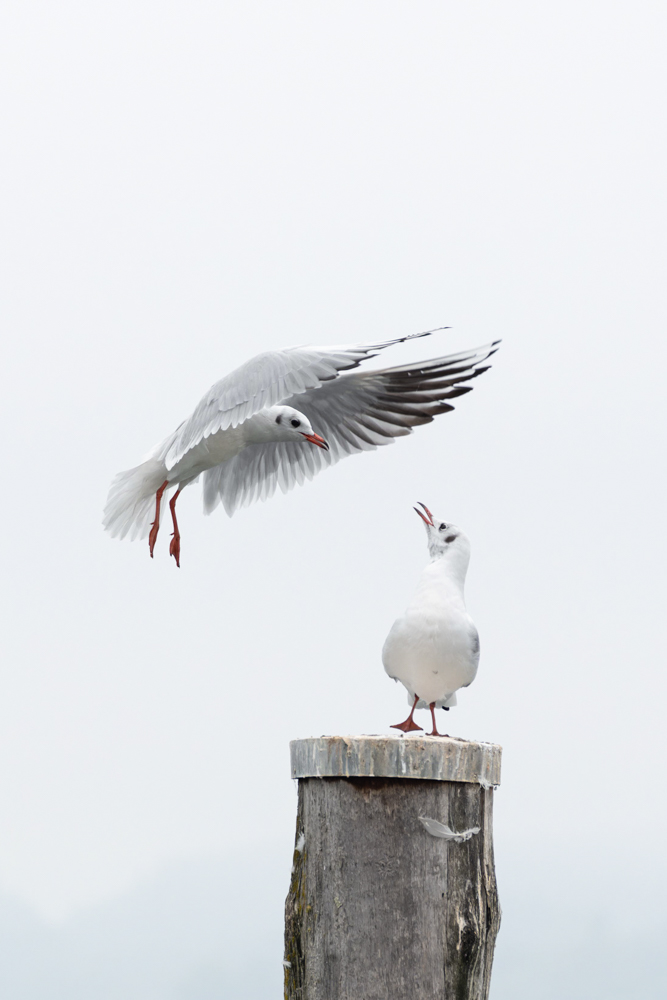
The calm morning has turned to chaos – as every day.
The number of black-headed gulls around the lake has dropped profoundly over the last 30-40 years, presumably by more than 70%. It’s ‘just’ a local decline and most gulls seem to relocate to other areas. Apparently one reason is the increase in water clarity that comes with a reduced offer of food. While the gulls have been seen as a real nuisance in the past, they are now missed by many.
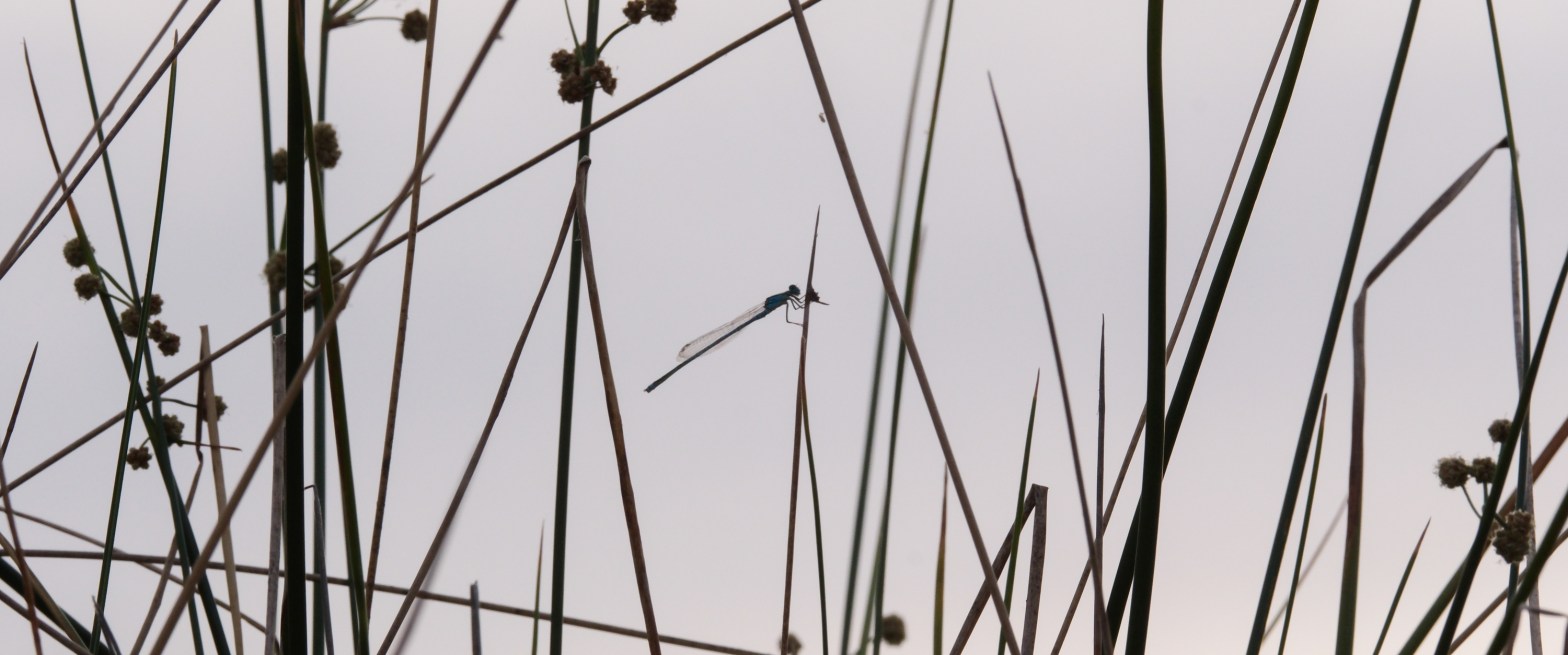

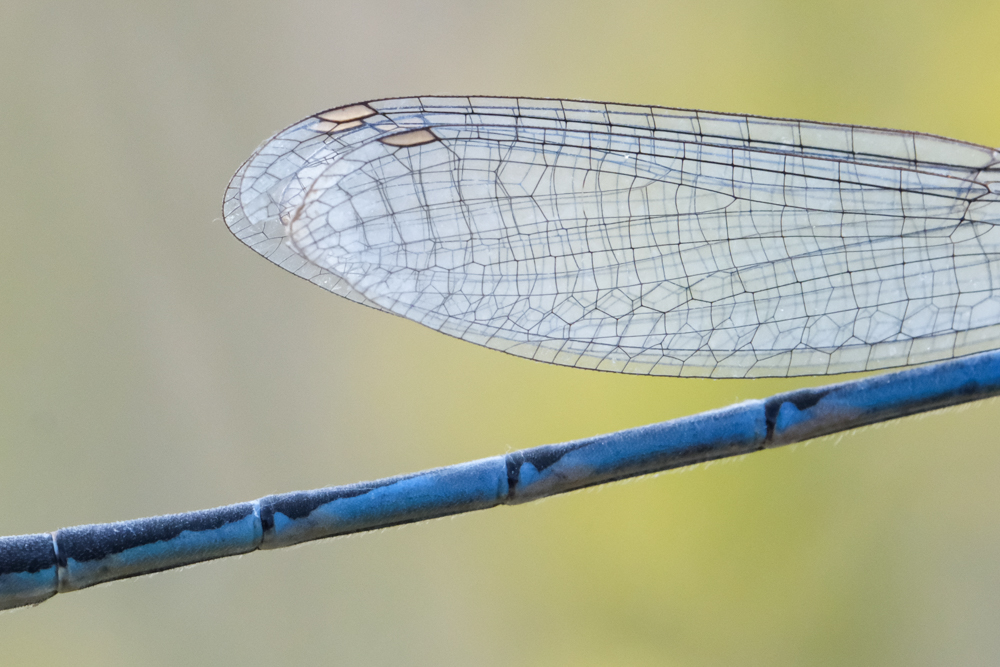


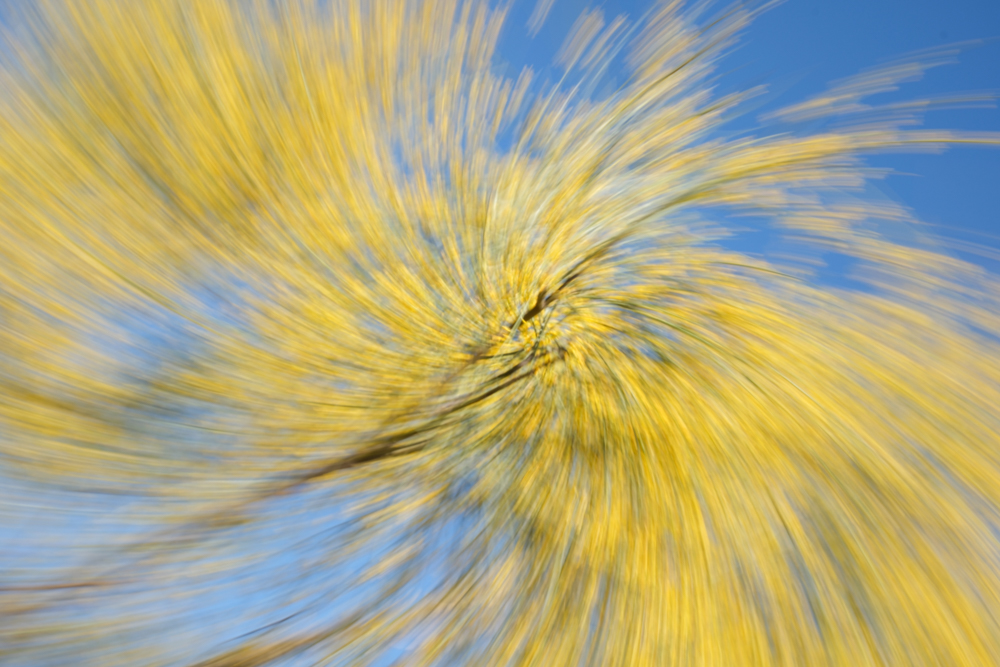


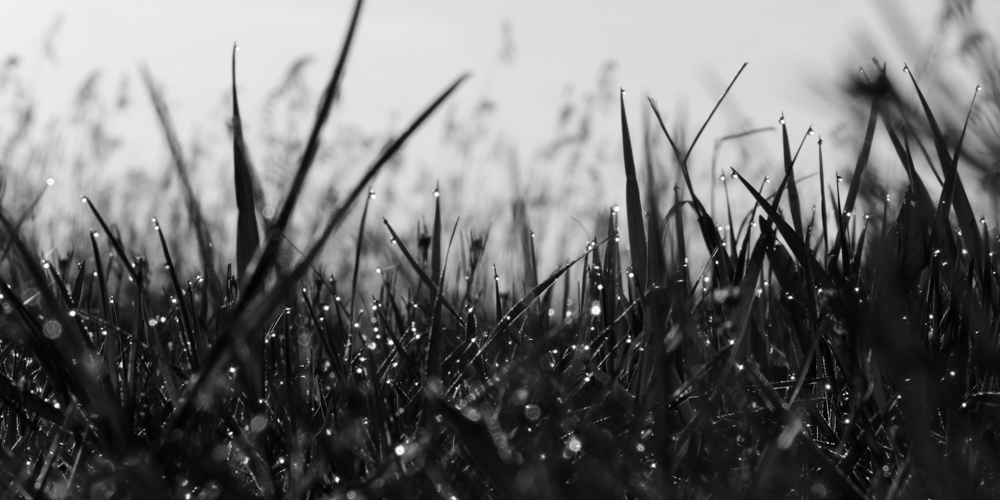
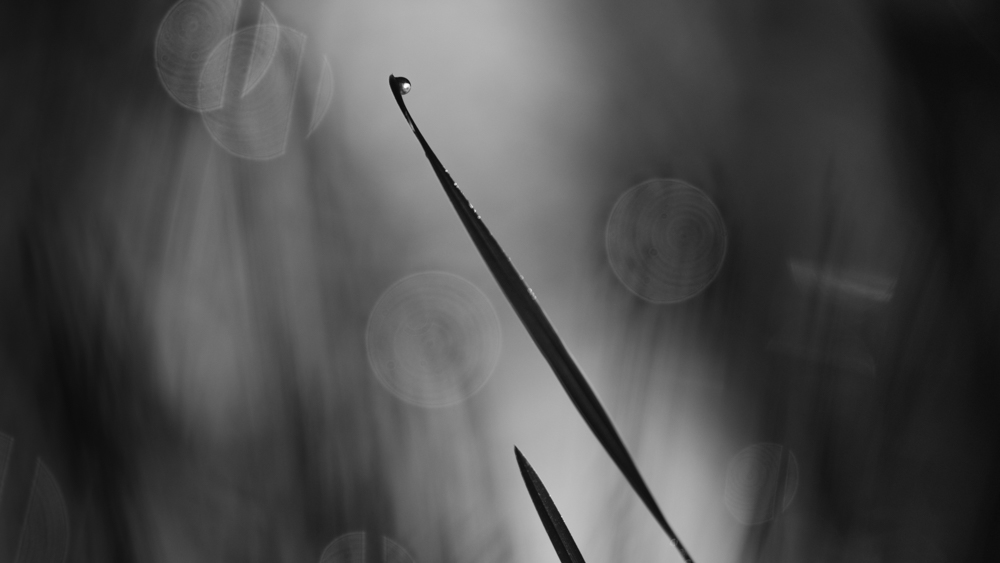
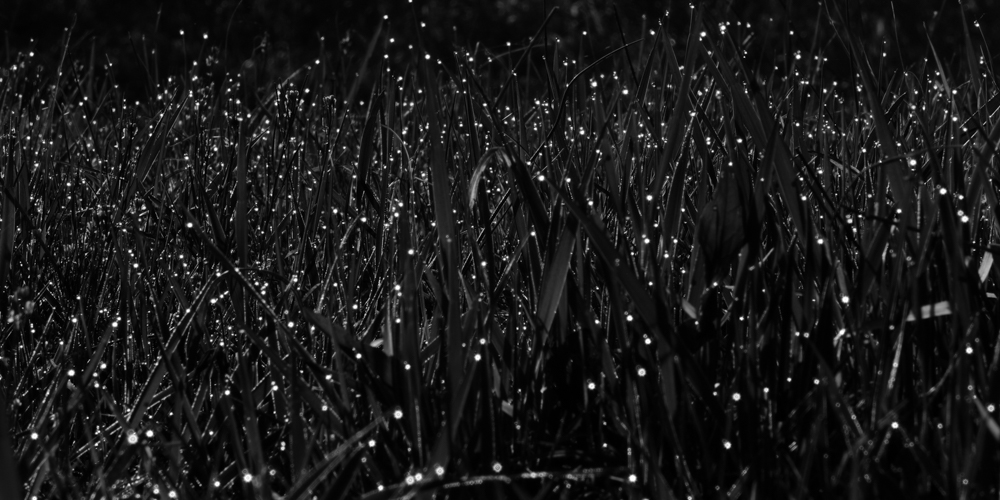
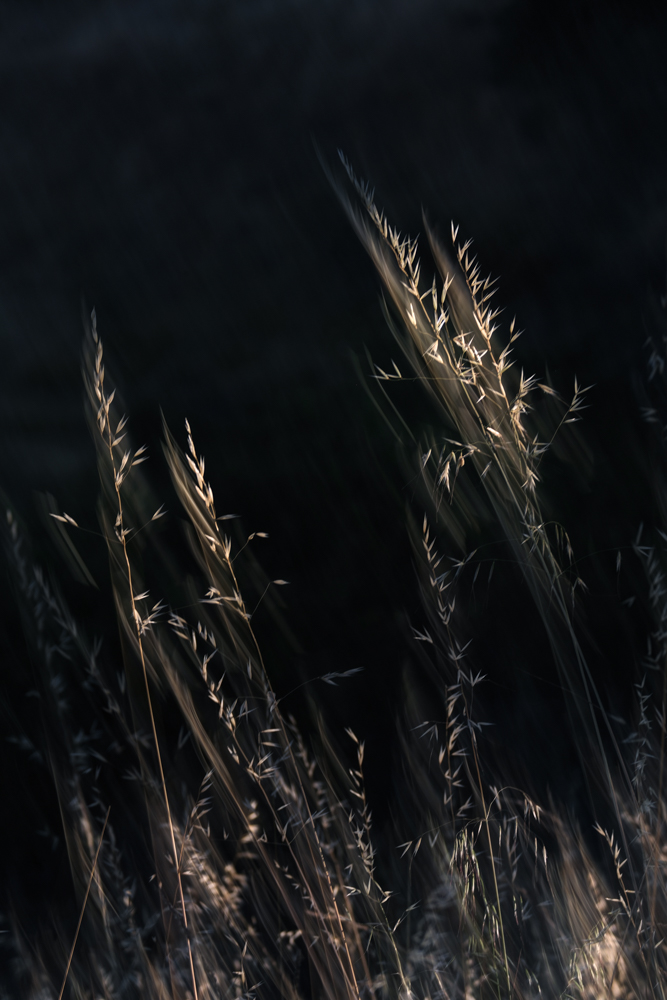
A tempting shimmer,
often bright and sometimes dimmer,
tiny twinkles, shiny flickers,
mighty seas of jolly glimmer,
gently waving in the wind,
often aligned, yet intertwined,
thin blades on fire,
in shades refined,
ensnare the mind,
tether the eyes,
mankind inclined
to stay right here,
witness the rustling, bustling weeds,
small beads pinned by the sun,
a moment passes, all is gone.

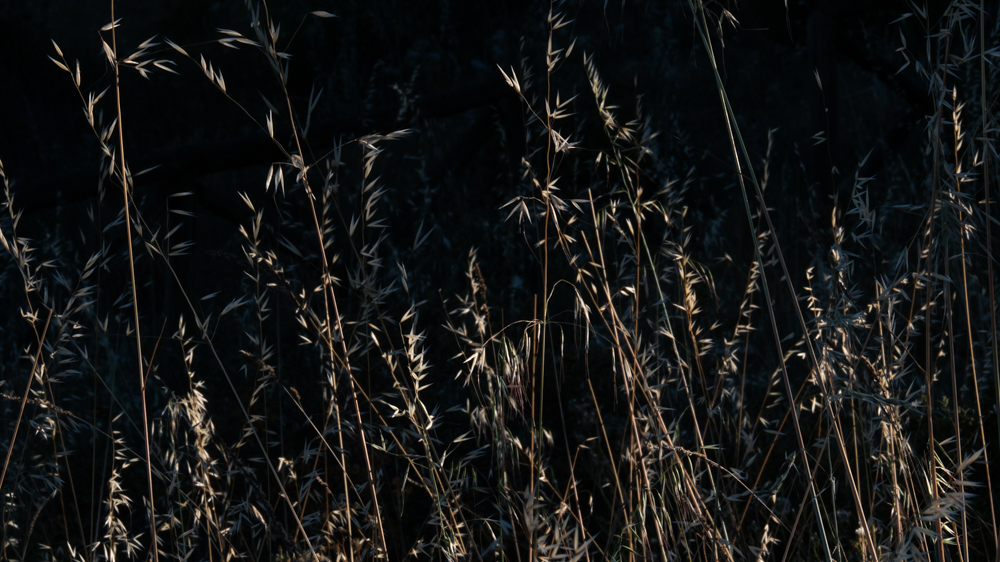
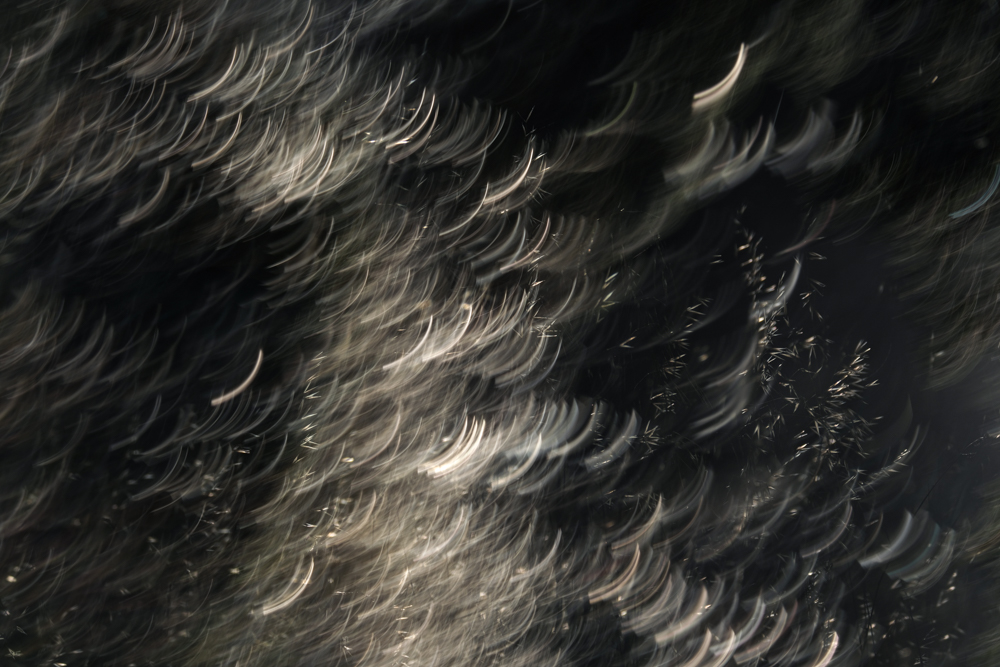



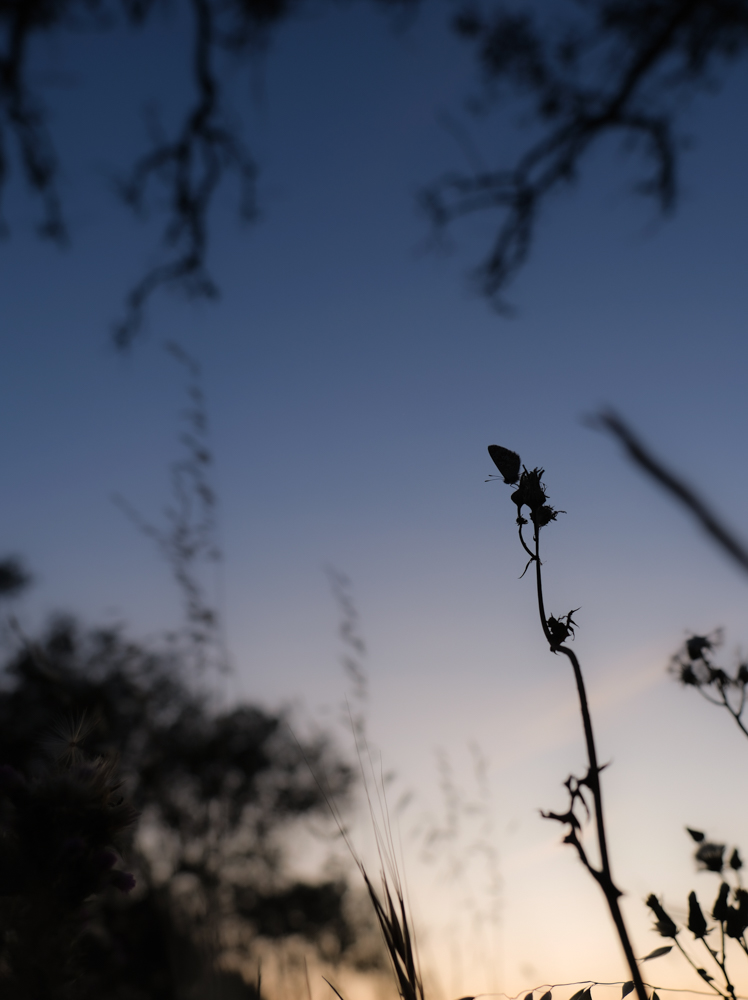

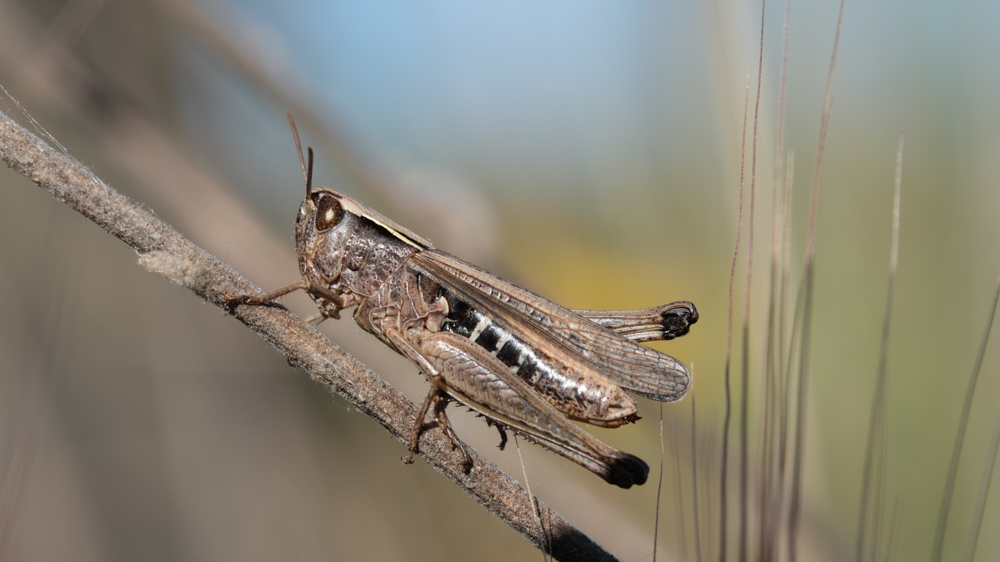

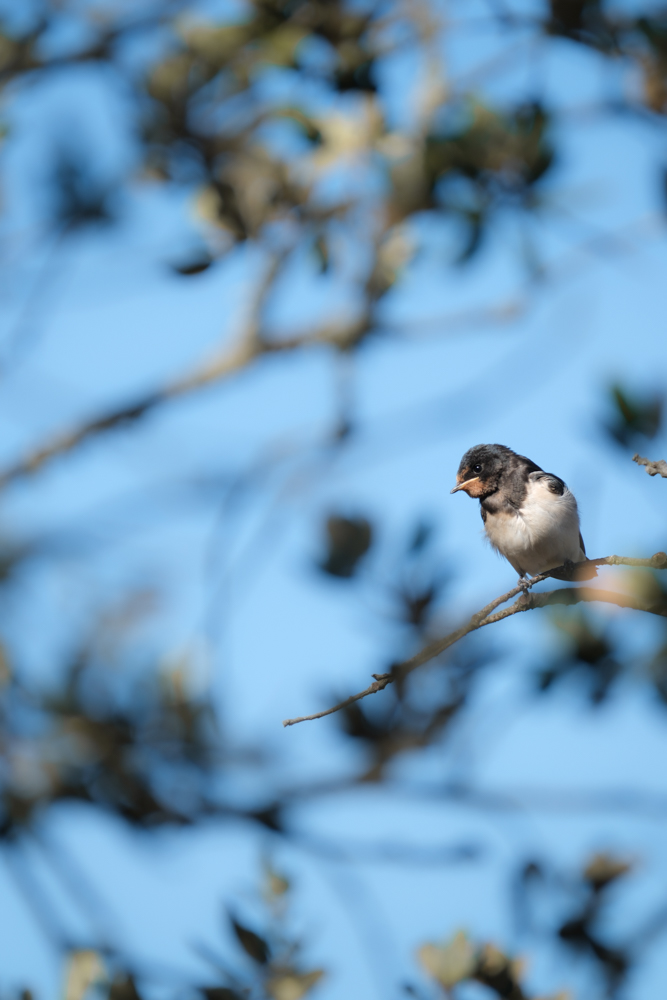
Perhaps I am lagging behind a little with my all my photographs from the long summer; some photo posts are incoming. Perhaps I am also happy to have so many photographs so that I can keep on writing posts even if I don’t produce new ones. And, perhaps, I need a new format to publish my photographs after all.

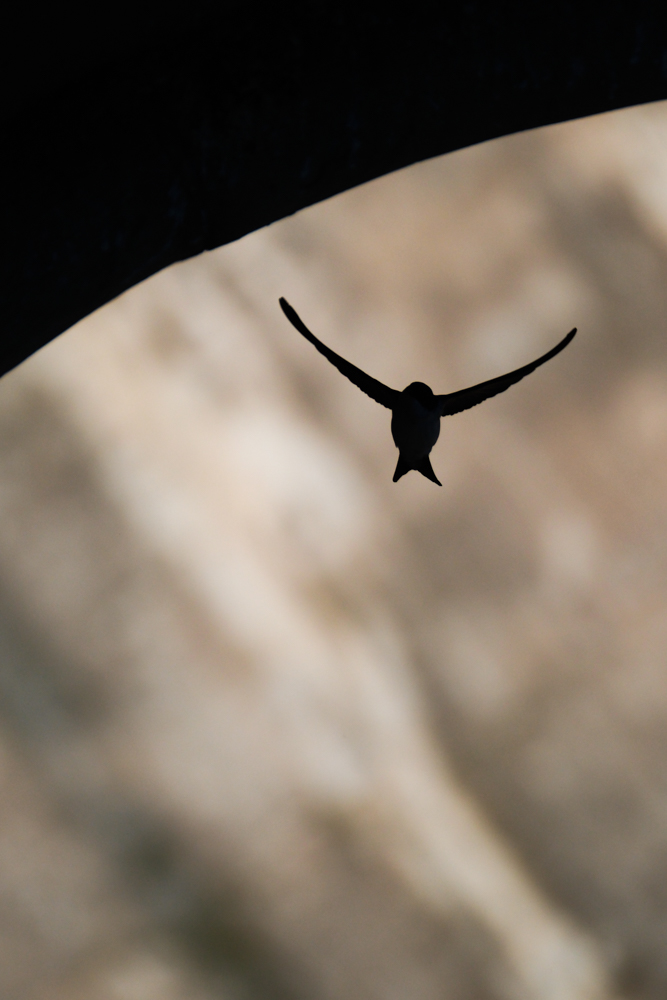
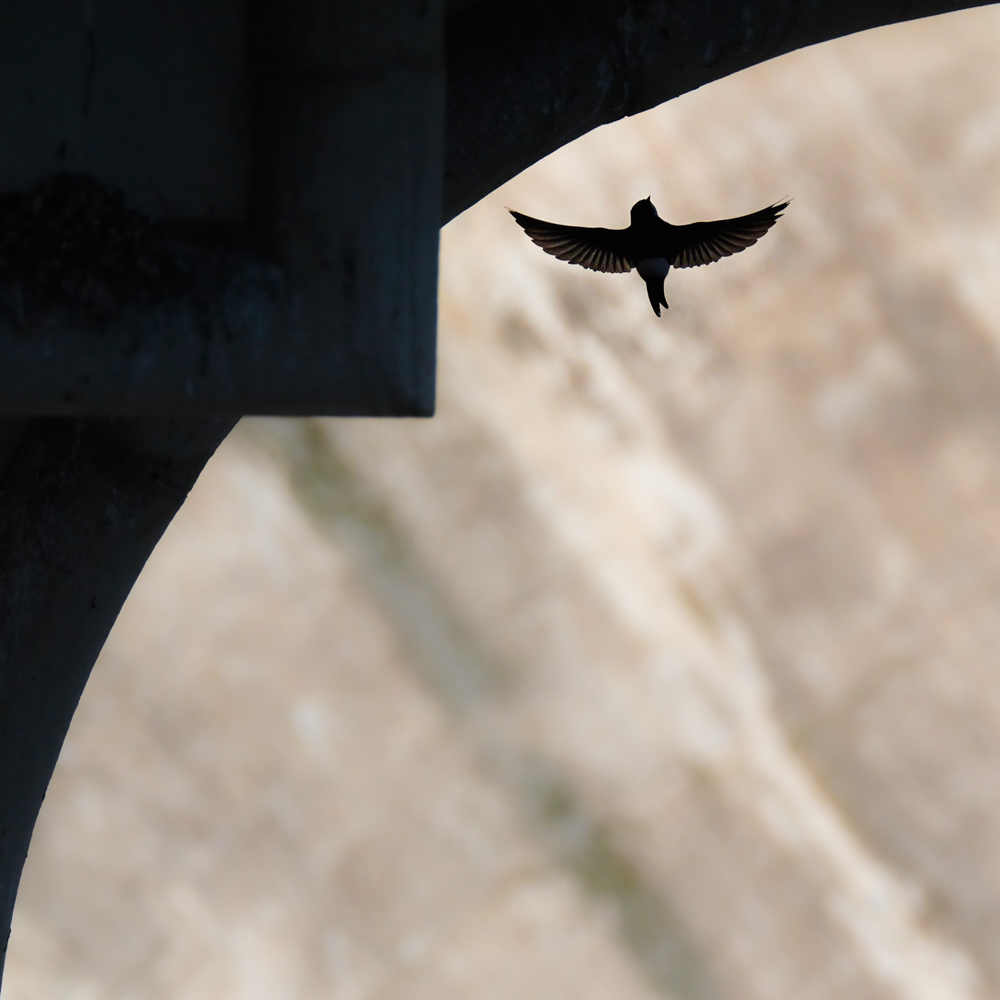
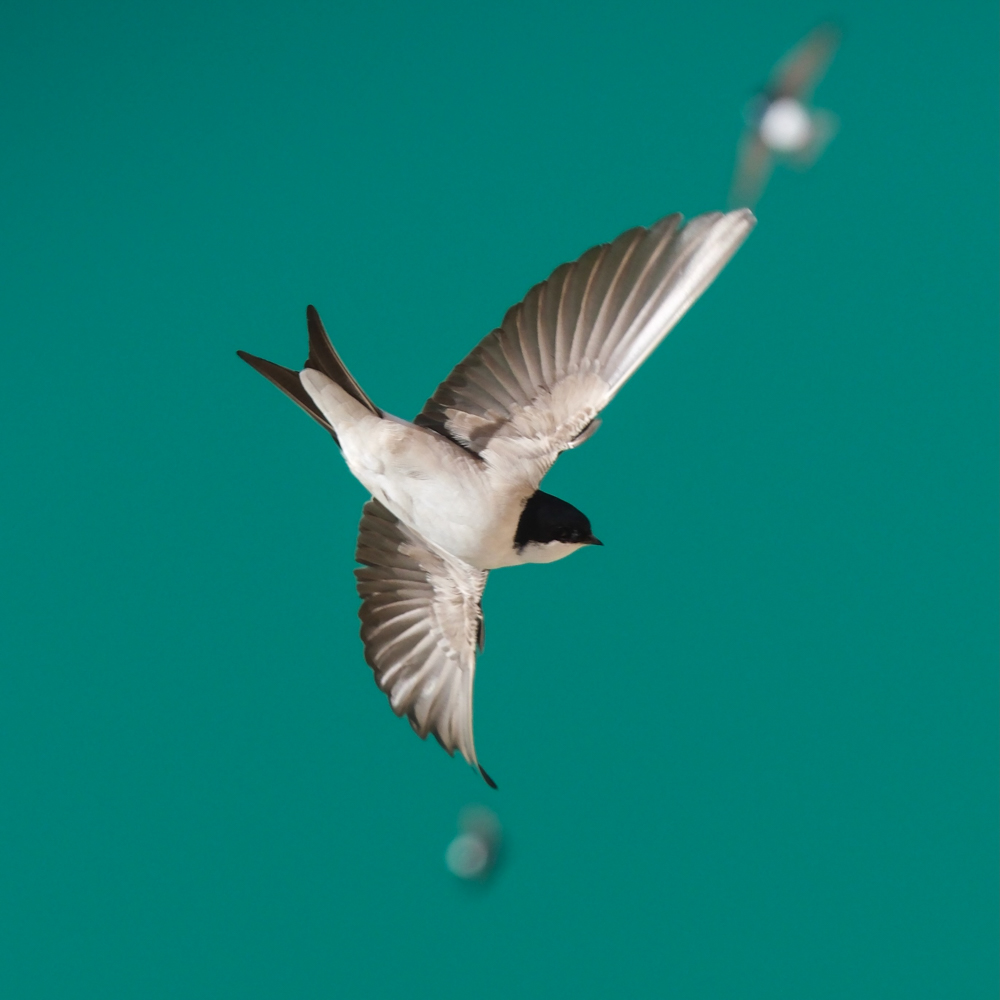
Who doesn’t love swallows? They are as fast as the wind, always chatty, and super cute. The Common House Martin we have here in Europe is only one of four species within the genus of Delichon, whereas the other three species are distributed around Africa and Asia. They love pastures and farmland, especially near water, and build their distinctive nest out of mud and clay beneath overhanging rock formations or buildings.
We had the pleasure to be surrounded by hundreds of them while standing on the dam of Embalse de los Bermejales. They were zipping all around us, seemingly not concerned with or interested in anything else than the delight of their flight. And for a moment, it felt like we were among them – a moment I will gladly remember for years to come.




 Punkt im Dunkeln