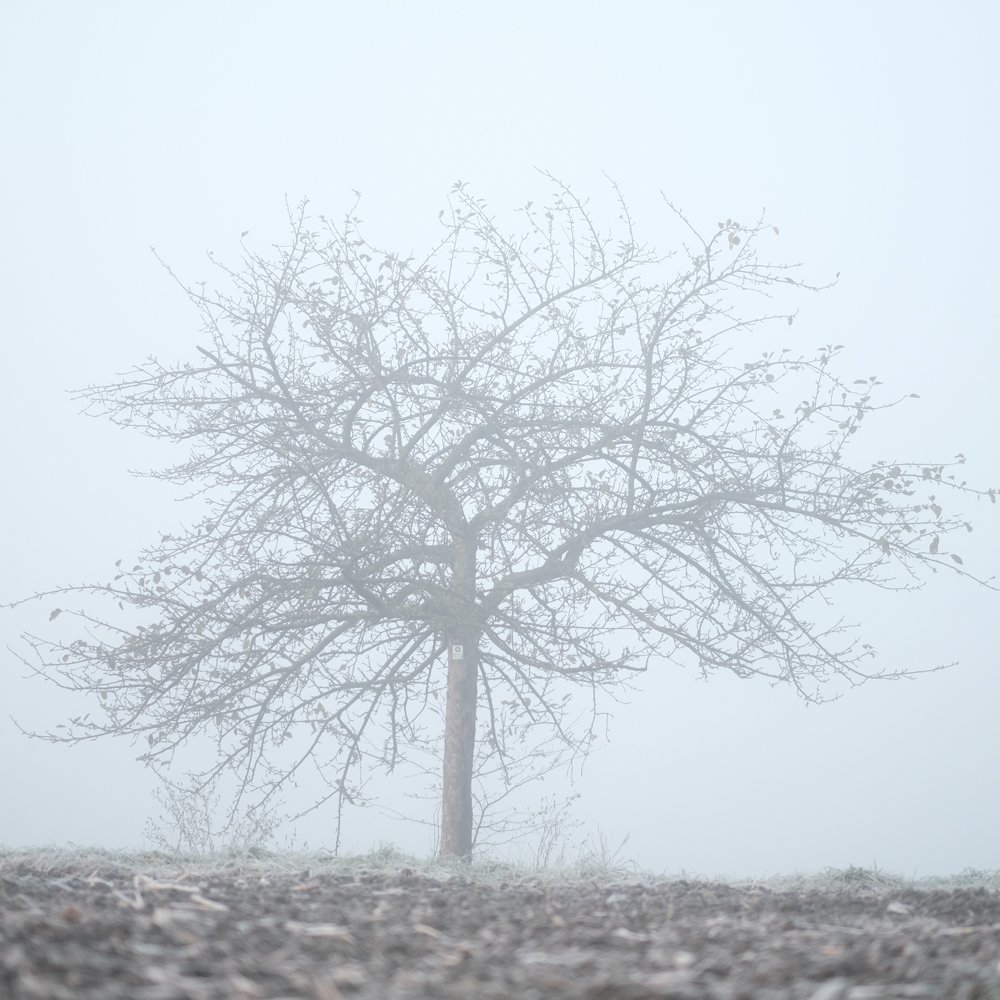
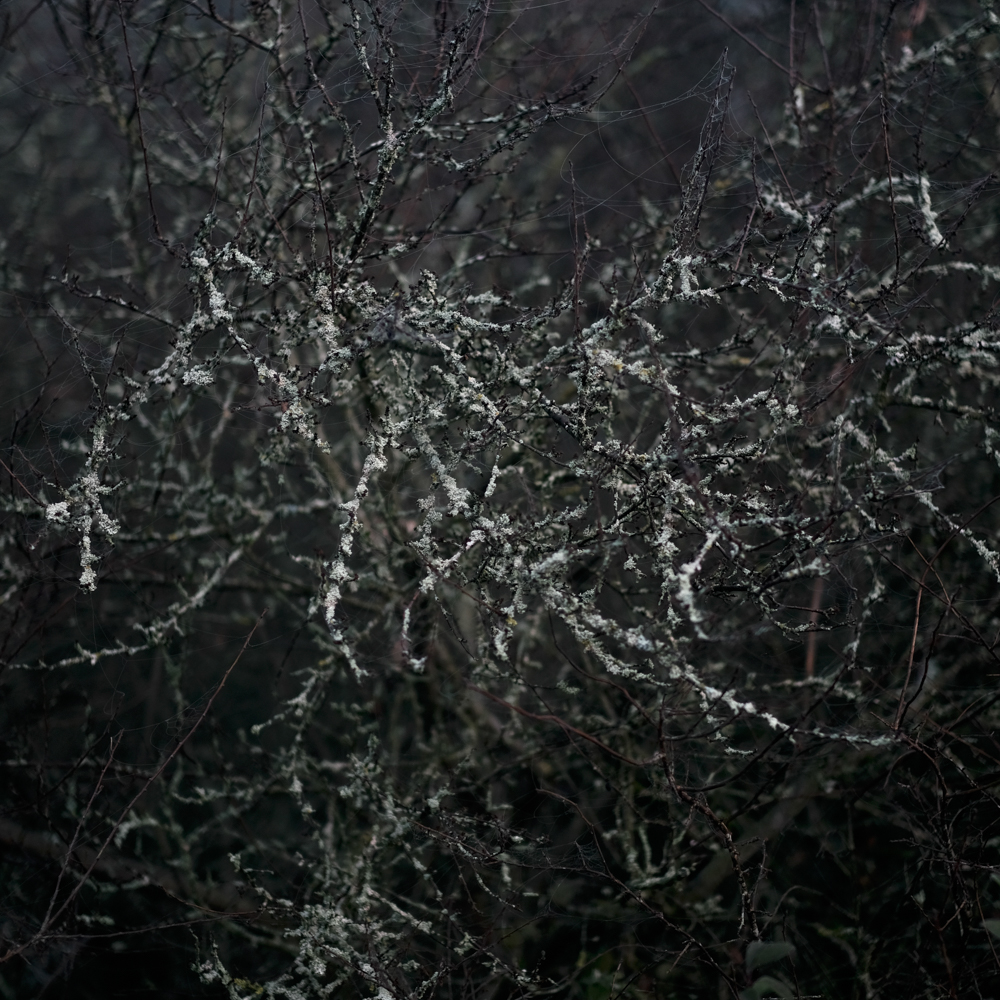
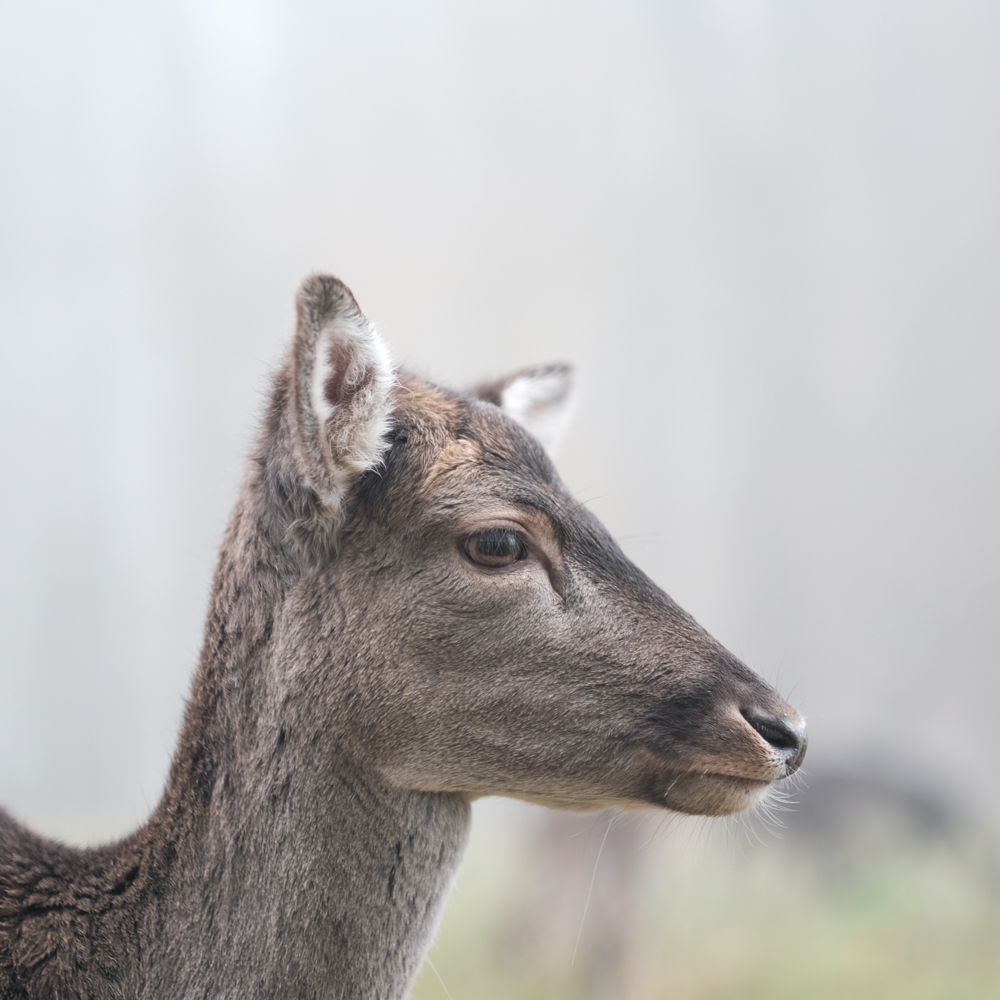
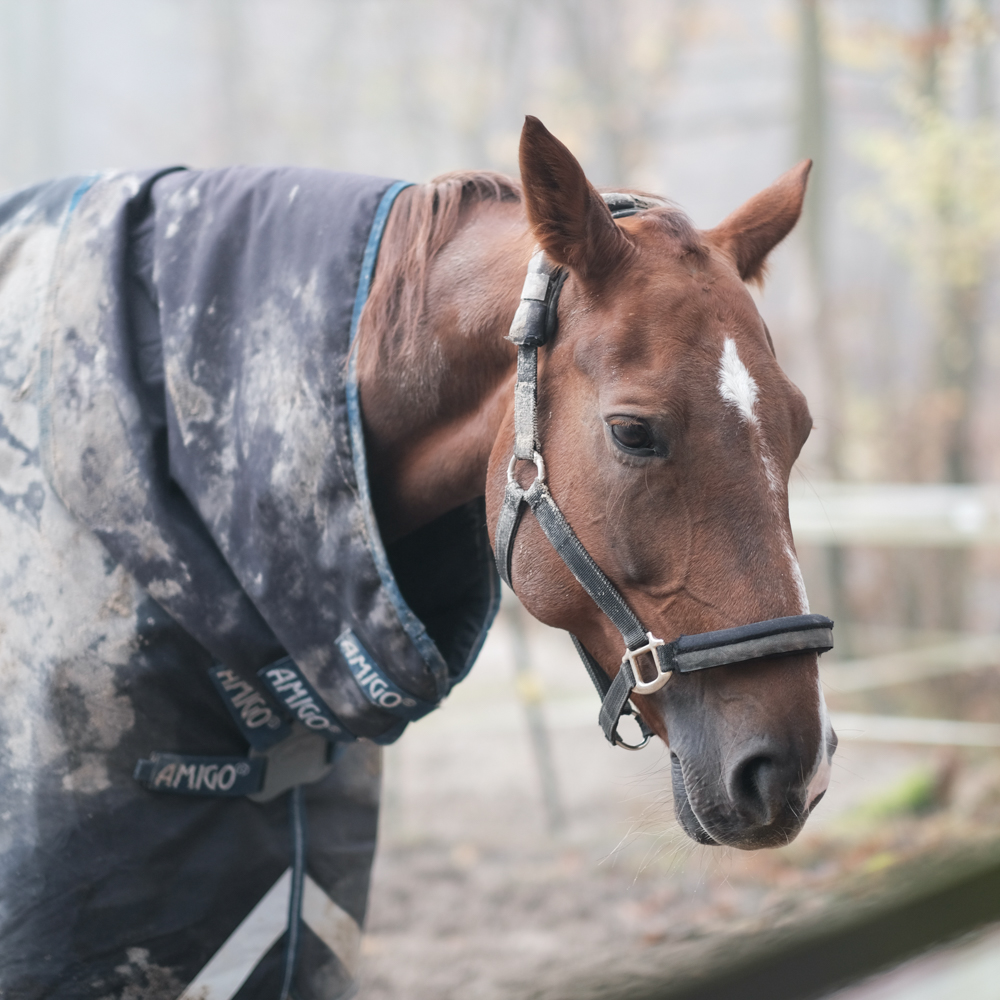
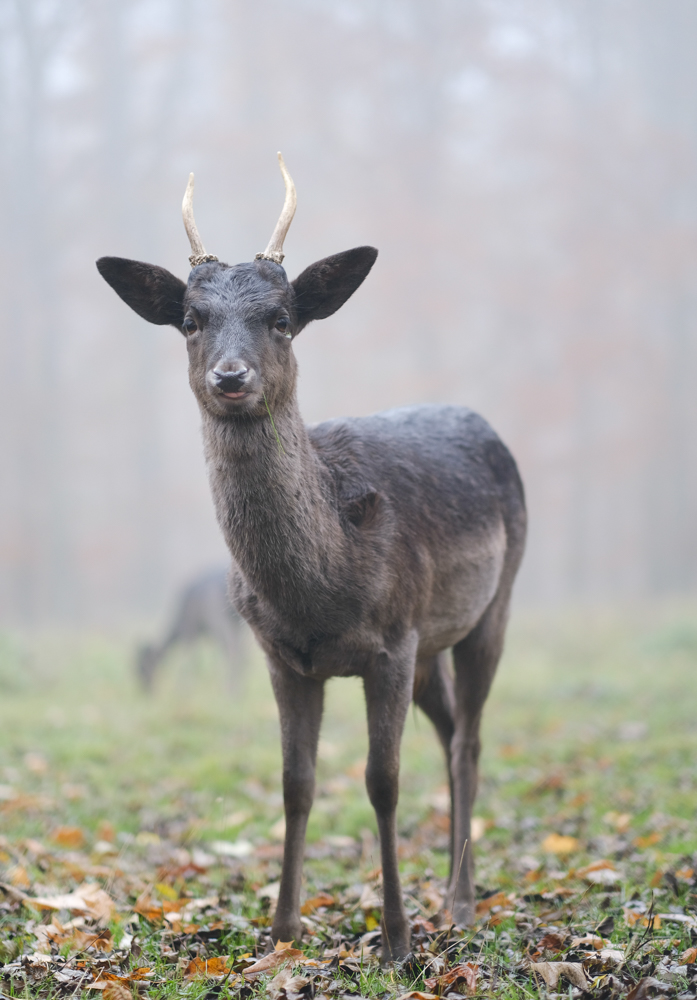
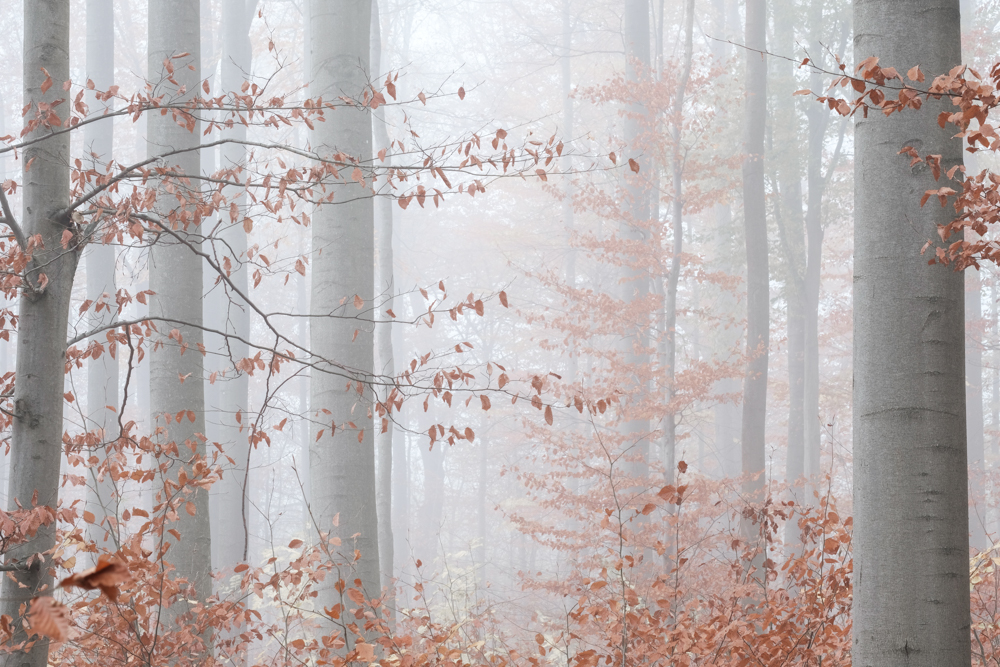
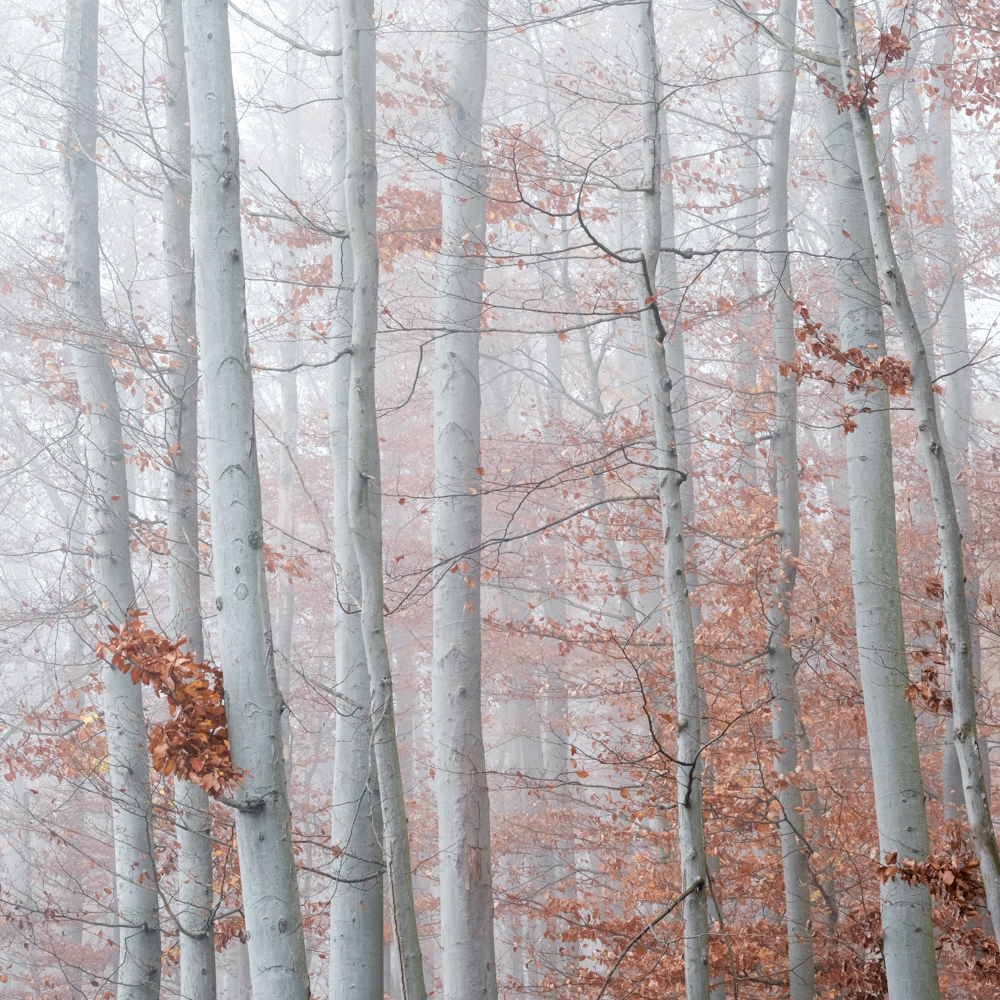
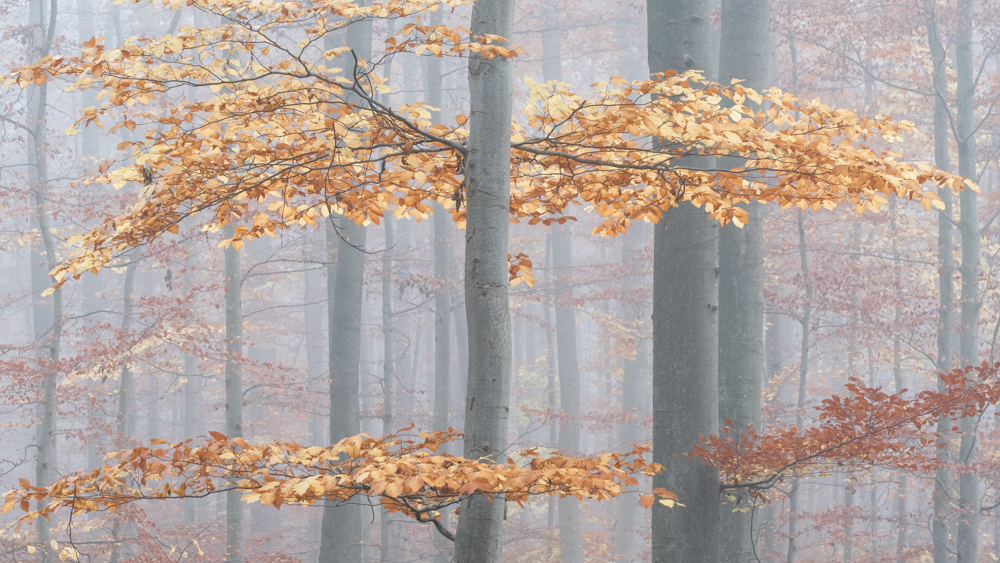
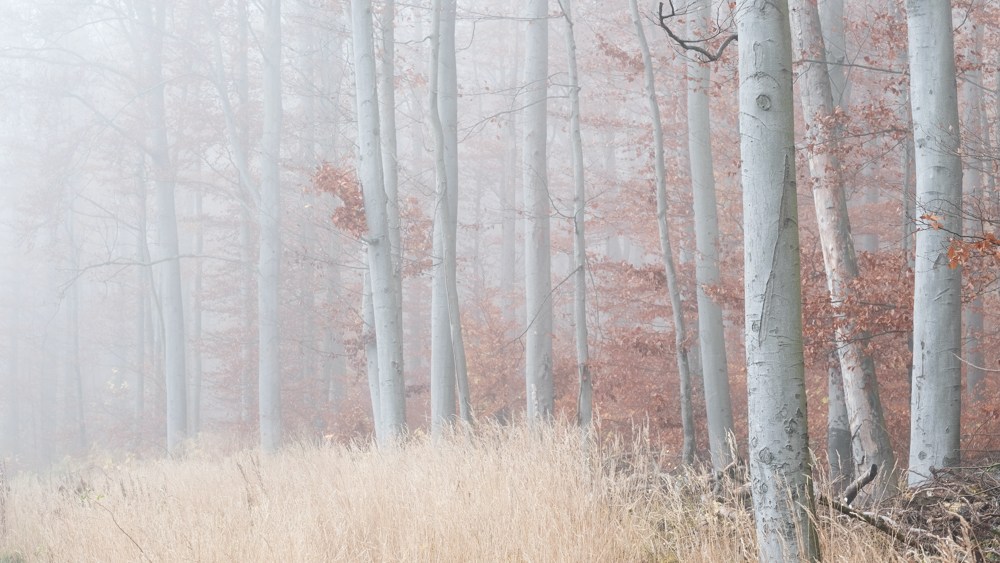
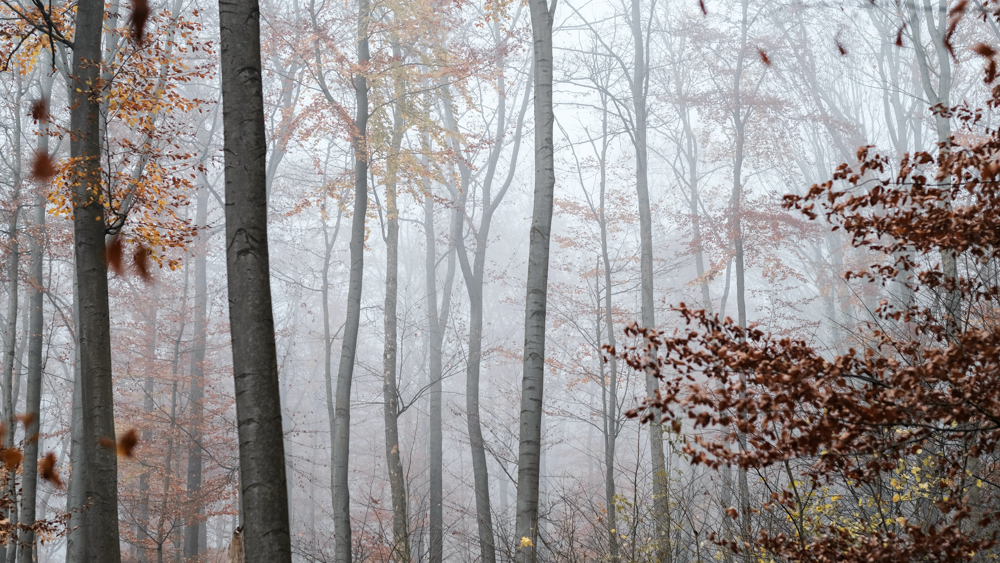
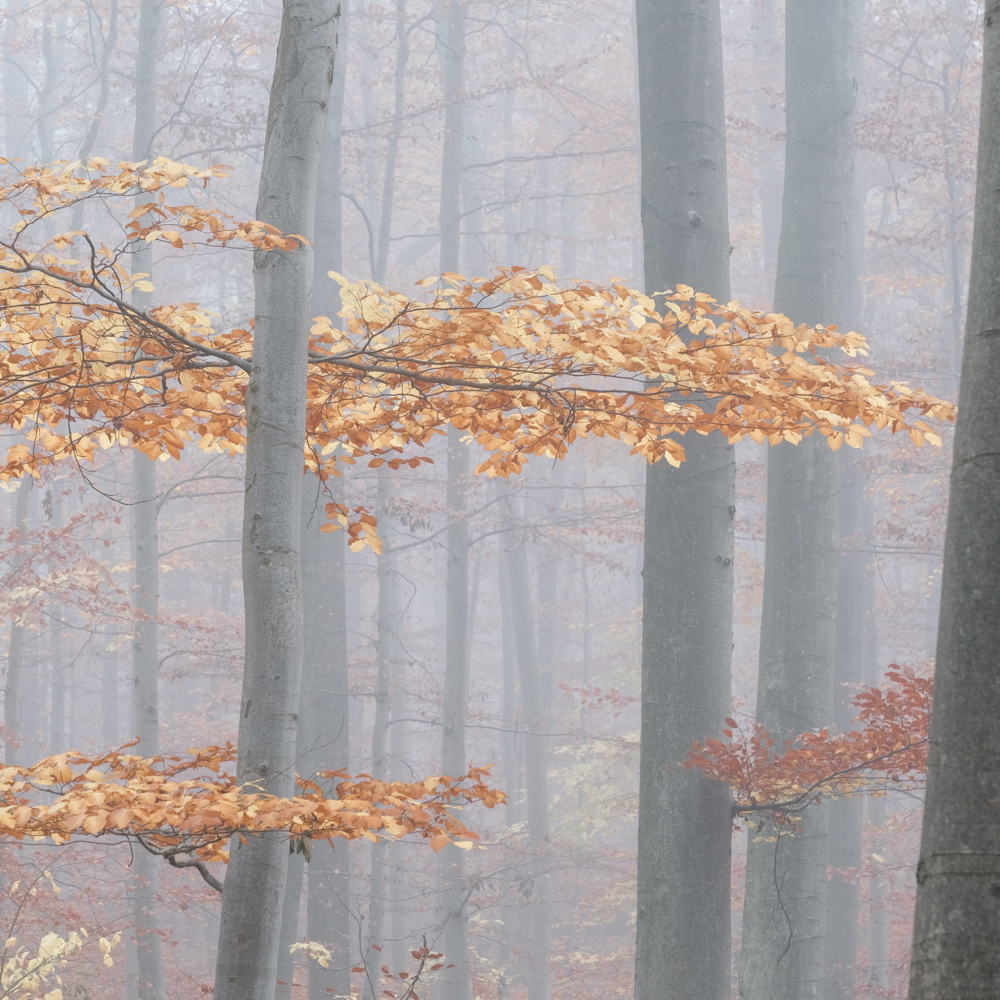
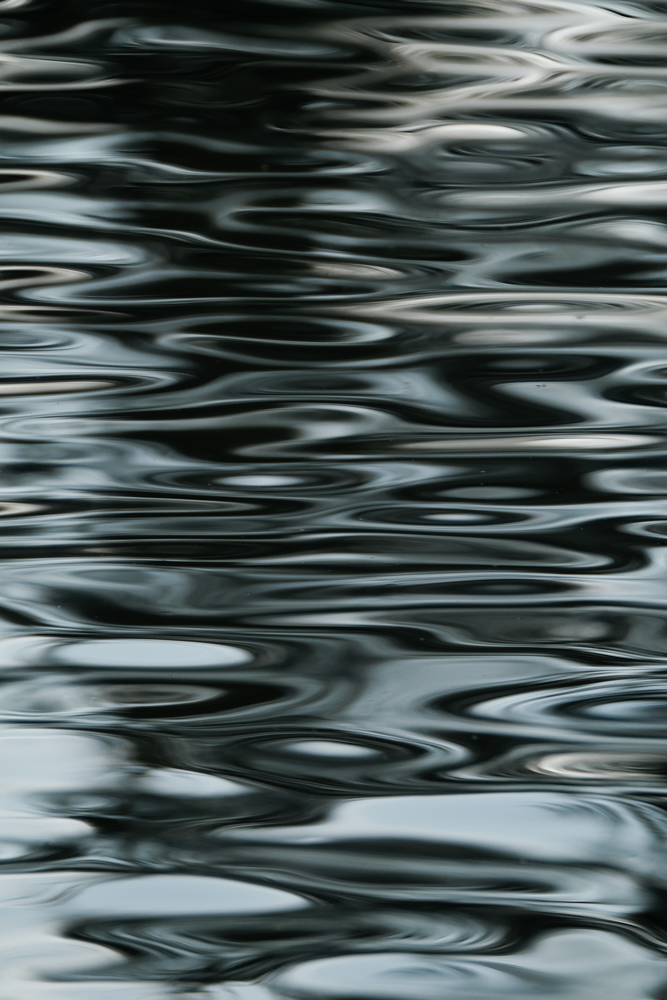
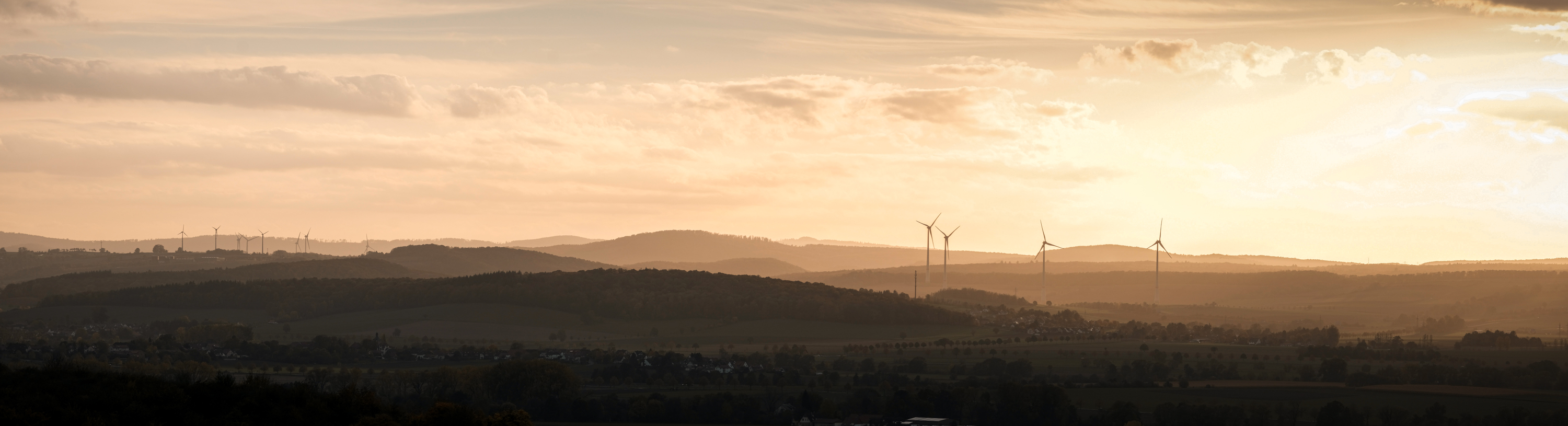
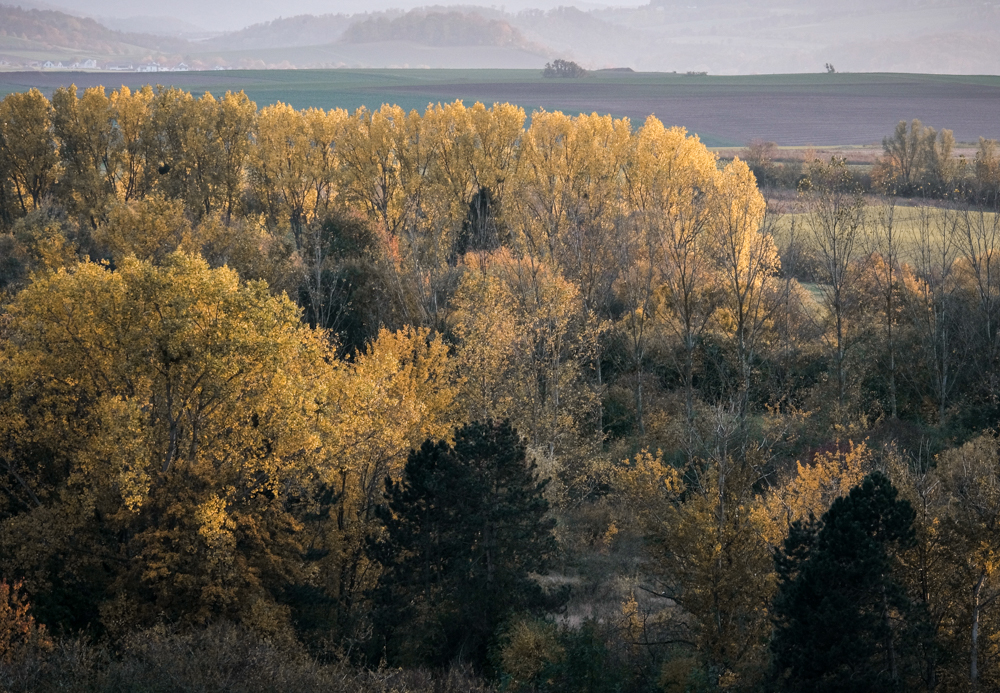
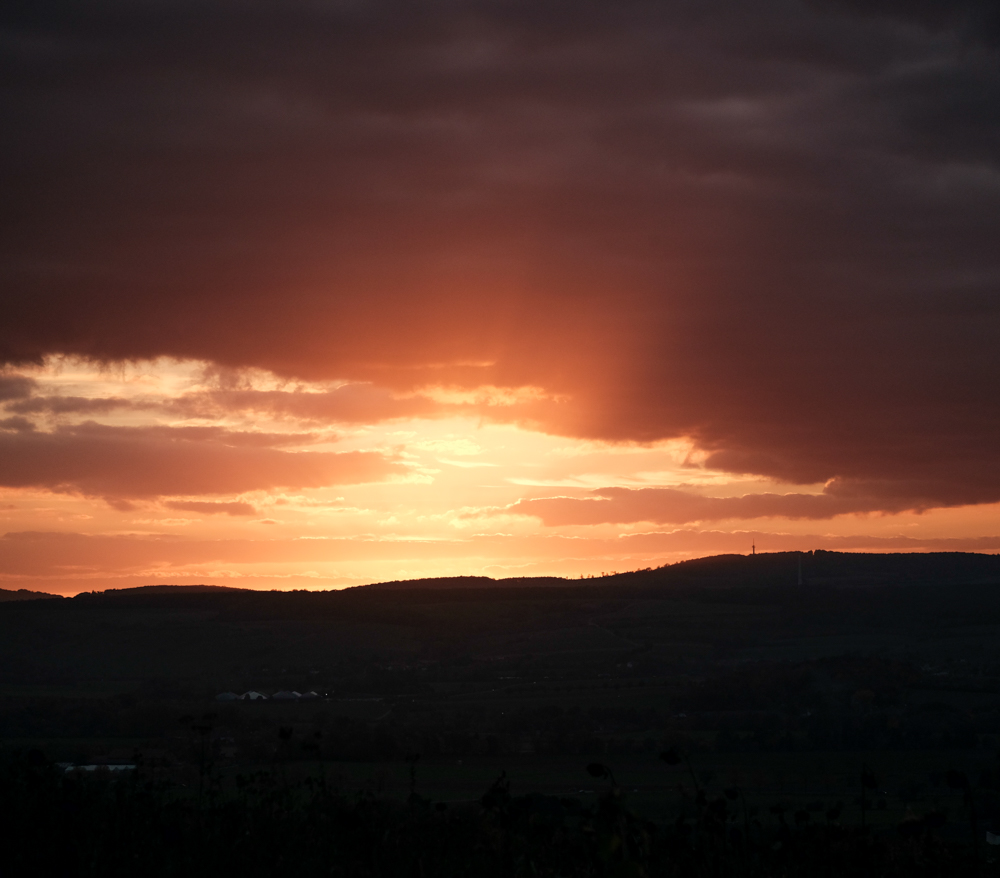
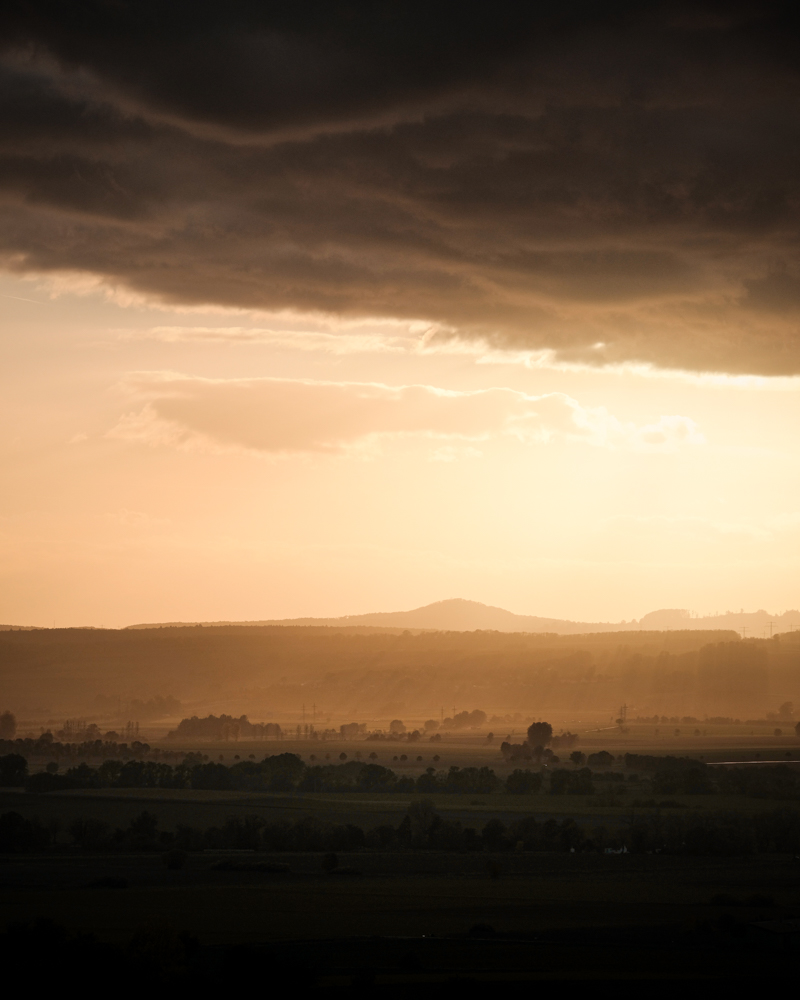
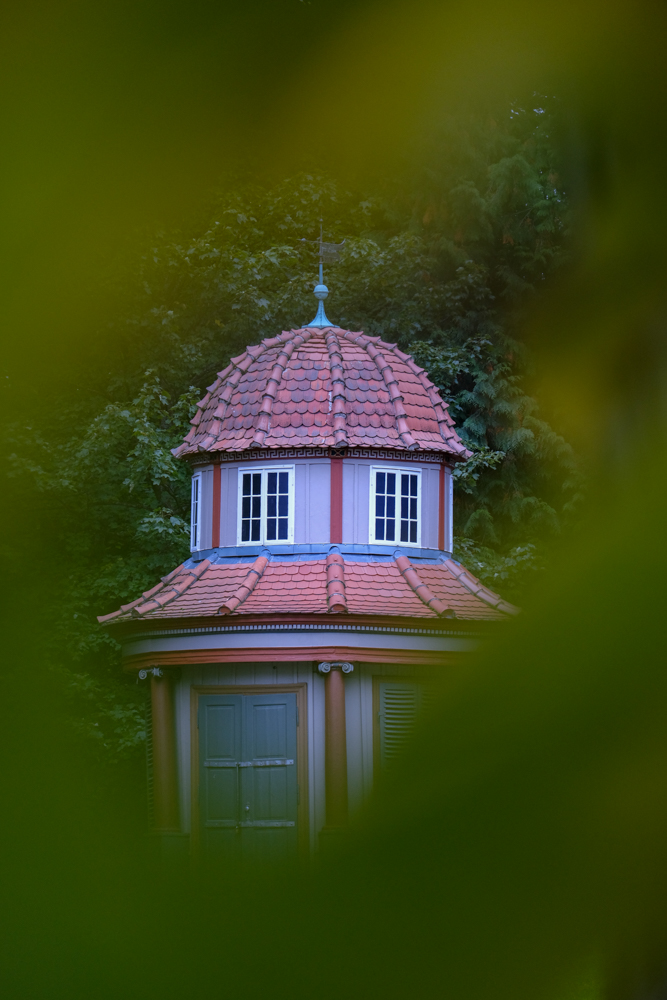
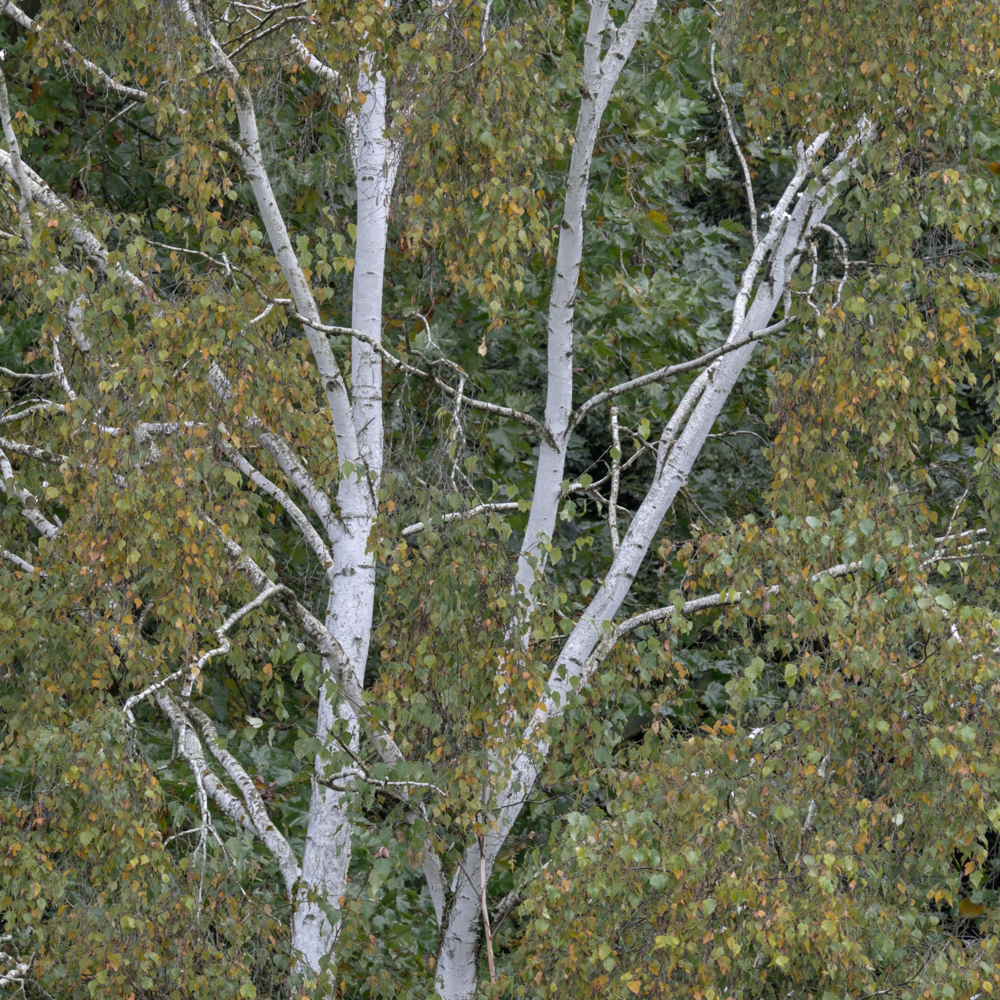
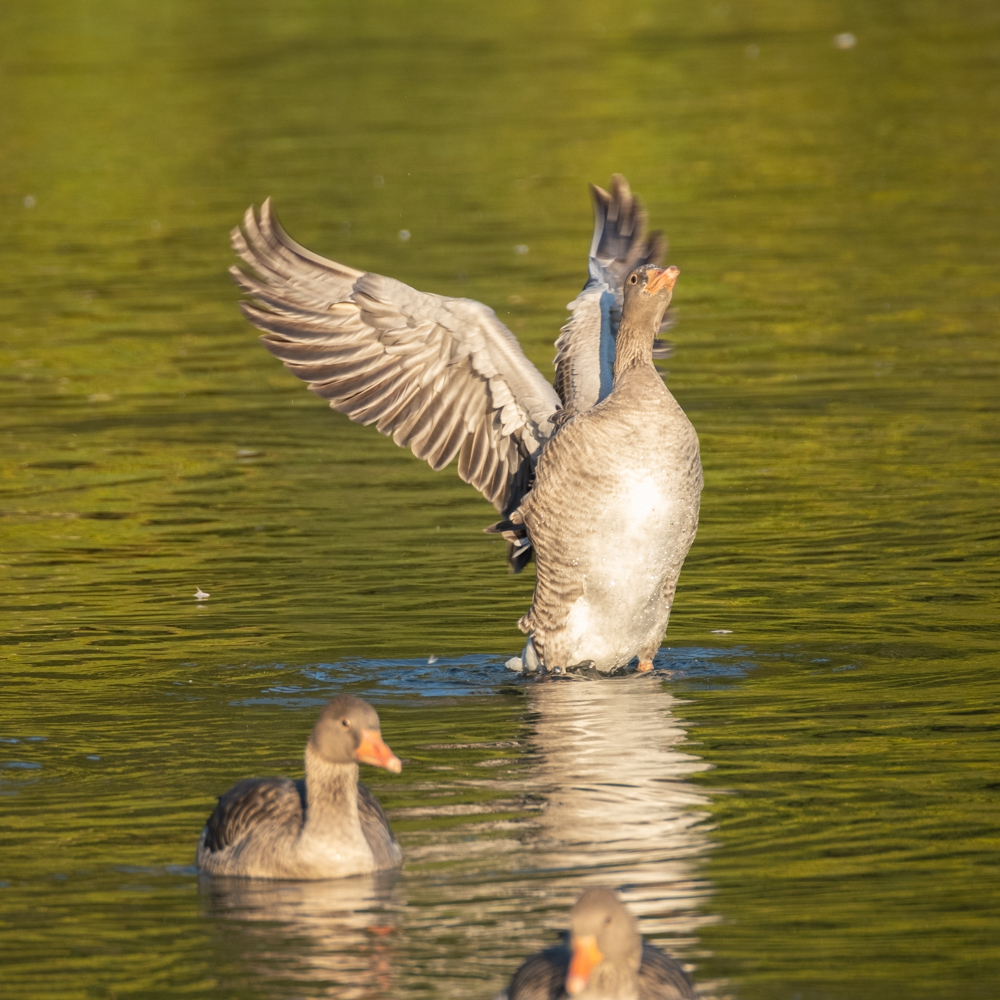
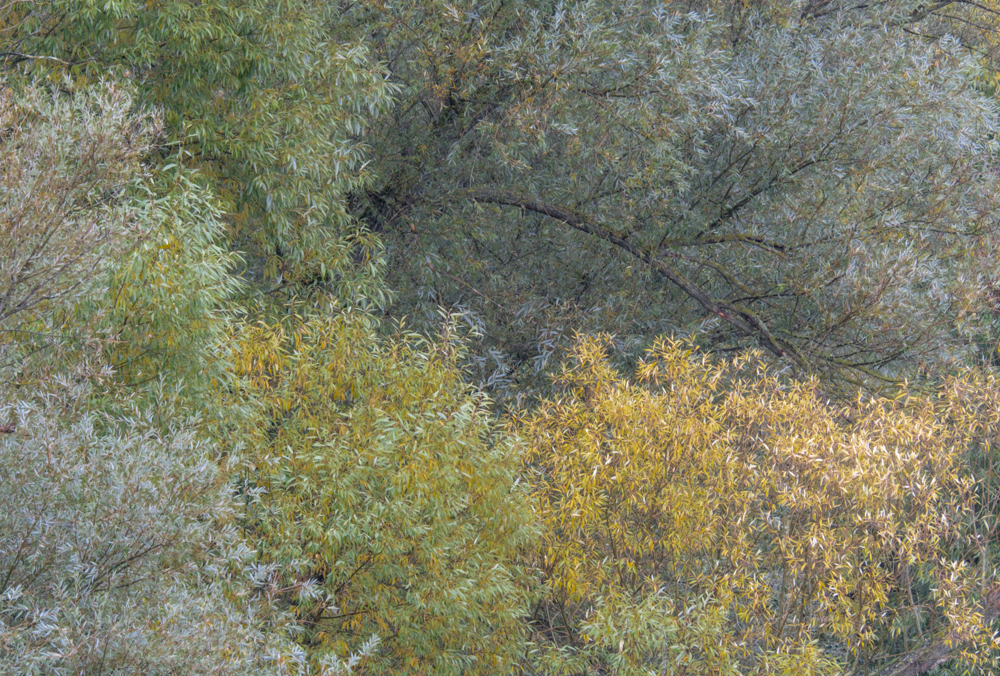
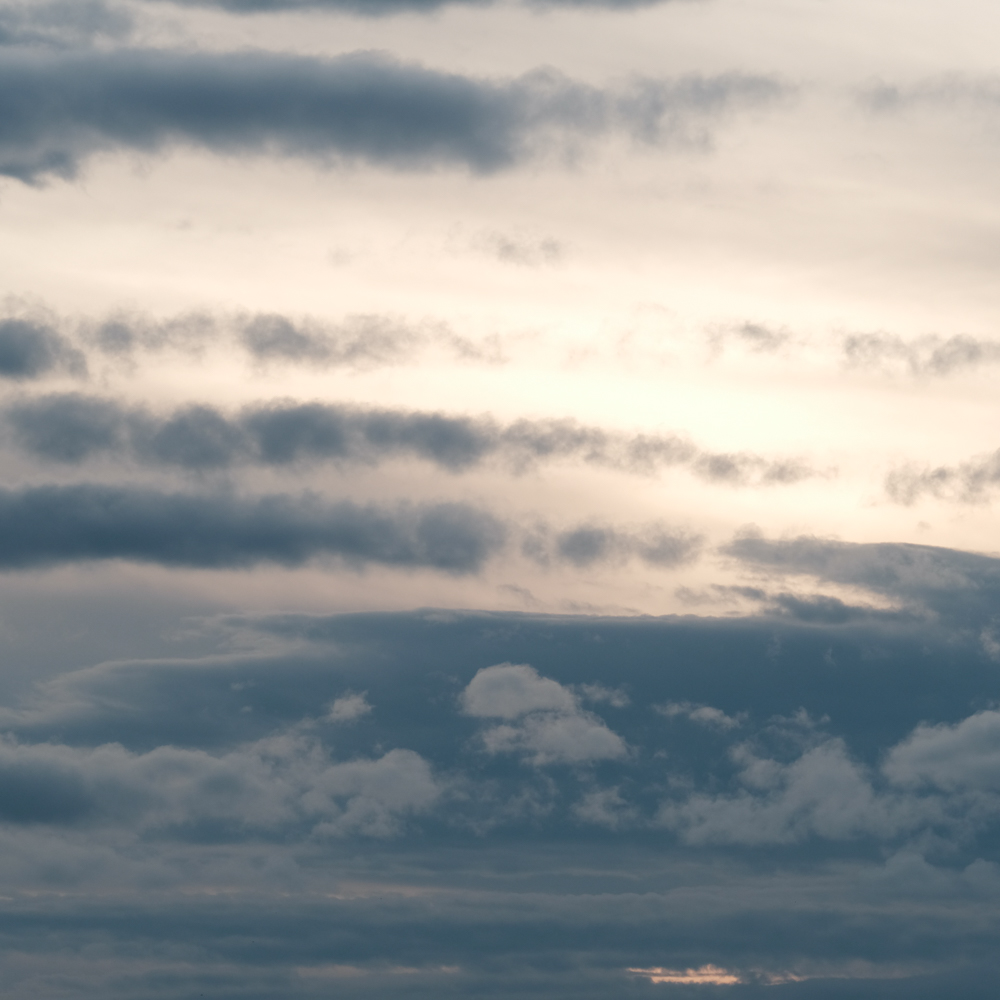
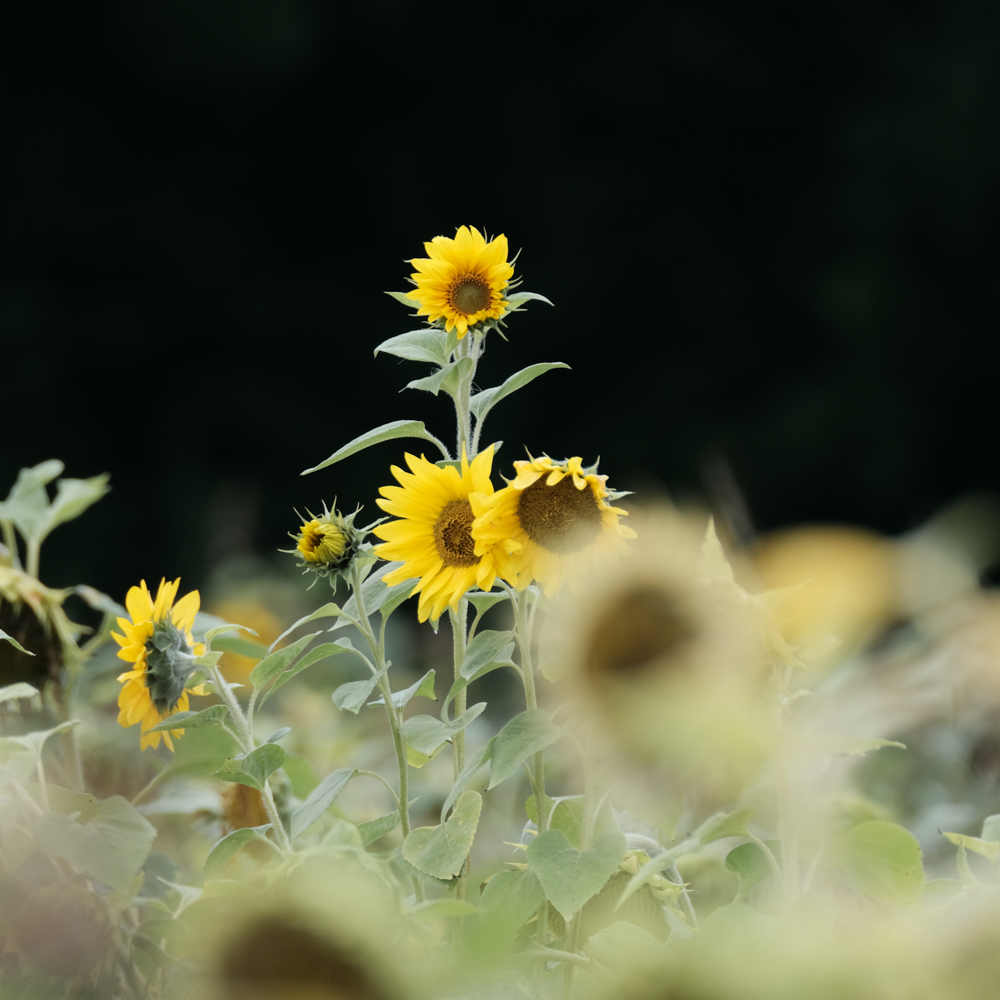
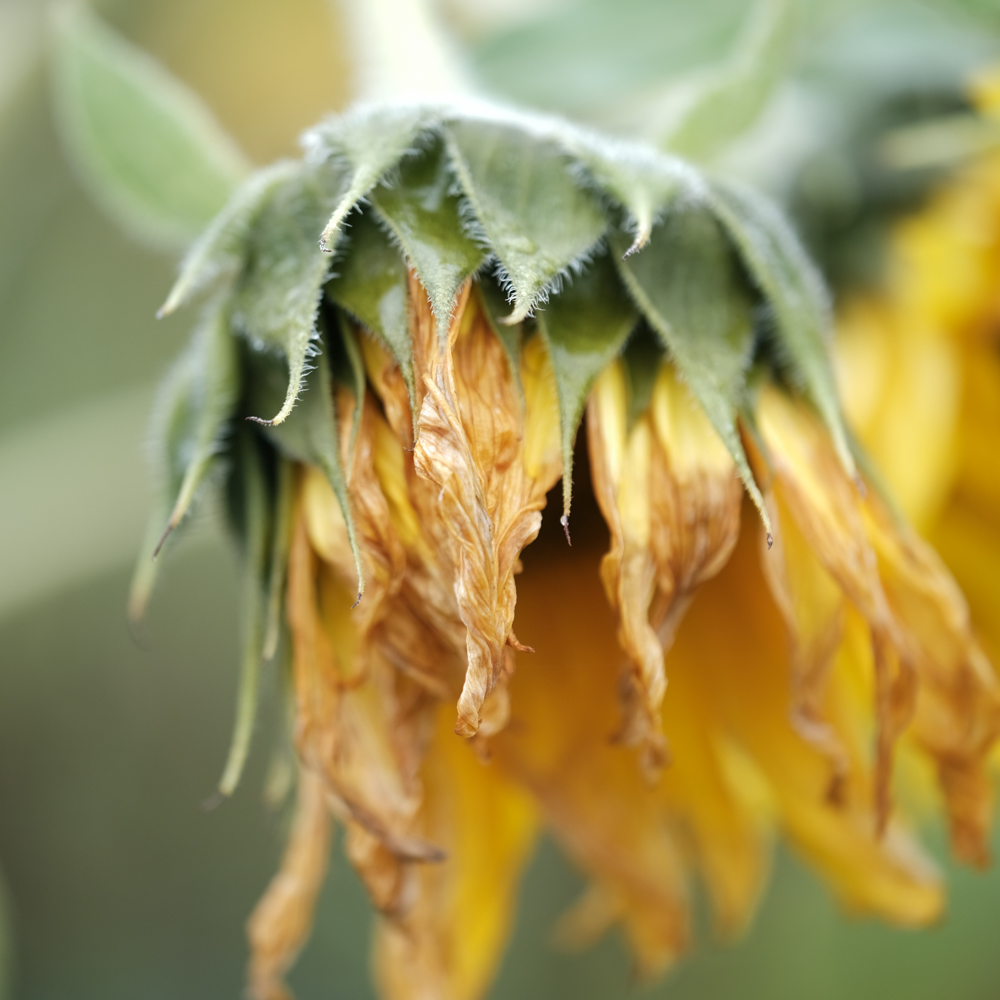
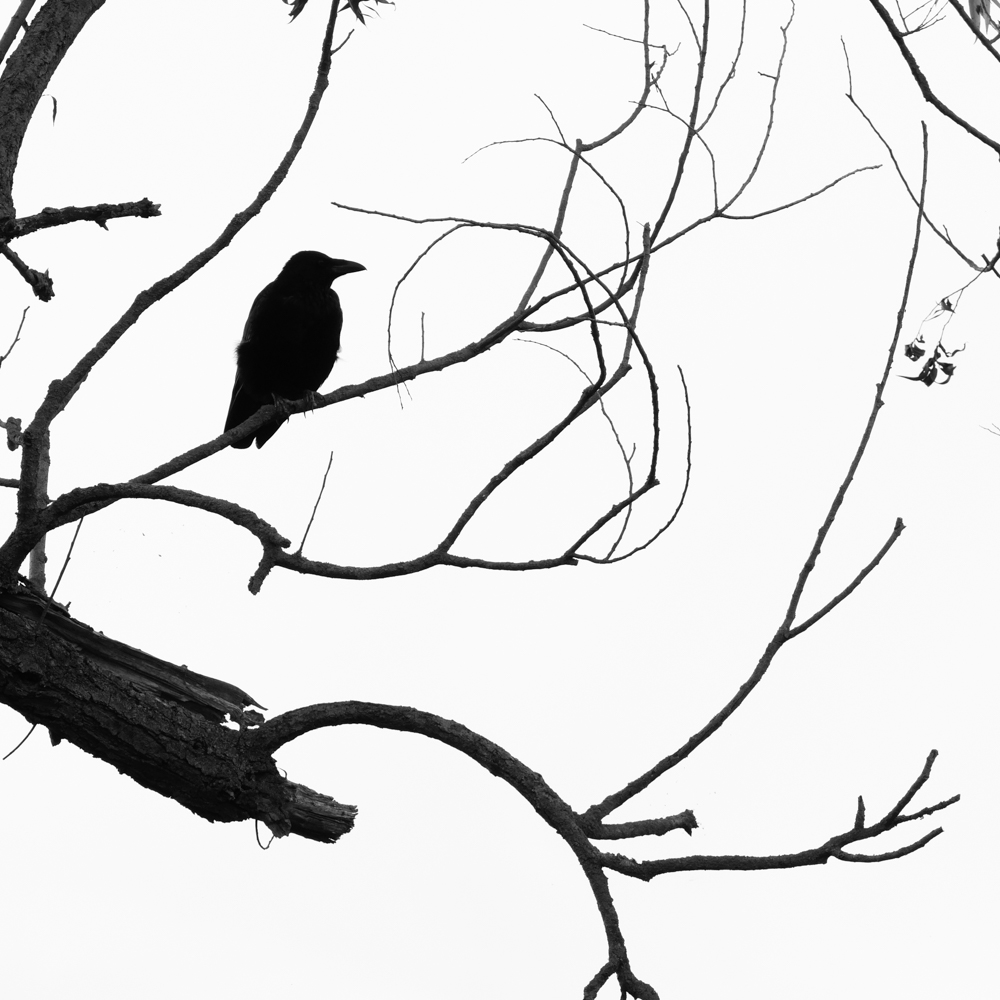
It’s less than a year ago that I started this little project, and what an adventure it has been. What I hoped to be, proved to be true indeed: This is way more fun than social media. I care little about how many people engage and whether you like it (although I am very glad about the positive feedback of some of you!), but instead I can focus on what I want to create.
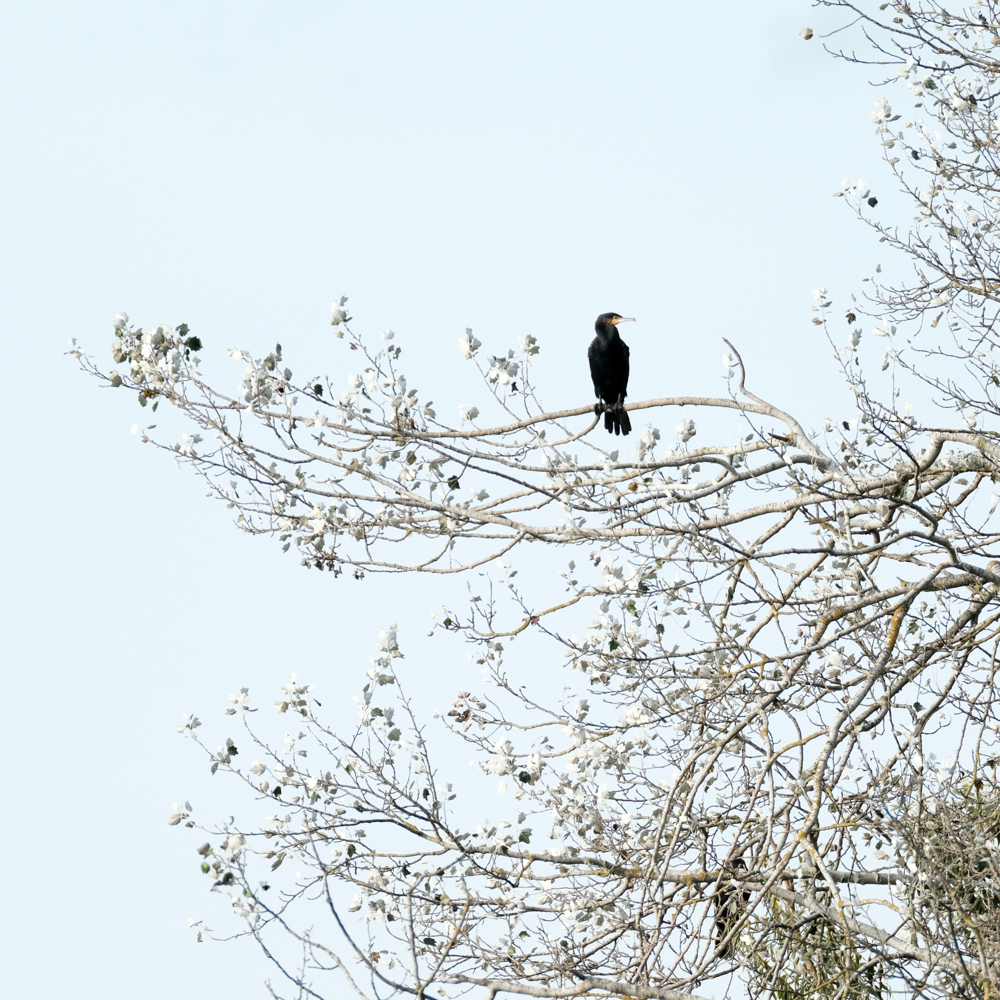
While I did not really had any idea about the written content of the blog when I started, I knew that there will always be photos. Of nature, animals, landscapes, birds, trees, whatever I might encounter. But I didn’t knew how many – by now, it’s already above 1000!
1000 impressions, 1000 compositions, sometimes interesting, sometimes boring, but, with every picture, I could learn and improve. And behind the 1000 shared photos, there are at least fifty times that many, deleted long ago, or sleeping on my hard drive. I am looking forward to the next 1000 images…
In the meantime: Thanks to everyone who is reading these entries, thanks to everyone who is enjoying the pictures, thanks to the few who are following this little undertaking.
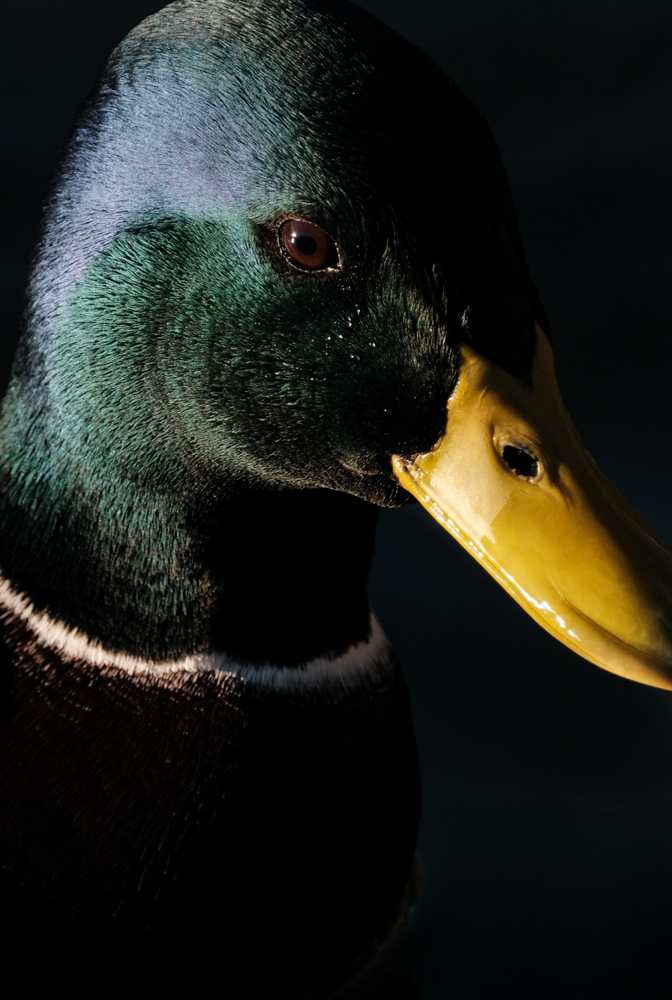
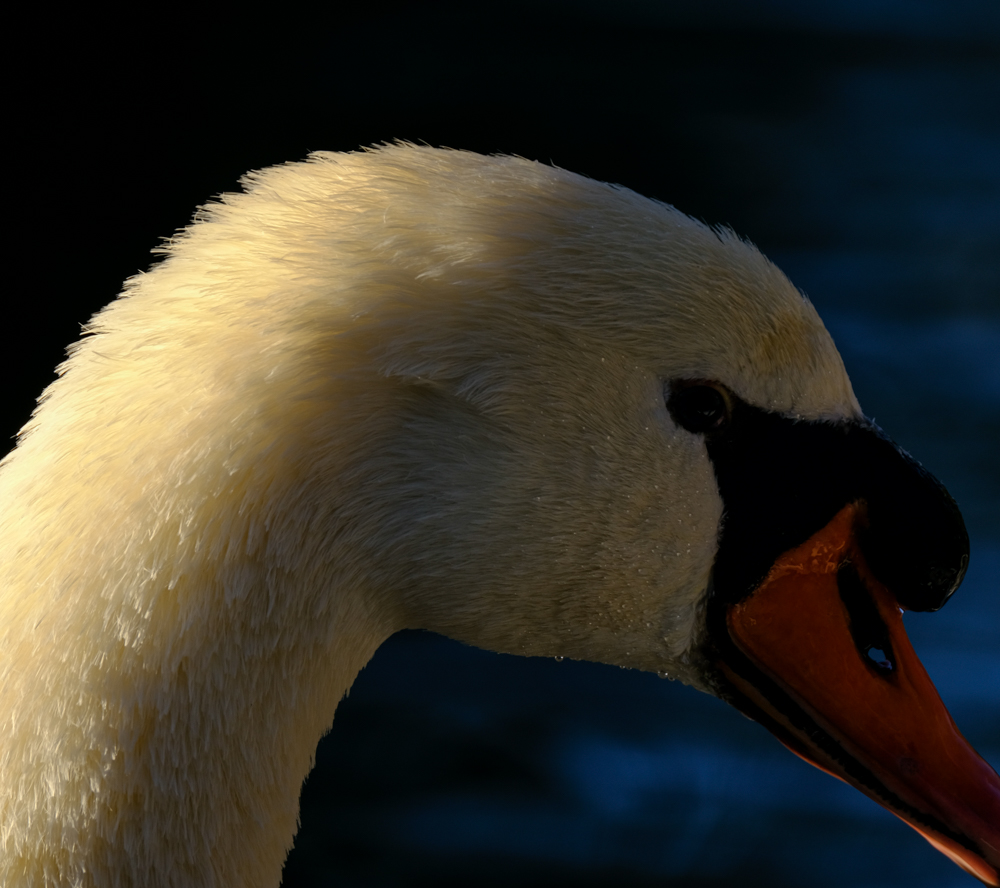
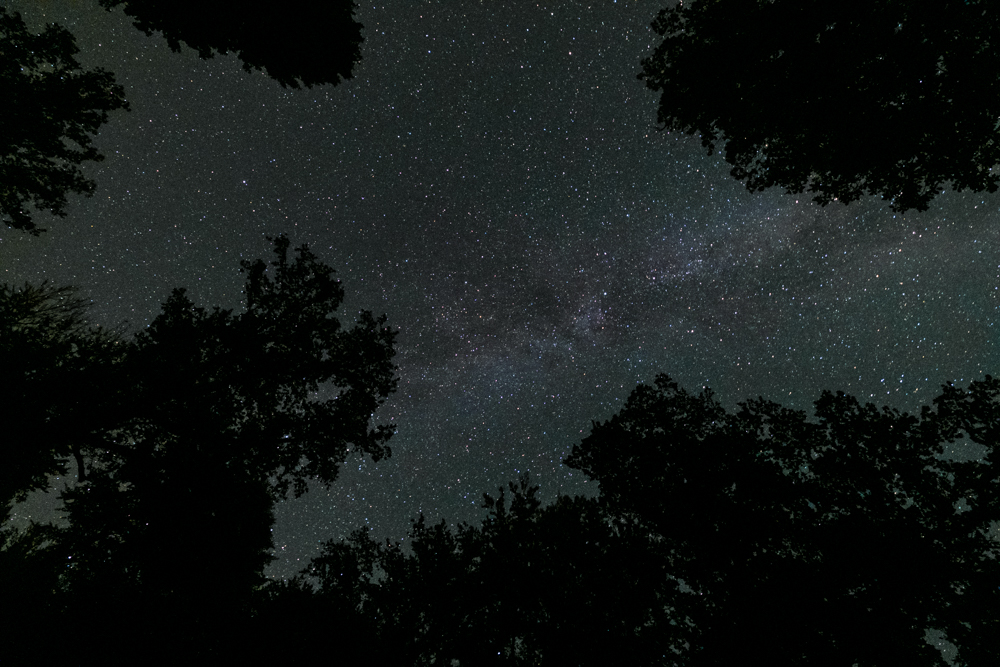
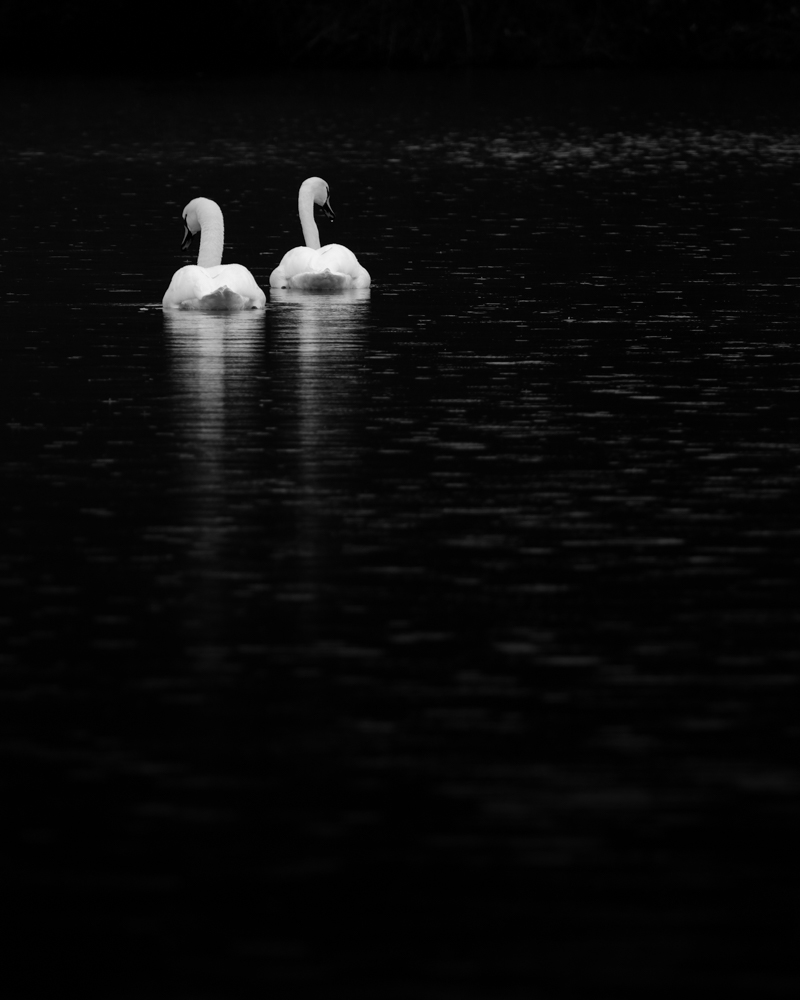
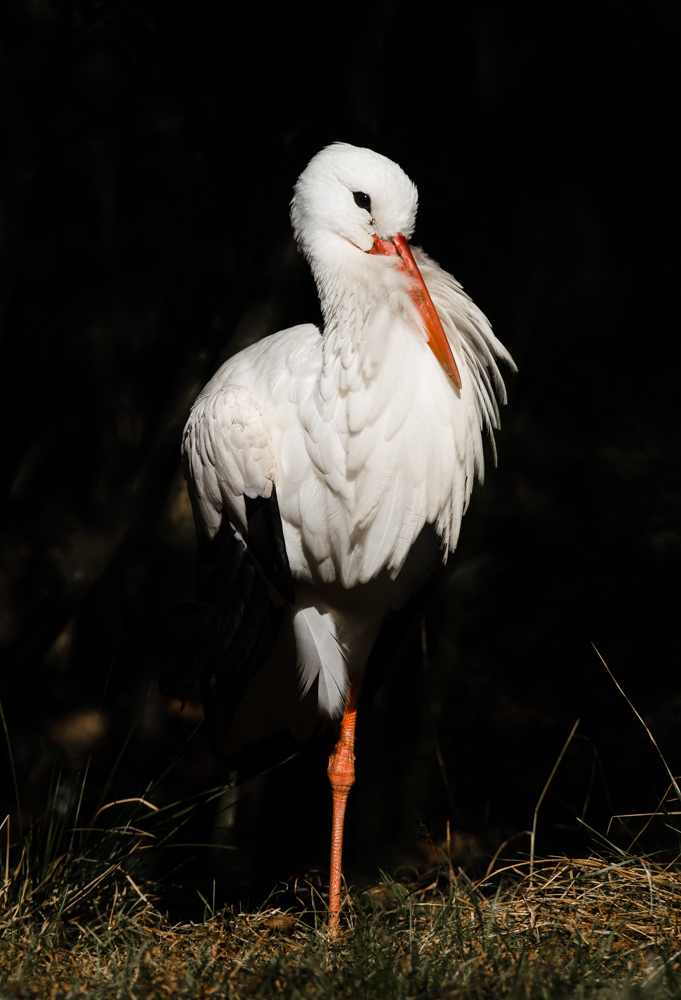
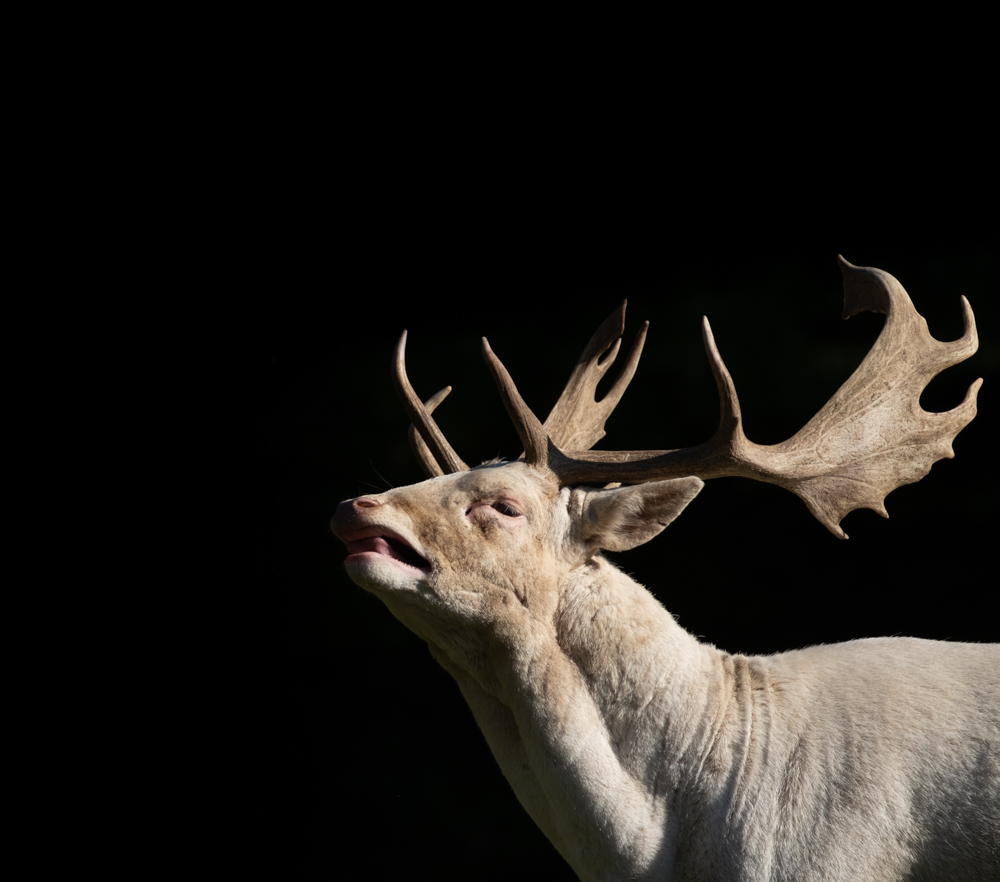
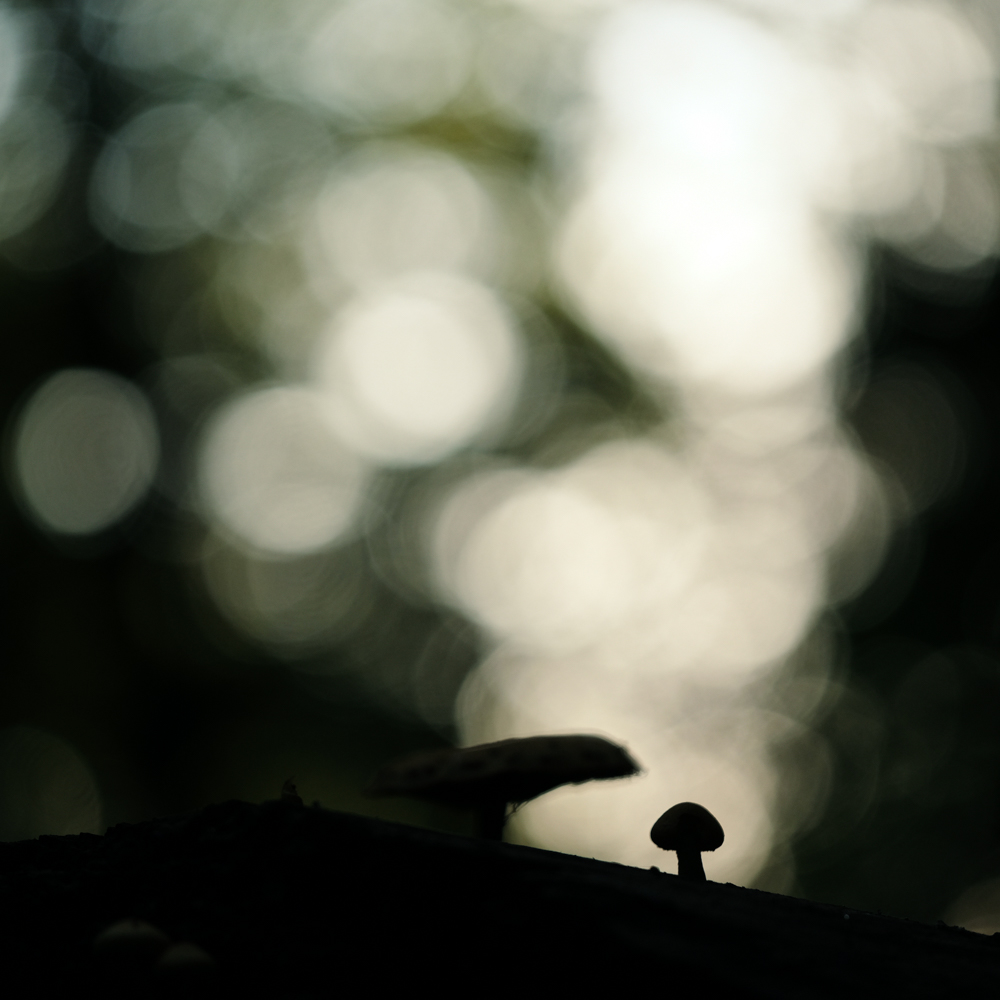
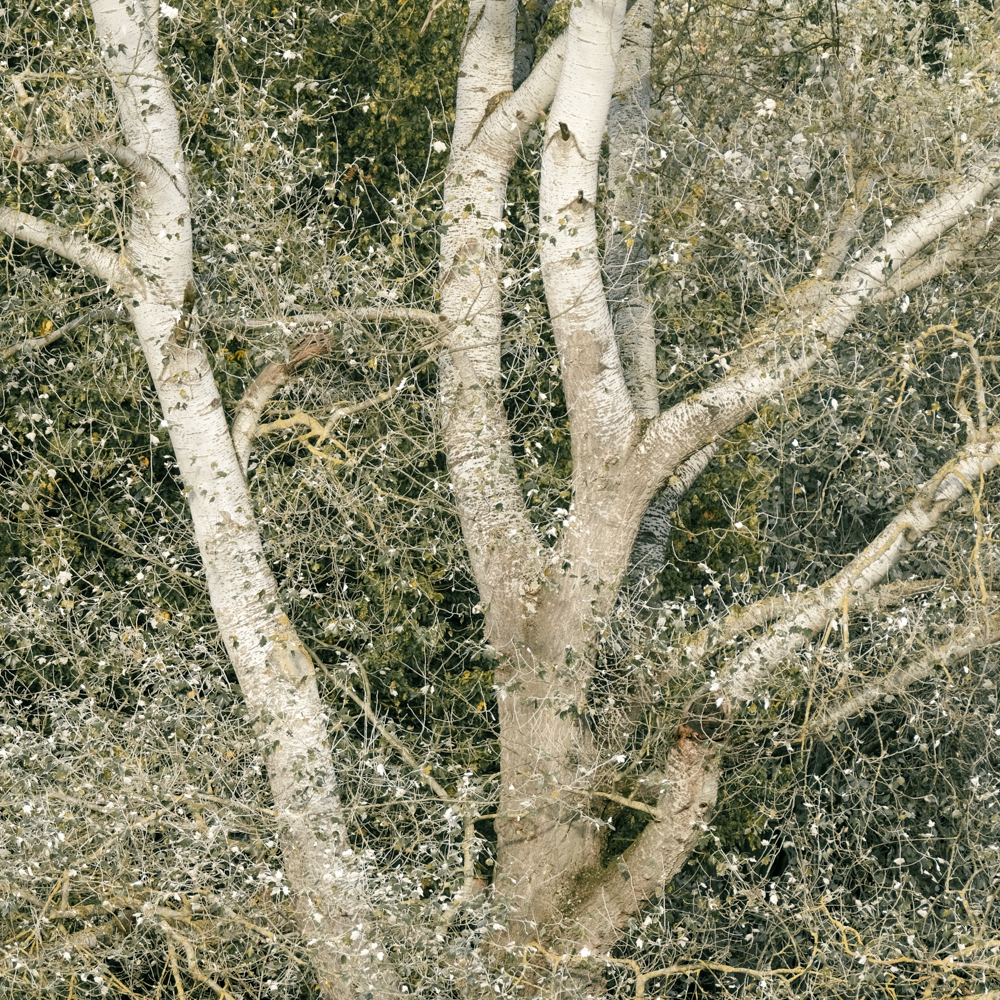
Deep within the shadows, the important details are hidden: in photography and in discussions.
Discussions are complicated as they require constant inclusion and exclusion. Often, the details are hidden in the shadows; but every detail is as important as the highlights. For example, the two items that are critical for a discussion are the two missing items, that which is missing and the reason for the absence of that item. This is one of the problems that we face in our discussions: What is the Missing Thing?
I am also curious about what else is in the shadows. What other issues are we missing? Why are we not seeing them? What is in the shadows that we do not see? The discussion is on the edges. The motives are unknown. The evil is lurking in the shadows, and the hatred in the hearts of those who know not good from evil. The evil is out there. The problem is that the evil is in all of us. There is a darkness in us that does not understand good and evil. There is a darkness in us that knows not the difference between right and wrong. There is a darkness in us that does not see the light. There is a darkness in us that only sees itself.
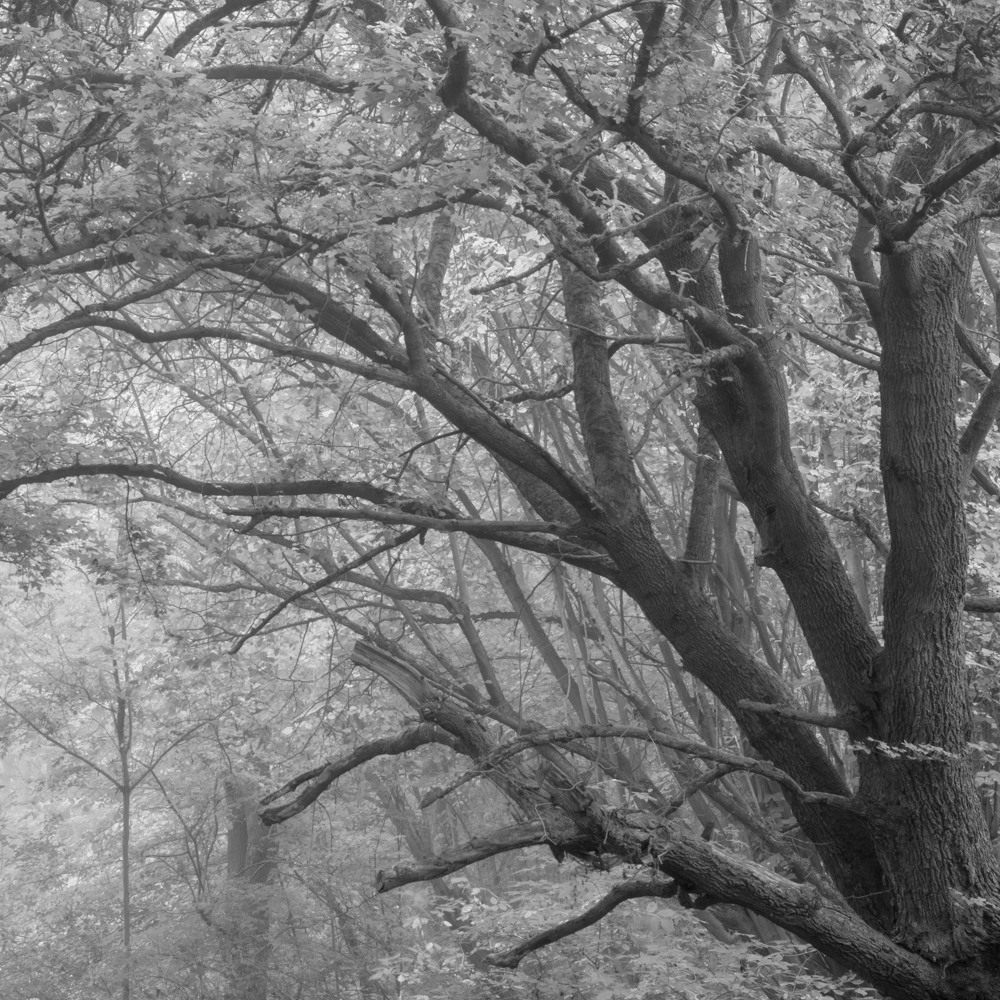
It is the nature of shadow to not be quite there. The shadows of photography are what can make a picture: a collection of still moments frozen in time. And for this reason, the use of shadows is a powerful technique that must be used judiciously. Shadows can be very useful, but they can also be very misleading, especially when used without understanding their nature and proper placement. Shadows can be the cause of serious, even fatal, issues in photography. When used wisely, however, shadows can make a photograph interesting and unique.
The hidden picture is just as important as the clear one. To the rest of us, the detail is, if not irrelevant, at least a waste of time. So why even talk about it? Why even photograph it? But if it is hidden and you cannot see it, it is not really there. This is the paradox of hidden details.
All non-italic text in this post has been automatically generated by a computer program, based on the first sentence.
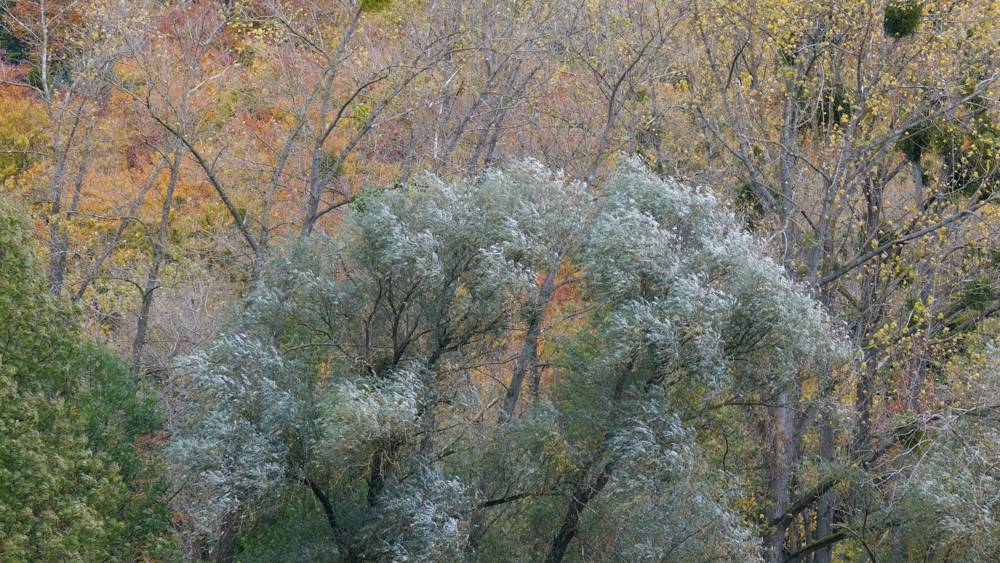
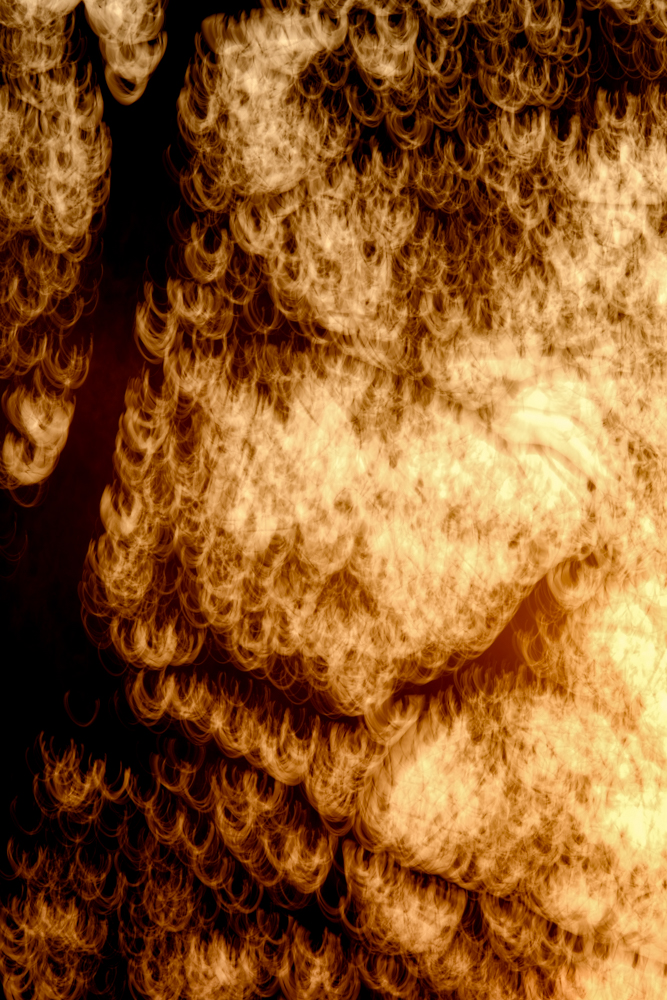
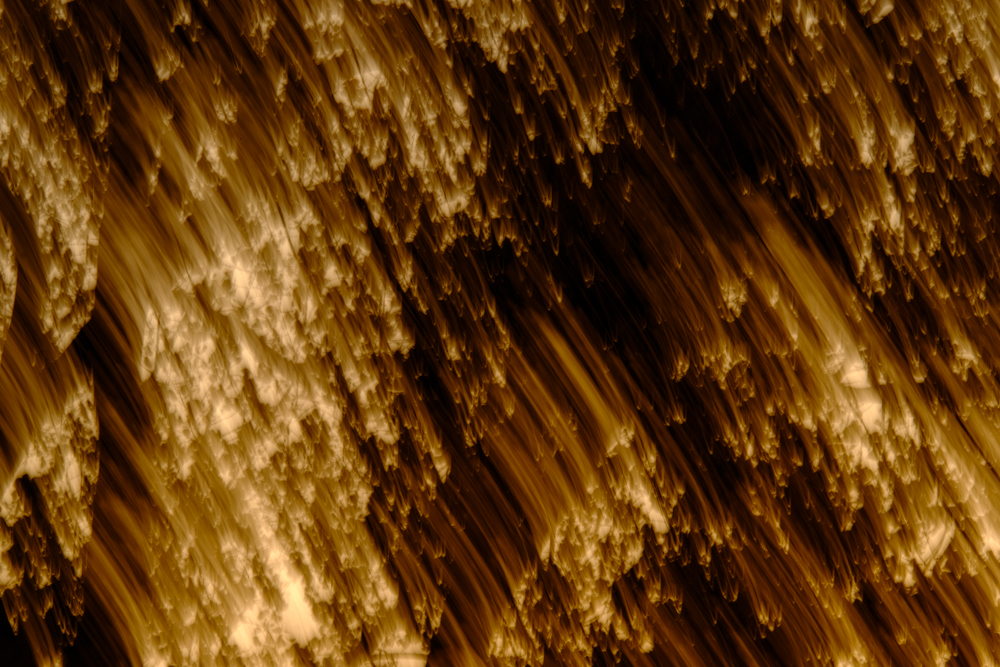
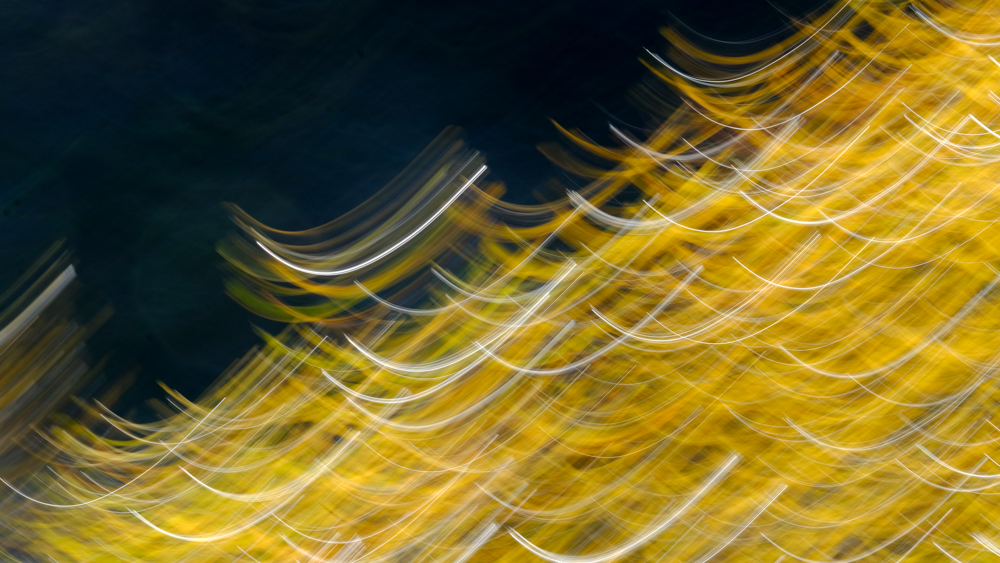
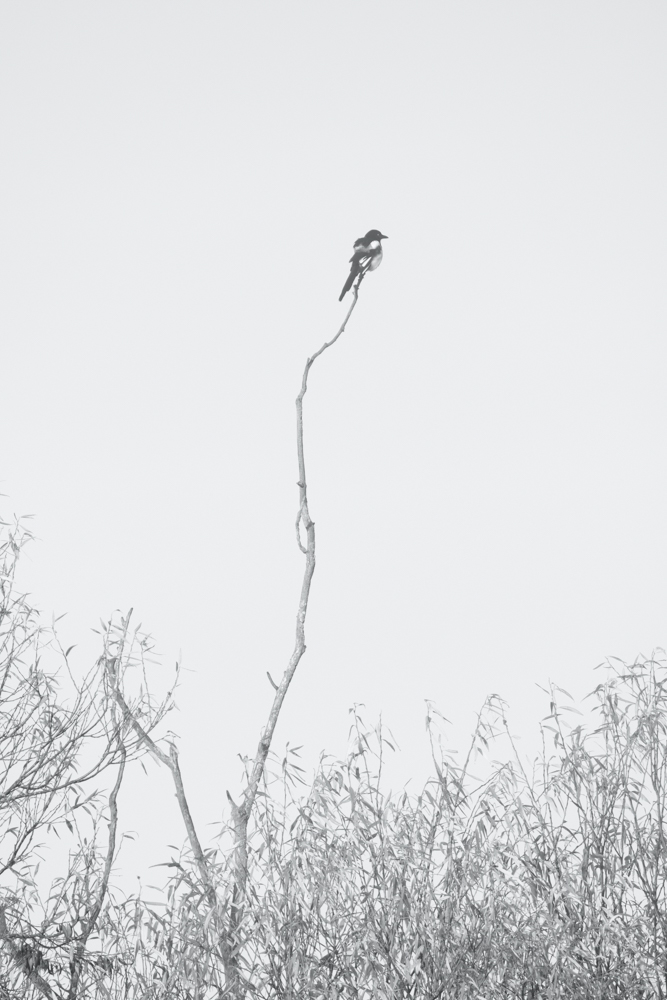
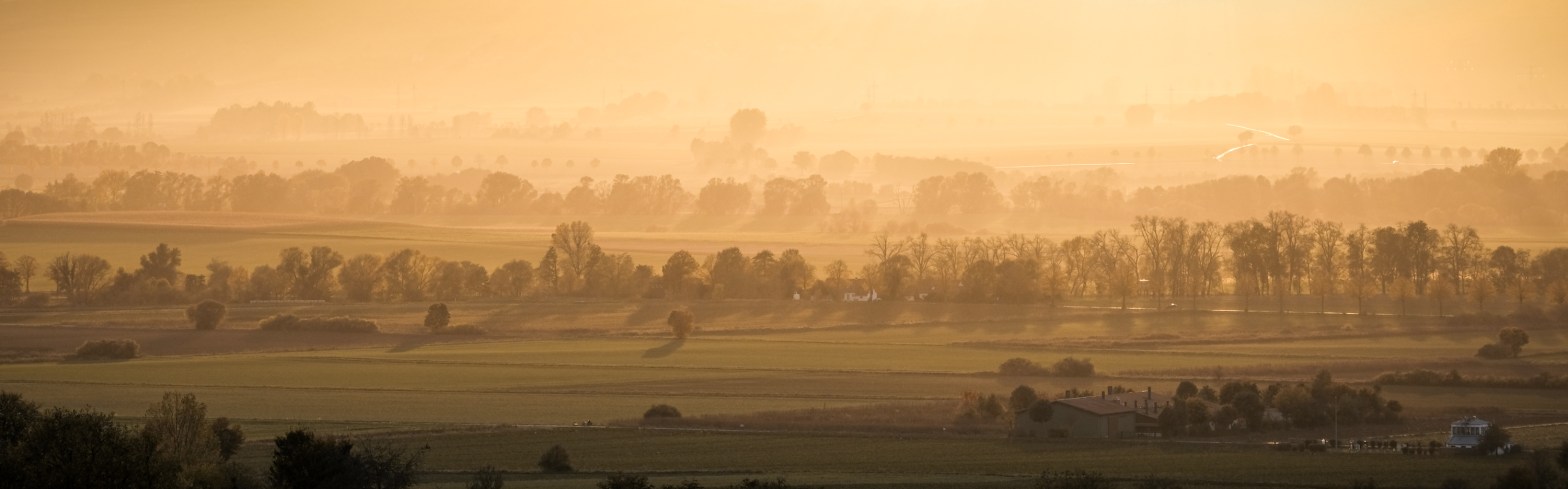
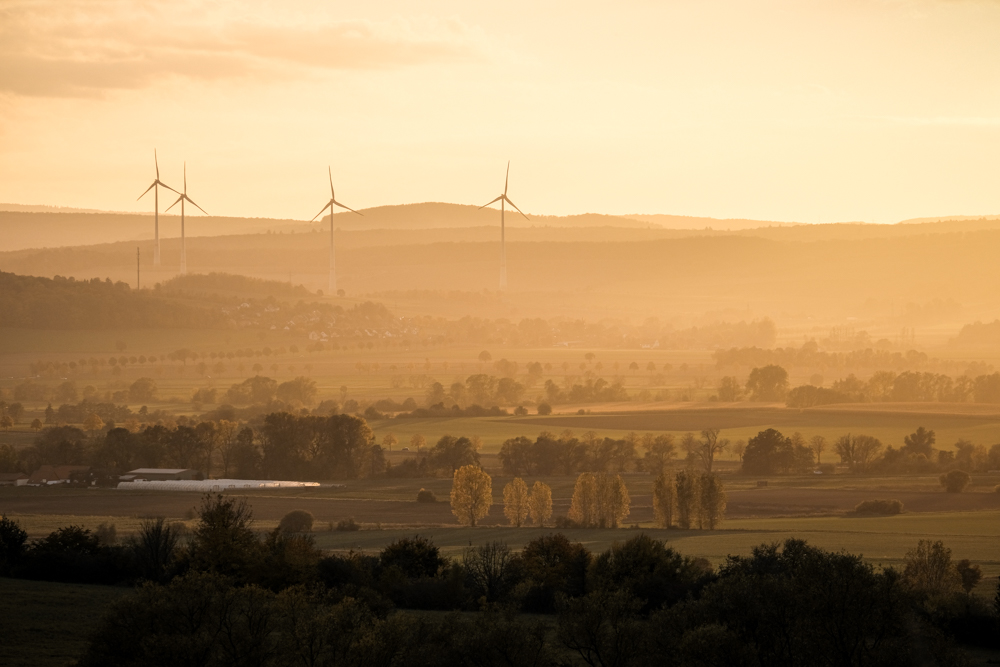
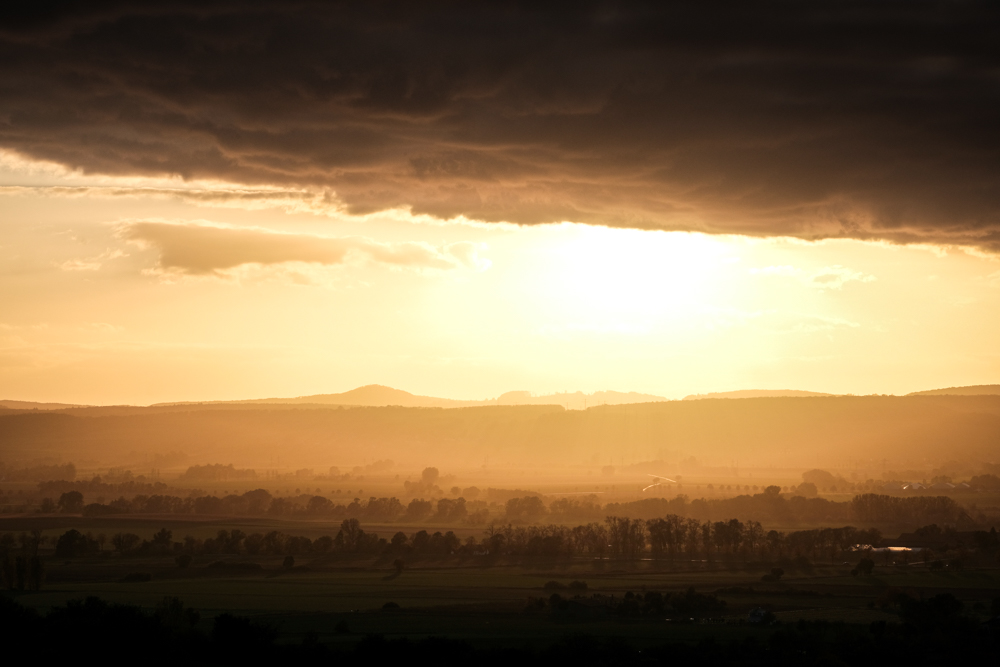
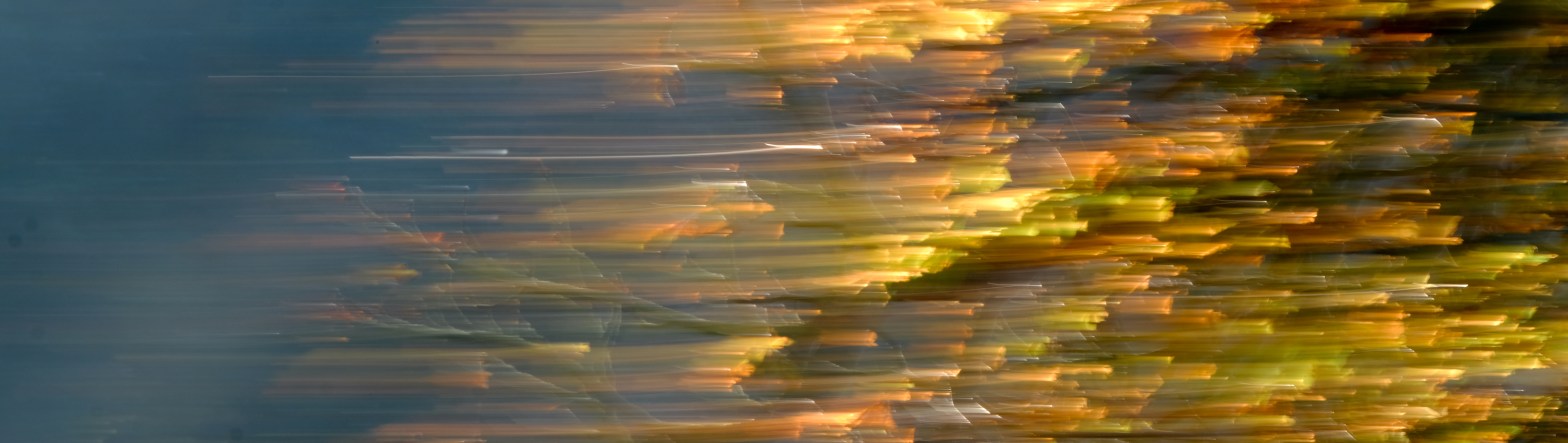
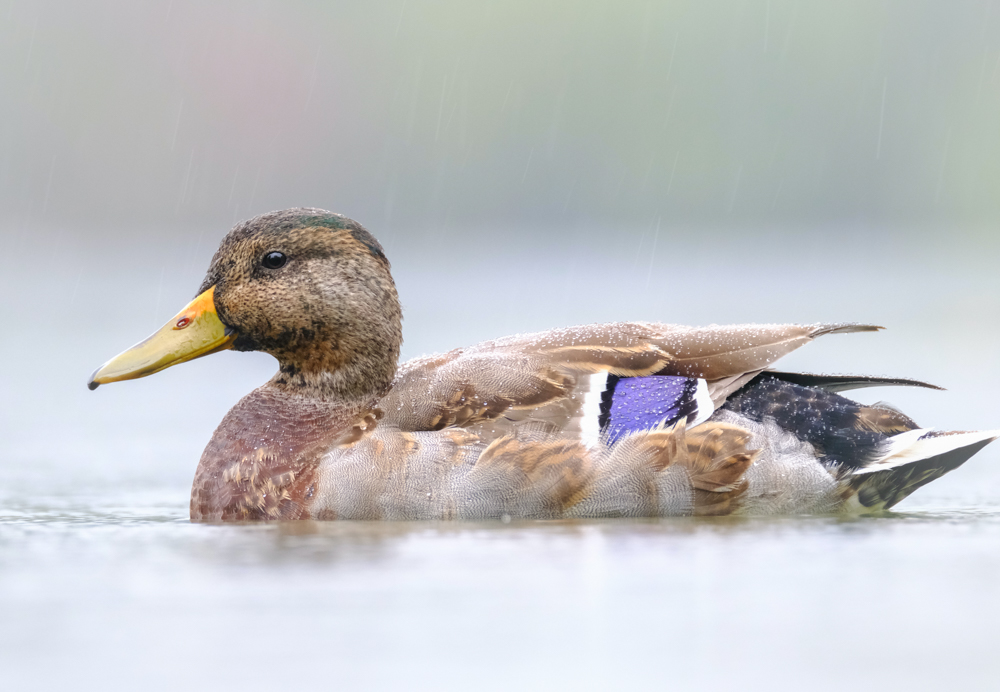
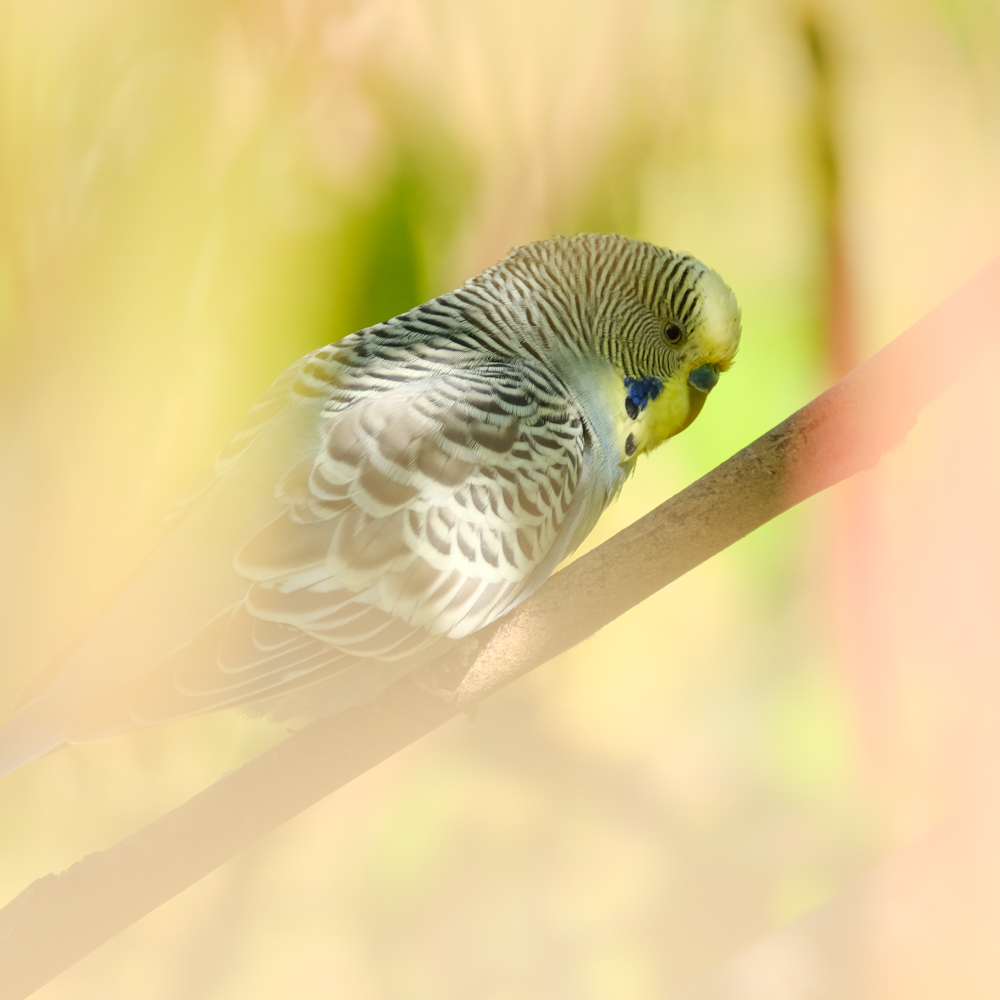
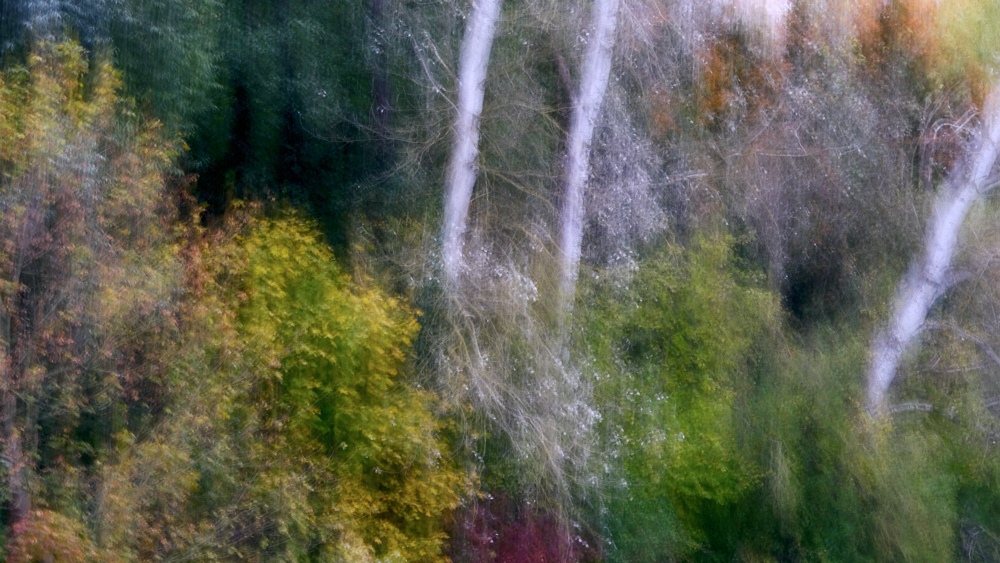
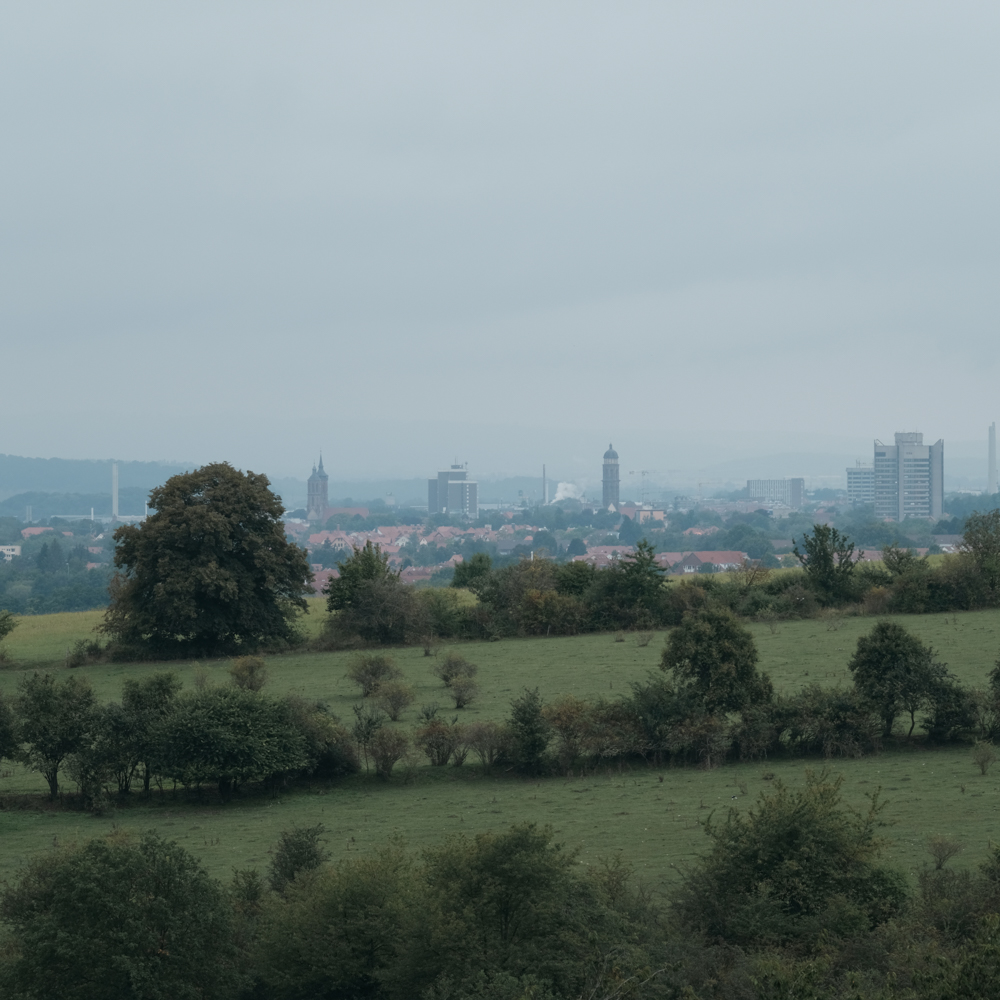
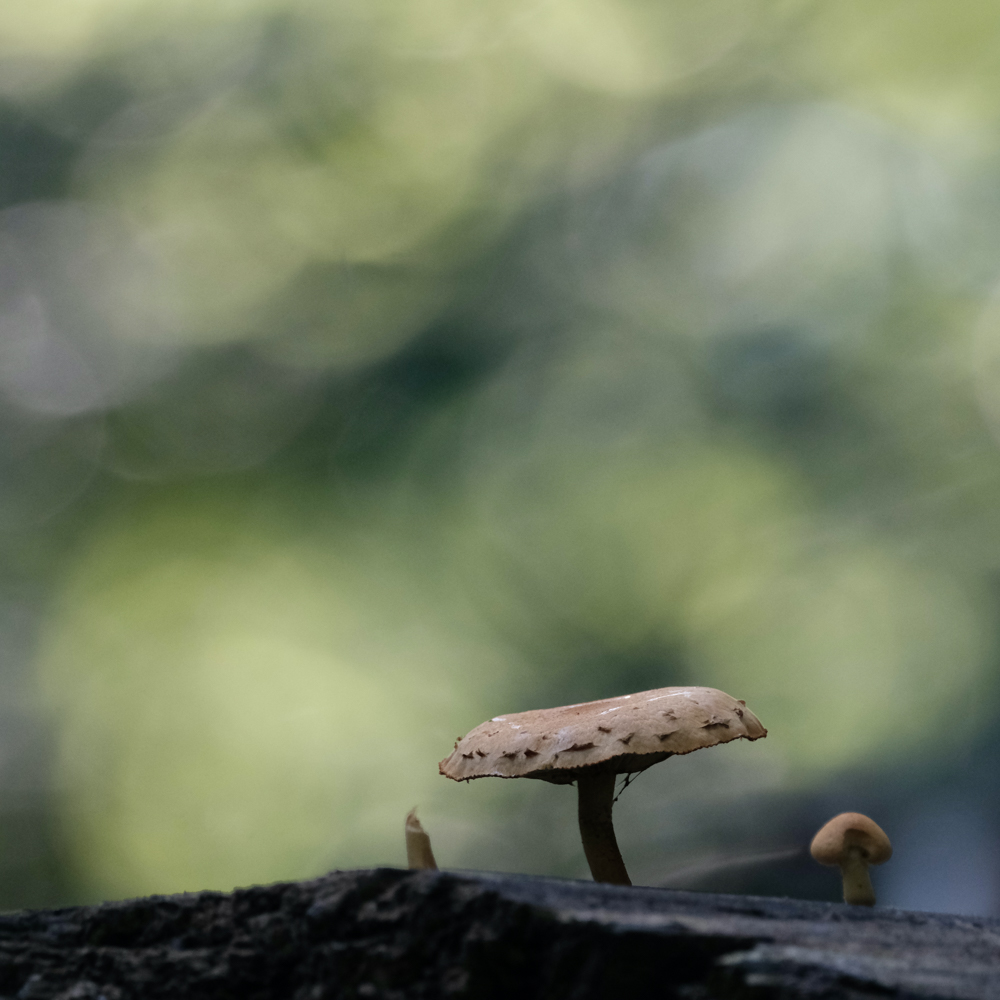
Someone recently told me that she doesn’t like the ‘blurred’ images I have started to share frequently. For a moment, I was a little taken aback. But actually, by now, I am pleased she told me. It reminded me that I picked up photography for myself. I think some of these images are among the best I have taken so far. Others are among the worst. I greatly enjoyed taking all of them, and I find great pleasure looking at them: Blurring the line between reality and fiction.
When I started photography I had no plans, no vision. Now, I have countless. And it has gone far beyond the plain attempt to depict some sort of reality or to take holiday photos. It’s way more: abstract, documentary, emotional, attractive, engaging. Blurring the line between photography and art.
In the beginning, I thought that light plays one of the most important roles in photography – and sure, it’s important to a certain extent. But by now, I’ve seen the most incredible pictures from all conditions imaginable. And I, myself, can go out in most conditions these days and come back with something that might work. Sometimes, blurring the line between light and shadow.
Car keys jingle and I mingle
into the traffic. With no single
destination.
Brief stop at the gas station.
I leave behind the city smog.
And then: into the rural parts.
I search and wander, at times wonder
where to go in all this fog;
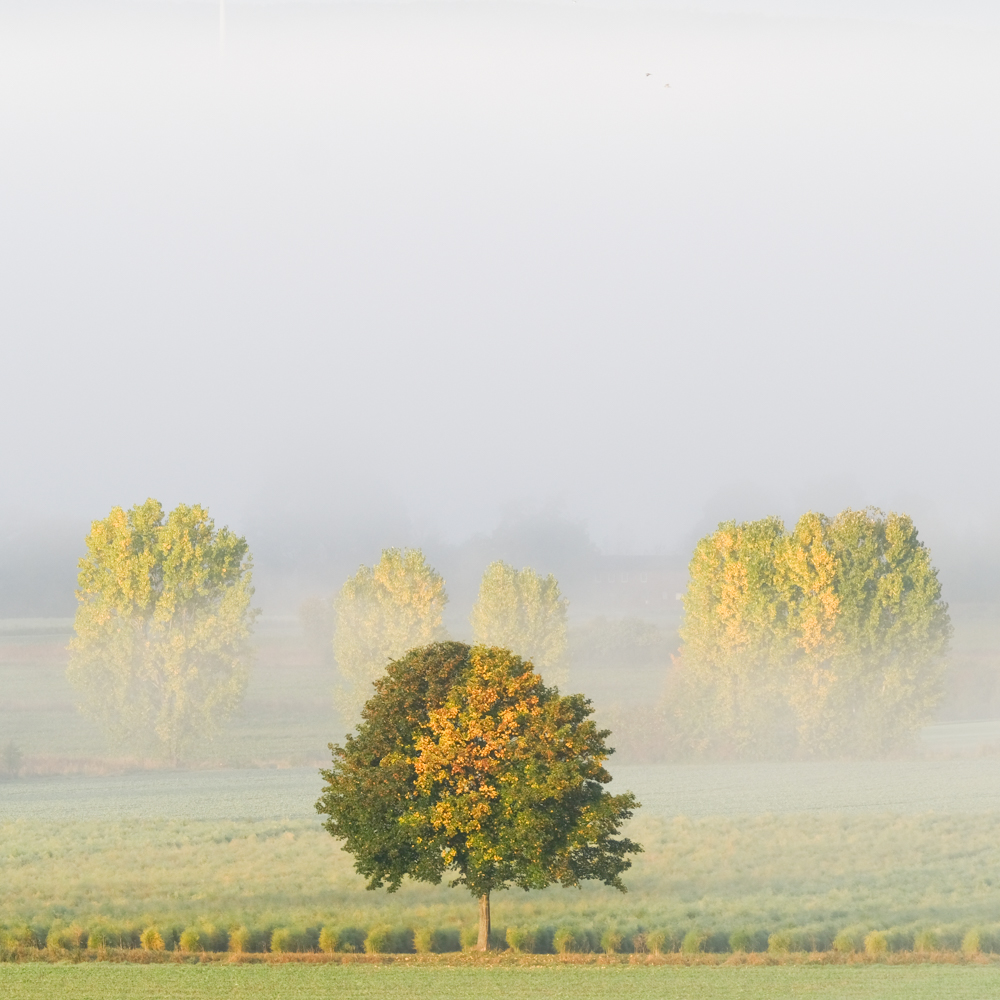
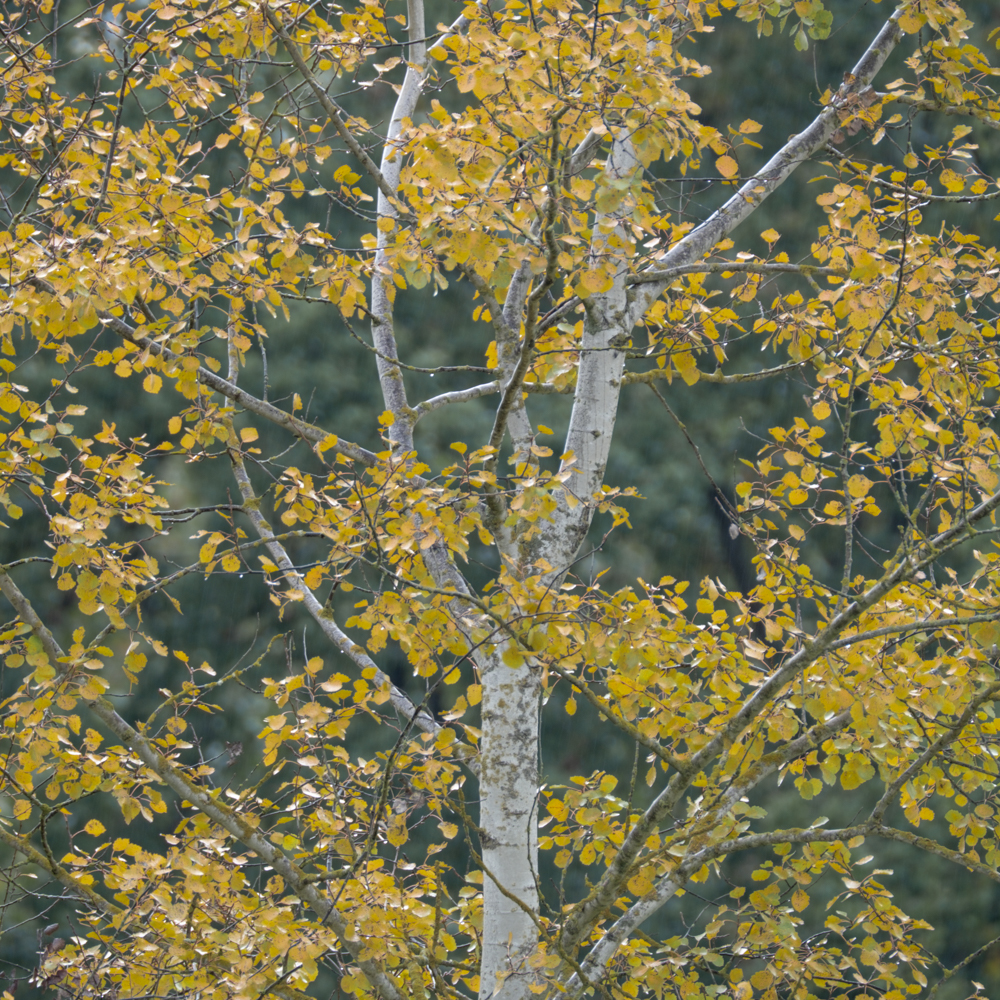
A yellow birch, a distant church,
I calm down, forget the town.

And then, quite suddenly, the sun appears,
and all the fears of all past years
are gone,
forever, no more tears,
fallen into oblivion.
Smog got replaced by haze that stays
for long, the bells chime distantly:
Ding, Dong.
It leads me ways I haven't walked,
towards where horses graze.
A lonely tree, a distant boat
afloat the lovely lake.
Most leaves are gone, a mid-flight swan,
a slight cold breeze, my warming fleece.
All earth holds still and is at peace.

I strive to capture, to collect
some memories, every aspect
of nature into photographs.
But as I try to wrap
this life, this moment,
carefully, into my trap,
I fail.
It's too elusive, scurries by,
under the sky, so high above.
Instead, I sail on thoughts away.
Shove my glove on freezing hands,
just take it in and feel some love.
After 25 revision of this post, it needs to go out there. It has already taken too much time, and I cannot justify to spend even more. Even though it’s not as I imagined or planned it and way shorter than its original draft. It’s also a little cliche, but it’s where my head is going from time to time, wandering through the woods. Maybe there will be a version 2.0.
The appeal of gambling is the repetition – repetition of chance. Just wait until the next roll of dice: it will get better. The next hand of cards, it will improve. Failing this time is bearable; there is another opportunity just around the corner. Never the need to place a bet on a bad hand. Instead, waiting is rewarded, until the fortune turns around, until there is a reasonable chance of winning. But the gamble on life is different and harsh. We are being dealt a single hand. We have to play it to the end. There is no escape, no second time; the only option is to start playing.
And with every day rolling by, questions come and stay, in this real life play. Pile up to mountains that obscure the view: Am I satisfied with my decisions? Will I be pleased with the life I lived? When it’s coming to an end? Am I doing what I want to? In this single opportunity? What is my goal? Finding joy while others suffer? Distancing myself from evil? What is my place? Where should it be?
But still, day in day out, we are continuing with daily life. We promise ourselves that soon, so soon, the day will come where we chase our dreams. Where we turn around our life and do what we really want to do, what we should do, what would be the right thing to do, instead of persevering in this treadmill: Dreading potential failure instead of indulging in our aspirations; confused about our singular existence and its meaning. It’s a large gamble in the only real game we will be ever playing – and I am loosing most of the days. And I am afraid that some day, which seems so far away, but will be here any moment, I will awake and realize that I have missed out on my chance, that I missed out on my dreams, that it’s too late to live like I intended, that it’s too late to turn around.
And, while we may be lucky with our 20th roll of dice, in this singular life there will come an end. An end where we loose it all. No matter how we played.
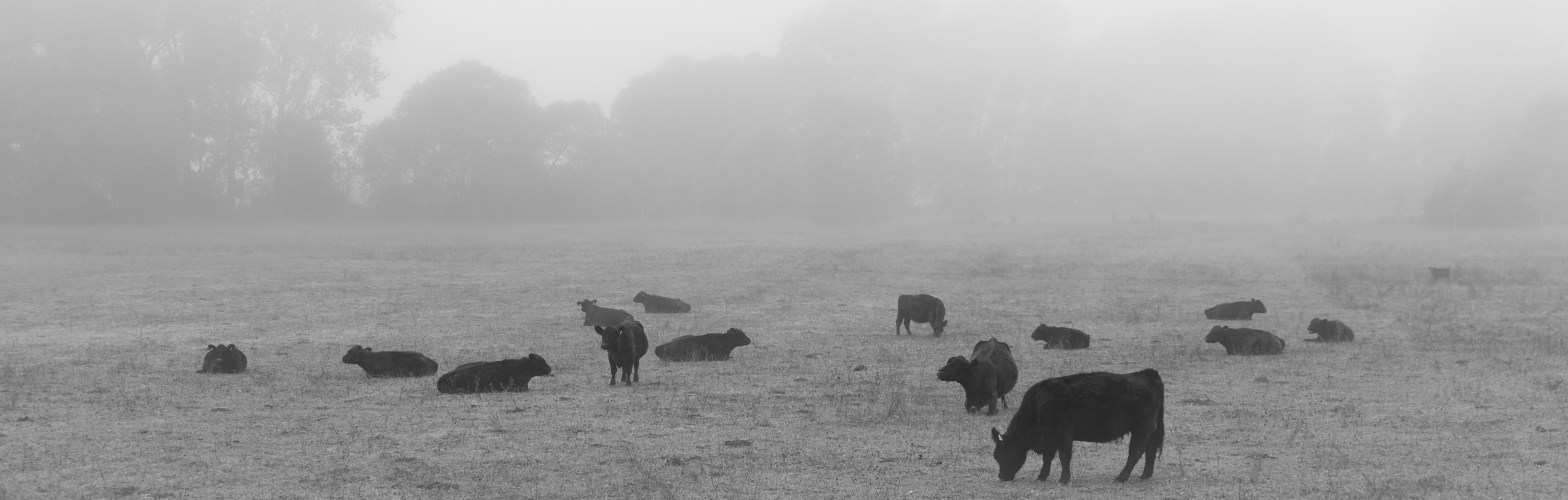
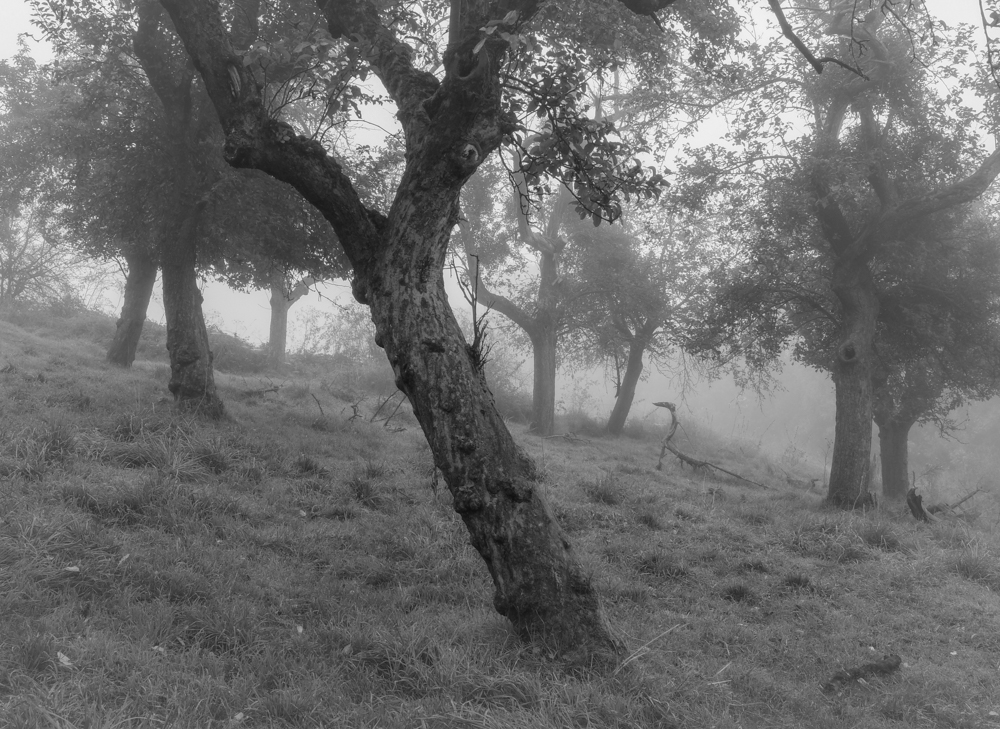
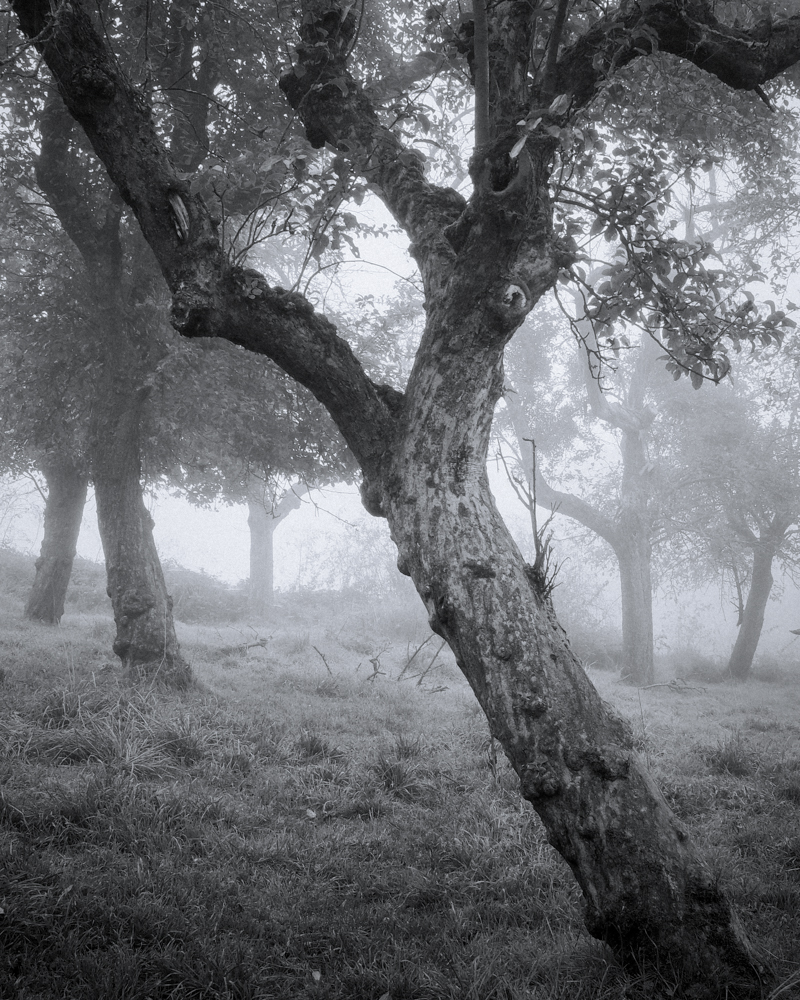
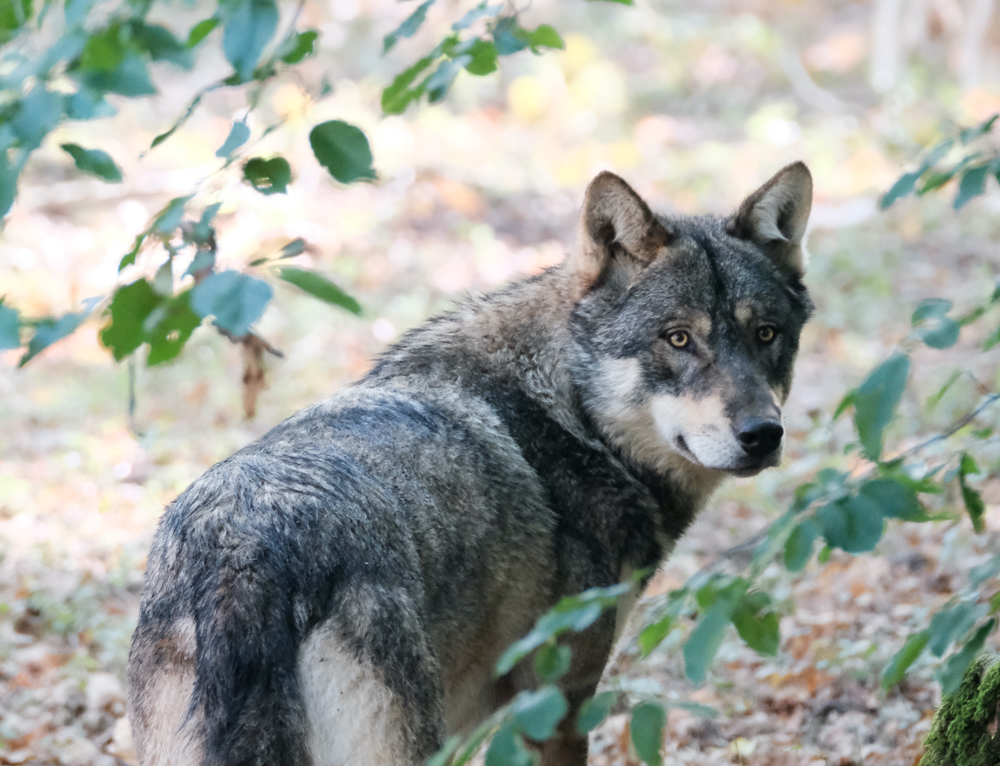
The wet grass absorbs my footsteps as I carefully navigate through bushes and cows. Autumn: the season of fog – however, this is only the second time this year that the colors and sounds of the environment are muted and everything seems calm and silent. My paths leads me out of the city, along the country road, and then into nature: The trees still cling onto their last leaves, the muddy ground hinders my movement, and thorns damage my precious jacket: First into a small valley, then into an old quarry followed by a steep ascent. Next, along a hidden path into the woods. The edge of the small forest is already in sight and after I cross an untreated field, there it is: A hidden gem in our landscape, an old orchard, far off from society. Every time I have been here, together with plenty of wildlife, I can feel at peace.
66 million years ago dinosaurs became extinct – an inconceivably long time span. However, they roamed the planet for even longer: astounding 165 million years. Our species has only been around for ~300.000 years now. When the dinosaurs died, three-quarters of all plant and animal species vanished with them, also known as the Cretaceous-Paleogene extinction event. The cause was, to our best knowledge, the impact of an asteroid with devastating effects. The precise number of such large extinction events is under debate, but by many the Cretaceous-Paleogene extinction is regarded as the fifth and latest one.
So, what does the title of this post refer to? It refers to right now: this millennium, this month, this day. Today, a lot of species are dying. Forever. They will be lost for all of the remaining time this planet exists. Estimates vary from 24 up to 150 species every day. It’s neither possible to precisely guess the actual number, nor it’s easy to evaluate how drastic the estimated numbers really are. The question at heart ist: How much larger is this decline of species than the background noise of species extinction that happens naturally? Some people argue it’s 100-1000 as much as it would be without human interference. Others say these numbers are inflated and global mass extinction is, for now, not as drastic as proposed (because the common assumption that decline in habitat area is highly correlated with decline in diversity might not hold true). One of the major hurdles in assessing the severity of the current biodiversity situation is not only that estimates of dying species vary widely, but also that the total number of species that are currently living is still largely unknown.
In 2010, the UN agreed upon 20 major goals for the upcoming decade regarding biodiversity, including specific plans for the conservation of nature and variety of species. The last decade was even termed the ‘United Nations Decade on Biodiversity’. So, how are we doing so far?
Pretty bad! And irregardless of how accurate the estimates on global diversity decline might be, some other numbers are well proven and unambiguous: There is a large decline in animal populations across most domains of life. Since 1970, populations show an average decline of 60%. In south America, due to deforestation of rain forests, the decline in biodiversity is already estimated at 94%. The number of insects in Germany has gone down 70-80% in the last 30 years alone. 25% of all plant, fungi, and animal species are endangered. To quote a rather optimistic assessment: If we presume a total of 8 million species, we will loose at least 1 million by the end of the century. And these effects can mostly be traced back to modern agriculture alone. As soon as climate change really hits (very soon), these numbers are expected to increase significantly again. And even if these changes do not necessarily mean a decline in global biodiversity, the effects of declining local biodiversity are the ones we will pay for.
So the UN agreement from 2010 didn’t turn out well – and by now, I doubt that the Kunming declaration from this year will cause any large-scale systemic change. For me, reading about these events evokes two opposing feelings. First, sadness and helplessness. That we, as a society, are responsible for this undesirable change. That I, as an individual, am responsible for this horrible change. And second, relief. At least five times life has recovered from the most harsh conditions imaginable. And it probably will continue to do so until the heat death of the universe. It’s unclear though whether the species Homo sapiens will survive this next great extinction; by several scientists, this threat is estimated to be even more dangerous than climate change.
Yesterday, the winners of the European Wildlife Photographer of the Year 2021 were announced. Check them out here. Stunning pictures all around! The winning picture of this year also entails a grave background story about our influence on precious nature.
Most people have a favorite season. For me it was summer for as long as I remember: The mellow evenings, long daylight, warm temperatures. I remember playing soccer for days during the long holidays when I was a kid. In summer, life is easy and joyful. After summer, the second best season is spring. Why? Because summer comes afterwards. Autumn always seemed depressing; and winter, well, winter is cold and rainy.
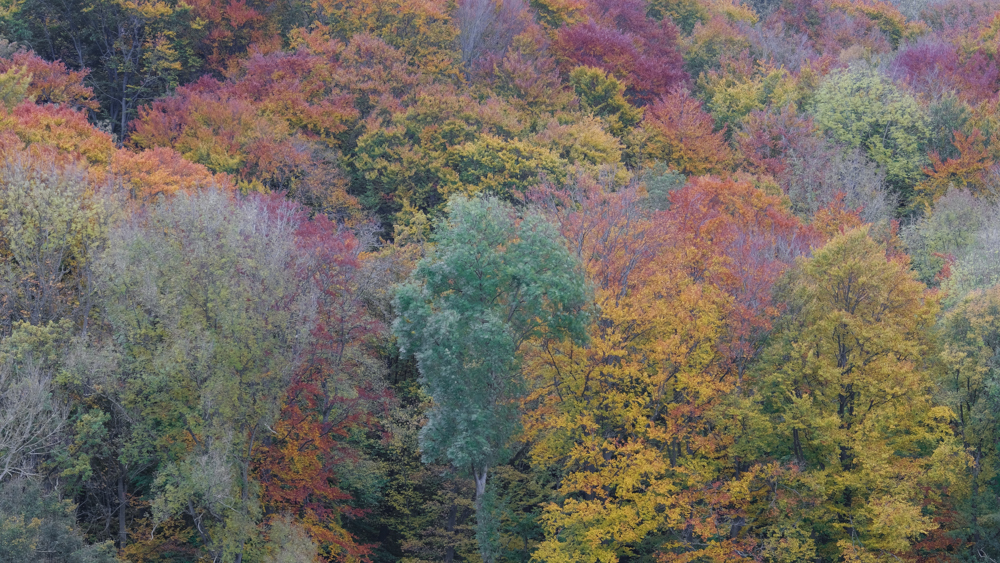
But my preferences changed in the last year, fueled by my journey through photography. Suddenly, every season brings change into nature and, thus, change into pictures. With every passing week, there are new things to discover: Leaves change color, fog sweeps through, snow coats the landscape, ice transforms the texture of surroundings, the early blossoming plants arrive, and fresh greens flourish. A constant act of discovery – suddenly every season becomes more fascinating than it did before.
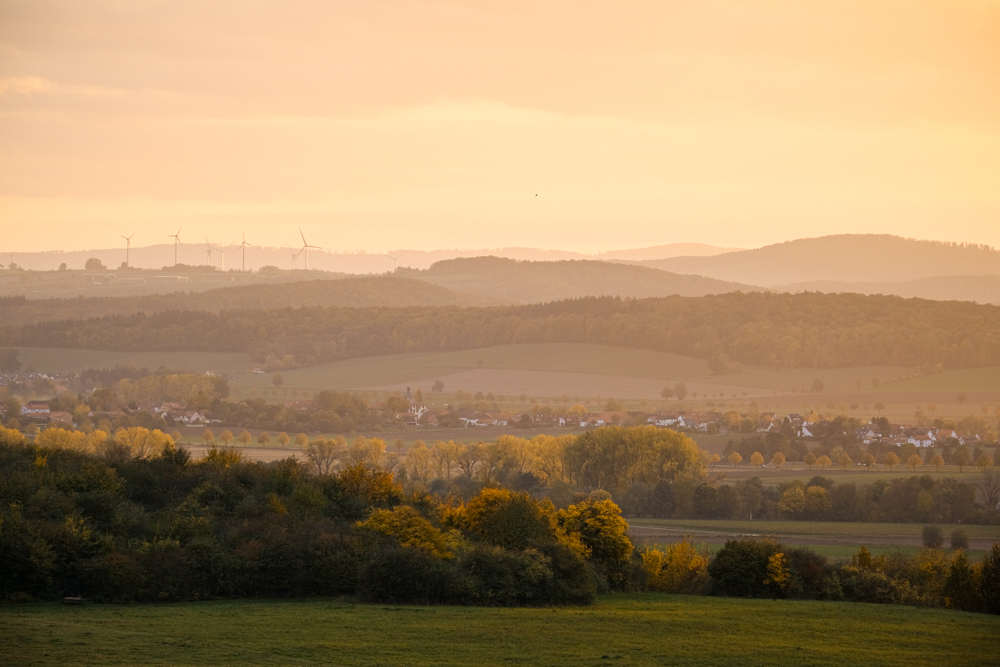
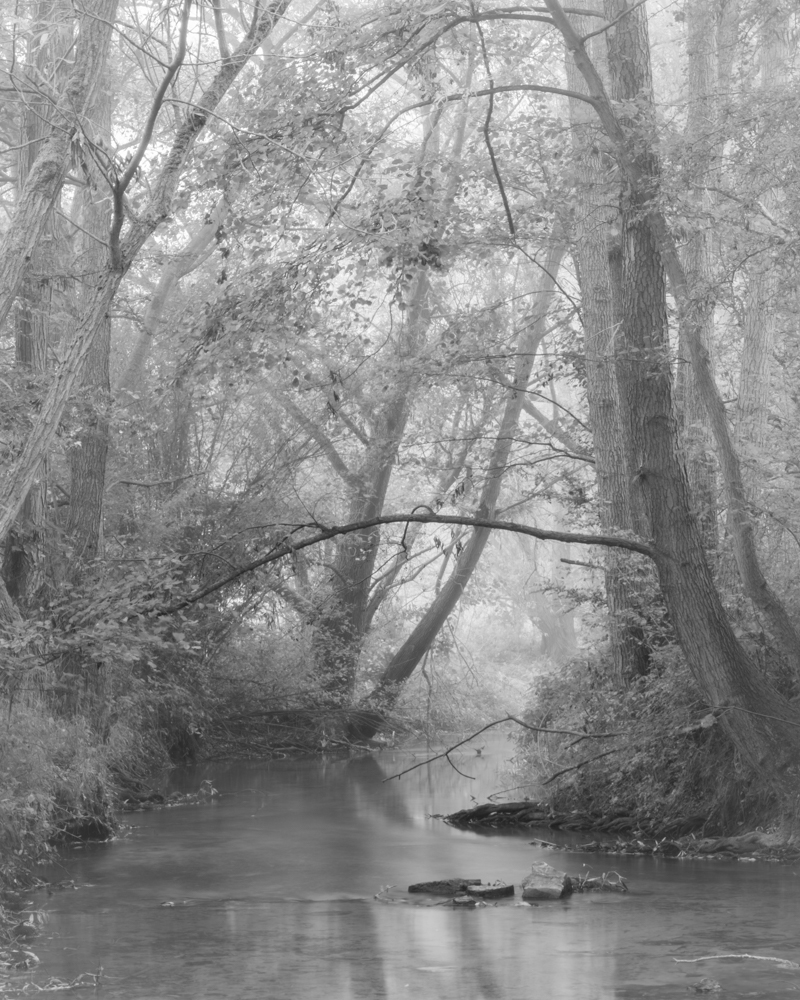
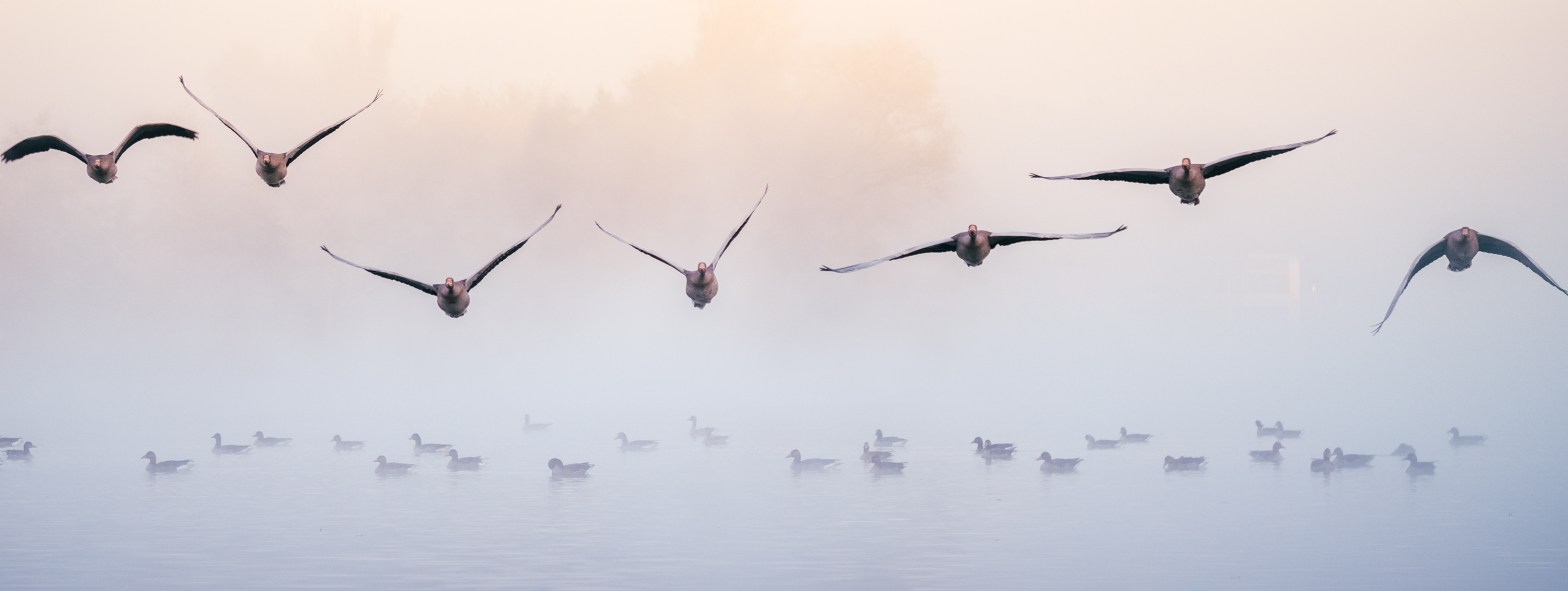
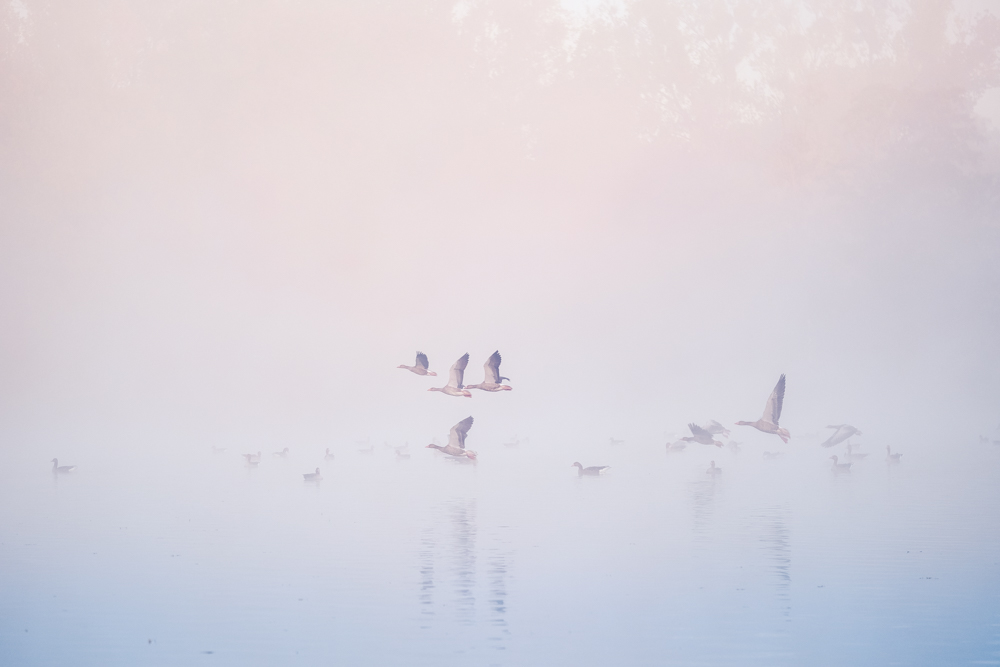
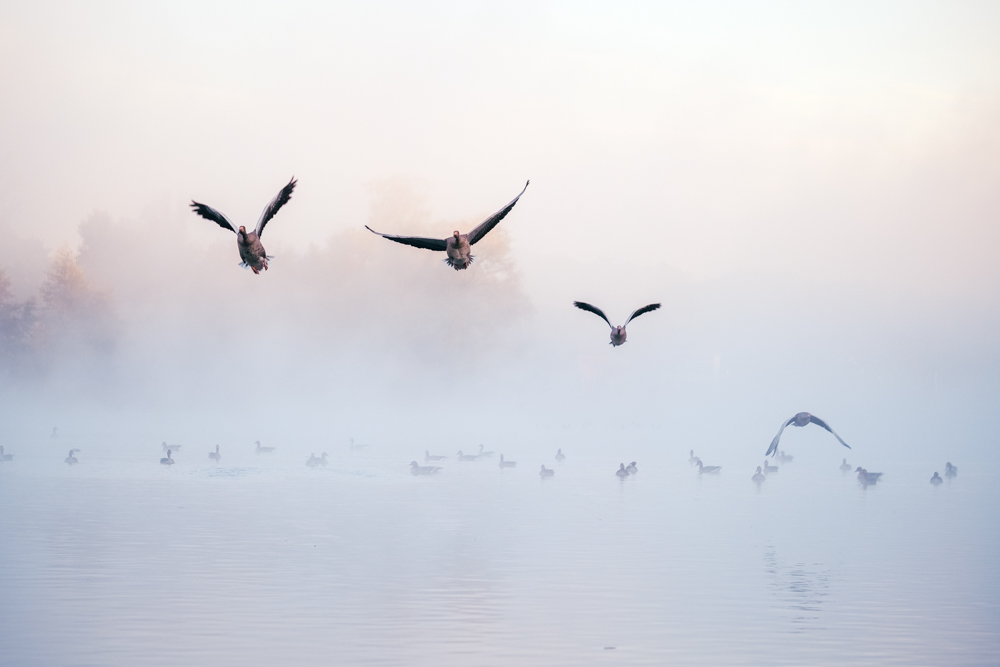
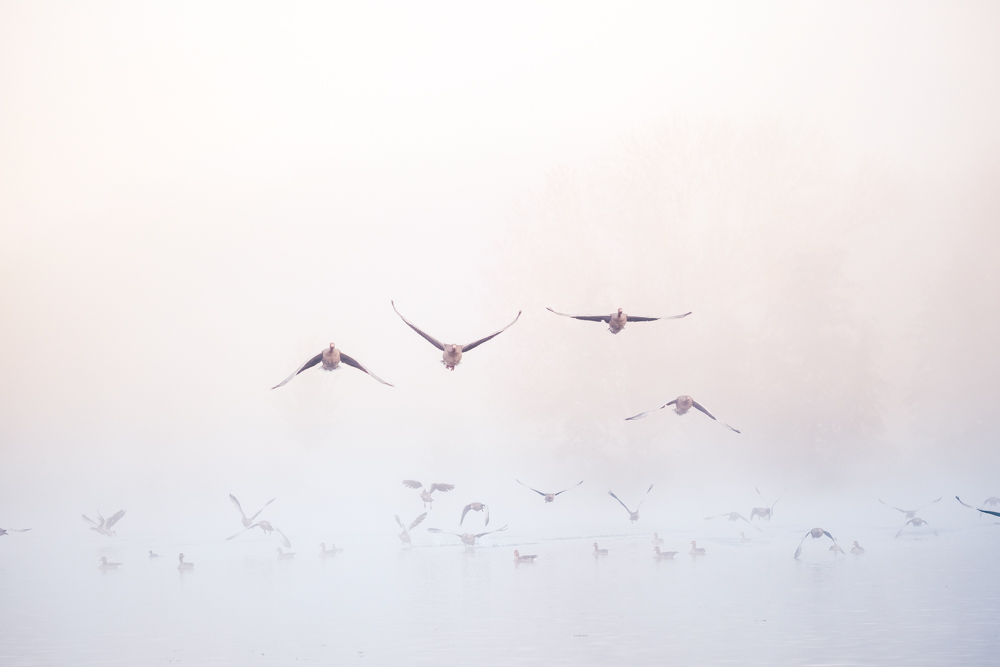
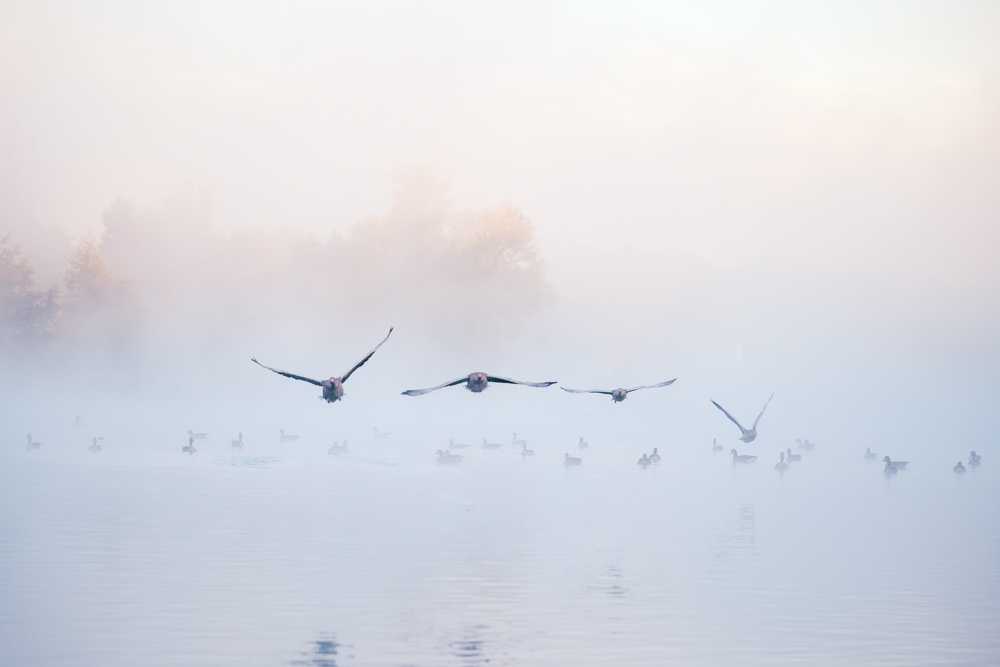
Autumn still isn’t my favorite season; but it’s on par with all the others now. I can appreciate it for all its colors, for the misty mornings and foggy woodlands. Getting up for sunrise is comfortably possible at 7 a.m., capturing sunsets can be done before dinner. Many birds pass our latitude, stop at the local pond and calmly wait until the conditions are just right.
Being here, being caught, having fought the fleeting thought.
Being here, we fear but strive, shed a tear within this life.
And the universe presents: a random sequence of events.
Samples from a multitude; is the distribution skewed?