Bouldern? Witzig! Abwaschen? Nix. Im Schlafsack frieren? Nix. Zum fünften Mal dieselbe Kiste aus dem Kofferraum holen weil man jedes Mal eine Zutat vergisst? Nix! Kurvige Straßen entlang düsen? Witzig. Aprikosensaft? Witzig? Katalonier auf Englisch ansprechen? Nix! Von Waldkäuzen wachgehalten werden? Witzig. Von Hunden wachgehalten werden? Nix. Zusammen weiterhin ins Ungewisse fahren? Witzig!
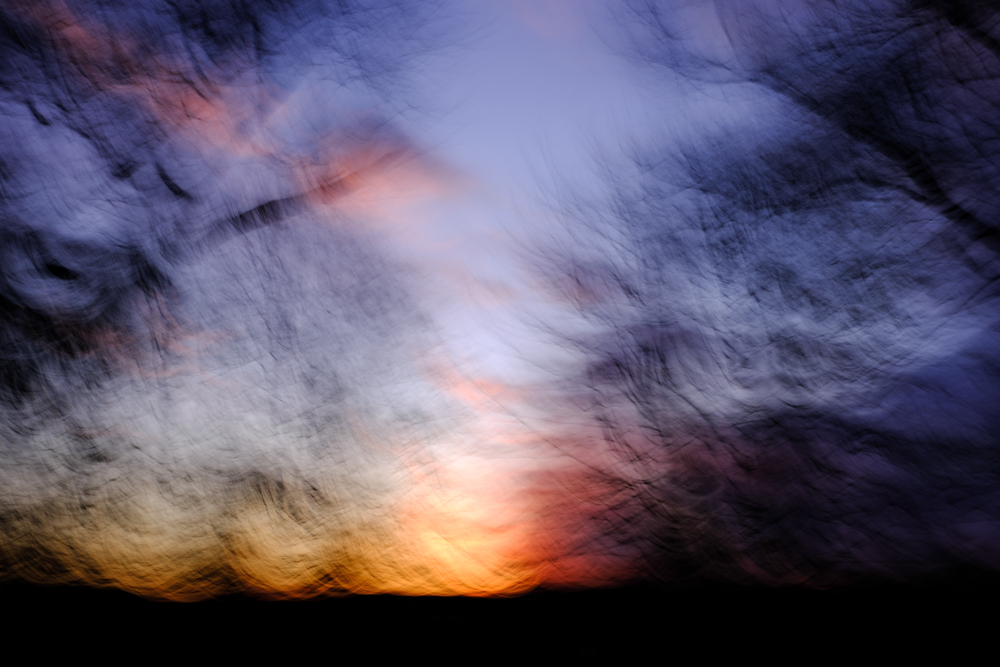
A glimpse of time that passes by,
down at the river, here I lie.
Startled starlings high above.
Each second fleeting, why
are we longing for the neat deceit
of endless time, eternity?
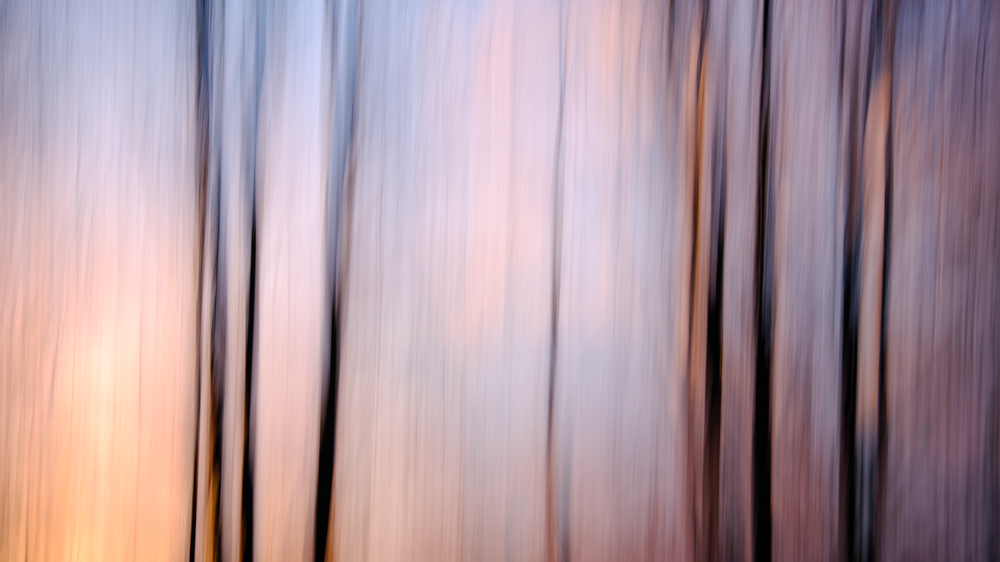
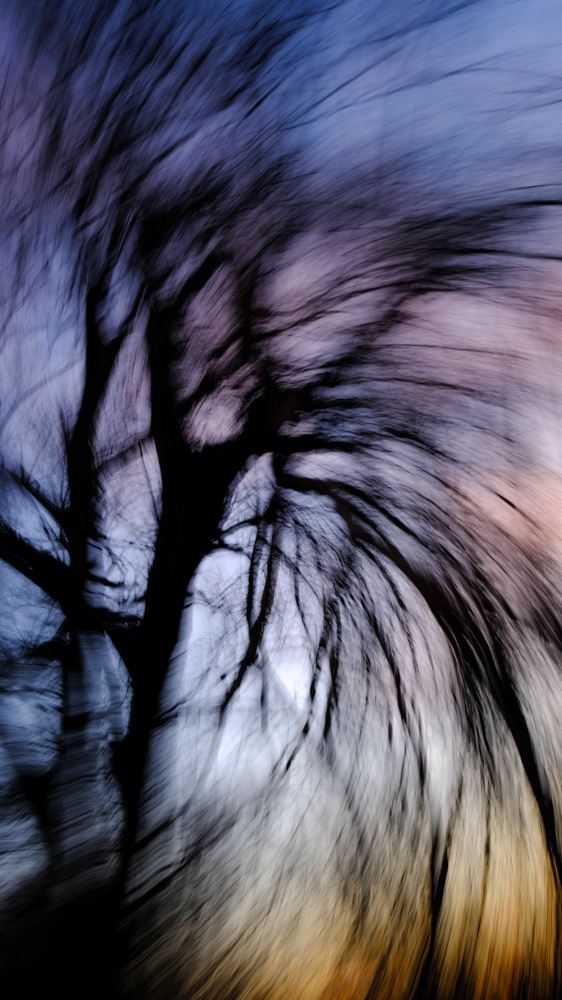
Trees shifted by a gentle breeze
of grace, at ease the silent world around,
clouds drifting by, unbound and free,
three cranes agree with distant calls:
a potpourri of nature's soul.
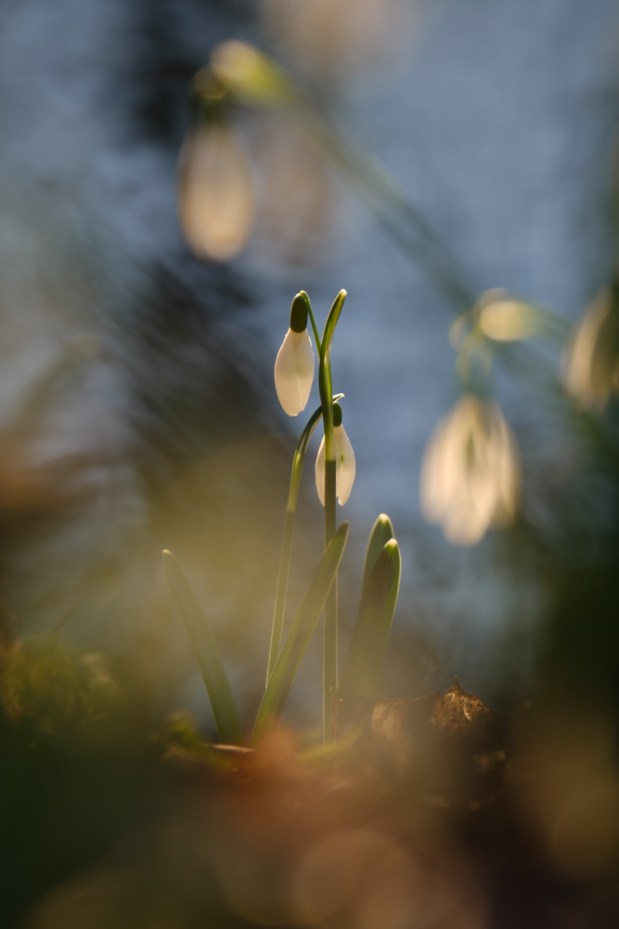
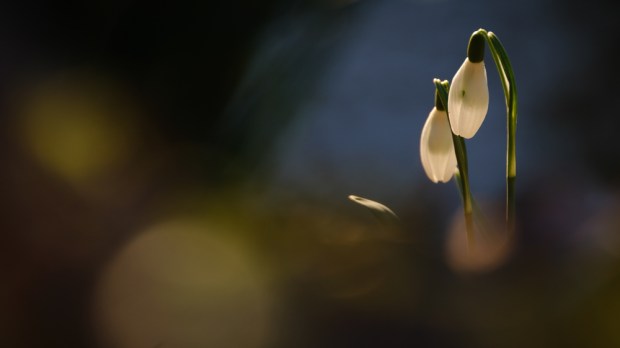
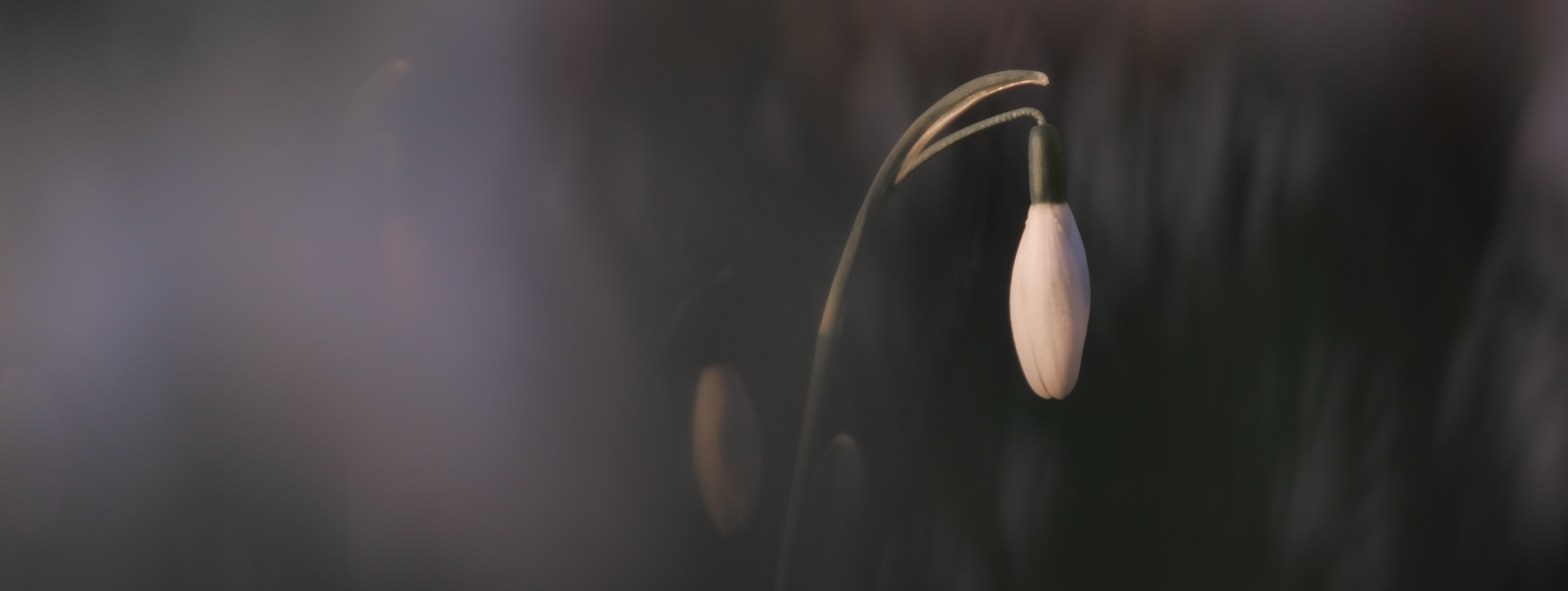
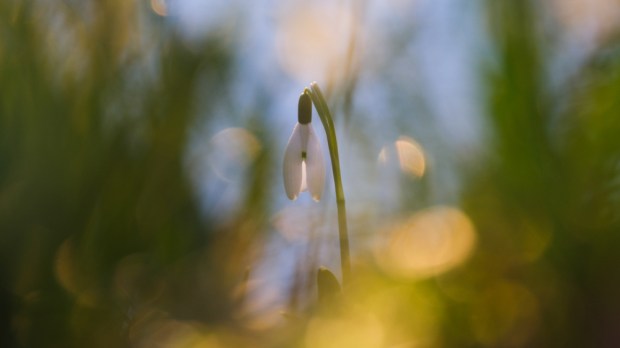
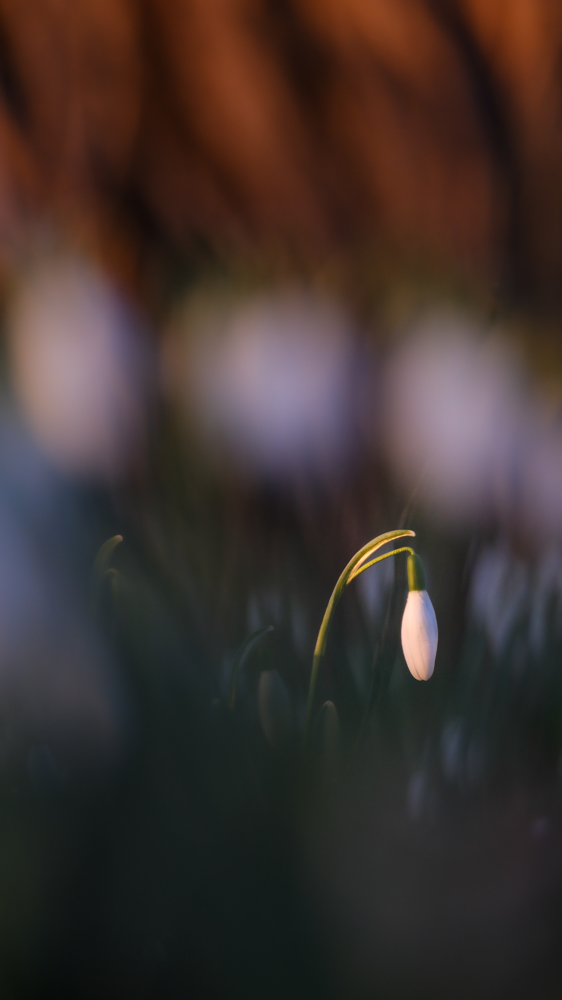
Spring music;
played by little bells in white,
a well of warmth despite cold air.
Each year they do appear,
to persevere
where orange-colored skies collide.
Light flows through the leaves
deep shadows hide beneath:
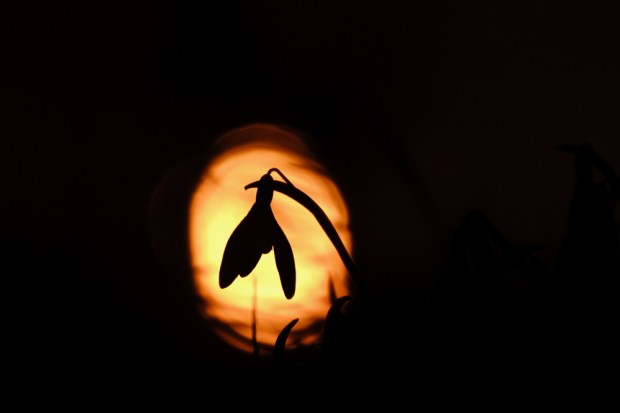
A lonely flower blooms and shines,
the only one, and it declines
as soon as signs of spring disperse,
and winter reigns again.
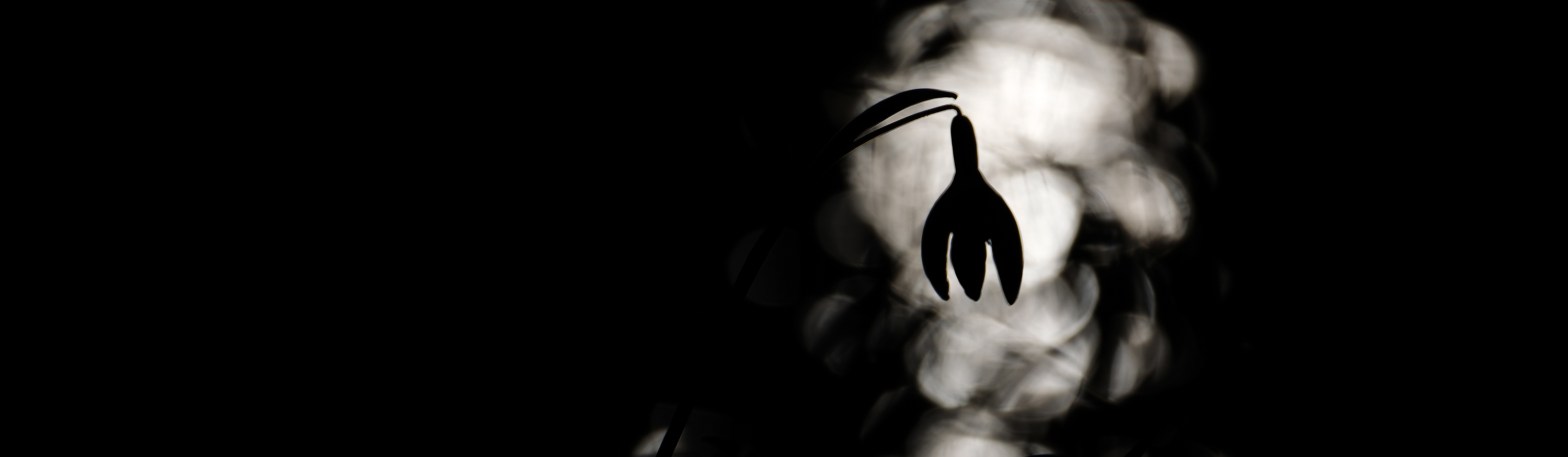
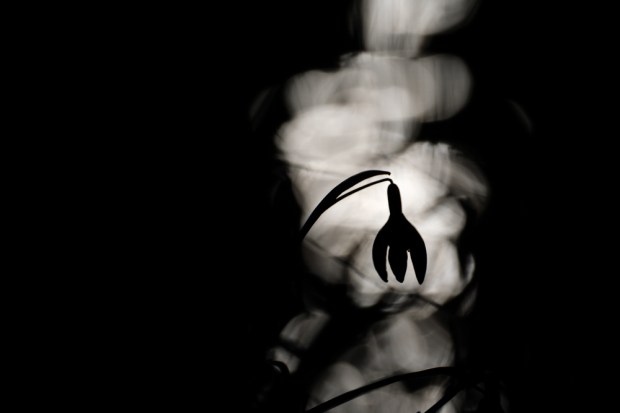
I always liked to color in Mandalas as a child: It’s soothing to see the repetitive patterns emerge in bright colors out of a black and white sketch.
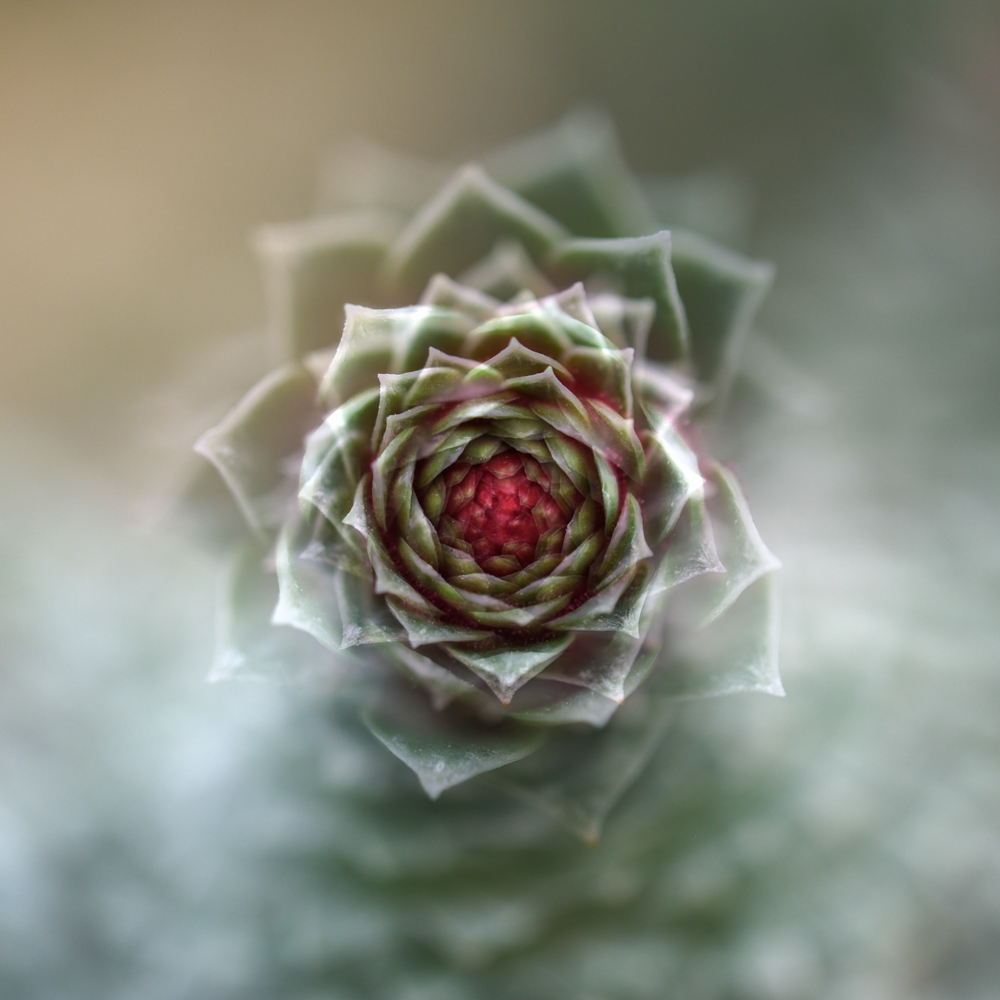
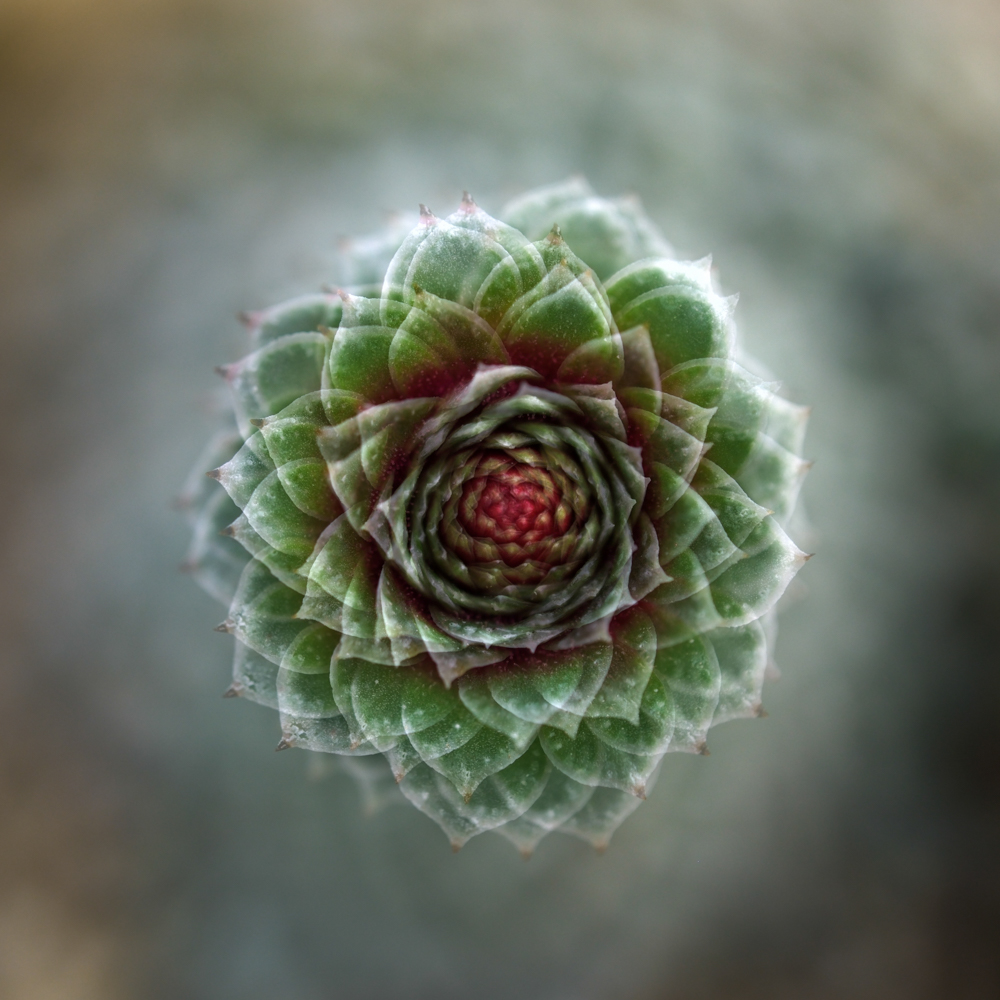
While I’ve played around a lot with ICM photography in the past, I’ve only rarely used in-camera multiple exposures. Mainly, because my old X-T30 offers a limited set of features. So, here is a short series of pictures using additive multiple exposures with the X-T5:
Which one do you like the most? For me, it is certainly No. 1 (or maybe No. 3). I tried around with multiple plants, but this one worked the best by quite a margin: It was helpful that the edges of the leafs were in strong contrast to the deep greens to get the distinct mandala-like appearance and structure. Additionally, there was some lovely passive light through sparse clouds. The Fujinon XF 80mm Macro lens did a wonderful job at isolating the bloom (which was only around 1cm in diameter) from its background while retaining all the little details.
I’ve warned you: There will be different stuff on this blog. For example, this post right here; a review about one of my absolutely favorite lenses for the Fujifilm X system.
All pictures are shown in reduced resolution (3000 px on the long side). There is (much) more detail in the full-sized versions.
Fujifilm X-T30, Fujinon XF 80 mm Macro, ISO 250, f 2.8, 1/640 s
Intro
There are quite some reviews about the XF 80 mm Macro out there. So, why am I writing another one?
I regularly check out reviews on lenses I think about buying or that I am interested in. And, universally, they lack the most essential content: Good pictures. Pictures I can relate to, pictures I am hoping to shoot, or pictures I can marvel at. Mostly, because most reviews seem to be written after only a few hours of use.
This review is about the pictures. About the capabilities this lens provides and how it might help you to fulfill your artistic dreams. From two years of intensive use. And hopefully, for some rare visitors, this selection of pictures fills the void in between the soulless reviews for this wonderful lens and awakens the urge to go out and create yourself.
Fujifilm X-T30, Fujinon XF 80 mm Macro, ISO 80, f 2.8, 1/320 s
As all my photography gear, I’ve bought this lens from an online second-hand platform. If you’re not already doing it, I can only recommend to buy used gear. It’s not only cheaper, but also saves resources of our precious planet. All detailed stats for this lens can be easily found online. So far, I’ve used the lens exclusively on the X-T30 body.
Fujifilm X-T30, Fujinon XF 80 mm Macro, ISO 500, f 6.4, 1/500 s, stitched from multiple exposures
Handling
The lens is a delight to use. As for most Fuji lenses, it has an aperture control ring that allows the smooth control from f2.8 up to f16. When turned to the very end, it switches to automatic aperture mode. Furthermore, it has two switches: The first one controls whether the optical image stabilization (OIS) is turned on or off. The second one controls the ‘focus range’ – this determines where the lens attempts to find a focal point (either close, far, or anywhere). The lens comes with a lens hood which always stays attached to my lens during use: In my experience, it not only protects the glass from scratches and rain drops, but it also helps to quickly assess how close you may move to your subject while maintaining focus.
The lens is of very high build quality, feels sturdy, and is weather sealed. While these qualities add to its weight, they are also beneficial when you go out in harsh weather (and you should because rain drops are wonderful in Macro photos). I’ve used this lens without any problems whatsoever in minus 23 degrees Celcius, in heavy rain, in scorching heat, at the salty sea, and at sandy beaches. It has never failed on me and still looks like new.
Rarely, I’ve also attached the 1.4x TC, however, it doesn’t bring much benefits as far as I’m concerned.
Fujifilm X-T30, Fujinon XF 80 mm Macro, ISO 320, f 6.4, 1/180 s
Macro: Insects and Flowers
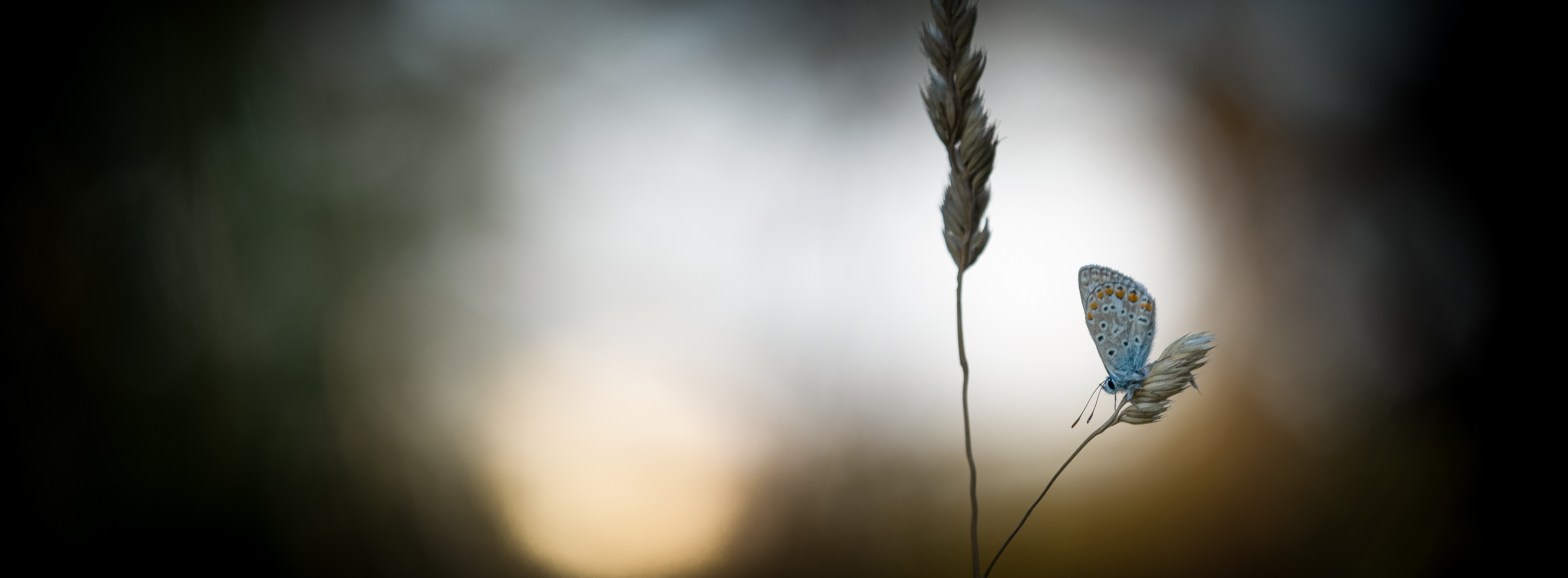
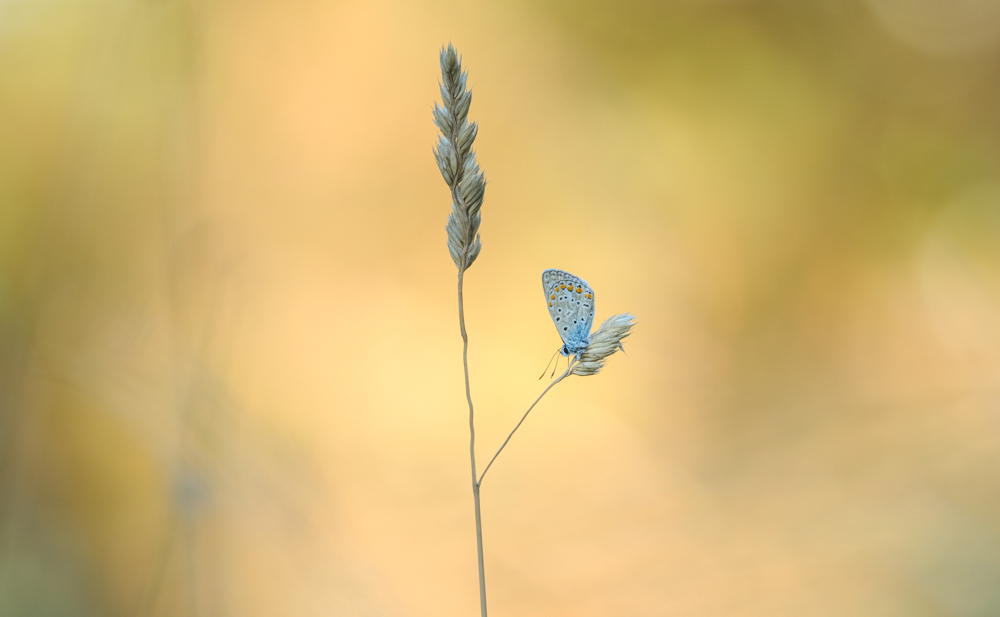
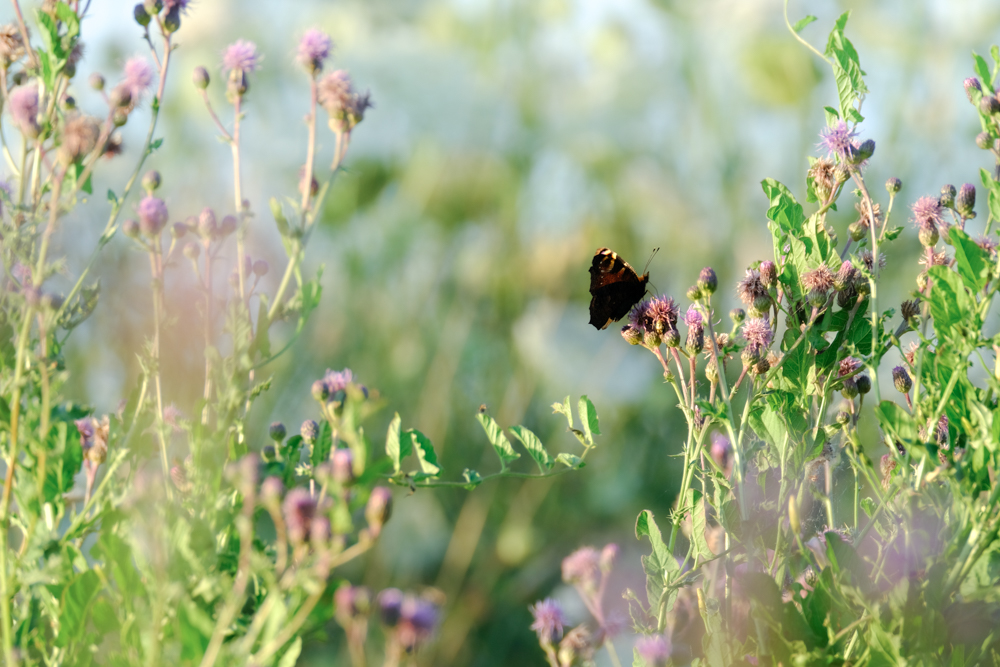
When shooting Macro I predominantly use the camera hand-held with low aperture values and OIS turned on. For a very limited number of times I’ve required focus stacking; for this, I turn off the OIS and use a tripod. However, in most instances, my Macro subjects are moving (either by themselves or in the wind), which makes it difficult to use a tripod and/or stacking anyway. Also I find that shooting hand-held is way more fun and enables you to quickly react to changes in light or the environment. On rare occasions I also removed the lens hood; for example when photographing butterflies close up as they are easily scared from the approaching lens or its shadow.
In the beginning, I often had the urge to move as close to the subjects as possible (it’s a Macro lens after all, isn’ it?). However, you should be aware that the depth of field gets very shallow when being close to your subject. For example, getting the eyes of a dragonfly into focus when being at the minimal focus range requires an aperture of at least f8. Getting a whole insect into focus (without stacking) is only possible when moving further away from your subject. I also found that moving further away often improves the possibilities for creative and appealing compositions significantly.
Fujifilm X-T30, Fujinon XF 80 mm Macro, ISO 500, f 2.8, 1/1000 s
Shooting people, animals, nature, abstracts, and creative imagery
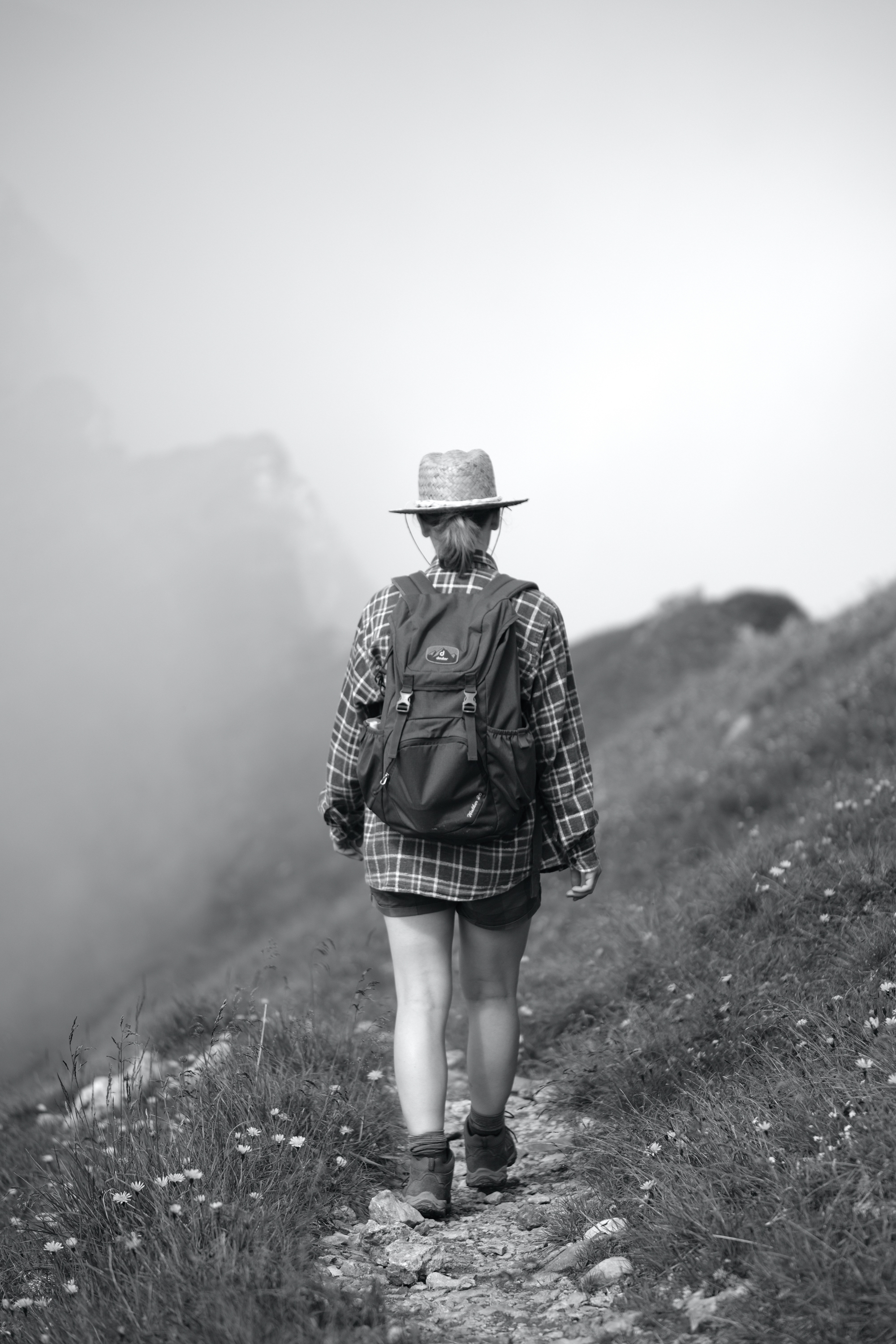
The lens is also excellent at shooting portraits. However, I will not share any because I’ve mainly photographed my family. While I also own the 56 mm f1.2, I still sometimes prefer the 80 mm for people when shooting outside during hikes as the 80 mm gives a lot of flexibility. Somewhere I’ve read that the lens is too sharp for portraits. While it’s definitively the sharpest Fuji lens I own, it still works wonders for portraits; at least for my taste.
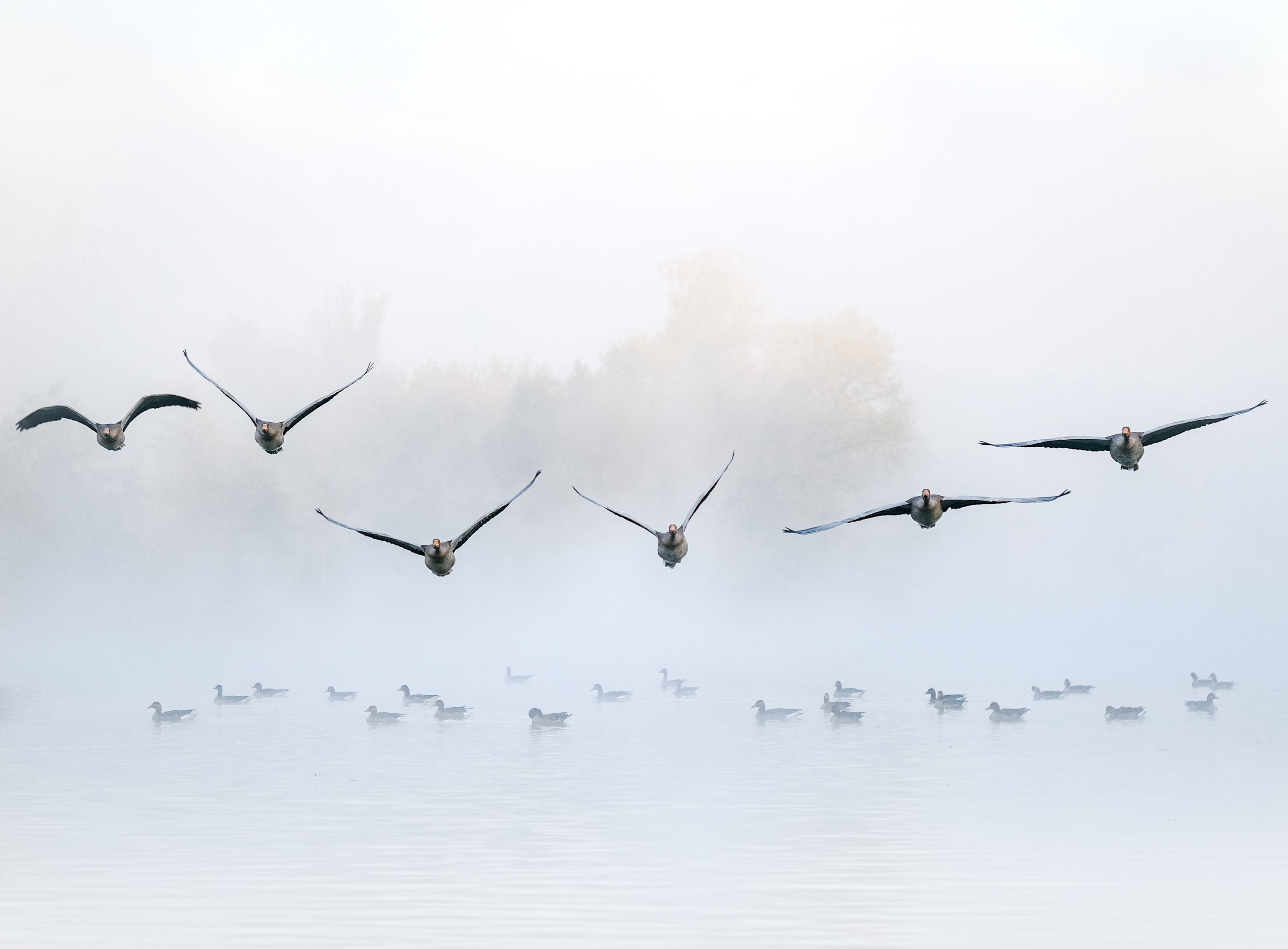
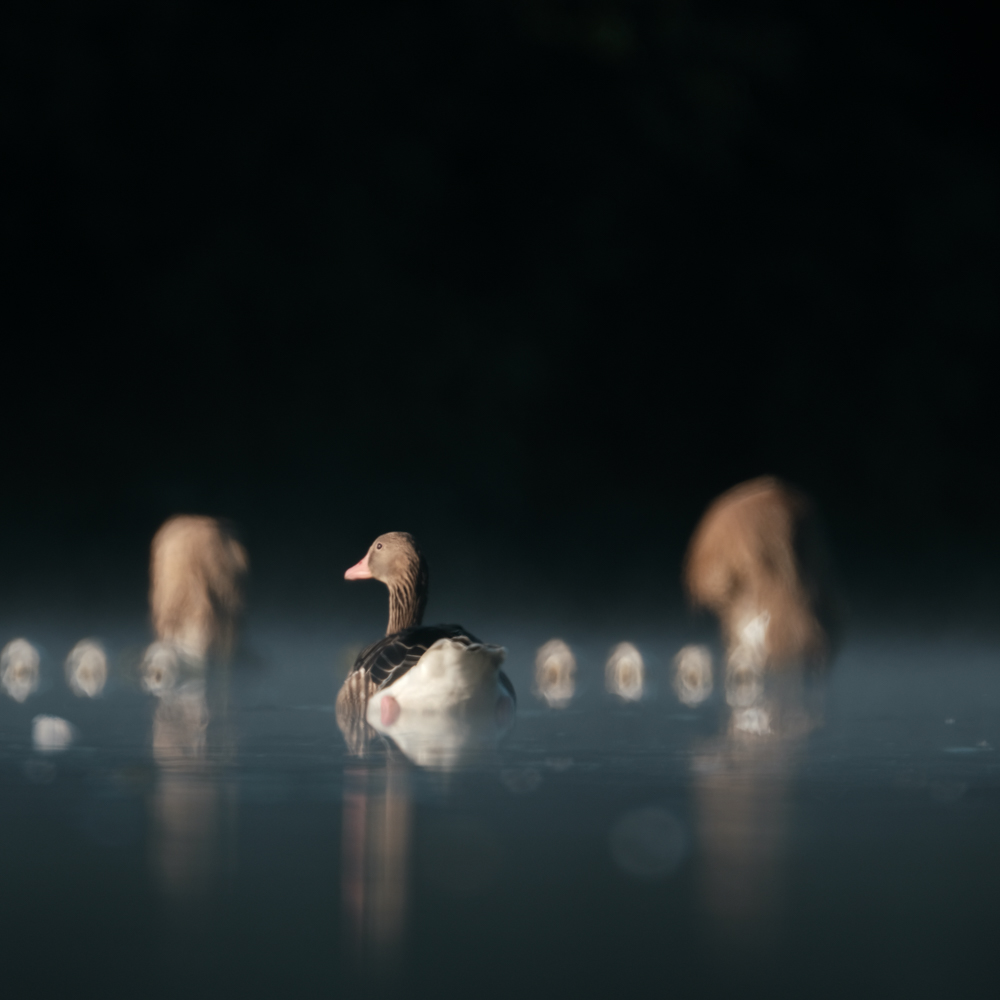
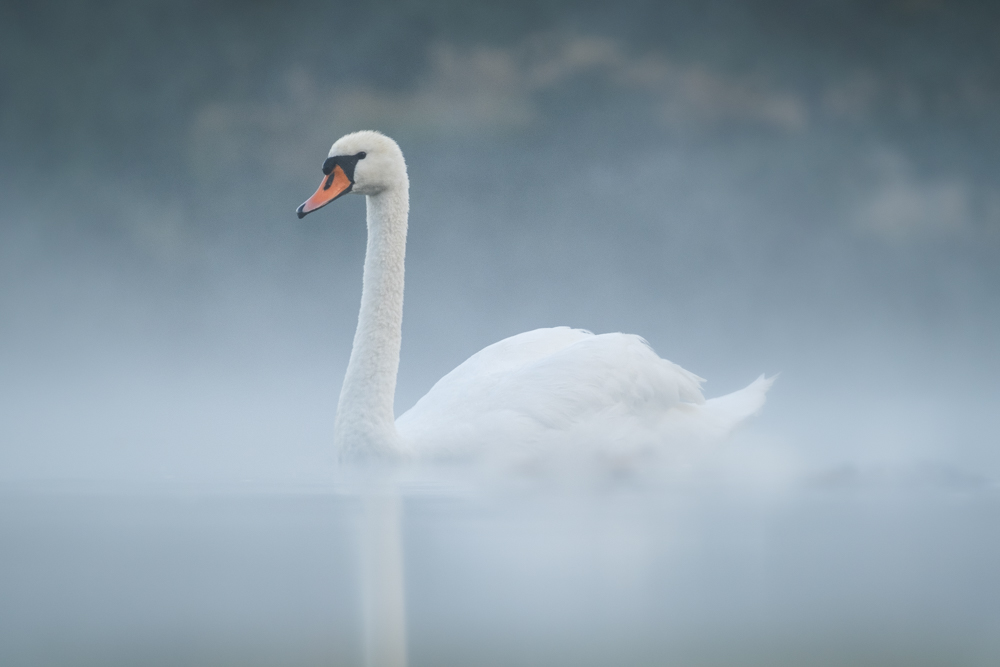
I’ve also shot birds, cows, deer, and some other wildlife with this lens. While I would normally go for the 100-400 mm in these cases, the sharpness of the Macro lens also allows for marvelous pictures of animals within the landscape. In the case of the goose I was lucky enough to get close without disturbing them; additionally, the sharpness of the lens allows a generous crop.
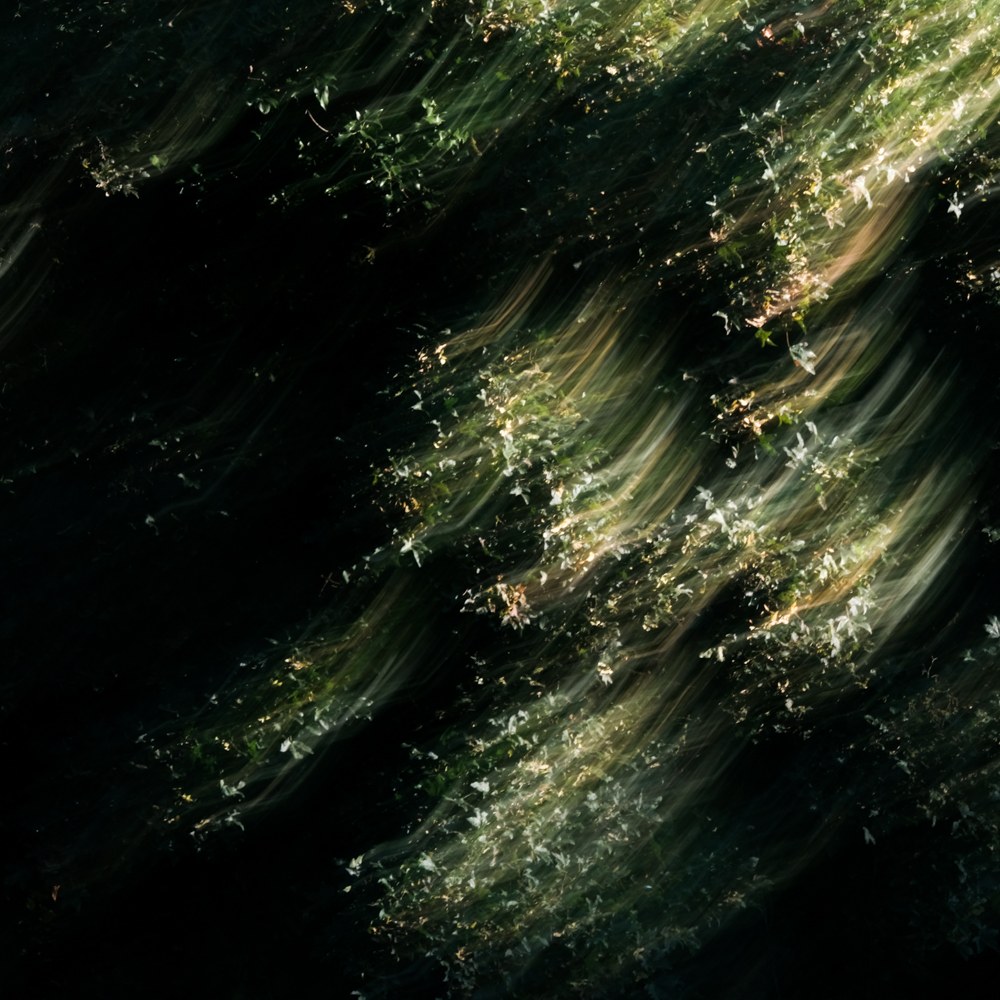
Besides, I’ve used the lens a ton on a tripod on f8 for abstract patterns in nature or landscapes; likewise, I sometimes whirl it around for some ICM photography – if you’re into this, I also recommend to play around with turning the OIS on and off: it makes a significant difference in the resulting patterns.
Conclusion
In most cases, buying new lenses won’t help you to take better pictures. But in this rare instance, it felt like it did work for me. Not only because of the capabilities of the lens itself, but also because it is such a delight to use, and because it motivated me to go outside and play with it, no matter the conditions and weather.
Surreal dreams in pink and black
appeal to me, insomniac
part-time, I mime
the creatures of the dark,
embark on voyages into
the mind, without a crew
through untrue realms to leave
behind mankind.
Retrieve the unconfined
autonomy, the undefined
metonymy
of life.

I like it here,
revere the fear of unknown
years to come, of jointly tears,
of joys alone, of memories in stone
engraved, the best is saved
in our hearts until the end
when we transcend
to afterlife.
Long summer days. I take my bike
through fields of maize, enjoy a hike
through nature which decays and fades
below the sun, without real shades.
Water is sparse, efforts a farce;
records are shattered every week,
the future seems a little bleak.
Some keep silent, some play dumb,
some object, but their effect
seems paltry, like a tiny drop
into an ocean, and they stop
too soon: there is no change.
Another flood, another slum,
1000 dead, and thousands fled,
a joke compared with what's to come.
It will be millions without bread.
It will be billions' awful threat.
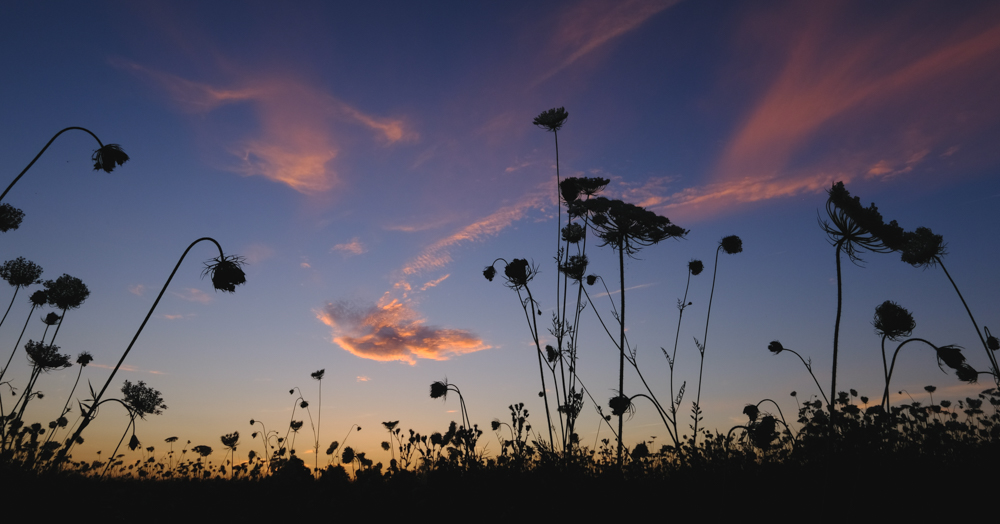
Record temperature highs all around, forest fires all over Europe, and an advancing drought that threatens food and energy production – only a small glimpse of what will come.
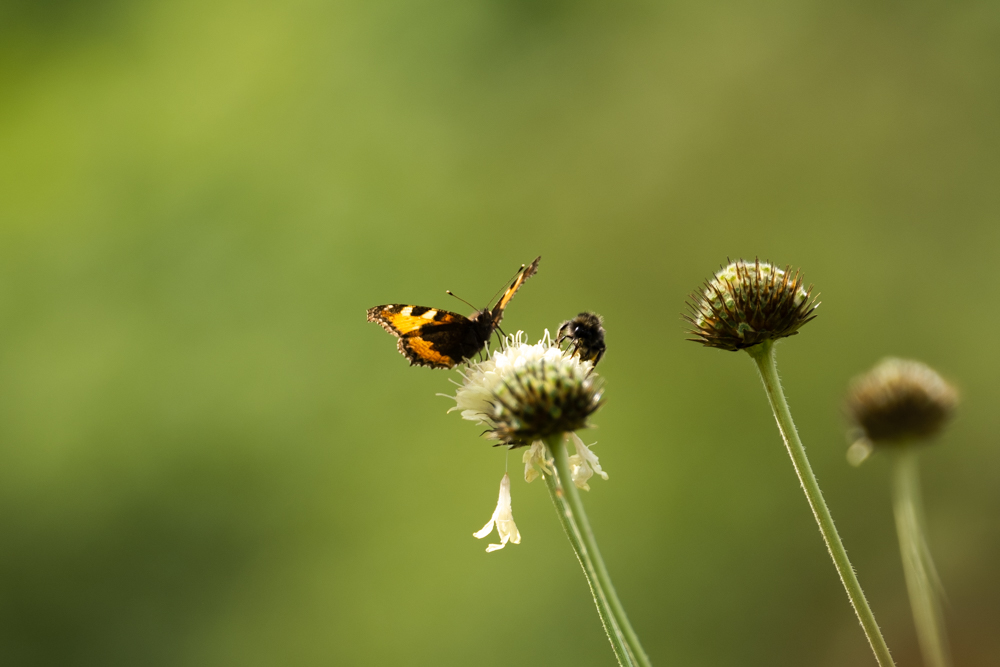
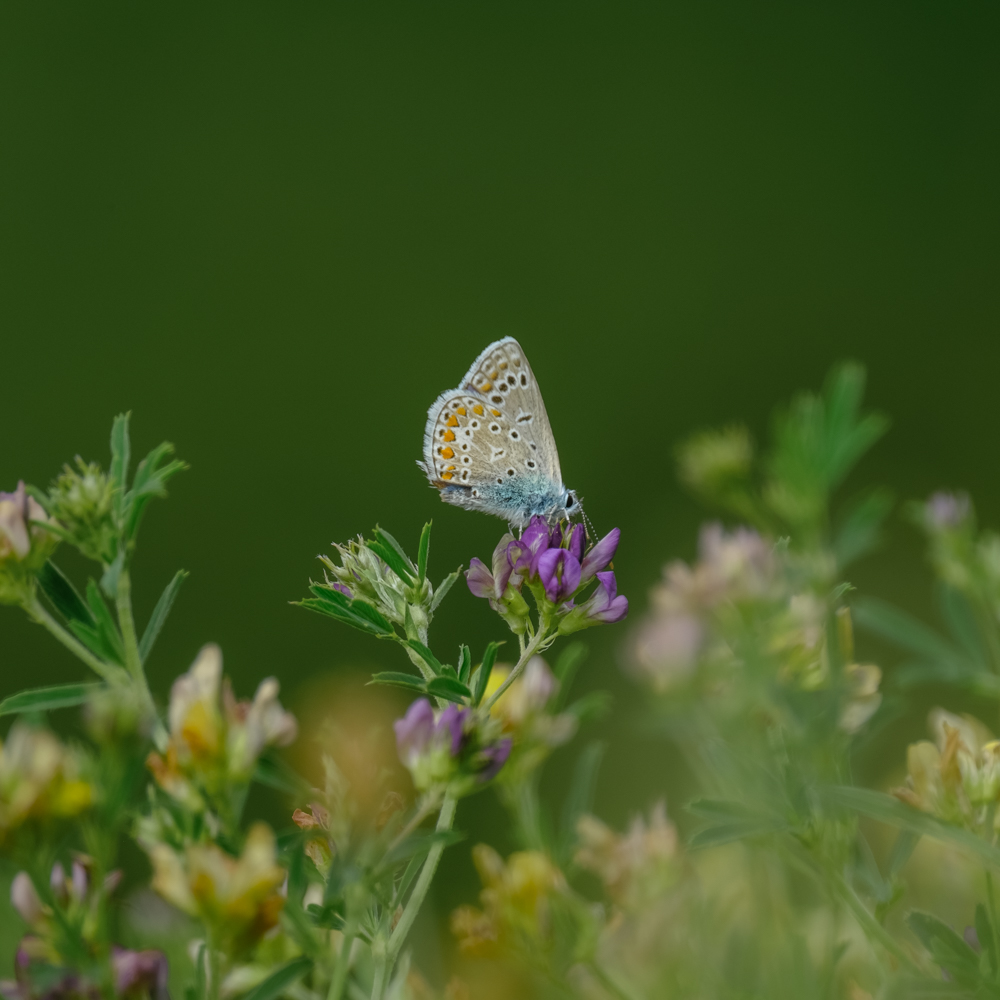
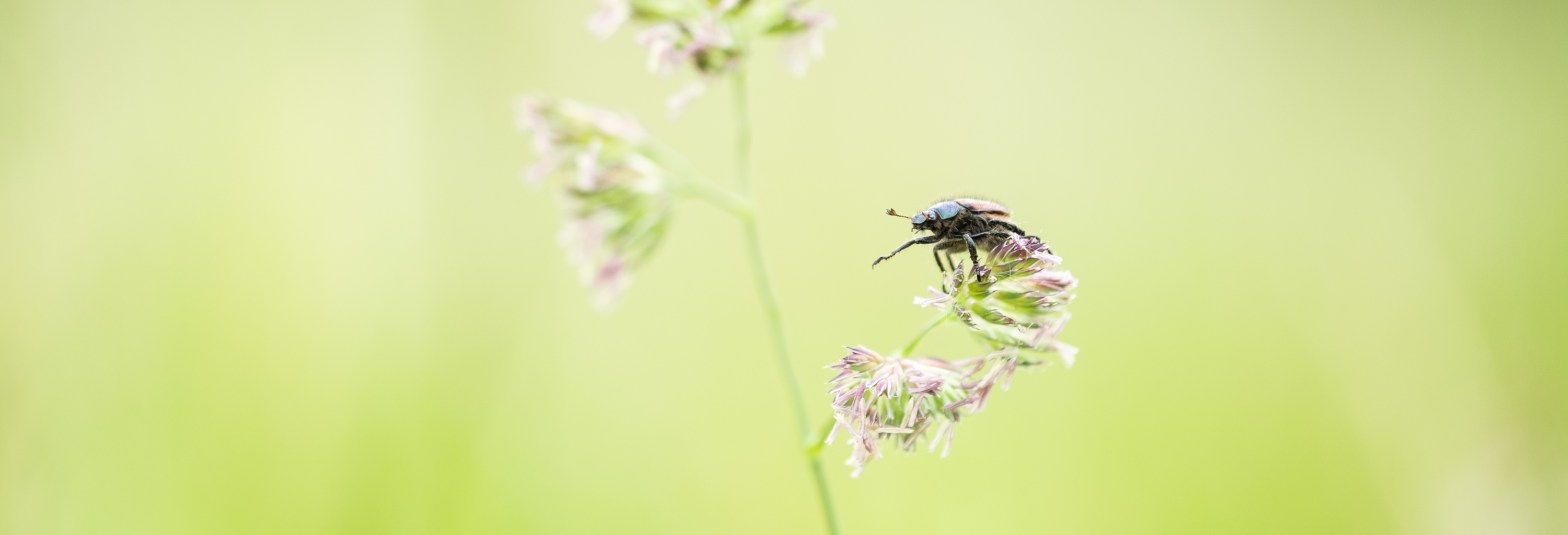
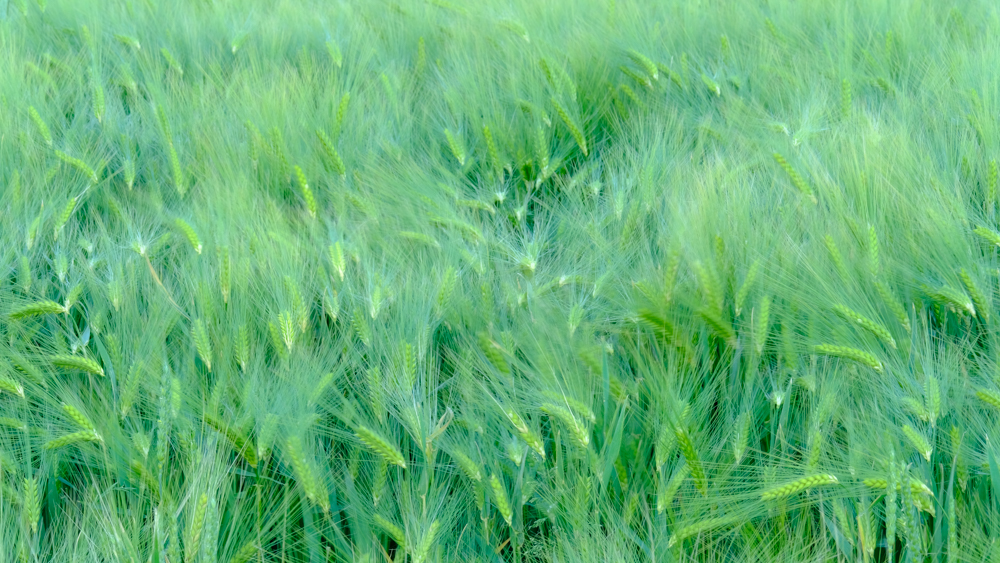
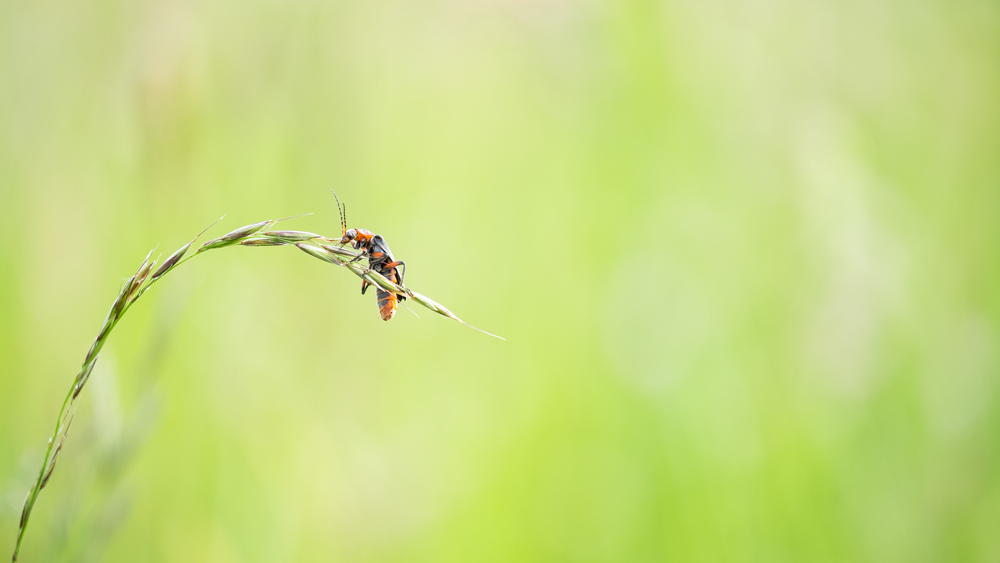
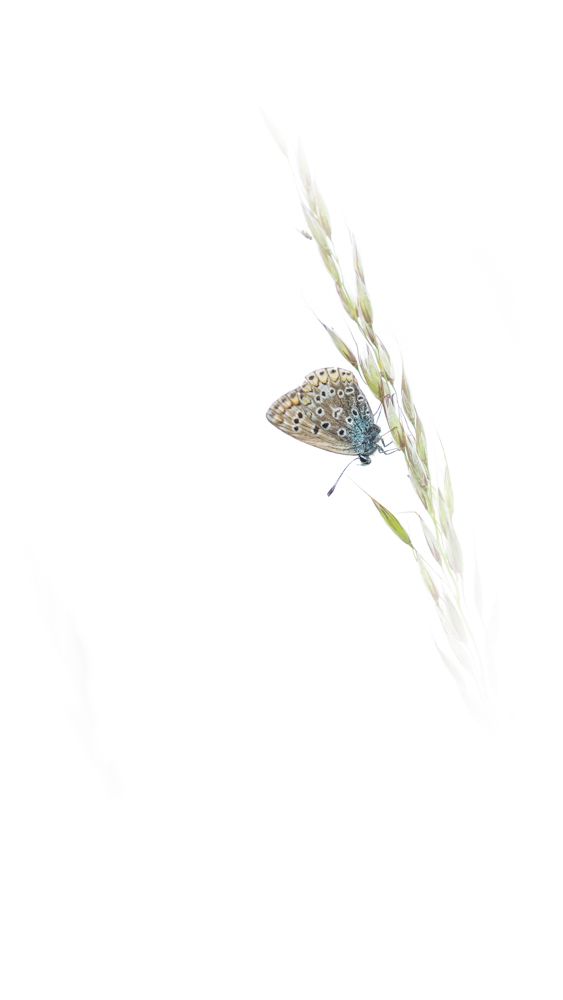
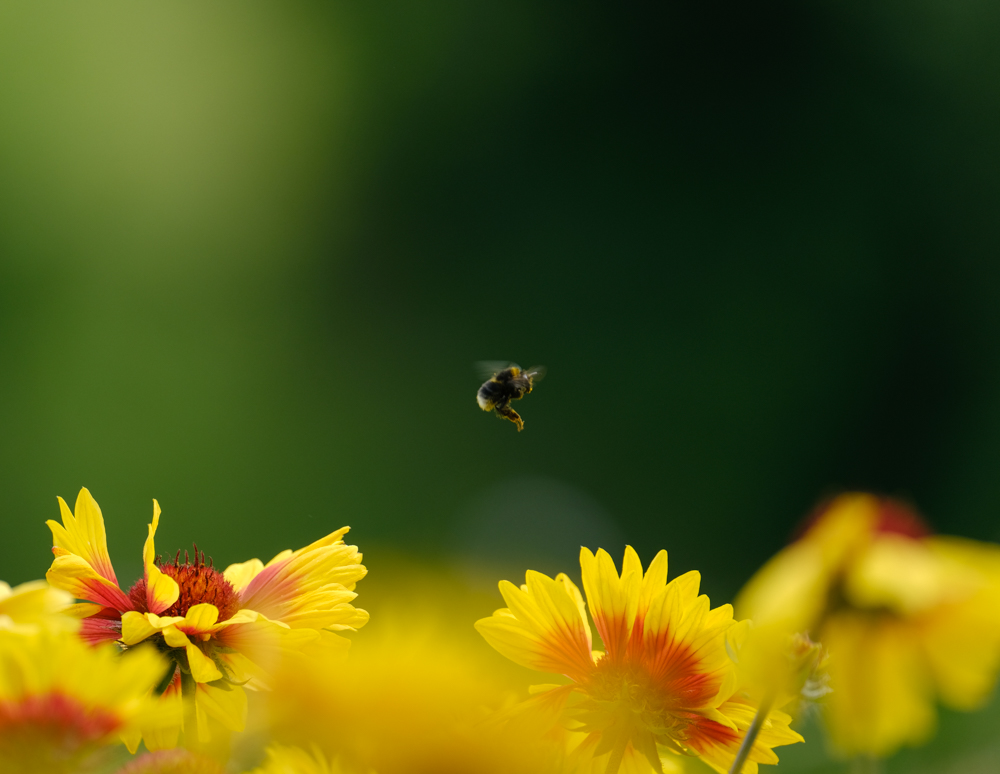
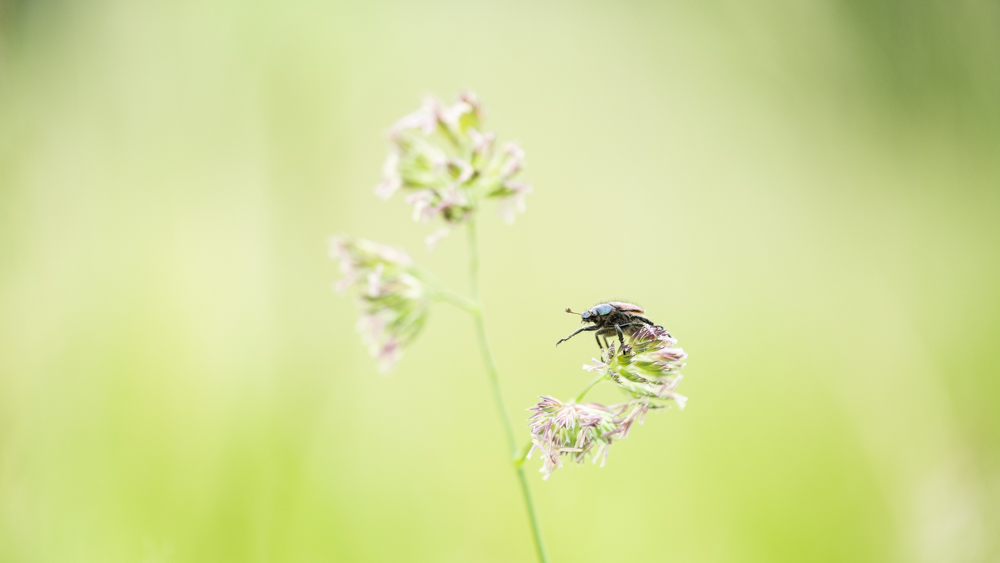
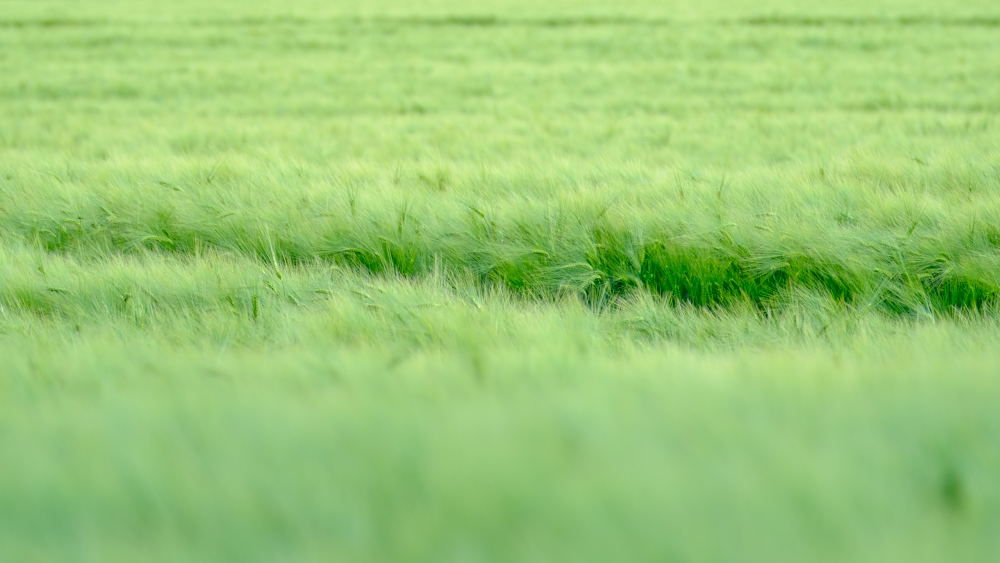
So, instead of exposing ourselves to the constant stream of news, we enjoyed some of the beautiful nature nearby by hiking the P25 trail near Kleinalmerode. It’s one of the newest premium trails in Hesse and the closest one to our home. Normally, Kleinalmerode is known for its cherry blossom in late spring; but during this time of year we strolled through barley fields, found lots of insects scaling cornflowers, and observed bumblebees exploring the landscape of flowers. It also revived my passion for macro-photography and hopefully I’ll manage to use some more of these long Summer days to pursue photography.





































 Punkt im Dunkeln