Last Autumn
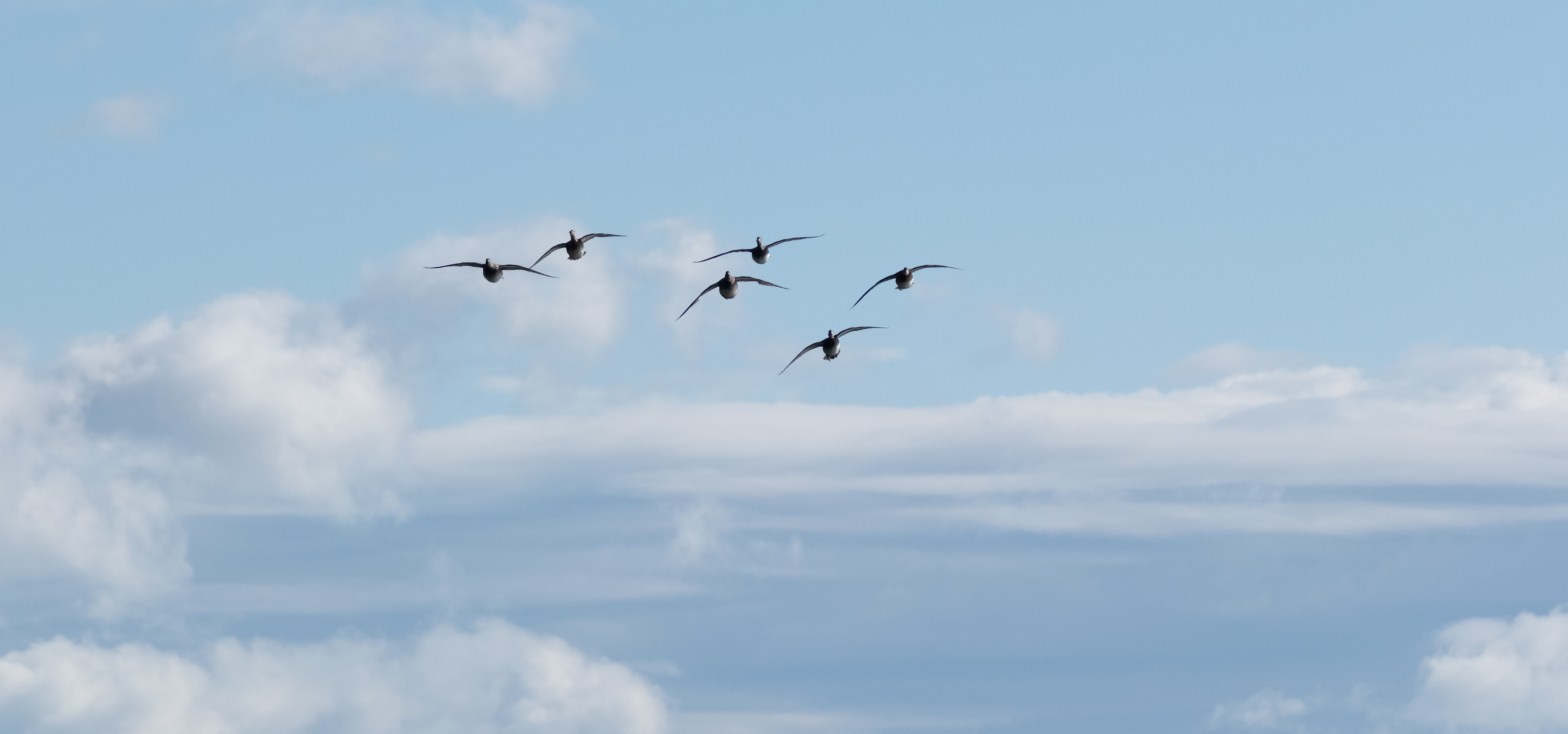
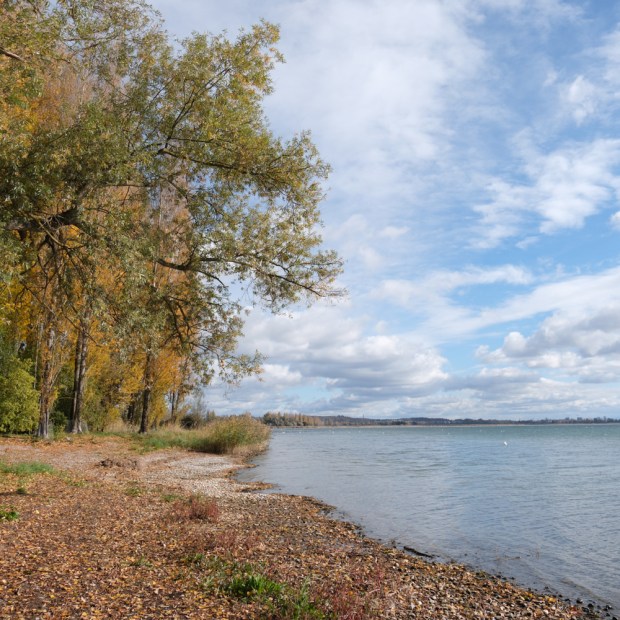
Where yellow meets the sky
and blues merge into grey,
the silent willows sway
and seagulls sing 'good bye'.

Enjoying nature and photography.
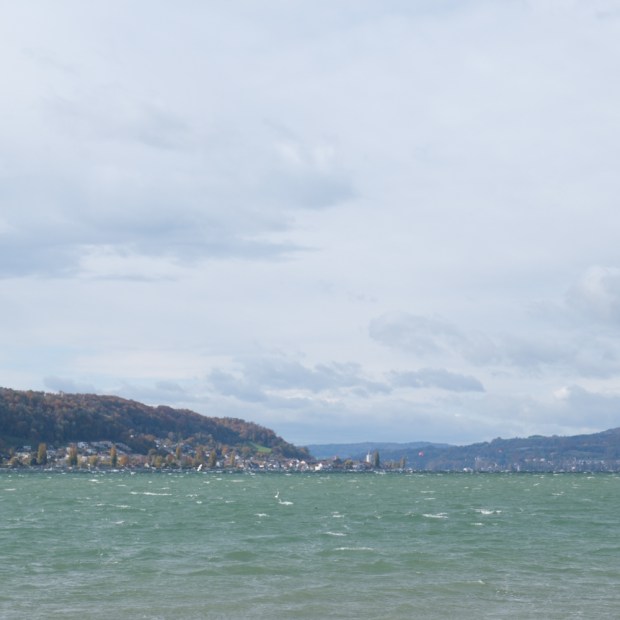
Where yellow meets the sky
and blues merge into grey,
the silent willows sway
and seagulls sing 'good bye'.
A dream within a dream, so vivid 'til the end, of endless walls of stone, of endless waterfalls, of falling out of space and time to come back down to earth to climb, of calls to action, never heard, of slowly crawling through the snow, of mirror-lakes that tear apart, of granite flakes that stretch so far, a heart is buried deep beneath where hazel hen meets wren, at last.
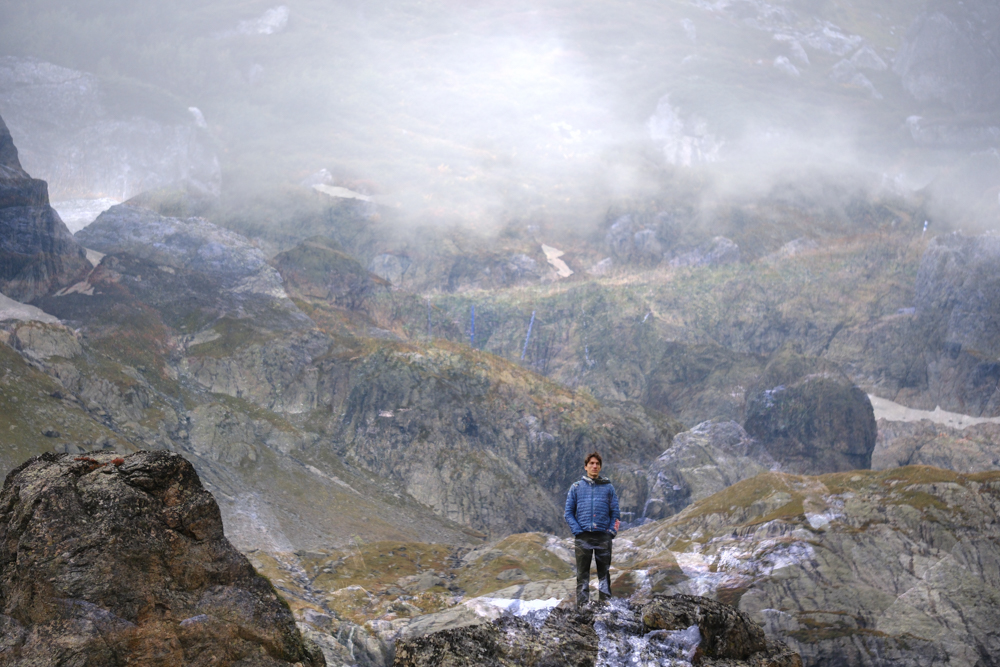
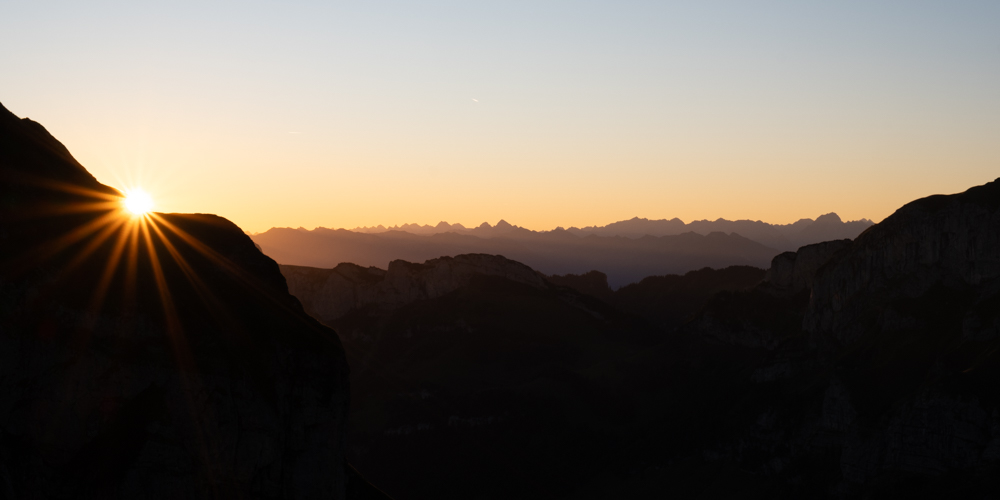
Sanft durchdringt sie alle Weite,
federleicht durchbricht sie Licht,
sie gibt Halt,
die Zeit steht still und jede Pflicht
verblasst, fast sagenhafte Kraft
durchdringt den Geist und wohnt im Kopf,
und es hallt
der leise Ruf des fernen Tals.
11:25

Zuhause
suche ich die Heimat
umsonst.
11:26

Draußen
ist die Heimat
umsonst.
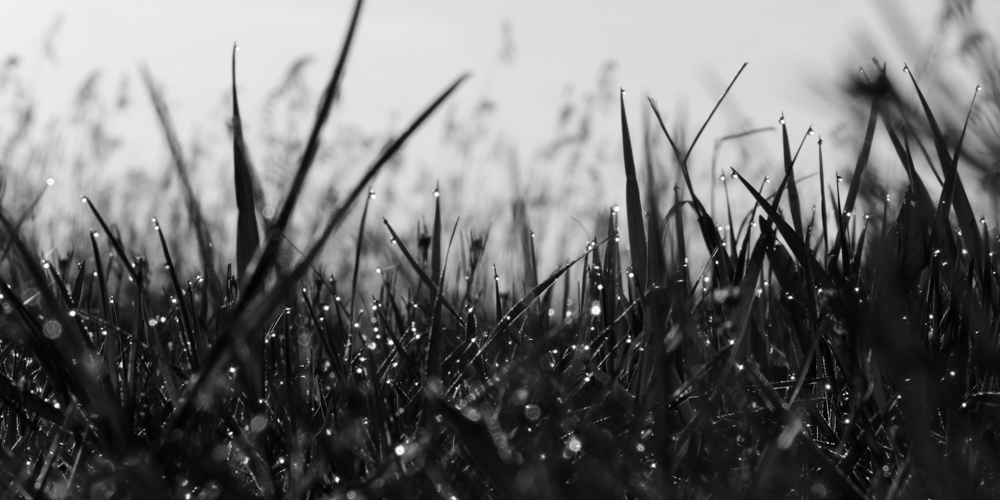
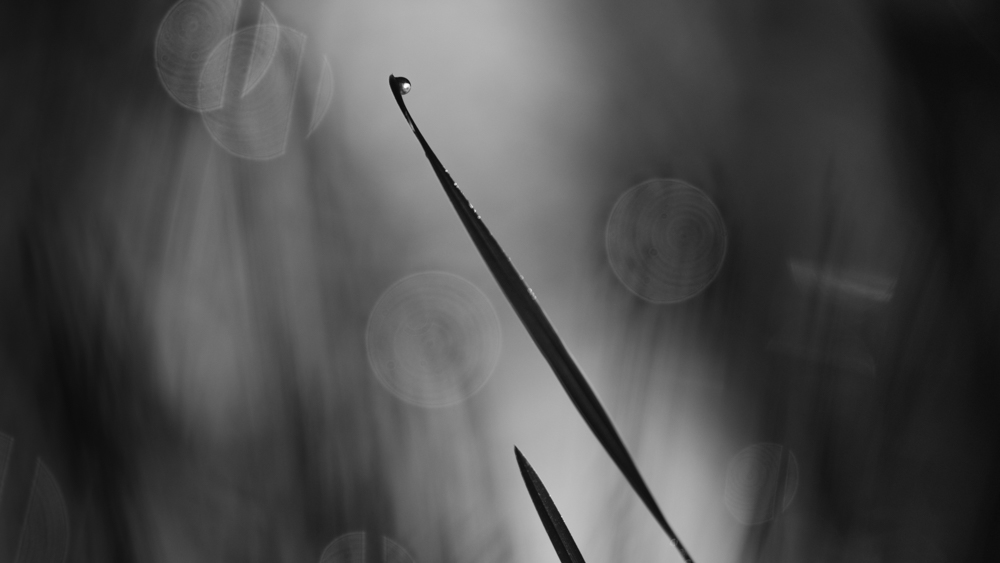
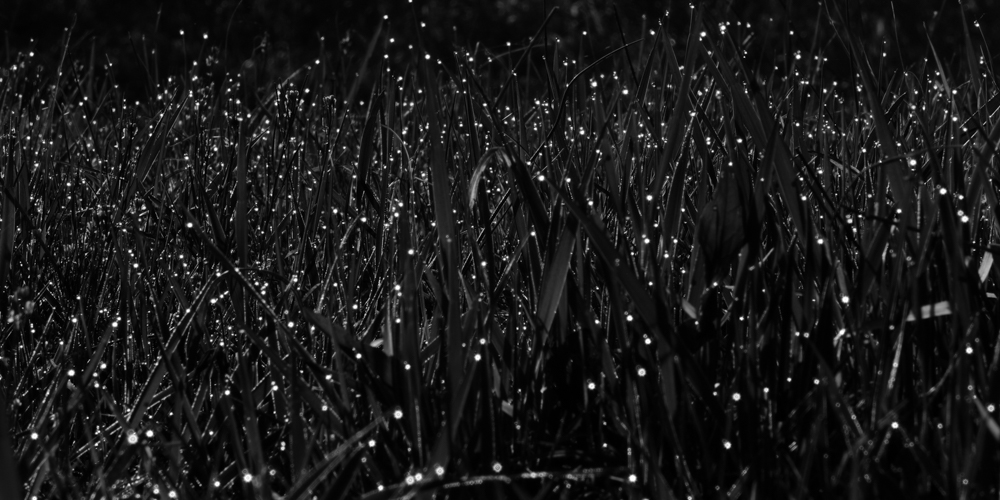
15:41

Wortgesuche
um den verlorenen Sinn
zu vergessen.
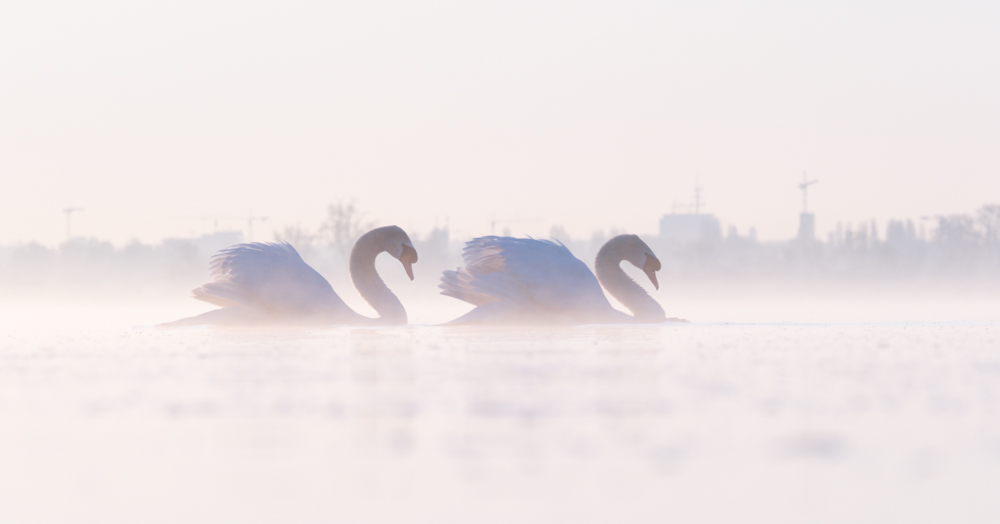
16:17

Aus Sehnsucht
und Verdruss
formen sich Träume.

Ein letztes Wort,
ein letzter Satz,
laut geschwiegen,
stark verdorrt die feinen Triebe, dort,
wo leises Existieren platzt,
und Leben Platz hat, Raum hat,
nichts zu viel ist, dort,
dort fliegen sie und wiegen sich
ein letztes mal im Winde.
Verschwiegene Geliebte,
kriegende Besiegte,
dort erliegen sie
geschwinde
uns'rer Gier:
Schwalben der Nacht.

Komm, spring hinüber,
mach schon, komm,
kopfüber in
die letzte Schlacht.
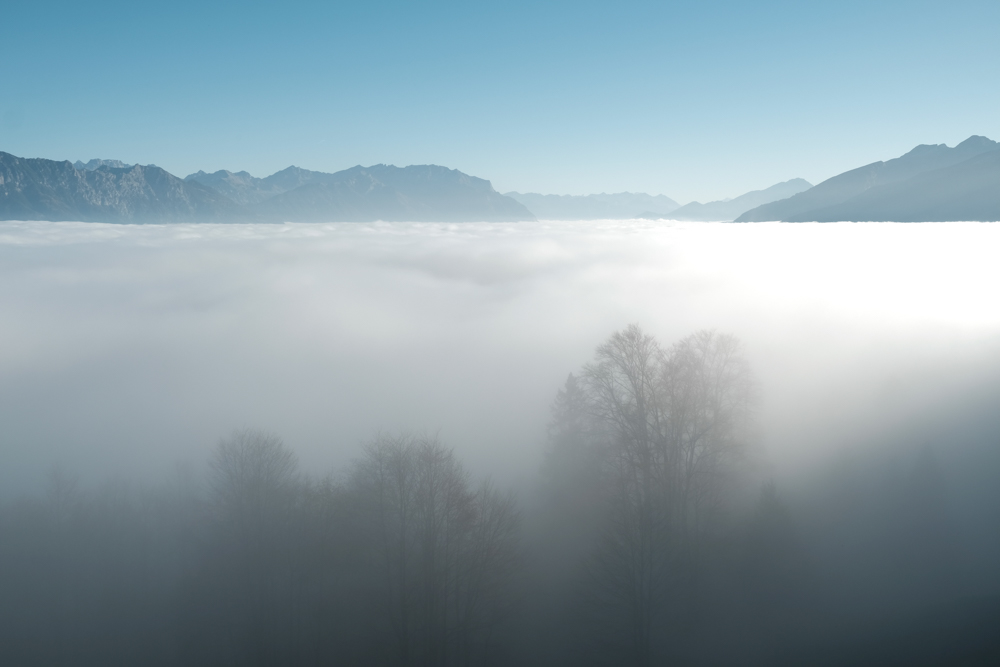
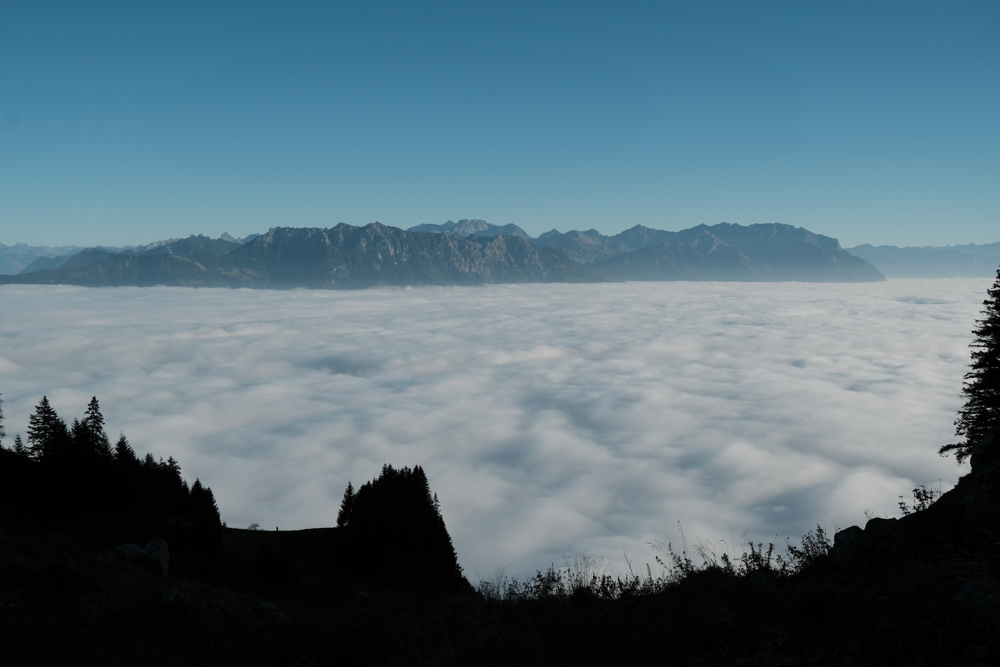
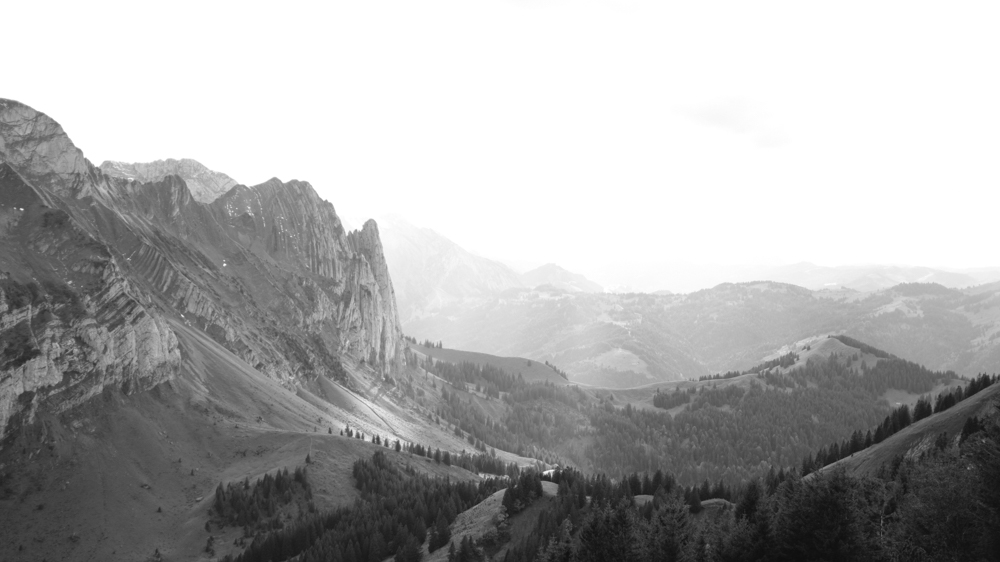
Der Himmel überfüllt
mit blau
und flüchtigen Erinnerungen,
tropfend, wirbelnd,
gold'ne Sonne,
Fels ganz grau
und ganz umhüllt
in Weite,
ganz erfüllt, ich gleite
blass dahin,
verblasst wohin
es geht, erfasst
vom Sturm,
so rau.
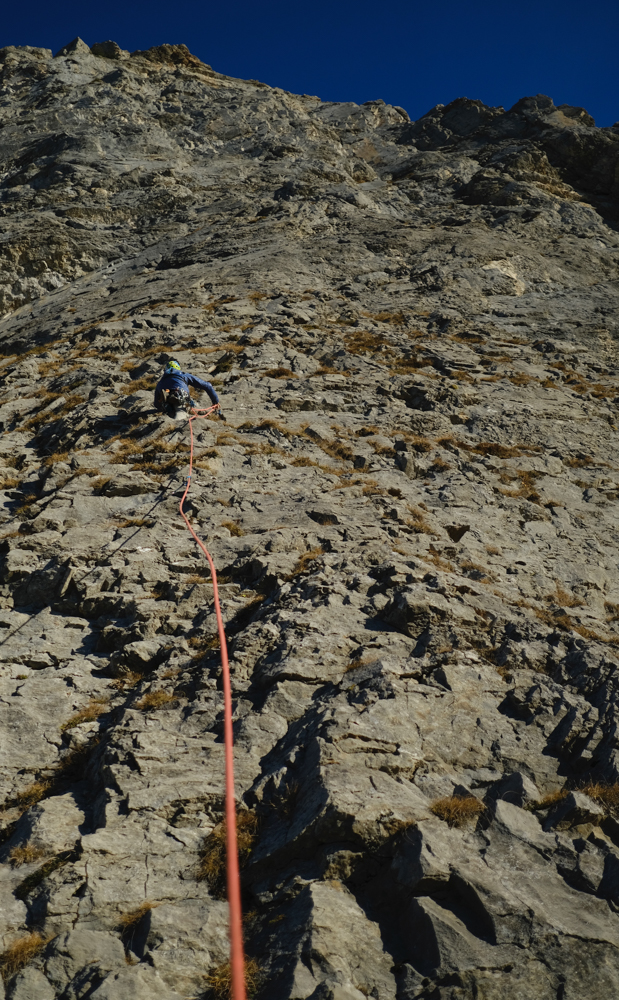
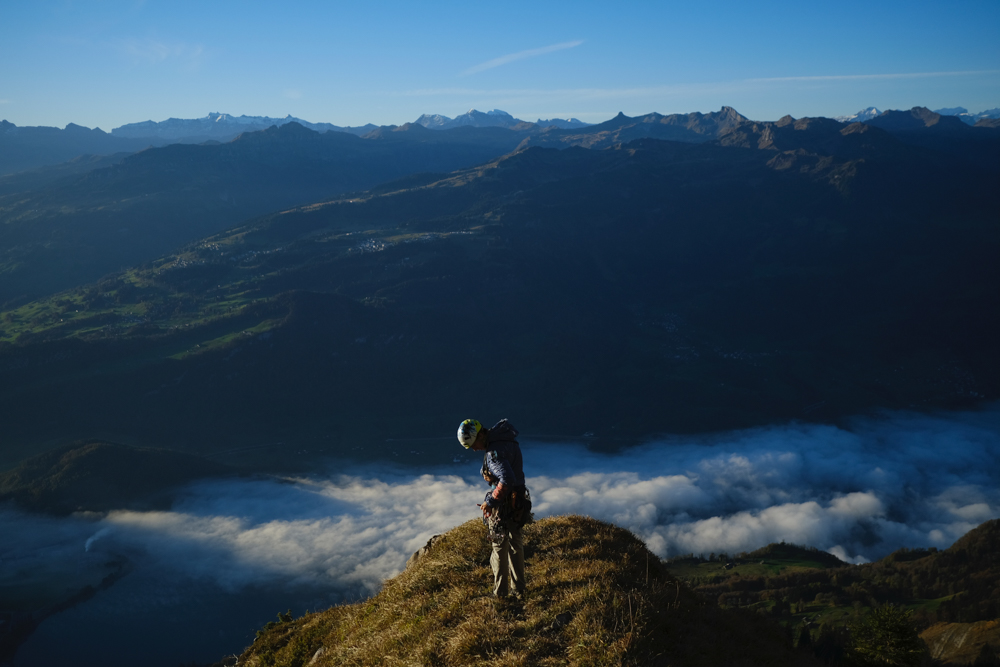
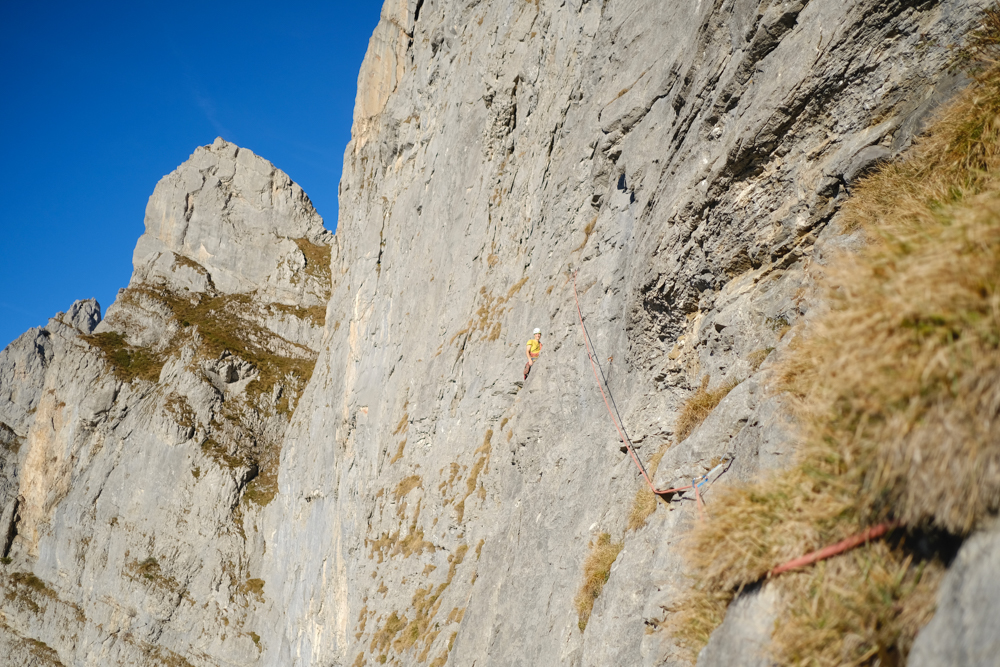
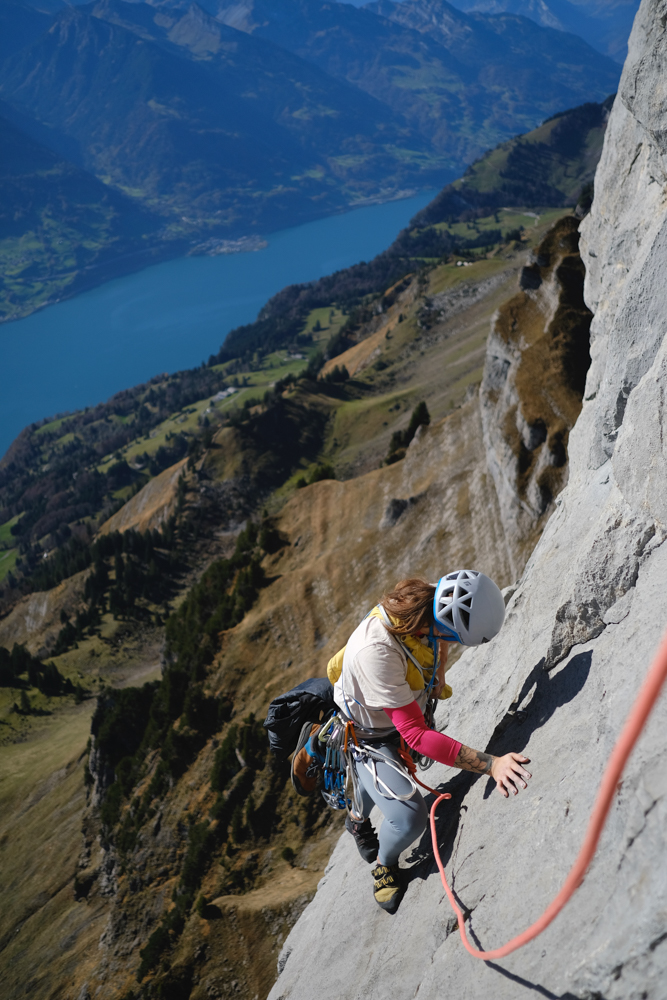
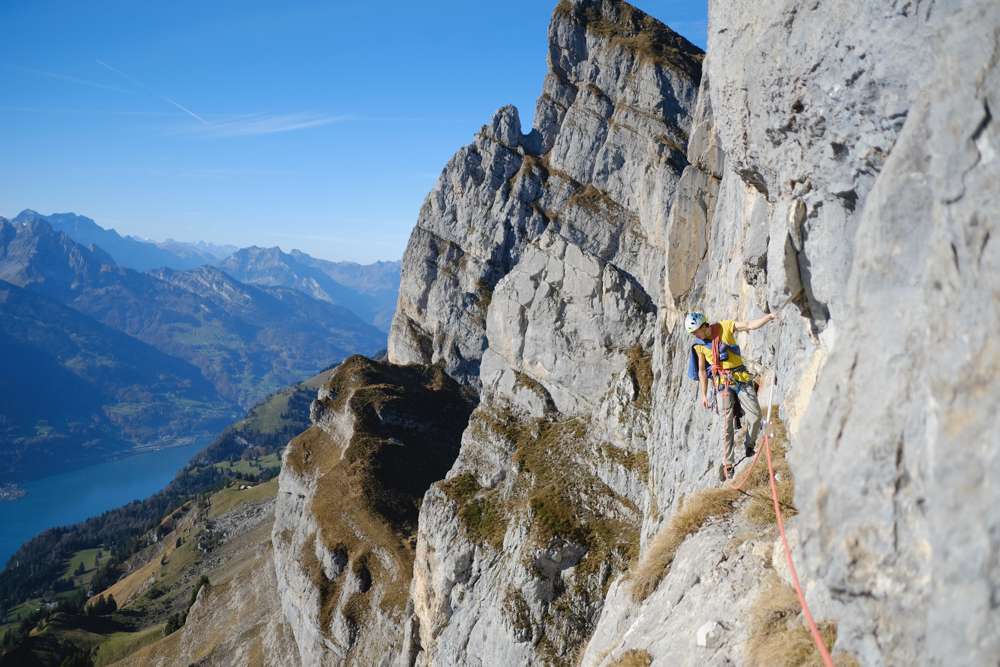
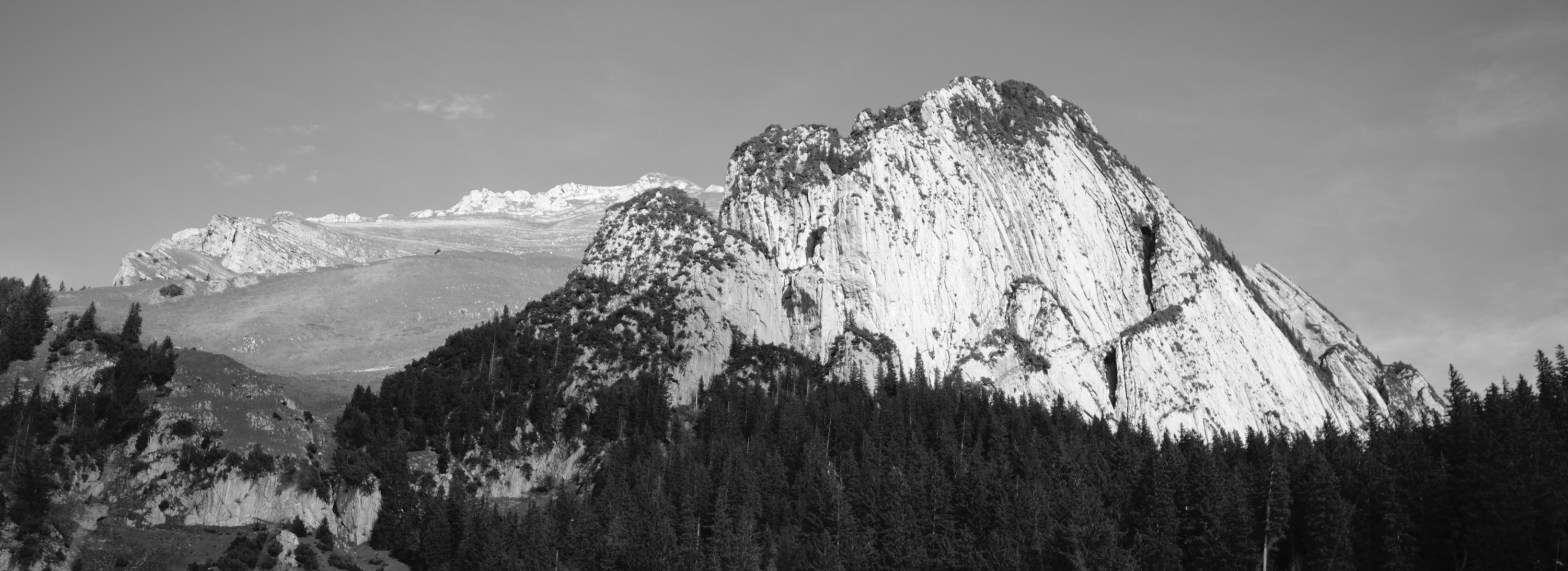
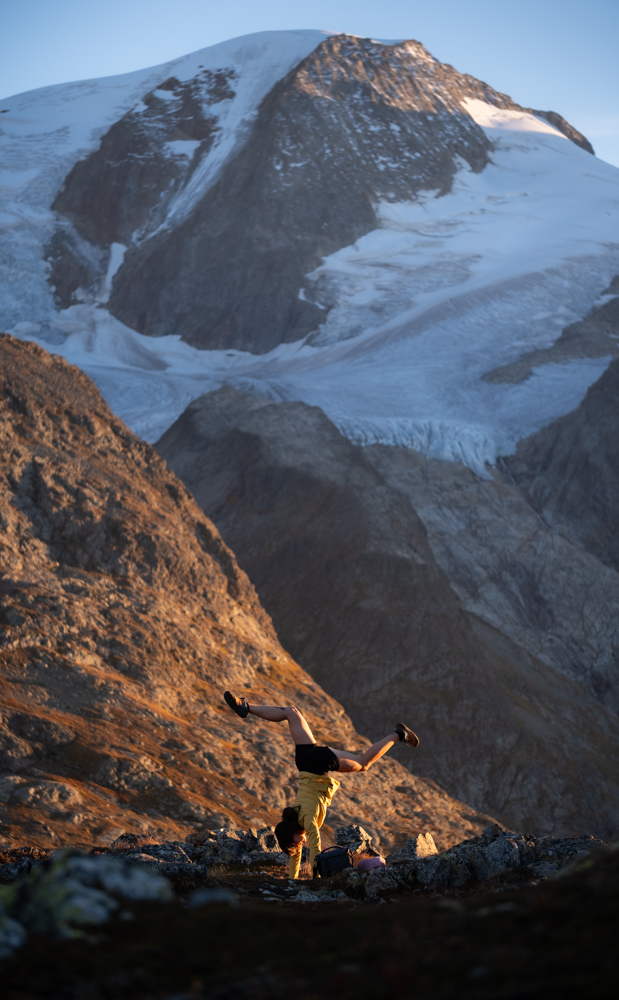
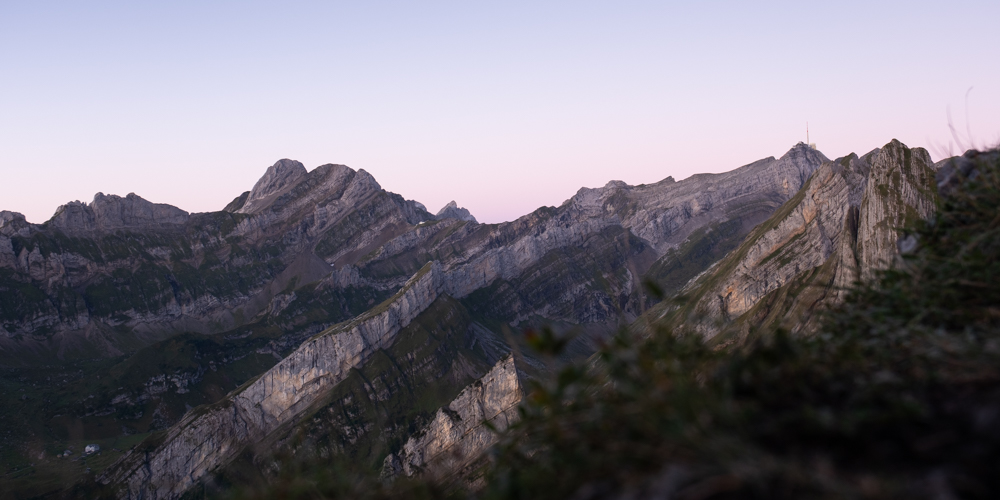
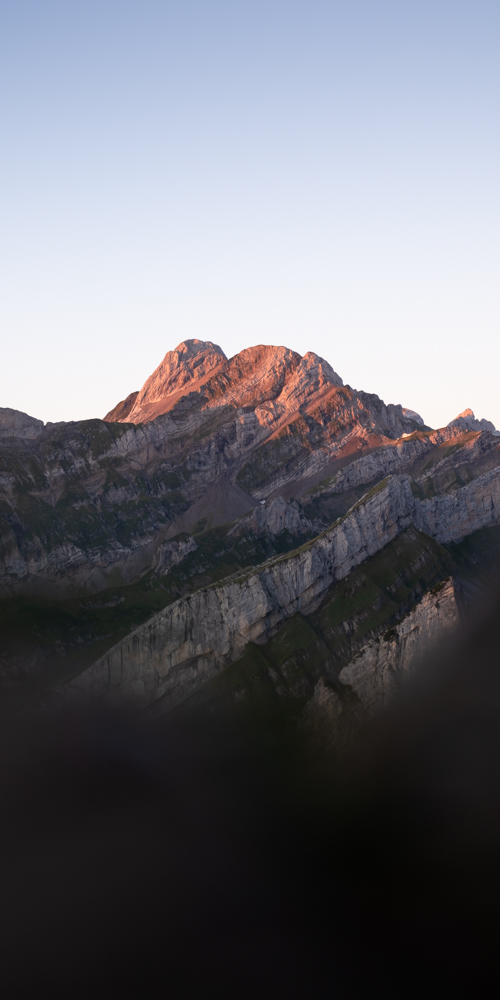
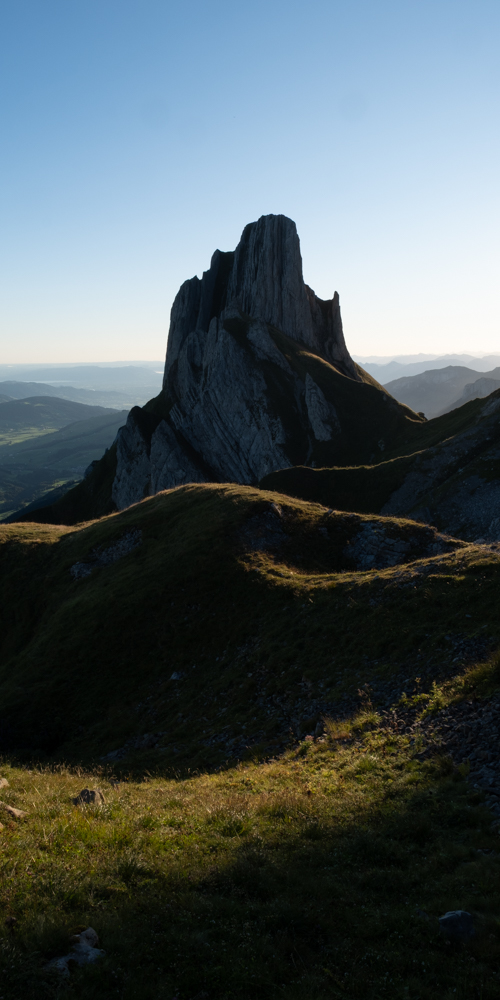
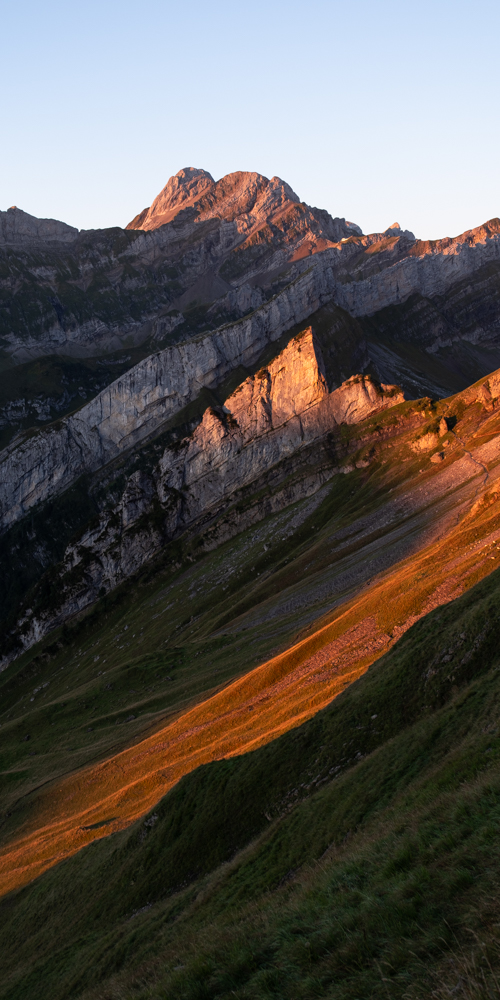
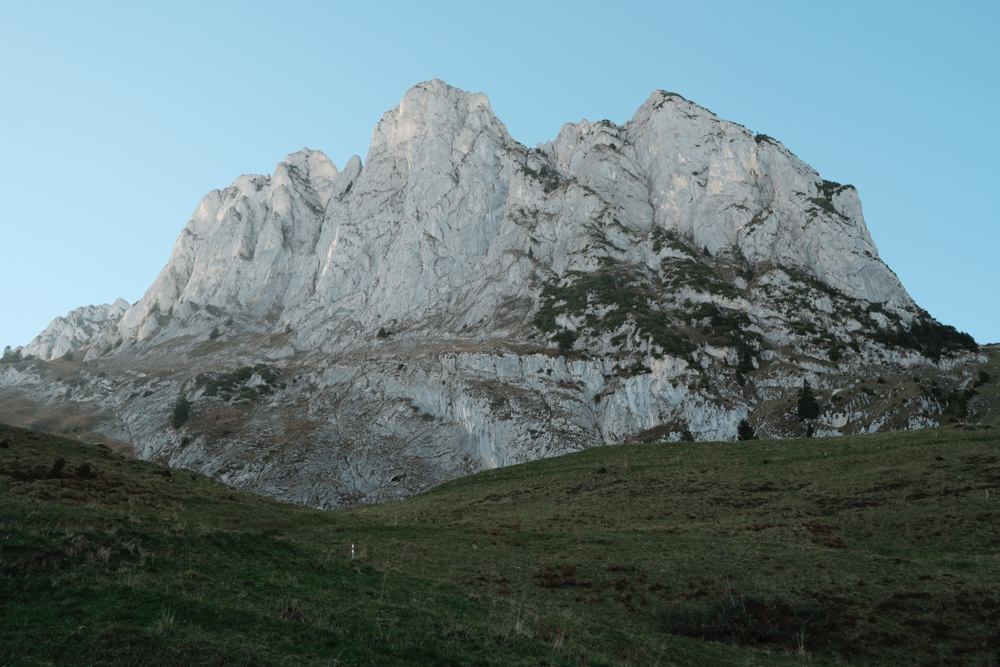
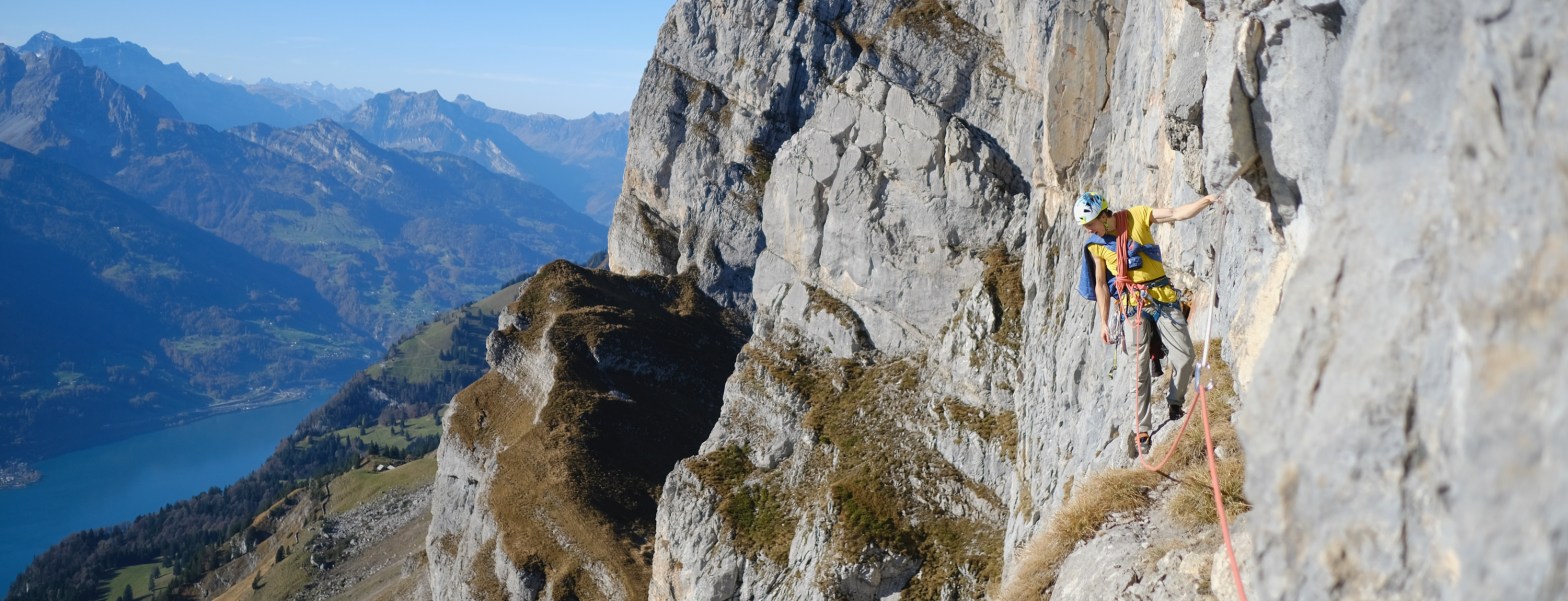
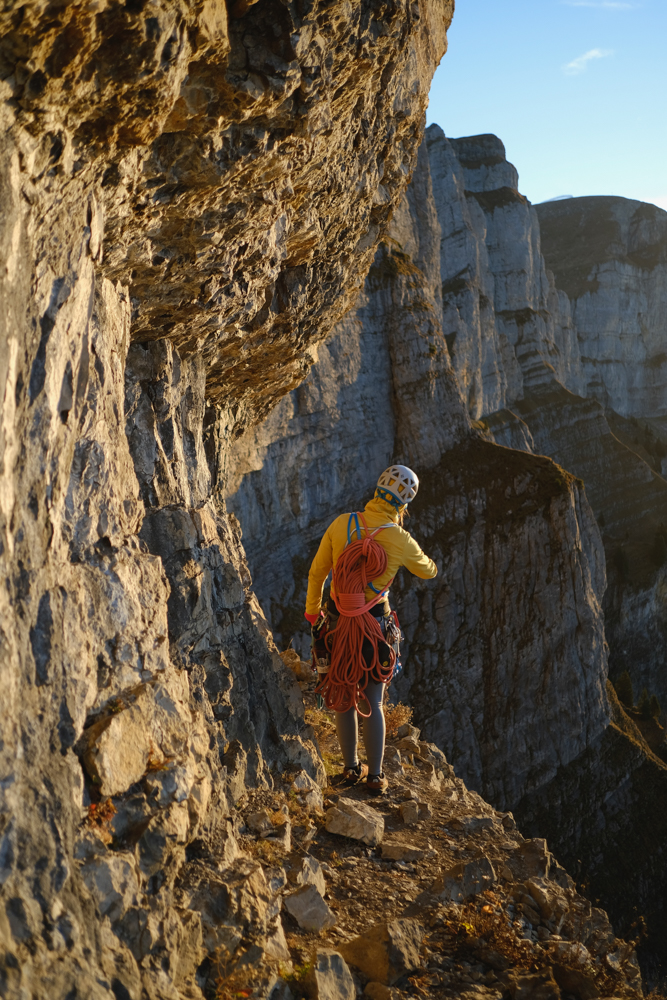
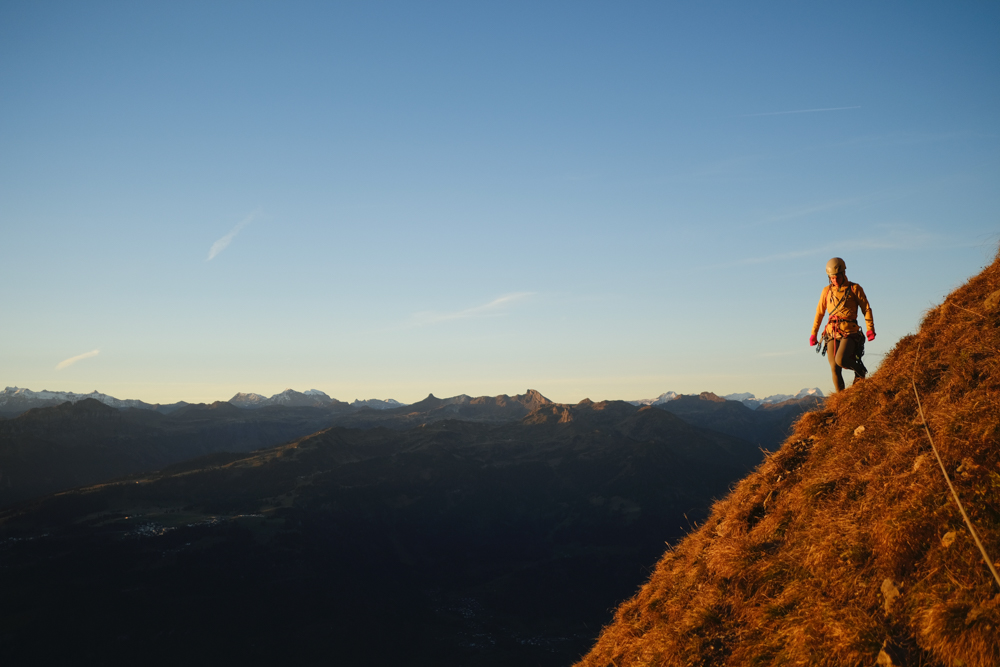
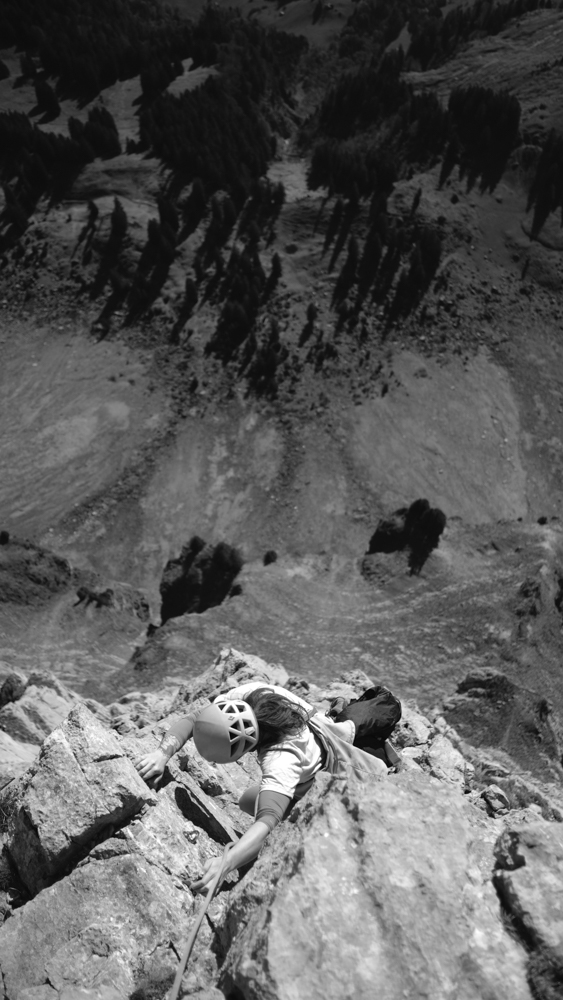
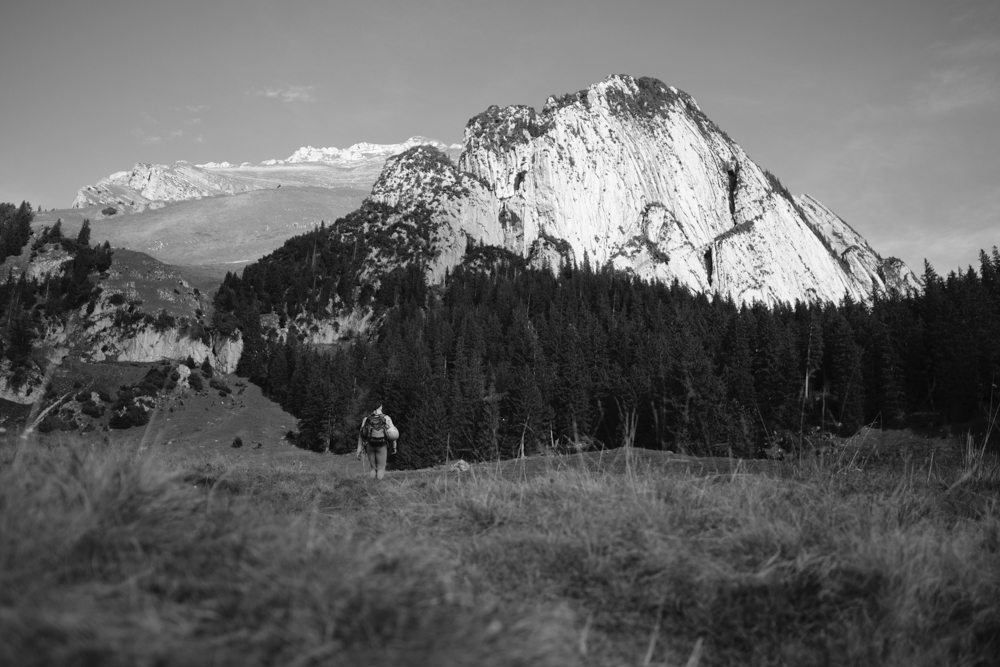
Während wir den Kreuzbergen im Osten des Alpsteins im letzten Spätsommer schon vielfach Besuch abgestattet haben, blieb der Süden für mich bisher unbekanntes Gelände. Daher nehmen wir heute (26.10.2024) als sachte Einführung die Schafbergkante am Wildhuser Schafberg. Es ist ein wohliger Sommertag im späten Oktober: Der Zustieg ist gesäumt von bunten, raschelnden Blättern, die Sonne wärmt von außen, und der kurze steile Anstieg von innen, insbesondere weil wir einen ungewollten Abstecher nehmen und einige Höhenmeter extra zurücklegen müssen.
Die leichteste Route über die Kante ist mit 5c in der Schlüsselseillänge fair bewertet; schwieriger schien uns eher die Routenführung im unteren Teil: Vom ersten zum zweiten Stand gibt es eine Vielzahl möglicher Wege, die durchaus auch mal in den Bereich 6a fallen können. Hier gibt es eine wunderbare Übersicht, sowohl über den Zustieg als auch über den Weg des geringsten Widerstands für die ersten zwei Seillängen.



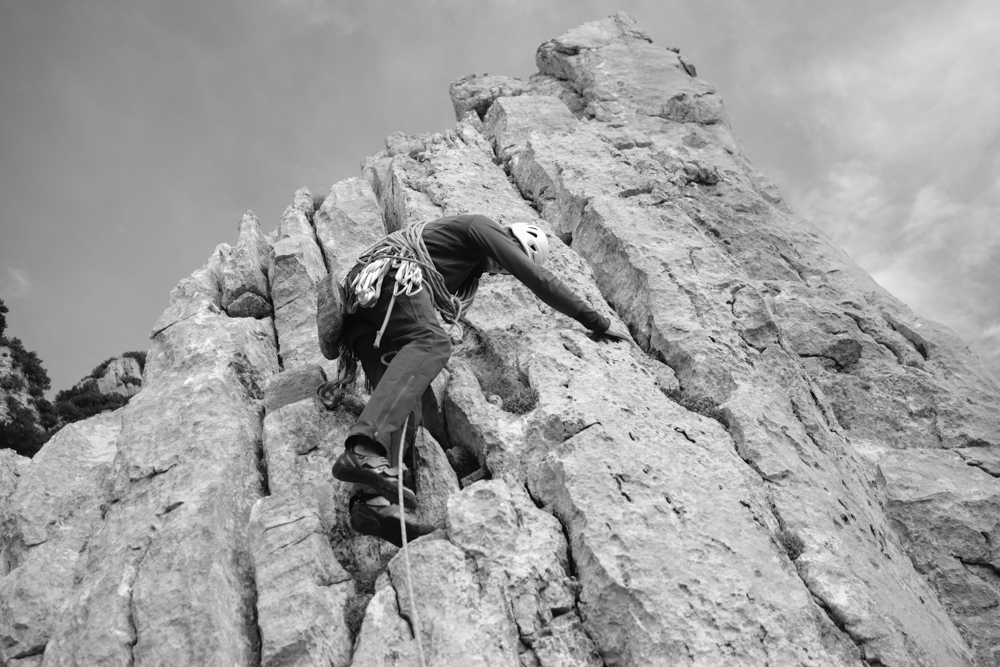

Ein erneuter Solo Durchstieg im Dezember blieb mir verwehrt, da sich in der Route doch einiges an Schnee und Eis in den schattigen Rissen sammelt; an den sonnen-zugewandten Wänden konnte ich indes super topropen um schonmal zukünftige Projekte auszuspähen.
Einige Zeit später gab es für mich dann noch die Tour Patschli am äußeren rechten Rand der Schafbergwand. Hier sind die Bohrhaken in angenehmen Abständen vorzufinden, dafür gibt’s teils erstaunlich anspruchsvolle Platten-Passagen und eine (sehr) kurze athletische Dachkletterei in der vorletzten Seillänge.
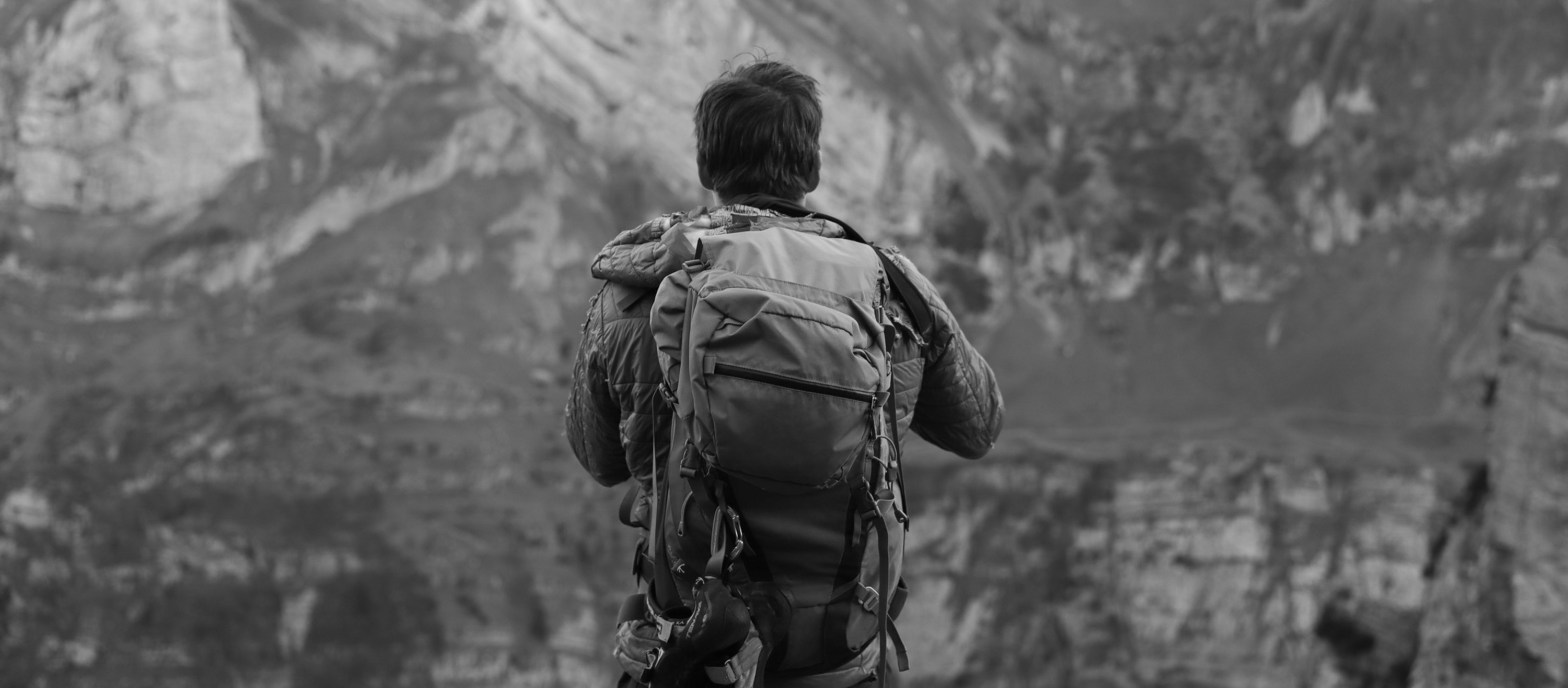

Hoch hinauf auf steilen Schrofen
schreite ich dem Schmerz davon
der sich einen Weg erschlich
ins Herz, ein scharfer Stich,
einwärts gekehrt quer ich
zum schmalem Pfad
zum scharfen Grat, bin frei, endlich.
Ein kleiner Stoß, ich fliege los
Gedanken brechen aus,
aus ihren Runden raus,
der Grat verschwunden, ungebunden
schweb ich hier in Dunkelheit –
es tut mir Leid.
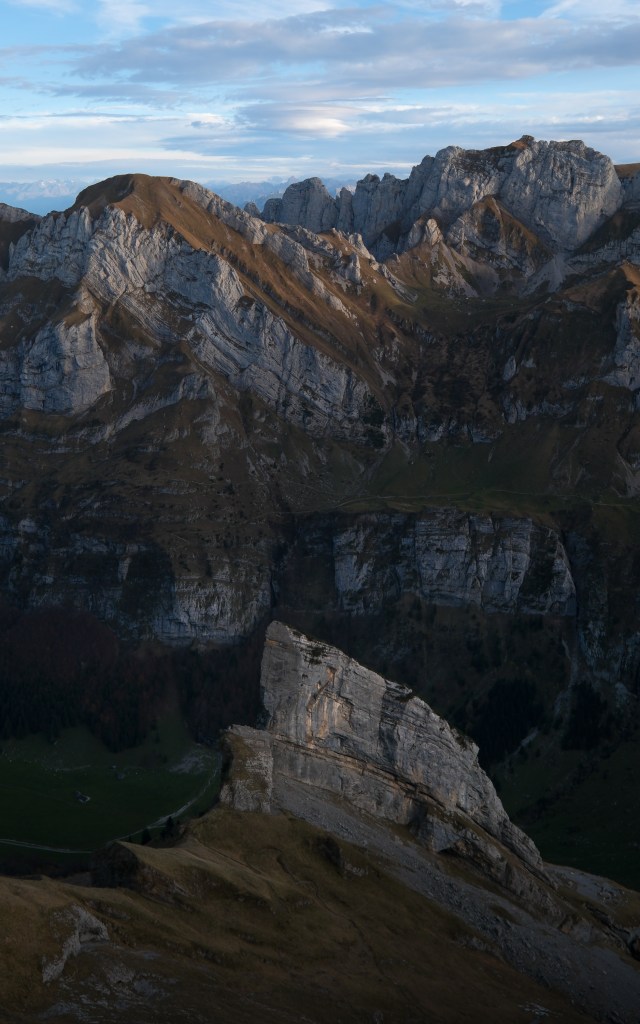
And all is lost in a storm, of something sinister.
The Feeling of Losing Everything, Archive

Spring went as quickly as it came,
and summer knocks with heavy rain
on our door and window front,
but most things stayed the same, quite lame:
The wren berates the passing cats,
at evenings we watch the bats,
the nightingales still sing aloud,
and locals show quite proud
the whole island to every crowd.
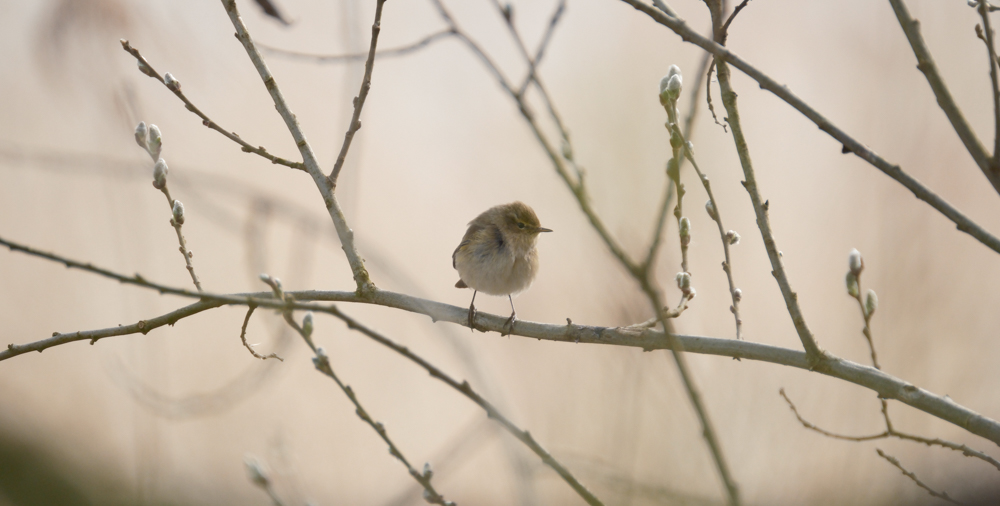


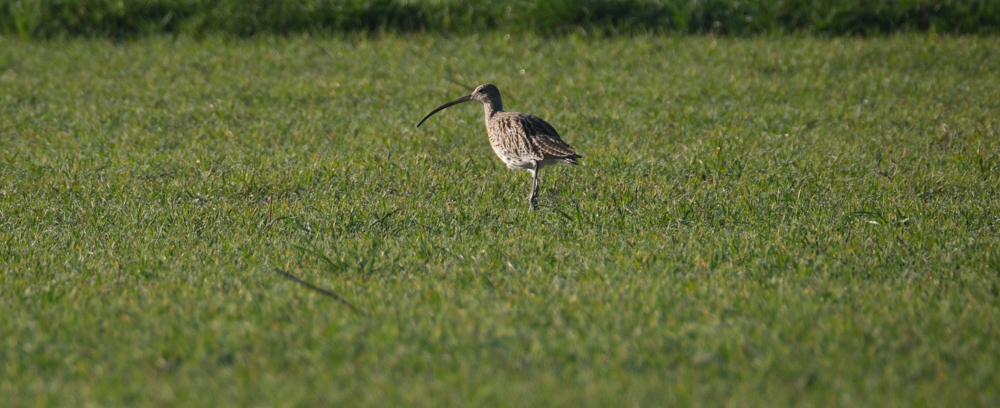
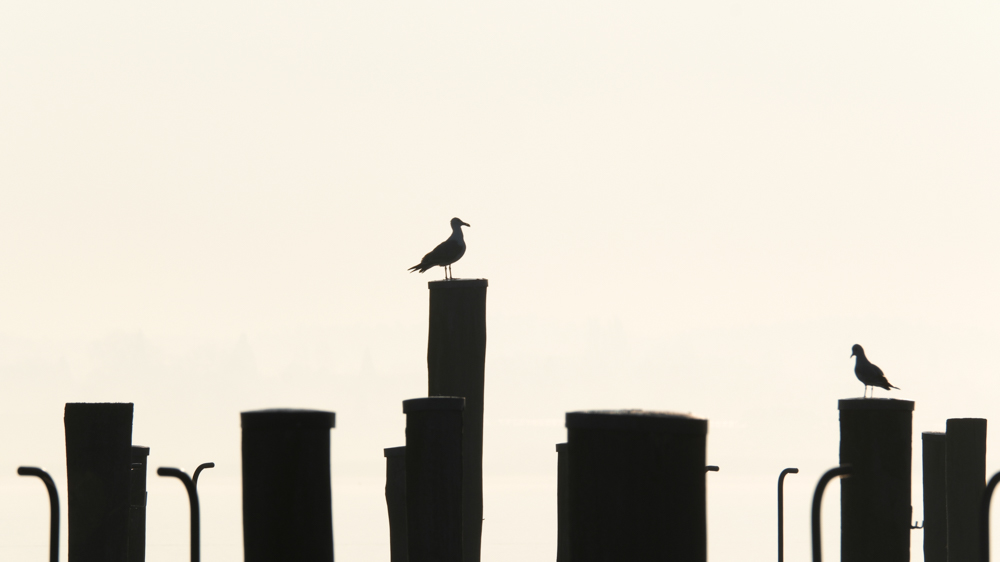

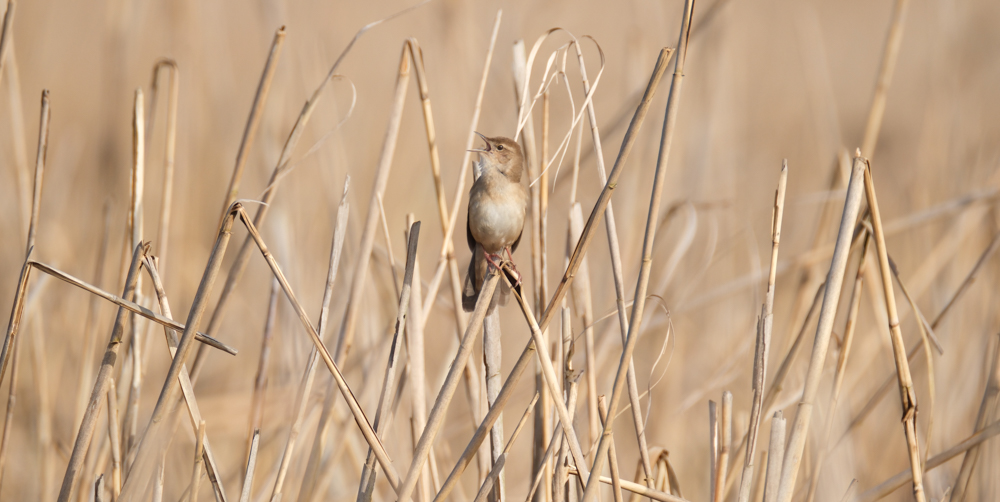
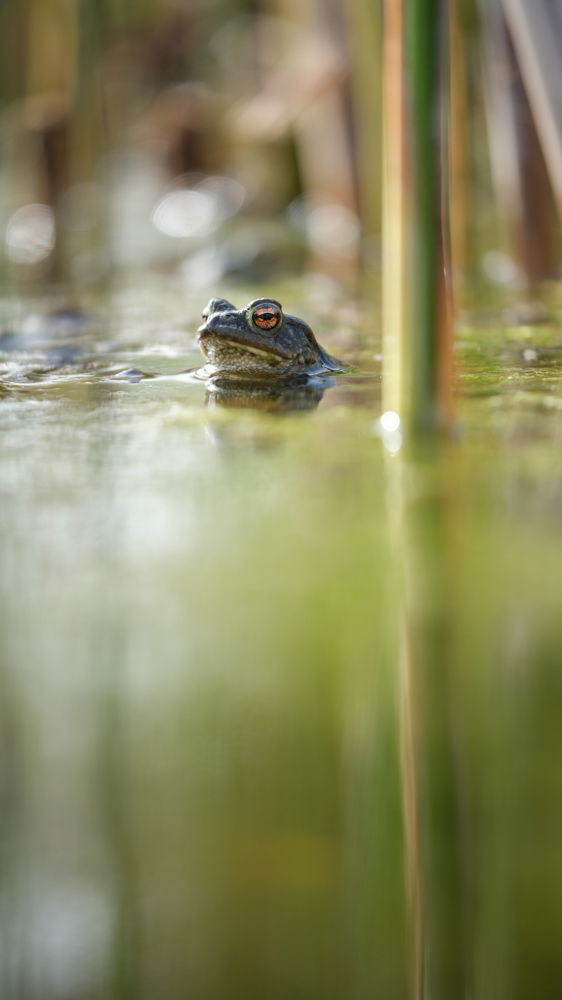
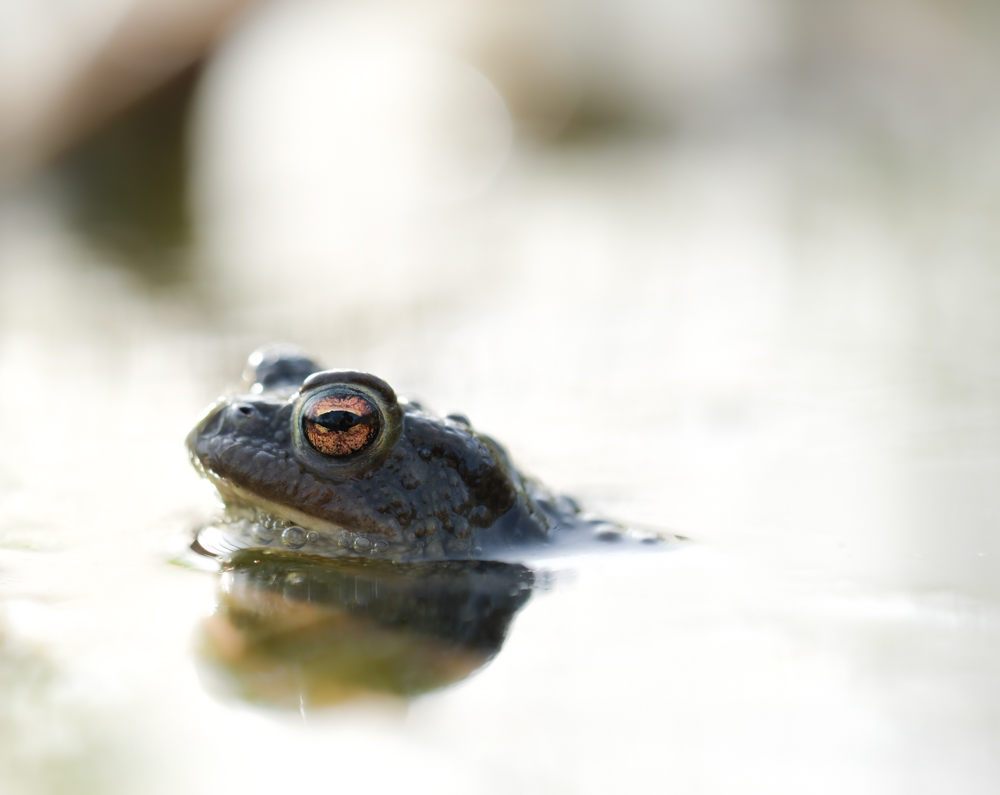
The time of winter vegetables is over and suddenly there is a lot more than only cabbage: cucumber, green beans, salad, kohlrabi (why is this the correct English word?), and fennel. Especially on the island, things seem to grow fast. In accordance, April continued the temperature high of the first three months and brought us 30 degrees before my birthday. Just to plummet to zero afterwards. Thus, somehow here we are, still discussing e-fuels and heat pumps. So, instead of debating politics, we continued to learn a lot about birds. Most recent progress includes the effortless identification of the songs of the short-toed treecreeper, the willow warbler, and the Savi’s warbler – black birds and starlings are breeding in the garden, and the frogs intone their chants. I am ready for summer.





 Punkt im Dunkeln