Alex Honnold free-soloed El Capitan in Yosemite; people might describe such an action as dangerous or inappropriate, or even call him tired of life. For me, it is about the exact opposite: It’s about using your life, about passion and emotion, about feeling alive.
What’s the point in our journey? Do we live the 9–5 weeks until we are 67 and die of illness afterwards? It’s difficult to know beforehand how to live a life that we don’t regret; after all there is only a single chance (from what I believe). This can be a constraining or liberating thought, a coin with two sides. Either: Be careful! Stay save! Or: Use your resources consciously to find satisfaction – even if it might come with risk. This does not need to be dangerous at all though: A walk in the woods, a calm hour in the evening with your favorite music, or a long conversation with close friends.
However, for me, feeling alive also sometimes brings along risk. But it is a deliberate and calculated risk that entails joy, freedom, or happiness. It also entails an honest confrontation with oneself: How far am I willing to go? How good can I assess my own abilities? What is really important to me? So important that I am willing to take a risk? And from time to time the answer is the distant peak at the horizon or the high boulder I am walking by. The boundary is always moving, sometimes towards the safe side, sometimes towards the more dangerous side. And in case of an unplanned end, it’s probably the car ride or the swim in the sea that finishes the journey anyway.
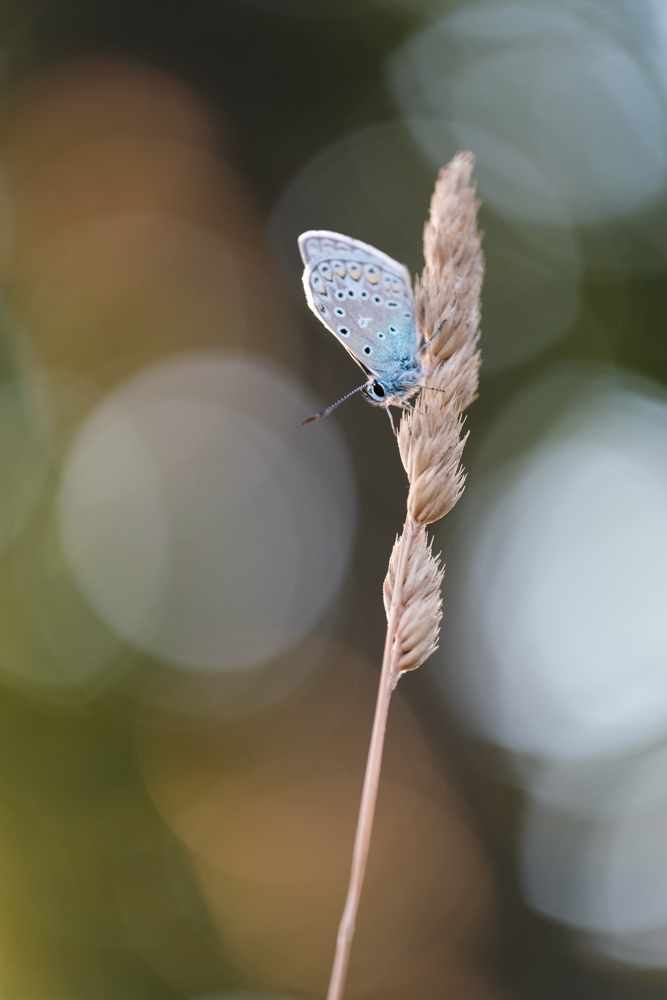
Primrose Optimization 2.0: The common blue (Hauhechel Bläuling), or Polyommatus Icarus. Hiding the blue upper side, but showing the yellow spots underneath the tips of the wings. When flying high his wings don’t melt – when sitting still, a lovely subject for a photographic study during sunrise. His favorite plant: Lotus corniculatus; here: on wheat.
There is never a single point of view. The multiplicity of different perspectives can convey a sense of completeness; however, infinitely many other perspectives always remain unexplored. It’s important to be able to exclude, to simplify, to stop exploring. It’s also important to disconnect from everyday life, slow down, take a break, and relax. Even on vacation I struggle with this. There is always the drive to do stuff, otherwise I am afraid to miss something. I cannot switch off my brain and sit still; the limited time needs to be used to climb the next mountain, to find the next boulder, to photograph the changing landscapes. It remains unknown if and how I can resolve this constant struggle – I’ll let you know when I found a solution…
But still, I have to get up to find a butterfly and at least a hundred different perspectives, enjoy.
The sun sets with golden rays.
Thoughts creep in, are here to graze
the mind. With rising haze,
expands, obscures, distorts, delays.
What was, what is, appraise the days
to come: never ceases to amaze
in a multitude of ways.
And I ponder here and phrase
lose myself, the world ablaze,
deep within my inner maze.
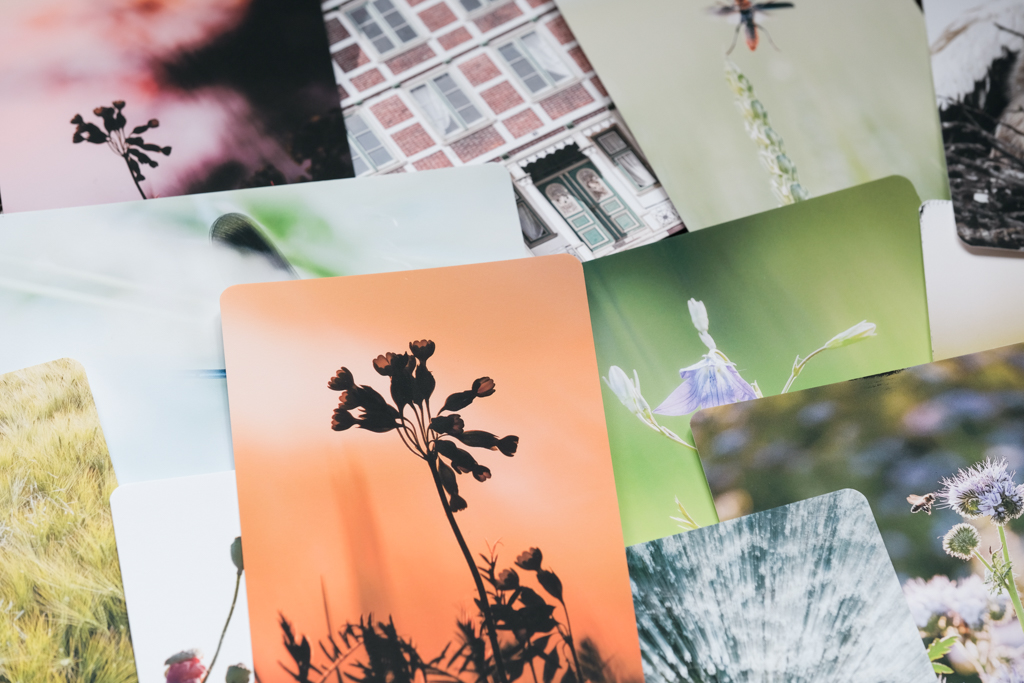
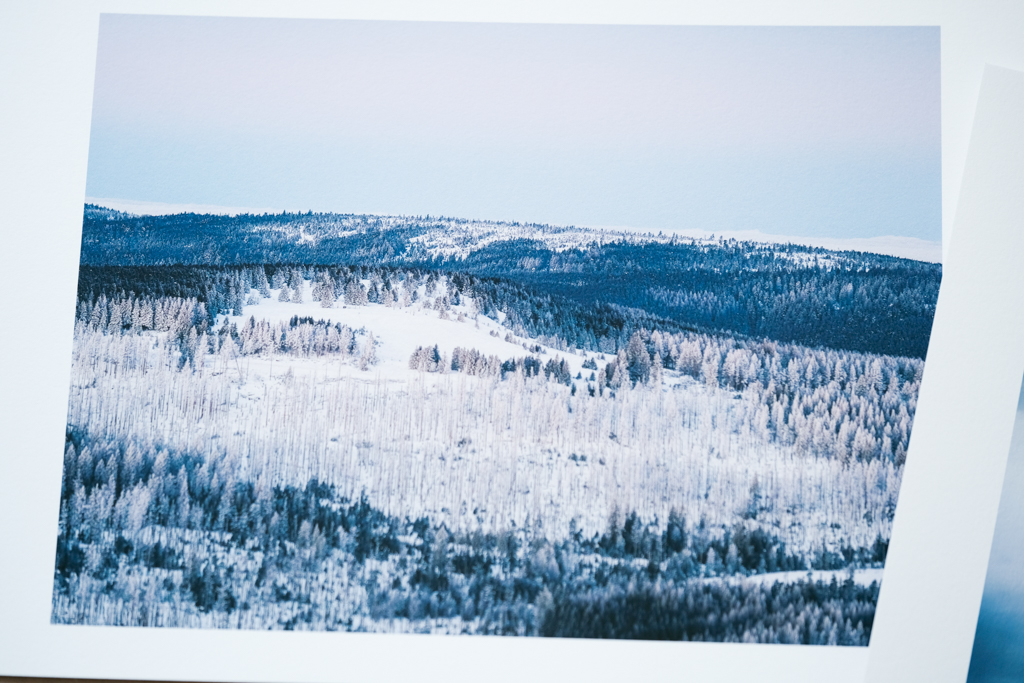
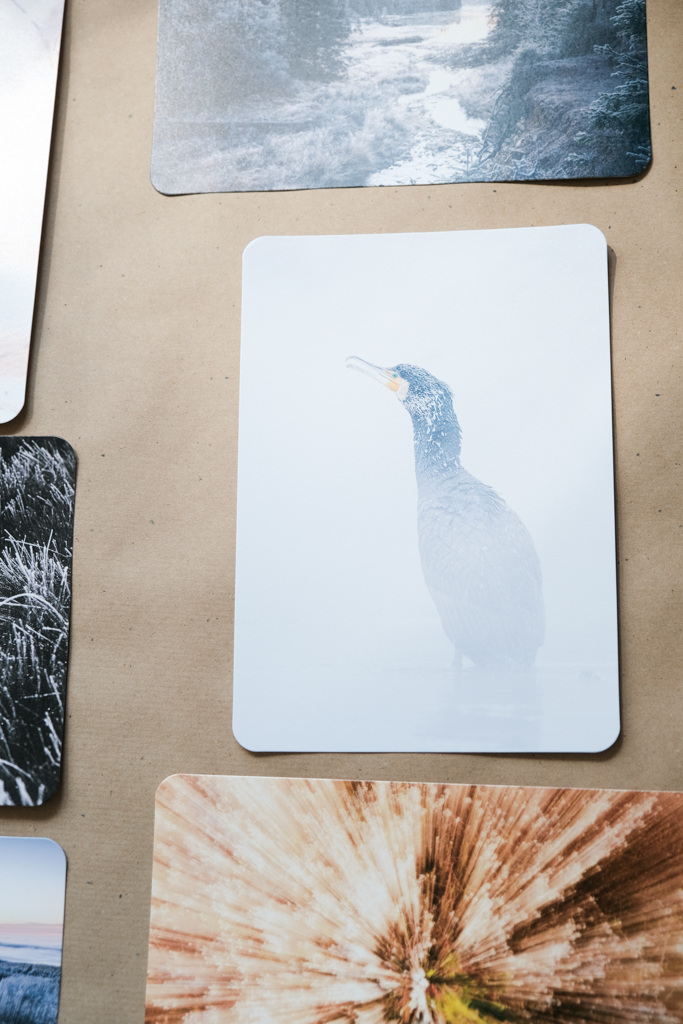
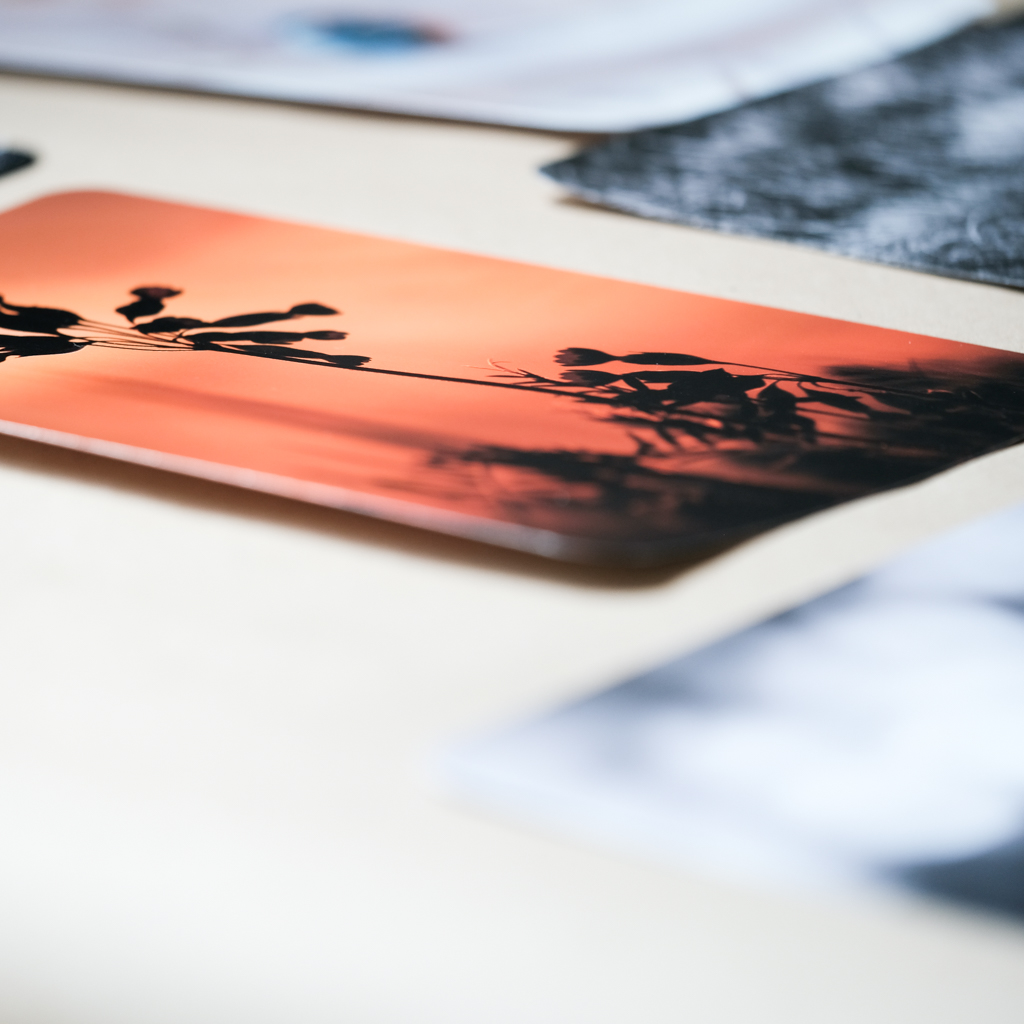
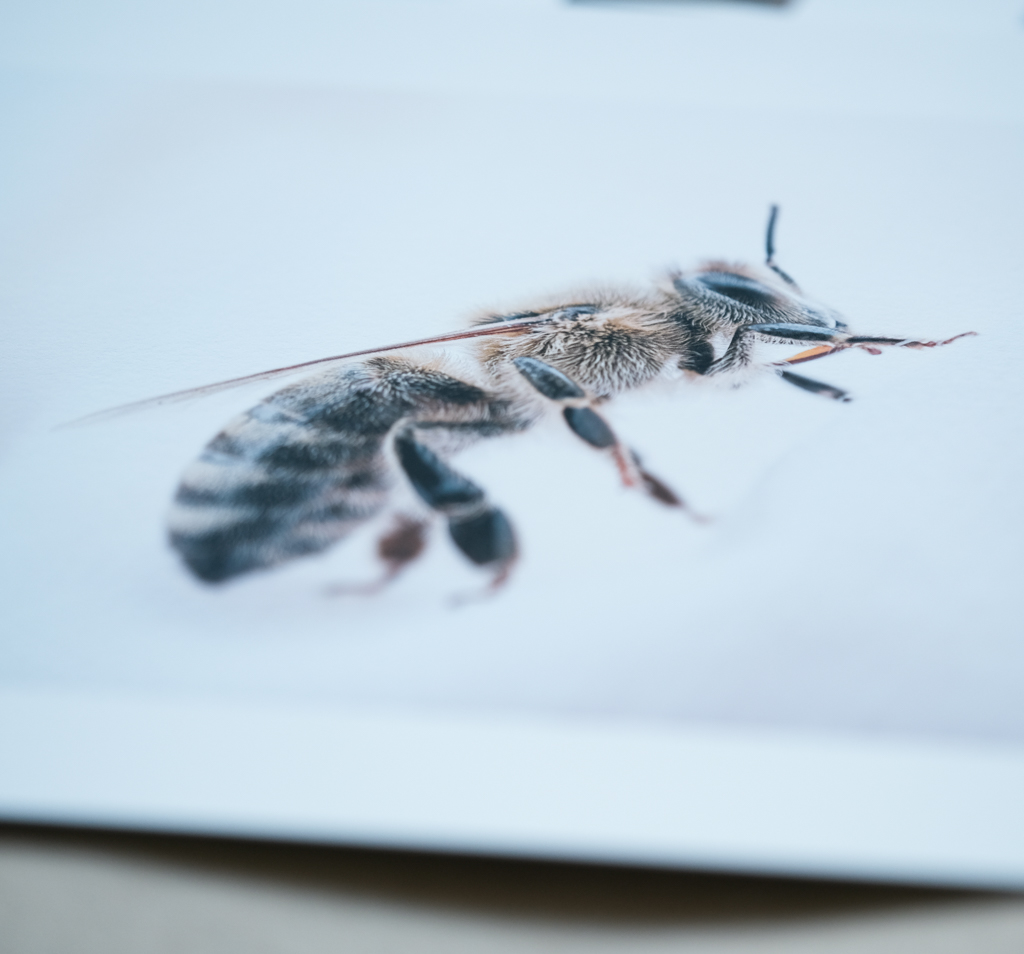
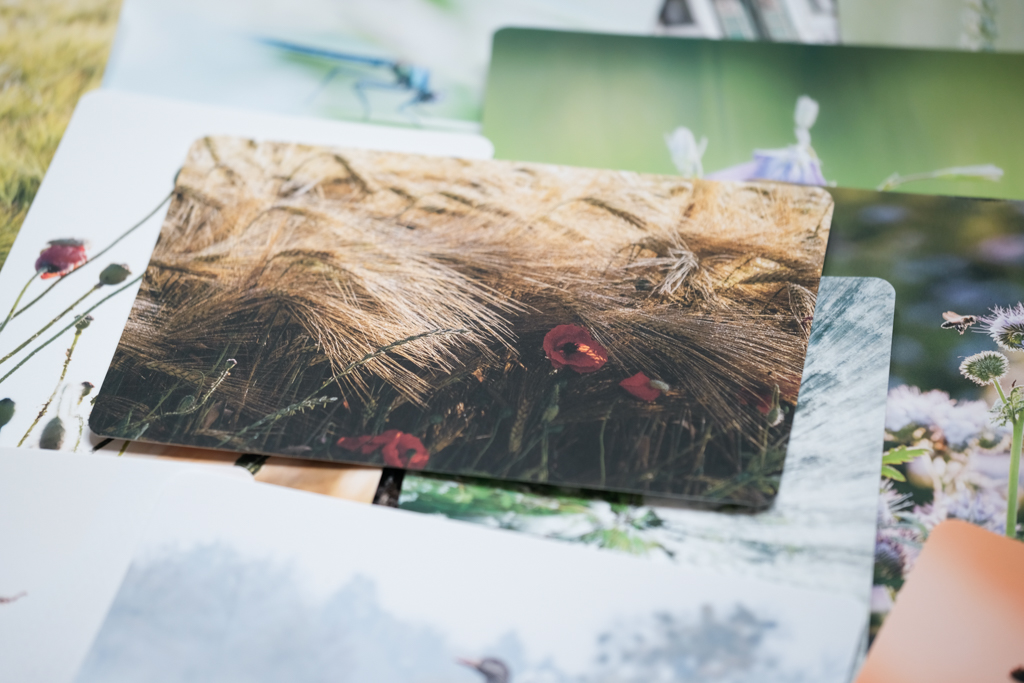
When we are not away on weekends I mainly do two things: Writing blog posts or printing photos (however, this weekend we also prepared our van for the upcoming holiday!). By now, I have stashed quite a few prints and I need to figure out what to do with them; I think we still have plenty of free space on our walls (my significant other does not agree…), but it also takes time and money to properly frame the prints. So far, I have created mainly A6 postcards on matte paper, A5 prints on semi-gloss paper, A4 matte prints with white margins, and occasionally a large A3+, all on fine art Hahnemühle-paper. I also tried some lower quality paper, but have to agree with their slogan: ‘Paper makes the difference’, visually as well as haptically it’s outstanding. While in the beginning I needed several tries for the right settings, now I can get (most) prints as I want them from the get-go. Additionally, I slowly figured out which pictures do work as print in the first place, and which pictures just do not translate to paper. And as mentioned earlier: The printing also changed my progress of photographing itself, regarding the settings, lighting, composition, and subjects. The first charge of cartridges is empty and already replaced for the next prints to come.
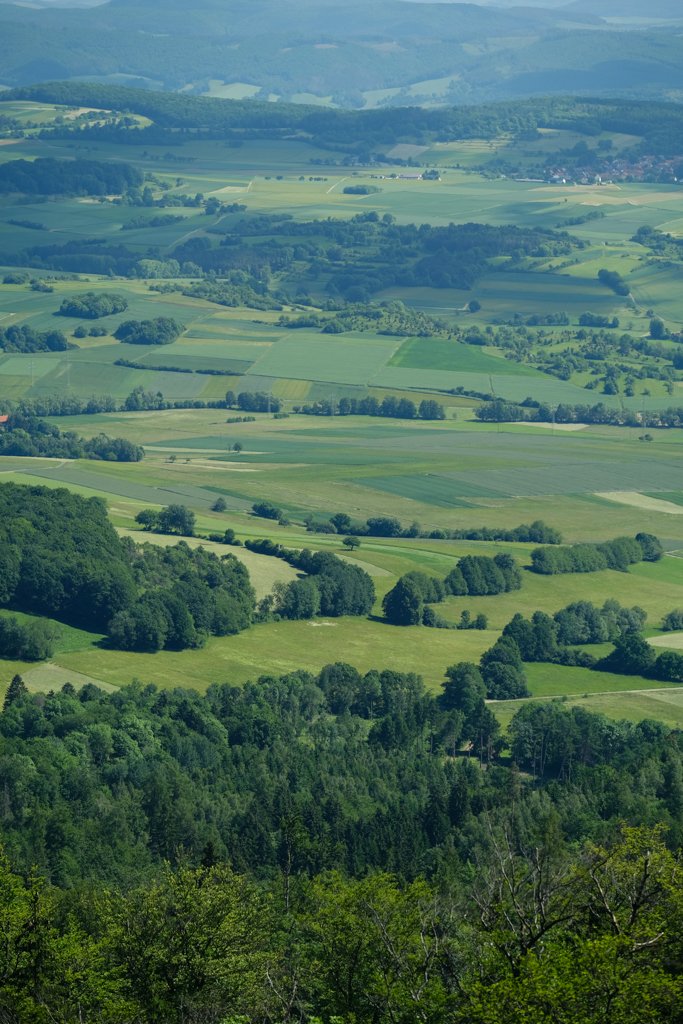
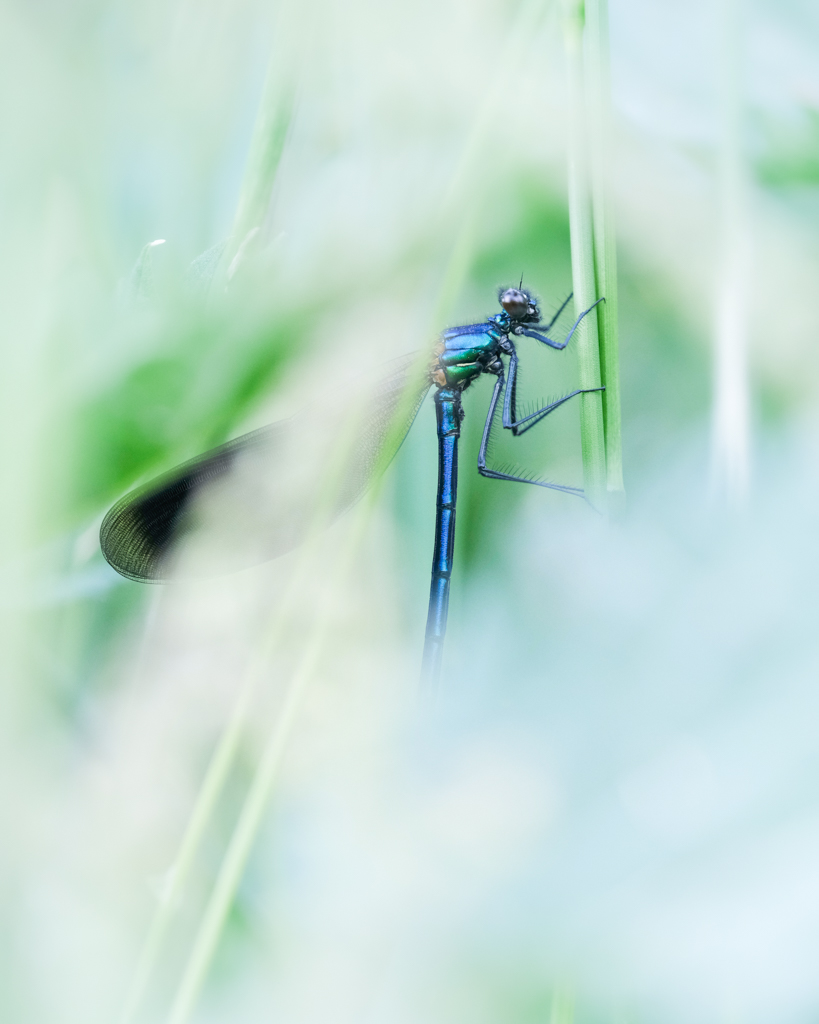
Last weekend we walked a hiking trail around the mountain Hoher Meißner. Unfortunately, the only time the alarm clock wakes me up lately is on weekends. The sun rose at 4:30 a.m., so in order to have good light, one needs to be up on time. While we were early, the sun already was high above the horizon when we started hiking. Nevertheless, the cold air and wet grasses made it feel like morning. The landscape was wonderful, but difficult to photograph during plain sunlight; thus the abundant insects had to serve as objects, including additional species of the soldier beetle, ladybugs, and bees.
Exactly a month ago, in my post on botanical gardens, I made the promise to inform myself (and you) about one combination of plant & insect I am coming across. Thus, I think it is time to fulfill this promise even though I did not manage to visit the botanical garden in the mean time.
We stumbled across many individuals of this beetle species already on our hike on P23. However, we had no idea what kind of species it exactly is:
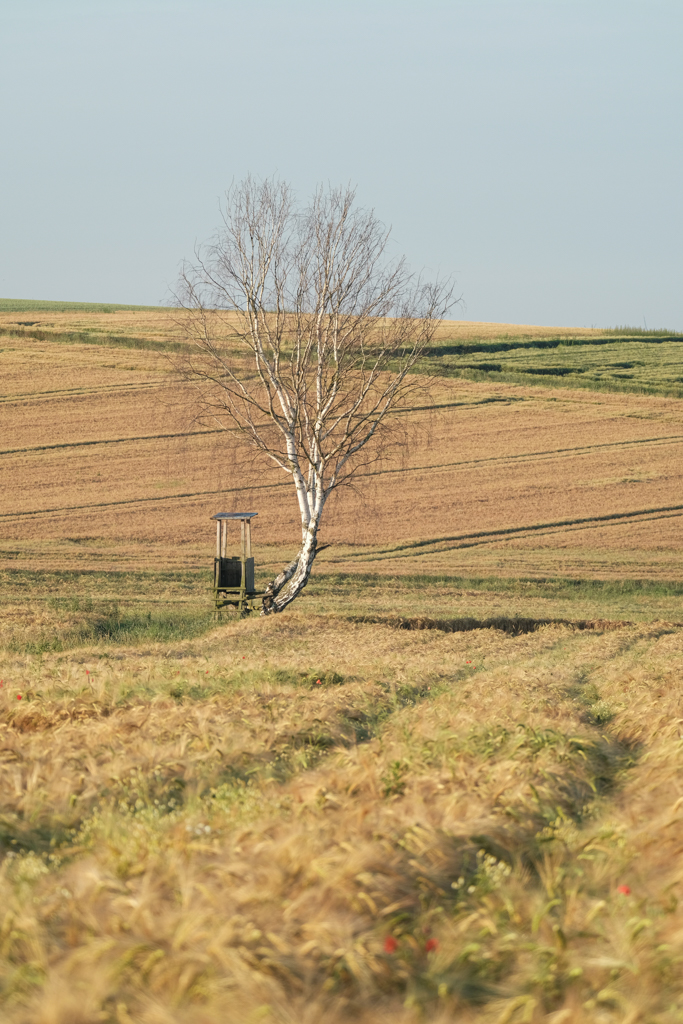
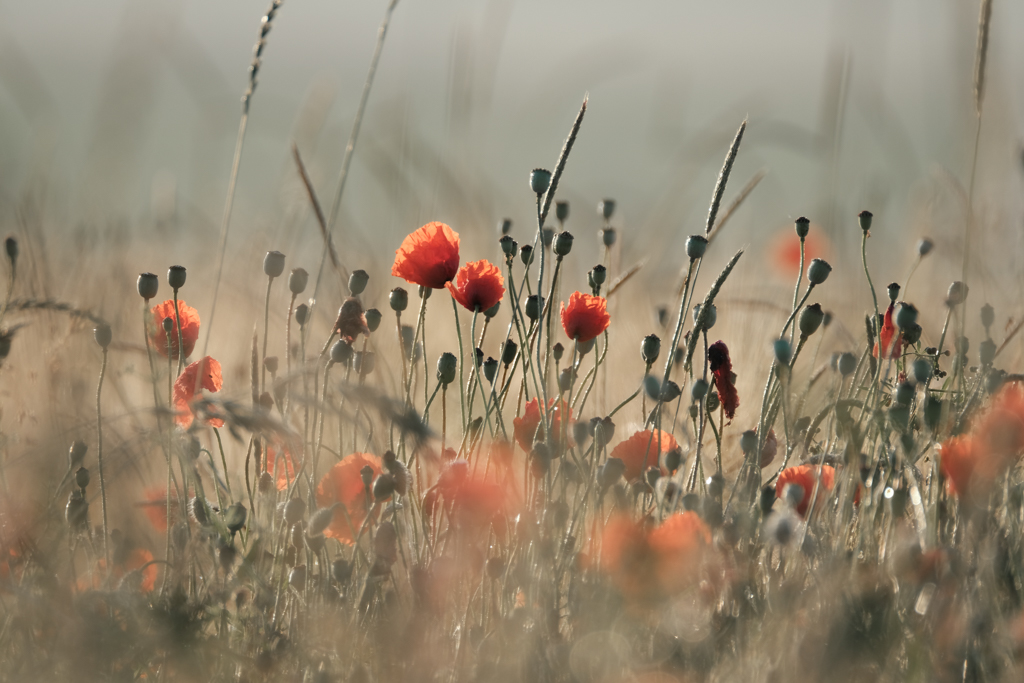
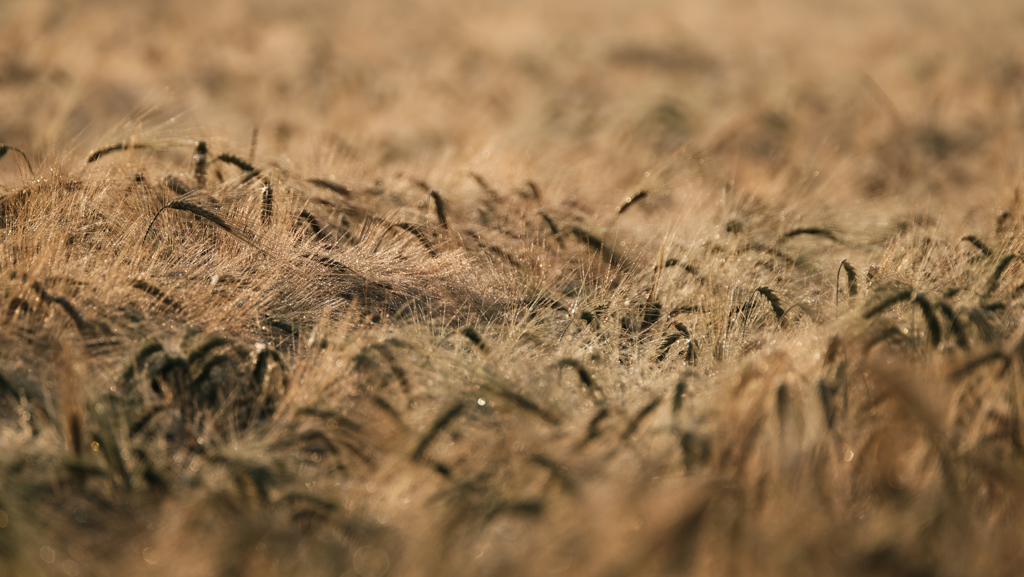
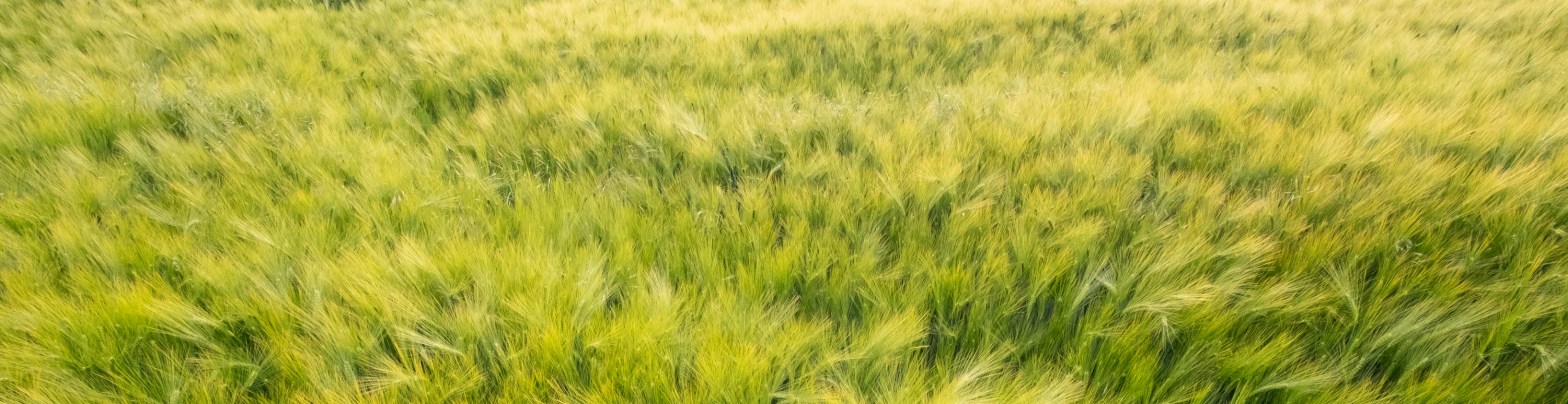
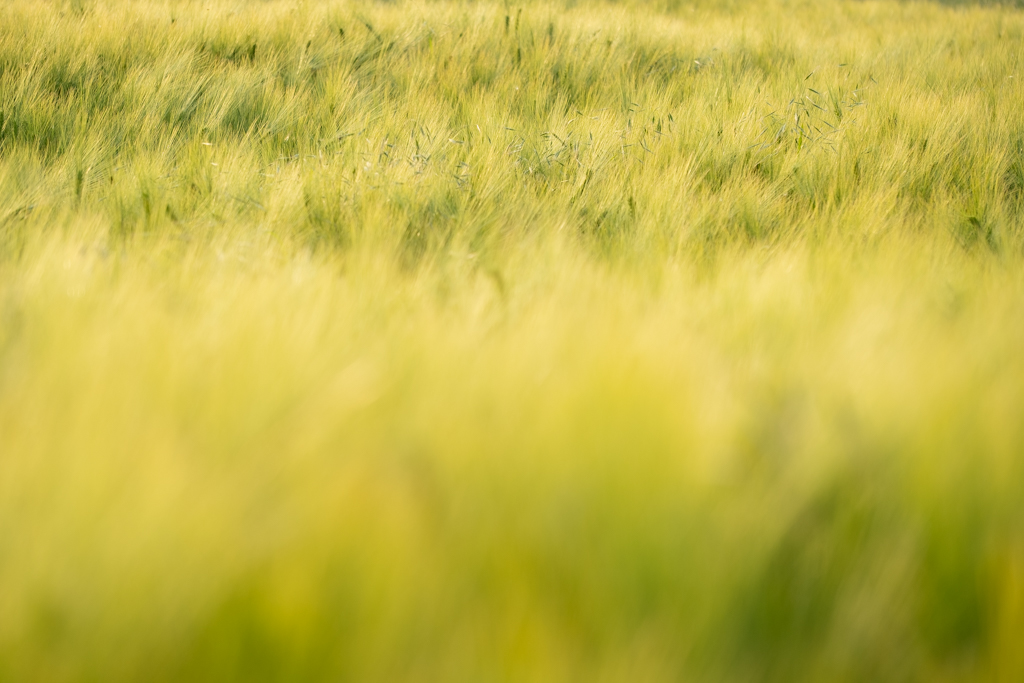
Last Friday, I finally managed to go outside again and did some macro photography. And, again, I saw multiple of these bugs in the grasses, weeds, and fields. It also felt like the first genuine summer evening: Warm air coated the landscape, undulating fields of barley stretched in golden rays, the city vanished behind endless rows of trees, and its inhabitants escaped the asphalt towards the deep blue bathing lake.
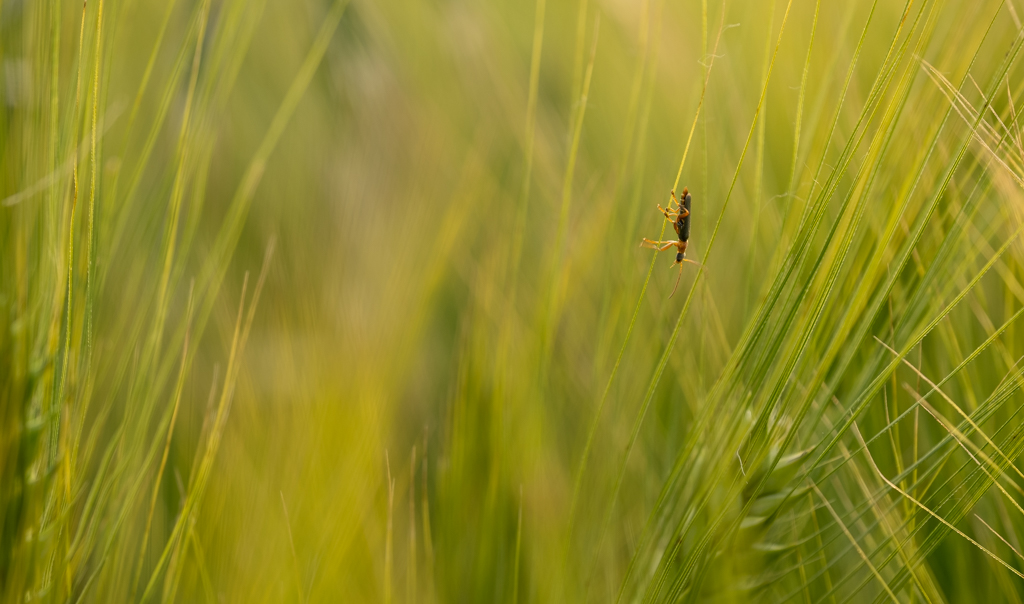
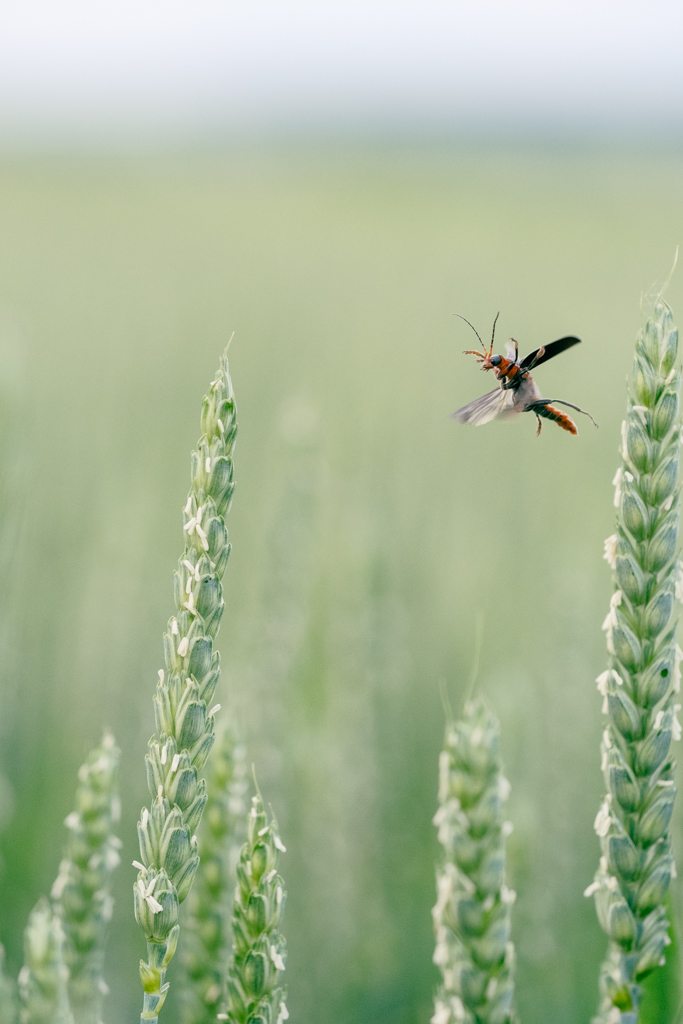
And I stood in the fields and waited. Waited for this bug, waited that it flies in front of my lens, and that I don’t miss to press the shutter. And then it came:
It is (presumably) a Cantharis fusca, a species within the family of Cantharidae, in English also known as soldier beetle or leatherwings. The last name refers to its soft body; this is also why it is called ‘Weichkäfer‘ in German. There are many different sister species and often they only differ by minuscule details, at least to the untrained eye. In Germany alone, there are 86 different described species; worldwide more than 4500 – for a single family of beetles! The diversity and complexity that nature creates can be mind-boggling. They are mostly colored red, black, or golden. A wonderful visual overview is given here.
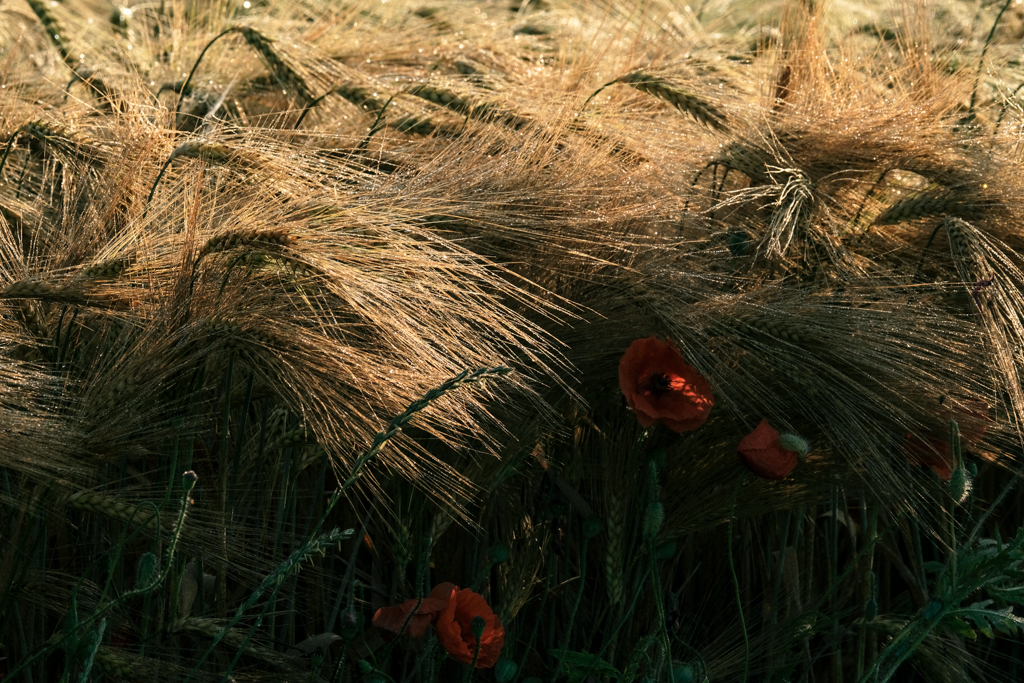
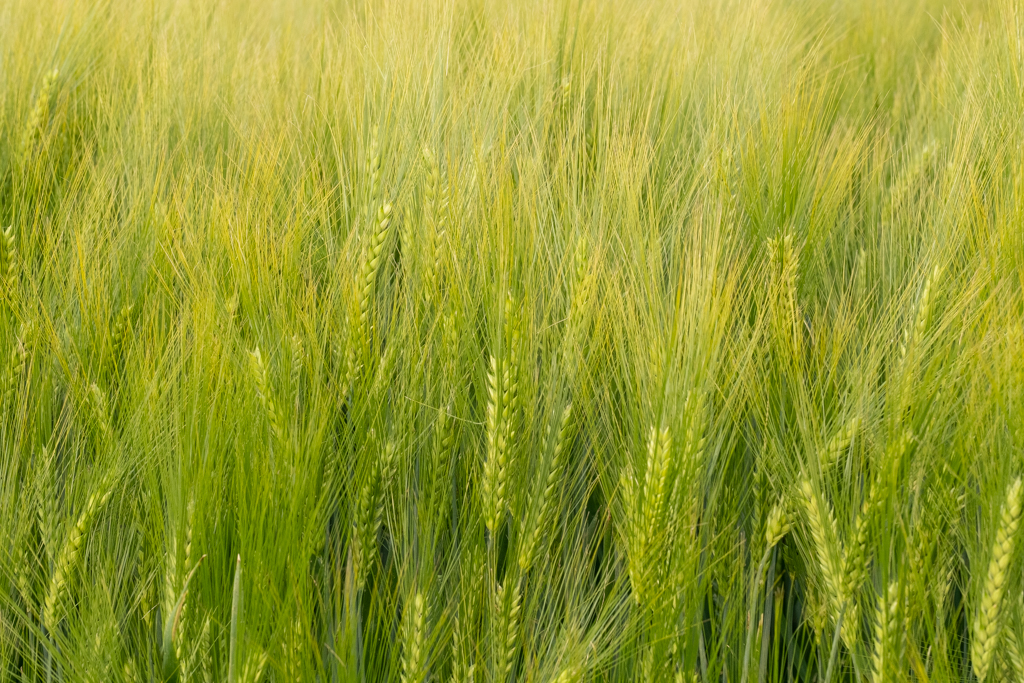
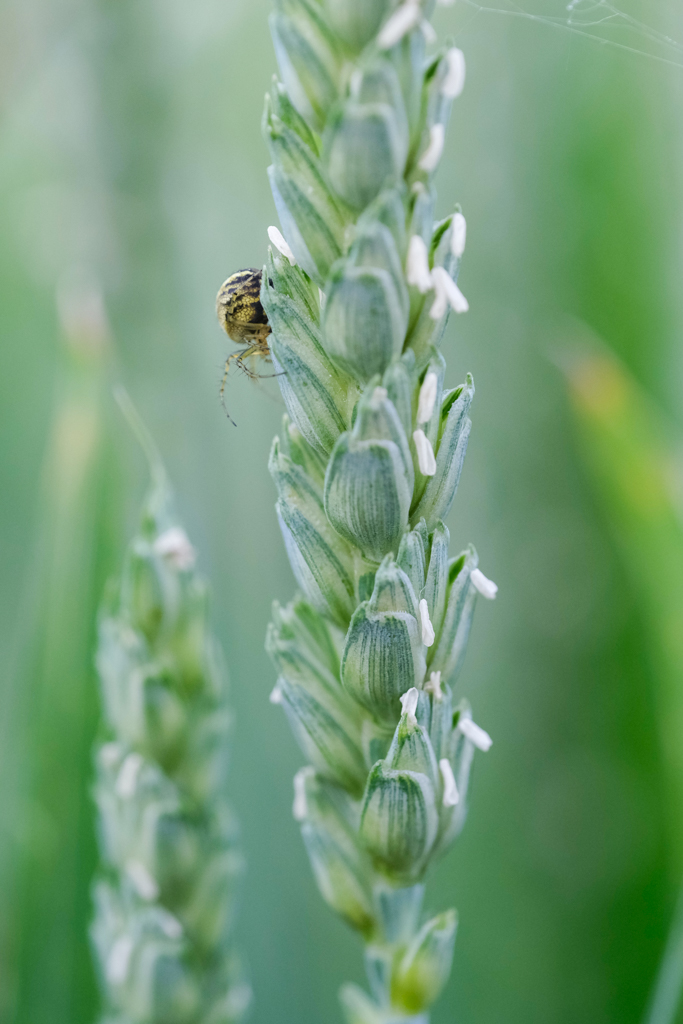
The plant it was landing on seemed rather uninteresting; most of all because it is so common on the fields in our area. At least, that’s what I thought at first:
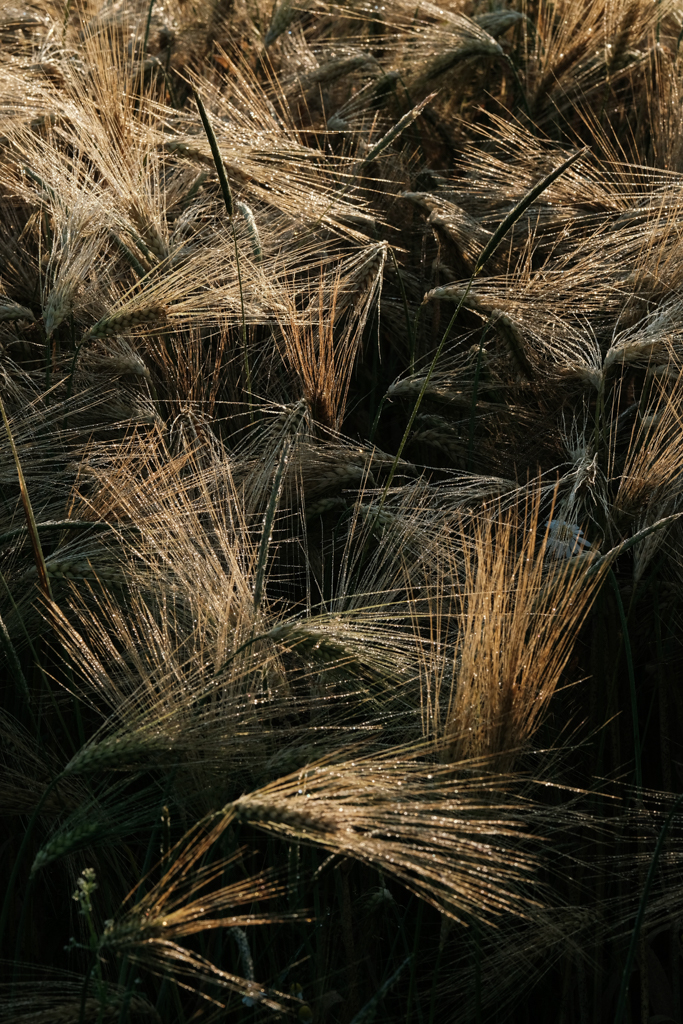
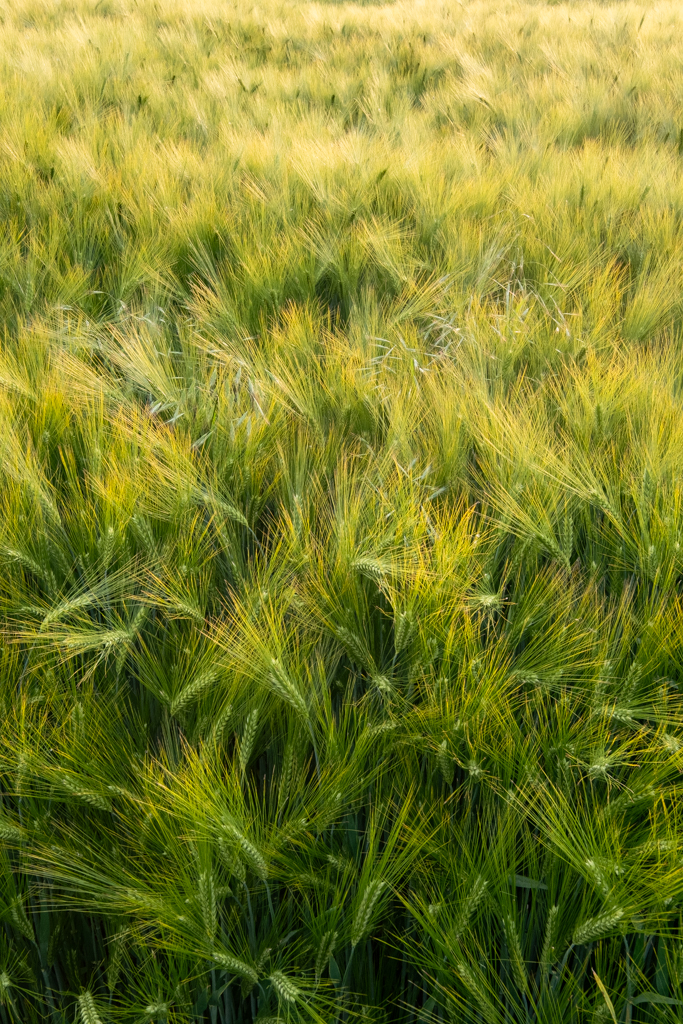
It’s simple wheat – isn’t it? By now, I am not even sure anymore. Wheat is one of the most cultivated crops and it is an important source of food in uncountably many countries. The first record of wheat seems to be around 9600 years BC. This means, today we are 2000(!) years closer to Abraham, the patriarch of several religions, than Abraham was to the first use of wheat. I find it difficult to comprehend such time scales. However, this also means that there are countless different cultivated wheat species by now, including Common wheat, Spelt (‘Dinkel’), Durum, Emmer, Einkorn (the wild form), and many many more. Genetically speaking, a large difference between these species is the number of copies of each chromosome they have in their cells. While humans and many animals are diploid (they have two copies), it’s rather common in plants to have even more than two copies of each chromosome – this is referred to as polyploidy. (It also makes our life more difficult when dealing with their DNA sequences; but more on that at a different time.) The wild form of wheat is also diploid, but the other species are mostly tetra- or hexaploid. I still think that what I photographed is the most common form Triticum aestivum, but there are several more detailed distinctions to be made within this species.
Also, all information here is pure speculation from dubious internet research, also see this post on information.
Freedom – the ability to live to ones own choices; the independence from society and imposed rules; the empty space between the obligations; the chance to chase opportunities as one desires; the brief feelings of lightheartedness; the vast sky above.
Freedom – limited by demanding work; restricted by self-imposed responsibilities; impaired by a global pandemic; overshadowed by worrying thoughts bound to circles; forgotten and lost in everyday repetition; the time constraint: one single life time.
Freedom – an evening walk in the sun; the 12th cookie in a row; an overnight trip with a van; getting up at 5 a.m. for sunrise; having shelter, food, time and money for varying hobbies; friends to rely on and partners to trust.
Freedom is many-faceted. This is the start of a mini series of different degrees of freedom I am lucky to have. Which degrees of freedom do you have?
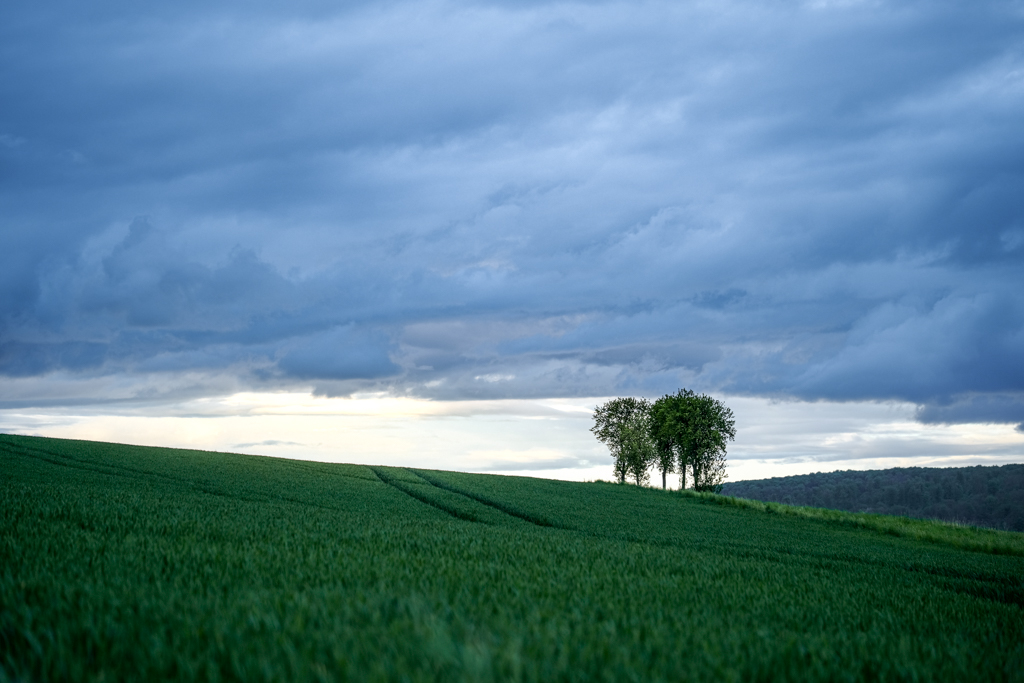
Already my last post had dramatic skies – we have a particular rainy May this year with up to 200% the rain as usual. However, the deep layers of the soil are still very dry from the last years. Anyways, for photography it gives interesting structures in the sky with strong contrasts in the landscape around our home town.











































 Punkt im Dunkeln