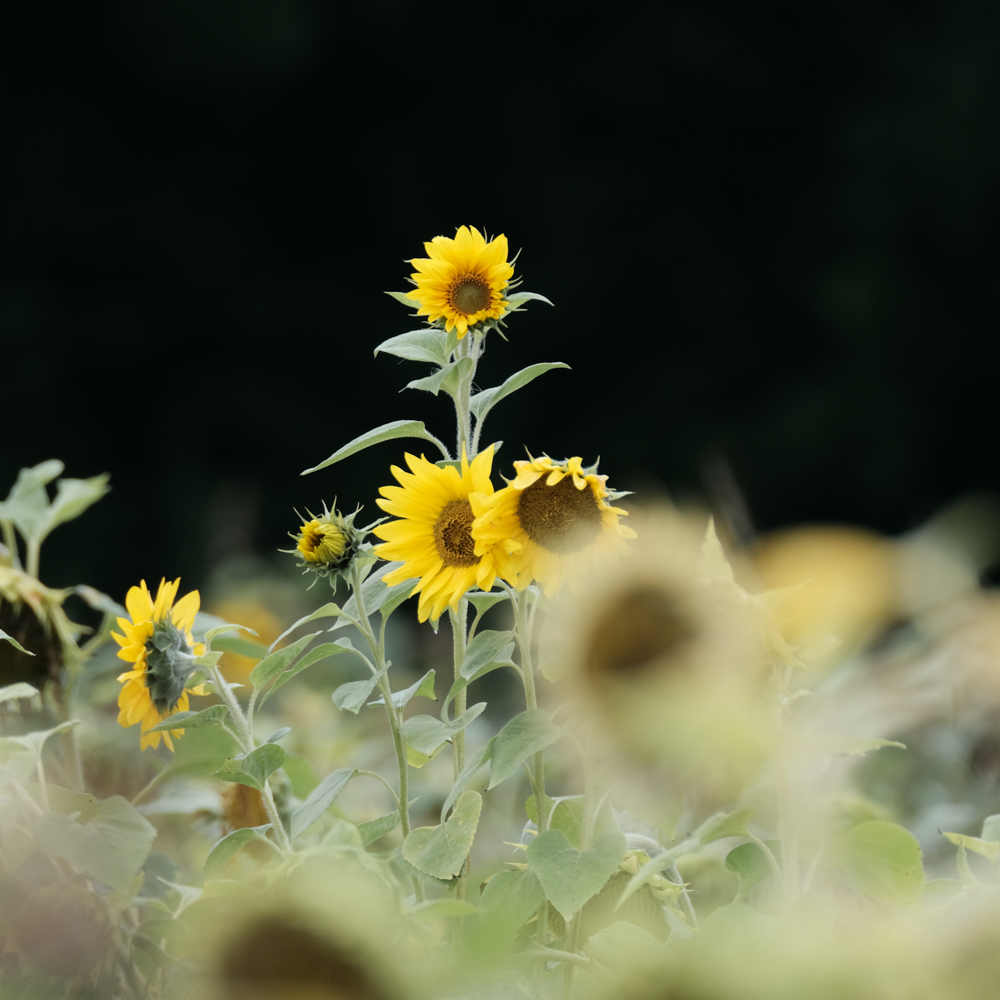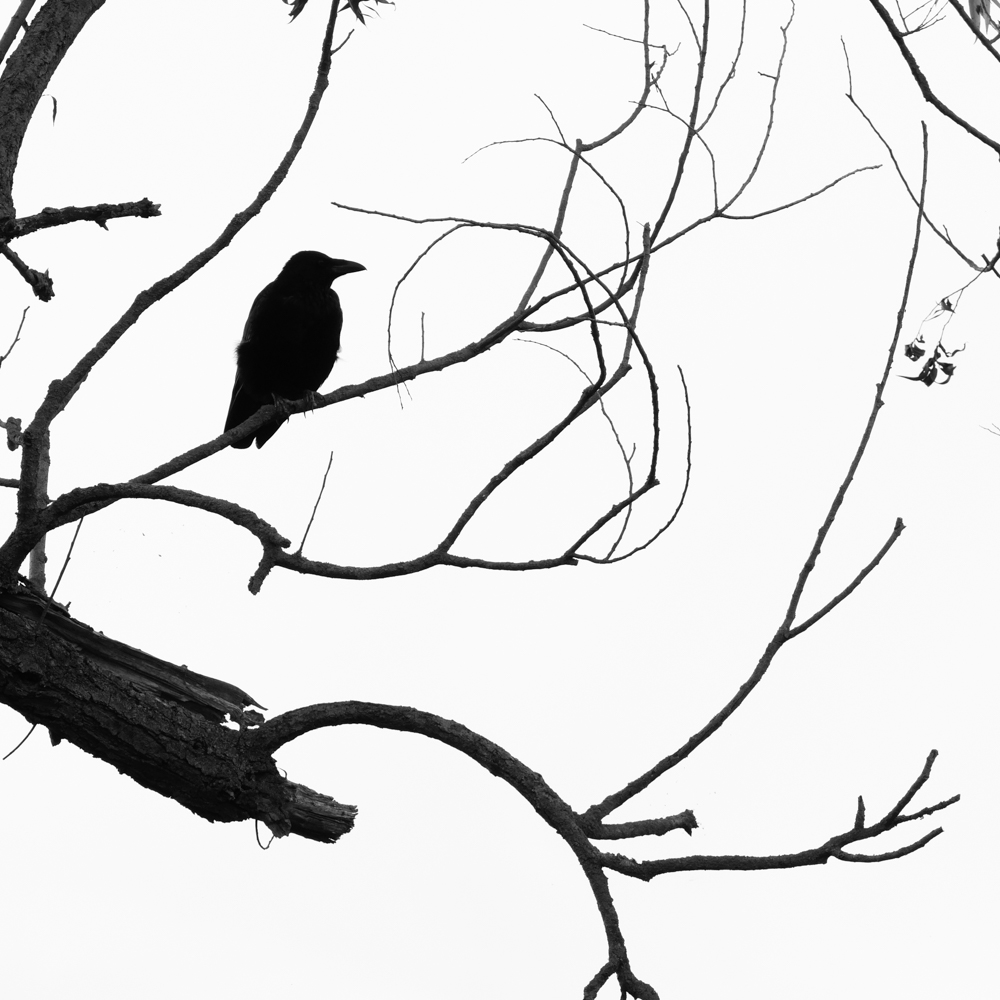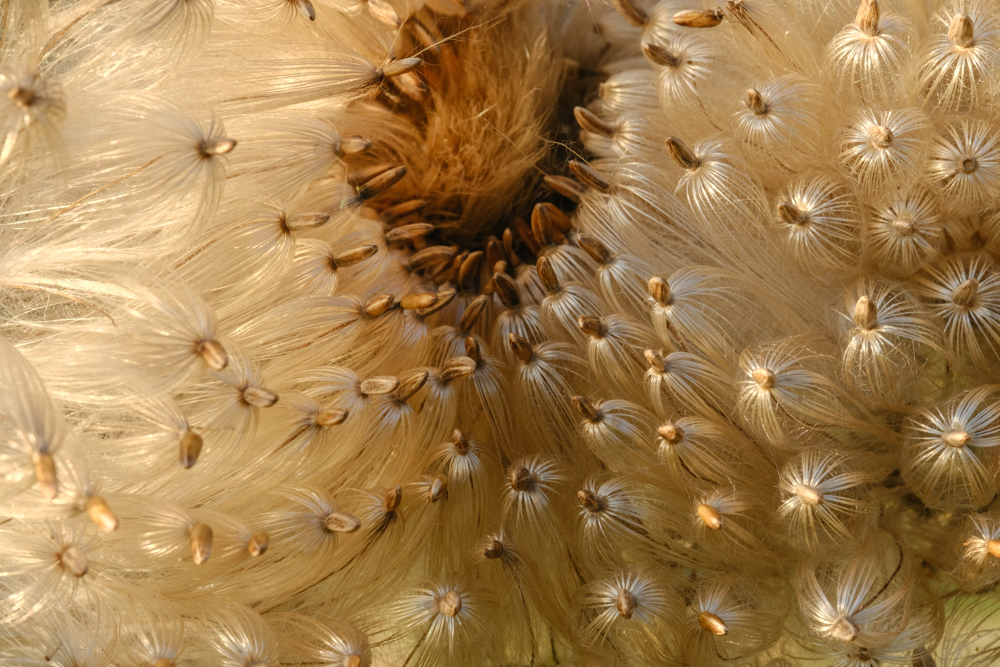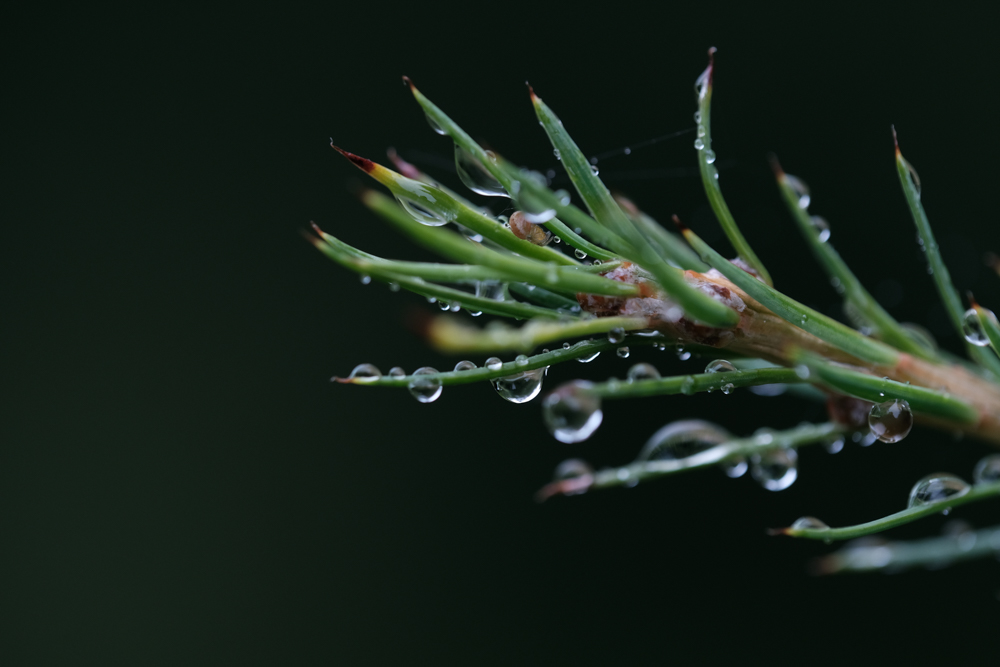
Here, take these cookies, be a member, we remember. All of it. Eat, sleep, work, repeat. We bleed, sweet data. Still we tweet – no chance to cheat. It’s temptation, an online nation. Only little hesitation. Enjoy these widgets, rising digits to the sky. A day flies by. A week flies by. A weekend dies with clear blue skies. I briefly wave – but it’s too late. Too late for greetings, many meetings. Too late for any getaway. This day, at least, from the ever hiding beast. Wishful thinking, blinking prey.
But thanks for remembering this birthday from a long-forgotten friend. Attend, or force the end? Phone shines, mails are answered by AI. We buy. Ever increasing entropy gets organized. Our lives exactly sized and priced: A crime. But, at least, we can access everything, everywhere. All the time. A dulcet chime, a finished rhyme: Technology, boon and bane, like a chain.
Where did all the years go? I know, deep below the surface. Good night, withering planet, so bright and ill. Just give me the blue pill. And let big data suggest the best set of pictures.
Time and space complexity are among the first concepts one gets to learn in computer science theory. It’s about the analysis of the time and space an algorithm uses as a function of its input data. Lower time and memory requirements amount to a ‘better’ algorithm and, thus, to improved performance on data sets of increasing size. Optimizing algorithms with respect to their time and space requirements is essential in virtually all areas. Reducing complexity is the key.
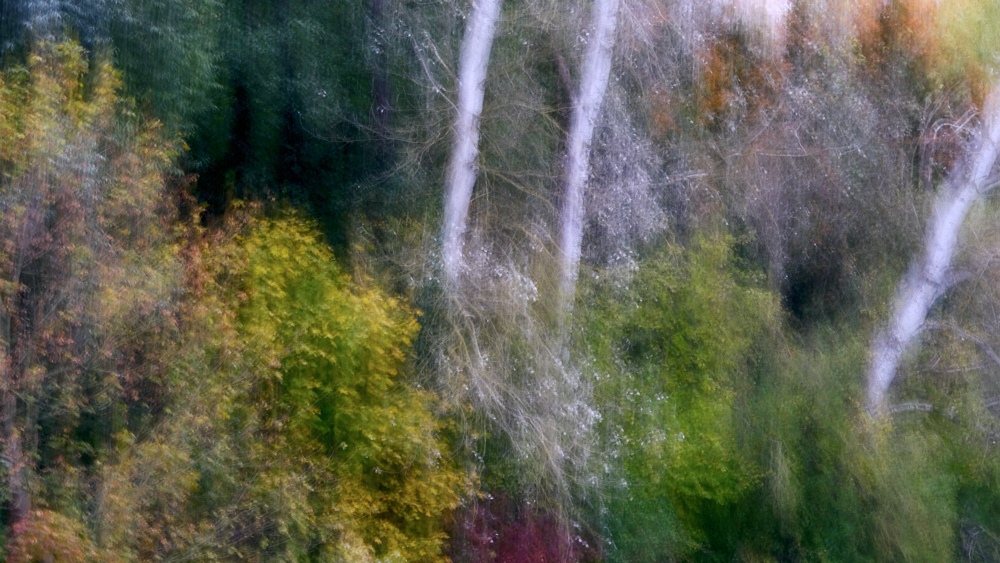
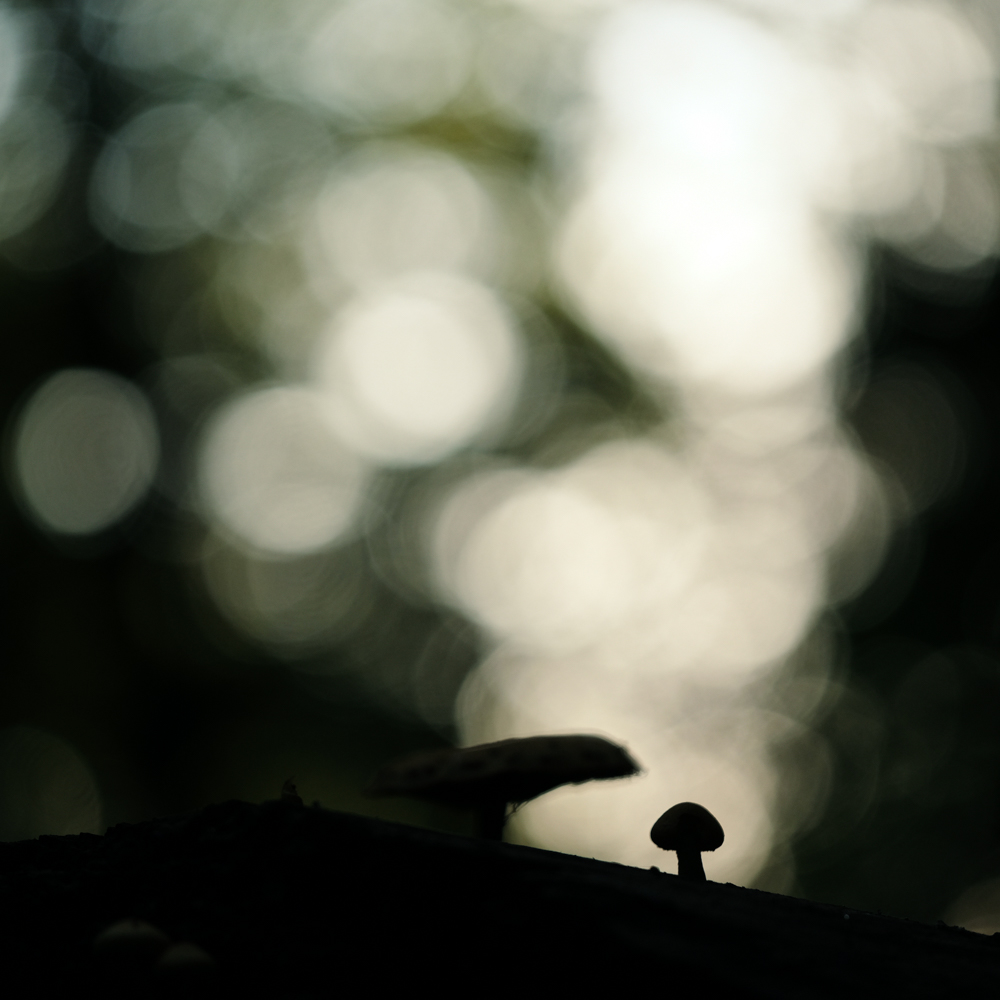
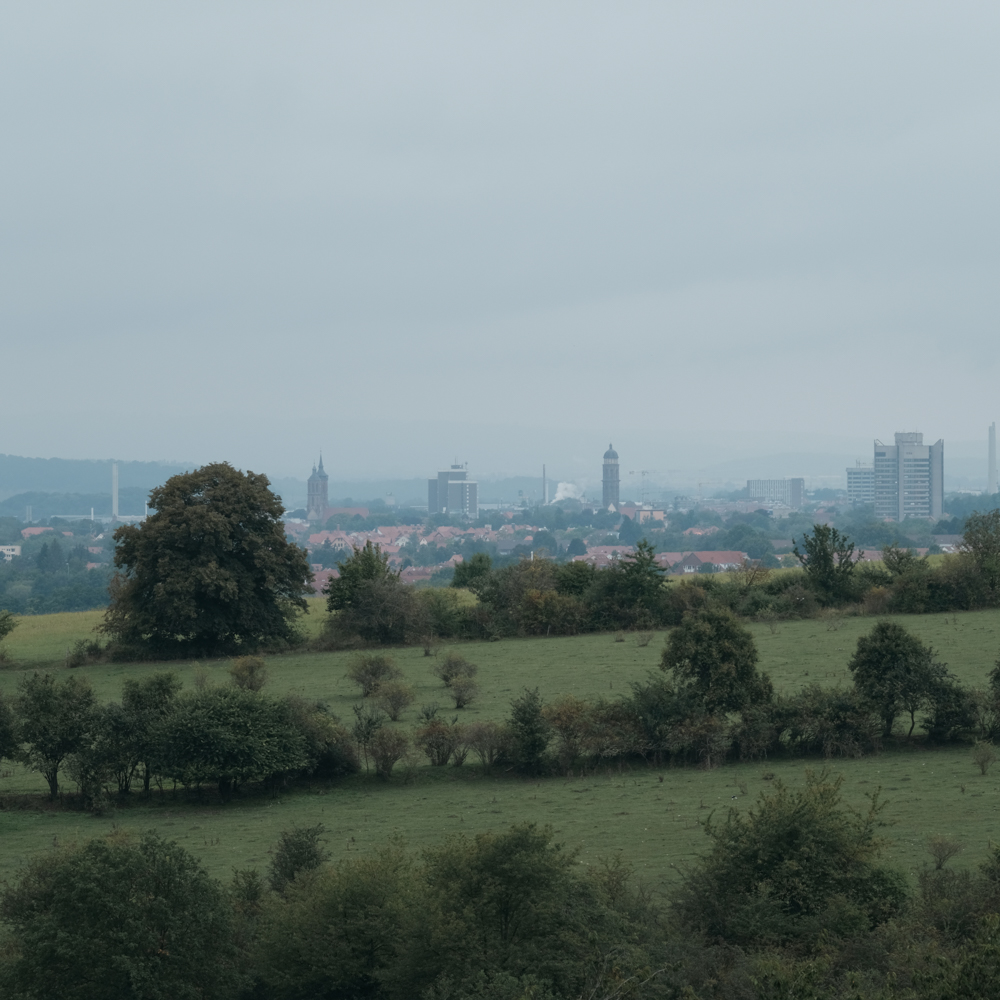
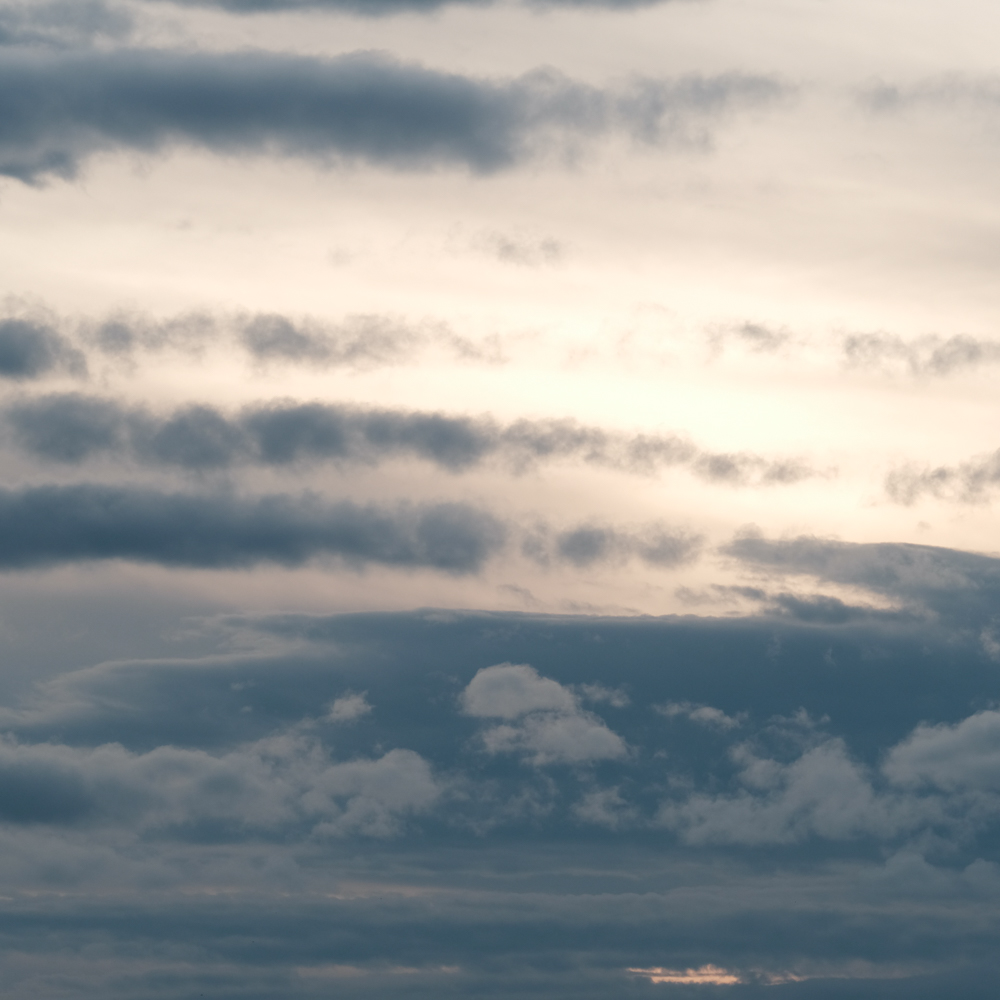
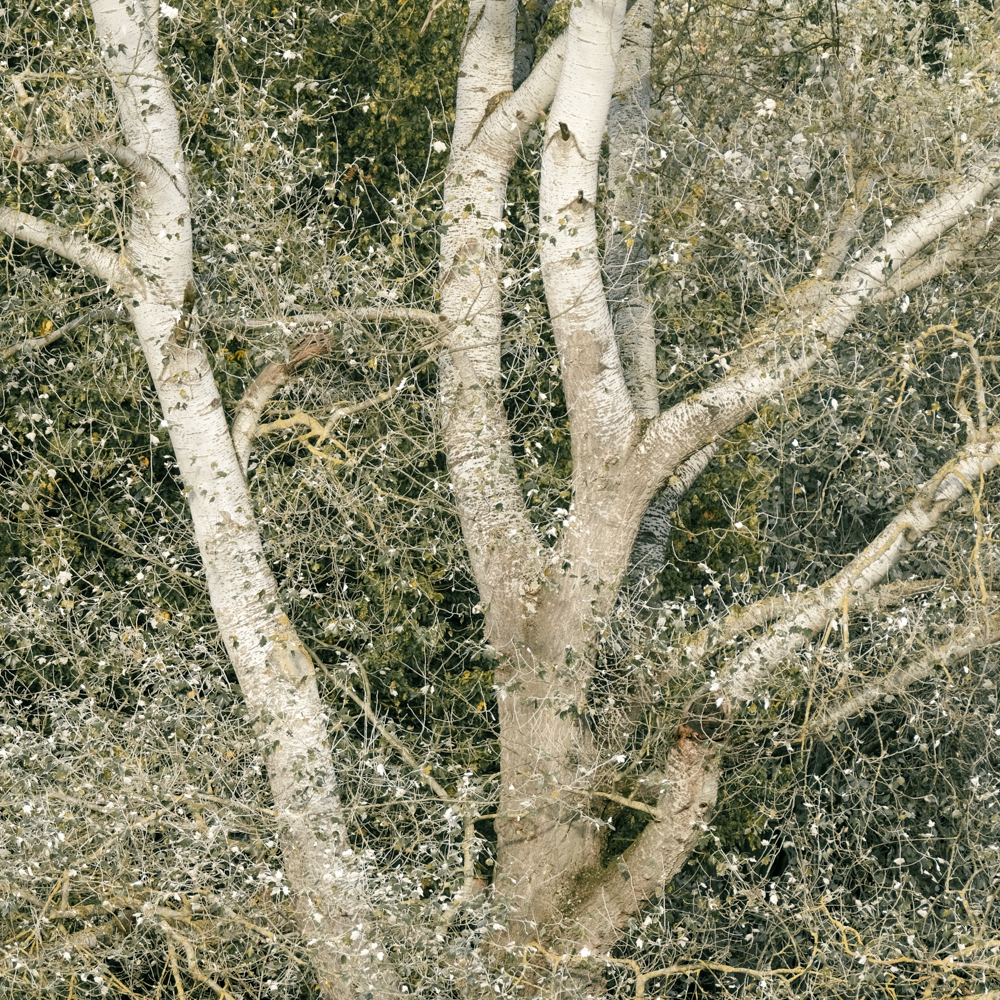
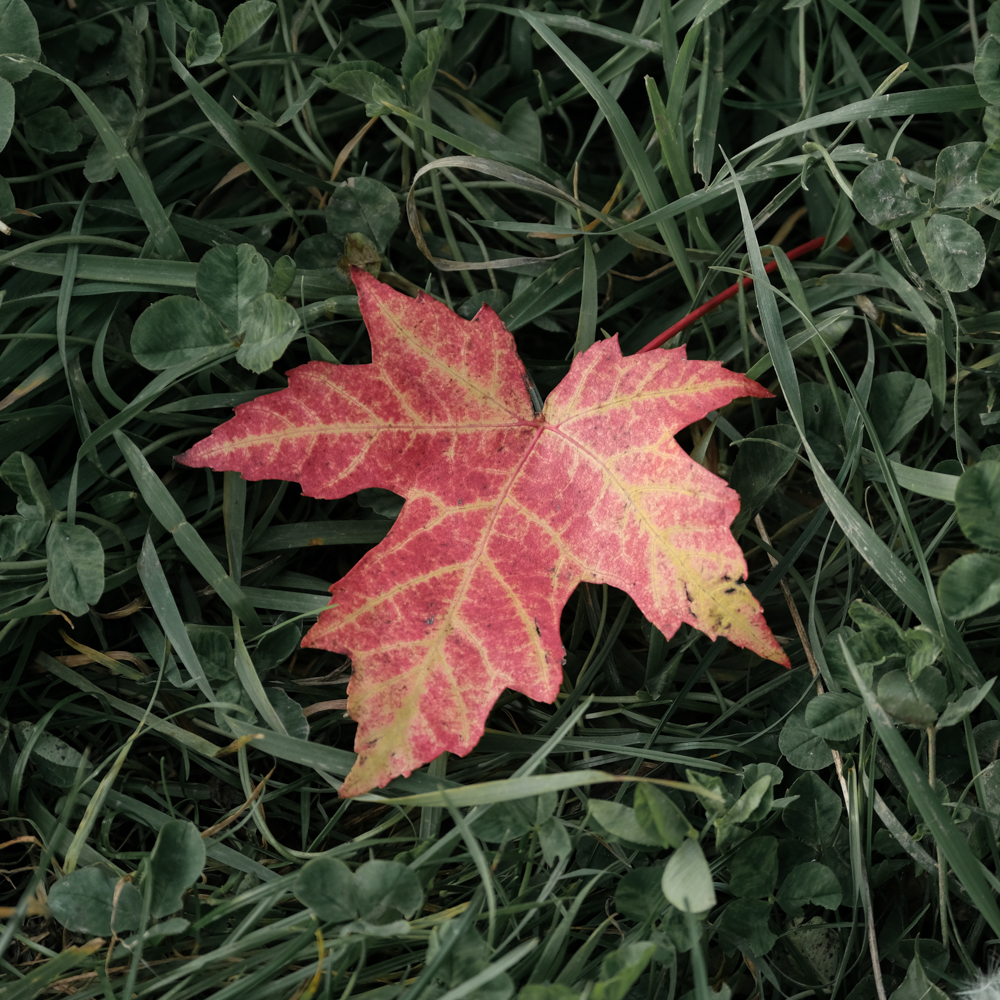
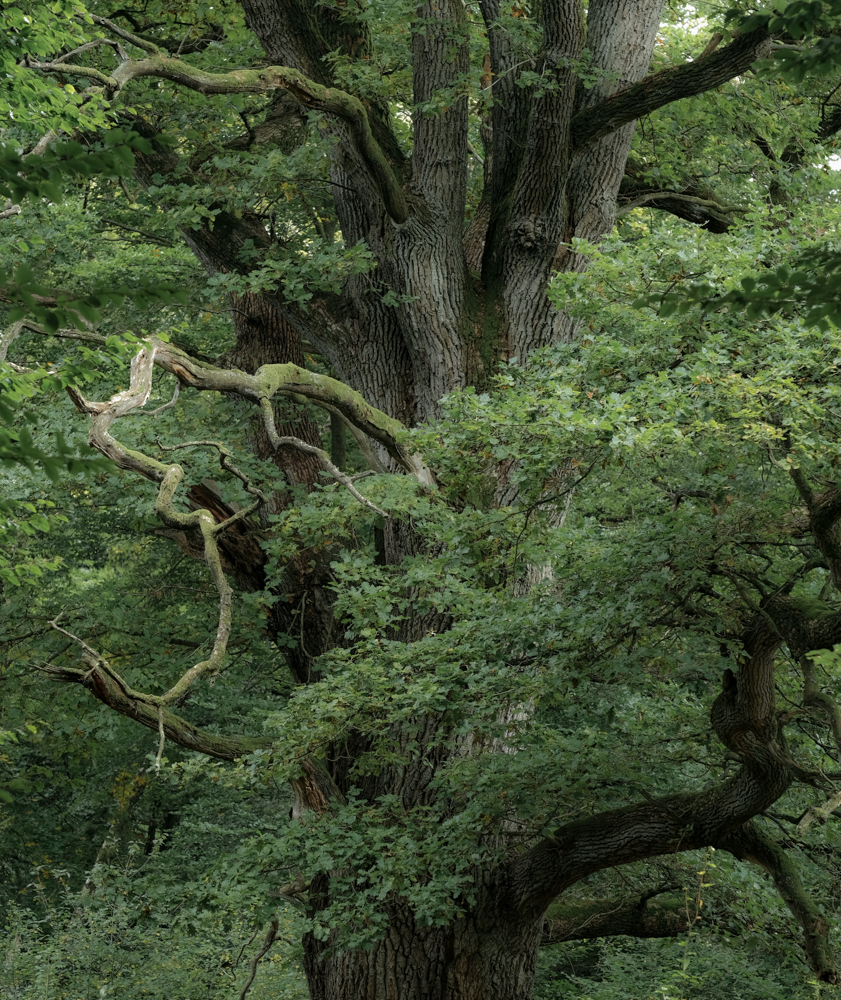
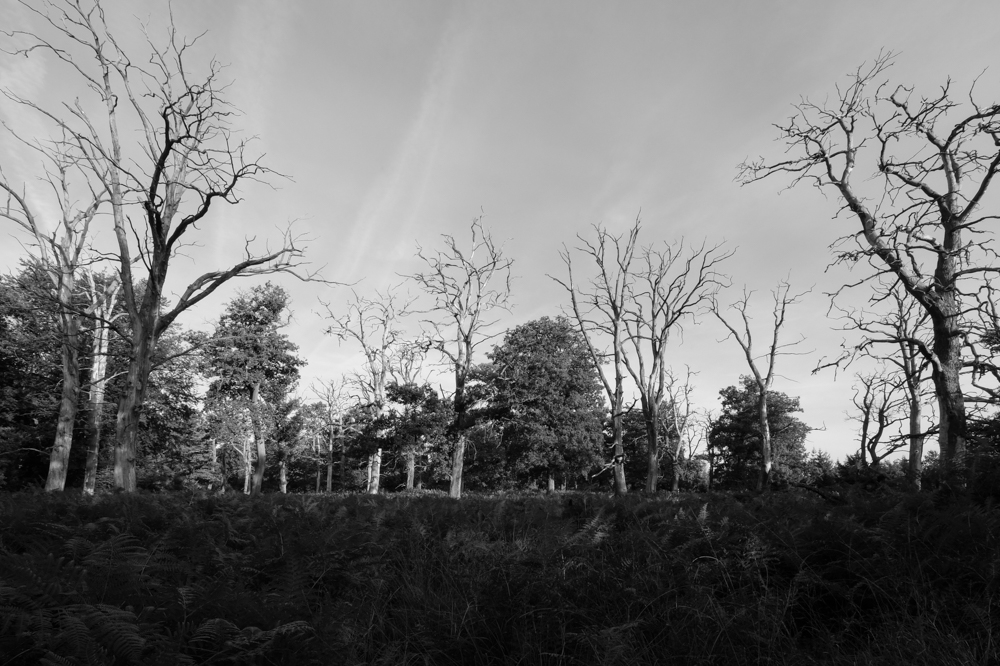
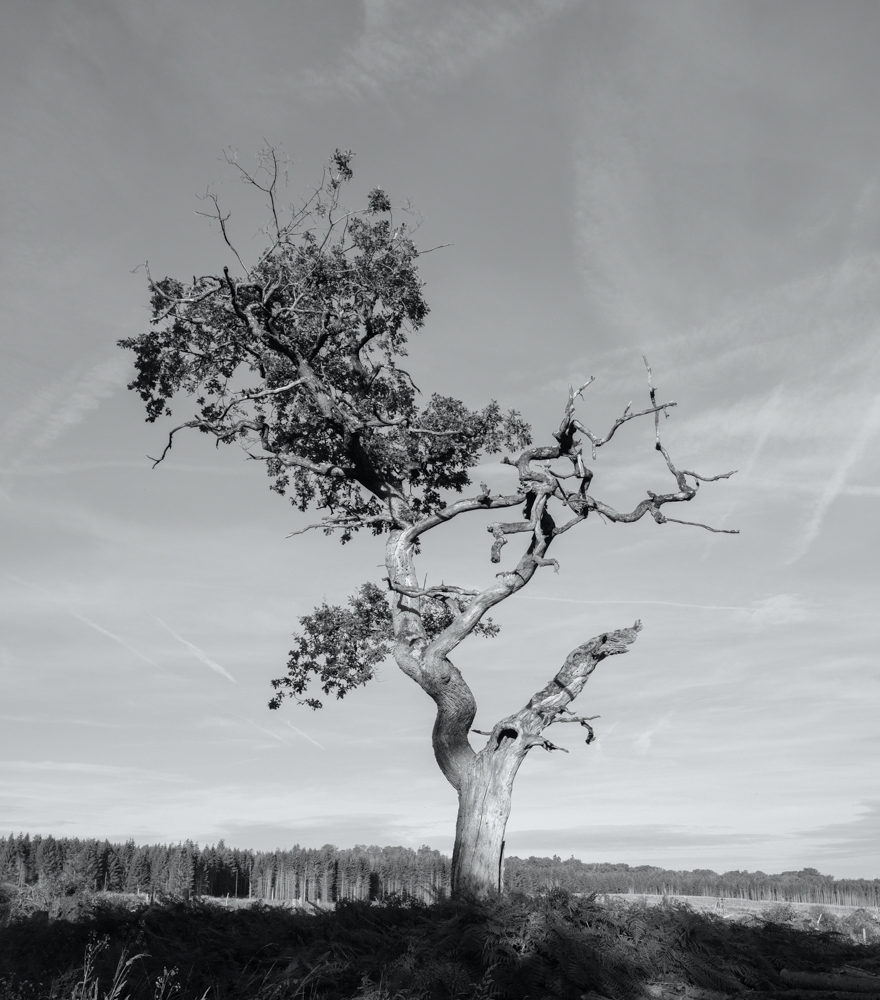
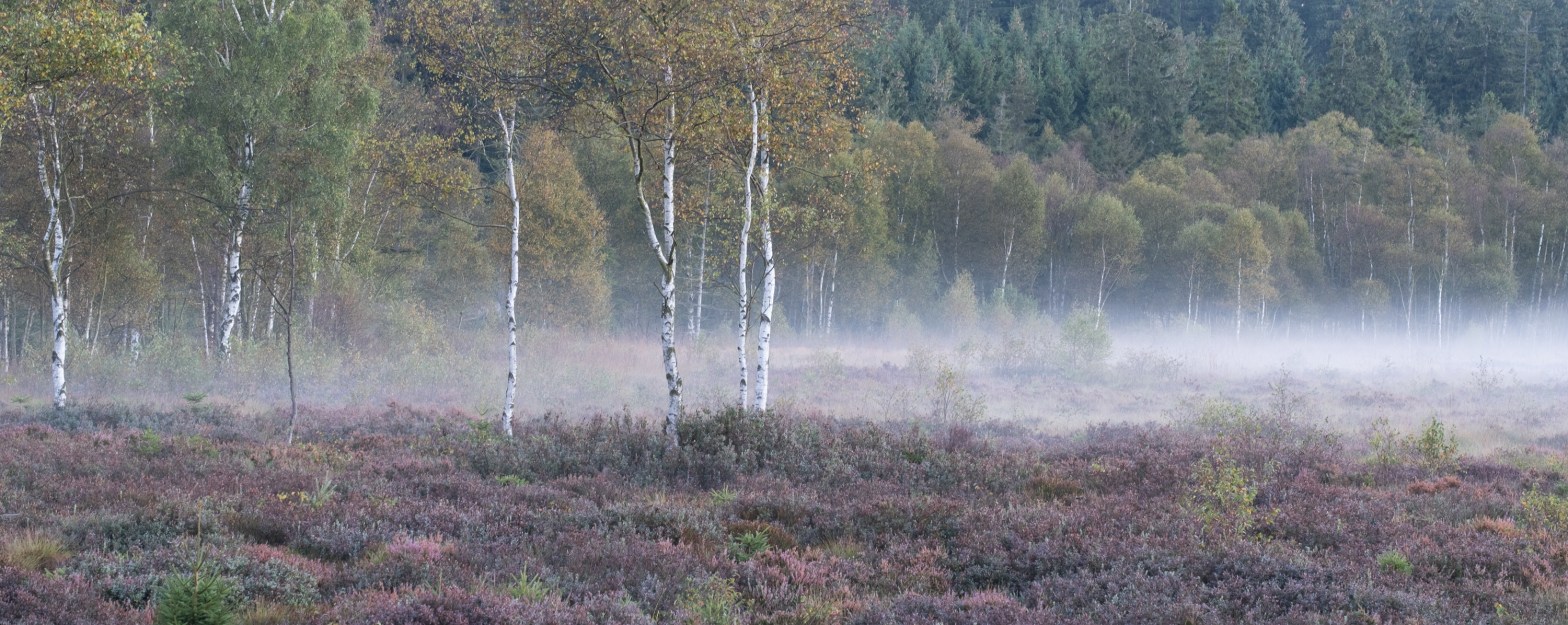
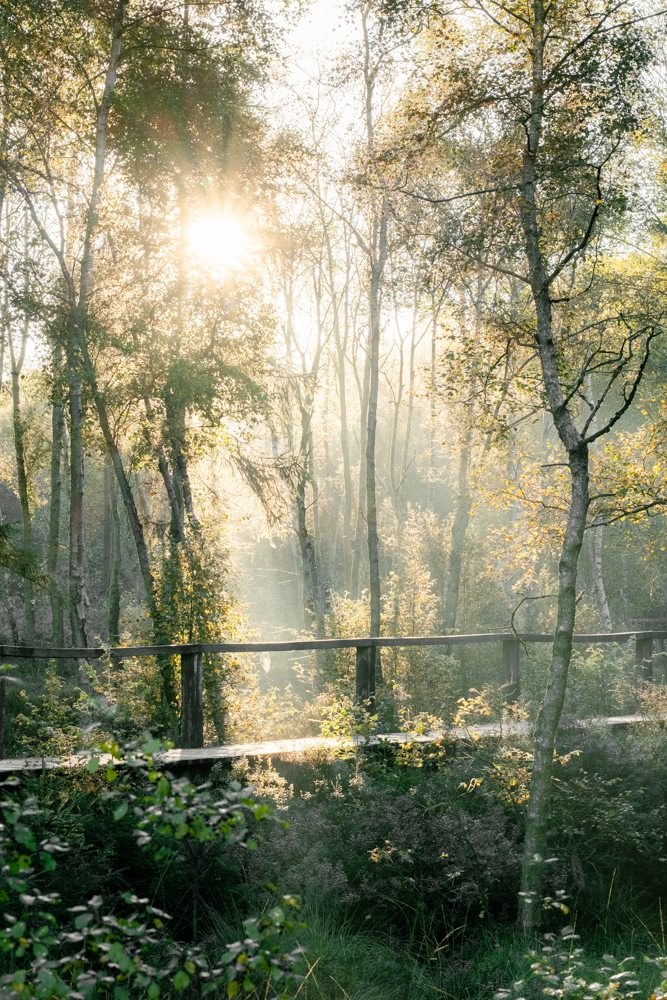
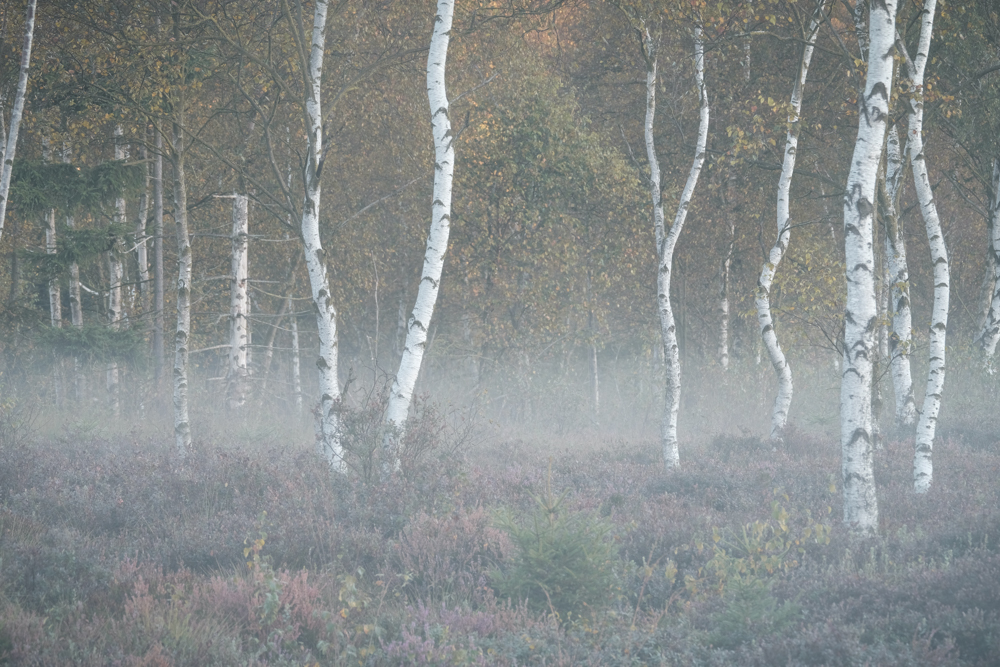
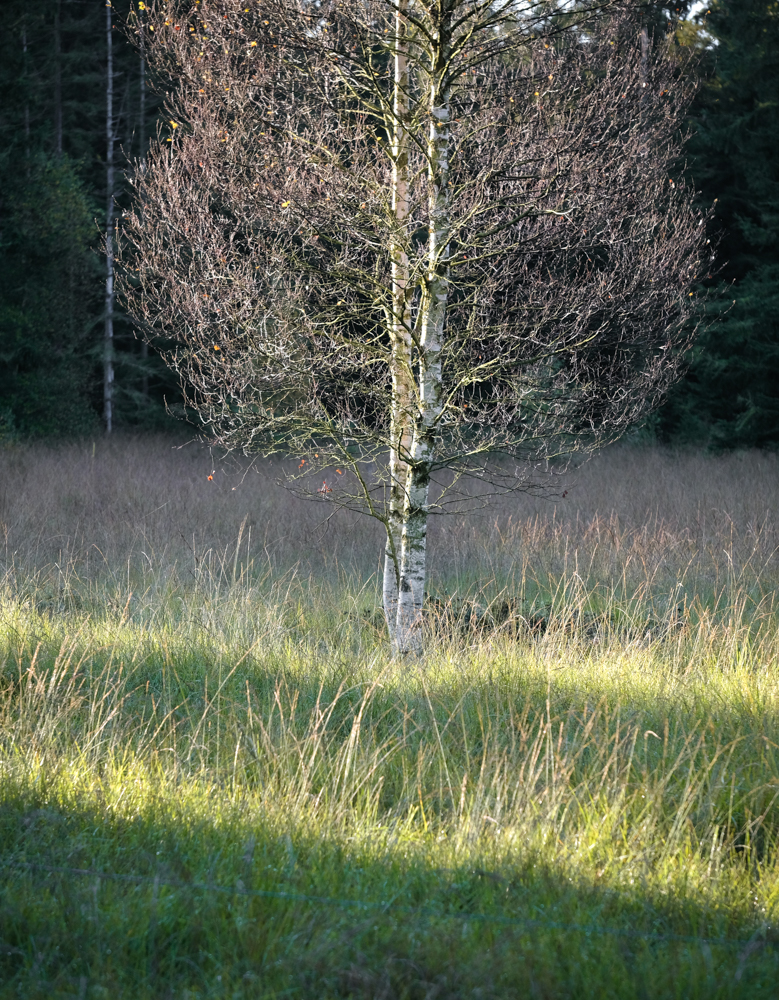
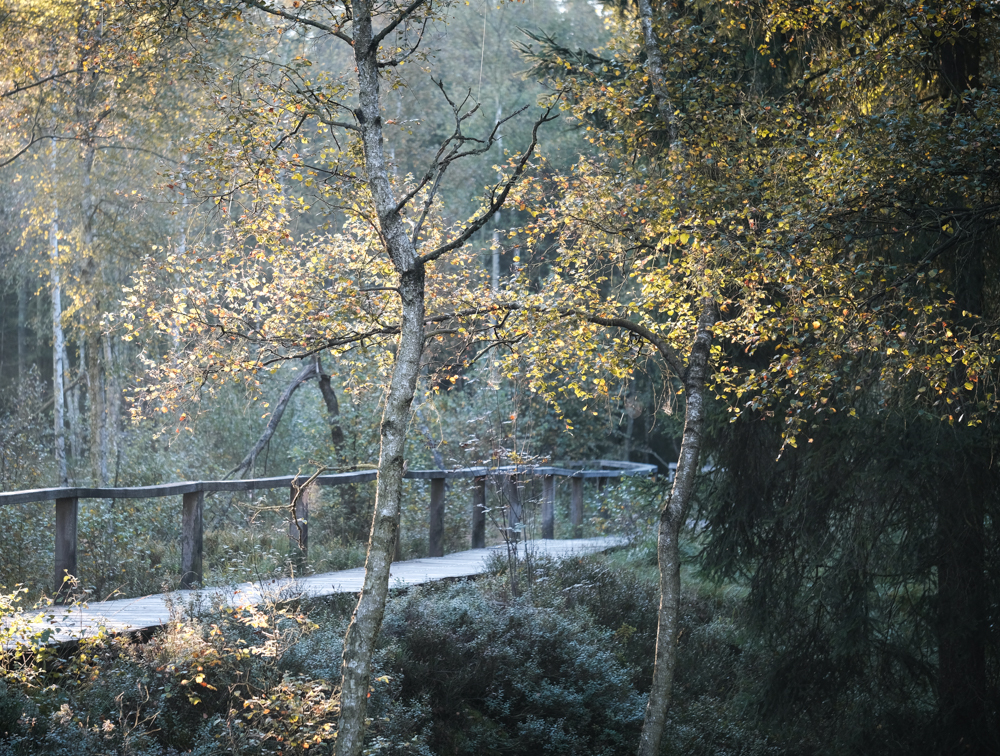
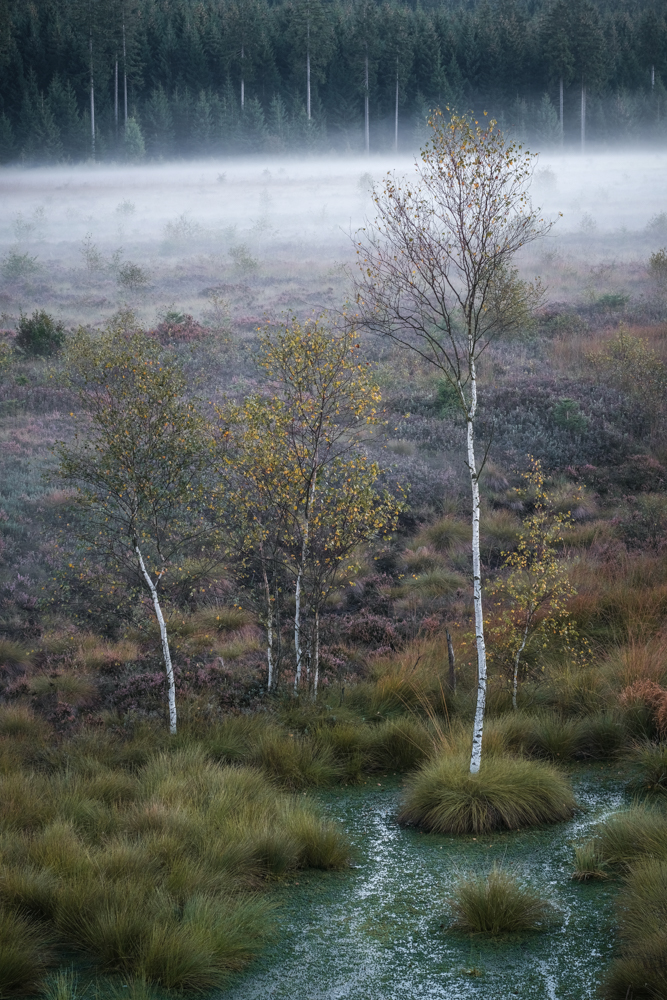
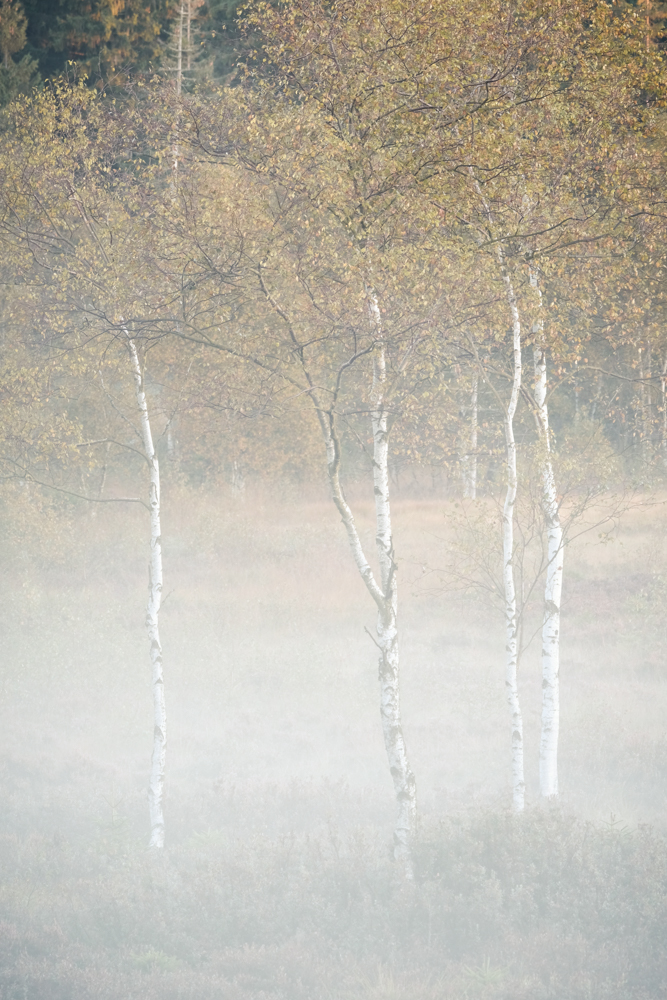
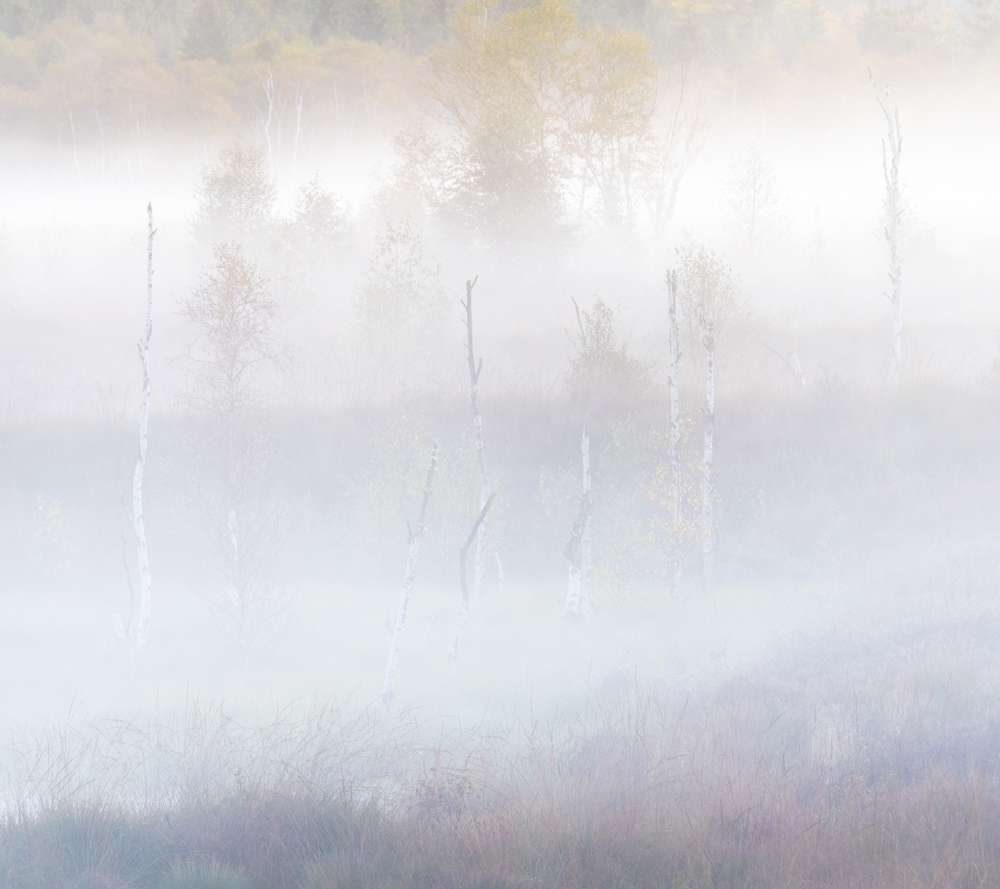
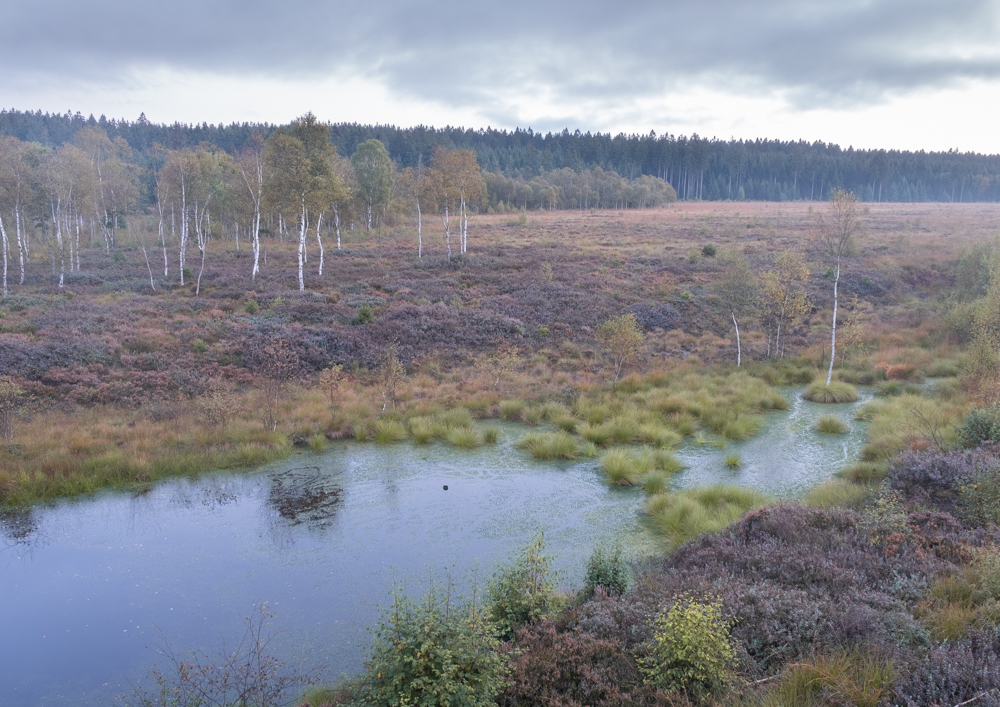
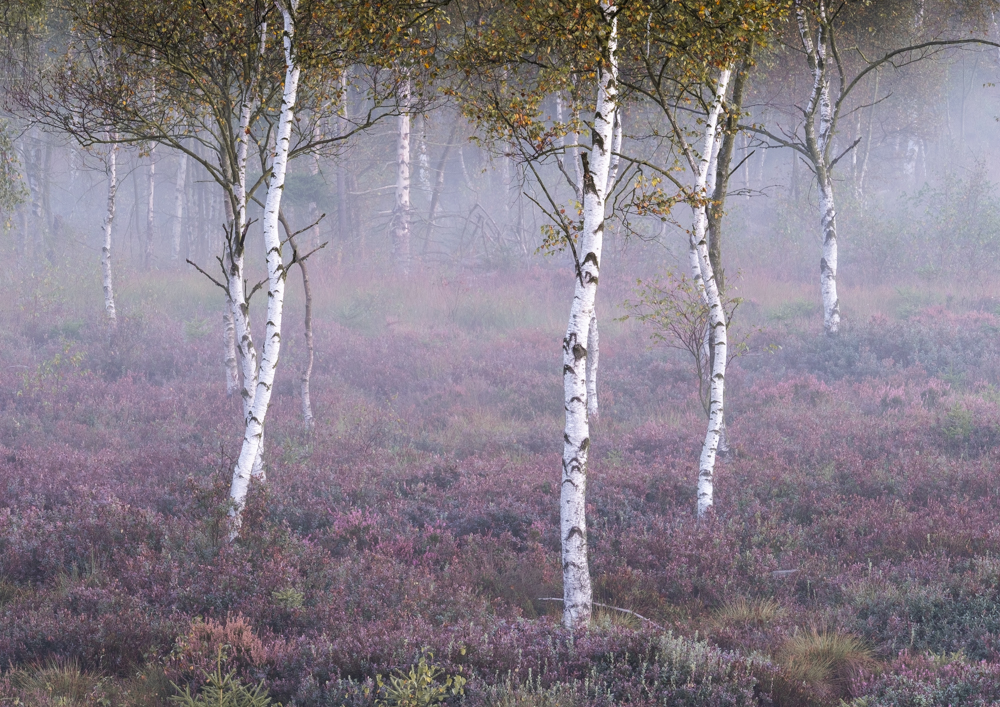
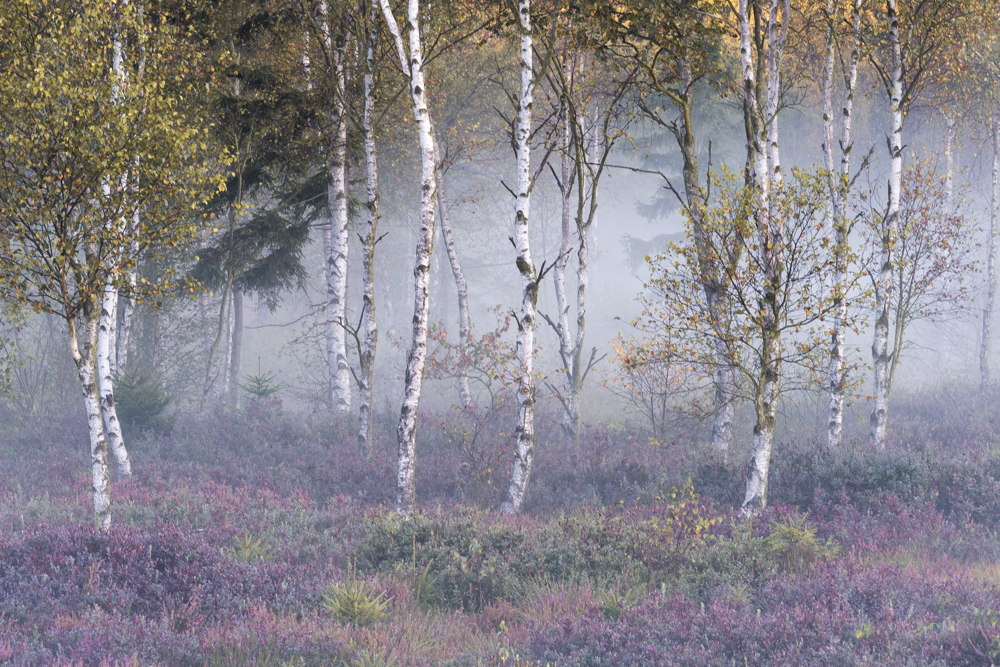
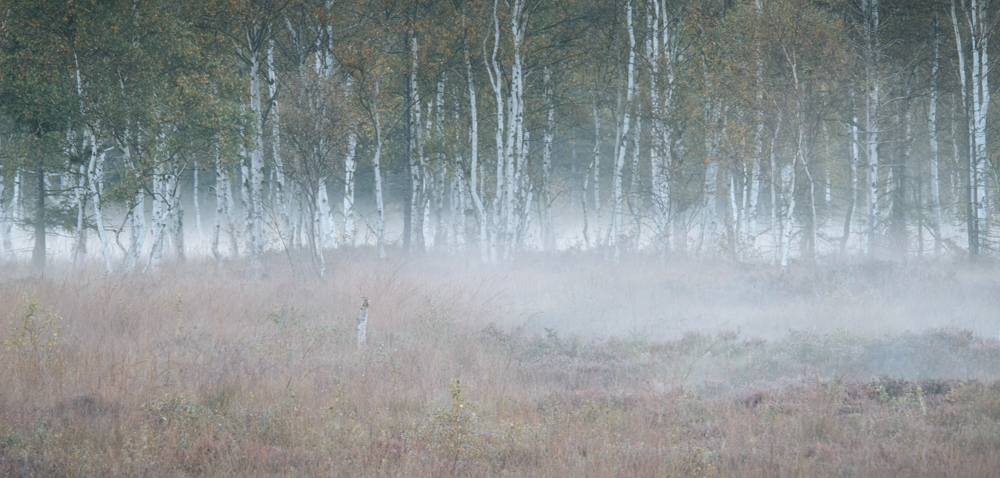
With a little bit of imagination, this concept can be applied to photography. For me, this became apparent recently as I tried to shoot woodlands more intentionally. Here, if the camera is pointed somewhere at random, the frame is filled with a large variety of shapes, colors, and different impressions. However, visually pleasing photos show some kind of order and structure: They reduce the complexity within the space of the frame. They guide the eyes of the viewer. They clearly show the subject. They are easy to understand. Reducing complexity is the key.
The above pictures are neither good examples of reduced complexity, nor of woodland photography. Just some first tries on a long road ahead. But I already have some improved pictures of woodlands in the queue, waiting for their own post. Reduce complexity: in algorithmics, in photography, in life.
I am accustomed to movement in different activities such as juggling and bouldering. Complex body movements, precise homogenous arm motions, balance, or momentum.
However, one major issue in photography is not movement itself, but the opposite: to keep the camera stable during exposure to light. Blurred images are undesirable – at least most of the times. Therefore, tripods and optical image stabilization are common techniques to reduce camera motion.
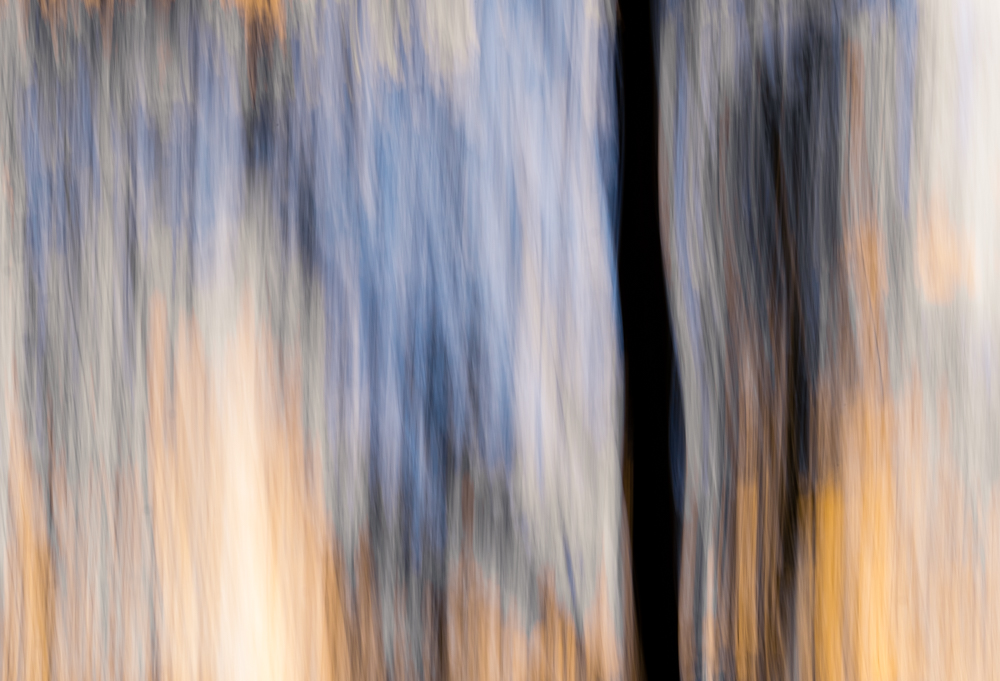
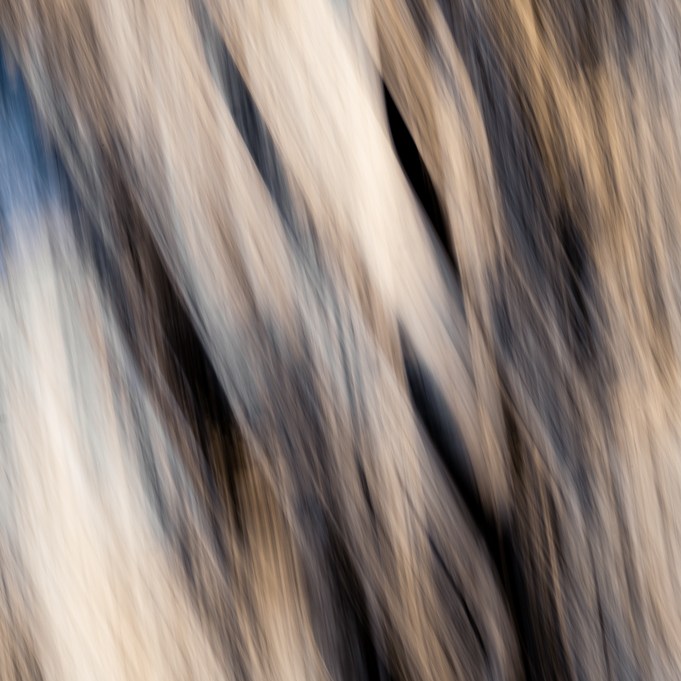
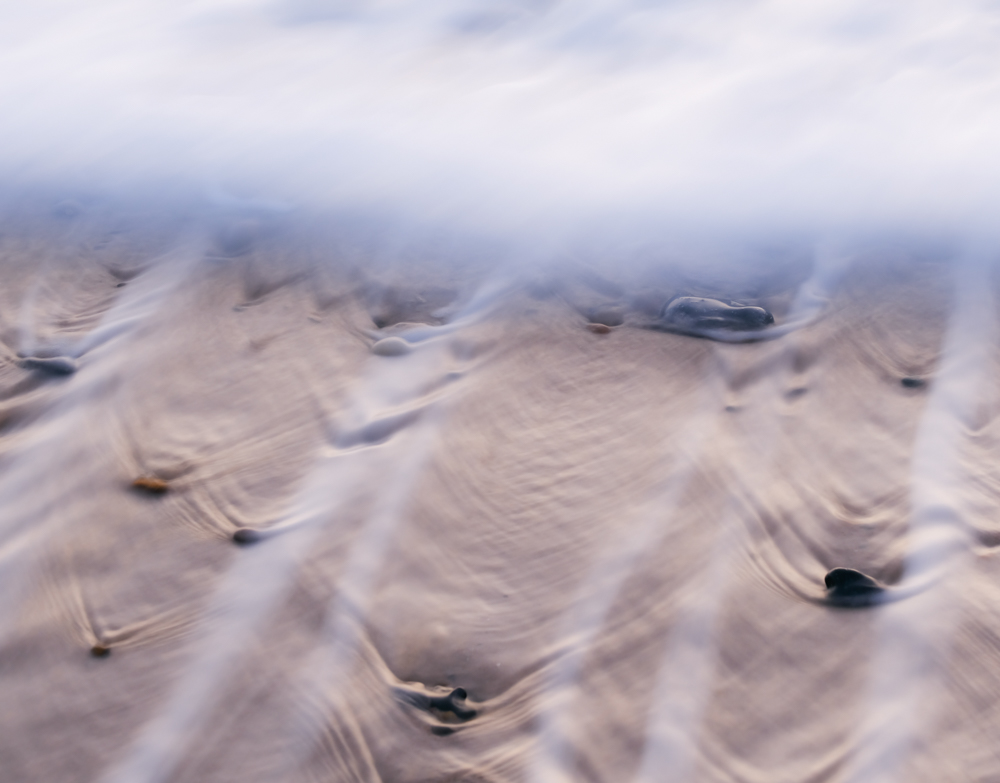
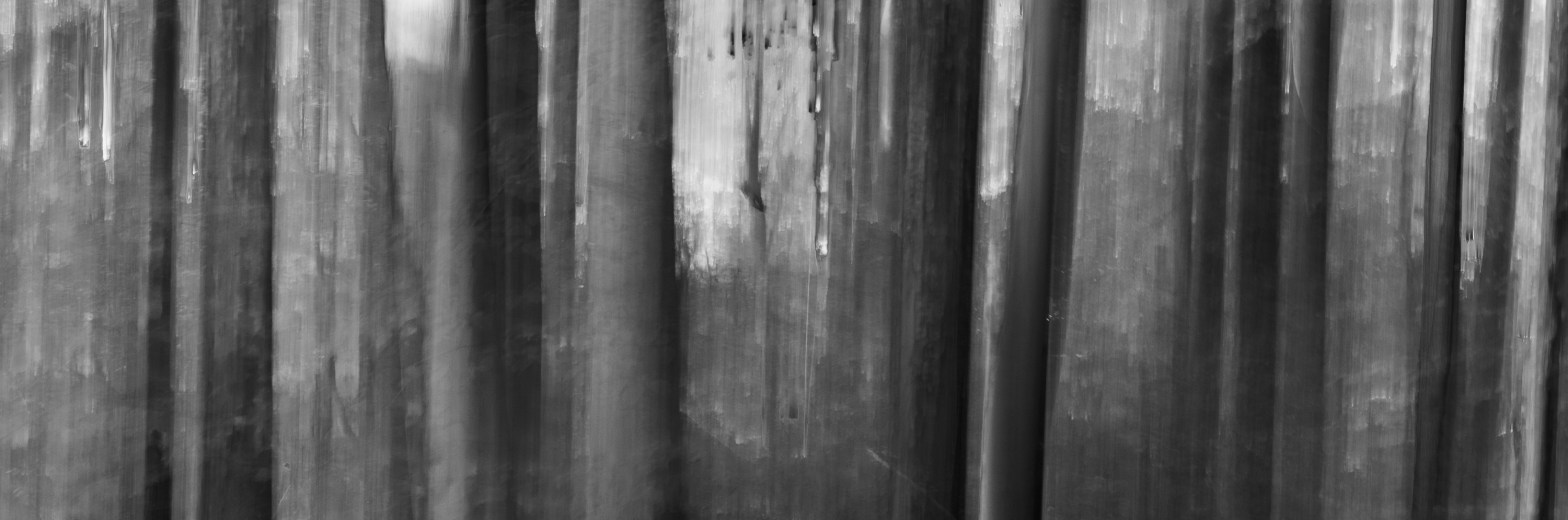
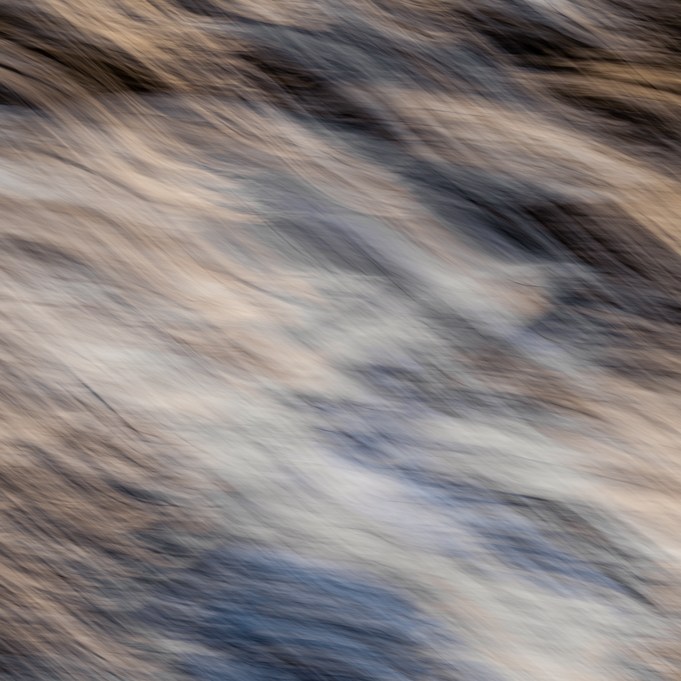
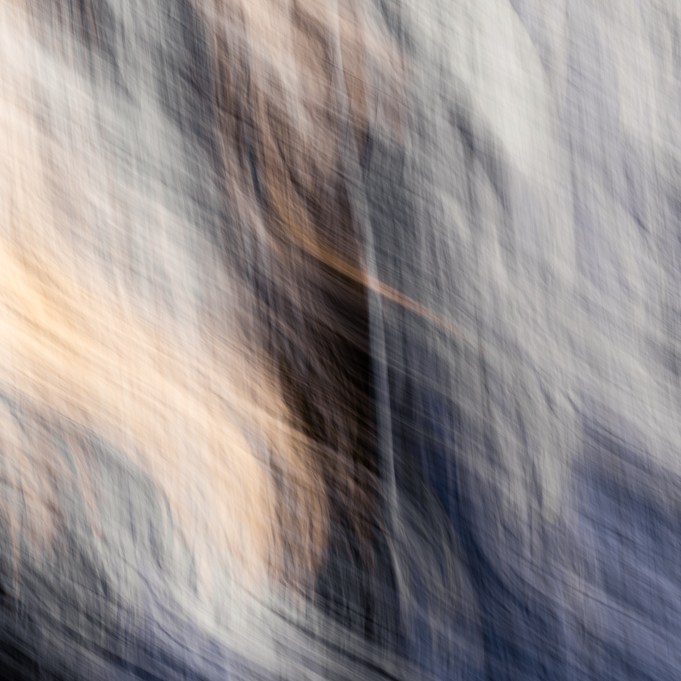
Recently, I am intrigued by images that are blurred; thereby, they can carry emotion and feeling, but in return they often have less tangible subjects. I just recently learned the term for this technique: icm (intentional camera movement).
Abstract scene from local woods – directly out of camera without post-processing.
Getting the proper movement is key; and I am still at the very start of playing around with different movements and getting them right. But especially when conditions are difficult for ‘normal’ photos, movements can create appealing abstracts.
In a hectic world where time is measured exactly and partitioned carefully, boredom has become uncommon. Days are planned precisely, work is scheduled tightly, and everyone is his own Scrum master in the evening. Not many hobbies require as much patience as photography: Visiting the same locations over and over, waiting for the right moments repeatedly, or: getting that one picture of a mid-air dragonfly.
The scene: A large glade within the swamp, stretching under the moon-lit sky. The actors: Multiple deer, hidden between the trees, rutting season has begun; a group of motionless birches, leaves turning yellow. The director: Fog, shaping the landscape, constantly changing the stage.
Life is noisy. Life is messy. A multitude of signals are integrated by helpless minds, every single second. A constant flow of data, reverberating in 1s and 0s, creating and reflecting our thoughts. Sampled from a skewed universe. Our minds adapt and infer non-existing structure. We adapt; we adjust. We tune all variables life has to offer: too many. The big picture gets obscured, the decision functions too specific. Abstraction is our minds biggest achievement, and humanities major difficulty. While algorithms need more data to overcome the overfitting, I guess we need less.
After three days of constant rain, grey weather and grey water, the skies are mostly clear. The sun is slowly approaching the horizon above the vast ocean. Despite low tide, large waves crash at the coast line and the water is shining in cyan, teal, and turquoise – unexpected, here in Denmark. And there are youths in front of waves. I’ve photographed people rarely, especially strangers, but this time I approach them and ask for their permission to take some pictures. It brings more joy than expected. Especially when they see the pictures afterwards and their eyes open widely, a slight grin on their face. My favorite pictures are the ones that show their facial expressions in the midst of the raging waters (not shown here).
Sometimes, nature can be too beautiful to comprehend. The birds causally sail the uplift above the ocean, the forces of water and wind no human structure can withhold, and the dazzling dark night sky scattered with uncountably many stars. In the end, human life is rather insignificant within the great universe we are in. Even if we manage to save this little planet for a while, our solar system will die eventually.
We’ll mix it up this time. Correct: Not I, but We. Because you’re going to get involved in this one. One simple question, many answers. Take your time to think about it before reading on; here comes the question:
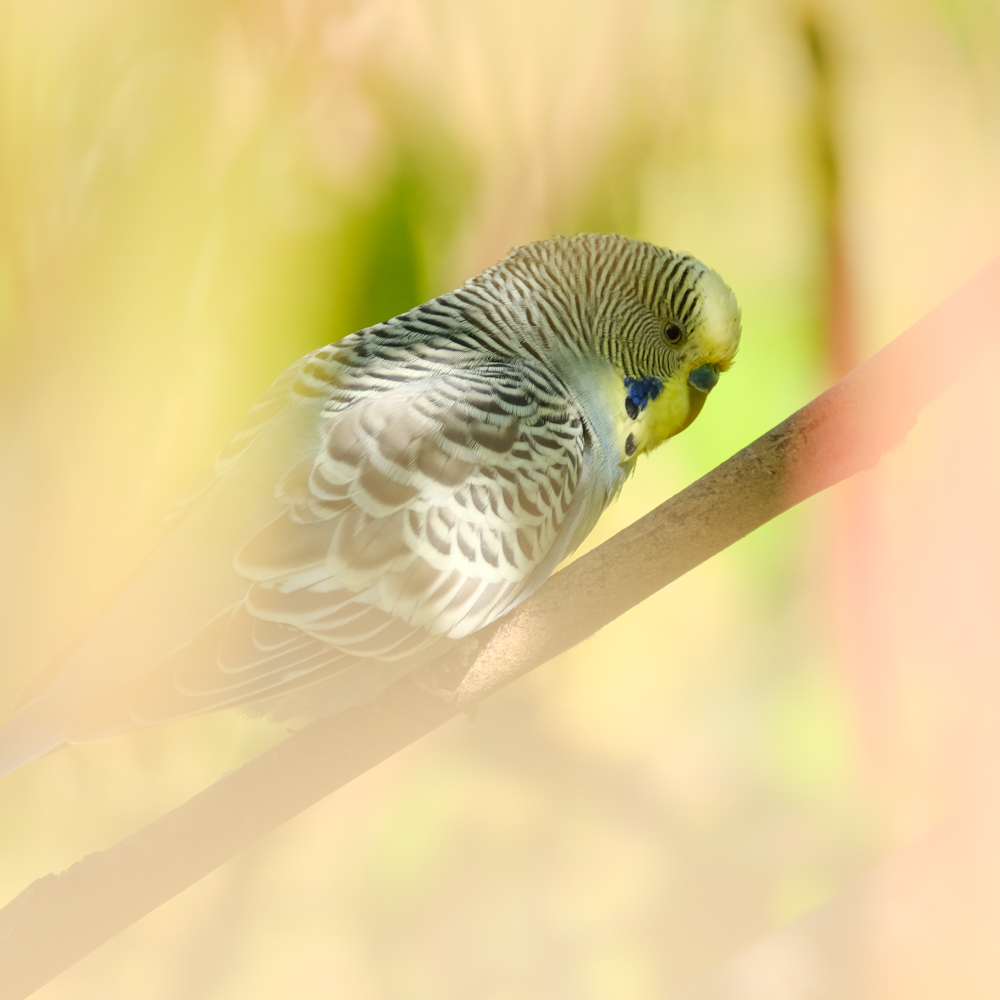
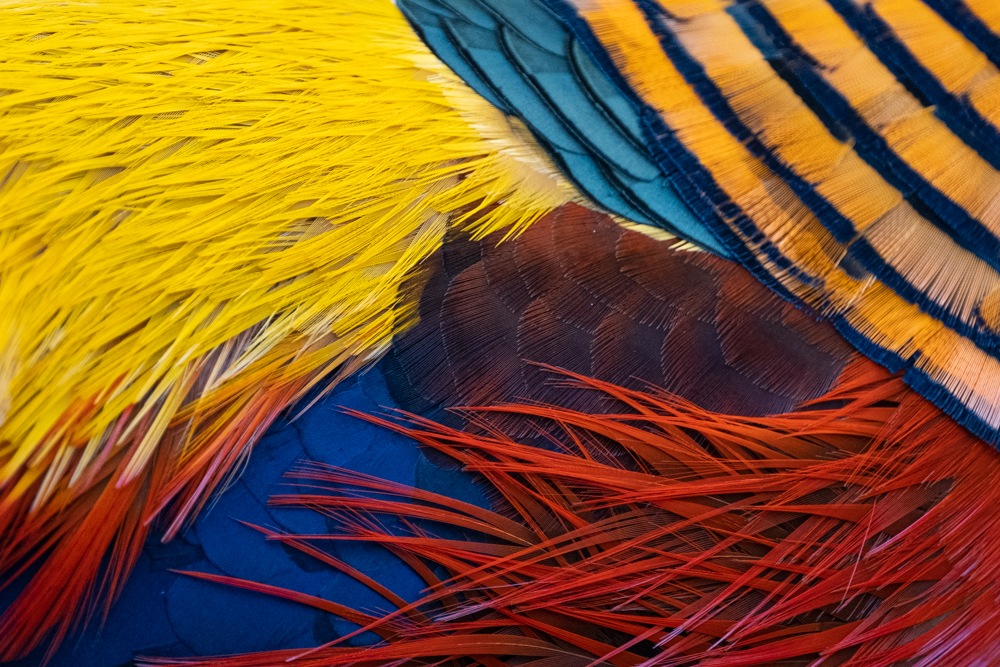
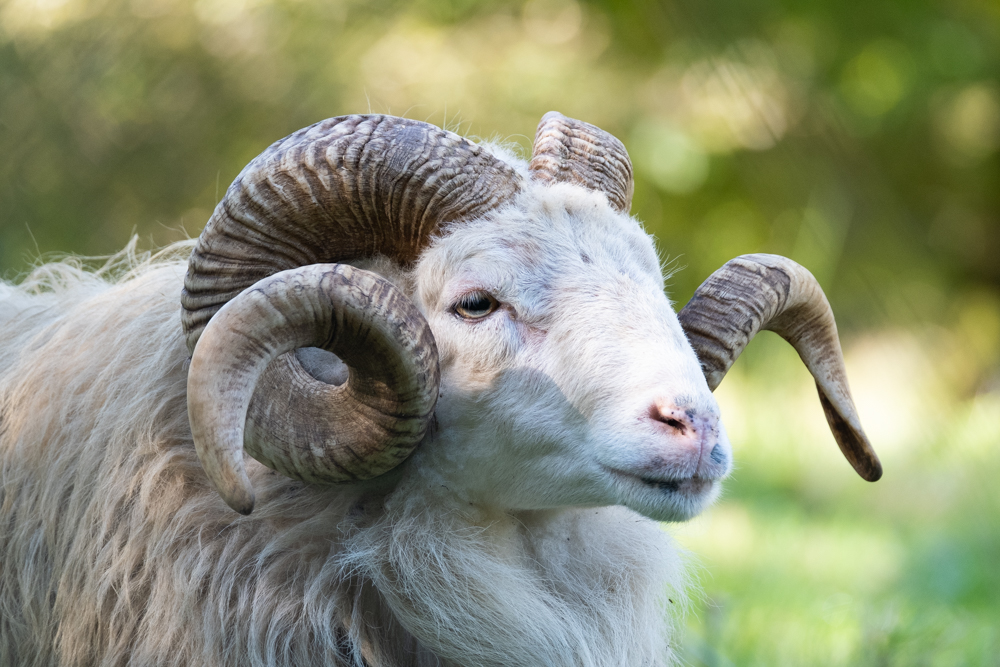
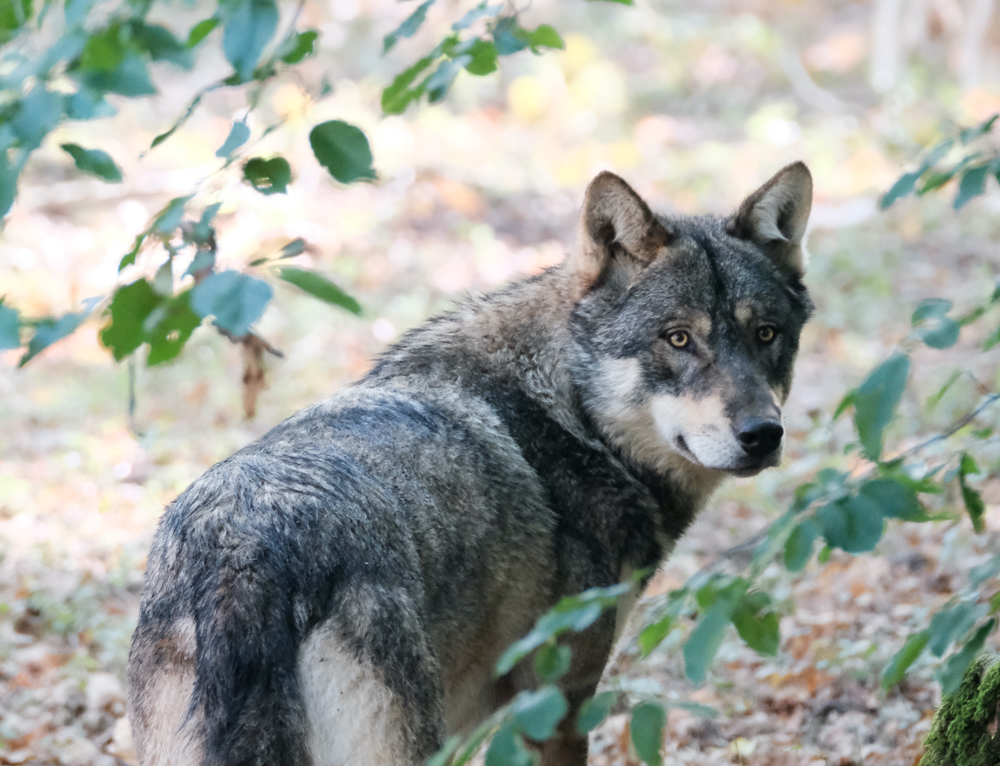
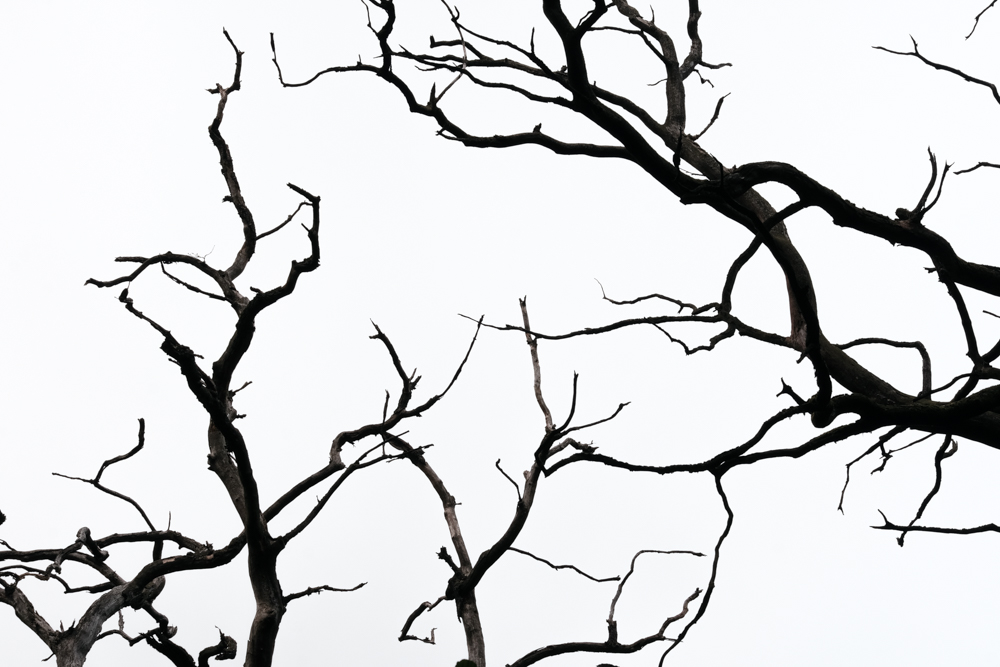
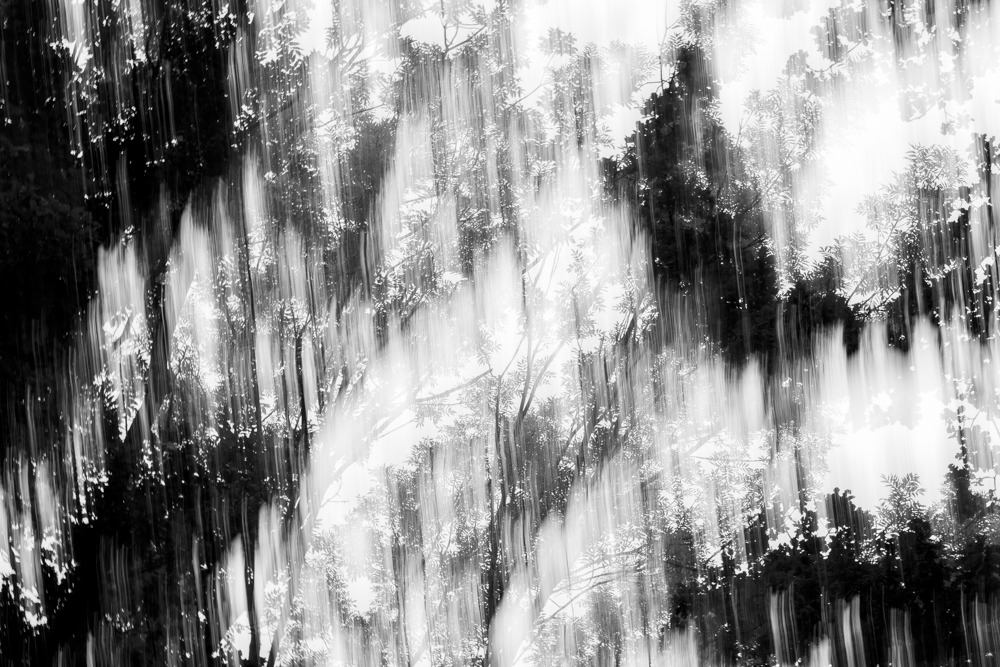
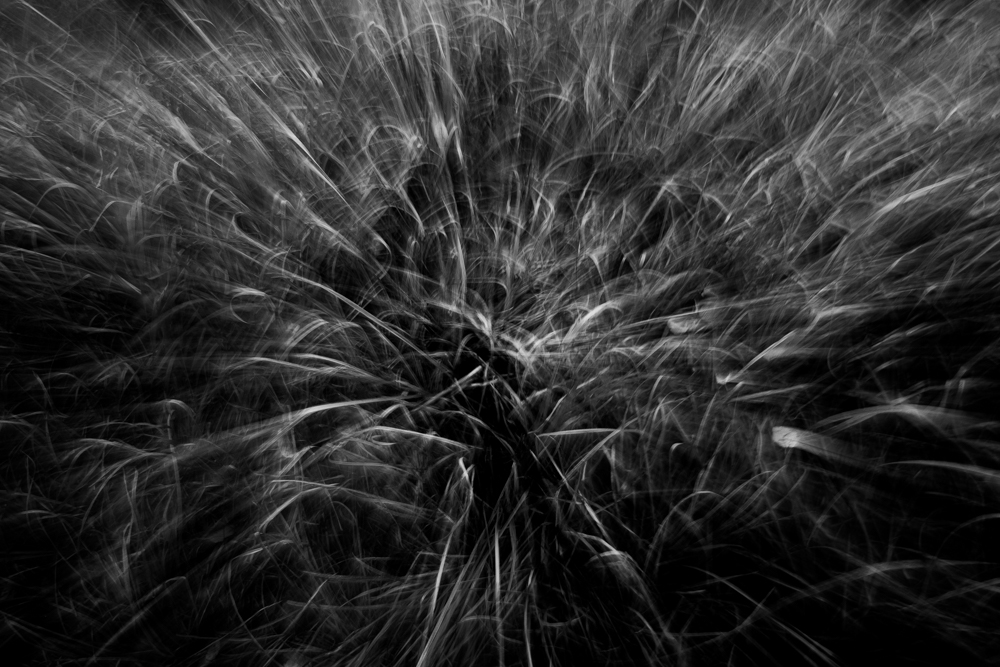
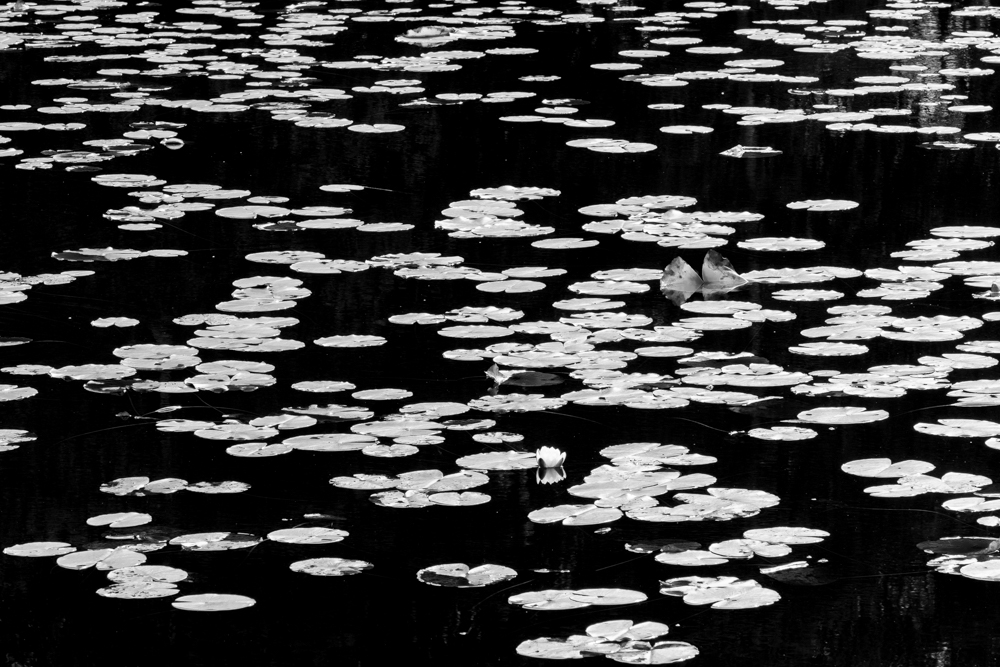
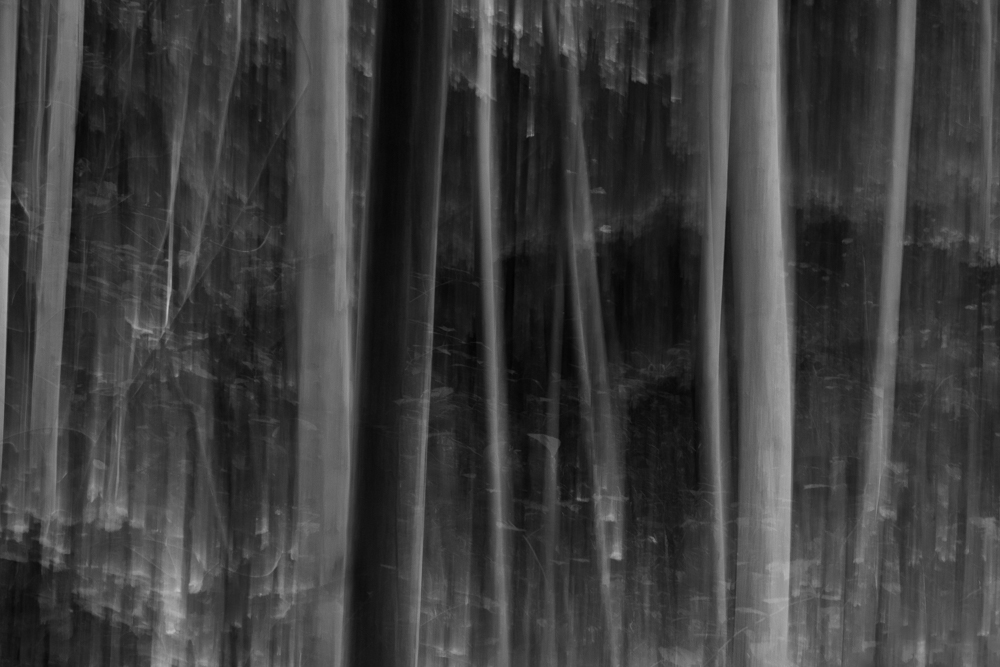
Are the following pictures similar?
Let’s start with the basics: They are digital pictures shown on a website, saved in the same digital format. Not known to you, they also have the same number of pixels along the long side. To be exact, 1000 pixels as all pictures here in order to not occupy too much space (and to not get stolen – but who will steal them anyway…). Color information is stored in Adobe RGB color space, however, since all are black and white, the information for red, green, and blue is identical for every pixel anyway.
Not so fast, you will intervene. And you are right in doing so: While the long side is always 1000 pixels, they do not share the same aspect ratio, nor the same orientation. And it won’t be a stretch to claim that between every two pictures no single pixel is identical. So already after these first simple investigations we see a problem emerging: They are similar to a specific degree, identical in some respects, but disparate with respect to other criteria.
Let’s dive deeper: Are the images we see here the actual images, let alone do they inherit or show some of our reality? First of all, they do not show the full data gathered, since the original pictures are much larger, also encode color, and a variety of additional information in their RAW format. And in any case, they are just some arbitrary representation of reality without any real connection to it. One of endless possible portrayals of reality. While this does not directly touch on the original question, it is important to keep this in mind when we search and interpret their similarity.
Lastly, how do the overall pictures appear? Even if the single pixels are different between all images, combined they create patterns that can be alike. The pixels combine to a variety of forms, which, in turn, are received differently by different viewers. Waves, scales, oscillations, geometrical forms. And are they really creating these patterns or does the viewer infer them? Can we infer different patterns from the same picture?
I could go on for a while, but it’s getting too long. Let’s move on to the second question: Now, we also need to quantify the difference between every pair of pictures. On a scale from 0 to 100, how different are these two?
And what about these?
I think you are getting my point. We can create an endless list of metrics and choose what we think is best. We can apply these metrics to these simple images, or we can gather more data, larger pictures, RAW data, and then apply the metrics. We can weight and combine metrics to generate an overall score of similarity, we can try to assess how it performs in comparison to other scores. We can compare pairs of pictures and create a hierarchy of similarity. But it will never be the same when done by different people. And in the end, it’s quite arbitrary. Do we look at pixels, color, form, format, derived patterns, povoked emotions?
Most of the day I am doing such arbitrary comparisons. Not between images, but between DNA strands. Instead of pixels I am looking at sequences of A, C, G, and T. Depending on the chosen metric, a variety of results emerges. There is no correct metric, no correct similarity measure. There is no correct way to describe reality, neither to analyze and exploit it. There is an infinite number and every single one creates another distinct result.
But fortunately, in the end, it somehow seems to work – at least sometimes, when it solves a problem in biology research or medicine; but most of the time I don’t get how.
No consistent system of axioms whose theorems can be listed by an effective procedure is capable of demonstrating its own consistency.
Gödel’s incompleteness theorem
A 1: Being happy requires time.
A 2: Being happy requires fulfilling work.
A 3: Pursuing fulfilling work for a comfortable life requires time.
A 4: Time is limited.
Theorem: Living a happy life is possible in our given time.
Some topics keep occupying the mind. And for the moment, again, it’s balance; or, as here, phrased as: completeness. Can something be complete? Work? A picture? Life? And what makes it complete? Is it the experiences we make? The amount of satisfaction we achieve? The accomplished perfection? And can we ever tell when it is complete, or can we just decide that it is? Or is it just a feeling of fulfillment that cannot be proven?
I’ve felt completeness once, however, in unfortunate circumstances. Maybe we need to accept, or even embrace, the incompleteness. The imperfection of the picture, the irregularity in life. Maybe this is the distinctive feature, the remarkable quality, that makes our existence worthwhile. That makes the picture special. That motivates us to keep going, to keep on pushing and to go out to find the rare human experiences that enrich daily routines. Incompleteness, as the 10th Dan that cannot be achieved, as the optimal algorithm that cannot be written, as the last theorem that cannot be proven.
Maybe, someday, I will know; and maybe someday you will know. For now, I’ll keep on trying to find the proof.